

The internet has officially coined it the “swag gap”: that unmistakable visual and emotional mismatch between partners who move through the world in completely different modes. One arrives polished, intentional, and effortlessly put-together, while the other leans into comfort, ease, or the kind of nonchalance that reads suspiciously like indifference. Though often framed as a joke or a meme, the swag gap has become a surprisingly loaded topic of conversation, touching on effort, confidence, power dynamics, and what it means to truly be present for a partner. But is it just about style, or does it reveal something deeper about how couples connect, communicate, and grow together?

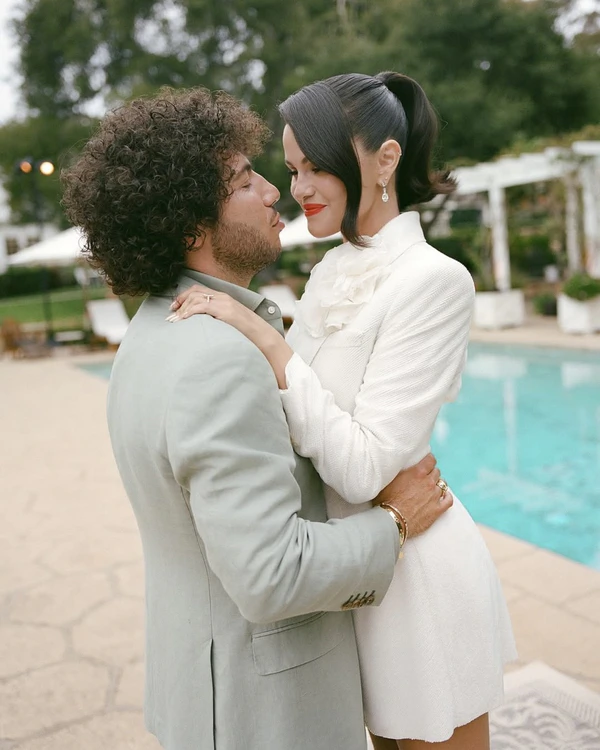
Lana Del Rey
Benny Blanco, Photography: Samm Blake
What the Swag Gap Actually
Means in Modern Relationships
The term "swag gap" entered the conversation the way most modern relationship concepts do: through the internet noticing something before psychology had a name for it. Paparazzi photos, TikToks, memes – couples caught mid-stride where one partner looks styled, full glam, almost editorial, while the other looks like they barely registered the outing. The Justin-and-Hailey dynamic became shorthand, but the idea stuck because it felt familiar. Many couples recognize some version of this mismatch, even if they’ve never called it anything at all.
Despite how visual the conversation is, the swag gap isn't really about clothes. It’s about presence. It's about how much intention someone brings to shared moments and how they present themselves to their partner and the world. Style becomes a proxy for confidence, effort, and self-expression – for showing up prepared, engaged, and aware that being together is worth it.


What a Swag Gap Can Reveal
About Your Couple Dynamics
Sometimes, the swag gap is simply a matter of comfort levels or priorities. Other times, it hints at deeper differences in how partners value effort, visibility, and shared experiences. It can also reveal mismatched expectations regarding growth, ambition, and how to support each other. The important question is not who dresses better, but whether both people feel equally invested in the life they’re building together.

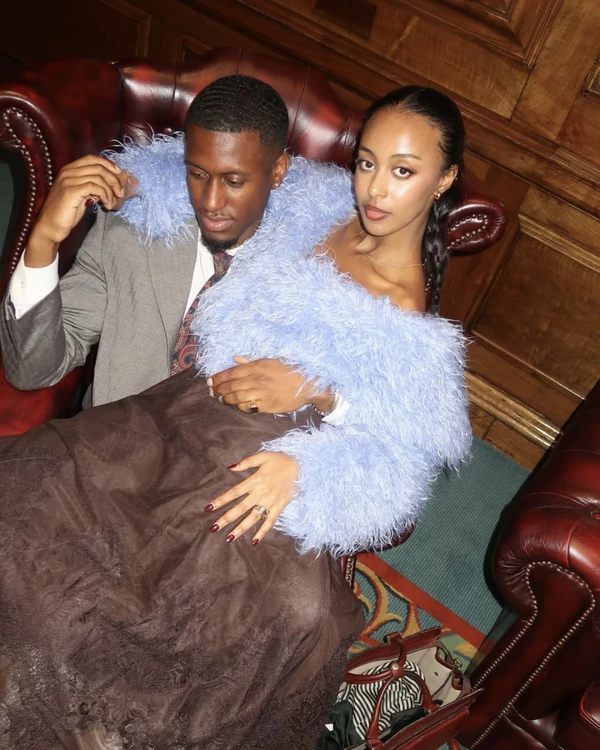
When the Swag Gap Might Signal
a Problem in Your Relationship
A difference in style alone truly isn't a problem, many couples thrive precisely because they are different. A red flag appears when the difference feels dismissive or distancing – when one partner’s efforts are met with indifference or when the relationship starts to feel one-sided. If the more "swag" partner starts shrinking to avoid standing out or if confidence is seen as an inconvenience rather than a positive trait, the issue is no longer just aesthetic.


How to Bridge the Swag Gap
With Your Partner
Closing the swag gap doesn't mean transforming a partner into someone they're not. It's not about creating a new personality or enforcing a dress code. The real work is encouragement, not correction. It means supporting the best version of someone’s existing aesthetic and energy rather than imposing an external standard. Meeting in the middle might mean finding common ground, agreeing on important moments, and recognizing that effort can take many forms.
Desiring a partner who is present – visually, emotionally, and intentionally – is not shallow. It's relational. When someone prepares for a date night, gathering, or shared routine, they’re signaling that togetherness matters. Asking for that effort isn't about control or vanity, it's about reciprocity. At its core, bridging the swag gap is more about respect for the relationship and each other than it is about style.