Wedding Stationery & Invitations
Explore the world’s top stationery designers shaping modern weddings with bespoke design-led invitations, menus and signage
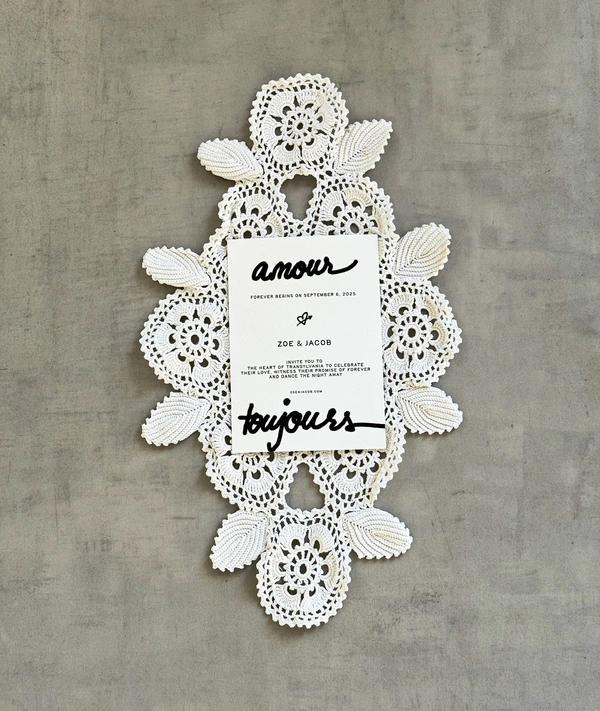
MAKTUBI
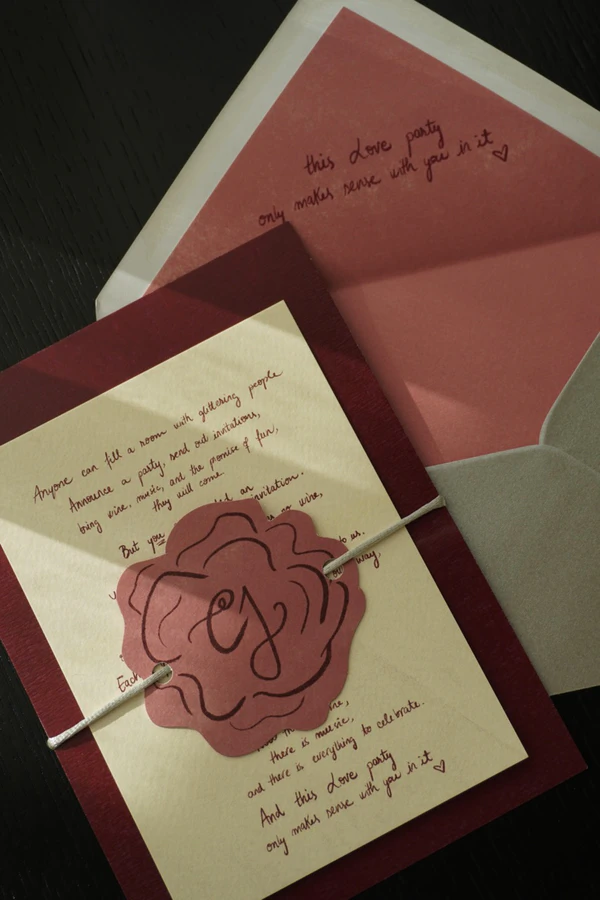

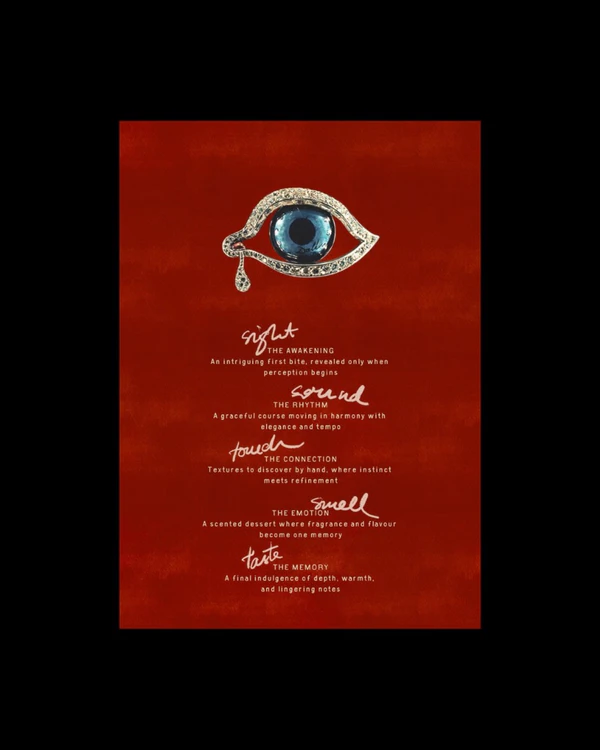


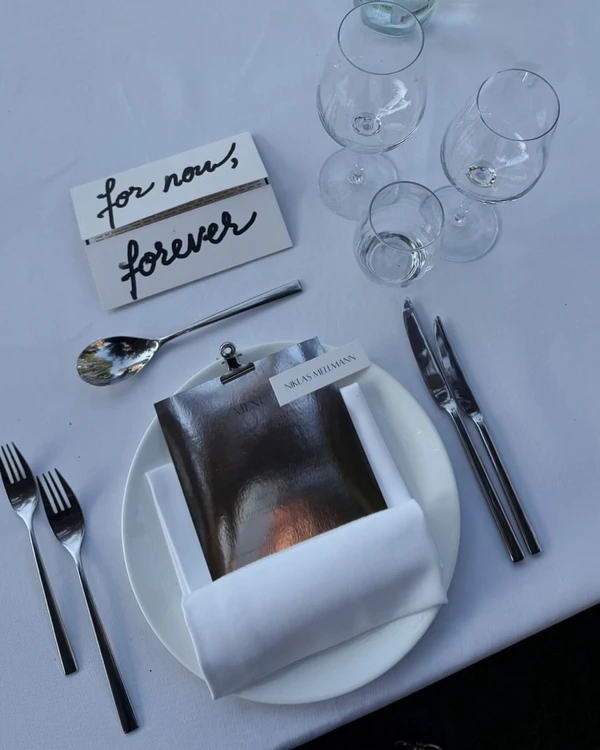
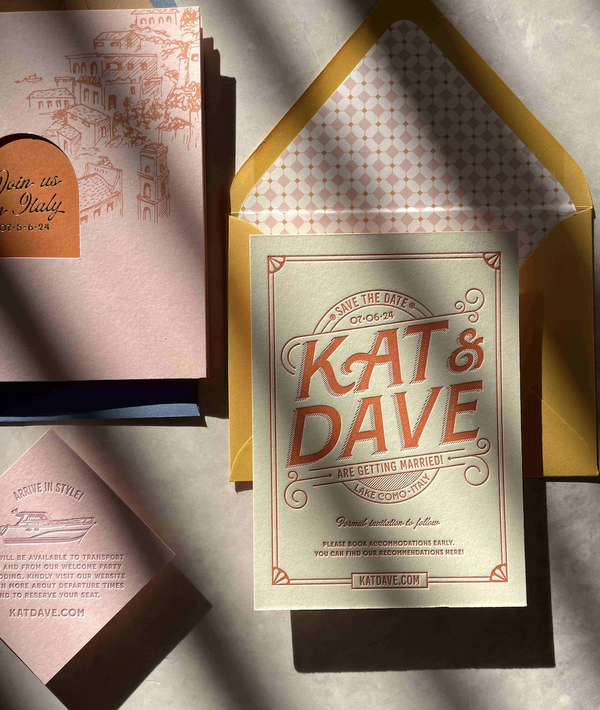
Bodega Press
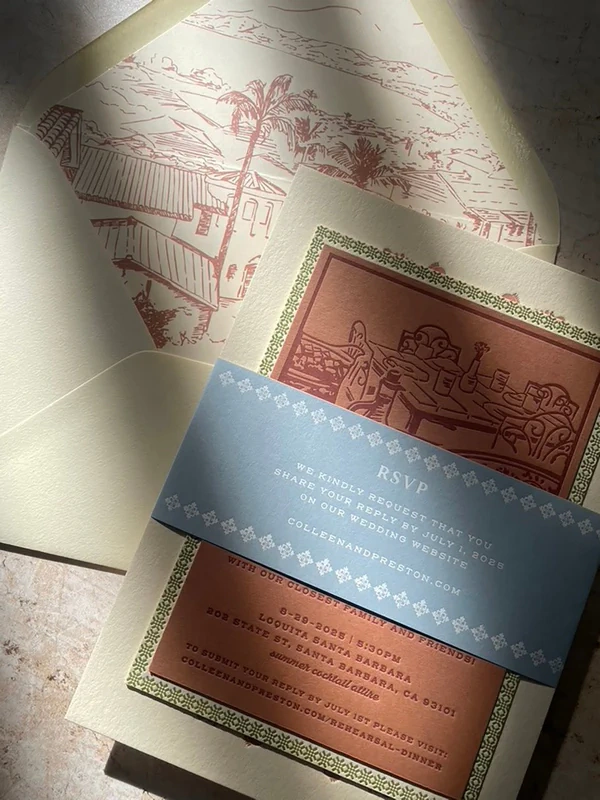
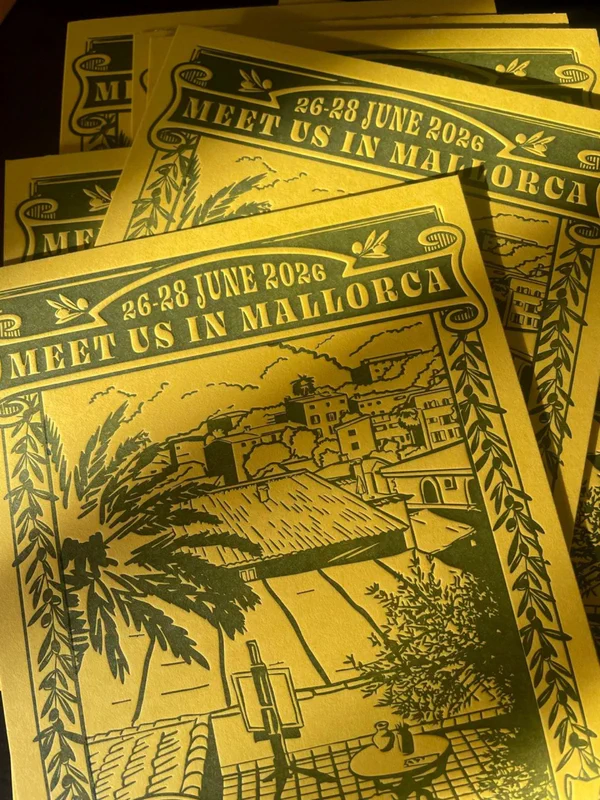
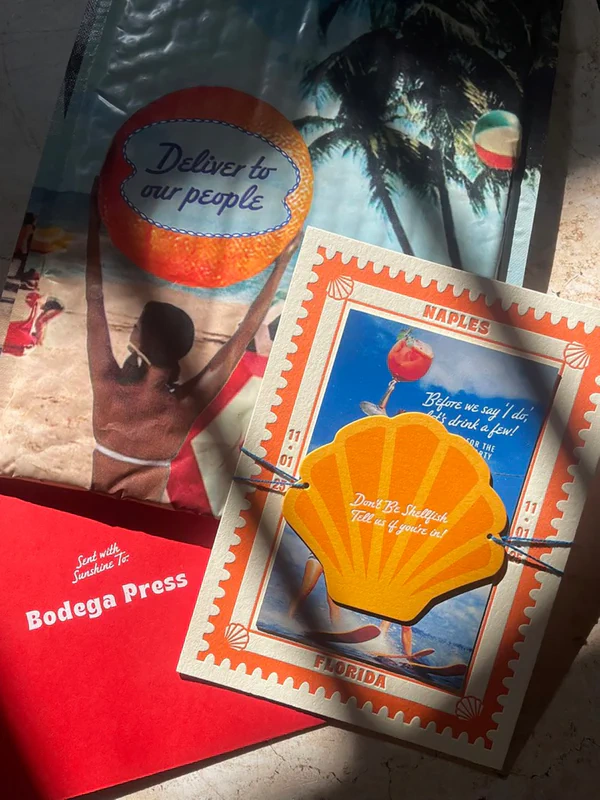
Papier June
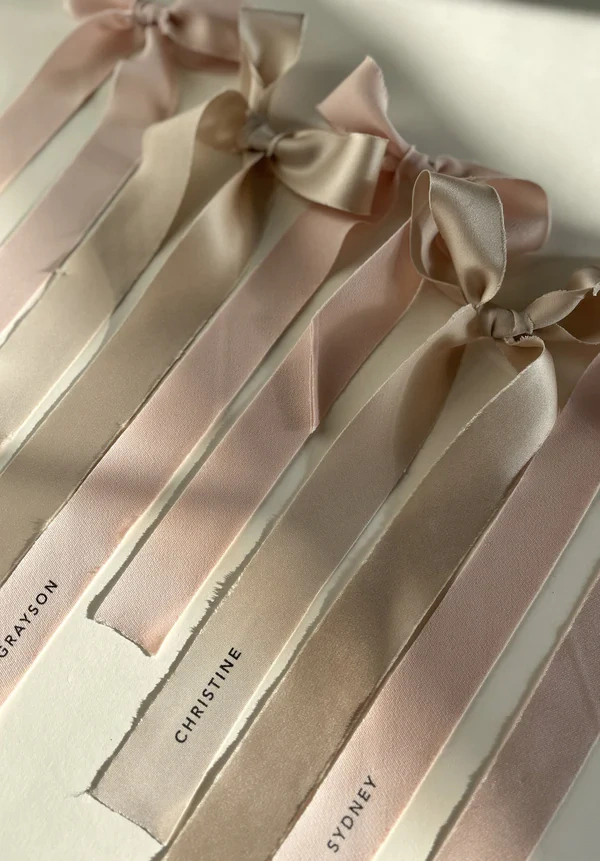
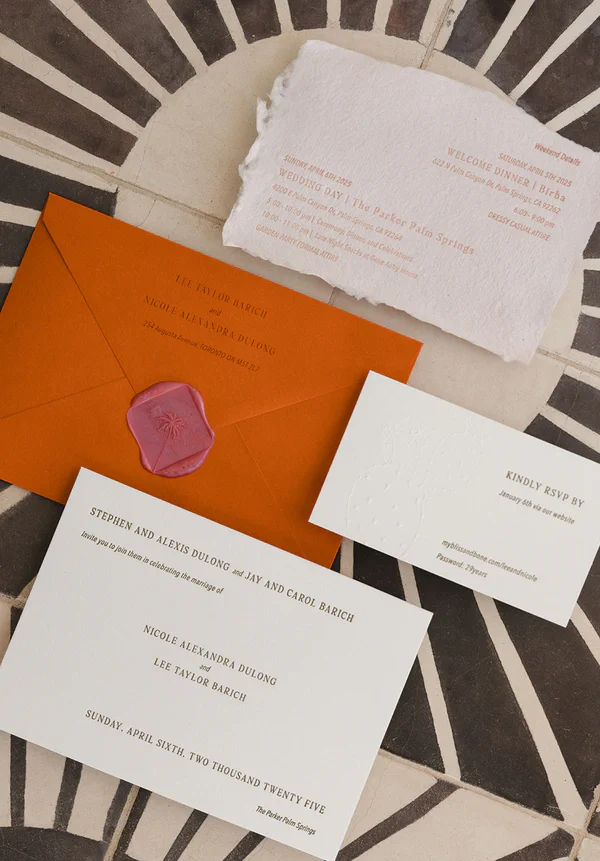
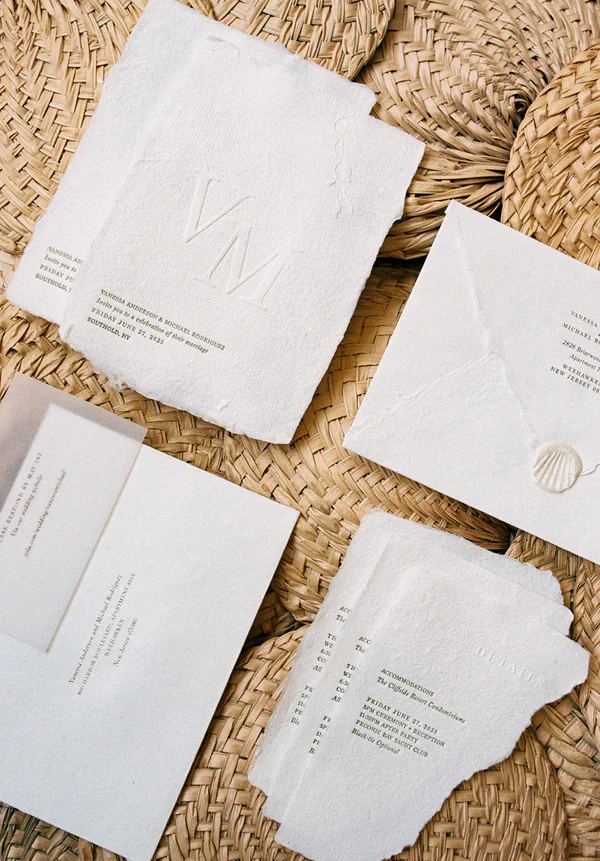
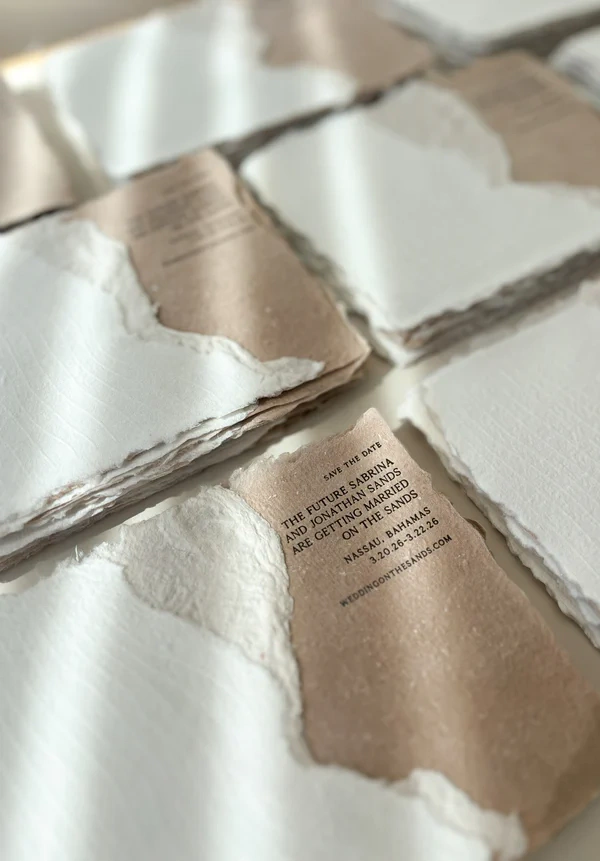
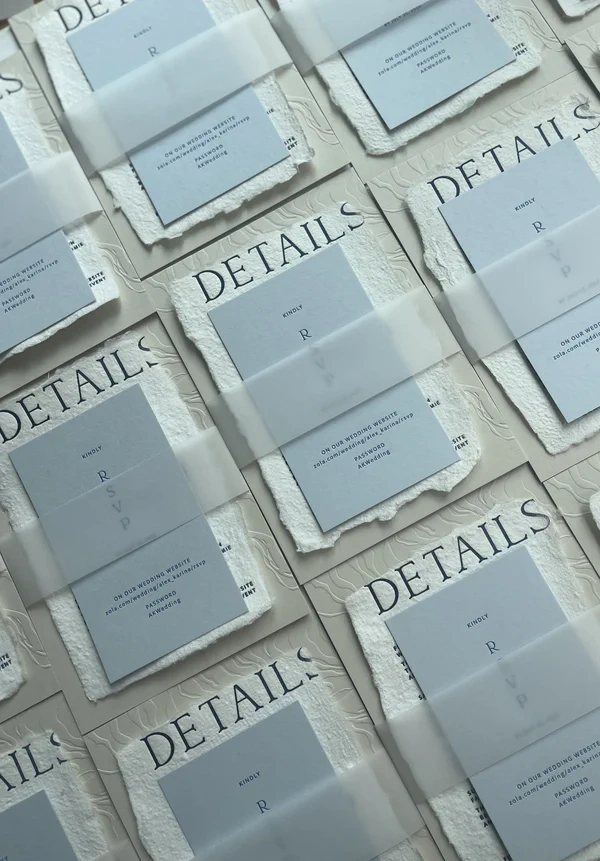
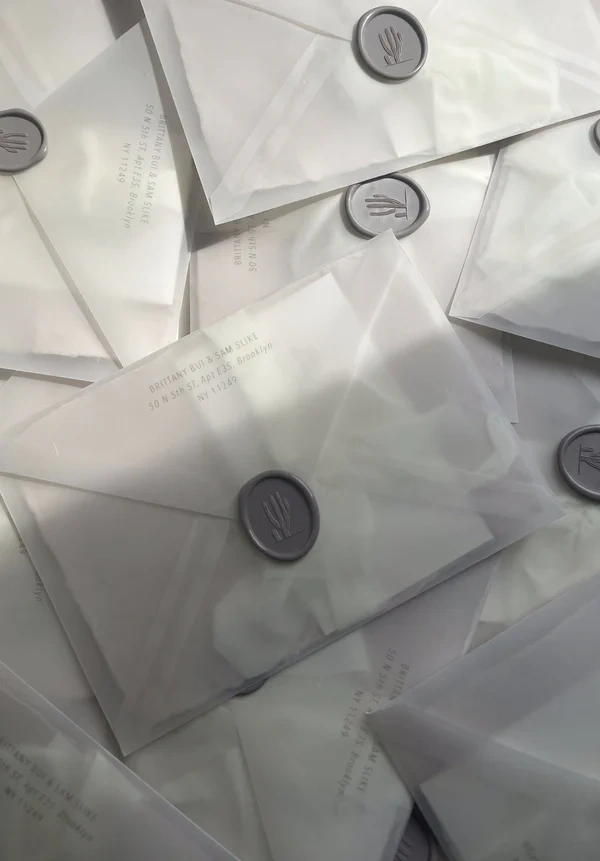
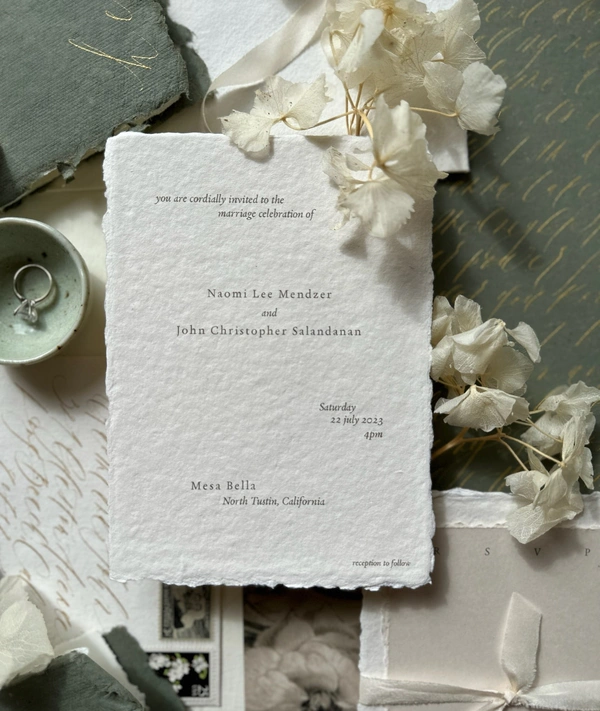
Paper Cliché
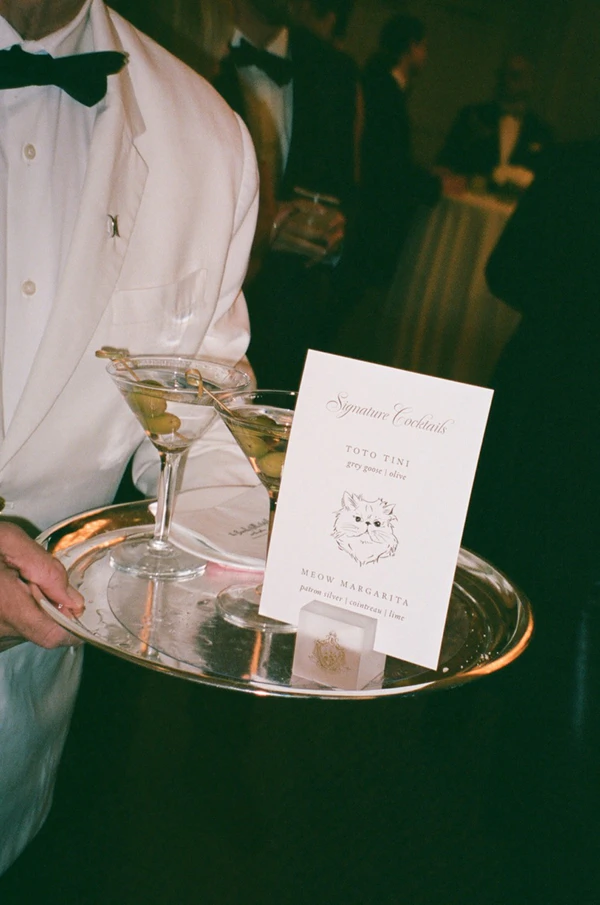
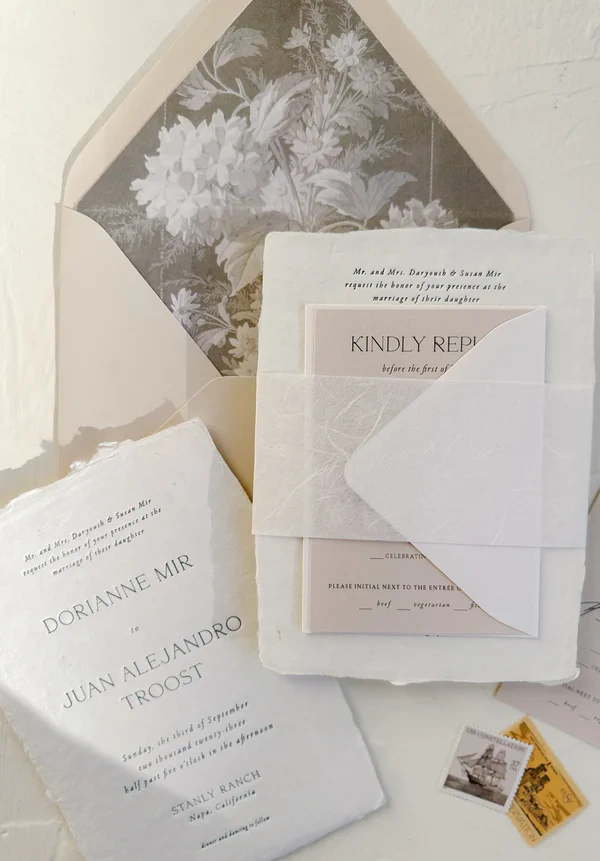
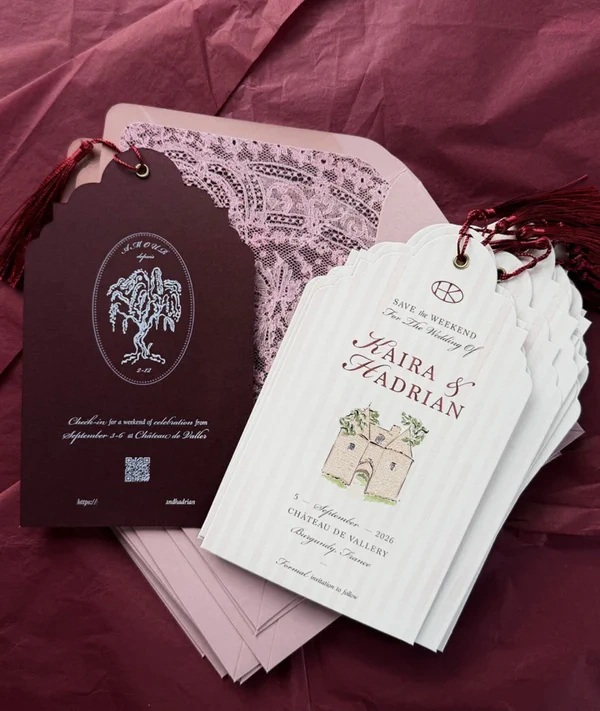
Tamborine Press
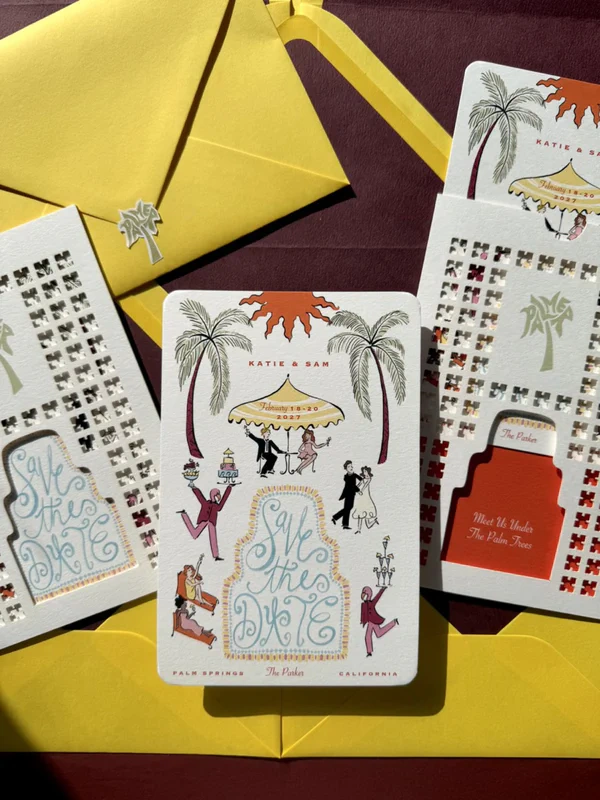
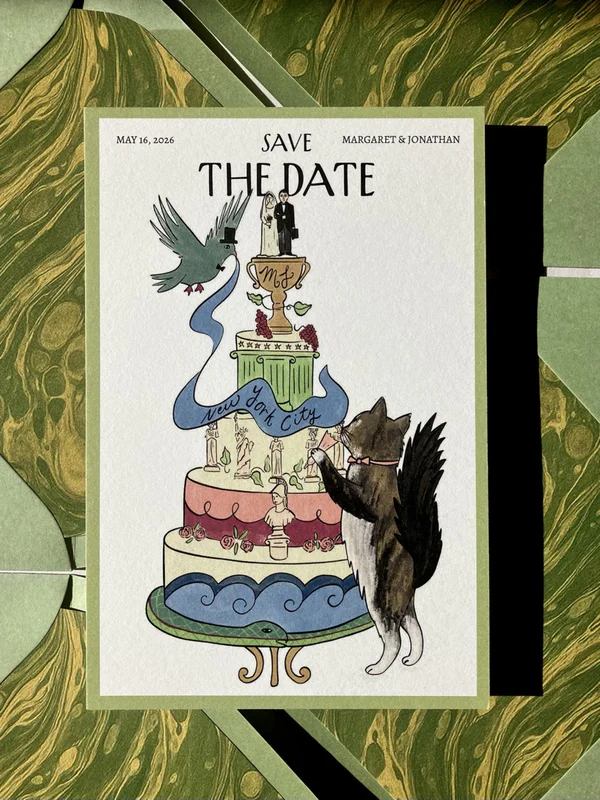
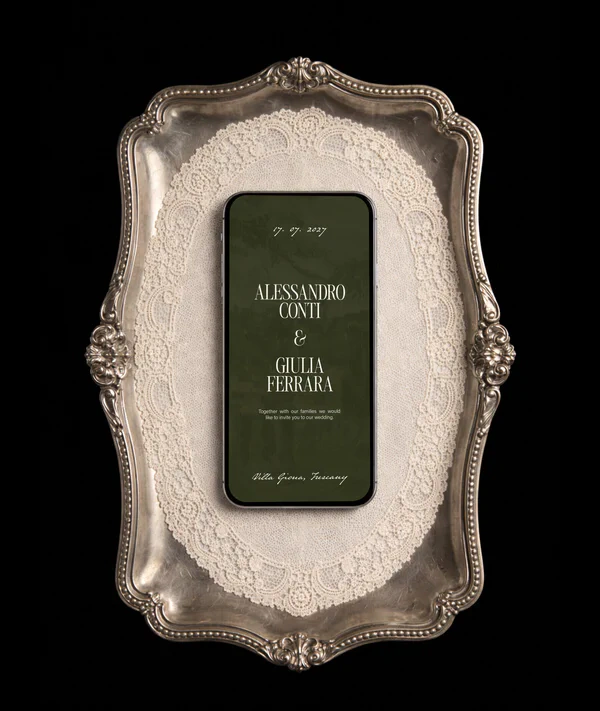
Avelã White
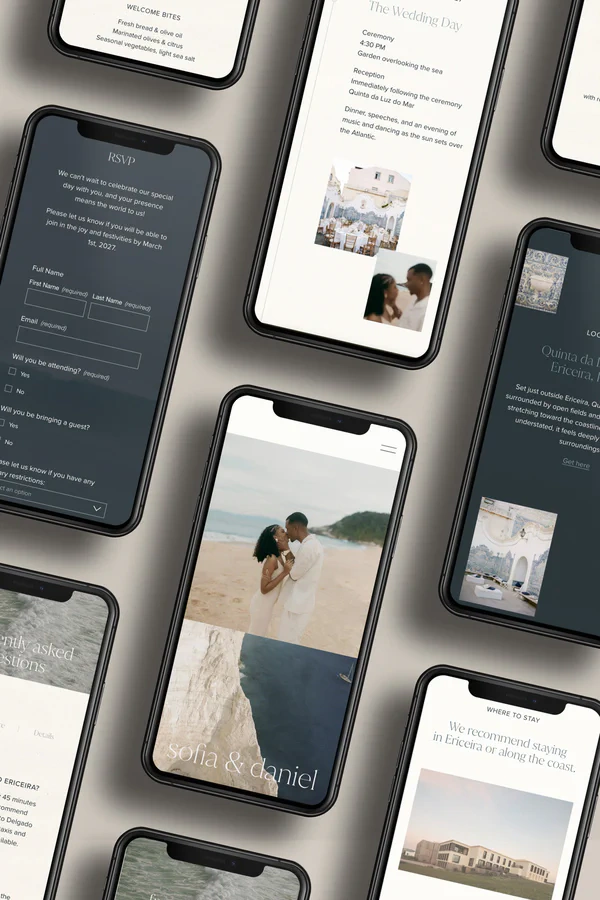
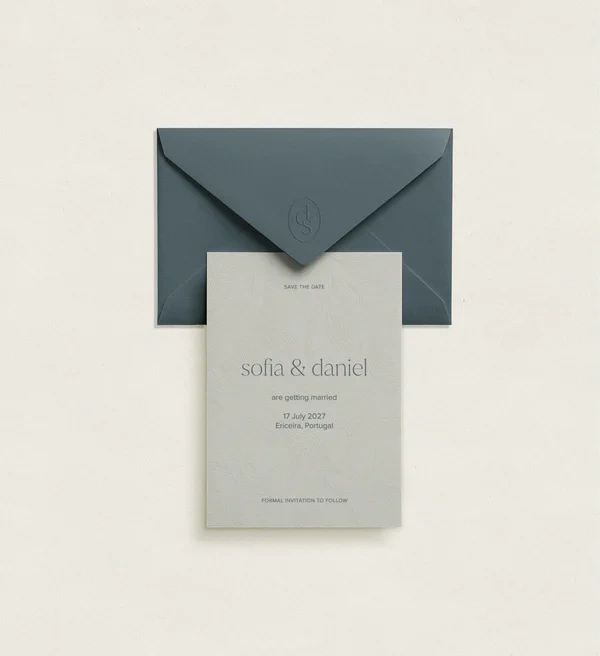

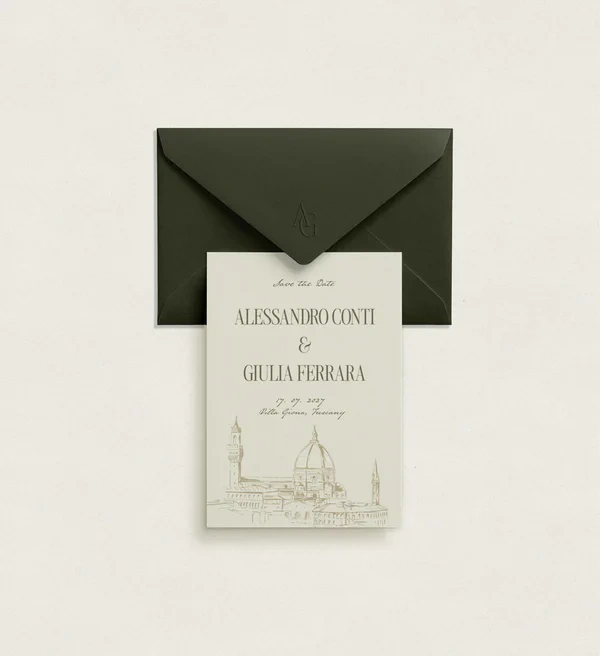
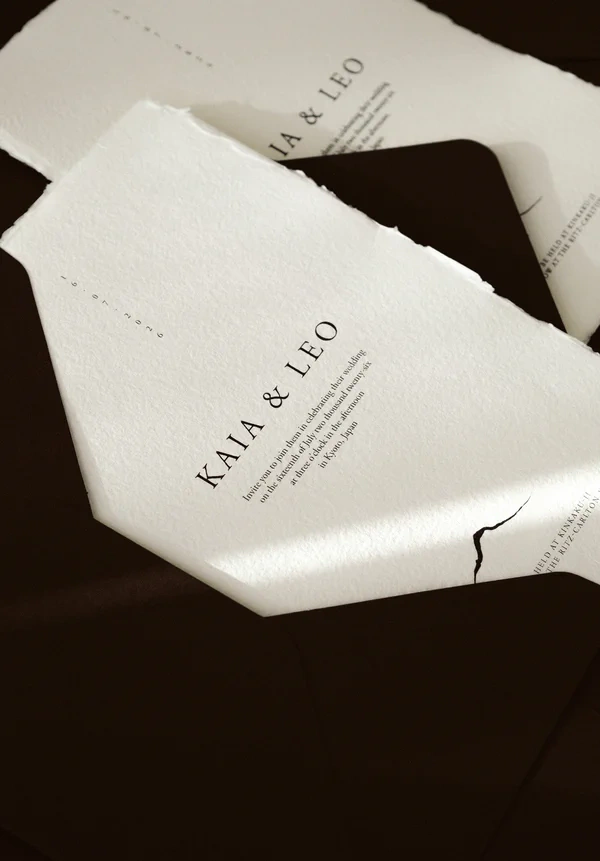
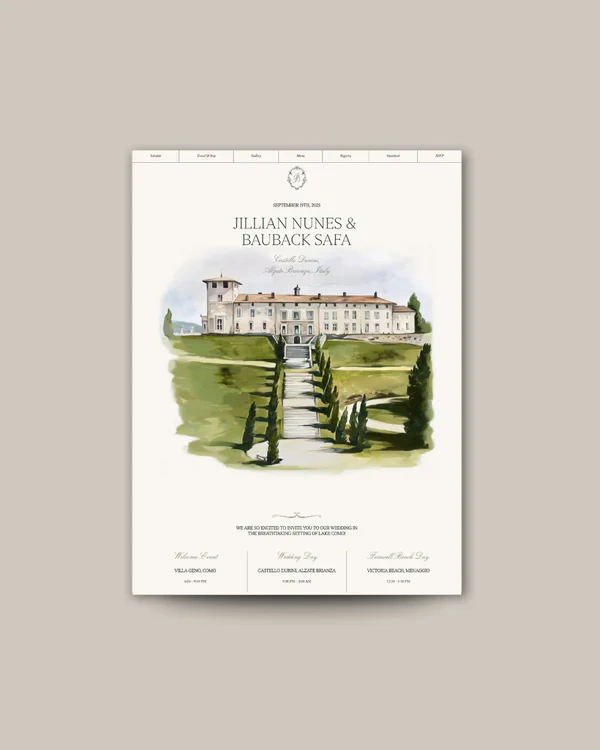
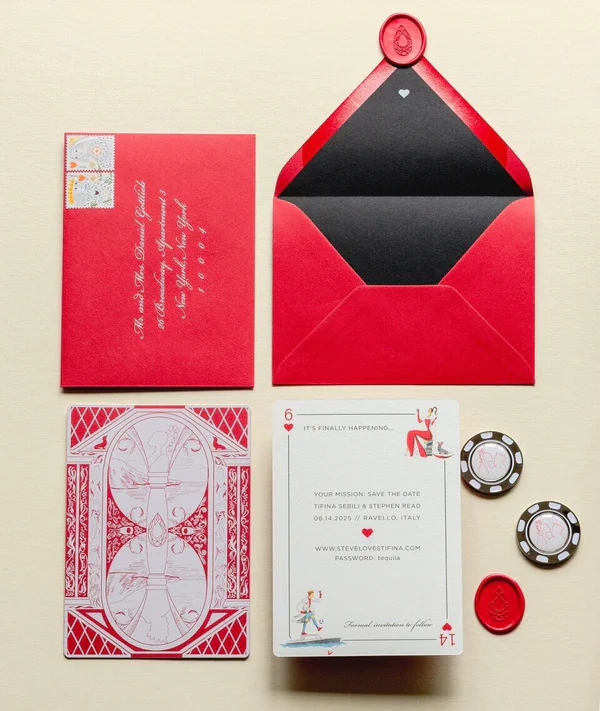
The KFD Studio
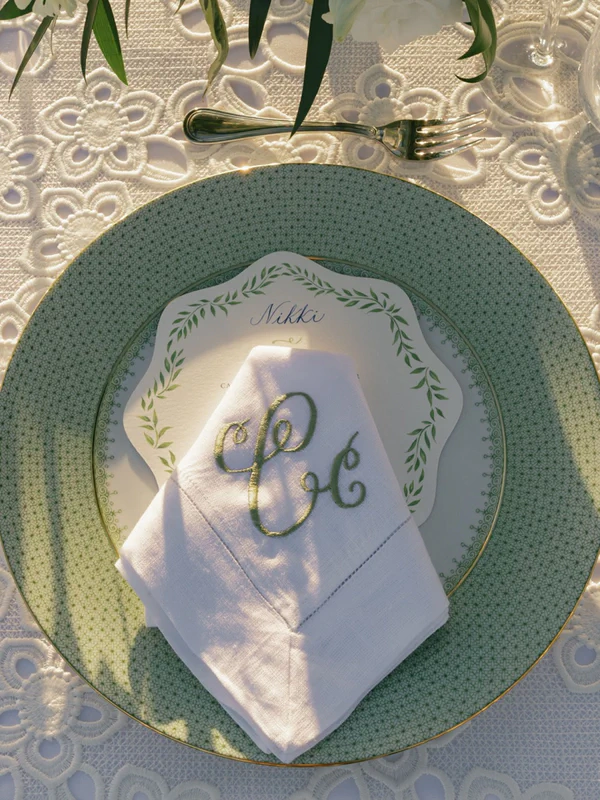
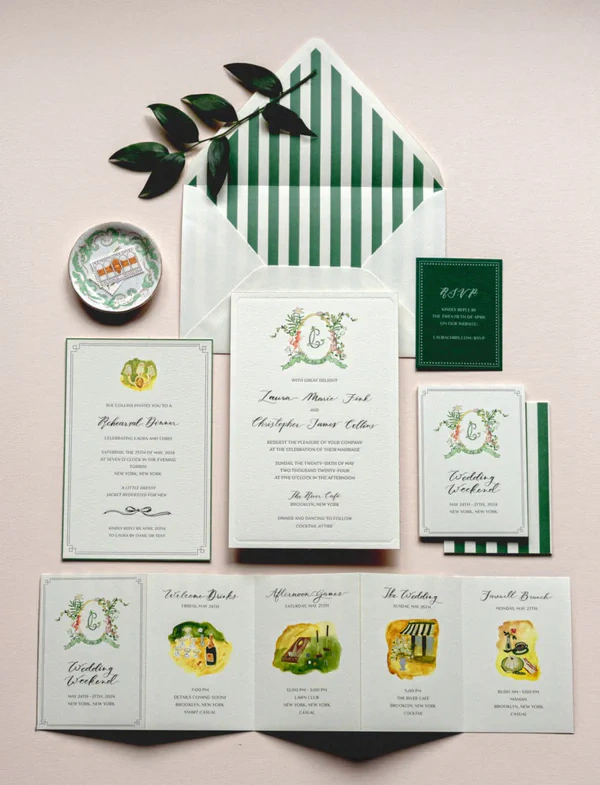
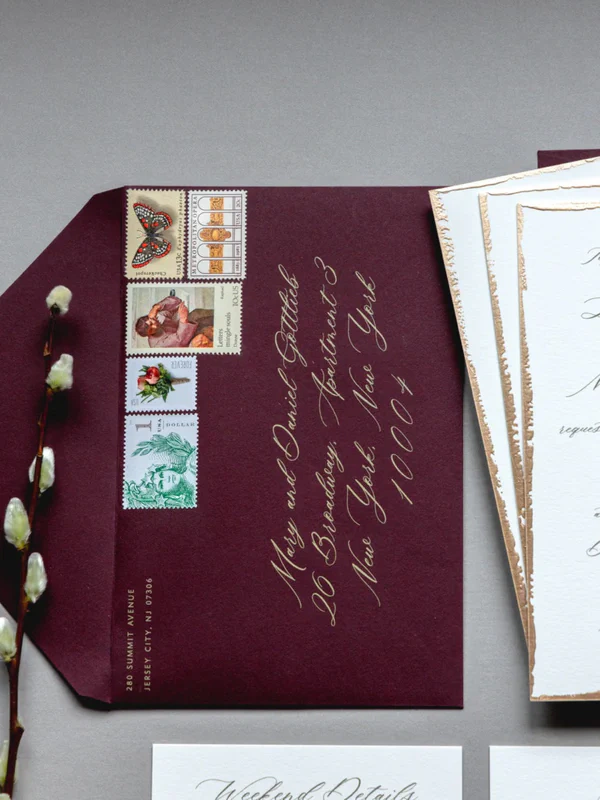
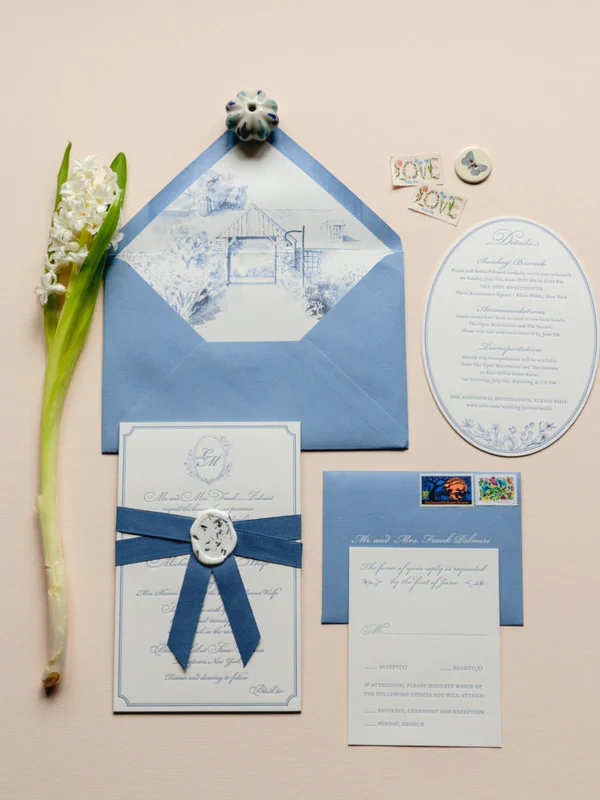
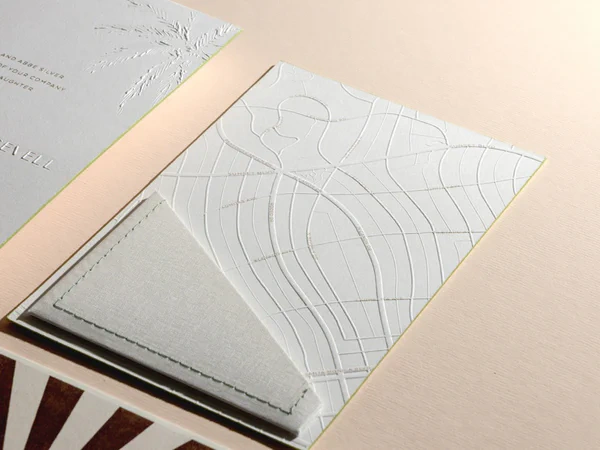
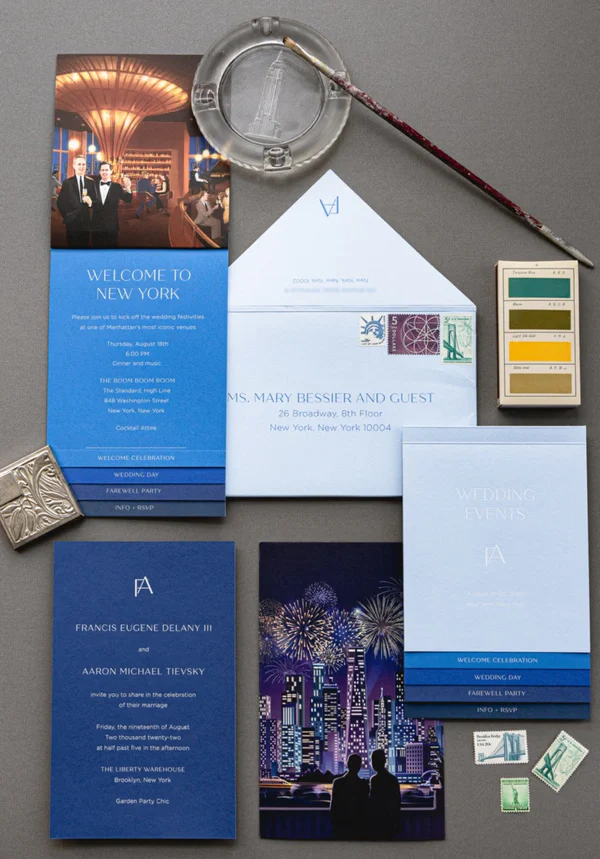
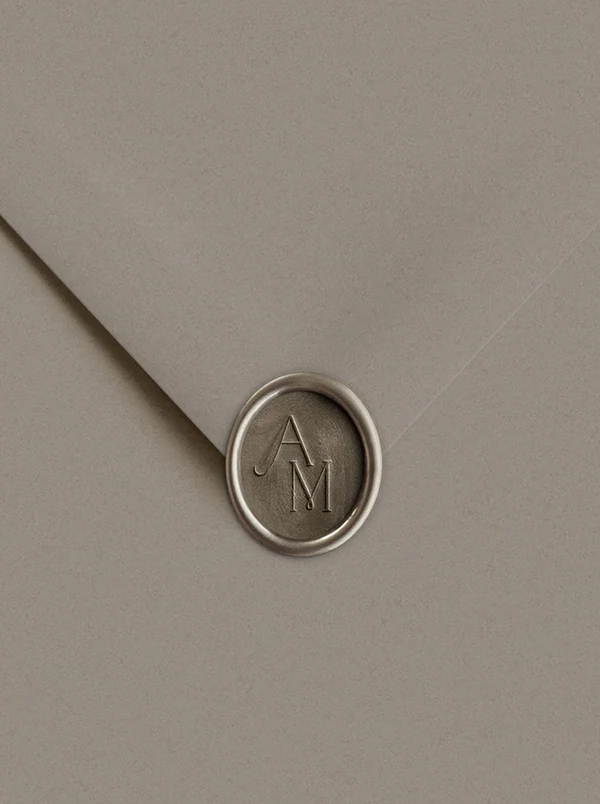
Floragraphia Studio
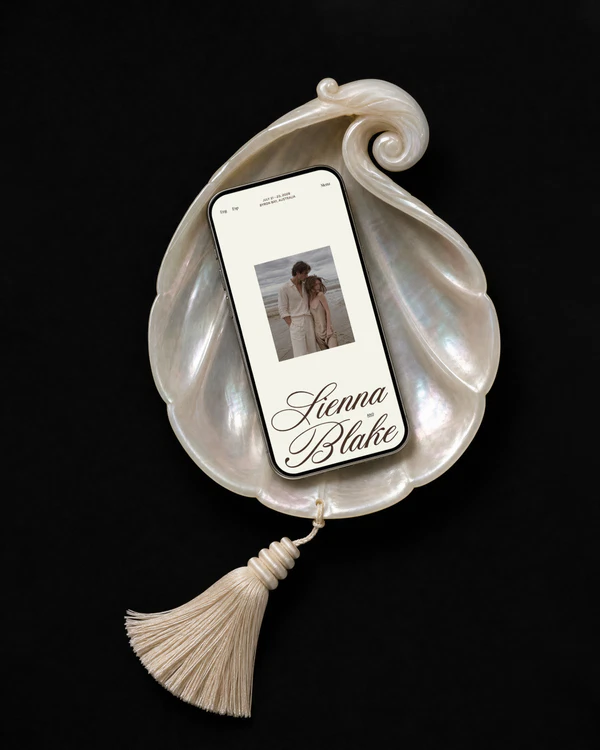
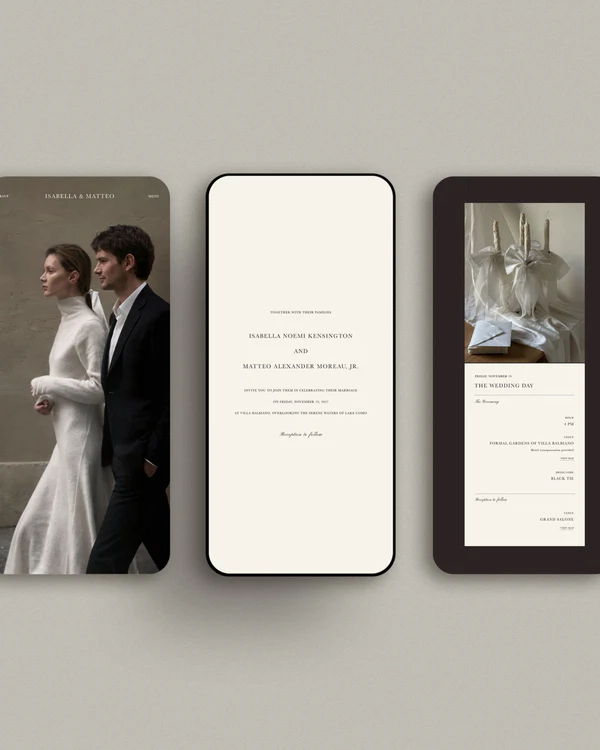
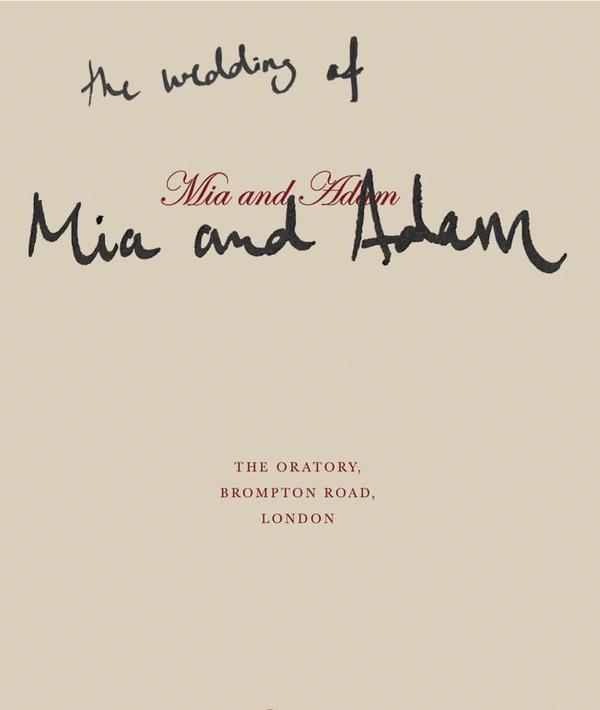
Theresa Paperie
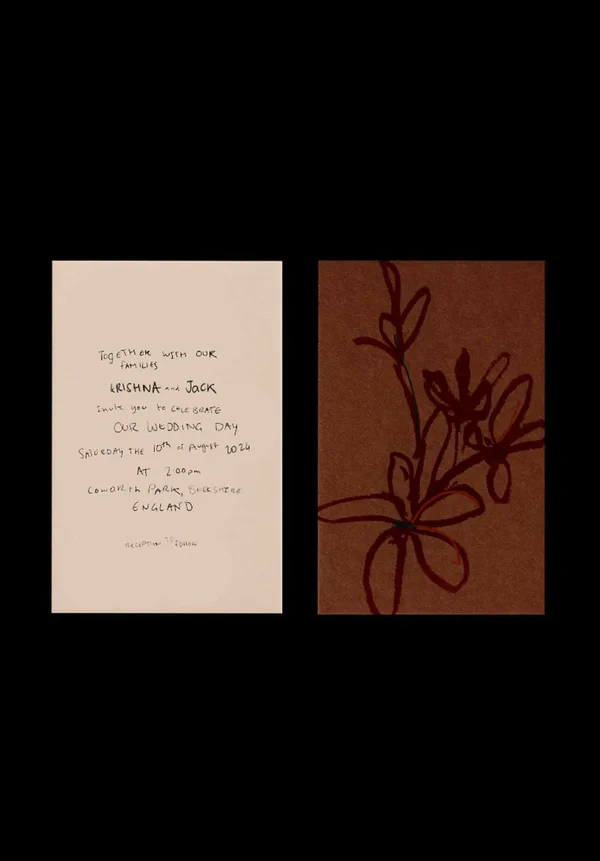
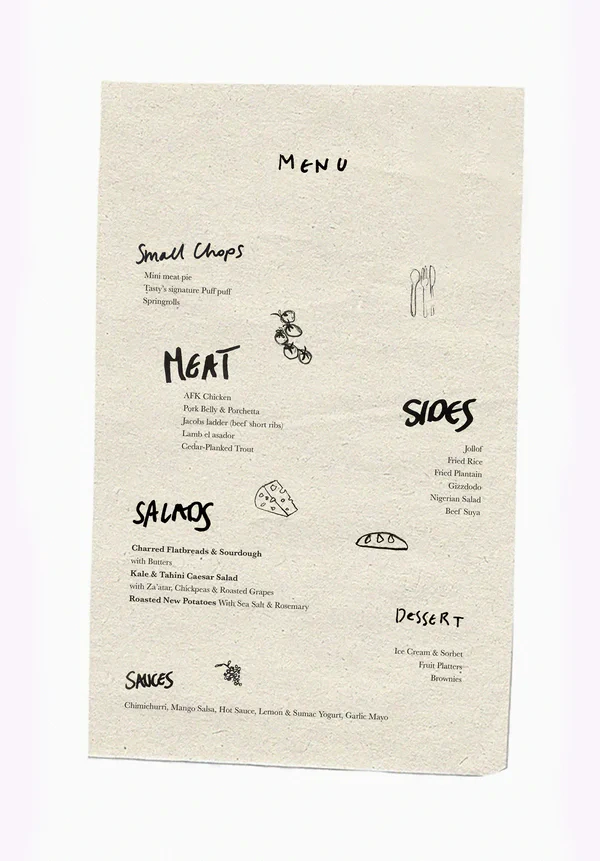
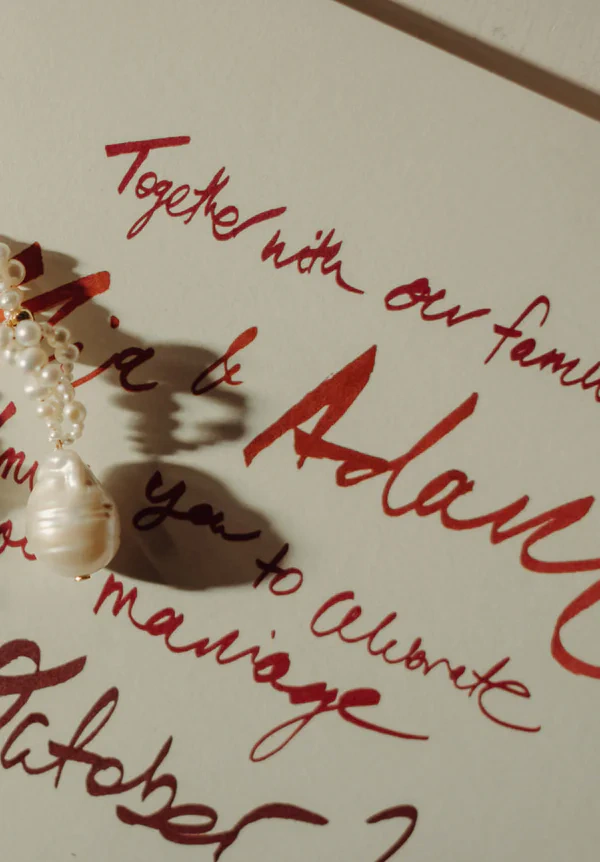
Papier and Co.
Wedding Invitation Designers, Letterpress Studios and Bespoke Suites
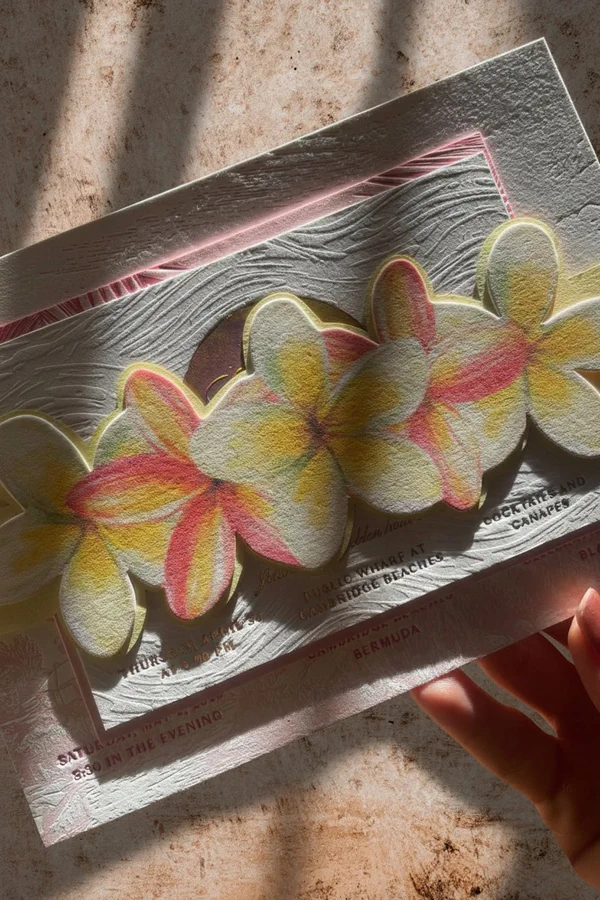
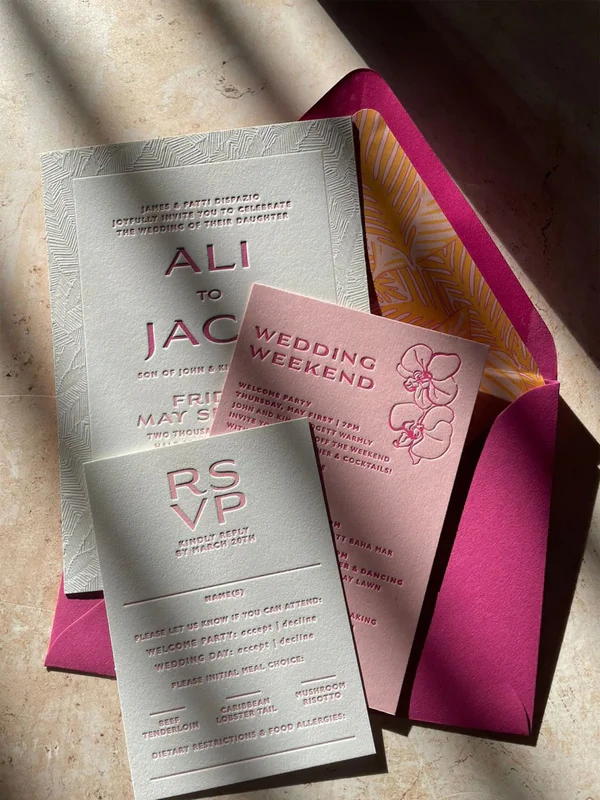
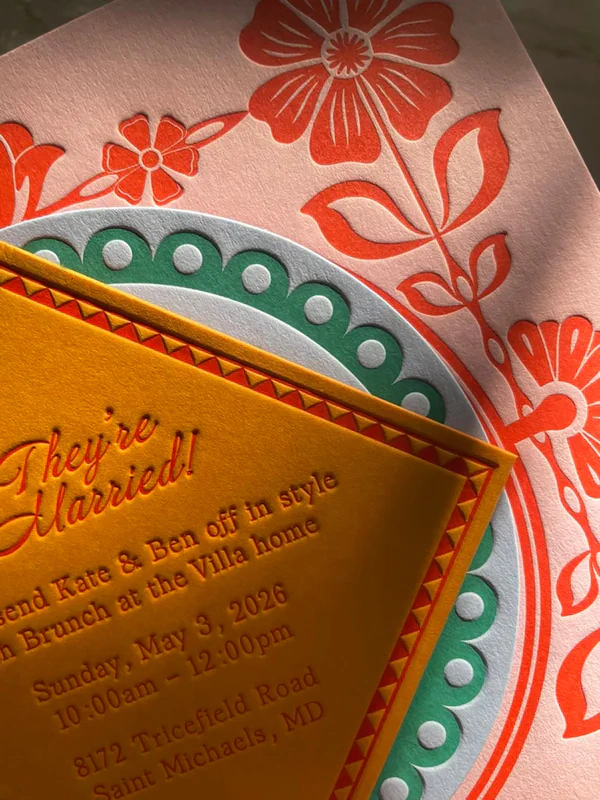
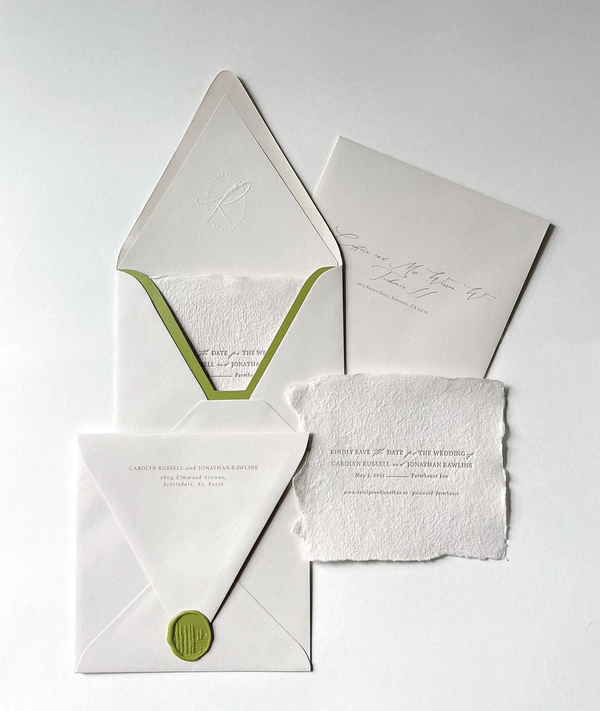
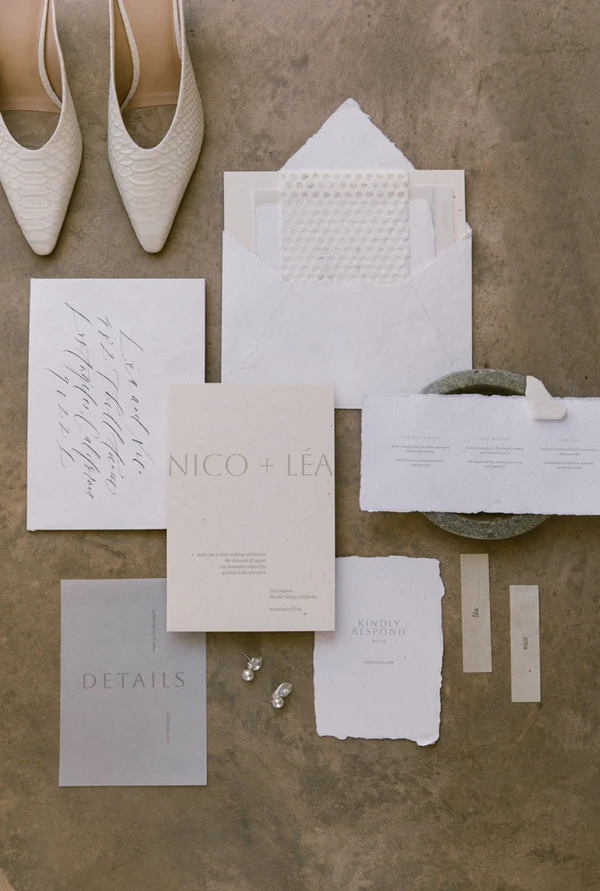
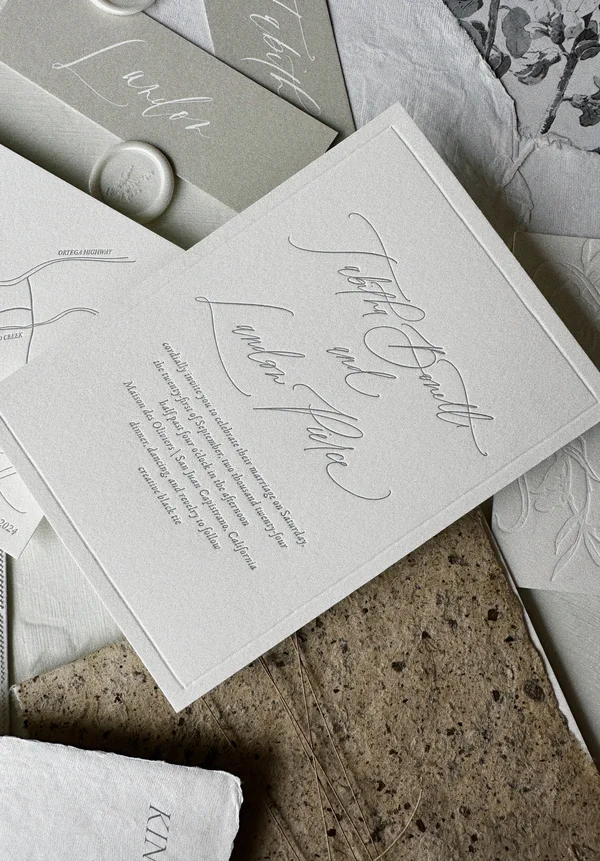
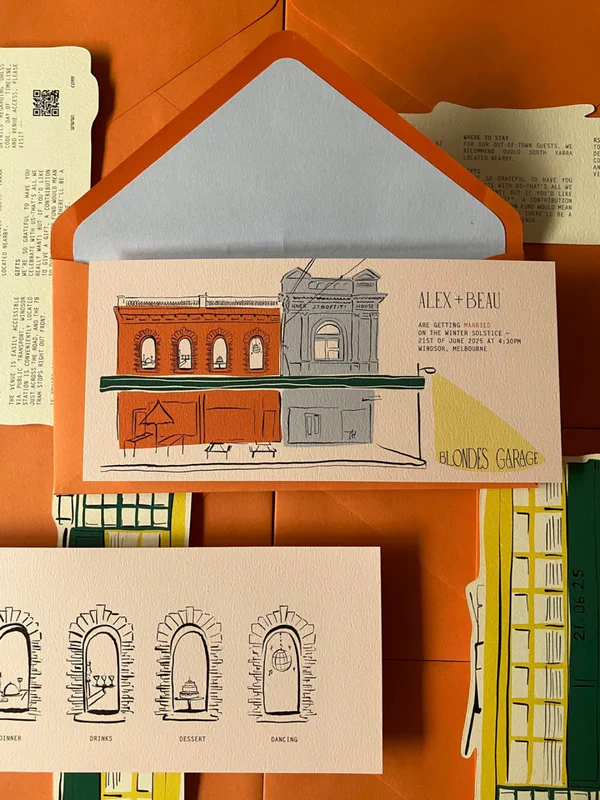
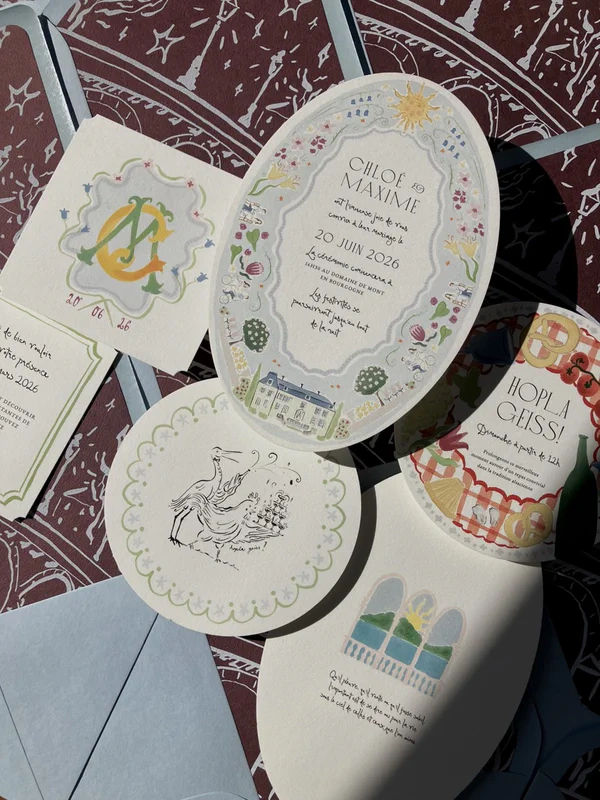
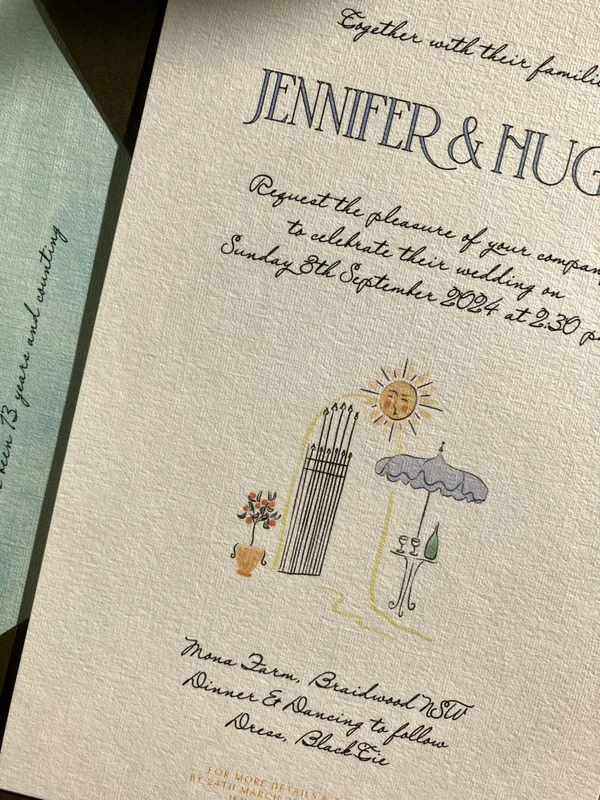
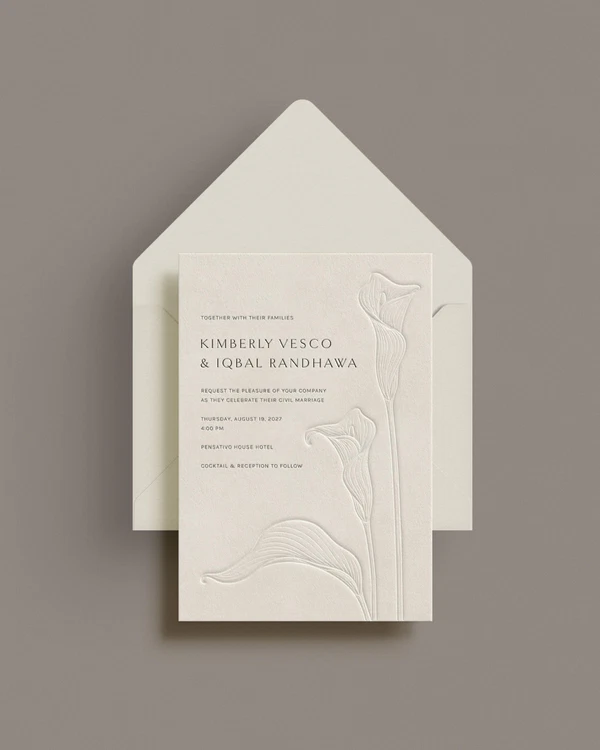
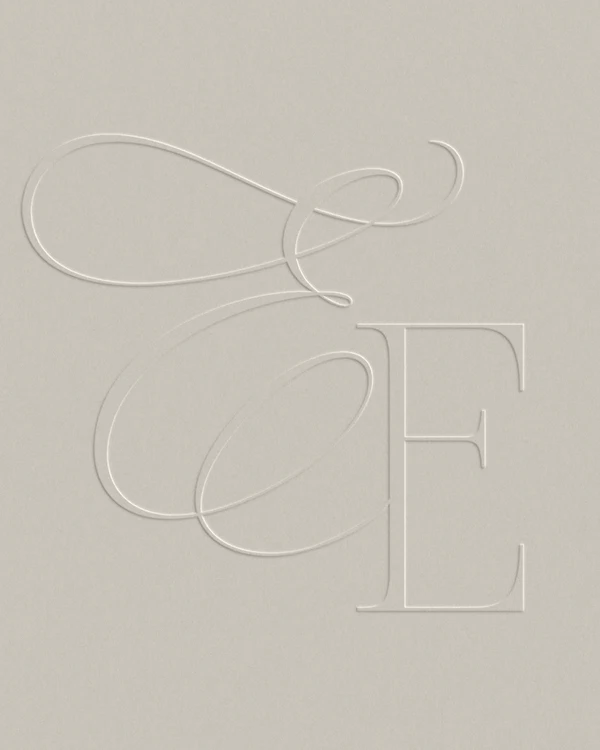
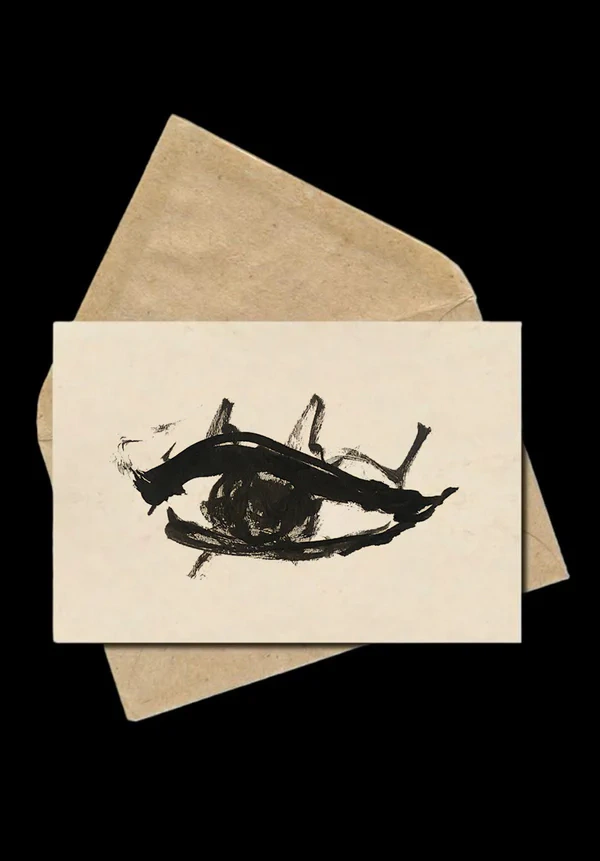
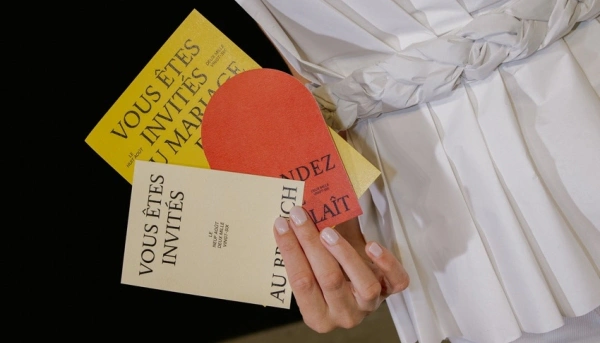
Wedding stationery is the first thing guests physically hold, and it sets the register for everything that follows — weeks before anyone sees the flowers, the invitation has already told them what kind of wedding this is. The studios in this edit work bespoke rather than from templates: paper chosen by weight and fibre, type set rather than typed, colour matched to the actual palette of the day. Print method carries as much of the impression as the drawing does — letterpress presses ink into cotton stock and leaves a bite you can feel under a fingertip, engraving raises it, foil catches the light, and flat digital printing keeps the surface quiet so an illustration, a hand-drawn map or a piece of calligraphy can carry the piece alone.
Commission stationery the way you would commission any piece of graphic design, because that is what it is. Arrive with your venue, date, palette and any illustration references, and let the designer decide the format — asking for a specific card size before the type has been drawn is where most suites go wrong. Bespoke work also needs real lead time: hand-drawn lettering, custom illustration, die-cutting, wax seals, hand-addressing and edge painting all sit outside a standard print schedule, and none of them can be compressed at the end. A wedding planner will usually run the guest list, address collection and postage timeline alongside the designer, which is where the friction actually lives. The stationery studios working in New York are a useful reference for how a bespoke commission is normally scoped and staged.
Save the Dates, Menus, Place Cards and On-the-Day Signage
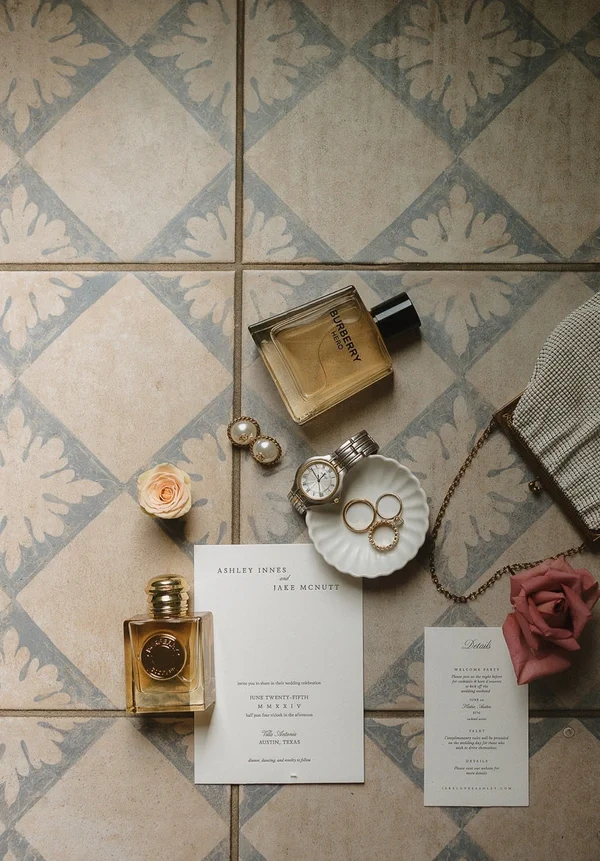
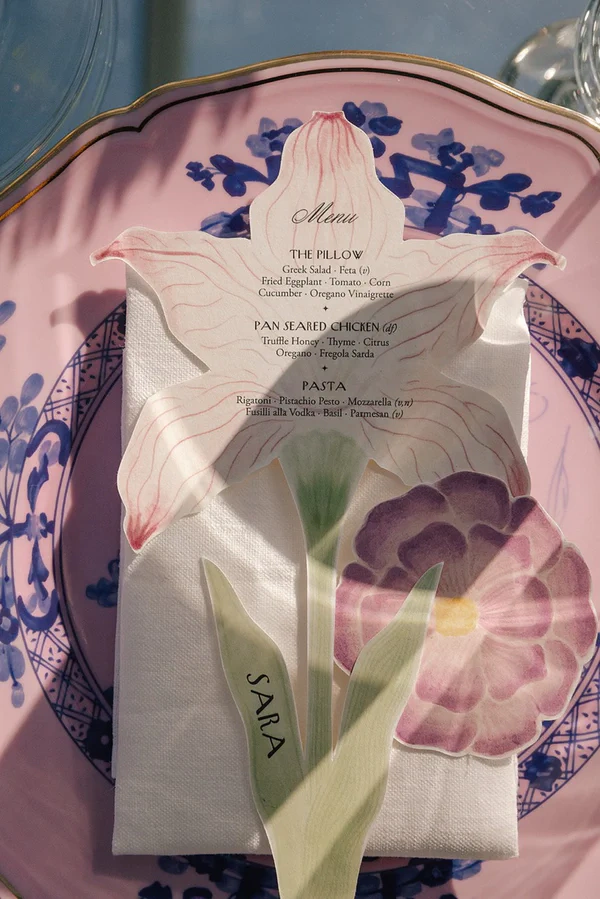
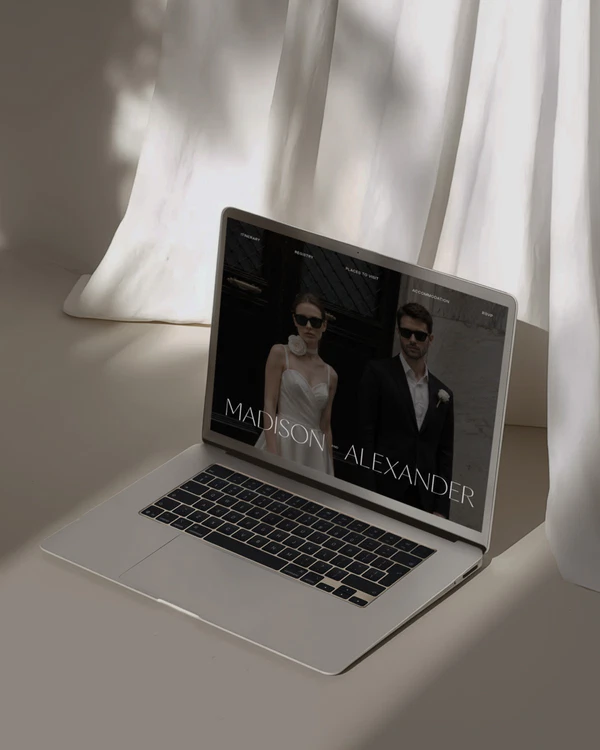
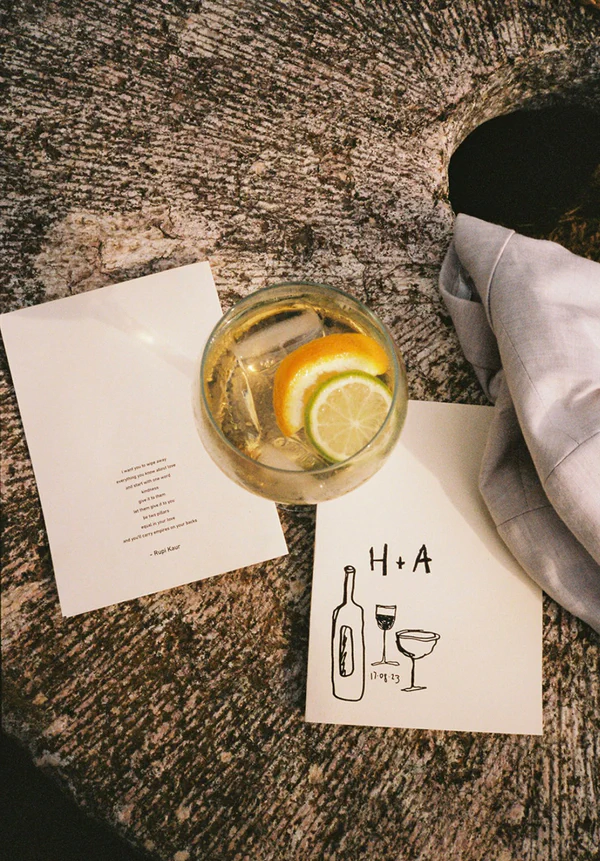
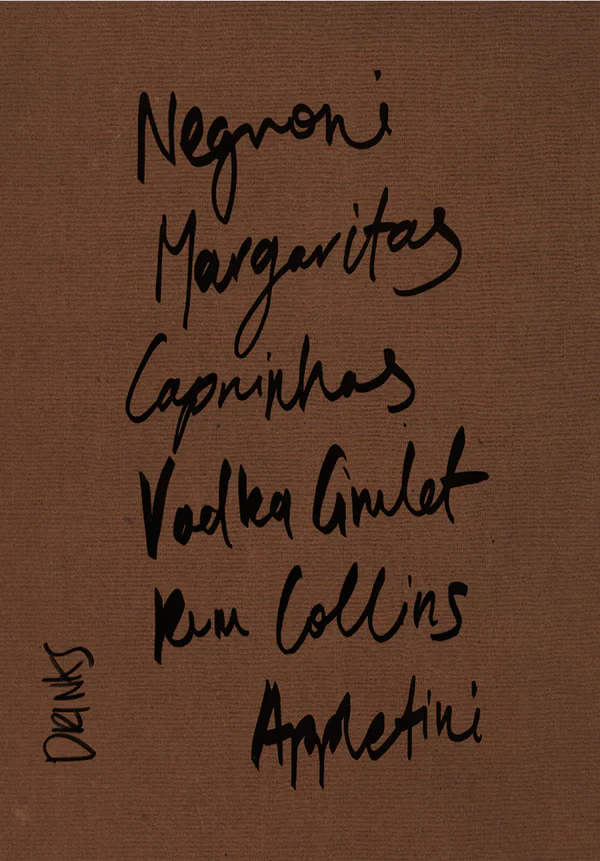
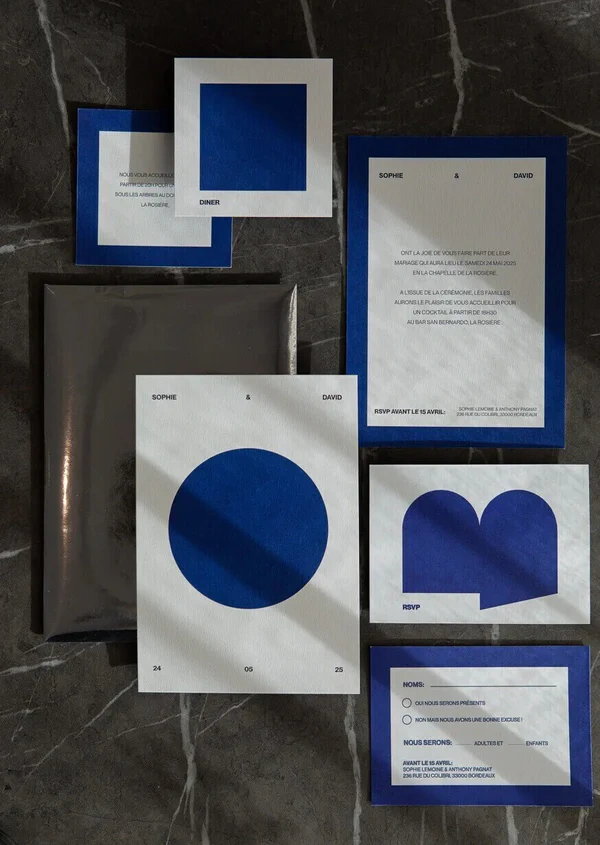
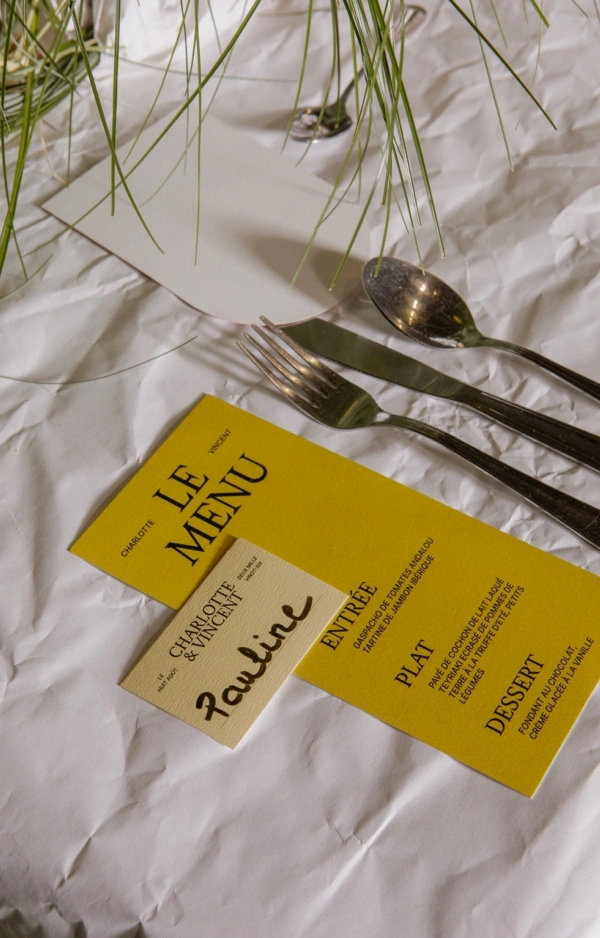
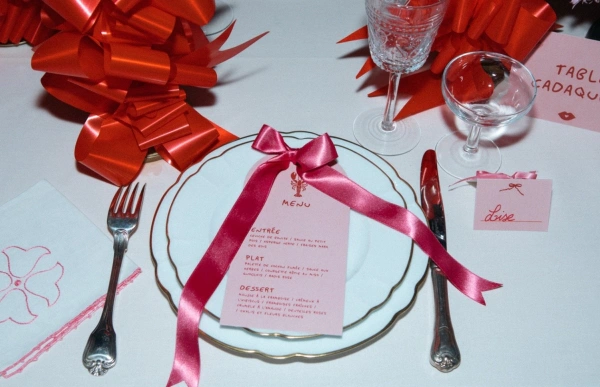
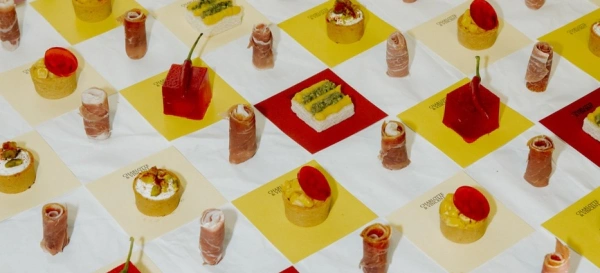
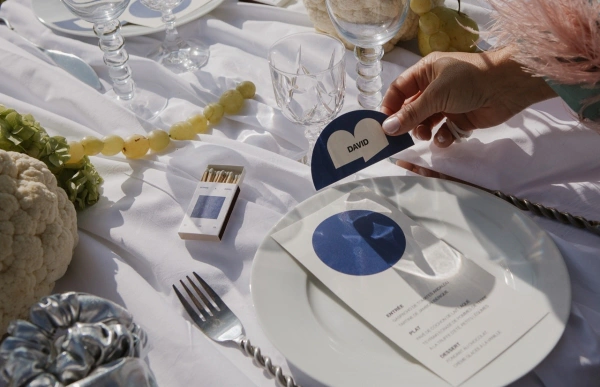
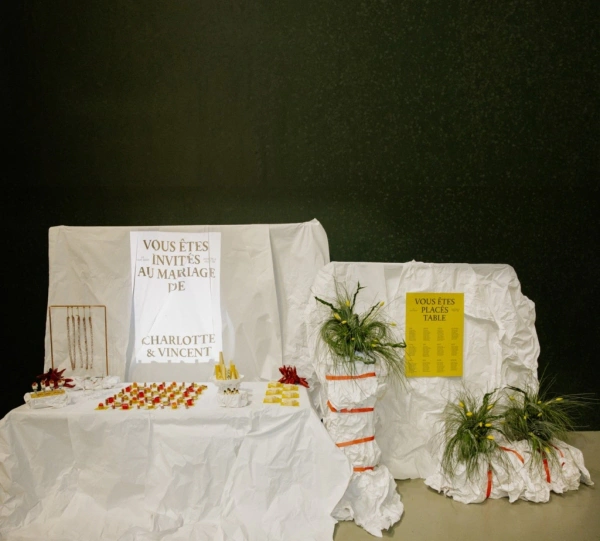
The invitation suite is only the opening piece. A full commission usually runs from the save the date through the invitation, response card and details card, and then into everything printed for the day itself: menus, place cards, escort displays, the order of service or programme, table numbers, welcome signage and the seating plan. Commissioning all of it together rather than in three separate rounds is both cheaper and better — one typeface, one paper, one palette carry across the whole wedding, and the printer sets up once instead of three times. It also means the signage that meets guests at the door is recognisably the same object as the card that arrived in the post months earlier.
Timing is what couples most often get wrong. Save the dates go out early, as soon as the venue and date are confirmed, and matter most for destination weddings and peak-season Saturdays; invitations follow much closer in, with the RSVP deadline set far enough ahead that your caterer and venue get final numbers on time. On-the-day printing is finalised last because it depends on the guest list actually closing — place cards and seating plans cannot be set until responses are in — so build a fortnight of slack between your RSVP deadline and the print deadline, and expect late changes regardless. Studios that send internationally will also advise on envelope weight, non-standard sizes and customs paperwork, which quietly decide what the mailing costs; the stationery designers based in the United Kingdom handle a lot of cross-border sending.