The modern bridal landscape offers an abundance of choice, and with it, a quiet kind of confusion. Terms like couture, bespoke, made-to-measure, and ready-to-wear are often used interchangeably, yet each represents a fundamentally different approach to how a gown is imagined, constructed, and experienced.
For brides navigating the search, understanding these distinctions is less about technical language and more about clarity. From budget and timelines to the level of craftsmanship and personalisation, each path shapes not just the dress itself, but the entire journey toward it. In a space where everything can sound the same, knowing the difference becomes its own form of luxury.
Couture
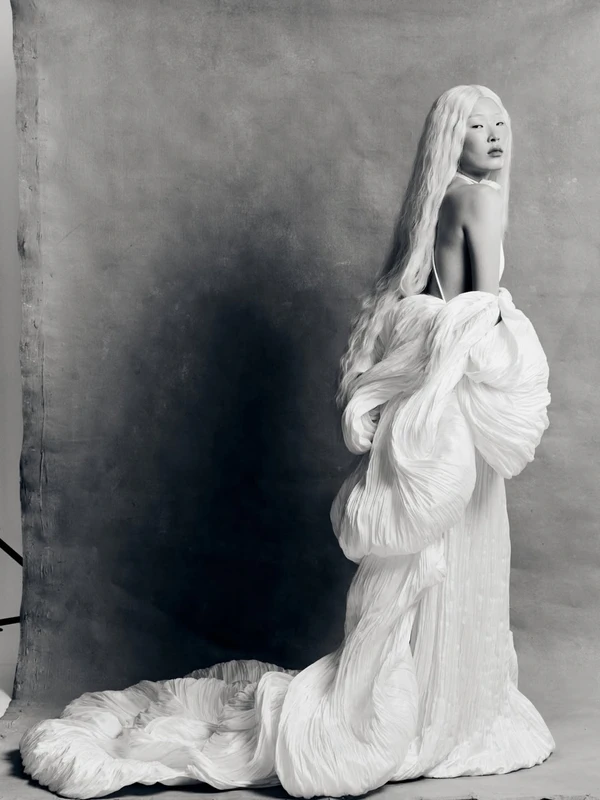
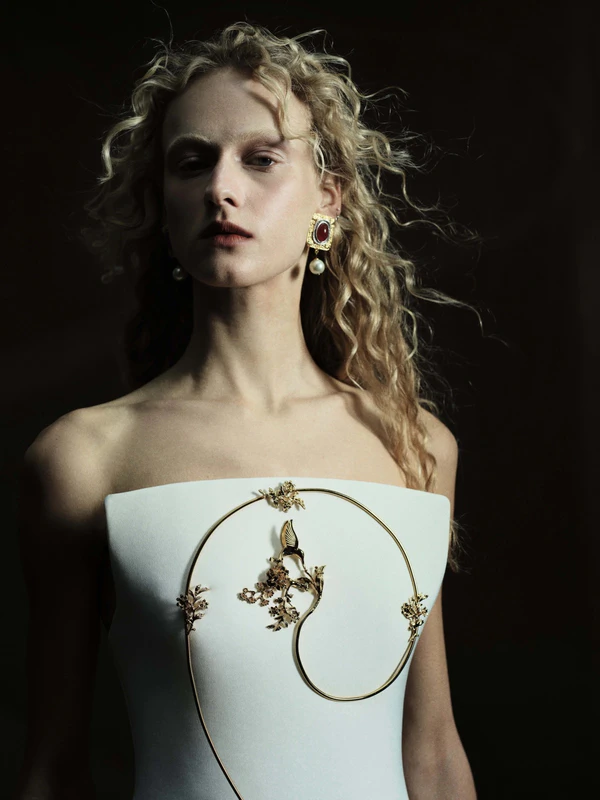
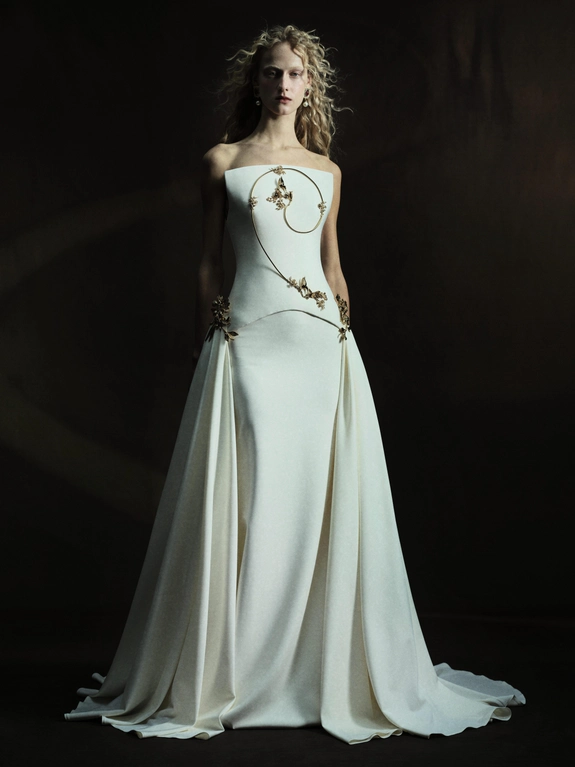
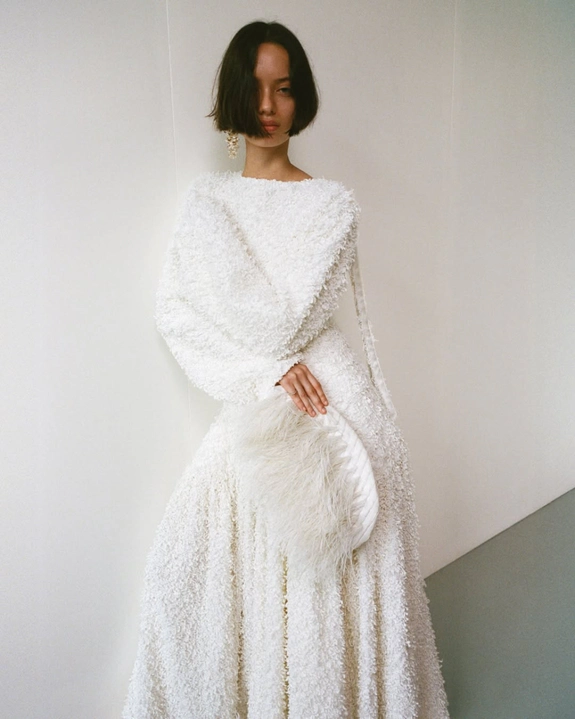
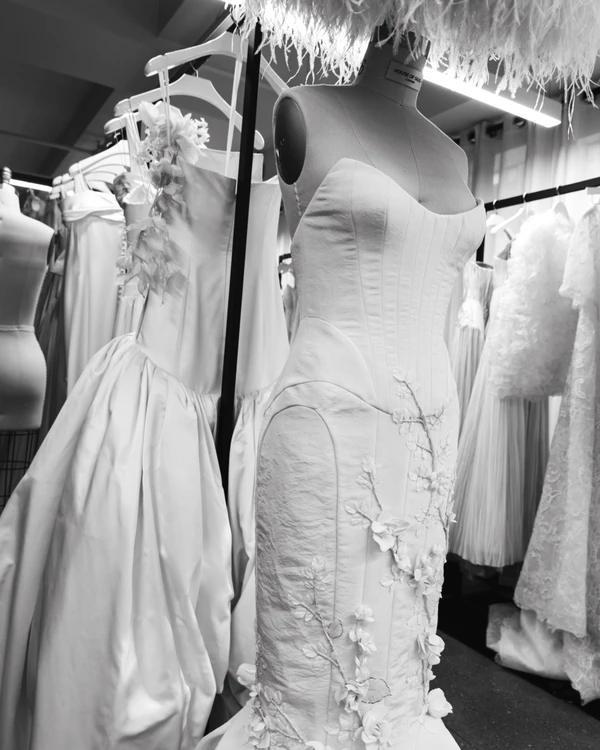
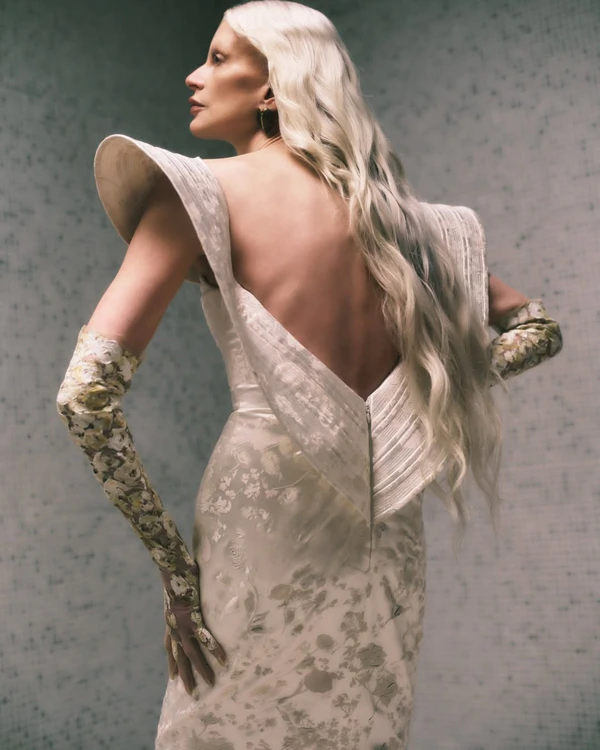
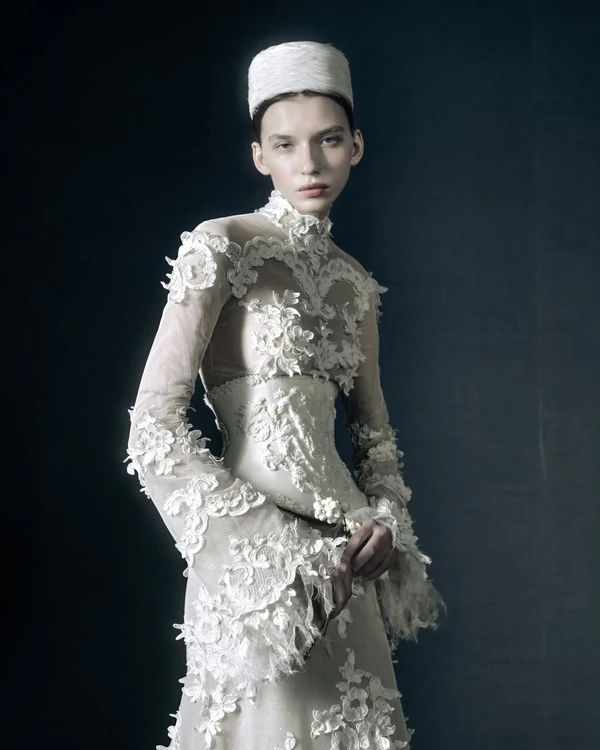
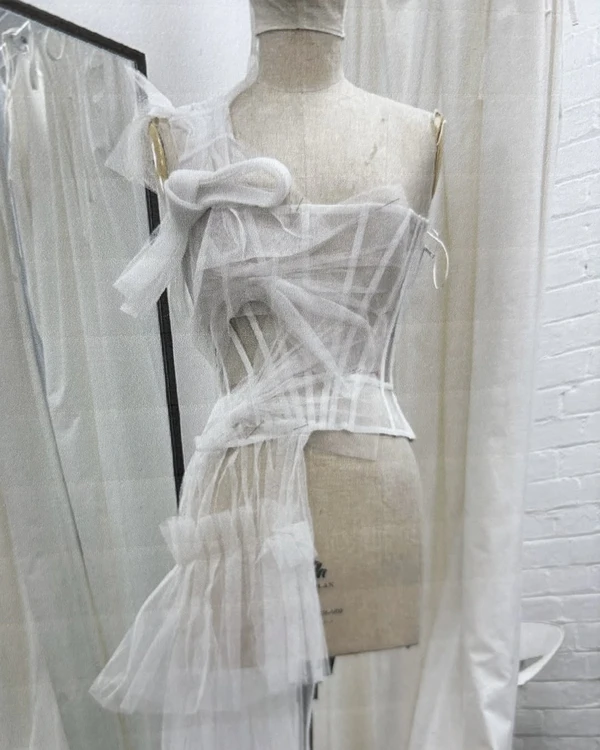
Couture sits at the very top of the bridal spectrum, where fashion becomes a deeply personal art form. Every element begins from zero: the design, the pattern, the construction, all shaped around you. Multiple fittings refine the silhouette with near-architectural precision, resulting in a garment that exists nowhere else. The process is immersive, often stretching over months, with a level of craftsmanship that borders on obsessive. Fabrics are sourced with intention, embellishments are applied by hand, and no detail is considered too small. This is not simply a dress – it’s a collaboration between bride and atelier. Couture appeals to those who see their wedding look as a defining fashion moment. It’s less about following tradition and more about creating something entirely your own.
Bespoke
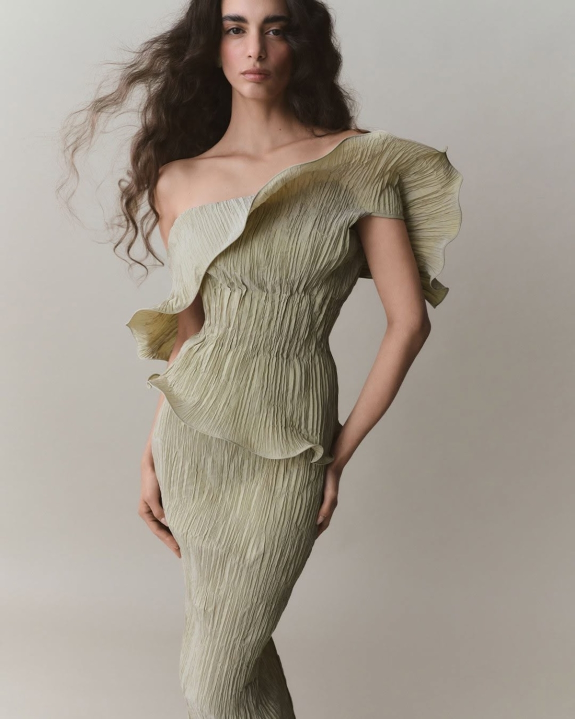
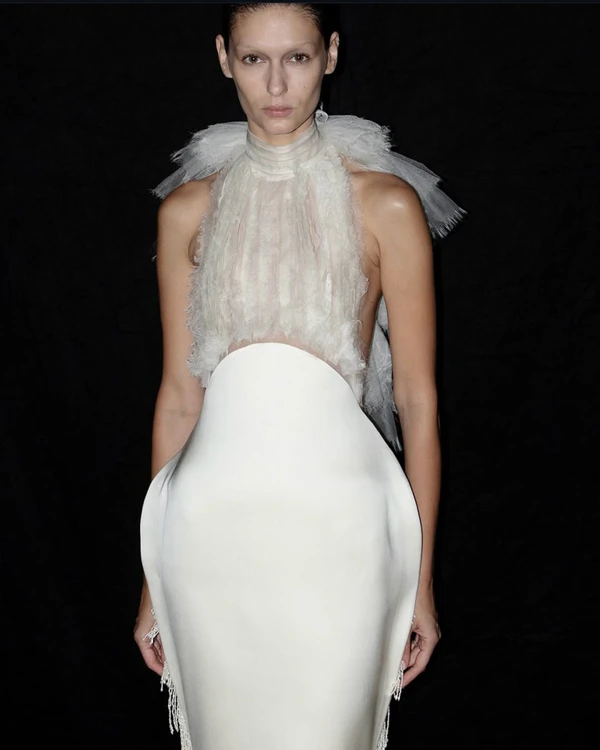
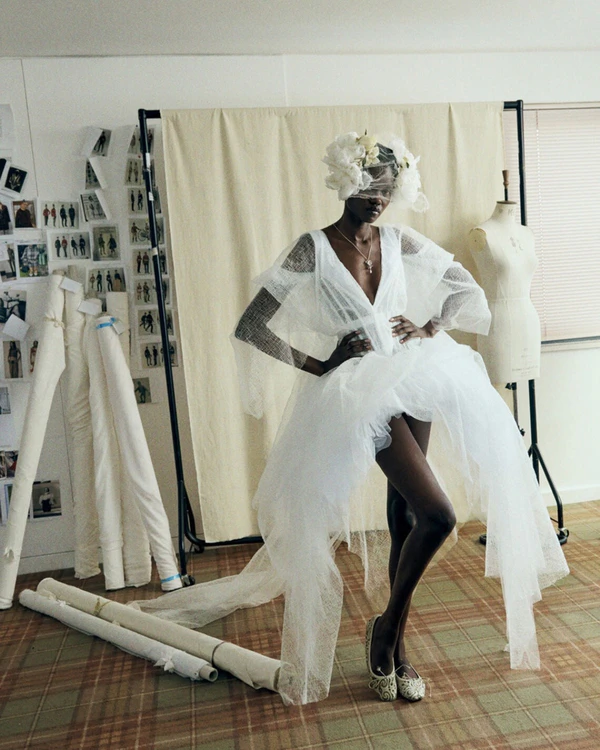
Bespoke occupies a similarly rarefied space, though its definition is slightly more fluid. In many cases, it mirrors couture: a fully custom garment designed and constructed specifically for the bride. Elsewhere, it may suggest a high level of personalization without the formal structure associated with couture houses. The common thread is individuality – nothing is pulled from a standard template without being reimagined for you. The experience tends to feel intimate and collaborative, often shaped by direct dialogue with the designer. There’s room for creative input, but also guidance, making it ideal for brides who want something unique without starting entirely from scratch. Because the term bespoke means something different to each designer, clarity comes from conversation, but ultimately, bespoke is about crafting a dress that reflects your identity with precision and intention.
Made-to-Measure
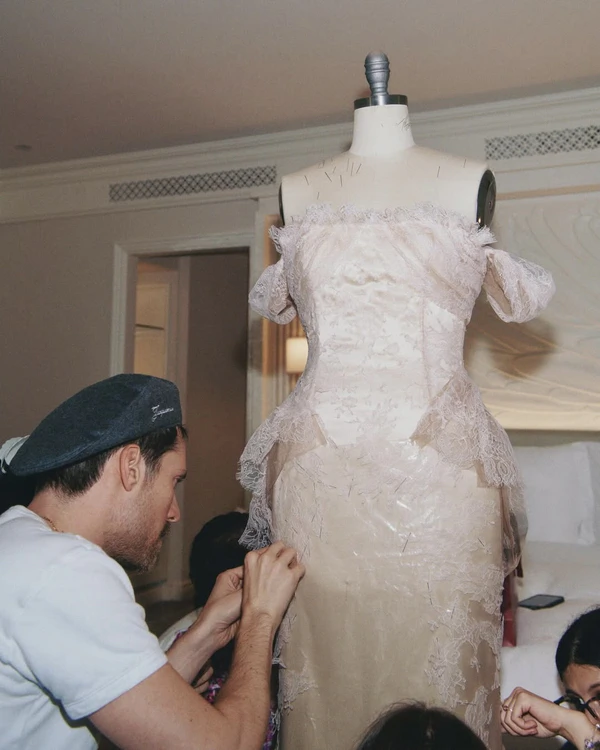
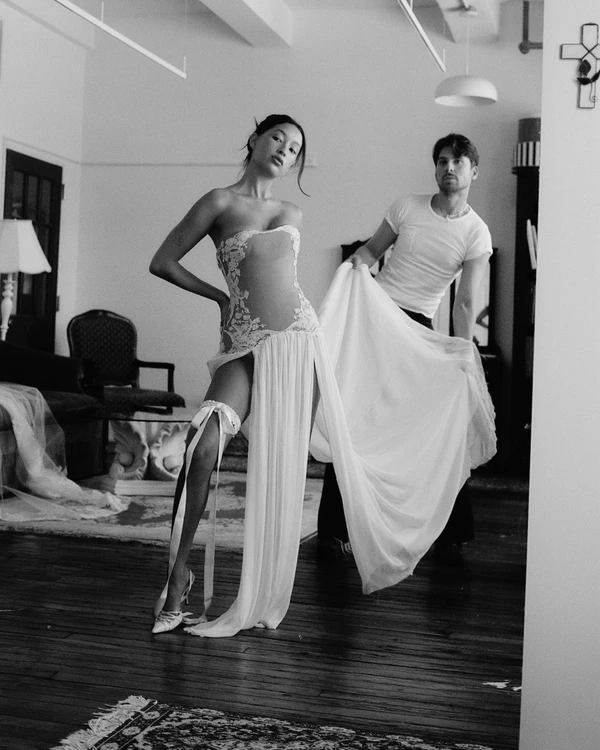
Made-to-measure offers a more streamlined route to a personalized fit. Here, the design already exists as part of the house's collection, but it’s adapted to your exact measurements to achieve a more precise silhouette. Adjustments can sometimes extend beyond fit – think sleeve length, neckline depth, or subtle fabric variations – but the core design remains intact. The process typically involves fewer fittings, making it more efficient while still feeling considered. It’s a compelling middle ground for brides who value tailoring but don’t need full creative control. The result is polished and personal, without the time investment of couture. Importantly, the success of made-to-measure lies in the craftsmanship of the original design. When executed well, it feels effortless rather than engineered.
Made-to-Order
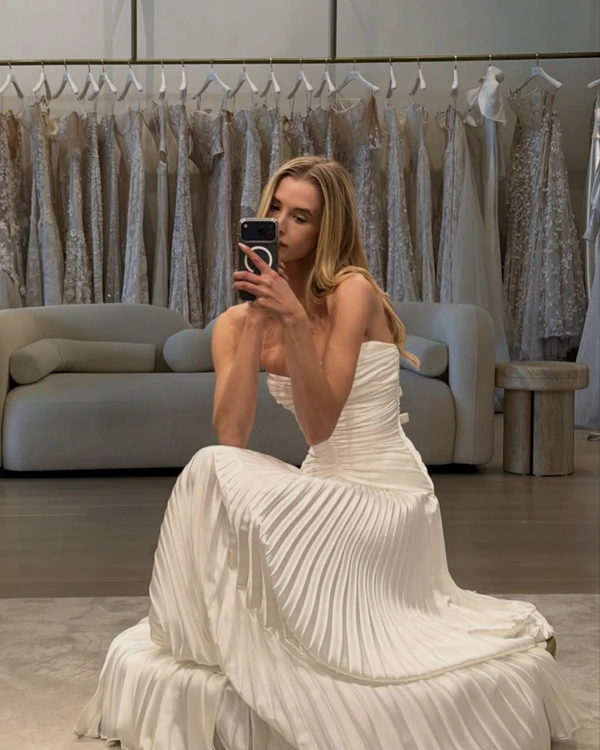
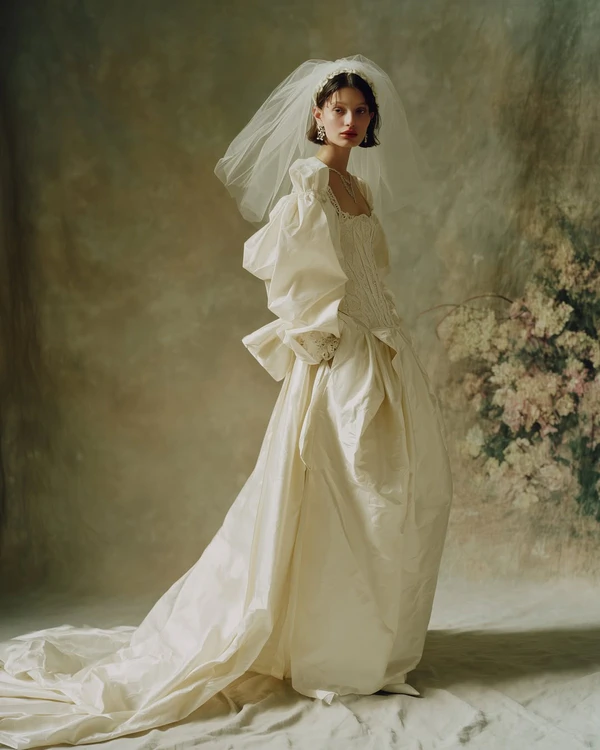
Made-to-order is where customization becomes more selective. You’re choosing a specific pre-existing design from samples in-store that’s then produced for you after purchase, often in a standard size with limited adjustments. The dress isn’t made for you in concept, but it is made for you in timing. Options for personalization may exist, fabric swaps or minor design tweaks, but they’re typically predefined. Importantly, once the gown is complete, alterations are usually available to refine the fit, particularly if you fall between standard sizes. This allows for a more tailored finish, without entering the fully bespoke process. This approach balances accessibility with exclusivity, offering a fresh piece without the complexity of a custom design journey. Lead times are shorter, and the experience is more streamlined. For many modern brides, it’s an appealing blend of structure and flexibility, buying into a designer’s vision with just enough room to make it your own.
Ready-to-Wear
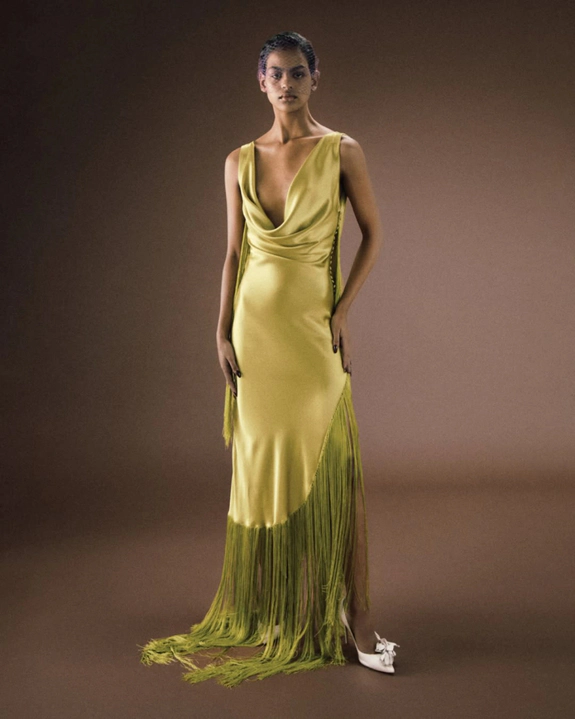
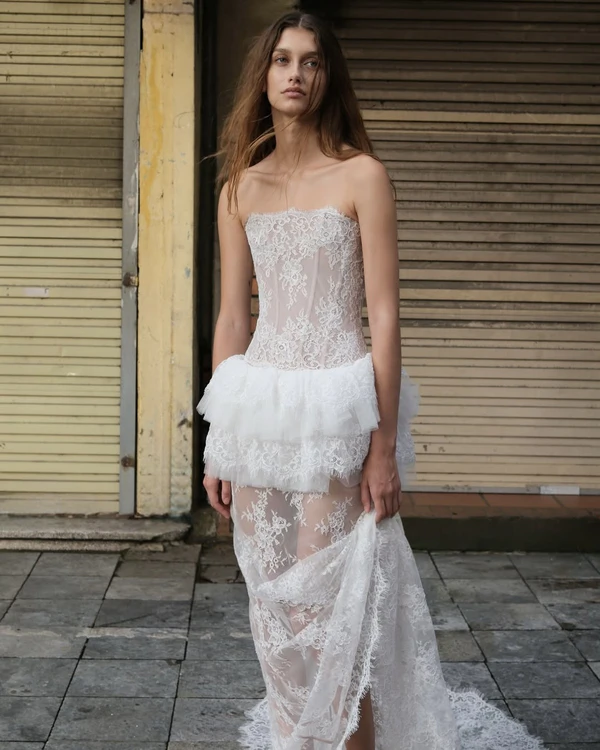
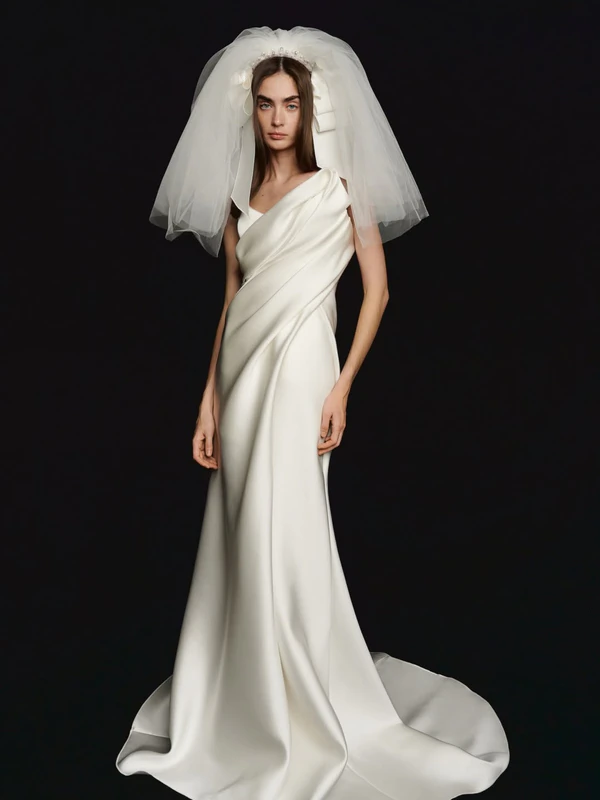
Ready-to-wear brings bridal into a more immediate, fashion-forward space. These are collections produced in standard sizes and available to purchase immediately, often reflecting seasonal trends and a designer’s signature aesthetic. While some bridal designers offer ready-to-wear styles, it more often sits within the world of fashion houses, where select pieces from seasonal collections naturally lend themselves to a bridal look. This makes RTW particularly popular for surrounding wedding events, from welcome parties to recovery drinks, where a more relaxed or directional approach to dressing feels appropriate. Pieces are typically available for immediate purchase and delivery, offering a level of ease and spontaneity that contrasts with more traditional bridal formats. Alterations can then be made post-purchase to refine the fit. It’s particularly suited to brides who have a clear vision and want a more time-efficient approach. It’s less about creation, more about curation.
Off-the-Rack
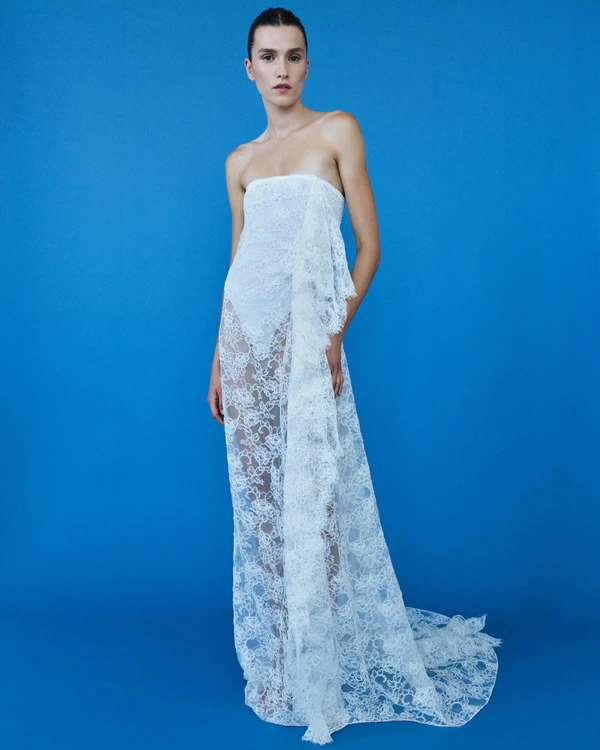
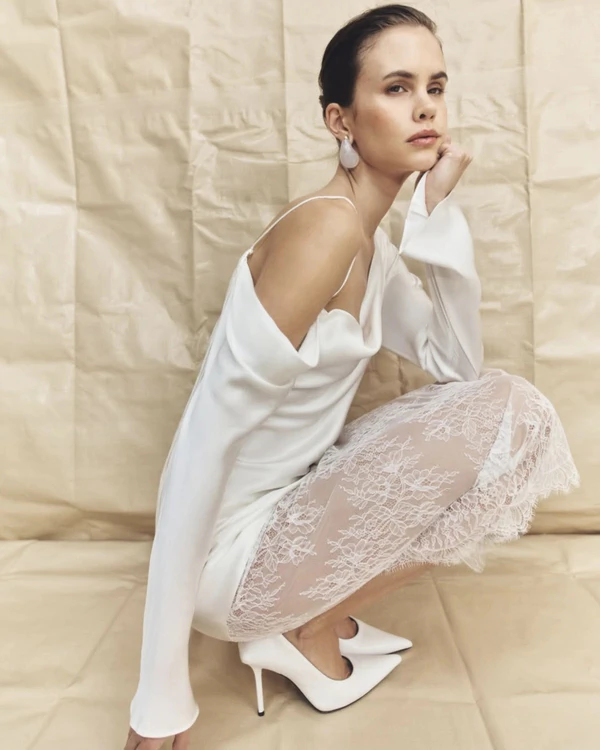
Off-the-rack is the most immediate route to a wedding dress. What you see is what you get: a wedding dress available to take home the same day. This option is often available from bridal designers or boutiques as part of a seasonal sample sale, where discontinued dresses, past seasons, or showroom samples are usually offered at a more accessible price point. Alterations play a crucial role, transforming the dress into something that feels tailored rather than temporary. For brides on tight timelines, it removes the stress of waiting. There’s also a certain thrill in the decisiveness of it – no long lead times, no second-guessing. It’s about instinct and timing aligning perfectly. When approached with the right tailor, it can feel just as considered as any custom option.
Vintage
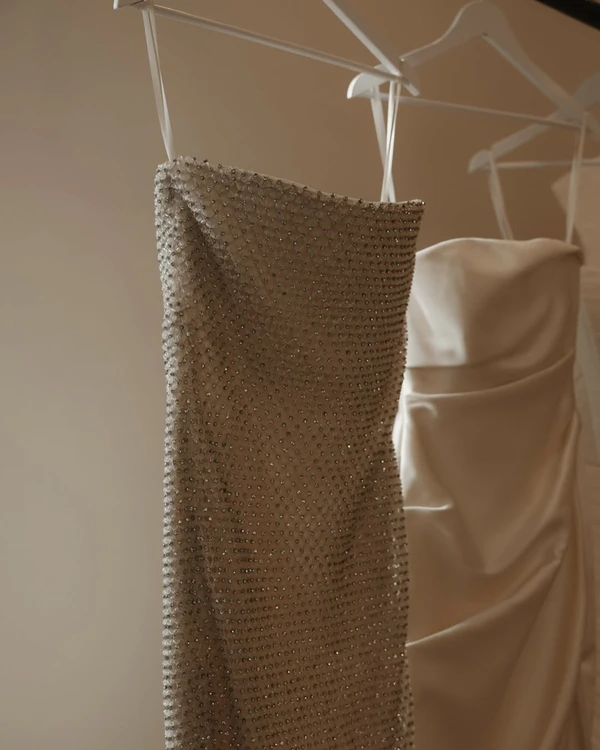
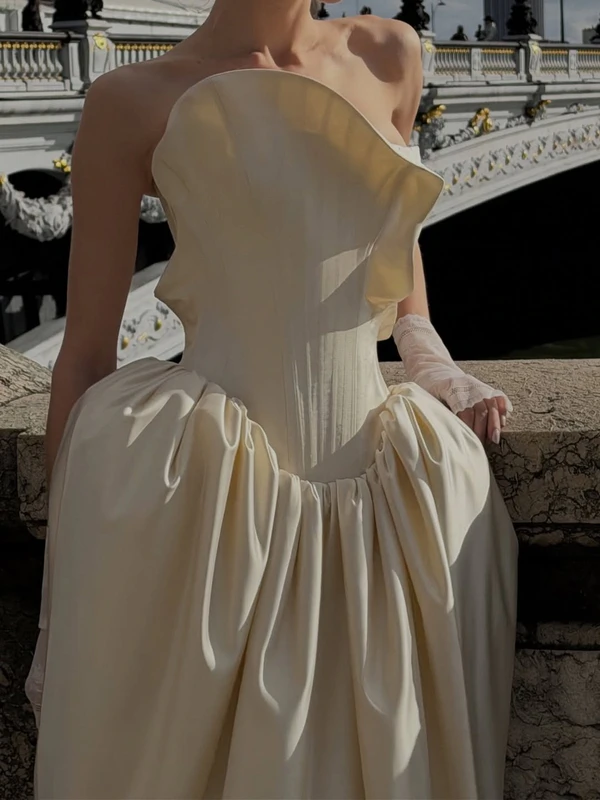
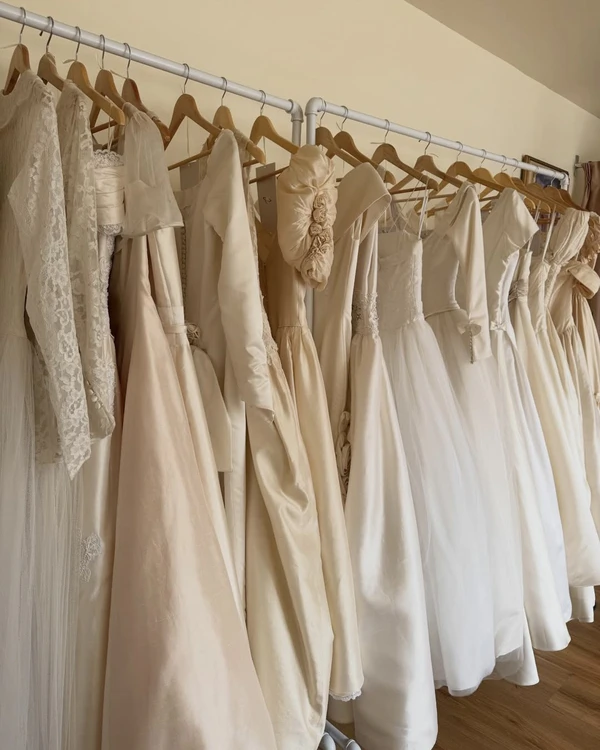
Vintage bridal offers a different kind of narrative – one rooted in history, individuality, and quiet sustainability. These are pieces that have lived a life before yours twenty plu years ago, often carrying craftsmanship that’s difficult to replicate today. The appeal lies in their rarity; you’re unlikely to see another bride in the same dress. Sourcing vintage requires patience and an open mind, as sizing and condition can vary. Alterations may be more complex, but they’re part of the transformation. For some, it’s about the aesthetic – lacework, silhouettes, details that feel distinctly of another era. For others, it’s about meaning: wearing something with a story, and continuing it. Vintage doesn’t follow trends – it exists outside of them, which is precisely its charm.
The Blurred Lines of Bridal Fashion Terminology
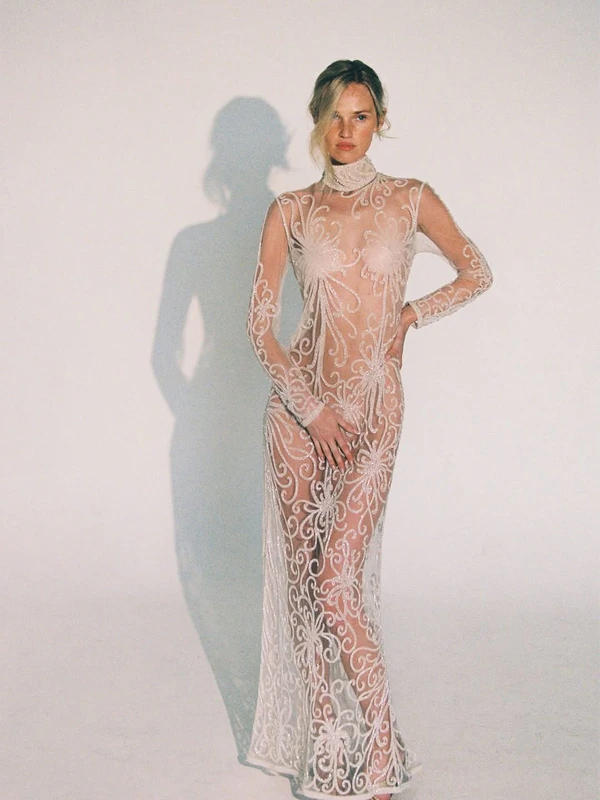
If bridal terminology feels a little fluid, that’s because it is. Outside of the rarefied world of true haute couture, there’s no universal rulebook dictating how designers label their processes. One atelier’s "bespoke" might look identical to another’s "couture," while "made-to-order" and "made-to-measure" are often used interchangeably despite subtle technical differences. The language shifts depending on geography, heritage, and, at times, marketing strategy. For brides, this means the label alone rarely tells the full story. What matters more is understanding the process behind the term – how the dress is made, how much input you have, and how it fits into your timeline. Asking precise questions becomes your best tool for navigating the grey areas. Think of these terms less as strict categories and more as a spectrum of craftsmanship and customization.
How to Choose What’s Right for You
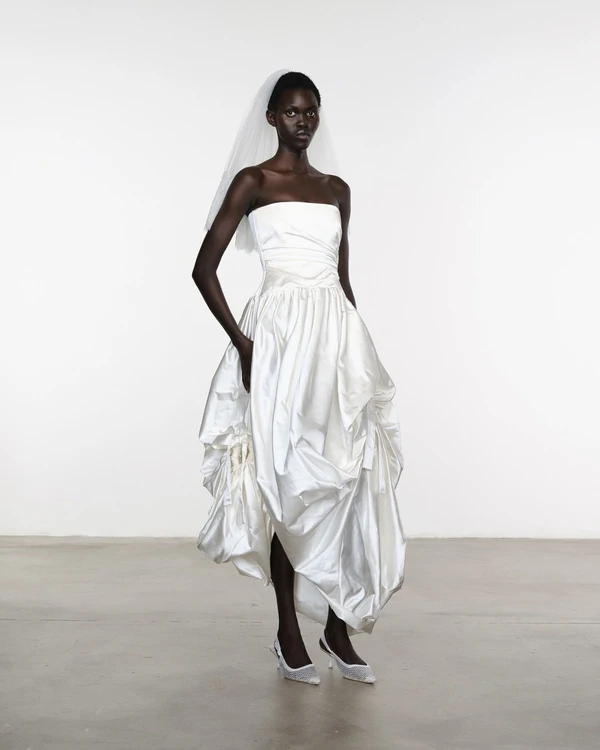
Choosing your approach to bridalwear is less about hierarchy and more about alignment. Start with the practical: your timeline, your budget, and how involved you want to be in the design process. Some brides crave the intimacy of multiple fittings and creative collaboration, while others prefer the ease of selecting a finished piece and refining it. Your dress should also reflect your relationship with fashion – are you drawn to statement-making silhouettes, or something quietly refined? There’s also an emotional component: do you want the experience of creation, or the thrill of discovery? Each path offers its own kind of luxury, whether that’s time, craftsmanship, or immediacy. The key is to choose intentionally. The right option is the one that feels like you, not the one that sounds the most impressive.