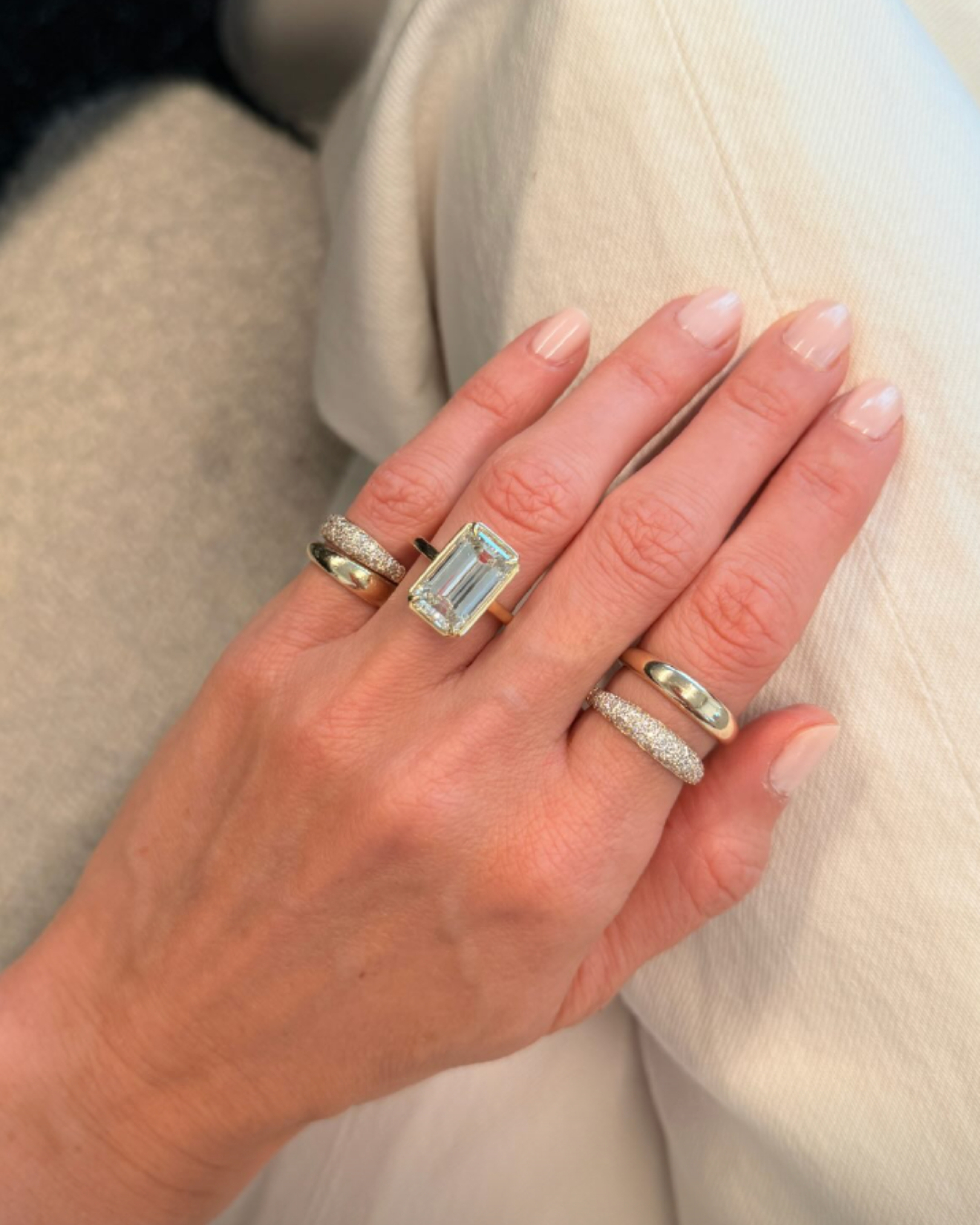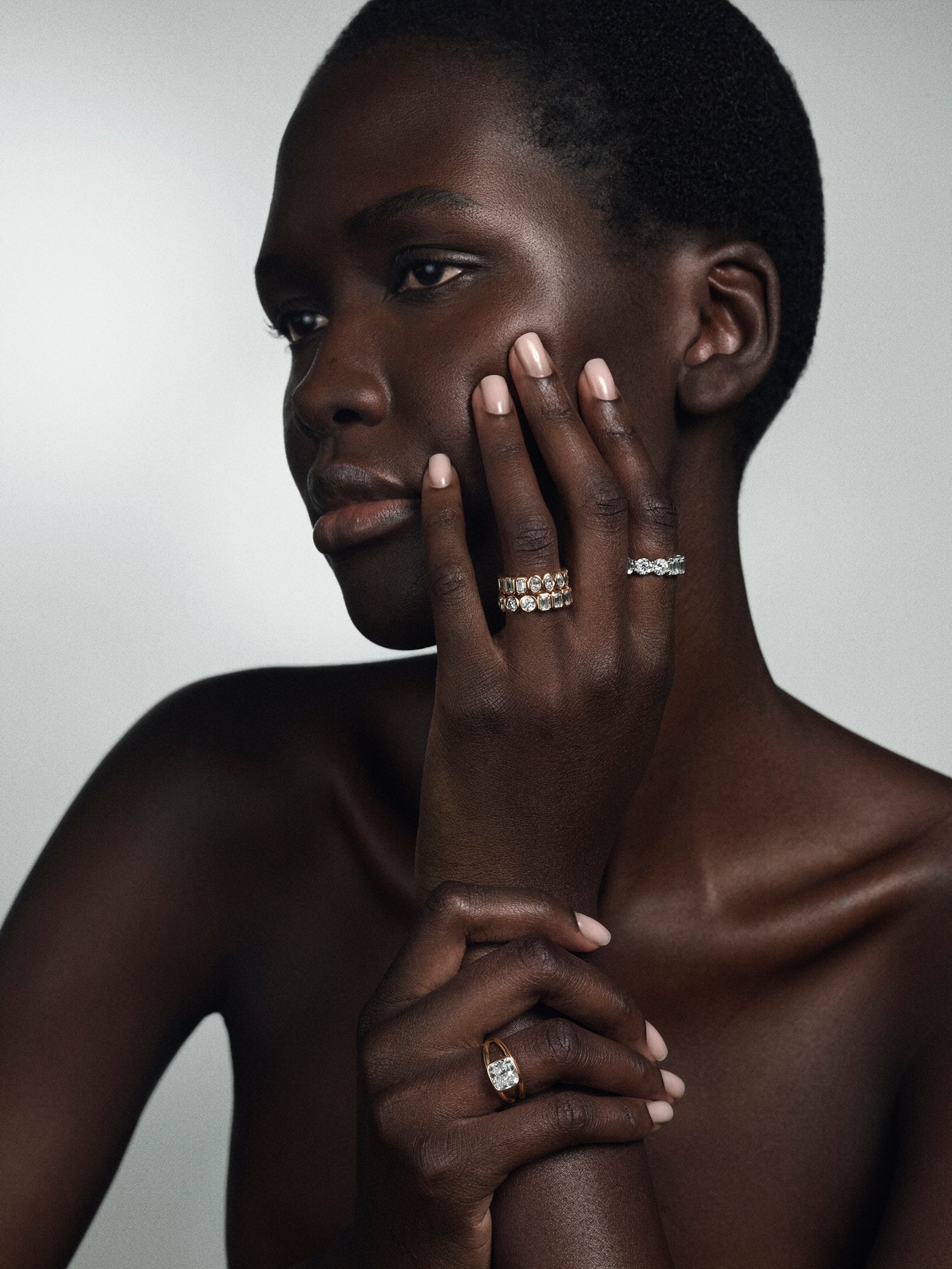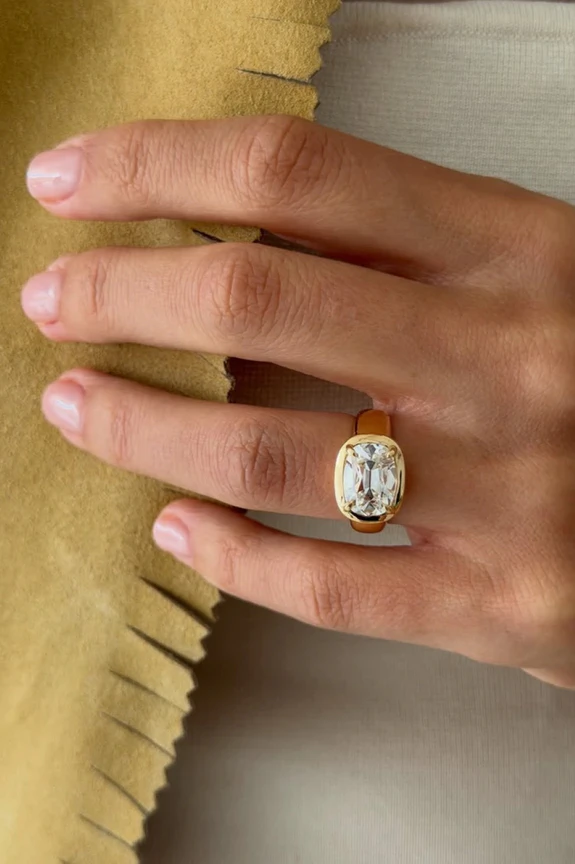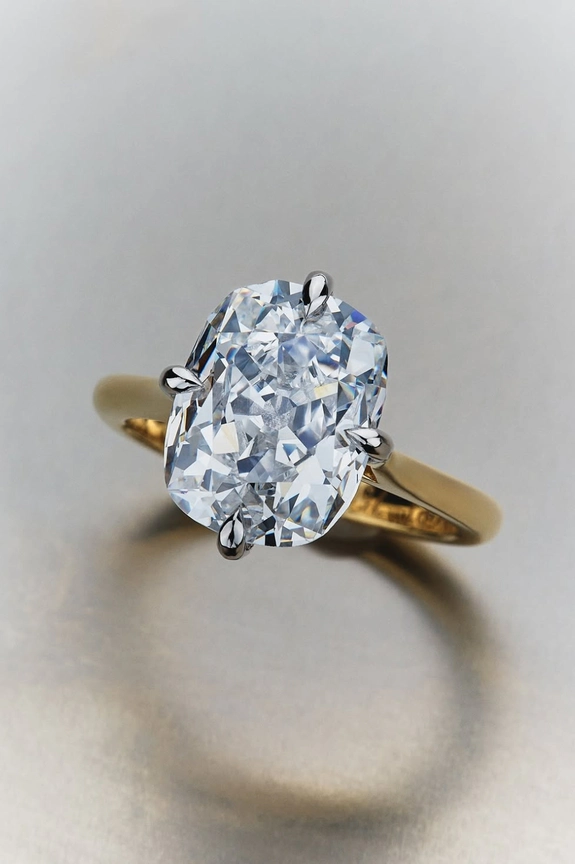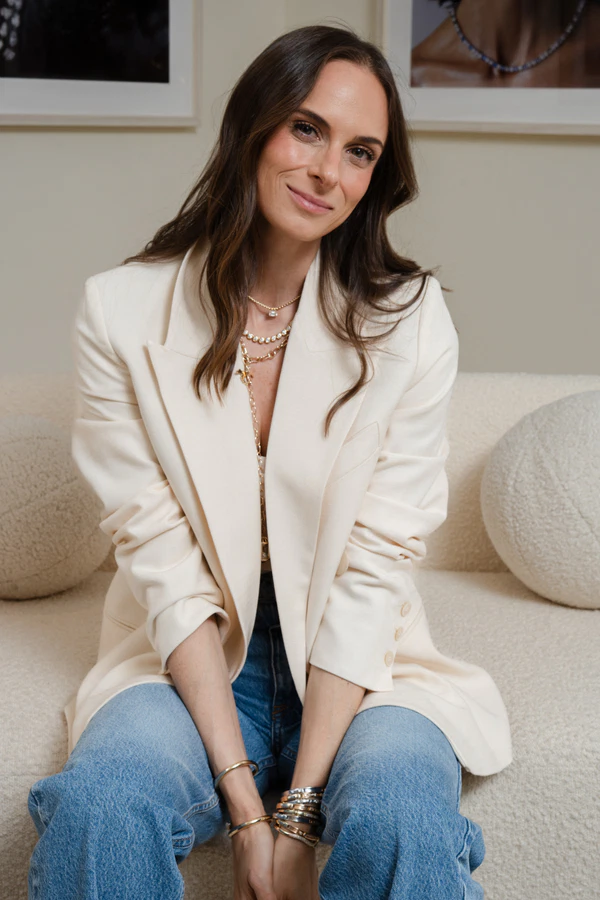
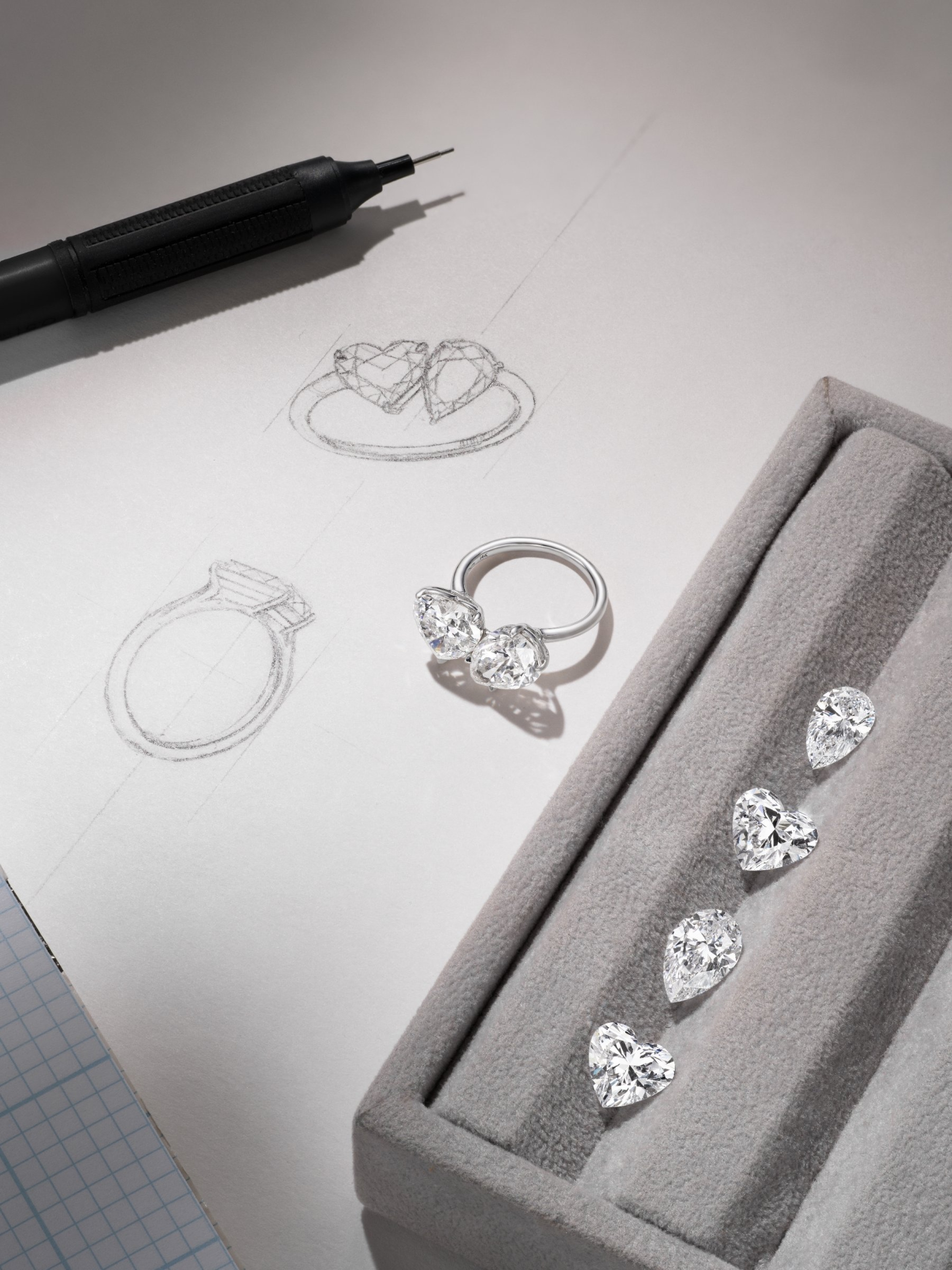
Ask a room full of people to describe the perfect engagement ring and you're unlikely to hear the same answer twice. And yet every one of them would be right. Few people understand this better than Stephanie Gottlieb. The New York-based fine jewelry designer and founder of her namesake brand has spent years helping clients discover what perfection looks like on their own finger. Some arrive with a single saved photo, others with a design they've been dreaming about for years. For Gottlieb, part of the fun is getting to know what each person loves and figuring out how to bring their version of the perfect ring to life, right down to the smallest details.
Of course, there's quite a bit that happens between having an idea for a ring and actually slipping it onto your finger. So, we sat down with Gottlieb to get a closer look at the process. Here, she shares her advice on where to begin, what to consider along the way and how to design a ring you’ll love long after the proposal.
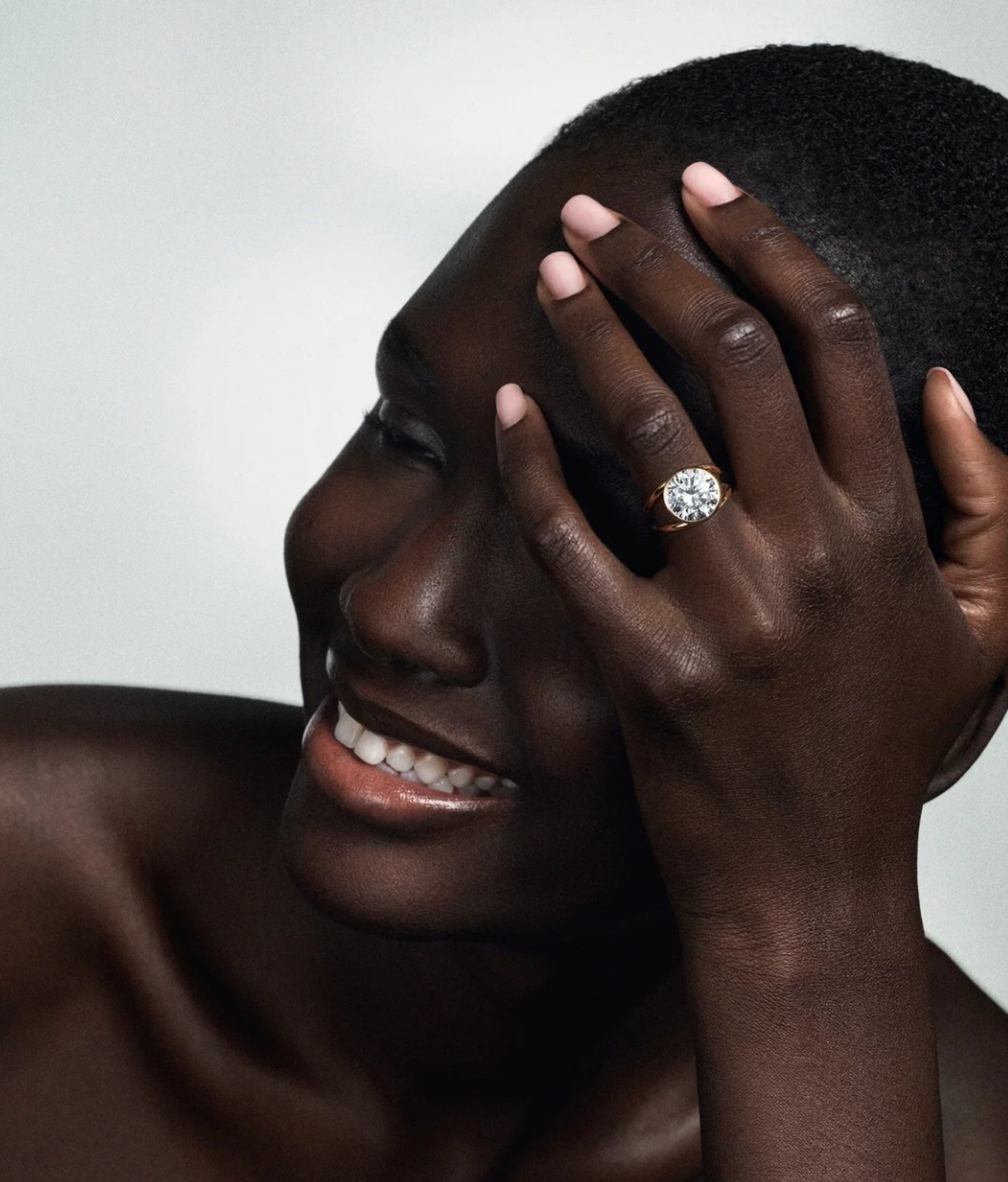
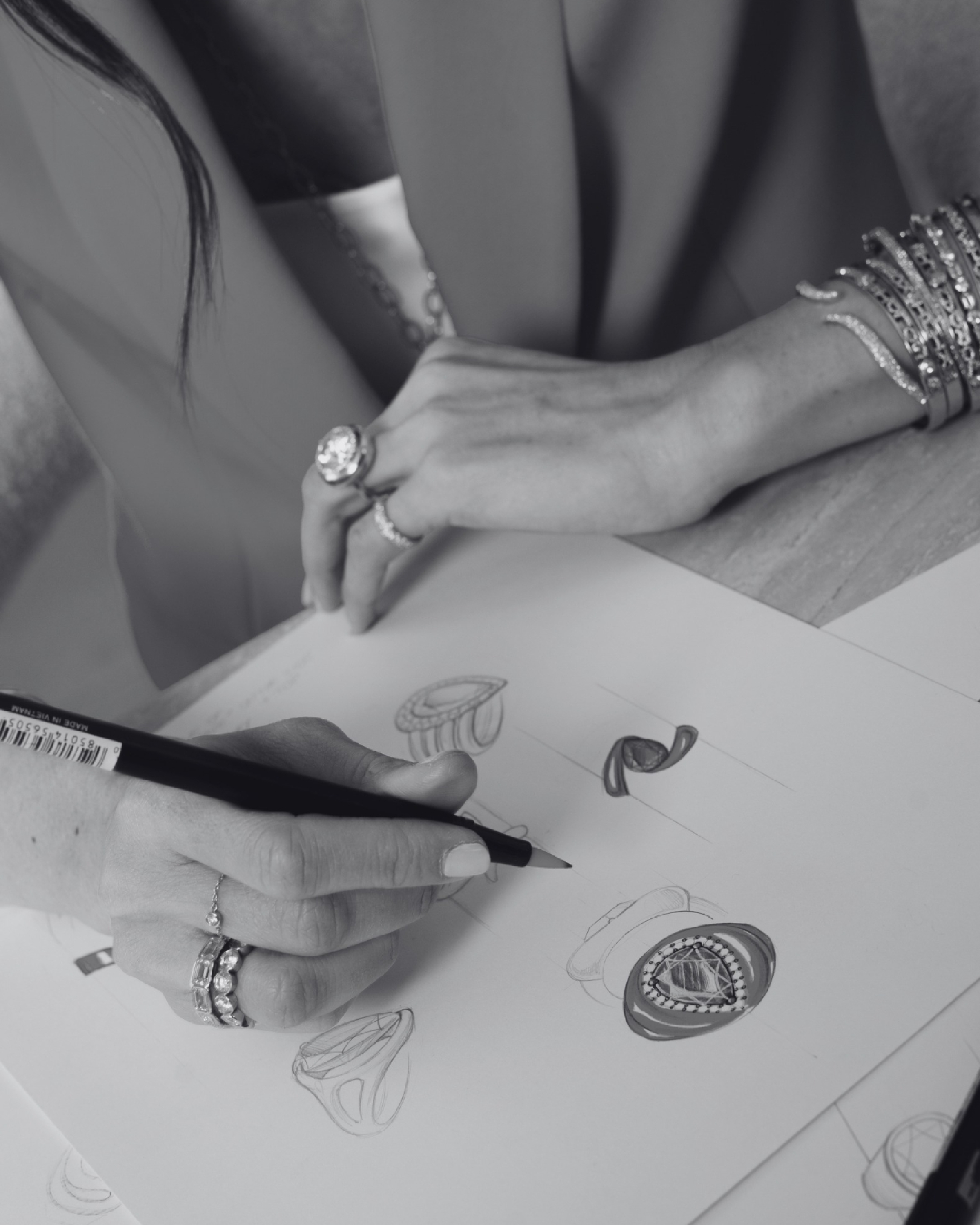
Finding Your Inspiration
You don't need to have your dream engagement ring completely figured out before meeting with a designer. “Inspiration is always helpful, but you definitely don't need a perfectly curated Pinterest board. Even knowing what you don't like can be just as valuable as knowing what you love,” says Gottlieb. “I always encourage clients to bring a handful of images they're drawn to and think about what specifically appeals to them. Is it the diamond shape, the setting, the proportions, or just the overall feeling of the ring?”
And there's no need to narrow those references down to one particular style, either. “You might love the diamond from one ring, the setting from another, and the proportions of a third. That's actually where custom design gets exciting. My job is to identify what you love about each reference and bring those elements together in a way that feels cohesive, personal, and uniquely yours.”
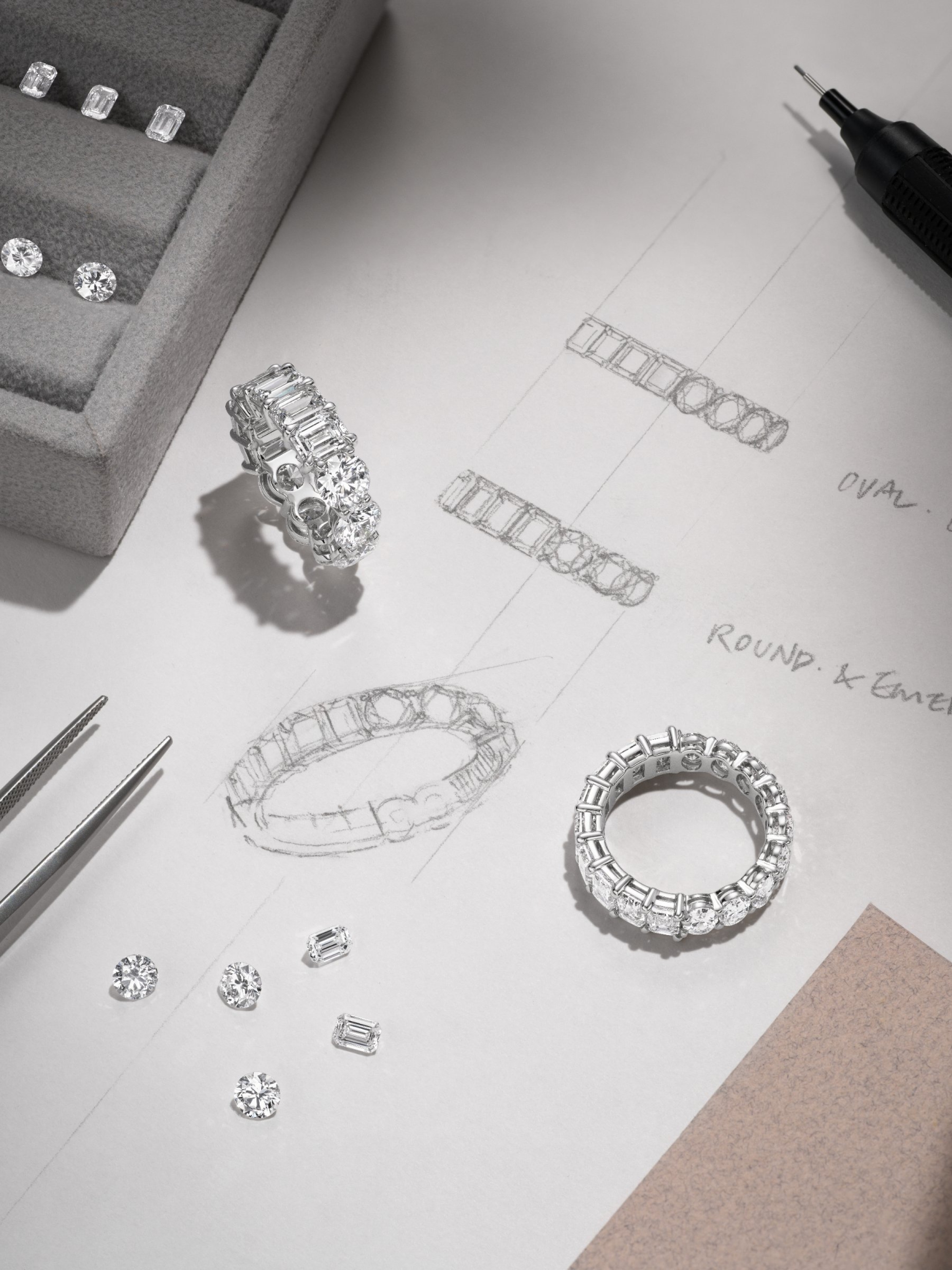
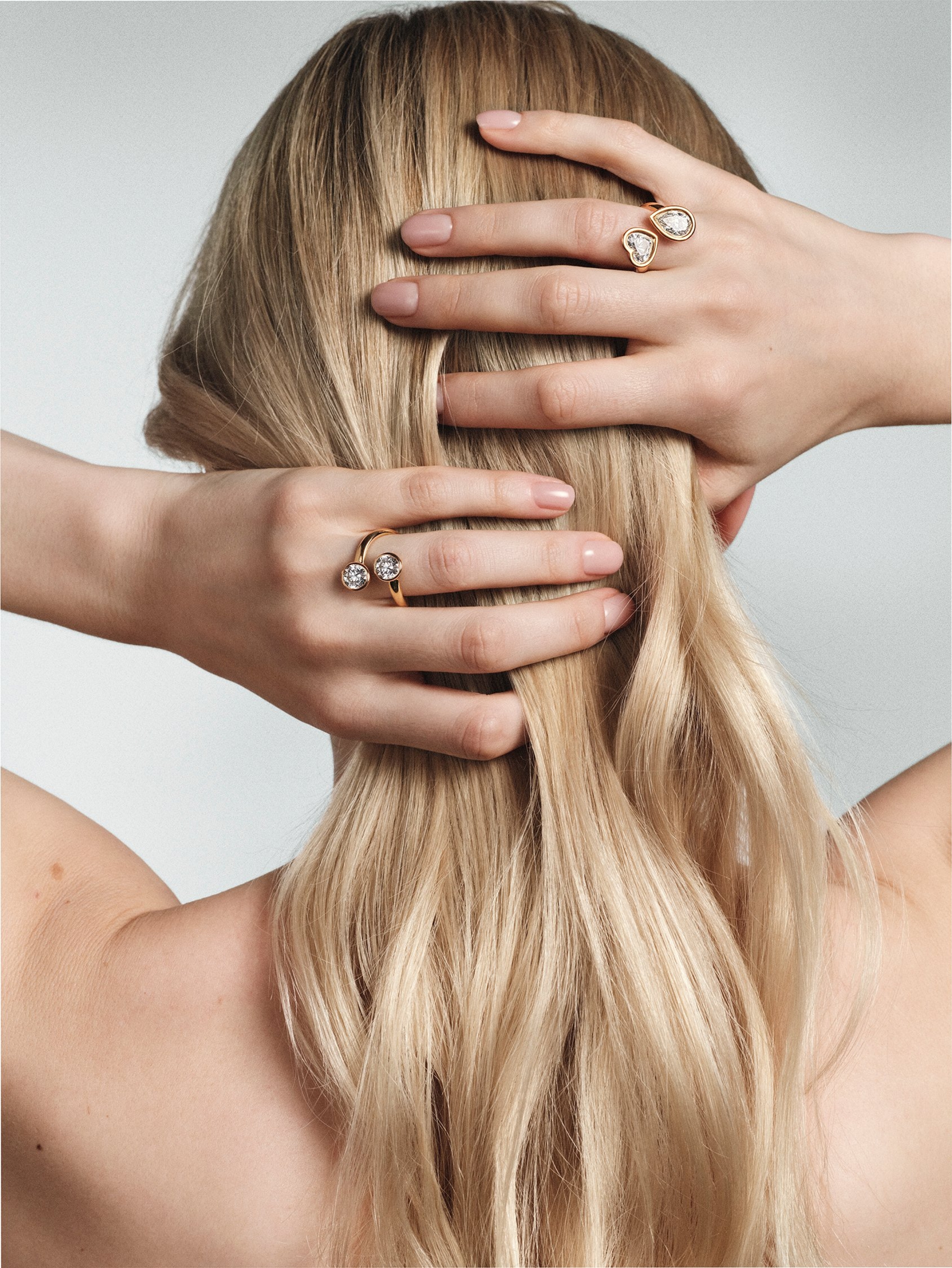
The Case for Trying Something Different
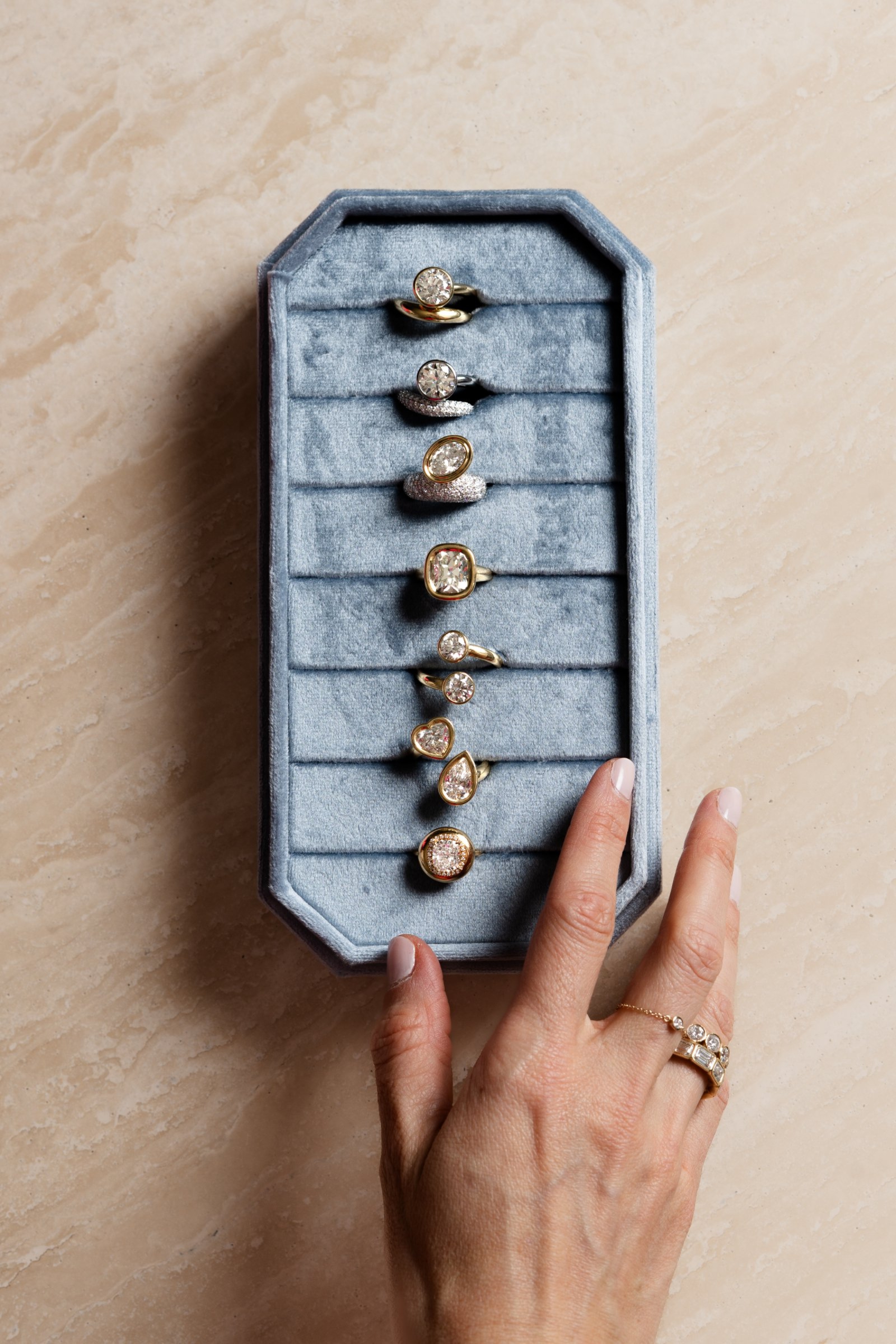
You might have spent years admiring a particular ring design, but there's something to be said for seeing it on your own hand before making any big decisions. “It's nearly impossible to know how a particular shape will look on your hand from a photo alone,” says Gottlieb. “Even subtle differences in a diamond's length-to-width ratio can completely change its appearance. That's why I always encourage clients to try on different styles and settings. Sometimes the ring you never would have considered ends up being the one you fall in love with." Whether you change your mind or stick with your original idea, Gottlieb's advice stays the same: “The goal isn't necessarily to recreate the ring you thought you wanted. It's to design the ring you can't imagine taking off.”
The Subtle Art of Personalization
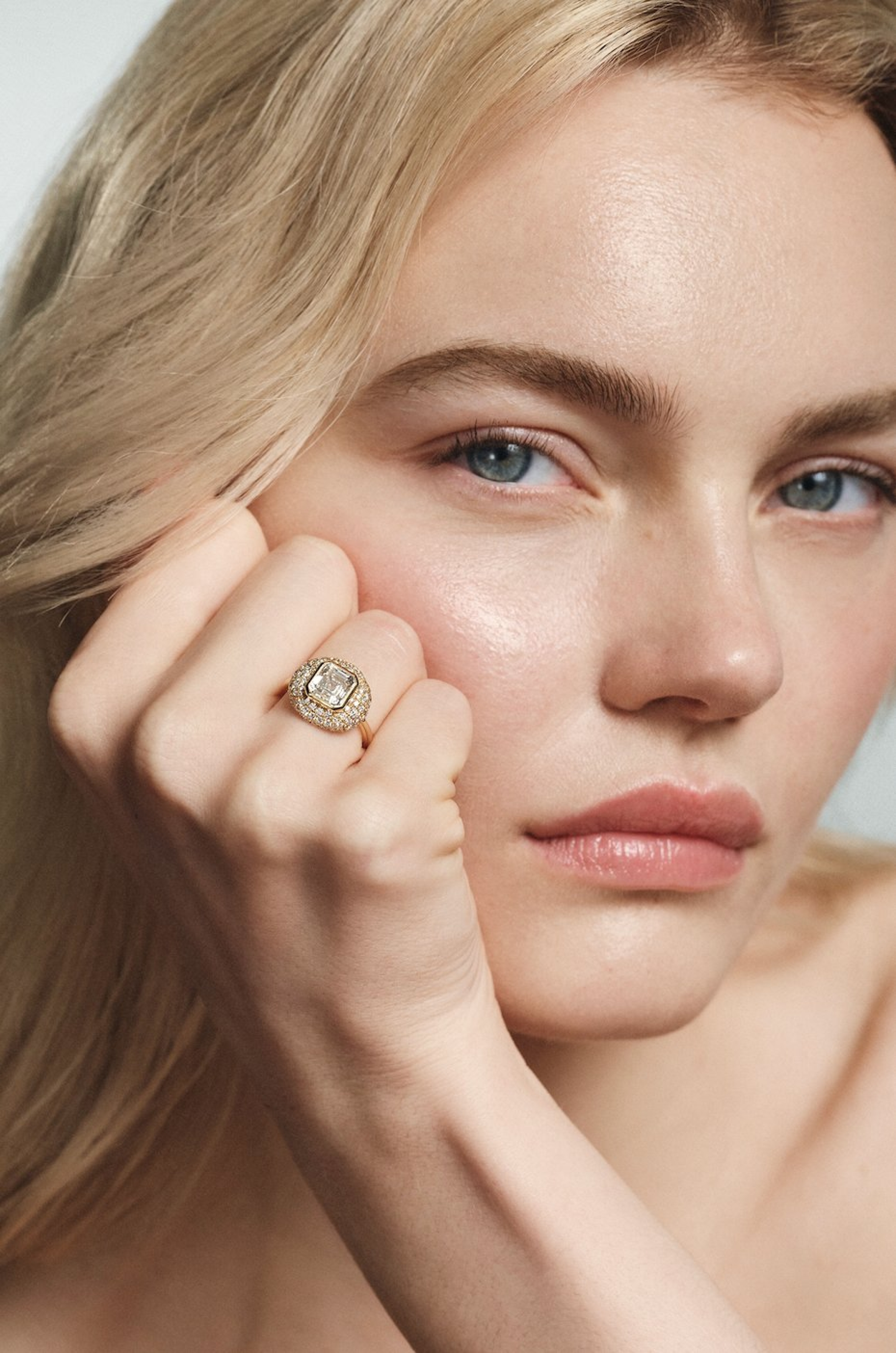
Some of the most meaningful parts of an engagement ring are the ones no one else will ever notice. For Gottlieb, personalization is about making thoughtful design choices that reflect your personality and story. “I love incorporating unexpected details that make a ring feel special without necessarily changing its overall aesthetic. It could be a hidden gemstone with personal significance, a meaningful engraving, an unexpected prong shape, or a unique detail in the basket that you only notice from certain angles.” As Gottlieb puts it, “I love the idea that your ring can look timeless at first glance but have little surprises that make it entirely your own.”
Choosing Your Stone, Knowing Your Priorities
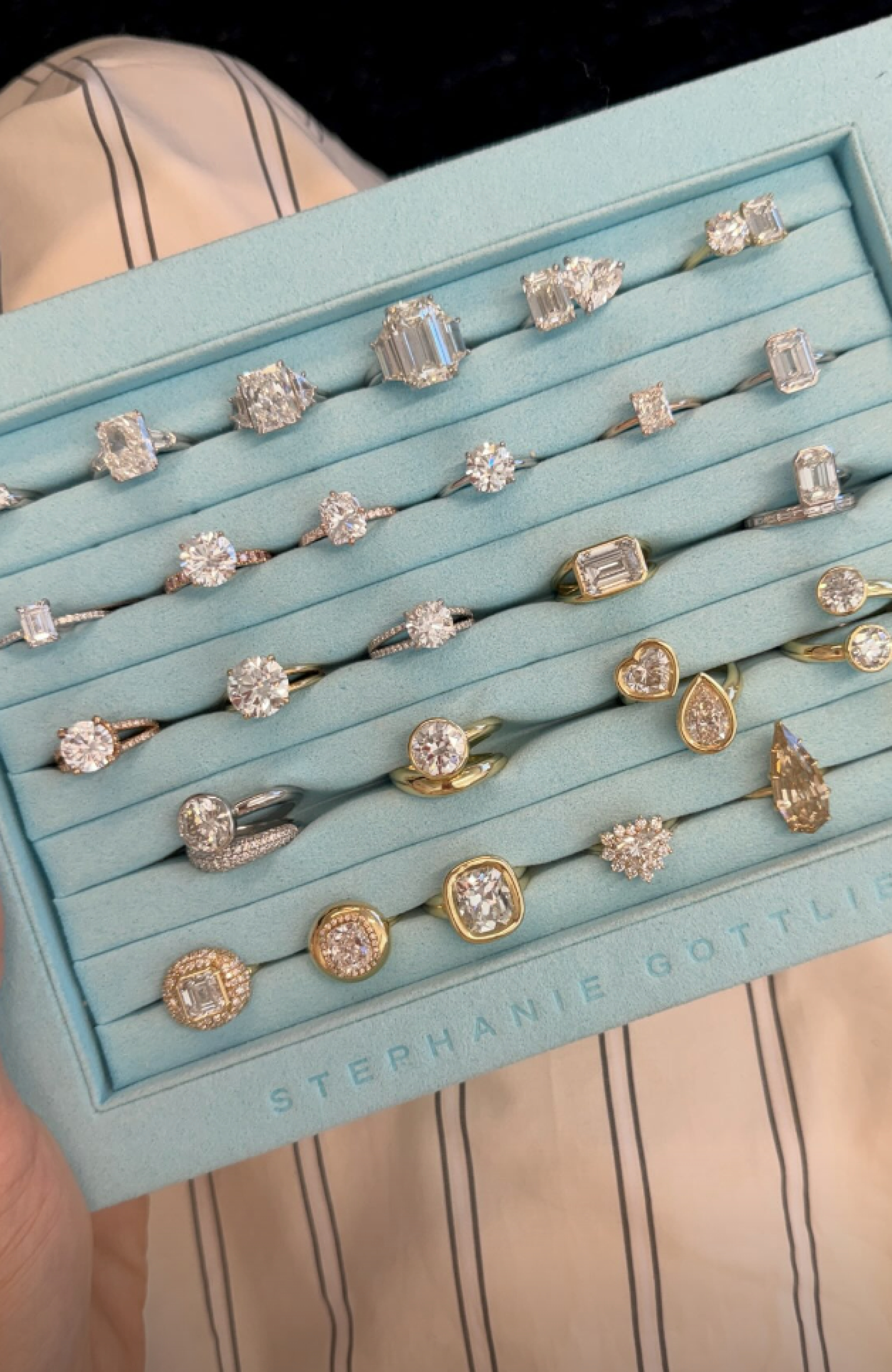
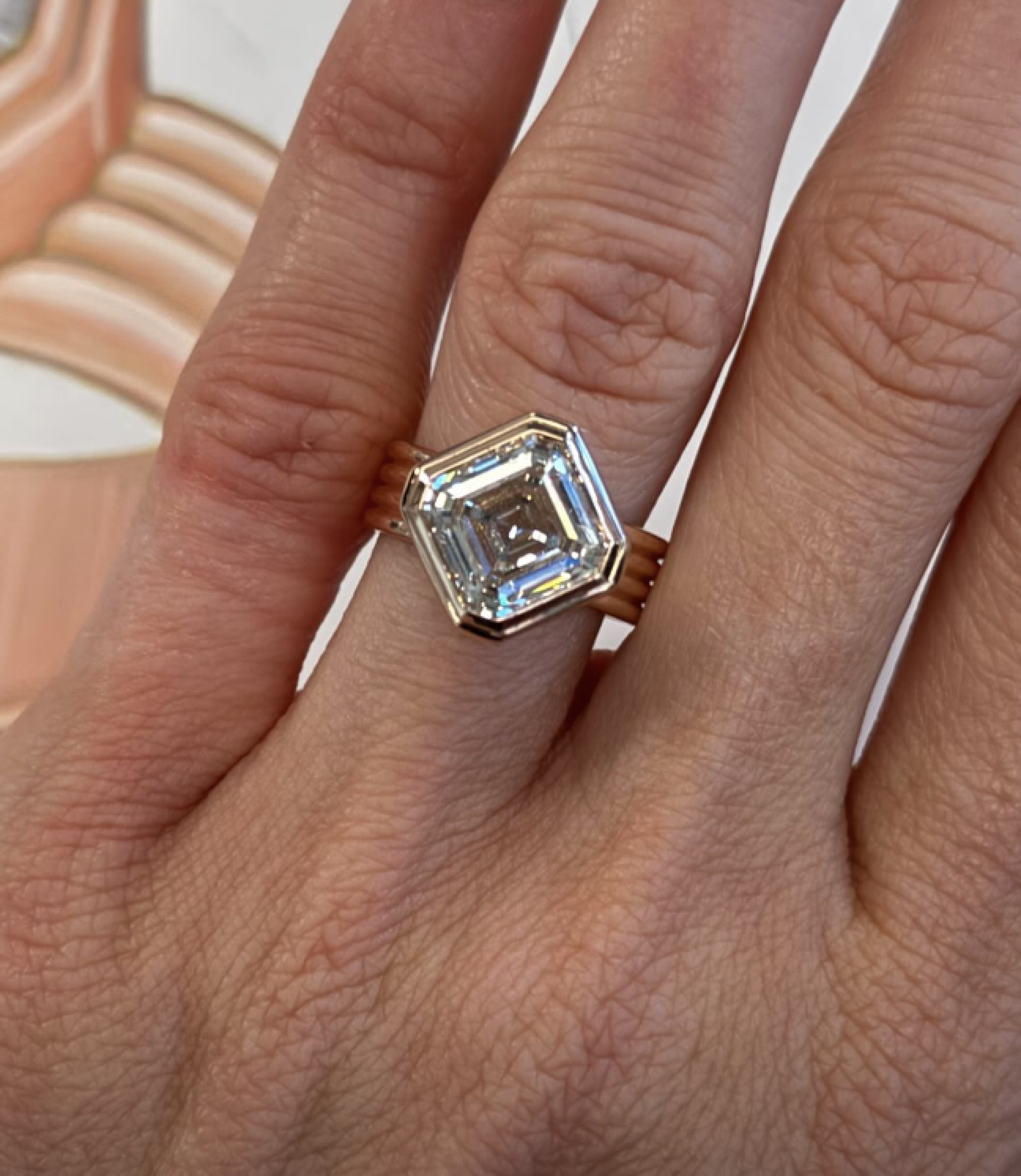
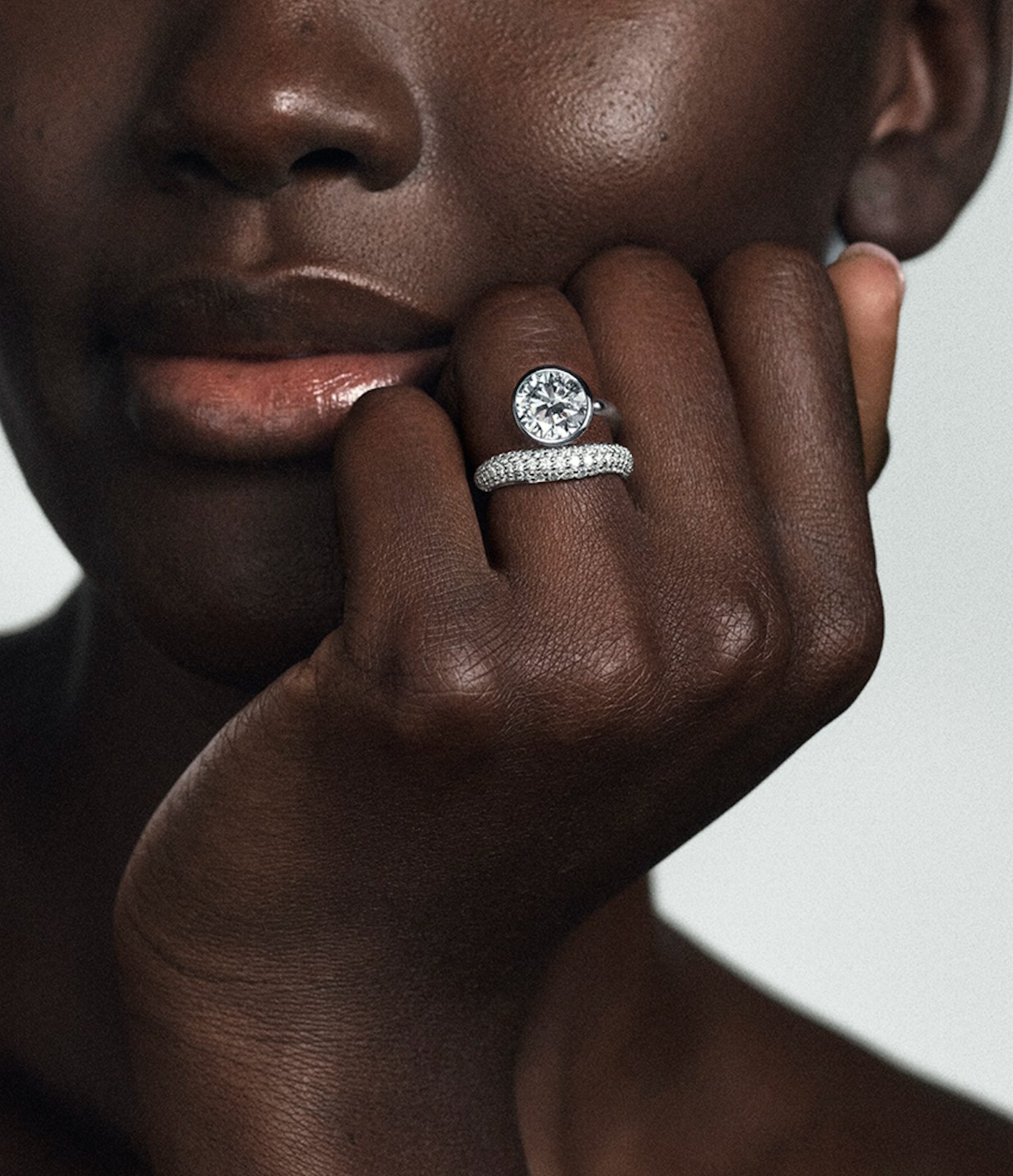
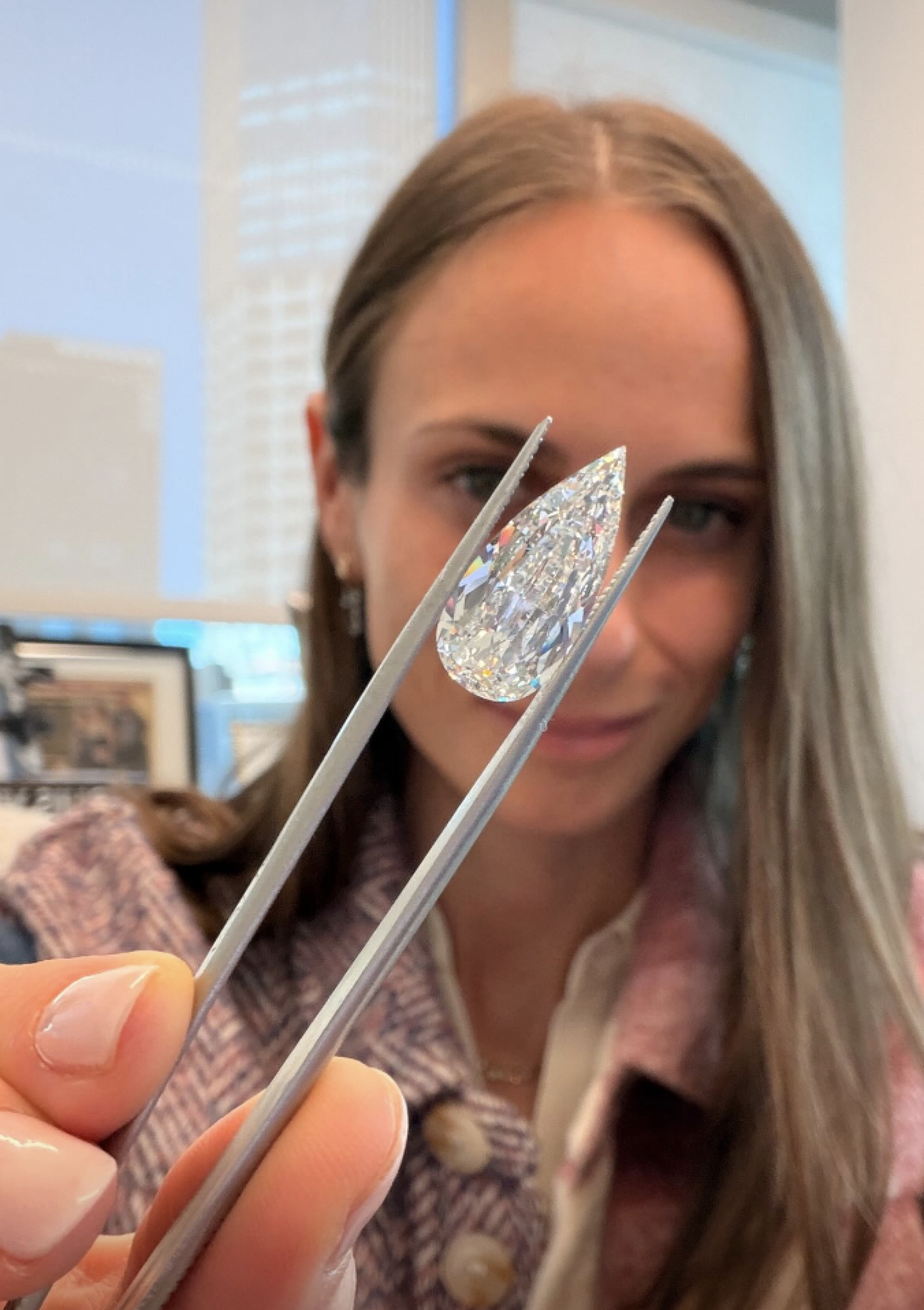
When choosing your diamond, it's worth paying just as much attention to what you actually see and love. Gottlieb explains, “The 4Cs are an important starting point, but they're only part of the story. Two diamonds with nearly identical certificates can look completely different in person, which is why I think it's so important to evaluate the actual stone. With fancy shapes especially, there are nuances that a certificate simply can't capture.” It's a point she sums up rather well: “I want you to fall in love with your diamond, not just its certificate.”
Your budget will naturally play a part in those decisions, too. And knowing where you're willing to be flexible starts with figuring out your non-negotiables. “Is it the size and presence of the center stone, a particular diamond shape, or a specific design detail? Once we understand your priorities, we can figure out where to make adjustments without compromising the overall vision. For example, if size is your priority, we might explore different color or clarity grades to maximize your budget without sacrificing visual beauty.”
The Practical Side of Things
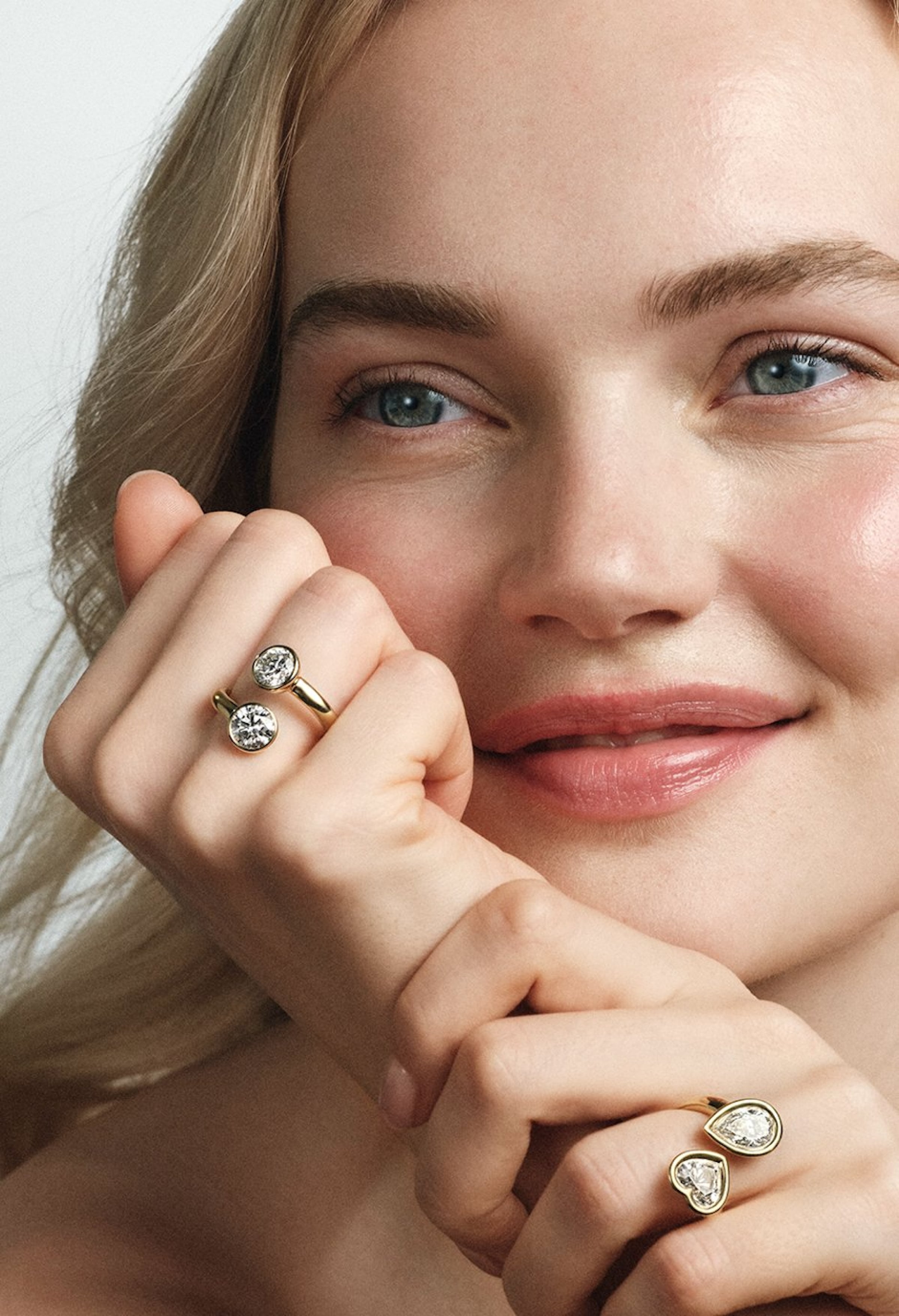
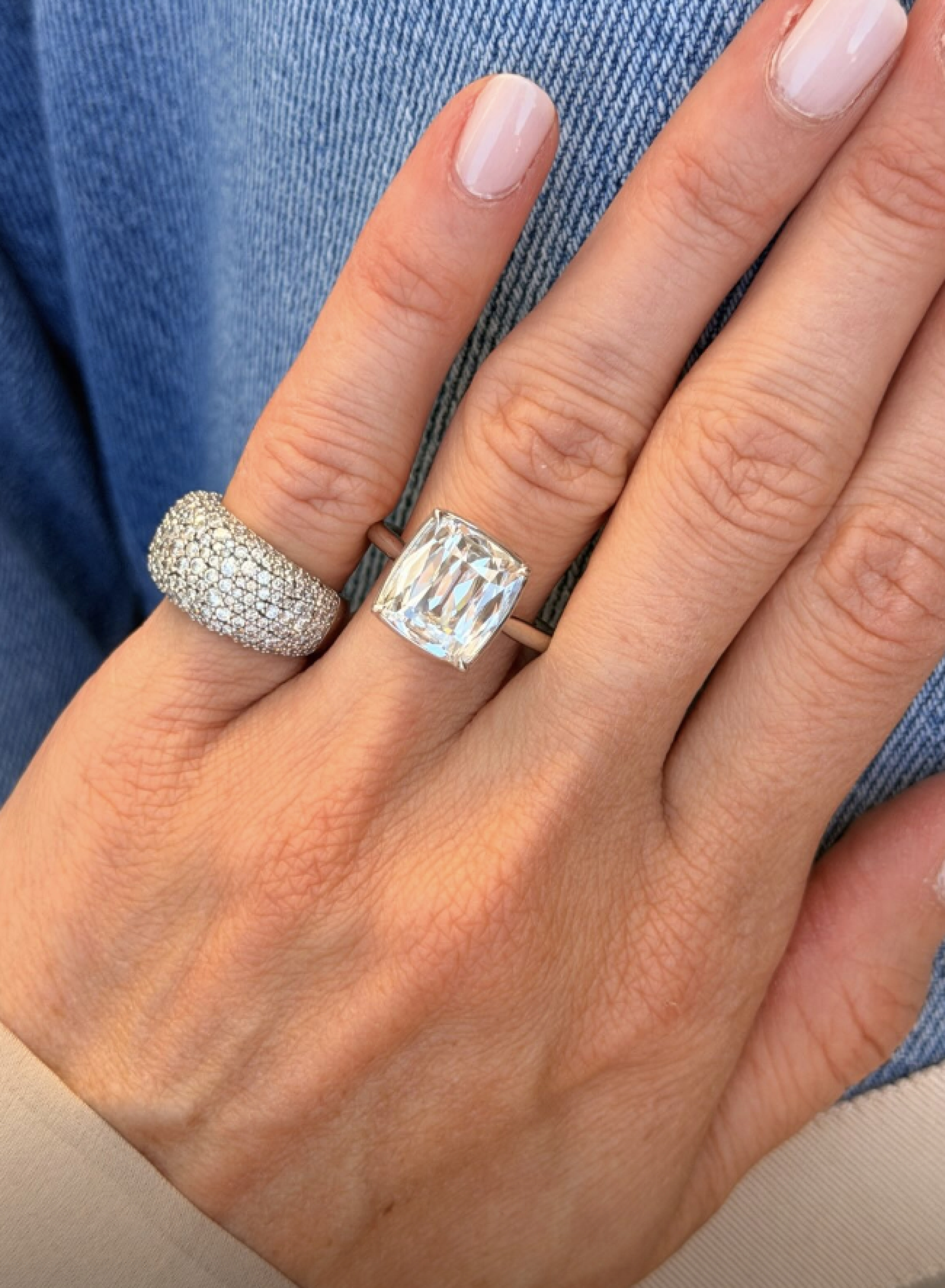
You'll probably wear your engagement ring more than any other piece of jewelry you own. So it's worth giving some thought to how it will fit into your everyday life. Gottlieb likes to get into those details early. “Lifestyle is a big one. I always ask clients to think about how they'll actually wear their ring. Are they active? Do they work with their hands? These details can make a big difference in both comfort and durability.” Even your future wedding band is worth considering. “I always encourage clients to think about their wedding band early in the process because it can actually influence how we design the engagement ring. If you envision a band sitting perfectly flush, for example, we need to consider that when designing the setting. But if you love a layered look, we have a lot more freedom to play with different shapes and proportions.”
Who Says Trendy Can't Be Timeless?
“I actually love trends because they introduce people to new shapes, settings and design details they might not have considered otherwise,” says Gottlieb. It's a refreshing perspective, particularly when so much engagement ring advice revolves around choosing something timeless. As Gottlieb points out, “Just because something is trending doesn't mean it can't also be timeless or genuinely reflect your personal style.” Still, she thinks it's worth asking yourself one thing: “Do you love it because you're seeing it everywhere, or because it really feels like you?”
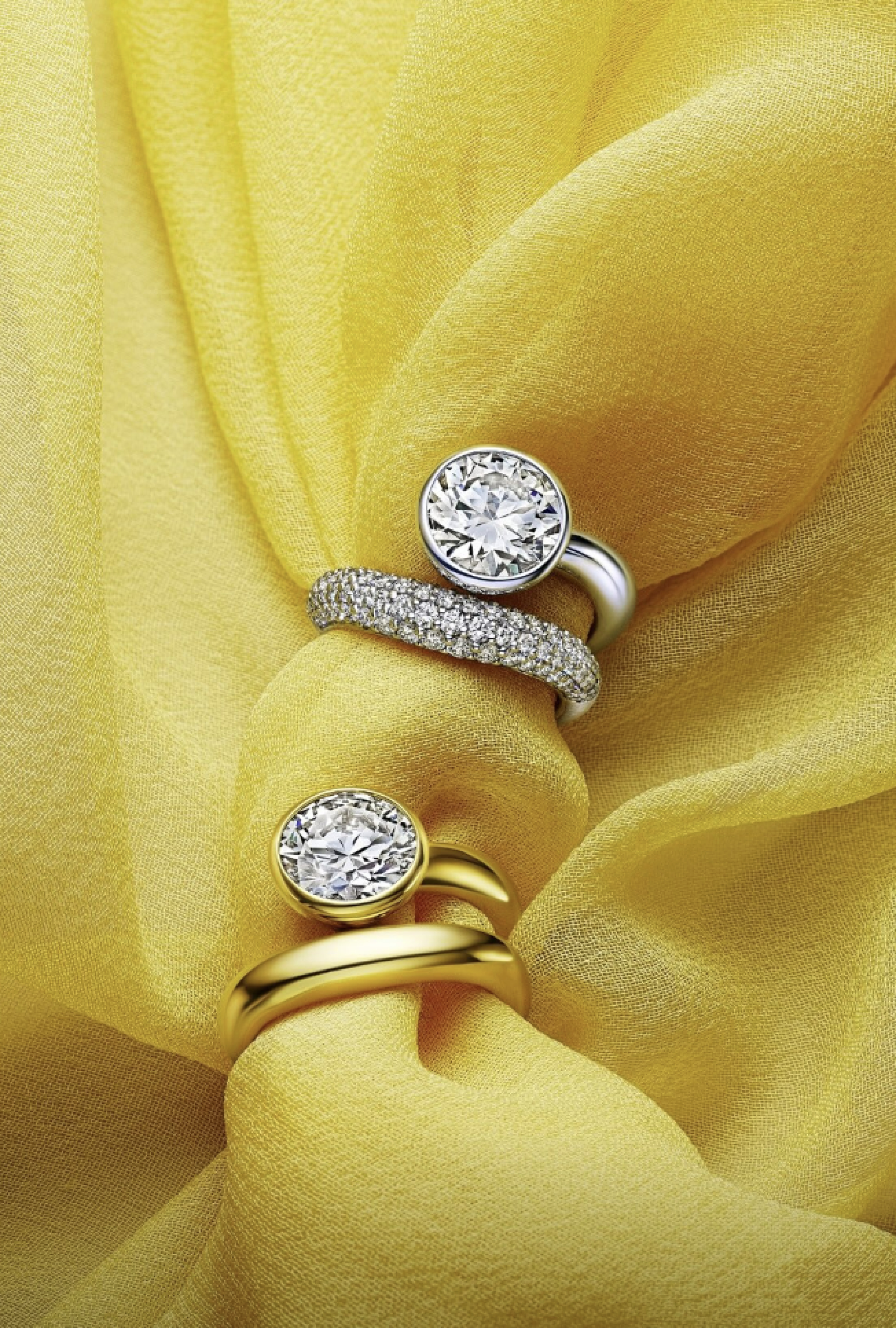
After all, if there's ever a piece of jewelry worth making your own, surely it's your engagement ring. And as Stephanie sees it, “There's no right or wrong way to design an engagement ring. It doesn't have to be a round diamond, a certain carat weight, or even a diamond at all!” As Gottlieb reminds us, “Tradition can be a beautiful starting point, but it should never limit your creativity.”
Let Your Ring Grow With You
It's easy to get caught up wondering whether you'll still love the same engagement ring in twenty or thirty years. But perhaps we're putting a little too much pressure on ourselves to predict what our future selves will want. Gottlieb has a reassuring thought on that. “I love the idea that your engagement ring is a time capsule. It captures who you were, your personal style and that particular moment in your life when you got engaged. There's something really special about holding on to that, even as your taste evolves over time.”
Which is a nice reminder that the meaning behind a ring doesn't depend on your taste staying exactly the same. “The center stone is really the heart of it. It represents the commitment and the milestone, while the setting can evolve with you. You might love a classic solitaire today and want something completely different in twenty years, and that's okay.” As Gottlieb puts it, “To me, timelessness isn't necessarily about designing something you'll never want to change. It's about creating something meaningful enough that you'll always want to hold on to it.”