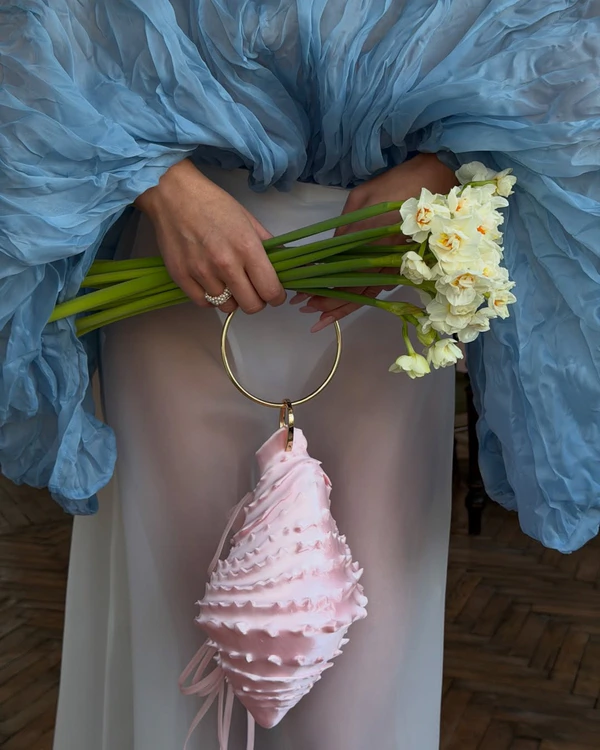
Flowers have always been one of the most powerful storytellers within a wedding, capable of transforming a space long before guests arrive or music begins. They shape atmosphere as much as aesthetics, influencing how a celebration is not only experienced, but remembered. As conversations around sustainability continue to evolve across fashion, travel, and design, weddings are no exception. Couples are becoming more curious about how flowers are sourced and designed, seeking choices that feels right for their day. Sustainability in florals rarely comes down to one dramatic decision, but rather a series of thoughtful ones, guided by the florists behind them. From choosing seasonal stems to rethinking mechanics and planning for reuse, leading florists share the considered approaches that allow beauty and responsibility to exist side by side, proving that conscious choices can shape florals that feel just as extraordinary as they are enduring.
Choose Local, In-Season Blooms
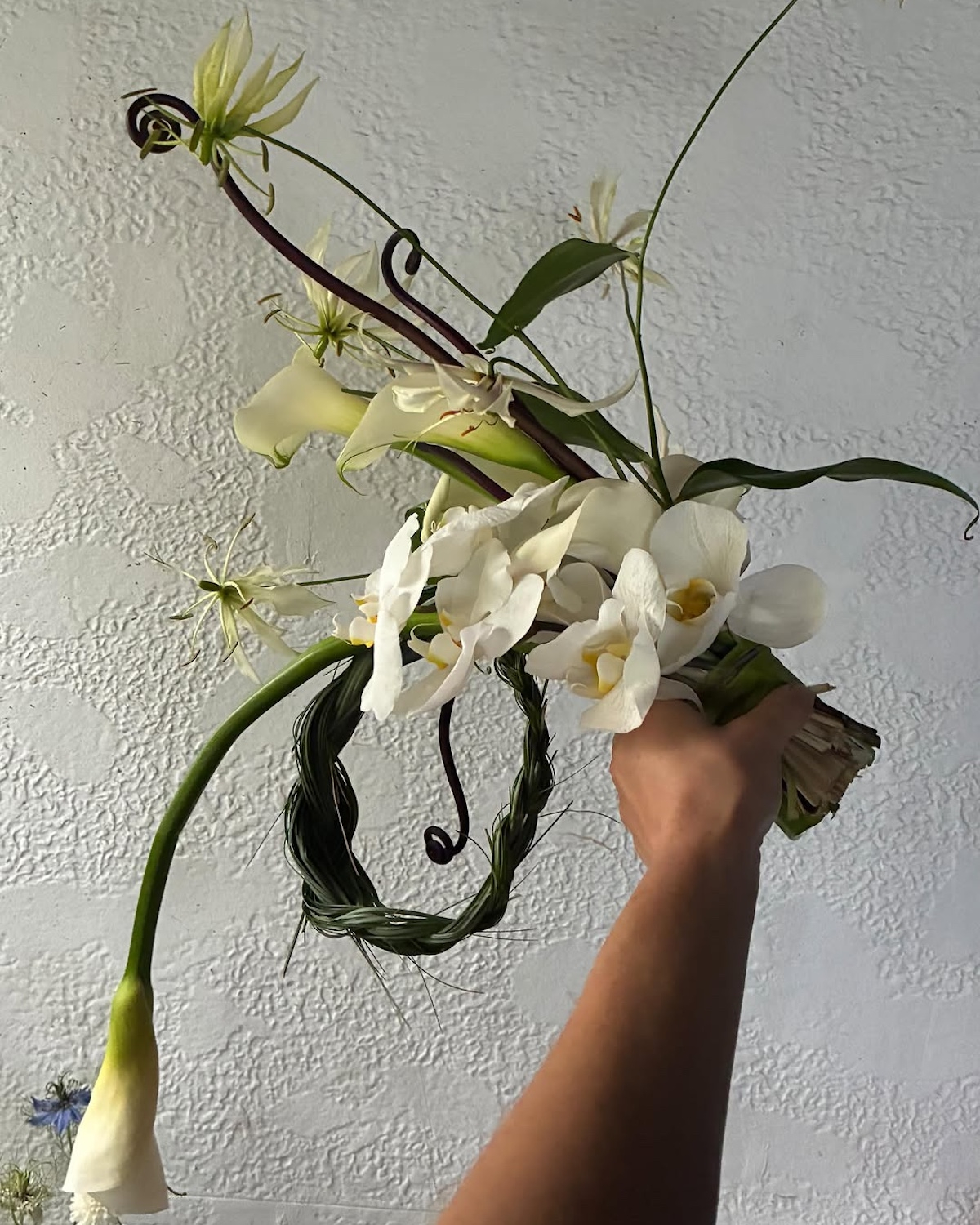
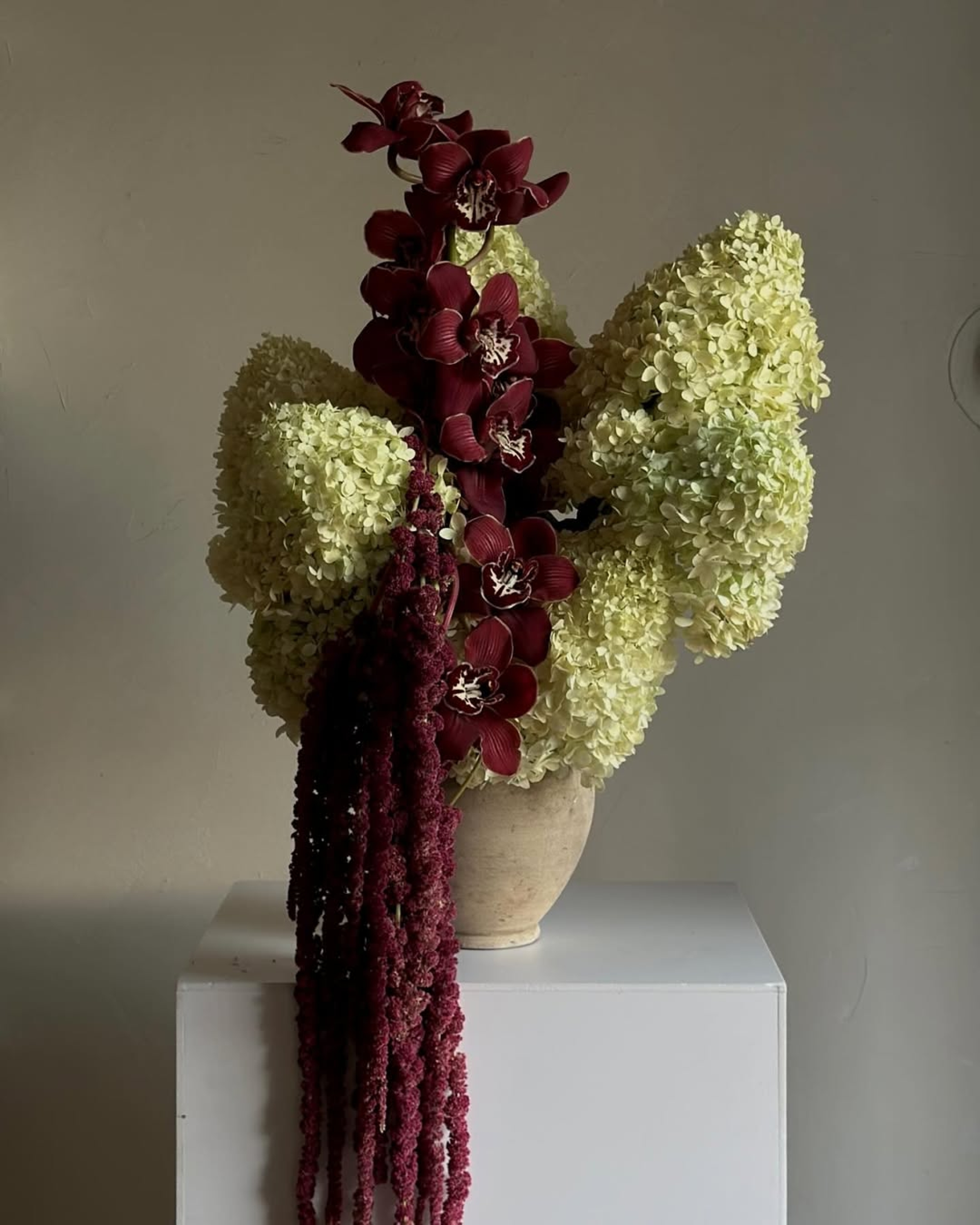
The first thing any expert florist will tell you? Keep seasonality and locality in mind. It’s the foundation of conscious floral design and one of the most thoughtful decisions couples can make from the start. Andjela Novakovic, floral and set designer behind Angie Flowers Studio, explains: “Choosing flowers that are locally grown and naturally in season significantly reduces transportation impact while ensuring the freshest, most refined aesthetic. Collaborating directly with local growers also allows for more distinctive floral selections that reflect the character of the destination.”
Laura Berger, creative director of Solasta Blooms, shares a similar approach, prioritizing locally sourced stems wherever possible. "This reduces air miles, heavily sprayed chemical use, and the blooms are generally longer lasting," she says.
Rebecca Armstrong of Phosphorus Botanical takes a similarly grounded view, noting that working regionally is often the most meaningful shift couples can make. “This biggest one and in my opinion, most important is trying to work with flowers local to your region. 80-90% of the flowers and botanicals that I use are grown in Washington, Oregon, and California, with the summer months almost entirely sourced from my home of Western Washington,” she says. “I also just really love working seasonally, as it keeps me connected to nature's cycles, and we have some really special flowers that grow well here that other regions can't easily source.”
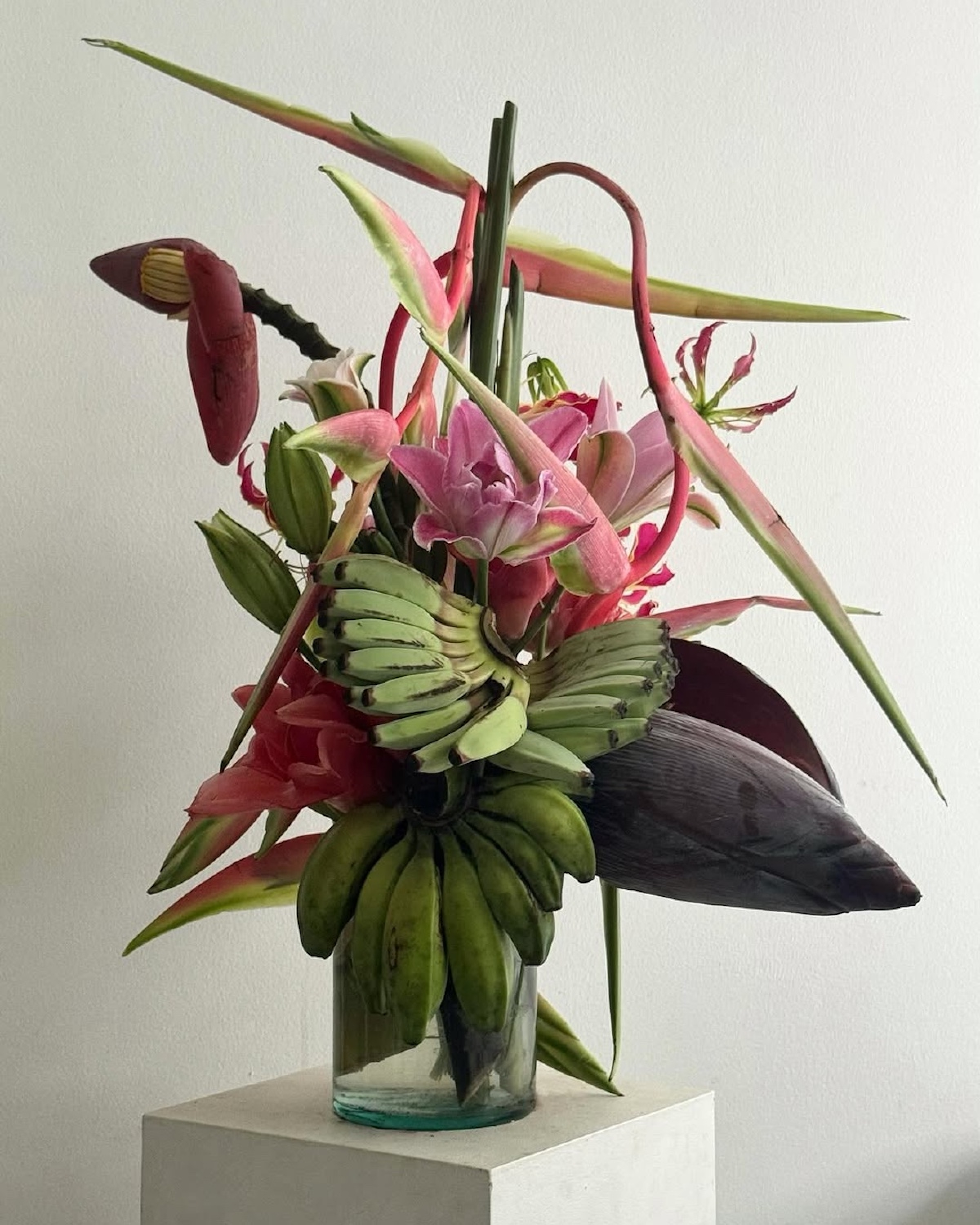
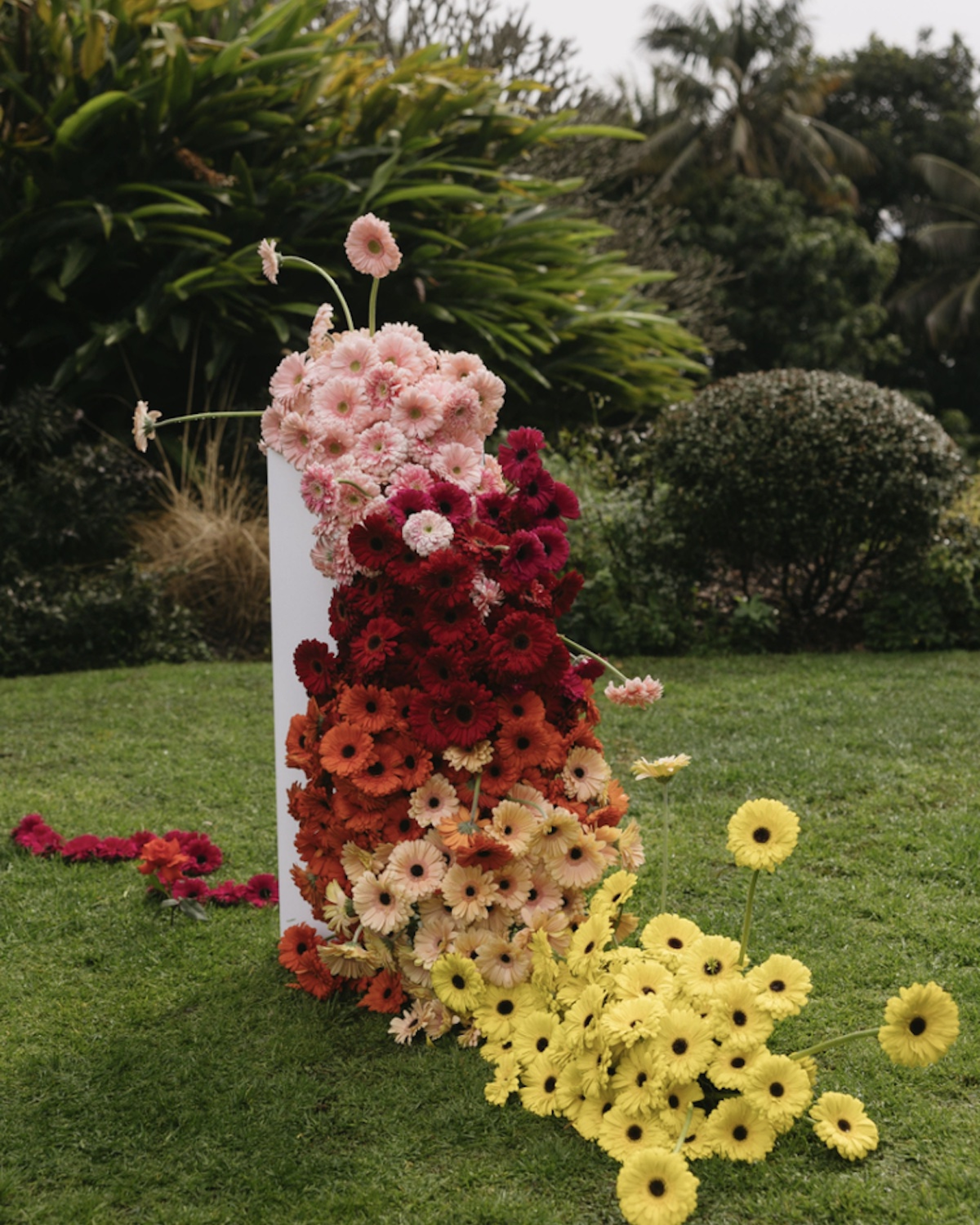
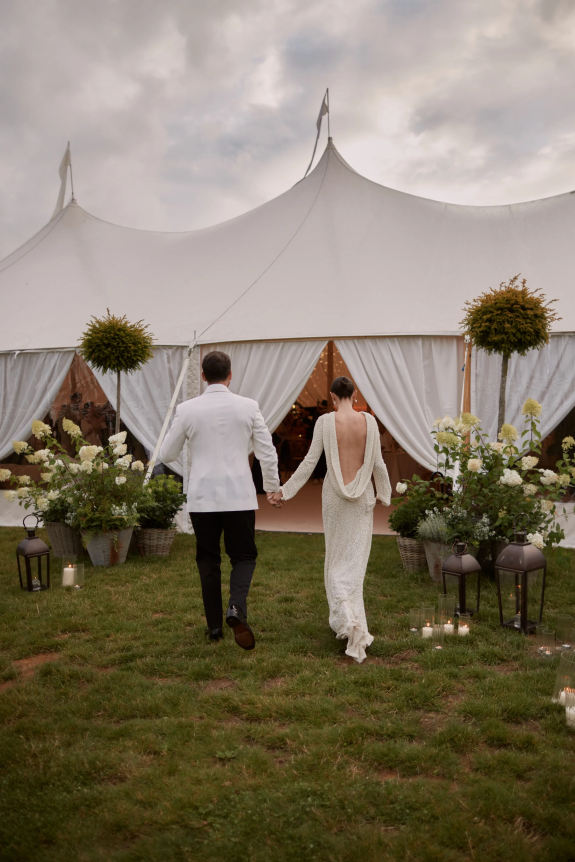
Solasta Blooms, Photography: Sahra James
Be Strategic with
Your Floral Investment
One of the most effective ways to reduce floral waste is to be strategic about where you invest. Ceremony florals are often the largest floral moment of the day, making them the smartest place to focus both budget and design energy. The team at Solasta Blooms emphasizes the importance of addressing this early in their planning process. "They are the biggest investment that we recommend, serving as the main ‘floral masterpieces.’"
Plan for a Second Life
Just because your flowers are for one day doesn’t mean they have to be used once. When movement is built into the design, florals can live multiple lives throughout the celebration. “Larger statement pieces can be reimagined into smaller arrangements, table florals can be gifted to guests, or selected designs can be donated after the event, extending both their emotional and environmental value,” suggests Angie Flower Studio.
Looking beyond the wedding day itself, Phosphorus Botanical also prioritizes what happens after the celebration ends. “I do compost everything at the end of every event. It goes right back to the earth by way of local composting facilities that make this really easy for us. But if you don't have city-provided composting pickup, that doesn't mean everything has to go in the trash. You can compost your organic matter and flowers at home, or bring them to a local community garden. They often happily accept compost donations.”
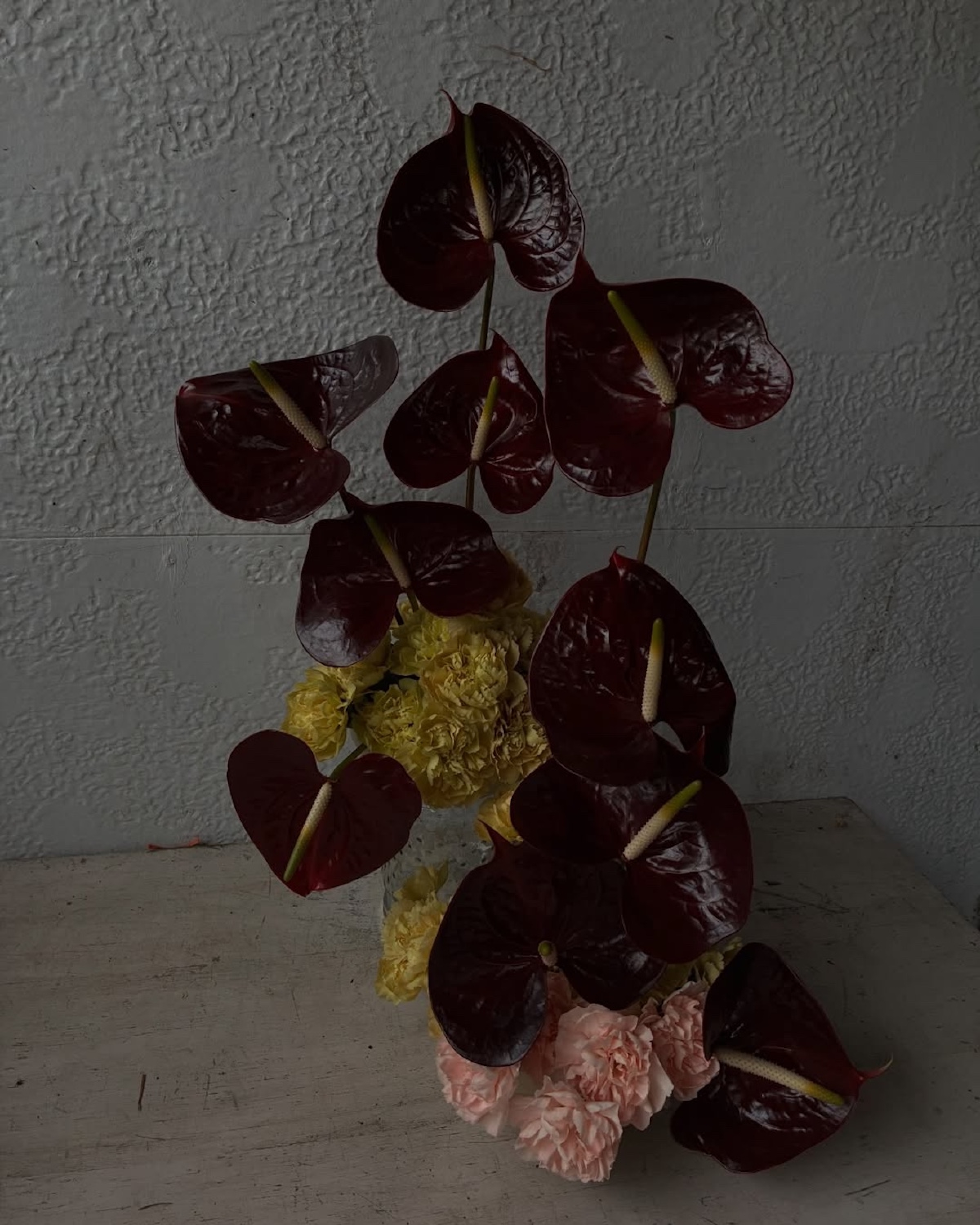
Phosphorus Botanical
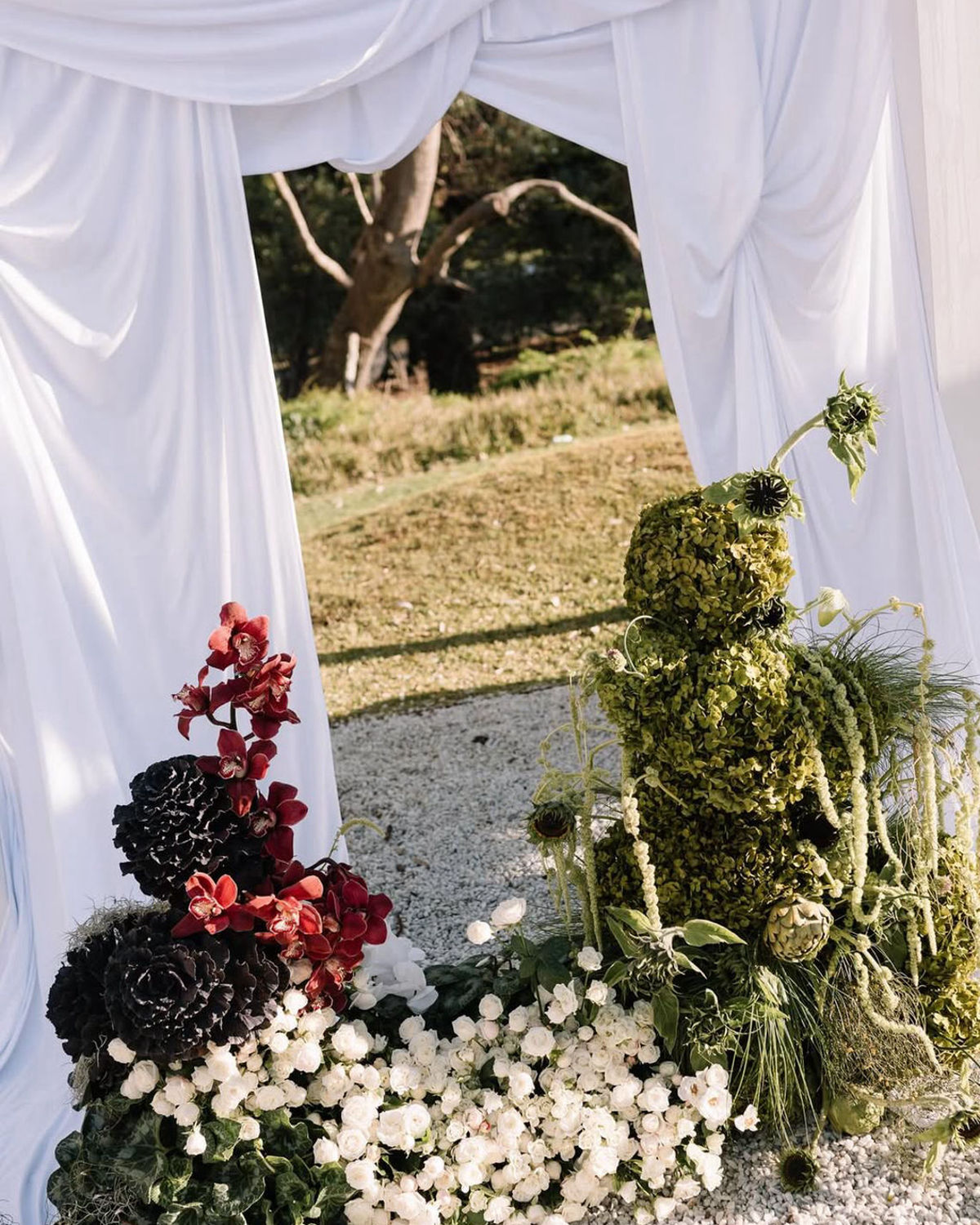
Solasta Blooms, Photography: Alex Marks & Jason Corroto
Embrace the 'Less is More' Ethos
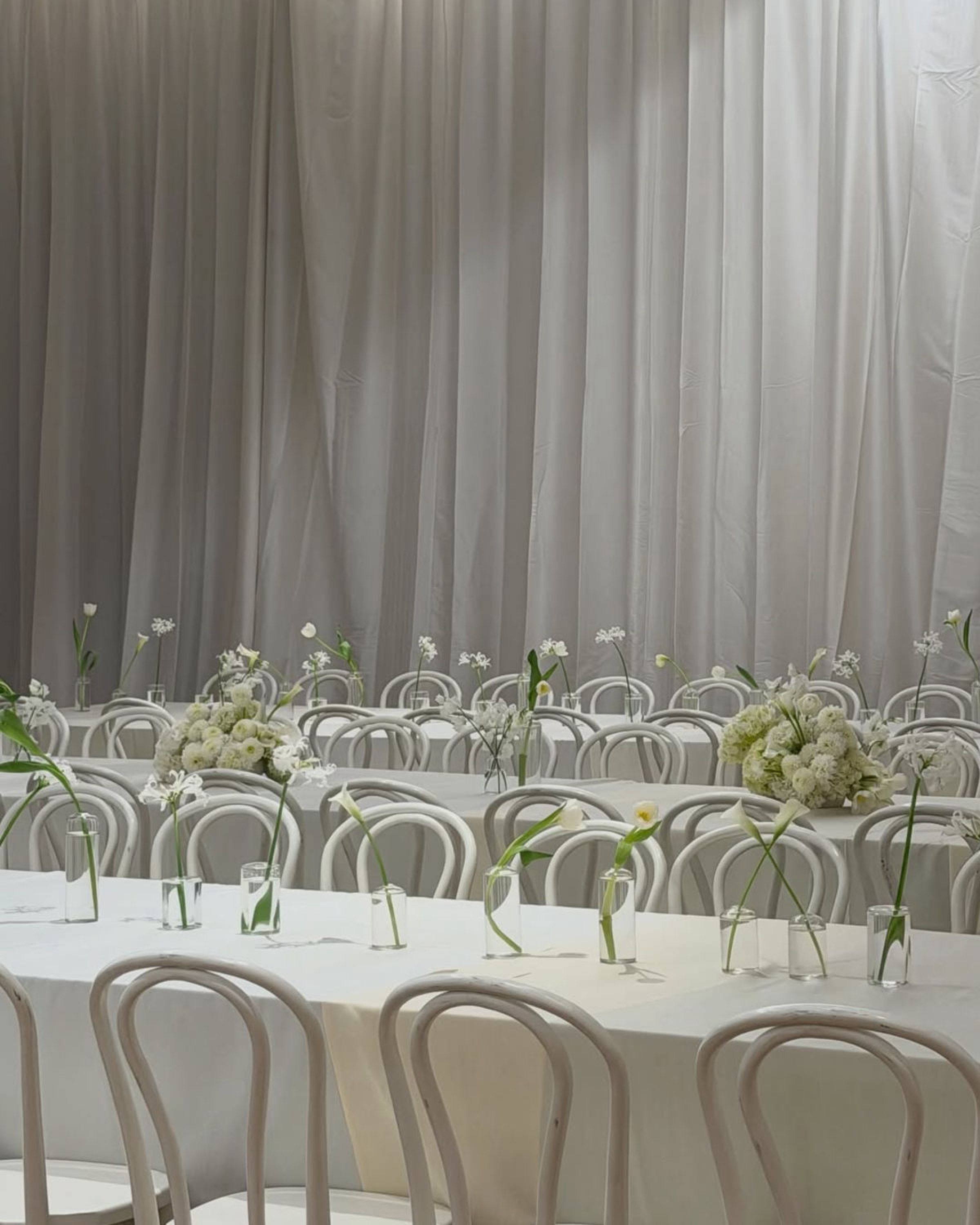
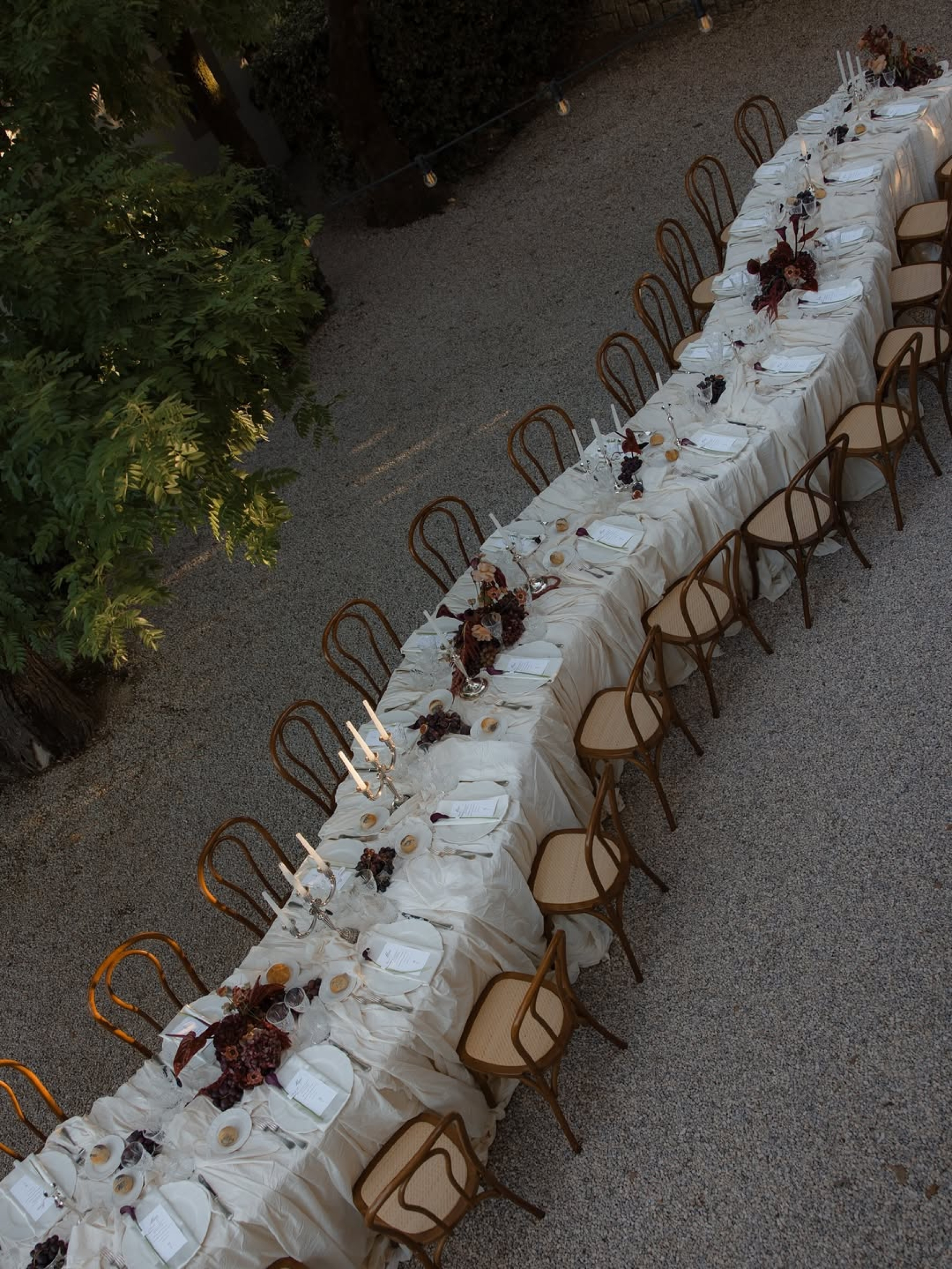
The idea that more is always better can be misleading, especially when it comes to sustainable floral design. In reality, choosing less is often the more thoughtful approach. Intentional compositions with fewer elements not only reduce waste, but can also create a stronger visual impact overall. As floral and botanical stylist Marta Sandri explains, “Sustainability in wedding florals isn’t about claiming to be ‘green’ — it’s about reducing scale and waste through intentional design. Fewer elements, more impact.” Angie Flower Studio agrees, “A well-considered composition using fewer, carefully selected elements often creates a more sophisticated visual impact while naturally minimizing waste and overproduction.”
Intentionality is equally central to Solasta Blooms’ design philosophy. "Creating intentionally with the flowers is so important, so we don’t have an excess of blooms. Less can be more with our design approach, and negative space designs are really popular and just as impactful when done well.”
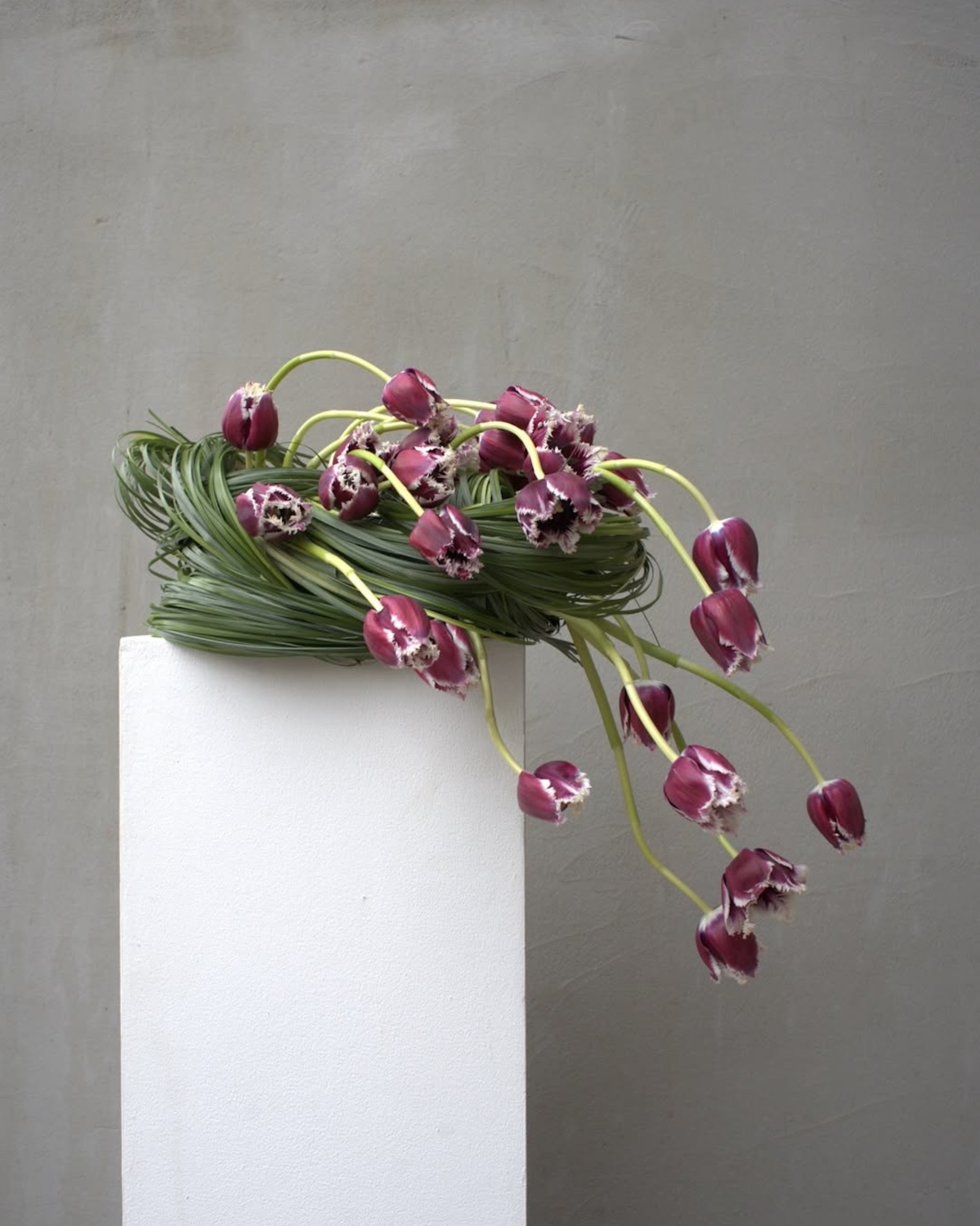
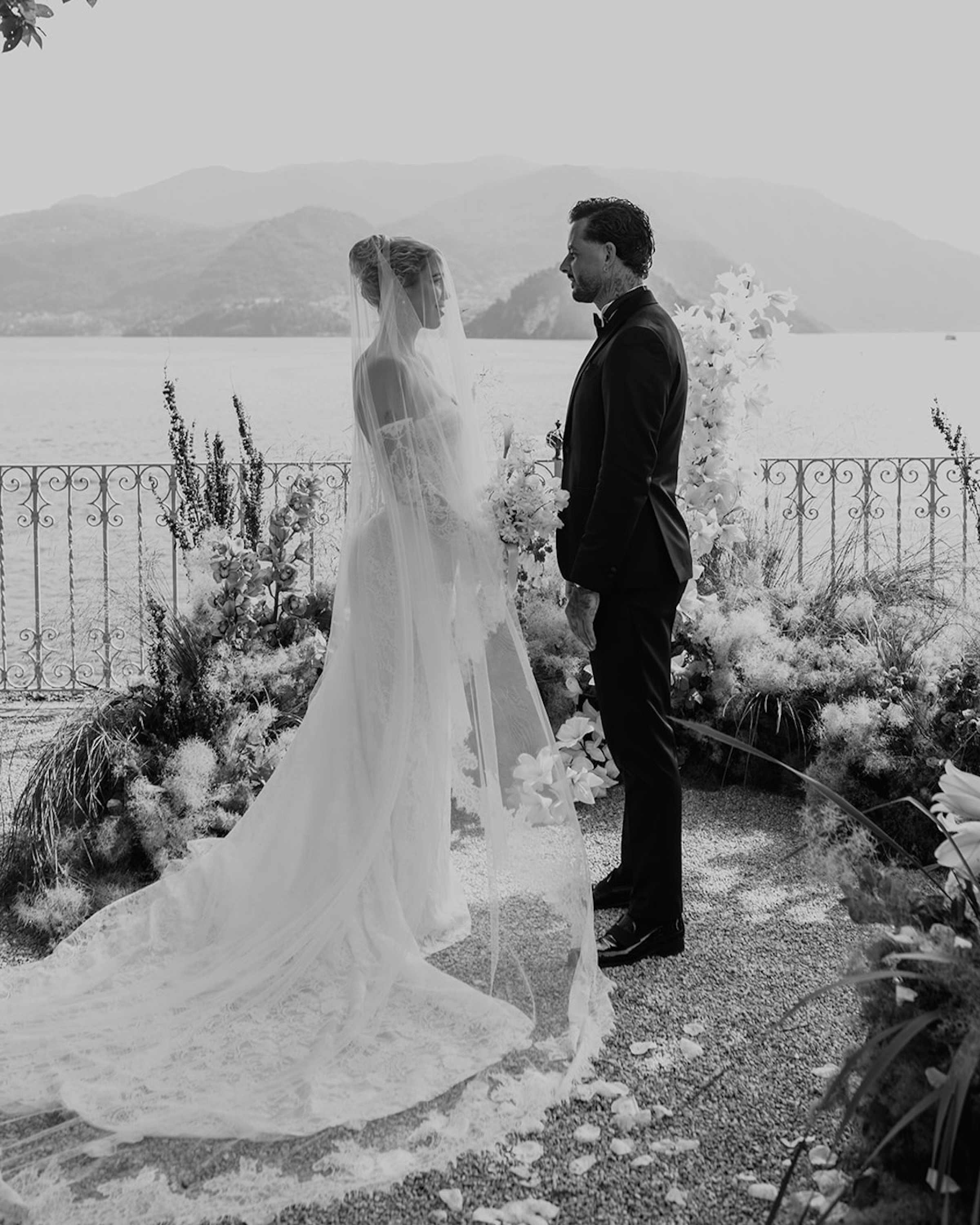
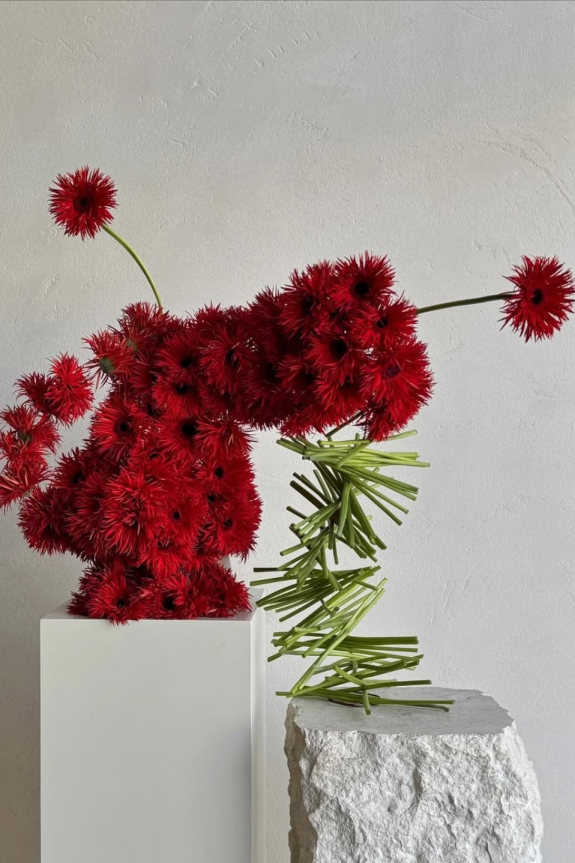
Angie Flowers Studio
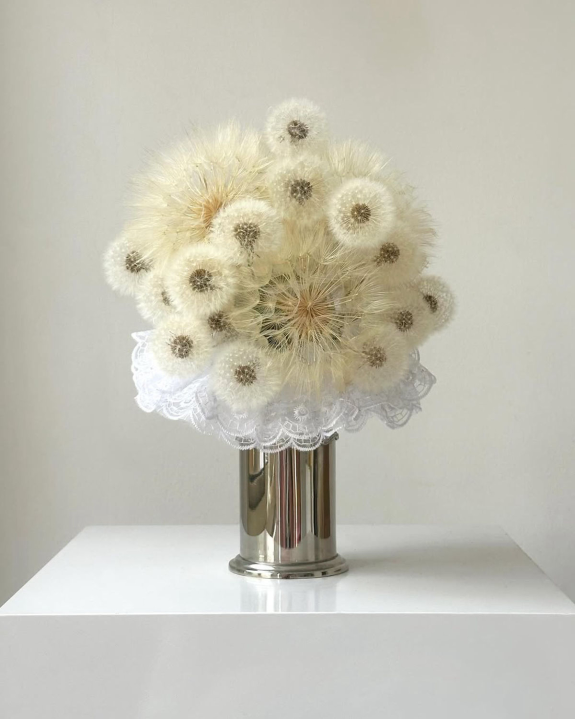
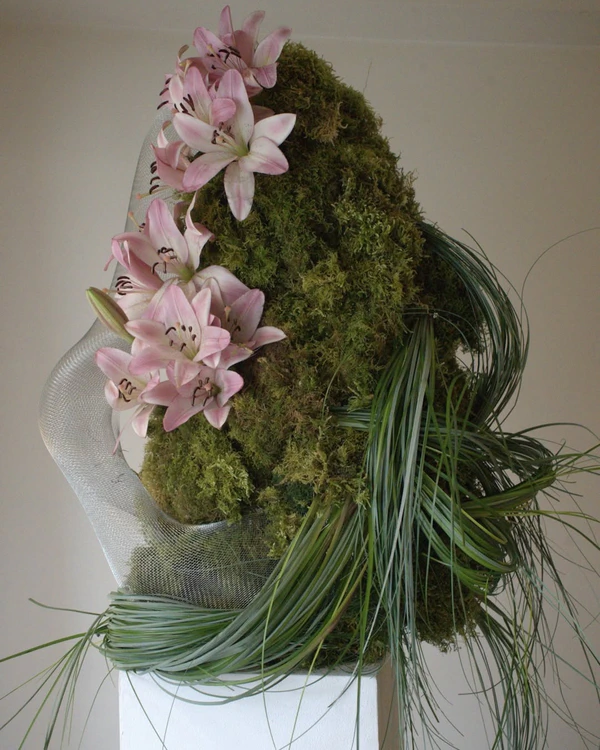
Marta Sandri, Photography: Millifoto
Edit Your Floral Expectations
Not every surface needs flowers, and not every moment needs decoration. Being open to unexpected placements, fewer focal points, or even floral-free zones allows florists to create something more intentional and far less wasteful. When expectations are edited, the result is usually more personal and the impact is stronger.
Rethink Floral Mechanics
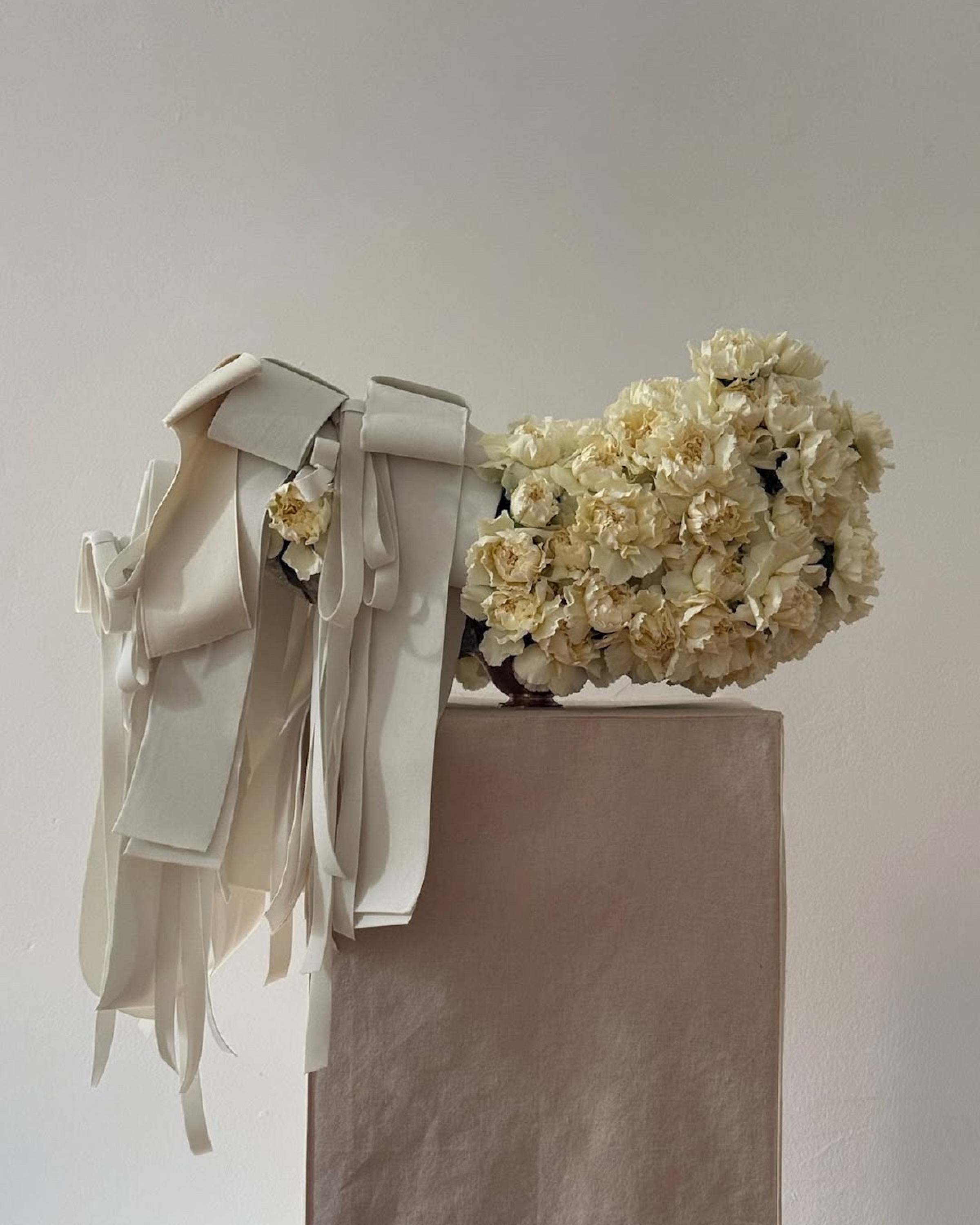
Not all waste is visible. Beyond the flowers themselves, the mechanics behind an arrangement can carry a major environmental footprint. That’s why many forward-thinking designers are moving toward reusable structures and more mindful floral techniques. Marta Sandri approaches every design consciously: “Weddings are inherently resource-intensive, so I’m careful with the word ‘sustainable’. The most honest approach is making more conscious decisions: avoiding floral foam, sourcing locally when possible, and prioritising quality over quantity.”
Work with Designers Who
Value Transparency
Who you choose to work with matters just as much as what you choose. A florist who’s upfront about sourcing, mechanics, and scale can guide you toward smarter, more sustainable decisions from the very beginning. Don’t be afraid to ask important questions: where are the blooms coming from, will anything be reused, and what happens to it all after the wedding? The right designer will welcome that conversation and help you make choices you won’t second-guess later.
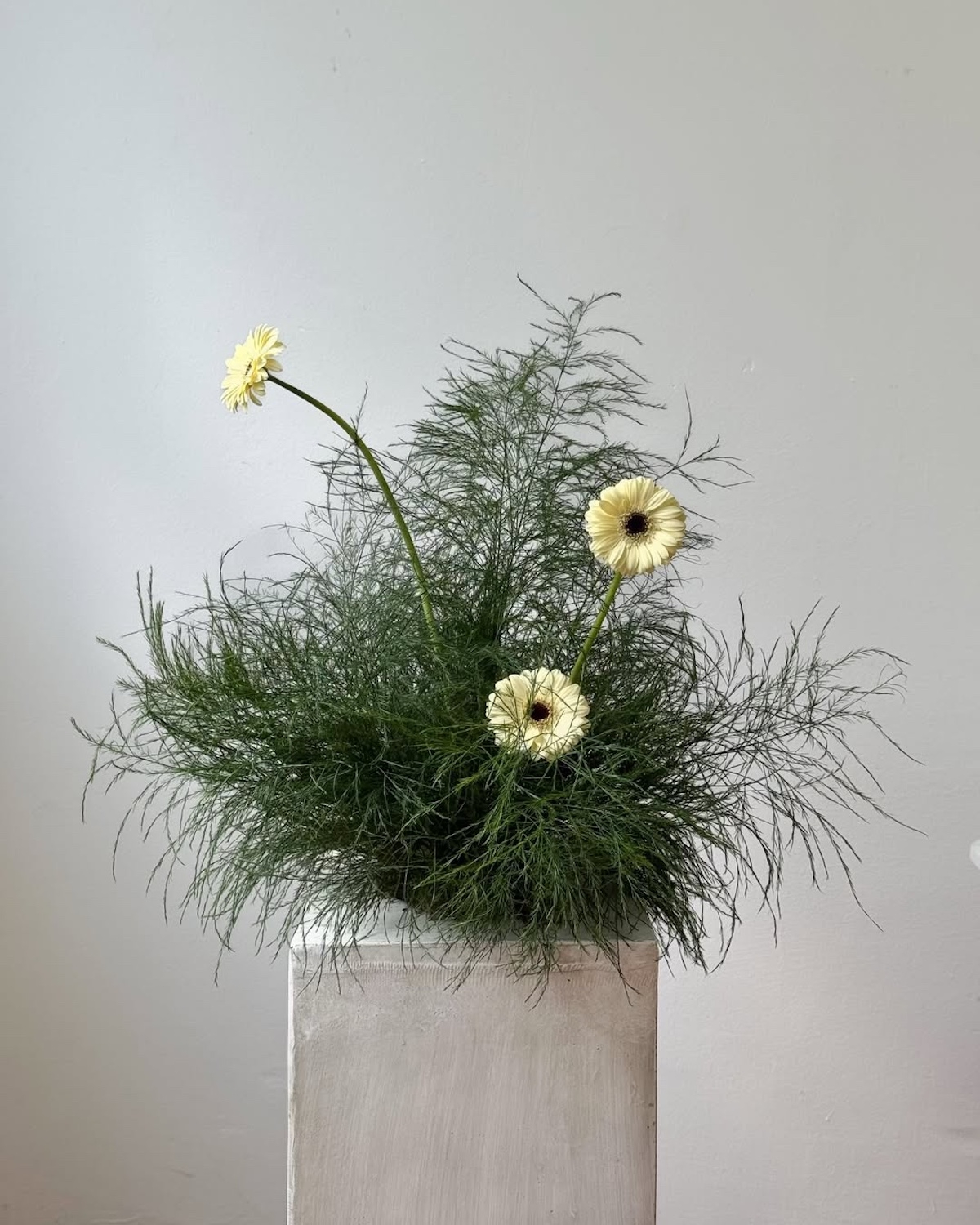
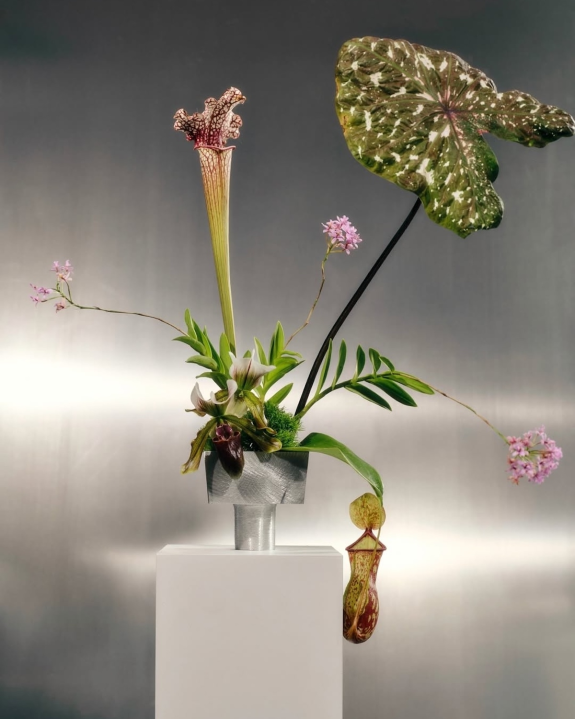
Marta Sandri
Angie Flowers Studio, Photography: Pinewood Weddings