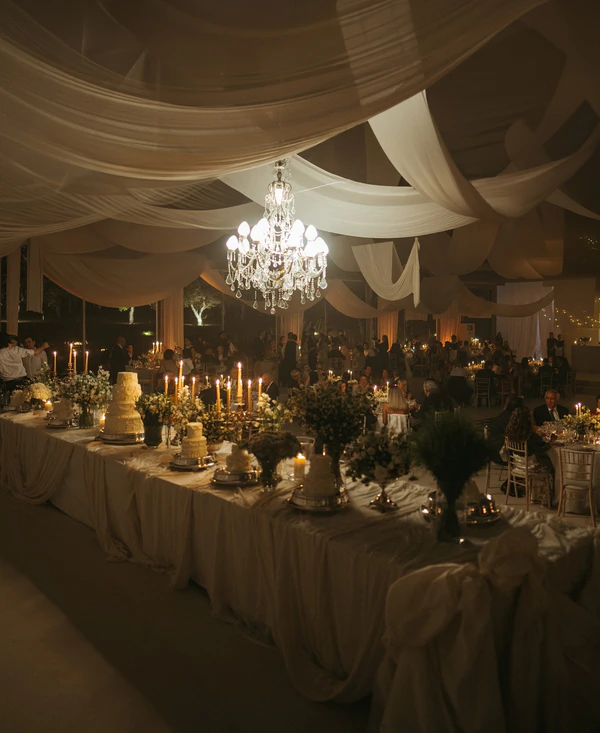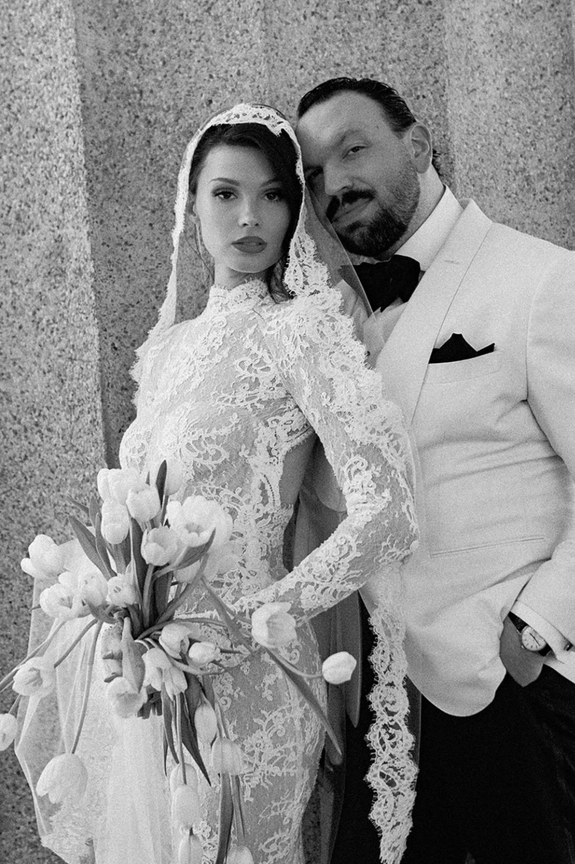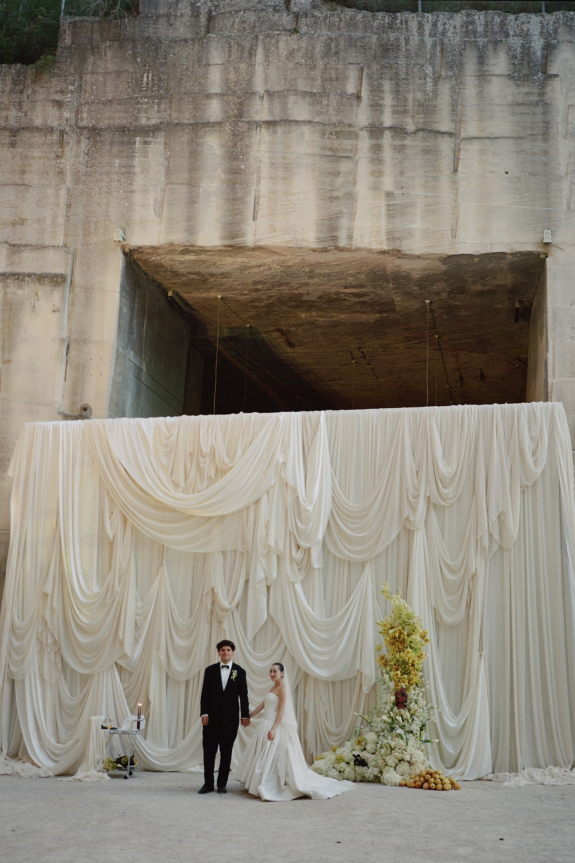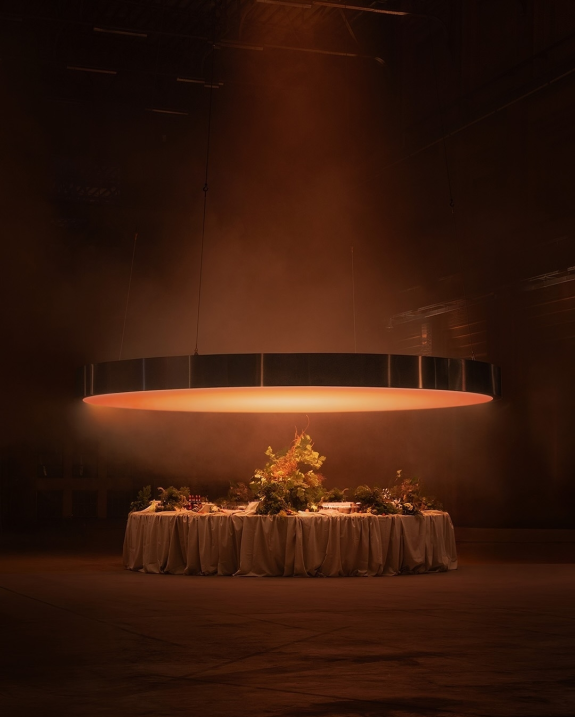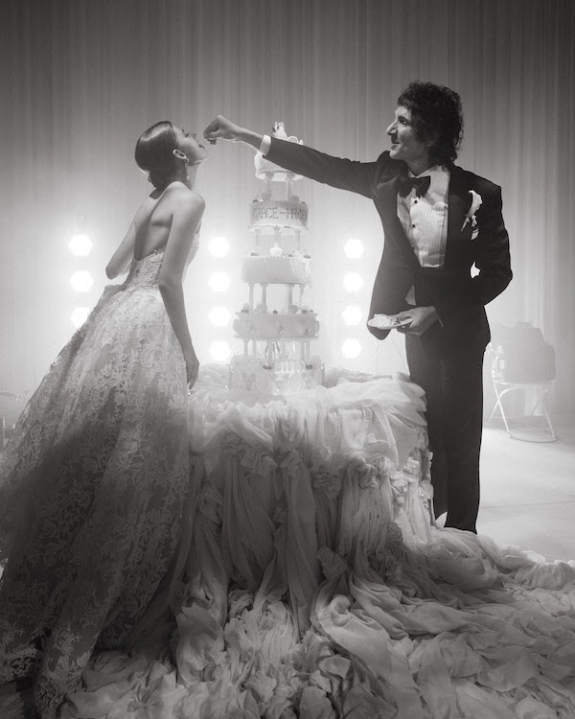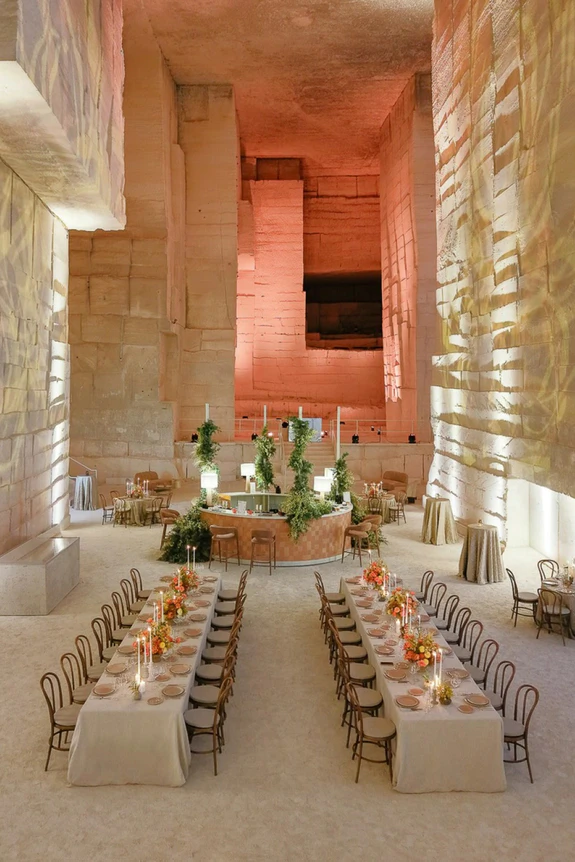
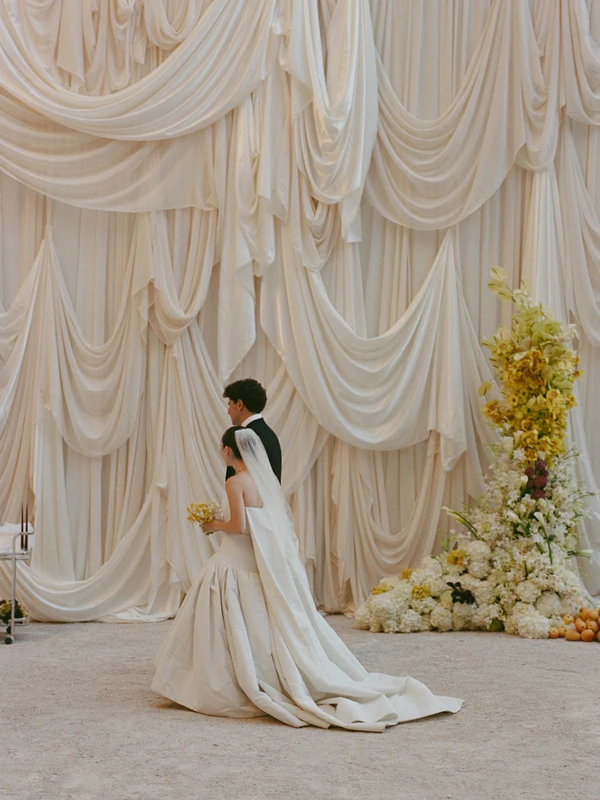
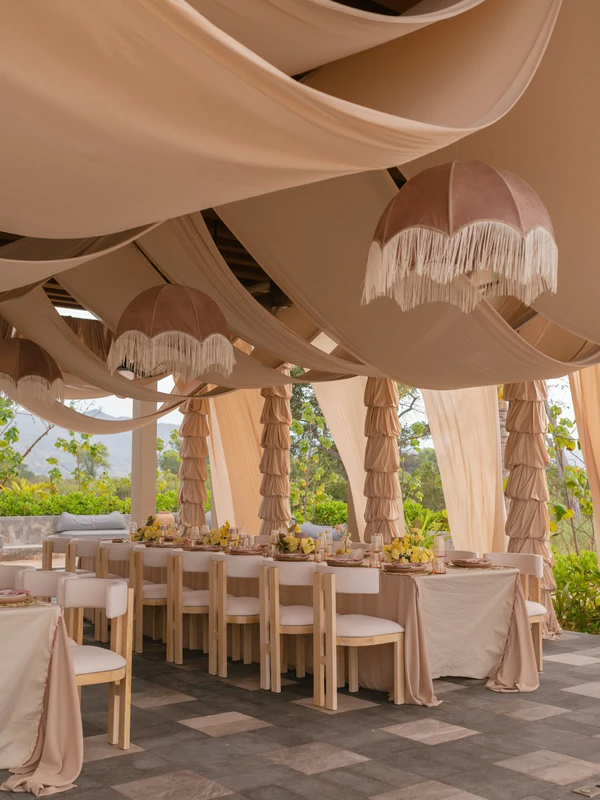
Contemporary wedding design is increasingly moving beyond aesthetics, embracing a more immersive understanding of space, emotion and memory. The most remarkable environments are often those destined to disappear almost as quickly as they come to life — created for a single celebration before being carefully dismantled, leaving behind little more than photographs, films and, for those who experienced them, an enduring emotional imprint. Their beauty lies precisely in their impermanence. Rather than existing to be admired, these spaces are designed to be inhabited, remembered and felt.
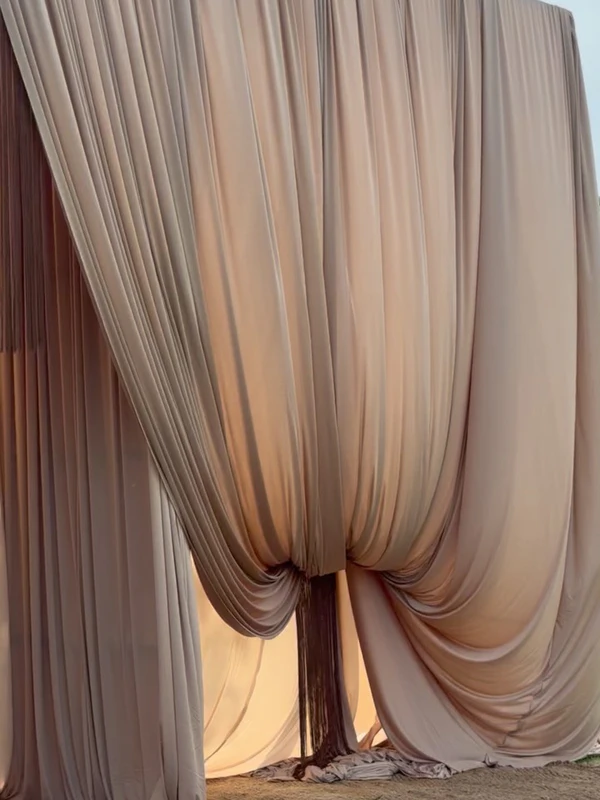
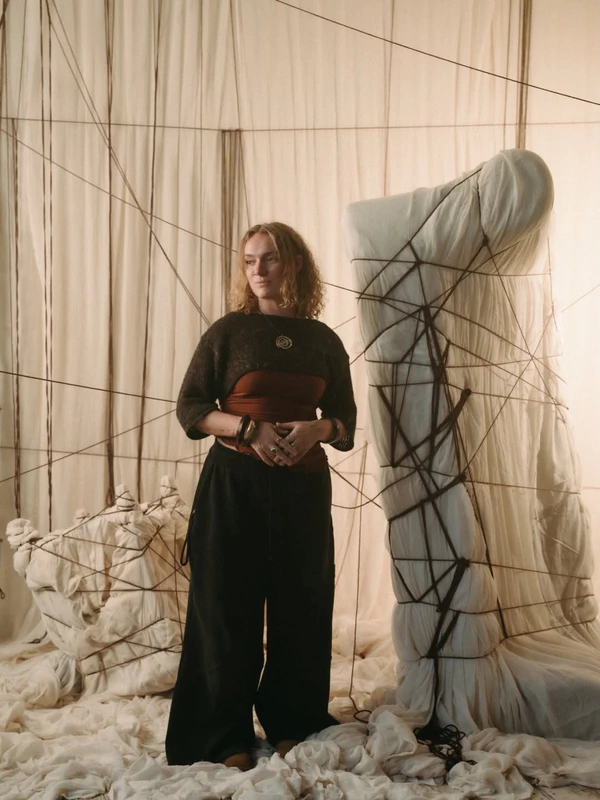
There are few creatives who embody this philosophy as intuitively as fine art textile designer Mia Sylvia. Working at the intersection of architecture, art and event design, she has redefined the role of textiles within contemporary celebrations — not as decoration, but as a medium capable of shaping atmosphere, emotion and human connection. In our conversation, Sylvia reflects on the language of cloth, the rituals that make weddings so profoundly meaningful, the invisible work behind every installation and why the most lasting forms of beauty are often those that exist only for a fleeting moment.
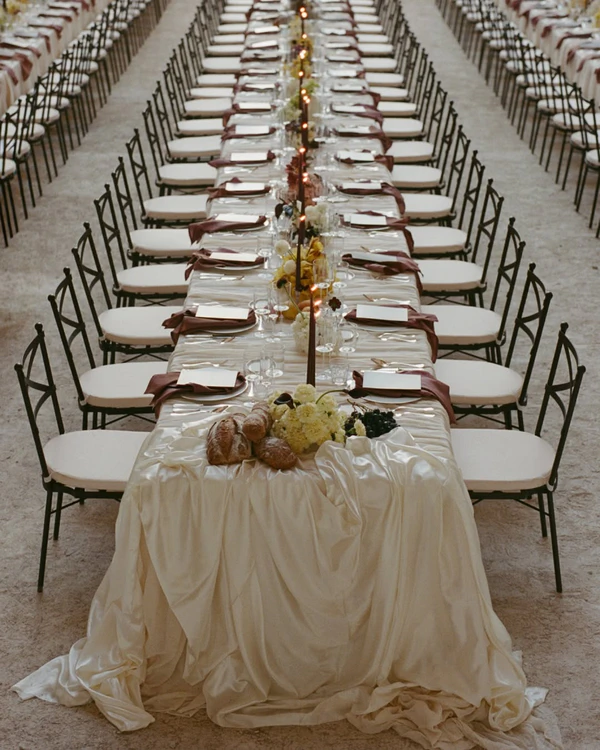
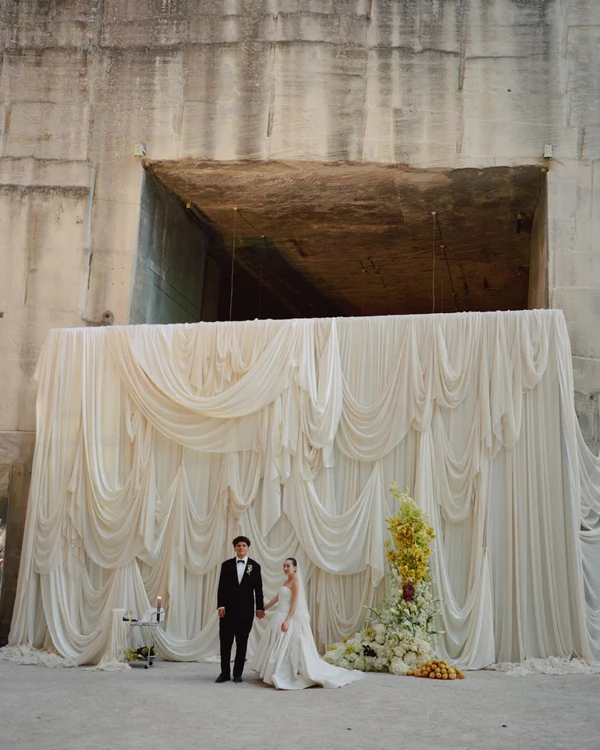
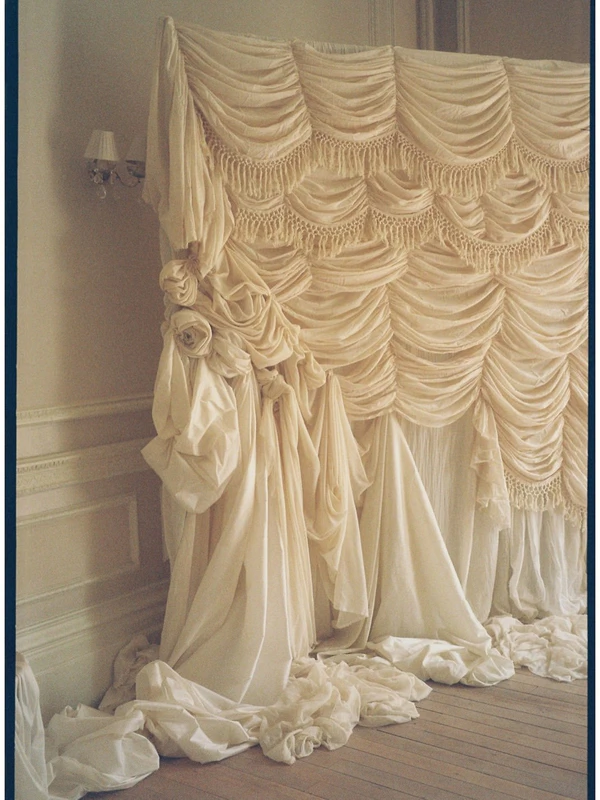
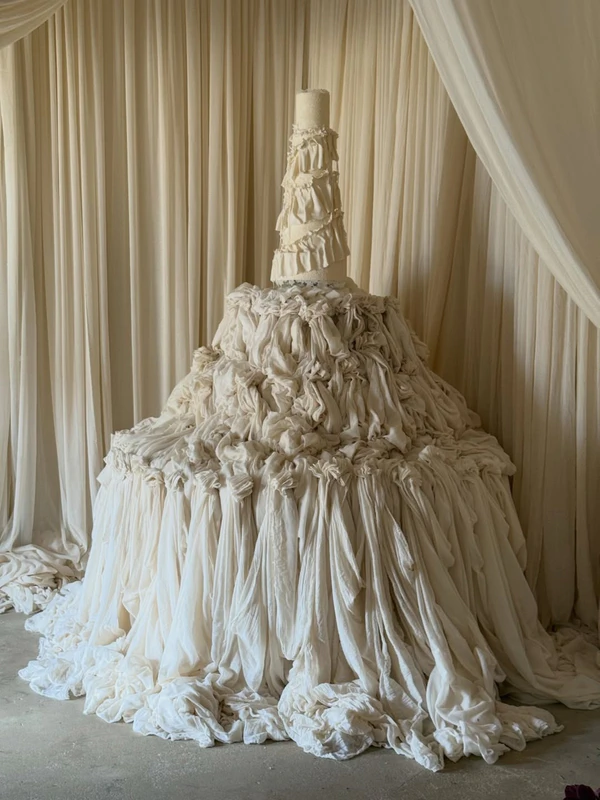
When you first began working with textiles, what did they allow you to express that other mediums didn’t seem to hold in the same way?
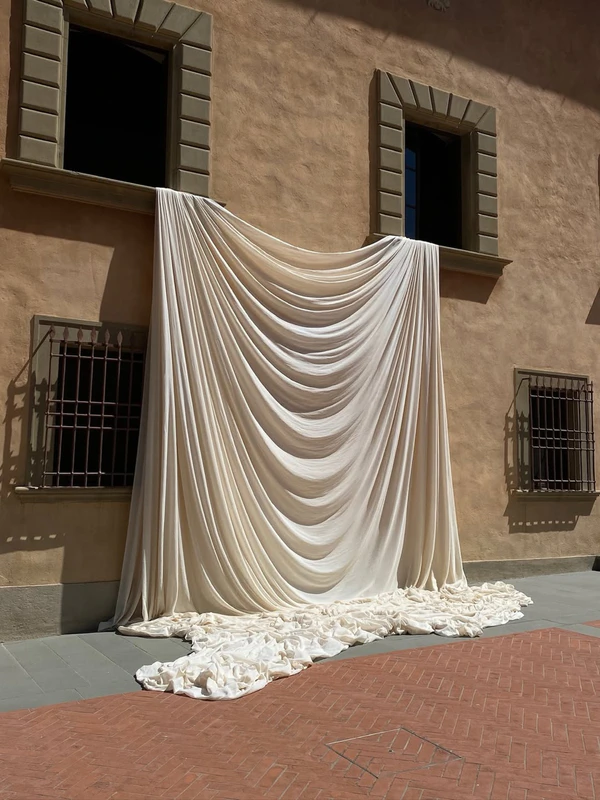
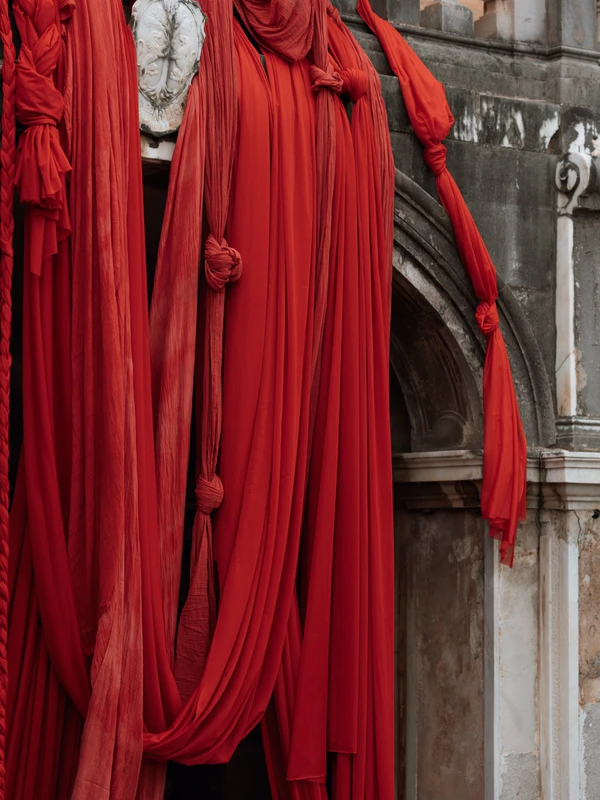
Textiles feel alive to me. They carry memory, movement and a certain emotional softness that is difficult to replicate elsewhere. Fabric responds to gravity, air, touch and light. It never fully sits still. I am drawn to the tension between fragility and scale. Love stories. People. My own spiritual practice. A piece of cloth can feel incredibly delicate in your hands, yet when suspended within architecture it can completely transform how a space is experienced. There is also something deeply human about textiles. We are wrapped in them from birth, we wear them against our skin, we inherit them, mend them and pass them down. Then finally we are wrapped in them during death. They hold stories.
"Textiles become less of a material and more of a language through which I explore emotion, landscape, community, movement and connection."
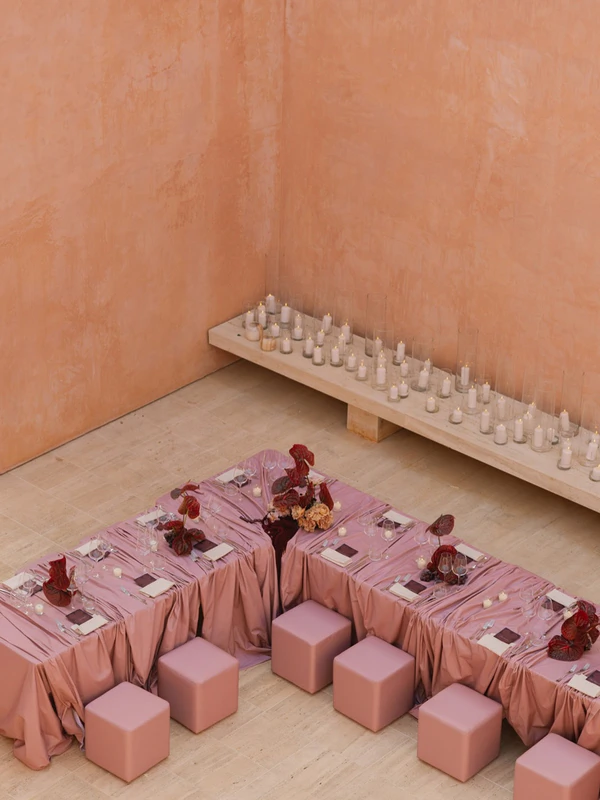
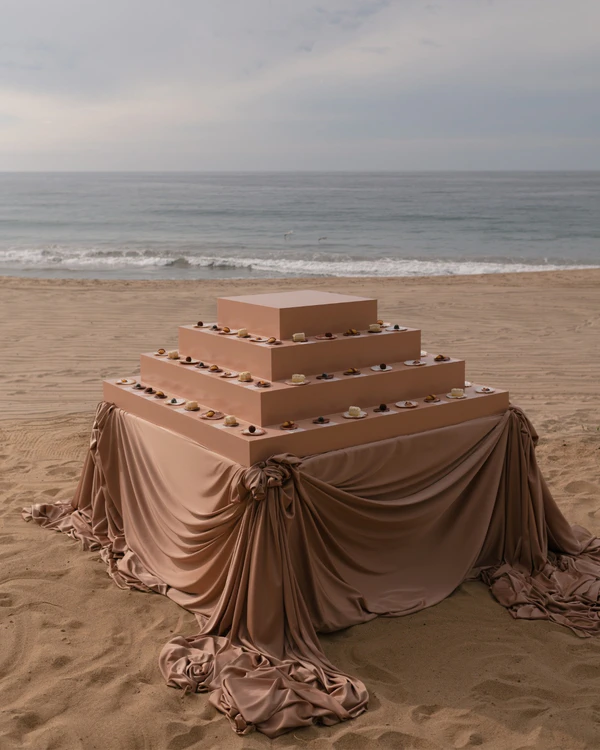
What first drew you toward weddings as a site for your work – and what has kept you returning to them as a creative context?
I never consciously set out to work in weddings. I was simply interested in creating immersive textile environments and weddings happened to be a place where people were willing to dream beyond convention. What continues to draw me back is the emotional depth of the occasion. They are one of the few moments in modern life where people intentionally gather to witness a significant transition. As an artist, that feels incredibly meaningful. The work isn’t simply about creating something beautiful, it’s about shaping the atmosphere in which memories are formed. There is a responsibility and a privilege in that which I never take lightly. It's a deeply emotional process on site.
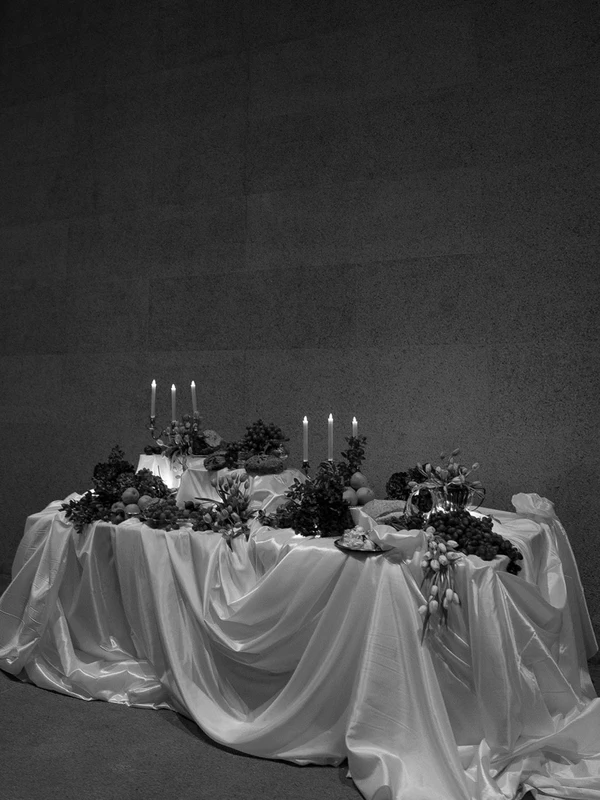
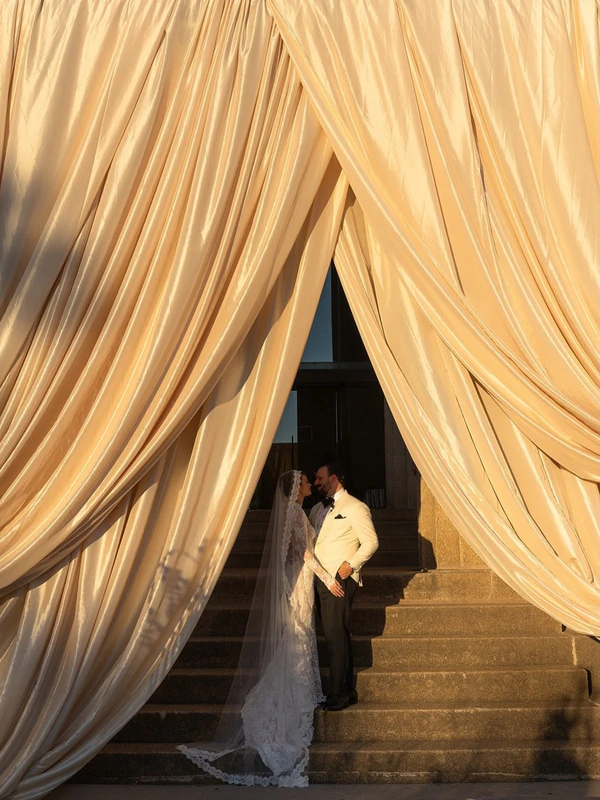
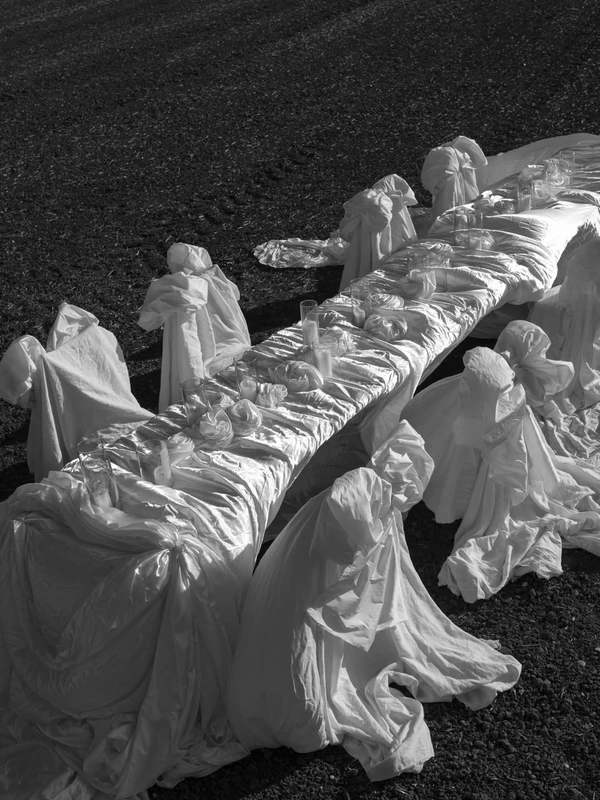
As your work exists within such personal milestones, how do you hold onto your own artistic voice while responding to the emotional specificity of each couple?
I’ve found that the strongest work emerges when neither voice dominates. My role is not to impose an aesthetic onto a couple, but equally it isn’t to become a translator of every Pinterest board or reference image. In many ways, I see myself as creating a bridge between their story and my creative language. That balance allows each project to feel deeply personal whilst remaining recognisably part of my practice. I've always made art and trained my team on what my 'eye' sees as balance or beauty or a feeling.
"There is a certain full body feeling I get when fabric is sitting in the way my heart and eye desires — that is where my voice continues to be recognised, in the cloth."
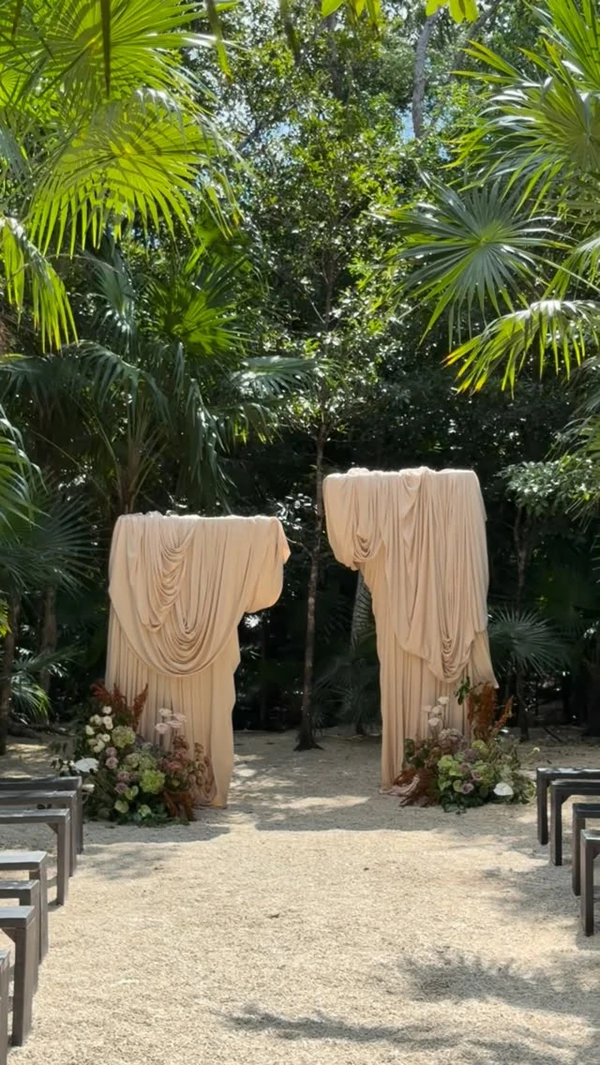
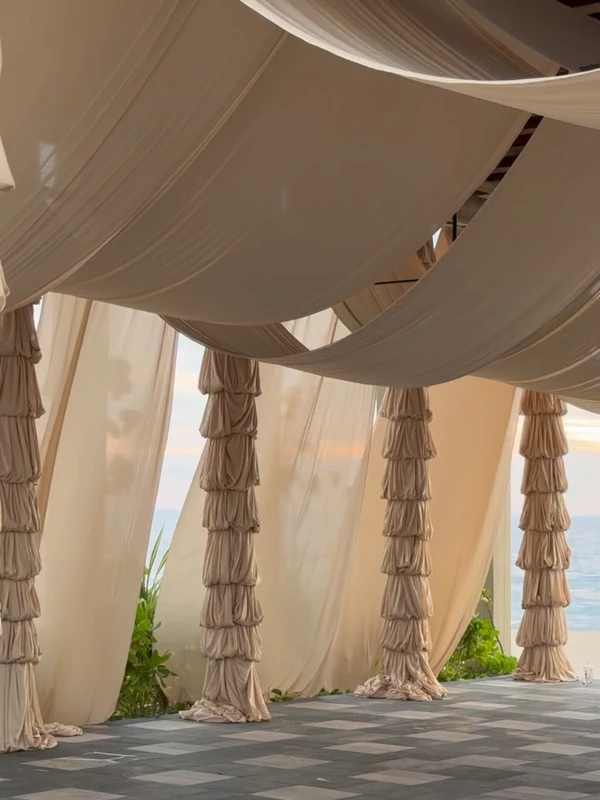
Are there particular types of venues or architectural spaces you feel most creatively drawn to working within? What is it about them that moves your creative thinking?
I am most inspired by spaces that already carry a strong sense of identity. Ancient villas, historic estates, monasteries, old stone buildings and landscapes shaped by time tend to spark something in me immediately. Anything with natural light, high ceilings and shadows. I’m fascinated by the conversation between softness and permanence. Fabric is fleeting, architecture often feels eternal. When the two meet, something interesting happens. I also draw a huge amount of inspiration from nature. Wind through trees, cliff faces, riverbeds, tangled roots and the countryside all are part of my life.
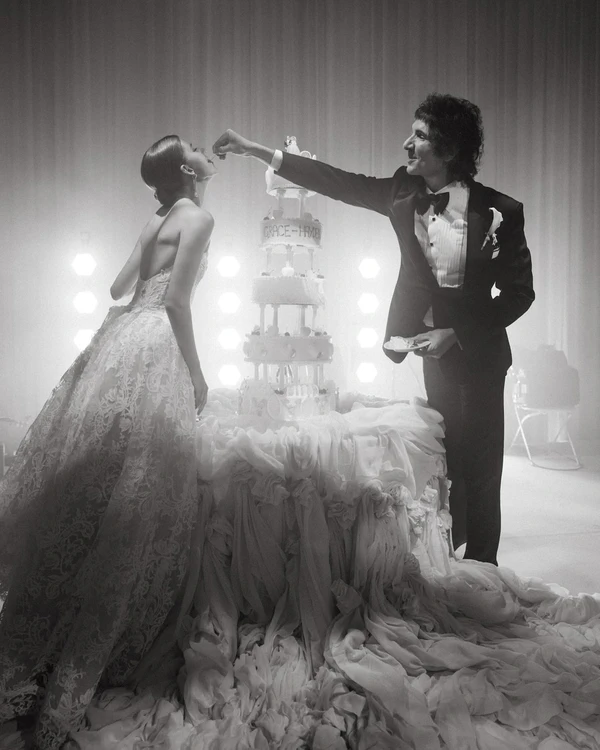
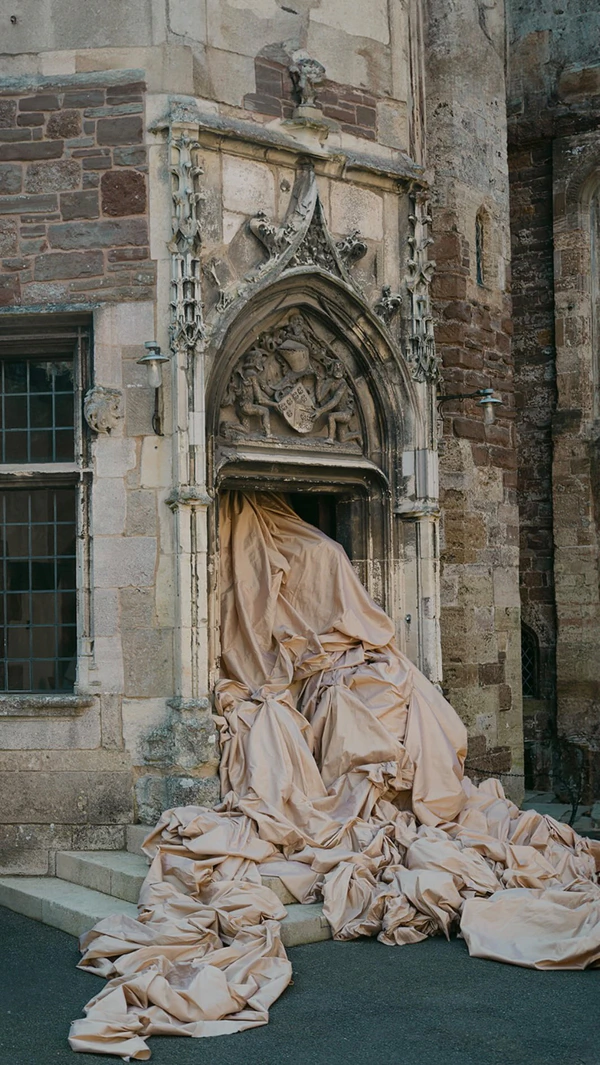
"Often my installations are less influenced by trends and more influenced by what I observe in the natural world when I am frolicking."
What part of your process do clients almost never see, but is essential to the final experience?
The quiet observation. And tons of folding. Also a big wave of uncertainty during the installation process. People often imagine the work begins with sketching or installation, but much of it actually begins long before that. Gathering little pockets of inspiration, noticing textures, collecting photographs, shells and allowing ideas to slowly connect over time. A lot of the bigger milestone installations perfectly coincide with a personal life transformation of mine.
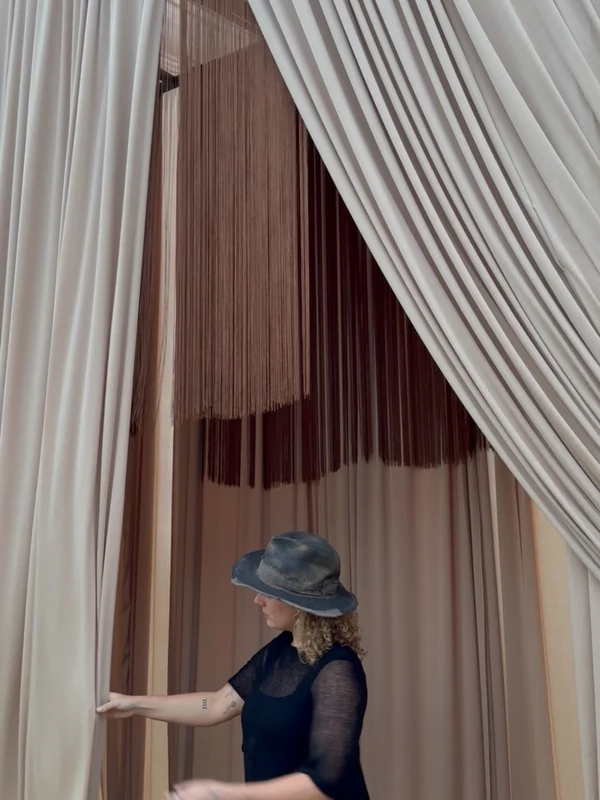
We are watched a lot whilst we install which is a vulnerable process as a community of artists — we have moments of messy thoughts, jumbled words and stimming really hard to get the energy out. There is also an enormous amount of experimentation that happens behind the scenes. Countless hours of movement, testing, conversations, and rebuilding old ideas.
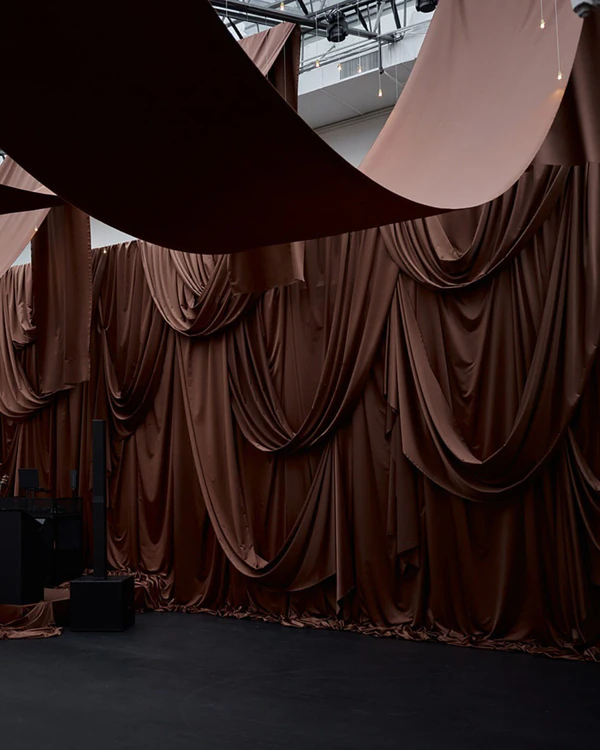
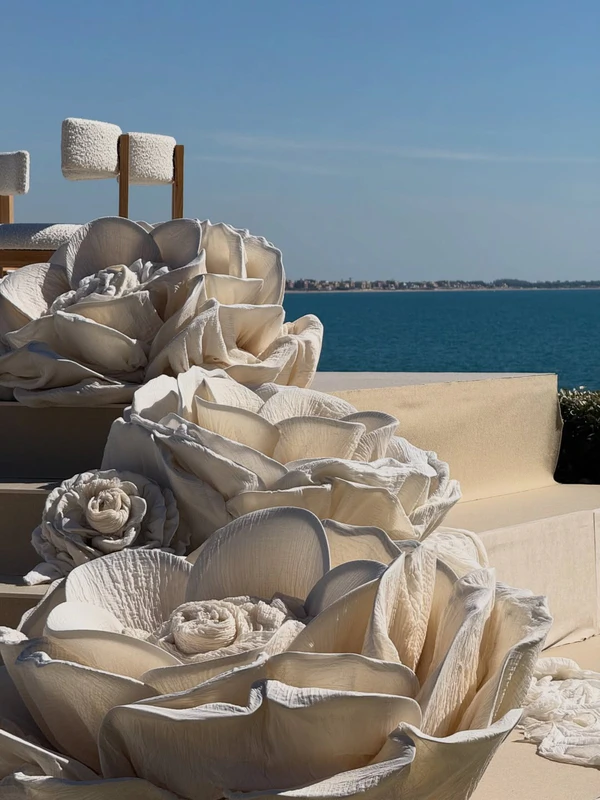
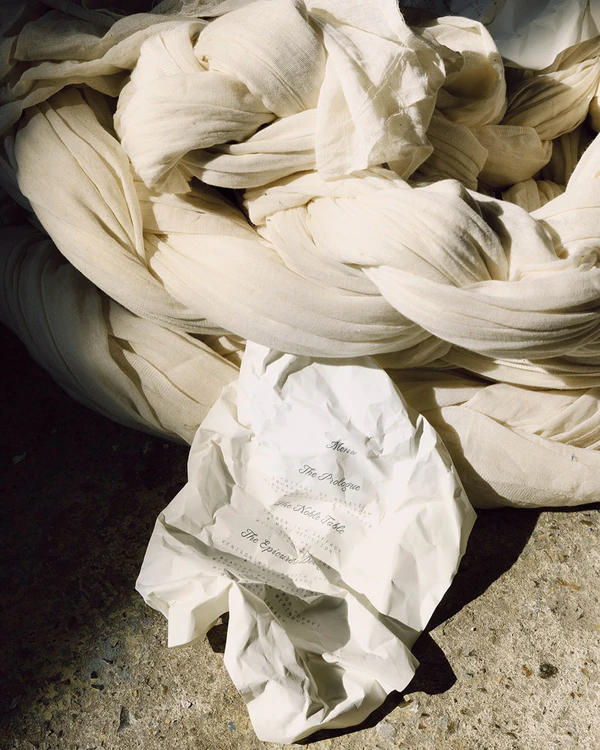
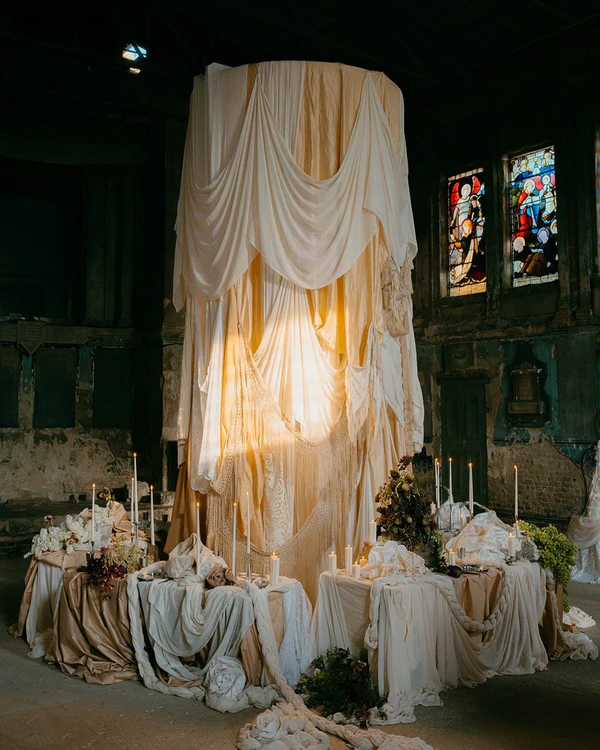
"The final installation might exist for a matter of days, but it often carries months of unseen exploration within it."
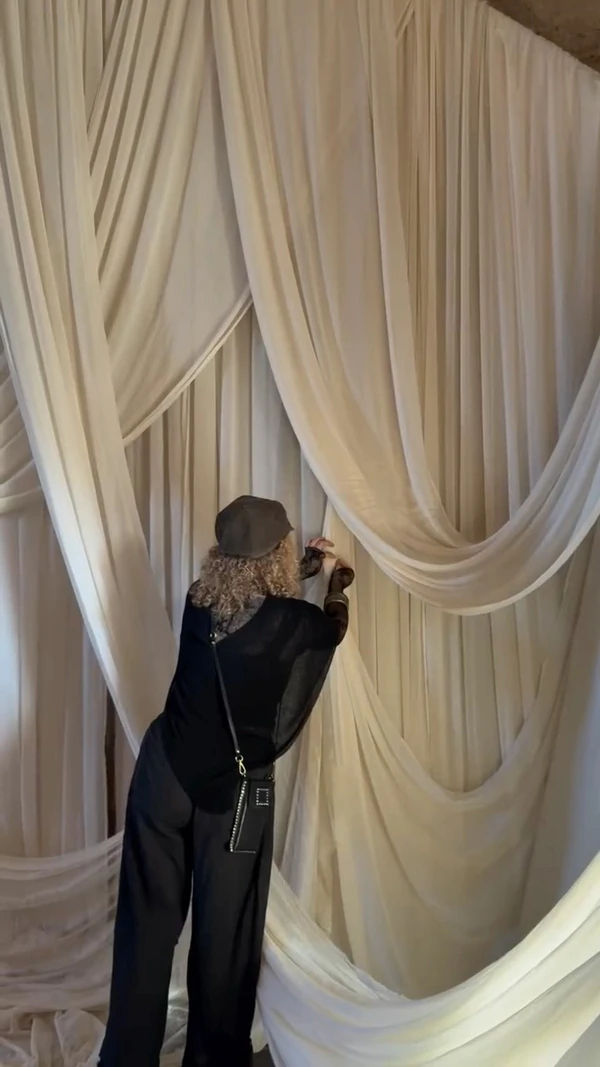
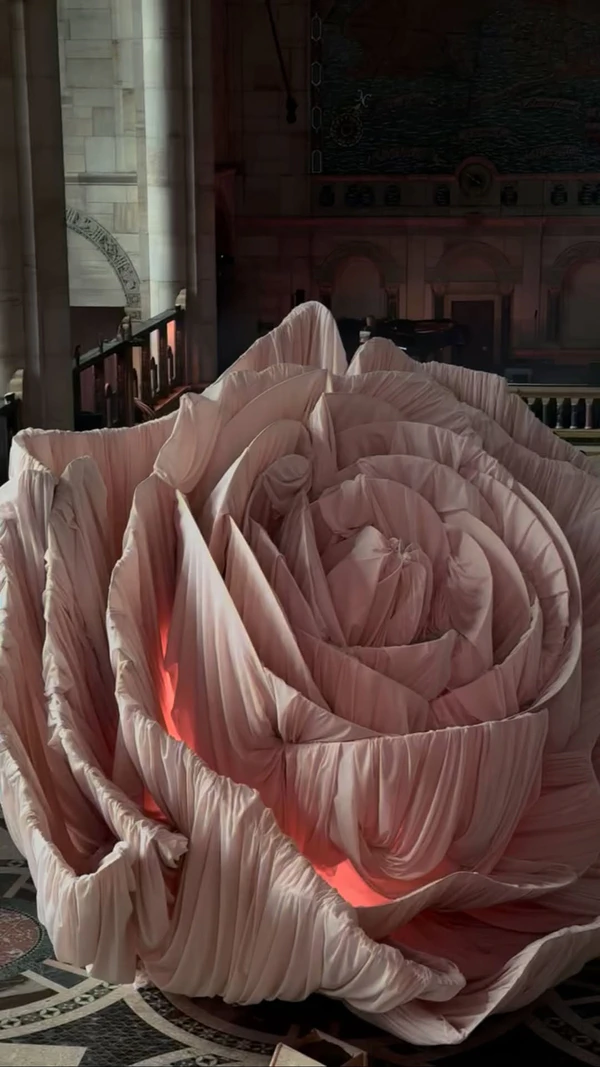
What do you think about sustainability in the context of textile craft — especially around materials that are designed to exist beautifully for a short time?
It’s an important conversation and one I think this industry must continue having with honesty. For me, sustainability isn’t only about the lifespan of a single installation, but about the entire lifecycle of the materials themselves. We work primarily with natural fibres, reuse textiles wherever possible and continually explore ways to extend the life of materials beyond a single event. One of the largest overheads for us is looking after and prepping the textiles to be re-used.
Human beings have always created fleeting forms of beauty, from ceremonies to performances to land art. The question becomes how thoughtfully we source, use and reintroduce those materials afterwards. The goal isn’t perfection but continual improvement, curiosity and responsibility.
"I also think there is value in recognising that temporary experiences can still hold lasting meaning."
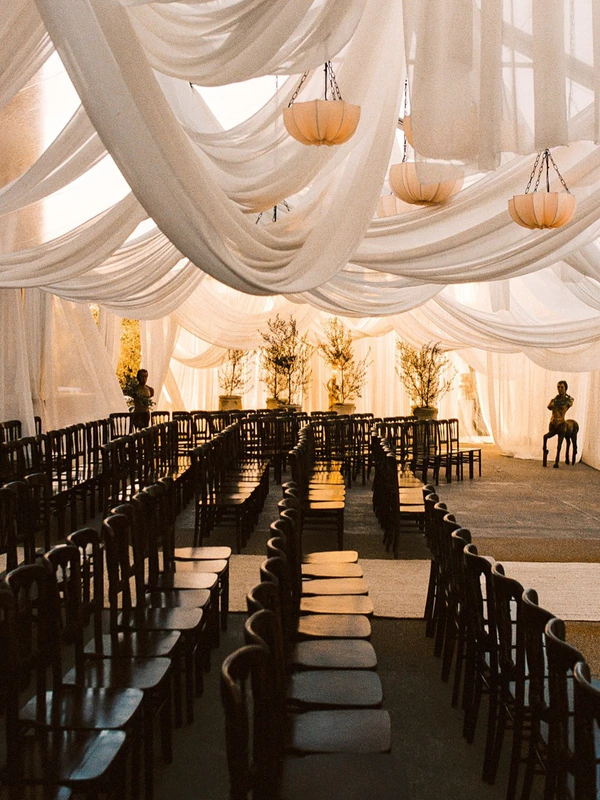
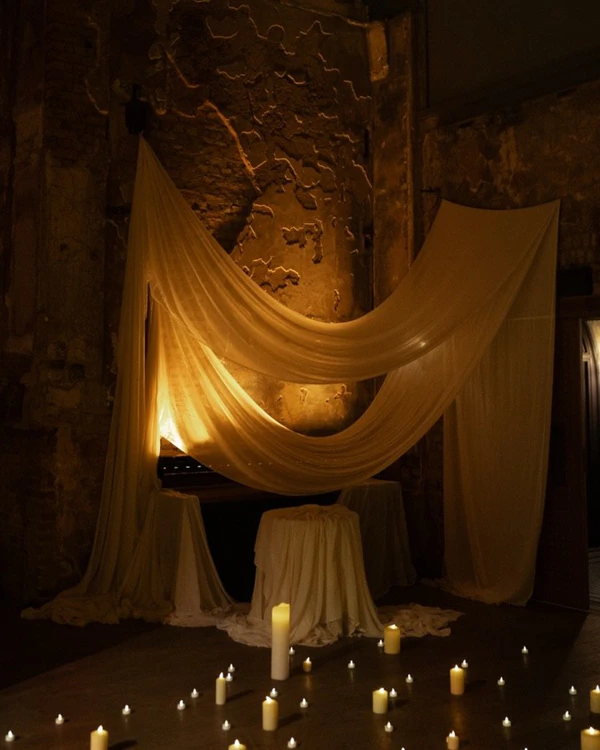
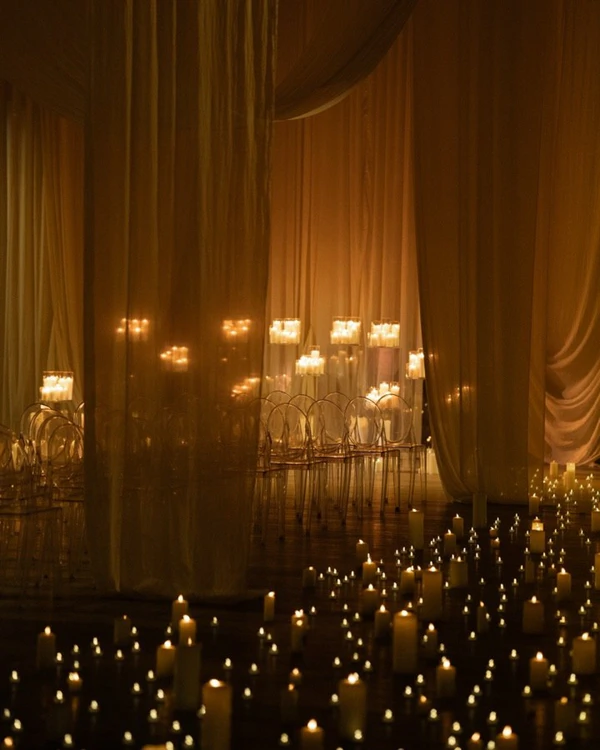
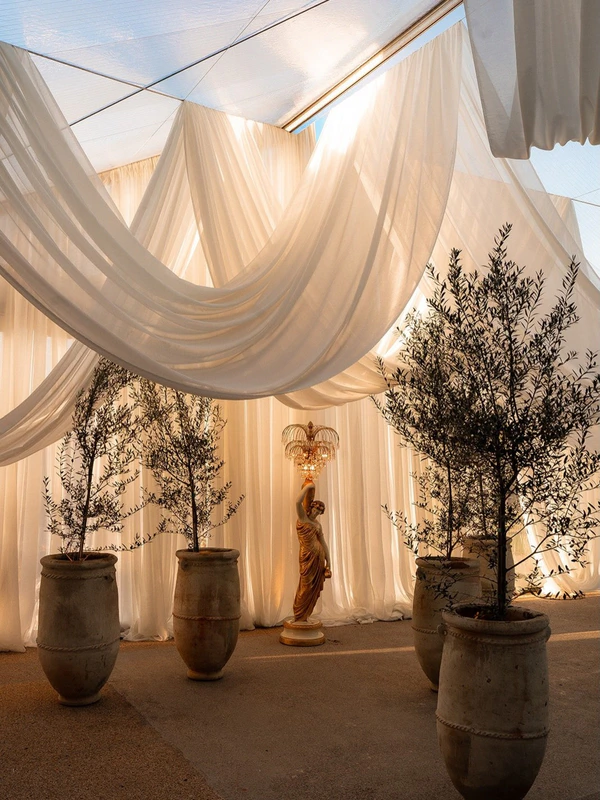
With moments like viral recognition and being named to Forbes 30 Under 30, has anything shifted in the kind of work you’re offered — or in how you personally define the scope of your practice?
Recognition has certainly expanded the conversations I’m having and the opportunities that arrive, but it hasn’t fundamentally changed the reason I create. If anything, it has given me permission to think more expansively. I have never seen myself purely within the context of weddings. Today, I increasingly view the studio as an artistic practice that can exist across many disciplines, whether that is hospitality, interiors, exhibitions, fashion or large-scale public installations. The work has become less about categories and more about the environments we create.
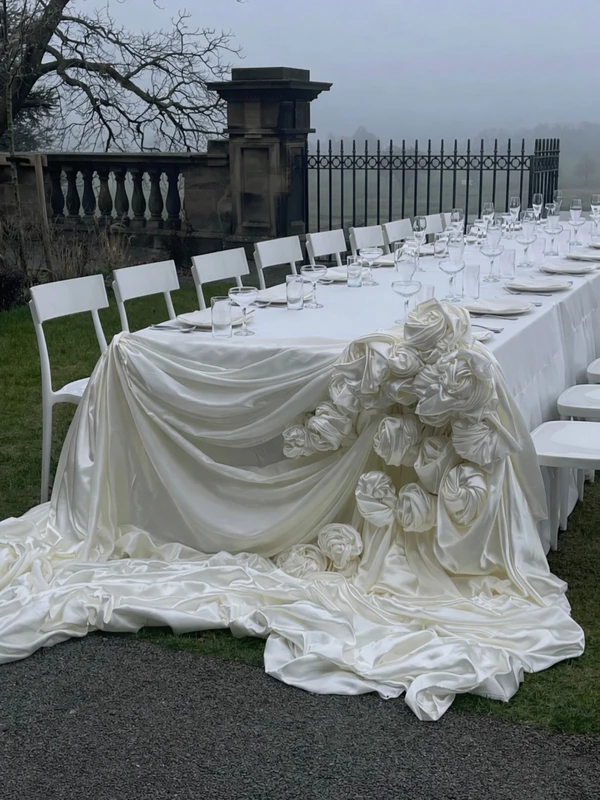
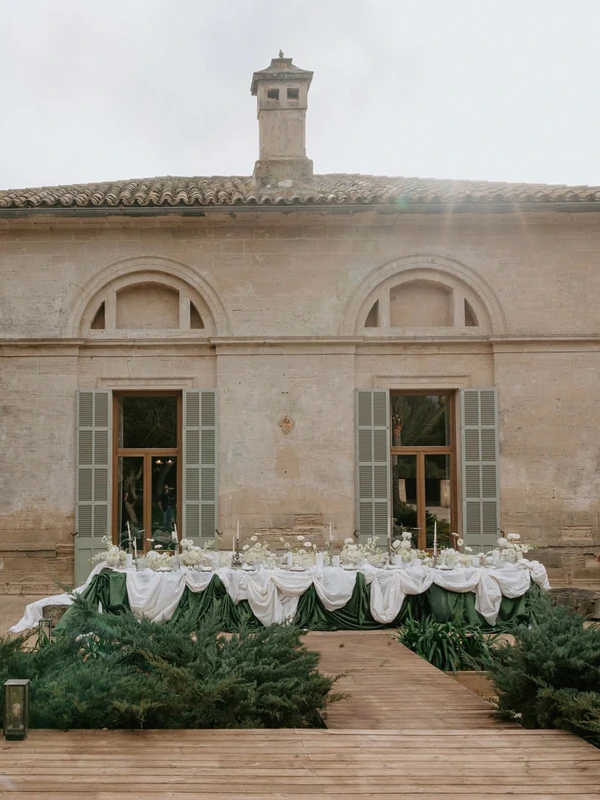
You work alongside a wide ecosystem of creatives — from florists to cake designers. How do you navigate that collaboration while still preserving a clear sense of authorship in the overall environment?
I think the strongest creative partnerships emerge when everyone arrives with a clear point of view but leaves space for their personalities. I deeply respect the expertise of the artists I work alongside and often find that the most exciting outcomes emerge from genuine exchange rather than control. Rather than focusing on authorship, I focus on contribution. My responsibility is to ensure the textile language feels intentional whilst allowing room for other creative voices to flourish. When everyone is working toward a shared atmosphere rather than individual recognition, the final environment feels richer because of it.
"The weddings that stay with me are rarely the ones that reflect a trend cycle. They are the ones that feel deeply connected to a place, a story or a feeling."
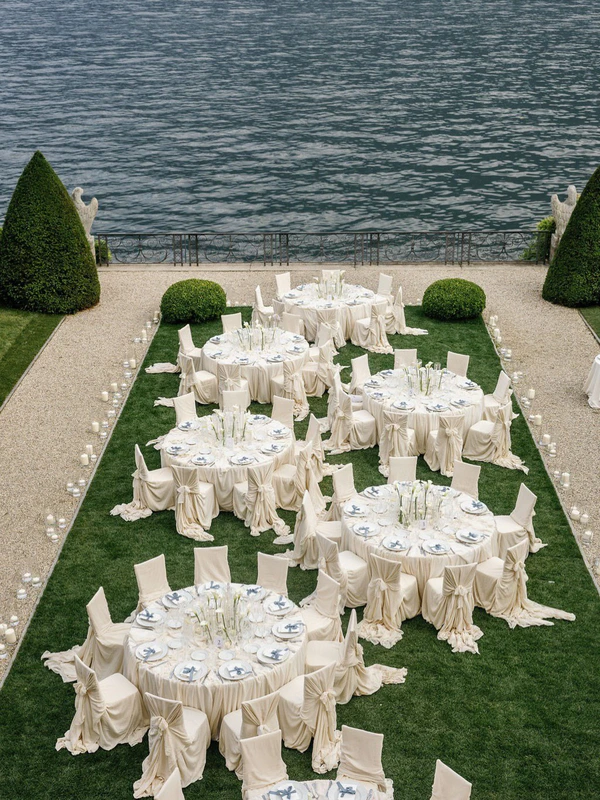
Your work has beautifully helped shape the visual language of contemporary wedding design. How do you think about trends in this space — especially when ideas of "romantic", "timeless" or "modern luxury" are constantly evolving and being reinterpreted?
I try not to think about trends too much. Especially buzzwords. Although interestingly I can't seem to shake the word timeless from my mind, I've been on a personal ancestral journey and thinking a lot about time backwards. Language and the words we use are so important. For example, I have always, always been very strict to never personally describe myself by the words of 'draping'. Instead my language as an artist has always been fine art installations.
The words "romantic", "timeless" and "luxury" mean very different things depending on culture, generation and context. What interests me more is authenticity. I think people are increasingly seeking experiences that feel emotionally connected rather than just fashionable.
My hope is that my work continues to contribute to a broader understanding of beauty! One that embraces imperfection, texture, emotion and individuality. Trends will always evolve, but genuine feeling has a remarkable ability to endure.