Behind every wedding photo lies something deeper than the frame itself; a pulse of emotion, memory, and meaning. Maybe it's the way a hand lingers a second longer, the softness of light at just the right moment, or the atmosphere you can almost step back into years later. Capturing that kind of feeling takes more than technical skill, it takes intuition.
California-based photographer Moosho has built his signature around this sensibility, approaching each wedding with a cinematic eye and a documentary heart. Drawn to the subtle, blink-and-you’ll-miss-it moments, he crafts images filled with light, shadow, and texture, delivering galleries that feel as alive as the day they were taken. Here, Moosho shares his 8 secrets to creating wedding photos that aren't only beautiful, but feel effortlessly soulful.
Feelings First, Always
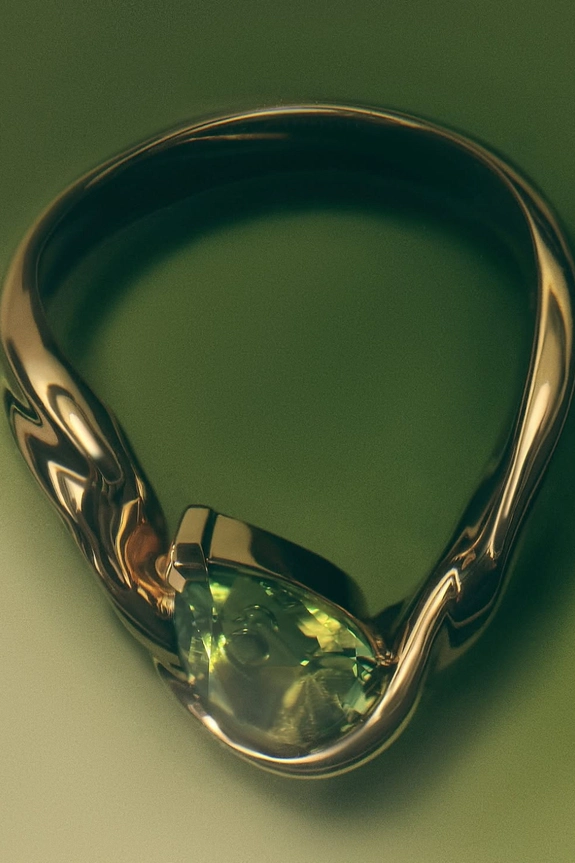
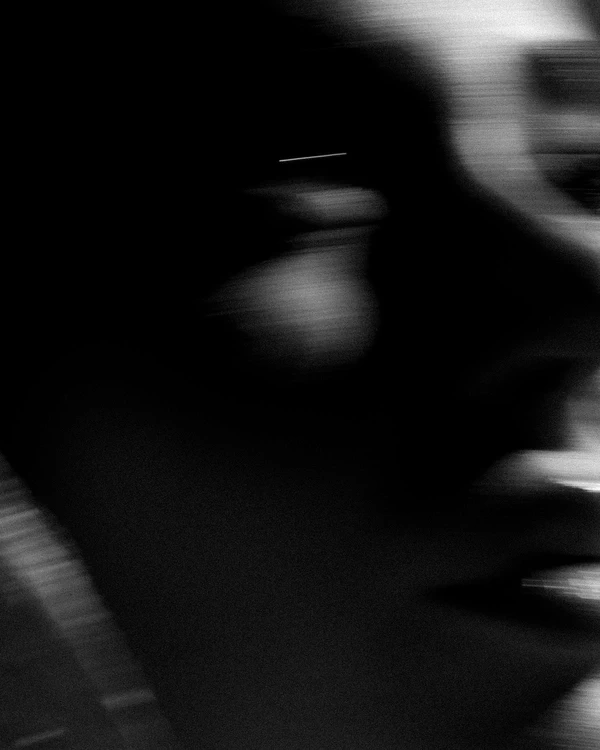
I believe every wedding has a starting point, and for me that starting point is never the light. It is the feeling. When I walk into a wedding day, the first thing I do is read the room, taking in the energy, the taste, and the atmosphere. I introduce myself to the bride and her family so they feel comfortable with me and familiar with my voice, because that sense of comfort changes everything in the photographs later. Even during detail shots, I am observing. It might sound unusual, but the details tell me who the bride is. If her shoes are vintage, if the jewelry feels heirloom, if the watch has history, all of those small elements give me clues. The rings, the earrings, the textures, the fabrics all speak before anyone does.
By the time I start photographing the bride getting ready or taking her portraits, I already have a clear sense of what suits her. Not because I overplanned it, but because I paid attention from the first minute I walked in. For me, that emotional awareness is the real foundation of soulful wedding photography.
Keeping Direction Natural
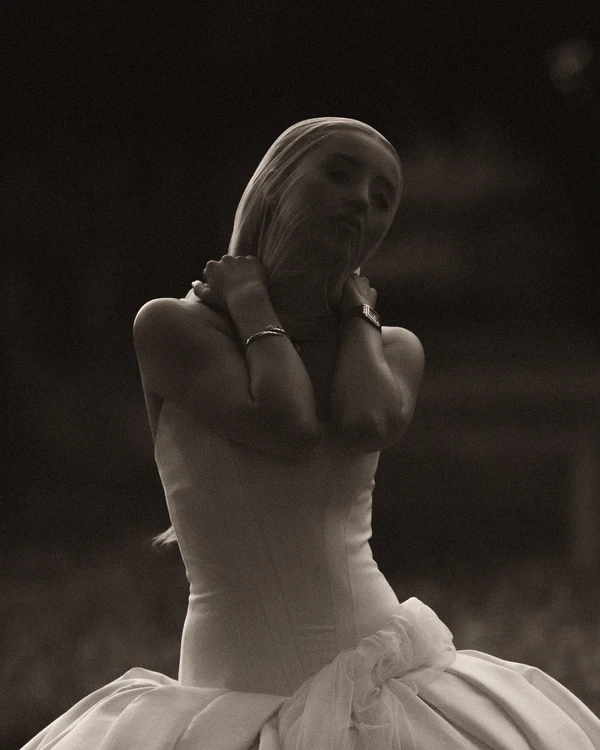
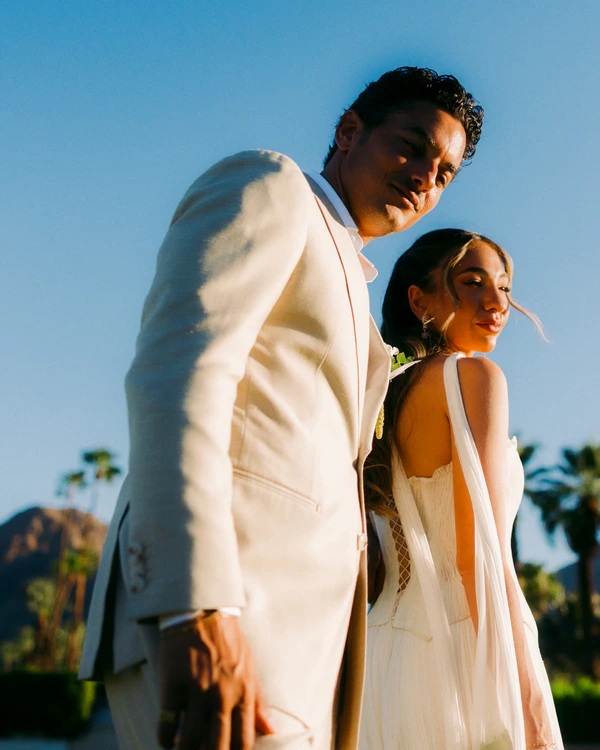
Not every direction works for every person. There are brides who immediately feel when something is too structured. If I sense that, pushing harder is the worst thing I can do. Photography is not about control, but about balance.
Some couples need more guidance, while others need almost none. My role is to recognize what can unfold naturally instead of imposing a vision that does not truly belong to them. I always begin by gently testing the space: a small adjustment of the hands, a slight shift in posture. Sometimes I ask my couples to walk or let them simply stand and talk. I watch what feels right.
Even when the frame is guided, even when it is technically posed, even when I am using multiple flashes, it should never feel heavy. It should feel effortless for them. When the couple feels safe and relaxed, the image feels honest. And that honesty is what makes it soulful.
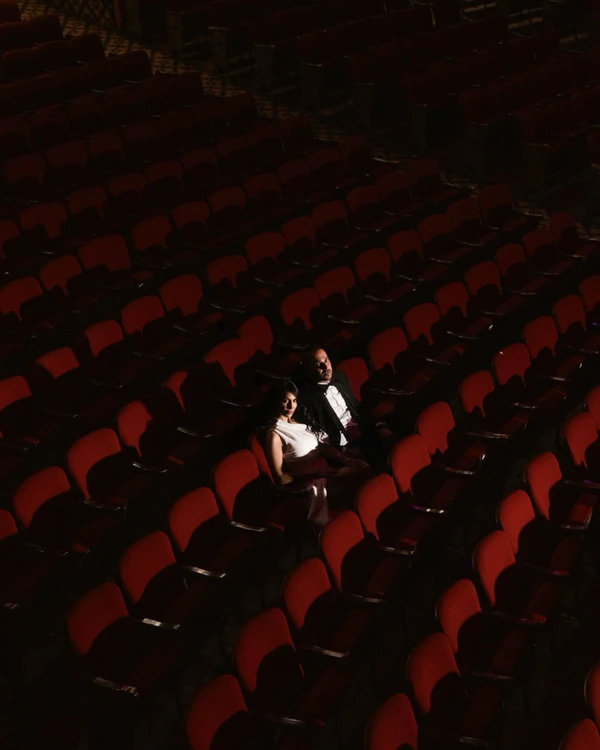
Looking Beyond the Main Moment
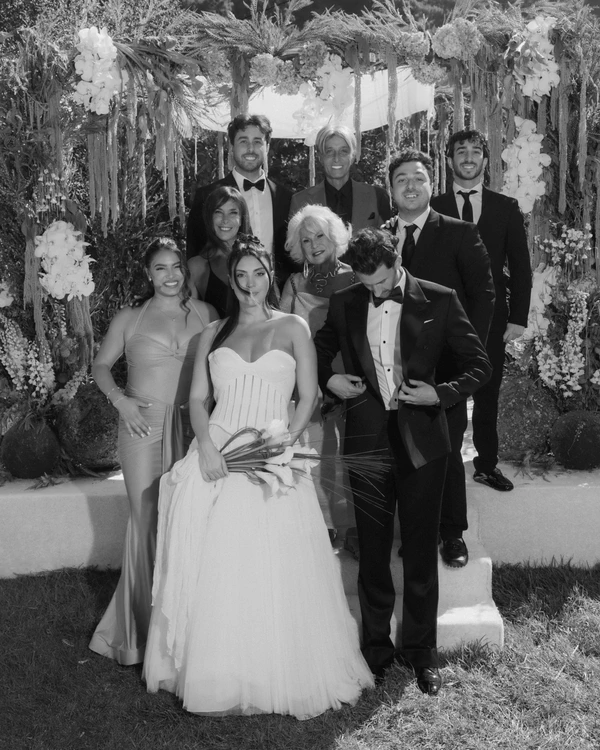
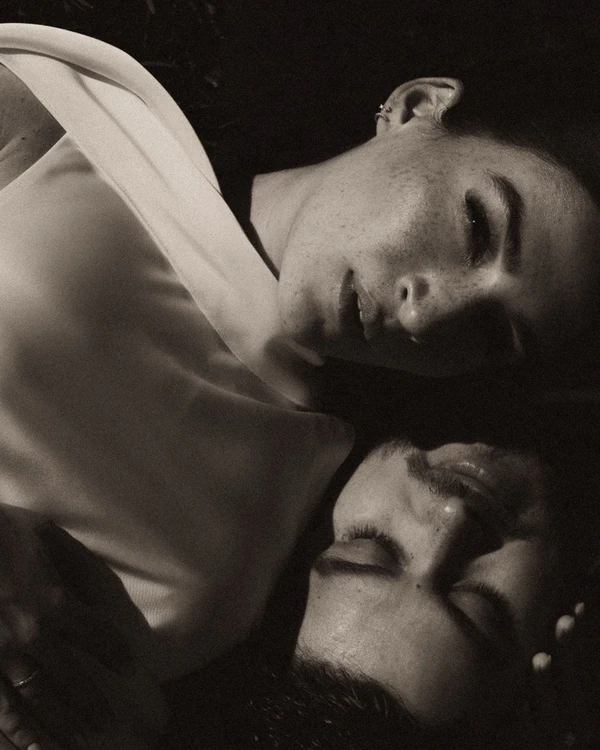
Everyone sees the obvious moments: the first kiss, the first dance, the walk down the aisle. Those are important. But what moves me most is the story around the story. During the first dance, I am not only watching the couple. I am watching the parents standing in the corner, the friend quietly wiping away tears, the grandmother smiling softly from her seat. Sometimes the most cinematic frame is not at the center of the dance floor, but in the reactions unfolding just beyond it. That is where the depth lives.
A bright image in full daylight can feel incredibly cinematic when it carries emotion and context. A soft glance between two people in the background can be more powerful than a perfectly posed portrait. The story around the story is what makes a wedding feel human. When you capture the reactions, the anticipation, the quiet pauses, the breath before the groom turns around, you are not just documenting events. You are preserving emotion.
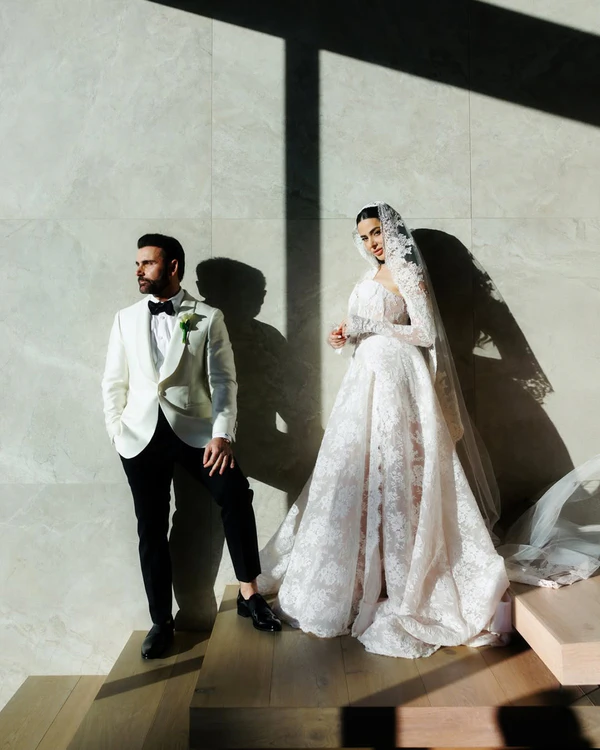
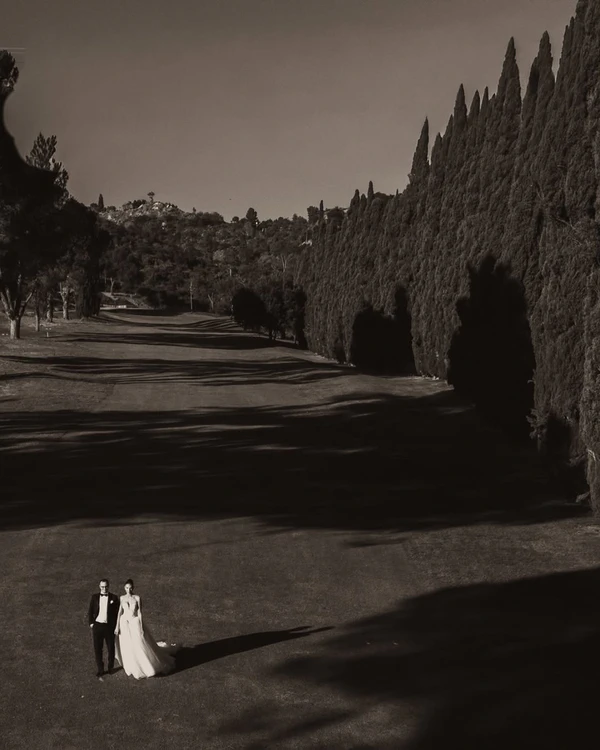
Thinking Long Term
As much as I appreciate creative trends and understand the role they play in keeping us relevant, I know my responsibility is bigger than that. I am not just delivering images for today. I am delivering a gallery that needs to feel beautiful ten, twenty, thirty years from now.
Timeless photography is about emotion that does not expire. It is about honest color, real expressions, and compositions that will not feel dated over time. Trends may bring new eyes and new followers, but timeless images build legacy. At the end of the day, when I am photographing a wedding, nothing matters more than the couple in front of me and what I can create for them in that singular moment.
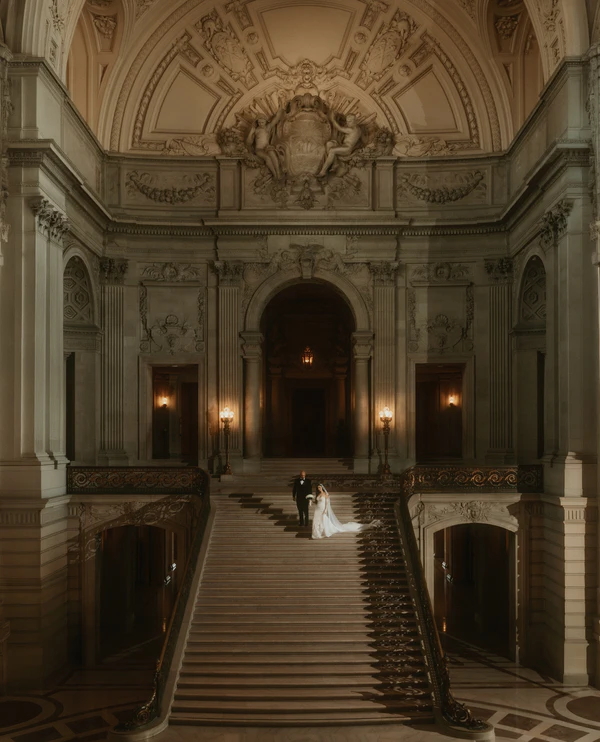
Real Beats Perfect
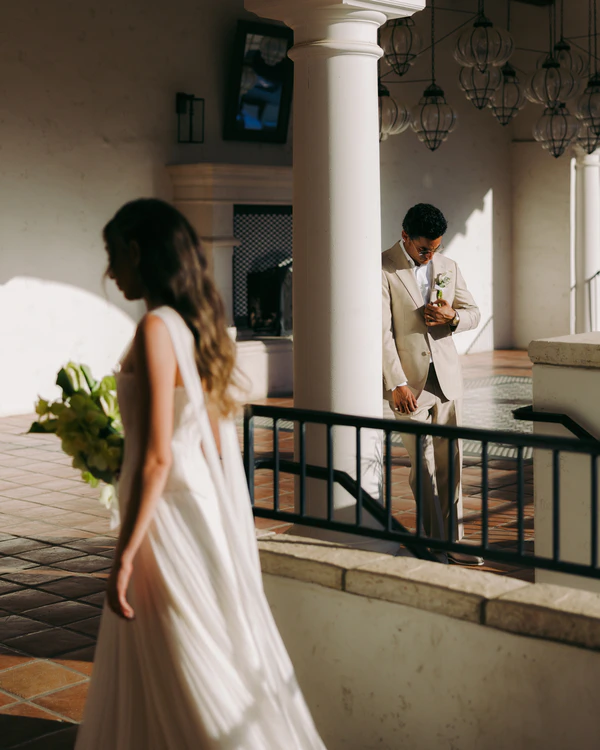
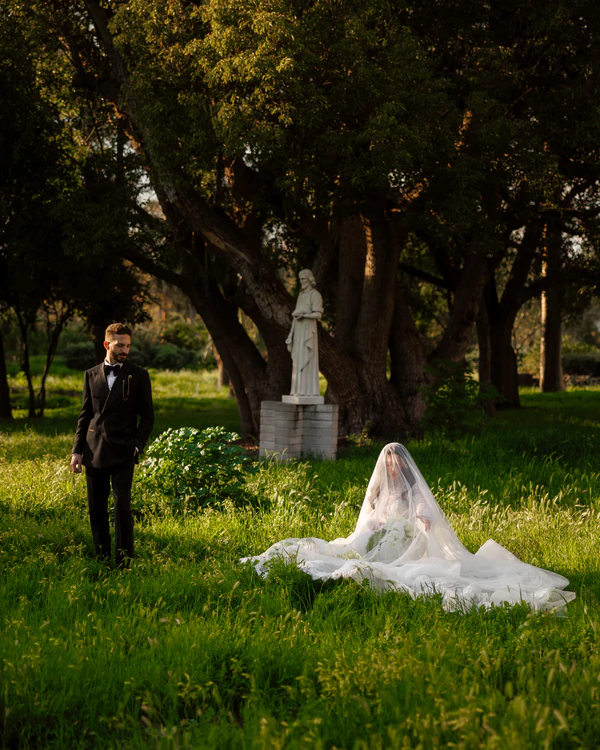
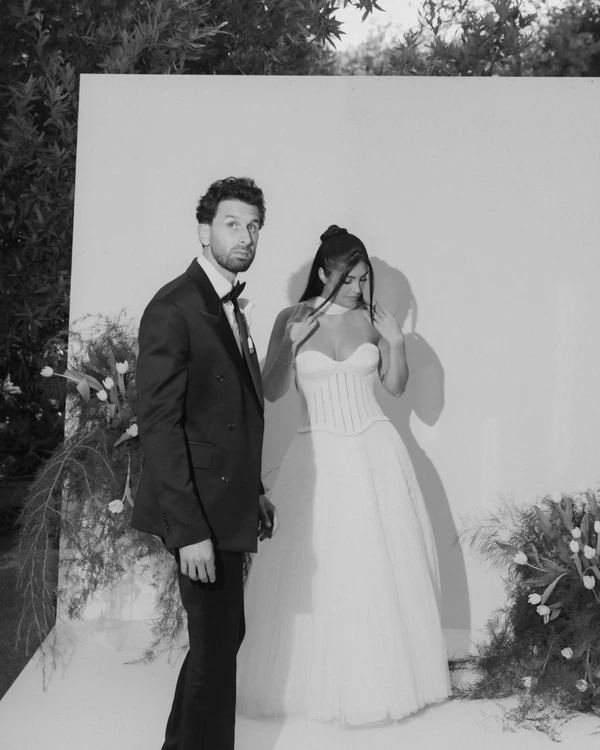
One of the biggest lessons I’ve learned is to let the moment exist before trying to shape it. Many of my favorite images happen right before or right after the pose. The second I say, “I got it, let’s move,” something shifts. The pressure drops. The couple relaxes. They laugh naturally and stop thinking about how they look. Those frames often become the most honest ones.
Too much setup can kill emotion. Chasing perfect light or perfect symmetry can interrupt something real that was already unfolding. Sometimes the natural, slightly imperfect version of a moment carries more soul than the perfectly staged one. Whether it’s a first look with dad, a quiet embrace with mom, or a spontaneous reaction with friends, I try not to break the momentum. I let it breathe. I watch before I adjust. If it needs shaping, I’ll guide it gently. But first, I want to see what happens on its own.
Slowing Down To See More
Wedding days move fast. The timeline is tight, the room is full of energy, and everyone shifts from one moment to the next without pause. As a photographer, it is very easy to get pulled into that speed.
I have all the tools I need: the sun through a window, flash, LED lights, reflectors, diffusers. With experience, I can create something beautiful in almost any lighting condition. But over time, I learned something more important than technique. If I move as fast as the day itself, I only capture what is obvious. The real depth appears when I slow down.
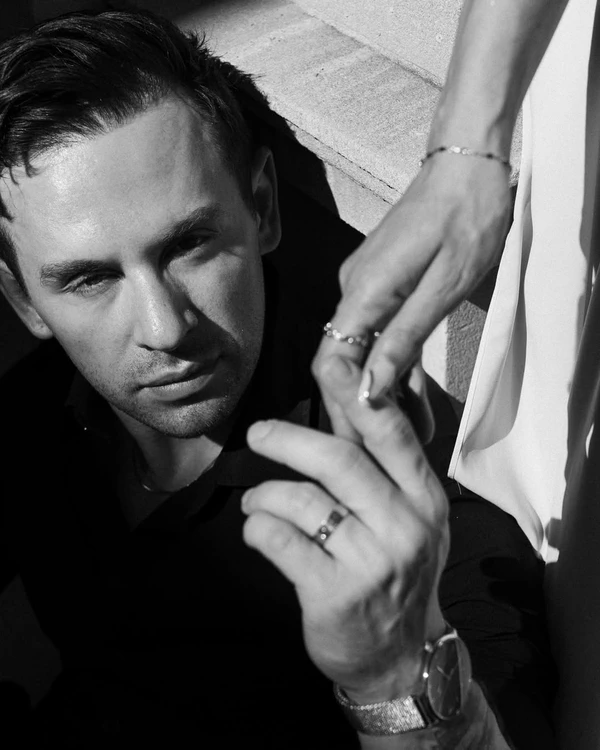
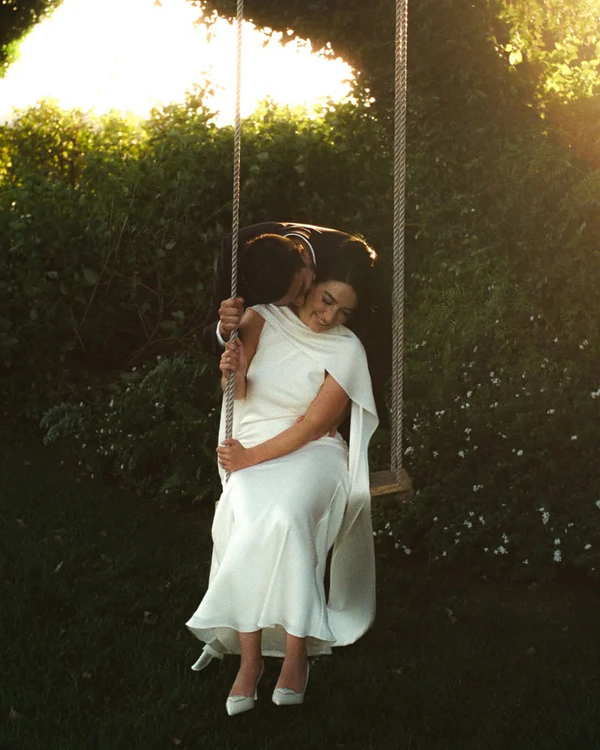
Slowing down does not mean stopping the wedding. It means slowing my mind, taking a breath before pressing the shutter, looking at the same scene for a few extra seconds and asking myself what else might be possible. Sometimes I even step back and let my assistant hold the camera for a moment. That small reset allows me to reanalyze what I am seeing and approach the scene with fresh eyes instead of reacting automatically.
When I slow down, I begin to notice subtleties in expression, posture, and movement that would otherwise pass by. Small shifts in light. Small changes in energy. The difference between a nice image and a meaningful one often lives in those few extra seconds of awareness.
The Beauty Of Limitation
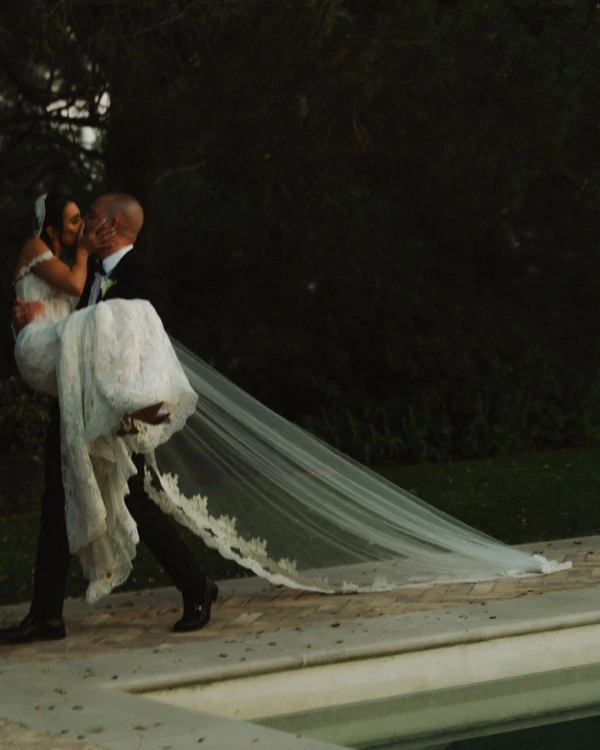
The digital era is incredible. Instant previews, live adjustments, the ability to deliver quickly when needed. Everything feels fast, efficient, controlled. But I started with film. I shaped my photography in the darkroom, waiting, developing, not knowing. That experience changed me.
When I shoot film, I live with limitations. I have a certain number of frames. I cannot check whether I nailed it. I do not know if the focus is perfect or if I read the light exactly right. Maybe I rushed my breath. Maybe I held it too long. That uncertainty forces me to be more present. I cannot rely on reviewing the image. I have to rely on myself.
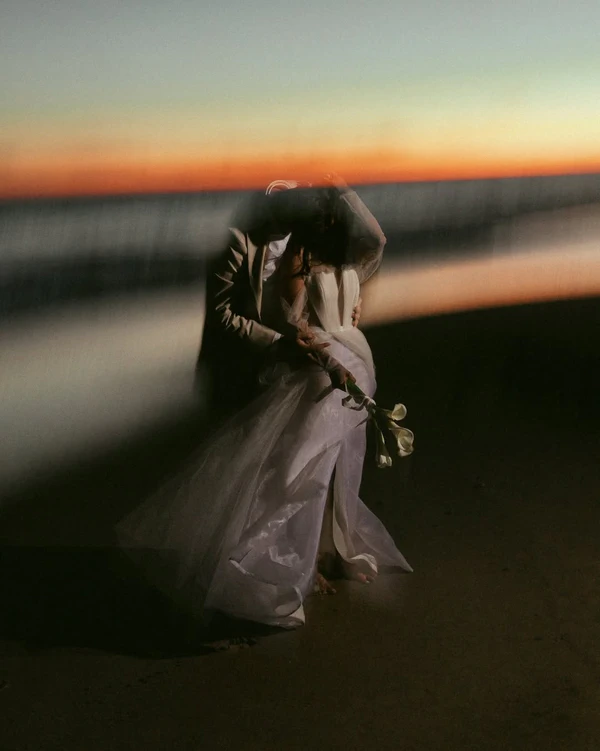
Film carries a natural beauty that feels alive to me: the grain, the softness, the small imperfections. It is not overly polished. It feels human. When I know I cannot capture everything, I focus on capturing what truly matters. And that focus is where the soul of my photography lives.
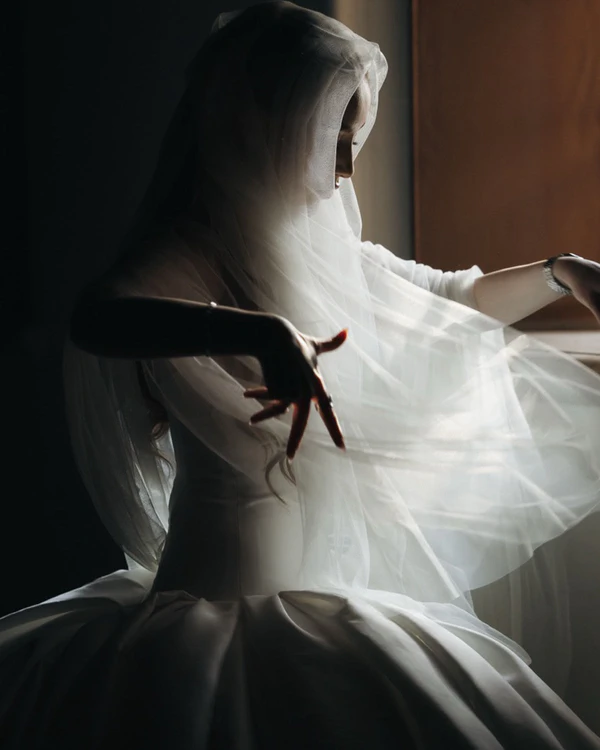
Shifting Perspectives
I remember when I first started, all I thought about was what I was going to buy next. What lens. What filter. What light. What flash. Of course, you want quality glass, strong lighting and the best equipment. In the beginning, gear feels like the answer. But over time, my mindset shifted. At some point, it stops being about the equipment and becomes about perspective.
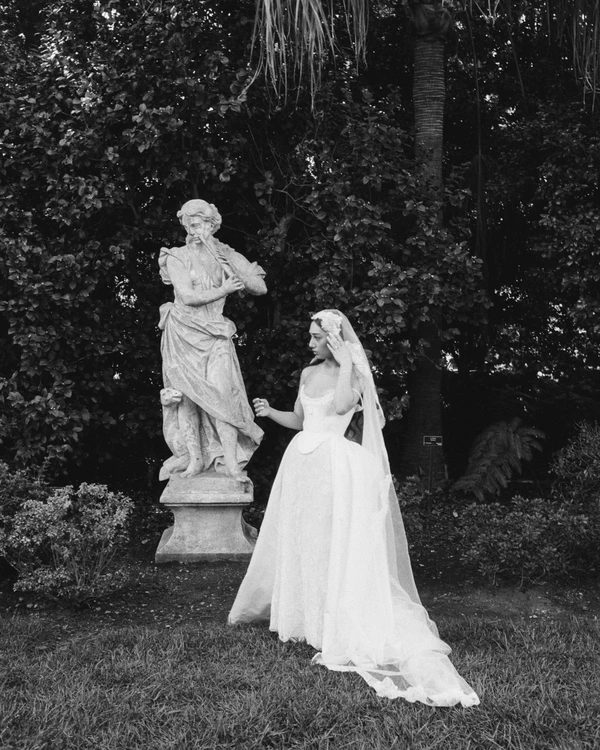
It does not matter what lens is on your camera if you are standing in the same place all day. Change your height. Kneel. Step higher. Move to the side. Shift your body before you shift your glass. When you elevate your position, you begin to see layers, context, relationships between people. The difference between a standard image and a soulful one is rarely the lens. More often, it is the courage to move.