Skincare routines have become increasingly elaborate, yet the desired results aren't always achieved. More often than not, the missing link isn’t the product itself, but rather the order in which it’s applied. Skincare layering is the quiet architecture behind an effective routine, determining how well ingredients absorb, interact, and perform on the skin. With the introduction of new formulations such as spicules, advanced serums, and treatment mists, the rules of layering have evolved beyond the traditional "cleanse, moisturize, repeat." Knowing where each product fits in the routine is no longer optional – it's essential. When applied intentionally, skincare becomes more about precision, delivering visible results without unnecessary complexity.
What Is Skincare Layering
And Why Order Is Everything
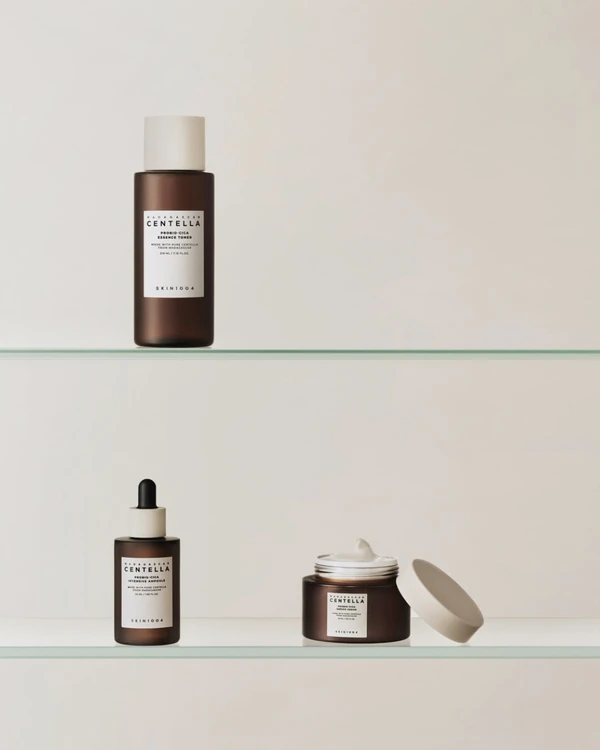
Skincare layering isn't about how many products you own, it's about how intelligently you use them. The concept is simple. Products should be applied in an order that allows each formula to perform optimally. If applied incorrectly, even the most sophisticated skincare routine can become ineffective – or worse, irritating. Texture, molecular size, and ingredient function all play a role in determining the order of application. When heavier formulas block lighter ones, absorption suffers and results stall. When done correctly, skincare layering strengthens the skin barrier, improves active penetration, and establishes a routine that feels intentional rather than excessive.

The Subtle Signs You’re Layering
Skincare Incorrectly
Your skin may not react dramatically when something is wrong – it may give subtle hints first. Persistent redness, unexpected breakouts, and a dull, congested appearance can all indicate incorrect product layering. Products that ball up or sit visibly on the skin are another common indicator. If your routine feels heavy yet delivers minimal results, the order of your products may be the issue. Overloading actives or sealing them in too soon can also compromise the skin barrier. When layering works, the skin looks calm, hydrated, and quietly resilient.

Where Spicules Belong
in Your Routine
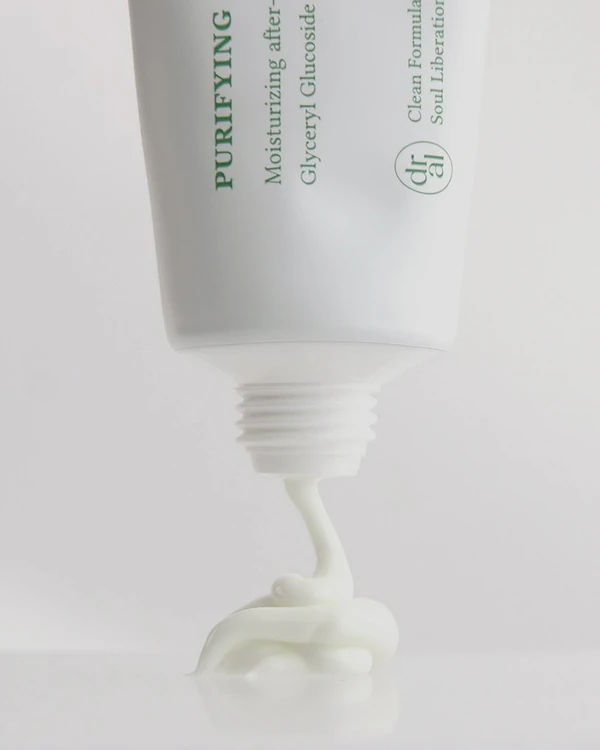
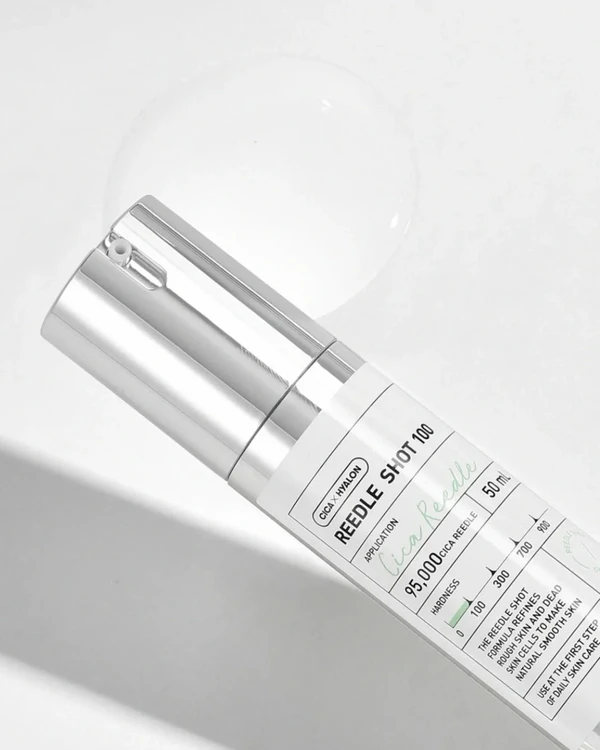
Spicules have sparked a new conversation in the world of modern skincare. These needle-like microstructures are designed to create microscopic pathways in the skin, allowing ingredients to penetrate more deeply. For this reason, spicules must be applied to freshly cleansed skin. Applying thick serums or creams before spicules reduces their effectiveness and increases the risk of irritation. After application, restraint is key. Follow up with minimal, barrier-supporting formulas, and avoid strong actives in the same routine.

The First Treatment Layer
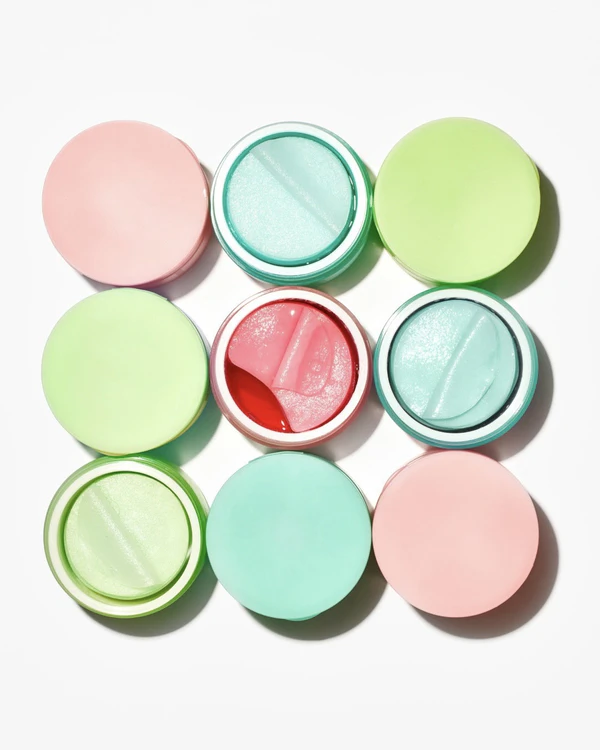
Toners, toner pads, and essences bridge the gap between cleansing and treatment. Unlike their astringent predecessors, modern formulas focus on hydration, pH balance, and skin preparation. This layer softens the skin and enhances the effectiveness of subsequent treatments. Lightweight toner pads, essences, and mists absorb quickly without leaving residue. Using too many at once can overwhelm the skin rather than support it. Think of this step as setting the tone: quiet, purposeful, and essential.

How to Layer Serums
and Actives Effectively
Serums are where skincare becomes personal. When it comes to targeting pigmentation, dehydration, or fine lines, the order in which you apply them matters more than the quantity. Water-based serums should always be applied before thicker or oil-based formulas. When layering actives, compatibility is crucial. Some ingredients enhance each other, while others compete. Spicule treatments, exfoliating acids, and retinoids should not be used together in a single routine.


Sealing the Routine
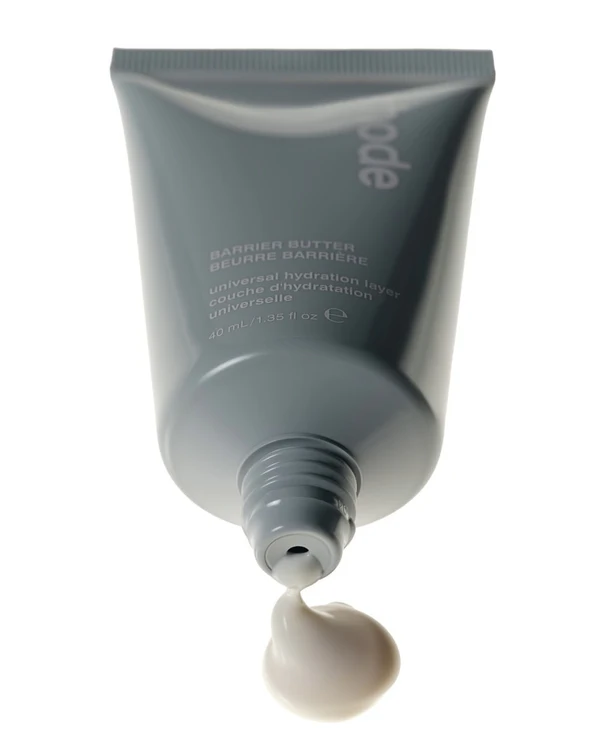
Moisturizers are the final step, not an afterthought. They lock in hydration, support the skin barrier, and prevent transepidermal water loss. Lighter routines call for gel creams, while richer textures are ideal for nighttime use or colder climates. If you use facial oils, apply them after moisturizer or blend them into it – not beneath water-based products. This step should feel comforting, not suffocating. When applied correctly, the skin feels balanced rather than coated.
Morning vs Evening
Skincare Layering
Morning skincare is all about protection and performance. An effective daytime routine should include antioxidants, lightweight hydration, and SPF. In contrast, evening is reserved for repair and renewal. This is when scrubs, exfoliating treatments, and retinoids come into play. Although layering at night can be slightly more involved, it should still be intentional. The goal is to align with the skin’s natural rhythm, not to achieve complexity.