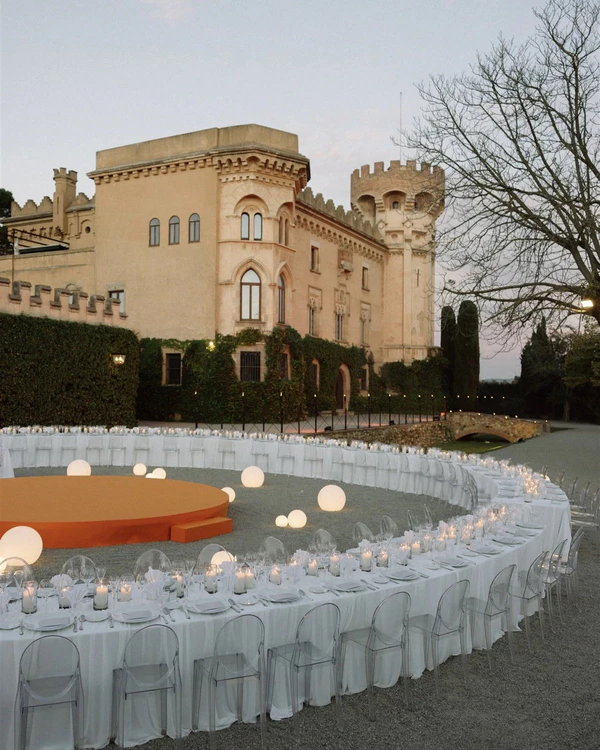
Some couples want a venue, others want a fairy tale with a guest list. Across Europe, castles rise from hilltops and forests in every shade of storybook: crenellated towers and frescoed halls, Gothic spires and winding stone staircases, moats that mirror the sky and gardens that spill down to the river. Some are all drama and some are quietly romantic, and many can be yours alone for the whole weekend. Here are castle wedding venues in Europe worth building a destination wedding around.
France
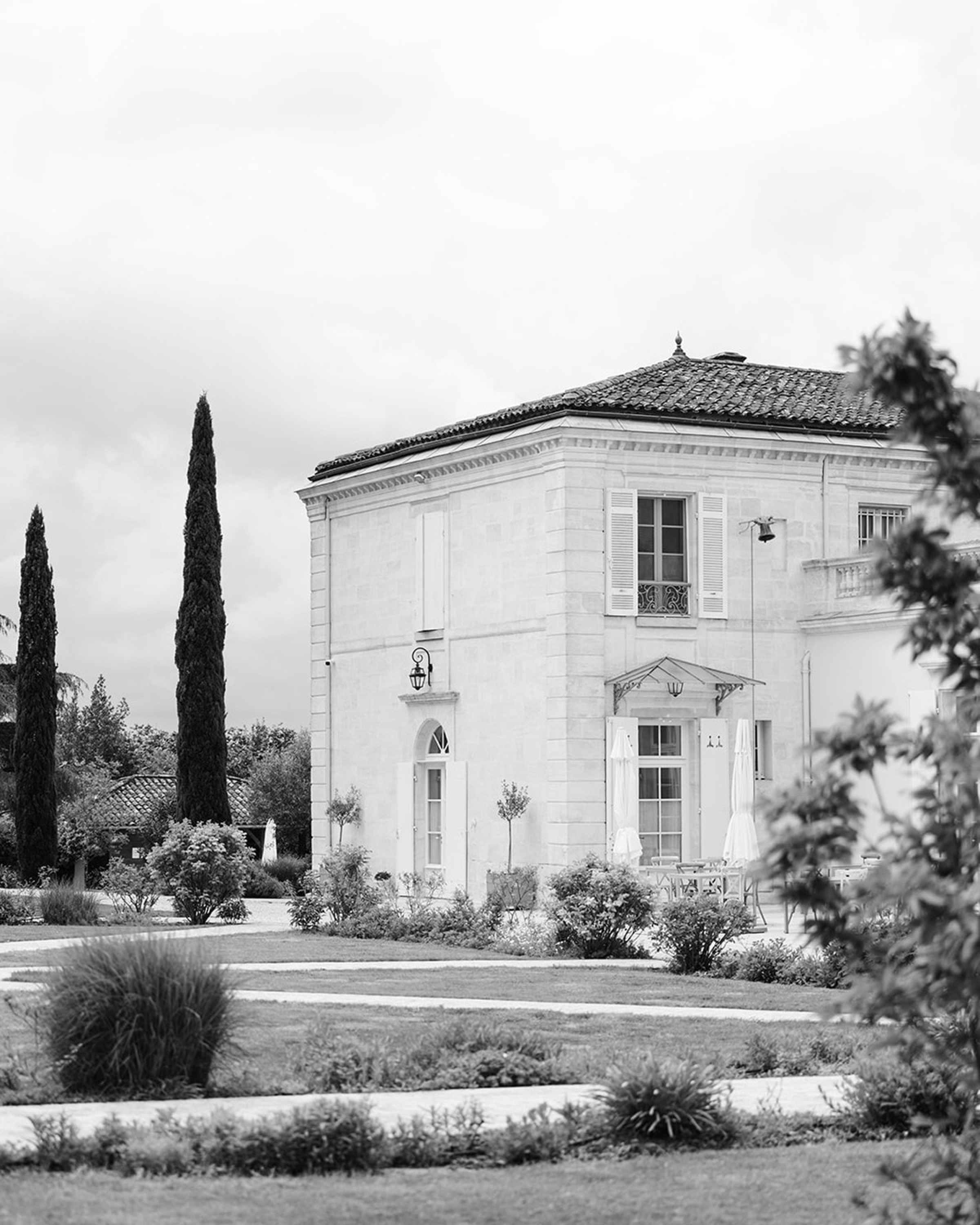
Château Gassies
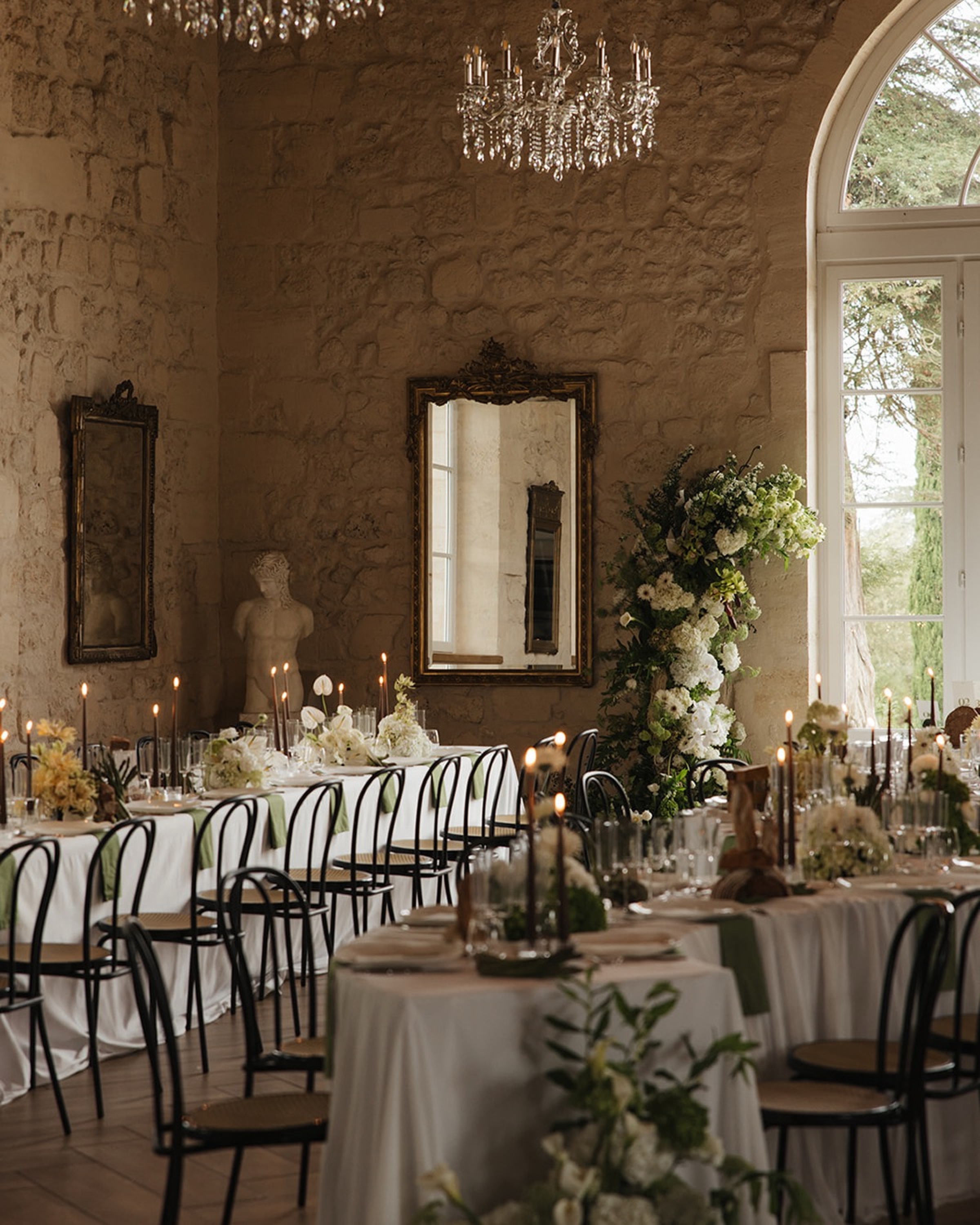
Built in the 18th-century on a hilltop in Latresne, about ten minutes from Bordeaux, Château Gassies looks out over the city and the Garonne from its expansive gardens and woodland. Inside, the original stone walls and crystal chandeliers set the tone, and the Charles X reception room gives you a second option beyond the grounds. The estate exclusively hosts weddings, so you get the whole place to yourselves. With beds for 43 guests across suites and guesthouses, plus a spa and tennis court, it makes the most sense for a full wedding weekend rather than a single day.
Château de Sibra
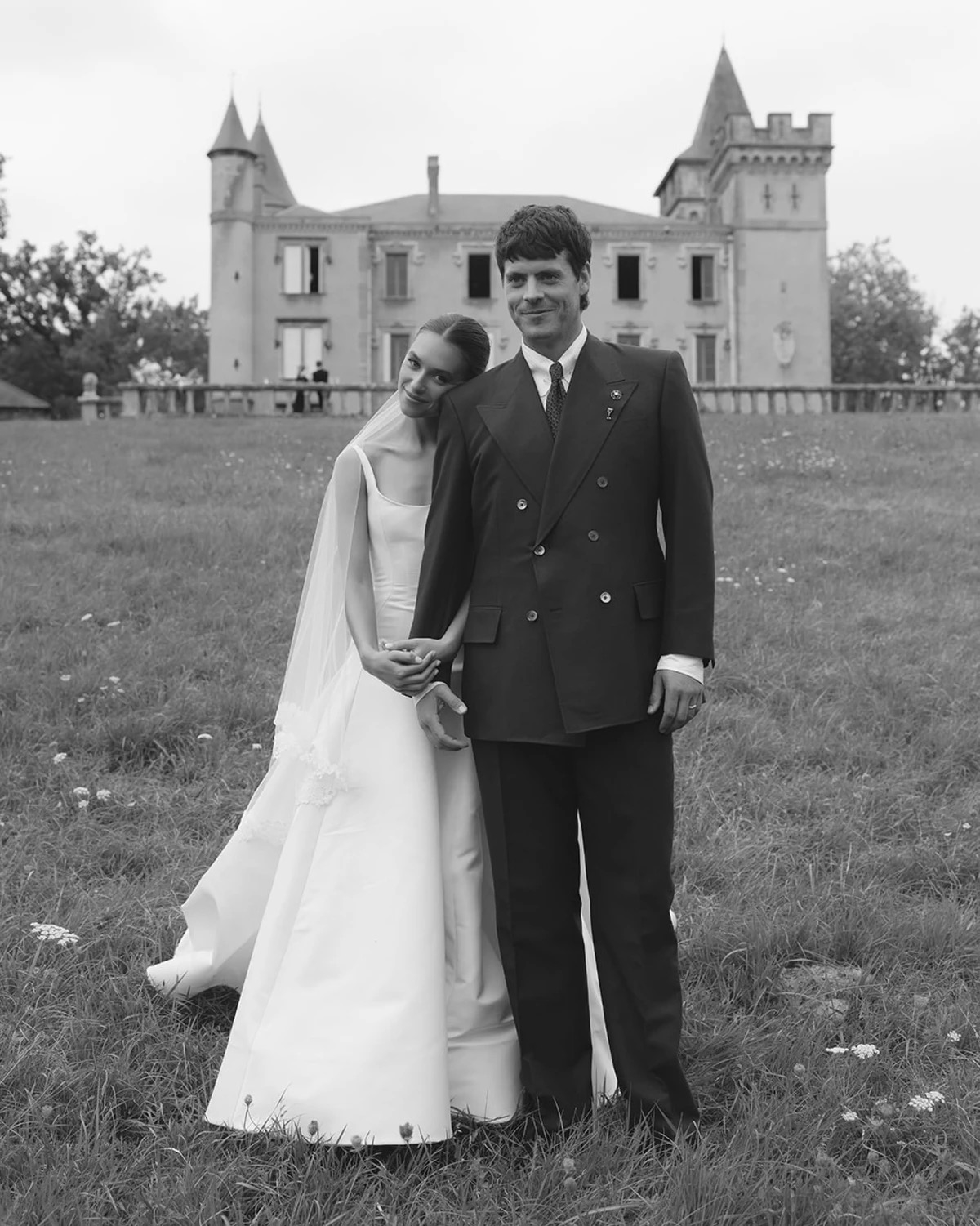
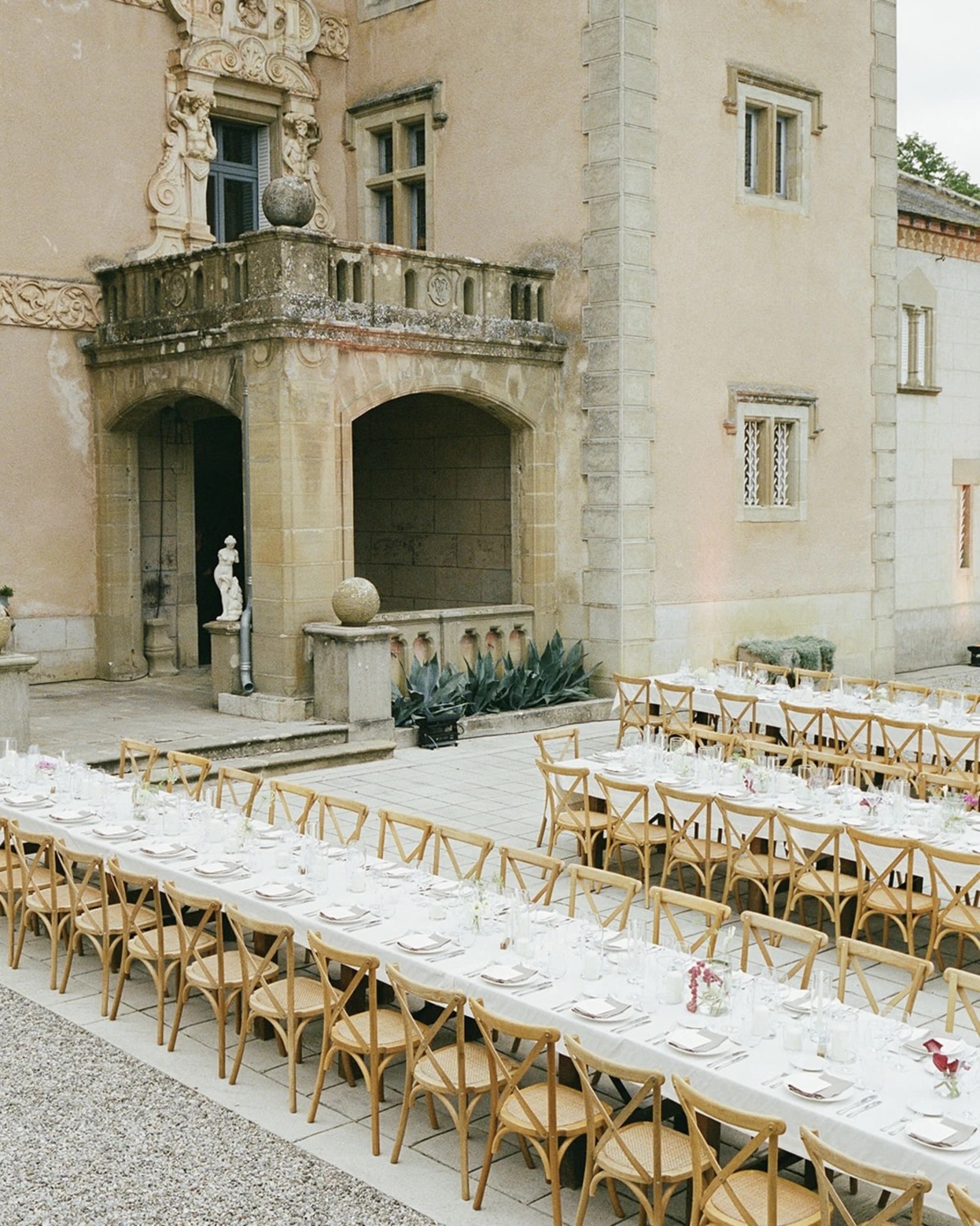
Château de Sibra, in the south of France, is a showpiece of the Troubadour style, a 19th-century look that mixes romantic medieval references with neo-Renaissance details. The château was rebuilt in the late 1800s, and it reads more like a storybook illustration than a typical country house. Inside, you’ll find decorative tapestries, a grand fireplace, and intricate glazed tiles. Guests can stay on the property, too, with five rooms in the château itself and more lodging in the outbuildings.
Château Bouffémont
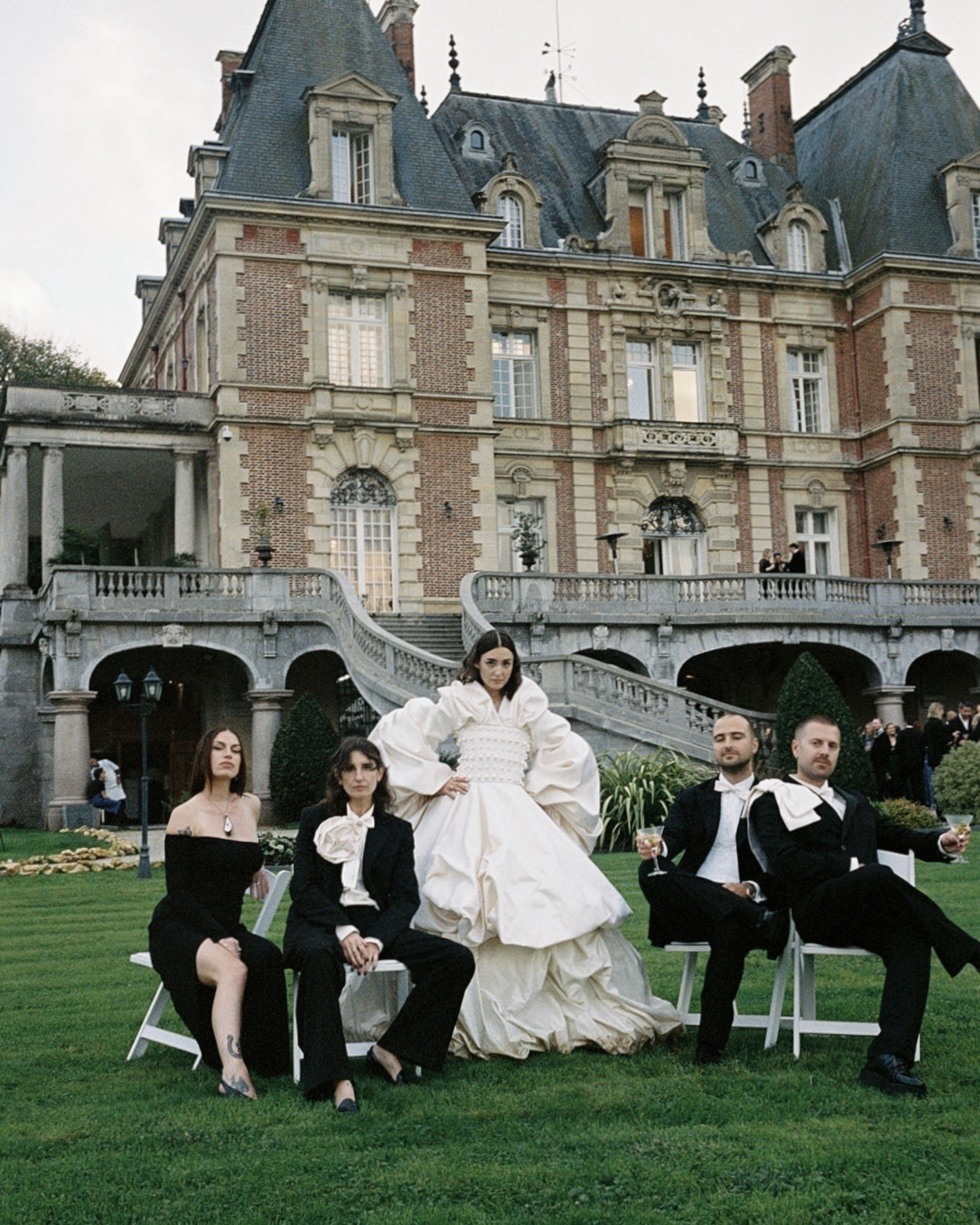
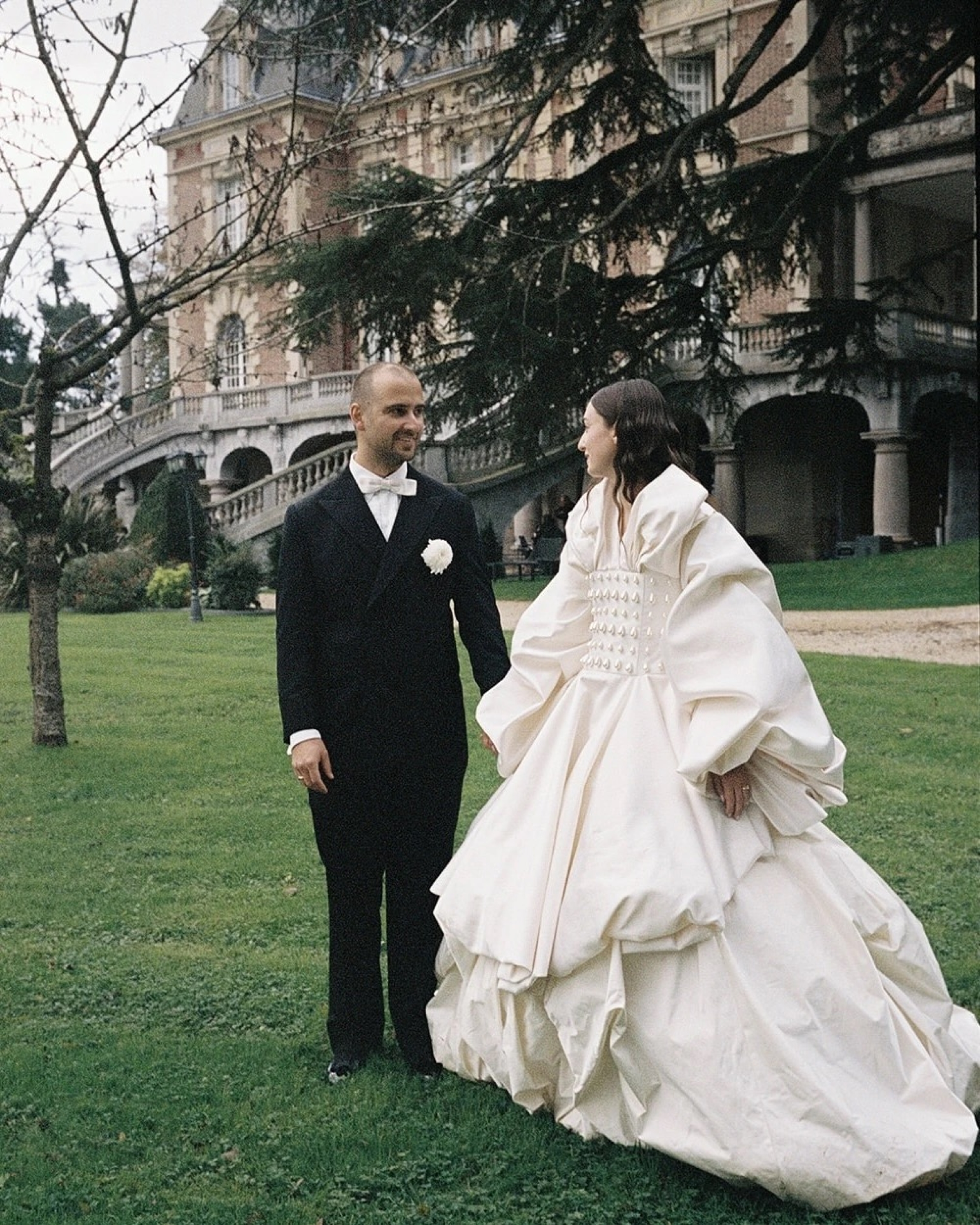
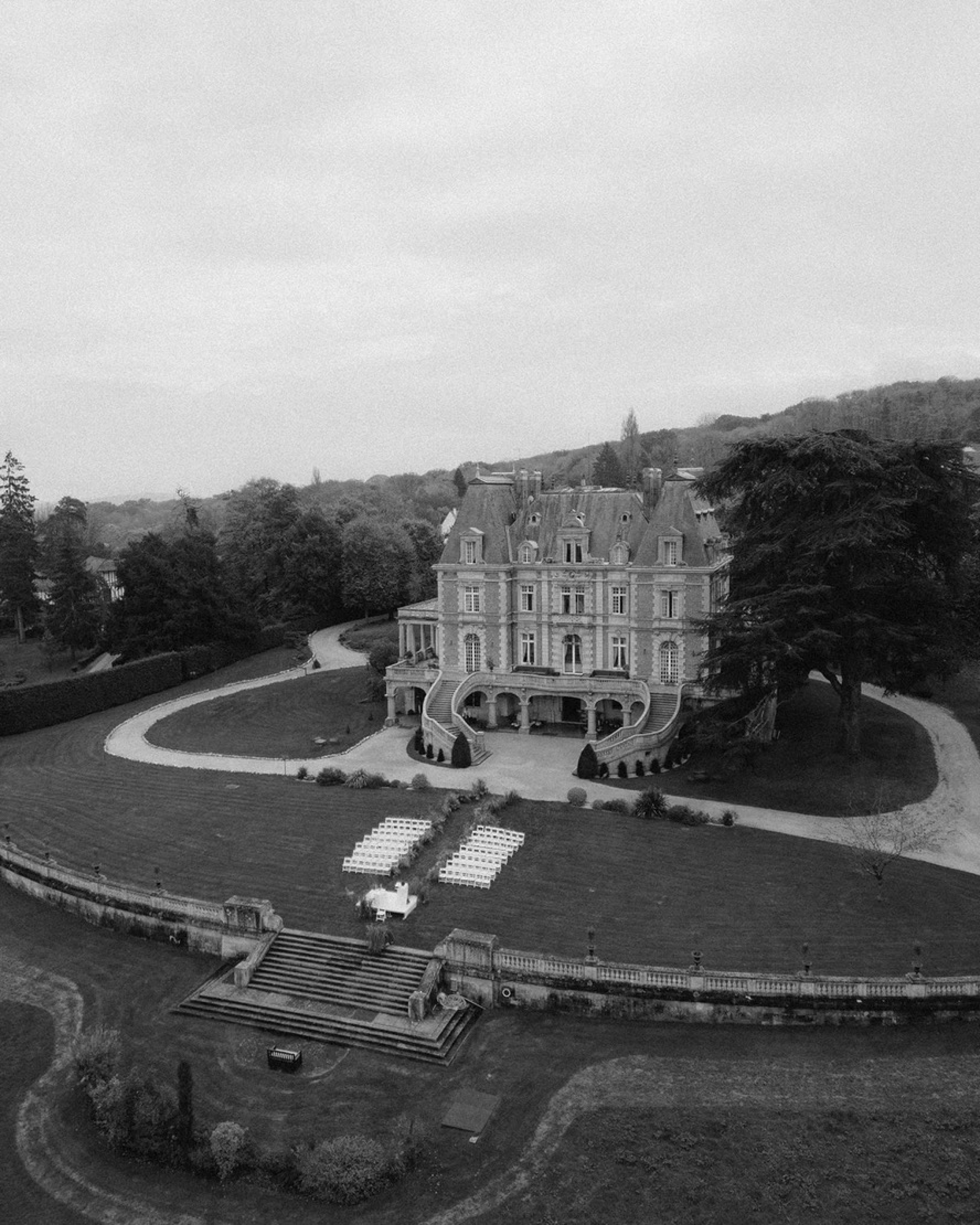
Tucked into the Montmorency Forest, Château Bouffémont is about 30 minutes from Paris and close to Charles de Gaulle airport, which makes it one of the easier château weddings to pull off logistically. The 19th-century estate was once linked to the Marquise de Preignes and later Baron Empain, and a full renovation in 2012 added modern comfort without erasing the historic architecture. It’s available for exclusive hire, and the setup is generous: five reception rooms, landscaped gardens, and nine bedrooms that sleep up to 30 guests.
Château du Champlâtreux
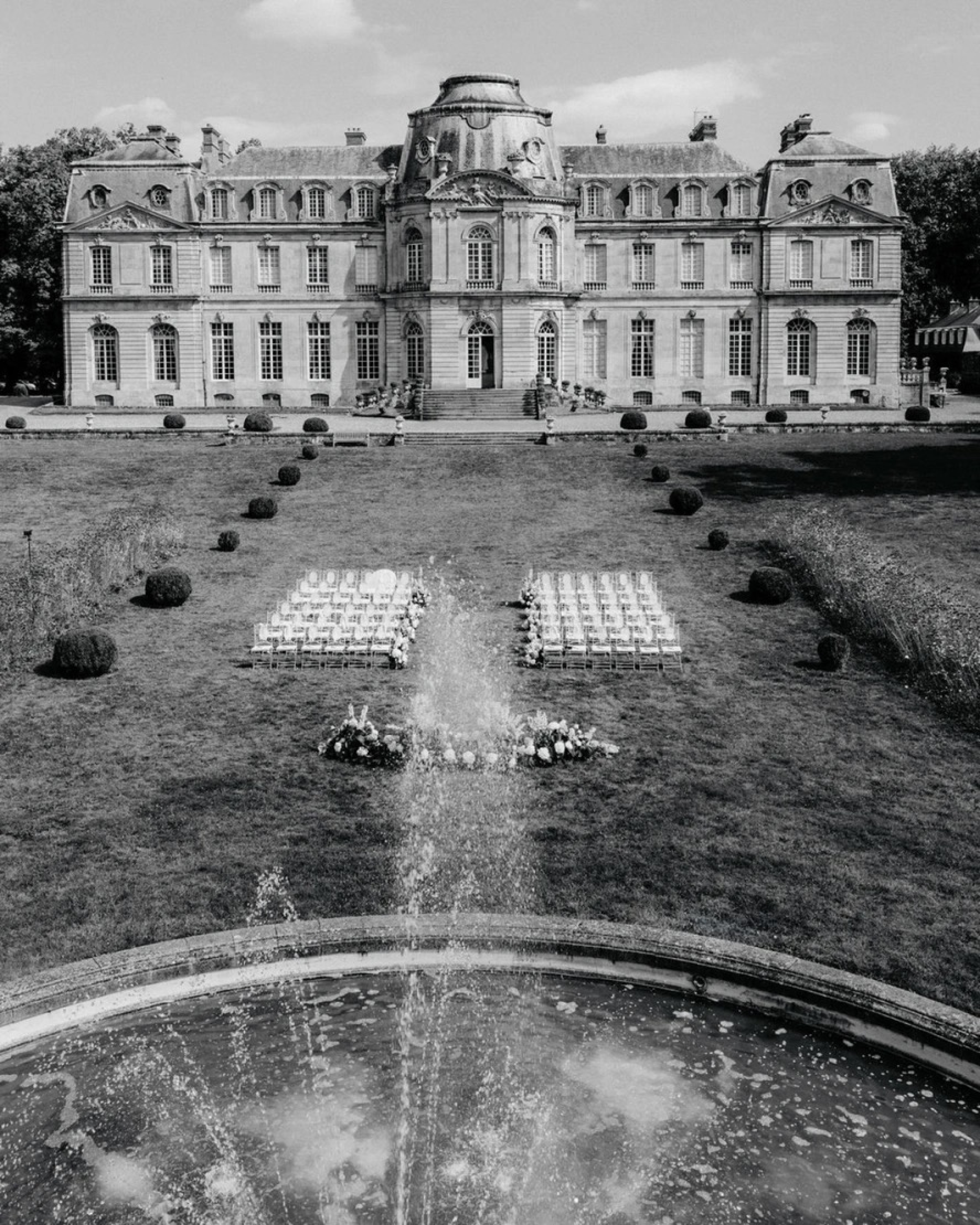
Château du Champlâtreux was built between 1751 and 1757 as a country house for the Molé family, a dynasty of Paris parliamentarians, and it’s a textbook example of 18th-century French architecture. Architect Jean-Michel Chevotet gave it a balanced façade, grand proportions, and elegant reception rooms. Outside, the park works well for ceremonies and cocktail hour, and the estate’s own chapel of Saint-Eutrope can host a ceremony. Add the historic stables and landscaped grounds, and you have a place that feels far from everyday life even though Paris is only about 30 minutes away.
Château de Ferrières
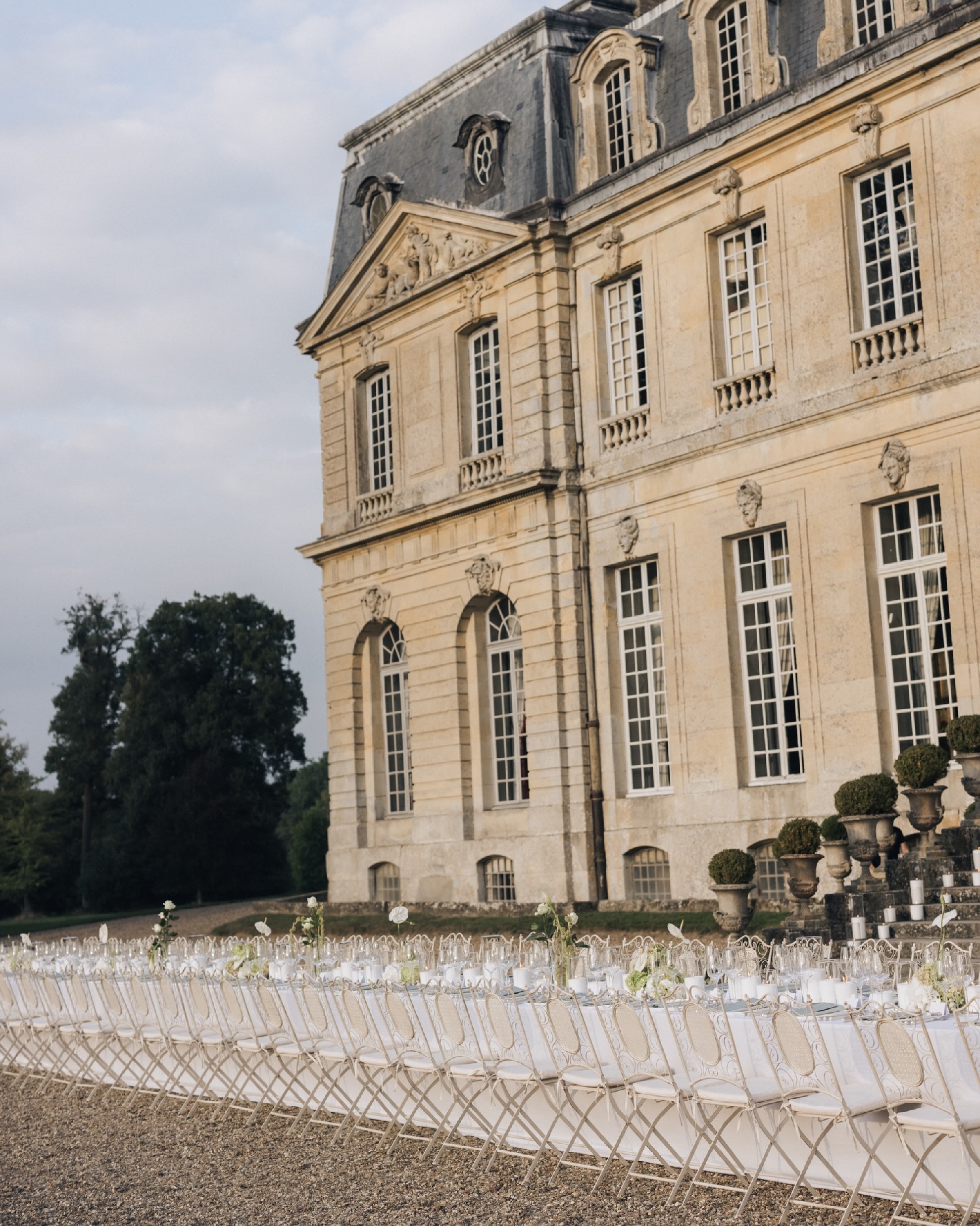
Château de Ferrières is pure fairytale. Joseph Paxton, the architect behind London’s Crystal Palace, designed this monumental neo-Renaissance estate east of Paris for Baron James de Rothschild, and it was built in the 1850s. The grand salons and ornate interiors set a formal tone, while the English-style park, well over 300 acres, leaves plenty of room for an outdoor celebration. It suits couples who want scale and drama.
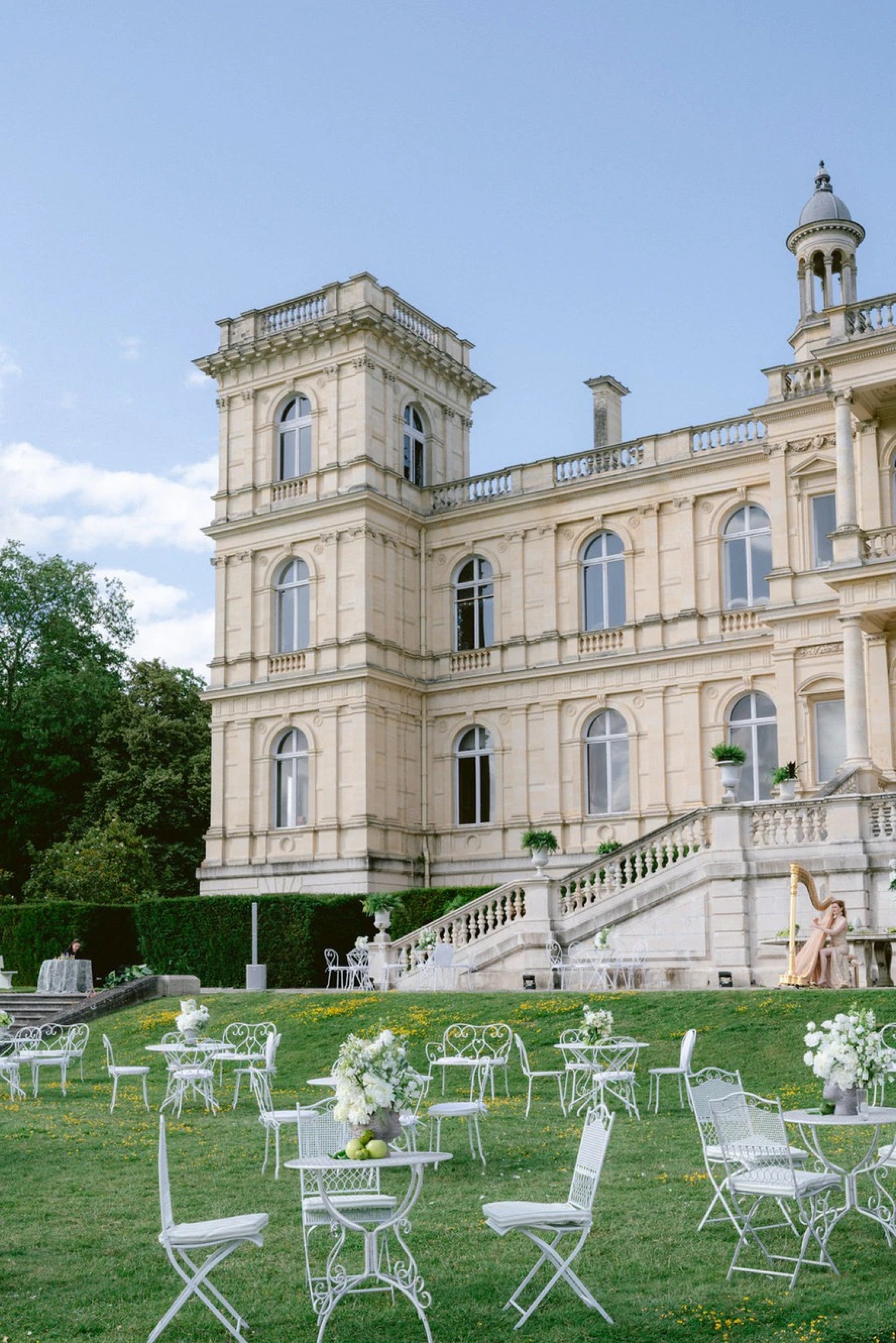
Château de Saint-Martin-du-Tertre
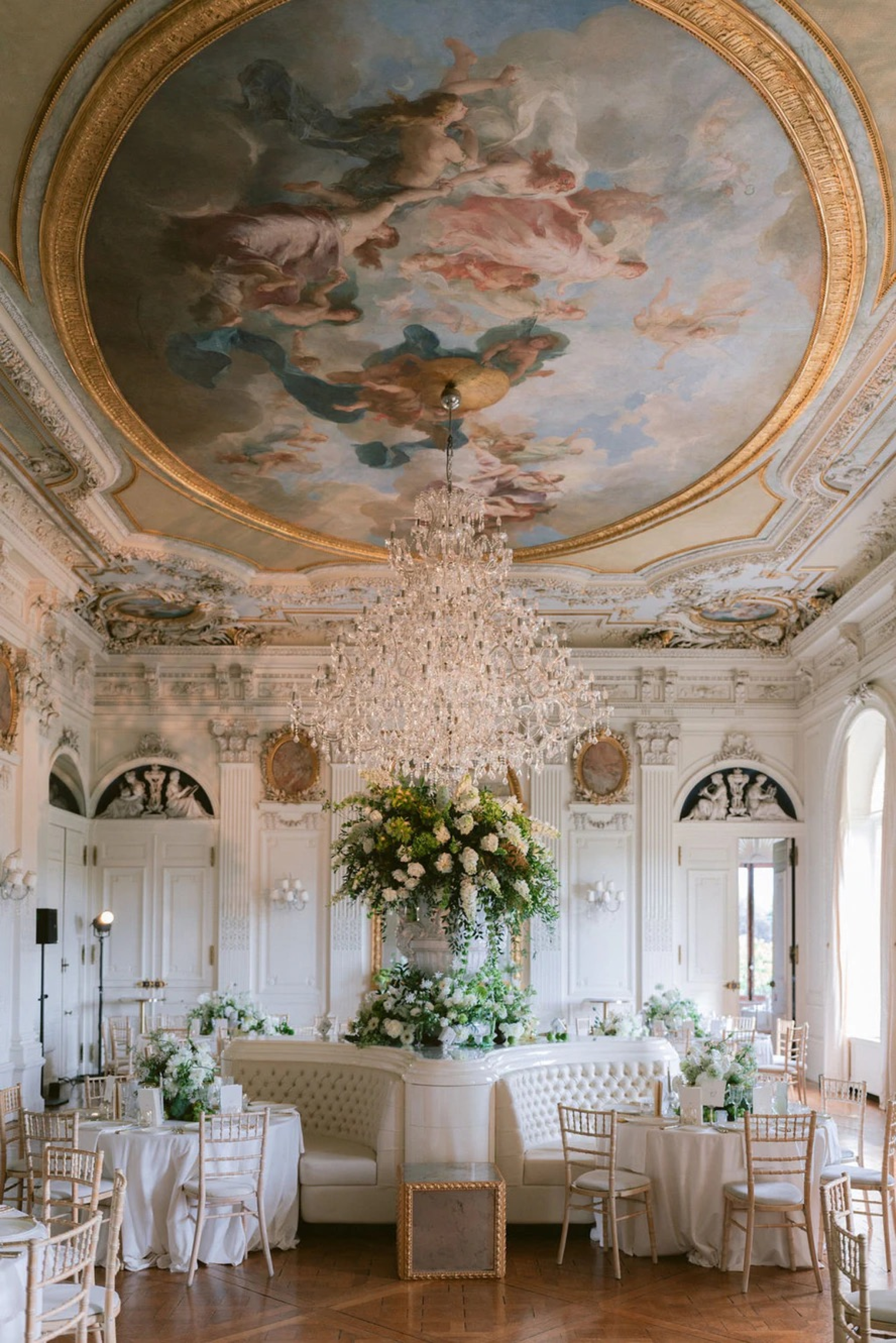
If your idea of a wedding involves a little old-world glamour, put Château de Saint-Martin-du-Tertre on your list. Architect Gabriel-Hippolyte Destailleur rebuilt it in the late 19th century for lavish entertaining, and its past includes extravagant soirées, theatrical performances, and balls. Today it offers a stone colonnade, fountains, a private theater, and more than 100 acres of parkland and forest. It’s about 30 minutes north of Paris and a short drive from Charles de Gaulle, so it feels secluded without being hard to reach.
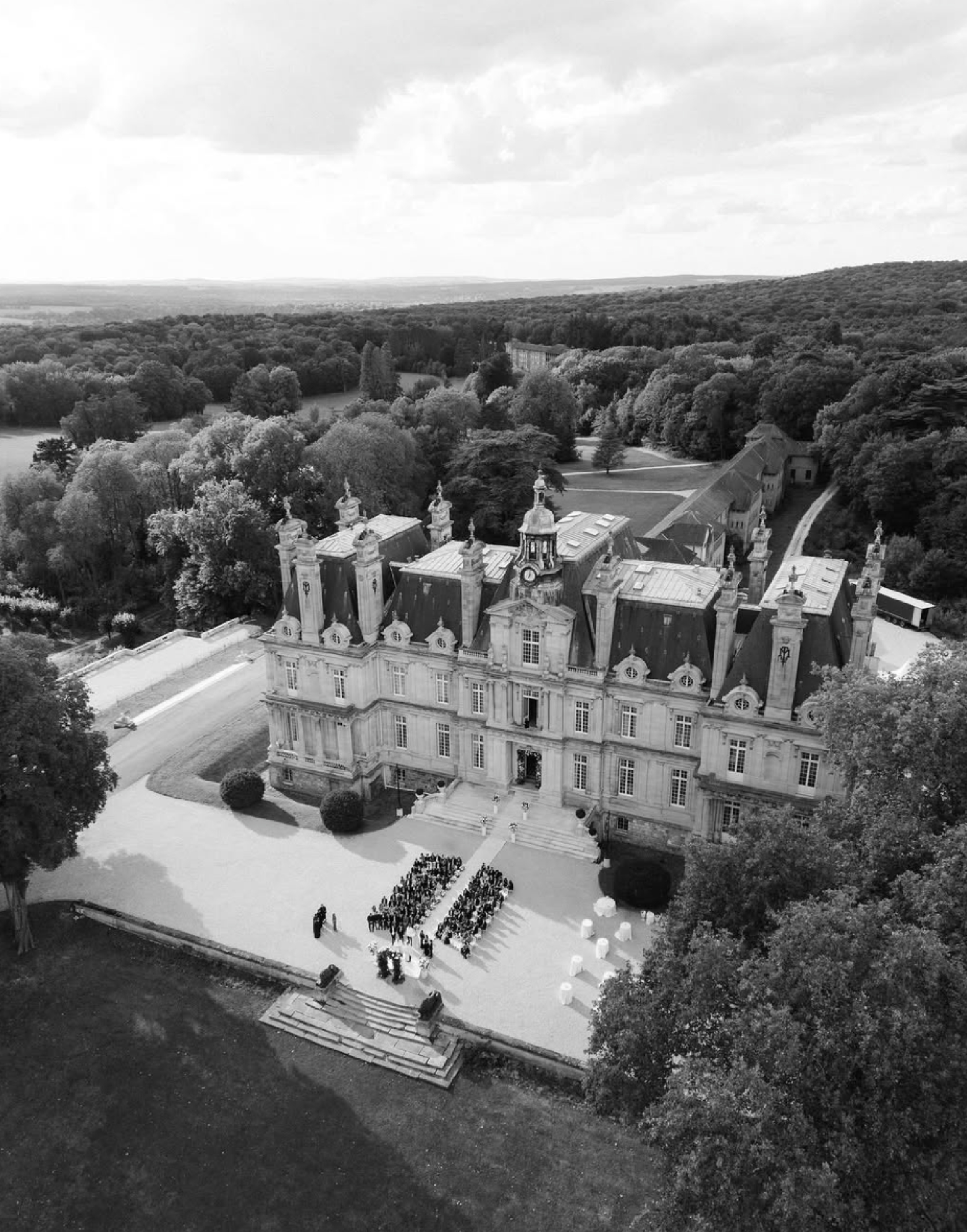
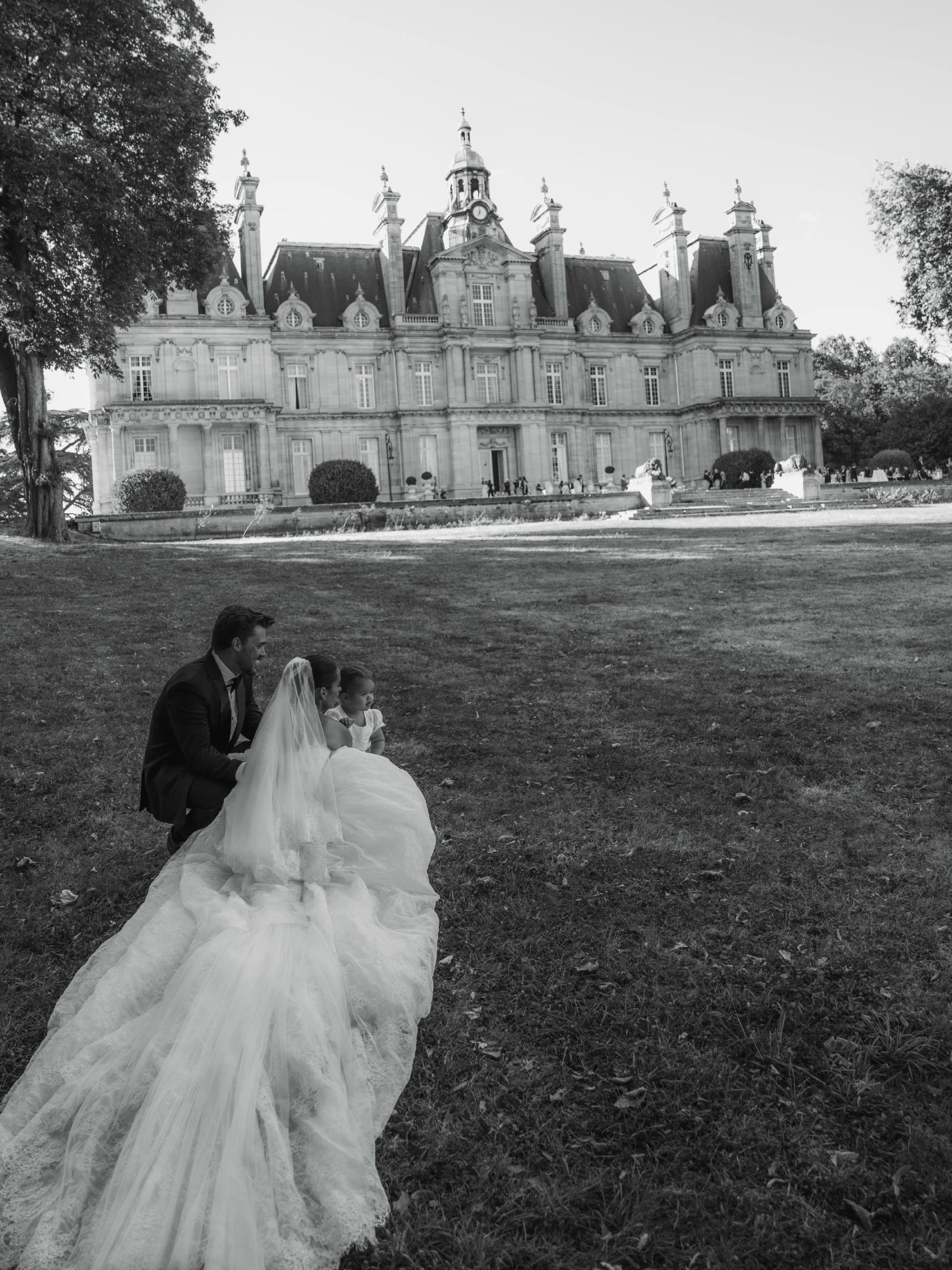
Château de Challain
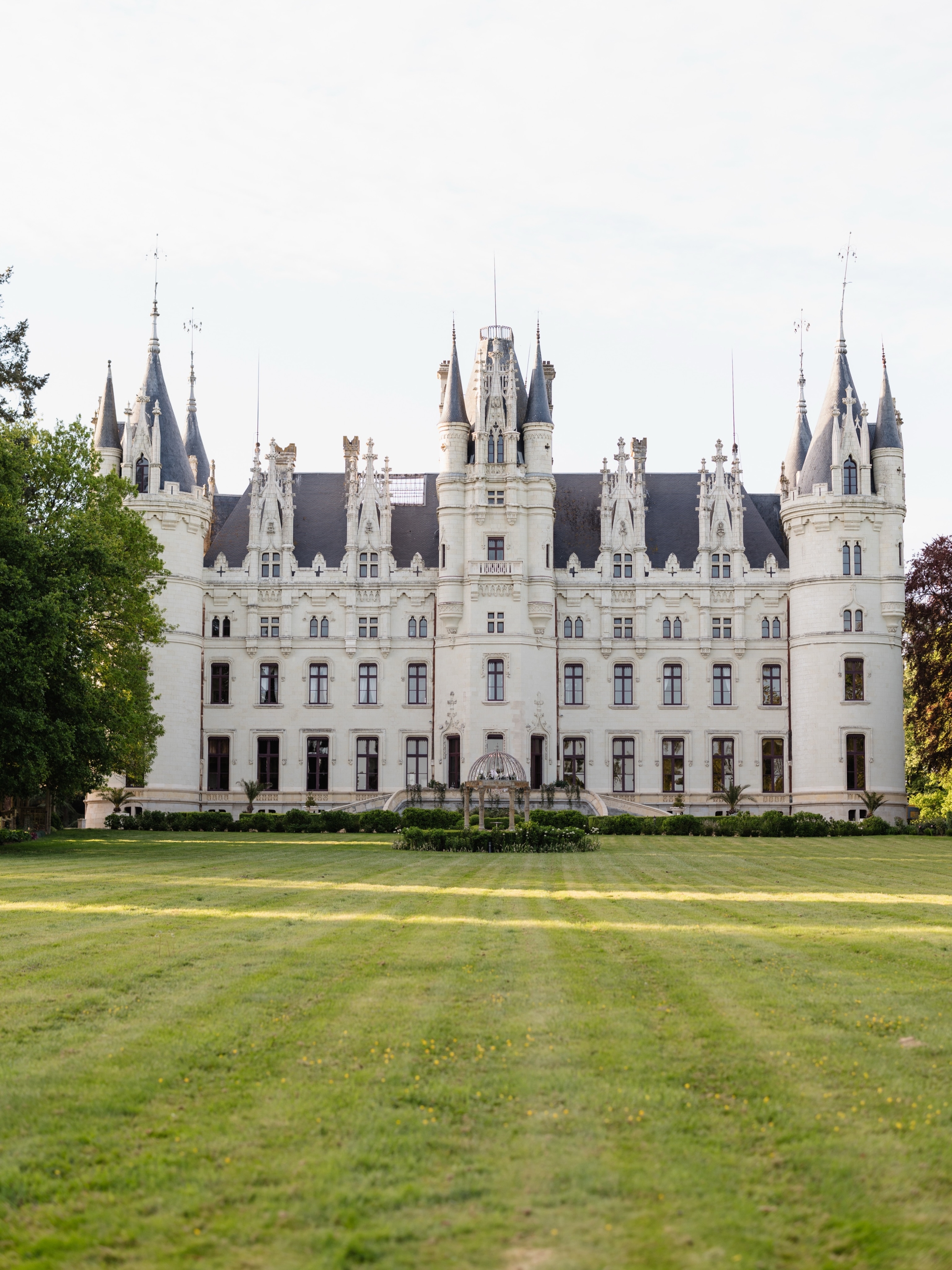
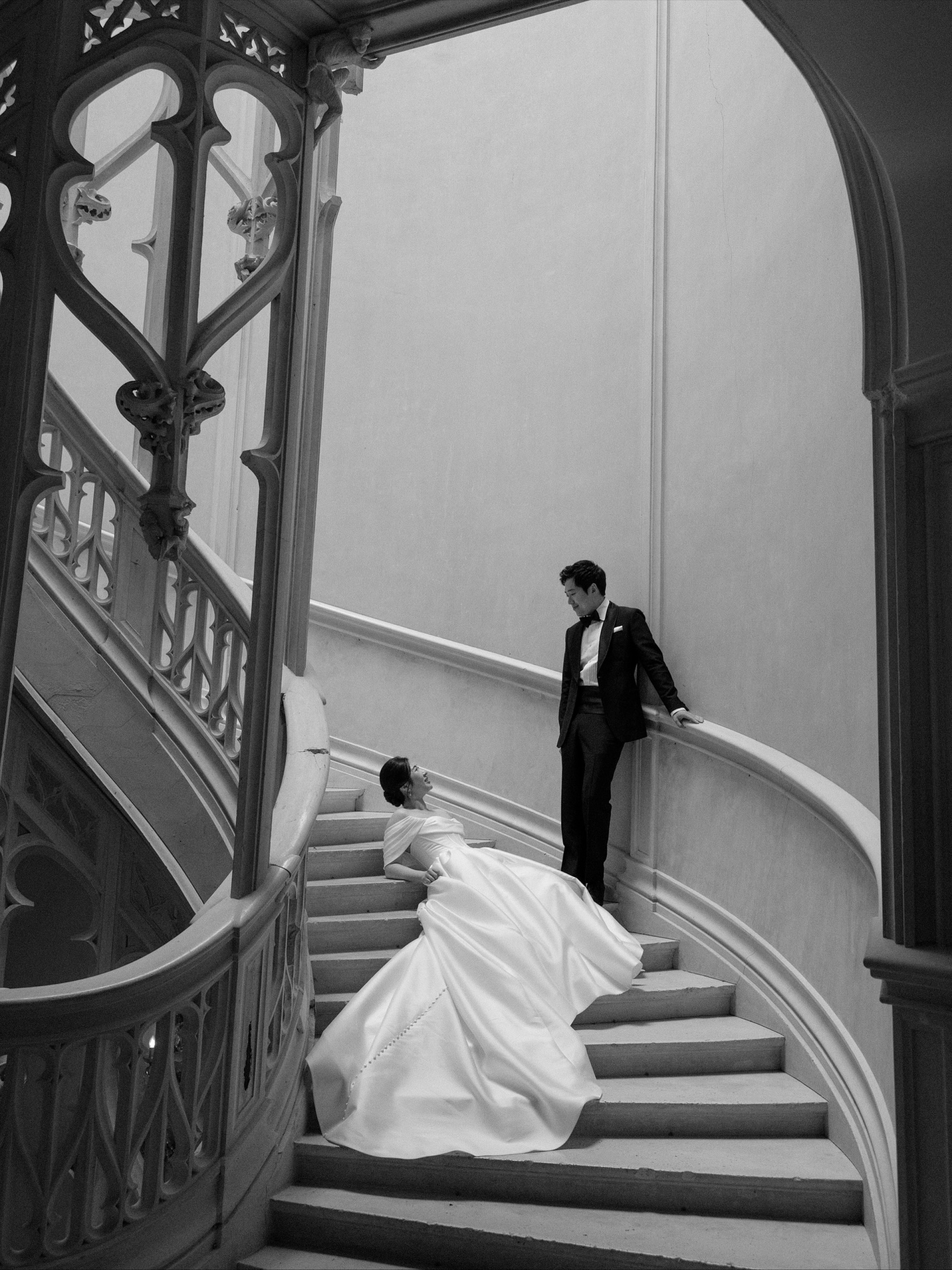
Often called the Neo-Gothic jewel of Anjou, Château de Challain looks like it belongs in a historical novel. It was built between 1847 and 1854 and is packed with detail: carved wood, Gothic paneling, sculpted stone, painted ceilings, and original fireplaces. The backstory is just as dramatic. When her husband died in 1854, the Countess de La Rochefoucauld-Bayers saw the project through to completion herself. Set in landscaped grounds in the Loire Valley, it’s a very different take on the French château, and a good fit for couples who want something theatrical, atmospheric, and a little unexpected.
Château de Villette
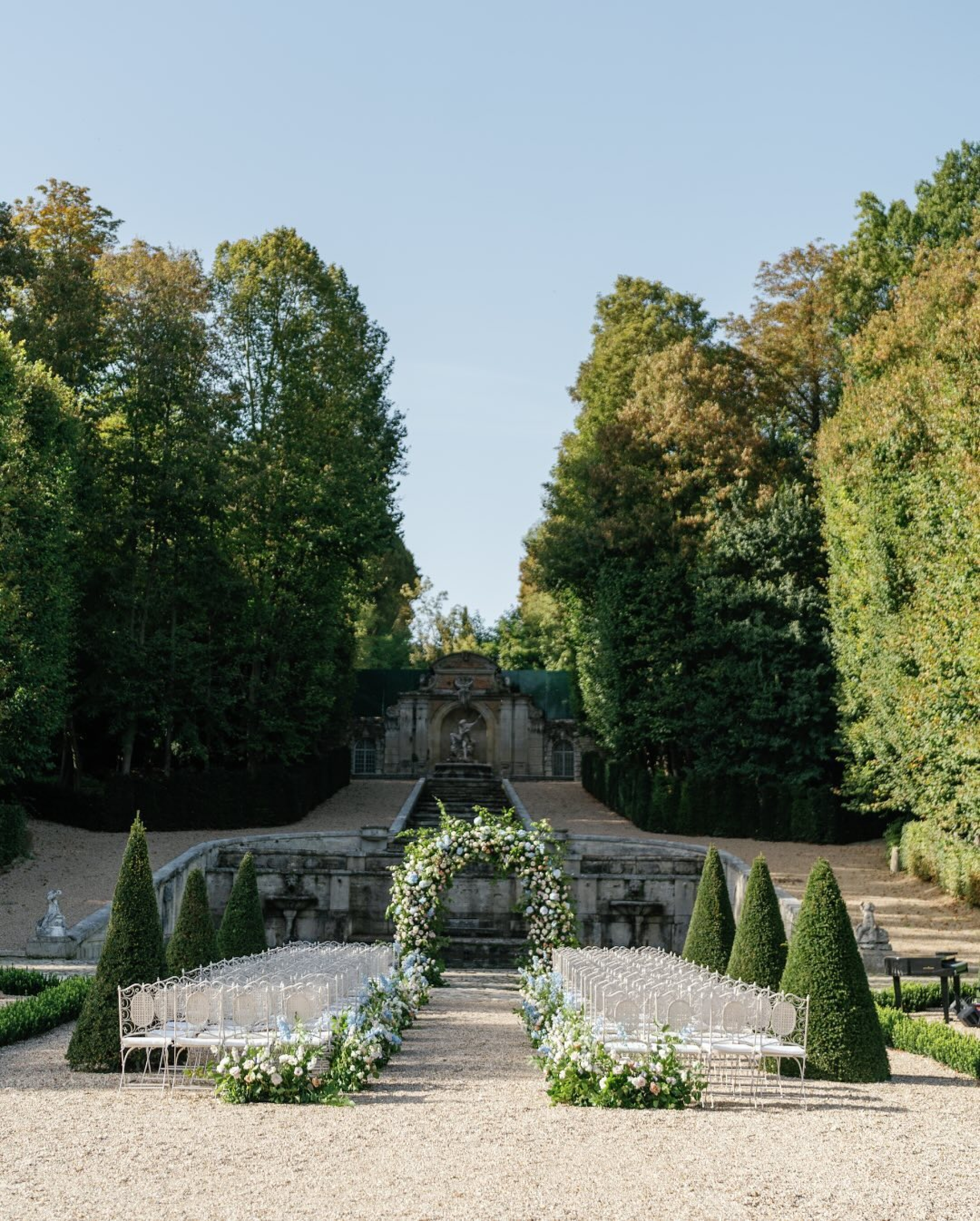
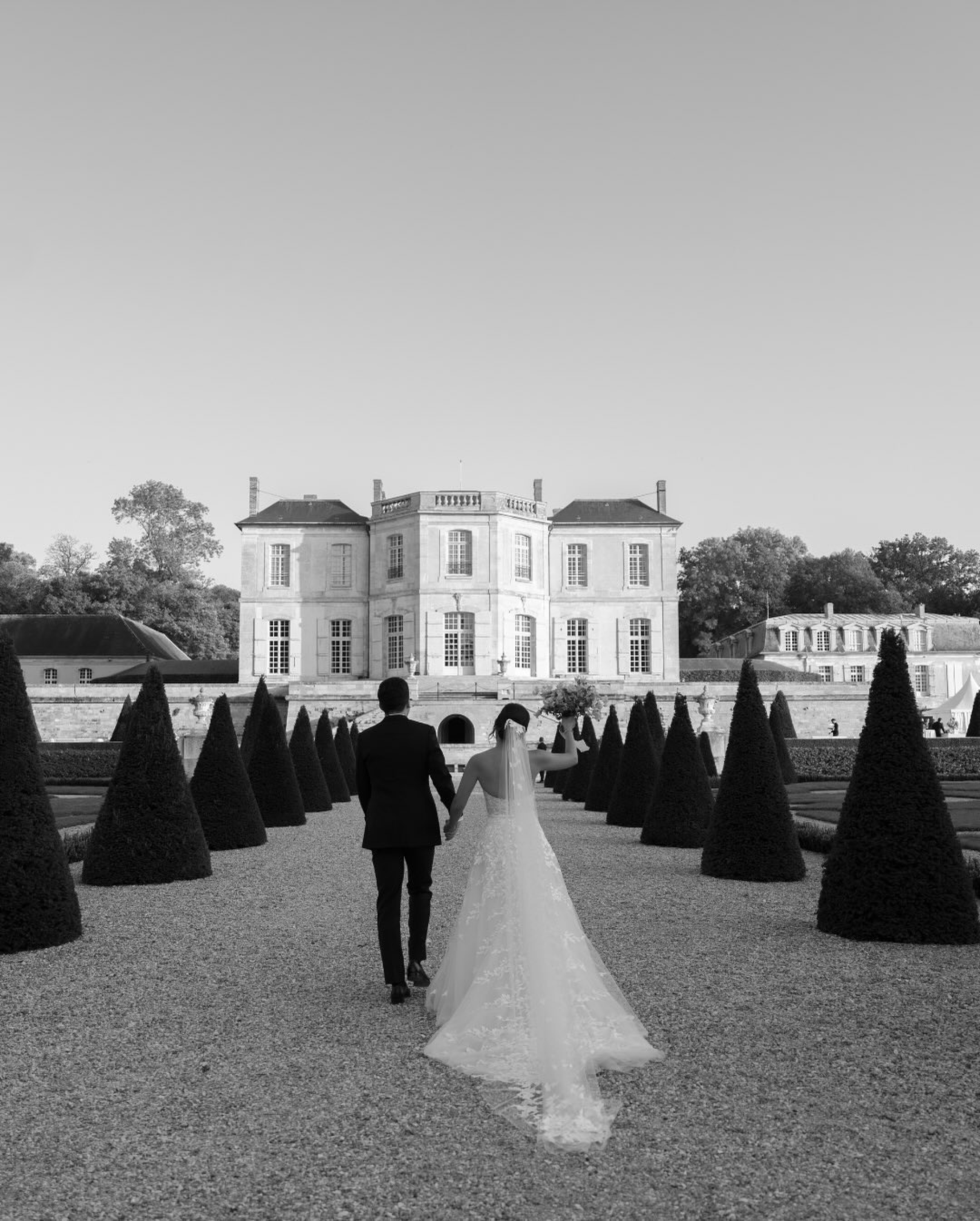
Château de Villette, in Condécourt northwest of Paris, is a late 17th-century estate credited to Jules Hardouin-Mansart, with gardens attributed to André Le Nôtre. Both men worked on Versailles around the same time, which is how Villette earned the nickname “Little Versailles.” The 185-acre park includes two lakes and a cascading fountain, and the restored suites are furnished with period details and antiques. Weddings can use the gardens and a glass pavilion. It’s a natural pick for couples who love classical French design and want the celebration to stretch across a truly impressive property.
Italy
Castello di Tor Crescenza
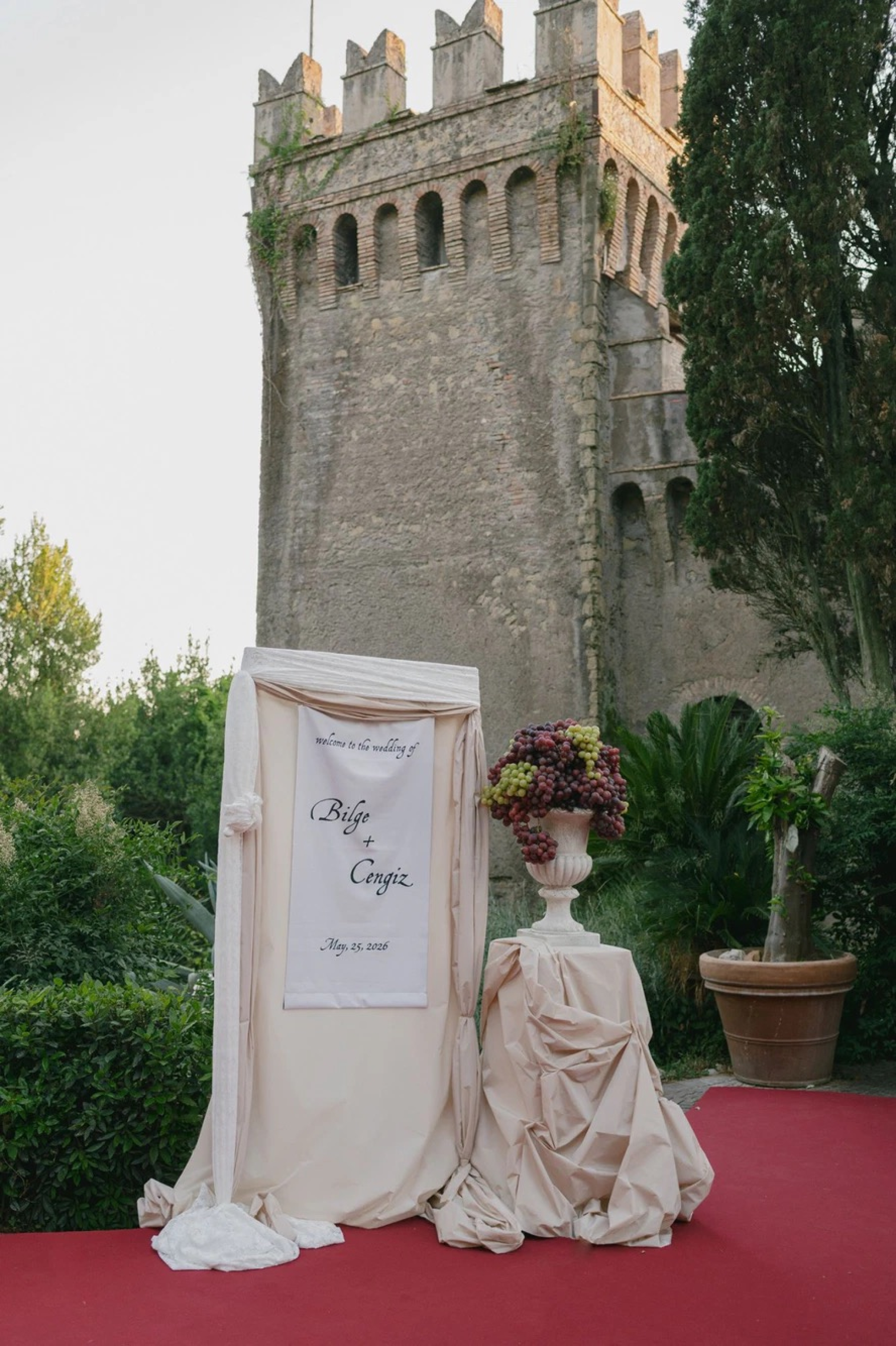
On the northern edge of Rome, just minutes from Ponte Milvio, Castello di Tor Crescenza grew out of an 11th-century watchtower into a fortified manor, with Renaissance additions like a 15th-century cloister. Couples can use the cloister rooms, a citrus garden with a glass gazebo, and a terrace, all set among landscaped grounds and mature trees. It’s a cinematic castle that’s still easy to reach from the city, which is a rare combination for a destination wedding in Italy.
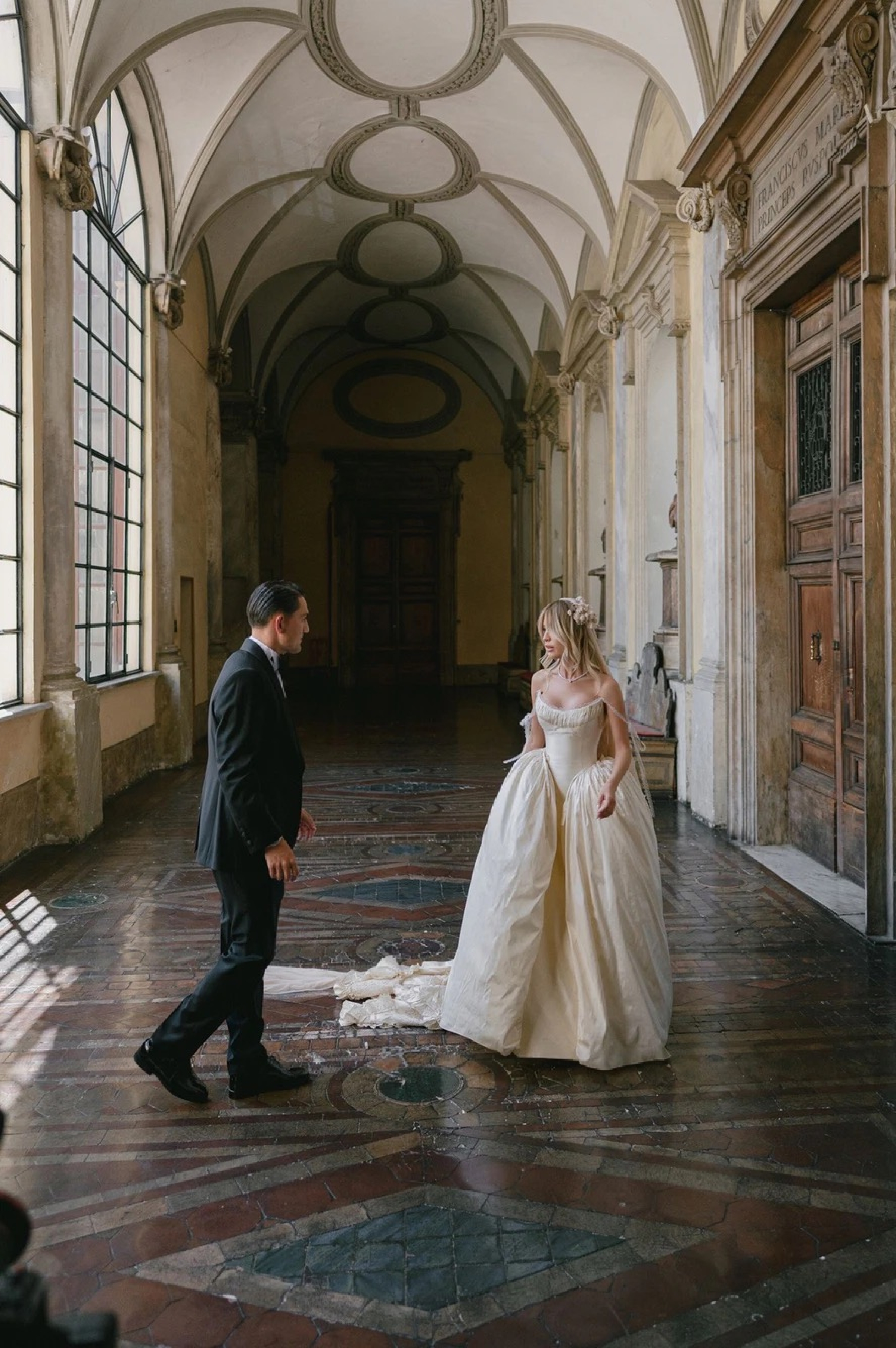
Castello di Lispida
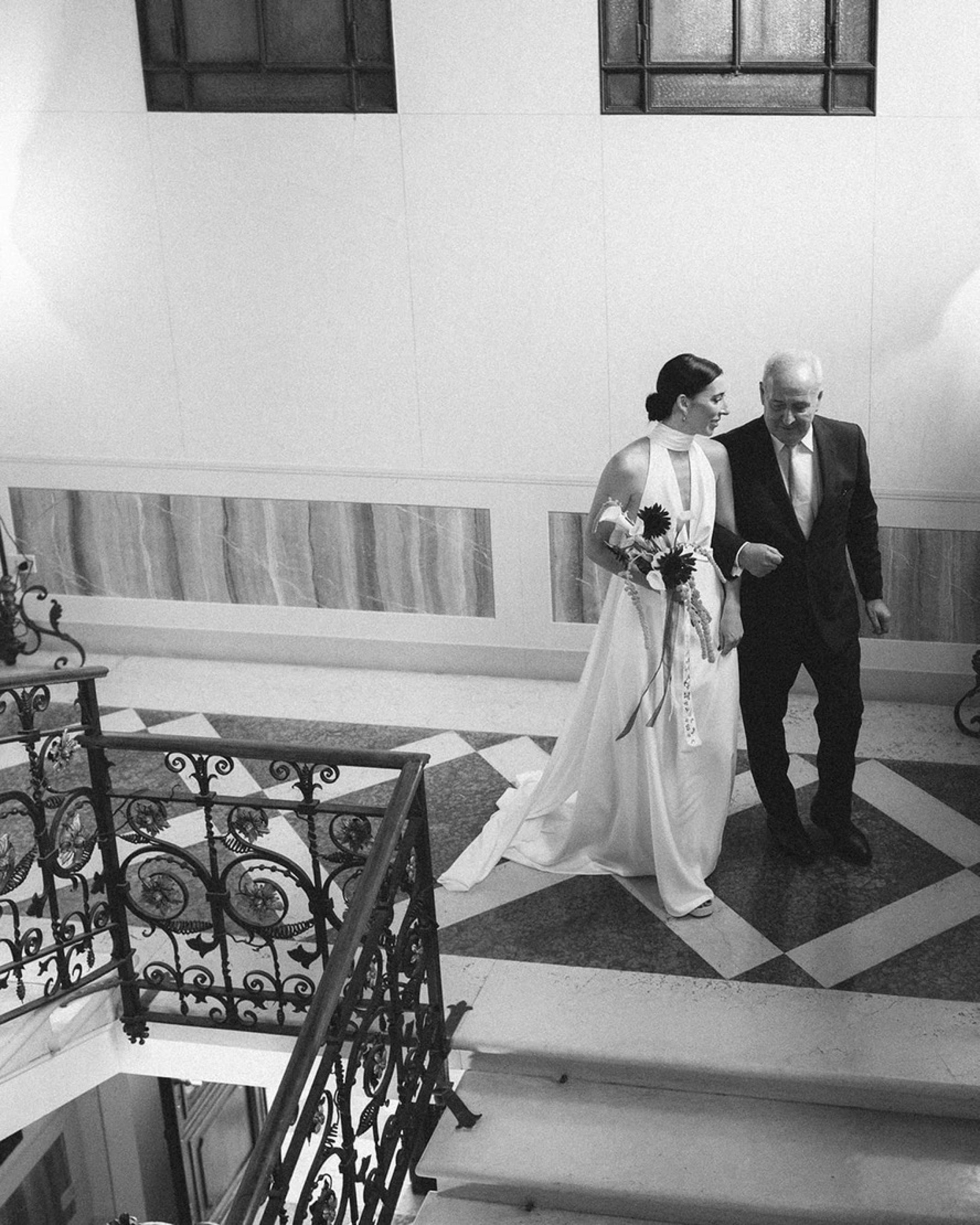
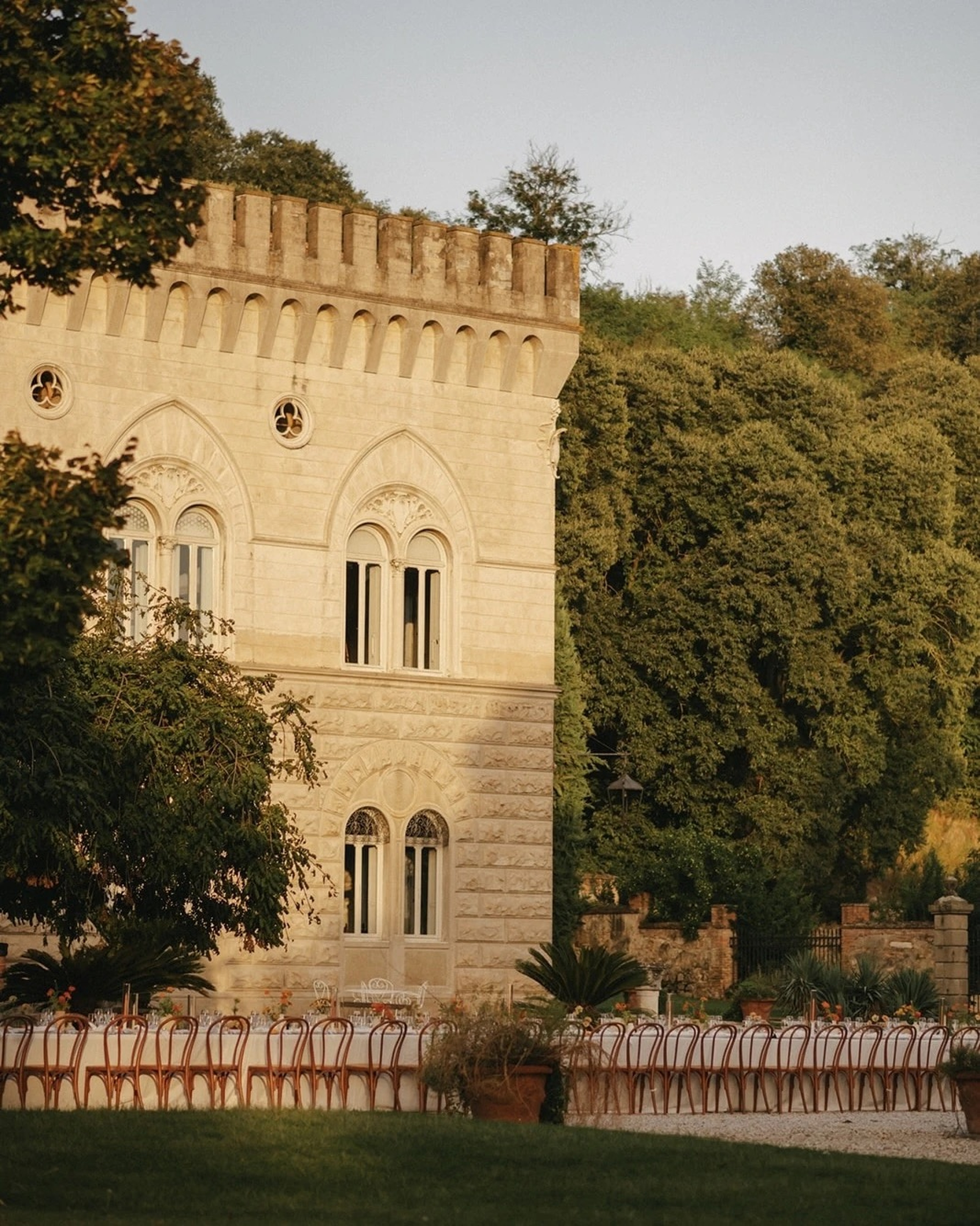
Castello di Lispida sits in the Euganean Hills of the Veneto, near Monselice, on the site of a 12th-century Augustinian monastery. Over the centuries it became a castle and a wine estate, and during World War I it served as headquarters for King Vittorio Emanuele III. His study is still part of the property. The interiors are filled with frescoes and antique furniture, and the grounds and vineyards give couples plenty of room for outdoor celebrations. If you want an Italian wedding venue that feels less expected than a classic villa, this is a strong contender.
Castello Brancaccio
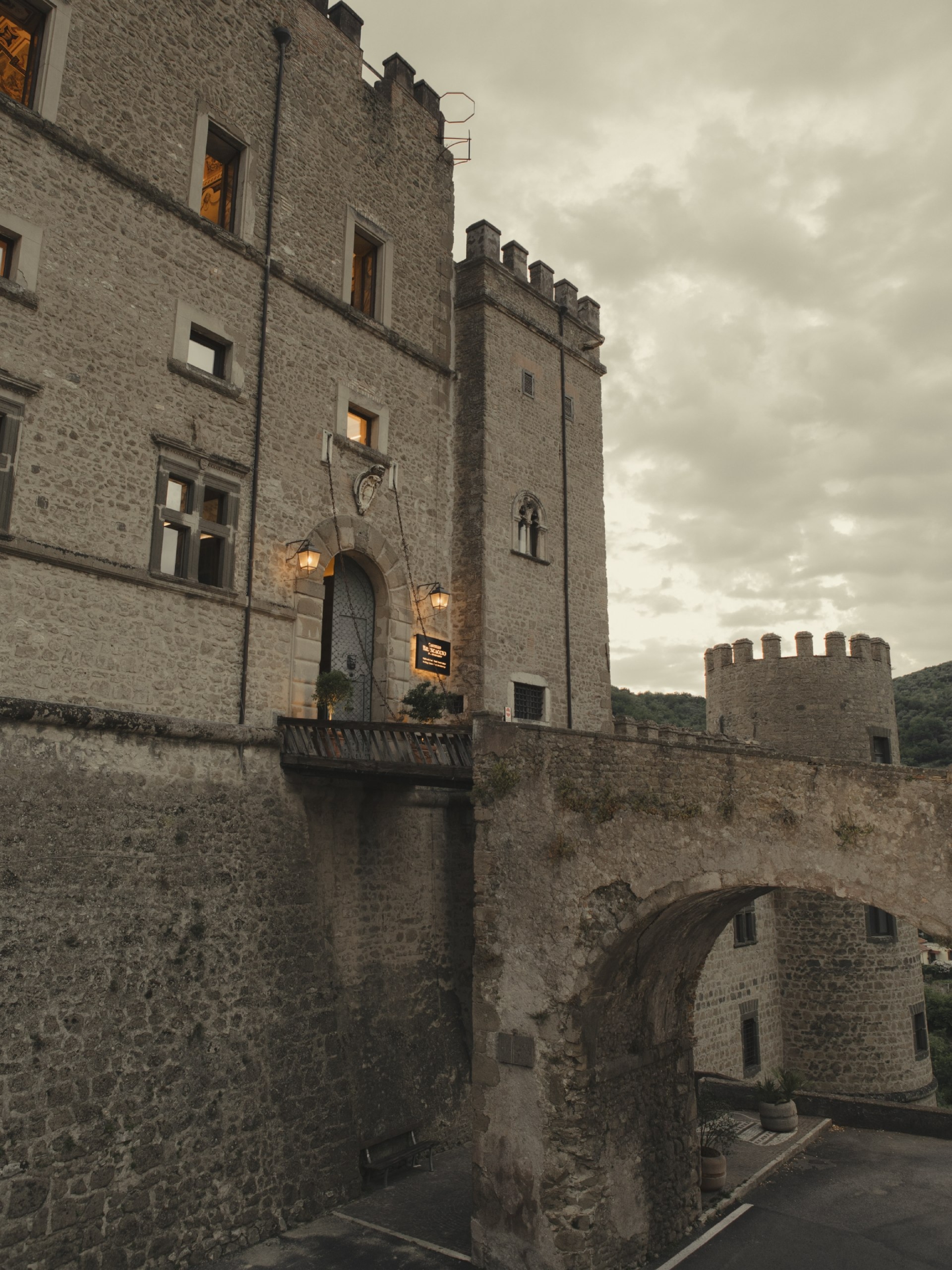
Castello Brancaccio crowns the medieval hill town of San Gregorio da Sassola, about 26 miles east of Rome, with wide views over the countryside. Its origins go back to the 10th century. The frescoed rooms include 16th-century work attributed to Federico Zuccari and 18th-century work attributed to Andrea Appiani, and the terraces look out over the surrounding landscape. The castle has on-site accommodation, so guests can stay close to the party. For couples dreaming of a romantic, properly medieval Italian castle, it delivers.
Cetinale
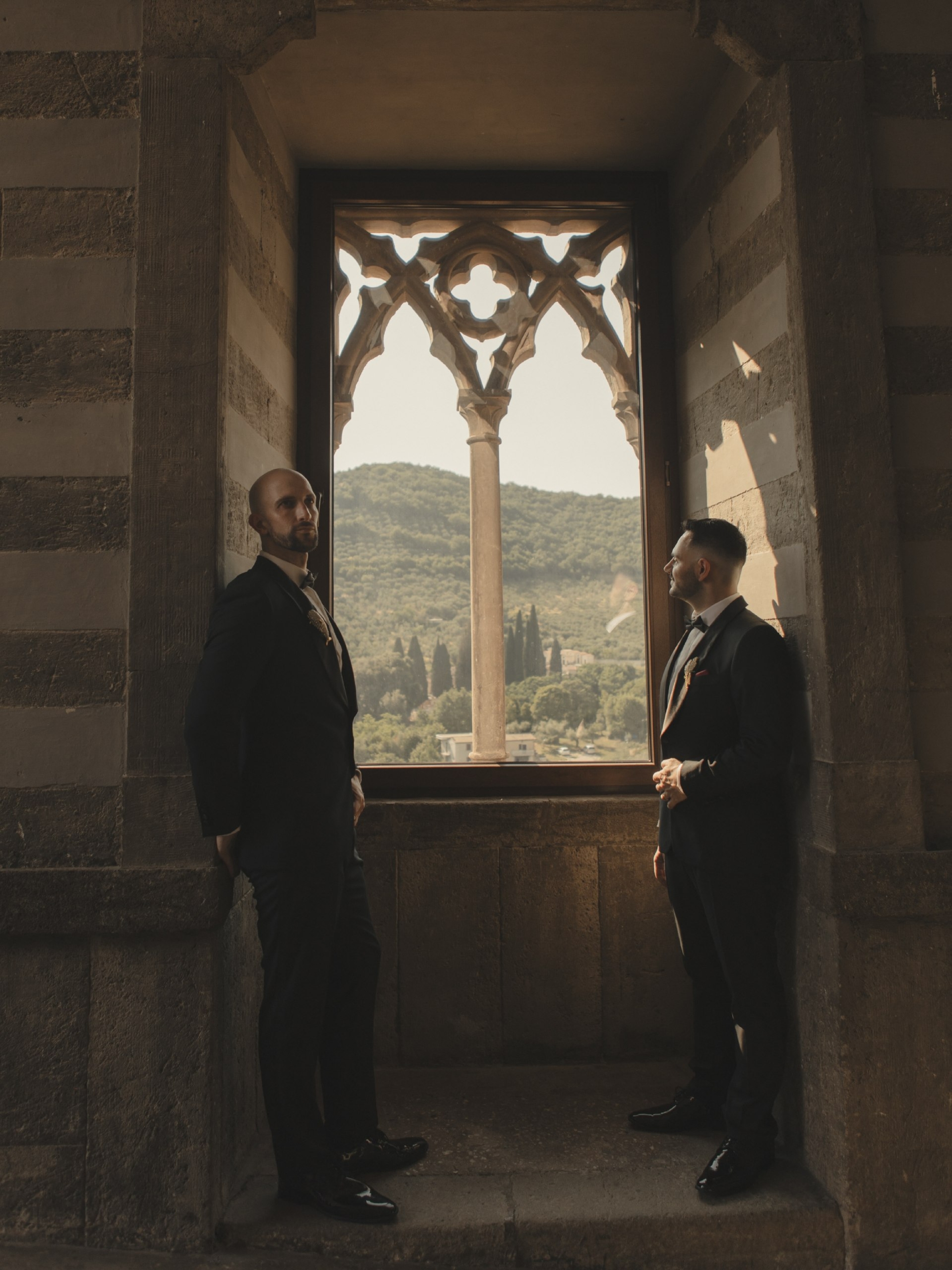
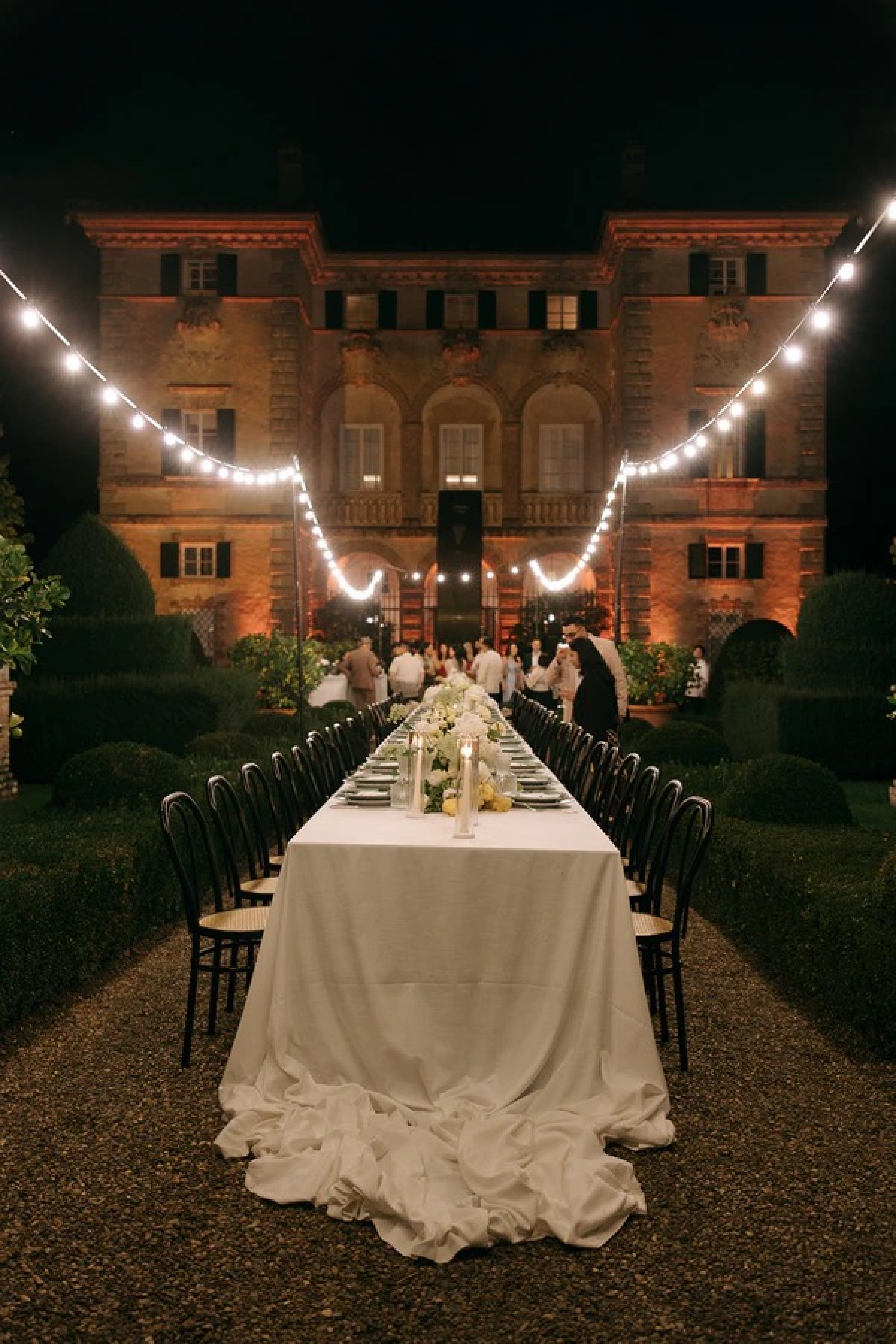
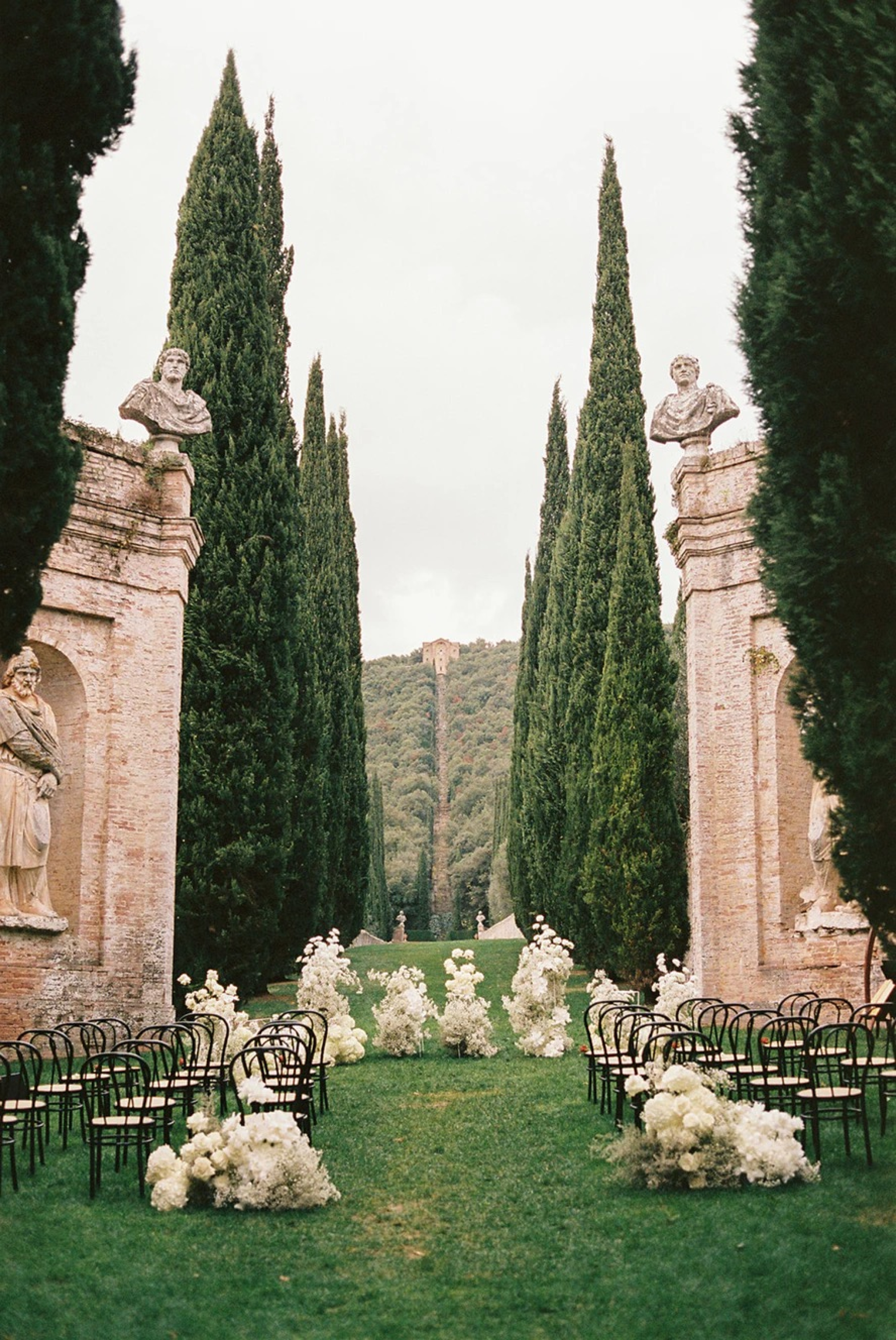
Strictly speaking, Cetinale is a Baroque villa rather than a castle, but it has everything you’d want from a historic estate wedding. Construction began in the 1650s, and in 1680 Cardinal Flavio Chigi brought in architect Carlo Fontana to remake it in the Roman Baroque style. The property in the Tuscan countryside near Siena includes a 17th-century chapel, a lemon house that works for receptions, and a series of gardens and woodland paths that link the different parts of the day. With roughly 40 overnight guests across the villa and its cottages, it’s well suited to a multi-day wedding with close friends and family.
Spain
Castell de Sant Marçal
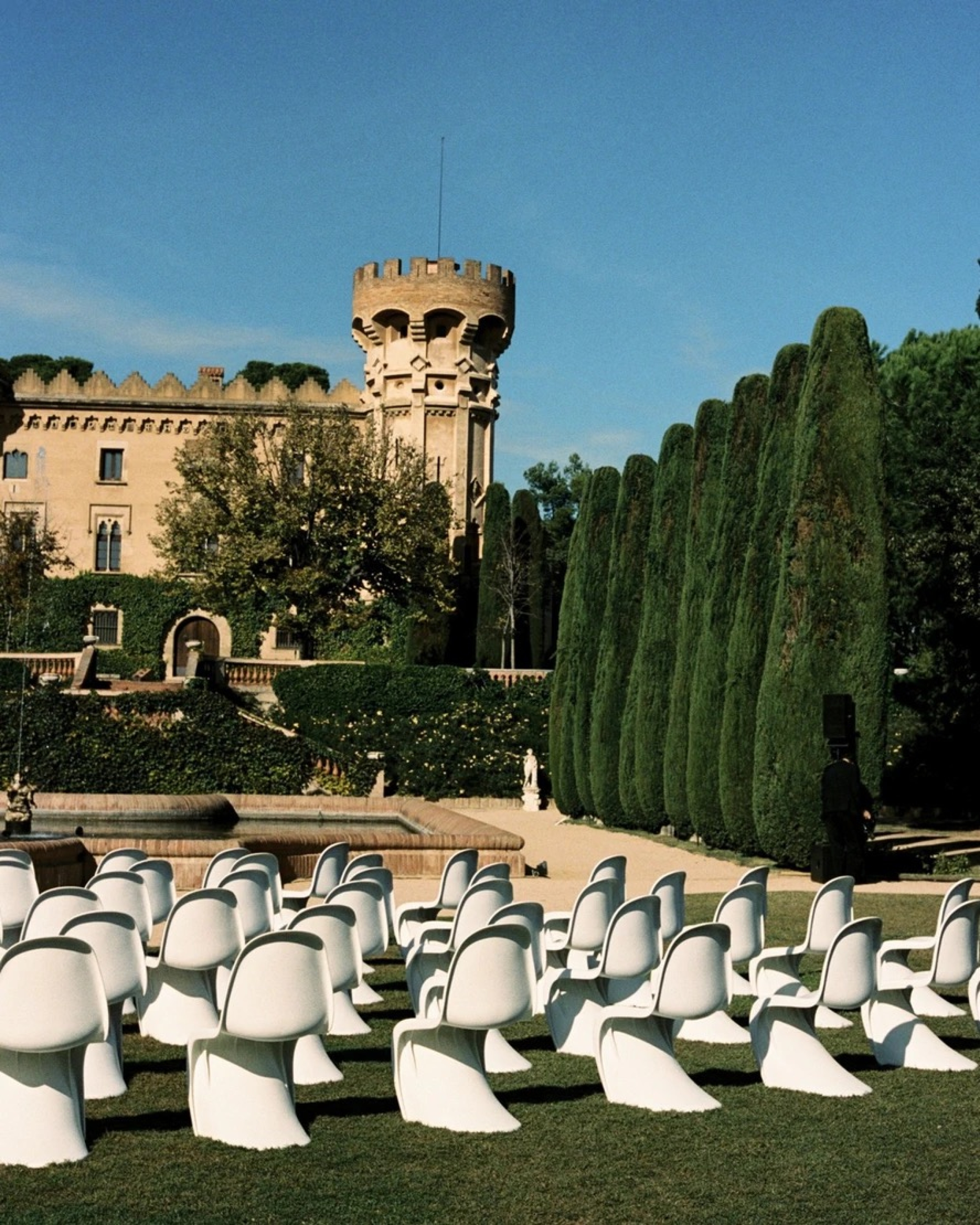
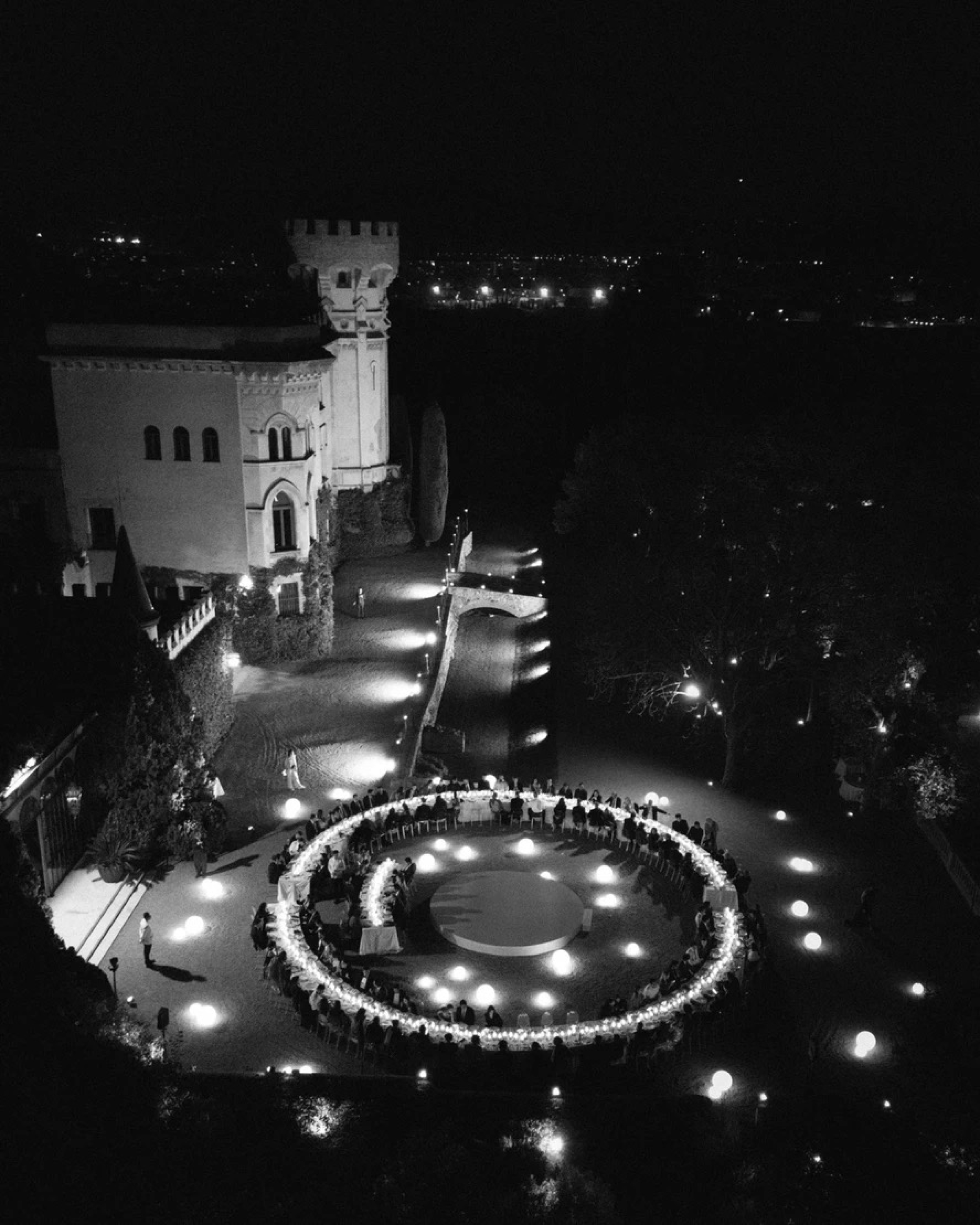
Twenty minutes from Barcelona in Cerdanyola del Vallès, Castell de Sant Marçal dates to the 11th century and has stayed in the same family for around 700 years. Architect Gaietà Buïgas, best known for Barcelona’s Columbus Monument, remodeled it in 1895 as a summer residence, giving it an eclectic look that anticipated Modernisme. A moat, a Gothic chapel, and gardens set the scene, and the greenhouse adds a bright, modern option for receptions. It’s a good fit for a destination wedding that combines countryside atmosphere with easy access to the city.
Castell de Peralada
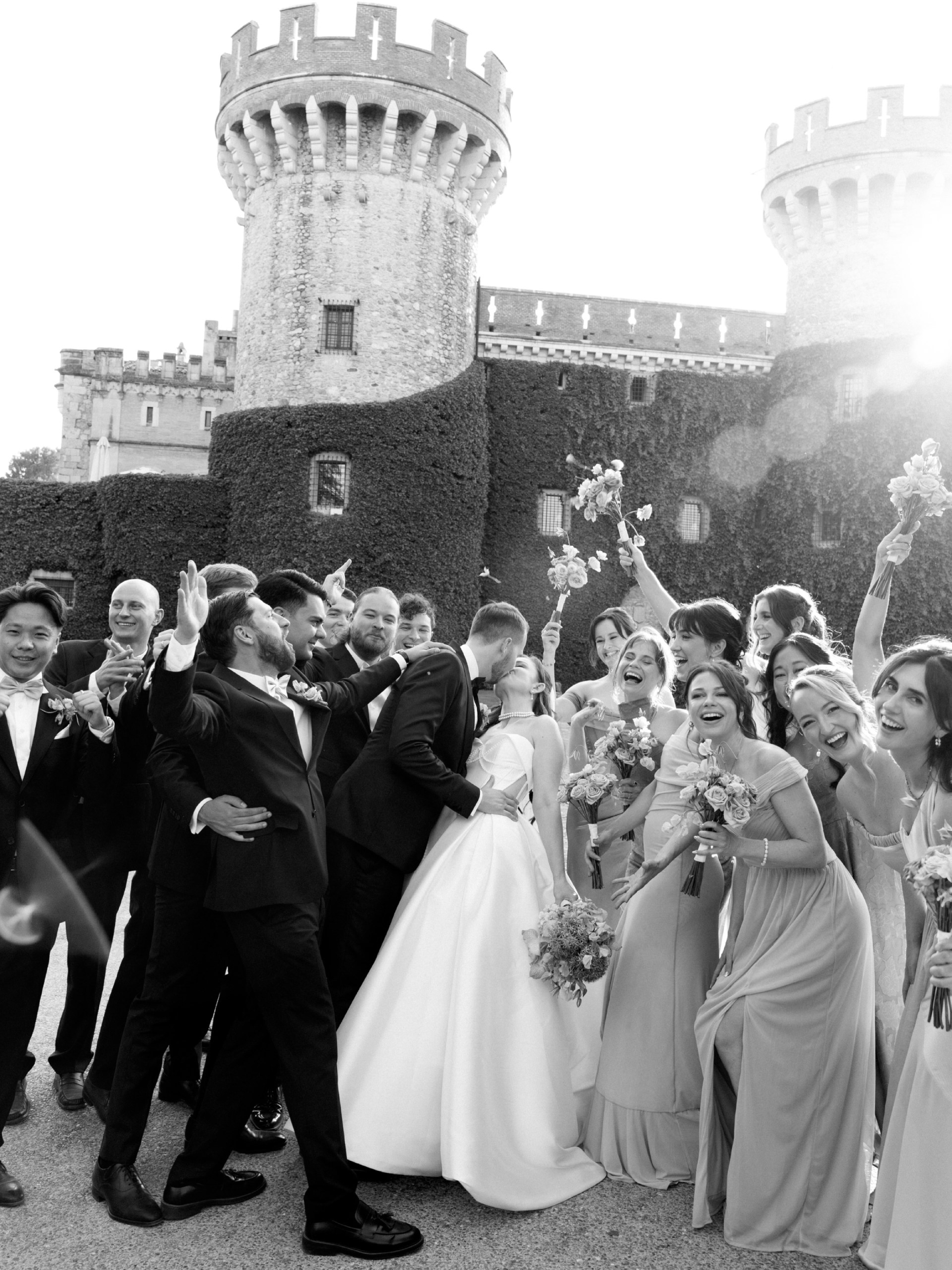
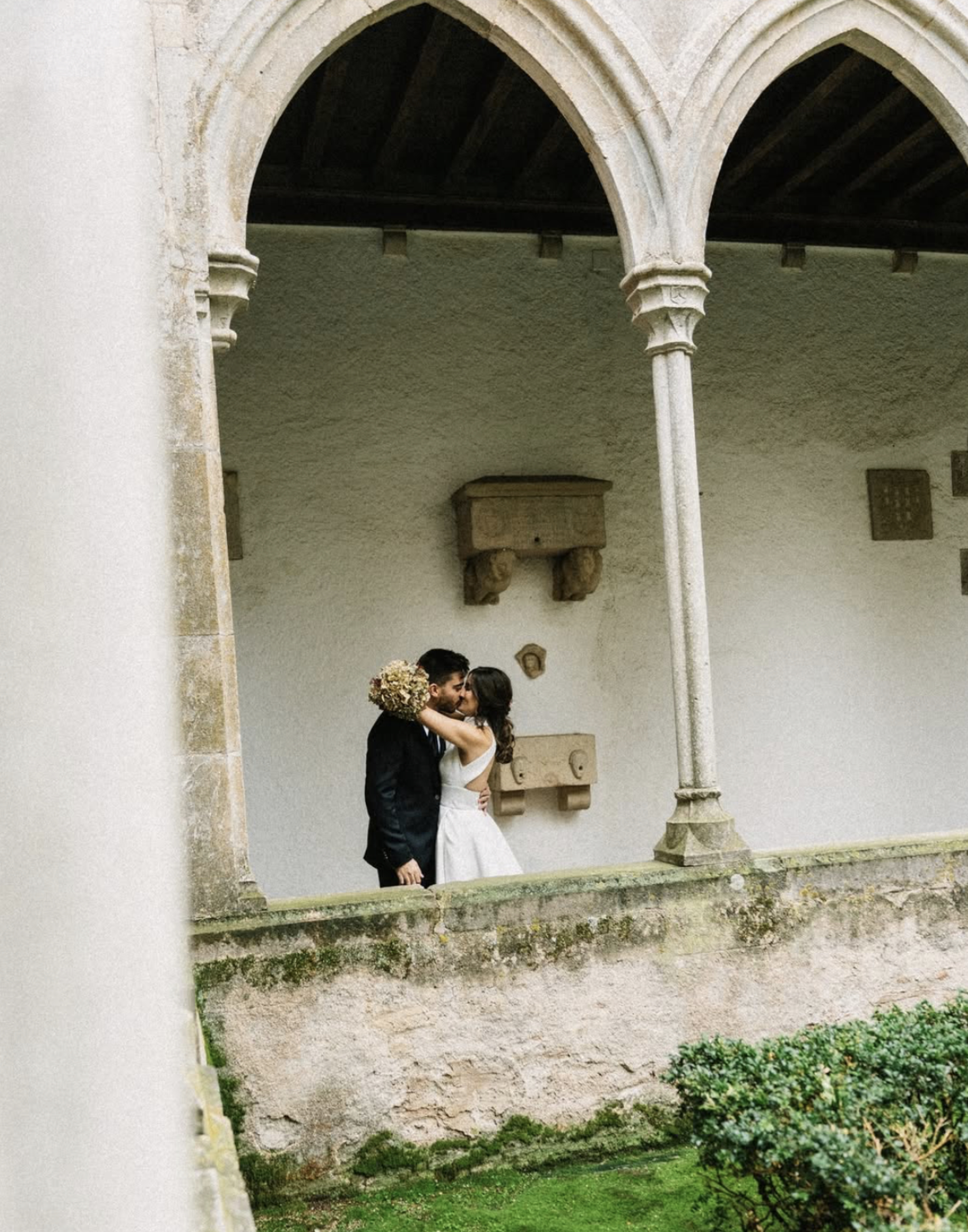
Castell de Peralada, in Catalonia’s Empordà region, is a 14th-century castle surrounded by about 20 acres of gardens. The private Carmen Church, a Gothic former Carmelite church, is the star for religious ceremonies. For civil ceremonies and cocktails, there are two garden options, the Carmen Garden and the Visual Garden, plus the castle library for something more intimate. If you want the romance of a Spanish castle along with a taste of Catalan culture, it’s an excellent place to start.
Denmark
Lykkesholm Slot
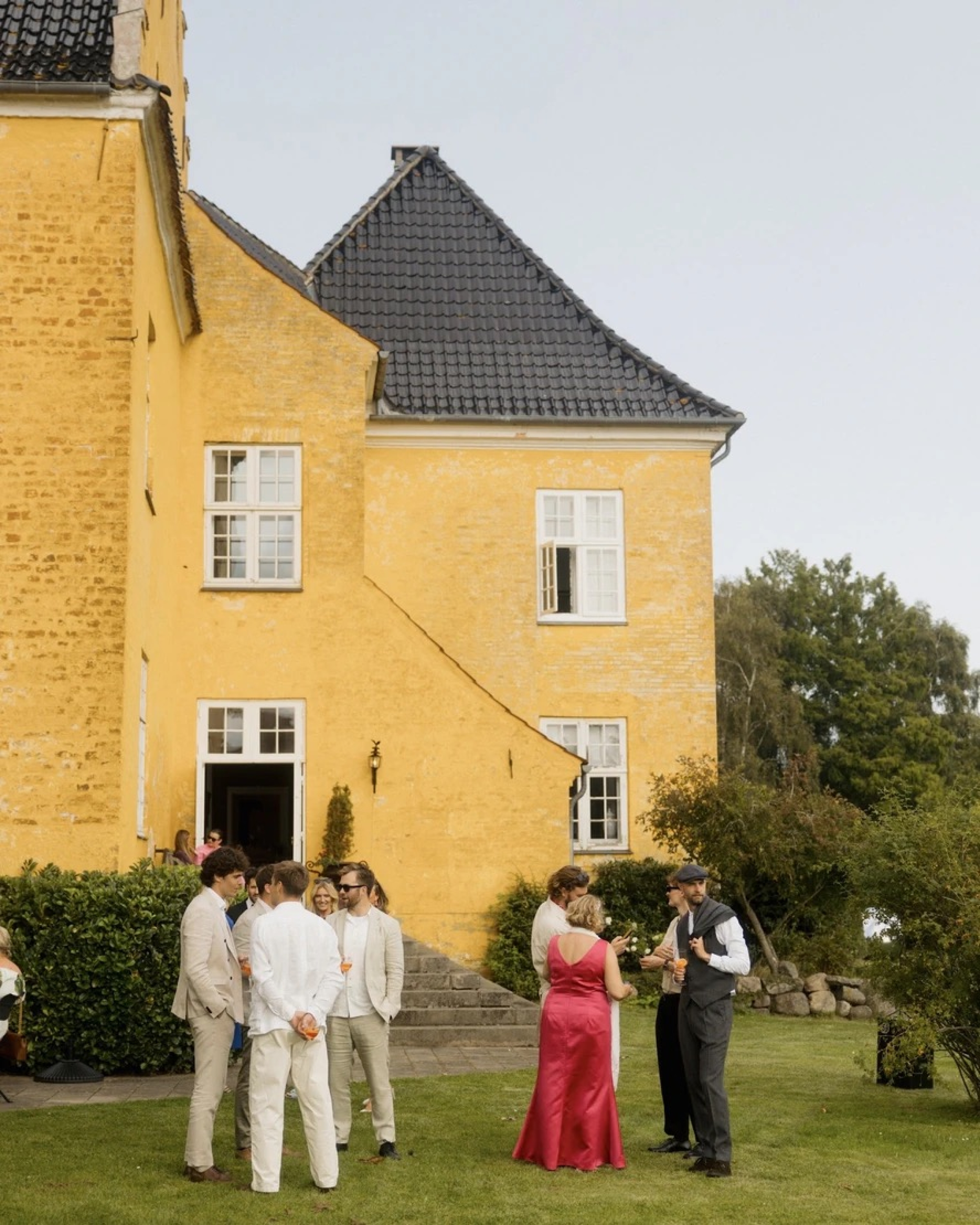
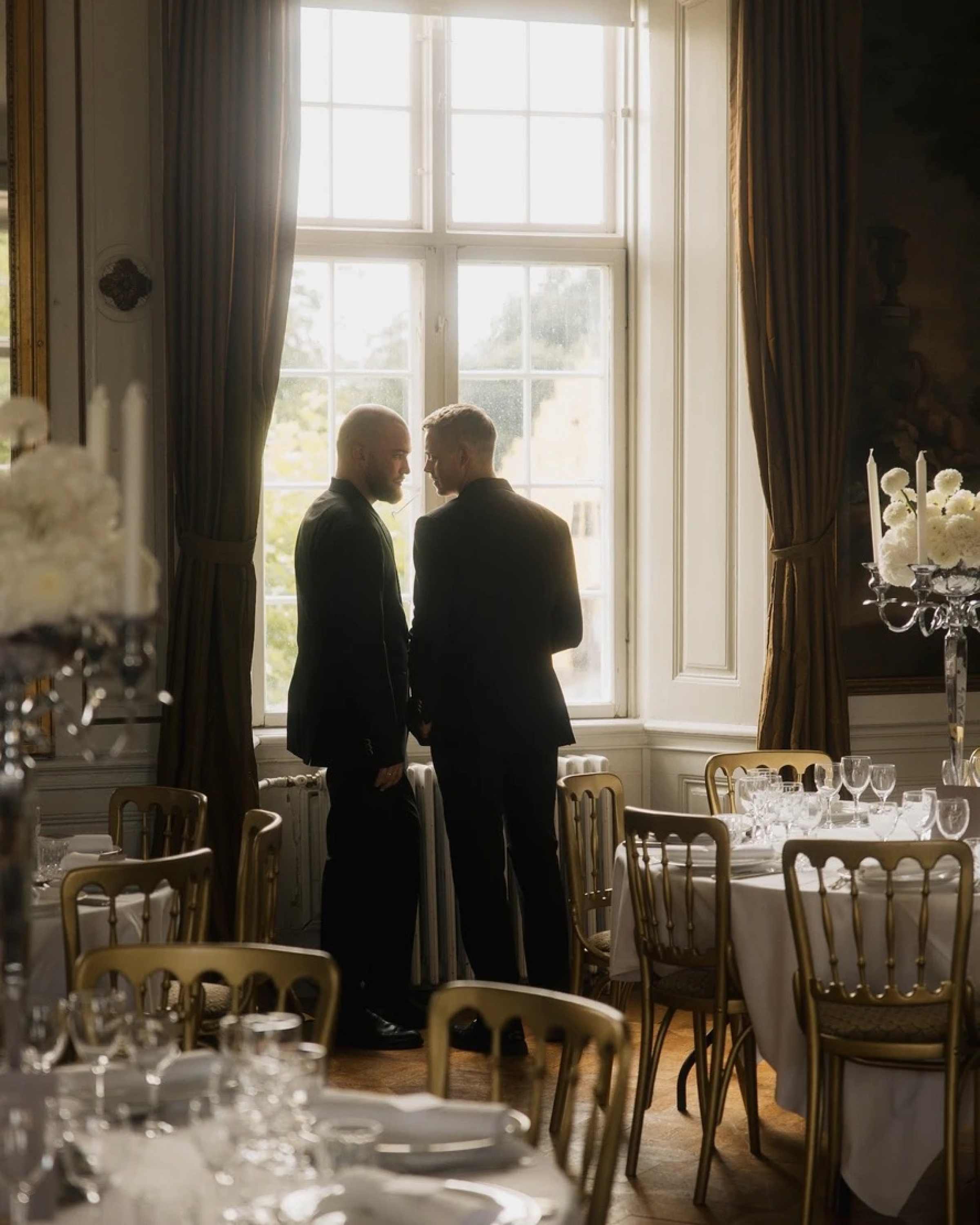
Lykkesholm Slot sits among lakes, woodland, and rolling countryside on the Danish island of Funen, behind a moat. The main building dates to 1600, and the site’s history stretches back much further, with Hans Christian Andersen among its past visitors. The estate has hosted weddings and celebrations for generations. Its 28 double rooms look out over either the water or the forest, so the party can carry on well past the wedding day. It’s a natural choice for a relaxed weekend in the Danish countryside.
Portugal
Castelo Ventoso
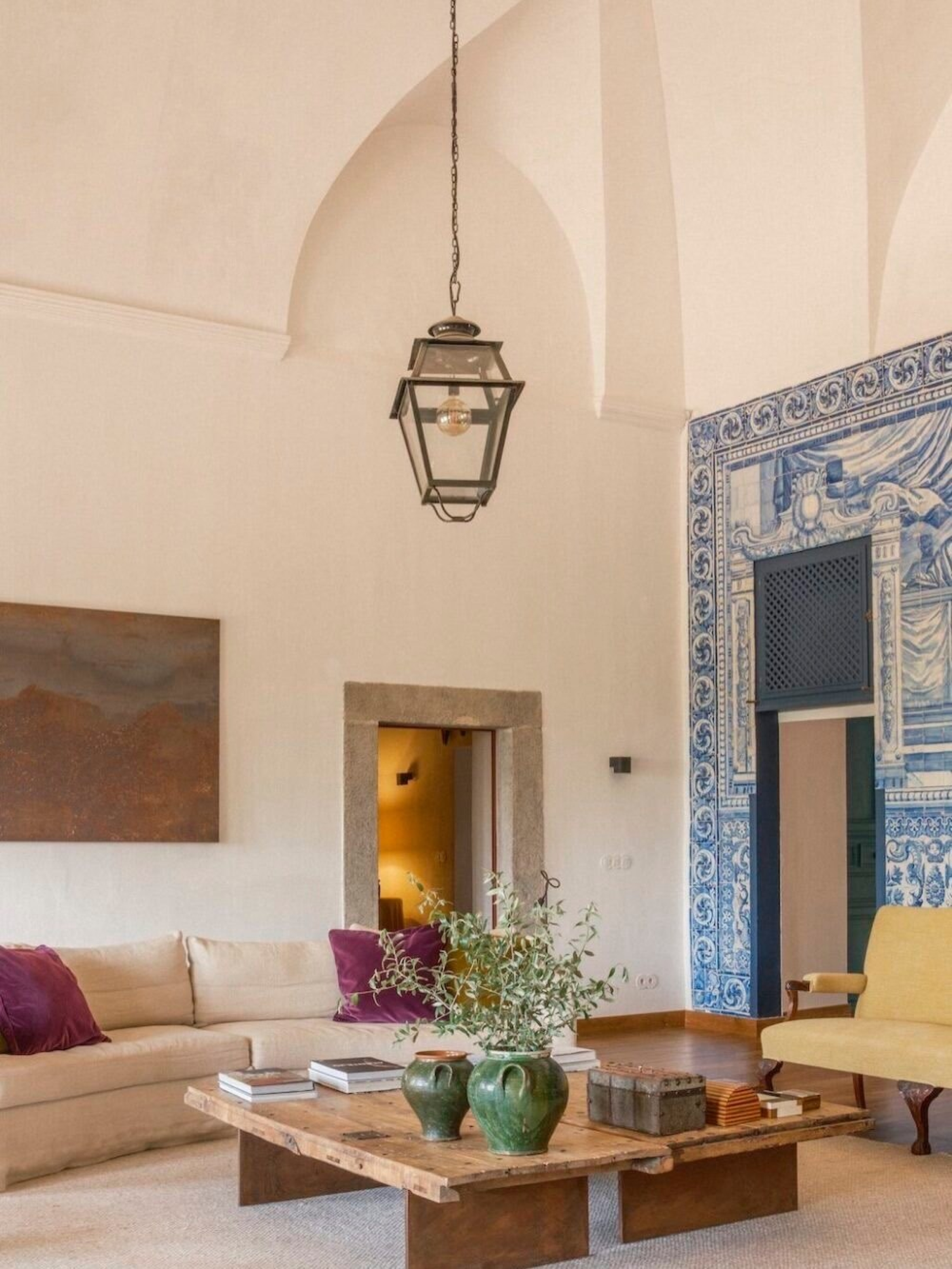
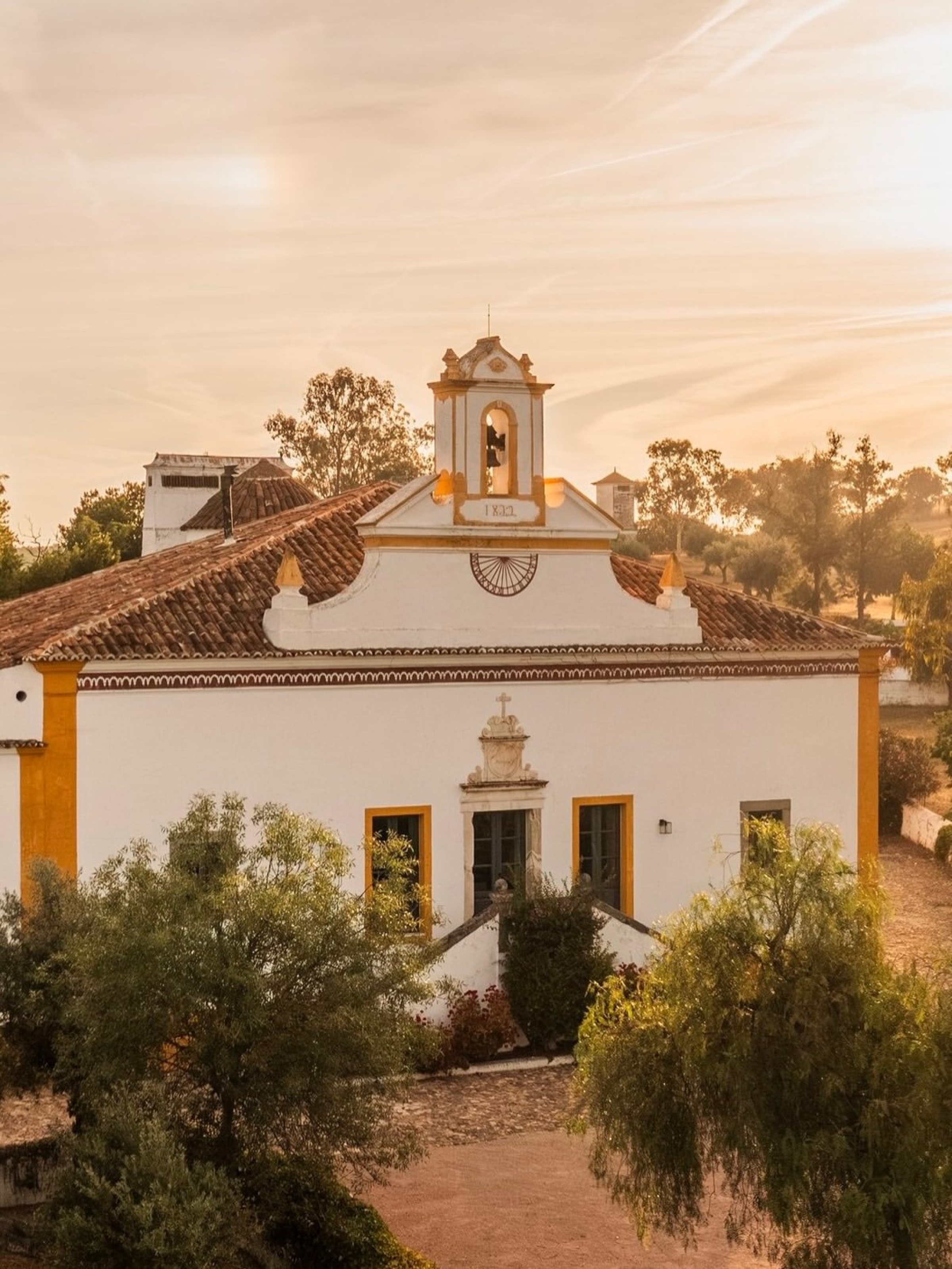
Castelo Ventoso is a family-run estate in Portugal’s Alentejo region, just outside Évora, and it offers a more intimate take on the historic castle wedding. The property began as a 16th-century Jesuit monastery, and that heritage shows in the vaulted ceilings and hand-painted 18th-century tiles. A Baroque chapel provides a setting for the ceremony, and the outdoor spaces leave room for an unhurried celebration under the Alentejo sky.
United Kingdom
Oakley Court
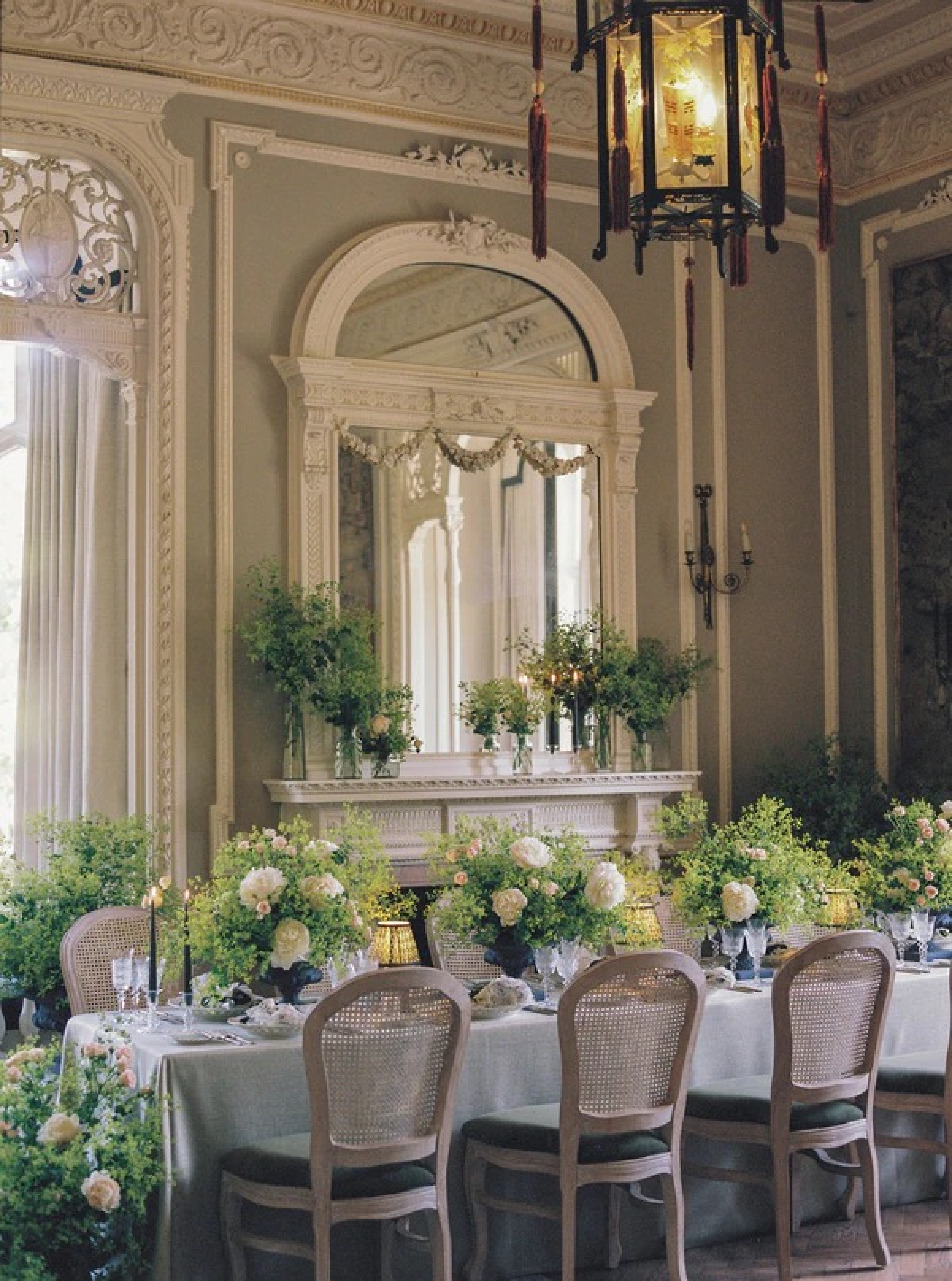
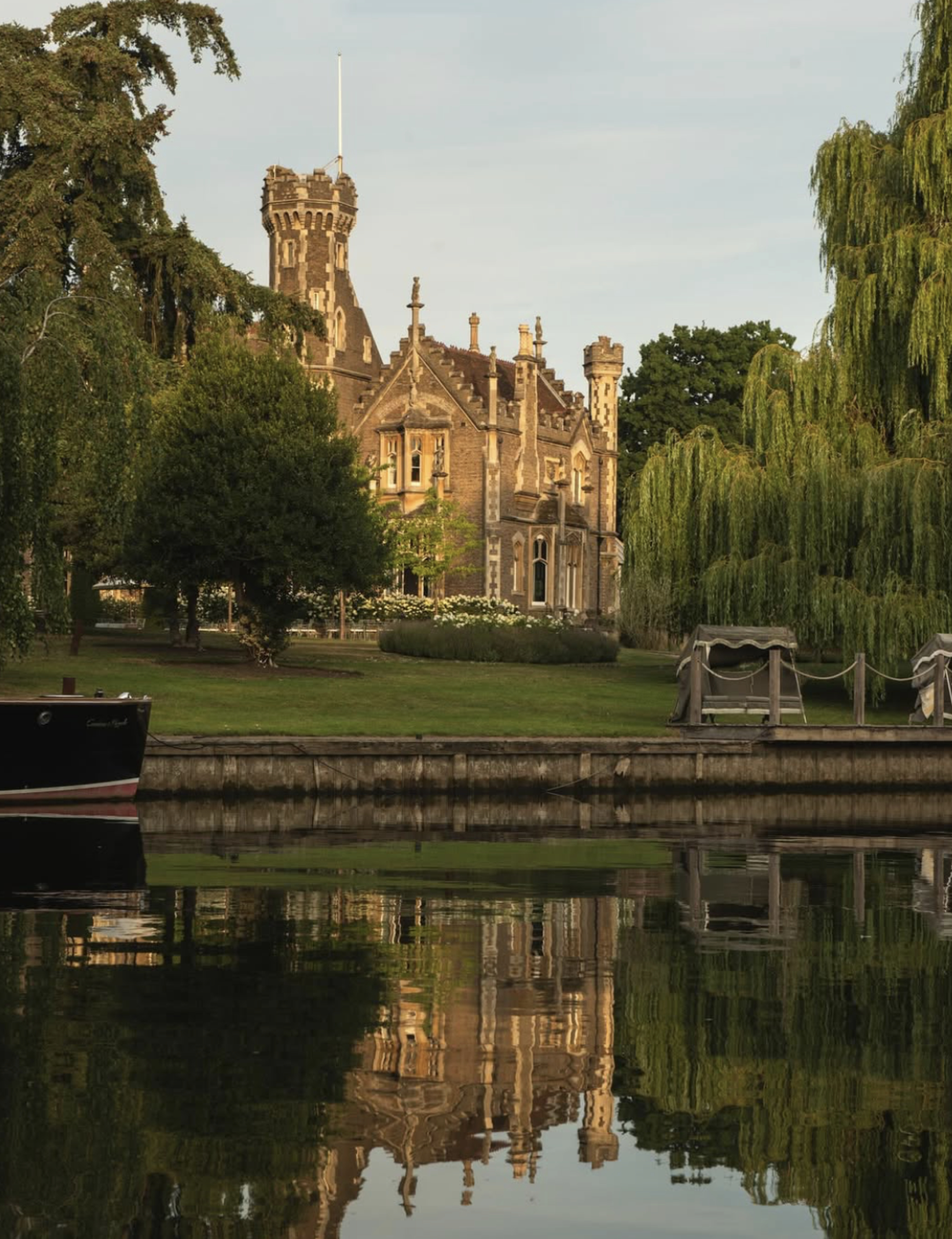
Oakley Court, on the Thames near Windsor, is a Victorian Gothic mansion with the unmistakable look of a French château. It was built in 1859 and is best known today as a hotel and a film location. Past visitors include the Prince Imperial of France, Charles de Gaulle, and Queen Elizabeth II, who arrived by boat from Windsor. The 35 acres of grounds leave plenty of room for an outdoor celebration and photos by the river. For couples drawn to Victorian architecture and English country house atmosphere, it’s an intriguing alternative to a traditional castle. Confirm current wedding packages and availability directly with the property.
Carlowrie Castle
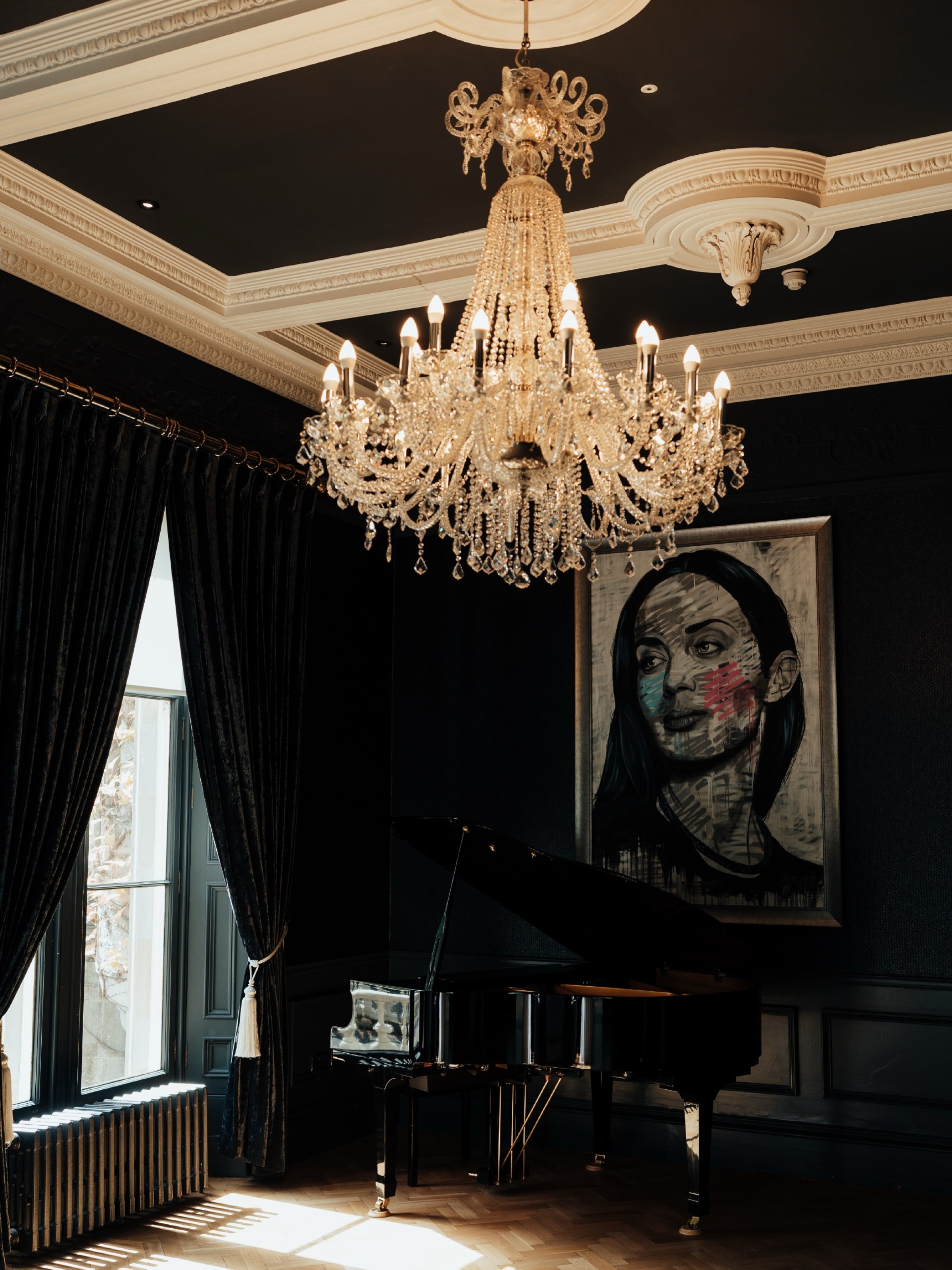
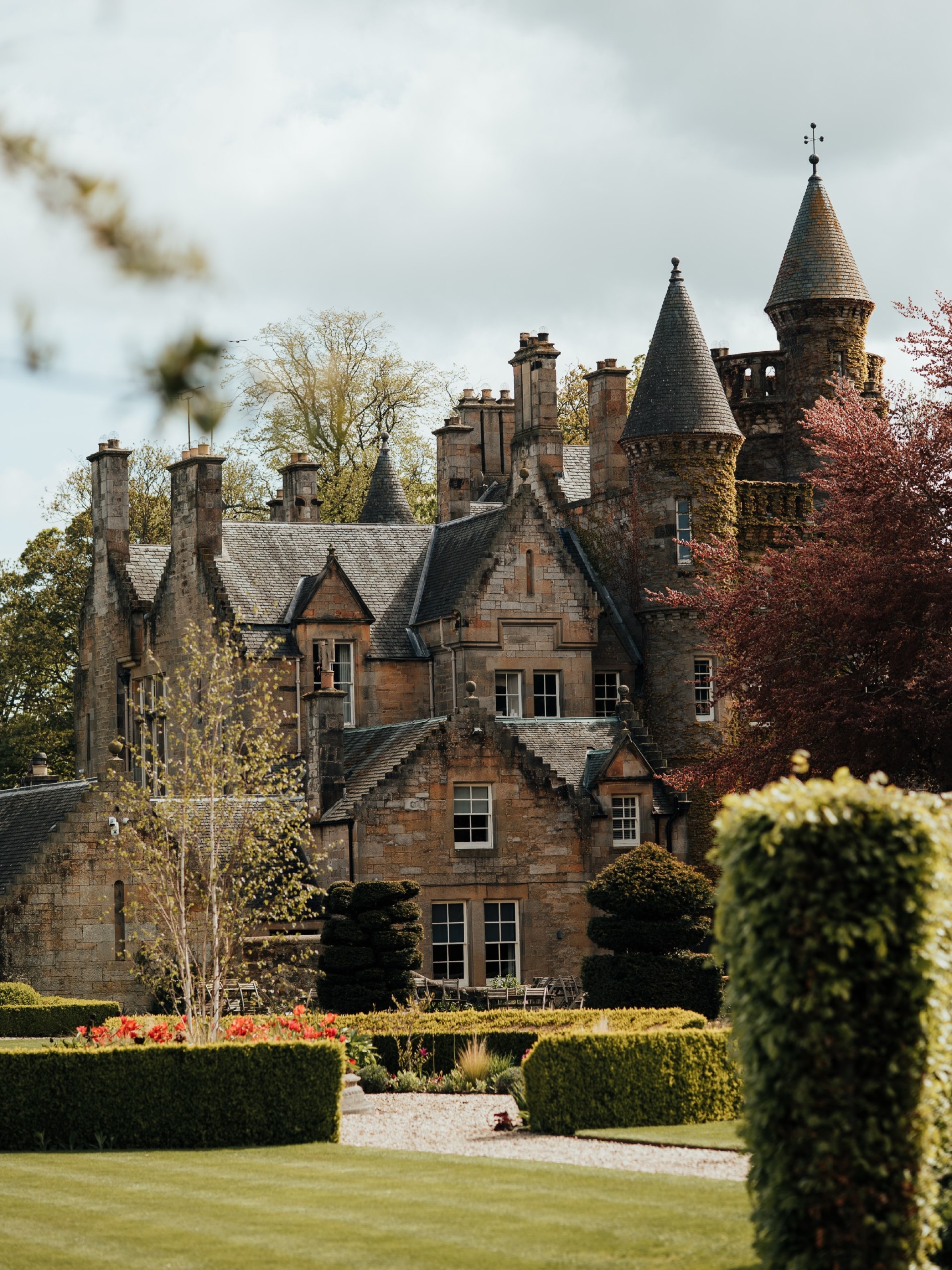
Just outside Edinburgh, Carlowrie Castle pairs a 19th-century Scottish baronial mansion with a modern approach to weddings. David Rhind designed it in the 1850s, and it sits on 32 acres of landscaped grounds. Inside, historic rooms make an elegant backdrop, and the Orangery is a light-filled space for dinner. Couples can also go with a custom marquee, complete with a marble-topped bar and crystal chandeliers, which makes a striking contrast with the old stone. It’s available for exclusive use, so it’s a strong choice for a private Scottish castle wedding with a larger guest list.
Austria
Schloss Leopoldskron
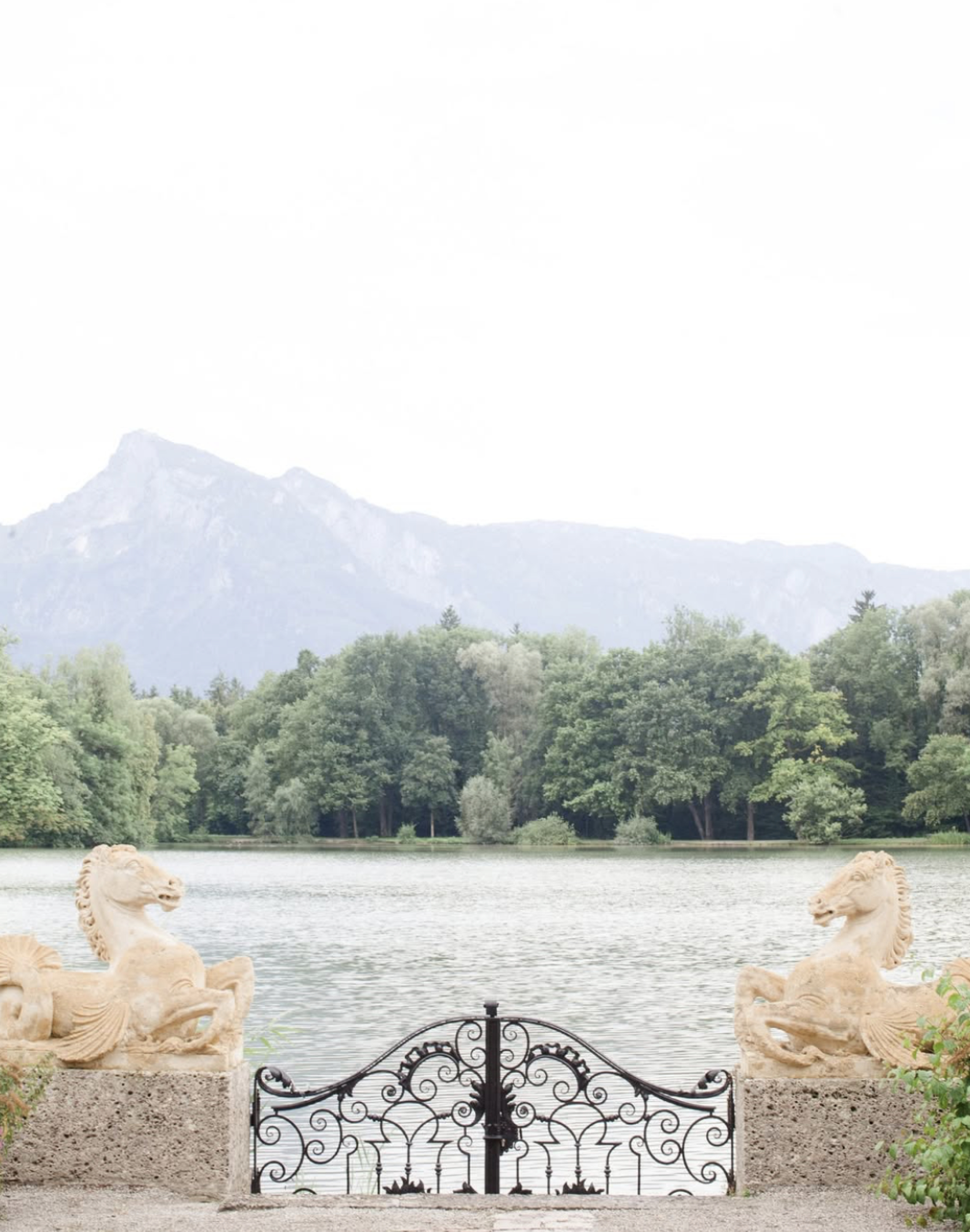
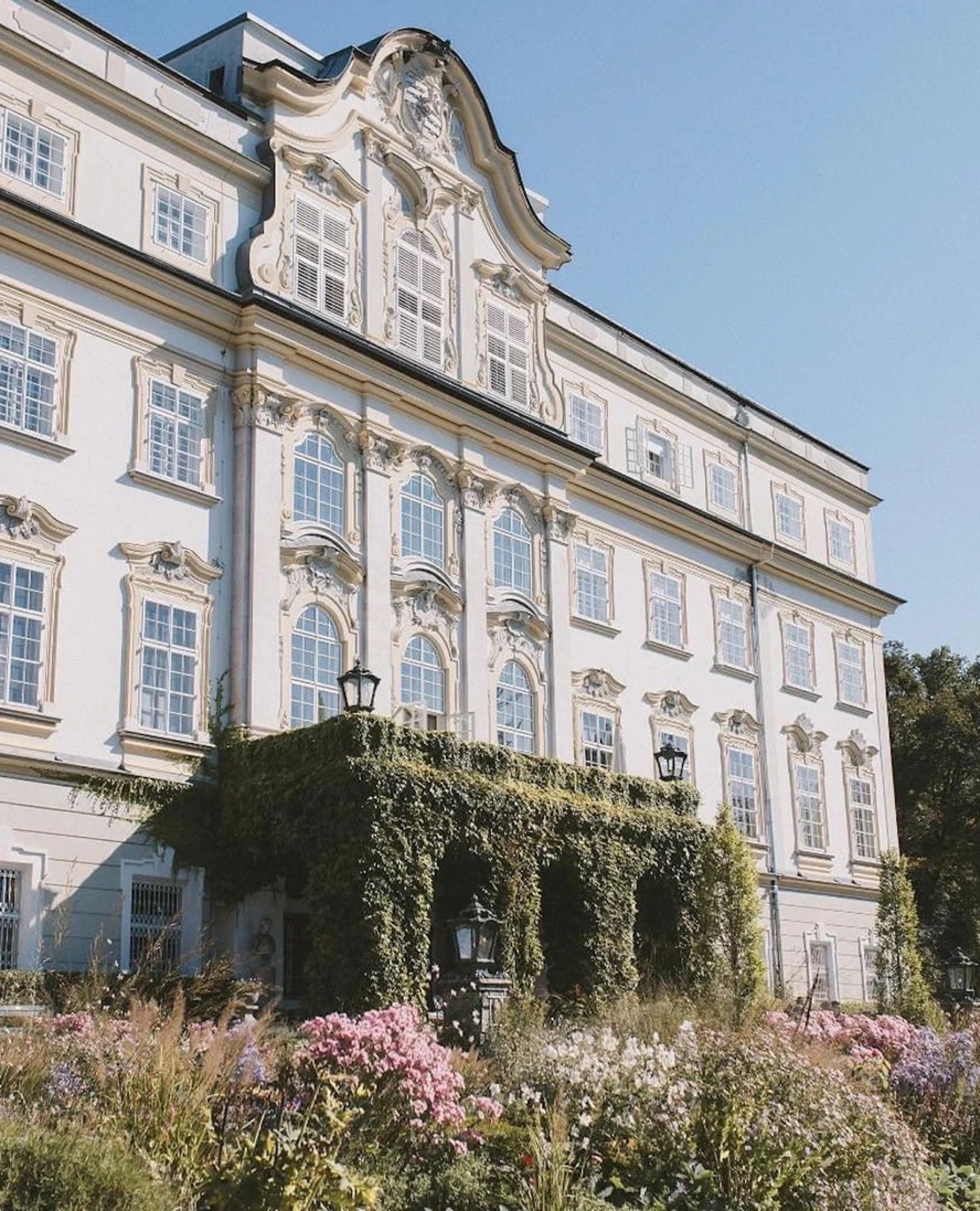
Schloss Leopoldskron sits beside a still lake with views of the Alps, on the edge of Salzburg, and it’s one of Austria’s most recognizable historic estates. Prince Archbishop Leopold Anton von Firmian built the Baroque palace in the 1730s, and theater director Max Reinhardt later made it famous as a gathering place for the arts. It also has a cameo in film history: the palace appeared in The Sound of Music. For weddings, couples can exchange vows on the lakeside terrace or in the Max Reinhardt Library, then celebrate in the Marble Hall. It’s a memorable backdrop for a destination wedding in Austria.
Ireland
Adare Manor
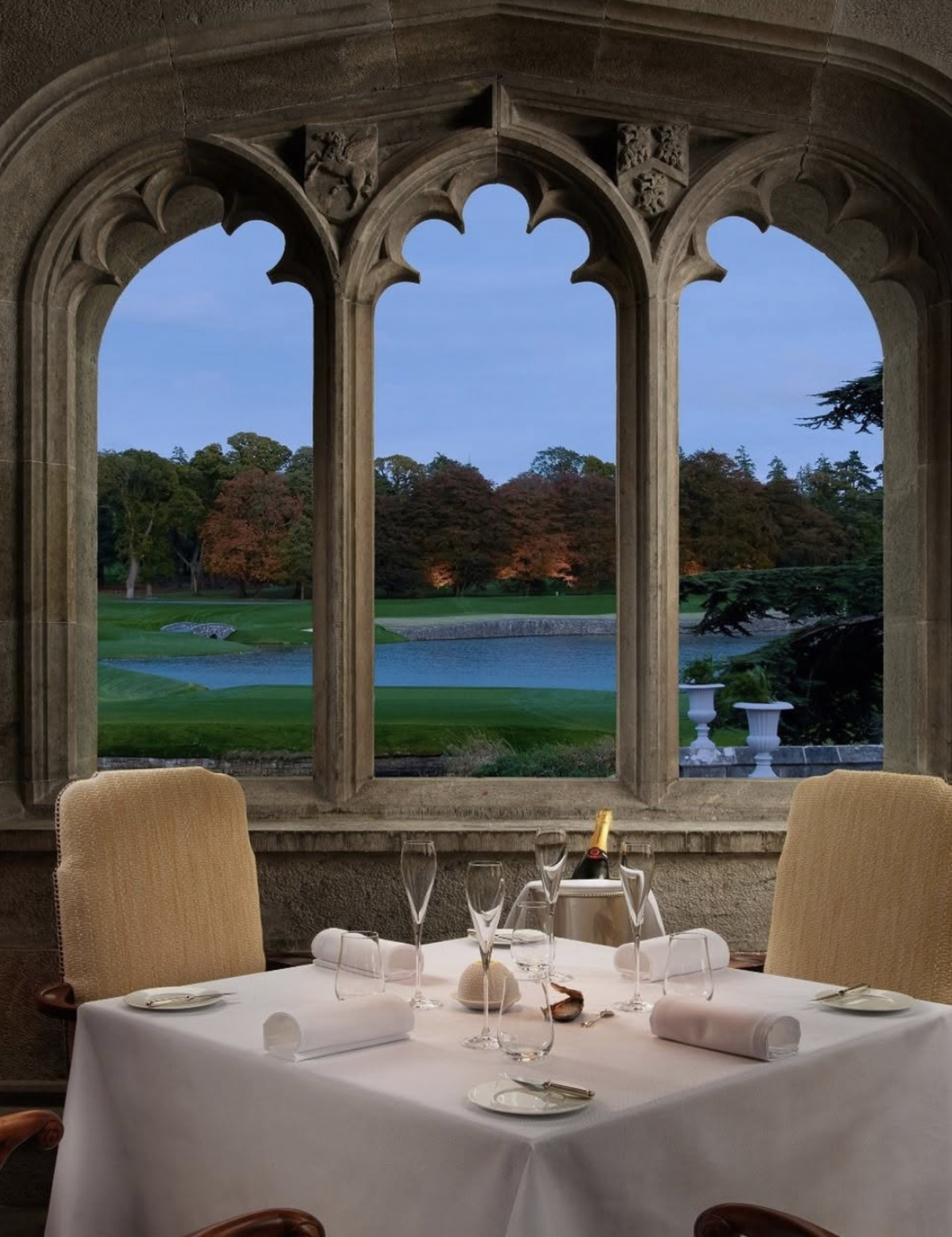
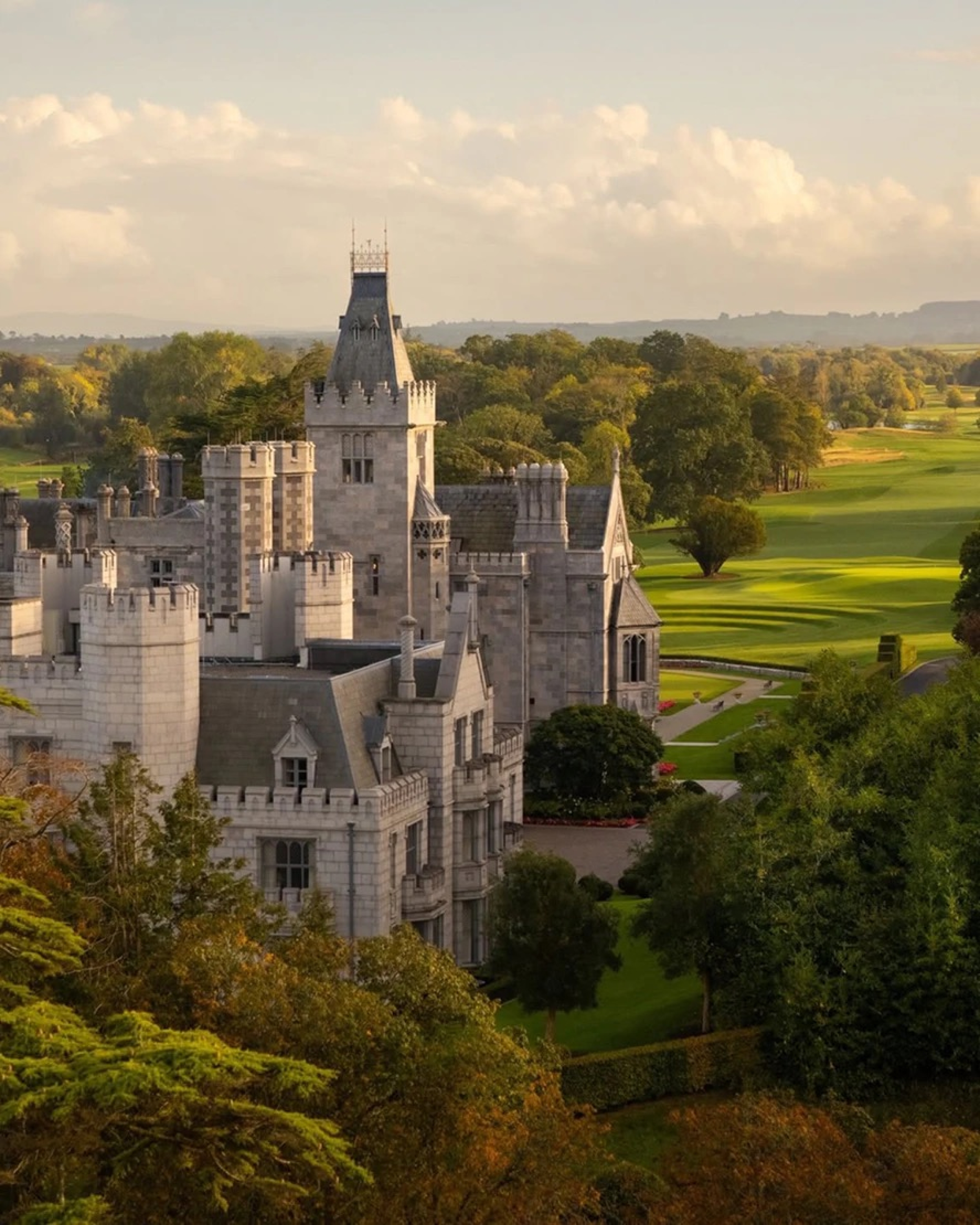
Adare Manor, on the banks of the River Maigue in County Limerick, is a Neo-Gothic estate on 840 acres of parkland. Turrets, intricate stonework, and a dramatic profile give it the look of a grand European castle, and the restored interiors are just as elaborate. The Grand Ballroom handles receptions of a few hundred guests. It’s also a luxury hotel with a spa and plenty of activities, which makes it easy to turn the wedding into a full weekend. If you want historic Irish manor atmosphere with world-class hotel comfort, Adare is hard to beat.