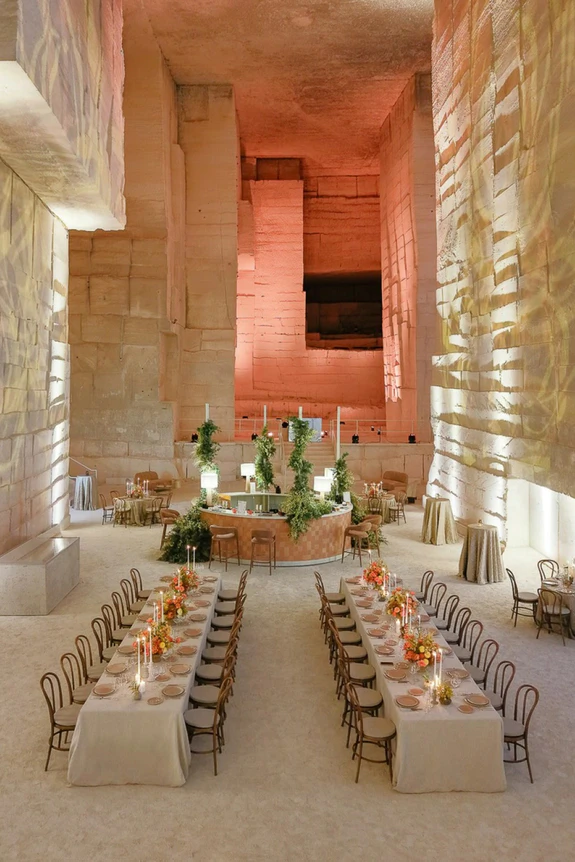
At one Sicilian wedding venue, every couple’s worst nightmare came true. Just weeks ago, the iconic Tonnara di Scopello suddenly closed its doors over a legal dispute, leaving couples scrambling at the last minute to find a backup plan. With no certain reopening on the horizon, couples who spent months, even years, planning their dream destination weddings are left with just days or weeks to find alternative accommodations for family traveling from around the world, rewrite the entire wedding timeline, and find a new venue on the already small island. This isn’t the only venue this has happened to, and it certainly won’t be the last. But there are a few things we can learn from this experience, and a few steps you can take to protect yourself if it happens to you.
Why It Happens
Venues can suddenly close for reasons that are rarely evident on your tour or without digging a little deeper. The most common causes come down to legal disputes, lease disagreements, ownership conflicts, financial failure, and lost permits. In the case of Tonnara di Scopello, the venue was closed at the end of September after a court suspended its operator's contract and the municipality revoked the permit the company needed to host events. Each venue closure tends to follow the same legal pattern: the business holding your contract is dependent on a landlord, a license, or finances—information that isn't always public.


It Can Happen Anywhere
While Tonnara di Scopello may be the closure making headlines this year, couples around the world have faced the same shock. Cross Creek Ranch, a 17-acre venue in Dover, Florida, told customers it had closed permanently without warning. Similarly, in Daytona Beach, Crystal Ballroom Ocean Walk lost its space after a lengthy legal battle, leaving more than 100 couples to find new venues, and in St. Petersburg, the parent company behind Red Mesa Cantina filed for bankruptcy on June 1. Meanwhile, in Houston, Texas, the historic Crystal Ballroom abruptly closed after a lease termination and ongoing challenges linked to The Rice's 10-month lobby construction project—a reminder that the building and the business booking your wedding can be two different companies.

Warning Signs to Watch For
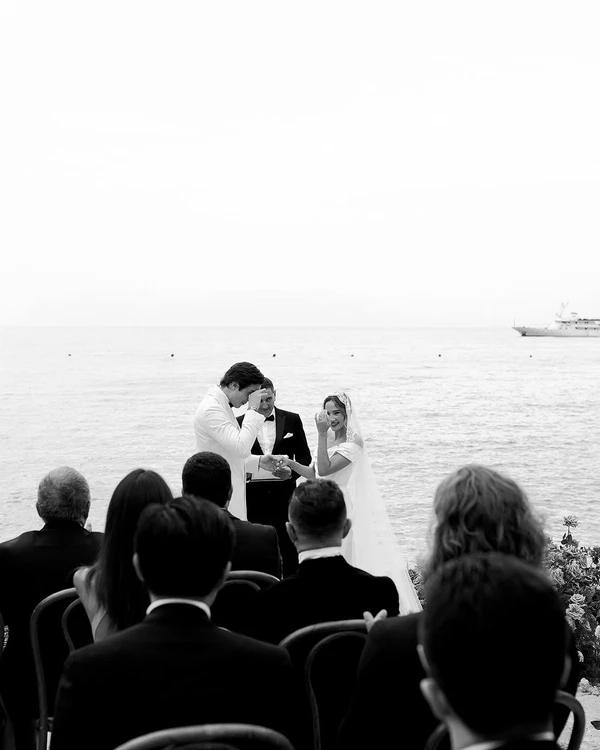
Not every closure arrives unannounced. Some couples might notice small signs first, such as unanswered emails, staff turnover, sudden new payment demands, or a website and social media platforms that stop updating. If you're having any doubts, it's not a bad idea to search local news and court records for the venue and its parent company both before you book and again every few months before your wedding date. Don't be afraid to reach out to couples who have recently gotten married at your venue, or even any recent vendors who have worked there, to ask about their experience and the venue's communication. If you suddenly receive requests for unusually large or early payments out of the blue, this is a sign to ask more questions.
Questions to Ask Before You Book
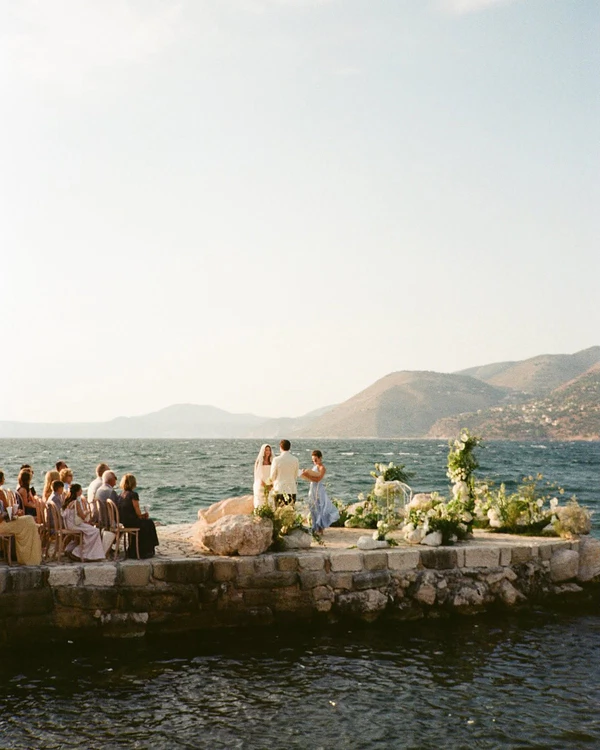
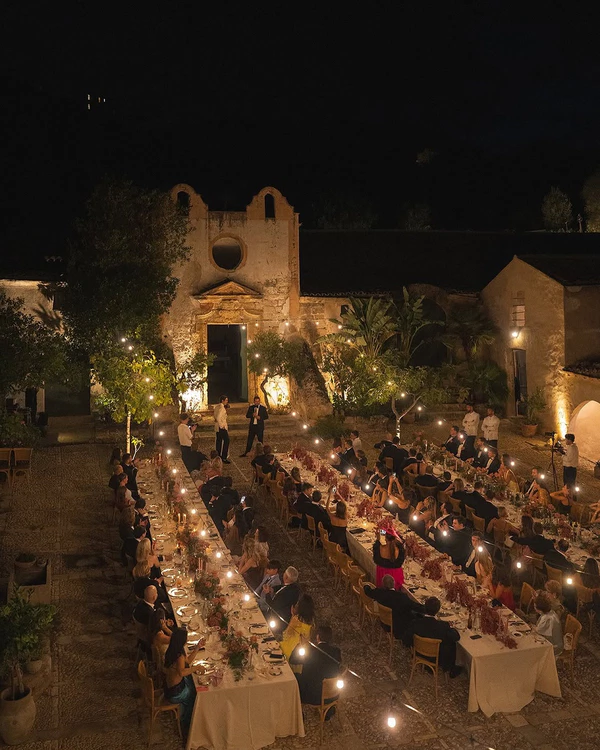
A few answers are essential before anything gets signed. Start with the property: who owns it, whether the venue rents it, and how long the lease runs compared with your wedding date. Ask for the legal name of the company you’re contracting with and check that it matches the business running the venue, since some wedding venues are independently operated. Find out which licenses and permits the venue needs to host events and when they come up for renewal. Lastly, ask what the venue has done for couples in the past when it had to cancel, and whether it offers contingency plans or can name a backup space.

Clauses to Look for In the Contract
In terms of your contract, this is where any protection will be found. Look for a clause stating what happens if the venue cannot host your event for any reason, with a full refund of every payment and a clear deadline for returning it. Ask for the venue to cover or help with the extra cost of moving your wedding, and for a named alternative space of comparable standard and capacity. Check that your deposits are described as refundable in that situation, and that the contract names the legal entity responsible for repaying you. Have a lawyer who knows local law read the contract if the deposit is large, as consumer protections differ by country.


Build a Backup Plan
No couple wants to plan for their worst-case scenario, but there are some ways you can protect yourself and have a backup plan ready just in case. Insurance is the first line of defense when it comes to venue cancellation, though the coverage is typically purchased on its own through a specialist insurer or broker. Be sure to read the policy wording carefully and ask the insurer in writing if the answer isn't clear. When it comes to purchasing your insurance plan, buy it shortly after booking, because a problem you already knew about typically will be excluded.
Then there's the practical approach: pay by a method you can dispute where possible, such as a credit card, and schedule bigger payments as late and as close to the wedding day as the contract allows. Ask your planner to keep a shortlist of alternative venues with comparable capacity and availability in your season, and keep vendor contracts flexible on location where you can. Put every contract, receipt, and message in one folder you can reach in a hurry.


What if it Happens to You?
If for some reason your venue does suddenly close, be sure to ask the venue for written confirmation of the closure and its position on refunds—and be sure to keep every message in writing. Contact your card issuer or insurer quickly, because claims can carry deadlines. Reach out to your vendors so they can start holding alternative dates. And of course, contact your planner so you can start searching for a new venue right away. Consider joining other affected couples, as a collective of Sicilian wedding planners did with a petition asking authorities to protect events already contracted. Above all, be sure to take a deep breath. A closed venue may be a setback, but it doesn’t have to be the end of your wedding, and plenty of people will be ready to help you find a way forward.