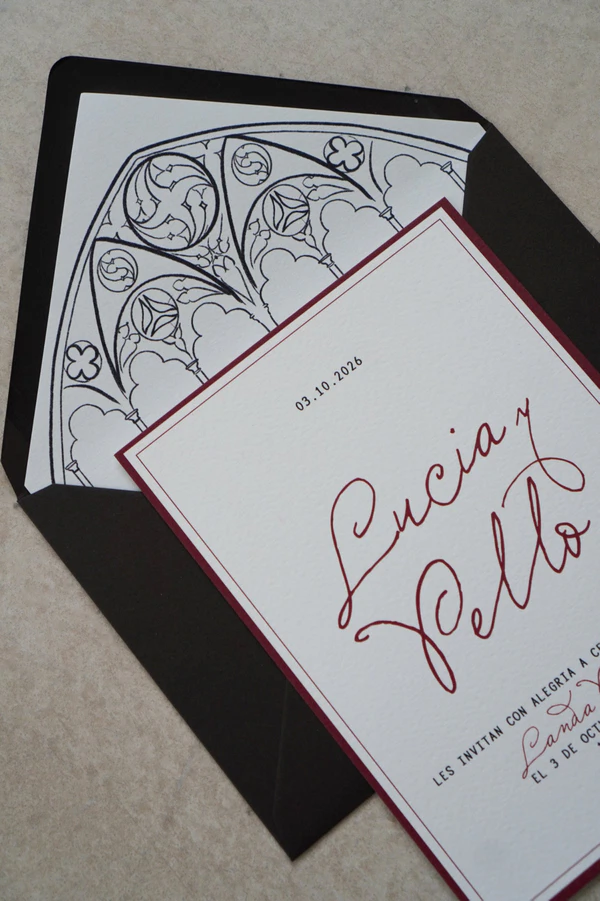
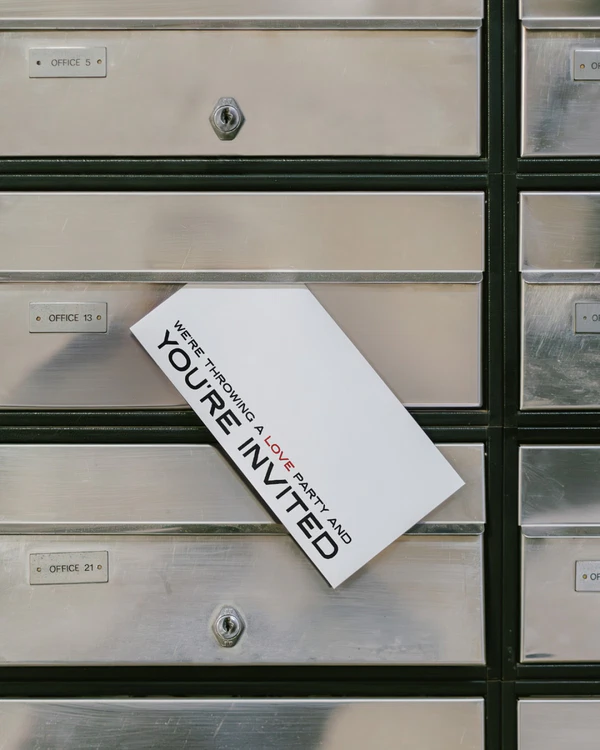
Before your wedding invitations are sealed and sent, there's an entire universe of visual references to sort through. A typeface spotted on a restaurant menu, an intriguing color combination, a vintage postcard, and approximately 300 Pinterest pins saved to a board proudly titled “My Dream Wedding.” Finding things you love is the easy part. Figuring out how they all belong together? That's where things get a little more complicated.
Romania-based stationery designer Bianca Anda, founder of Maktubi, knows the Pinterest rabbit hole particularly well, having spent countless hours collecting inspiration and exploring creative possibilities herself. For her, wedding stationery is much more than a way to communicate the day's details. It's something couples and their guests will want to hold on to, a little keepsake rather than another item on the wedding checklist. Ahead, Bianca shares her advice on looking beyond the obvious references, experimenting with design, and turning a collection of saved images into something that genuinely reflects your personality.
Look Beyond the Wedding World
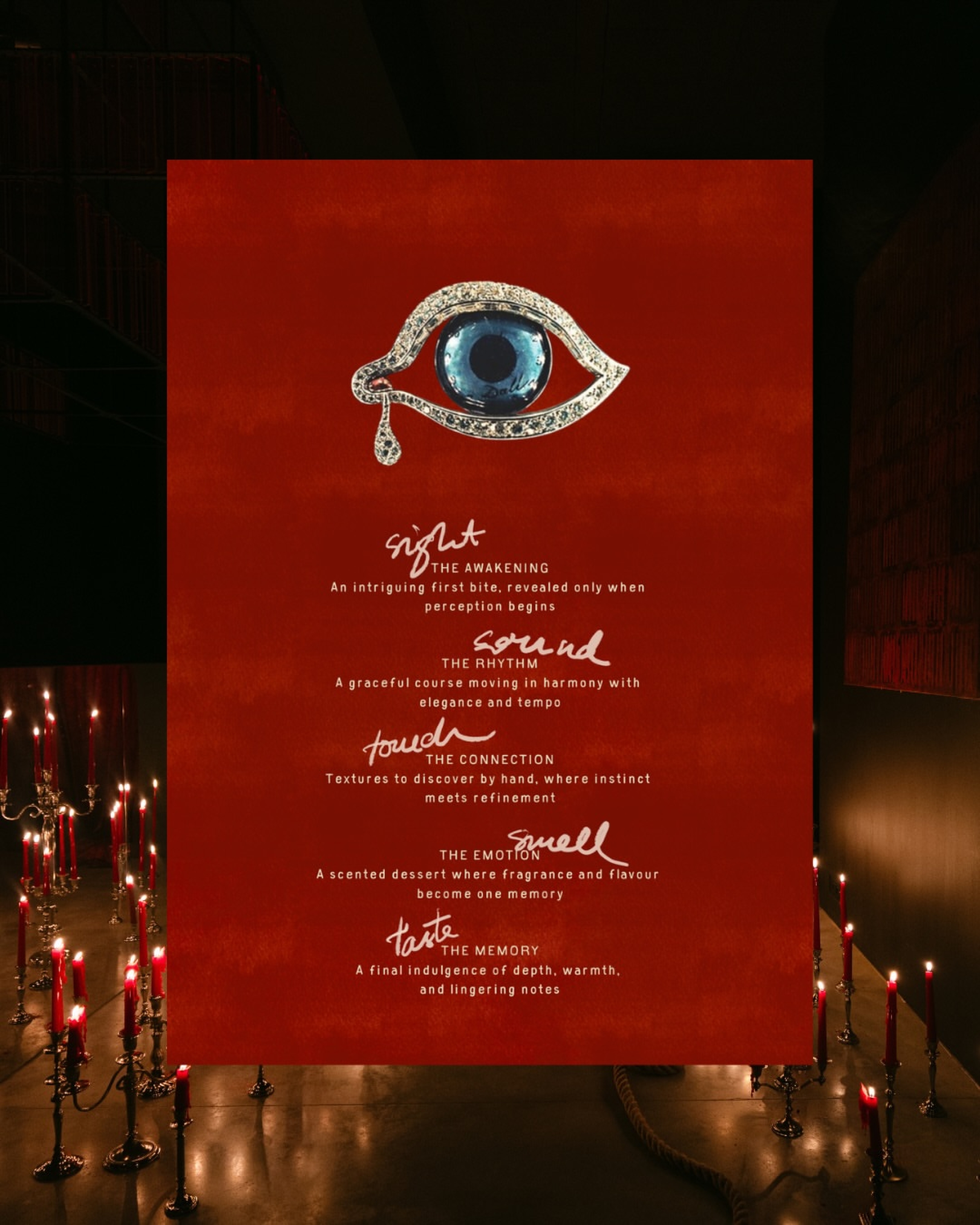
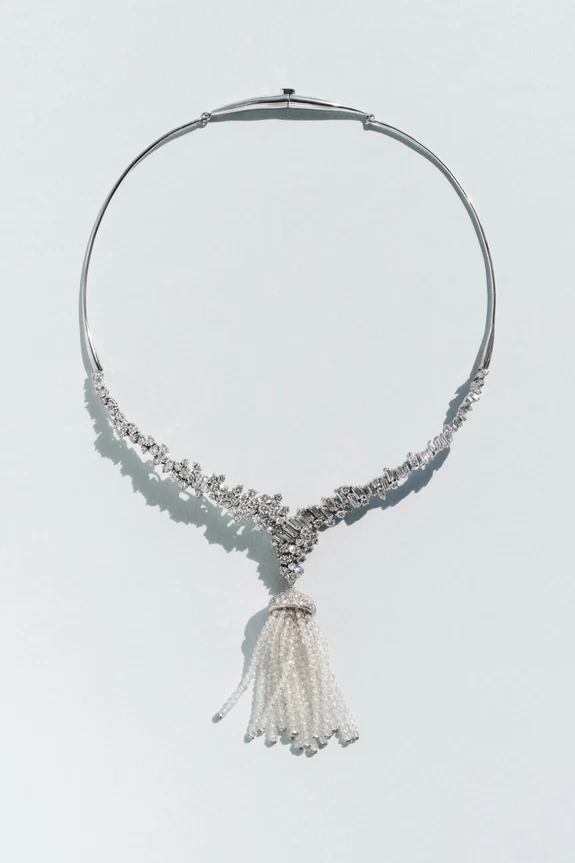
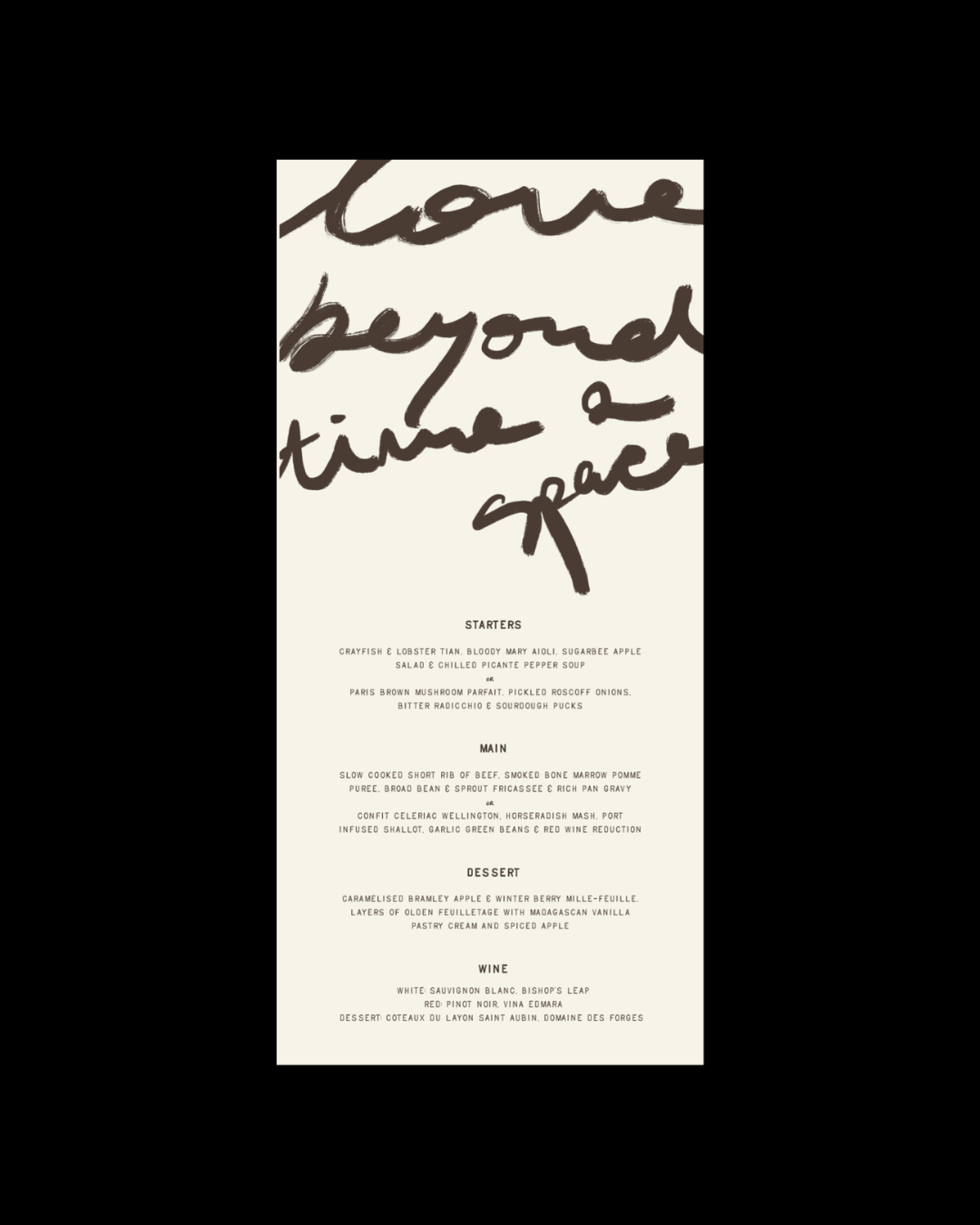
Some of the most interesting wedding stationery ideas have very little to do with weddings. Inspiration can come from almost anywhere: a favorite restaurant, a book cover, a fashion show invitation, or even something you've kept for years without knowing exactly why. I encourage couples to look beyond traditional wedding references and pay attention to the things they're naturally drawn to. A good exercise is to collect a few images that have absolutely nothing to do with weddings and see what they have in common. Those unexpected references often reveal much more about your personal taste than another perfectly curated wedding mood board.
Understand What Resonates with You
When I look through a couple's mood board, I'm always trying to understand what lies behind their choices because the answer isn't necessarily the most obvious element in the image. My advice is to add a short note to each reference explaining what you love about it, even if it's just a few words. Sometimes a reference has very little to do with the final design, but one small detail can inspire an entirely new direction. The goal isn't to recreate what you've saved, but to understand what makes it resonate with you.
“A good exercise is to collect a few images that have absolutely nothing to do with weddings and see what they have in common.”
Tell a Story Through Your Style
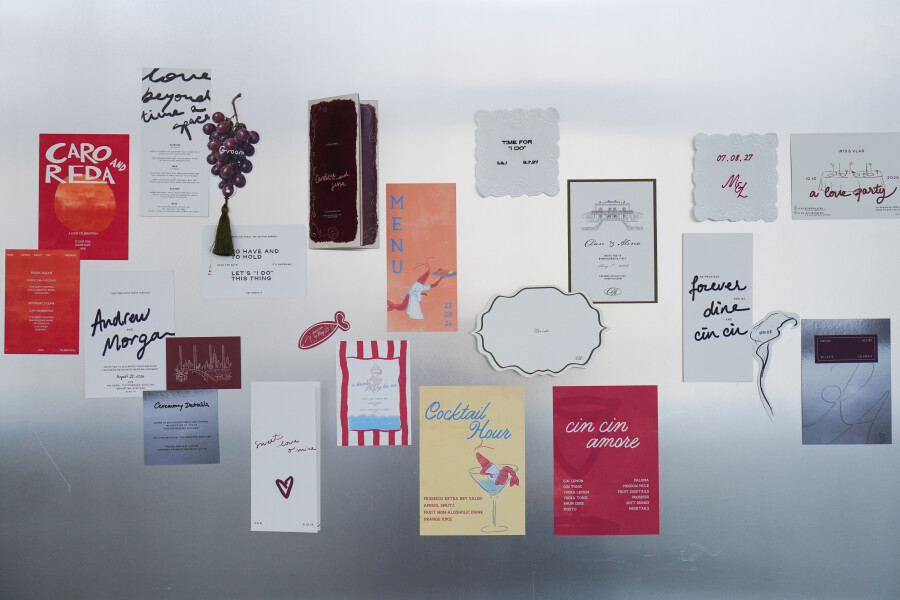
I don't think a wedding needs to fit neatly into one aesthetic category to feel cohesive. You might love minimalist typography, romantic details, bold colors, and vintage references, and there's no reason those influences can't coexist. Think of personal style: the most interesting wardrobes often combine pieces from different eras, designers, and aesthetics, yet somehow everything feels like it belongs to the same person. I approach stationery in a similar way, looking for the connections between seemingly unrelated references rather than trying to make everything match. The key is finding a common visual language that brings those influences together without losing their individuality.
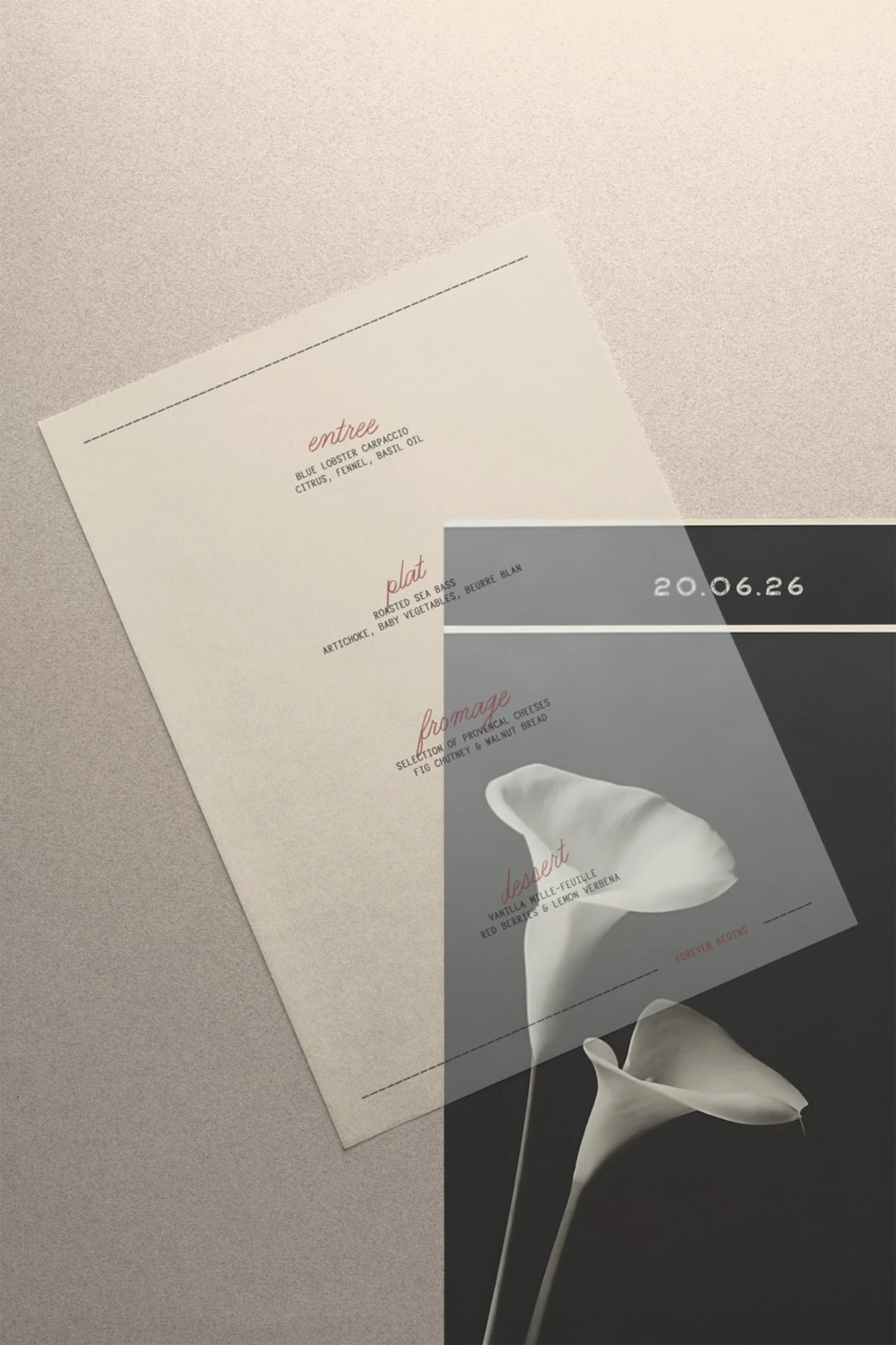
Make it Personal Without Being Too Literal
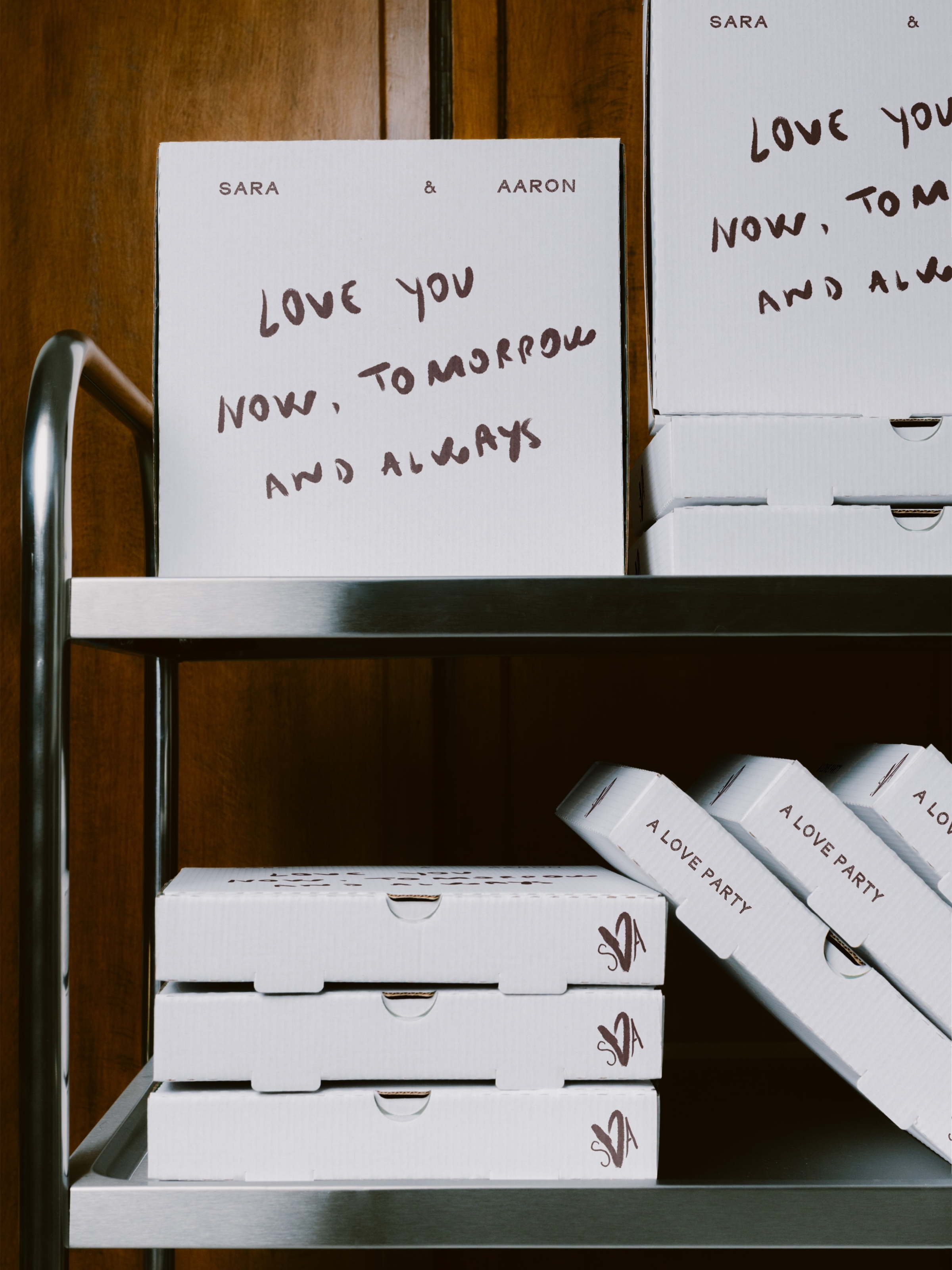
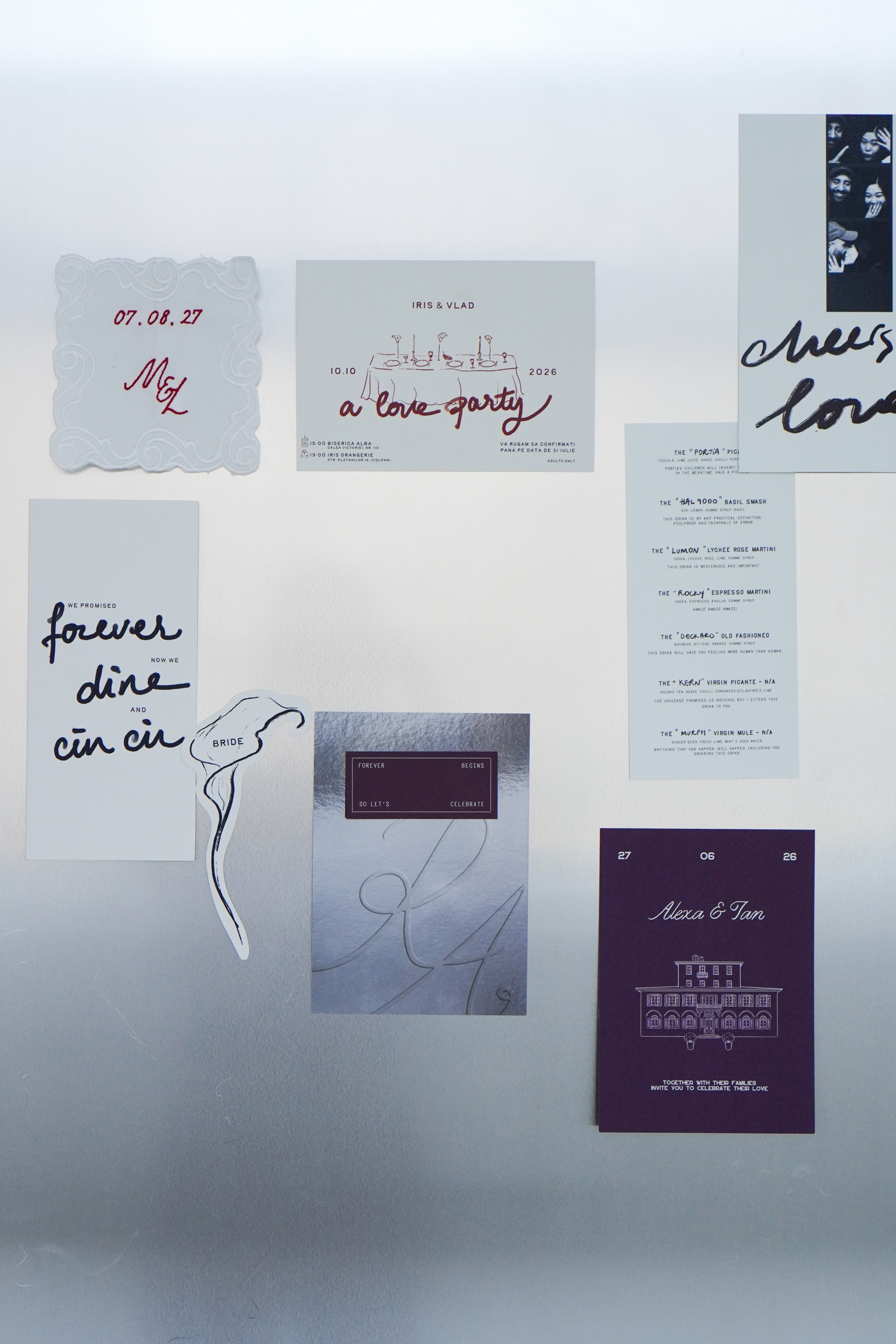
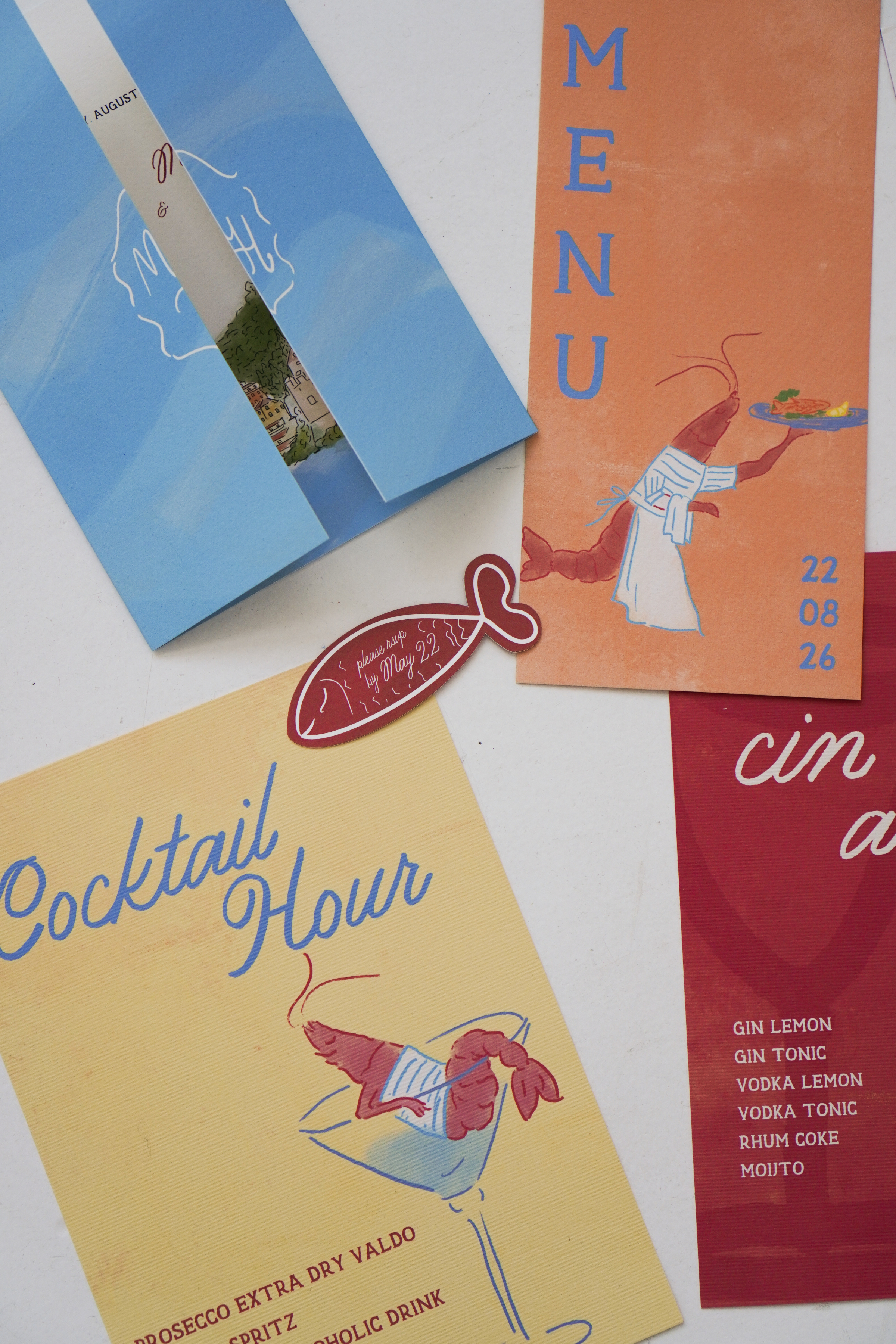
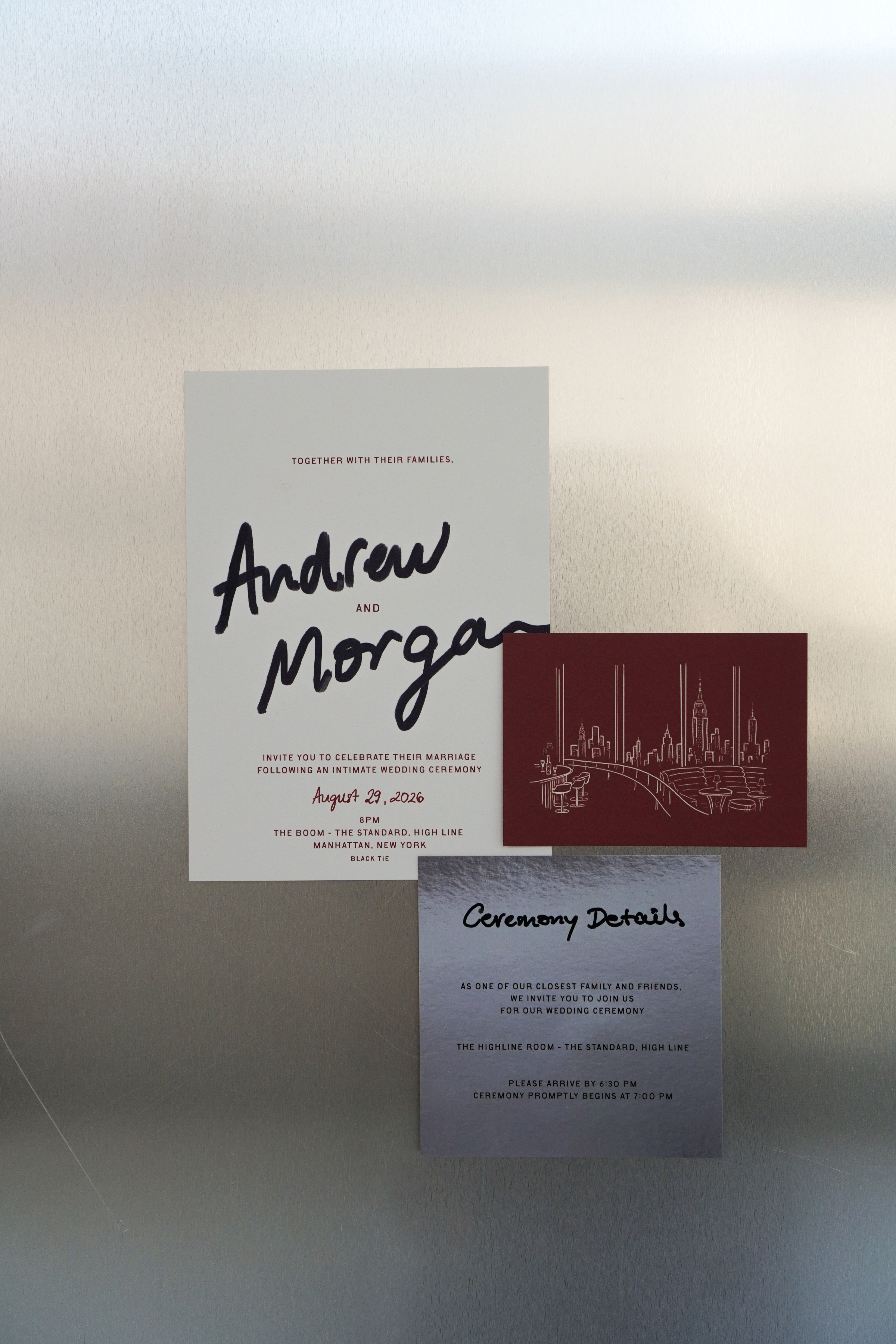
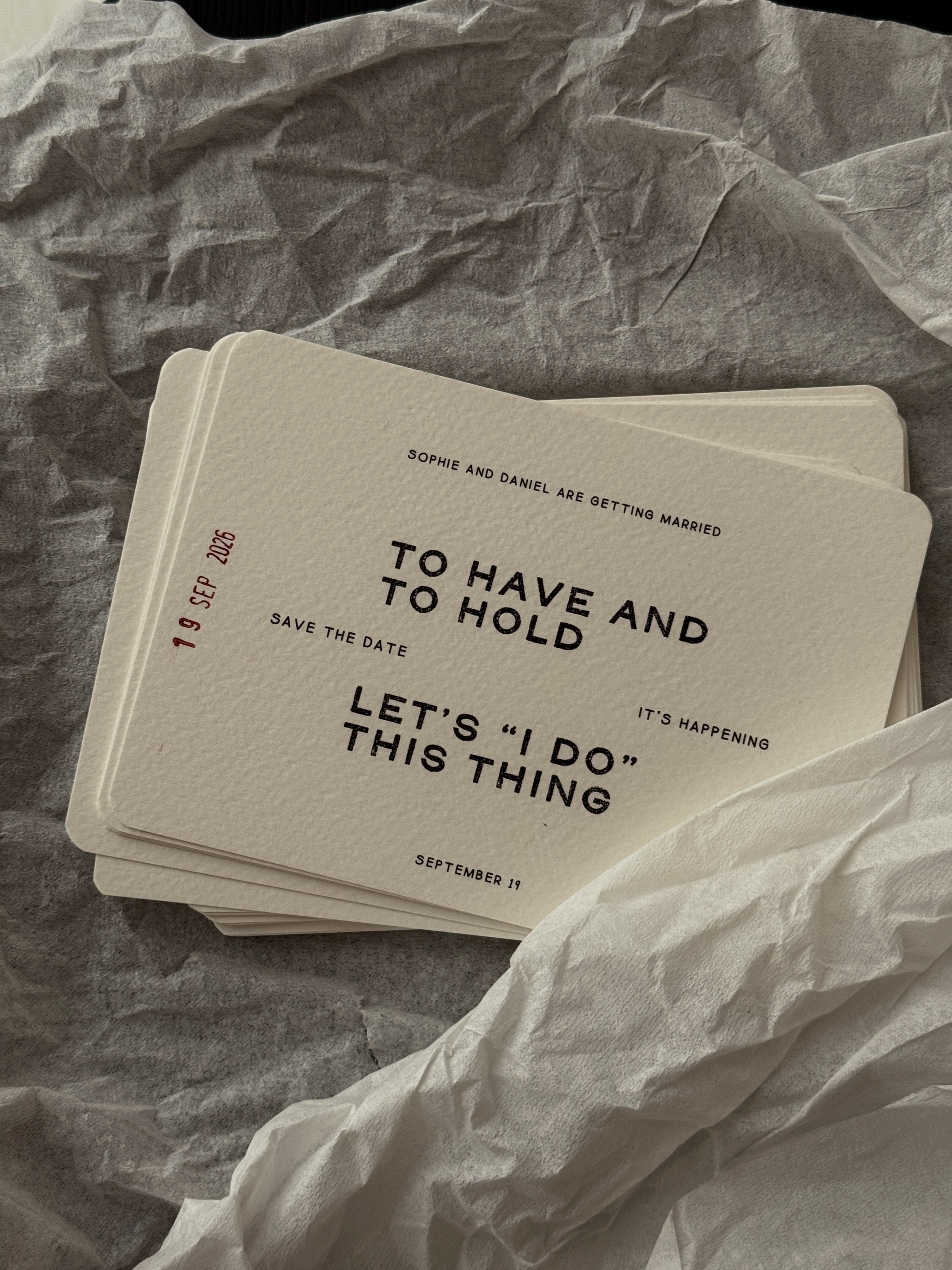
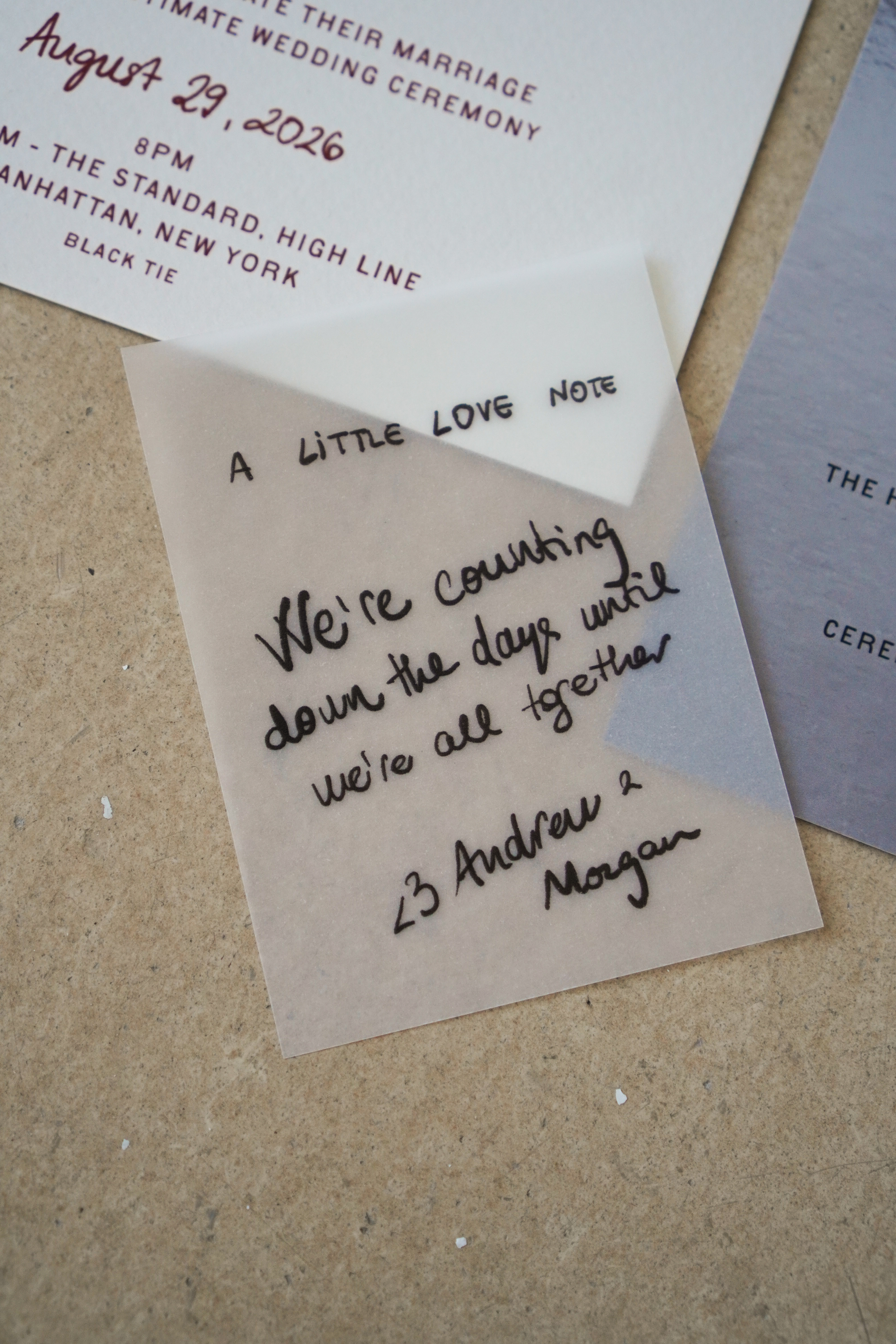
Personalization doesn't always mean including your initials, wedding date, or an illustration of your venue. Sometimes it's about capturing a couple's personality, their sense of humor, or simply the way they want their celebration to feel. I personally love playing with words and unexpected phrases, like “After I do, we say cin cin,” “We promised forever, now we dine and cin cin,” or “To have and to hold, let's ‘I do’ this thing.” Some of these playful, typography-led designs have become my absolute favorites. And I'm pretty sure that goes for my couples as well.
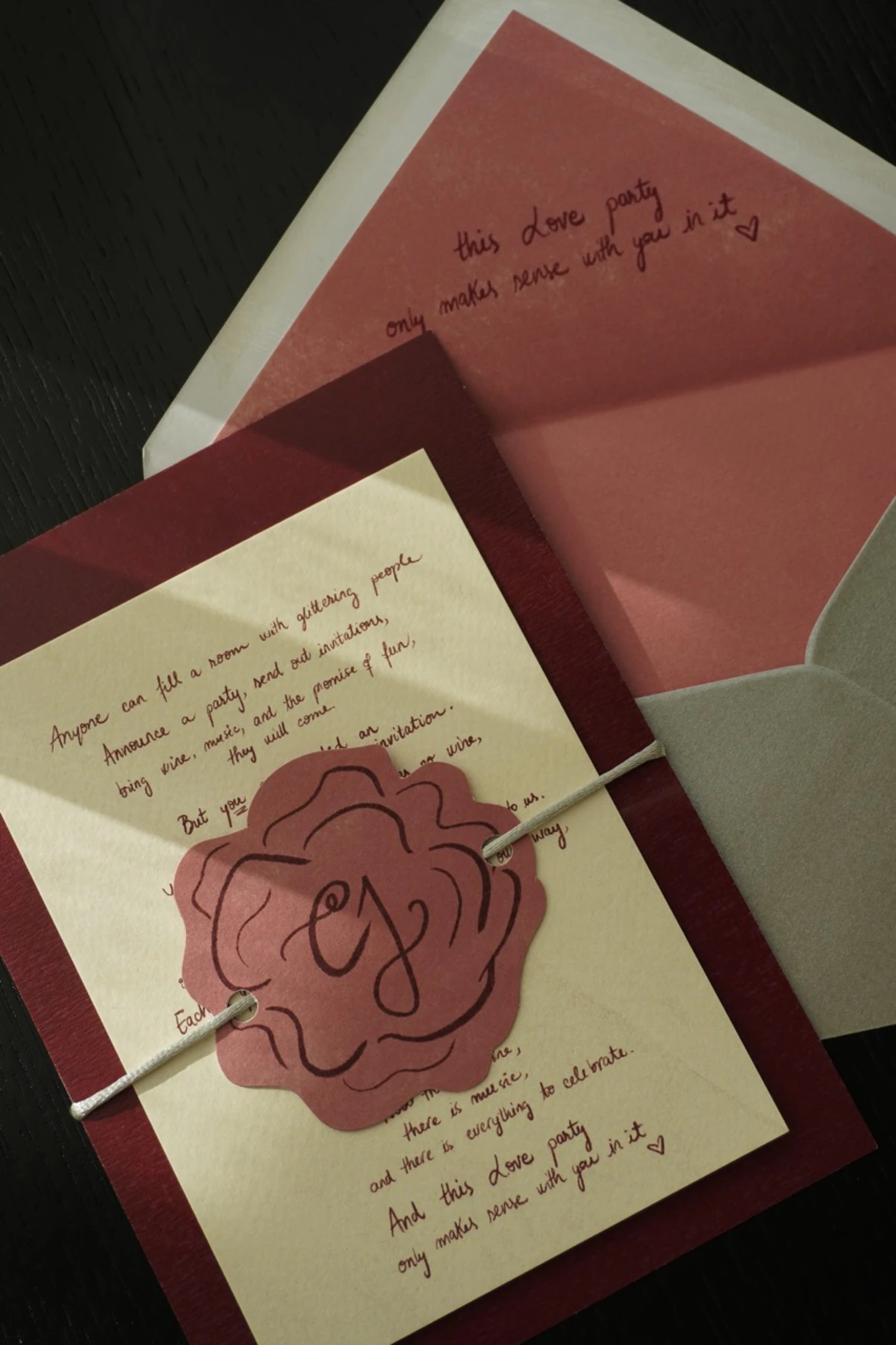
“Sometimes a reference has very little to do with the final design, but one small detail can inspire an entirely new direction. The goal isn't to recreate what you've saved, but to understand what makes it resonate with you.”
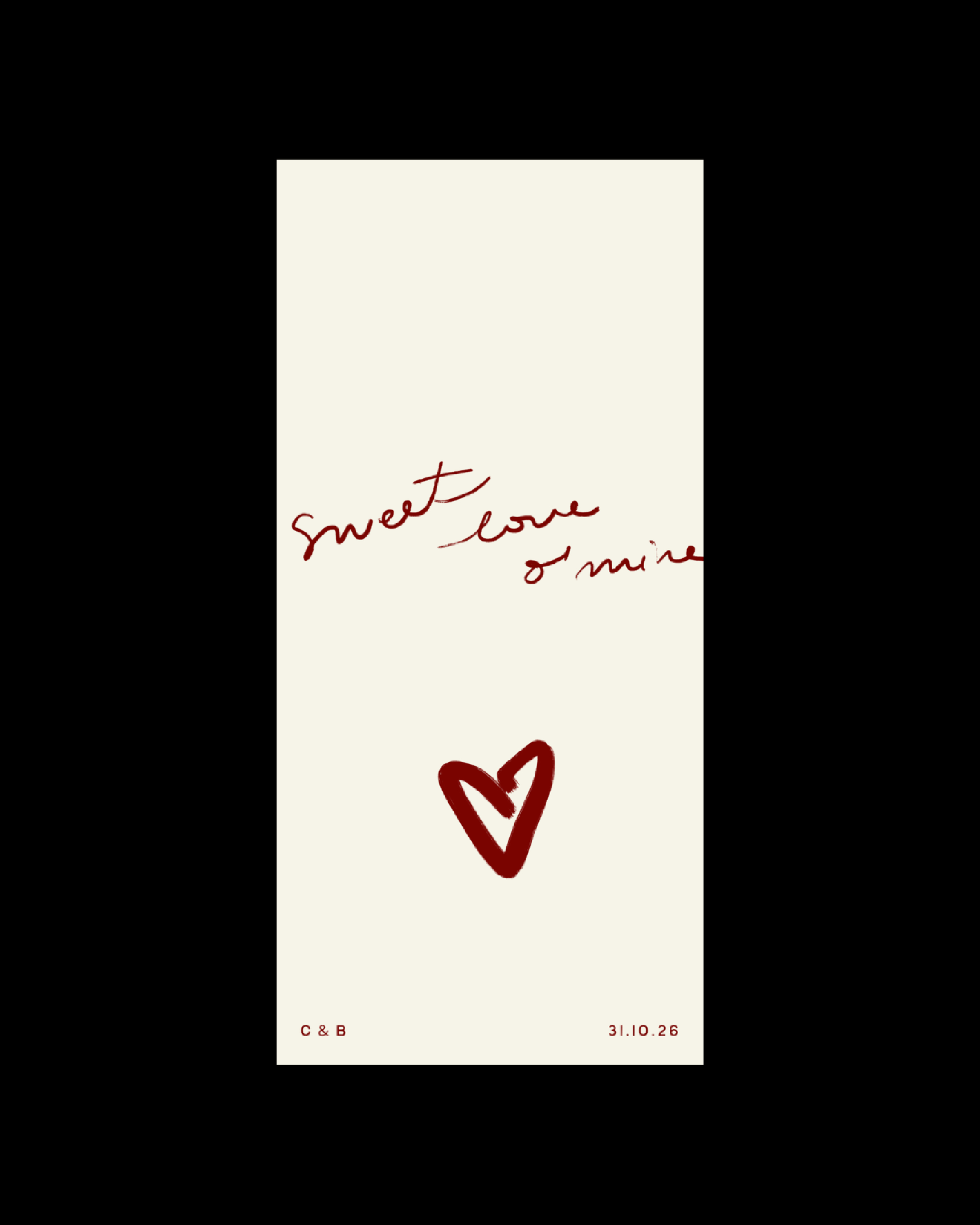
Forget Any Design Rules
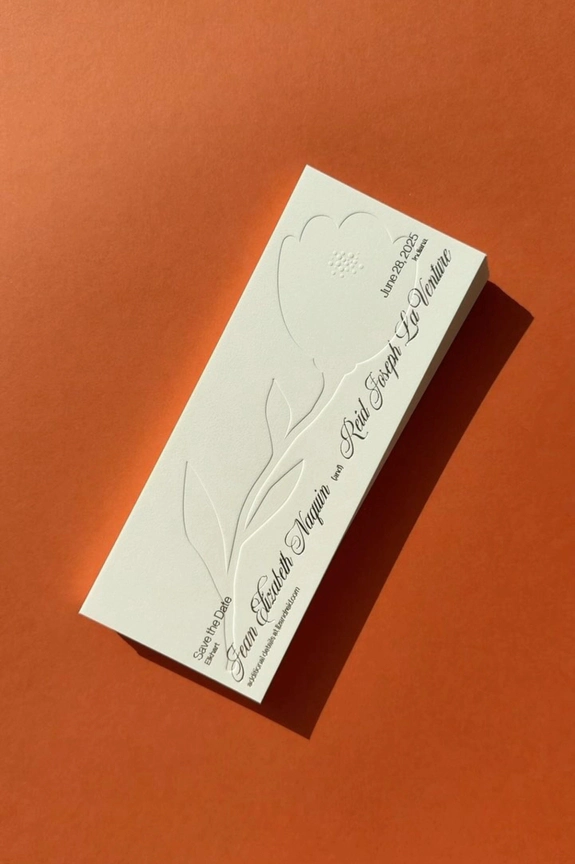
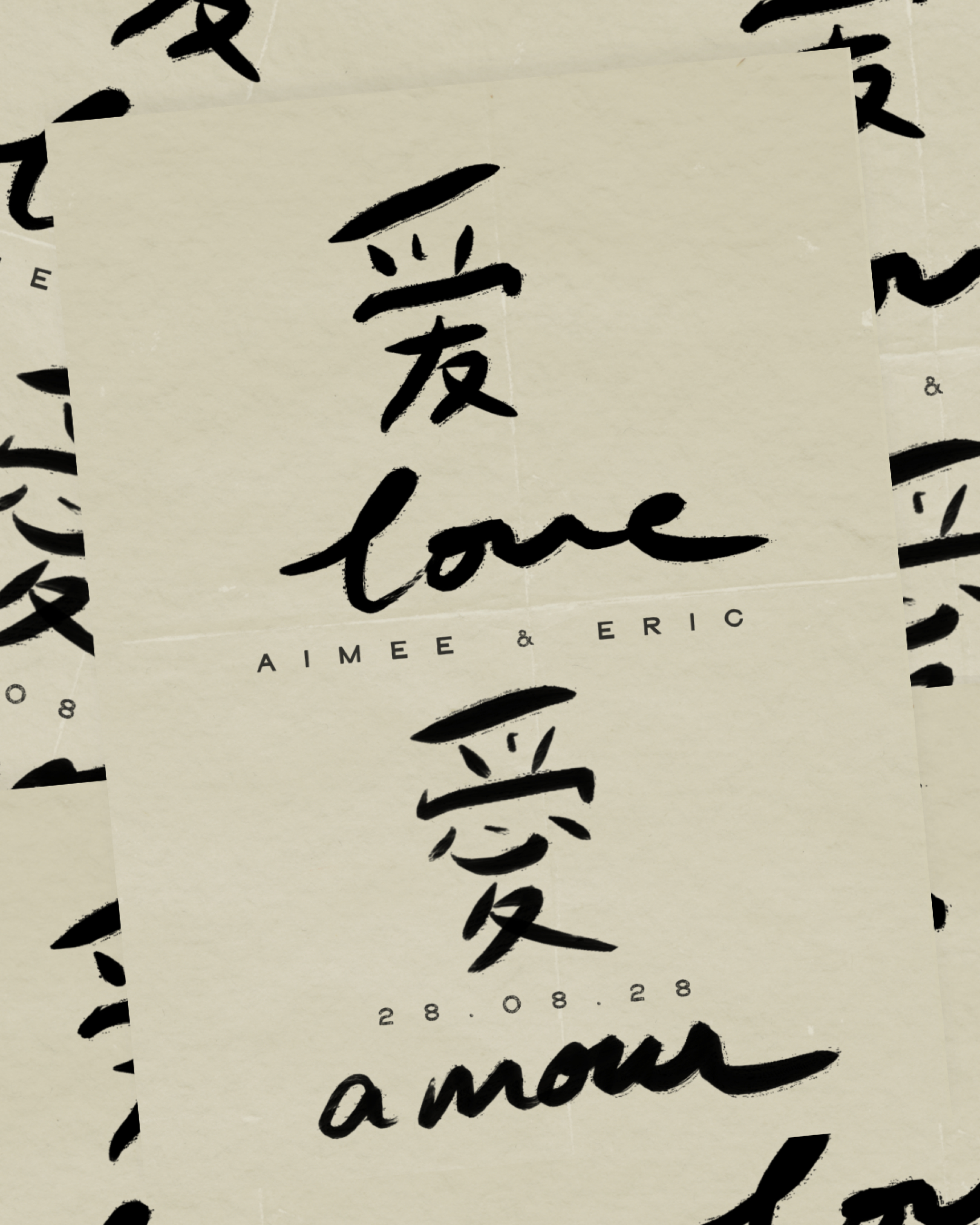
I love exploring unconventional proportions, bold typography, unusual compositions, and different ways of presenting even the simplest information. Sometimes changing the scale of a single element or playing with the layout can make a design feel completely different without adding anything unnecessary. I think couples often underestimate how much personality can come through these decisions alone. Your invitation is the first glimpse guests have into the celebration, so it should feel like an introduction to your world.
Don’t Limit Yourself to Paper
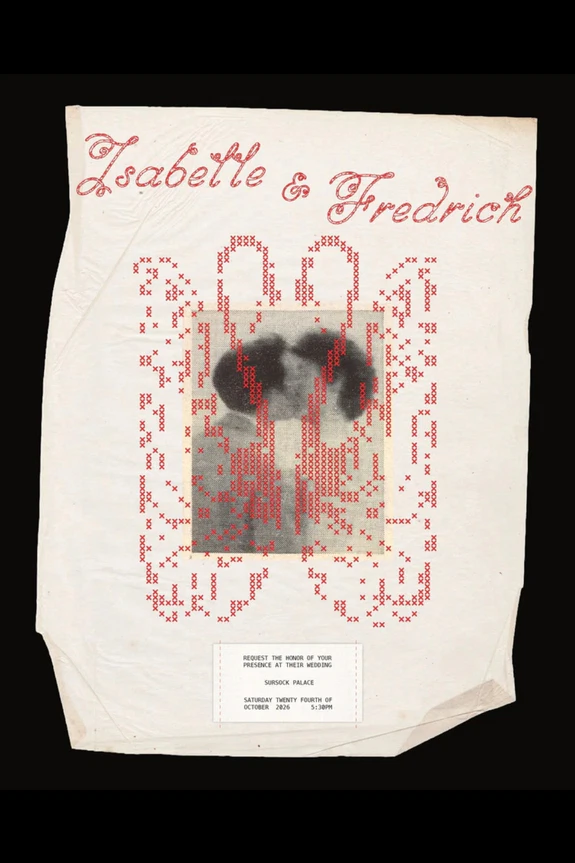
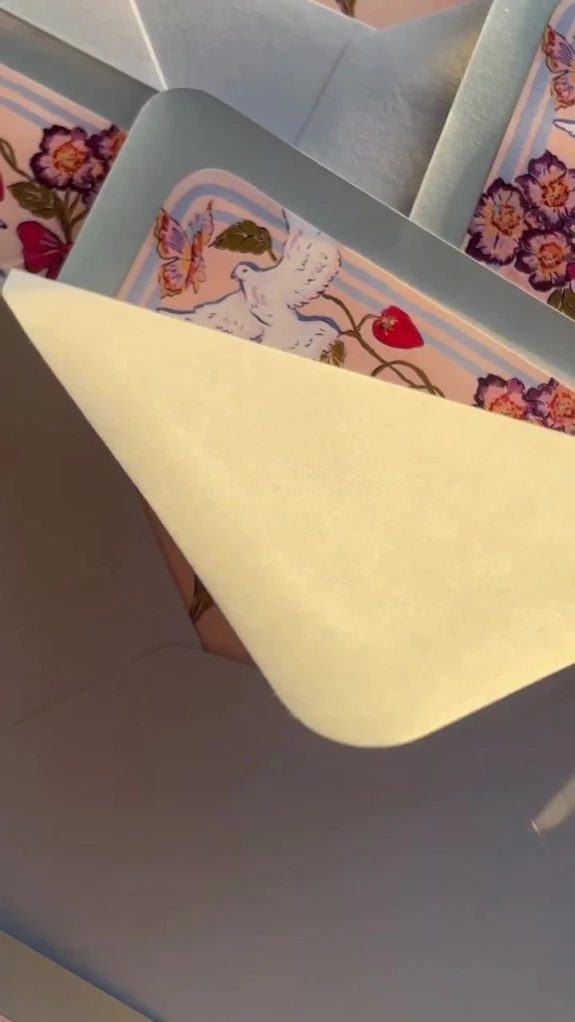
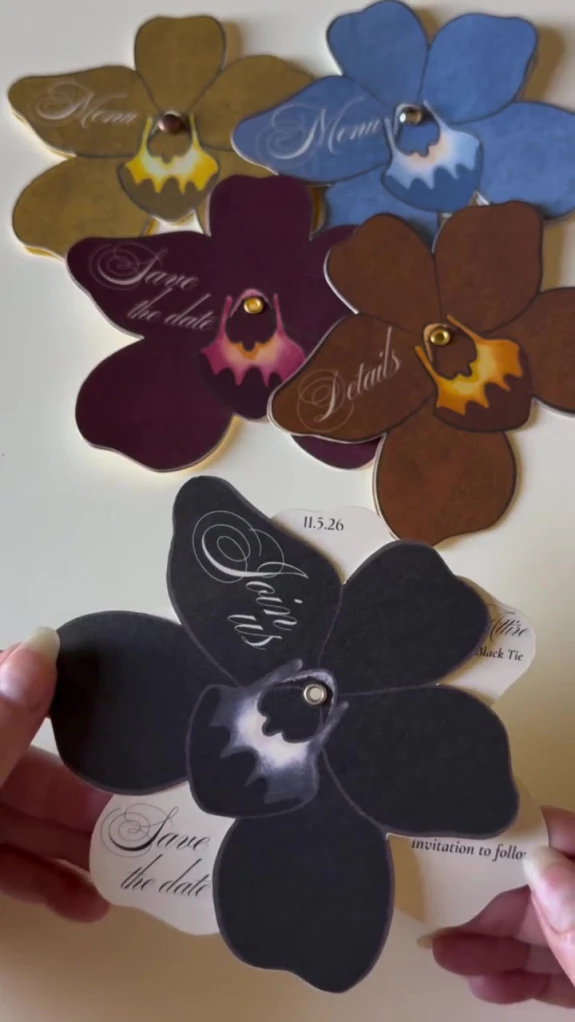
Although my approach is very much rooted in visual design, I also love exploring how different materials can bring an idea to life. Paper is only one possibility, and sometimes a particular concept calls for fabric, embroidery, unusual textures, or unique combination of materials. What interests me is how these choices can change the way a design is experienced, not simply how decorative they look. A delicate embroidered detail, for instance, can introduce an entirely different feeling from the same design printed on paper. My advice is to consider materials as part of the creative process rather than something to decide only once the design is finished.
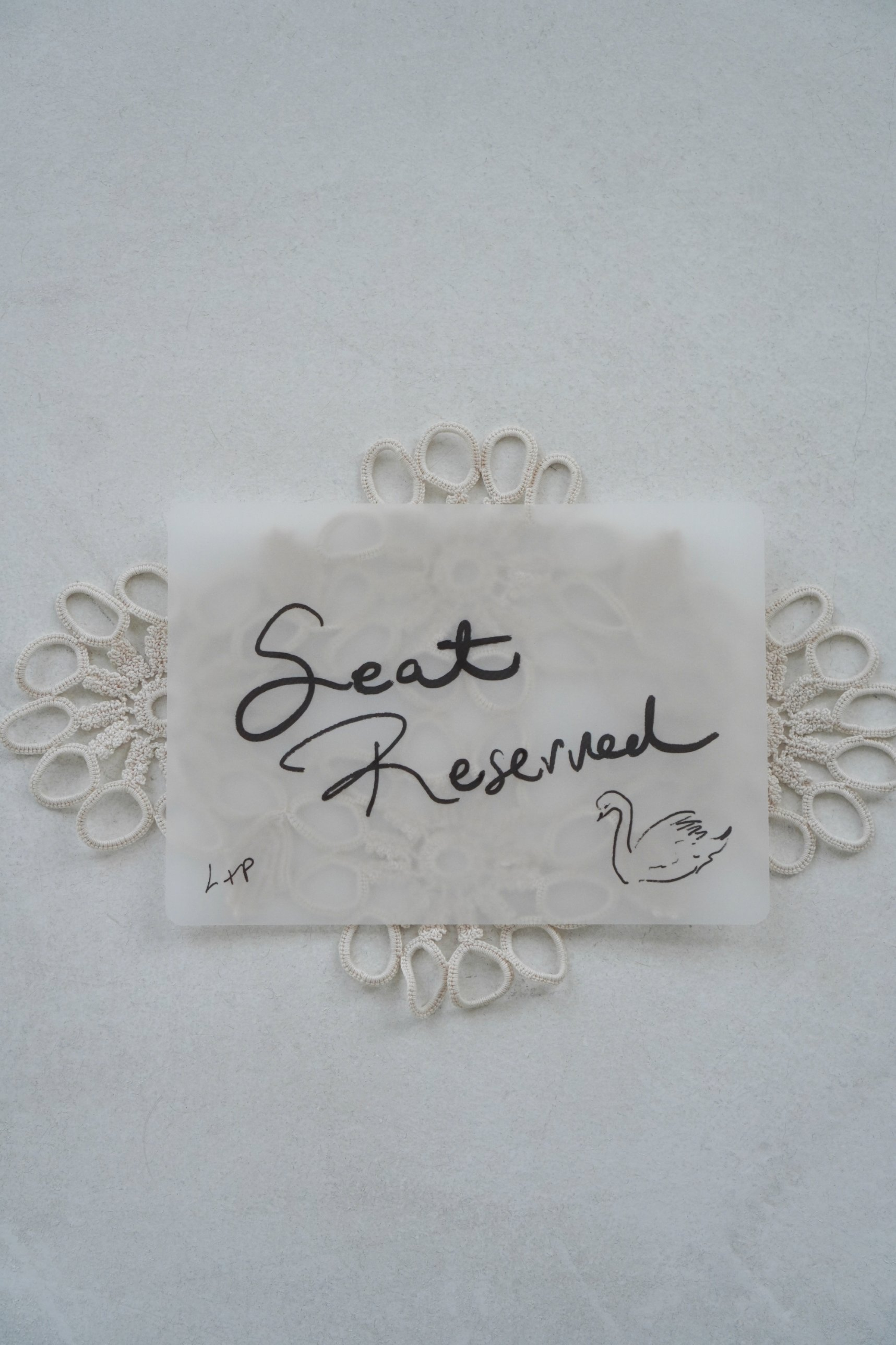
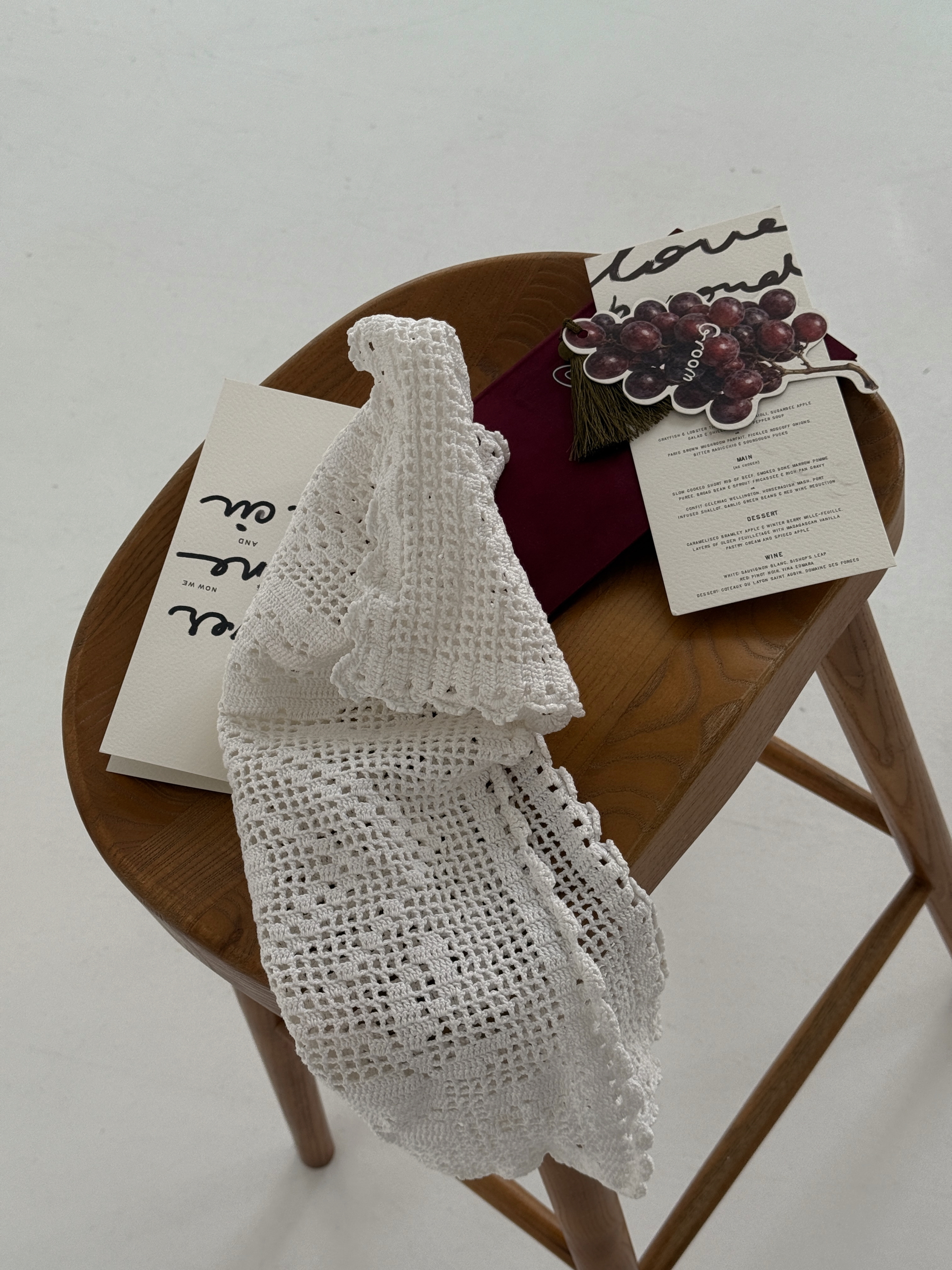
“Paper is only one possibility, and sometimes a particular concept calls for fabric, embroidery, unusual textures, or unique combination of materials.”
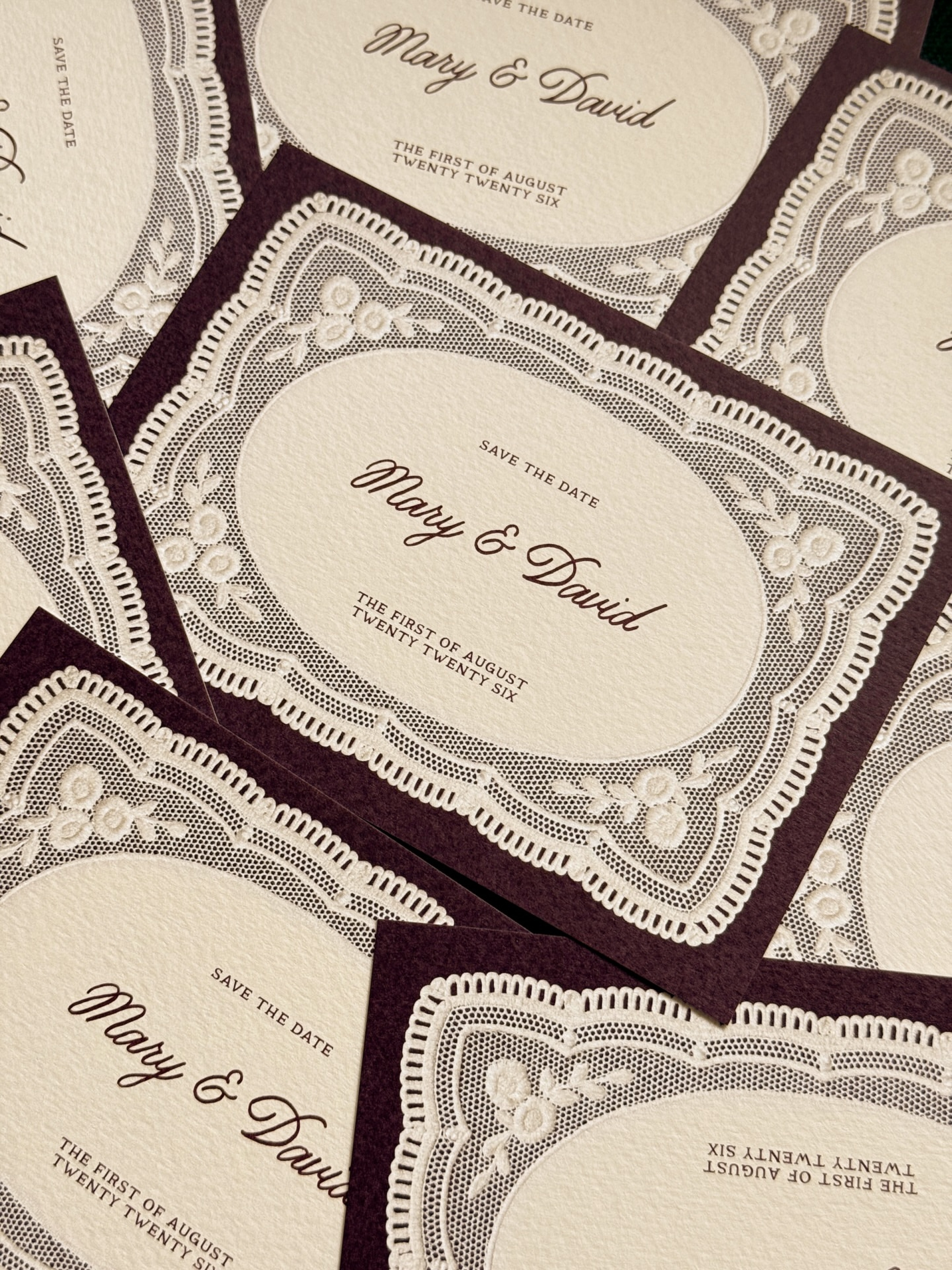
Design for the Space
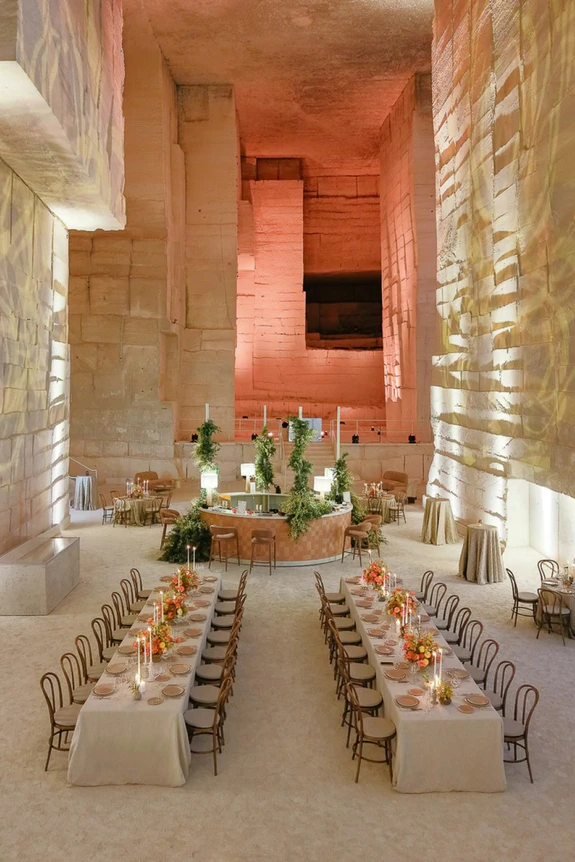
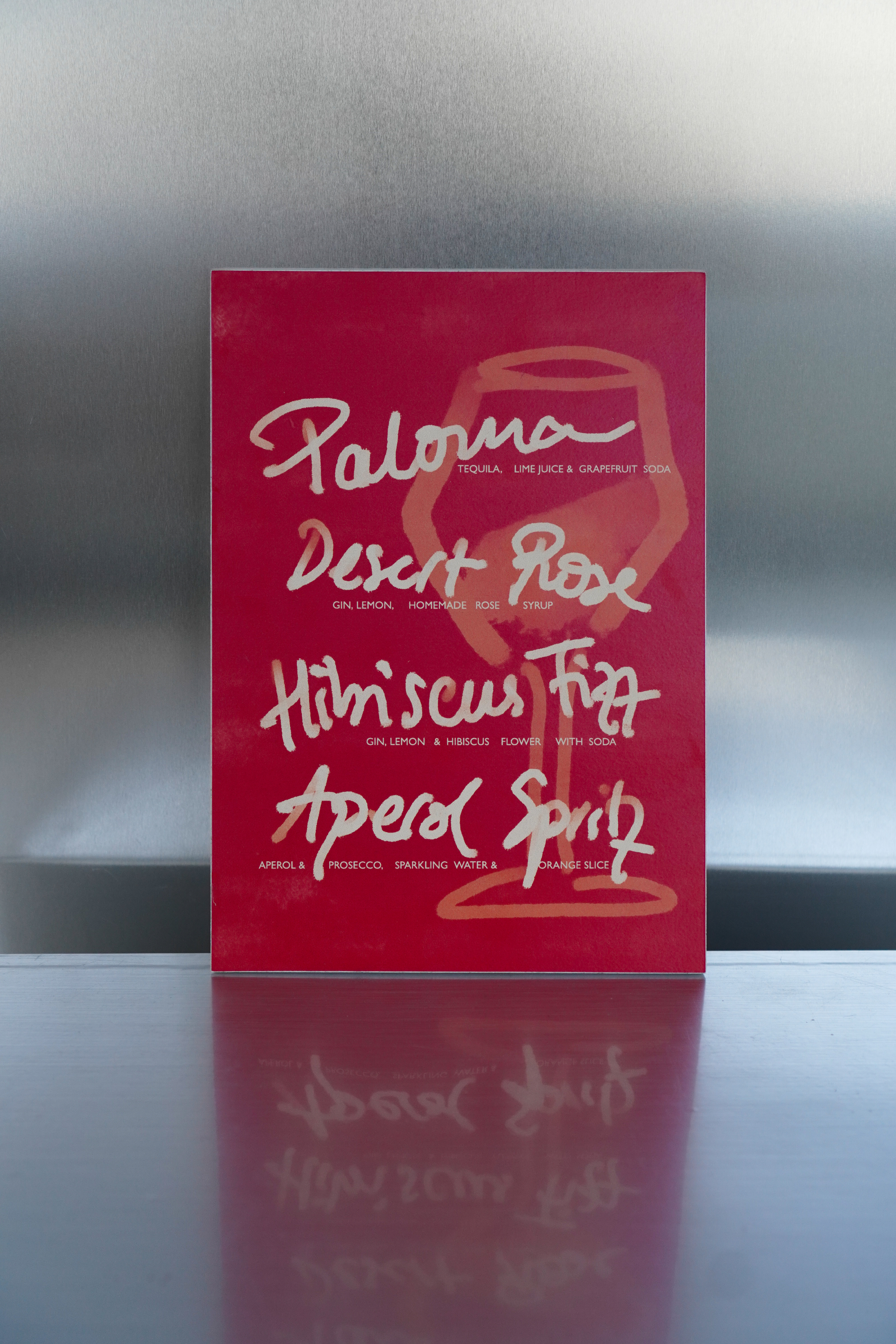
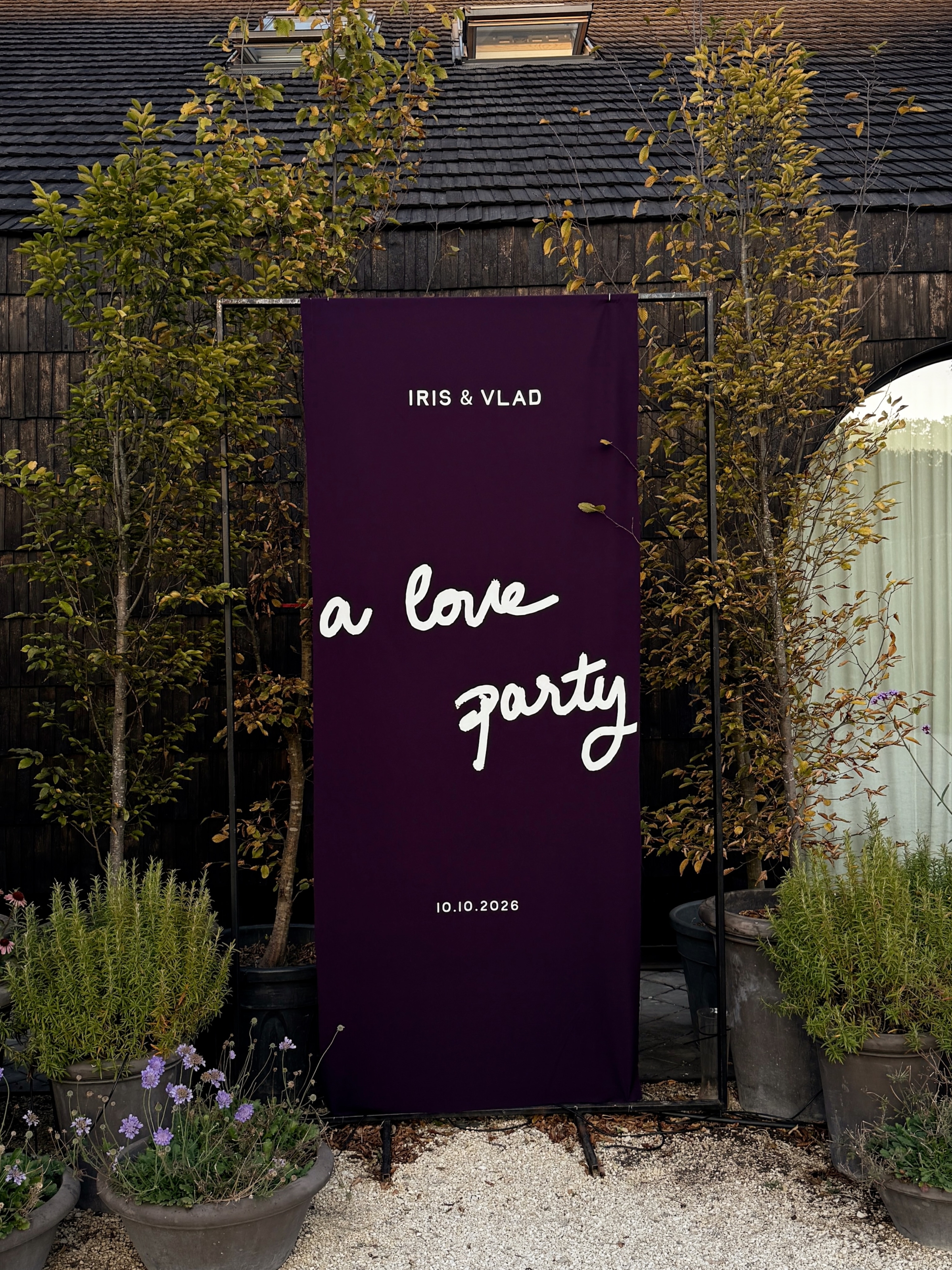
Wedding stationery doesn't exist in isolation, and I think it's important to consider how each piece will interact with its surroundings. A menu, for example, becomes part of the tablescape, while a welcome sign can feel like a design element within the venue rather than simply something displaying information. Think about the materials, colors, proportions, and atmosphere of the spaces where these pieces will appear. This doesn't mean everything needs to blend in, sometimes a deliberate contrast can be far more interesting. The goal is to create a dialogue between the stationery and the wider wedding design, rather than treating them as separate elements.
Leave Room for Creative Interpretation
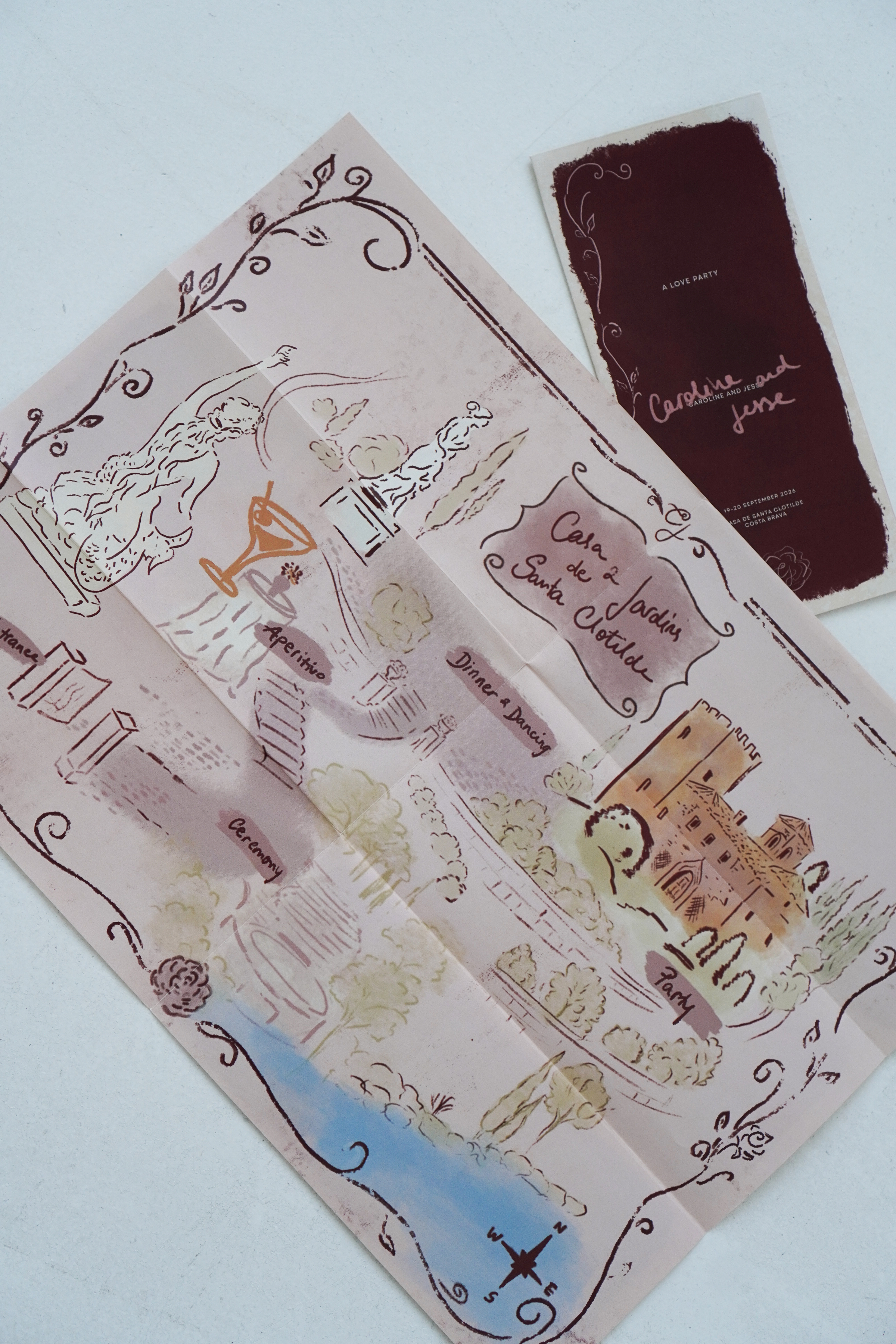
A mood board is a starting point, not a set of instructions. When I begin working with a couple, I'm interested in understanding their references, but also the personalities and ideas behind them. From there, the creative process is about finding connections, experimenting with different directions, and sometimes introducing ideas they might not have considered themselves. The most interesting results often come from that exchange between the couple's vision and the designer's perspective. Share what you love and what matters to you, but leave some room for the unexpected.