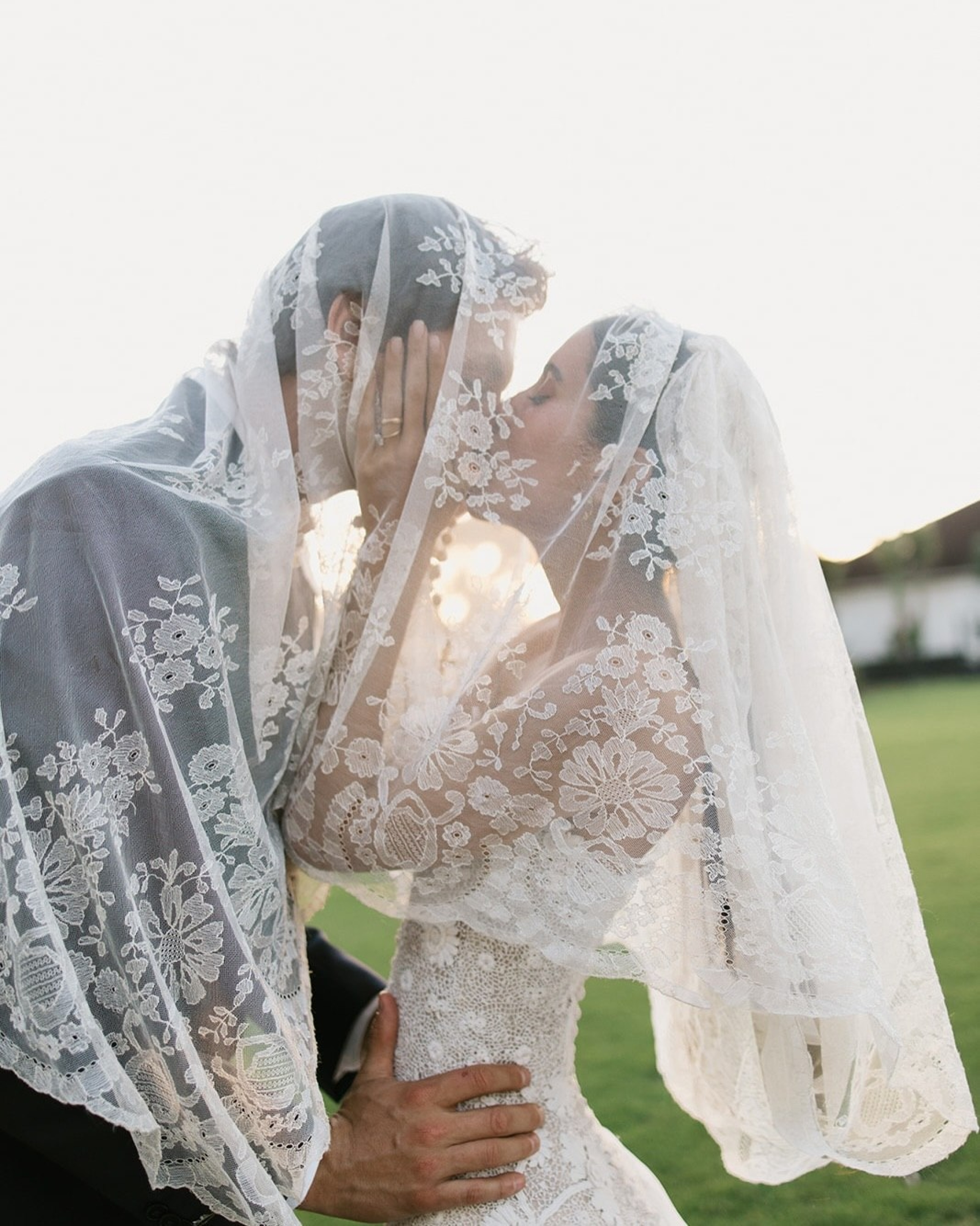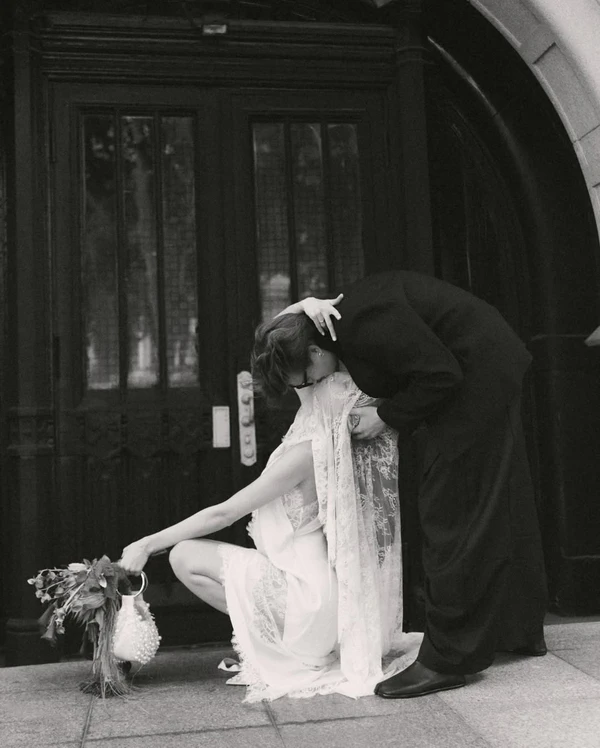
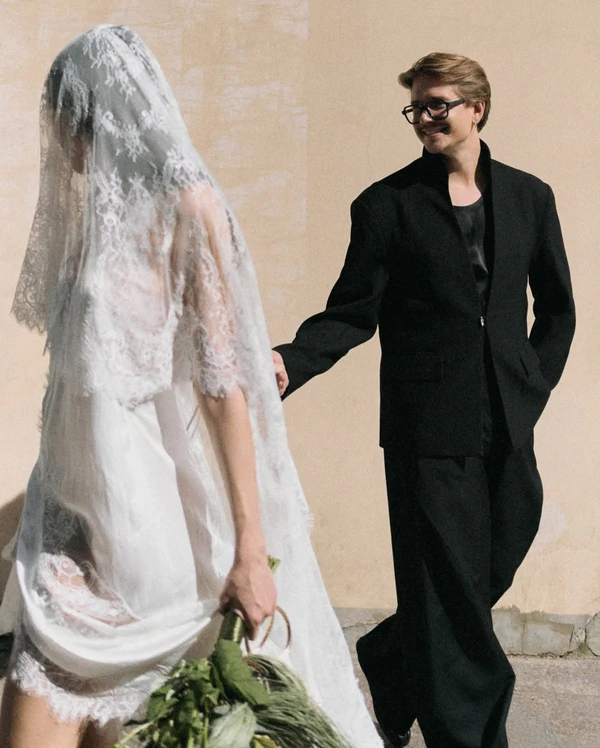
The first year of marriage has a way of slipping between expectation and reality. After the intensity of the wedding – months of planning, a single day suspended in celebration – what follows is quieter, less defined, and often more transformative than couples anticipate. This is the moment where the idea of marriage begins to take shape as something lived-in rather than imagined. There are no more timelines or checklists, only the subtle process of learning how two lives move forward as one. It’s not always seamless, and it’s rarely picture-perfect, but it is deeply formative. For modern couples, the newlywed phase isn’t about preserving a sense of constant bliss. It’s about navigating the space between individuality and partnership, romance and routine, instinct and intention. There’s a recalibration that happens – of expectations, of communication, of what love looks like when it’s no longer leading up to something, but quietly unfolding in real time. The beauty of this year lies in its honesty.
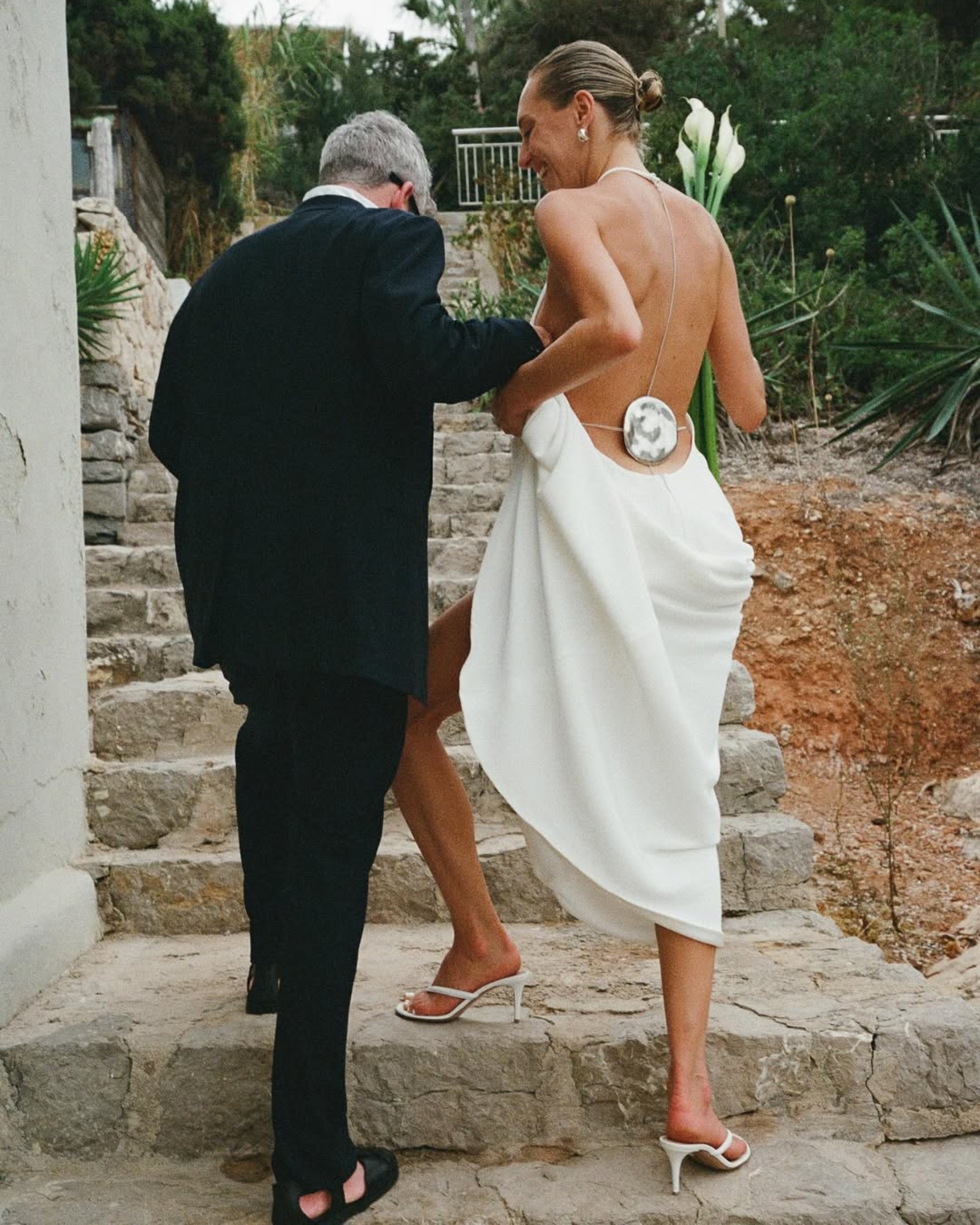

Beyond the Honeymoon Phase
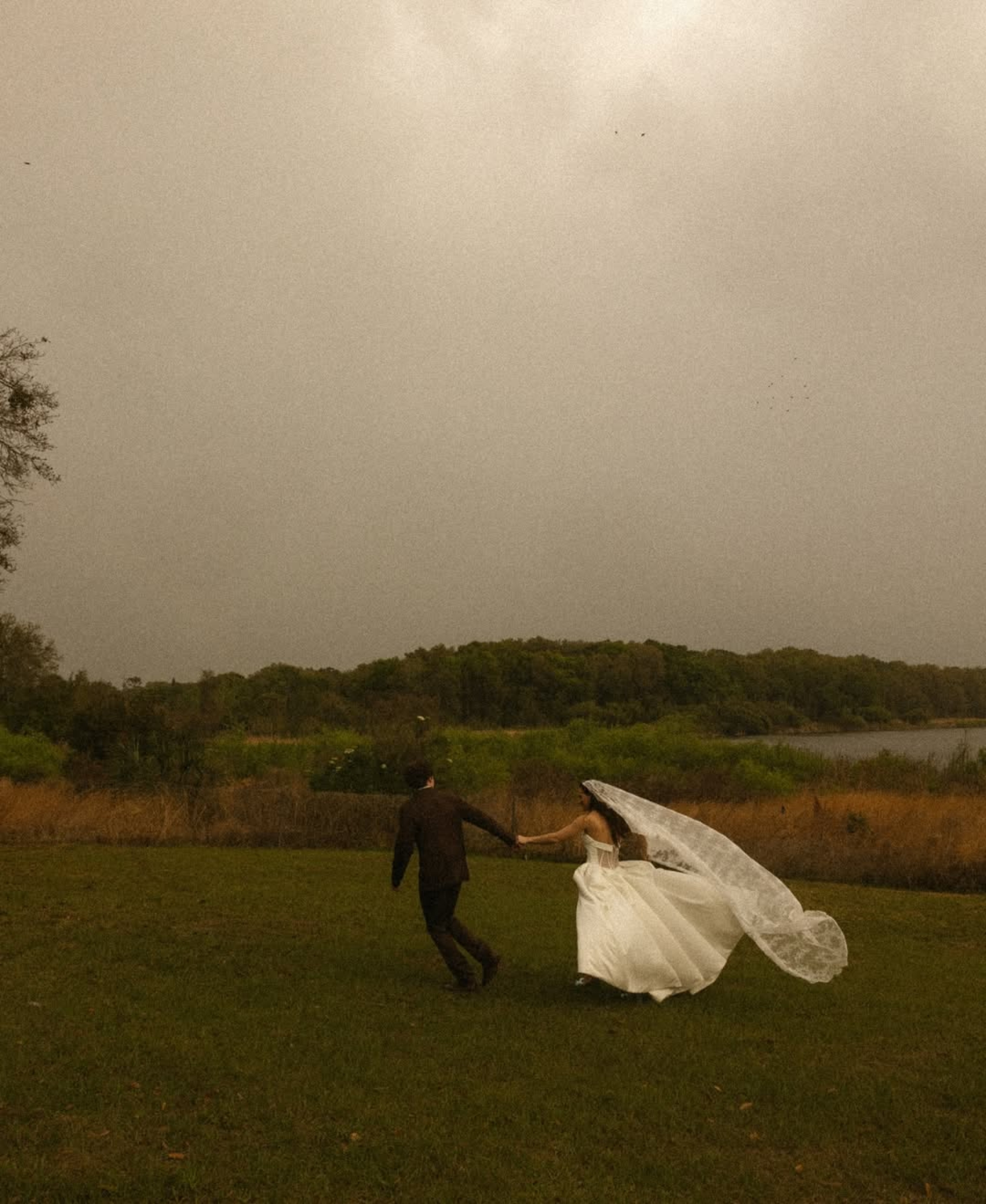
The newlywed glow doesn’t disappear so much as it recalibrates. What begins as a heightened, almost cinematic closeness gradually softens into something quieter, less performative, and far more revealing. The first year of marriage isn’t a comedown – it’s a shift in focus, from celebration to construction. You start to notice the rhythms that don’t make it into wedding vows: how you both handle stress on a Tuesday, or silence on a long drive. There’s a subtle but significant difference between being in love and building a life around it. Expectations – spoken and unspoken – surface in ways that can feel surprising, even for couples who have been together for years. And yet, this phase holds a different kind of intimacy: one rooted not in novelty, but in presence. The magic isn’t gone – it’s simply asking to be redefined.
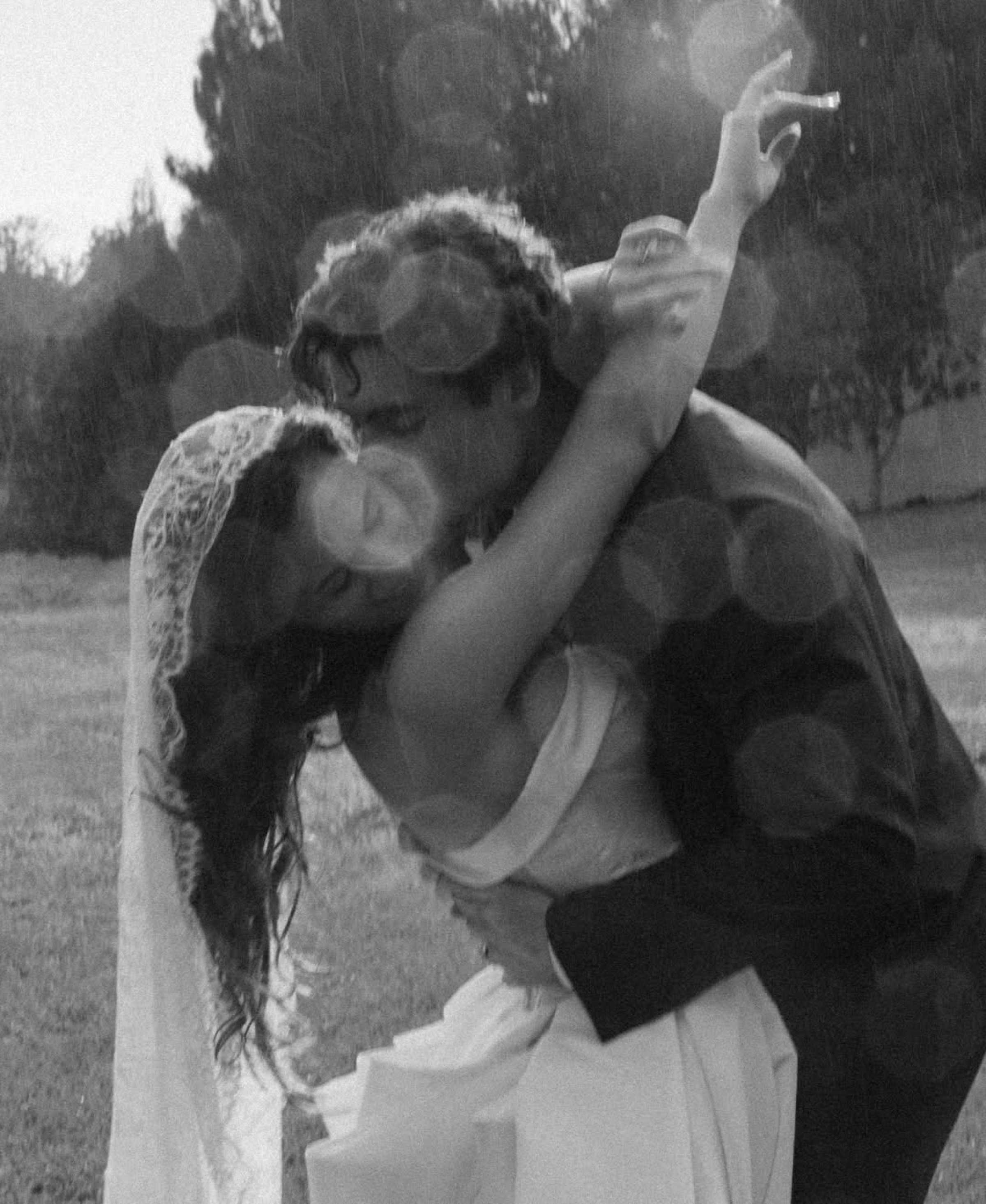
Falling in Love Again as Life Partners
Marriage introduces a version of your partner you haven’t quite met before. Not because they’ve changed entirely, but because the context has. Labels matter more than we like to admit, and "spouse" carries a psychological weight that reshapes how we show up. You begin to see each other not only as companions, but as collaborators in a shared future. This can be disorienting at first – there’s a quiet recalibration of roles, needs, and emotional expectations. But within that adjustment is an opportunity to fall in love again, more intentionally this time. It’s less about discovery through novelty and more about discovery through depth. You learn how they think about long-term decisions, how they respond to pressure, how they imagine "home." What emerges is not a repetition of early romance, but a more grounded, deliberate kind of love.


Post-Marriage Conflicts
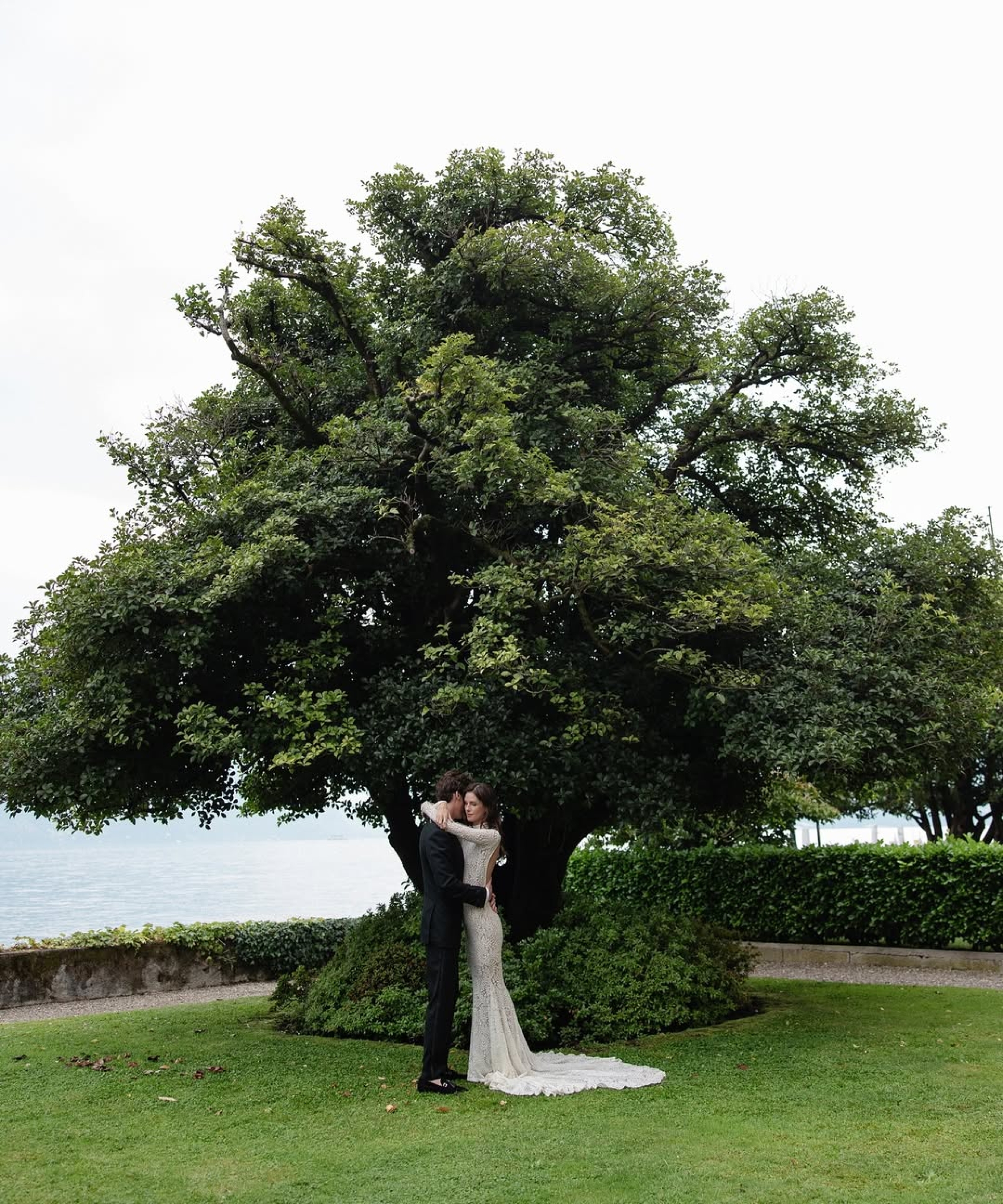
Disagreements in the first year often feel amplified, not because they’re bigger, but because they carry more meaning. Conflict is no longer just about the issue at hand – it’s about how you function as a unit. Small tensions can quickly reveal deeper differences in communication, values, or emotional habits. It’s here that many couples encounter the gap between assumption and reality. How you argue becomes just as important as what you argue about. There’s a learning curve in navigating disagreements without retreating into defensiveness or silence. And while it may feel unsettling, these moments are quietly foundational. They shape the emotional architecture of your marriage, defining what feels safe, what feels heard, and what feels unresolved. Done well, conflict doesn’t erode connection – it refines it.
The Unromantic Realities
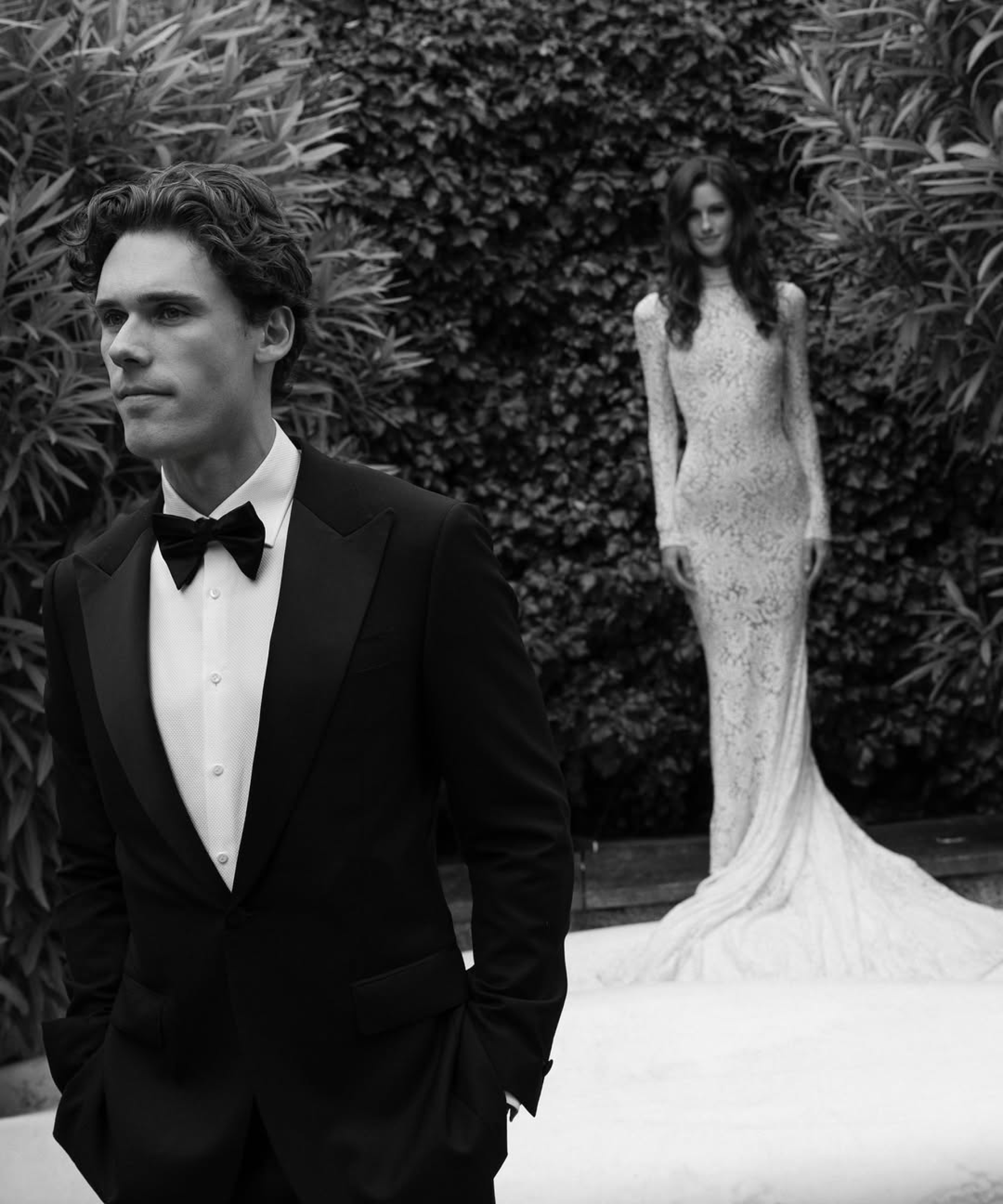
There’s a version of marriage that exists in aesthetics – beautiful tablescapes, shared holidays, the visual language of togetherness. And then there’s the version built in the mundane: bills, schedules, laundry cycles, and who remembers to restock the essentials. These details may lack glamour, but they are where partnership becomes tangible. The division of responsibilities, both visible and invisible, often reveals underlying expectations that were never explicitly discussed. Resentment rarely arrives loudly, it accumulates in overlooked details and unspoken assumptions. What strengthens a marriage isn’t avoiding these logistics, but engaging with them directly and thoughtfully. There’s a quiet intimacy in reliability, in knowing someone will show up in the small, repetitive moments. Over time, these unromantic layers become the very thing that sustains the relationship. Stability, it turns out, can be deeply attractive.

Emotional and Physical Connection
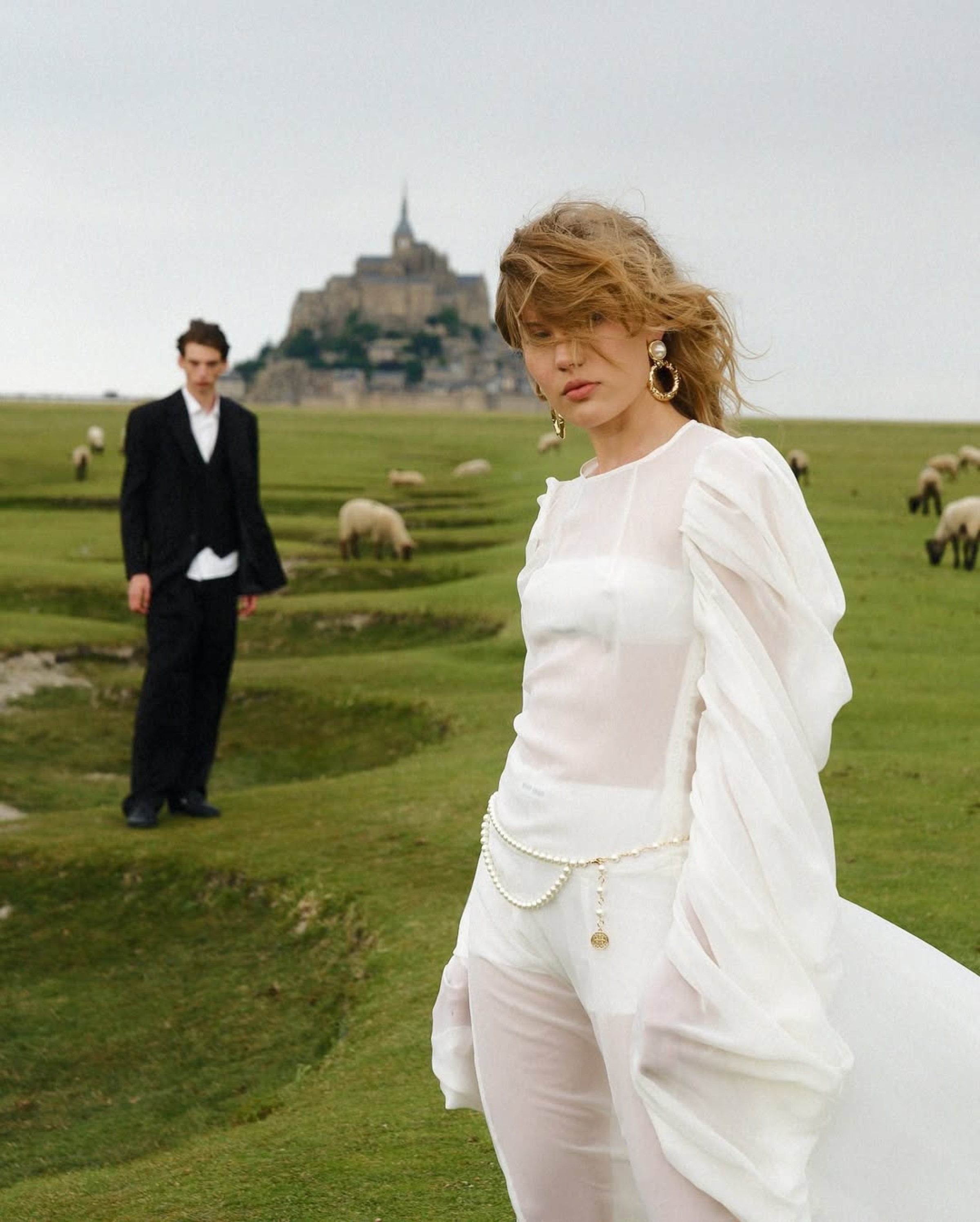
Intimacy after marriage tends to shift from spontaneous to intentional. The early ease of connection gives way to a more nuanced understanding of what closeness requires. Emotional intimacy, in particular, becomes less about constant sharing and more about feeling genuinely understood. There’s a difference between being near someone and feeling known by them. Physical connection follows a similar evolution, shaped by routine, stress, and the realities of everyday life. It asks for presence rather than perfection, for attention rather than performance. What often deepens intimacy isn’t grand gestures, but the consistency of small ones – a hand on the back, a moment of eye contact, a conversation that goes a layer deeper than usual. The goal isn’t to maintain the intensity of the beginning, but to build a connection that feels sustainable and real. In that shift, intimacy becomes less fragile and far more enduring.
Designing a Marriage You Actually Want
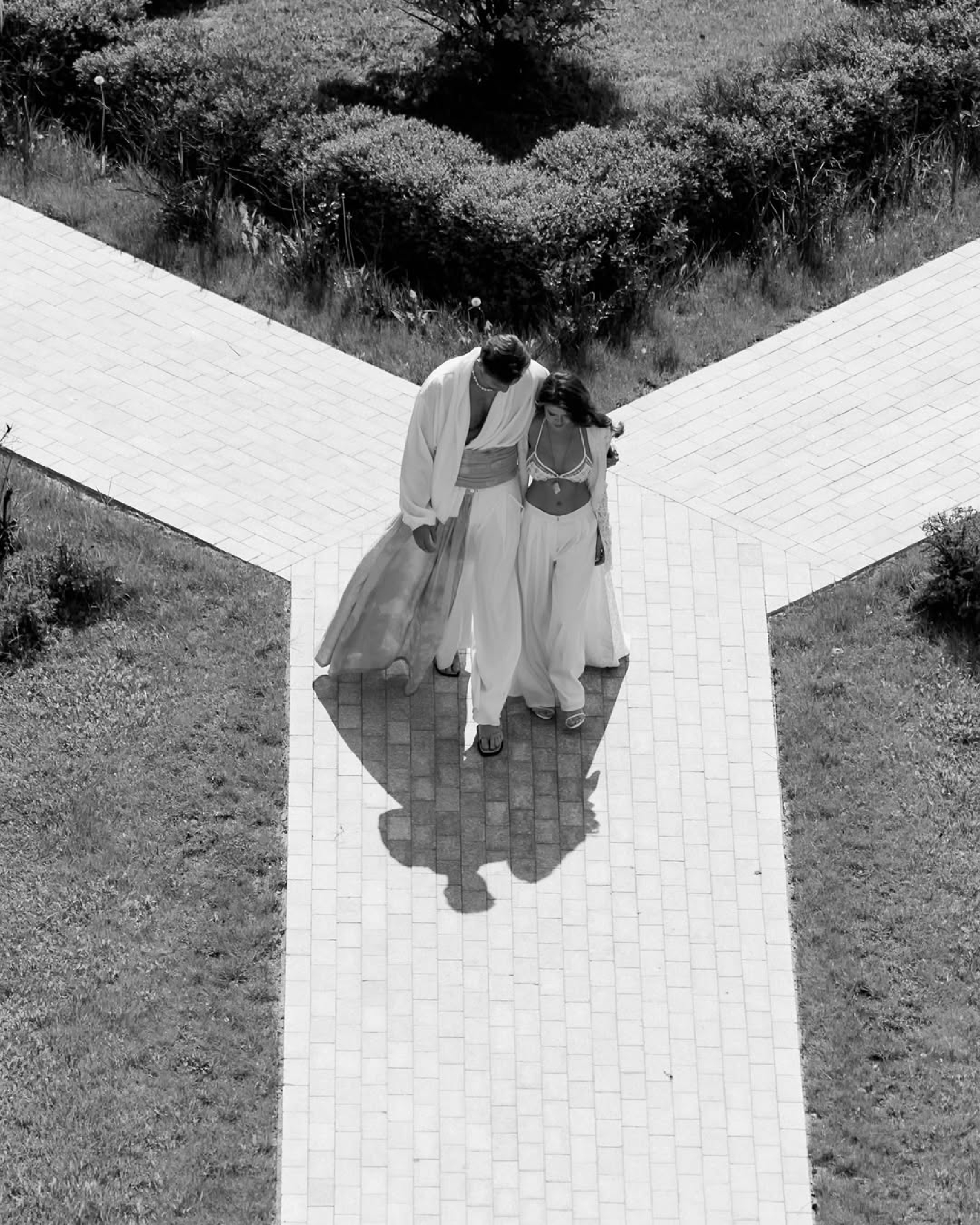
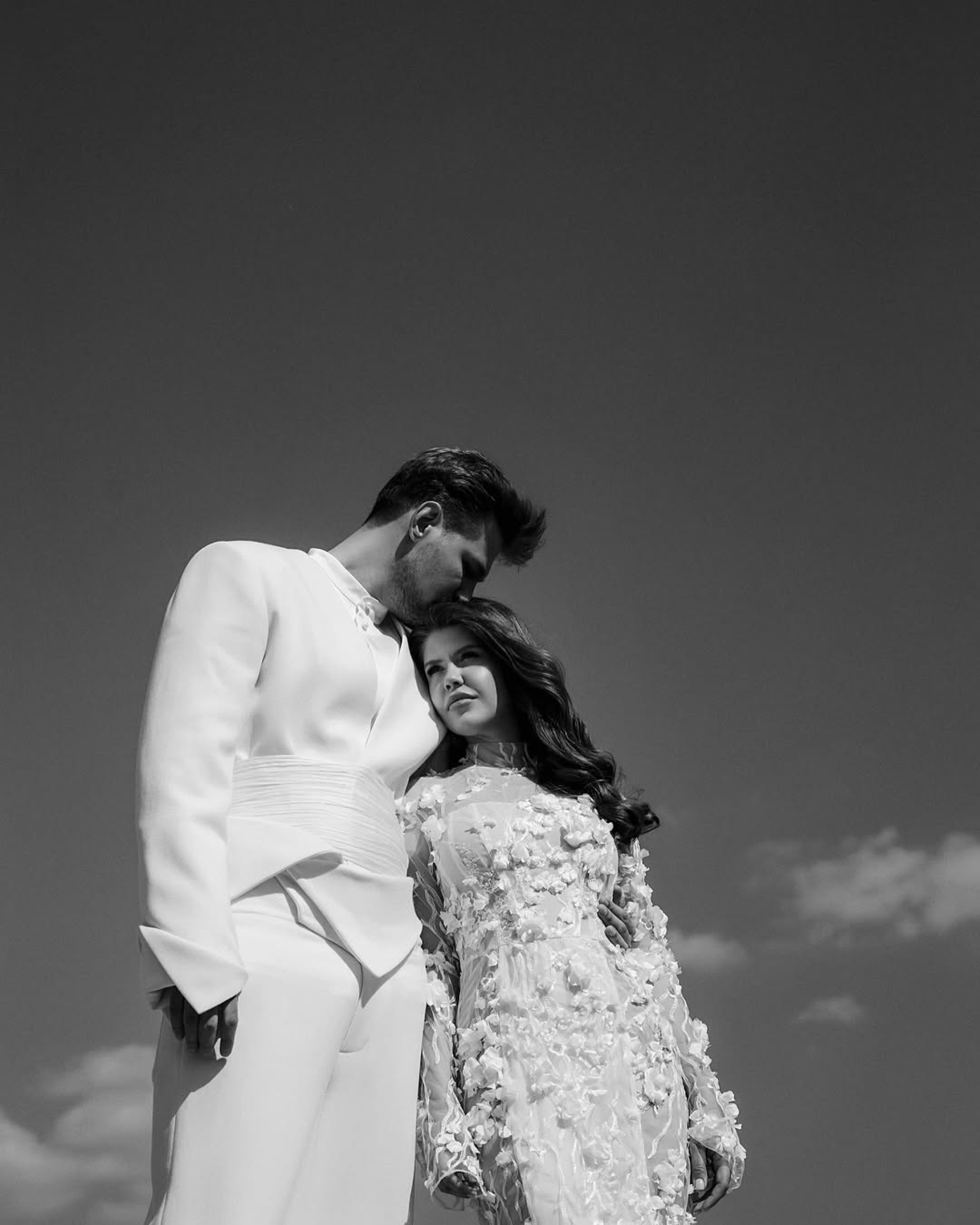
At some point in the first year, there’s a quiet realization: no one is defining this marriage but you. Not your families, not social expectations, not even the version of yourselves you imagined before the wedding. What you’re building is entirely custom, shaped by your values, priorities, and willingness to be honest about both. This can feel liberating, but also slightly disorienting – there’s no fixed template to follow. It requires ongoing conversations about what matters, what doesn’t, and what you’re willing to adapt. The strongest marriages aren’t the ones that look perfect from the outside, but the ones that feel aligned from within. That alignment isn’t static, it evolves as you do. And the real work lies in choosing, again and again, to build something that reflects who you are now – not who you thought you’d be.