Wedding Cakes & Catering
Browse the cake artists and caterers creating design-led menus, unique food experiences and artistic desserts for weddings and events
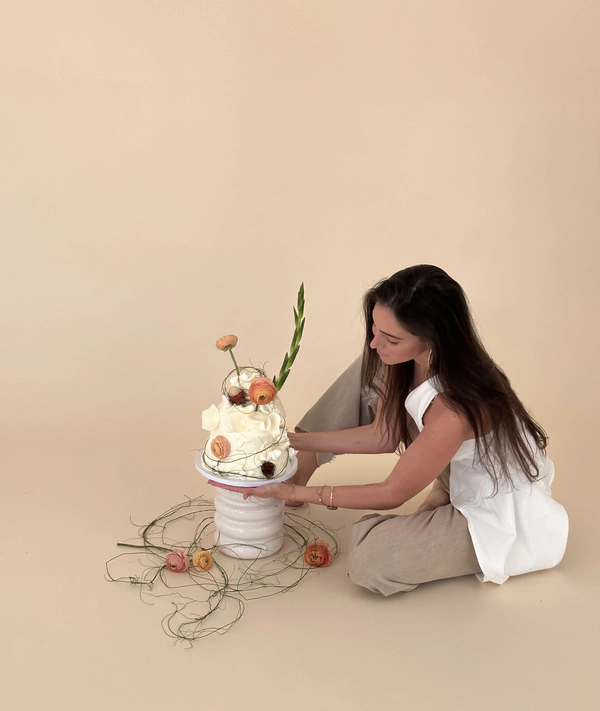
María Amaría
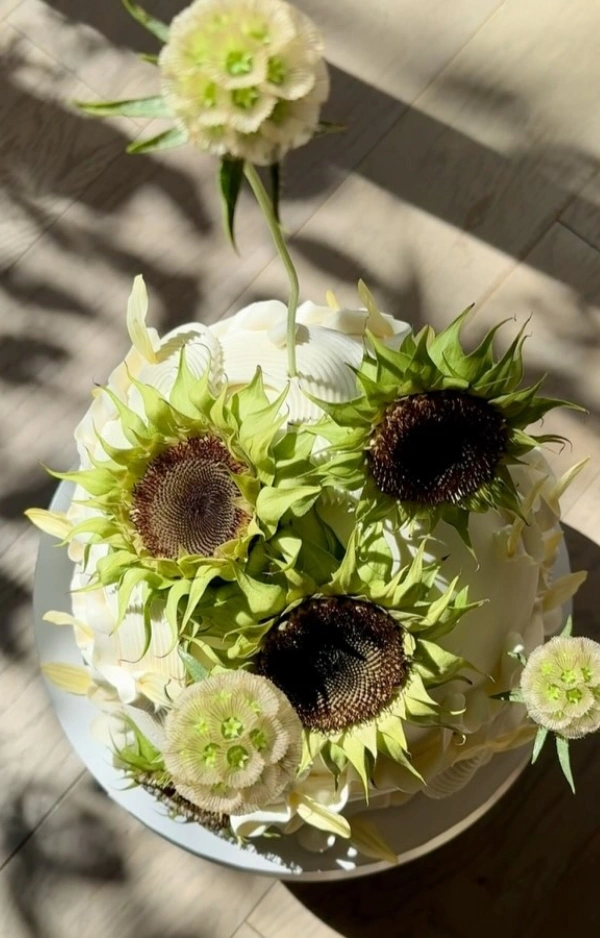
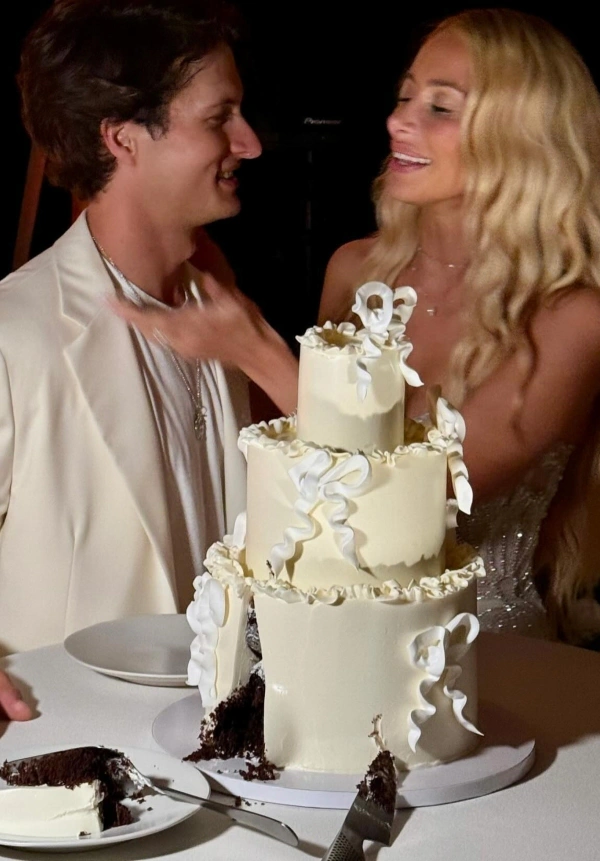
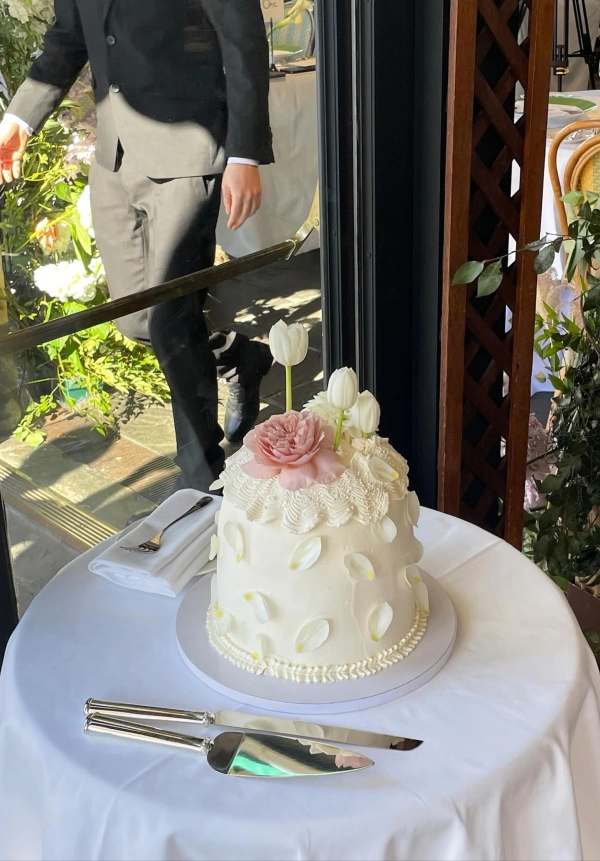
Lil Choux Choux
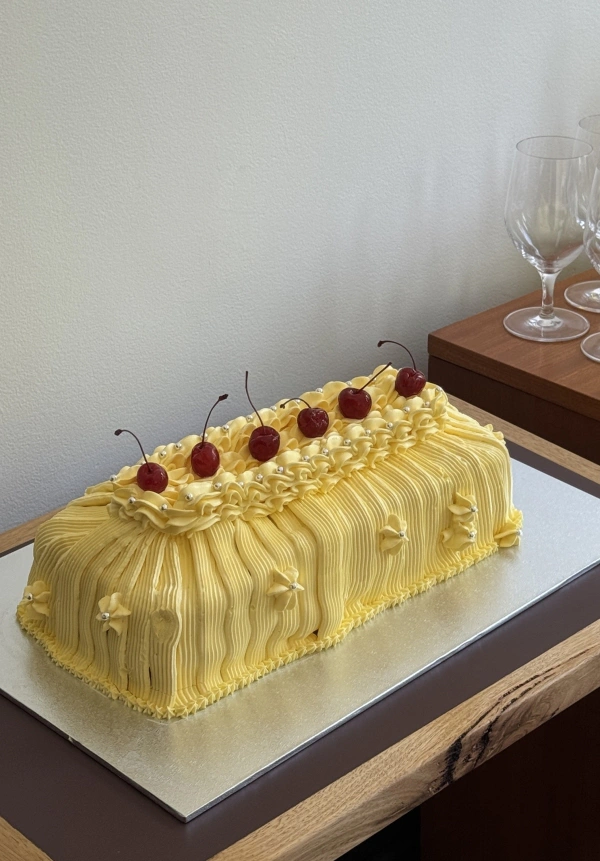
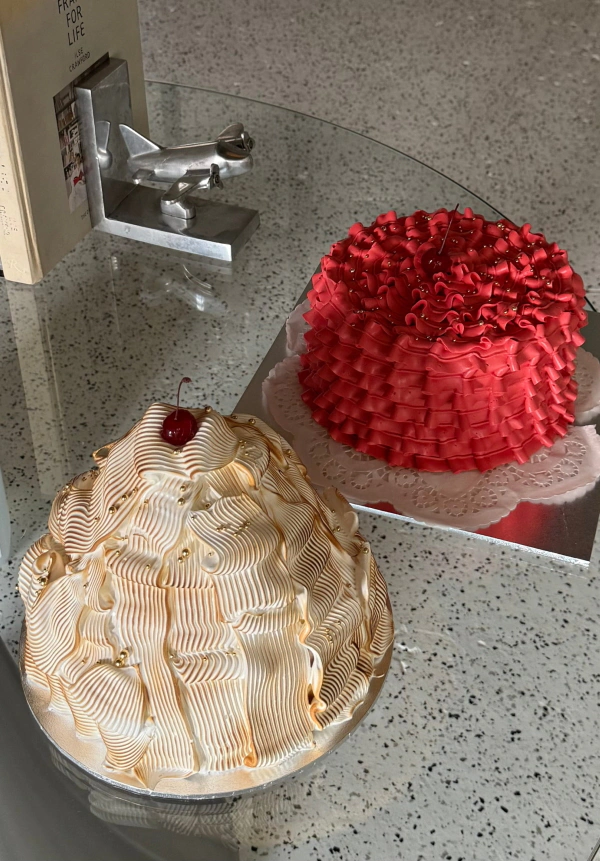
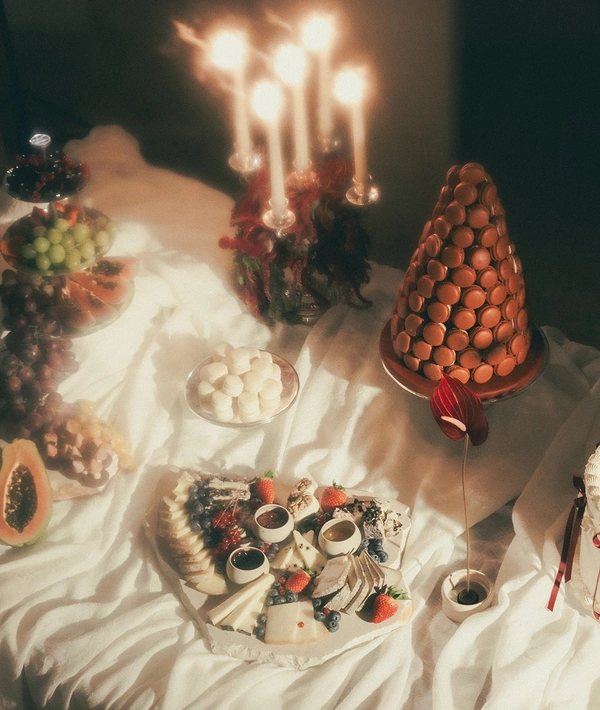
Rotondo Catering by Alba
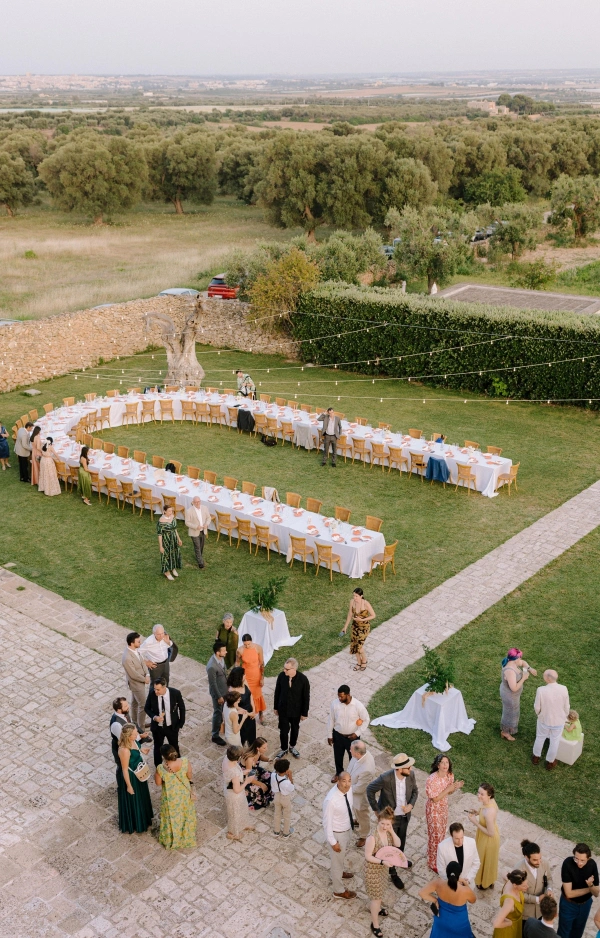
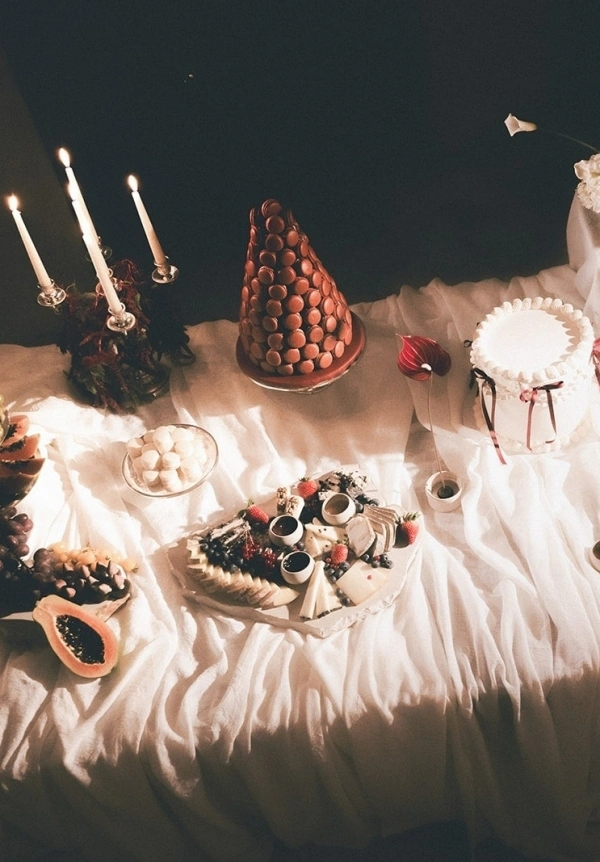
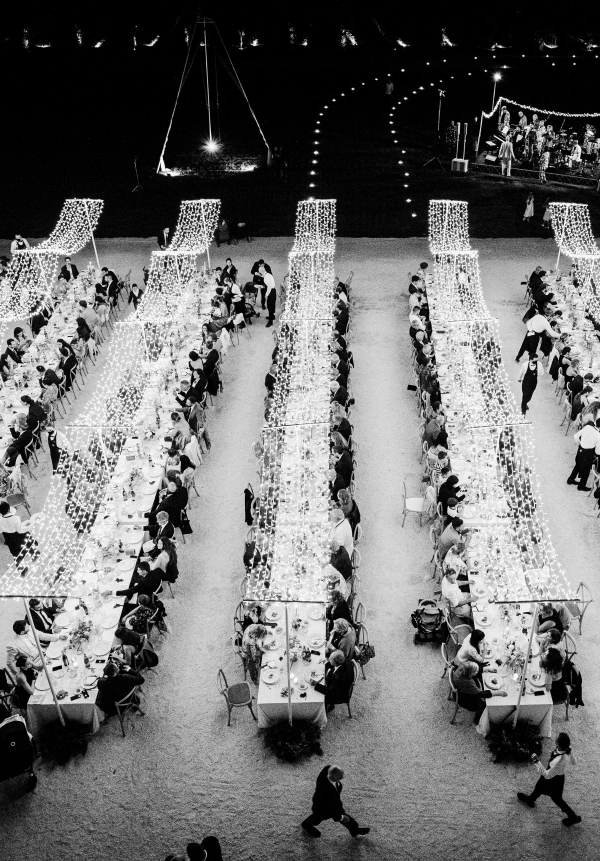
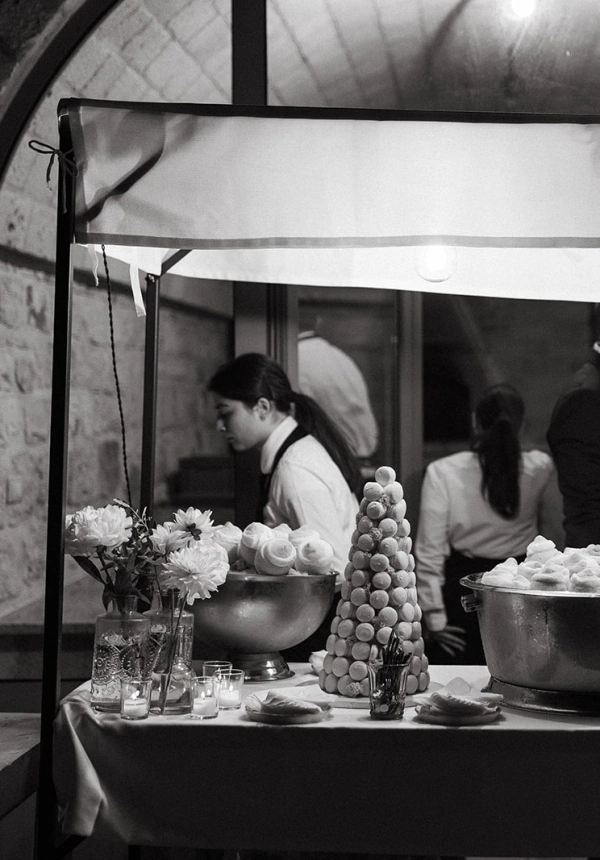
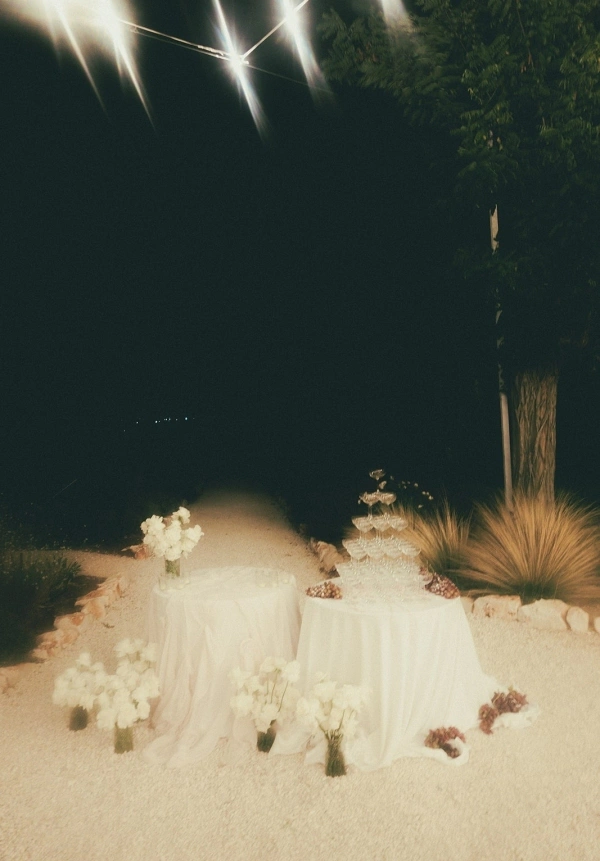
Atelier Flora
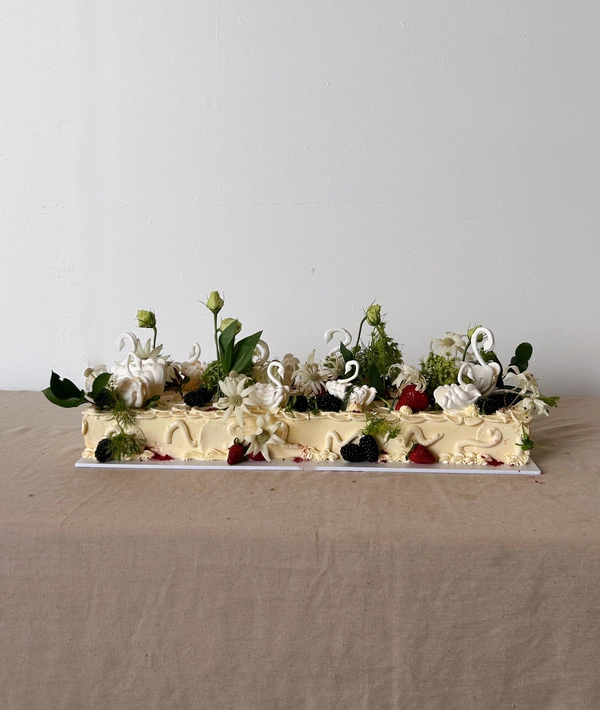
Kate Batter
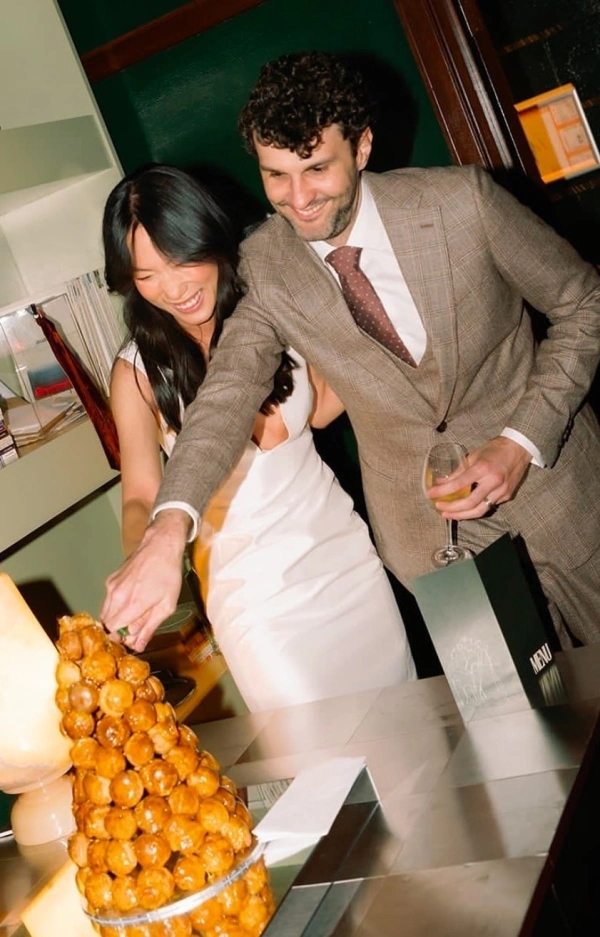
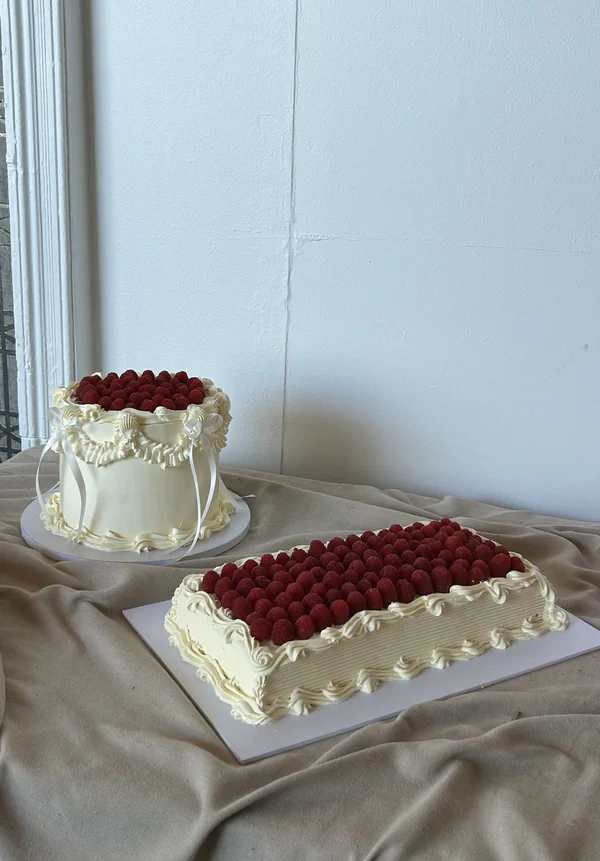
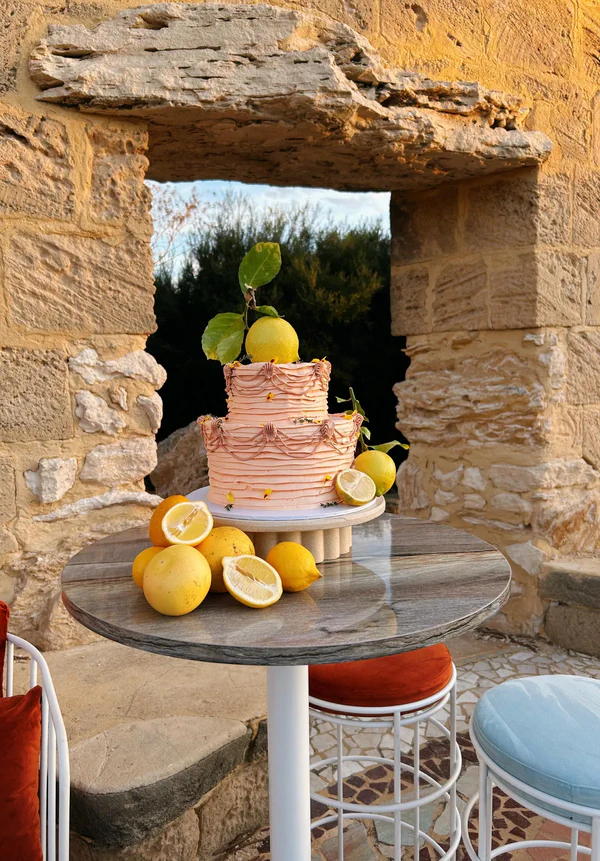
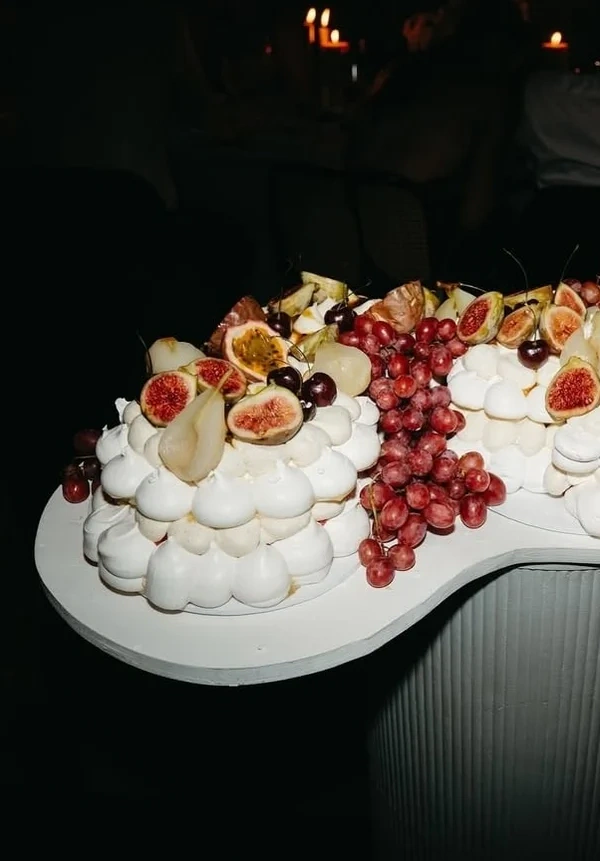
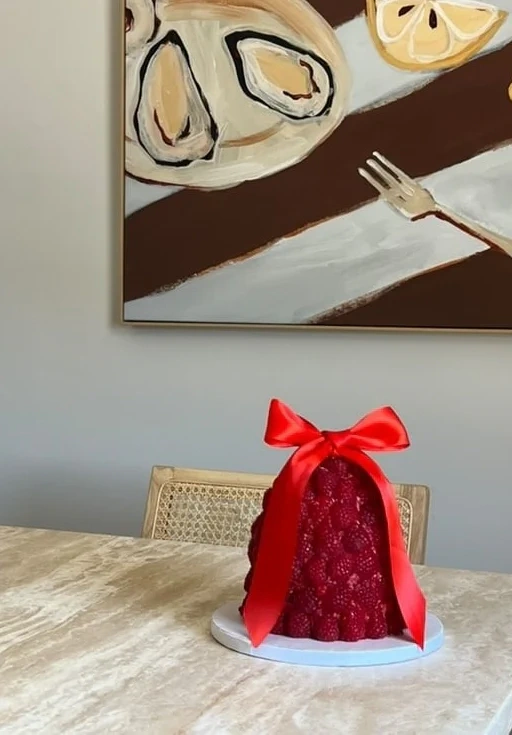
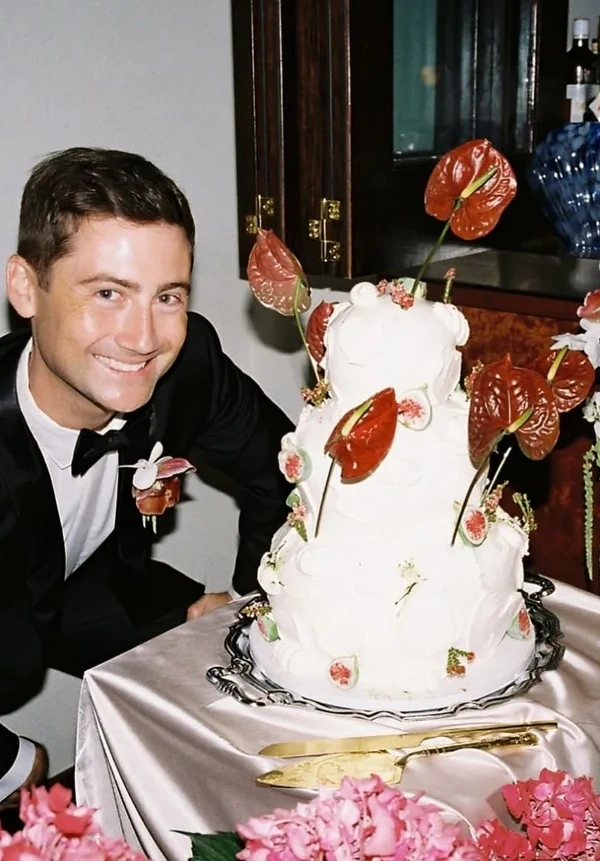
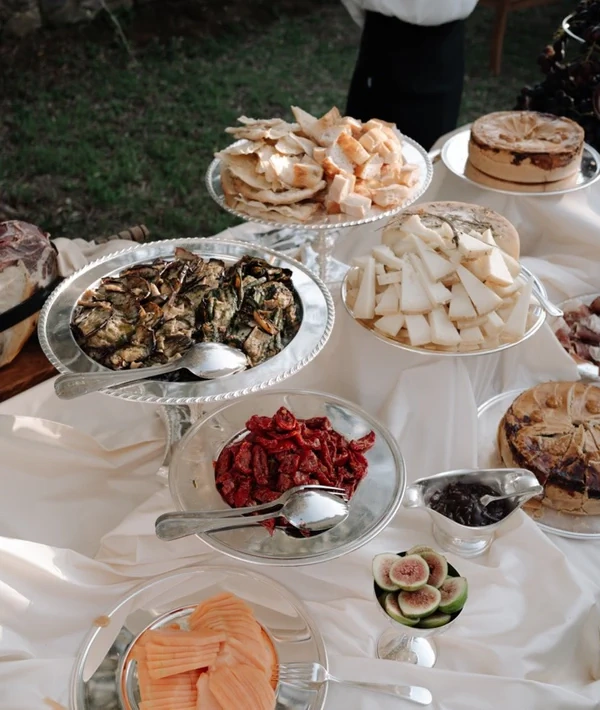
Guidi Lenci
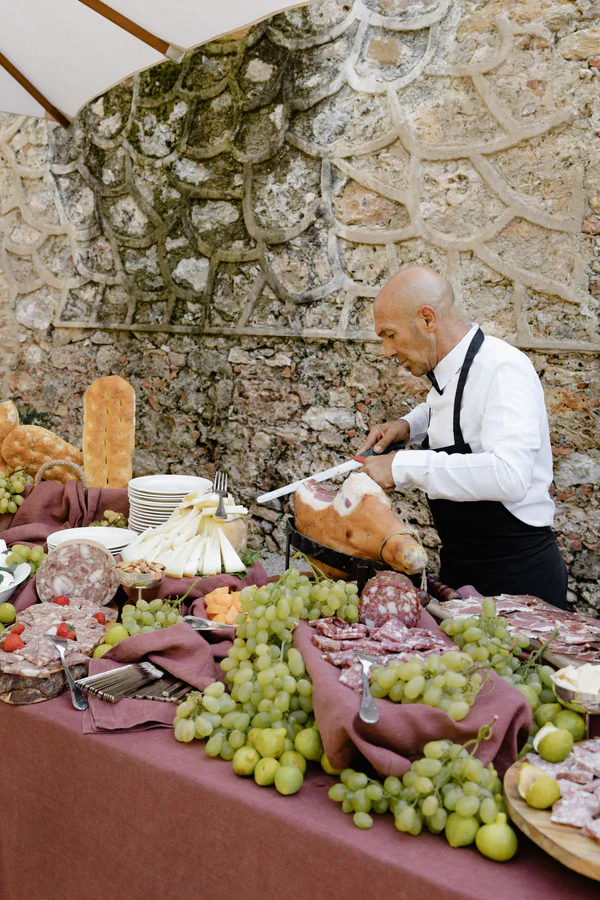
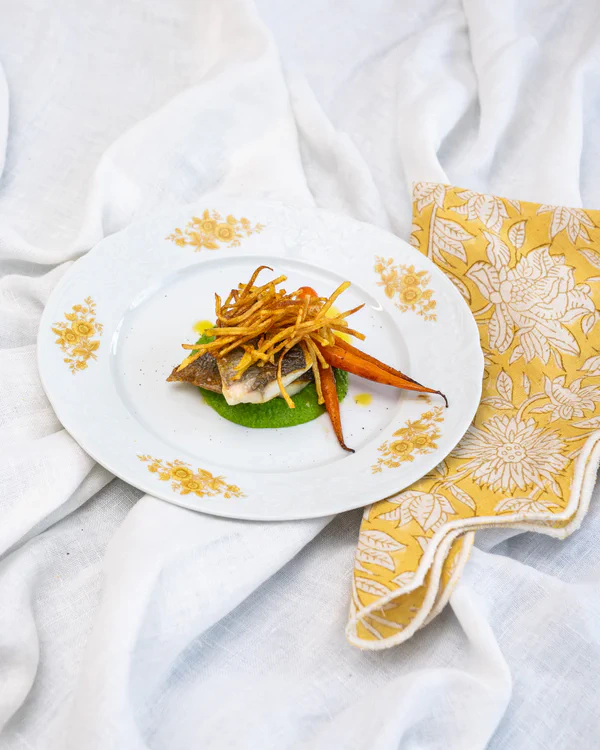
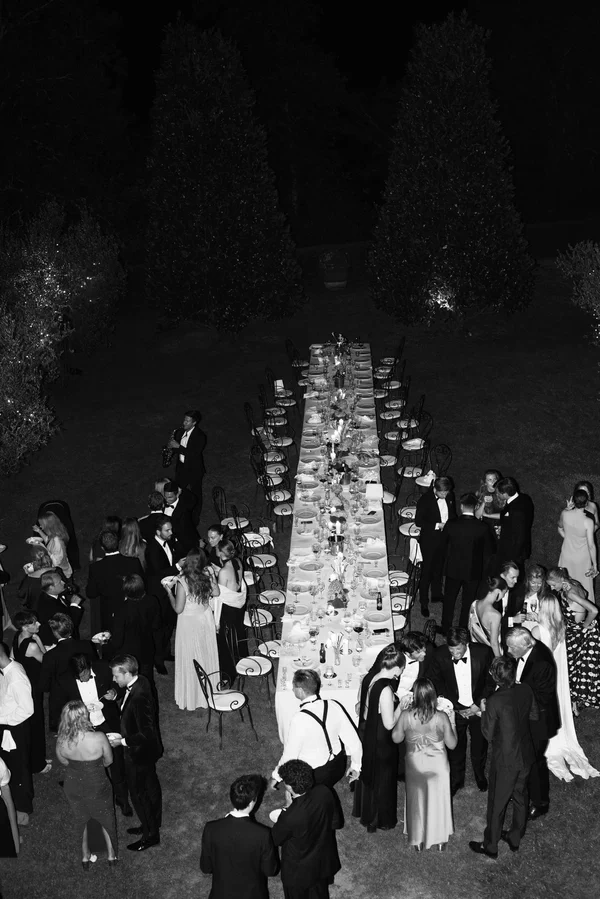
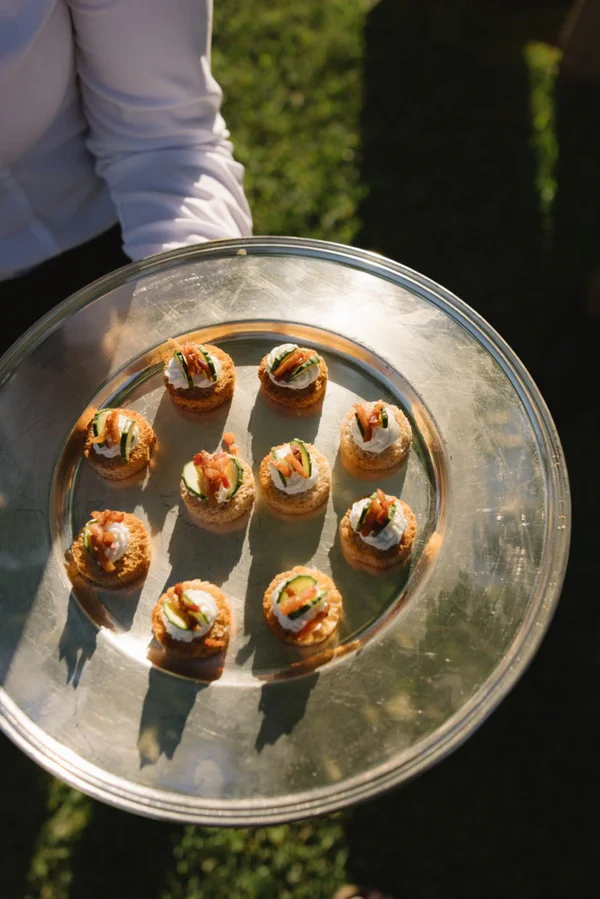
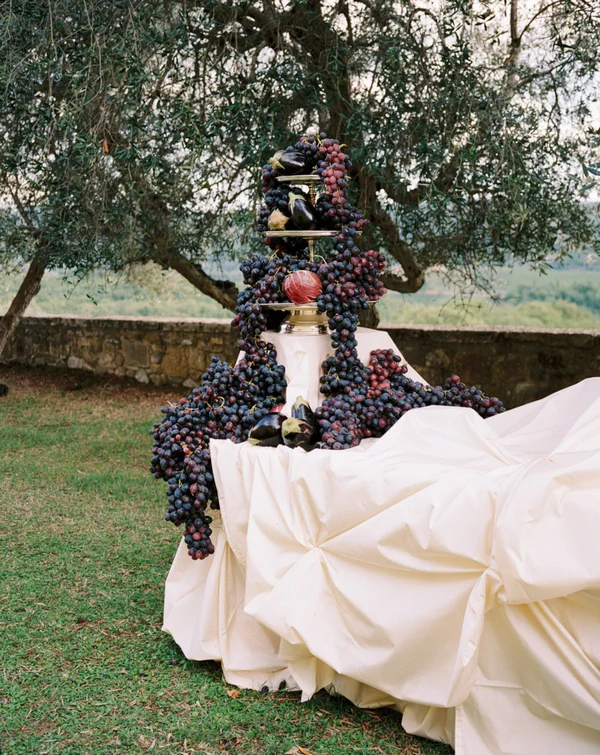
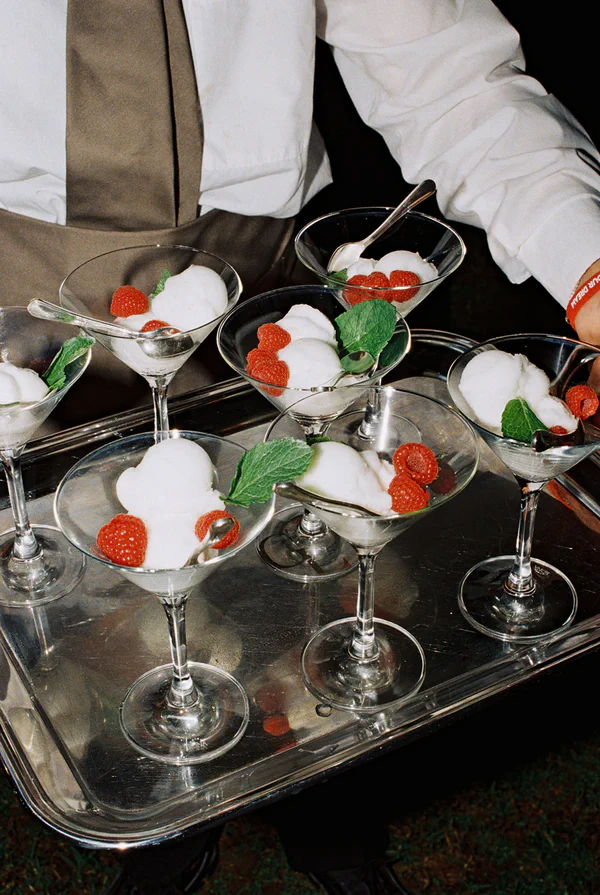
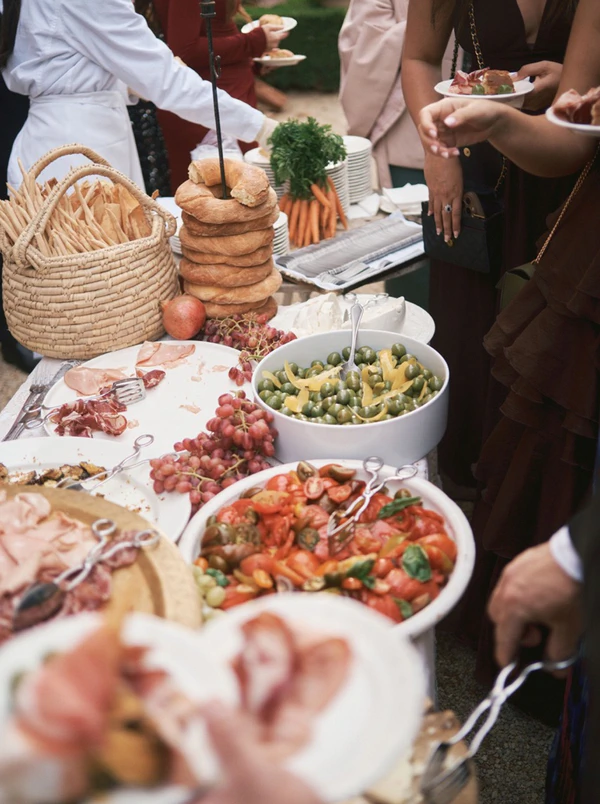
Pepi's


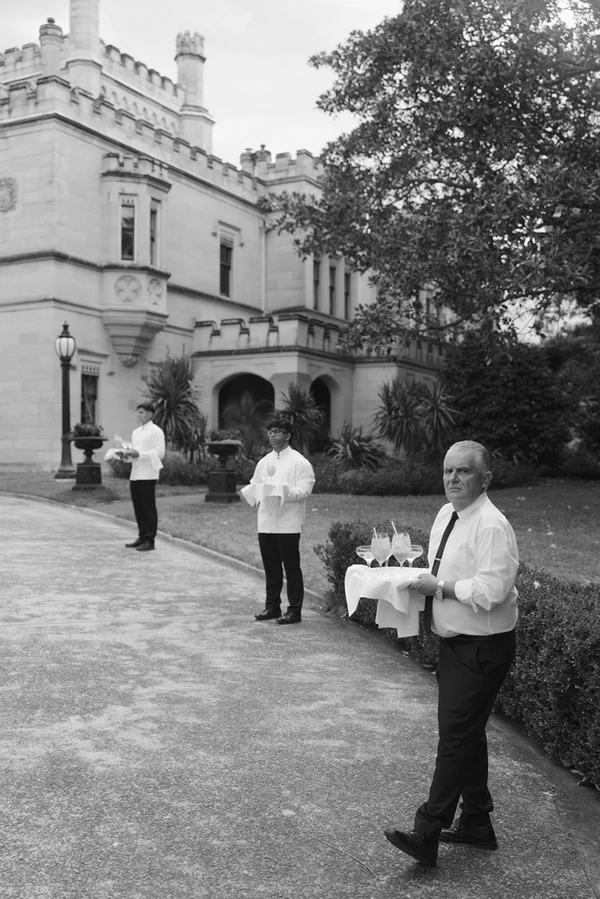
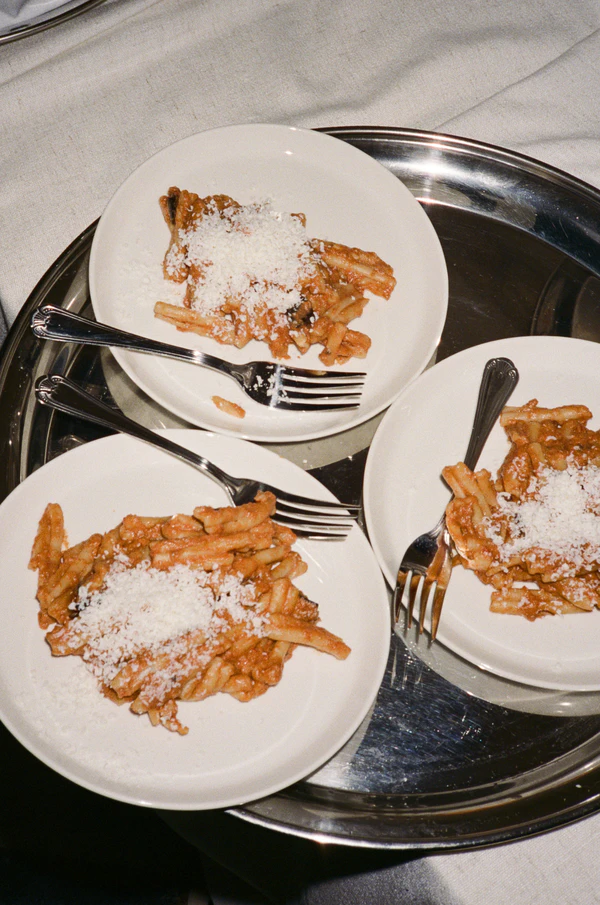

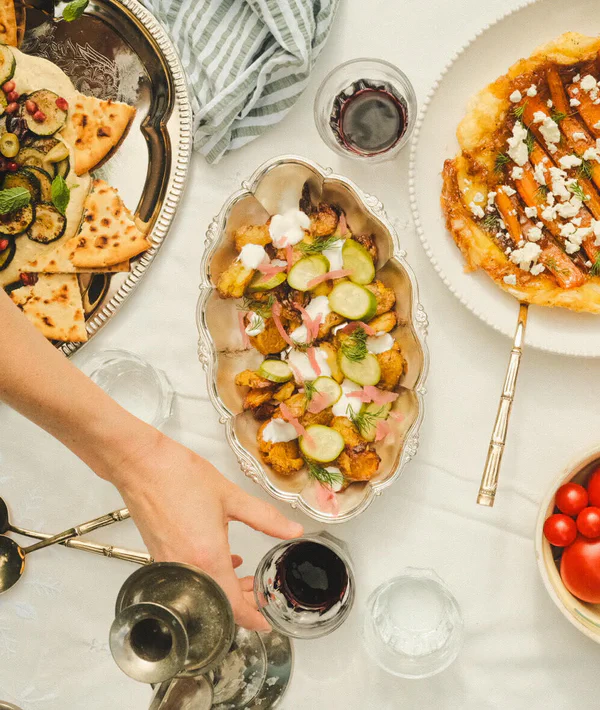
Epula Dining
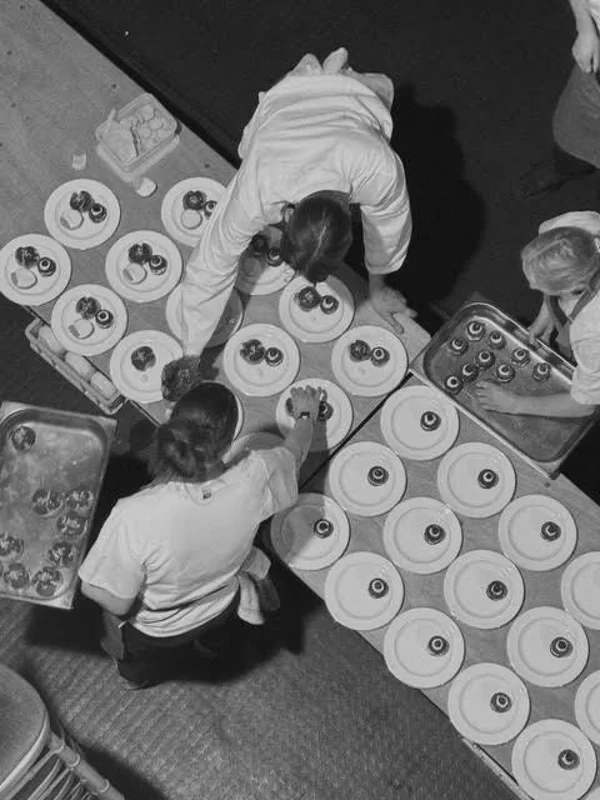
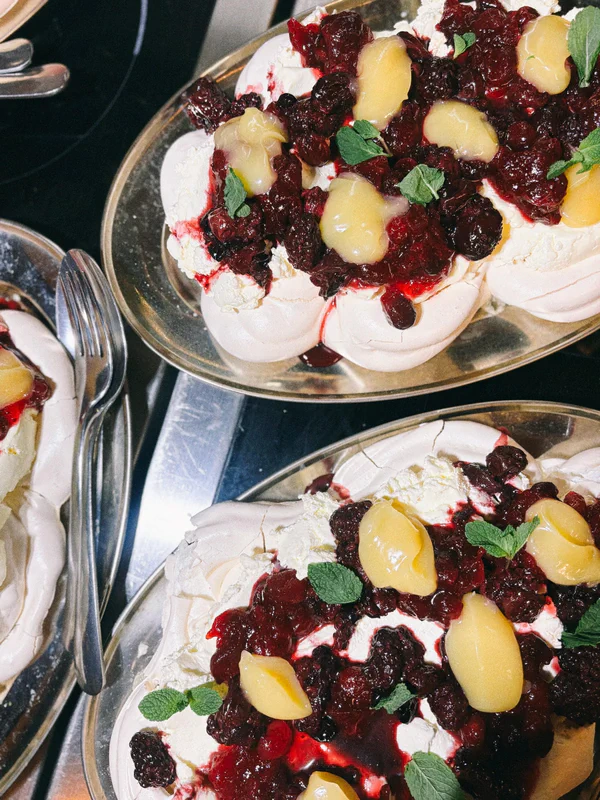
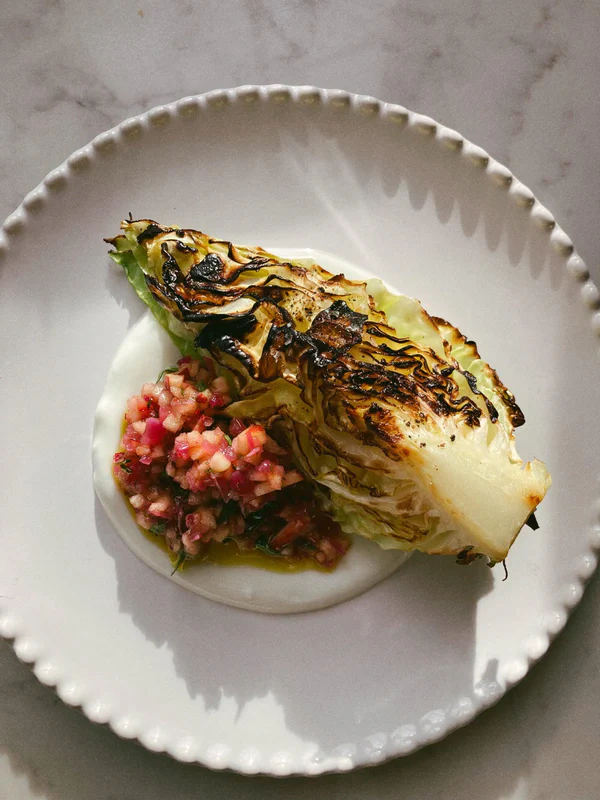
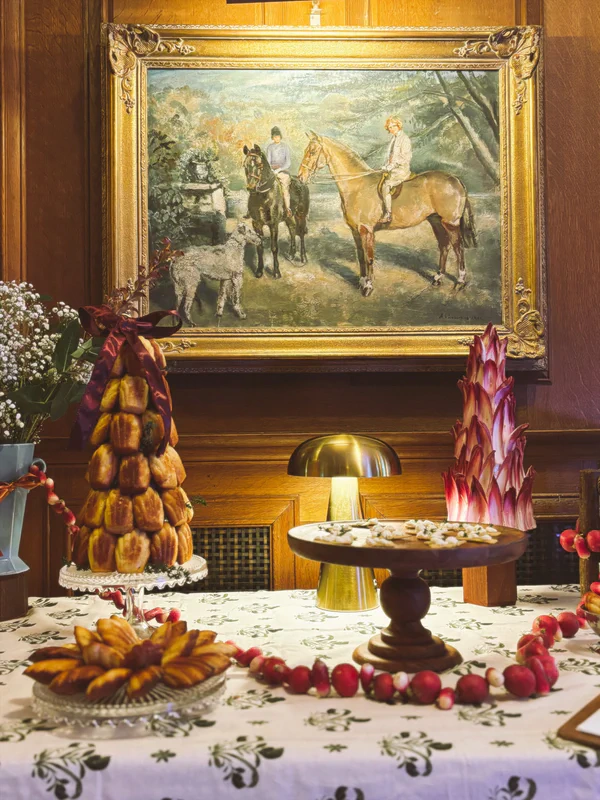
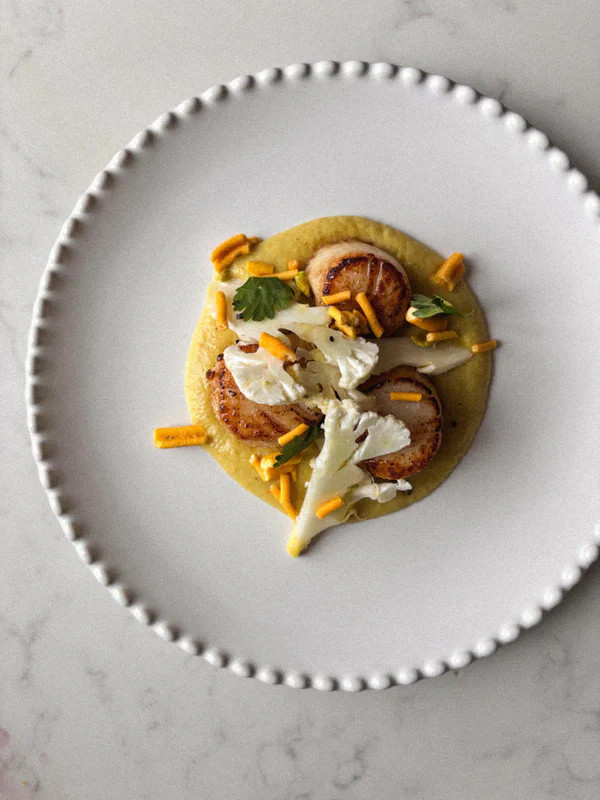
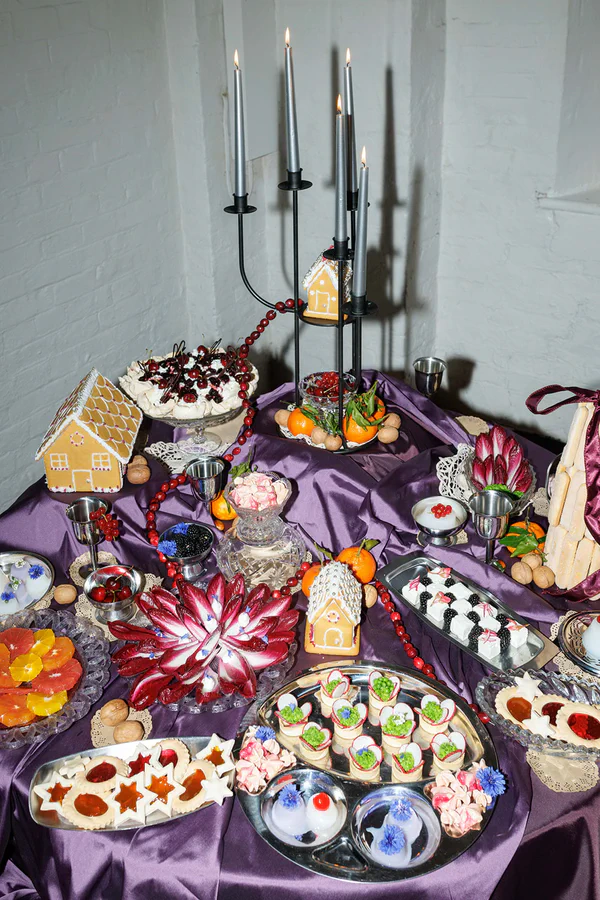
Tutti on Your Table
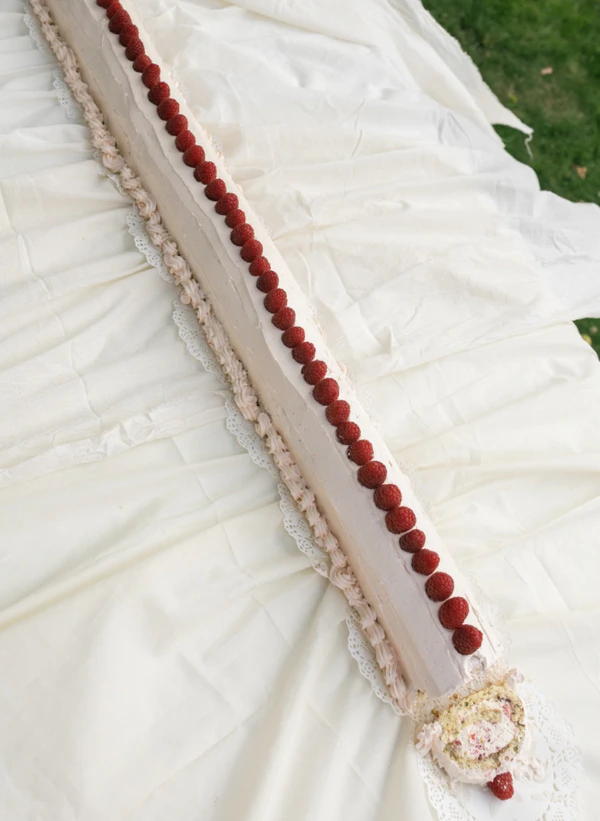
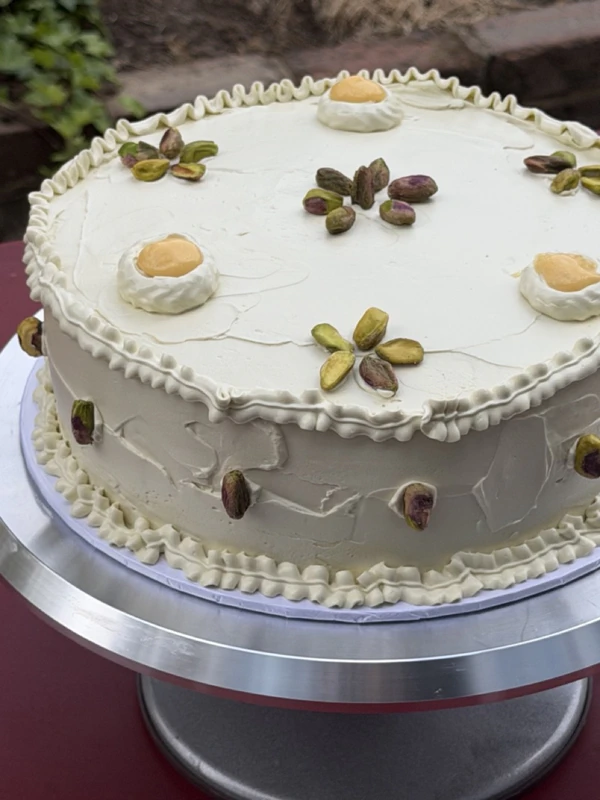

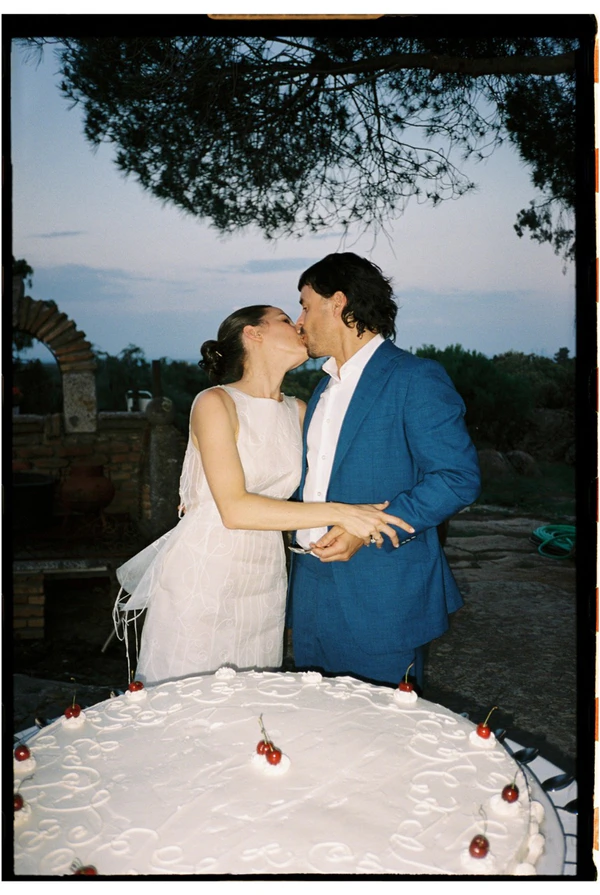
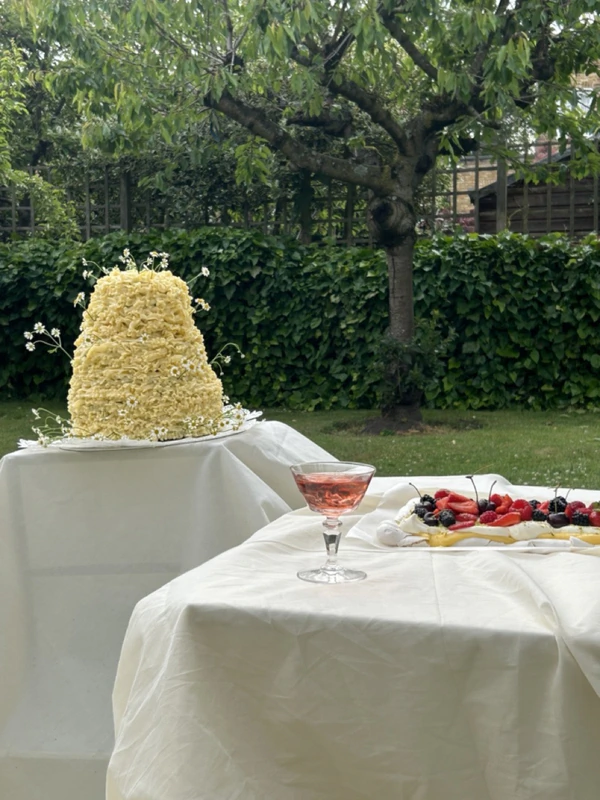
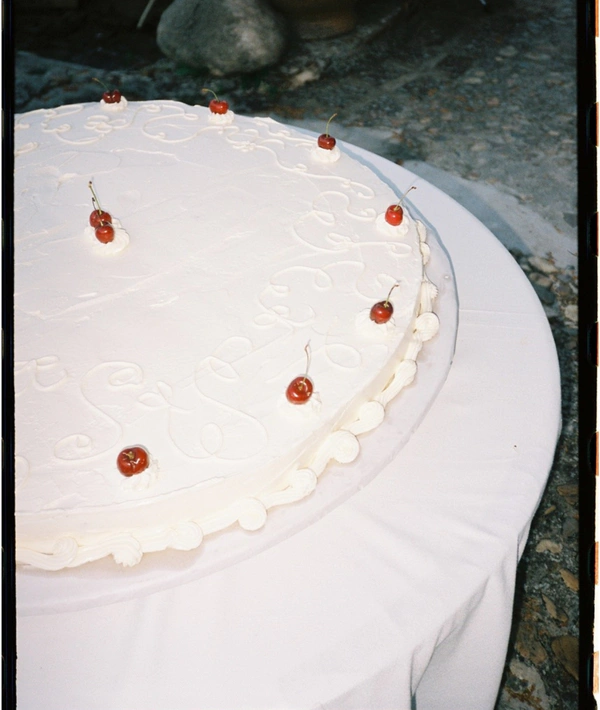
Wedding cake designers creating sculptural, modern wedding cakes
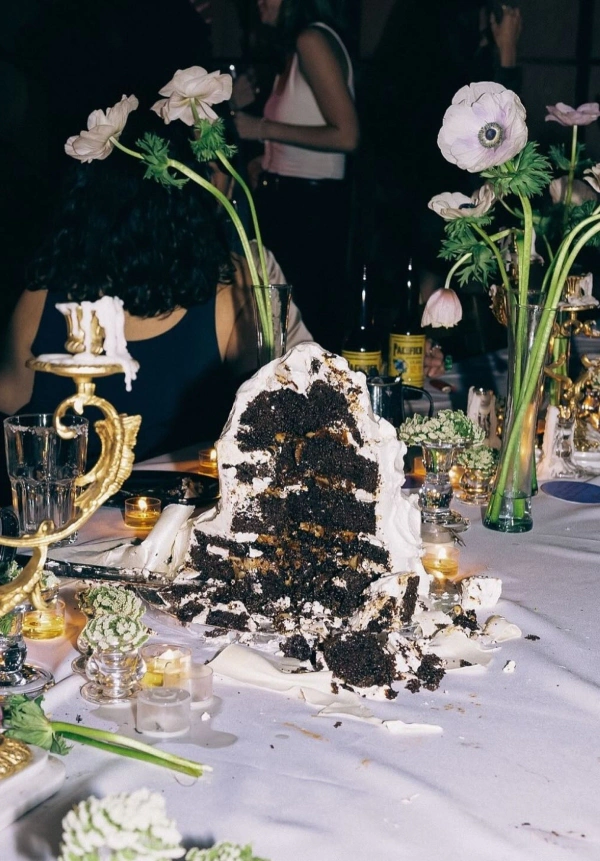
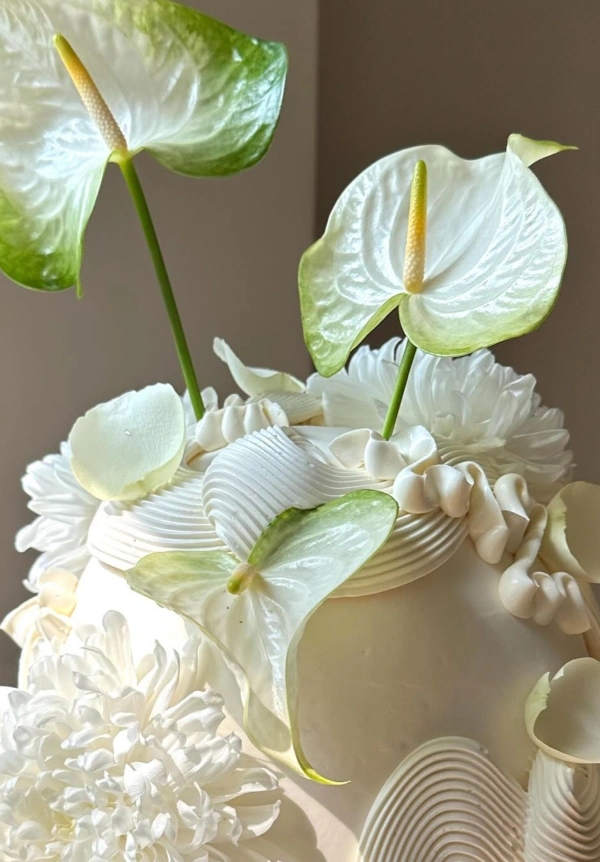
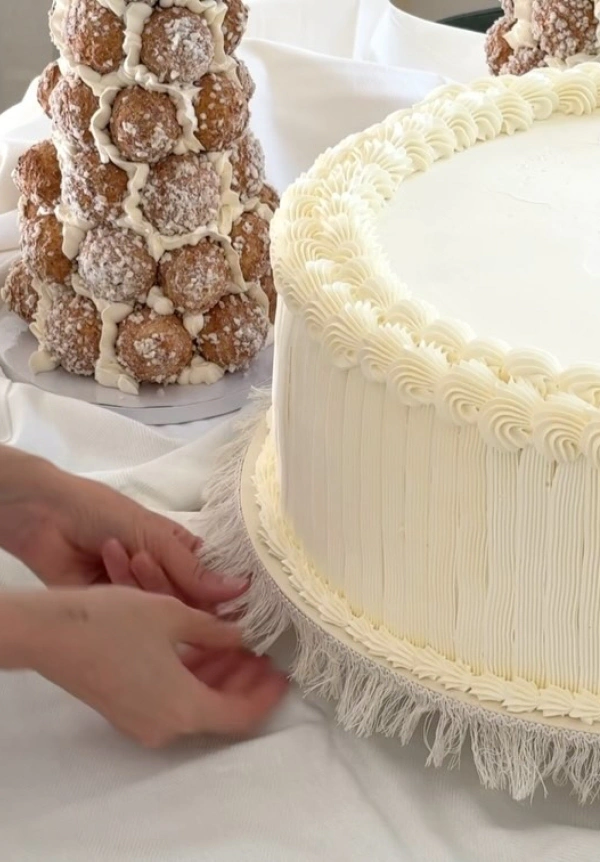
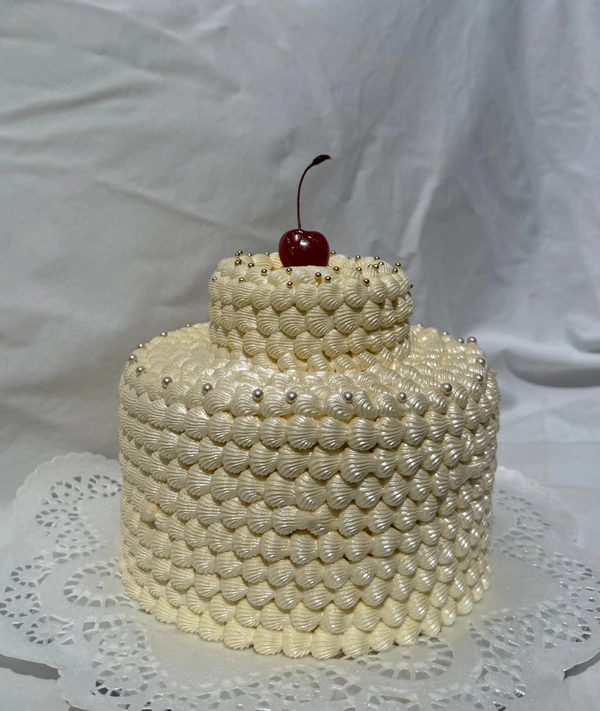
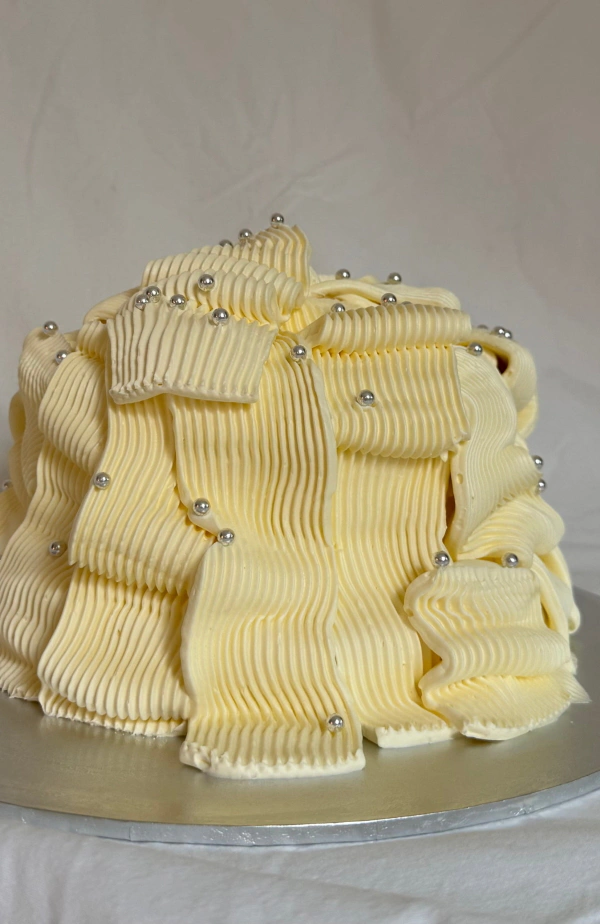
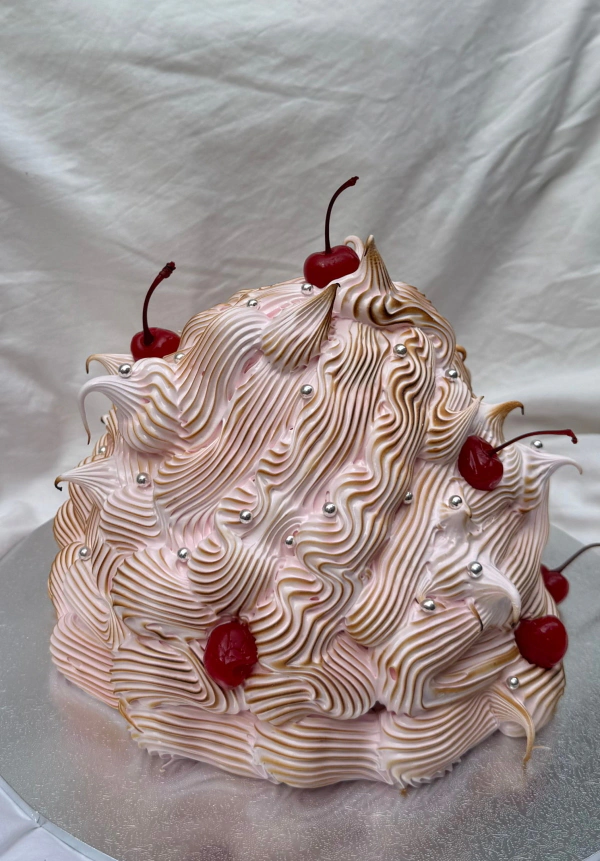
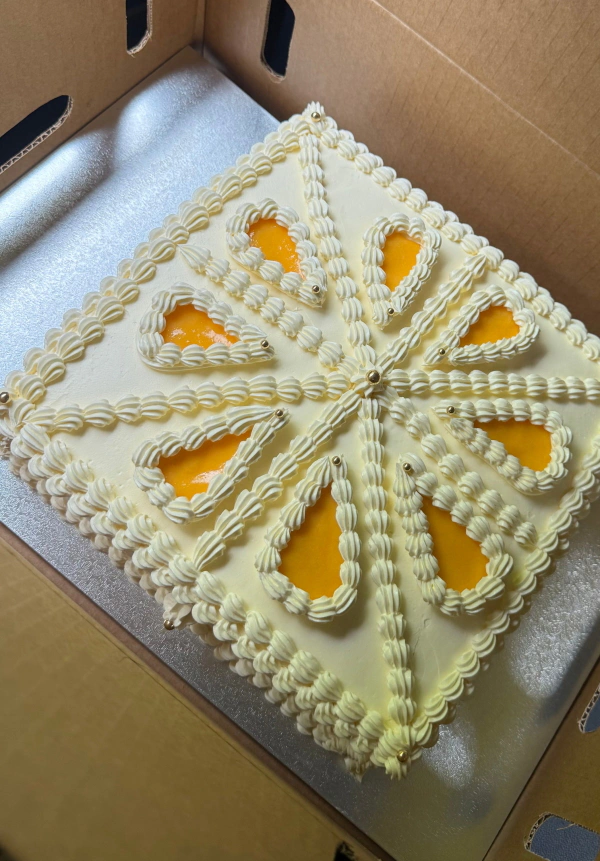
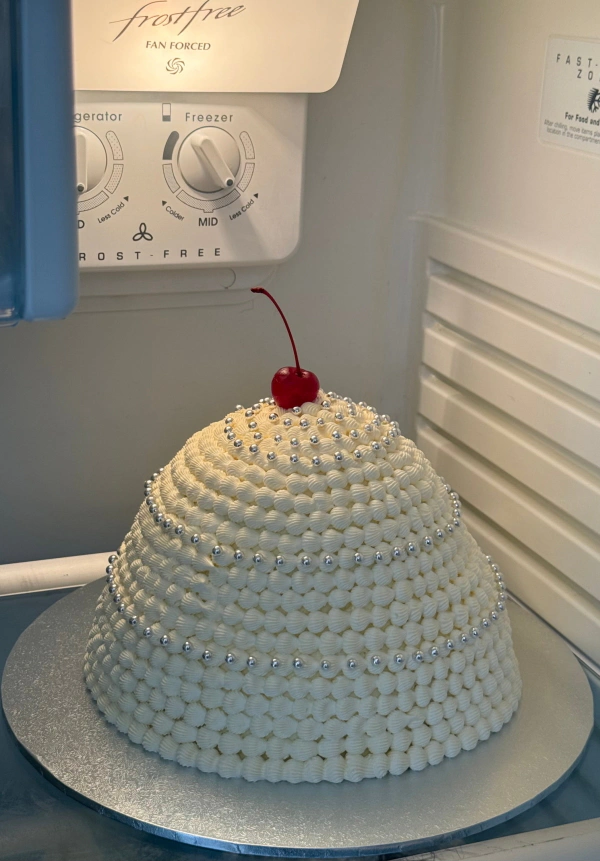
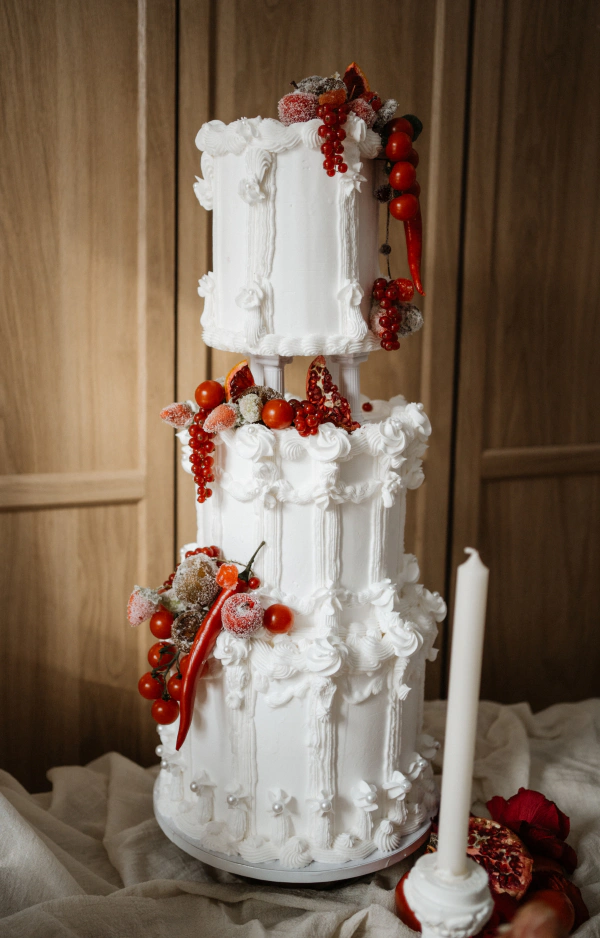
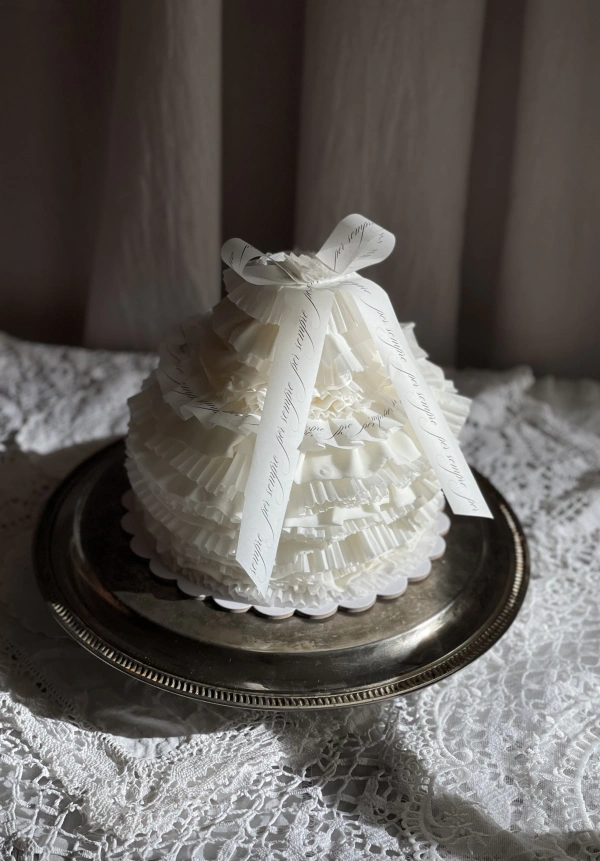
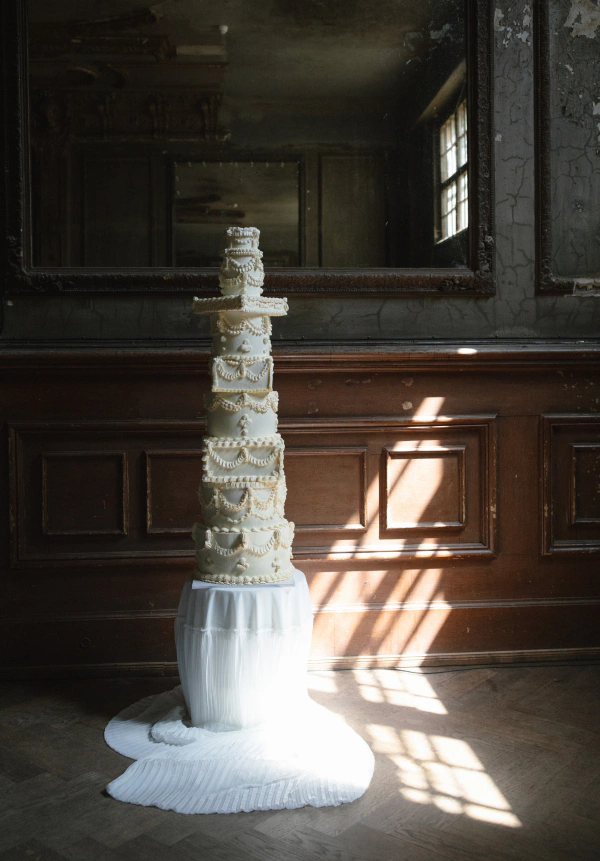
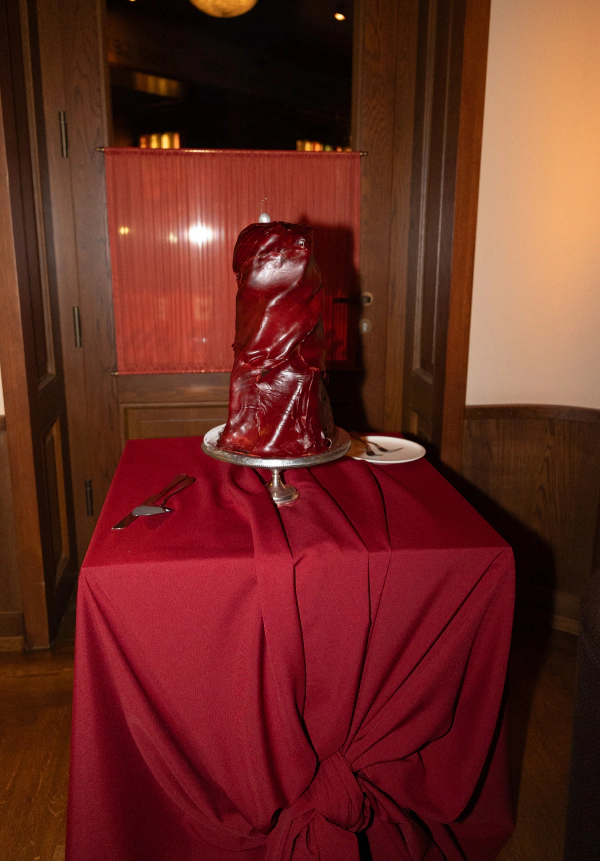
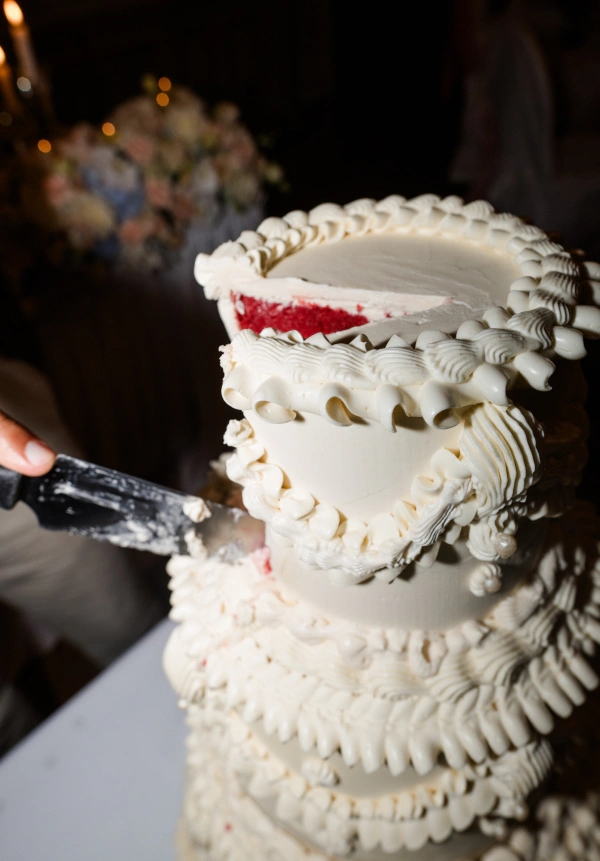
A wedding cake is the only piece of design at a wedding that is meant to be eaten, and the studios in this edit treat it that way — proportion, silhouette, surface and colour come before decoration. Some work in sculptural buttercream and hand-textured finishes, others in porcelain-fine sugar flowers, pressed botanicals or single-tier statement pieces closer to modern ceramics than to traditional tiers. What separates a designer from a bakery is the willingness to start from your venue, your season and your table rather than from a catalogue: a hilltop wedding venue in August heat and a city ballroom in winter are two different structural problems long before they are two different design briefs.
Judge a wedding cake designer on the depth of the portfolio rather than the price list. Look for a recognisable point of view held across many weddings, confirm the studio has delivered at your guest count and in your country, and ask what is made in house, how many weddings they take in a single weekend and who handles delivery and set-up on the day. Books usually open nine to twelve months ahead, with tastings three to six months out, once the date and venue are locked. Flavour briefs have moved well past plain vanilla — olive oil and citrus, pistachio and rose, brown butter, black sesame, seasonal stone fruit — and most studios will build a tasting around the menu your caterer is already planning. Pricing is per portion almost everywhere, so guest count, tier count and the volume of hand-work move the final figure far more than the sketch does.
Wedding catering and food experiences beyond the plated menu
Wedding catering has quietly become the part of the day guests remember longest, and the caterers in this directory work well outside the banquet-hall template: seasonal tasting menus built around a single farm, family-style sharing plates, live fire and open-kitchen stations, regional cooking that tells the couple's story rather than the venue's. It is also the supplier most couples book earliest, usually straight after the venue — partly because the best kitchens take a limited number of weddings a season, partly because the venue itself decides who is allowed to cook there. Confirm that policy before you shortlist anyone: many venues hold an exclusive in-house contract, others run an approved supplier list, and some will accept any licensed caterer for a kitchen hire fee. The catering studios based in the United Kingdom are a useful reference for how a full-service proposal is normally structured.
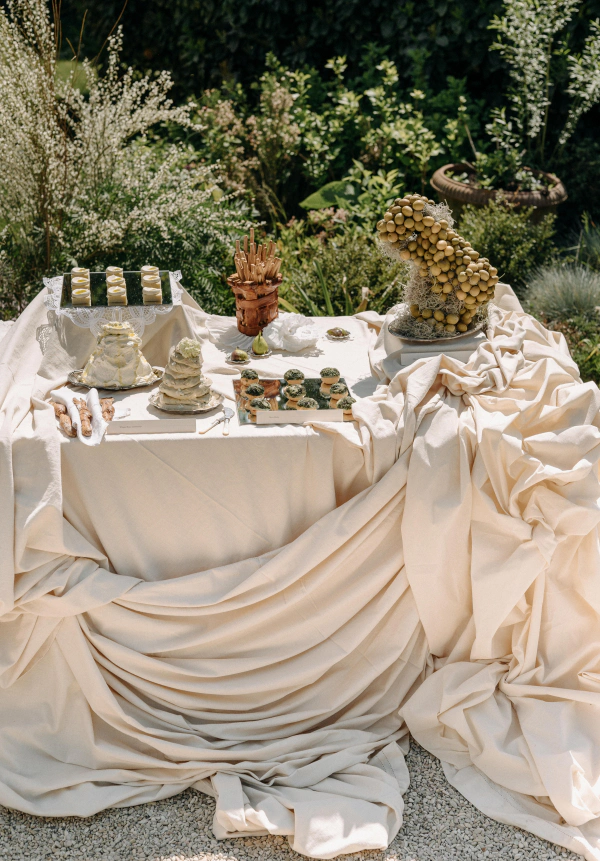
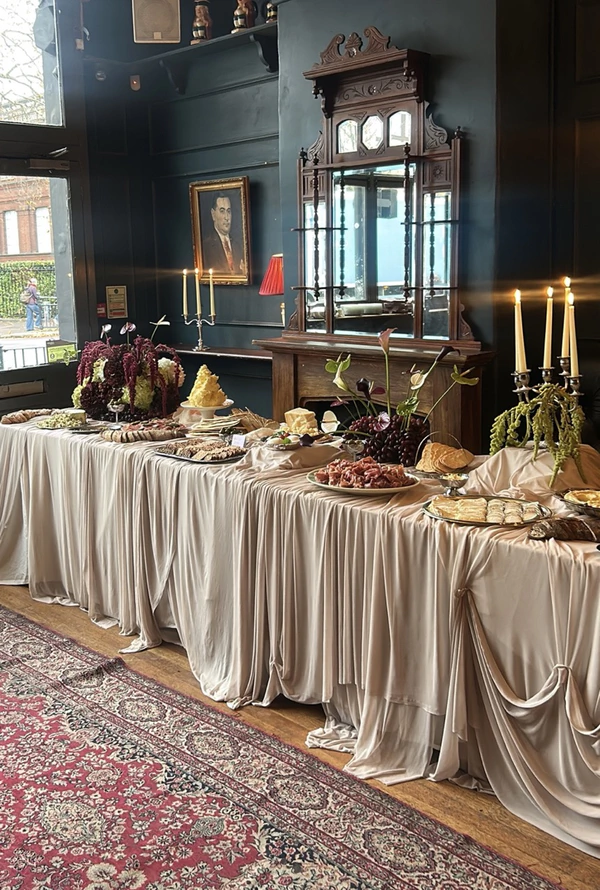
Menu design is only the visible half of the commission. The rest is logistics — kitchen access and power at the venue, staffing ratios, service timings that keep speeches and dancing on schedule, allergen and dietary management, glassware, linen and clear-down — so ask for a service timeline alongside the menu, and check whether bar service, cake cutting and late-night food sit inside the per-head figure or are billed on top; two quotes only become comparable once those lines match. The menu itself no longer stops at the main course either: grazing tables carry the gap between ceremony and dinner, dessert tables extend a single cake into a full pastry course, and a late-night station resets the room after midnight. Brief the caterer and the cake designer together rather than separately and they will match palette, seasonality and portion sizes instead of competing for the same table — a habit worth borrowing from the cake and catering studios in New York.