Maybe it's happened to you: you mentioned the word "wedding" and watched the quote climb before you'd even chosen a menu, picked out florals, or ordered a cake. Same headcount, same service—different number, every time. The pattern touches nearly every corner of wedding planning, and couples have started to notice.
The internet has largely settled on a name for it: the “wedding tax”—the idea that businesses inflate prices the moment they hear the words “I’m getting married.” But while the term suggests opportunistic markups, it often overlooks a more important reality: weddings aren’t simply another event. They demand months, even years, of planning, heightened logistics, greater staffing, tighter timelines, and the kind of precision where there are no second chances. The price difference isn’t always about charging more for the same service, it’s often about delivering an entirely different level of expertise and responsibility. So, we unpack why wedding services can often cost more, and why, in many cases, the price tag reflects everything couples never see.
So, What Actually Is the Wedding Tax?
The "wedding tax" is the industry's open secret: vendors do, in fact, charge more for weddings than for nearly identical events held the same weekend. A birthday dinner for eighty gets one quote while a wedding for eighty gets another—and the gap between them is rarely explained on the invoice. Couples notice. They screenshot it, post it, and ask the obvious question, "What, exactly, are we paying extra for?"
At its simplest, the wedding tax is the belief that saying the word wedding automatically makes everything more expensive. Couples compare quotes for birthdays, corporate events, and private parties against weddings with similar guest counts and often find a noticeable difference in price. The perception has become so entrenched that some couples have even tested the theory themselves, requesting quotes from venues and vendors without mentioning the word “wedding” to see whether the price changes. They screenshot it, share it, post it to Reddit threads, and ask the glaring question, "What, exactly, are we paying extra for?" The short answer? Far more than the event day itself.

What You’re Really Paying For
What many couples assume they’re paying for is simply a DJ, a photographer, or a florist. In reality, they’re paying for far more than the service itself. Weddings demand months of preparation, meticulous planning, contingency measures, flawless coordination, the expertise to deliver under extraordinary pressure, and the confidence that when the day arrives, everything will unfold exactly as envisioned. Weddings aren't just one event, they're a year of micro decisions compressed into a single day, designed, refined, rehearsed, and problem-solved long before the first guest takes their seat.
Take a photographer, for example. They’re not simply turning up with a camera. Long before the wedding day, they’ve helped shape timelines, scouted locations, refined the creative vision with the couple, and often assembled a team of shooters to ensure no one misses the kiss, the entrance, or the reactions unfolding quietly in the background. The result isn’t just more photographs, it’s a gallery that tells the complete story for you to cherish forever.
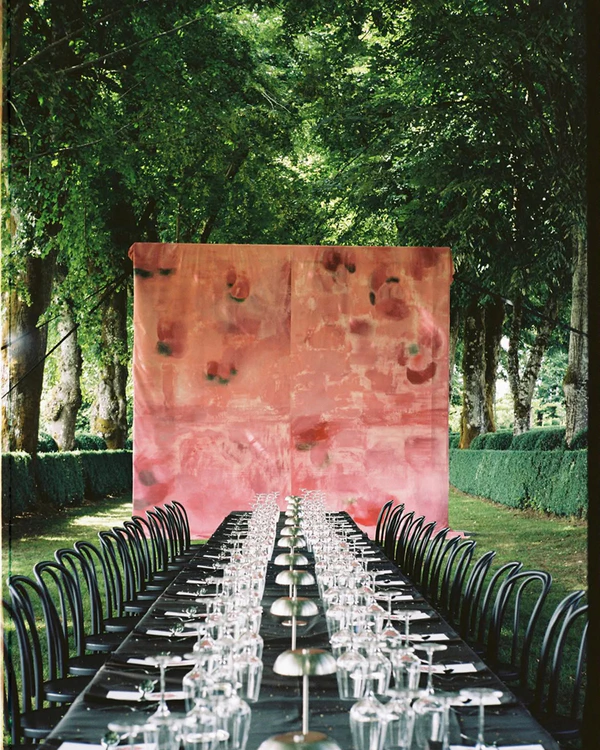
The same principle extends across every vendor. A DJ isn’t simply pressing play; they’re curating the music to your vibe, and reading a room spanning three generations while orchestrating the rhythm of the entire celebration from the walk down the aisle to the early hours of the morning. A florist isn’t simply delivering bouquets; they’re concepting an entire visual experience, sourcing seasonal blooms from far reaching corners, engineering installations, and rebuilding arrangements on site after transport (because nothing survives a delivery van intact). On the surface, what appears to be a higher price for the same service is actually the cost of delivering something far more complex and bespoke.
The New Expectations of Weddings
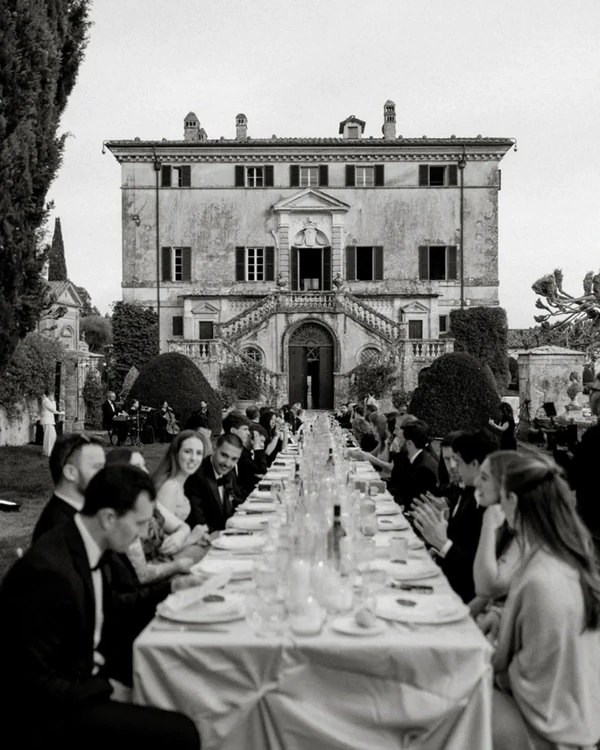
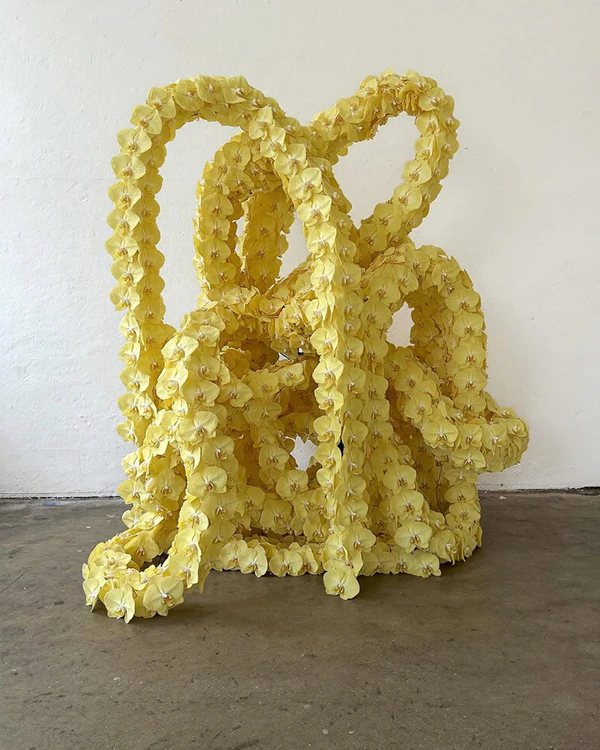
Weddings have become far more ambitious than ever before. Couples are no longer planning a ceremony followed by dinner; they’re curating multi-day experiences complete with welcome parties, recovery brunches, custom stationery, immersive florals, content creators, outfit changes, live entertainment, and highly personalized guest experiences. Social media has only accelerated those expectations, exposing couples to an endless stream of beautifully produced celebrations and, in turn, redefining what a wedding can look and feel like.
But bringing that vision to life is an entirely different challenge. The seamless, editorial-worthy weddings filling your feed don’t happen by chance. They rely on experienced planners, designers, florists, photographers, caterers, stylists, and production teams who know how to orchestrate hundreds of moving parts into one cohesive experience. Every new layer of creativity adds another layer of planning, coordination, and specialist expertise, making the modern wedding not just bigger, but exponentially more complex than your stock standard celebration.
You’re Booking More Than One Date
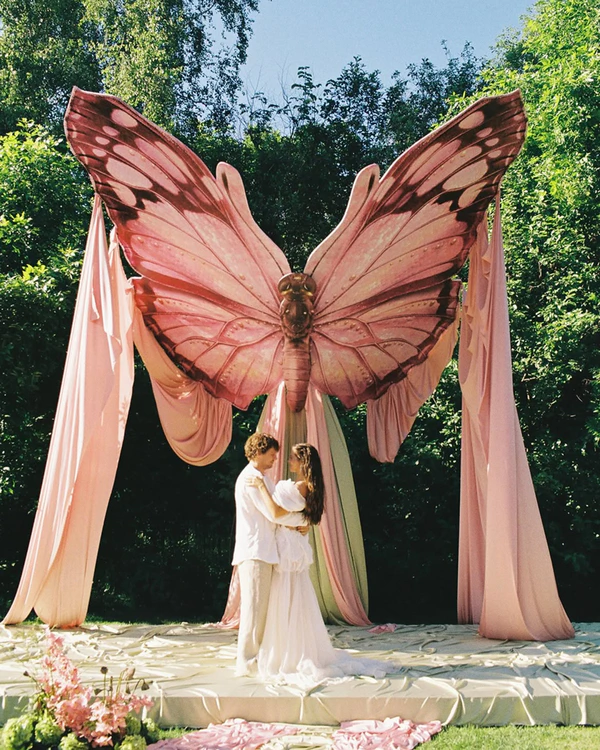
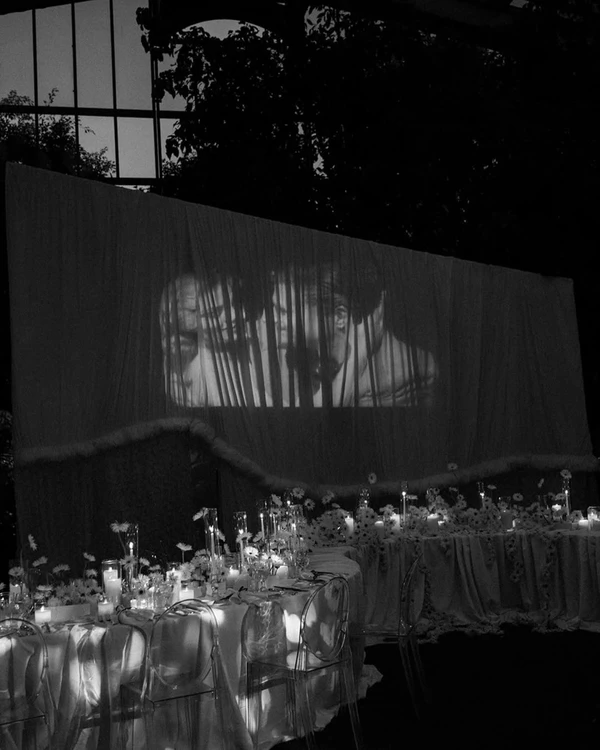
Behind many wedding invoices sits a simple reality: the calendar. Most weddings are concentrated into a relatively small window each year, with peak season weekends booked years in advance. When a photographer, planner, florist, or caterer commits to your wedding, they’re not simply accepting another booking; they’re reserving one of a finite number of dates, often turning away every other enquiry for that weekend. And that commitment begins long before the wedding day itself, securing a vendor’s exclusive time, expertise, and undivided commitment to one of the most important days of your life.
The Price of Personalization
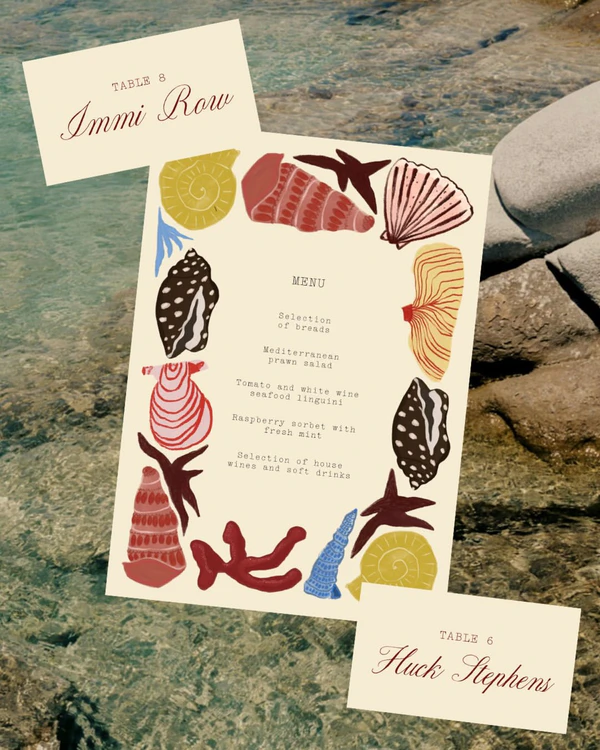
Nobody wants to walk into their wedding and realize it's a carbon copy of someone else's. While packaged events are often quicker to deliver and more affordable, most couples aren’t looking for something off the shelf. They want a celebration that feels unmistakably theirs.
Weddings are deeply personal by design. Every detail, from the flowers and tablescapes to the photography style, playlist, menu, and timeline, is carefully shaped to reflect who the couple are. That level of personalization doesn’t happen by accident. It comes from months of refining ideas, solving problems, sourcing alternatives, and shaping a celebration around one couple rather than repeating the last one.
And that’s exactly what you’re paying for. You didn’t choose that photographer because they own a camera. You chose them because of the way they see the world. You didn’t hire that florist because they can arrange flowers. You hired them because their work made you stop scrolling. You’re not paying for a template. You’re paying for the experience, creativity, and expertise to create something that could only ever belong to you.
The Work Beyond the Work
Long before the first guest arrives, wedding vendors have often become problem-solvers, sounding boards, and calm voices in moments of chaos. Unlike most events, weddings aren’t just logistically complex—they’re emotionally charged. Family dynamics, heightened expectations, last-minute nerves, weather forecasts, timeline reshuffles, missing buttonholes, delayed deliveries, and countless unexpected hiccups all unfold against the backdrop of one of the most important days in a couple’s lives. Much of that work never appears on a run sheet or invoice, yet it’s often one of the most valuable services a wedding professional provides: the ability to quietly carry the stress behind the scenes so the couple only experiences the joy in front of them.
The Costs Wedding Vendors Can’t Control
If the wedding tax felt real before, 2026 gave it new teeth. The cost of delivering a wedding has been shaped by years of inflation, rising labor costs, higher insurance premiums, rapidly growing rent prices, increased fuel expenses, and more recently, fluctuating tariffs on imported goods. Together, these pressures have complicated the conversation around wedding pricing. Industry analysts now forecast wedding budgets to rise by around 10–15% as higher import costs ripple through the supply chain. From bridal gowns and fine jewelry to linens, décor, food, and even certain floral varieties, many wedding essentials rely on internationally sourced materials. As those costs rise, so too do the prices paid by the businesses purchasing them. In many cases, vendors aren’t increasing their rates to improve their margins, they’re simply absorbing as much of the additional cost as they can before passing only what's neccesary on to couples.
So, is the Wedding Tax Real or Not?
Let’s face it: the premium is real, but so are the reasons behind it. Weddings demand a level of creativity, preparation, coordination, and accountability that no birthday party or family gathering ever will. More often than not, couples aren’t paying more simply because it’s a wedding. They’re investing in months of planning, creative thinking, specialist expertise, and the confidence that when one of life’s biggest moments arrives, every detail has already been considered.
Perhaps the real wedding tax isn’t the premium itself, but how invisible the work behind it has become. Because once you understand everything that happens before a couple ever walks down the aisle, the price often starts to make a lot more sense.