
Few wedding planning moments feel quite as delicate as telling a beloved friend or family member that their partner, roommate, or "situationship" didn't make the cut. The guest list is a zero-sum game—every addition means another plate, another chair, and another line item on a budget that's already stretched thin. Yet the request will come, often wrapped in reasonable-sounding justifications that may make you second-guess your own boundaries. The good news is that declining a plus-one doesn't have to fracture a relationship or cast you as the villain of your own celebration. With the right framing, your response can land with grace and leave the friendship intact, and here is how to do just that.


Offer Empathy Before Explanation
A flat "no" can feel like a door slamming shut. A "no" preceded by acknowledgment feels more like a difficult conversation between friends. Start by validating the ask: "I totally understand wanting company at an event where you might not know everyone." Then pivot to the constraint: "We just couldn't extend plus-ones beyond long-term partners this time." The sequence matters, and leading with empathy signals that you've considered their perspective, which makes the boundary easier to accept.


Give Them Something
to Look Forward To
Softening a refusal with a forward-looking gesture can take the edge off disappointment. Mention that they'll be seated with mutual friends, or that you're planning a casual post-wedding brunch or recovery pool party where additional guests are welcome. You might even acknowledge that you'd love to meet their partner another time. These gestures don't undo the "no," but they reframe it as a limitation of this particular event rather than a referendum on their relationship. People are more forgiving when they sense you're trying to include them in other ways.


Hold the Line Without
Holding a Grudge
Some guests will accept your explanation gracefully; others will lobby, guilt-trip, or sulk. Prepare yourself for pushback and decide in advance how far you're willing to bend. If the answer is "not at all," practice a polite but final response: "I hear you, and I wish we could make it work, but this is the decision we've made together." Repeat as needed without escalating. After the wedding, let it go. A brief moment of tension shouldn't define a long friendship, and most guests will have moved on by the time they hit the dance floor.
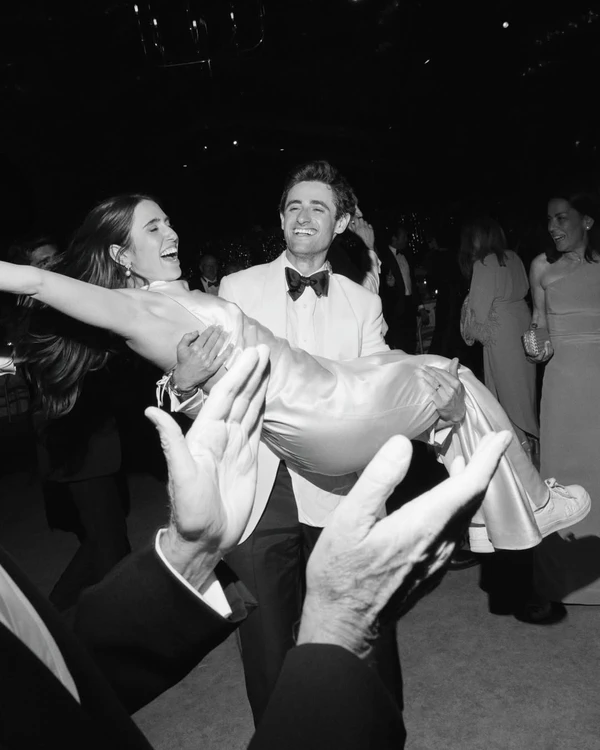

The Budget Isn't a Cop-Out
Couples often feel sheepish about invoking money, as though finances were too crass a reason to exclude someone. But venues charge per head, caterers don't offer group discounts, and your seating chart has a hard ceiling that no amount of goodwill can raise. When a guest asks to bring a date, there's nothing dishonest about saying, "We'd love to include more people, but we had to draw the line somewhere to stay within our means." Most adults understand resource constraints; what they resent is the sense that they've been singled out. If you make it clear that the policy applies across the board, the sting diminishes.

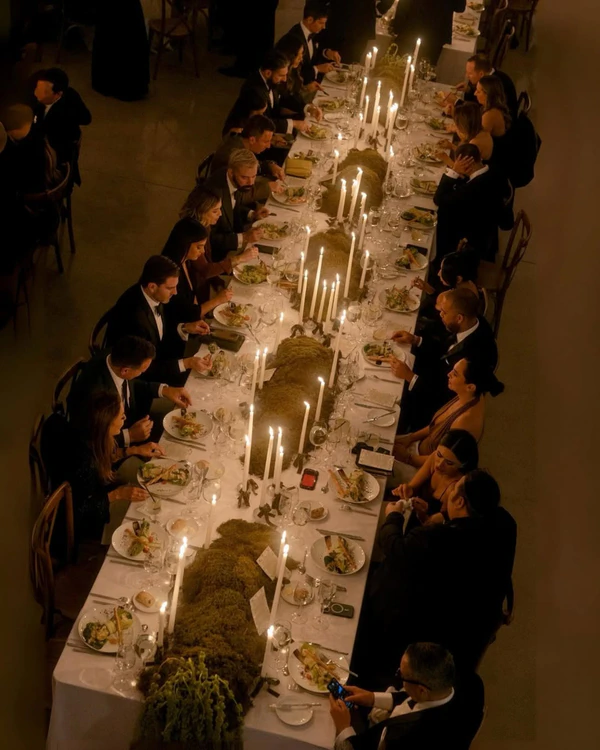
Let the Capacity Speak for Itself
When your venue has a clear capacity limit, it becomes a natural boundary that's both impersonal and unchangeable. "The venue only holds 120, and we're already there" requires no further justification. You're not evaluating whether their boyfriend of three months is "serious enough," you're simply reporting a logistical fact. This framing spares feelings because it removes any implication that you weighed their relationship, because fire codes and maximum occupancy don't play favorites, and neither, by extension, do you.