At some point during wedding planning, many couples encounter the same small but surprisingly loaded question: should the ceremony be phone-free? What began as the "unplugged wedding" trend has gradually become a thoughtful choice for couples who want their vows experienced in real time rather than through a screen. Yet the request isn’t always universally embraced. While some guests appreciate the invitation to be fully present, others quietly wonder why such a rule is necessary at all. After all, snapping a photo can feel like a natural way to share in the excitement of the moment. The result is a subtle etiquette debate playing out across modern weddings. Is asking guests to put their phones away a considerate way to protect the atmosphere, or does it risk feeling overly controlling? As with many things in contemporary wedding culture, the answer is less about the rule itself and more about the intention – and the way it’s communicated.
Why Modern Couples
Are Embracing Phone-Free Ceremonies
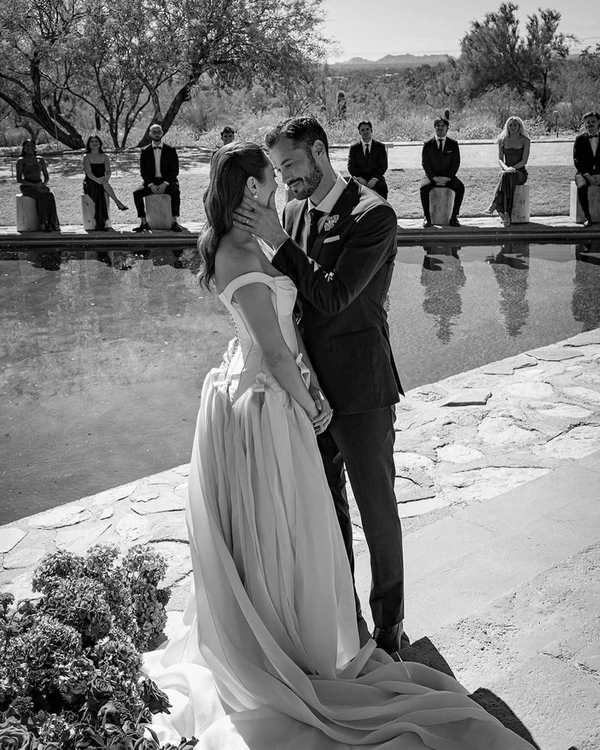
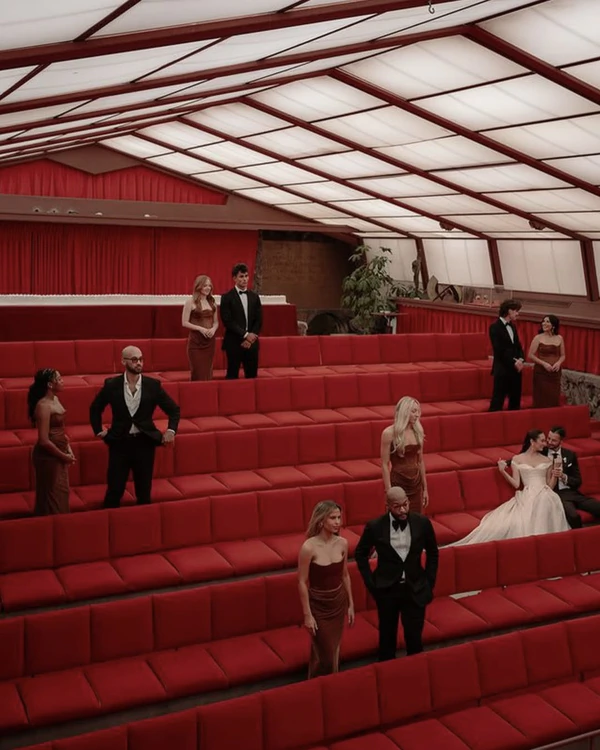
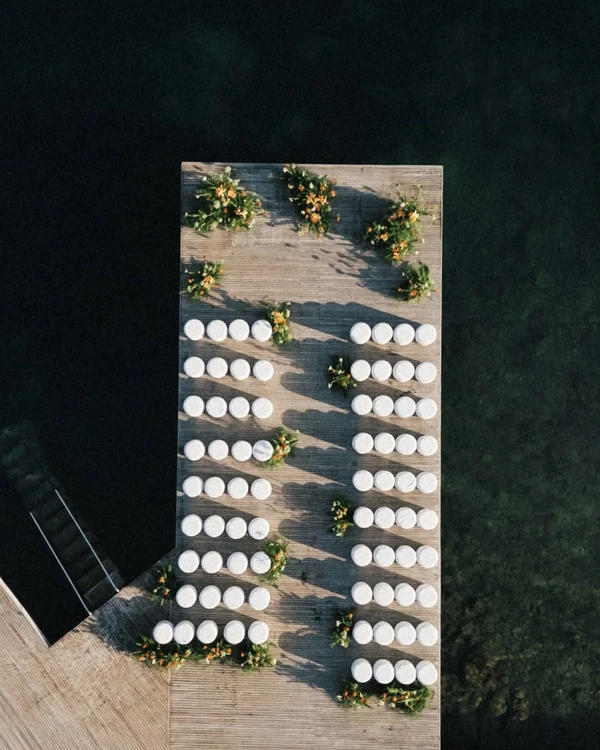
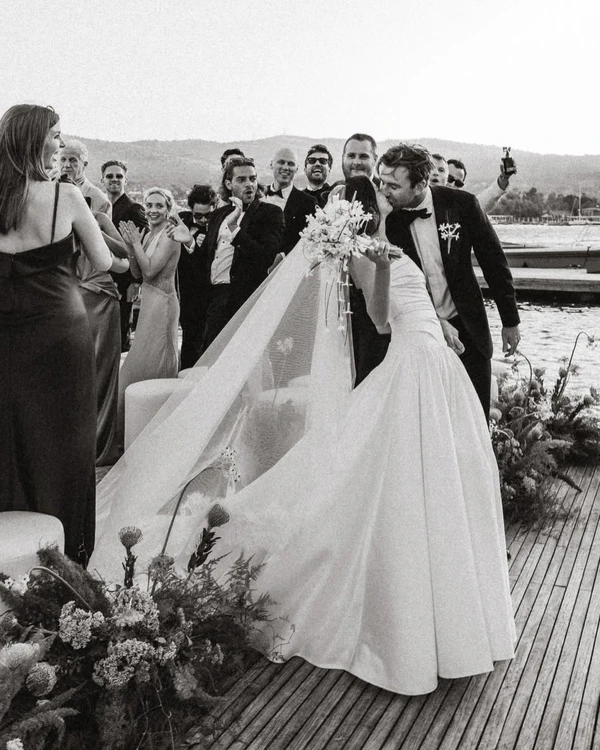
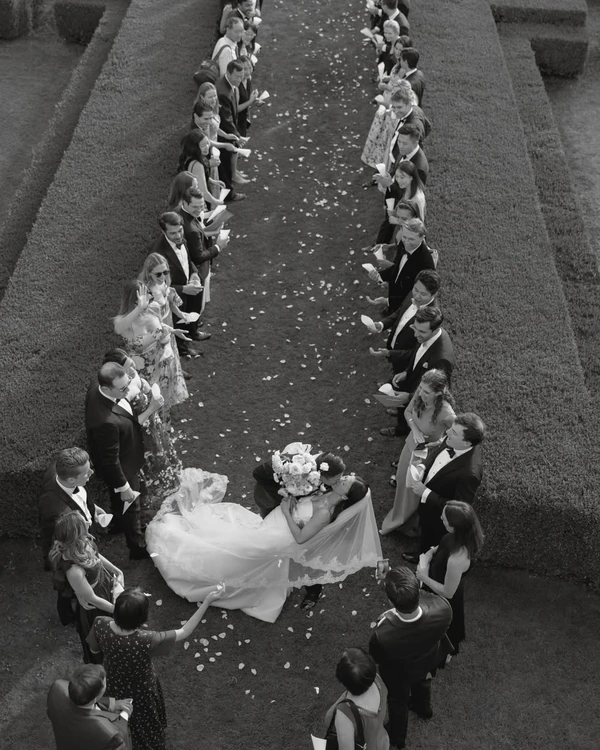
For many couples today, the idea of a phone-free ceremony isn’t about rules – it’s about atmosphere. Weddings are increasingly designed as immersive experiences, and glowing screens can quietly break the spell. When every guest lifts a phone at once, the moment can start to feel more like a press conference than a deeply personal exchange of vows. Couples are also aware that professional photographers are there precisely to capture those fleeting seconds with care and artistry. An unplugged ceremony allows guests to witness the moment with their own eyes rather than through a lens. It also creates a certain visual calm – no raised arms, no flashes, just faces, reactions, and presence. For many modern hosts, asking guests to unplug is simply a way of protecting the emotional tone they’ve worked so carefully to create.
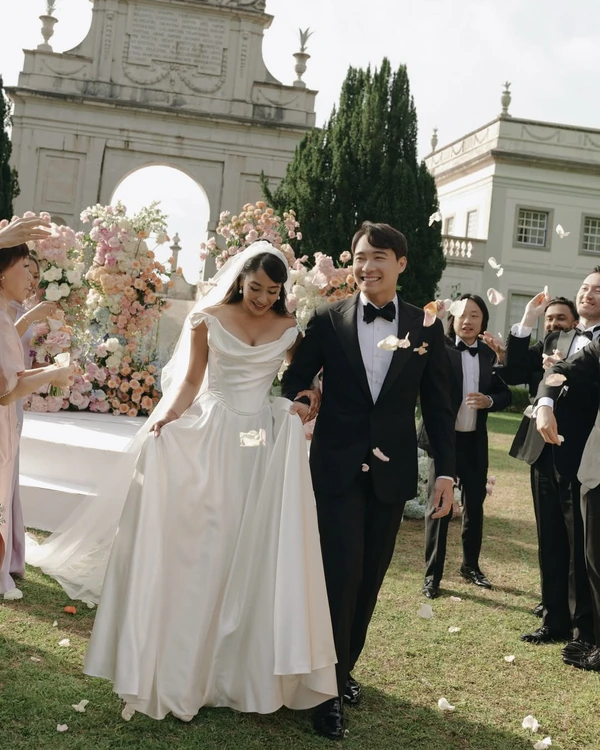
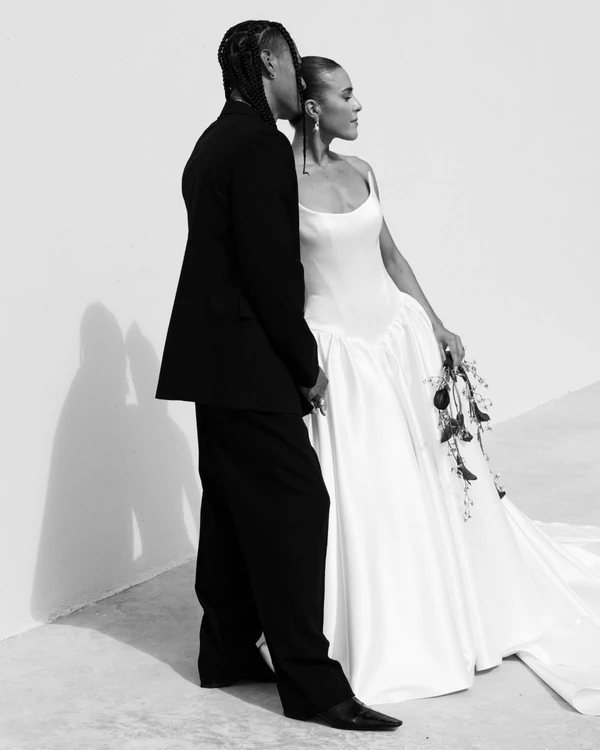
Photography: Nirav Patel
Photography: Izzie Karren
Why the Request Can Trigger
a Negative Reaction From Some Guests
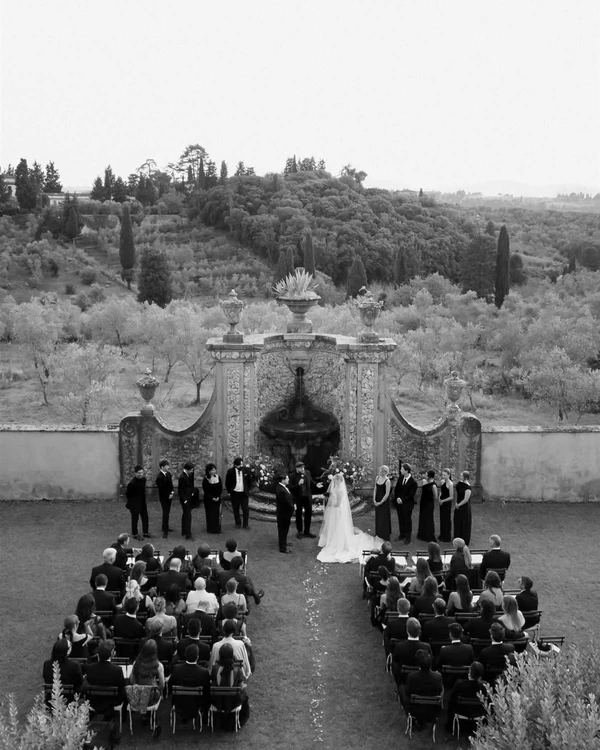
Not everyone instantly warms to the idea of a no-phone ceremony. For some guests, taking photos feels like a natural way to participate in the celebration rather than disrupt it. A quick snapshot of the aisle walk or the first kiss can feel like capturing a memory for themselves, not intruding on the couple’s moment. Others simply enjoy sharing milestones in real time, especially when loved ones who couldn’t attend are following along from afar. When a phone ban is presented too rigidly, it can land as an unexpected restriction rather than a thoughtful request. Guests may also worry they’ll miss the chance to document a beautiful scene or a meaningful moment. In those cases, the tension isn’t really about the phone – it’s about feeling trusted and included in the experience.
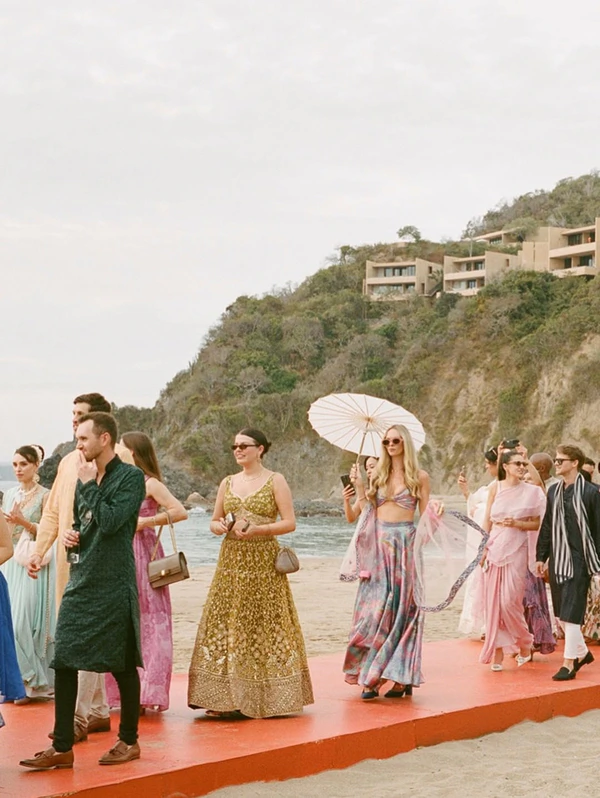
Cordero Atelier, Photography: Sophie Berard
Photography: Melody Joy
When the Rule
Starts to Feel Controlling
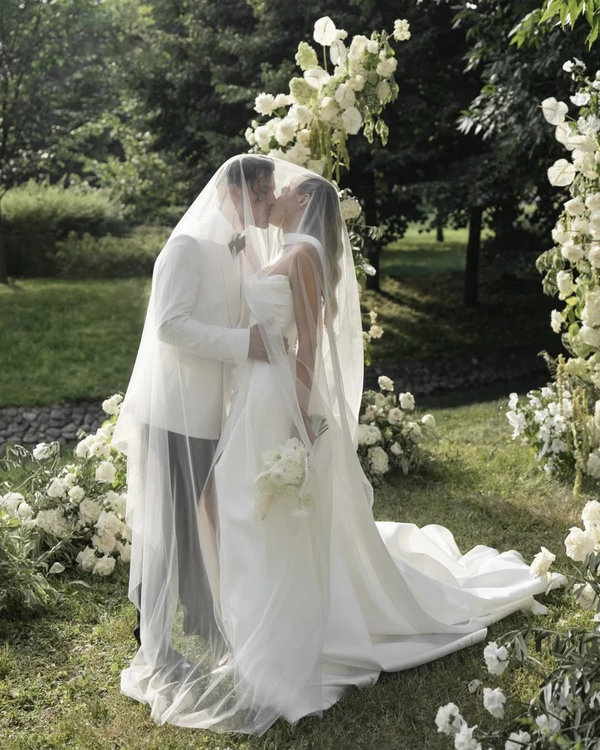
The tone of the request often determines how it’s received. A polite suggestion can quickly feel different when it’s framed as a strict command or backed by warnings about consequences. Long lists of ceremony rules, stern signage, or repeated reminders from multiple people can unintentionally shift the mood before the vows even begin. Instead of feeling welcomed into a celebration, guests may start to feel monitored. Weddings thrive on warmth and ease, and anything that feels overly regulated can disrupt that balance. The intention may still be thoughtful, but the delivery can make it seem otherwise. In moments like this, the boundary stops feeling like a gentle request for presence and begins to read as control.

Photography: Sophie Berard
Photography: Daria Filippova
When an Unplugged
Ceremony Feels Thoughtful
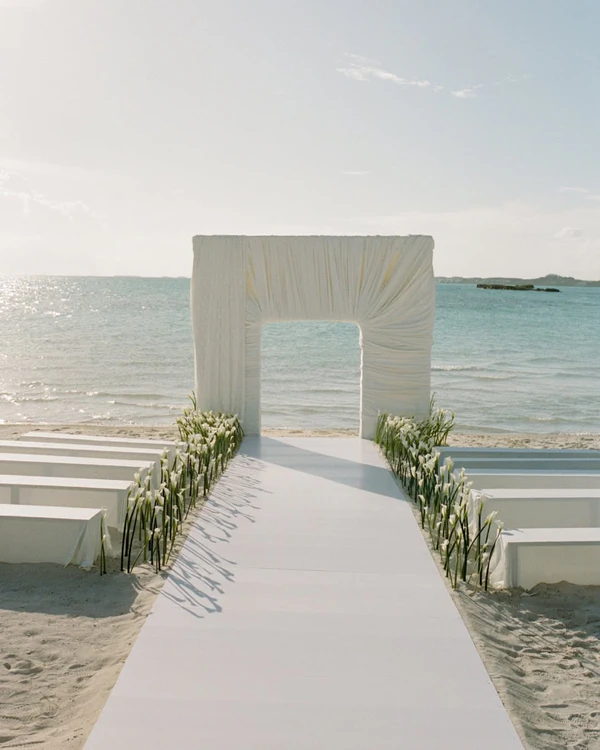
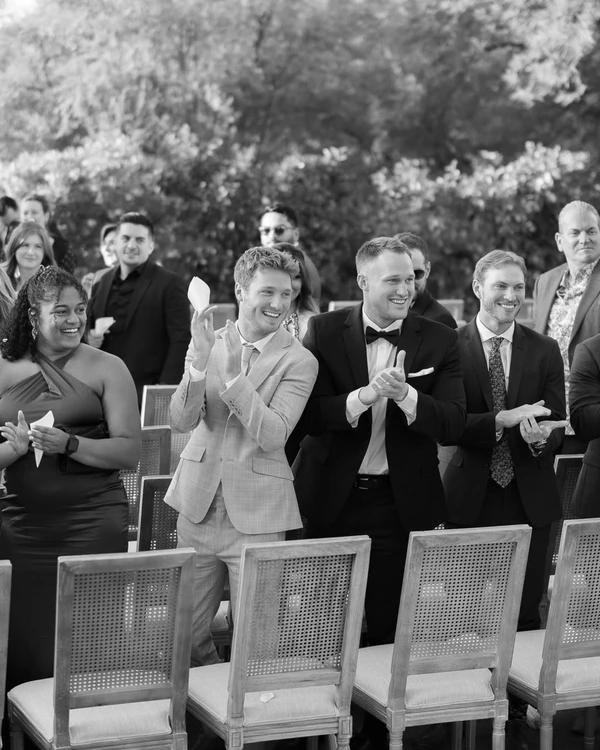
Handled with care, however, the same request can feel incredibly considerate. Guests often appreciate knowing they can simply relax into the moment without worrying about getting the perfect photo. When the couple explains that they’ve hired a photographer and promise to share the images afterward, the request suddenly feels generous rather than limiting. It also sets a subtle tone of mindfulness – an invitation to be fully present for something meaningful. Without screens in the air, guests are more likely to make eye contact, notice the details, and absorb the emotion of the ceremony. The result can feel surprisingly intimate, even in a large room. In that context, unplugging doesn’t read as a rule at all – it feels like a shared choice to protect the moment.
Photography: Nicole Plett
Photography: Emily Bridgeman
How to Ask Guests
to Unplug Gracefully
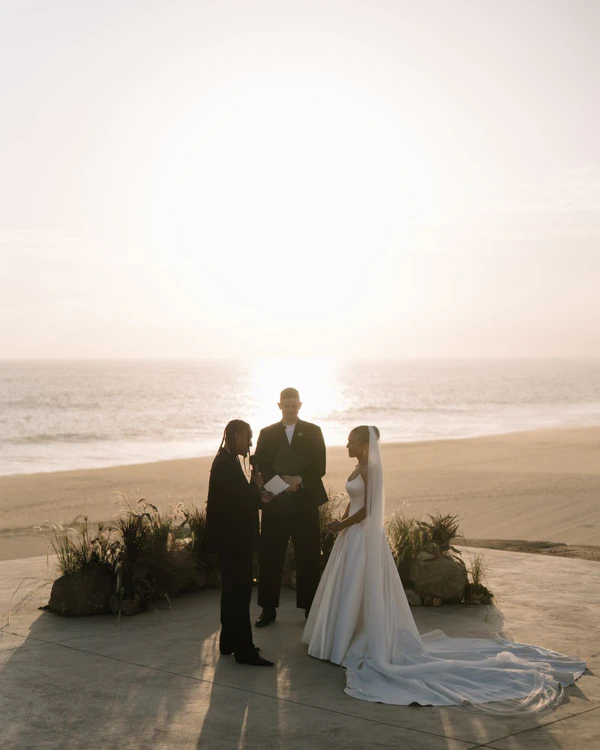
The most successful unplugged ceremonies begin with thoughtful communication. Couples who frame the request warmly – both in their invitations and through a brief note in the ceremony program – tend to receive the most understanding. A gentle line from the officiant just before the ceremony starts can also set expectations in a natural, friendly way. Instead of focusing on what guests shouldn’t do, many couples highlight what they hope everyone will gain: a moment of real presence. Some even invite guests to take photos later during the reception or after the ceremony concludes. That balance allows people to feel included rather than restricted. When the tone is gracious and sincere, most guests are more than happy to slip their phones away.
Photography: Izzie Karren
Photography: Nirav Patel