Neither polished, overworked, or chasing perfection, wedding photography is entering a new chapter. Today's photographers are all about capturing the emotion of the moment, reshaping how a wedding day is seen, felt, and ultimately, kept. While formal portraits and poses will always have their place, there’s a looseness to what's being captured behind the lens. Down to the fleeting momets and smallest details, wedding photography is evolving to be more nuanced and spontaneous, embracing a more fluid approach to documenting your special day. With expert insight from top wedding photographers around the world, these are the trends shaping how modern love stories are captured.


It's All About the Ambience
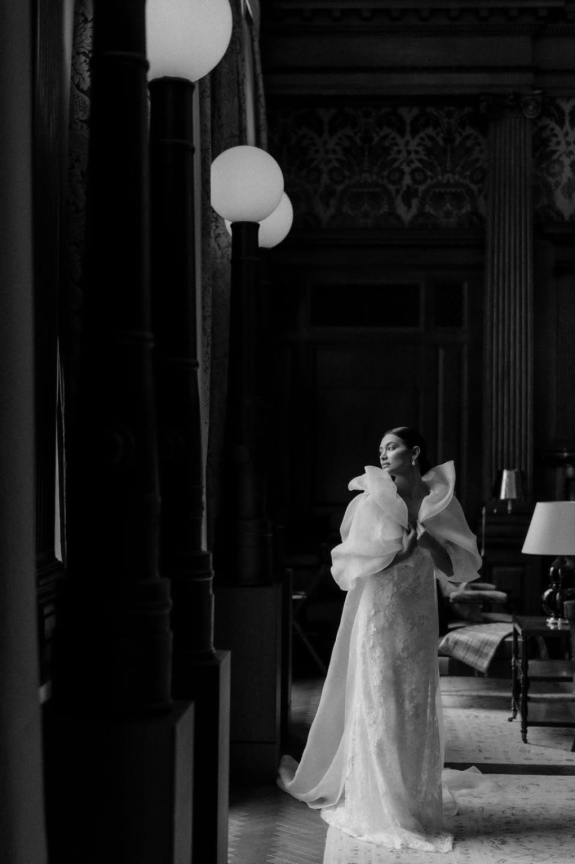
There’s a noticeable shift away from overly bright, ultra-clean imagery toward something softer and more atmospheric. Photographers are embracing warmth and depth, allowing light and tone to reflect how a moment truly felt “Especially film photographers, airy and clean was the term for a while. However, we’re returning to warmer tones while still maintaining the elegance of airy colors,” says Sammy of Erye Film.
This evolution goes hand in hand with a reliance on natural light, as Georgia Grace shares: “Embracing ambient lighting. There’s something so effortlessly chic about it. Perhaps it’s the authenticity that is to look back and see the night as it was lived.” The result is imagery that feels immersive and true to memory.


Authenticity is the Aesthetic
At the heart of today’s wedding photography is a renewed focus on authenticity. Rather than performing for the camera, couples are encouraged to be fully present, allowing real moments to unfold naturally and fully in the moment. “With trends evolving at an incredibly fast rate, authenticity is always my favourite trend—it never dates. A couple who are fully present on their wedding day, a day that is honest and true to them, will always photograph superbly,” shares Australian photographer Kinship by Kristy.
This philosophy is echoed by Elle of Kindred, who shares: “The best wedding photos happen when you stop performing for the camera. Try viewing family formals as a time for actual hugs, and your couple portraits as a 15-minute hang-out rather than a staged photoshoot.” Together, they signal a shift toward imagery that feels lived-in rather than directed.


The Ever-Evolving Roles
The role of the photographer is no longer limited to documentation, it’s becoming increasingly collaborative and creative. Today’s photographers are stepping into the role of visual storytellers, shaping not just how a wedding is captured, but the narration, details, and styling behind it. Camila Urrea explains, “The most interesting shift happening in wedding photography right now isn't a shooting style, it's a role shift. Photographers are becoming creative directors, collaborating with planners and stylists to author a visual world, not just document one.” This evolution brings a more cohesive and unique perspective to the final imagery.


The Art of the In-Between
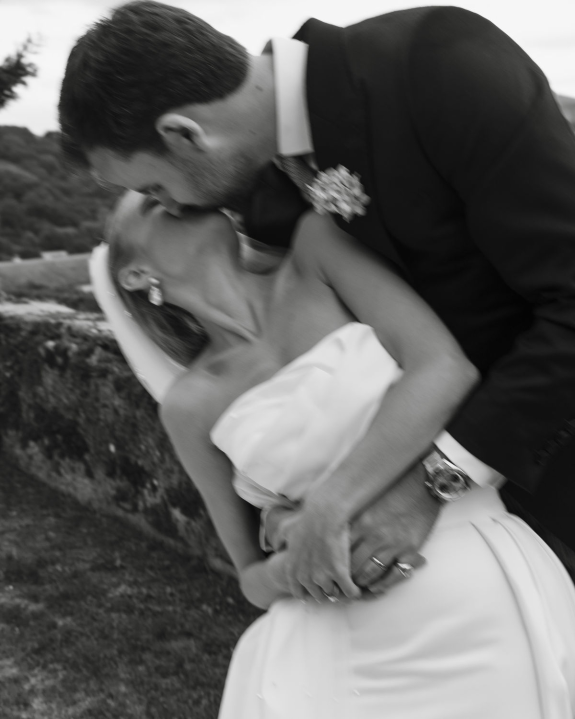
Some of the most meaningful images are no longer the perfectly composed ones, but the fleeting, in-between moments that might have once been overlooked. There’s a growing appreciation for the imperfect, the candid, and the unexpected. As Kindred notes, “We’re moving toward a more transparent kind of storytelling by valuing what would have been seen as an ‘outtake’. Think photos of the catering staff, a messy table, a small, imperfect moment right between sets of family portraits.”
Weddings by Nato reinforces this natural approach: “There is a desire to capture images that feel less composed and more instinctive! Often, it’s a couple frames after that ‘perfect’ moment where something softens or falls slightly out of place that ends up feeling the most strong & real shot.” Lara Onac completely agrees: "There’s a beautiful trend toward capturing the collective experience of a wedding, where guests’ laughter, tears, and interactions become just as important as the couple’s portraits." These are arguably the moments that give a gallery its most emotion.


Blurring Mediums & Experimental Formats
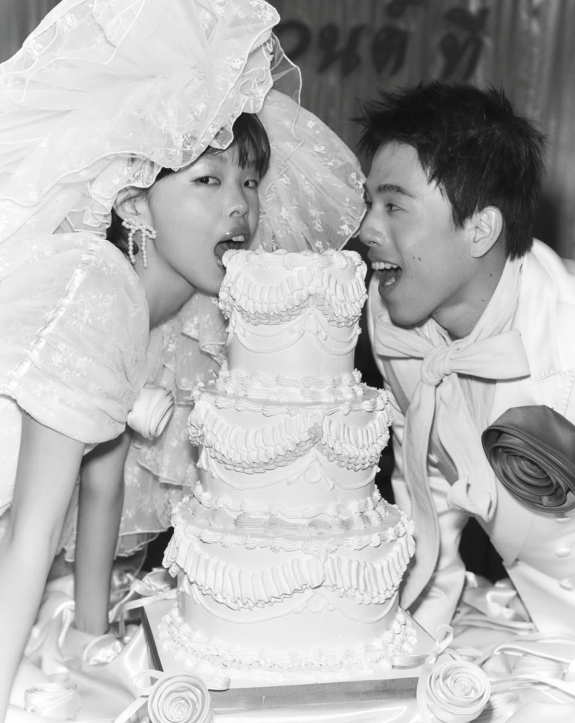
The boundaries that once defined wedding photography are dissolving, giving way to a more playful and exploratory approach. Photographers are no longer tied to a single medium or aesthetic, instead embracing a mix of tools to create something more dynamic and unexpected. As Erye Film explains, “I’ve stopped caring about the mediums I use (digital, film, polaroid, digicam, etc.) and itemizing my mediums. Photographers are blurring the boundaries, and they’ll even shoot with an old iPhone or a disposable camera for ‘the look’.”
This openness has created space for experimentation, with Weddings by Nato noting, “Incorporating things like expired film and unconventional cameras to create images that feel less controlled and more unexpected.” Together, these shifts point toward a future where creativity outweighs any sort of convention.


Extended Storytelling
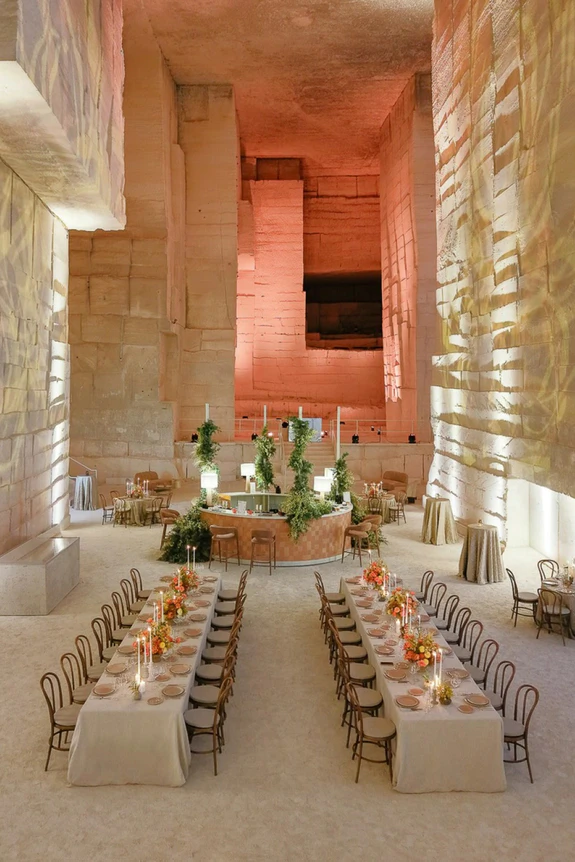
Weddings now are often taking place over weekends instead of just single days, and photography is evolving to reflect that. Multi-day celebrations offer a chance to capture a more intimate story surrounding the full experience. “I’ve also been inspired by the shift toward multi-day wedding experiences and celebrations in unique, non-traditional venues like theaters. It allows for more intentional storytelling and gives the imagery a layered, editorial feel that goes beyond just the wedding day and provides core memories for the guests,” says Jillian Blanc.
Weddings by Nato adds that there is "a shift toward full weekend coverage and more storytelling, where couples are prioritizing everything from pool parties to more unexpected activities throughout the weekend. Photographers are leaning into capturing these moments in a fun way which creates a much richer, more immersive story beyond just the traditional events!” The result is a narrative that feels complete with special moments from your ceremony, but also the more relaxed ones from before and after the celebration.


It's All in the (Bridal) Details
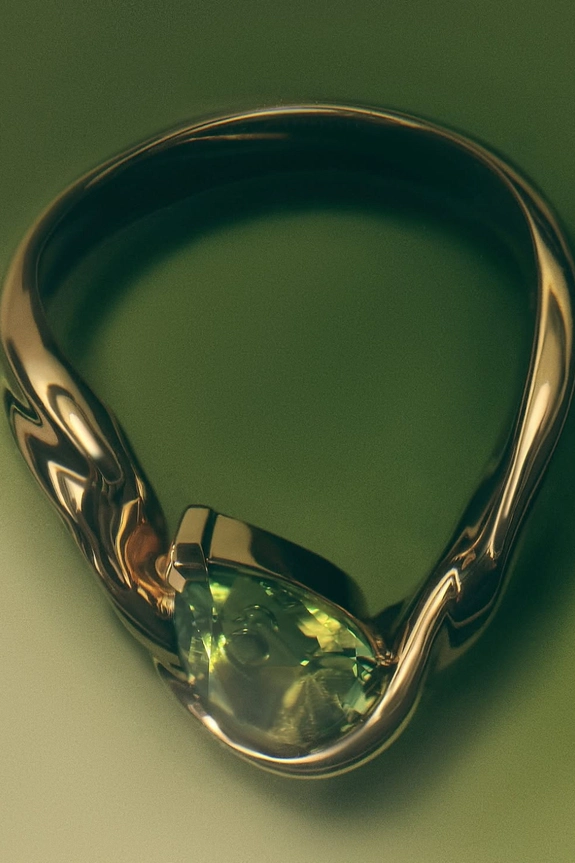
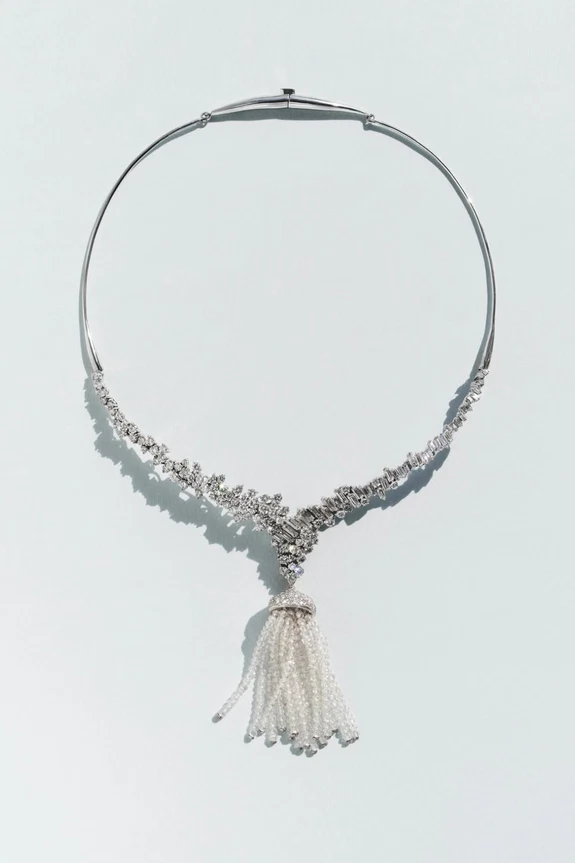
Detail shots are taking on a more fashion-driven perspective, moving away from perfectly arranged flat lays toward something a bit more playful. "I’m loving bridal details photographed in unexpected places: a diamond ring in teeth, tucked into a bouquet, or styled somewhere a little offbeat feels modern, playful, and fashion-forward," says Kayla Czarniecki of Gypsy Lemon. There’s a sense of spontaneity in how these elements are captured, making way for creative approach that can tie in your venue, decor, colorways, and how the object lives within the moment.


Analog Endures
Despite rapid technological advances, film photography remains as compelling as ever. Its grainy texture, unpredictability, and depth continue to resonate with both photographers and couples. “The film photography trend that has been running for a few years now seems to be here to stay! I am loving it and so are my clients. Every time I get the scans back from the lab I am blown away with how impactful the images feel,” shares Tom Coburn.
Kinship by Kristy echoes this sentiment: “Over the last few years I have developed a deeper fondness and appreciation for film photography. I adore combining my couple’s authenticity with analog photography—their galleries come alive. It's a trend that’s here to stay and one I absolutely love, even years later.” Film’s enduring appeal lies in its ability to make moments feel tangible and full of rich texture.


Less Direction, More Intention
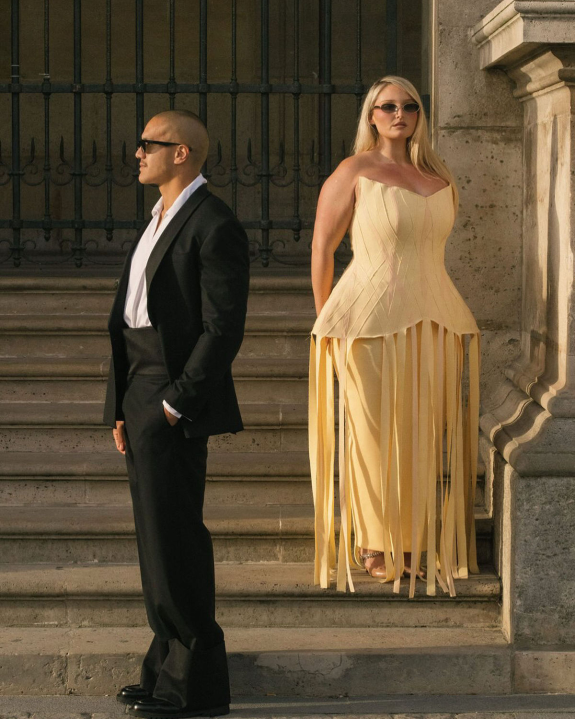
There’s a growing resistance to overly polished, heavily directed imagery in favor of something more honest and natural. Couples are gravitating toward photographs that reflect real moments from the day, not just posed portraits. As David Saenz of Dos Más en la Mesa explains, “Gen Z couples are clearly leaning toward authenticity over luxury, embracing imagery that feels raw, imperfect, and emotionally honest rather than overly polished or staged.” Tom Coburn adds, “Couples are leaning into images that feel honest: less stiff direction, more emotion, and little in-between moments that actually tell the story of the day. I think there’s a real skill to be able to nail the in-the-moment shots with good composition and framing.”


The Power of Black & White
In a landscape filled with color, black and white photography is re-emerging as a powerful storytelling tool. By removing distraction, it allows emotion and composition to take center stage. Georgia Grace captures this sentiment perfectly: “The resurgence of black and white imagery. For me it’s a way to strip a moment bare leaving only the emotion to be devoured.” These images feel timeless, offering a quiet intensity that lingers long after the moment has passed. It’s a reminder that sometimes, less truly says more.


Where Storytelling Takes Shape
The final gallery is now a carefully considered narrative. As editing has become an essential part of the creative process, it can shape how the story is ultimately told. Camila Urrea reflects on this evolution: “I've also been thinking deeply about editing as curation. The final gallery is as much a creative act as the shooting itself, what you leave out defines the work as much as what you include. Photographers are becoming more intentional about this, shaping their deliverables to reflect a point of view rather than simply a record of the day.” In this way, the story continues to be crafted long after the wedding ends.