Japan has no shortage of beautiful places to stay, and among them are hotels where design becomes part of the experience itself. These are the kinds of places where architecture, materials, landscape, and concept quietly shape how you move through your stay from the moment you arrive. Some sit tucked into forests or along rivers, others rise above city skylines, and a few blur the line between museum, gallery, and hotel altogether. Here are 17 stays where that point of view feels especially clear, with design that is intentional, immersive, and deeply connected to place.
Benesse House
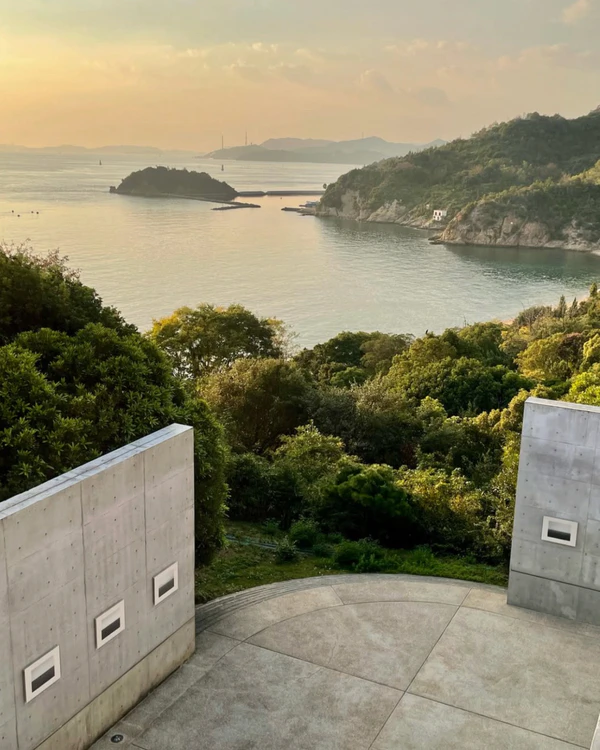
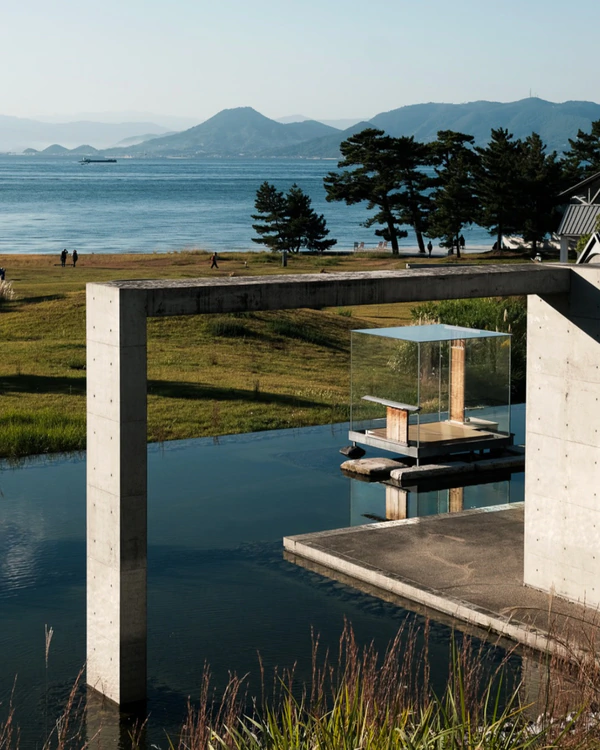
It only feels right to begin our list of design hotels with one of the most extraordinary, art-centric hotel stays Japan has to offer. Set on the island of Naoshima, Benesse House exists in the rare space between museum and hotel, where architecture, landscape, and contemporary art are experienced as one. Guest rooms are spread across several architecturally distinct buildings with one-of-a-kind views of the sea, lawns, and surrounding mountains, making the setting feel just as intentional as the interiors themselves. Staying here means waking up steps away from major installations and moving through spaces that are designed to deepen that connection at every turn. It is less about simply checking in for the night and more about fully inhabiting a place where art and design shape the entire rhythm of your stay.
Benesse House, Photography: Howard Hersch
Benesse House, Photography: Karl Tranberg
K5 Tokyo
K5 feels more like a creative clubhouse than a traditional hotel. In the center of Tokyo’s Kabutocho district inside a former 1920s bank, the building’s history is still felt in the bones of the space, now reworked into something distinctly modern and design-led. The interiors blend Scandinavian restraint with Japanese minimalism, layered with greenery, warm light, and generous communal areas that invite you to linger. A coffee bar downstairs turns it into a natural meeting point for the neighborhood as much as a place to stay. With just twenty rooms, it stays intimate, cool, and quietly confident without ever feeling overdesigned.
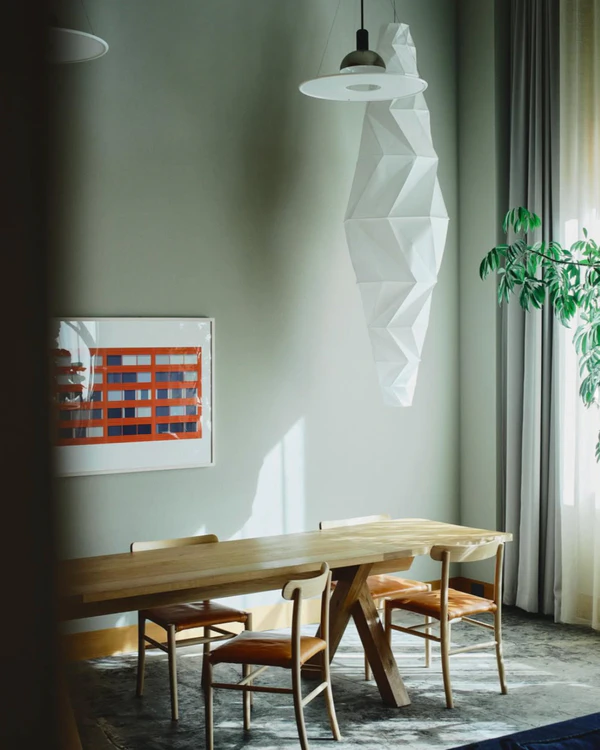
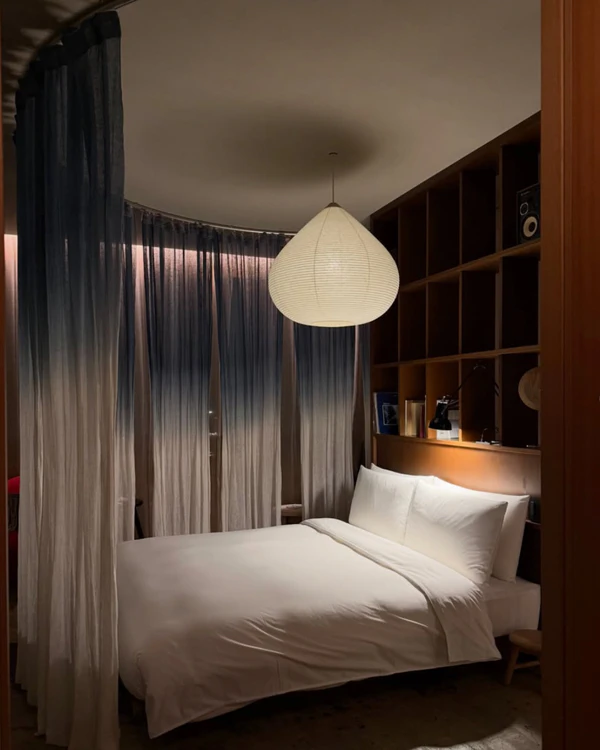
K5 Tokyo, Photography: Eichi Tano
K5 Tokyo, Photography: Fumika Kitani
Naoshima Ryokan Roka
Within the quiet landscape of Naoshima, this ryokan feels less like a hotel and more like a private gallery you happen to sleep inside. Each of the eleven suites at Naoshima Ryokan Roka pairs contemporary Japanese interiors with curated works by local artists, so art becomes part of the atmosphere rather than something you go out to see. Wood paneling, soft light, and open air baths create a setting that is deeply calming and visually considered at the same time. Outside, the garden is designed to feel inseparable from its natural surroundings, with birdsong and greenery forming the backdrop to the entire stay. It is a true hideaway for anyone drawn to the intersection of art, design, and nature.
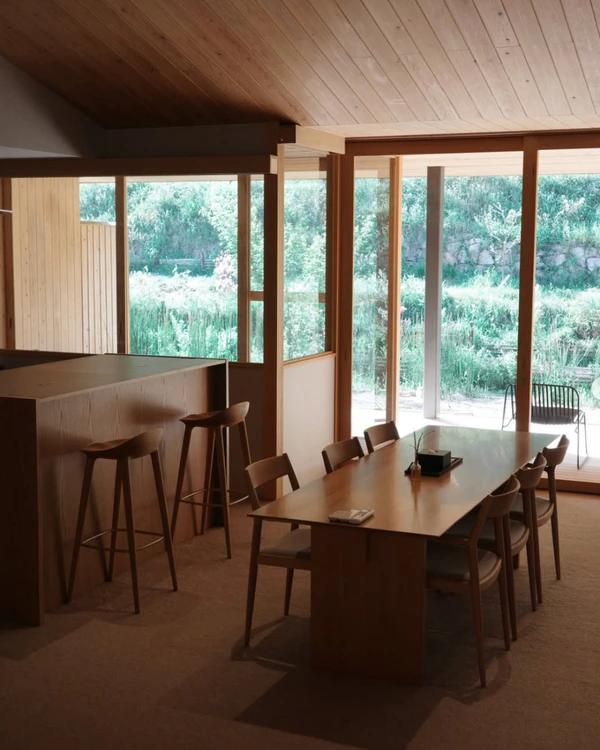
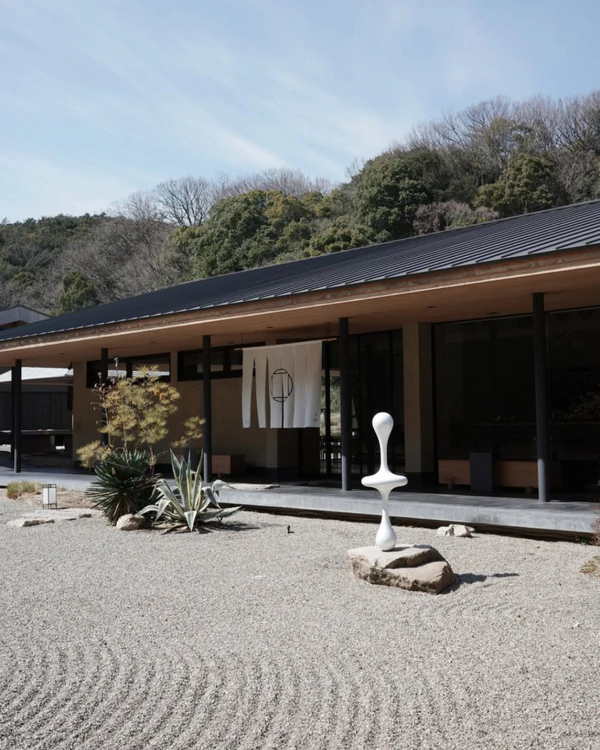
Zaborin Ryokan
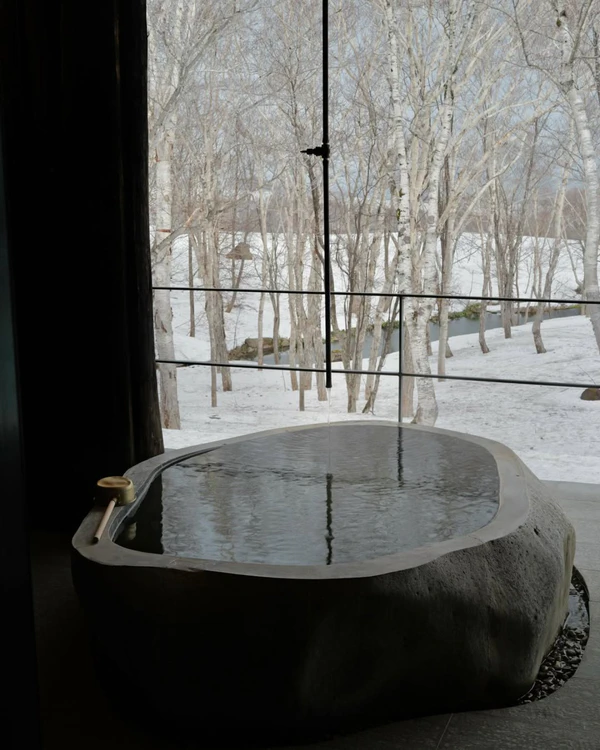
If the idea of disappearing into nature with nothing but mountain air and silence around you sounds appealing, Zaborin is exactly where you go. Set among birch forests in Hokkaido, this ryokan feels intentionally remote in the best possible way. Designed by renowned architectural firm nA Nakayama, the fifteen villas balance contemporary lines with traditional Japanese elements, creating spaces that feel both refined and deeply grounded in their setting. Every suite includes private bathing areas that connect you to the landscape, whether covered in snow in winter or lush and green in warmer months. A tea ceremony room and quiet library reinforce the slower rhythm of the stay. With skiing nearby and Two Michelin Keys to its name, it manages to be both a design retreat and a destination for outdoor escape.
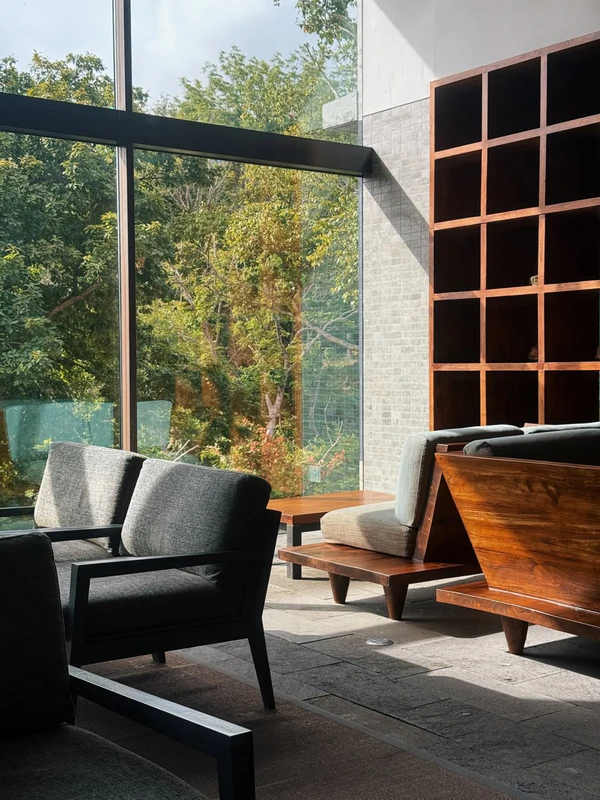
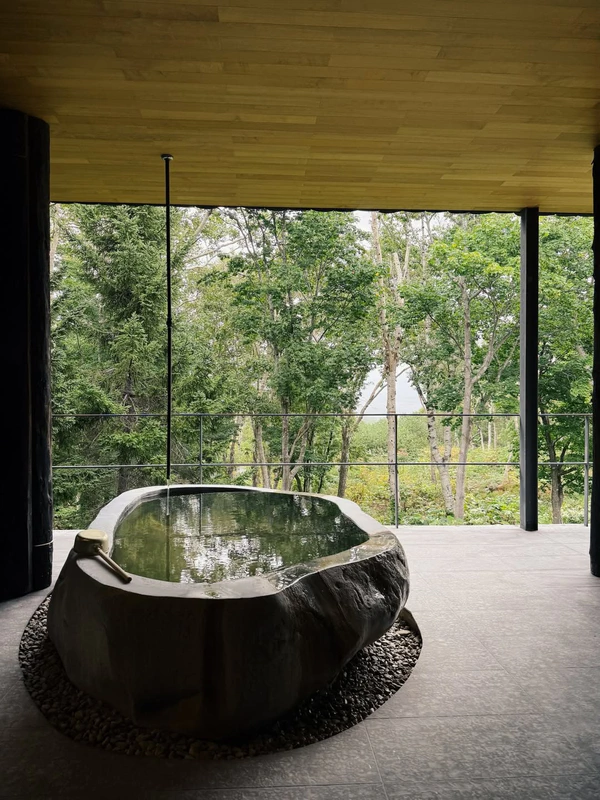
Zaborin Ryokan, Photography: Faye Tsui
Zaborin Ryokan, Photography: Faye Tsui
The Shinmonzen
Tucked along a quiet stretch of the Shirakawa River in Gion, this is the kind of place you book when you want Kyoto to feel both intimate and elevated. With just nine suites, The Shinmonzen is designed by Tadao Ando, a name that carries serious weight in the design world, alongside the refined sensibility of the owners behind Villa La Coste in Provence. Interiors lean into natural materials, soft light, and traditional elements that feel purposeful rather than decorative. Balconies overlook the river, offering a peaceful counterpoint to the energy of Gion’s narrow streets just steps away. It is a boutique hotel that feels personal, artful, and unmistakably Kyoto through a design lens.
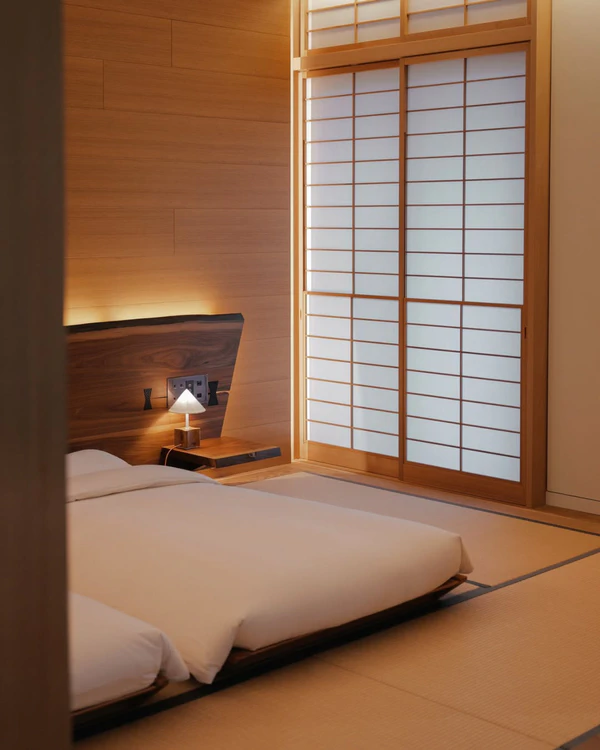
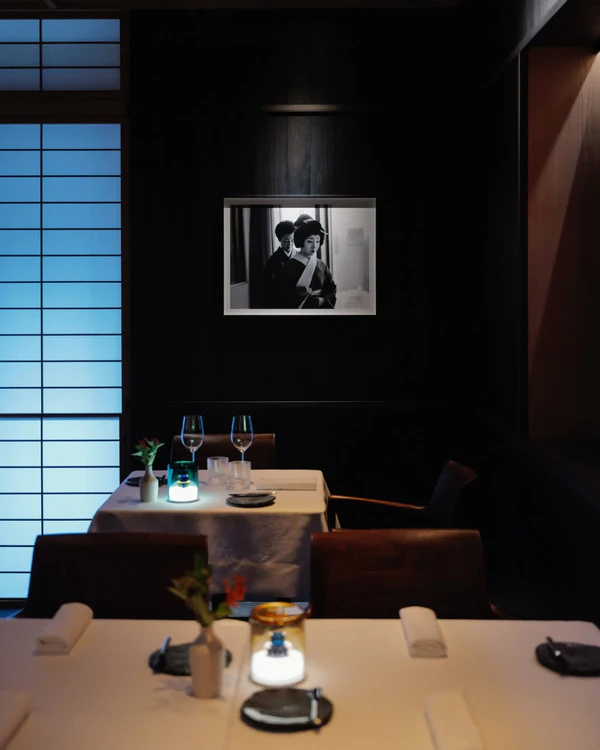
The Shinmonzen
The Shinmonzen, Photography: Angelo Gonzalez
Yoruya
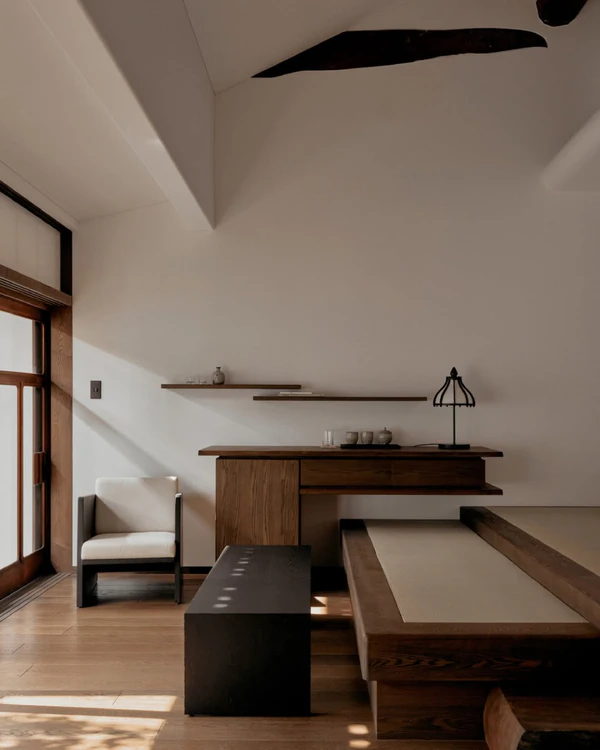
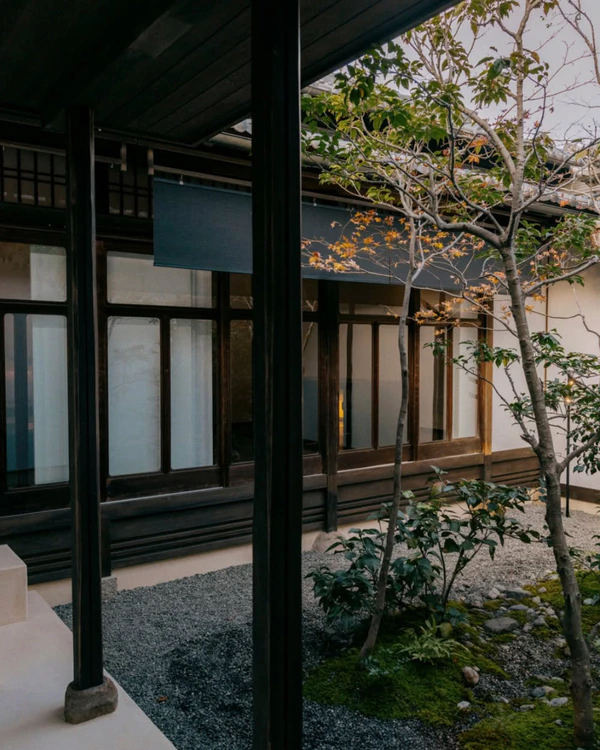
If you like the idea of staying somewhere that feels quietly rooted in the past but still undeniably luxurious, Yoruya delivers that balance beautifully. Set in the canal-lined town of Kurashiki, this 13-room hideaway reimagines a 110-year-old townhouse with interiors that feel calm, minimal, and deeply connected to place. Original architectural details sit comfortably alongside contemporary touches, giving the entire stay a sense of understated refinement. A private courtyard, an intimate restaurant, and a bar make it easy to settle in without ever needing to leave. It is the kind of hotel where the setting does as much work as the design itself.
Setouchi Retreat Aonagi
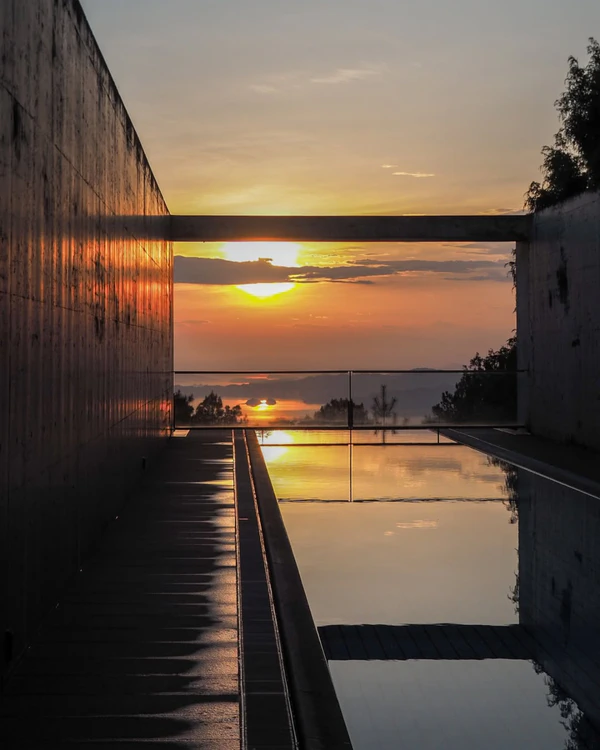
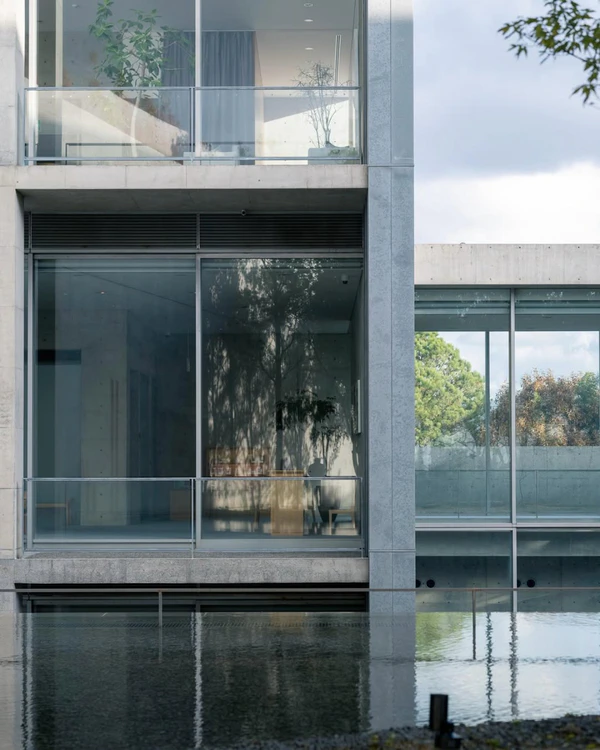
For those drawn to stark minimalism and architecture that feels almost meditative, Setouchi Retreat is a memorable stop. Located in the mountains of Matsuyama and operated by Japanese hotelier Onko Chishin, this adults-only hideaway is another project shaped by the legendary Tadao Ando. With just seven rooms, the experience feels private and intentional, defined by structured concrete lined spaces, rock gardens, and expansive floor-to-ceiling windows that pull the landscape directly into view. Two serene pools and gallery-like interiors reinforce the sense that you are moving through a carefully composed space rather than a traditional hotel. It is minimalist luxury at its most contemplative.
Trunk Hotel Yoyogi Park
A rooftop infinity pool facing a canopy of trees is not what you expect to find in central Tokyo, which is exactly what makes Trunk Hotel Yoyogi Park stand out. Opened in 2023 beside the park, this second Trunk location shifts the focus away from streets and skylines and toward greenery and open views. Interiors balance contemporary lines with soft Japanese and Danish influences, keeping the mood calm and airy throughout. With only twenty rooms and five suites, the scale remains intimate while still delivering sweeping outlooks across the park. It feels less like a city hotel and more like a place to reset in the middle of it.
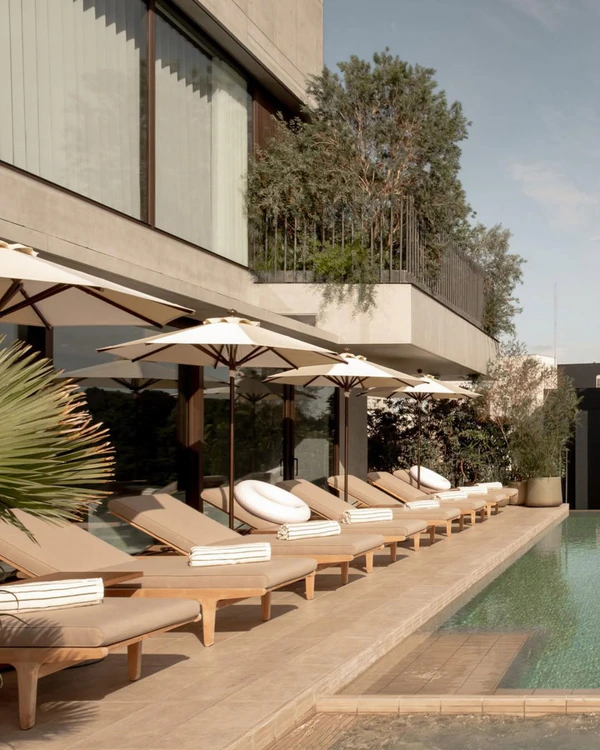
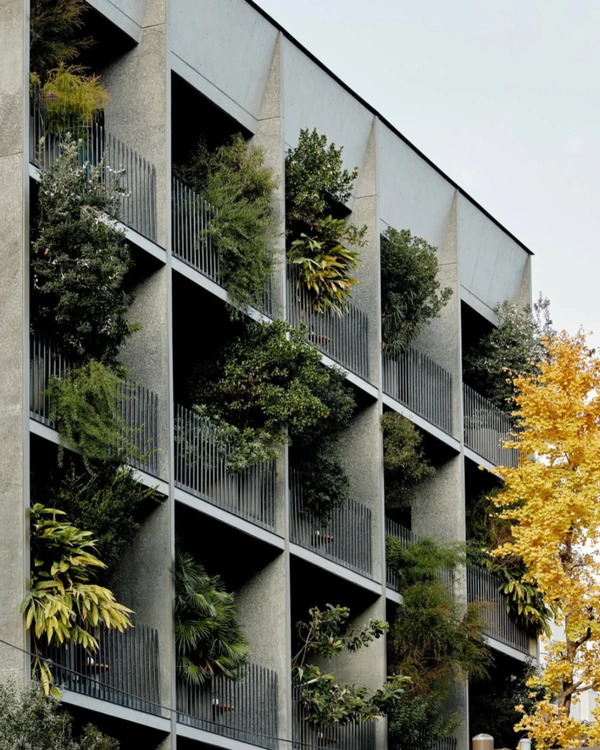
Trunk Hotel Yoyogi Park, Photography: Karl Tranberg
Trunk Hotel Yoyogi Park
Six Senses Kyoto
Six Senses has a reputation for doing luxury in a way that feels deeply restorative, and its Kyoto outpost is no exception. Set in Higashiyama, the hotel pairs a serene, Zen-like atmosphere with the level of comfort and detail you would expect from the brand. Interiors feel like a contemporary take on a traditional Japanese inn, with views toward gardens, shrines, and quiet corners of the city that soften the urban setting. With 81 rooms and suites, the scale is generous without losing the sense of calm. The expansive spa anchors the experience, offering everything from treatment rooms to water therapies, turning the stay into something that feels more like a full reset than a typical city break.
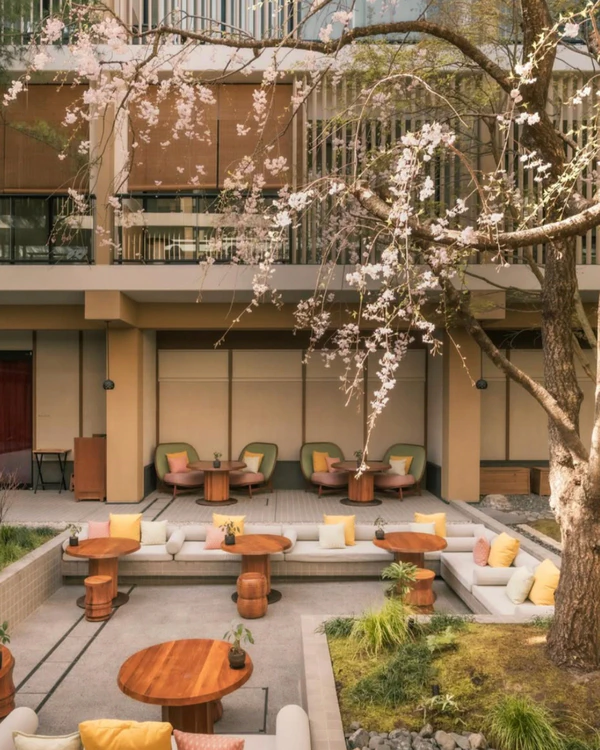
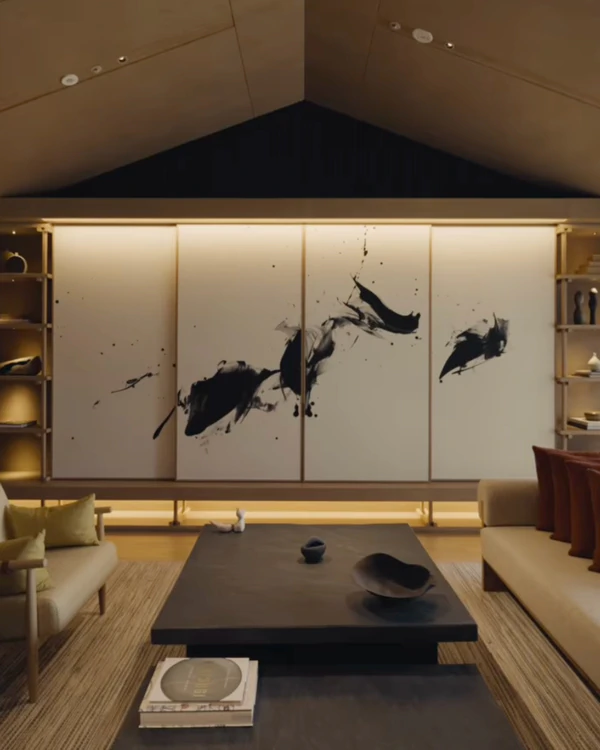
Shishi-Iwa House
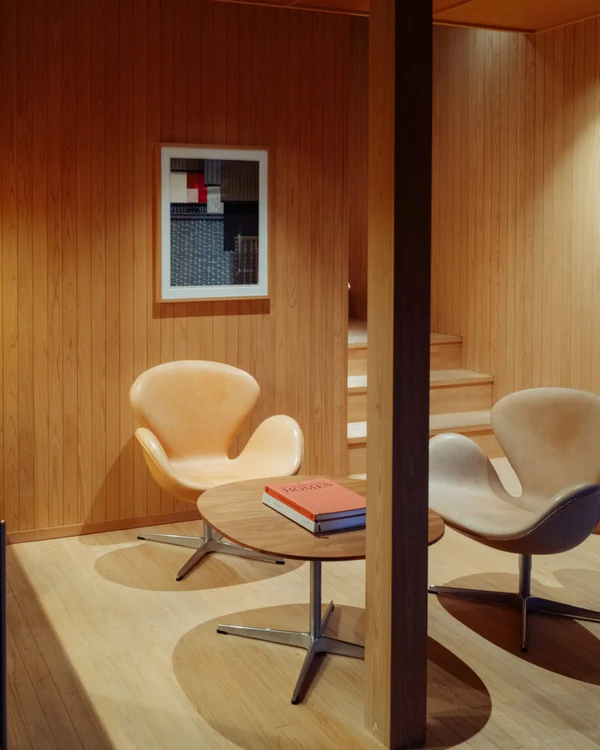
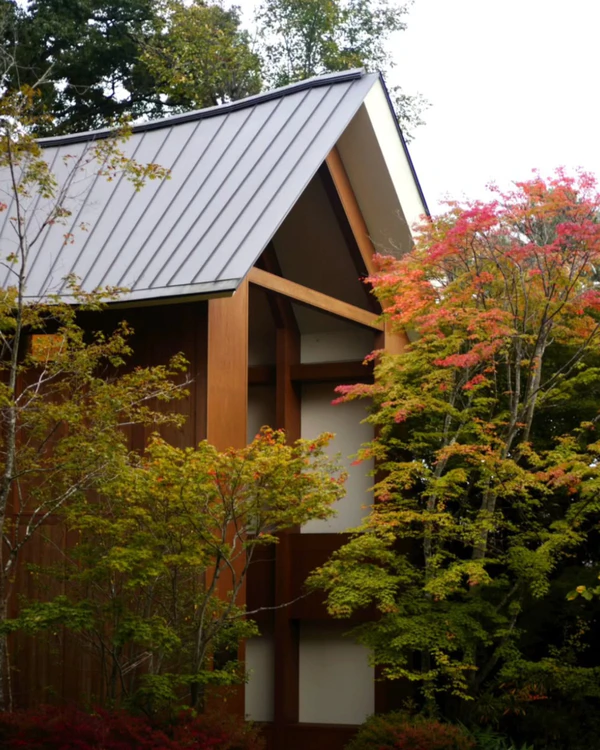
There is something about Shishi-Iwa House that feels immediately different from the moment you arrive. Set in the forests of Karuizawa about an hour from Tokyo, this ten-room retreat was shaped by two of Japan’s most respected modern architects, including Pritzker Prize winner Shigeru Ban. The structure itself curves gently through the trees, making the landscape feel inseparable from the design. Rooms balance contemporary comfort with traditional elements, while an architecture library and arts programming reinforce the creative spirit of the stay. Between forest walks, thoughtful interiors, and a standout restaurant, it feels like a quiet immersion in design, nature, and culture all at once.
Janu Tokyo
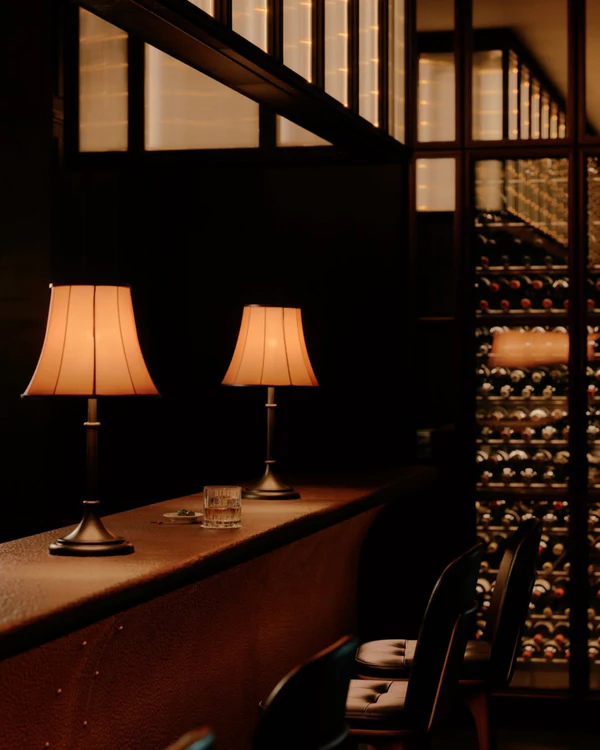
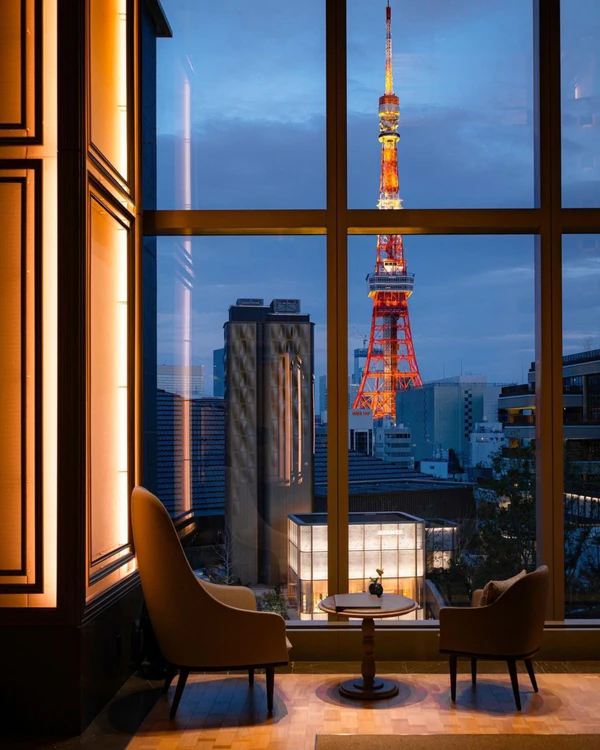
As the sister brand to the luxury hotel group Aman, Janu Tokyo carries the same sense of calm and refinement but expresses it through a more contemporary, city-forward lens. Spanning thirteen floors in Azabudai Hills, the hotel feels like a vertical urban resort, with sweeping views and balconies in nearly every room. The 122 rooms and suites are spacious and serene, while eight distinct dining venues make the hotel a destination in its own right. A standout wellness center and pool reinforce the idea that you could spend an entire stay within the property and feel completely restored. It is Aman’s philosophy translated into a modern Tokyo setting.
Maana Kiyomizu
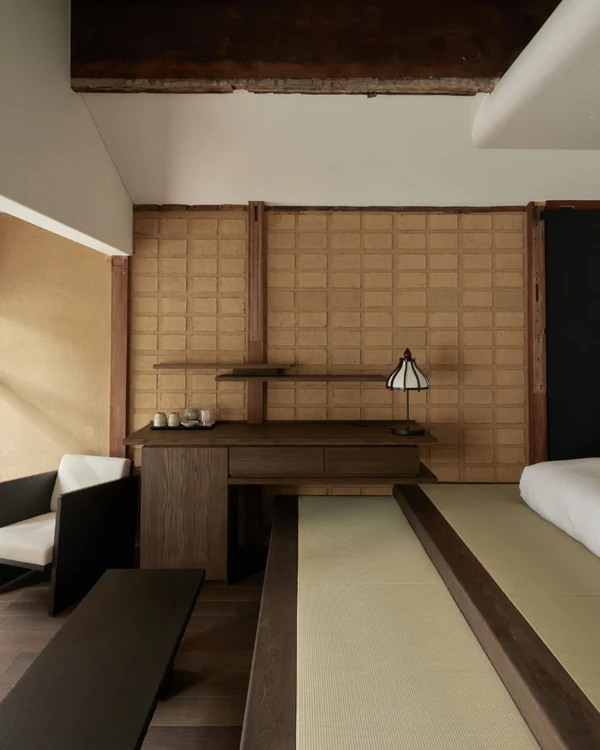
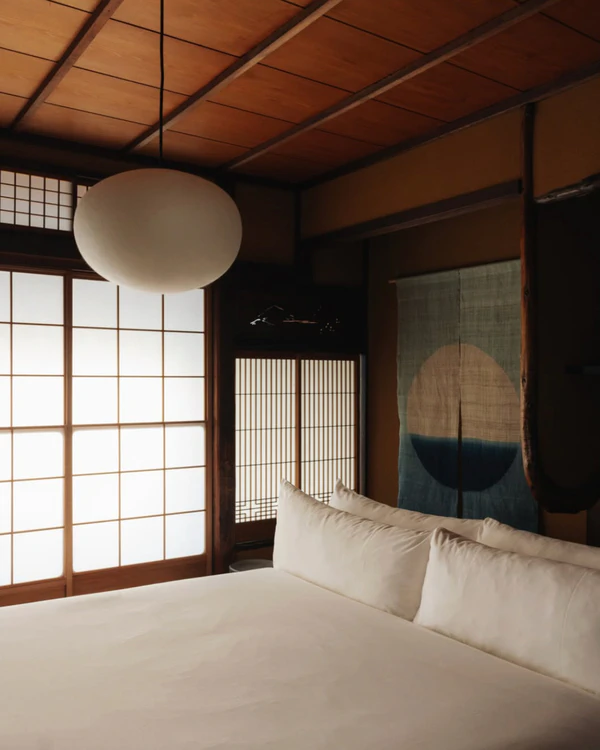
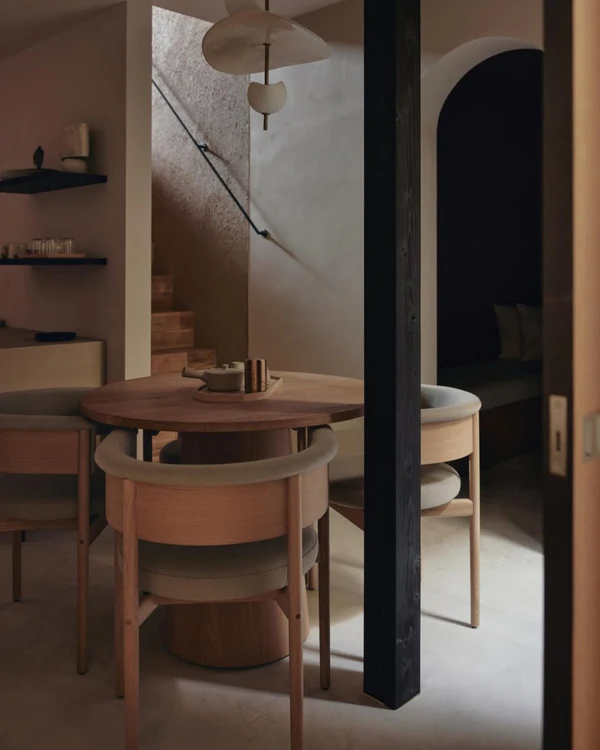
Maana Kiyomizu is the kind of place that quietly redefines how you experience Kyoto. Spread across a row of restored machiya townhouses, traditional wooden homes designed around inner courtyards, natural light, and craftsmanship, this intimate boutique stay feels more like a sanctuary than a hotel. The design is minimalist and serene, rooted in organic textures and heritage details while still feeling distinctly modern. Interiors play with soft tones and thoughtful materials that make every space feel carefully composed rather than decorated. Though there are only three (incredibly designed) suites, in the small but stunning stay, it offers a calm, design-led retreat just steps from some of the city’s most historic sites.
The Tokyo EDITION, Toranomon
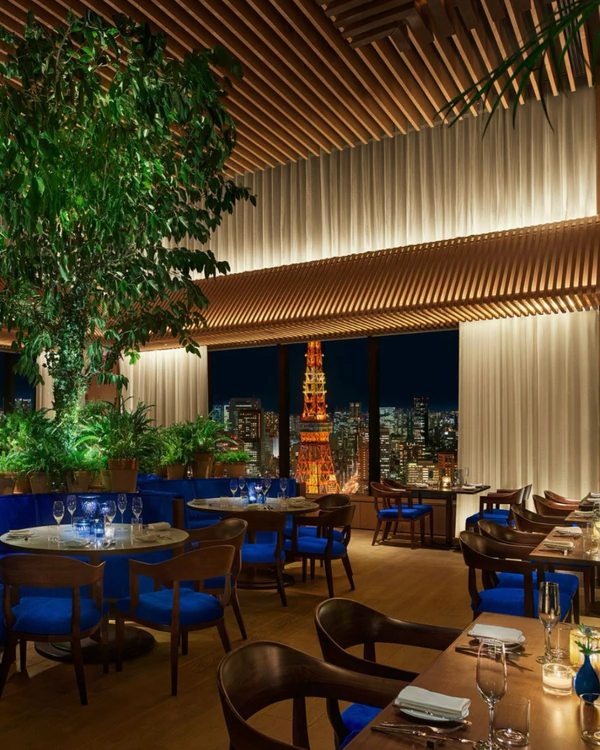
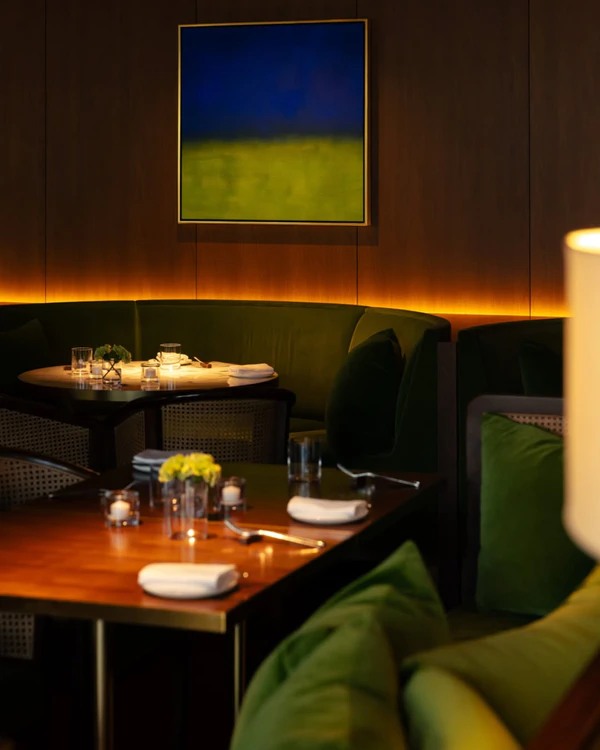
Some hotels become part of the social scene as much as the city itself, and The Tokyo EDITION, Toranomon has that energy from the moment you walk in. As the first EDITION to open in Japan, it brings the brand’s design-forward identity into a Tokyo setting with skyline views that stretch across the city. The look is minimalist with subtle Japanese touches, creating spaces that feel polished without losing warmth. With 206 rooms, a signature cocktail bar, spa, and 24-hour gym, it has the scale of a major hotel but the atmosphere of somewhere you actually want to spend time. It is where design, comfort, and a certain crowd all come together effortlessly.
Gora Kadan
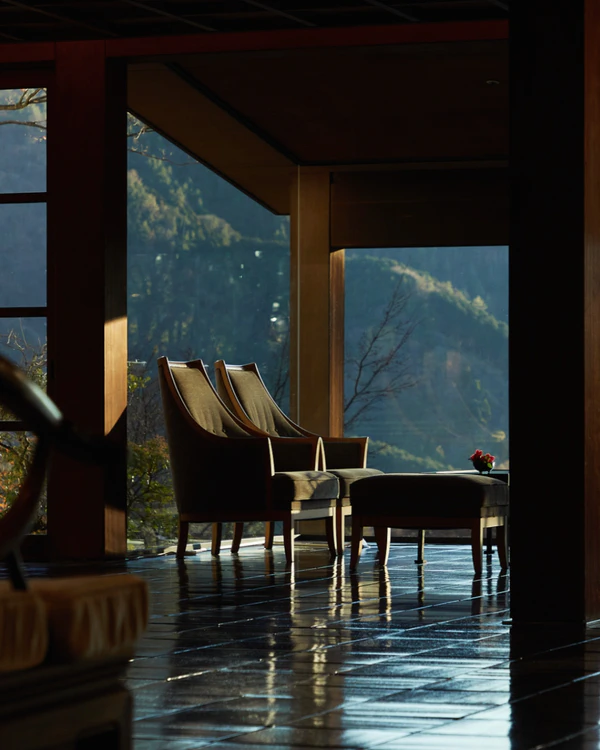
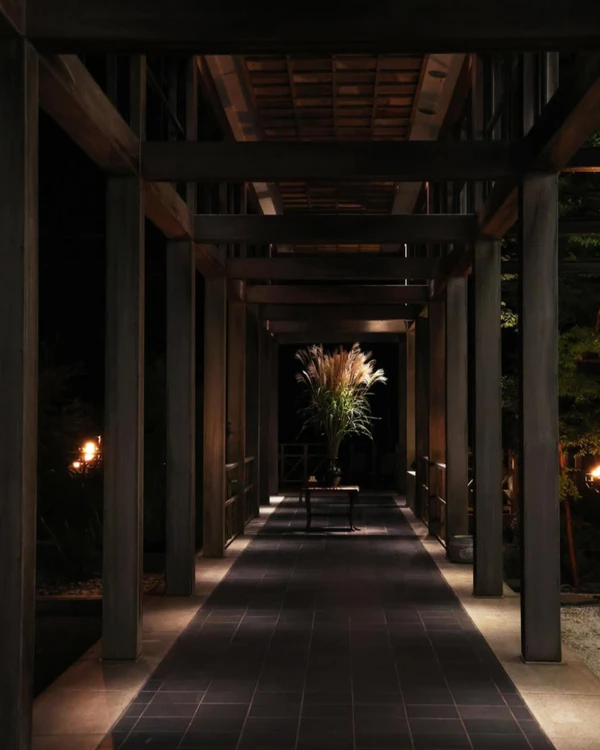
We have talked a lot about hotels that blend contemporary design with Japanese tradition, but Gora Kadan does this in a way that feels inseparable from the landscape itself. Set within Hakone National Park on the former grounds of an imperial summer villa, the setting is as much a part of the experience as the rooms. Suites open onto private gardens with open-air baths, inviting you to soak while looking out over mountains and trees rather than walls. Interiors balance tatami, wood, and stone with quiet modern touches that never compete with the view. Seasonal kaiseki dinners and the deep stillness of the surroundings make this the kind of stay you save for a truly special occasion.
Aman Tokyo
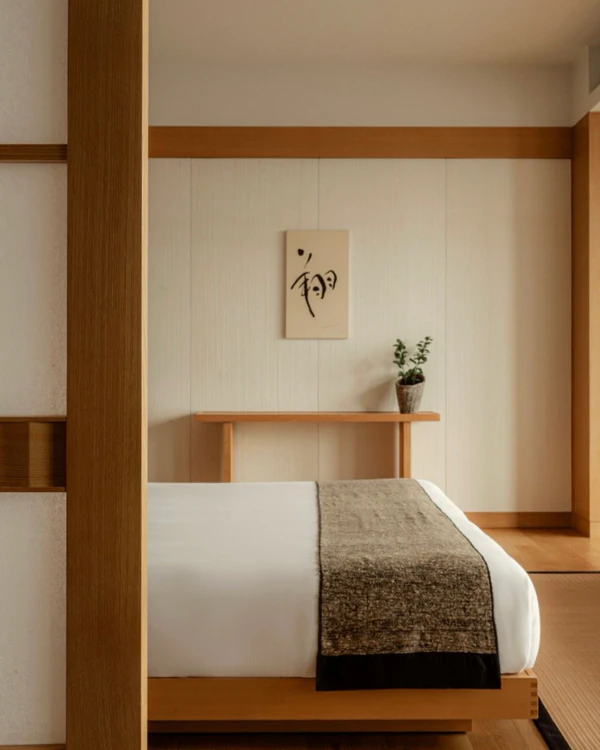
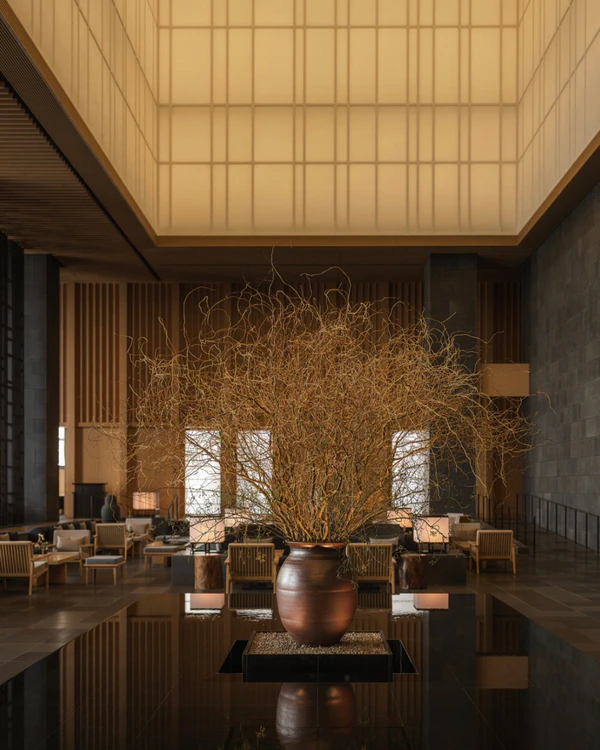
Aman Tokyo is a reminder that a globally recognized luxury name can still feel deeply rooted in design when the architecture leads the experience. Perched high above the city, the arrival opens into a vast, light-filled atrium that feels more like a contemplative space than a traditional lobby. The rooms are among the largest in Tokyo, shaped with the restraint of a ryokan yet framed by sweeping skyline views through floor-to-ceiling windows. Stone soaking tubs, soft natural materials, and quiet minimalism make it easy to lose track of time once inside. A sprawling spa, onsen-style baths, and one of the city’s most sought-after dining experiences reinforce why this hotel continues to be referenced as a design benchmark in Japan.
Hoshinoya Kyoto
Arriving at Hoshinoya Kyoto by boat, sets the tone and immediately tells you this is not a typical hotel experience. Set along the river in Arashiyama, the property feels completely removed from the city despite being only minutes away. The architecture and landscaping work together so seamlessly that the buildings seem to disappear into the surrounding greenery. Interiors draw from traditional ryokan principles but are executed with a contemporary lightness that feels intentional rather than nostalgic. It is a place where nature, design, and stillness define the rhythm of your stay from the moment you step off the water.
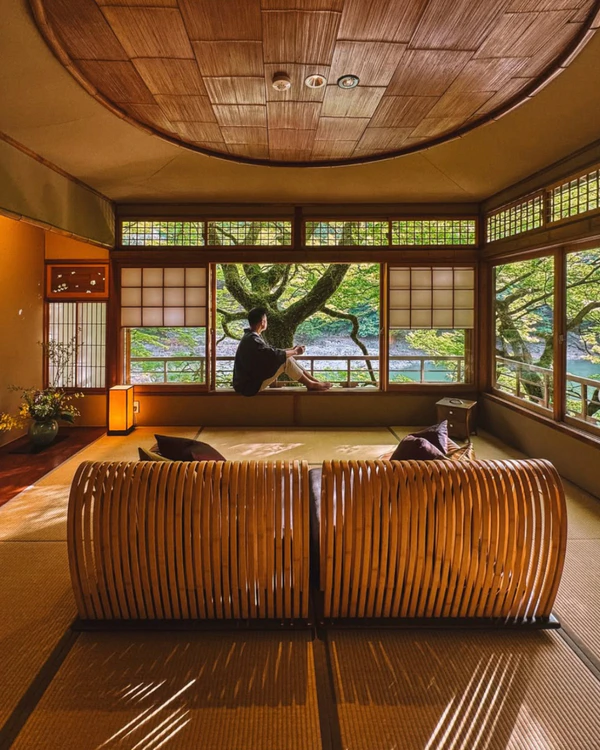
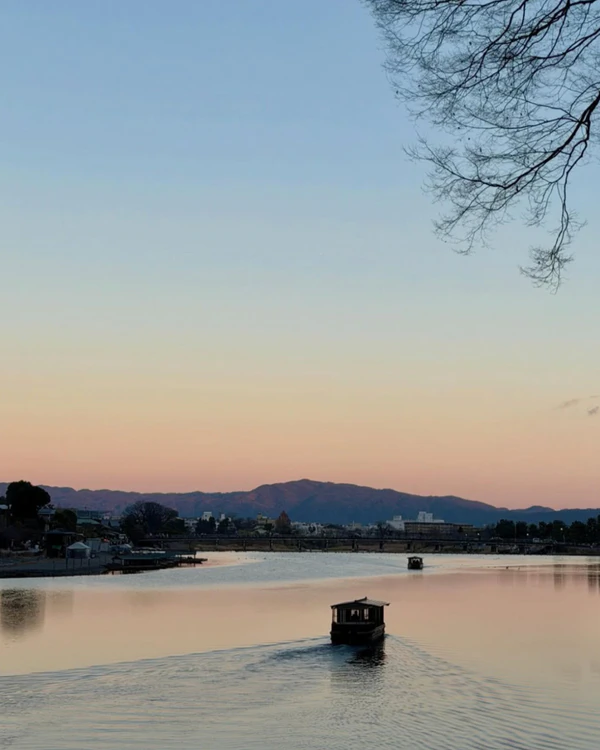
Hoshinoya, Photography: Sunny Rung
Hoshinoya
Park Hyatt Kyoto
Park Hyatt Kyoto proves that a large luxury brand can still deliver a deeply design-led experience when done right. Positioned in Higashiyama with views toward Yasaka Pagoda, the hotel is laid out like a quiet hillside village rather than a single structure. Stone pathways, wooden façades, and layered terraces create a sense of discovery as you move through the property. Rooms and common spaces feel understated and architectural, allowing the surrounding landscape and historic skyline to take center stage. It is polished and luxurious, yet still feels intimately connected to the character of Kyoto.
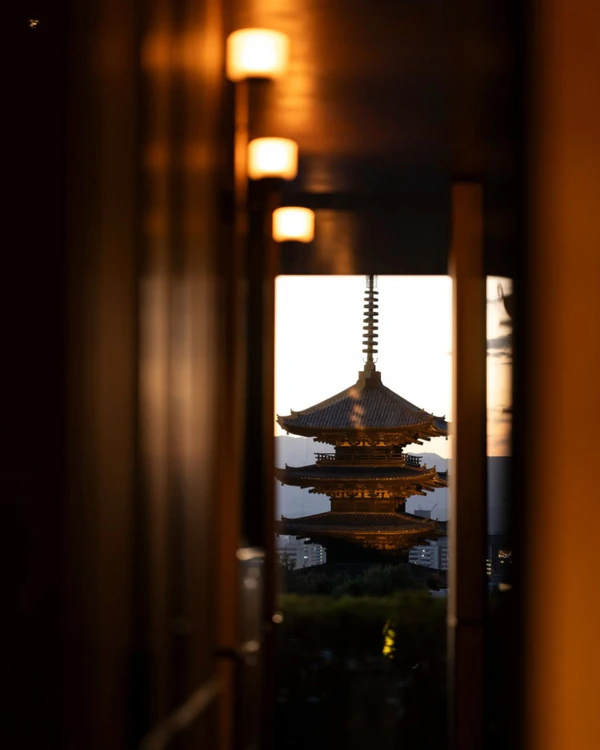
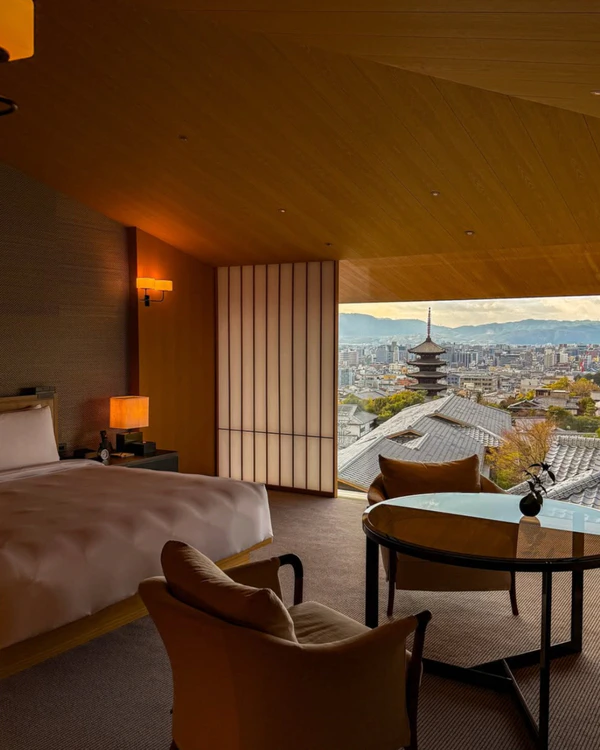
Park Hyatt Kyoto
Park Hyatt Kyoto, Photography: Madeline Lu