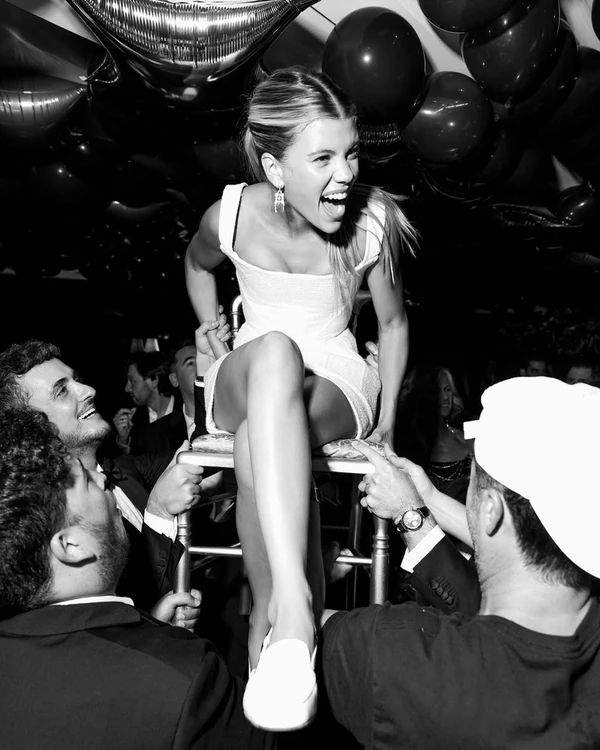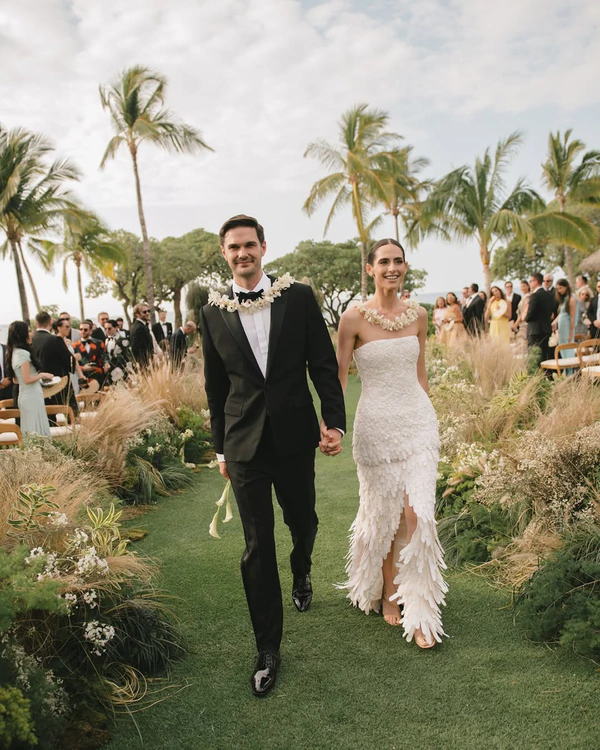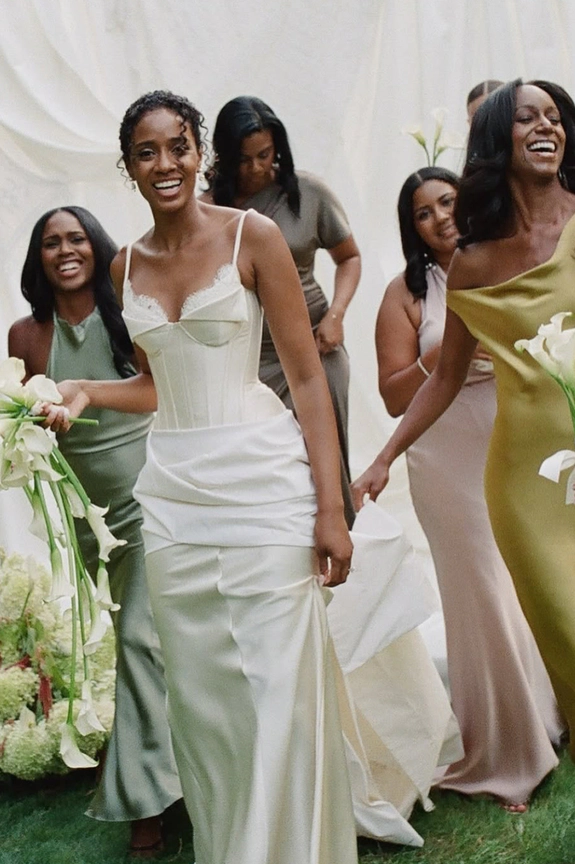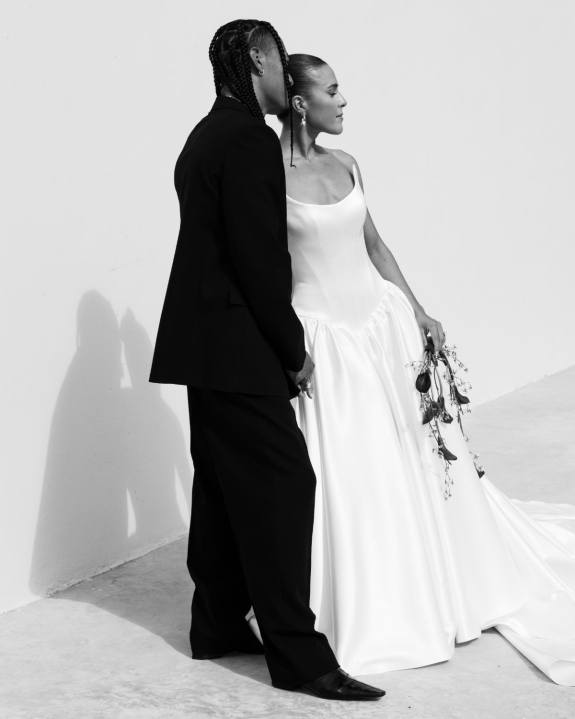
There’s long been a certain allure to having your wedding featured on the pages of glossy magazines, going viral across carefully curated Instagram grids or trending on TikTok, where visibility can feel like part of the celebration. And for most couples, beautifully documented, highly shareable moments are a major priority come wedding day. But something has shifted, quietly and decisively, at the very top of the market. The upper echelon are increasingly choosing something altogether different: total, contractual privacy. NDAs (aka the non-disclosure agreement), once the territory of celebrity PR teams and Hollywood insiders, have crept into the fabric of the luxury wedding industry, and they’re not leaving anytime soon. In fact, they may be one of the most telling indicators yet of where true luxury is headed. So, is privacy the new ultimate status symbol? We spoke with some of the industry’s leading wedding planners and photographers to find out what’s really driving the shift.
Inside the Wedding NDA
At their core, wedding NDAs are legal agreements often signed by vendors, staff, and even guests that outline what can and cannot be shared about a private event. In practice, they can cover everything from social media posts and photography to simply discussing the details of the day with outsiders. It's a nuanced decision for couples, yet increasingly seen as a natural extension of the planning process for luxury weddings, adding one more layer of care for couple's that value privacy, ensuring their special day is protected in a way that aligns with their values and preference for discretion. For many in the industry, asking a supplier to sign an NDA is no different from agreeing on a style brief or confirming a timeline. As New York City based Australian photographer, Samm Blake, explains "True luxury has always included discretion. An NDA simply formalizes what should already be an unspoken understanding between a client and a wedding vendor." It sets a clear, shared understanding from the get go which, ultimately, makes for a smoother, more trusting working relationship all round.
Privacy is the New Prestige
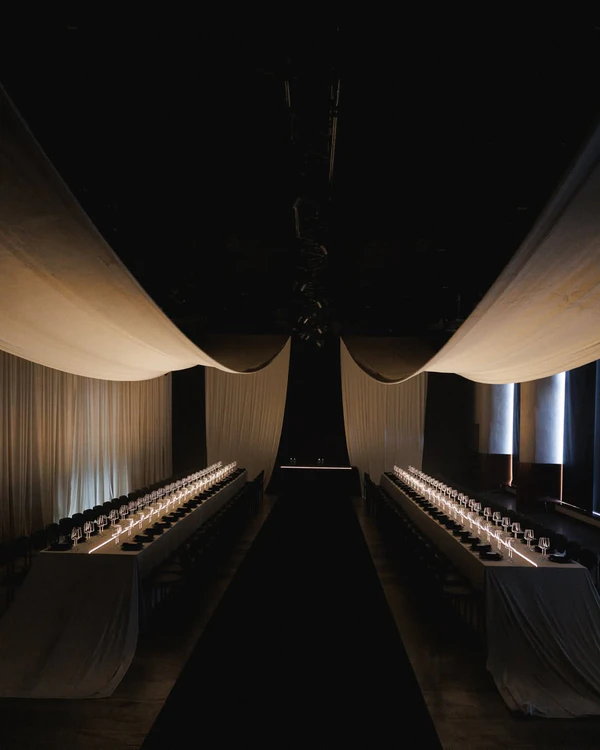
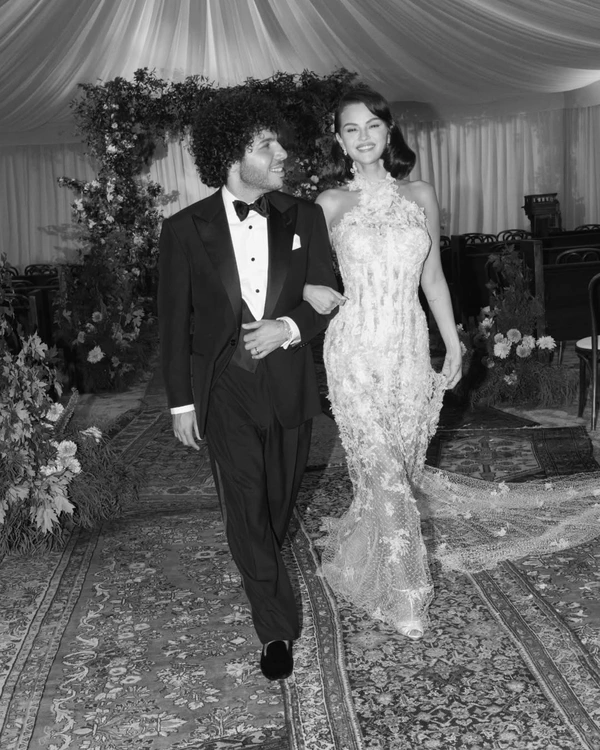
For decades, luxury weddings have been defined by visual extravagance: sweeping venues, abundant florals, and guest lists of note. Every detail considered, crafted, and designed to make an impression. Now, for a lot of high-net-worth clients, the calculus has flipped entirely; what you don't share has become the ultimate signifier of taste. Wedding planners at the luxury end are no longer treating NDAs as an afterthought. Often part of the proposal, it sets the standard right off the bat.
Hannah Hill of Studio White, whose work spans some of the most considered high-end celebrations in the United Kingdom shares, "For some of our clients, privacy is as important as the venue or the guest list. Weddings today often involve high-profile individuals, significant wealth, or simply a desire to keep something deeply personal off the public stage. NDAs allow couples to create a space where guests, suppliers, and staff understand that discretion is not optional, it’s part of the brief." Chelsea Wenner, co-founder and creative director behind Texas-based planner Kiran + Leigh adds, "In an era where everything is content, privacy has become a status symbol. NDAs in the luxury wedding world often represent a client’s desire to create something deeply personal without the pressure of public consumption."
From Celebrity Circles to Private Clients
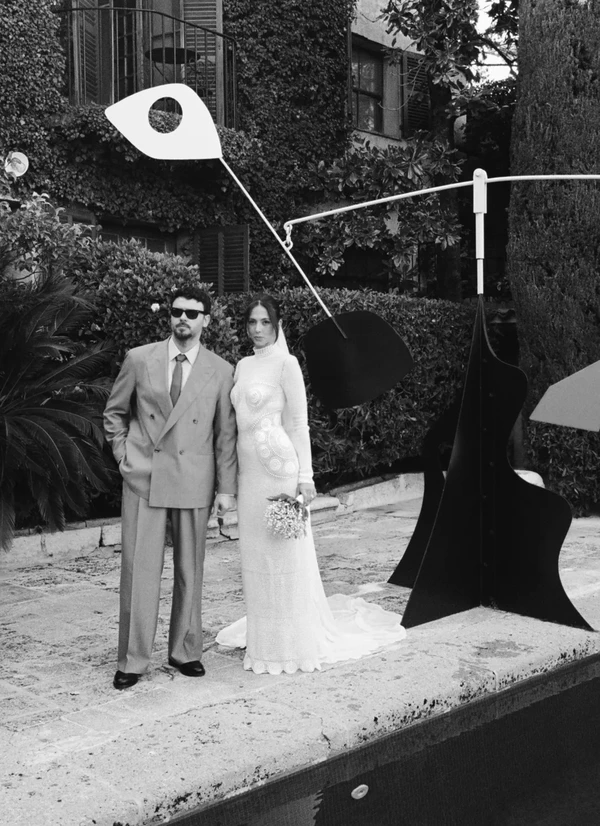
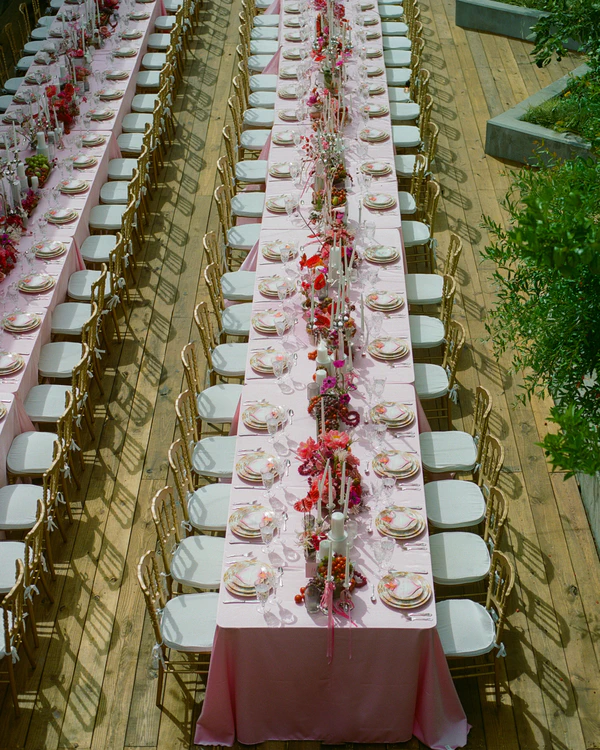
It wasn't long ago that non-disclosure agreements were reserved for A-list celebrities and heads of state, but that's no longer the reality on the ground. Wedding photographer Jack Henry, who has built a reputation shooting some of the world's most extraordinary celebrity and influencer weddings, has observed this shift happen in real time. "It used to be mostly celebrity clients asking for them, but now it's just as common with ultra-high-net-worth families who simply don't want their personal lives in the public eye," he says. The appetite for discretion has become more prevelant, and the NDA has followed.
The Social Media Effect
Weddings have never been more visible. What was once shared in personal photo albums and picture frames now unfolds in real time on social media, often before the night is even over. For some couples, that visibility is part of the appeal, with celebrations thoughtfully designed not just to be experienced, but to be shared, saved, and, even to go viral. But that level of exposure isn’t for everyone.
The spread of social media has changed the stakes permanently, making control over how a celebration is documented and shared more valuable than ever. What was once framed as a marker of elite status is revealing itself to be something more considered. Sunna Yassin, Principal of planning service Bash Please, has watched this evolution up close and frames it precisely: “We’ve seen a clear increase in NDA usage over the past few years, particularly as events have become more visible online. It’s less about exclusivity, and more about intention, and clients wanting control over how, when, and if their celebration is shared.” Samm Blake adds, “When an NDA is in place, it changes the intention behind the images. The work becomes less about visibility and more about creating a personal archive that’s only meant to live within a very small circle. It highlights how much clients today are thinking about narrative and control, especially in a world where weddings can so quickly become content." In this context, NDAs begin to feel less like restriction and more like recalibration, a way of pushing back against the default of instant sharing, and couples reclaiming a sense of authorship over the narrative.
Shaping What’s Shared,
Without the NDA
A full NDA isn’t the only path couples can take, with more flexible approaches offering the same sense of consideration but with fewer strict boundaries. A widely used alternative for a lighter-touch agreement between couples and vendors is an adjusted model approach, whereby couples guide which images can be shared publicly, shaping how their wedding is represented. As Samm Blake explains, “It’s worth distinguishing between a full NDA and the adjusted model release I see more commonly. In those cases, it’s less about complete privacy and more about clients approving which images vendors share publicly. It gives them a level of control over how their wedding and likeness are represented, rather than it being a free-for-all on an event that is so personal.”
Discretion by Design
For some of the most established names in the industry, discretion is often built into the relationship long before paperwork enters the picture. Mark Niemierko of Niemierko, the London-based luxury planning firm with over two decades in the industry, has built its reputation on exactly this principle. “In over 21 years we have rarely been asked to sign NDAs, which speaks to the trust our clients place in us, yet we routinely require them across our wider team and suppliers to protect that privacy,” they explain. It’s a telling distinction: while formal agreements are increasingly common, for some vendors, trust and discretion are already an understood part of the service.
The Double-Edged Sword for Suppliers
For the vendors doing this work, NDAs come with a complicated trade-off. The higher the client, the more invisible the work becomes, and that invisibility has real professional consequences. Jack Henry puts it plainly: "Some of the most incredible events I shoot are the ones I'll never be able to share, but that's just the trade-off when moving into the upper end of the market." While these restrictions may not define an entire portfolio, they can mean some of a vendor’s most impressive work remains unseen, forcing reputation, referrals, and trust to carry more weight in securing future clients.
When an NDA Makes Sense and When It Doesn’t
An NDA isn’t always necessary, and whether it feels right often comes down to your values and how you want your wedding to exist beyond the day itself. For some couples, a full agreement offers a sense of clarity and reassurance; for others, it can feel unnecessarily formal, especially when a more flexible approach or a clear conversation with vendors can achieve the desired outcome. As Samm Blake puts it, “It’s a nuanced decision that depends on the client and their priorities. Sometimes the presence of an NDA says less about secrecy and more about intention. It often reflects a desire to protect the experience as something that feels private and meaningful rather than performative.”