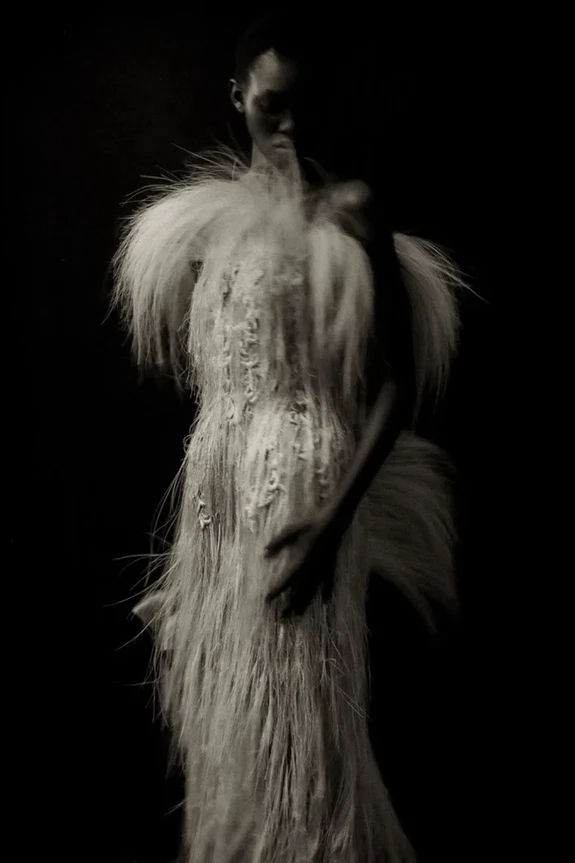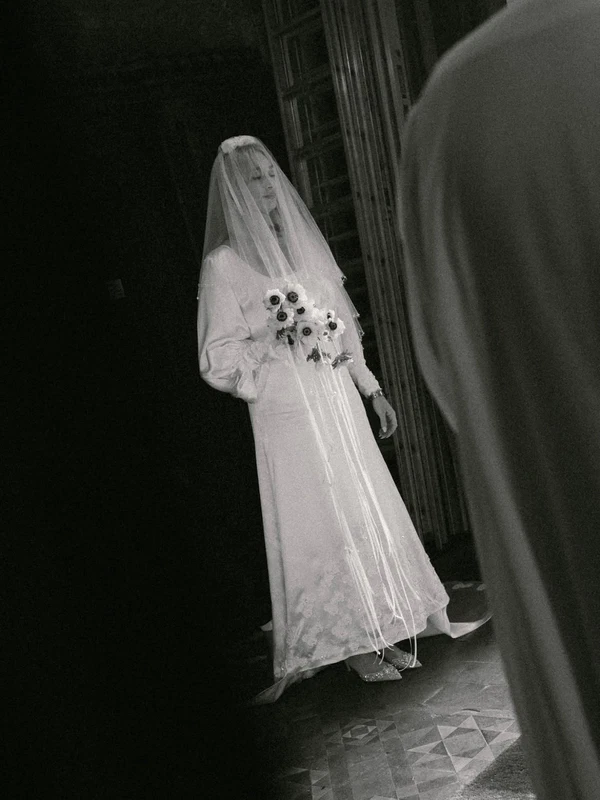
Every wedding season brings a fresh set of must-haves, and the best-loved ones almost always return as the same arch, the same tablescape, and the same dress on repeat. Don't get us wrong, trends happen for a reason, but they now travel faster than any couple can even plan, so it's easy, and completely understandable, to land on a wedding aesthetic based on what's popular in that moment. Elizabeth Kilic of 11.11 Weddings, however, has built her work around the opposite approach. The London wedding planner and stylist is known for vintage-inspired celebrations, drawing on historical references, classic films, and second-hand and pre-loved pieces sourced from independent local businesses. Their philosophy ranks taste above trends and extravagance, with every planning and design decision led by the couple. Here, Elizabeth shares eight ideas for planning a wedding that looks and feels like the people in it, not your Instagram feed.
Explore Beyond Weddings for Inspiration
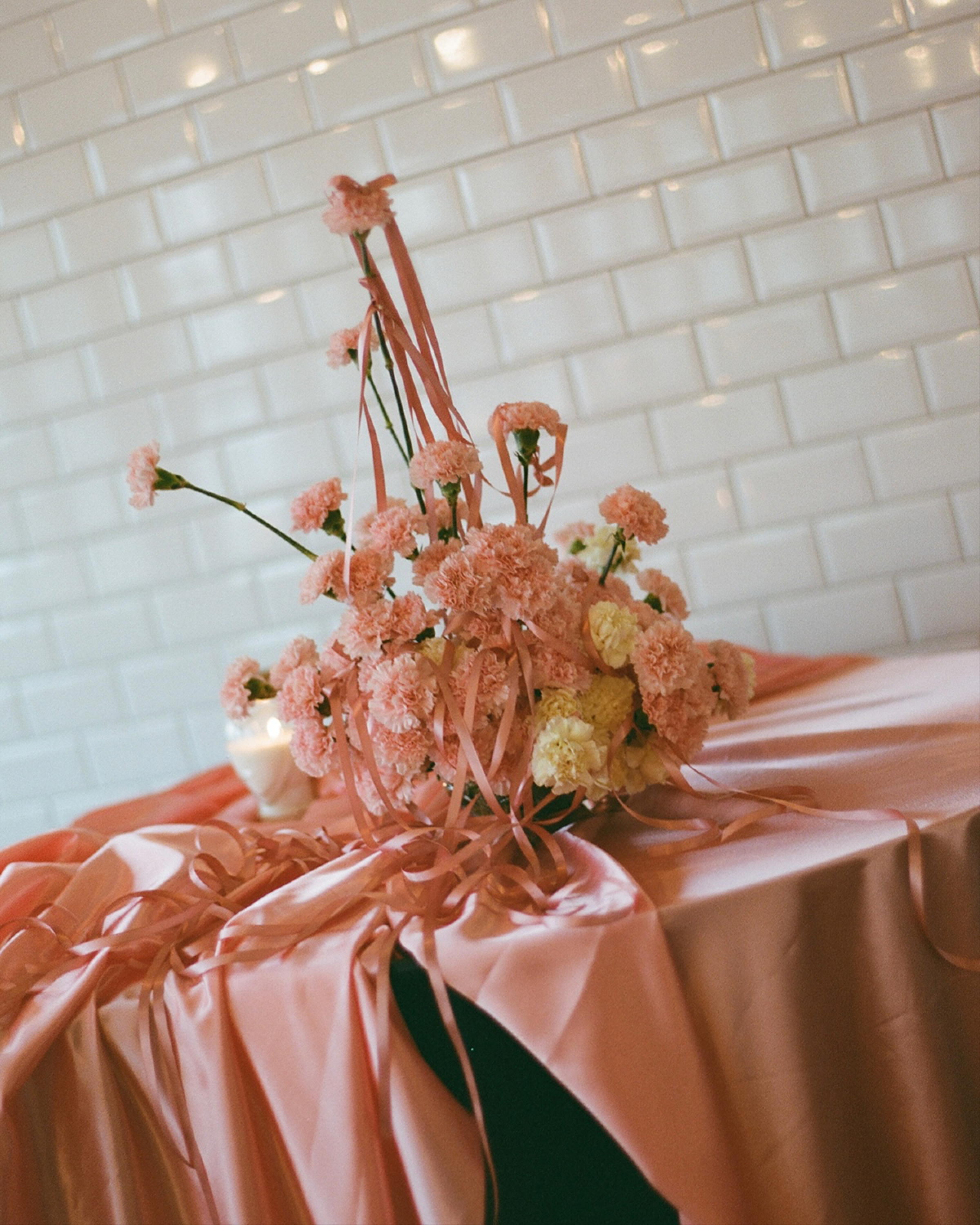
Social platforms have made wedding inspiration more accessible than ever and are major drivers of trends, with the same images appearing on mood boards season after season. There's no harm in gathering references to help convey the look and feel you're hoping to create, but we'd also encourage looking beyond weddings for inspiration. Art, cinema, fashion, architecture, cultural heritage and personal experiences can all offer interesting starting points. The aim is to create something unique to the people, place and moment in time, rather than a design that could be replicated elsewhere.
"The aim is to create something unique to the people, place and moment in time, rather than a design that could be replicated elsewhere."
Choose Creative Partners Whose Taste You Trust
When choosing suppliers, couples can understandably fall into the trap of looking for examples of work that closely resembles what they're hoping to create. We'd suggest paying just as much attention to a supplier's overall taste, vision, and creativity rather than just seeking direct examples of something they've already produced in a specific style. If you’re drawn to 70% of someone's portfolio, even if the projects look a little different from what you have in mind, they could still be a strong match. Working with people whose judgement you trust gives you access to honest feedback, fresh ideas, and a creative perspective that can take your initial references somewhere really interesting.
Take Inspiration From
the Past & Re-Interpret It
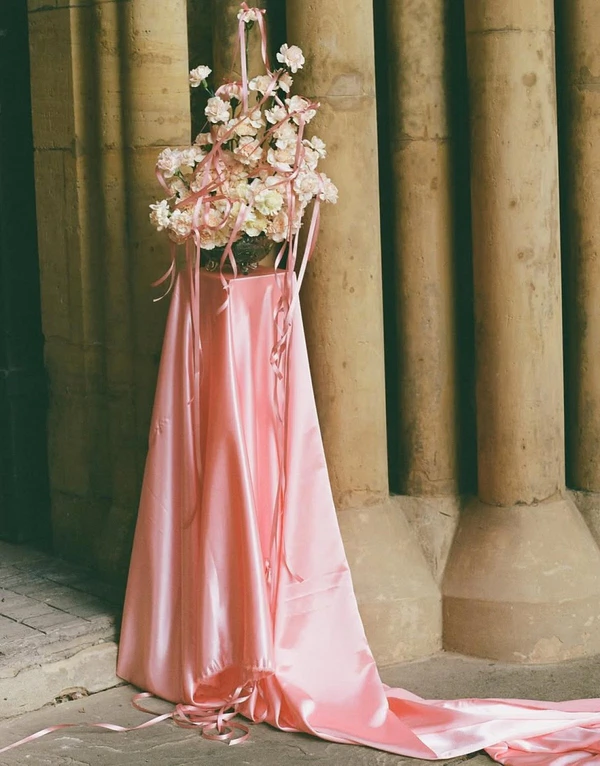
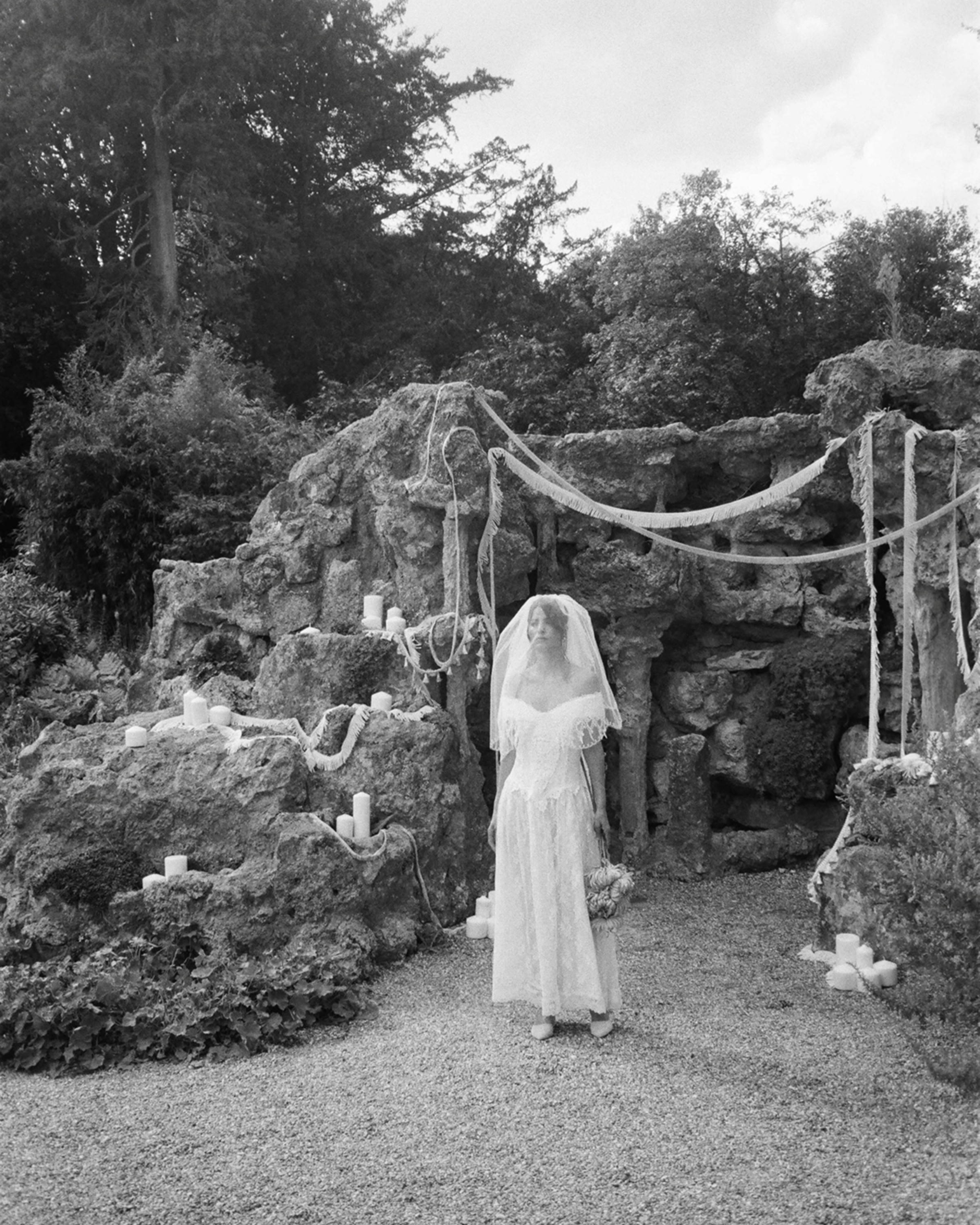
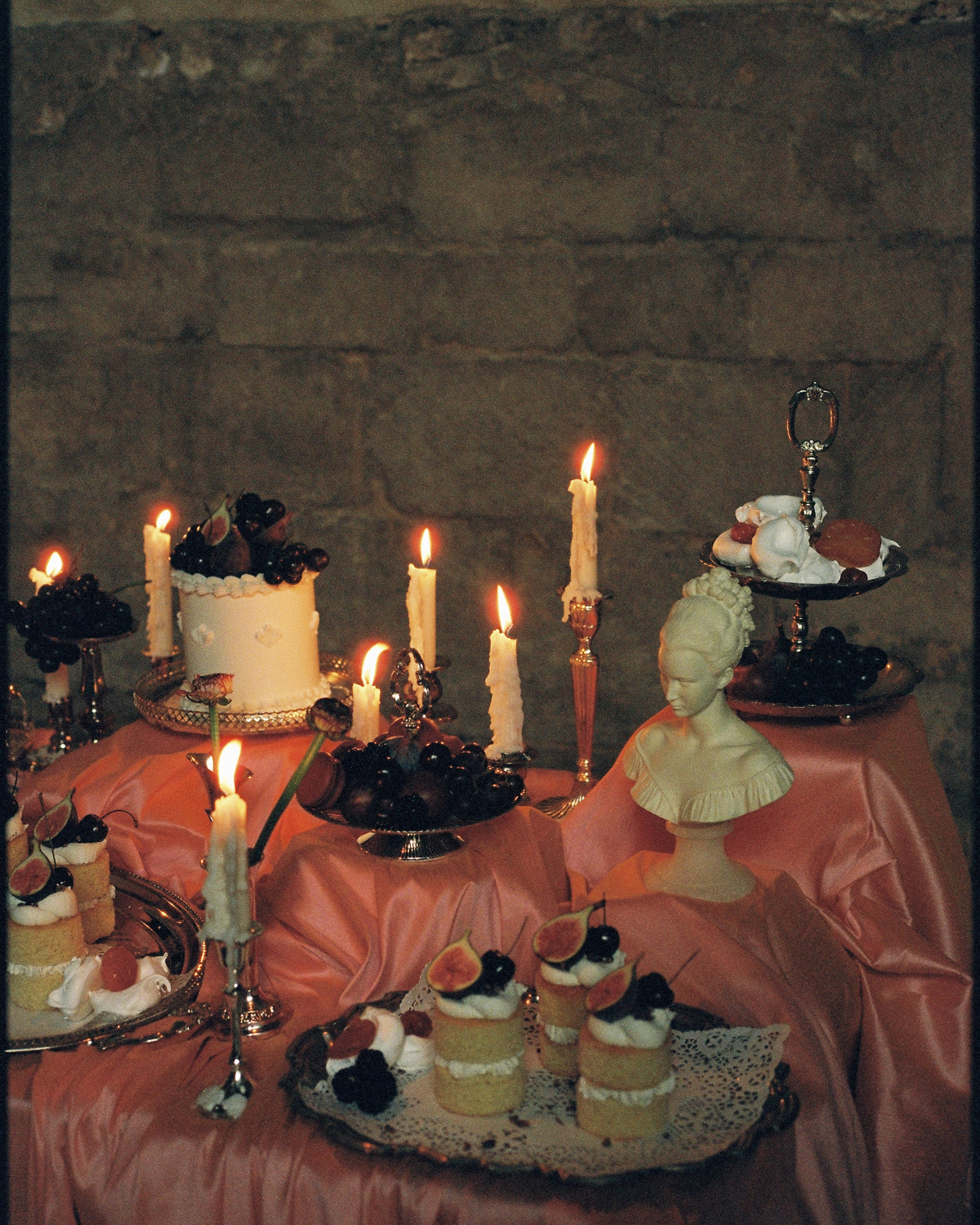
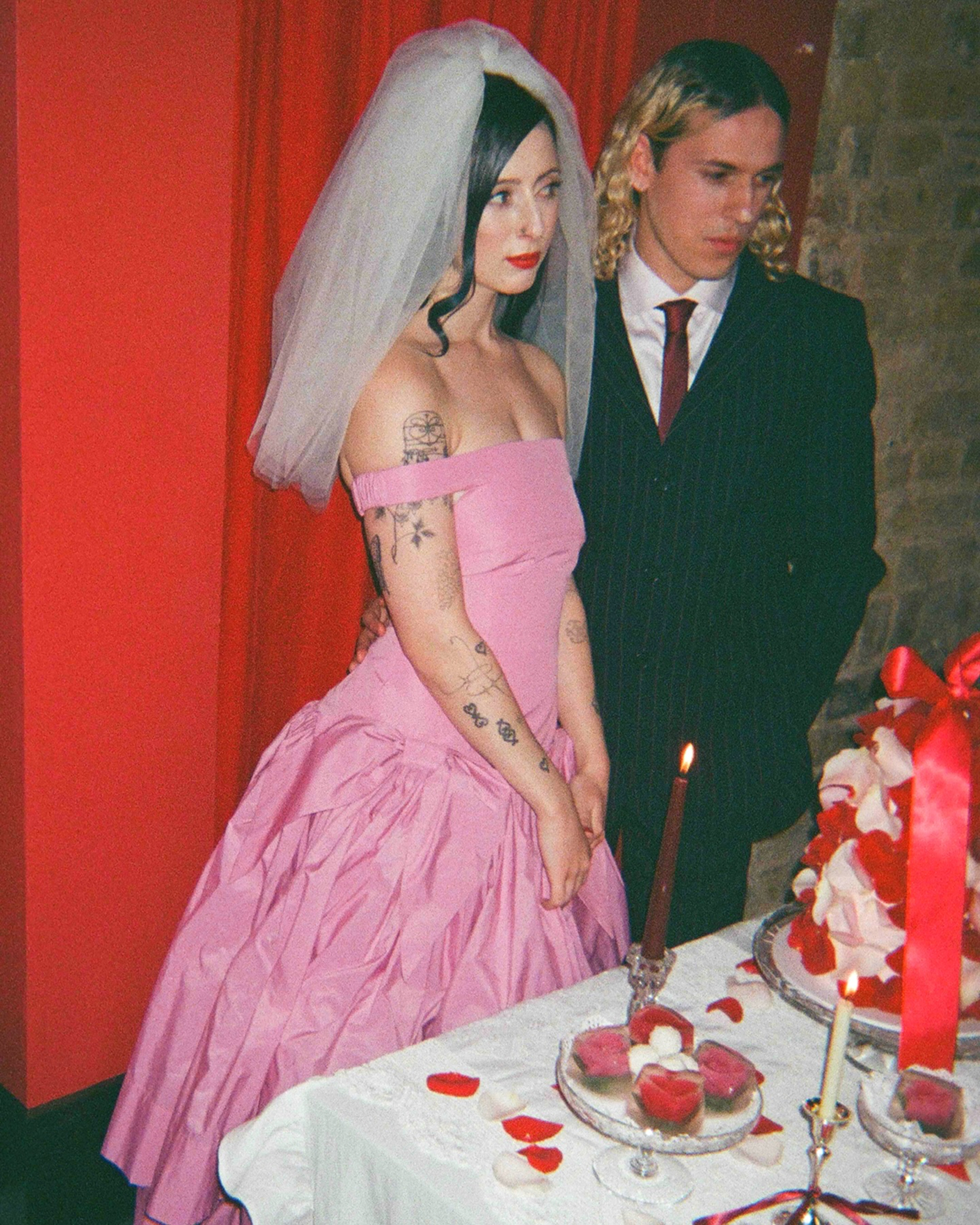
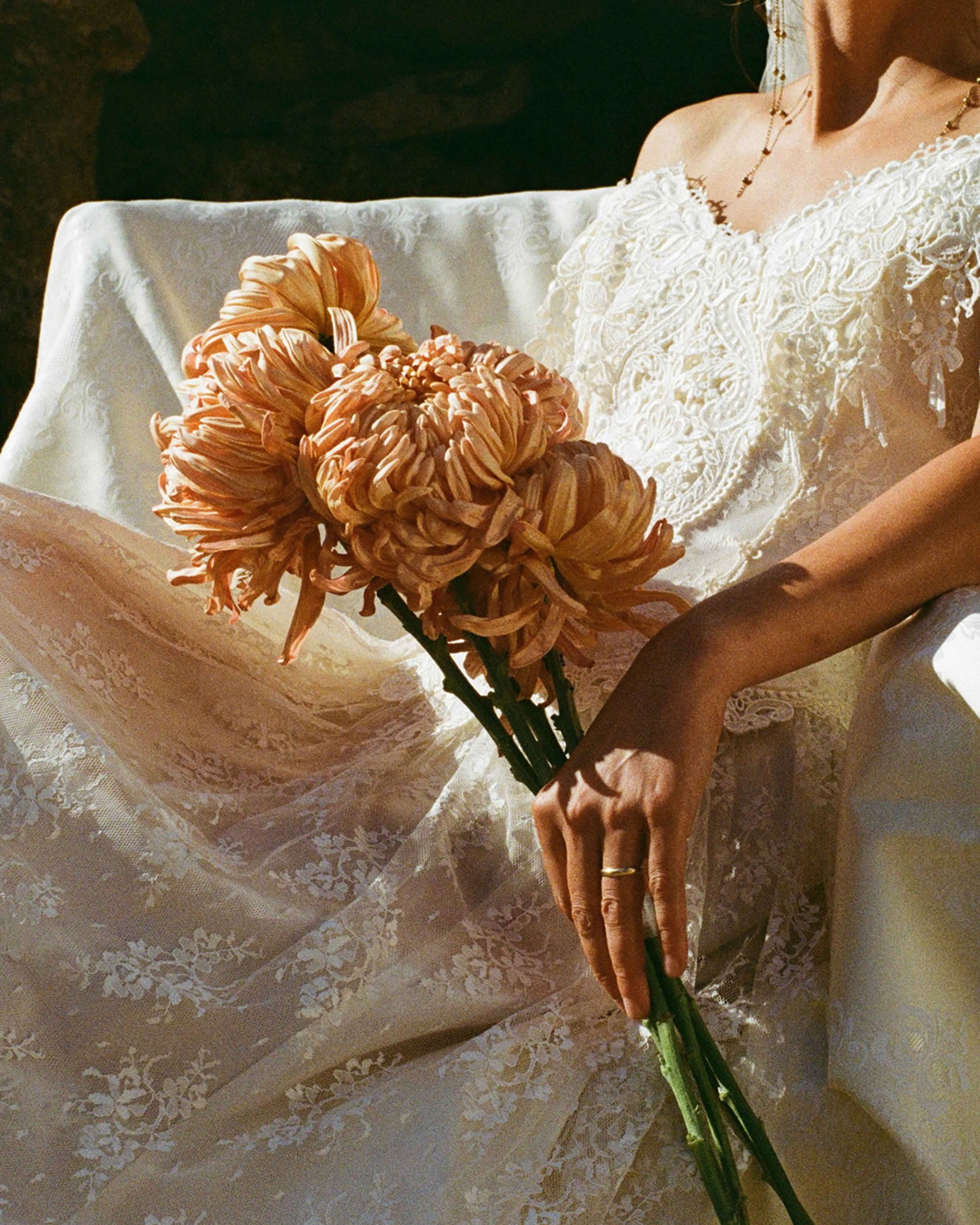
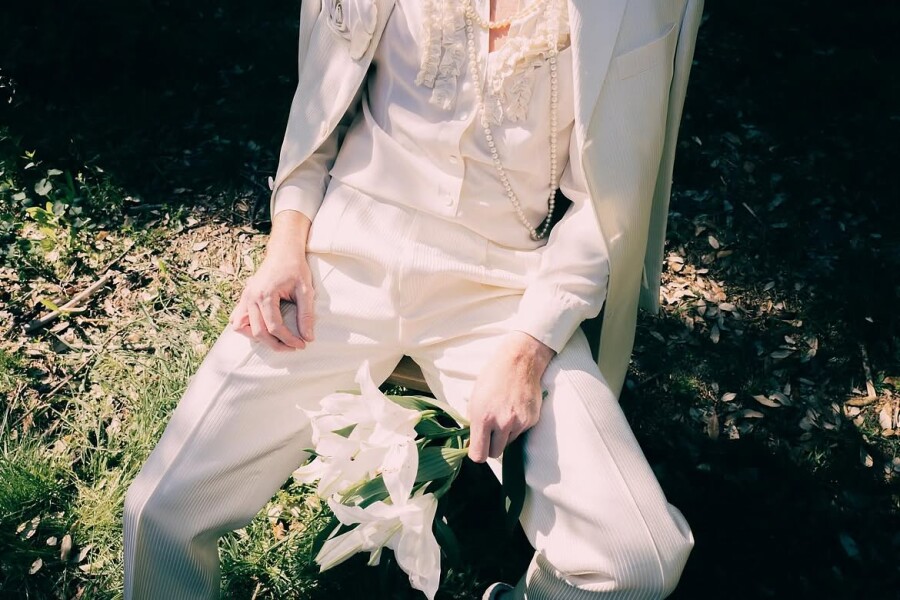
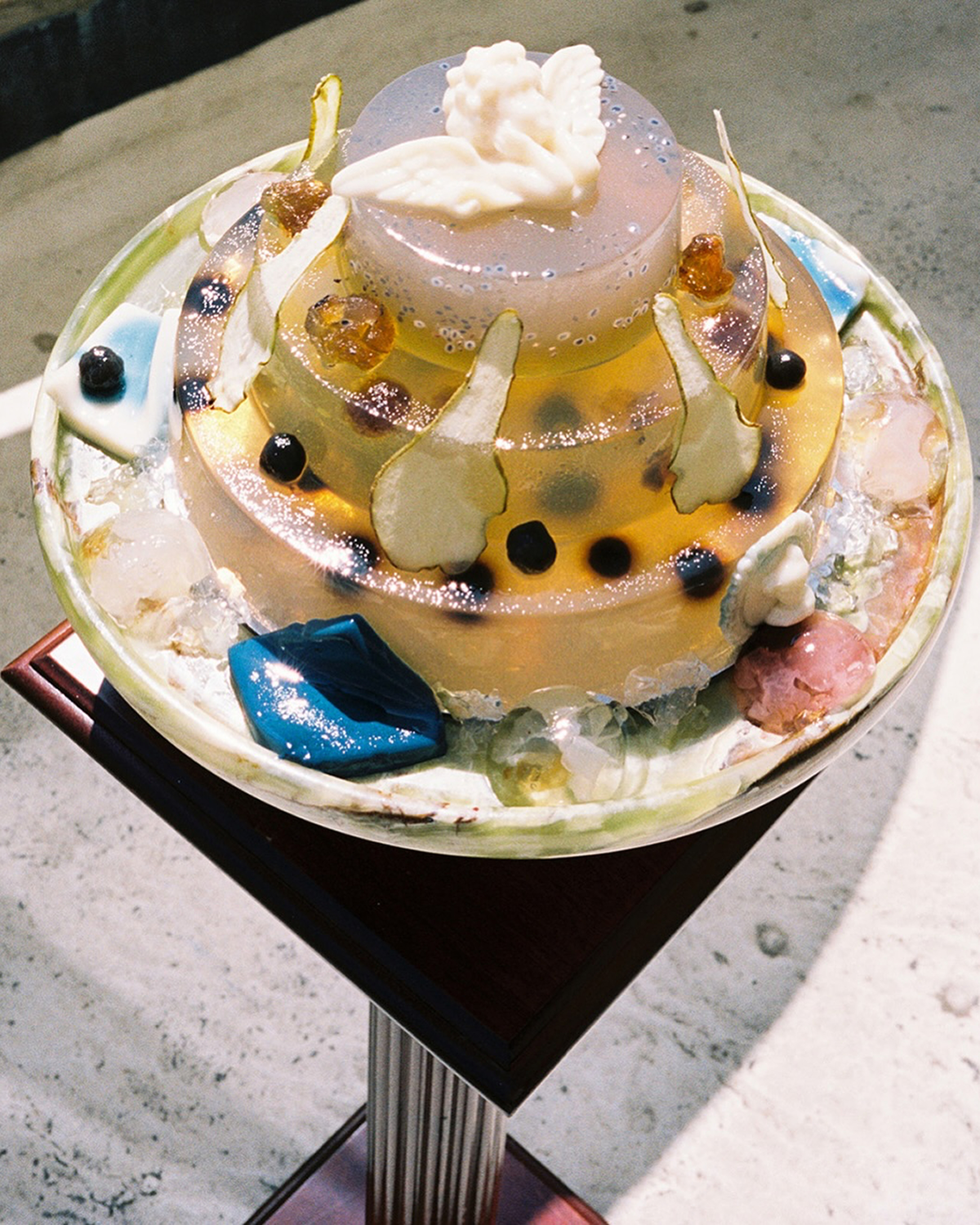
If you're drawn to a particular period in history, think about which elements you actually love and how they could work in a contemporary setting, rather than attempting to recreate the era in a historically accurate sense. For our Victorian Romance editorial in the Cotswolds, we took inspiration from the Victorians' love of ornamental garden structures, introducing a pergola to create a focal point for the ceremony within the otherwise open space of the ancient monastery. The pink dessert buffet brought together classical statues, antique silverware, and rich plum tones, offering a more playful interpretation of Victorian opulence. Historical references can be a starting point for something entirely new, rather than a set of rules to follow.
"Historical references can be a starting point for something entirely new, rather than a set of rules to follow."
Consider How Your Venue Once Was
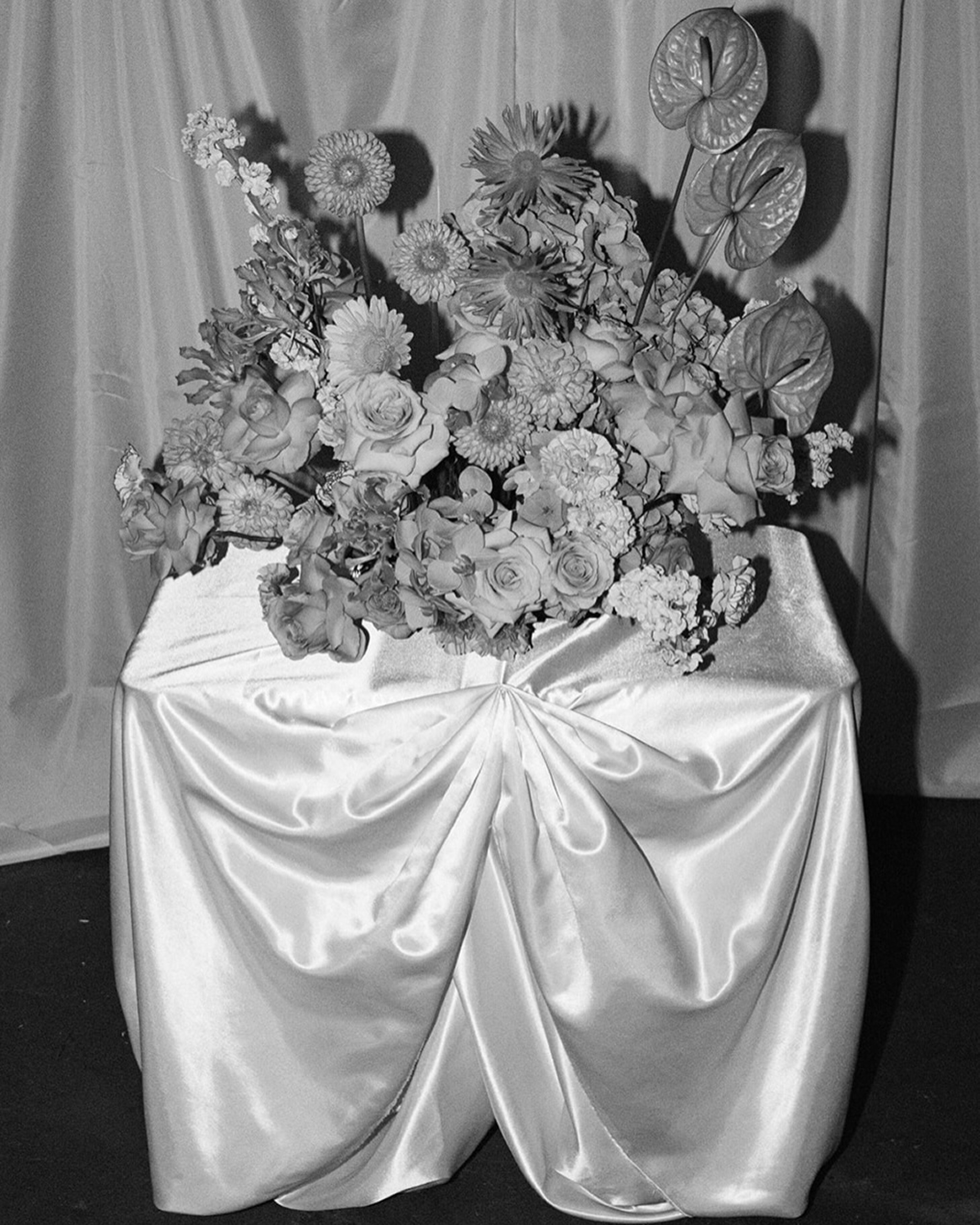
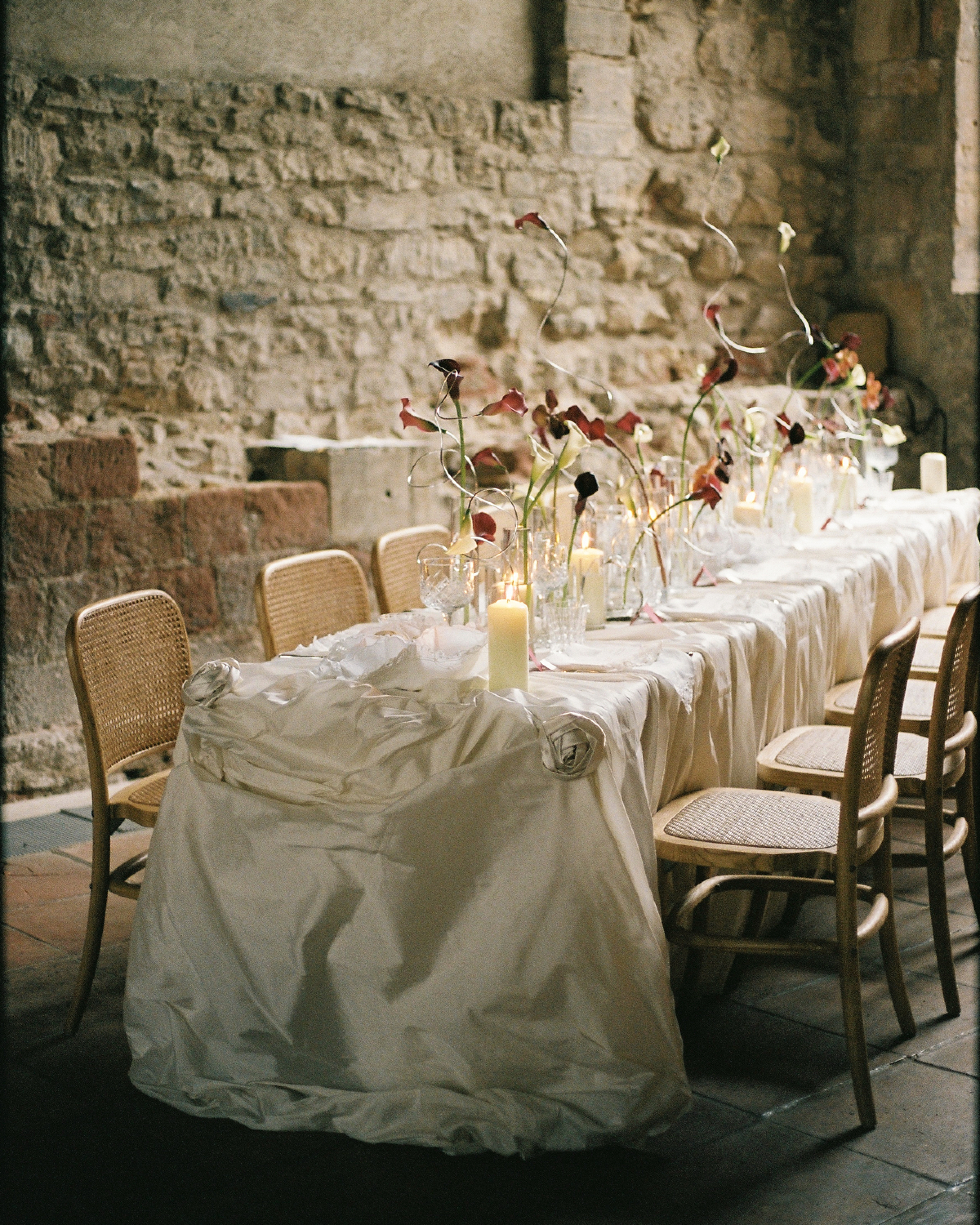
Before settling on a design direction, take some time to research your venue's history beyond its current presentation. Its original purpose, architectural influences or former occupants might offer some more interesting ideas, which is why we're particularly drawn to lesser-known places with a distinctive heritage. For our editorial at Brockwell Hall in London, we explored the building's Free Grecian architecture, using these references to inform the ceramics, color palette, food styling, and draping.
Make the Setting Work for You
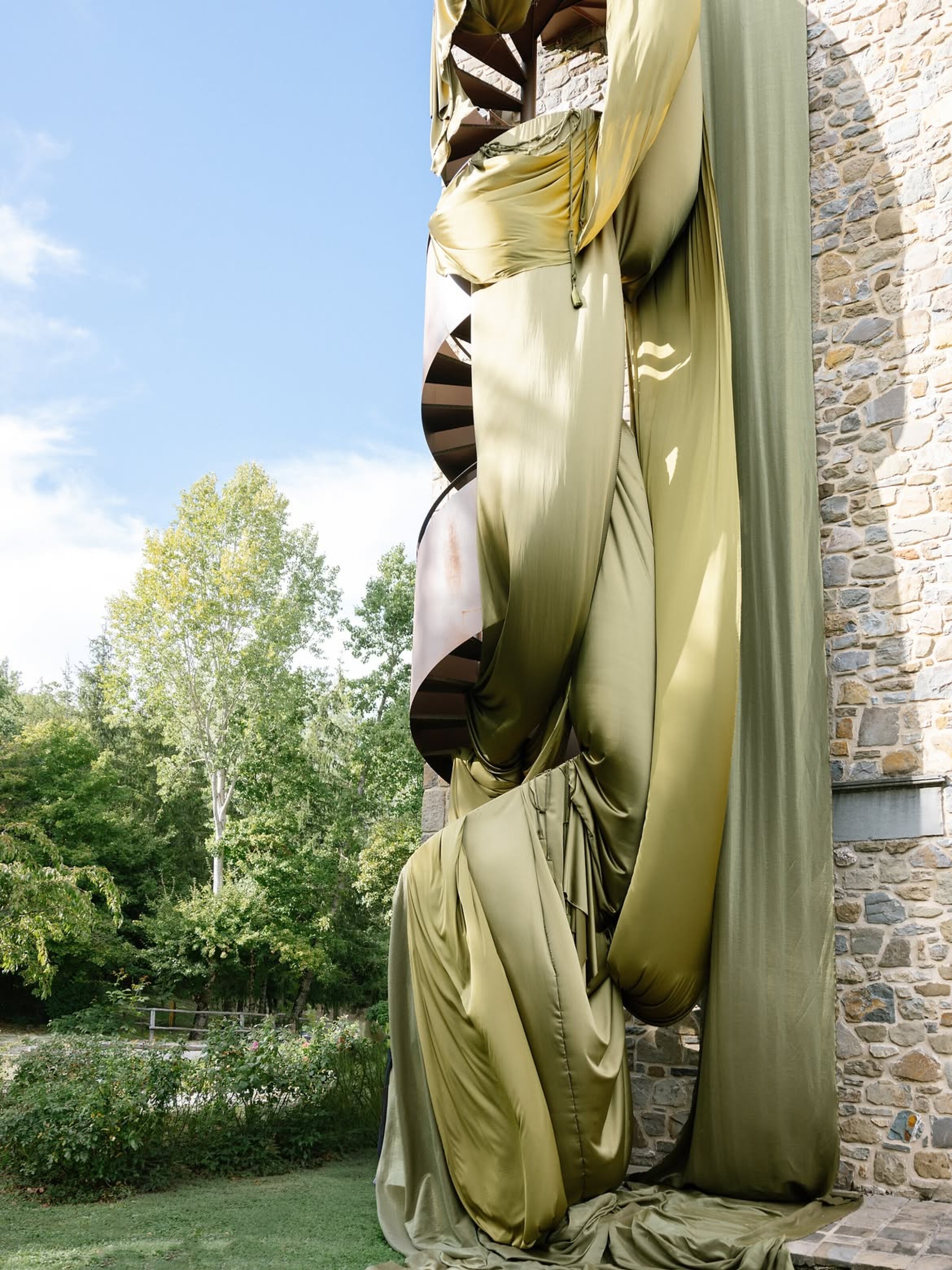
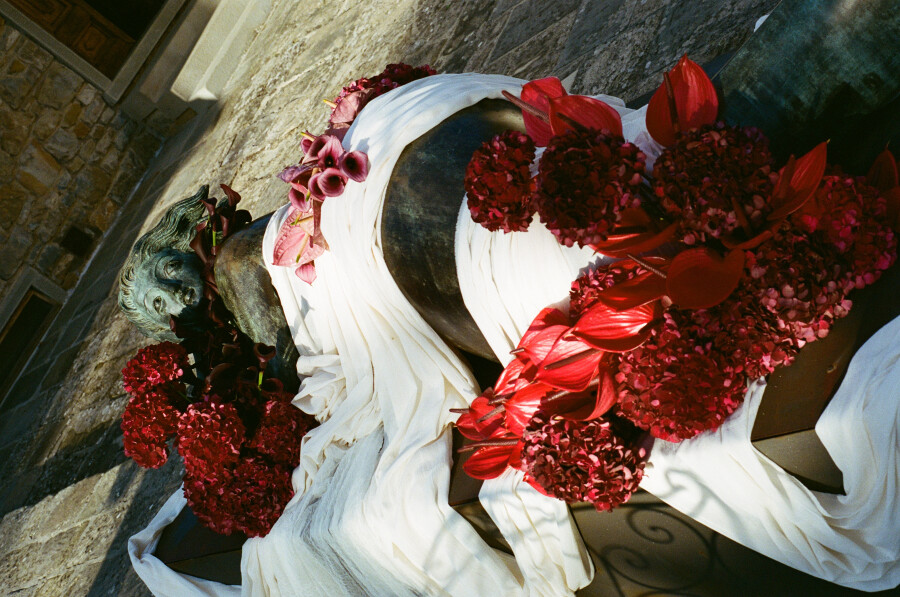
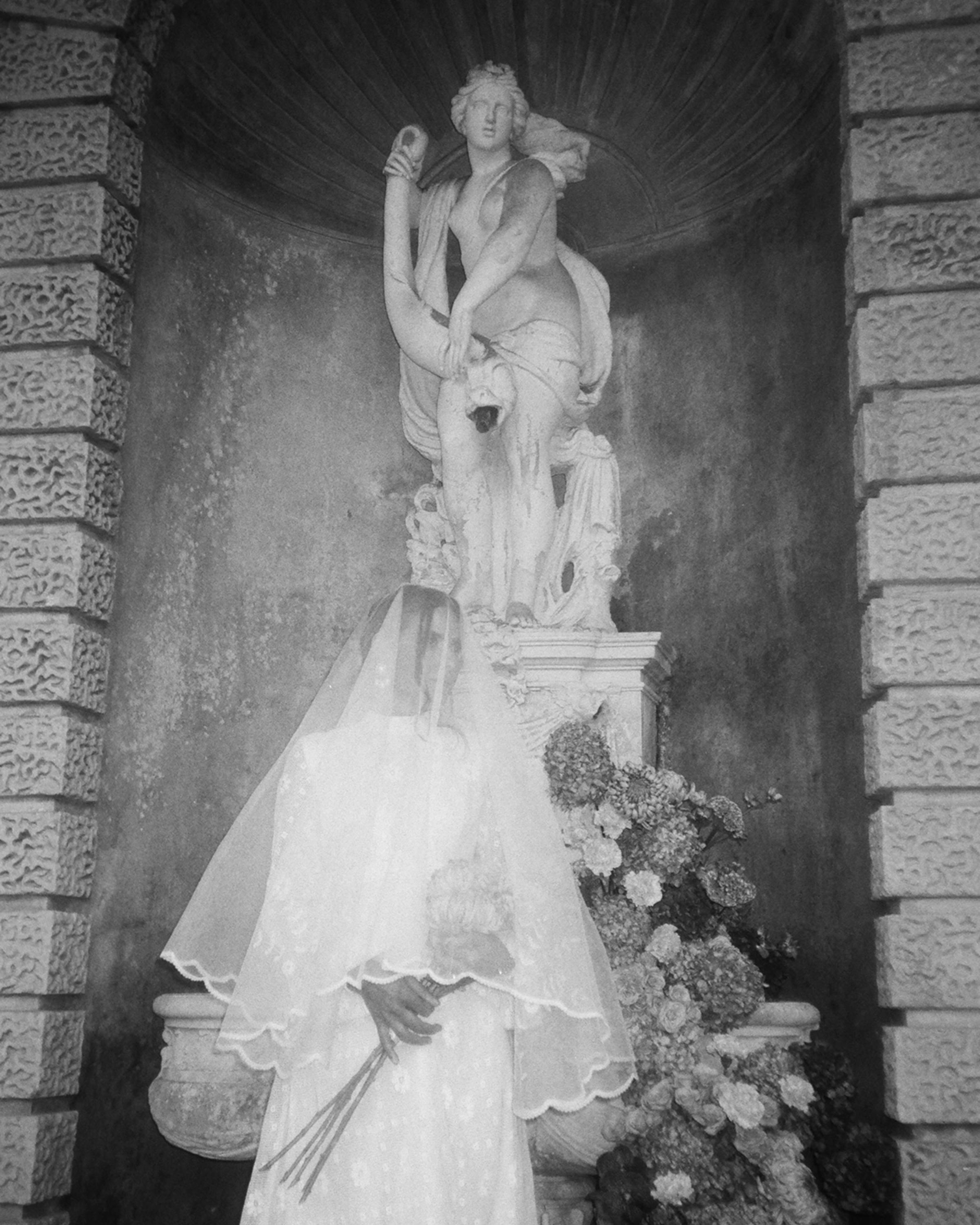
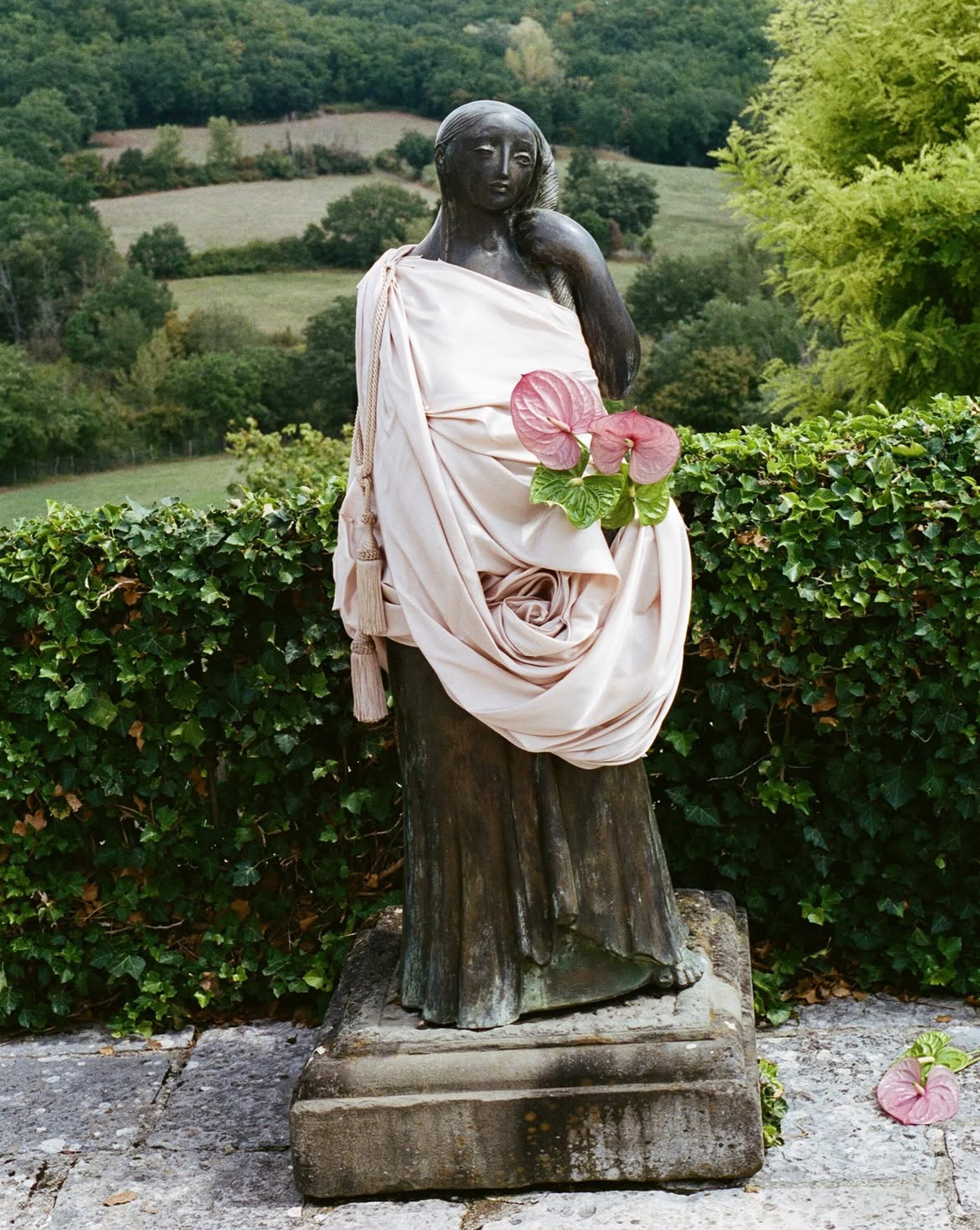
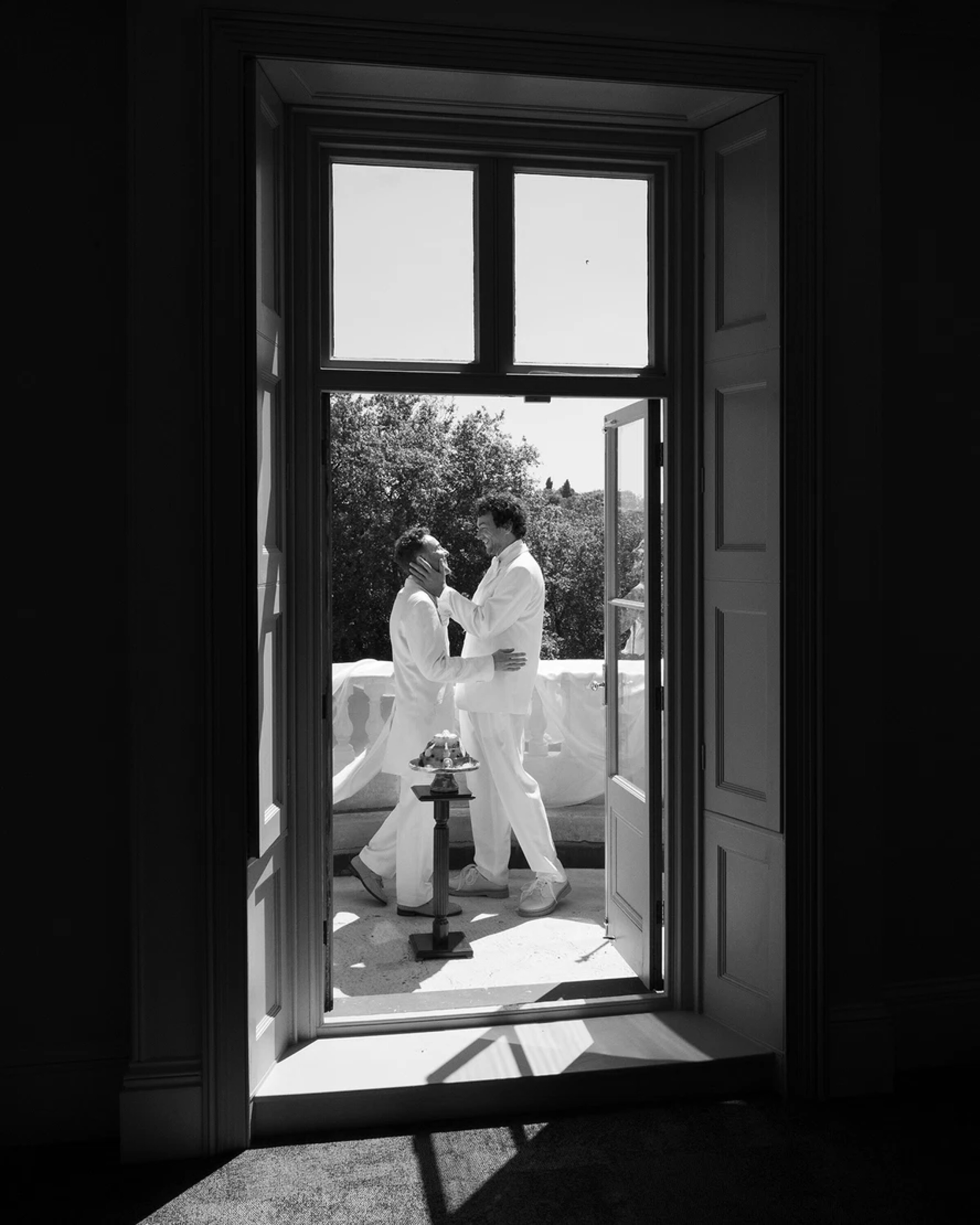
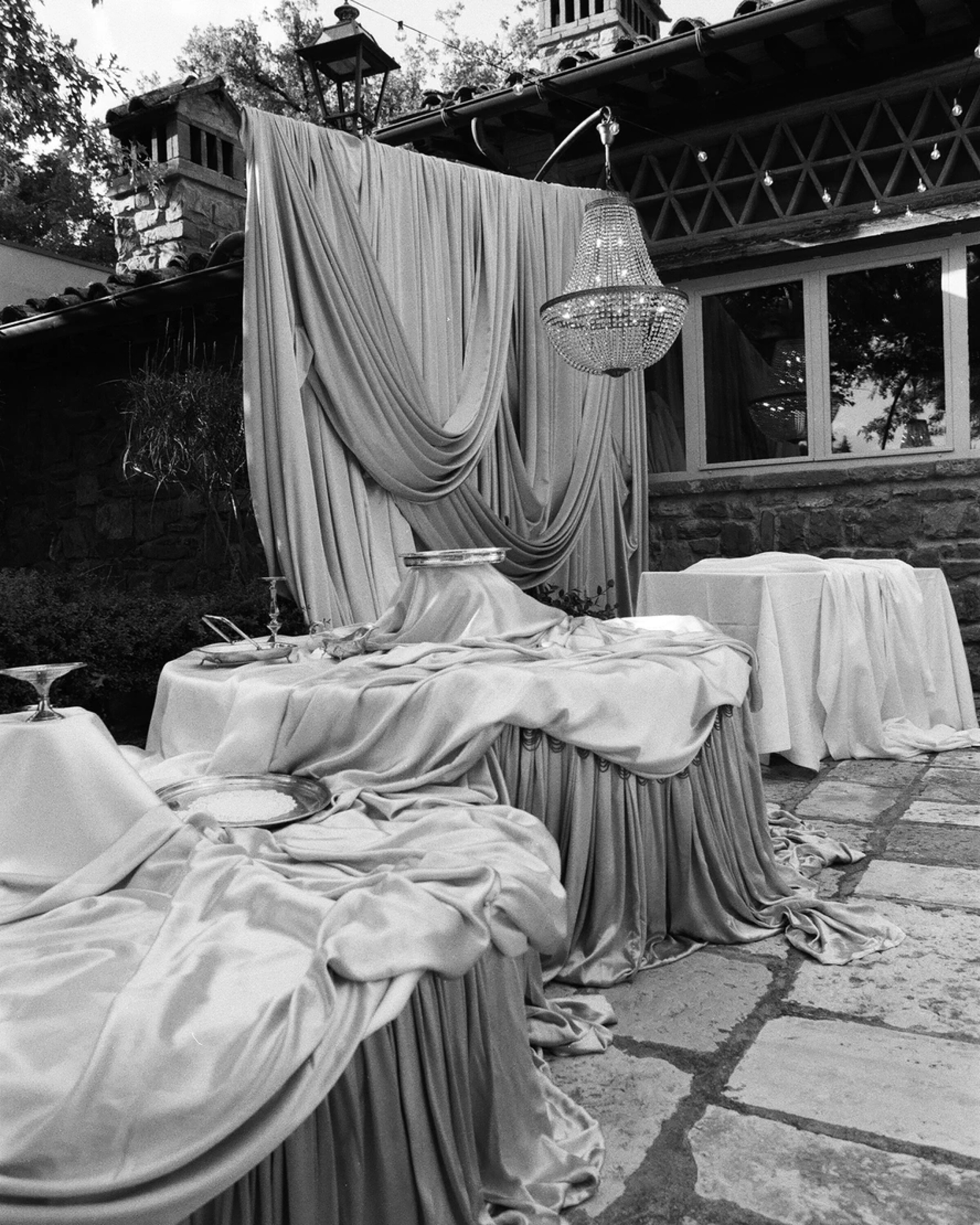
Every venue comes with its own practical limitations, but rather than seeing these as obstacles to your design, consider whether they could become opportunities for creative problem-solving. At a multi-day Indian wedding in Tuscany, existing nude statues around the ceremony setting needed to be covered to respect the religious requirements. Rather than simply hiding them, we used draping to transform the statues into sculptural features that became part of the design. Sometimes working within a restriction produces a more interesting result than having a completely blank canvas.
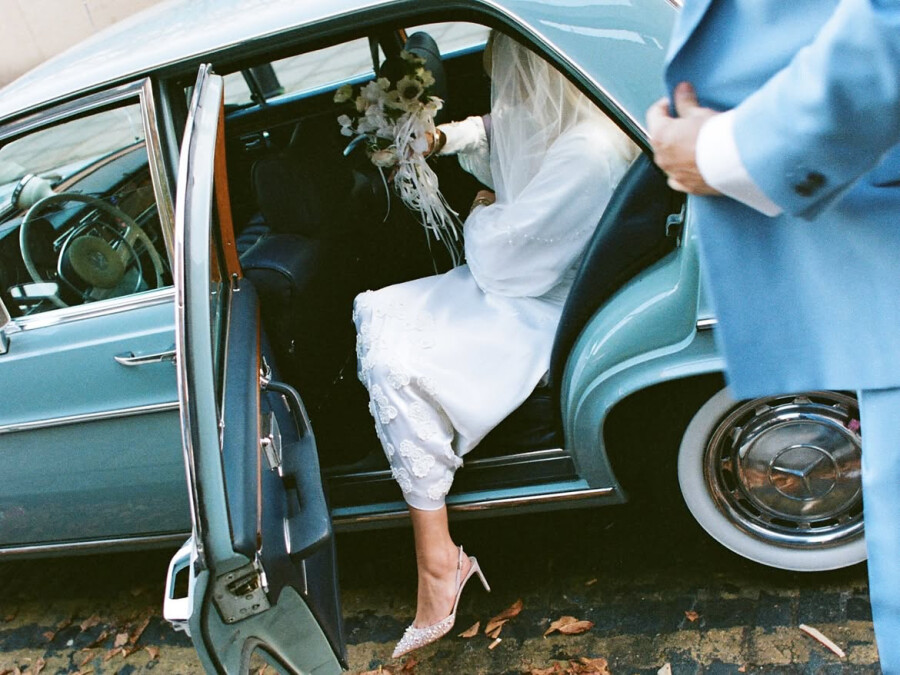
"Every venue comes with its own practical limitations, but rather than seeing these as obstacles to your design, consider whether they could become opportunities for creative problem-solving."
Design for the Experience
Think beyond the main event spaces and consider how the entire venue, including its less obvious features and practical challenges, could contribute to the guest experience. At a Kuwaiti-themed welcome celebration at Kin House in the Cotswolds, the considerable distance between the entrance and the event space gave us an opportunity to create a sequence of discoveries, evoking both the Arabian Peninsula and a step back in time. Rather than simply moving guests from one place to another, we made the route part of the celebration, revealing different moments along the way and building anticipation before they arrived. It's worth looking at the spaces between the main moments with the same creative attention as the events themselves.
Don't Be Constrained by One Aesthetic
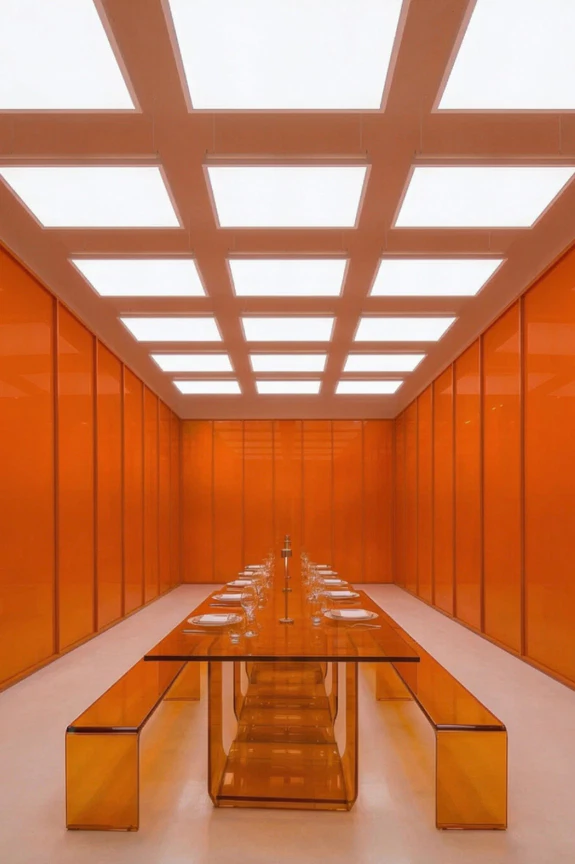
Allowing different parts of a wedding to take on their own visual identity can create a more interesting experience, with each transition bringing a change in mood and atmosphere. At The Dolder Grand in Zürich, Switzerland, we brought together California rustic influences, the couple's love of James Turrell's light installations, and traditional Swiss culture to create deliberate changes in vibe throughout the celebration. An outdoor light-filled drinks reception transitioned into a dramatic, low-lit dinner, before the evening took on the energy of a nightclub. Rather than trying to make every space match, we used contrasting styles to give each part of the day its own identity, with recurring details providing continuity.
"Allowing different parts of a wedding to take on their own visual identity can create a more interesting experience, with each transition bringing a change in mood and atmosphere."
Know When to Let the Scene Speak for Itself
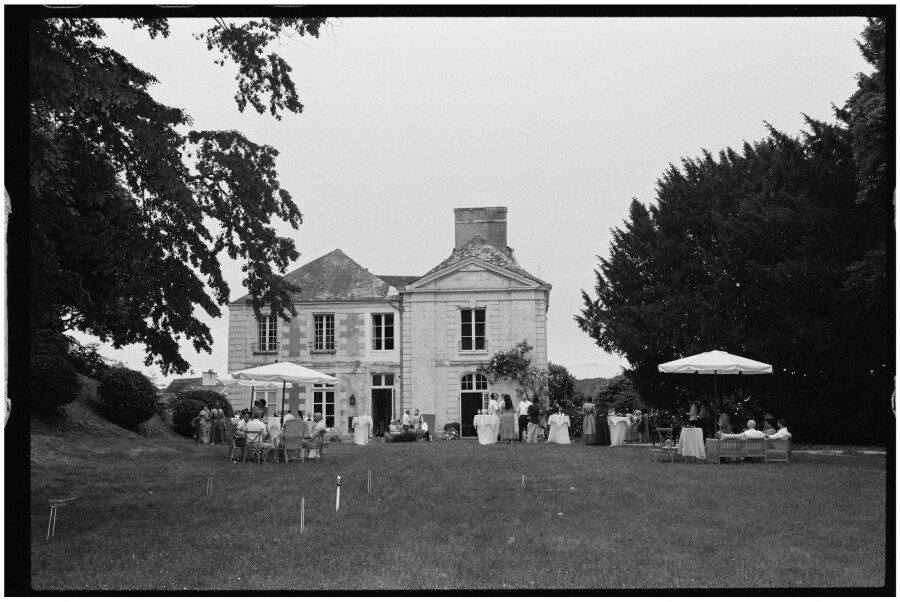
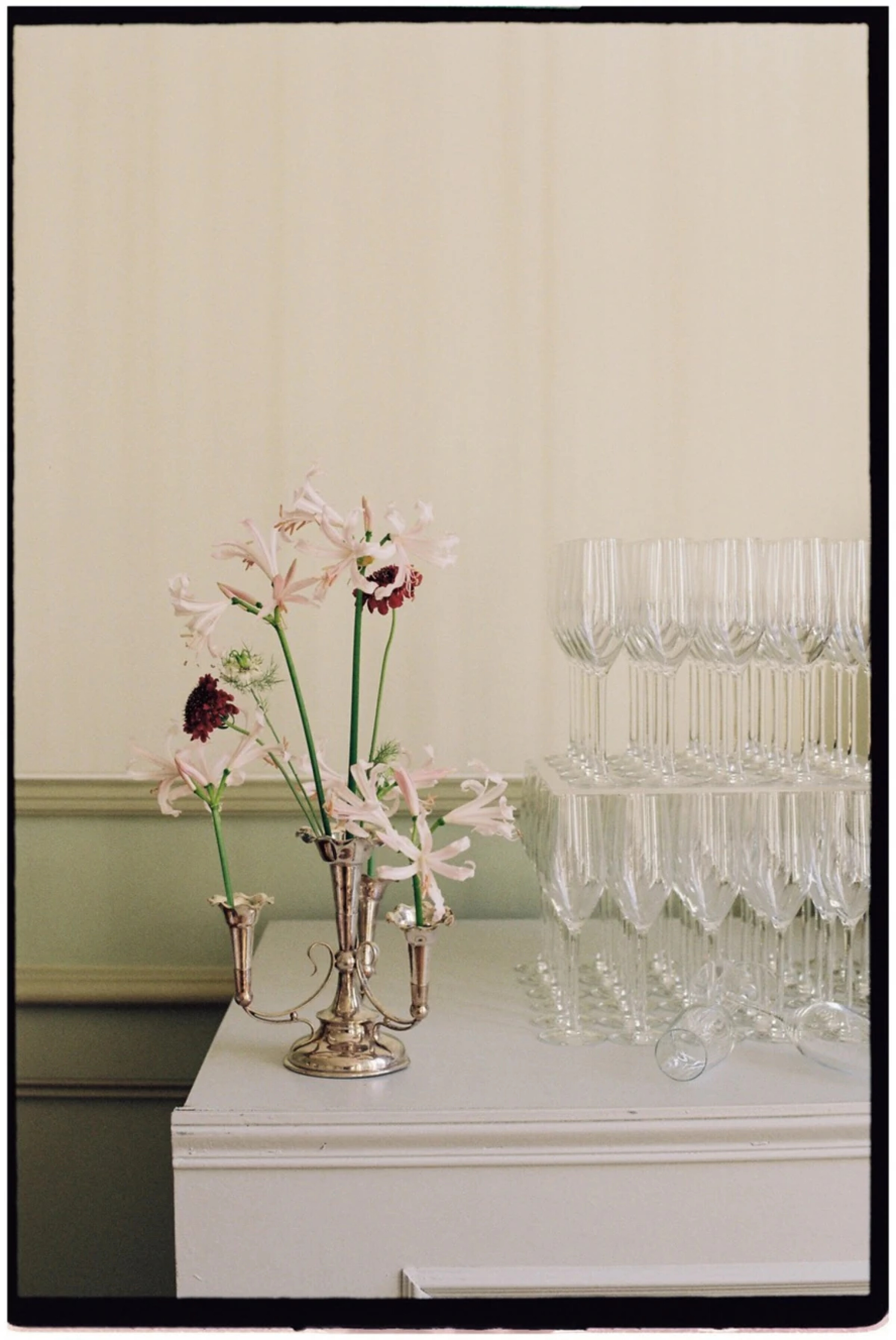
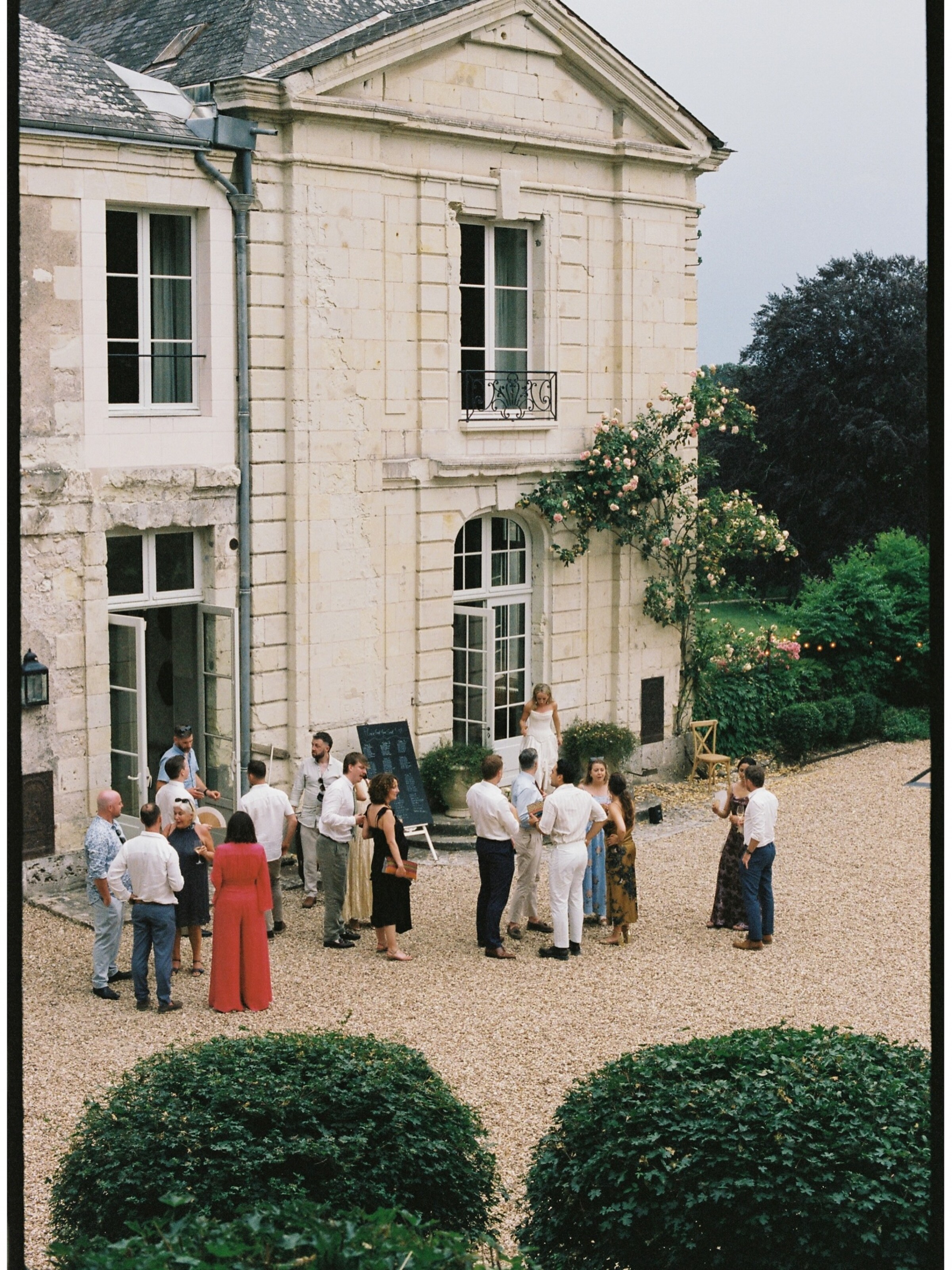
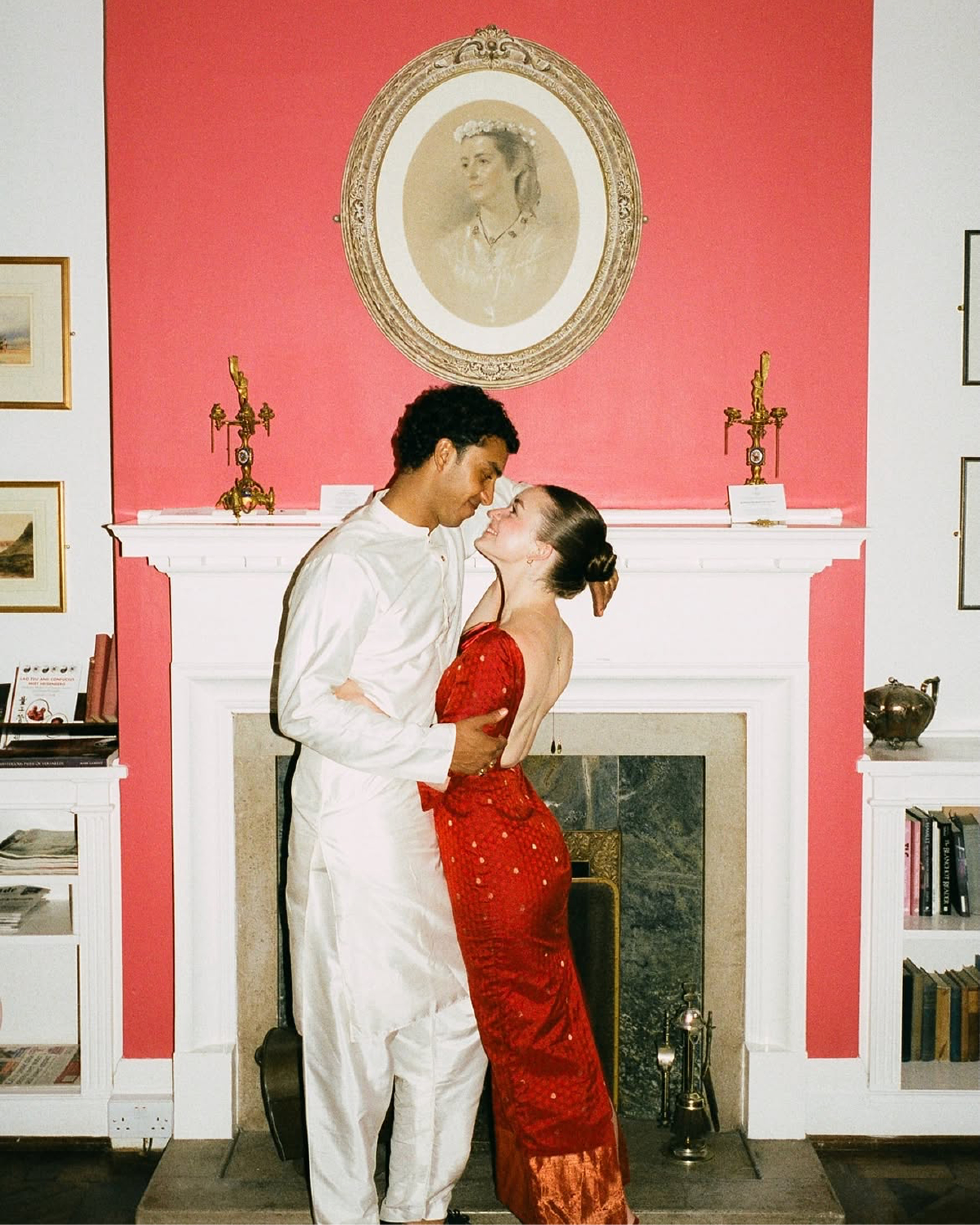
Consider what your venue and the natural atmosphere of the celebration already bring to the occasion before deciding what needs to be added. For a wedding at Château Laborde Saint-Martin in the Loire Valley, France, we drew inspiration from Slim Aarons photography and 1990s romantic comedies, introducing lounge furniture on the lawns and mismatched silver vessels for the table florals. The château's architecture, surrounding landscape and informal summer atmosphere provided much of the character, so we kept the styling relatively understated. Not every space needs elaborate décor to feel beautifully curated.