Every so often, a hotel makes the destination feel almost secondary. More often than not, the interiors have something to do with it. It’s the suite that immediately has you reconsidering every design decision you’ve made at home. The bar you’d happily spend the entire evening in. The tiny details that make you wonder who chose them and, more importantly, where you can find them yourself. In these hotels, design isn’t simply a nice backdrop to the trip. It’s one of the main reasons you want to go in the first place. And naturally, those are the hotels that tend to stay with us long after checkout.
So, if you’re anything like us and have been known to choose a hotel based on the aesthetic alone, this list is for you. We’ve rounded up some of our favorite design hotels around the world, from places we’ve stayed and loved to those currently sitting very high on our list.
Palazzo Talia
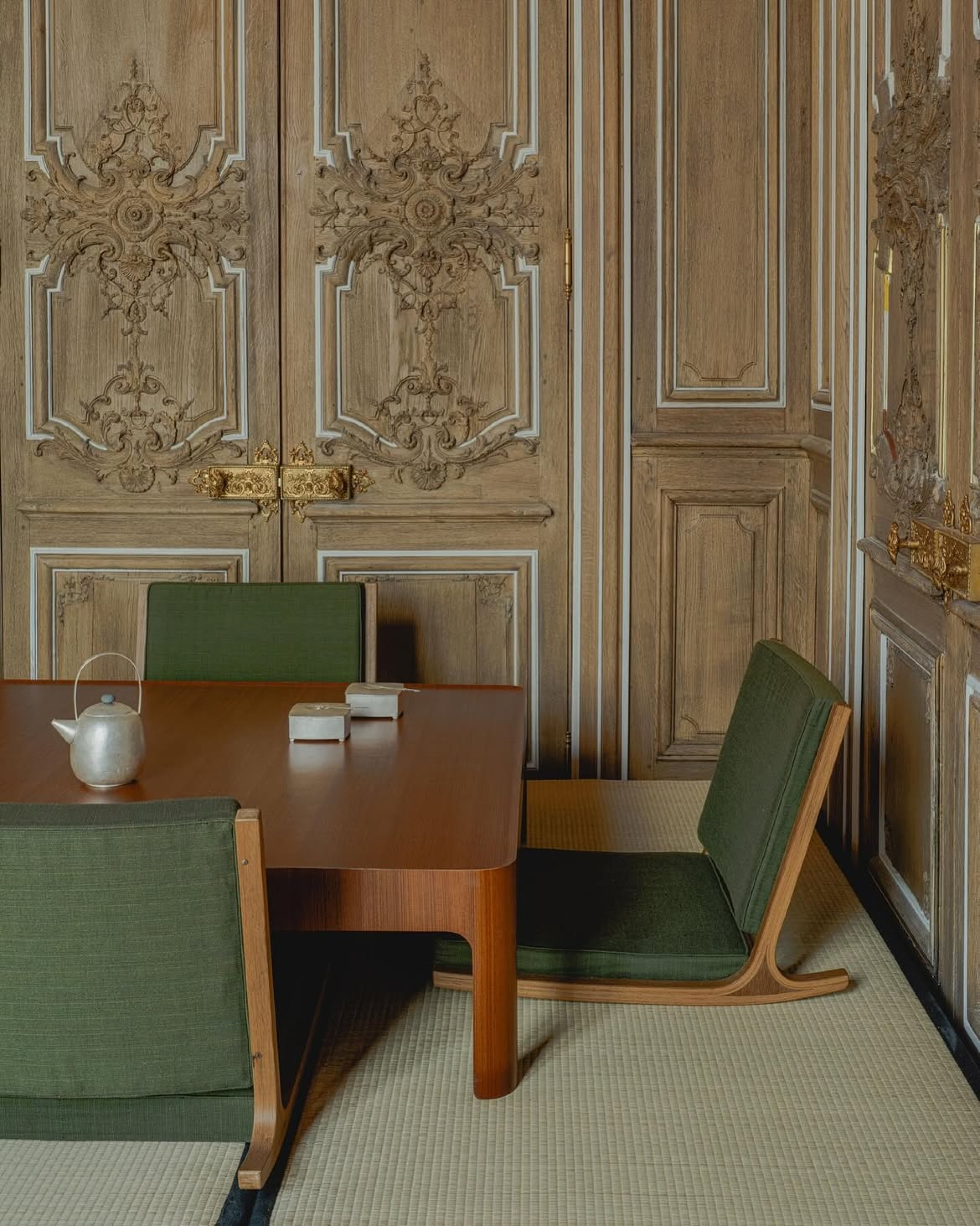
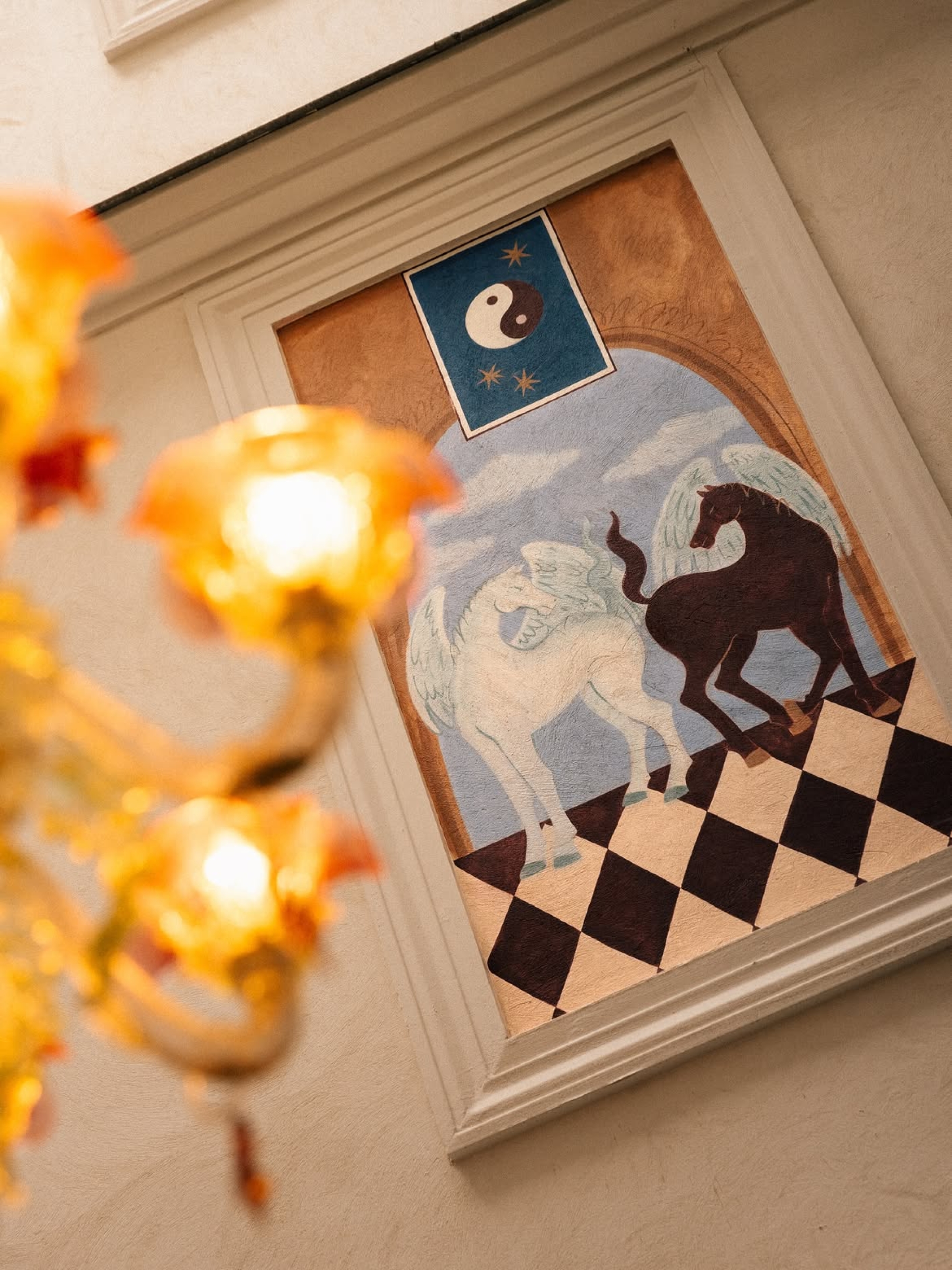
Palazzo Talia might be one of Rome’s best-kept secrets, and a personal favorite of ours. It’s incredibly central, tucked between the Spanish Steps and Trevi Fountain, but once you’re inside, you’d hardly know it. The former school was transformed into a hotel with interiors led by Studio Luca Guadagnino, the design practice founded by the director behind Call Me by Your Name and Challengers. And yes, his eye translates rather well to interiors.There’s an almost mid-century feeling to parts of the hotel, but it’s the color that really makes the interiors memorable. Colors such as powder pink and sage green appear throughout, often in combinations that sound unexpected on paper but somehow make complete sense once you see them. Even if you aren’t checking in, the bar is worth finding your way to. In a city with no shortage of beautiful old buildings, Palazzo Talia manages to feel entirely its own.
The Fife Arms
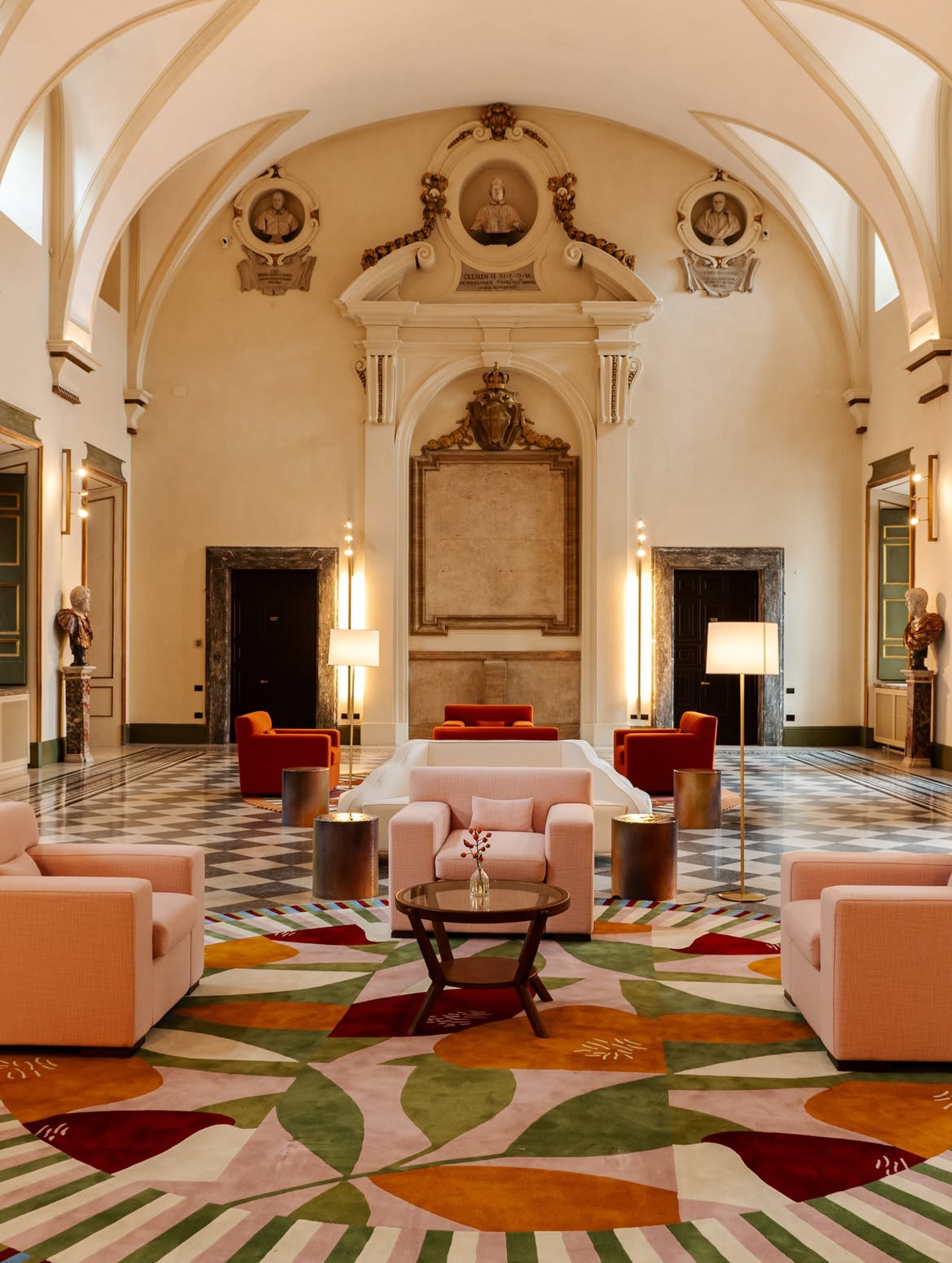
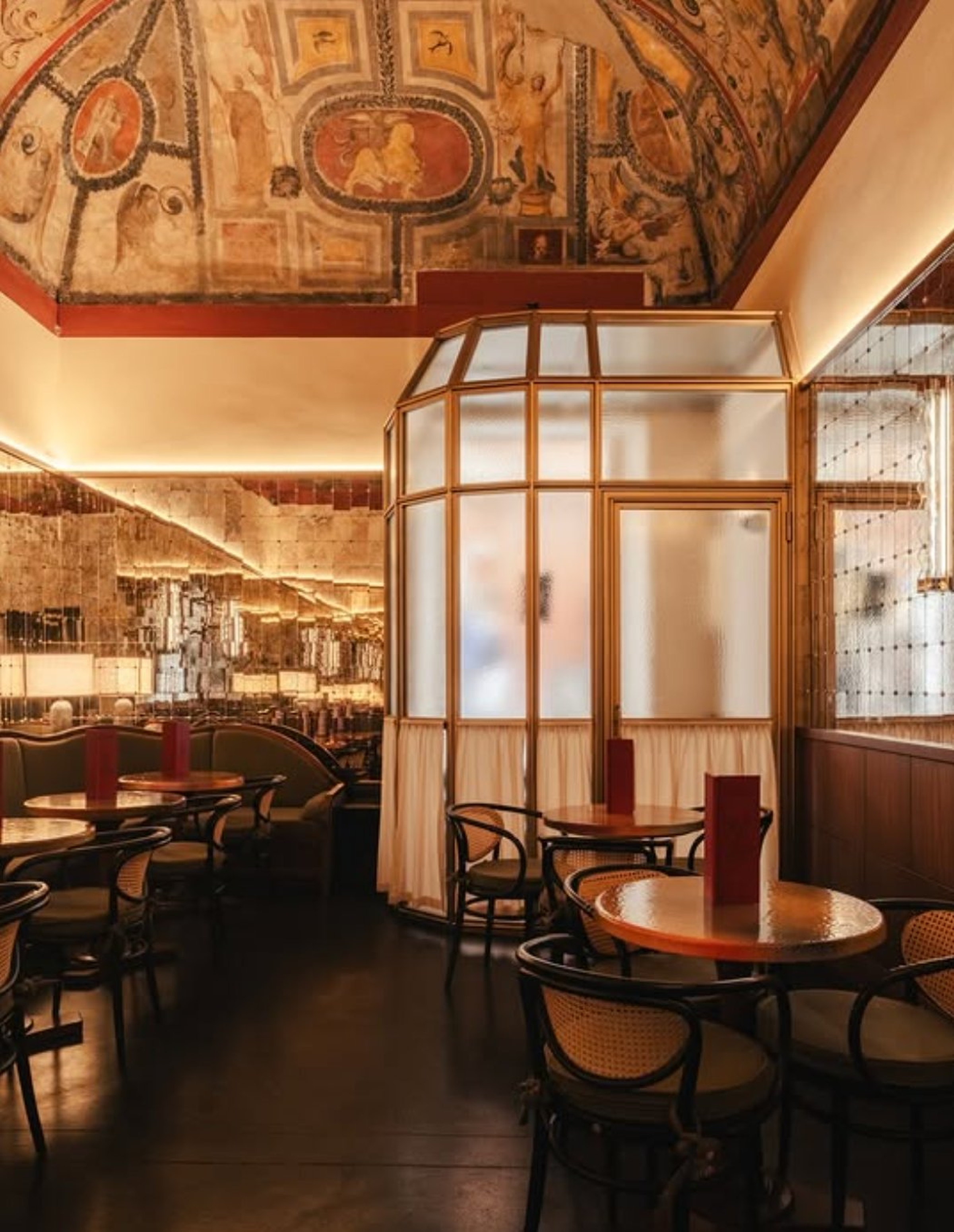
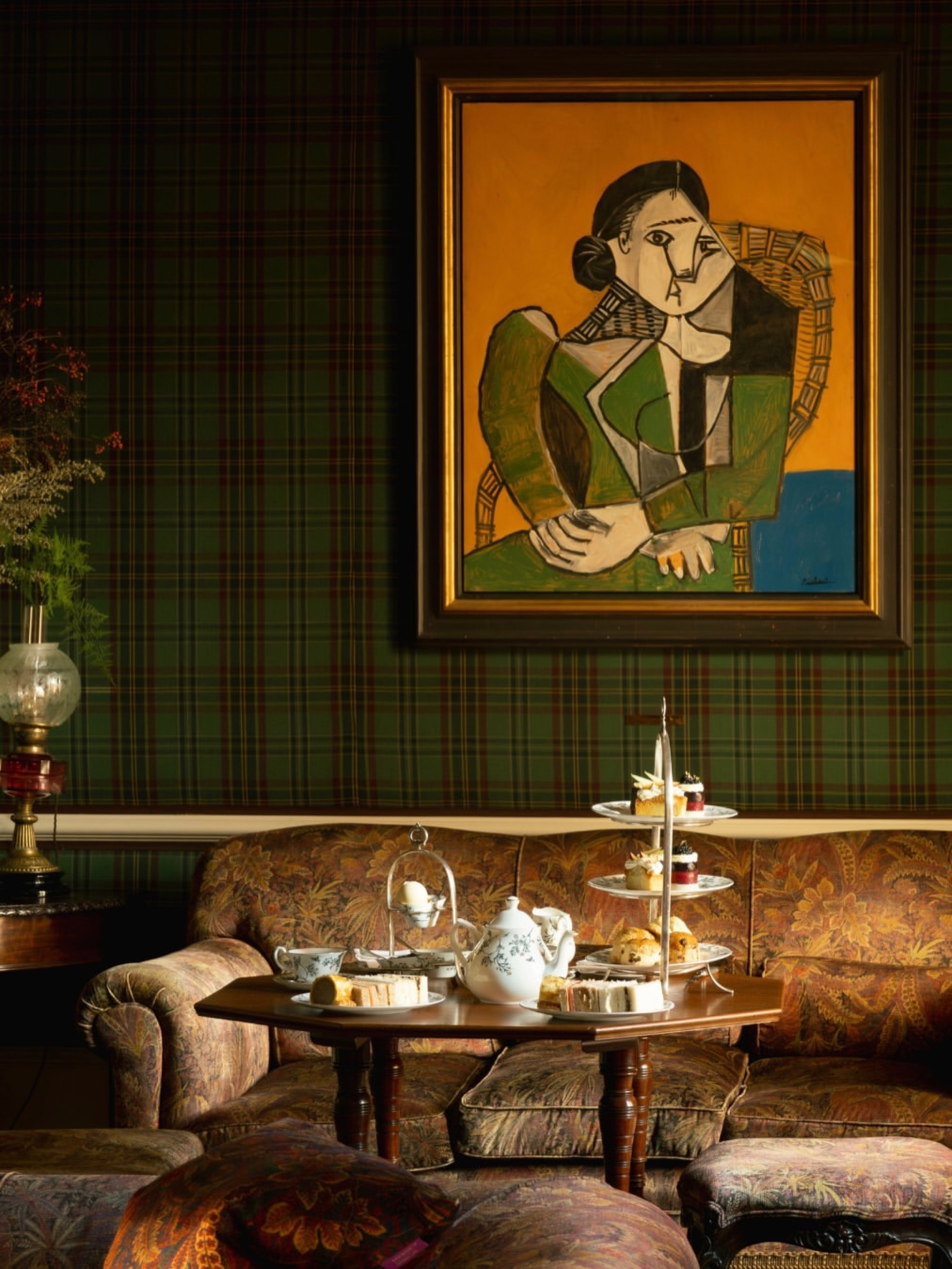
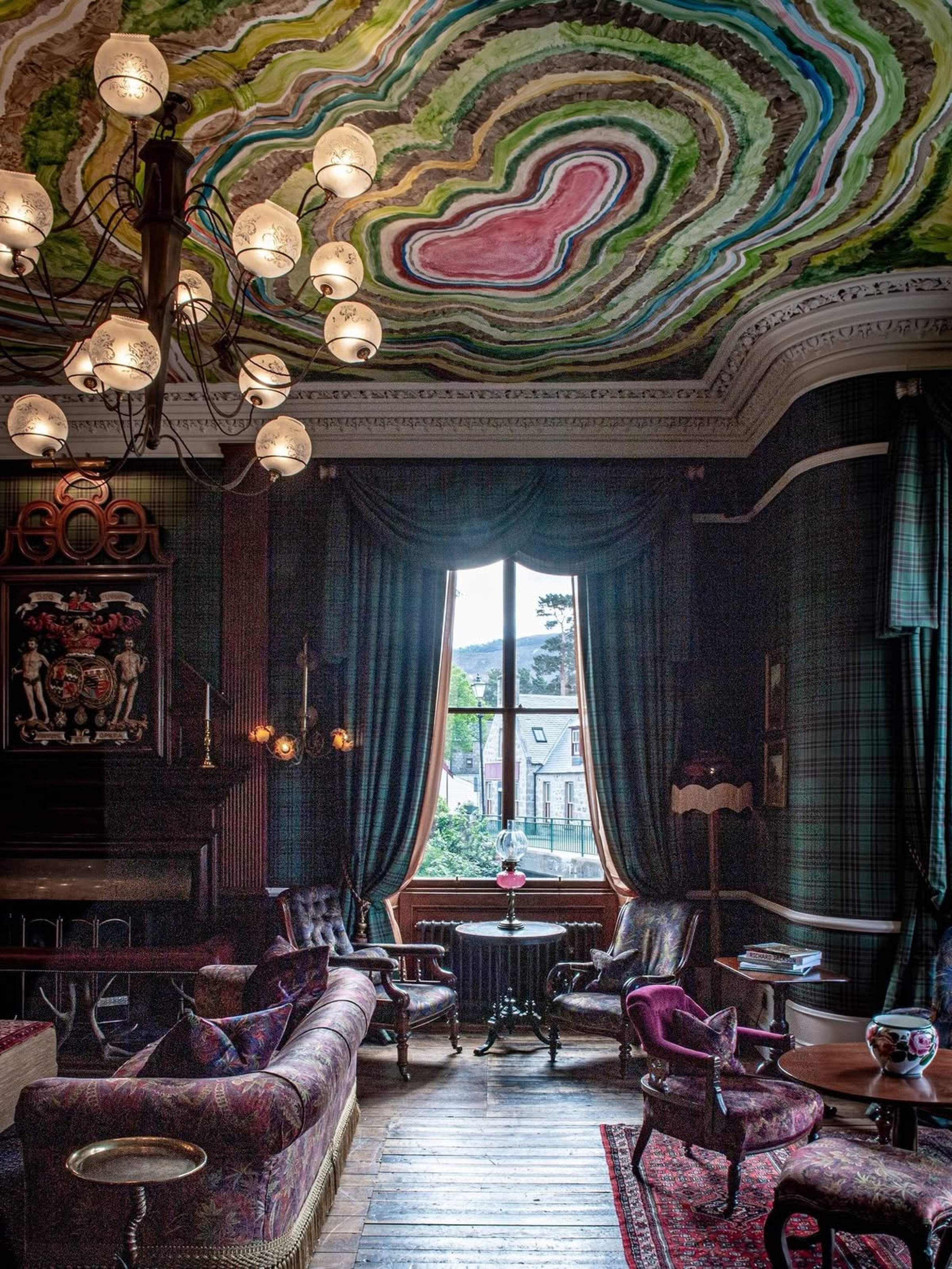
You probably wouldn’t expect to find a Picasso on a trip to the Scottish Highlands, which is exactly what makes The Fife Arms so much fun. Set in the small village of Braemar, the hotel belongs to Iwan and Manuela Wirth, the gallerists behind Hauser & Wirth, and their influence is impossible to miss. The art is genuinely next level, Louise Bourgeois’ giant spider outside should give you some idea, but what we love most is what happens when you put all of that contemporary work against very traditional Scottish interiors. The 46 rooms go all in on tartan and pattern, with the kind of furniture that looks as though it could have been there for generations. It’s essentially an art escape disguised as a very grand Scottish country hotel.
Palazzo Daniele
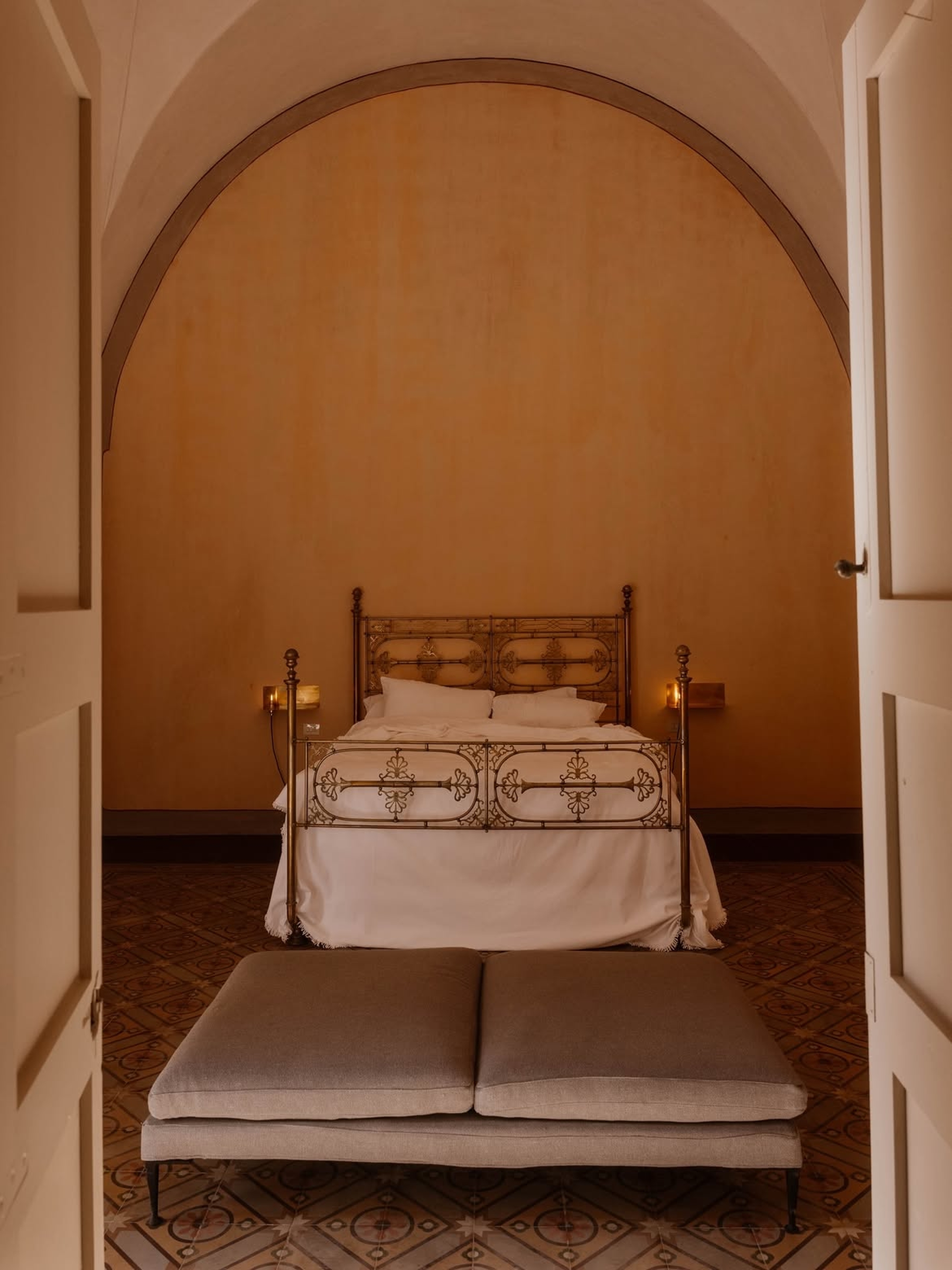
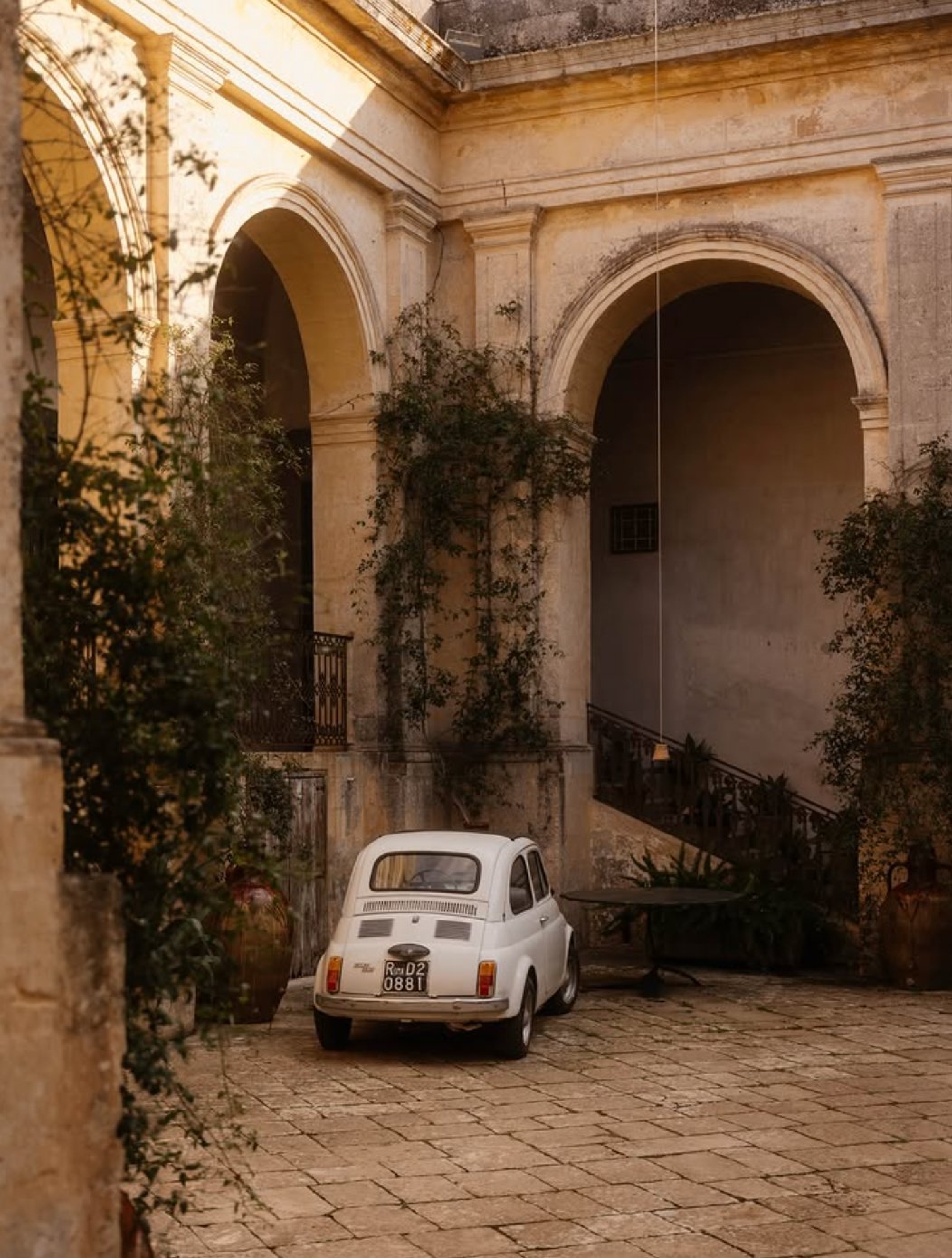
Palazzo Daniele is a lesson in knowing when to leave a beautiful building alone. Set inside a 19th-century palazzo in Gagliano del Capo, at the southern tip of Puglia, the 15-suite hotel lets its original architecture do most of the talking. The bones of the original palazzo have been left very much intact, with its high vaulted ceilings and faded frescoes still taking center stage. Against all that history, the furniture has been pared back almost radically. Contemporary art enters the otherwise sparse rooms through installations and works connected to the owner's art foundation, so the old palazzo definitely doesn't feel frozen in time. Even the black-bottomed pool feels like an extension of the architecture rather than an interruption. It’s Italian grandeur with almost everything extraneous taken away.
Hôtel Balzac
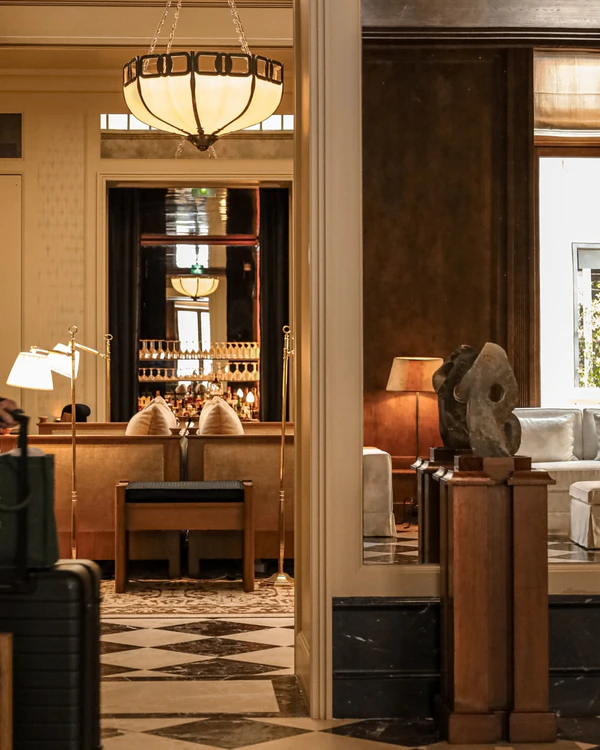
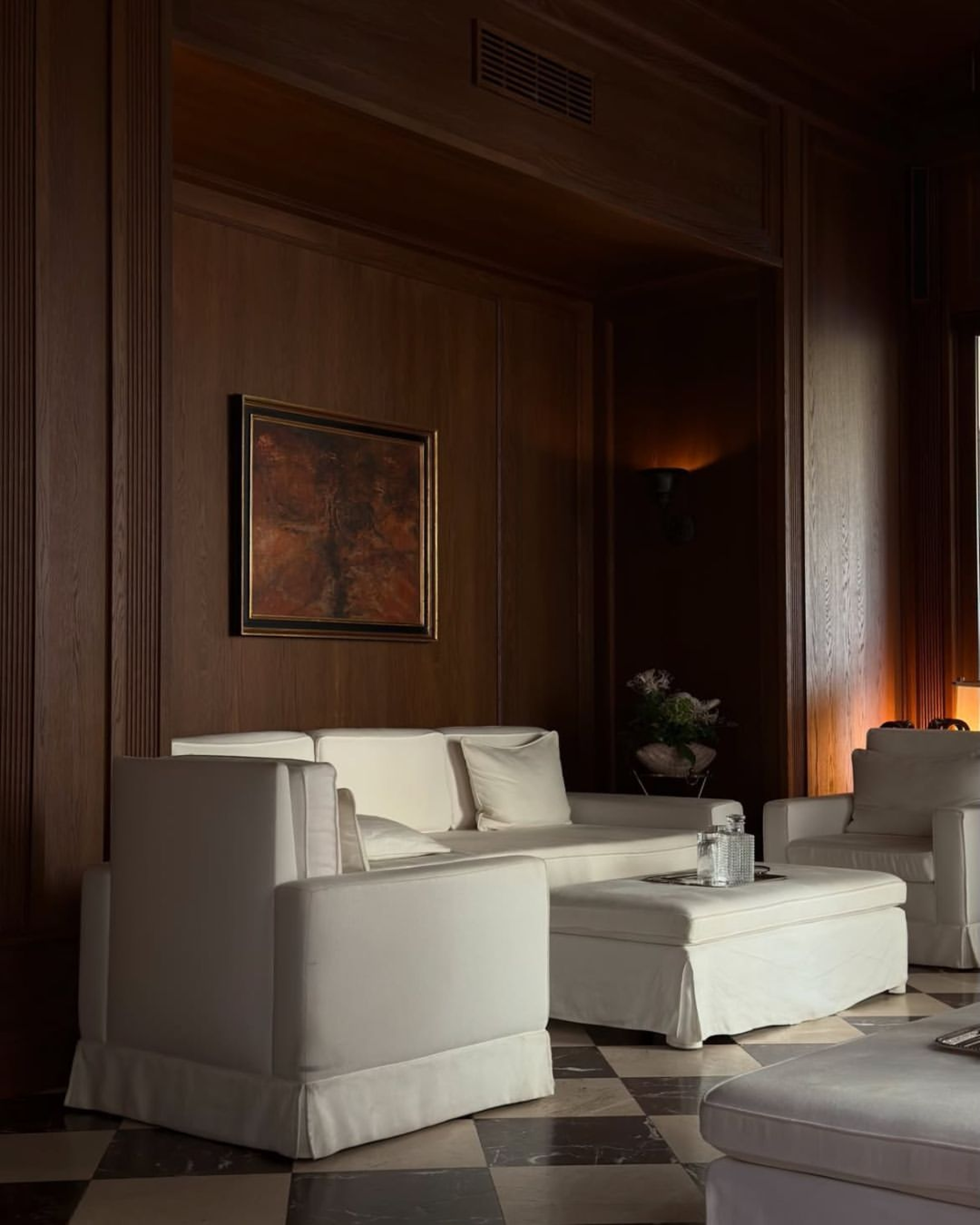
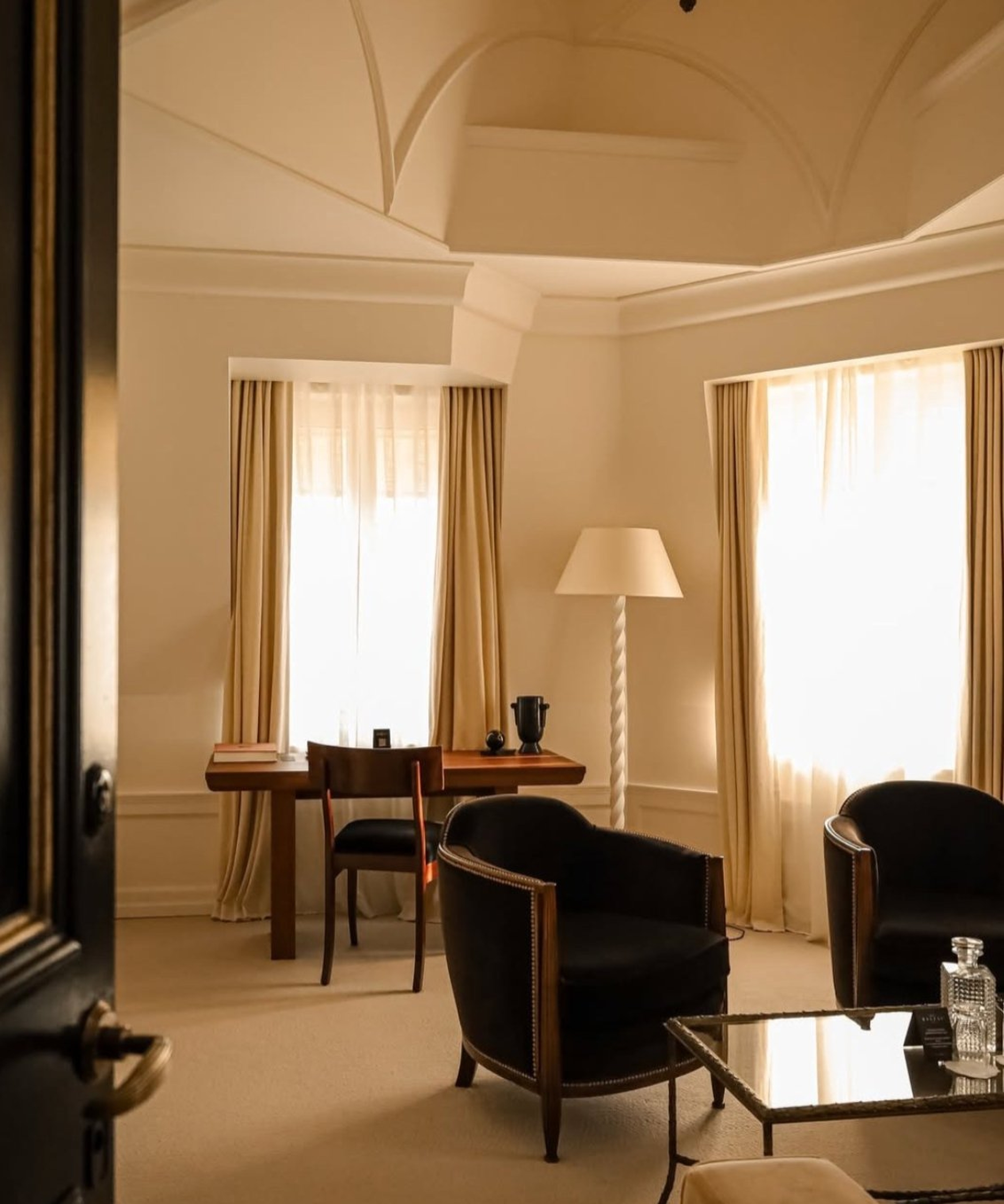
You could make the case for Hôtel Balzac based on the lobby alone. Just off the Champs-Élysées, the 58-room Paris hotel trades the expected ornate French interiors for something darker and decidedly more glamorous. Checkered floors lead into rooms filled with oak, burl wood, and glossy lacquer, with references to the 1930s and ’40s running throughout. There’s Art Deco in there, certainly, but it doesn’t feel like a period set. The cocktail bar might be the best example: dimly lit, intimate, and exactly where you’d want to end up after dinner. Upstairs, some of the suites open onto terraces overlooking Paris, and there’s a spa downstairs when you’re ready to emerge again.
Hôtel du Couvent
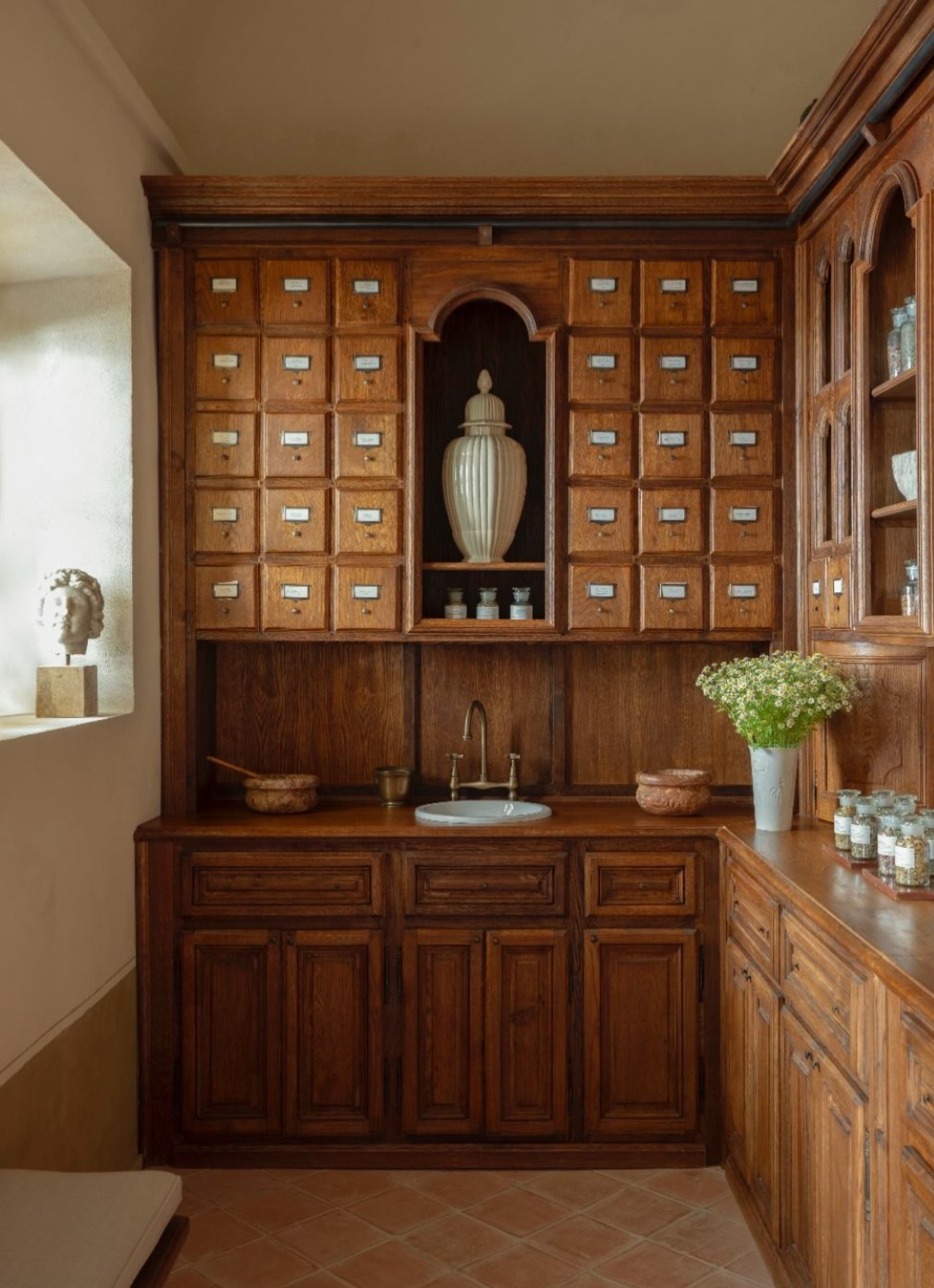
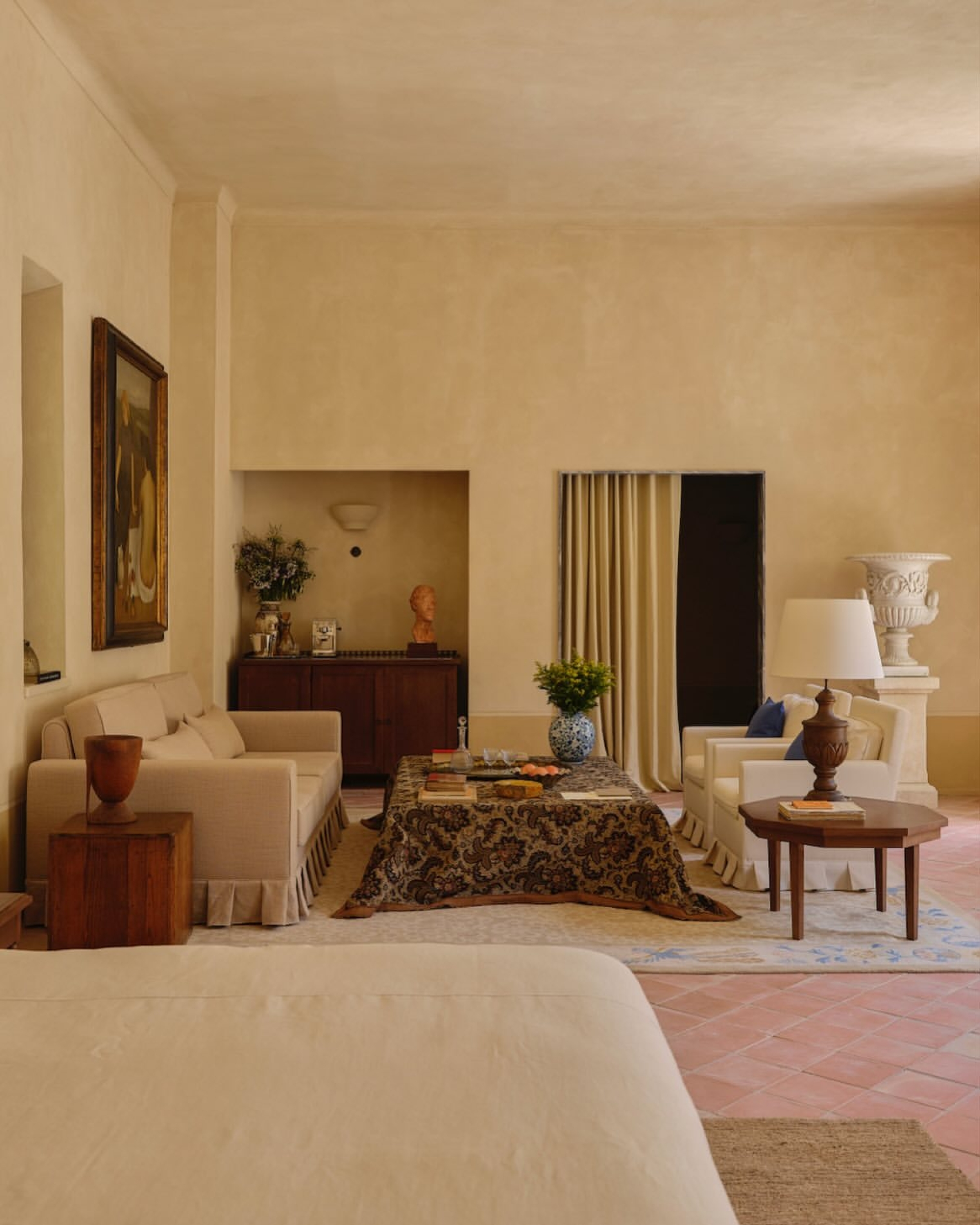
It turns out a 17th-century convent makes for a pretty incredible hotel. Hôtel du Couvent in Nice spent nearly a decade being restored, with much of what gives the original building its character left intentionally intact. Antique furniture sits against warm limewashed walls, while terracotta brings even more warmth to the otherwise pared-back rooms. Outside, terraced gardens tumble down the property and make the whole thing feel wonderfully removed from the city. And then there are the Roman baths. Hidden beneath the hotel is a spa inspired by ancient thermal bathing, complete with a series of pools, while another swimming pool sits outdoors. Come for the interiors, stay to pretend you’ve taken up residence in a particularly chic convent.
Ett Hem
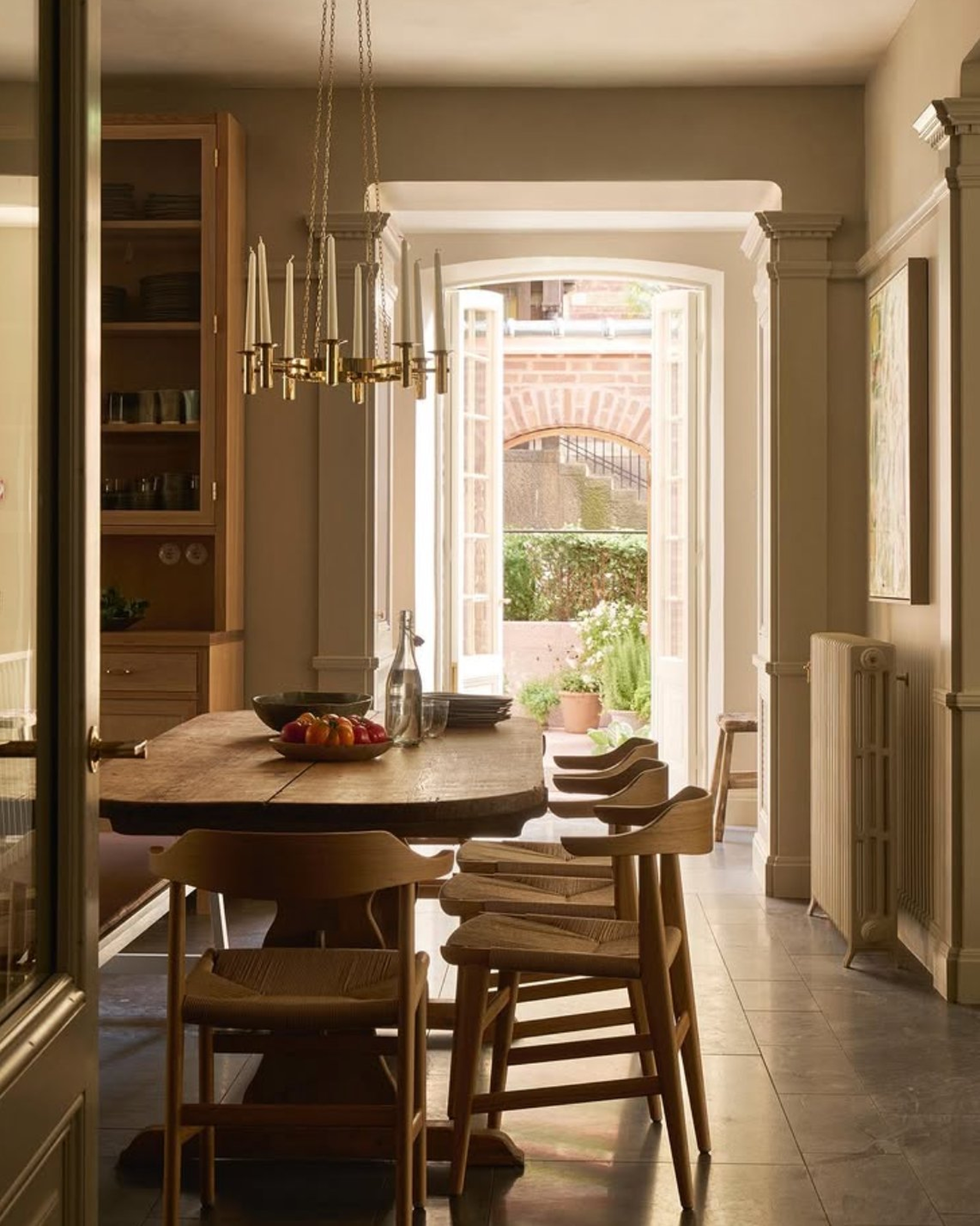
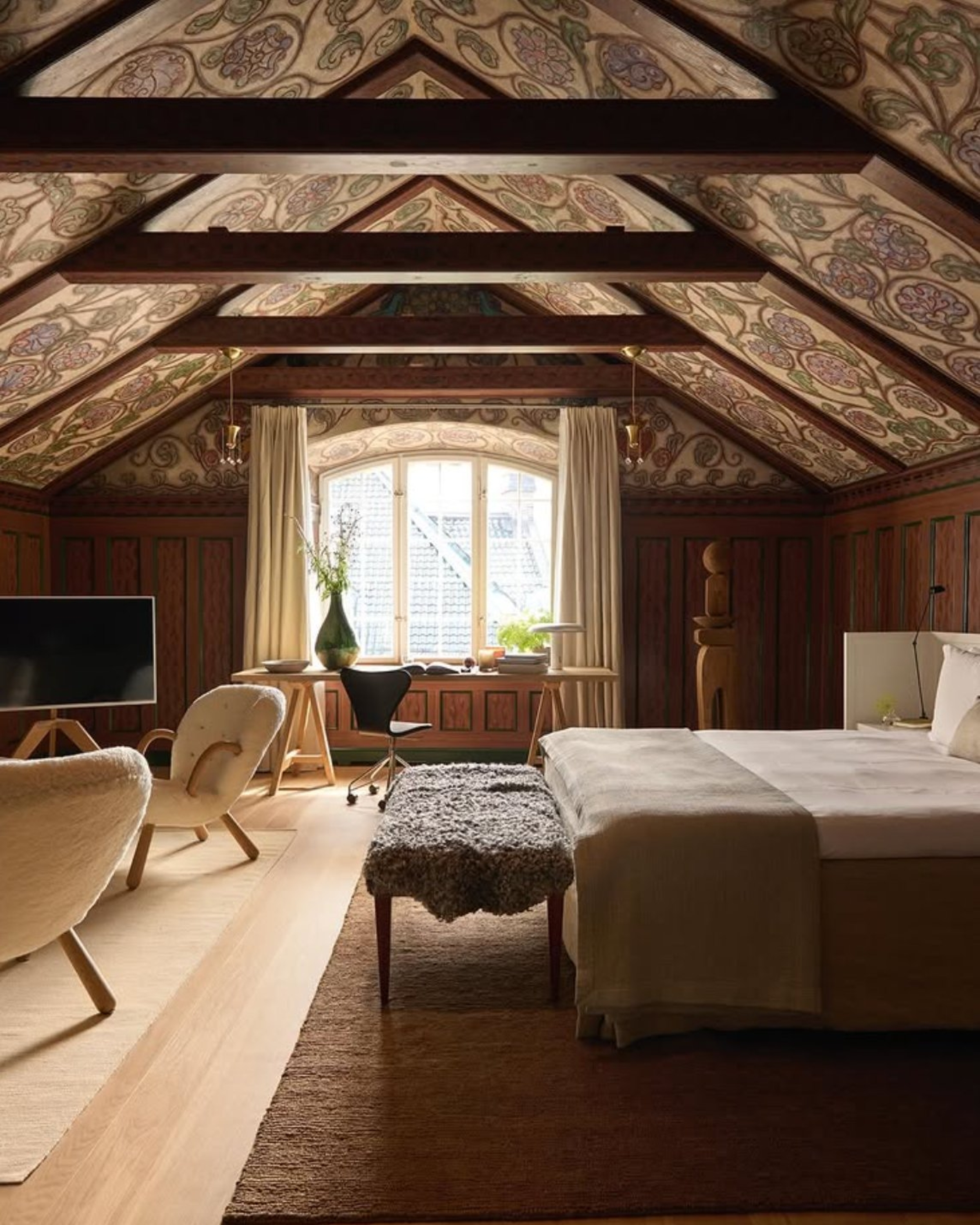
The name Ett Hem translates to “a home,” and they really do mean it, although perhaps imagine the home of an extremely stylish, extremely lavish distant relative in Stockholm. There are just 12 rooms inside the red-brick Arts and Crafts house, originally built in 1910, and almost everything about staying here is designed to make you forget you’re in a hotel. There’s no enormous lobby to pass through or particularly a formal divide between public and private spaces. Instead, you’ll find rooms with fireplaces where you can settle in, books left around to pick up, and furniture that looks collected rather than ordered by the dozen for a hotel opening. The mix of Scandinavian design and contemporary art is exceptional. But don’t worry, if “a home” is starting to sound a little too literal, this particular home happens to have a spa and gym.
Le Grand Mazarin
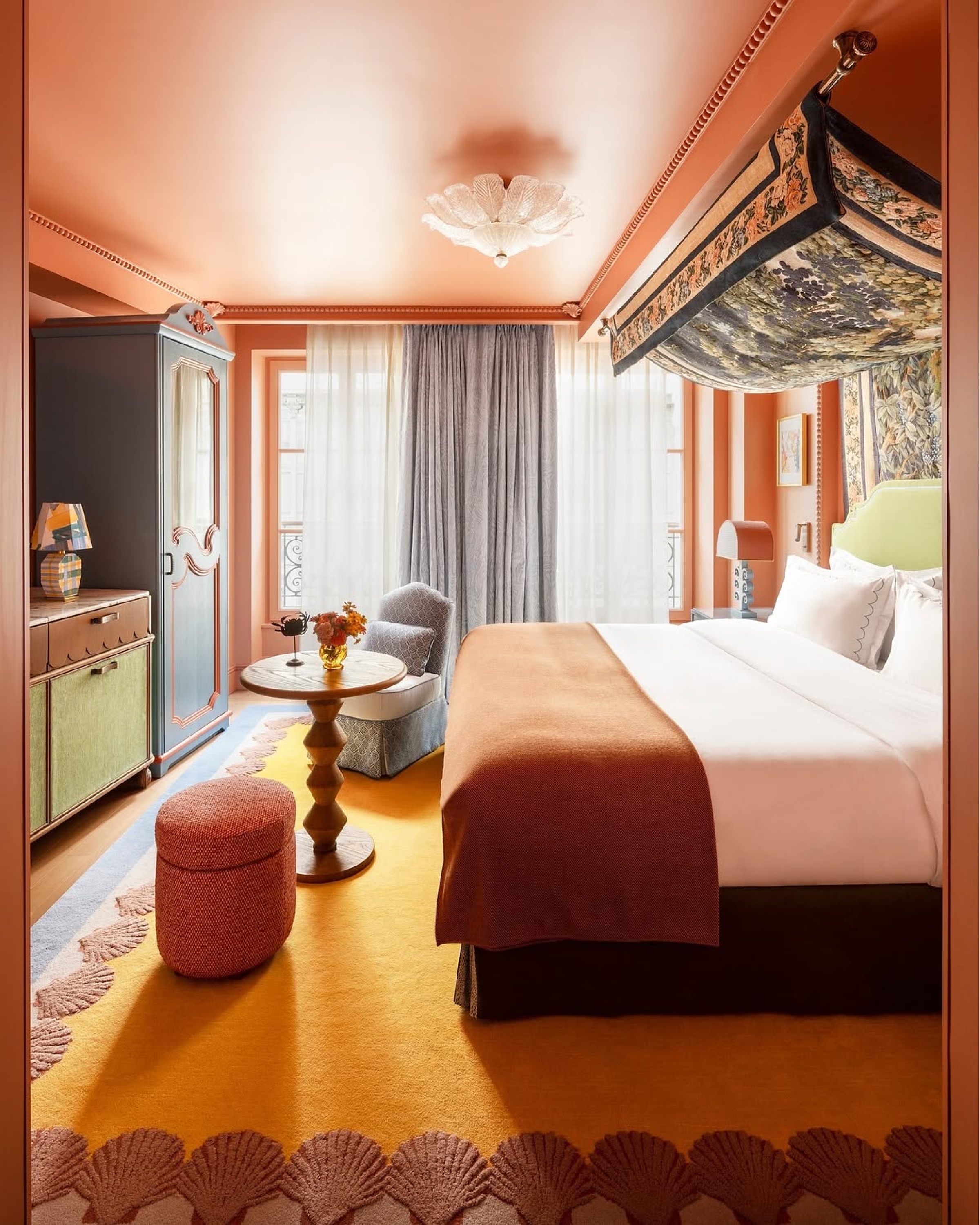
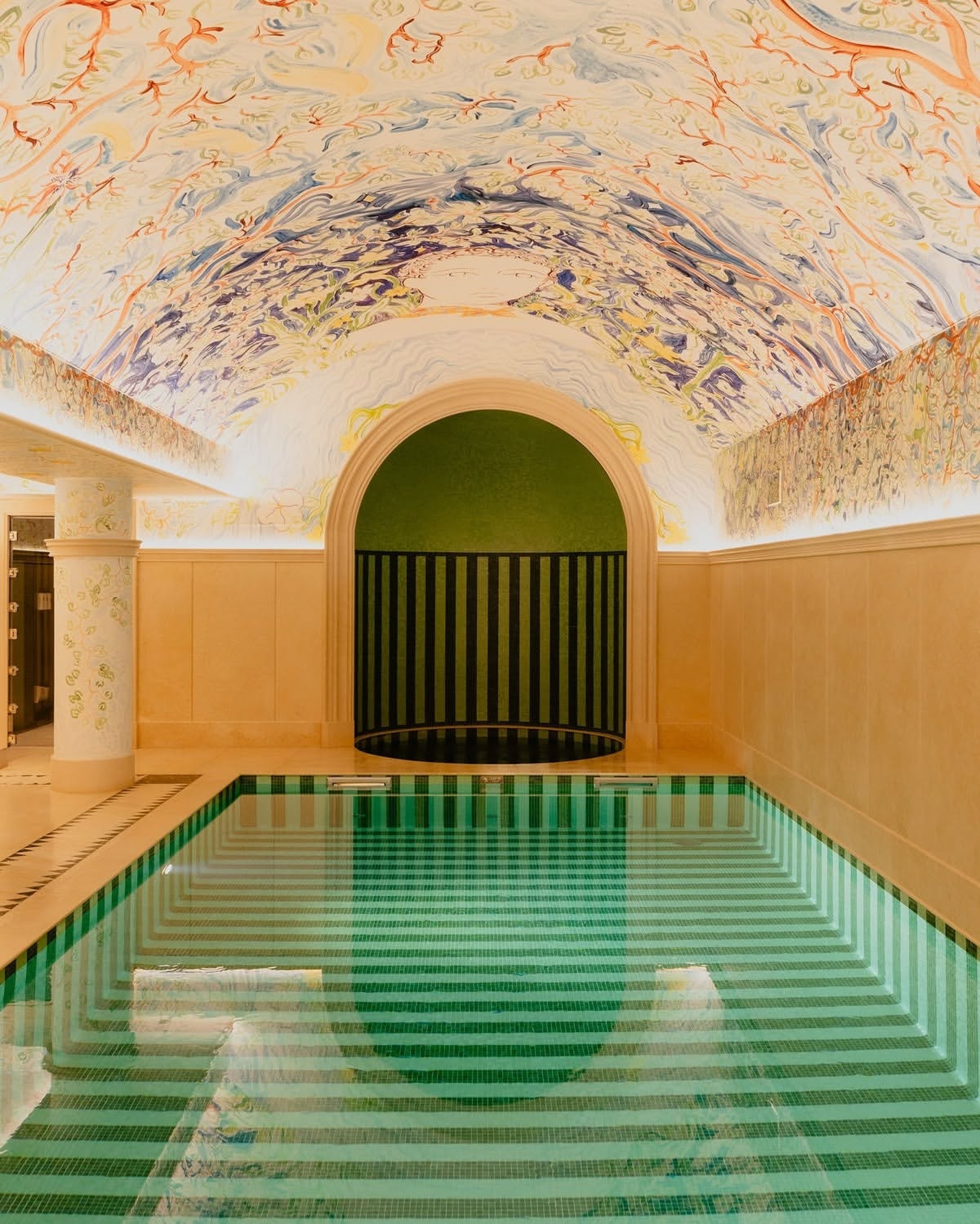
If you know Martin Brudnizki, Le Grand Mazarin probably requires very little convincing. If you don’t, consider the hotel a particularly fun introduction. The Swedish-born designer is behind some of the most memorable interiors in hospitality, and this 61-room hotel in Le Marais is unmistakably his. Color is everywhere. Patterns happily compete with one another, and the rooms have this wonderfully hard-to-place quality, as though they belong to another era, though exactly which one is difficult to say. It’s maximalist, but without that overtly contemporary edge. But the subterranean swimming pool might steal the entire show. Covered in a hand-painted mural from floor to ceiling, it’s likely already made an appearance somewhere on your Instagram feed. If not, we suspect that’s about to change.
Casa Monti
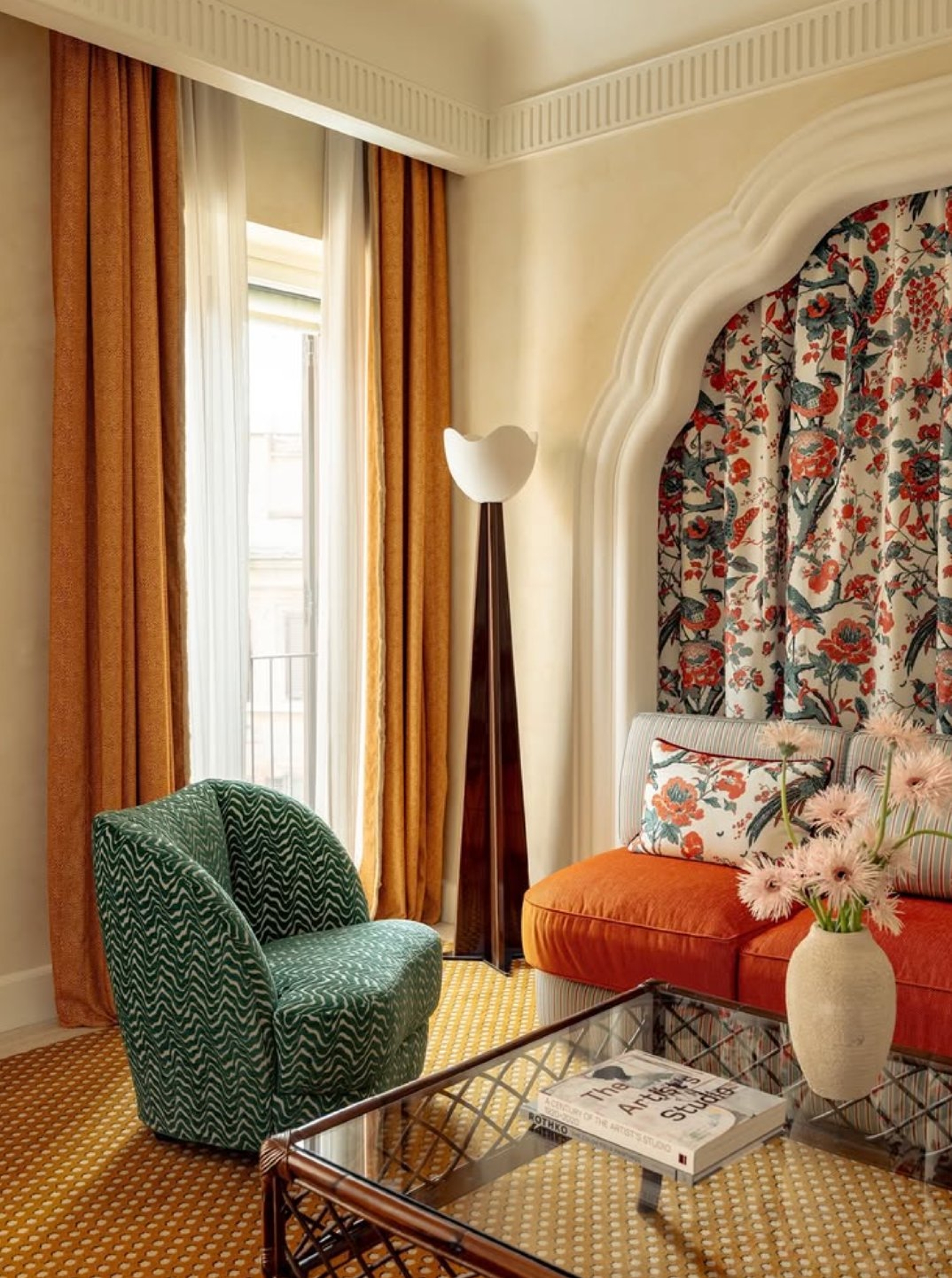
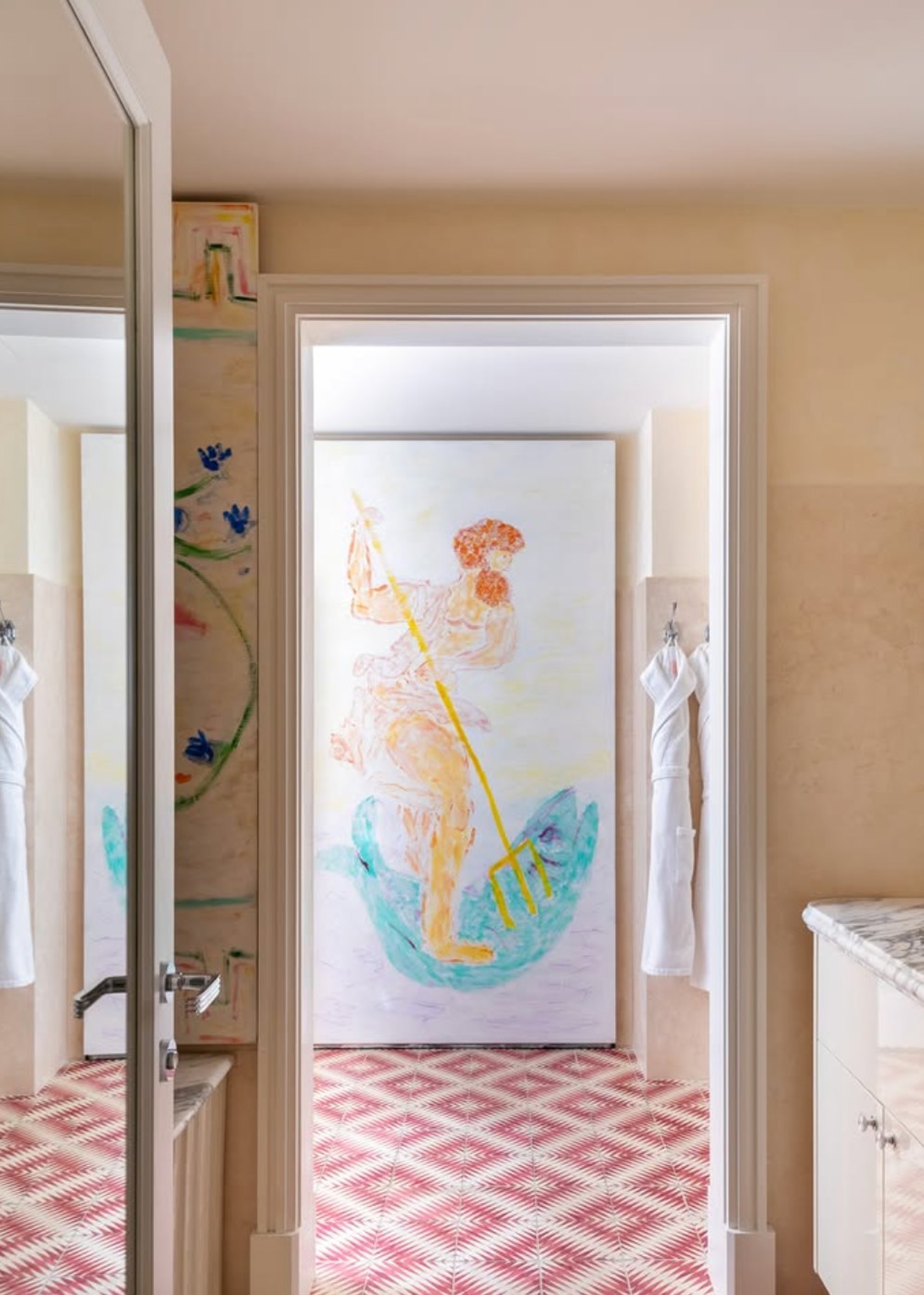
Minimalists, you may want to skip this one. Casa Monti is for anyone who thinks floral wallpaper, orange upholstery, and a few competing patterns can absolutely belong in the same room. Designed by Laura Gonzalez, the 36-room hotel sits in Rome’s Monti neighborhood and feels a little like someone gave the designer permission to have as much fun as she wanted. There’s artwork everywhere, but the rooms themselves are almost as interesting to look at, with warm yellows and oranges appearing against an ever-changing mix of prints. Somehow, it all works. The rooftop is another very good reason to book, particularly around aperitivo hour when you can look out across Rome with a drink in hand.
Shishi-Iwa House
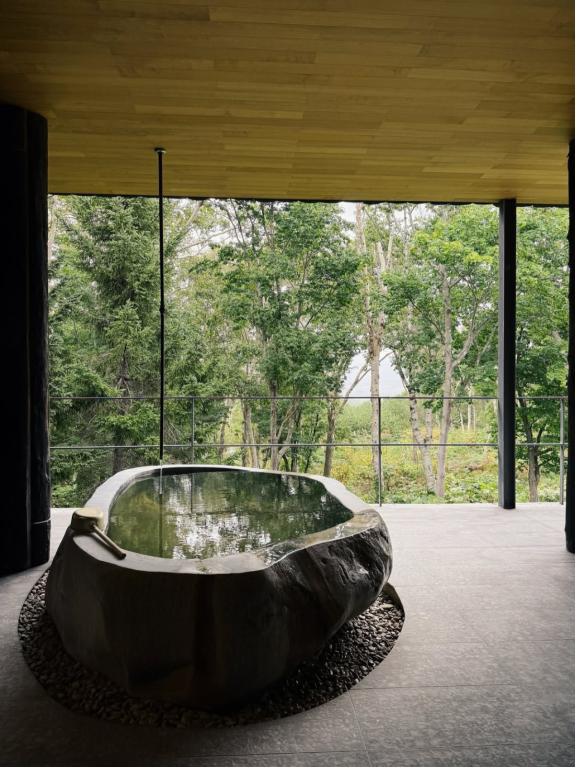
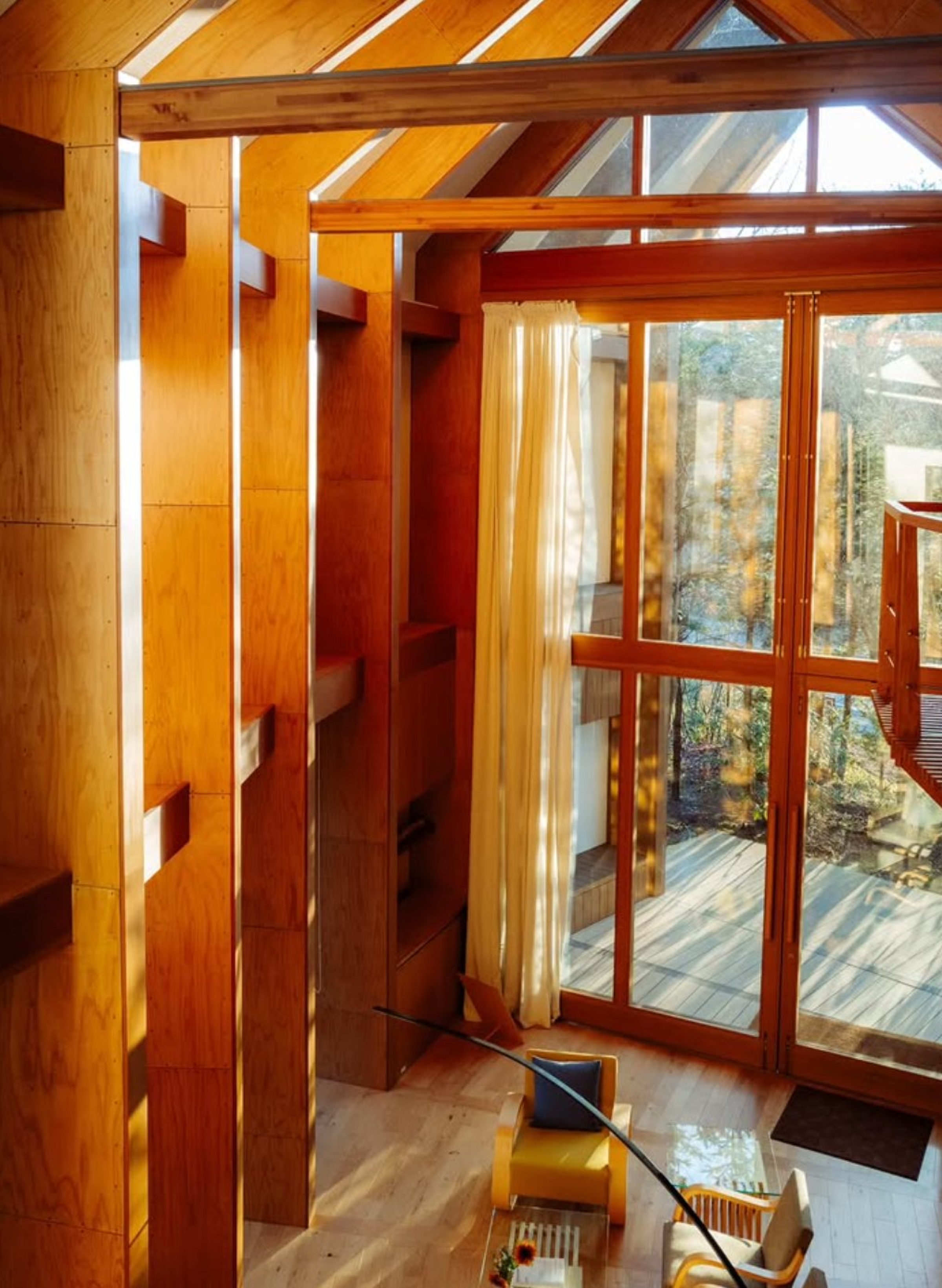
A little rest, relaxation, and really good design, our idea of a pretty perfect weekend. Shishi-Iwa House delivers all three about an hour outside Tokyo in the forests of Karuizawa. The intimate retreat was designed by Pritzker Prize-winning architects Shigeru Ban and Ryue Nishizawa, with buildings that bend and curve their way through the trees rather than competing with what’s around them. Inside, things are decidedly contemporary, though traditional Japanese influences keep the rooms connected to where you are. There’s very little visual noise here, which is rather the point. You come to eat extremely well, wander through the forest, and spend an unreasonable amount of time admiring the building you’re sleeping in.
At Sloane
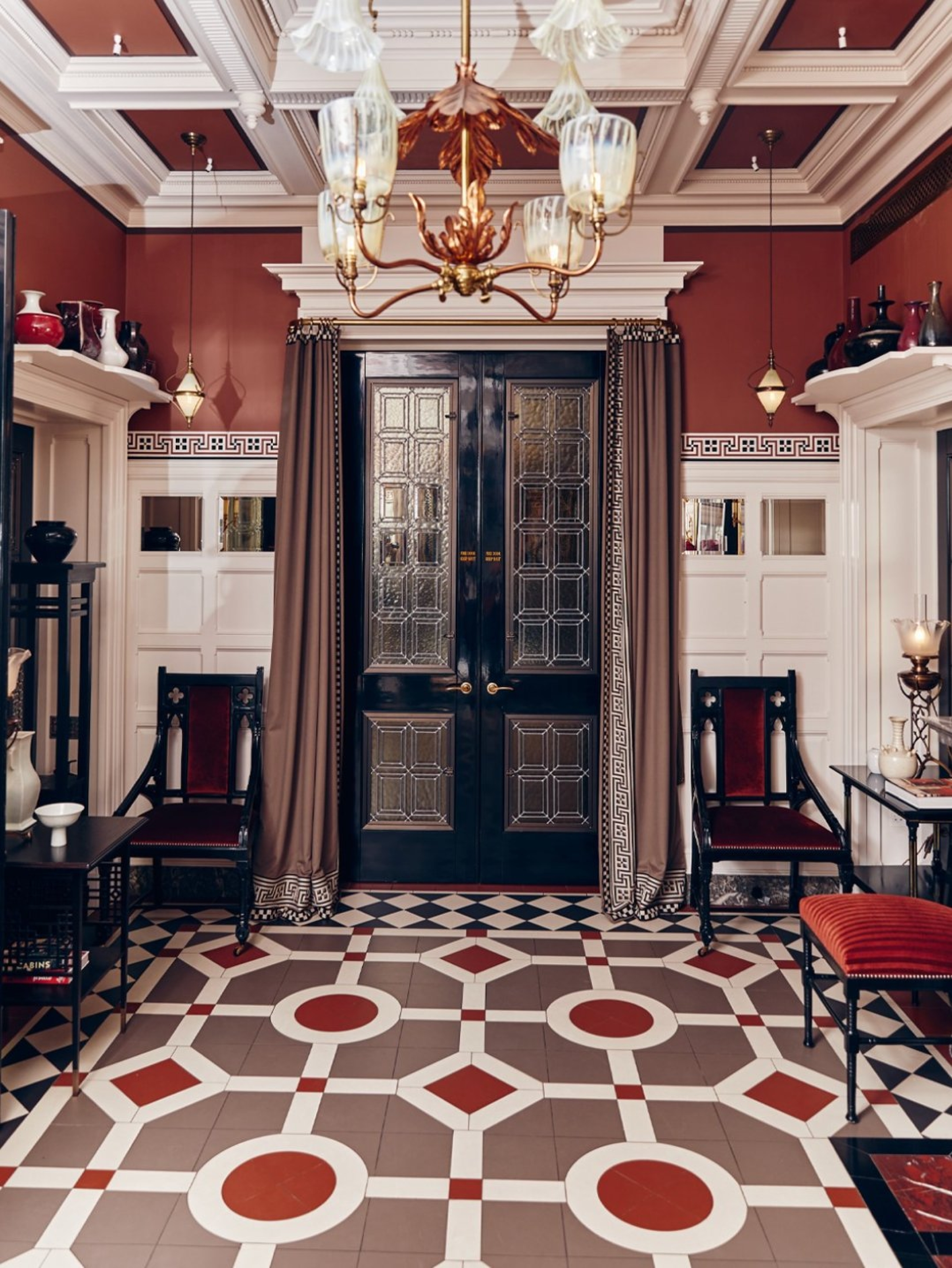
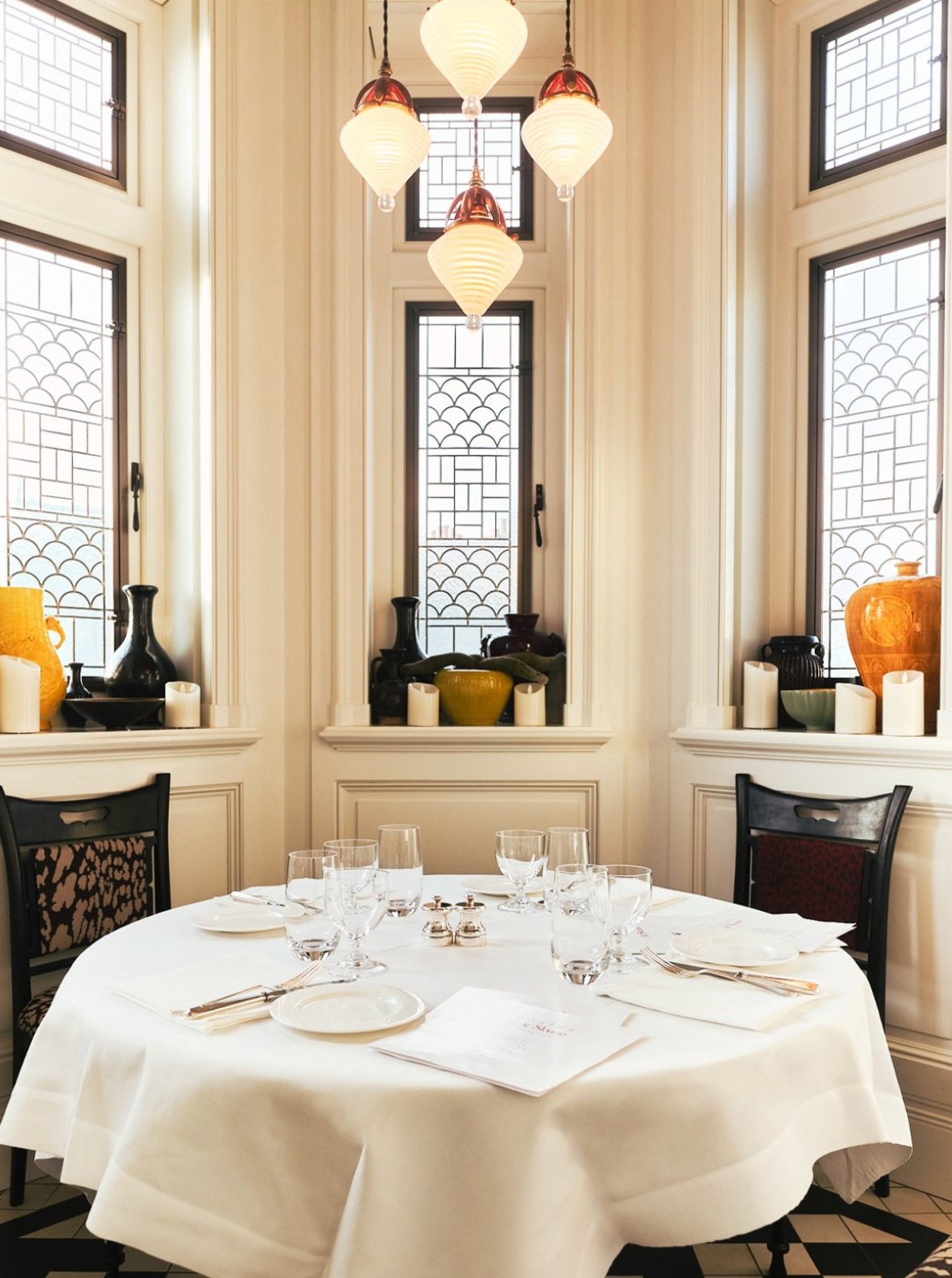
At Sloane feels less like checking into a hotel and more like being handed the keys to the coolest person you know’s London townhouse. Just off Sloane Square in Chelsea, the 30-room property comes from French hotelier Jean-Louis Costes, of Hôtel Costes fame, and there’s a similar sense that every corner has been thought about. The Victorian building is intimate and unapologetically luxurious without becoming stuffy. Upstairs, the restaurant is particularly beautiful, with stained glass overhead and porcelain covering the walls. Downstairs, things get moodier at the bar. Even the bedrooms have that same dressed-up quality, although we’d recommend going for one of the larger categories if you like a little breathing room. This is Chelsea, after all, square footage is a luxury of its own.
Abbaye des Vaux de Cernay
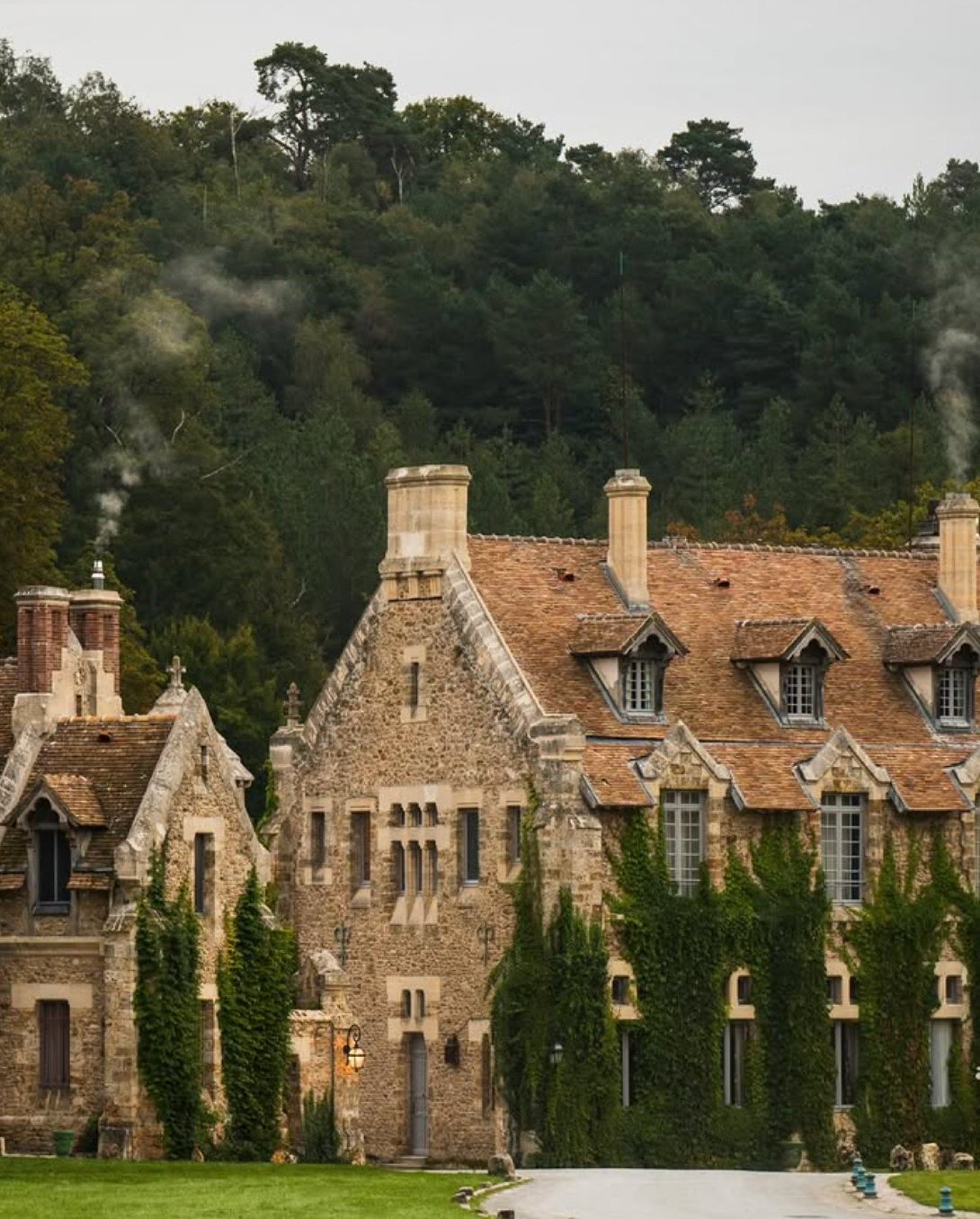
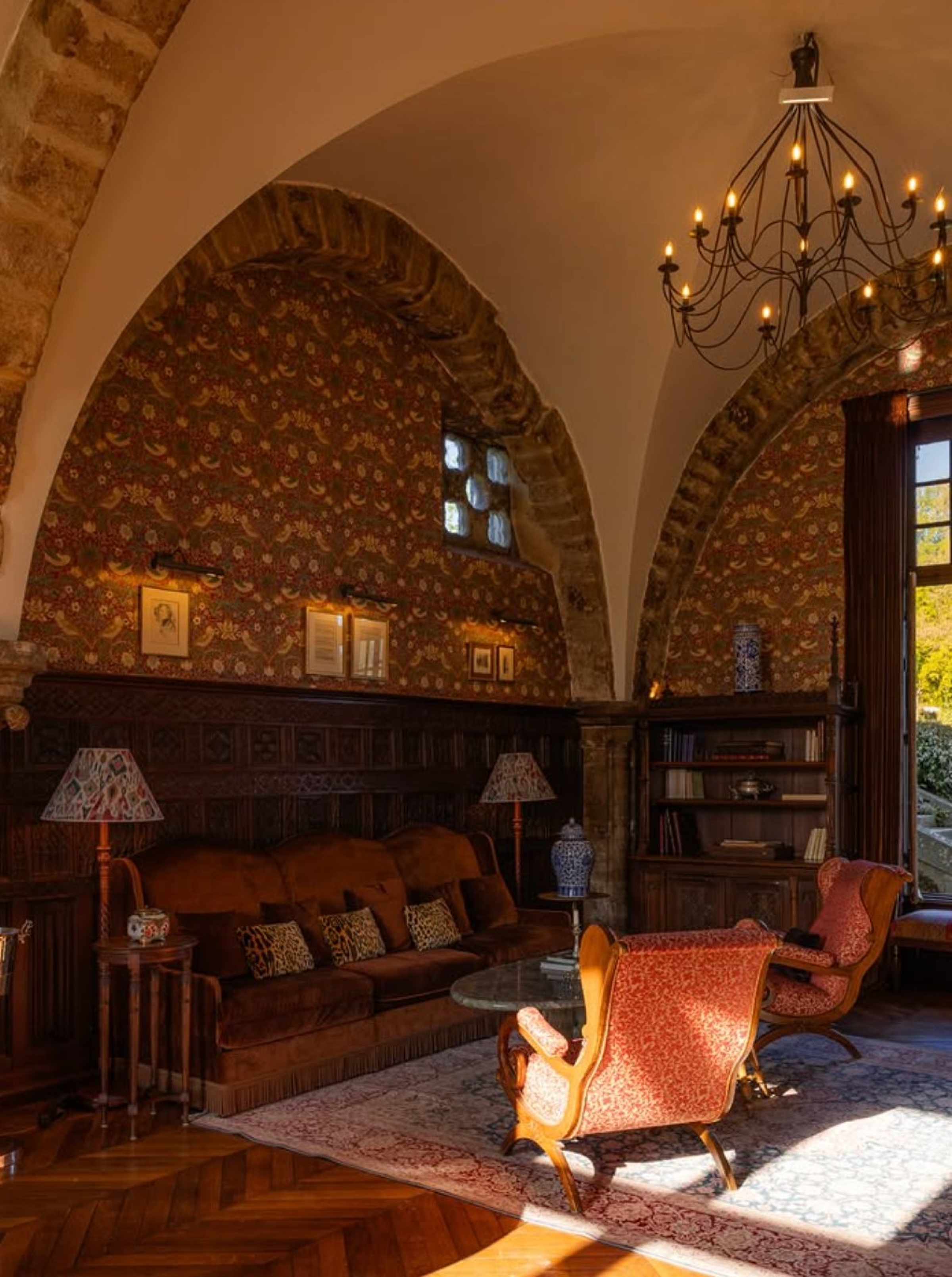
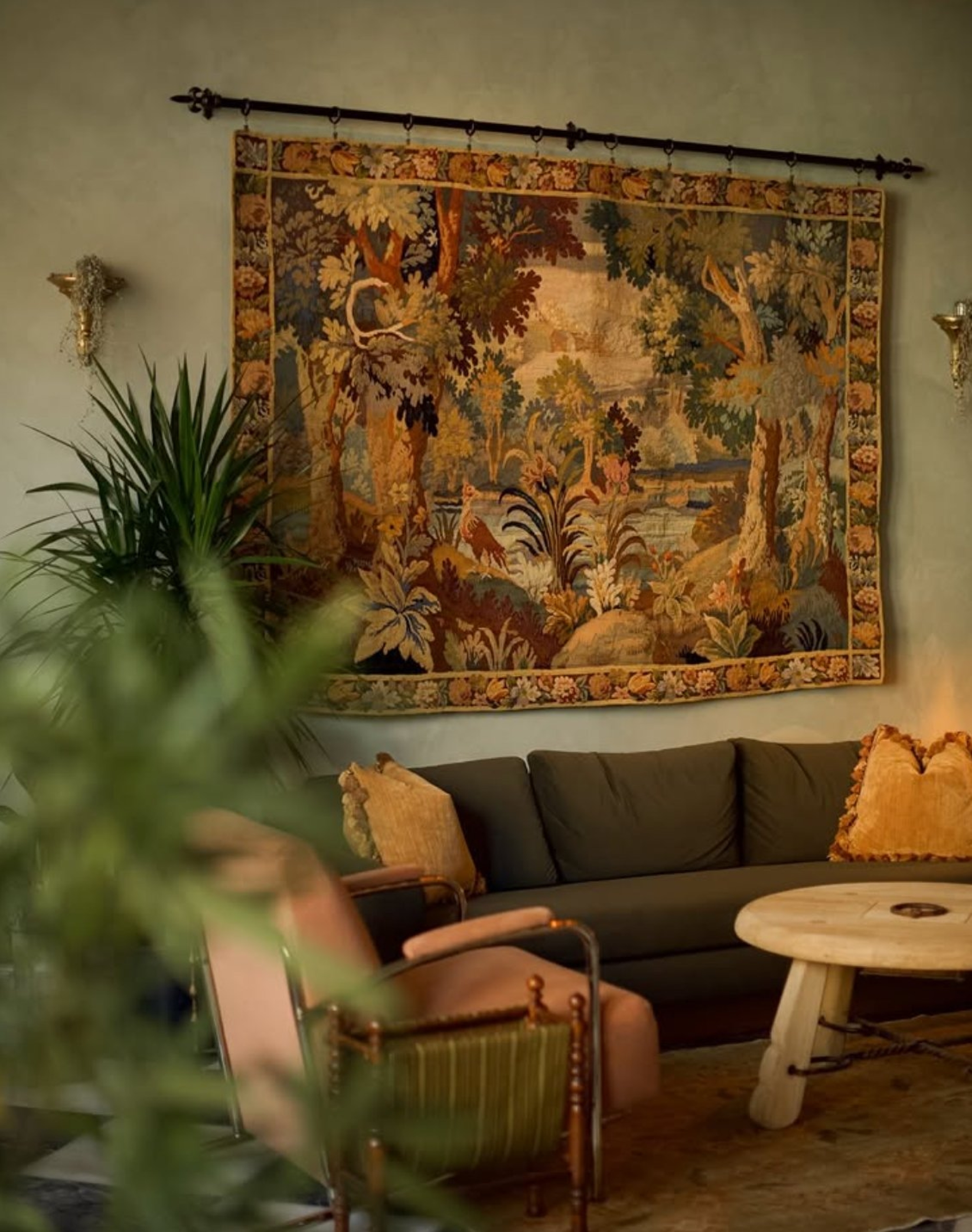
About 45 minutes outside Paris, a 12th-century Cistercian abbey has been given a rather fabulous second life. Abbaye des Vaux de Cernay underwent a four-year restoration with interiors overseen by Cordélia de Castellane, the artistic director of Dior Maison, and thankfully none of the building’s history has been polished away. The enormous stone rooms still have all the drama you’d expect from a medieval abbey; de Castellane has simply made them considerably more comfortable to inhabit. Tapestries and layers of fabric soften the architecture, while antiques make the rooms feel as though they’ve evolved over time. And this is far more than somewhere to disappear for a night. The estate stretches across 185 acres of parkland and forest, with a lake you can actually take a rowing boat out on. There’s even an indoor pool for when pretending you live on a grand French estate becomes exhausting.
The Nickel Hotel
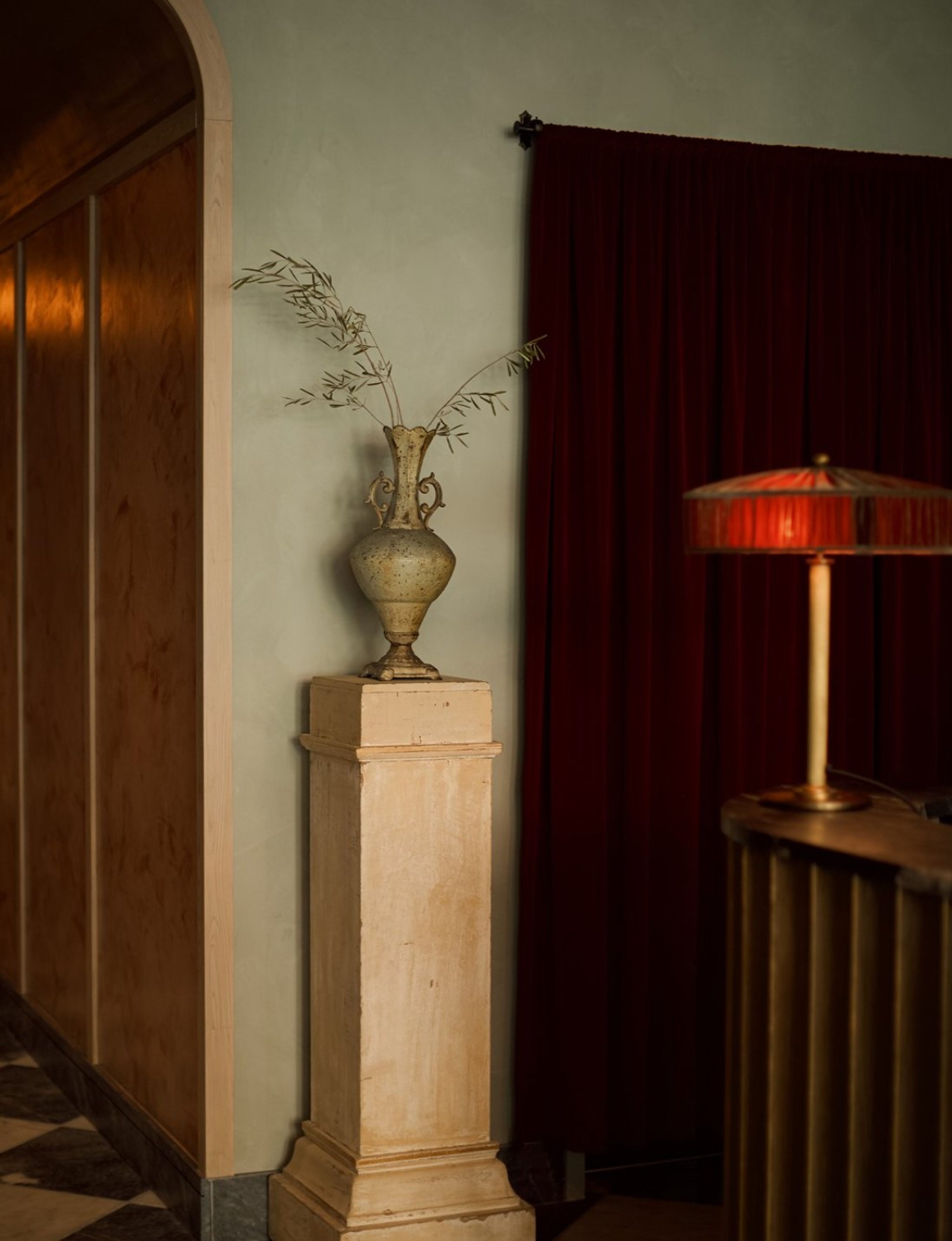
The Nickel Hotel is not necessarily what you’d expect to find behind the façade of a Charleston townhouse. The 50-room property takes some of the city’s familiar design codes and pushes them somewhere moodier, with deep-colored walls and plenty of dark wood. Vintage furniture gives the rooms a collected quality, while checkerboard marble adds a little European polish. It still feels distinctly Southern, just without leaning into the version of Southern design you’ve seen a hundred times before. At the center of the hotel is a multi-level courtyard framed by wrought-iron balconies, creating a little world of its own away from the Charleston streets.
Numeroventi
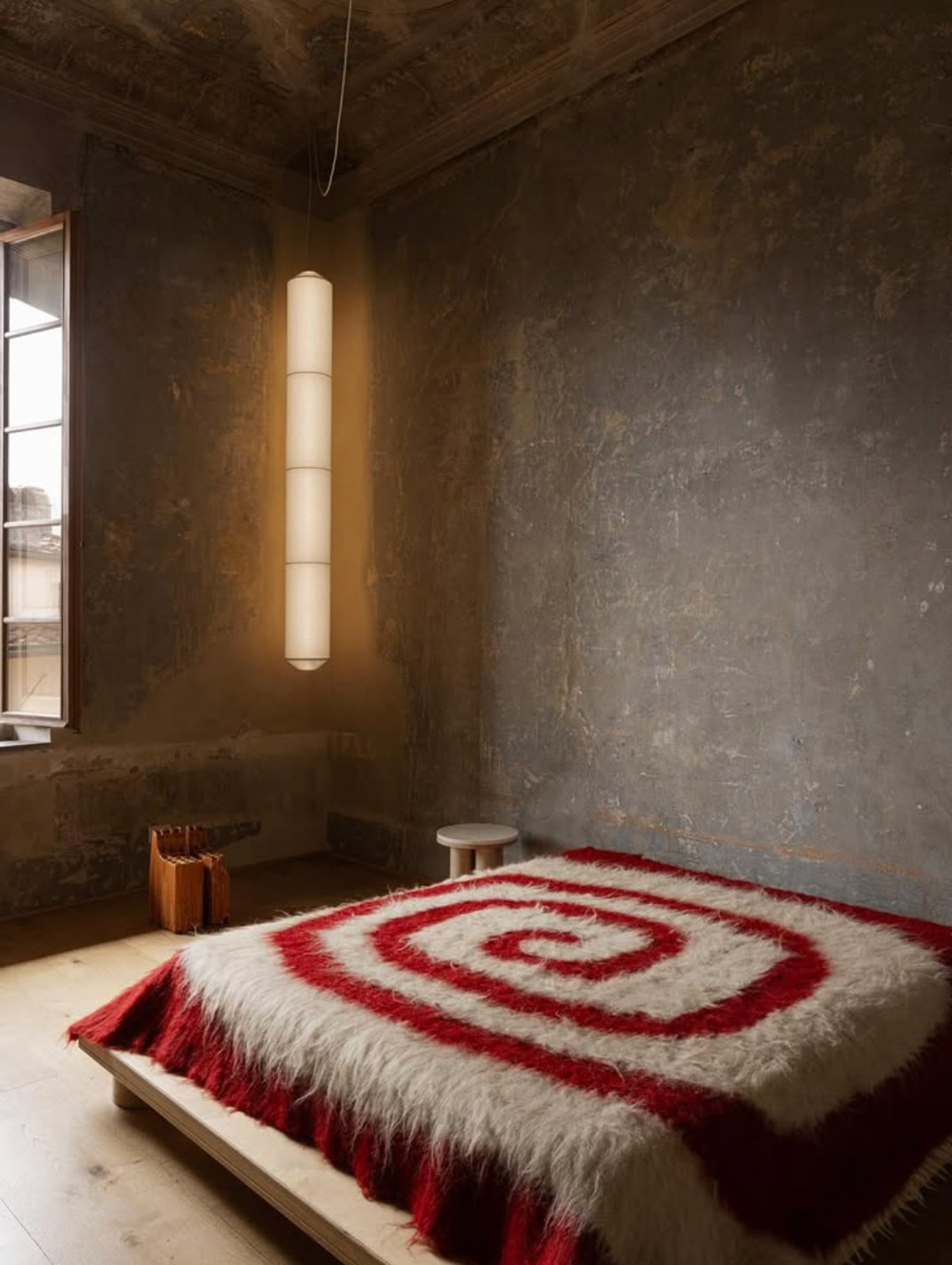
Numeroventi is one of those hotels where a single look at the rooms is enough to understand why it made this list. Set inside a historic Florentine palazzo, the eight guest quarters have soaring ceilings and original frescoes overhead, but almost everything placed beneath them takes a much more contemporary turn. Furniture is kept deliberately spare, giving the rooms the feeling of an artist’s studio rather than a traditional Italian hotel. That comparison isn’t entirely accidental: Numeroventi also operates as an artist residency, with contemporary art very much part of life inside the palazzo. Even with all that history surrounding you, nothing about staying here feels stuck in the past.
Piaule
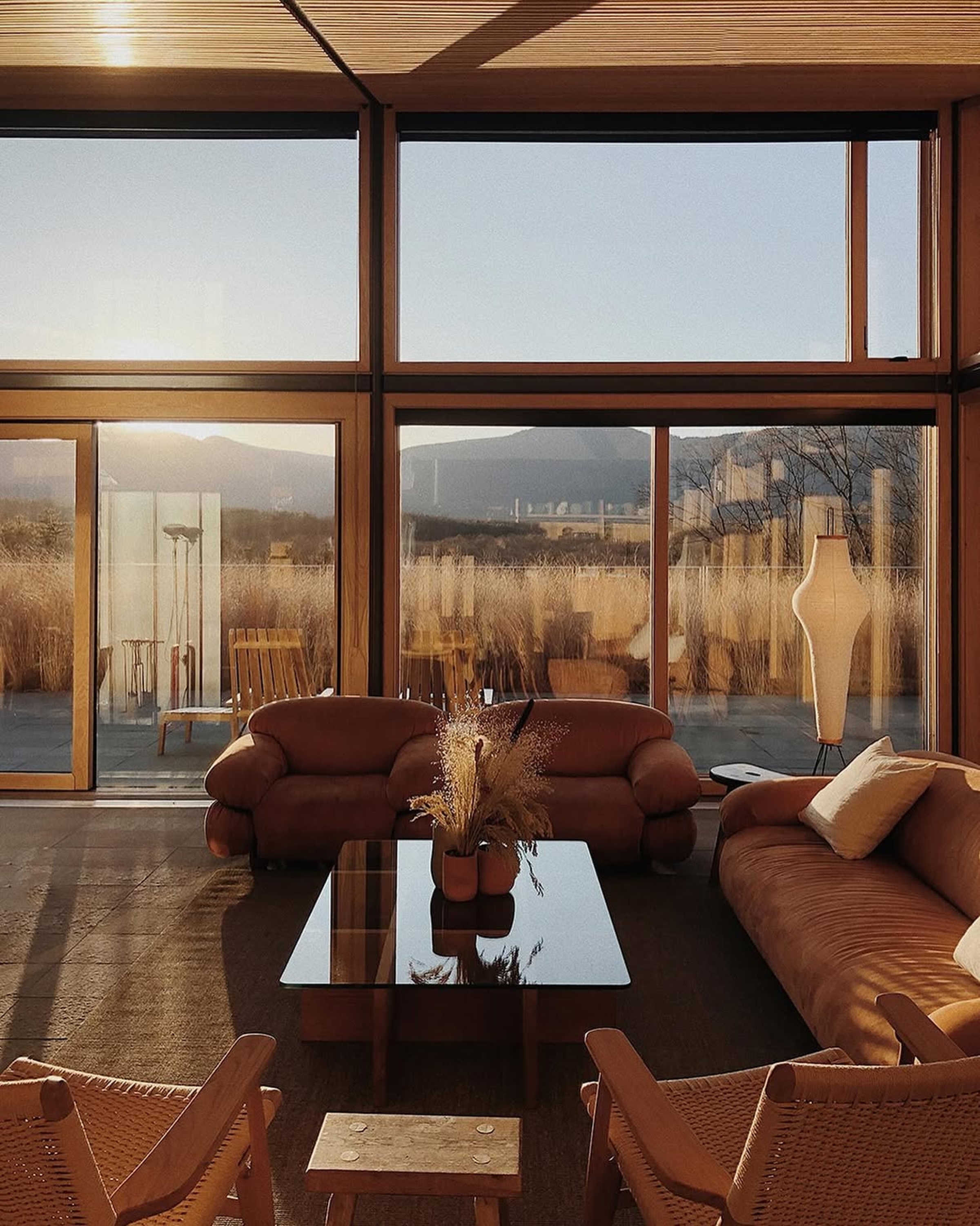
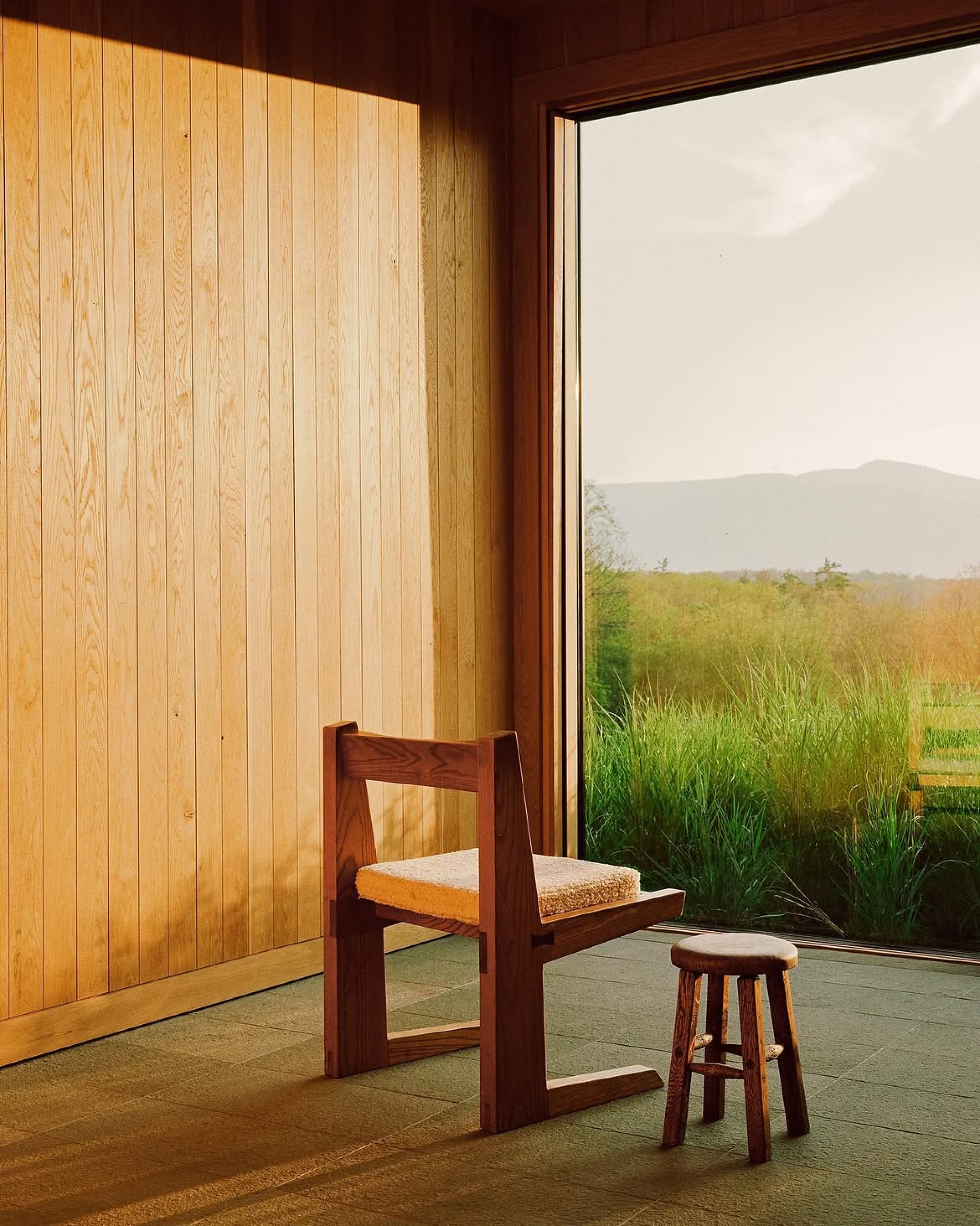
Piaule might be the ultimate Catskills retreat for people who really like design. Spread across 50 acres, the hotel has just 24 standalone cabins designed with Garrison Architects, each opening almost completely to the forest through a wall of glass. The interiors are quiet without feeling anonymous, with exceptionally good furniture and natural materials that make sense against the setting. That attention to detail tracks: founders Nolan McHugh and Trevor Briggs actually started Piaule as a homewares brand before turning their eye to hospitality. Even the spa is built into the hillside, almost disappearing into the landscape. Everything here has clearly been thought about, but never at the expense of the reason you came to the Catskills in the first place.
Château Voltaire
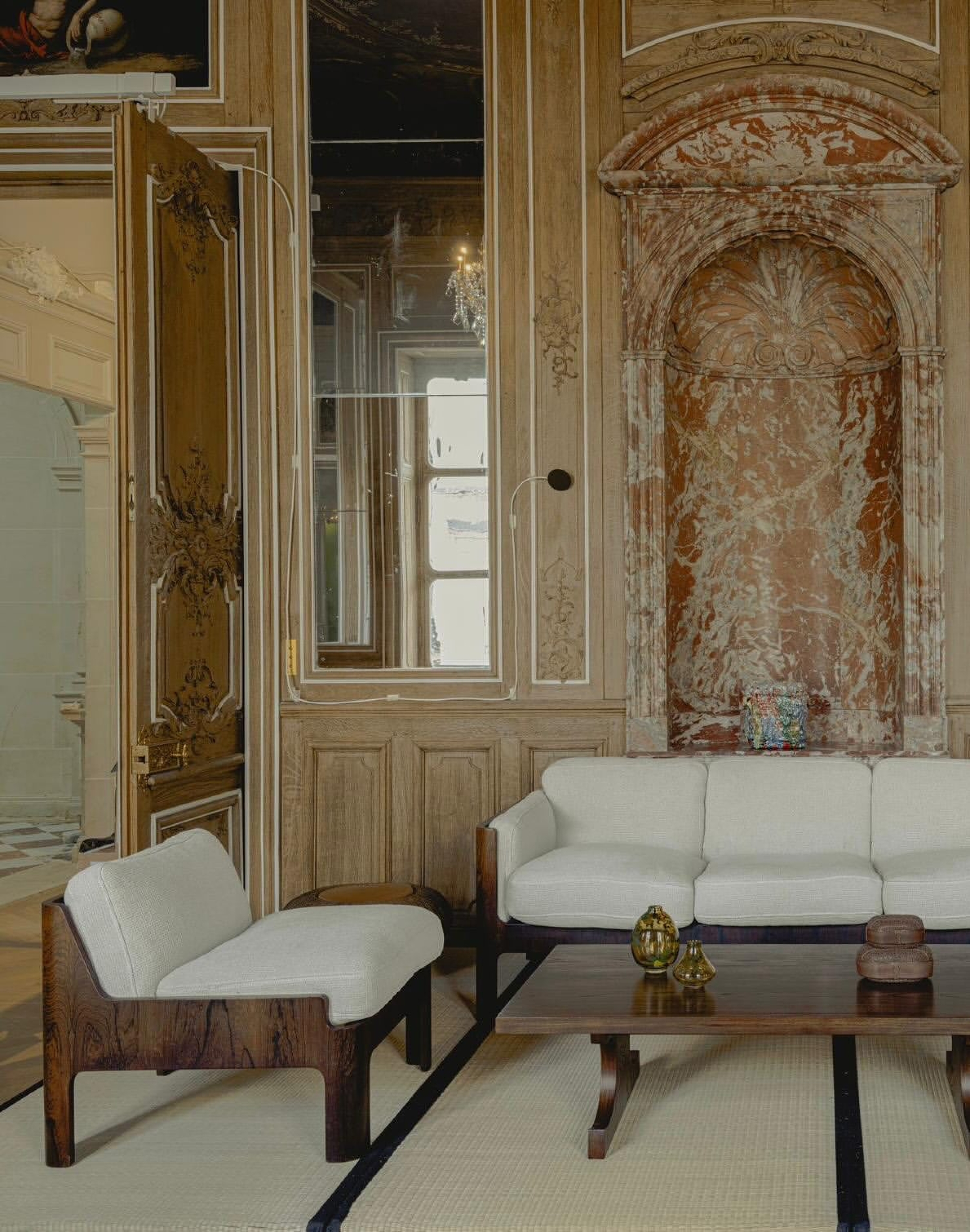
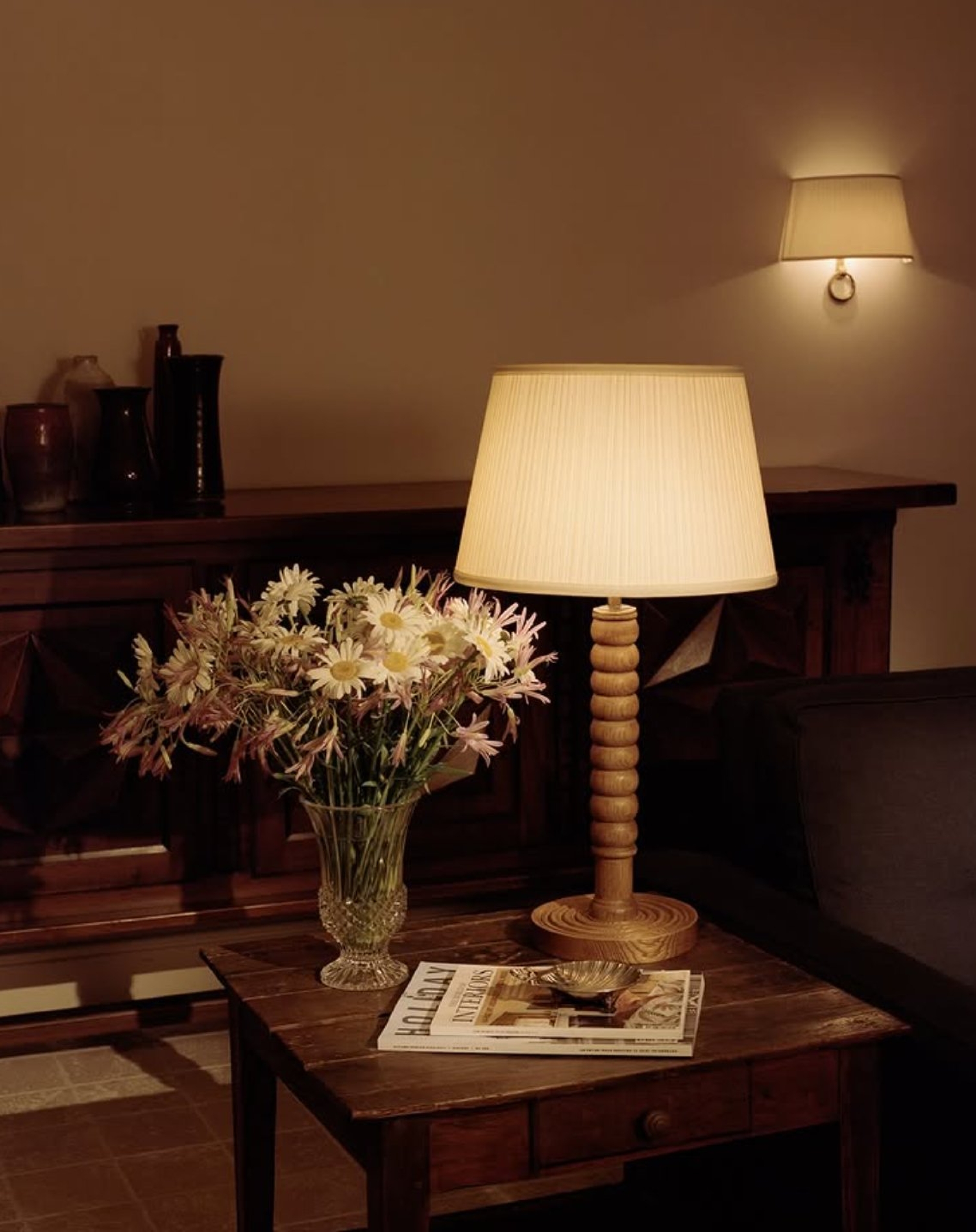
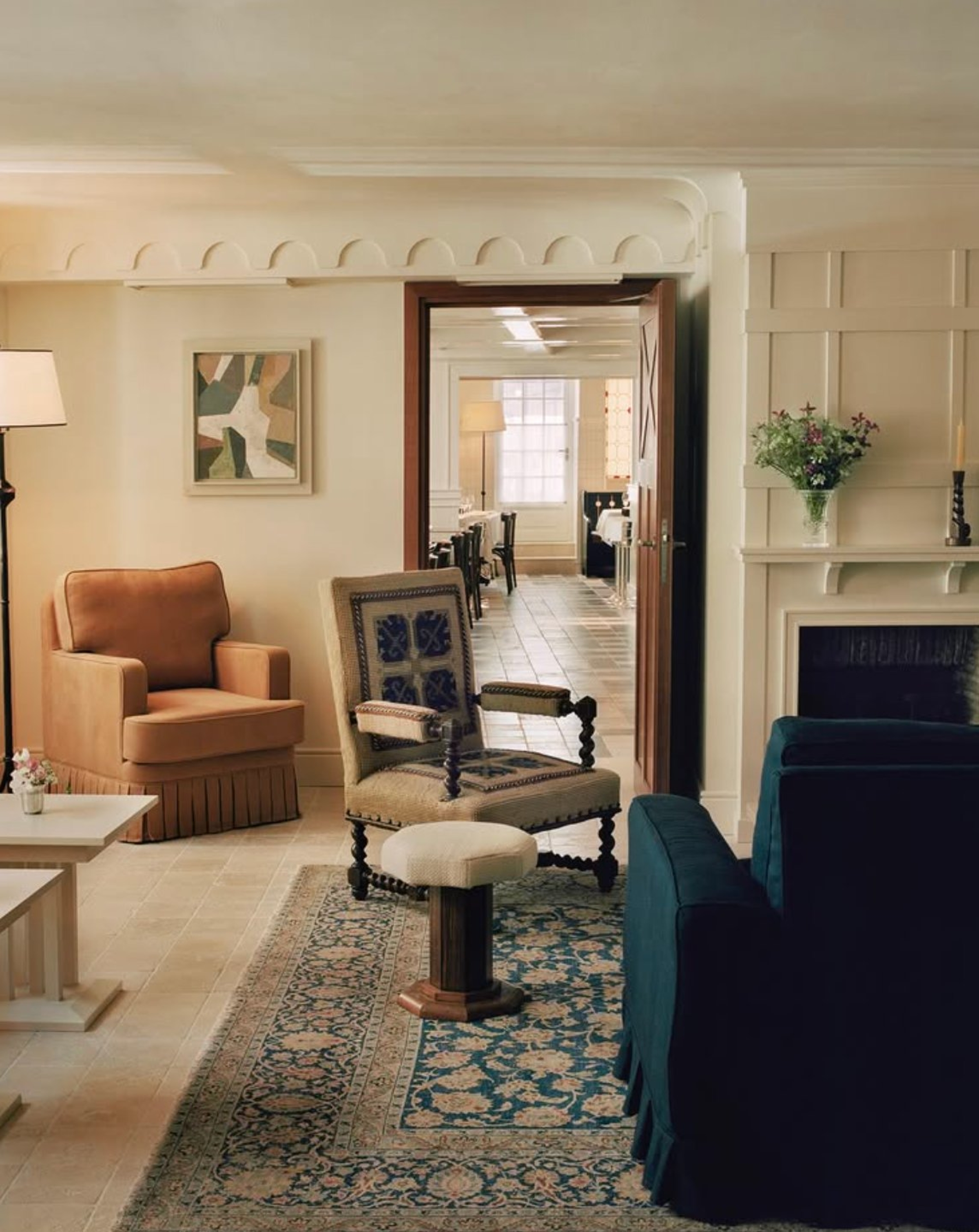
Paris clearly has no shortage of very good design hotels, as this list is quickly proving, but Château Voltaire still deserves a spot. The five-star property has just 31 rooms in the 1st arrondissement, putting you within an easy walk of the Louvre and Palais Garnier. Behind the interiors is French architecture duo Festen, with Franck Durand overseeing the artistic direction, and the fashion connection goes even further: owner Thierry Gillier is the founder of Zadig & Voltaire. Perhaps unsurprisingly, the whole place has impeccable taste. Creamy rooms are punctuated with fringed velvet and custom furniture, with just enough Art Deco influence to give things a little glamour. Even the spa and pool manage to feel intimate rather than hotel-like. Our favorite might be La Coquille d’Or, the tiny cocktail bar downstairs that makes a very convincing argument for staying in after dinner.
Broadwick Soho
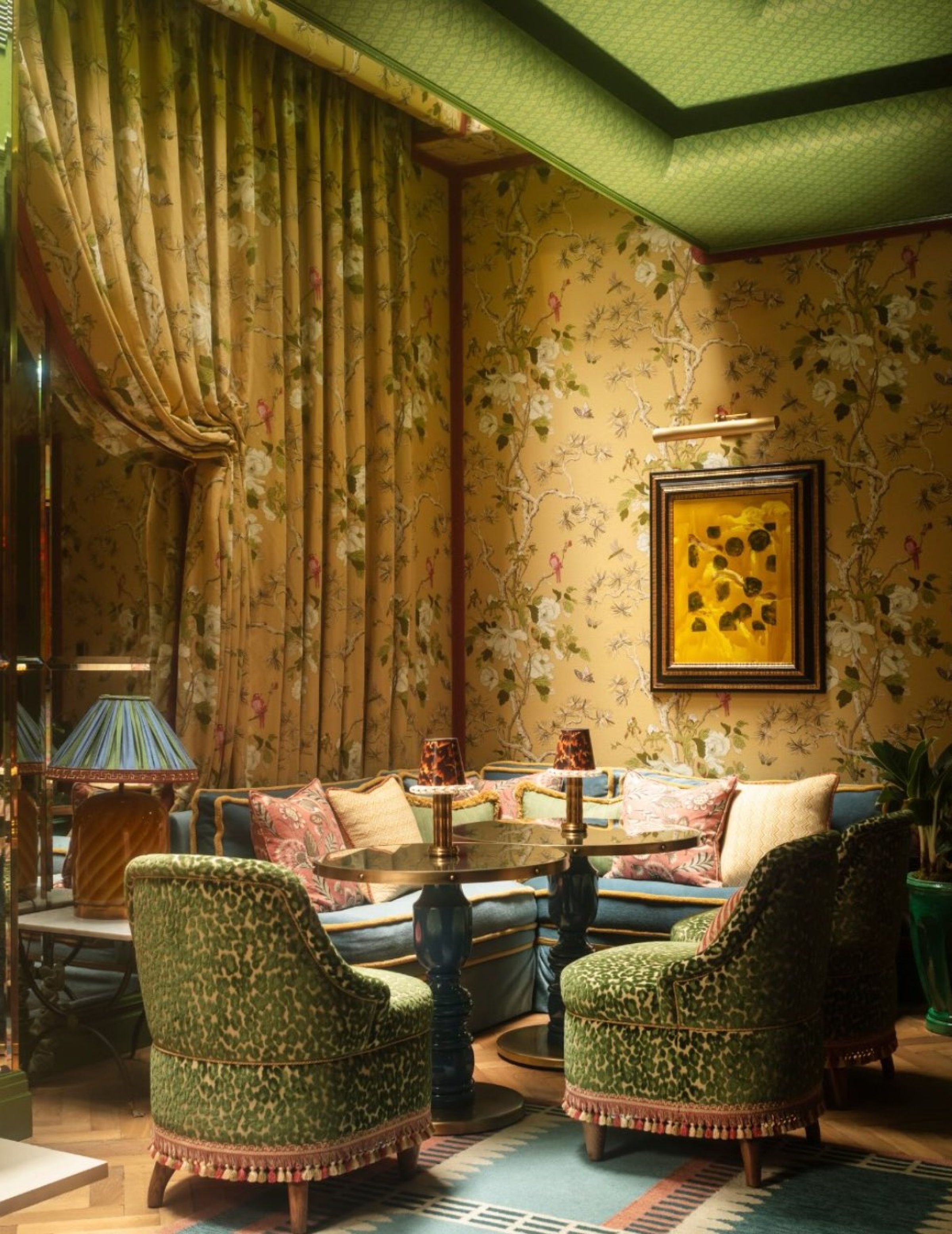
By now, you’re familiar with Martin Brudnizki. And if Le Grand Mazarin left you wanting even more pattern and color, Broadwick Soho is where we’d send you next. This time, the backdrop is London’s Soho, and the interiors are every bit as lively as the neighborhood outside. There are flashes of Jazz Age glamour and plenty of English eccentricity, all layered together with Brudnizki’s usual confidence. Very little is allowed to fade into the background. The bar is where it all really comes together, though: glossy surfaces, patterned upholstery, and enough going on visually that you’ll inevitably notice something different every time you look around. In a neighborhood that doesn’t exactly struggle for good places to get a drink, that’s saying something.
Trunk Hotel Yoyogi Park
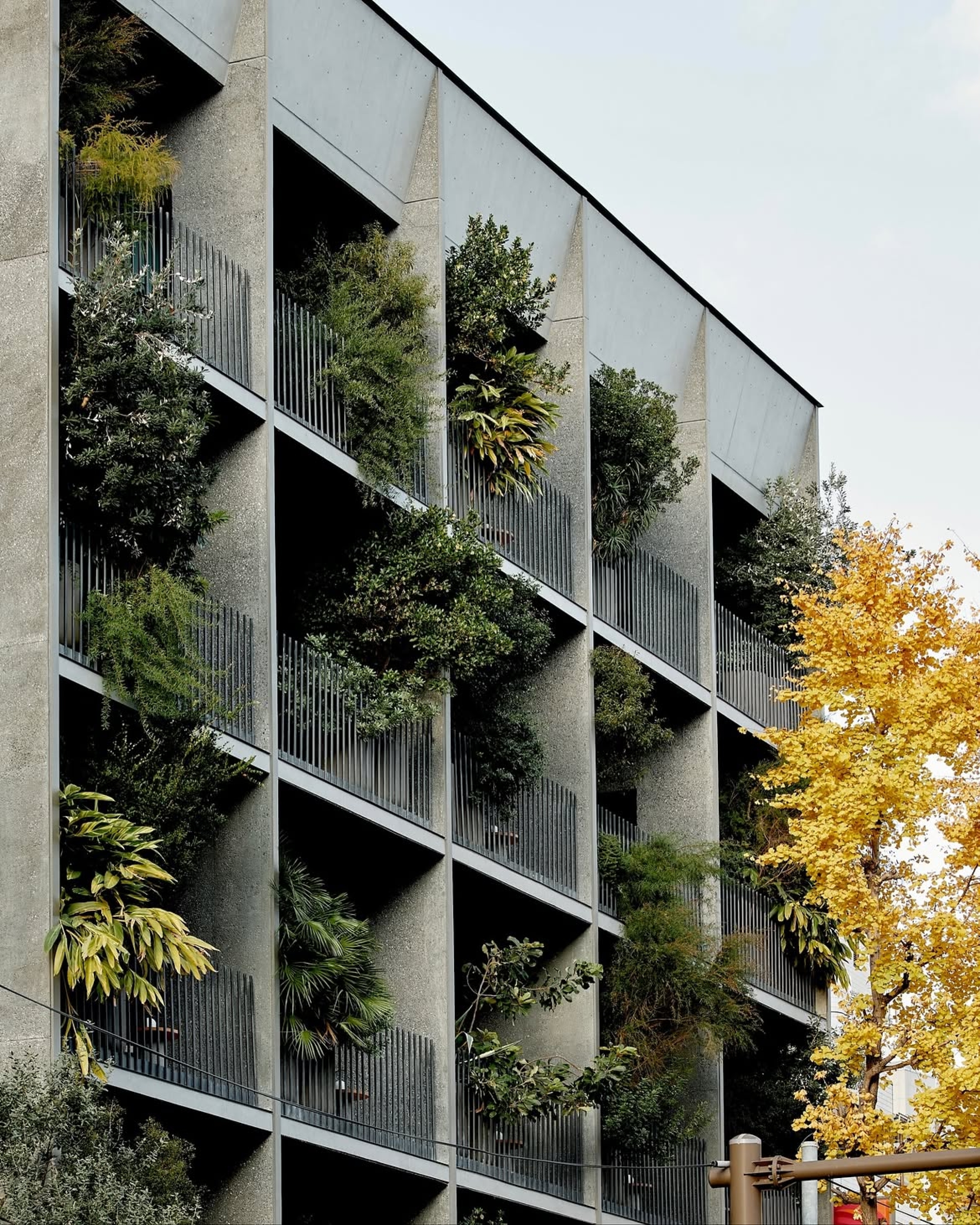
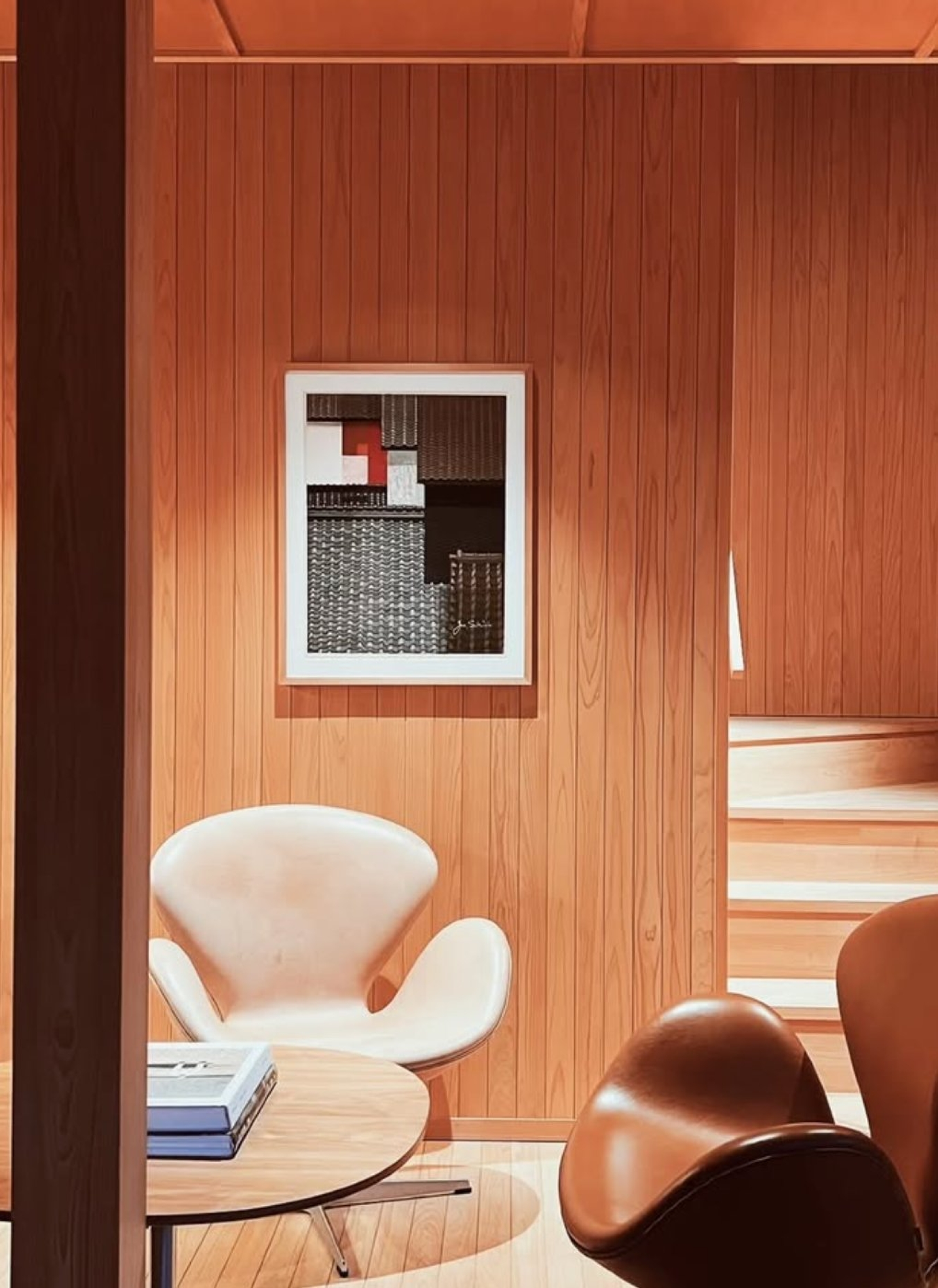
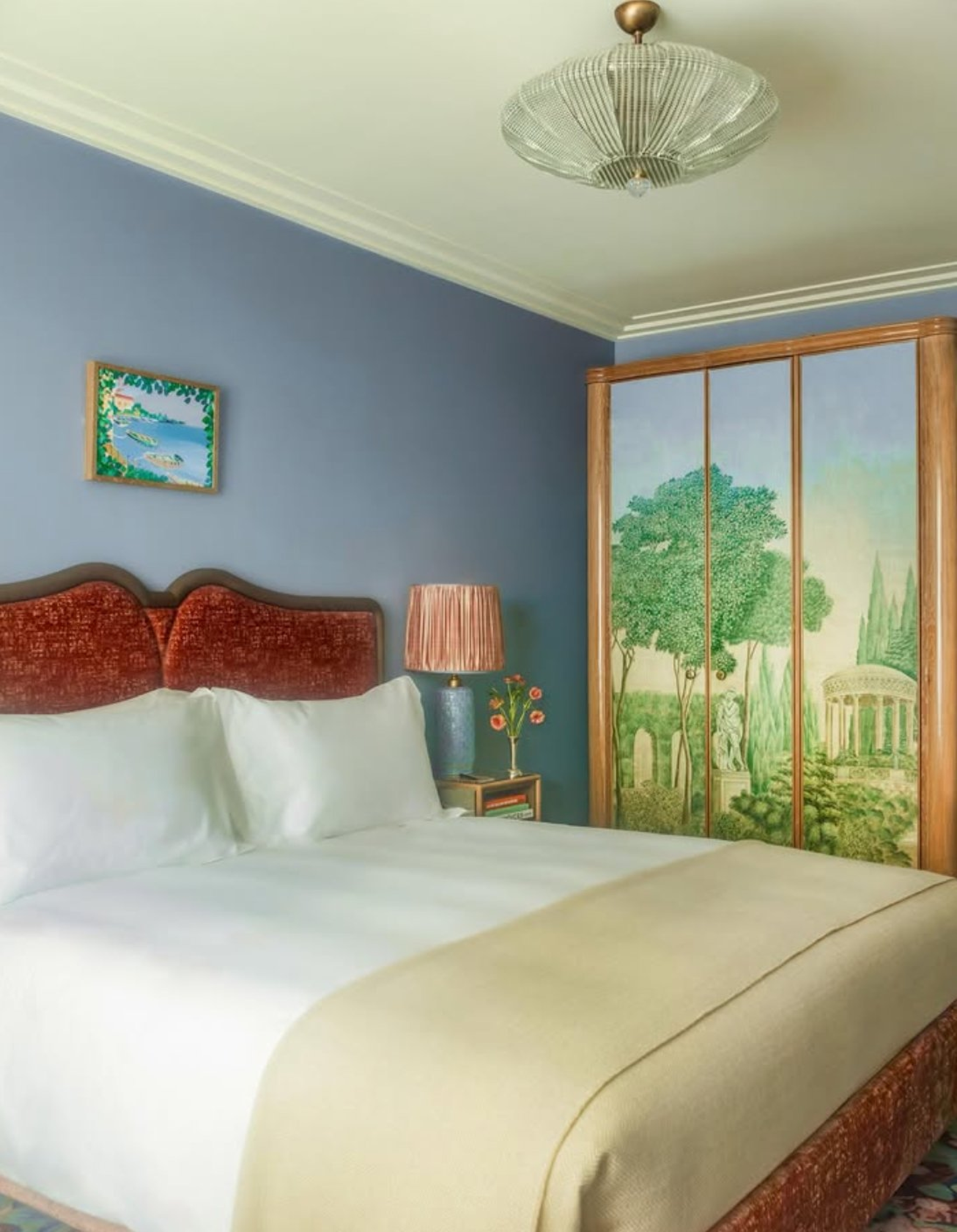
Tokyo isn’t exactly a city you associate with slowing down, but Trunk Hotel Yoyogi Park makes a pretty compelling case for it. Sitting directly across from its namesake park, the intimate hotel has just 20 rooms and five suites, with interiors that take a noticeably softer approach to contemporary design. Japanese and Danish influences come through in the warm wood and pared-back spaces, while enormous windows keep pulling your attention outside. Then you get to the rooftop, where an infinity pool looks straight into the treetops of Yoyogi Park. It’s a surprisingly peaceful view to find in the middle of Tokyo—and probably the last place you’ll feel the need to rush anywhere.