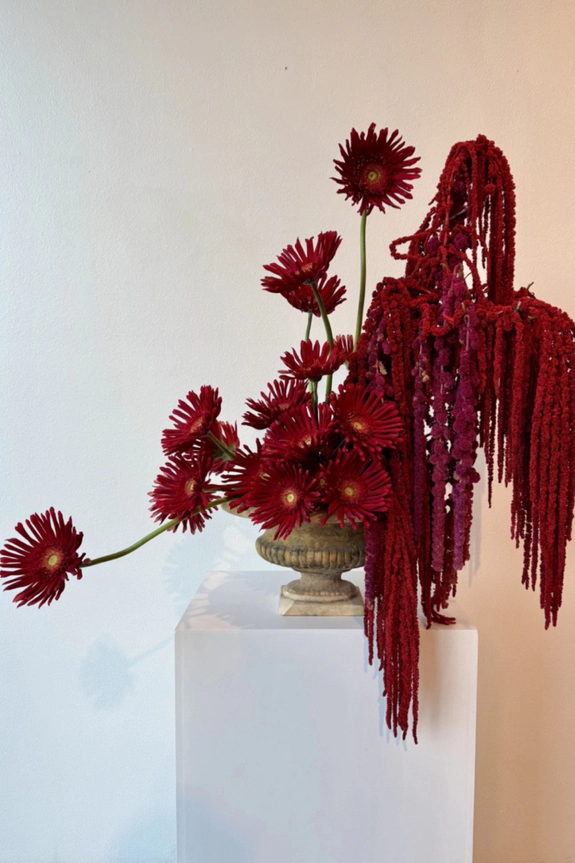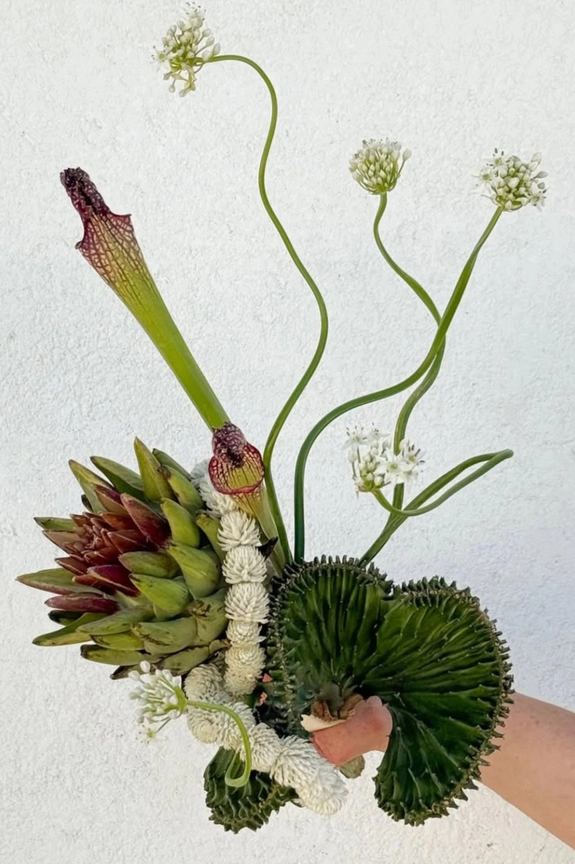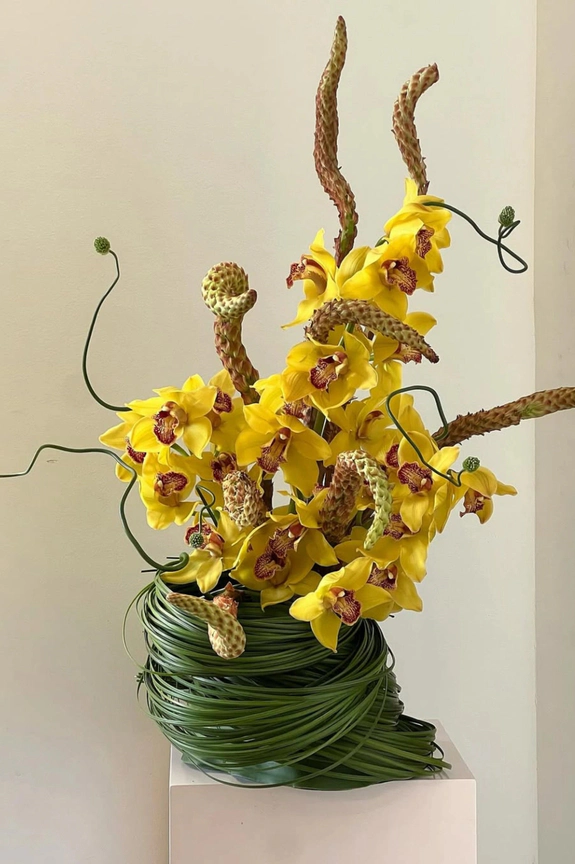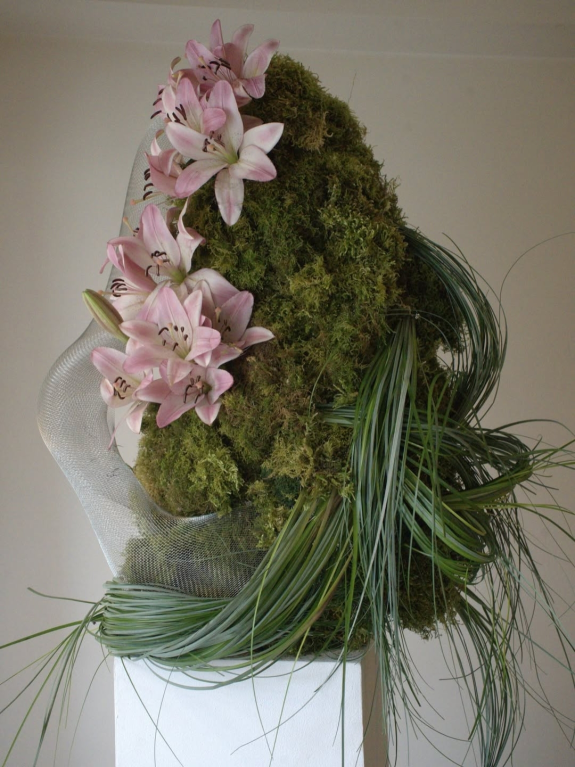
Summer wedding florals are moving in a noticeably more expressive direction for 2026. This season’s floral trends feel softer, more sculptural, and far less formulaic than in previous years, with arrangements leaning into movement, texture, unusual color pairings, and a sense of intentional imperfection. Rather than overfilled centerpieces or overly polished palettes, the focus is shifting toward flowers that feel seasonal, tactile, and naturally connected to place. From airy poppies arranged for coastal ceremonies to glossy anthuriums styled for tropical destination weekends, the strongest floral concepts are rooted in timing and environment as much as aesthetics. The result feels contemporary yet emotionally resonant, balancing refinement with a certain looseness that modern couples are increasingly drawn to. Ahead, discover the flower varieties set to define Summer 2026 weddings, and the most inspiring ways to style them throughout the season.
Carnations Lush Clusters
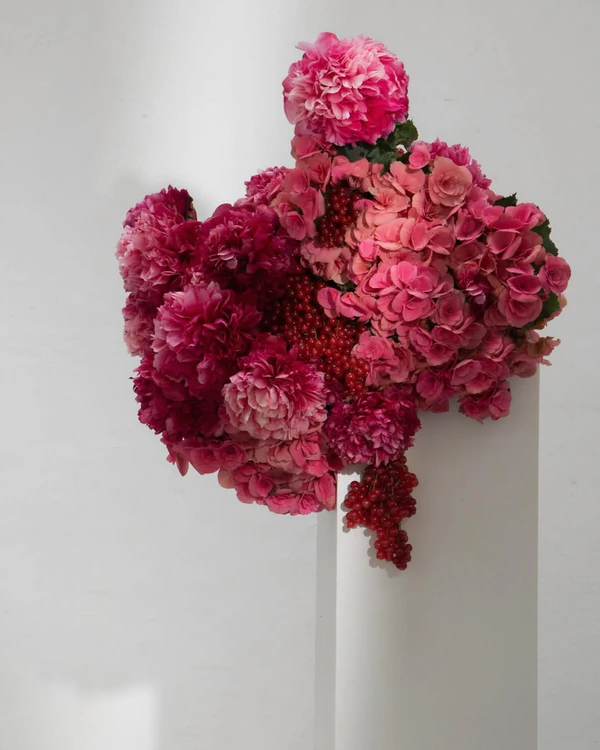
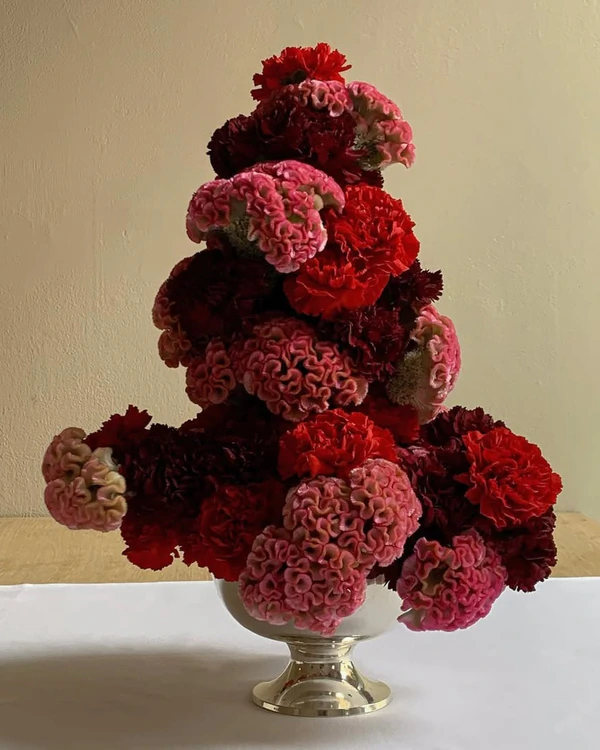
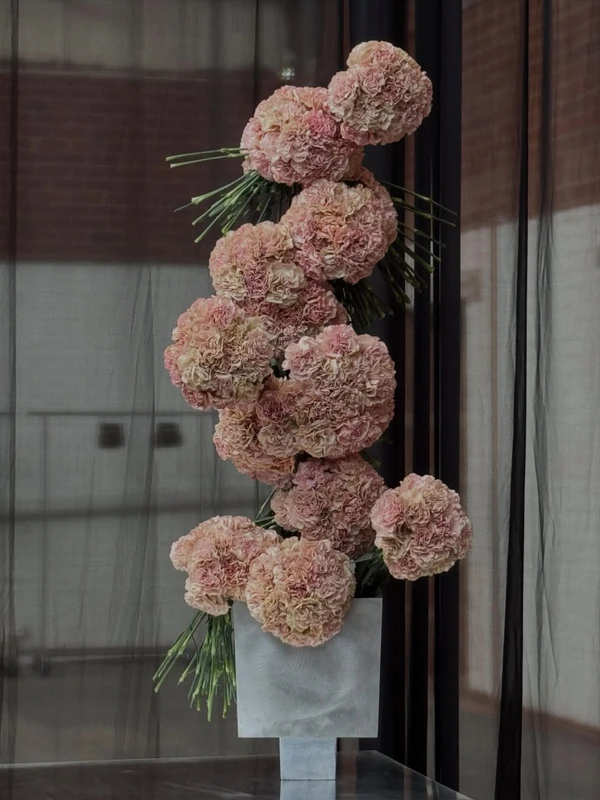
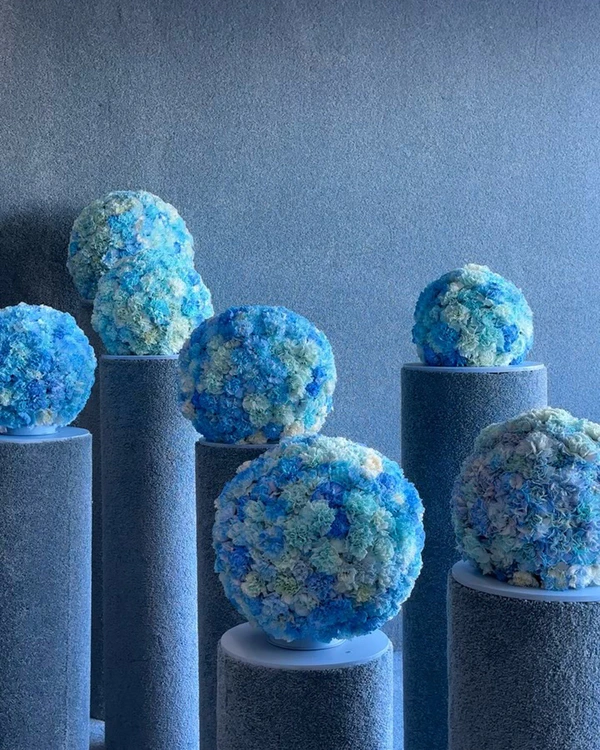
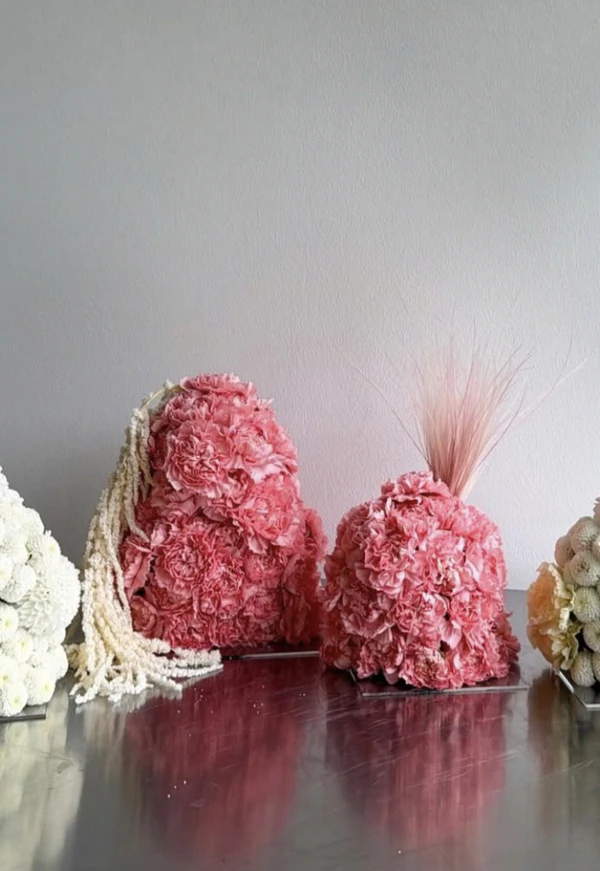
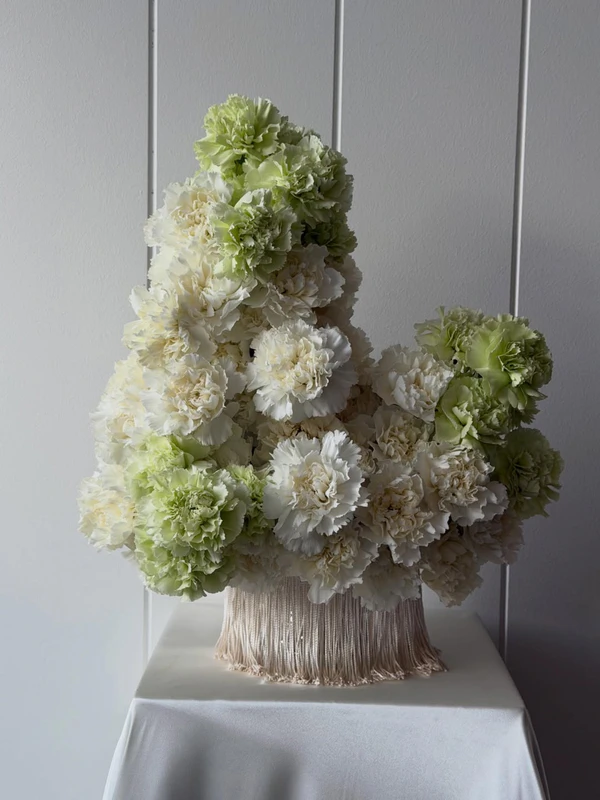
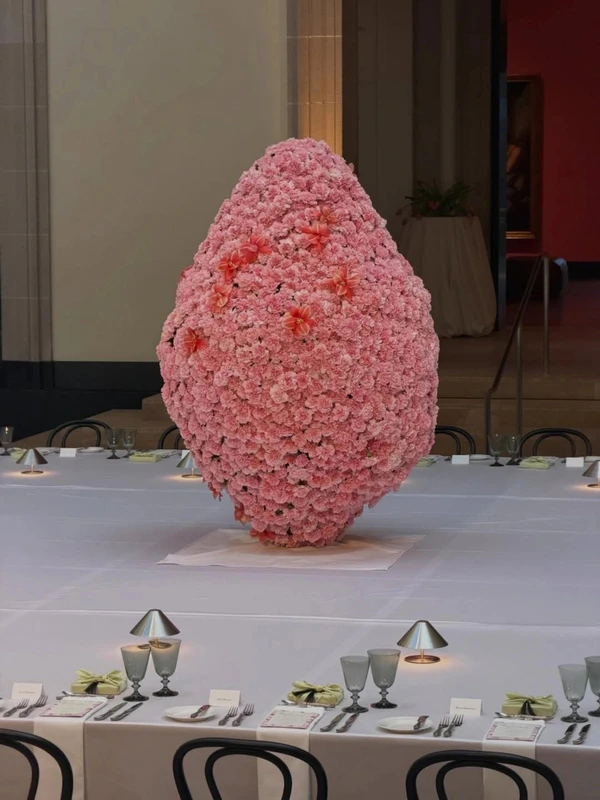
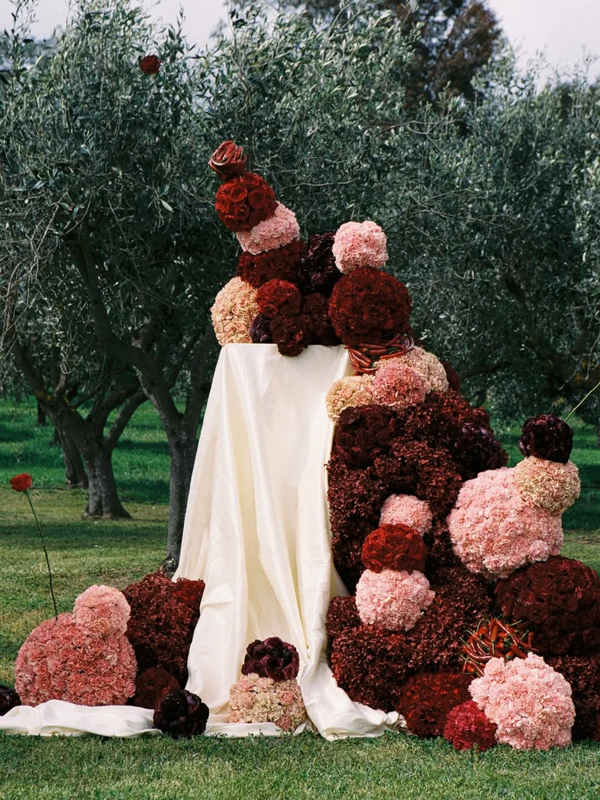
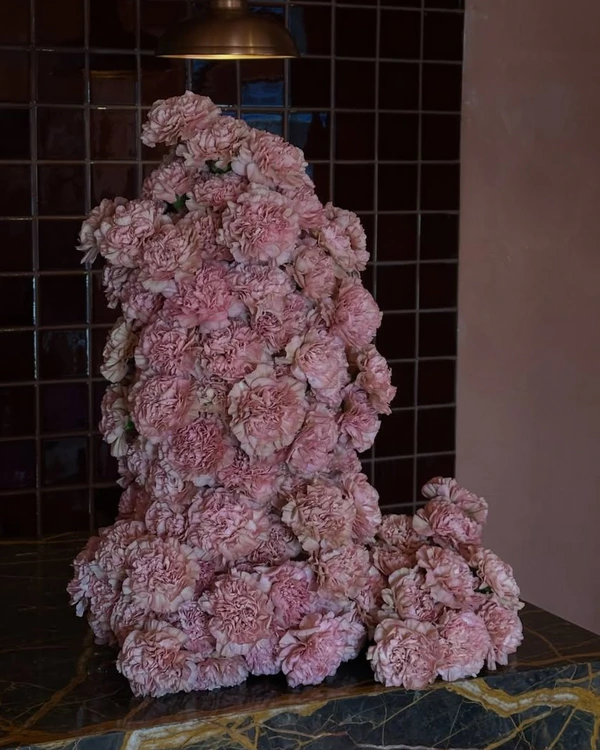
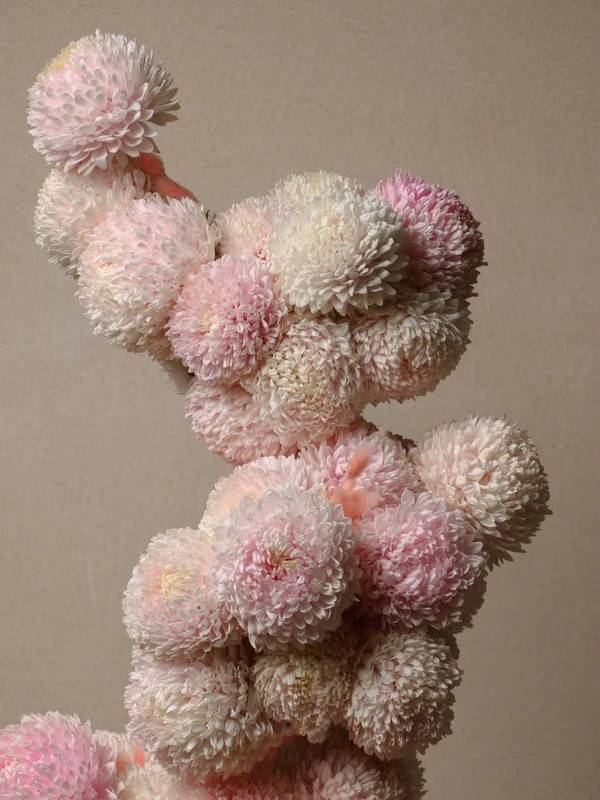
Carnations are quietly reclaiming their place in the wedding conversation for Summer 2026, and this time around, they feel far more directional than traditional. Modern florists are leaning into the flower’s naturally ruffled texture, using clustered stems to create dense, cloud-like compositions that read sculptural rather than classic ballroom. Peak season typically runs from late spring through early autumn, making carnations especially practical for warm-weather celebrations and multi-day destination events where longevity matters. For coastal weddings in southern Europe or summer ceremonies in Japan, they hold up remarkably well in heat and humidity compared to more delicate blooms. The overall mood is less "retro flower" and more elevated texture study with a distinctly editorial finish.
Chrysanthemum
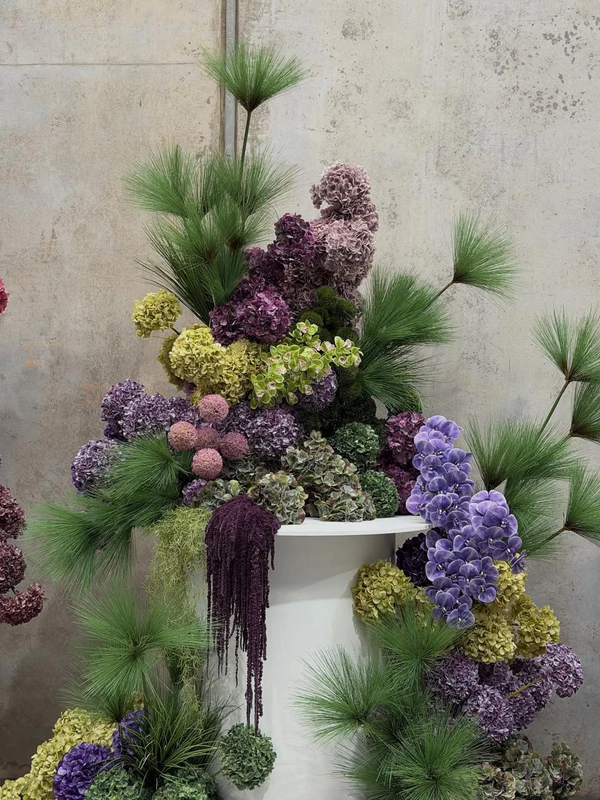
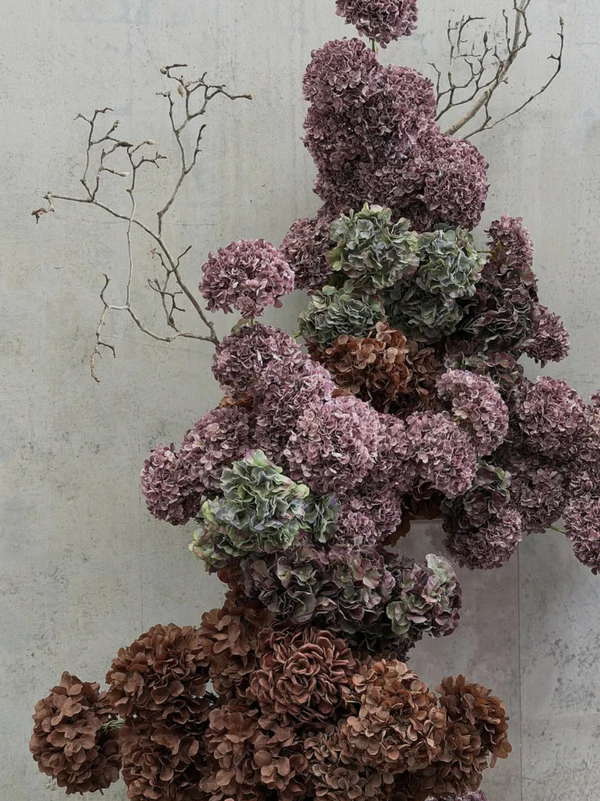
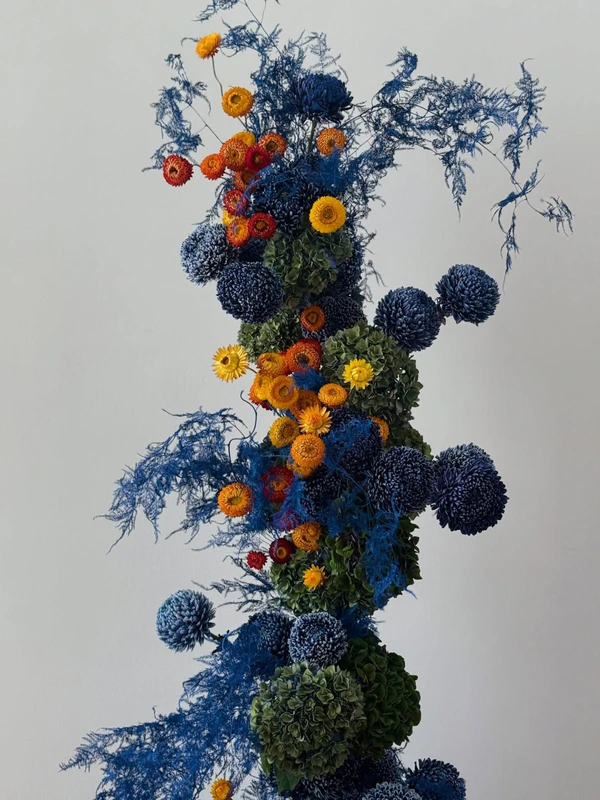
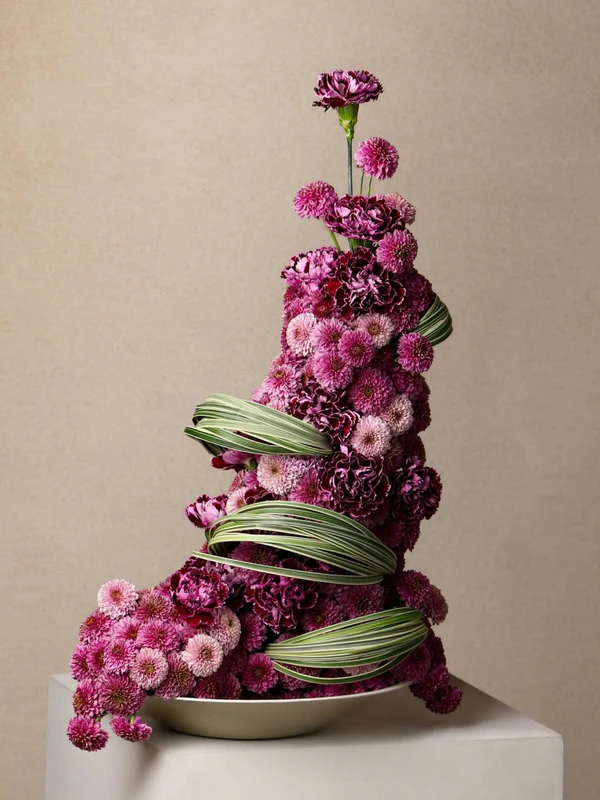
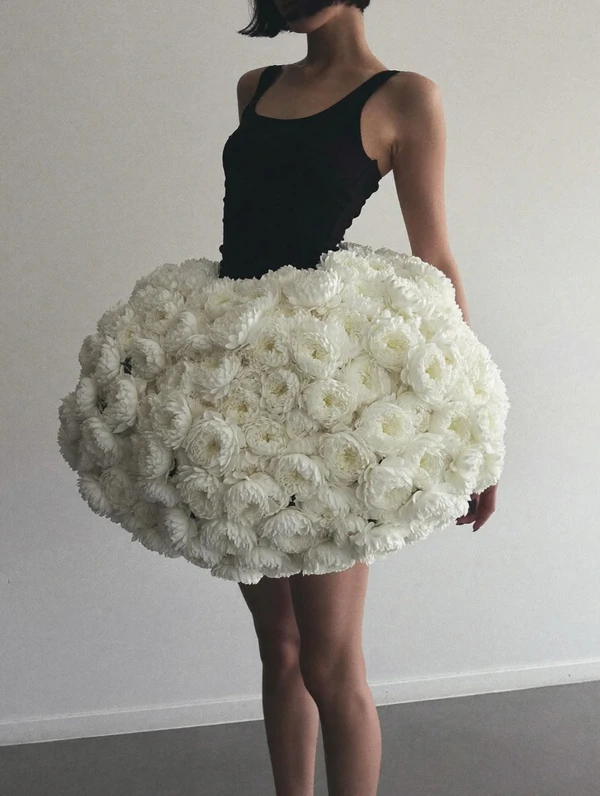
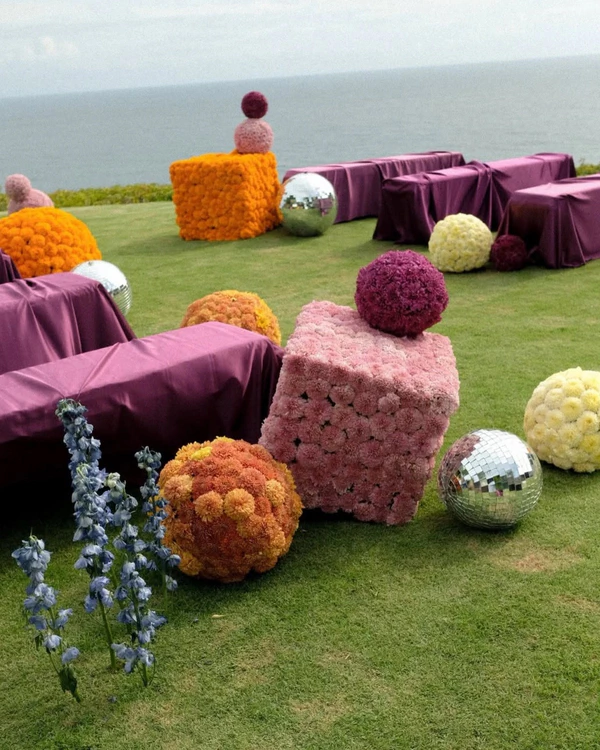
Chrysanthemums are emerging as one of the most unexpected floral choices for chic summer weddings, particularly among couples moving away from overtly romantic arrangements. While their strongest natural season begins in late summer and continues into autumn, early varieties start appearing beautifully by July, especially in Europe and East Asia. Designers are increasingly using chrysanthemums in installations, allowing unusual forms and tonal color stories to become the focal point rather than overwhelming abundance. Shades like pale pistachio, tobacco cream, wine, and muted lilac feel especially current for 2026.
Anthuriums
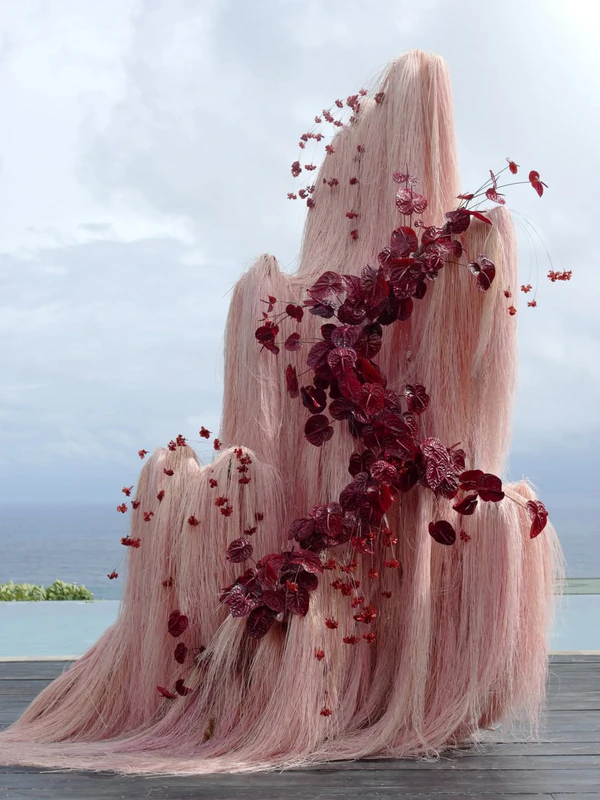
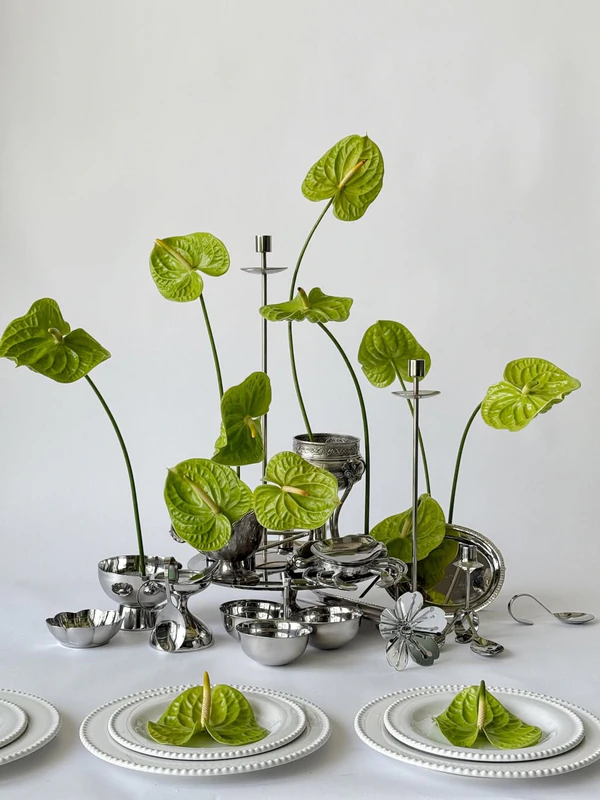
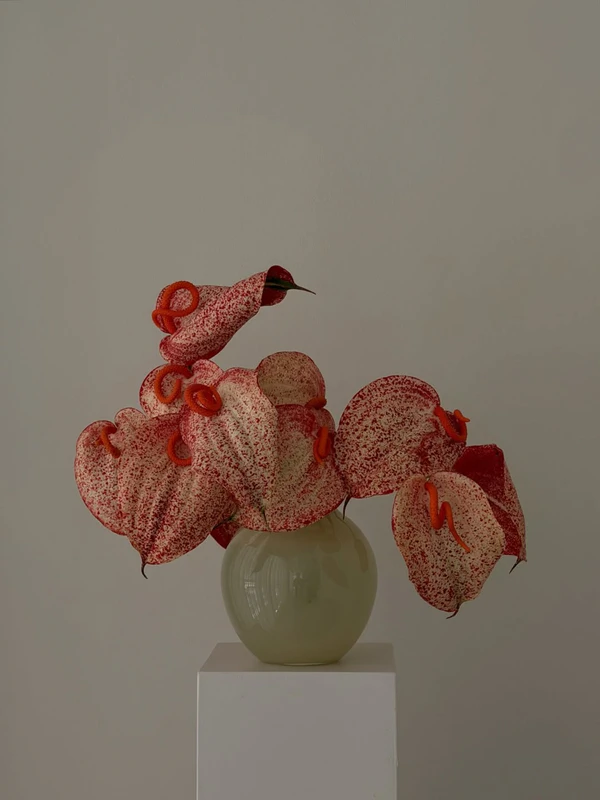
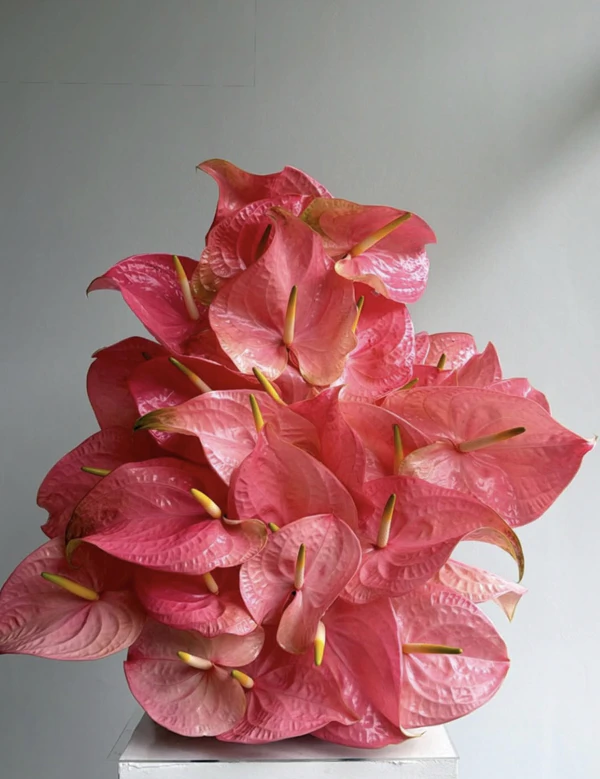
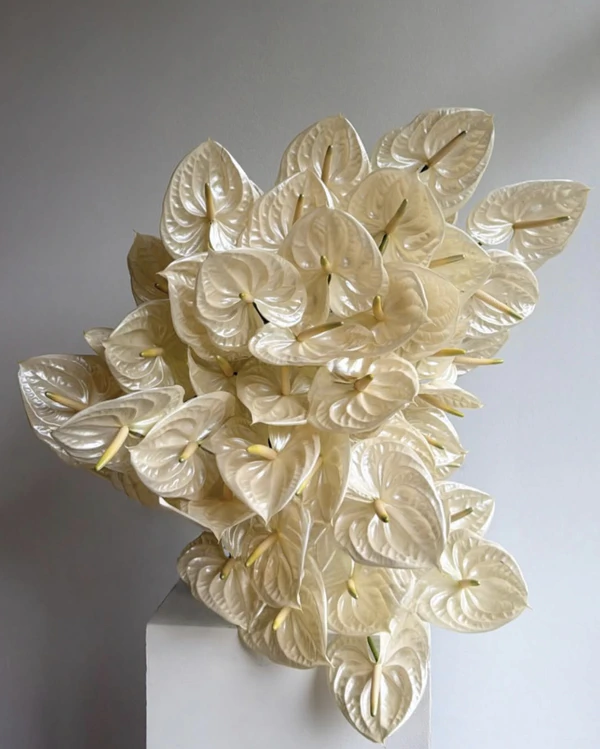
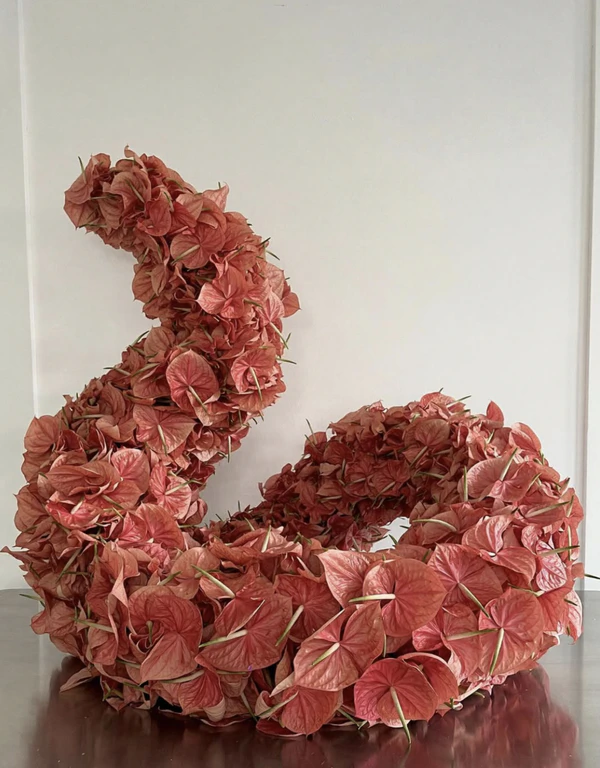
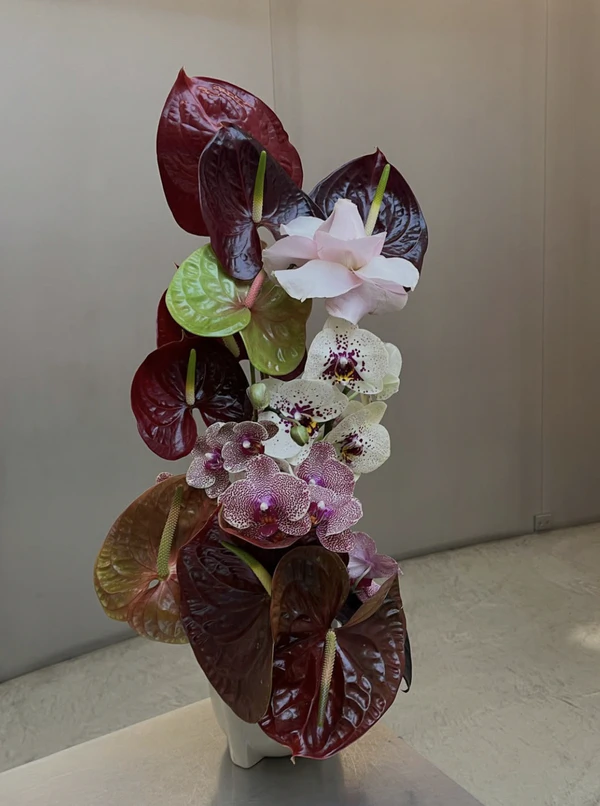
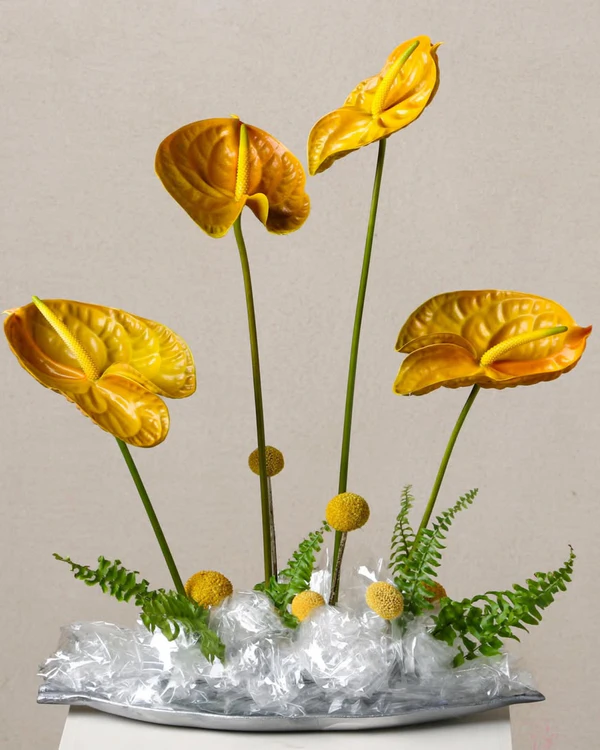
Naturally thriving throughout tropical climates year-round, anthuriums become particularly relevant during summer destination weddings where heat tolerance is essential. Their glossy, sculptural surfaces immediately change the visual language of an arrangement, adding tension, shape, and a subtle futuristic quality. Rather than using them sparingly as accent flowers, florists are now creating entire installations around oversized anthuriums in shades of cocoa, olive, ivory, and dusty pink. They work beautifully alongside orchids, ginger flowers, palms, and minimal greenery for celebrations in places like Bali, Mallorca, Tulum, or coastal Australia. Anthuriums feel especially right for 2026 because they strike a balance between luxury and restraint — bold without becoming excessive.
Iris
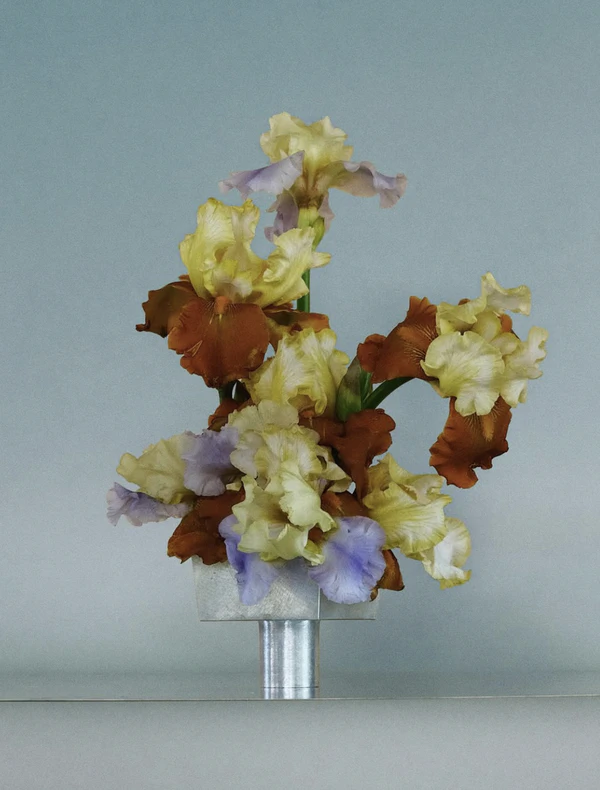
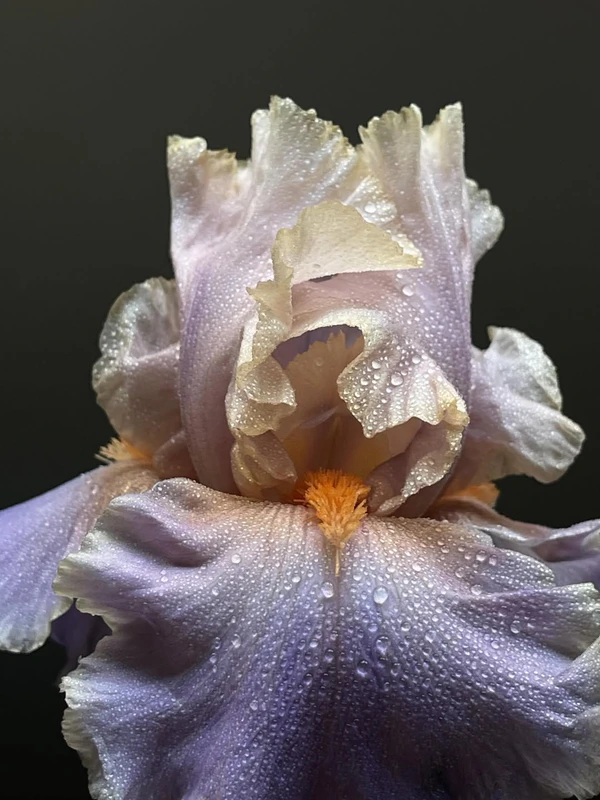
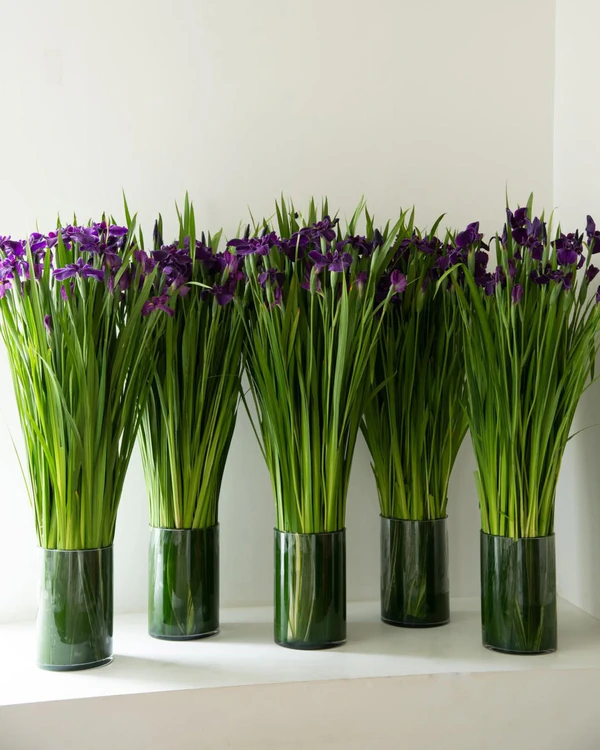
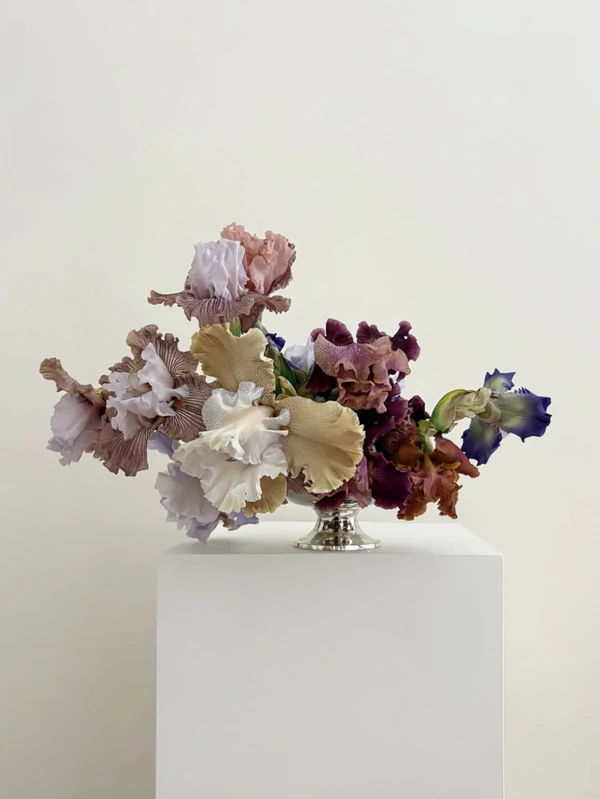
Most varieties of iris bloom from late spring into early summer, though some seasonal growers extend availability well into July depending on climate and sourcing. Their naturally sculptural petals introduce movement into arrangements, almost resembling fabric caught in motion, which makes them especially compelling in editorial photography. Deep indigo and inky violet remain timeless, but softer shades like smoke blue, parchment, and pale butter yellow are becoming increasingly sought-after for contemporary weddings. They also lend themselves beautifully to waterside weddings and destination celebrations near lakes, coastlines, or countryside estates where the atmosphere feels slightly undone.
Sunflowers
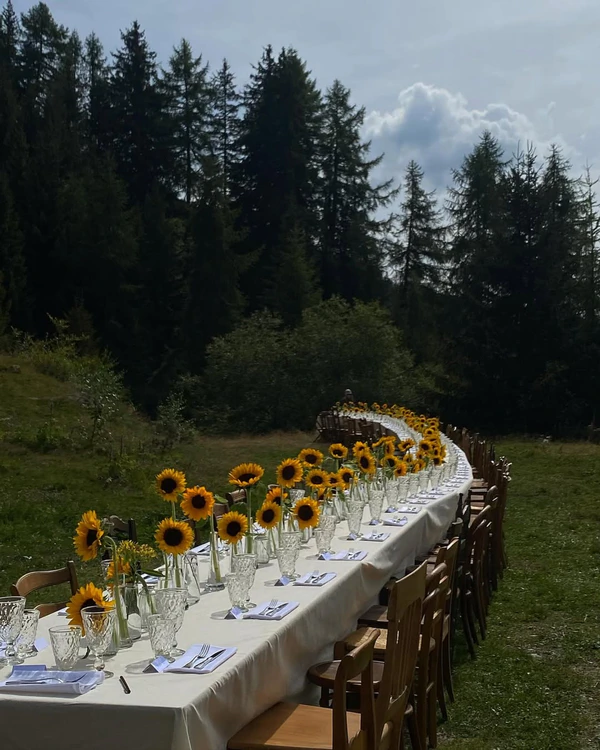
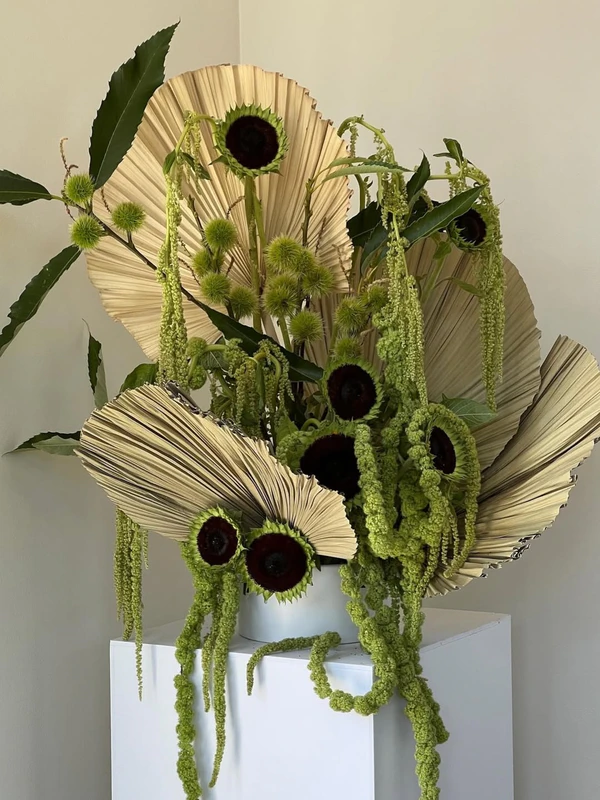
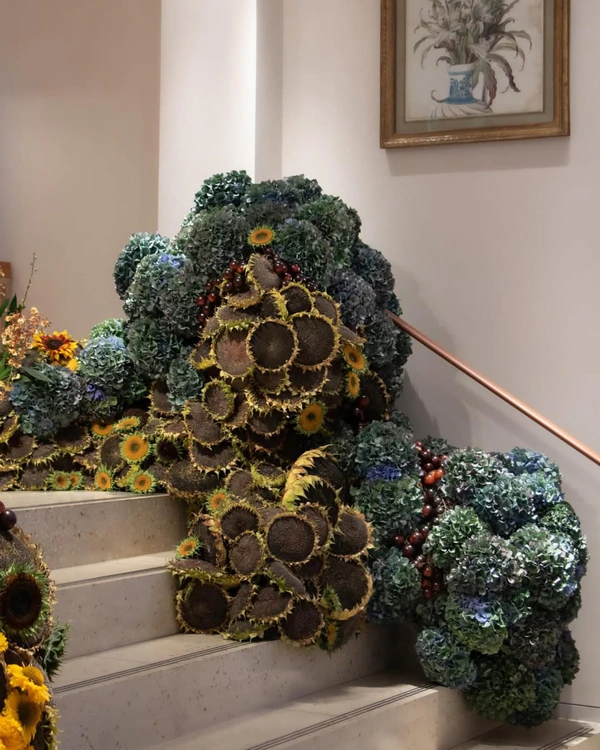
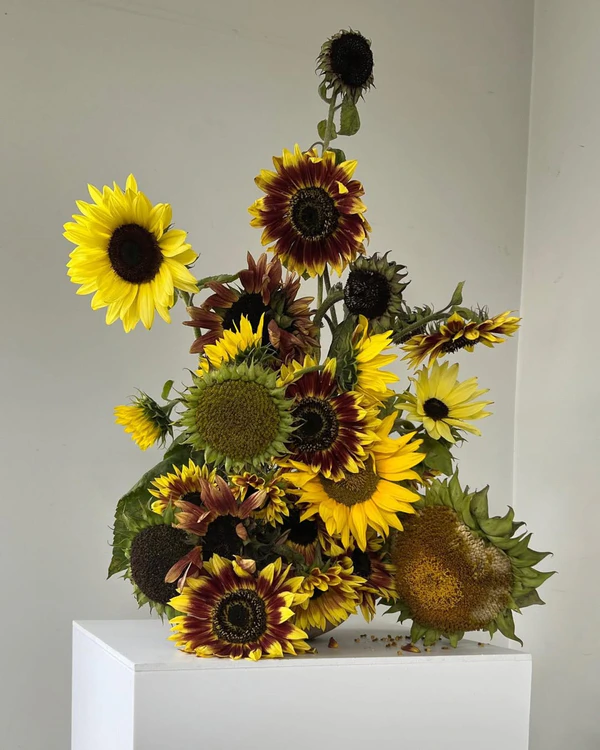
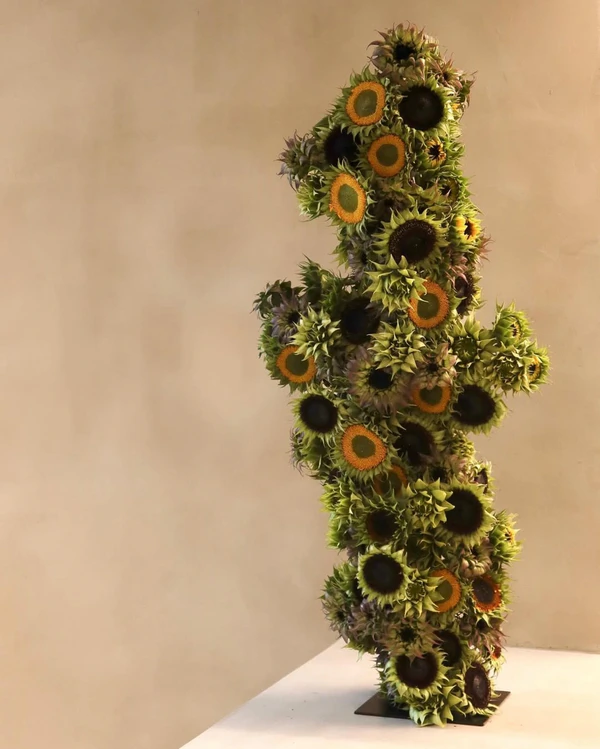
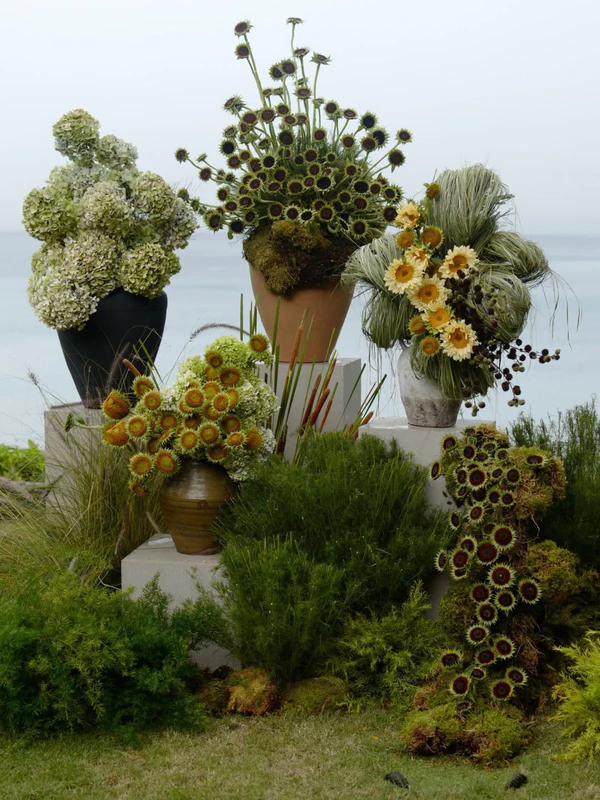
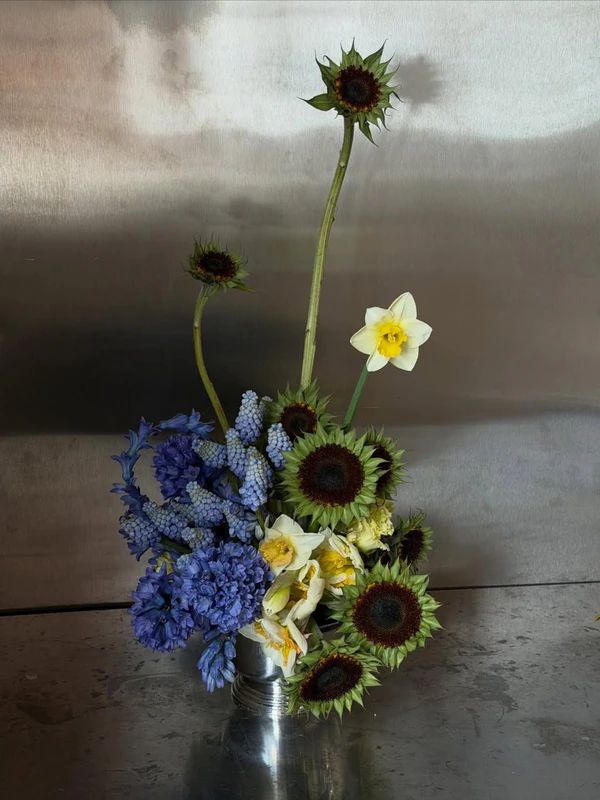
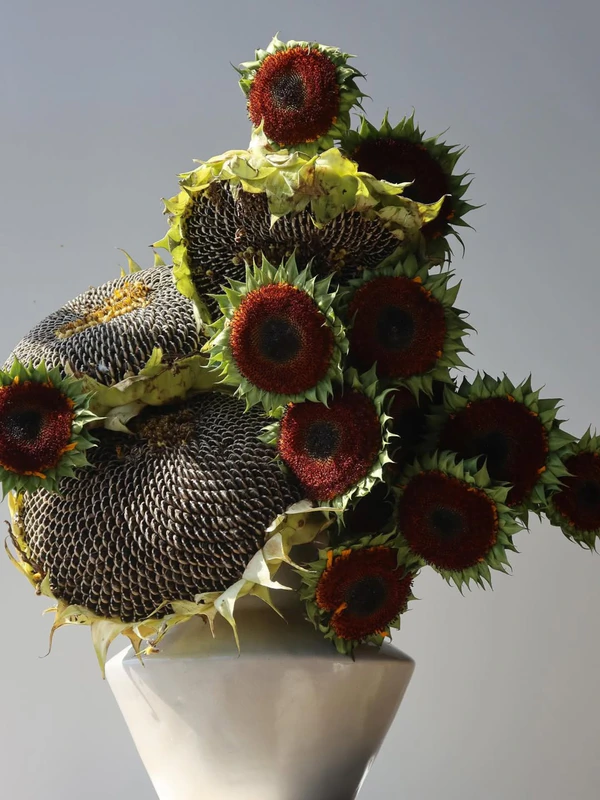
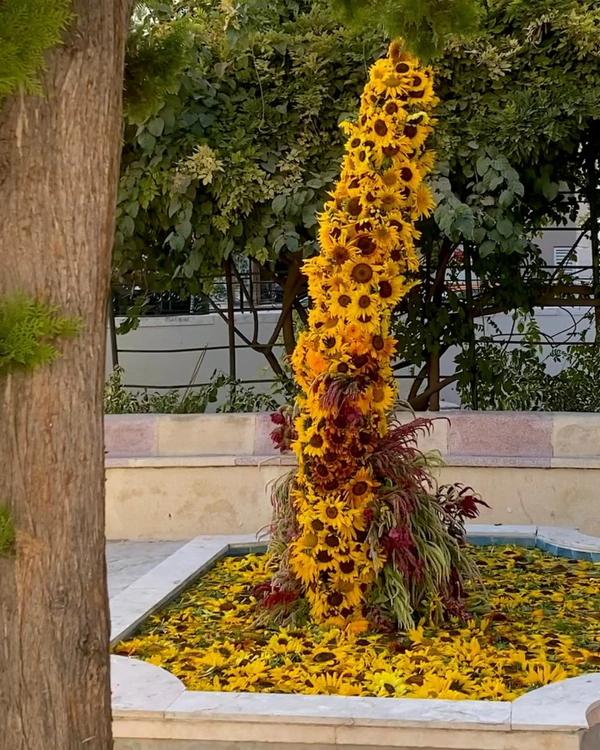
Sunflowers are shifting away from rustic wedding clichés and entering a far more refined space for Summer 2026. Blooming at their best from July through early September, they naturally align with peak-season outdoor celebrations and destination weekends in warmer climates. The newer floral direction focuses less on bright yellow fields and more on unusual heirloom varieties in muted gold, caramel, pale lemon, and even bronze. One of the strongest approaches is pairing sunflowers with sleek contemporary vessels or monochromatic tablescapes to offset their natural informality. The result feels sun-drenched, directional, and unmistakably summer without leaning predictable.
Allium
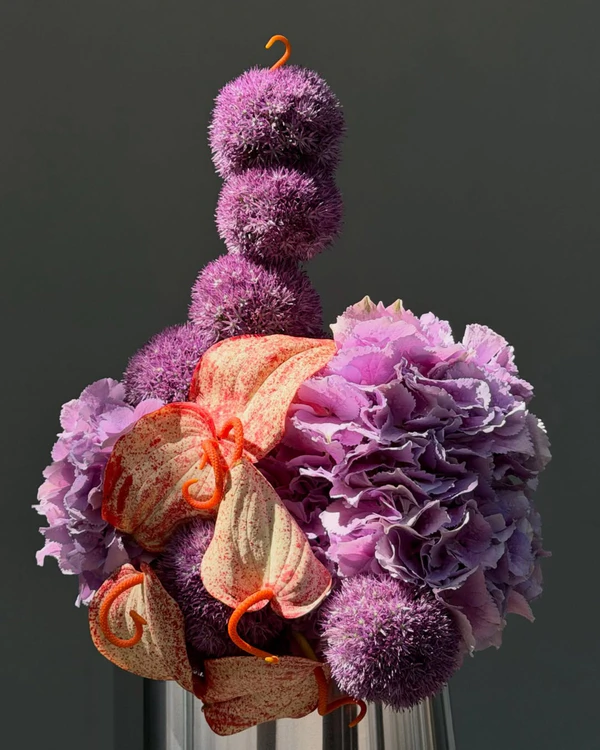
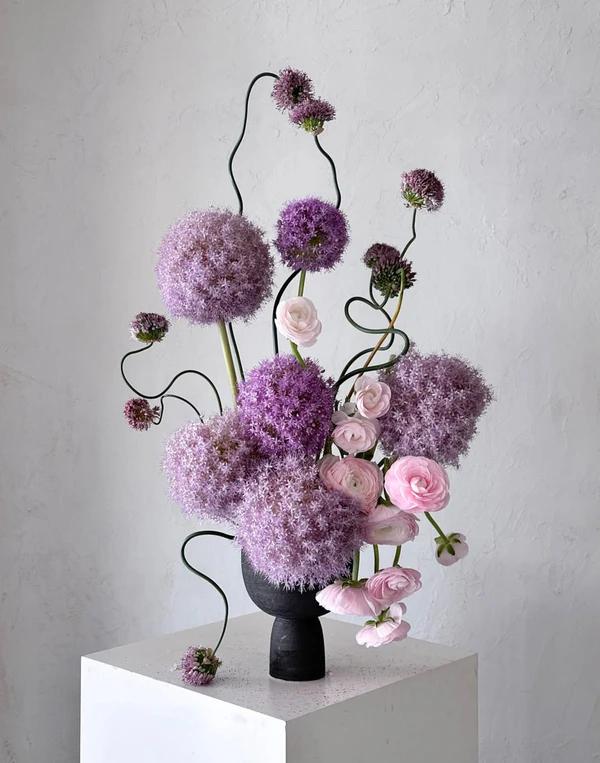
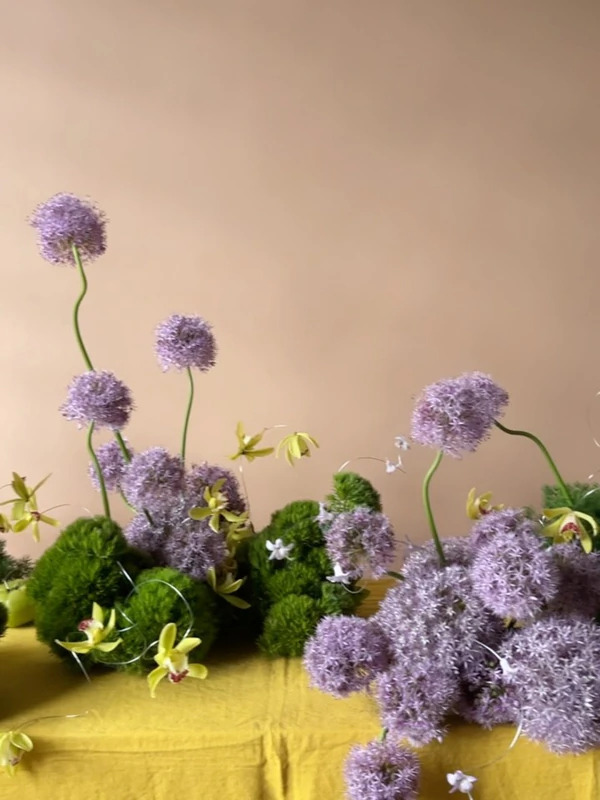
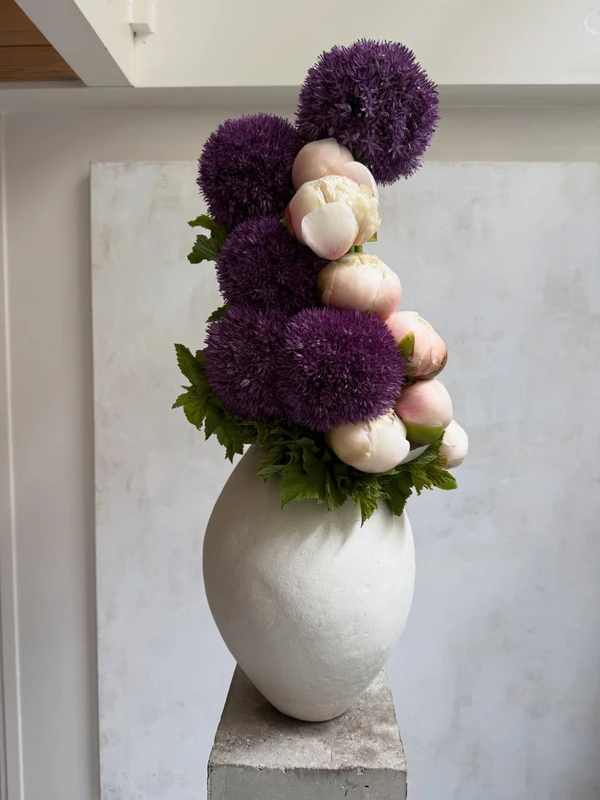
Blooming primarily from late spring through midsummer, allium arrive at exactly the moment when wedding florals begin transitioning from soft spring palettes into more sculptural summer compositions. Their perfectly rounded flower heads introduce structure in a way that feels graphic yet organic, particularly when suspended within airy meadow-style arrangements or styled alongside looser seasonal blooms. Purple remains the most recognizable shade, though softer tones like faded lilac, ivory, and dusty mauve are beginning to dominate more editorial floral palettes for 2026. For destination weddings in the countryside — whether in Tuscany, rural England, or northern Japan — they blend beautifully into natural landscapes without appearing overly formal.
Peonies
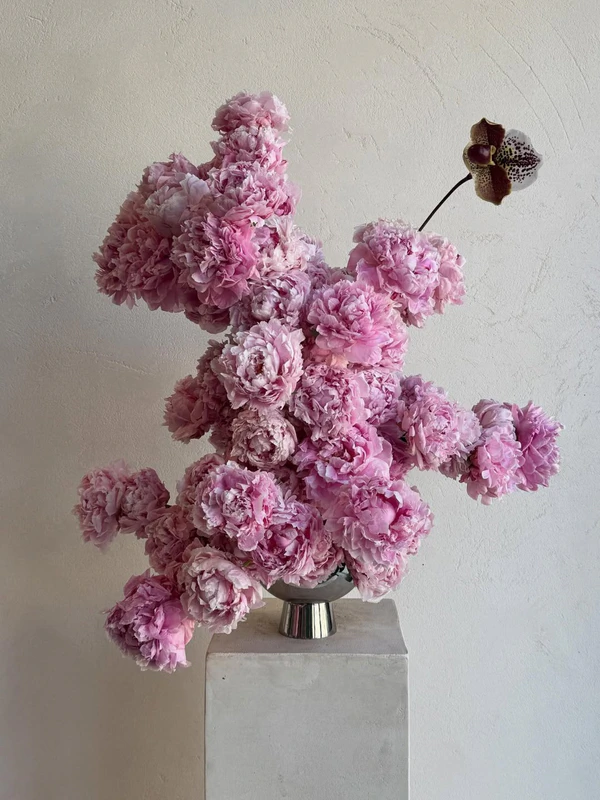
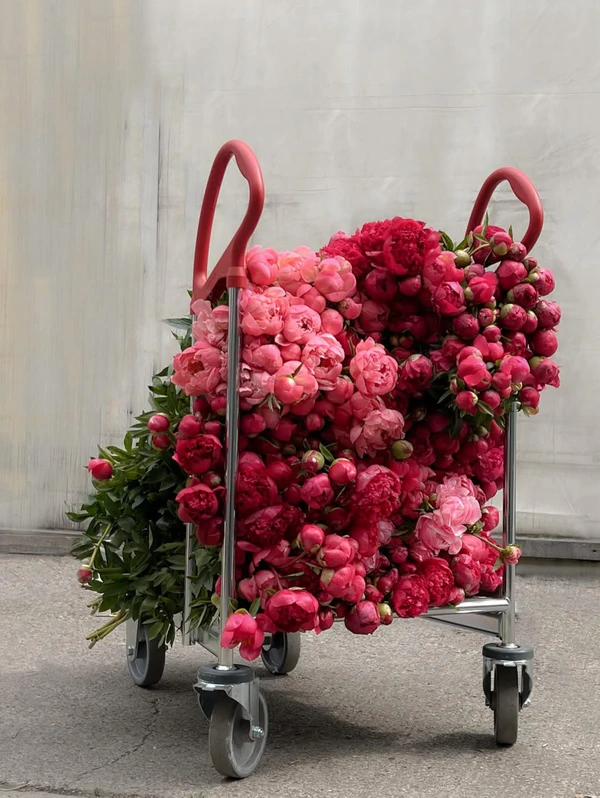
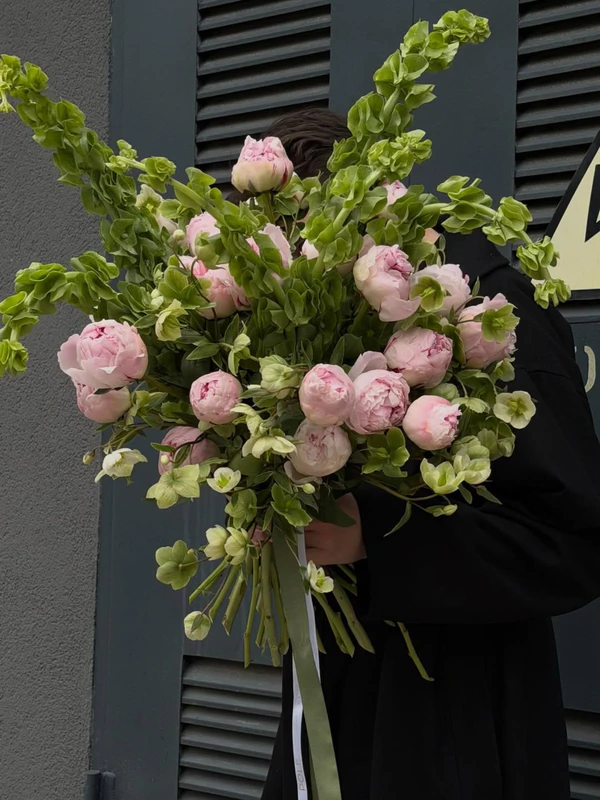
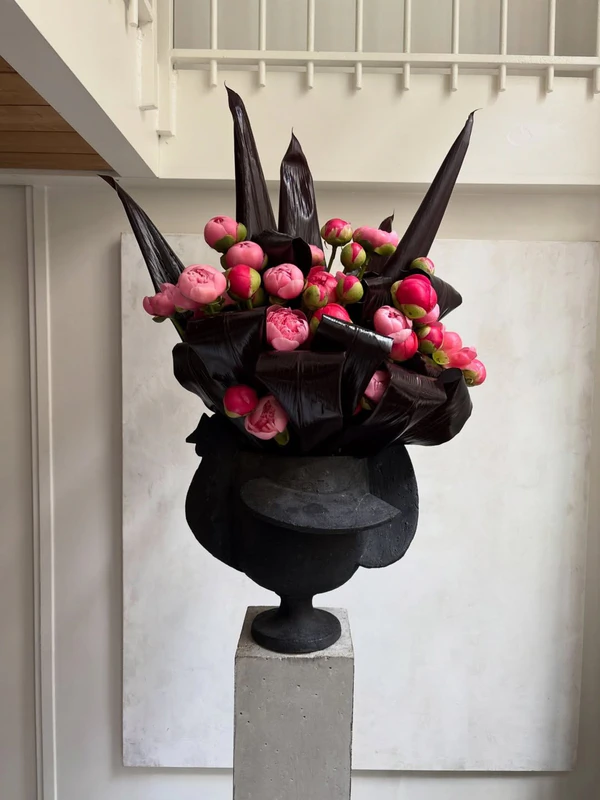
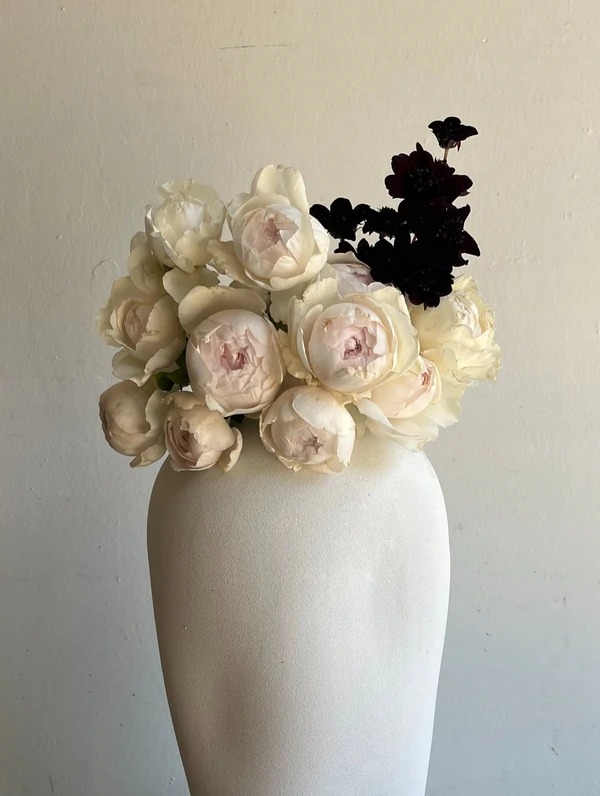
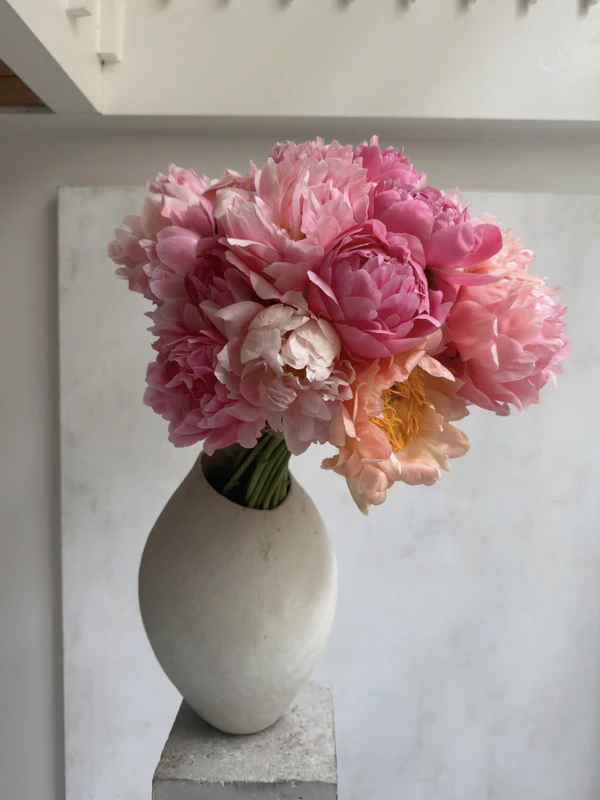
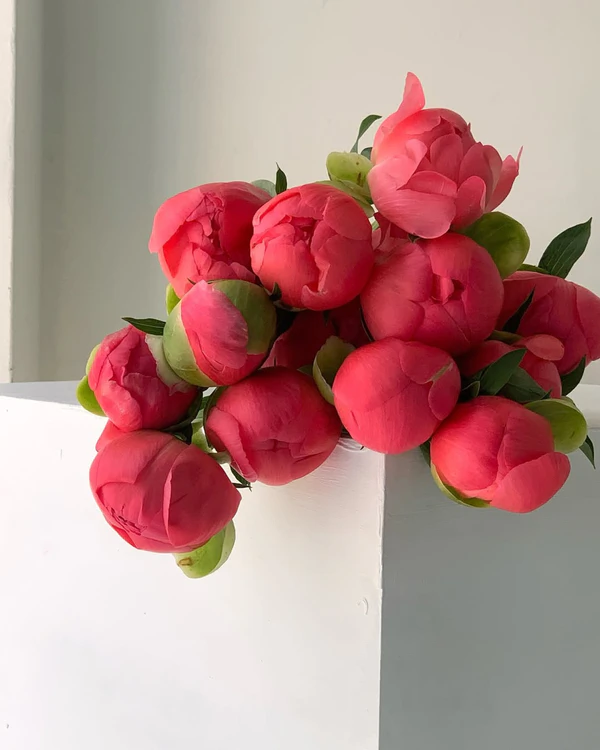
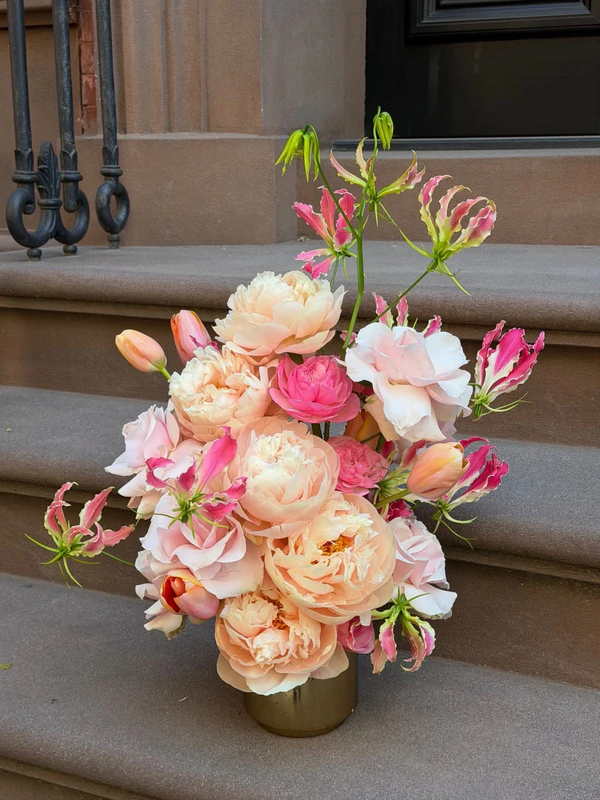
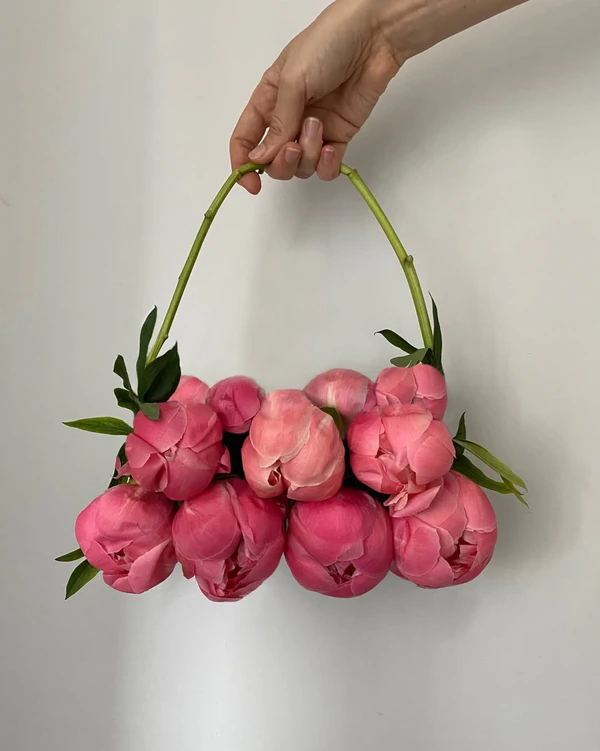
Few flowers capture the emotional energy of early summer weddings quite like peonies, which reach their peak between May and late June across most of the Northern Hemisphere. Their fleeting presence is part of the allure — couples often build entire floral concepts around securing them before the season closes. For Summer 2026, peonies are moving beyond soft blush palettes into richer, moodier territory: oxblood, coral sunset, creamy apricot, and deep raspberry are beginning to dominate editorial floral direction. Florists are styling them less tightly than before, allowing partially opened blooms to create movement and asymmetry across tablescapes and ceremony installations. Peonies pair particularly well with delicate ingredients like sweet peas or butterfly ranunculus, balancing fullness with a lighter, more undone feel.
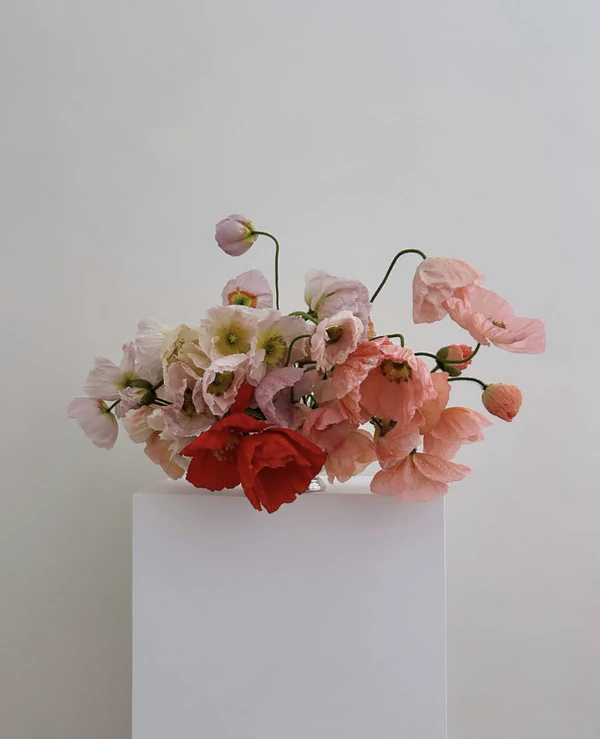
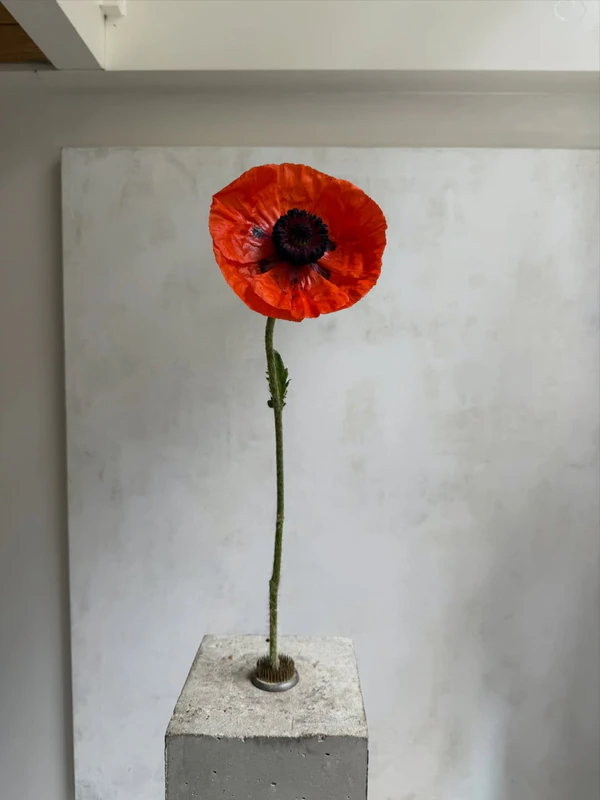
Poppies
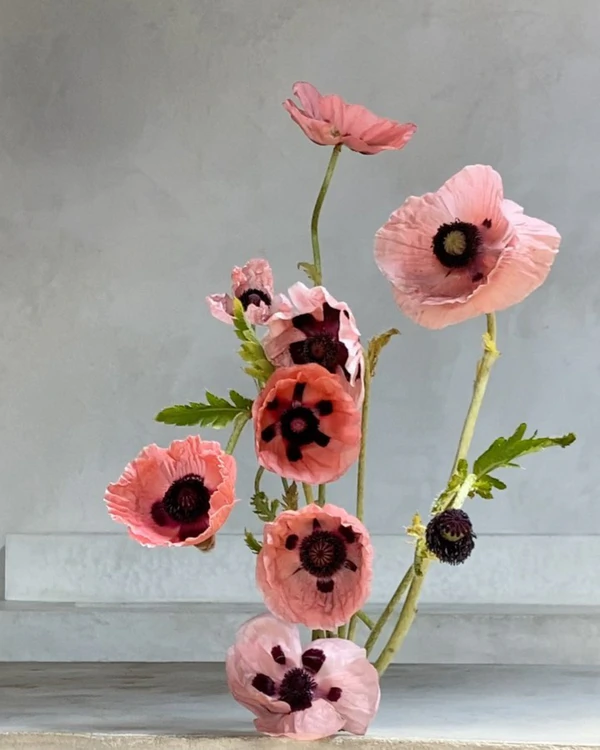
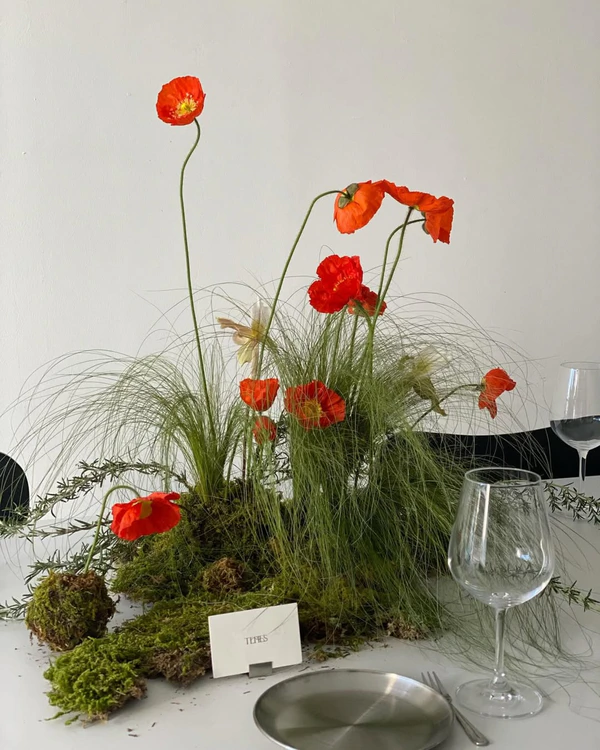
Iceland poppies and specialty varieties typically peak from late spring into midsummer, making them ideal for May through July celebrations. Their tissue-like petals catch light beautifully, which gives arrangements an airy, cinematic quality that feels especially striking in outdoor ceremonies. Shades like burnt apricot, faded coral, saffron, and dusty peach are particularly aligned with the softer color stories emerging for Summer 2026. Poppies also suit destination weddings exceptionally well because they mirror natural landscapes — think windswept coastal settings, desert celebrations, or vineyard receptions.
Hydrangeas
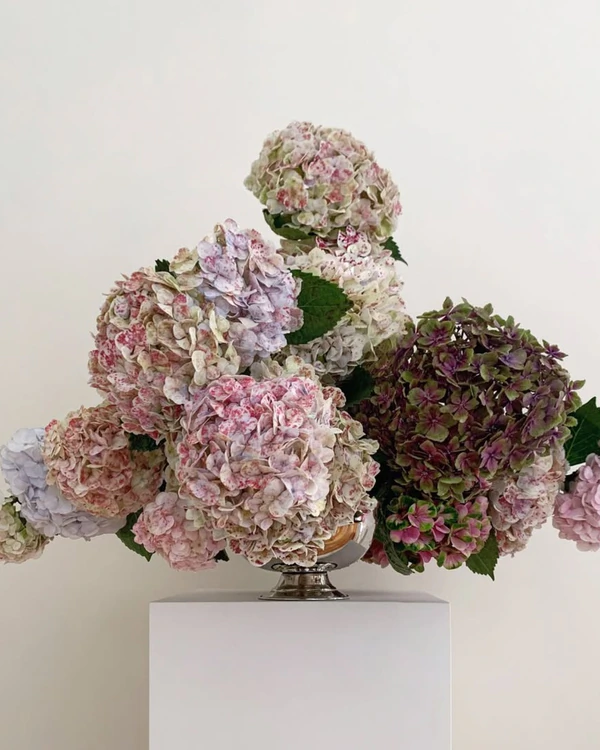
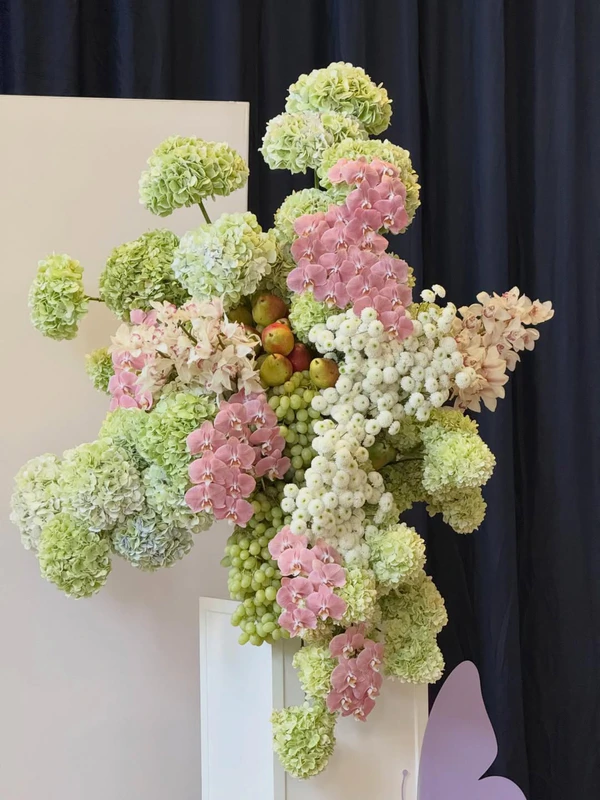
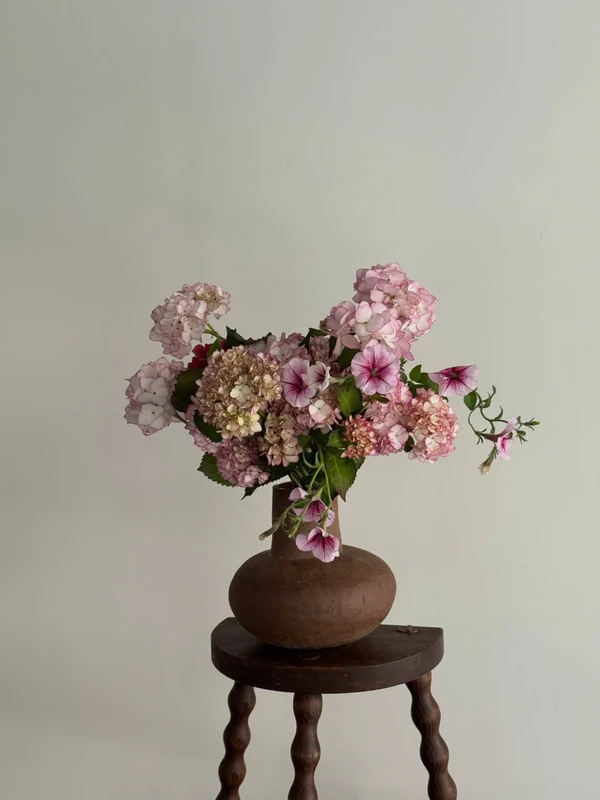
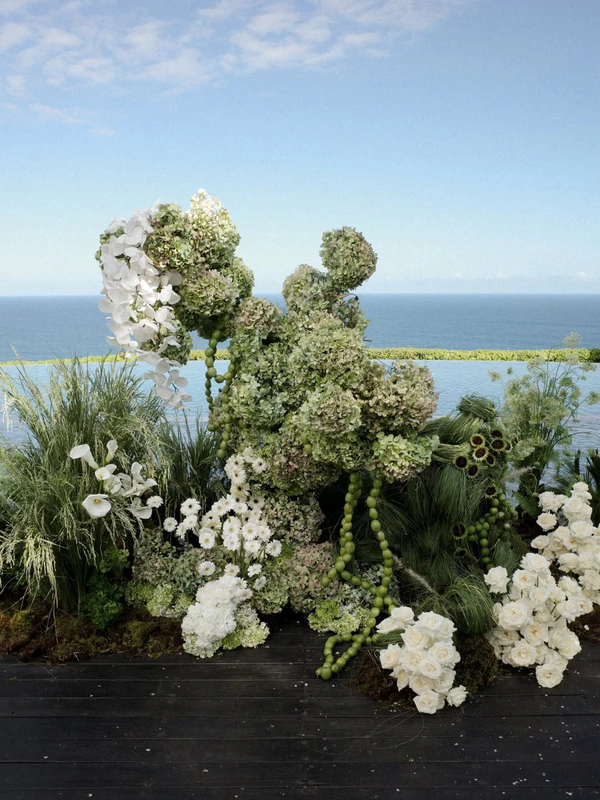
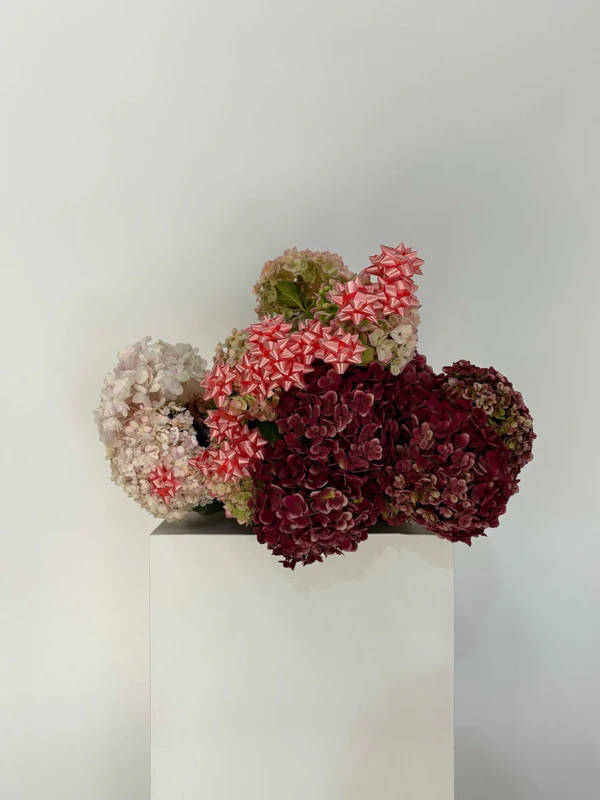
Hydrangeas return every summer as a wedding staple, though the way they’re being styled for 2026 feels significantly fresher than the tightly packed domes of previous years. Their prime season spans roughly June through September, with particularly beautiful blooms appearing in coastal regions and temperate climates. Instead of relying on hydrangeas for sheer volume alone, florists are deconstructing them within arrangements to create softer texture and more movement. They pair effortlessly with fruit branches, cosmos, garden roses, and even herbs for a look that feels layered and locally inspired. One particularly strong direction for summer is using oversized hydrangea arrangements only in key focal areas, then balancing them with sparse, minimal florals elsewhere. The contrast keeps the overall design feeling modern and considered rather than overly abundant.