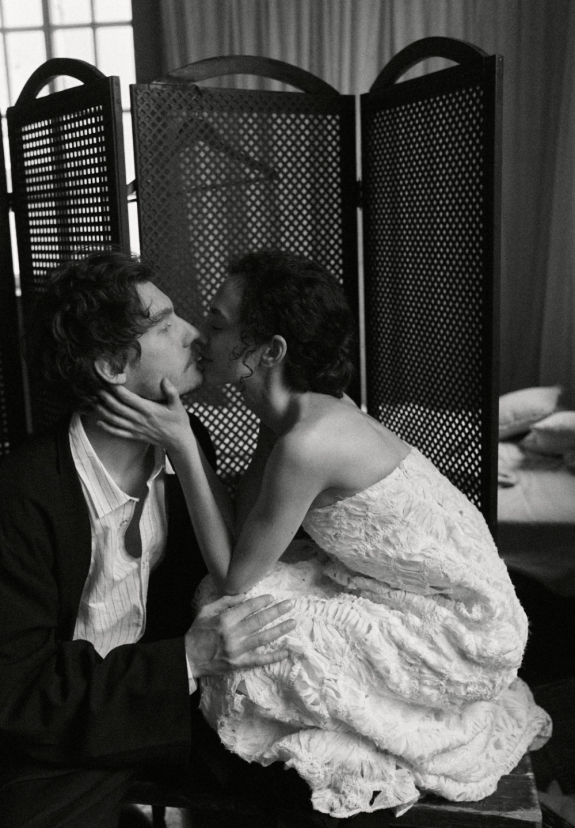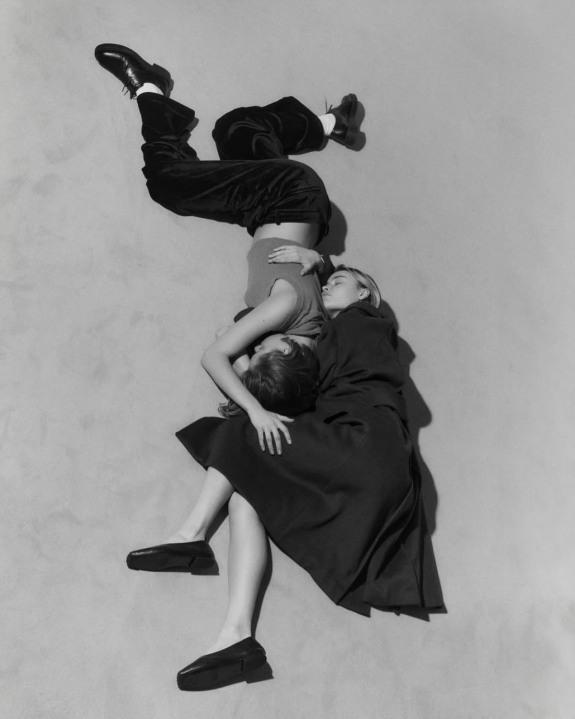

A shift in tone, a little more distance than usual, a hint of hesitation when the conversation turns to the wedding – cold feet before the wedding are more common than most couples admit, yet when you're the one sensing a change, it can feel like the ground beneath you is tilting. Pre-wedding doubts don’t always announce themselves dramatically – sometimes they slip into the room softly, disguised as stress, overwhelm, or a partner who suddenly seems a little less present. But here’s the truth: feeling unsettled doesn’t automatically mean something is wrong. What matters is recognising the signs with clarity, responding with emotional steadiness, and knowing the difference between normal relationship anxiety before marriage and a deeper signal that deserves your attention. We're here to help you read the moment with grace. To understand what cold feet really looks like, how to approach your partner with calm confidence, and what steps can bring you back to each other – stronger, steadier, and more aligned than before.
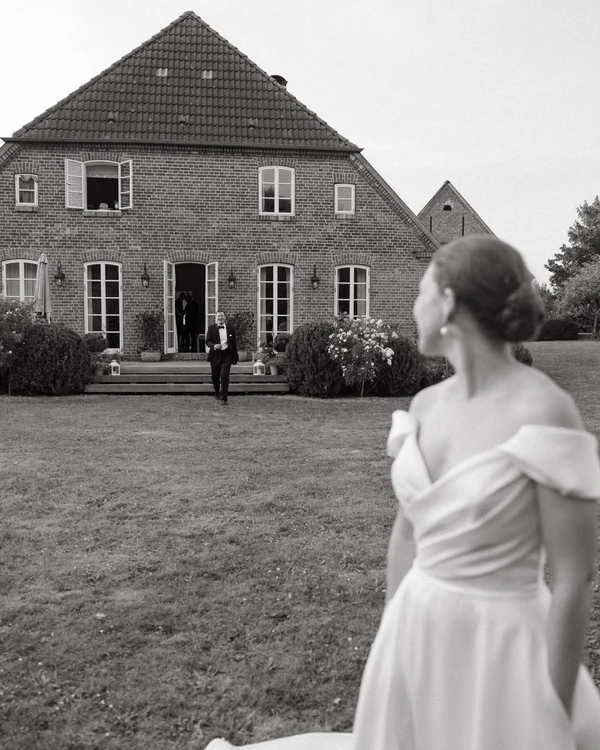
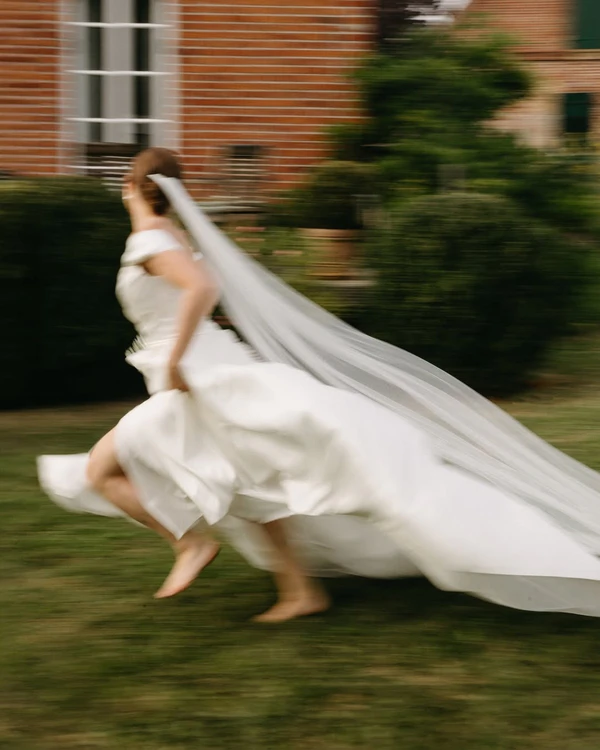
Photography: Sam & Larissa
Photography: Sam & Larissa
What Cold Feet Really Means
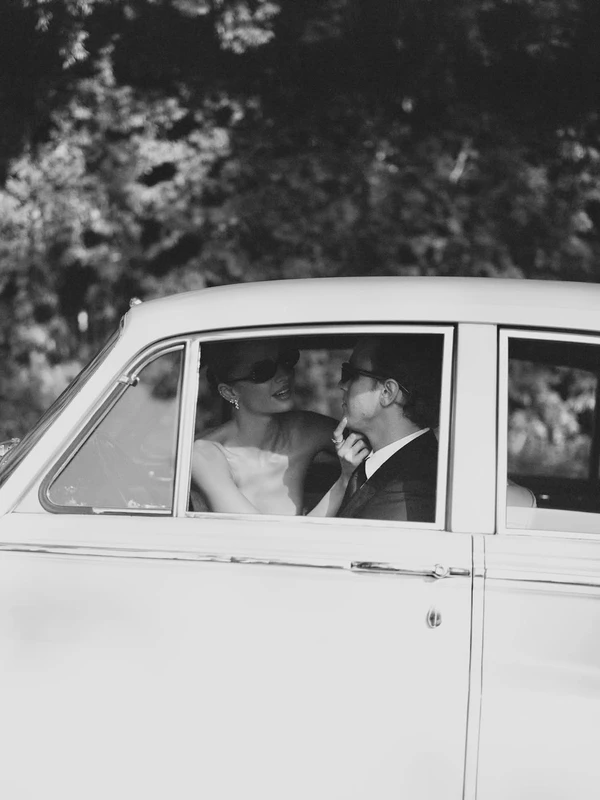
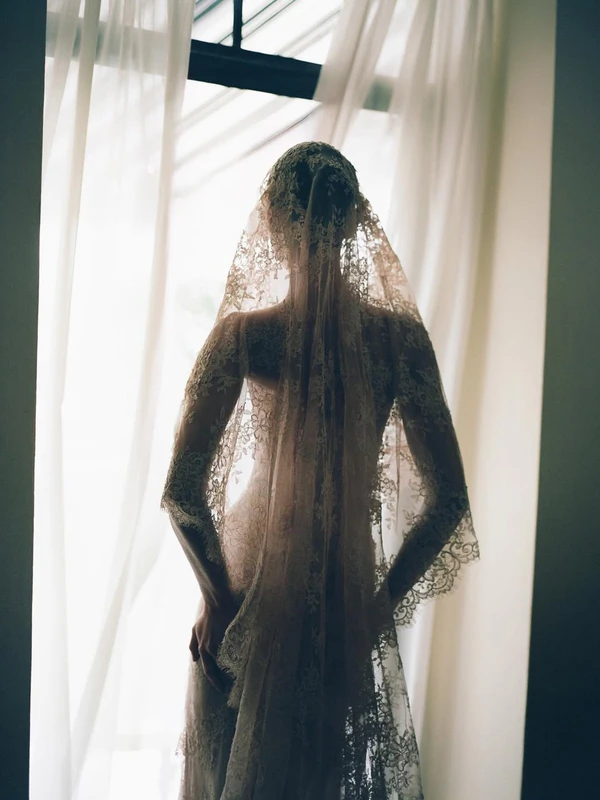
Cold feet rarely manifest as an urge to flee, they tend to manifest as a sense of being overwhelmed, a subtle reminder that life is about to change profoundly. For many partners, it’s not the relationship itself that is frightening, but rather the magnitude of what "forever" represents. Weddings carry pressure in the form of family expectations, financial weight, and the unspoken belief that everything must be perfect. Sometimes, cold feet are simply the collision of logistics and emotion – they are not necessarily a sign of incompatibility. At its core, cold feet often mean someone is slowly, cautiously, and tenderly processing the magnitude of commitment.
Photography: Pia Mance, Photography: Emma Beiles
Photography: Pia Mance, Photography: Emma Beiles
The Subtle Signs Your
Partner May Be Pulling Back
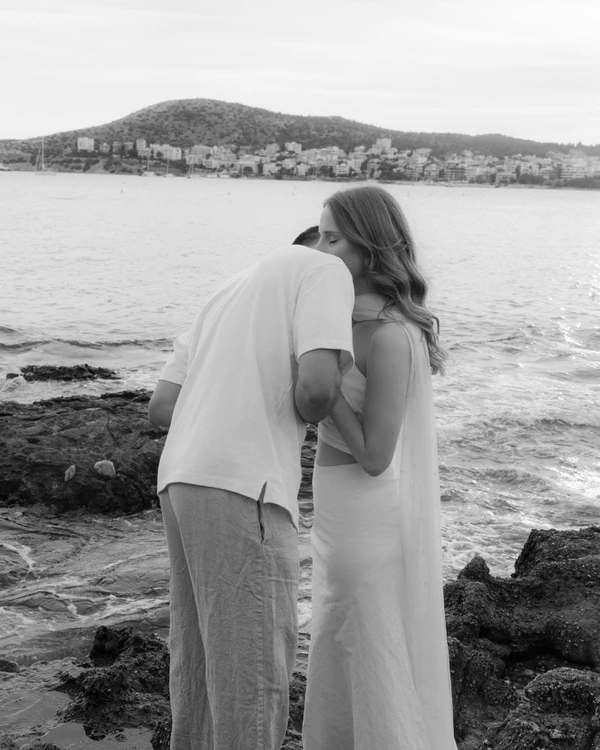
A partner who’s pulling away doesn't usually do so dramatically. They shift in subtle, almost imperceptible ways. Their usual enthusiasm for planning fades, replaced by quiet reluctance or a tendency to change the subject. They may retreat into work or distractions, choosing busyness over emotional presence. You might sense a softening of intimacy or a kind of emotional static that wasn’t there before. Sometimes, it’s the hesitation around small decisions – the guest list, the menu, or the schedule – that reveals a deeper internal struggle. These signs don't necessarily spell trouble. They simply signal that something inside them needs attention.

Photography: Sam & Larissa
Photography: Sam & Larissa
Normal Fears or a Real Red Flag?
How to Know the Difference
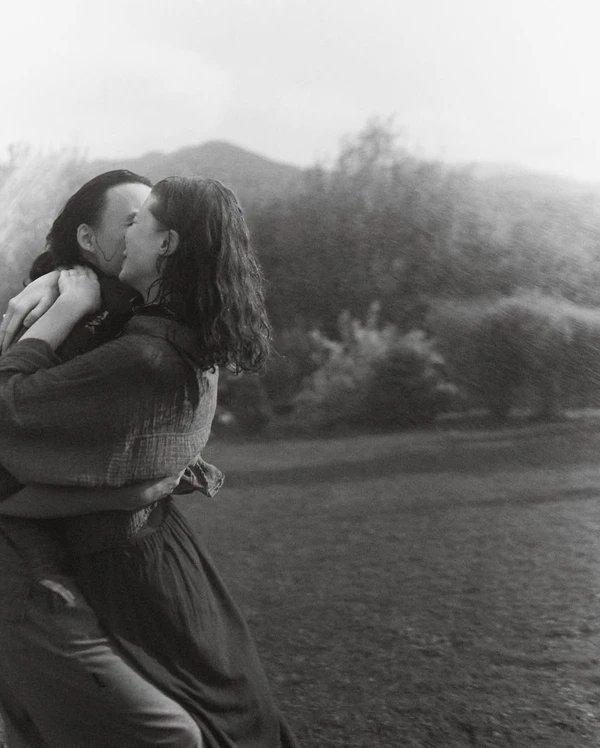
Normal fear feels overwhelming – messy and emotional, yet open to discussion. It softens once identified and responds to reassurance, clarity, and connection. However, a red flag has a different texture: unrelenting avoidance, unchanging concerns, and fundamentally incompatible values. When someone consistently shuts down, refuses to talk, or hints at walking away without providing context, the fear may be pointing to something deeper. The difference lies in movement – normal jitters subside when addressed, while real incompatibility remains rigid. Understanding this distinction can be the moment that brings truth into focus.

Photography: Sergey Nasonov
Photography: Sergey Nasonov
How to React When
You Sense Cold Feet
The gentlest reaction is often the most powerful: pause. Allow your heart to catch up with your thoughts before assuming meaning or motive. Responding out of fear tends to escalate the situation, while responding with clarity invites truth. Rather than confronting the shift head-on, allow the moment to unfold so that your partner doesn't feel cornered or misunderstood. Approaching with steadiness rather than urgency defuses tension and protects the emotional safety of both of you. In this quiet, regulated space, understanding has a chance to rise to the surface.


Photography: Sky And Savvy Photo
Photography: Sky And Savvy Photo
How to Approach the
Cold-Feet Conversation
Start the conversation as if you’re opening a door, not pushing it open. A soft, honest invitation creates room for vulnerability and signals that you’re there to understand, not to blame. Speak about your feelings with warmth and transparency, and provide your partner with a safe space to express theirs without fear of judgment. The goal is to foster connection and make it clear that you’re on the same side when facing difficulties together. When the tone is tender and the pace is unhurried, even the most delicate truths can land gently.

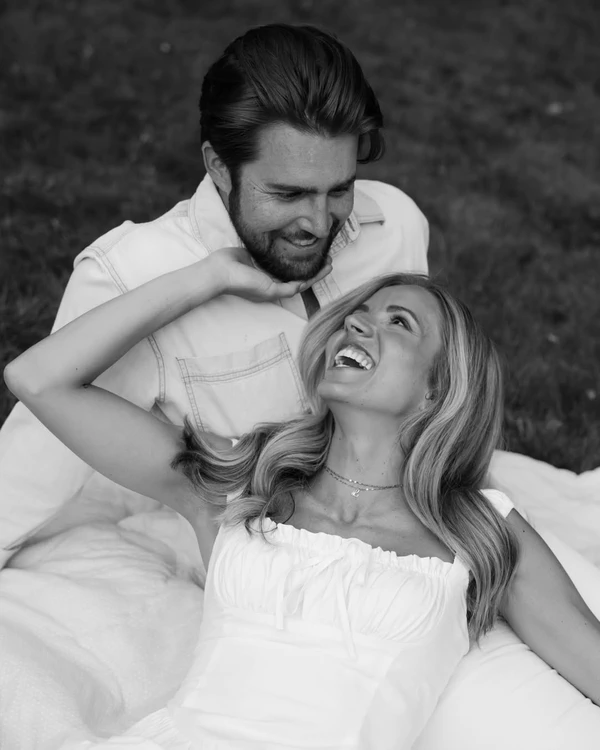
Photography: Laur Fernandez
Photography: Laur Fernandez
What to Do Next Together
Once everything is on the table, the next step is rebuilding closeness. This isn't done through grand gestures, but rather through small, intentional acts of reconnection. Spend time together away from wedding logistics and remind yourselves why you chose each other before the planning began. Rebalance your responsibilities so that neither of you feels overwhelmed by expectations. Revisit what marriage means to each of you, and let your values, not pressure, guide your decisions. If you need help, consider counseling or guided conversations as a strength, not a weakness. Moving forward becomes easier when you do it hand in hand at a pace that honors you both.

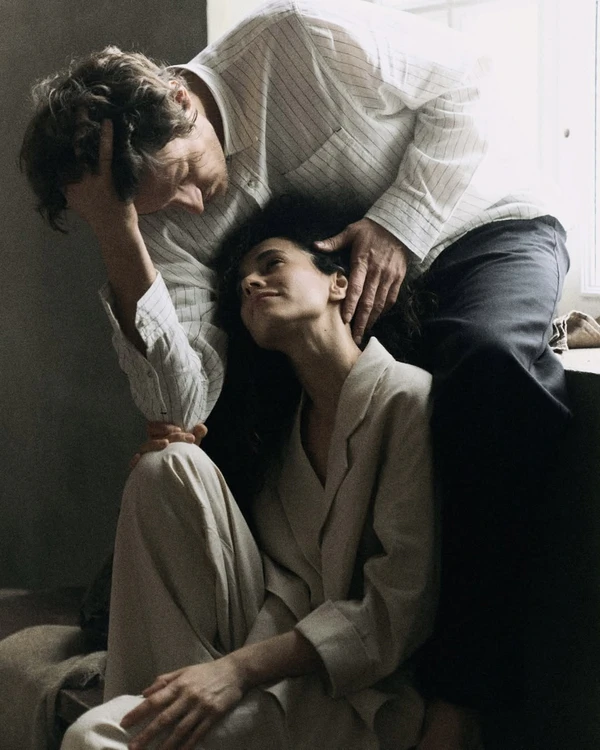
Photography: Sergey Nasonov
Photography: Sergey Nasonov