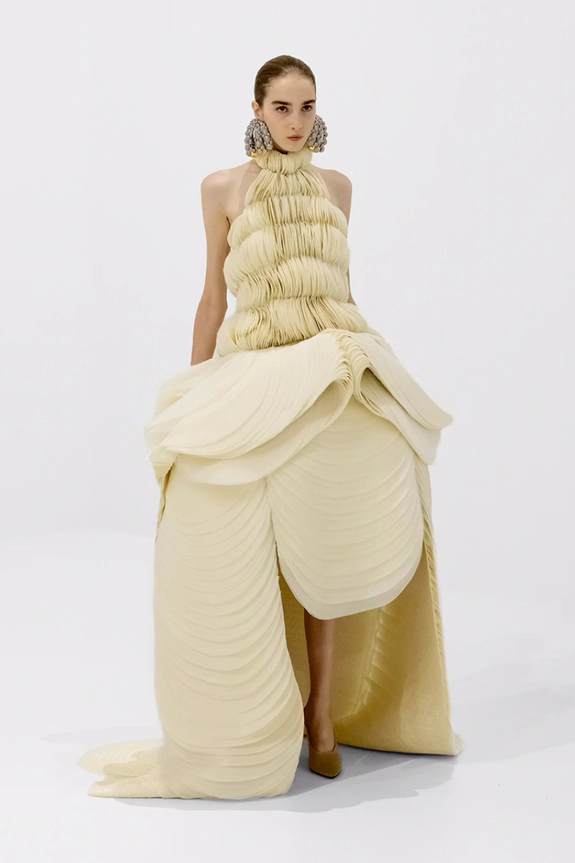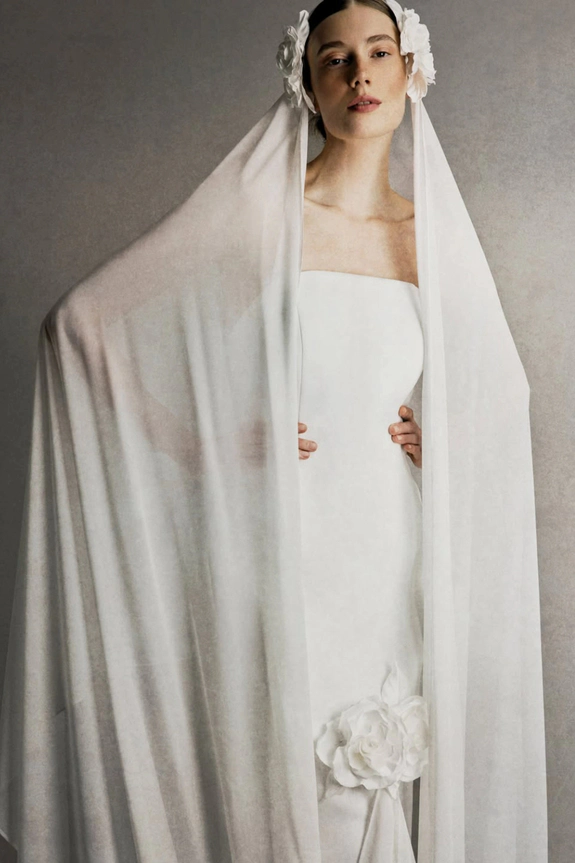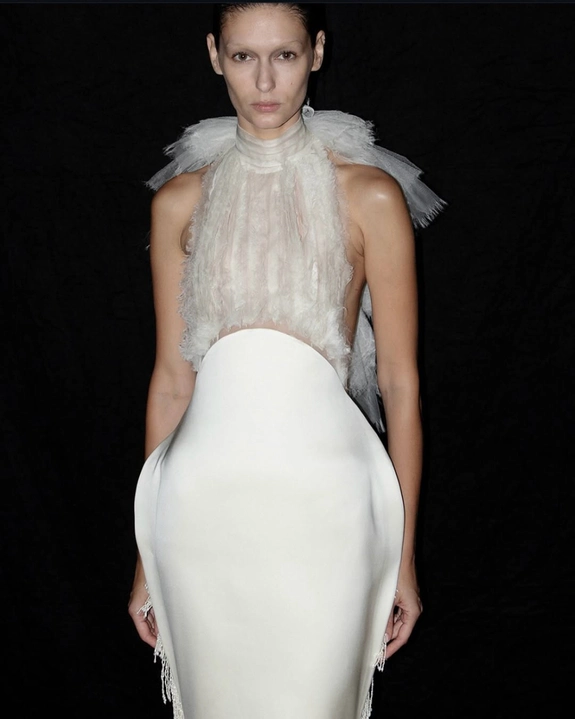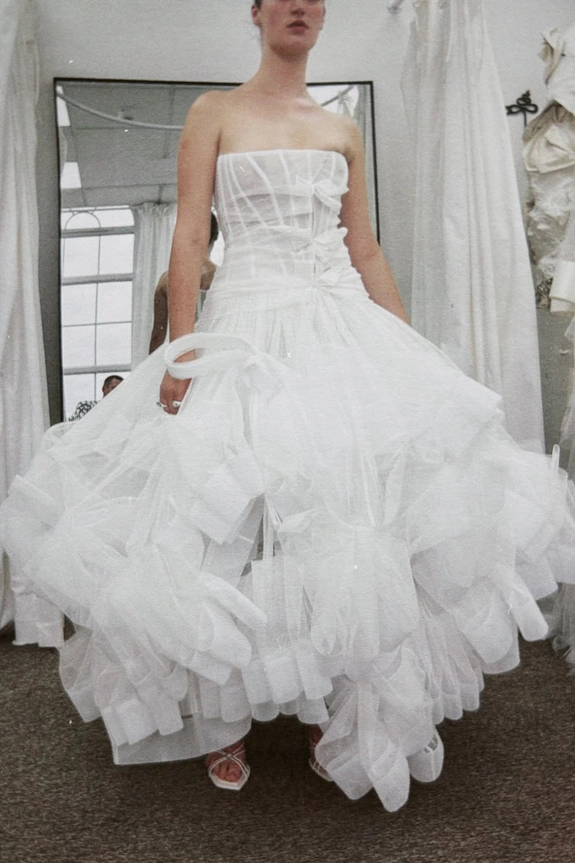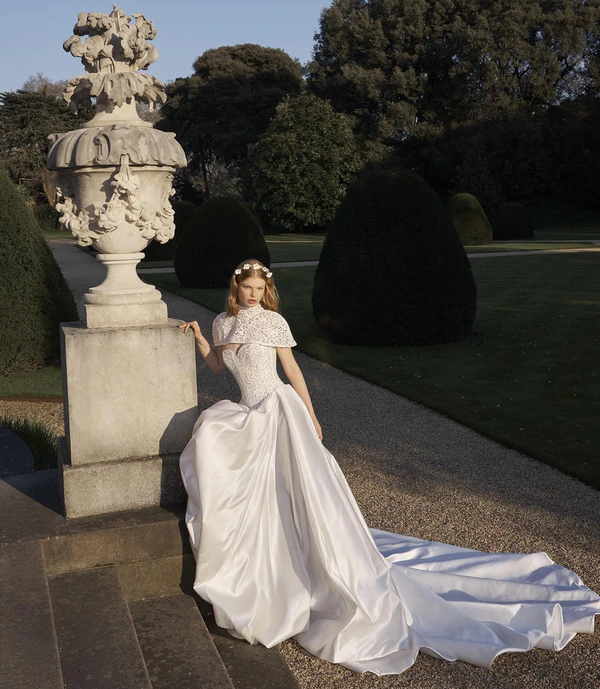
There is a particular kind of magic in a couture gown: the kind designed to be felt, but rarely seen. Beneath the lace, embroidery and sweeping silhouettes lies an architecture of almost obsessive precision, where millimeters matter, a single seam can alter the way a body moves, and countless hours of human skill are ultimately distilled into something that appears entirely effortless. In an era increasingly defined by immediacy, there is something almost radical about making something this slowly, this meticulously, and this well.
Few understand that tension between fantasy and technical precision quite like Sharon Sever. As Head Designer and Creative Director of Galia Lahav, Sever has spent years helping shape the visual language of a house known for pushing bridal beyond convention. Having worked under the great couture houses of Paris, from Christian Lacroix and Pierre Balmain to Carven and Balenciaga, he brought with him an old-world understanding of craft and an instinct to challenge its conventions. At Galia Lahav, that duality has become part of the house’s DNA: gowns may appear fantastical, seductive and deliberately dramatic, yet beneath the fantasy lies extraordinary discipline. Here, we speak with Sever about the unseen artistry behind each gown, the many hands that bring it to life, and why the most compelling ideas often begin somewhere just beyond the rational.
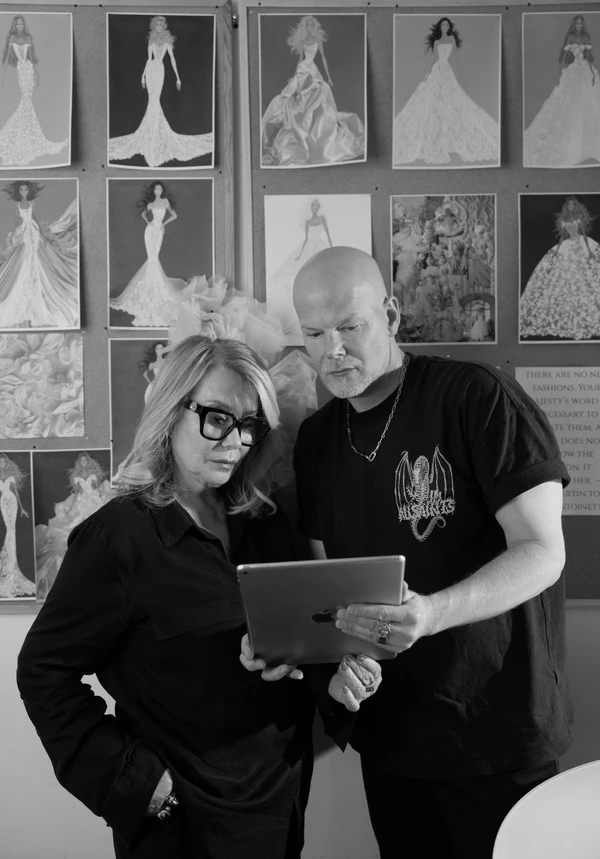
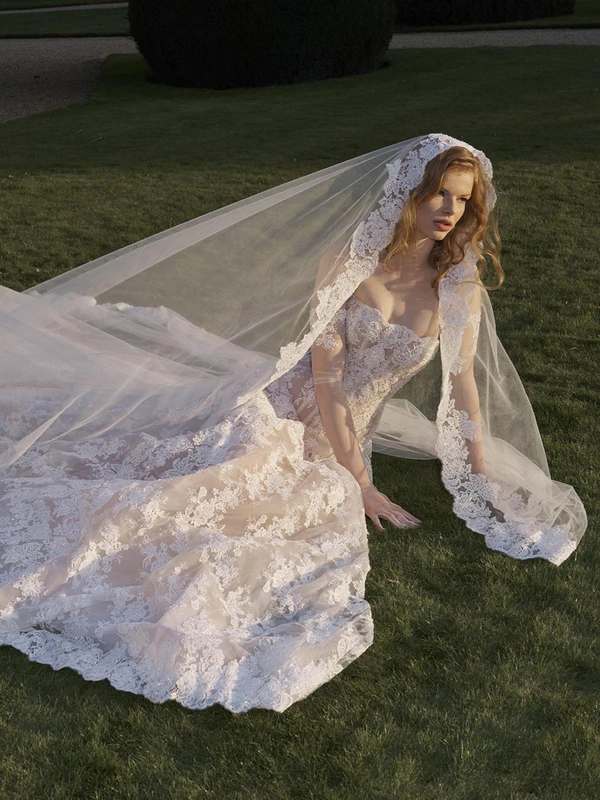
Walk us through how you consider craftsmanship at each stage when creating a Galia Lahav gown.
I wish I could tell you I wake up with the perfect sketch, but I don’t. Most of my designs begin with me arguing with myself. I’ll draw something beautiful, stare at it for ten minutes, and think, “Too expected.” Then I’ll deliberately challenge it and push it somewhere unexpected. To me, that’s where craftsmanship truly begins. It doesn’t start with sewing. It starts with refusing to settle for the obvious. By the time a bride sees the finished gown, we’ve usually fallen in love with it, questioned every decision, redesigned it, wondered whether we’d completely lost our minds, and then fallen in love with it all over again. That journey of constant refinement is what couture is all about.
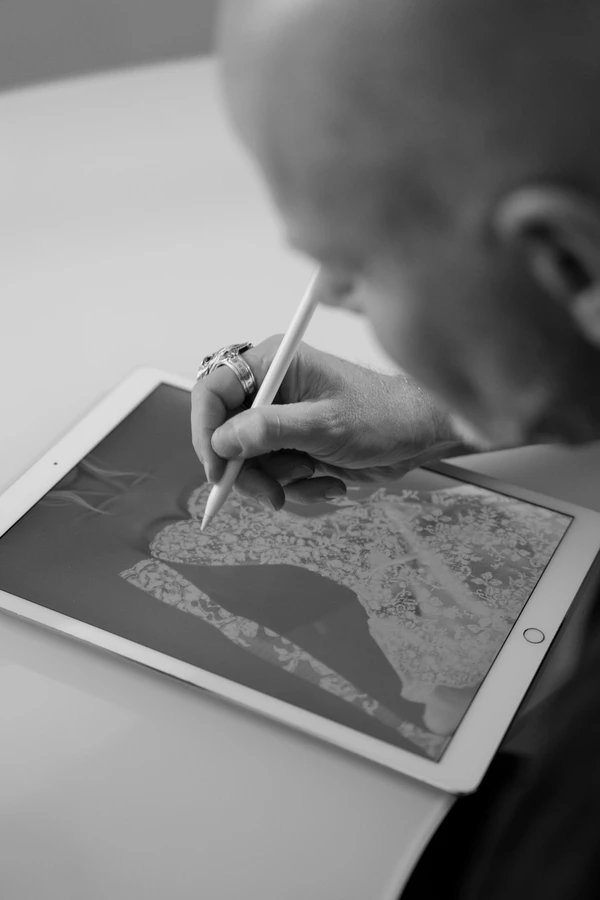
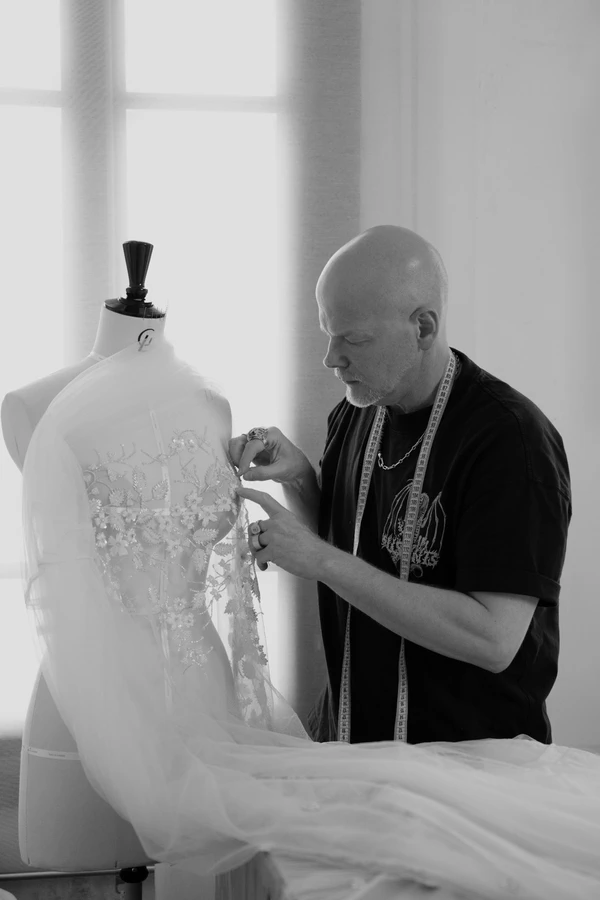
"To me, that’s where craftsmanship truly begins, it starts with refusing to settle for the obvious."
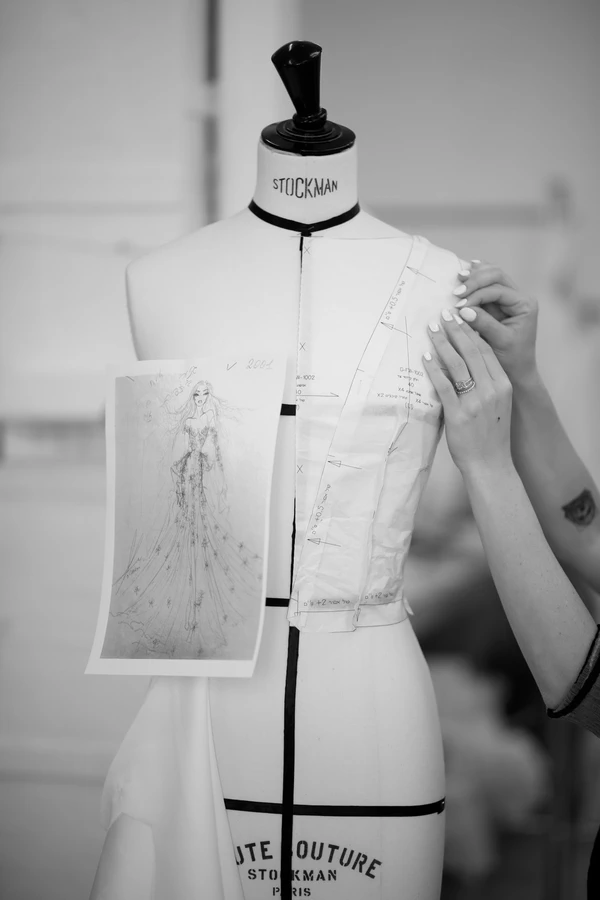
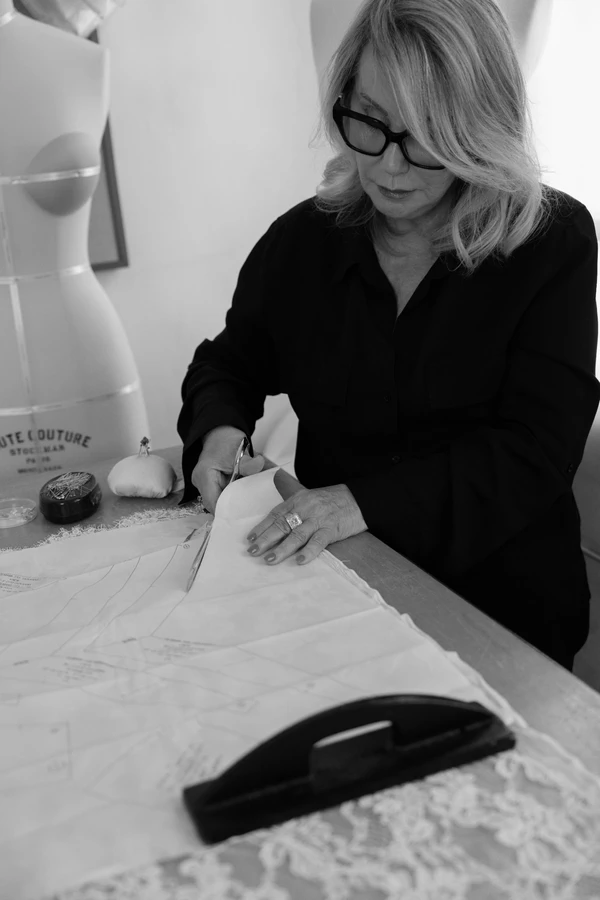
How many hands typically touch a single gown before it reaches its bride, and what unique expertise does each artisan bring?
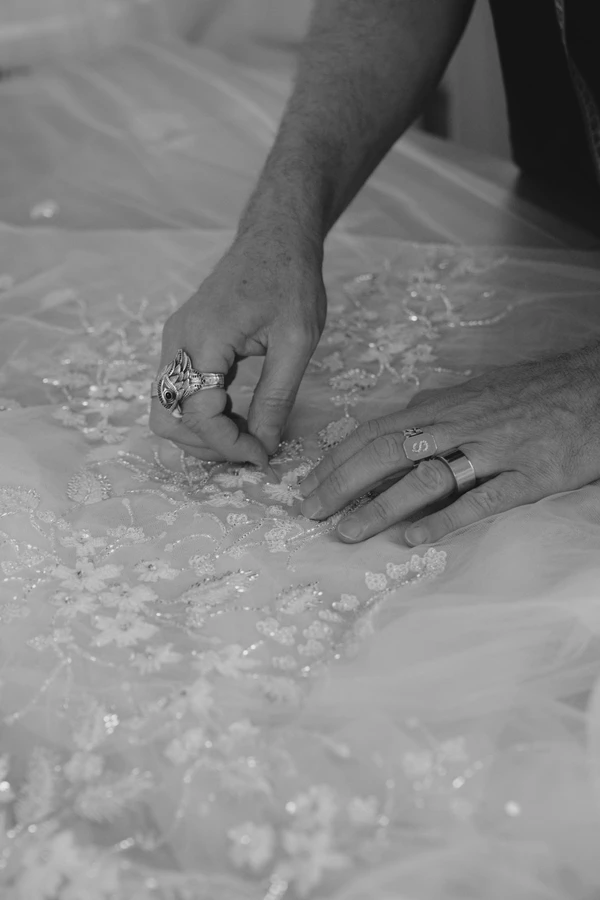
A single gown passes through enough talented hands to remind me that I’m definitely not the smartest person in the room, and I genuinely love that. Each artisan brings a completely different expertise. One understands lace the way a musician understands rhythm. Another can look at a corset for three seconds and know exactly how it will behave on a real woman’s body, not just on a mannequin. Others instinctively understand embroidery, construction, movement, or proportion in ways that can’t be taught. I believe ego is the enemy of creativity. The real magic happens when everyone’s individual talent disappears into one final gown, and no one can tell where one person’s work ends and another’s begins.
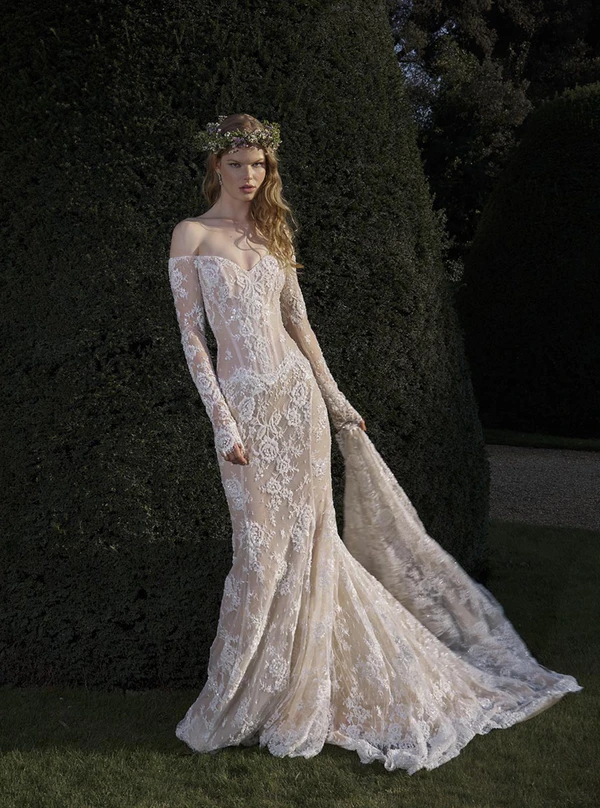
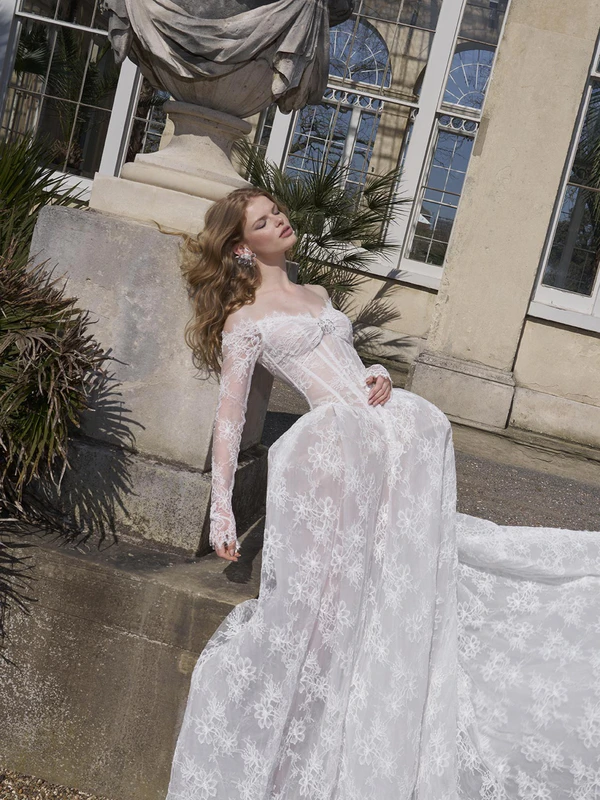
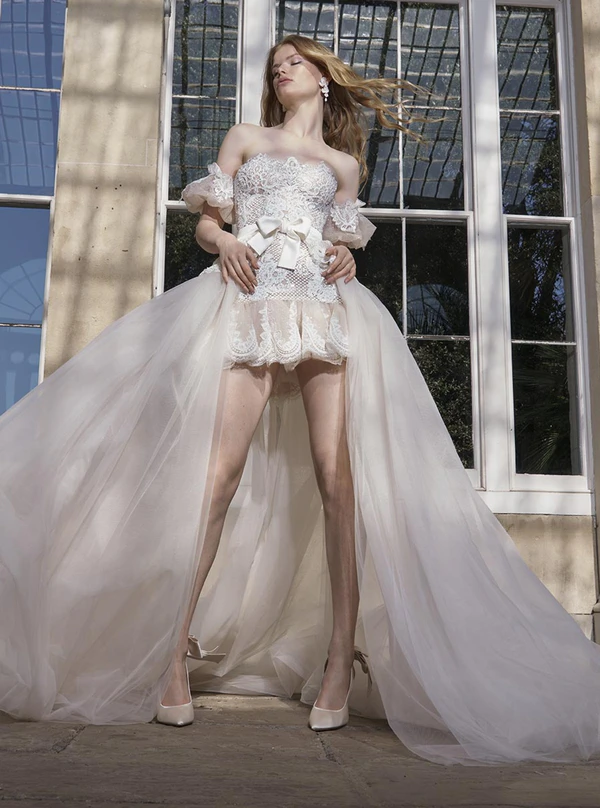
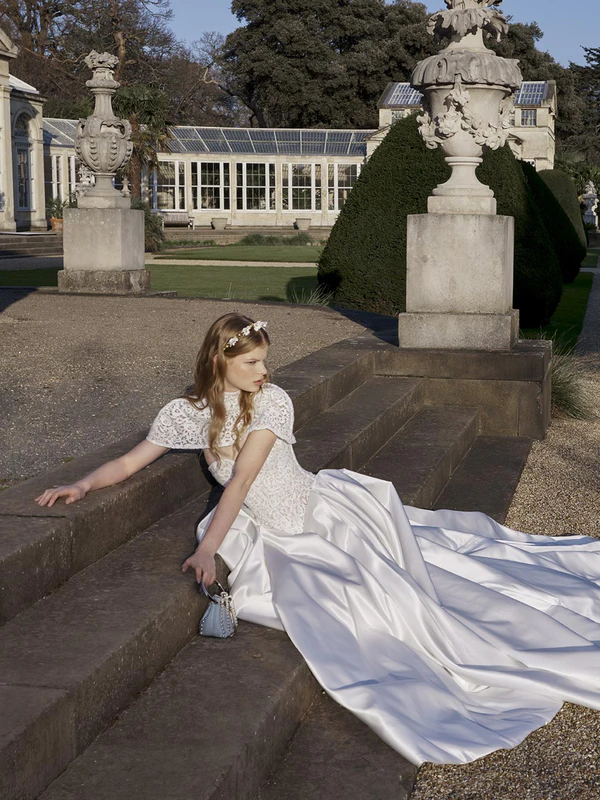
"Each artisan brings a completely different expertise. One understands lace the way a musician understands rhythm. Another can look at a corset for three seconds and know exactly how it will behave on a real woman’s body."
What do you wish every bride understood about the construction and artistry hidden within your gowns?
Instagram has taught us to judge everything from the outside. Couture works in exactly the opposite way. The invisible layers are the reason you suddenly look taller. They’re the reason your waist appears more defined. They’re what allow the dress to move with you instead of feeling like it’s wearing you. No one ever notices those hidden details, but everyone notices the effect they create. That’s the beauty of true craftsmanship.
How does the way a gown is constructed change the way a bride moves, stands and feels on her wedding day?
Confidence has its own body language. You can fake a smile, but you can’t fake how someone walks when they truly feel incredible. For me, the greatest compliment isn’t when someone says, “Your dress is beautiful.” It’s when a bride’s closest friends look at her and say, “I’ve never seen you like this.” That’s when you know the dress has done something far beyond looking beautiful.
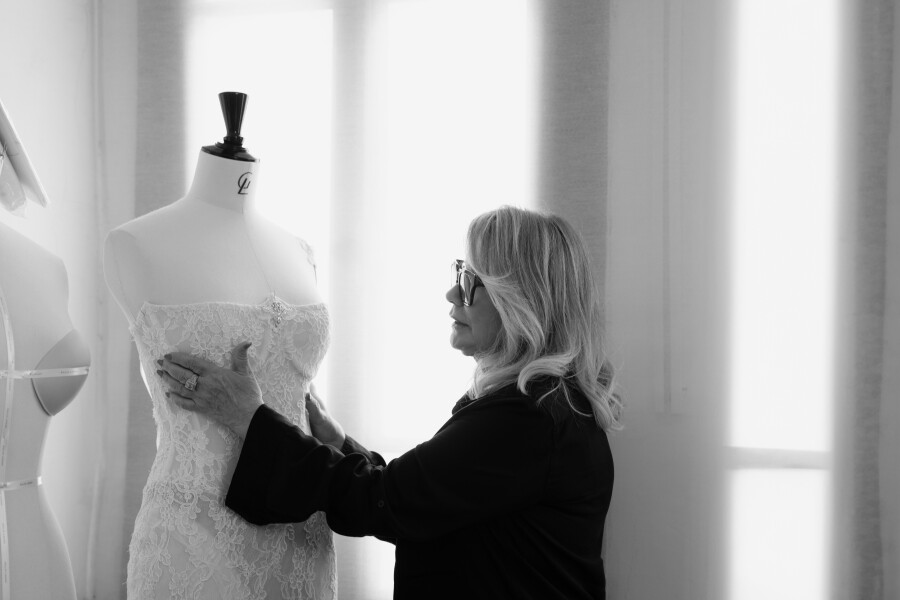
"Confidence has its own body language. You can fake a smile, but you can’t fake how someone walks when they truly feel incredible."
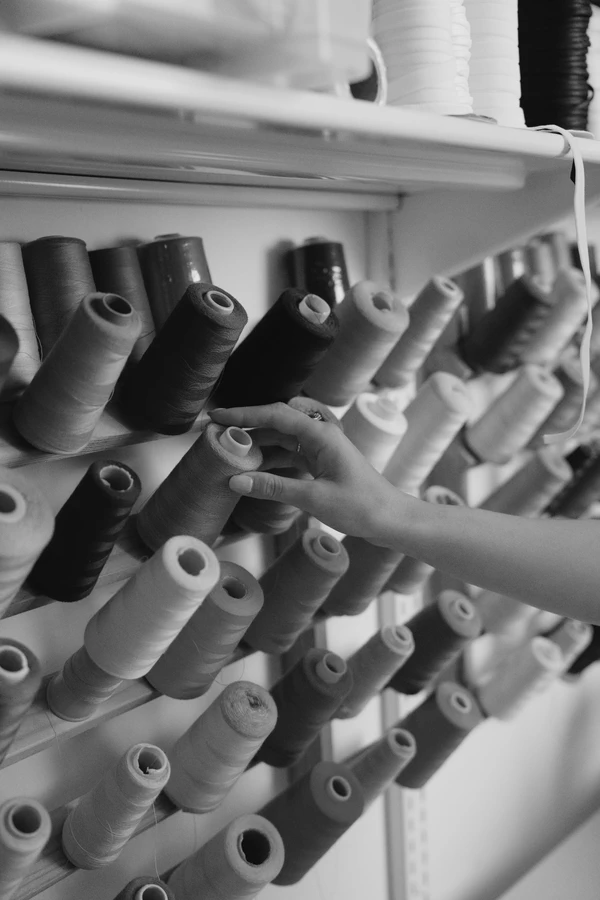
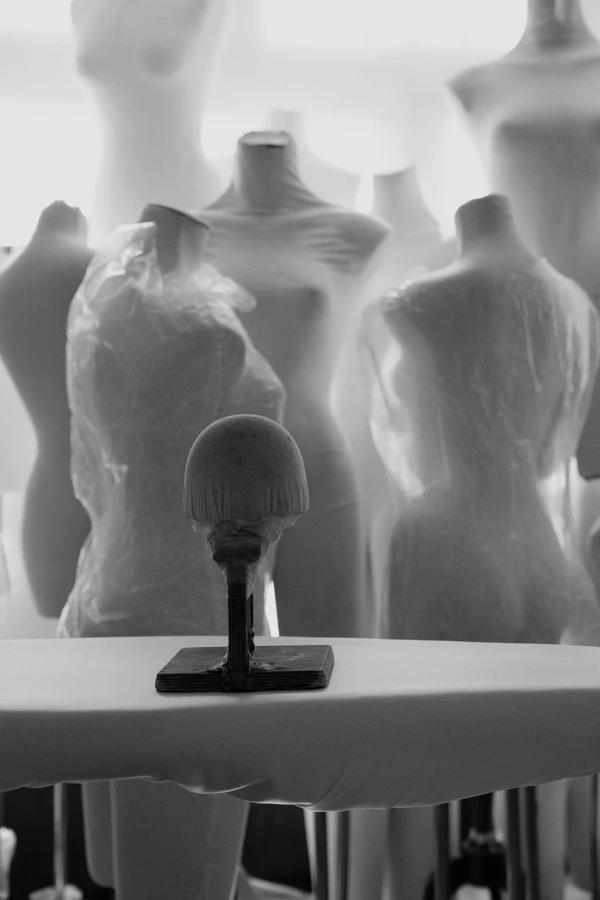
What has become the signatures of Galia Lahav over the years?
It’s creating the illusion that something incredibly complex feels completely effortless. That’s much more difficult than simply making something look expensive. Anyone can add more embroidery or more beads. The real challenge is making a gown feel almost weightless while maintaining all the structure and craftsmanship hidden beneath it. That’s the part I find truly interesting.
You’ve described couture as “a vision that is slightly irrational.” Tell us more about this perspective.
Logic is useful. Love isn’t. Nobody falls in love because something makes perfect sense. You fall in love because something makes you feel something you can’t fully explain. That’s what couture is to me. It’s about creating an emotional response that goes beyond reason. It’s beautifully unreasonable, and that’s exactly why it matters.
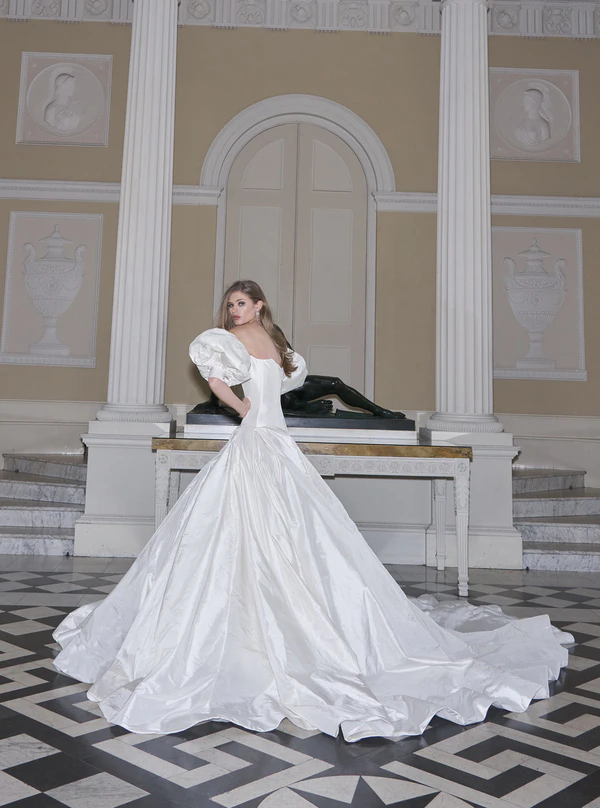
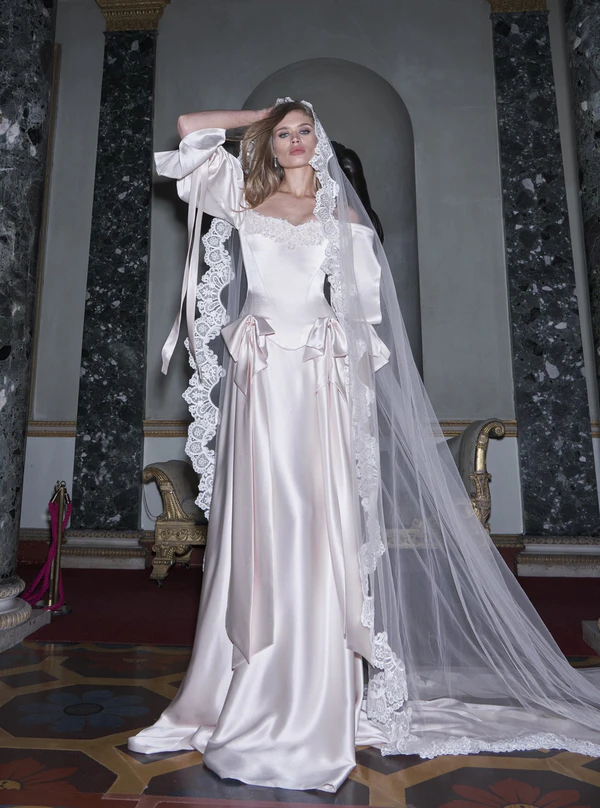
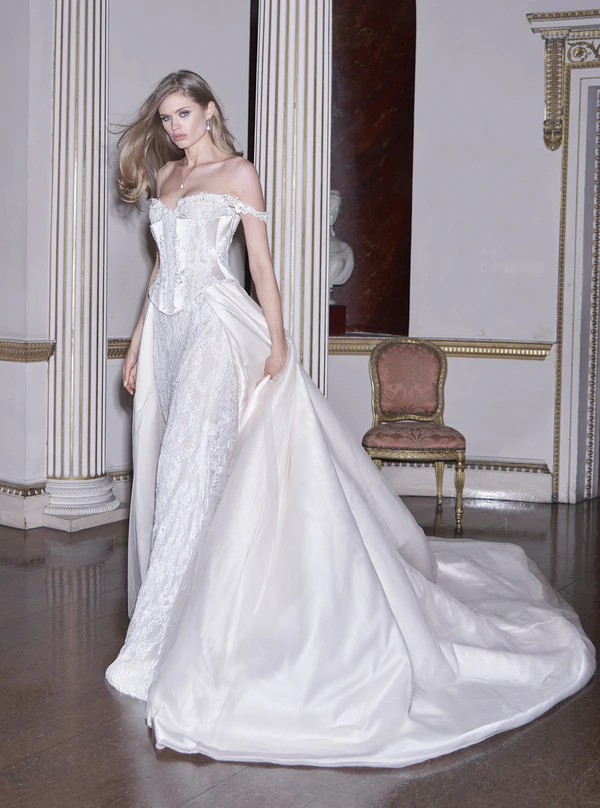
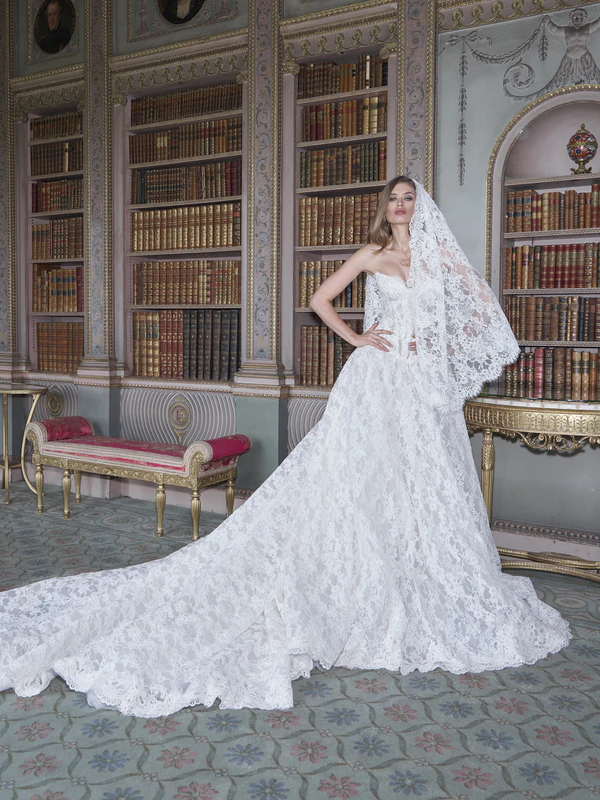
"Logic is useful. Love isn’t. Nobody falls in love because something makes perfect sense. You fall in love because something makes you feel something you can’t fully explain. That’s what couture is to me."
Galia Lahav offers four distinct collections. What distinguishes the creative and technical approach behind each collection, and what remains non-negotiable?
I actually don’t begin with collections. I begin with personalities. Every dress is designed for a woman I’ve imagined in my head. Some are rebels. Some are hopeless romantics. Some walk into a room as though they’re already late for their own movie premiere. The craftsmanship evolves depending on who she is and what story she’s telling. What never changes is the obsession with every detail and the pursuit of excellence. That part is completely non-negotiable.
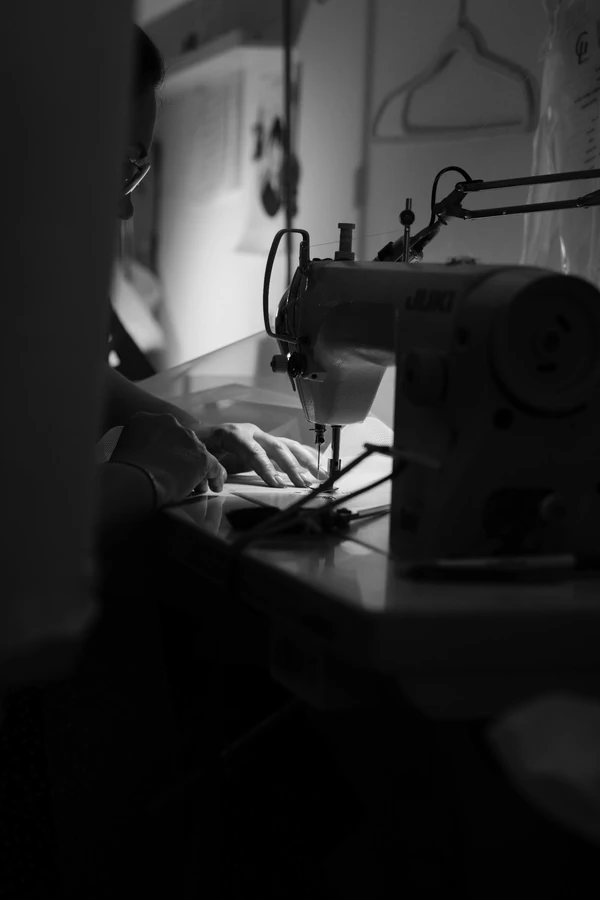
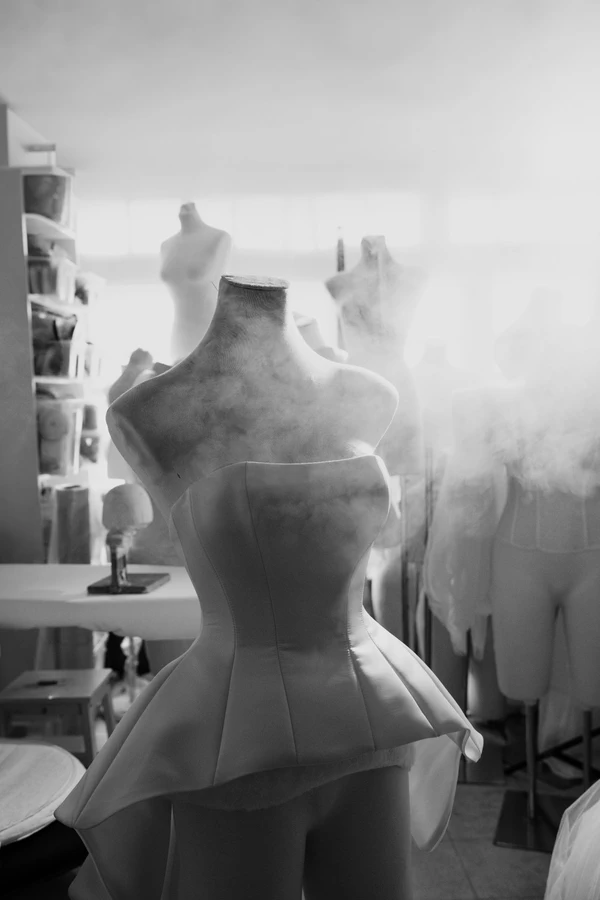
"Every dress is designed for a woman I’ve imagined in my head. Some are rebels. Some are hopeless romantics. The craftsmanship evolves depending on who she is and what story she’s telling."
When you look back at the evolution of Galia Lahav, how has the house’s definition of craftsmanship changed?
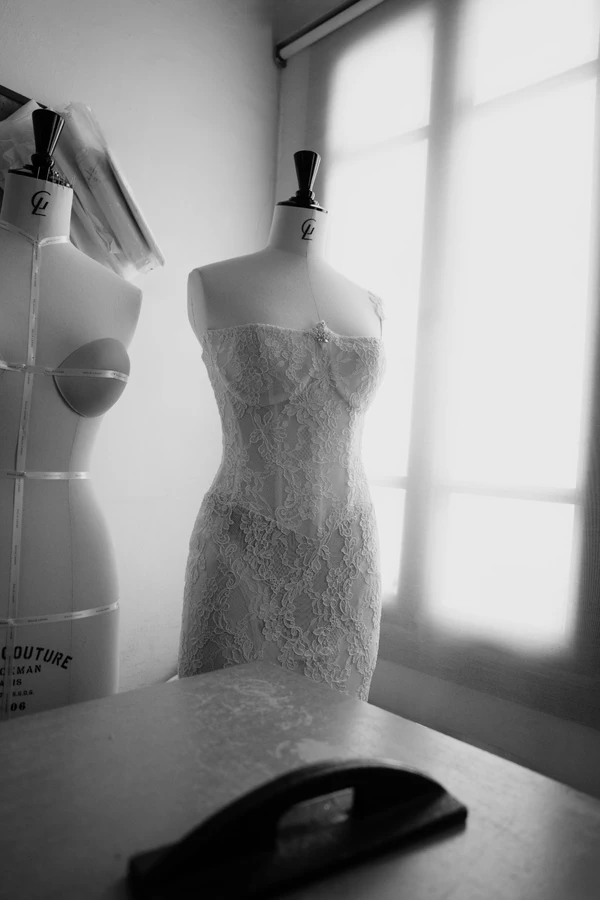
We’re much braver today than we were years ago. In the beginning, craftsmanship meant proving everything you were capable of doing. Today, I think craftsmanship is just as much about knowing what not to do. Removing something can be far more difficult than adding another detail. Restraint is an incredibly sophisticated skill, and in many ways, it’s one of the most expensive forms of craftsmanship.
Last year you went viral with million dollar gown Astor. What can we expect this coming season?
I have a personal rule. If my team doesn’t look at me at least once every collection and say, “You’ve officially lost your mind,” then I’m probably playing it too safe. The goal is always to surprise ourselves before we surprise everyone else. Don’t worry, though, I always manage to find my mind again before the runway. Usually.