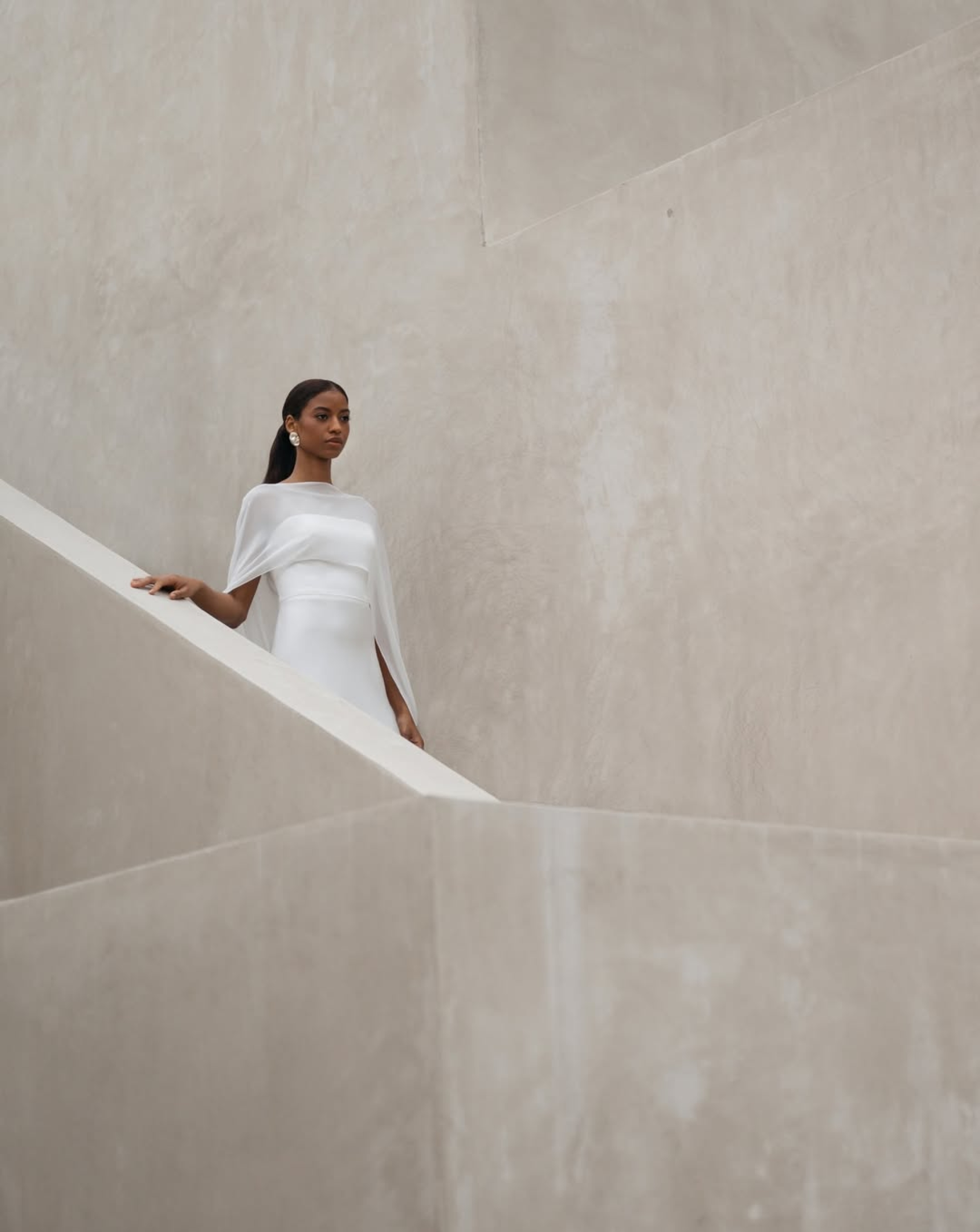
A wedding dress is one of the few pieces of clothing you choose knowing it will live far beyond the day itself. It will appear in photographs, memories, family stories, and in the way you remember yourself at one of life’s most emotional thresholds. So the search deserves more than a checklist of trends, silhouettes, and pretty details. It asks for instinct, honesty, comfort, and a little imagination. We asked bridal designers, stylists, and industry experts what brides should actually look for in a wedding dress, and their advice goes far deeper than finding something beautiful.
Find the Dress That You Recognize Yourself In
A wedding dress is not only part of your story as a bride. In many ways, it becomes part of how you remember yourself in that story. So the search should not be about becoming someone else for the day or slipping into a version of bridal that feels beautiful but unfamiliar. The right dress should bring you closer to yourself.
For more than fifteen years, Chelsea Jackson of Showroom Theory, has worked behind the scenes in both fashion and bridal, helping women understand not just what looks good, but what feels honest. For her, the strongest wedding looks are rarely about transformation. “One of the biggest misconceptions in bridal is that the right dress will transform you into a bride. In reality, the best wedding looks often do the opposite. They allow you to recognize yourself more clearly. The brides who feel most confident and most at ease on their wedding day are rarely the ones wearing the most dramatic or trend-driven gown,” she says. “When shopping, prioritize pieces that feel like an extension of yourself rather than an idealized version of yourself. The goal isn't to become someone new, but to feel more fully like yourself.”
This is something Cici Zhang, Creative Director of R.L.E Bride, also emphasizes: “The most important thing isn’t simply finding the most beautiful dress — it’s finding the one that still feels like yourself when you put it on.”
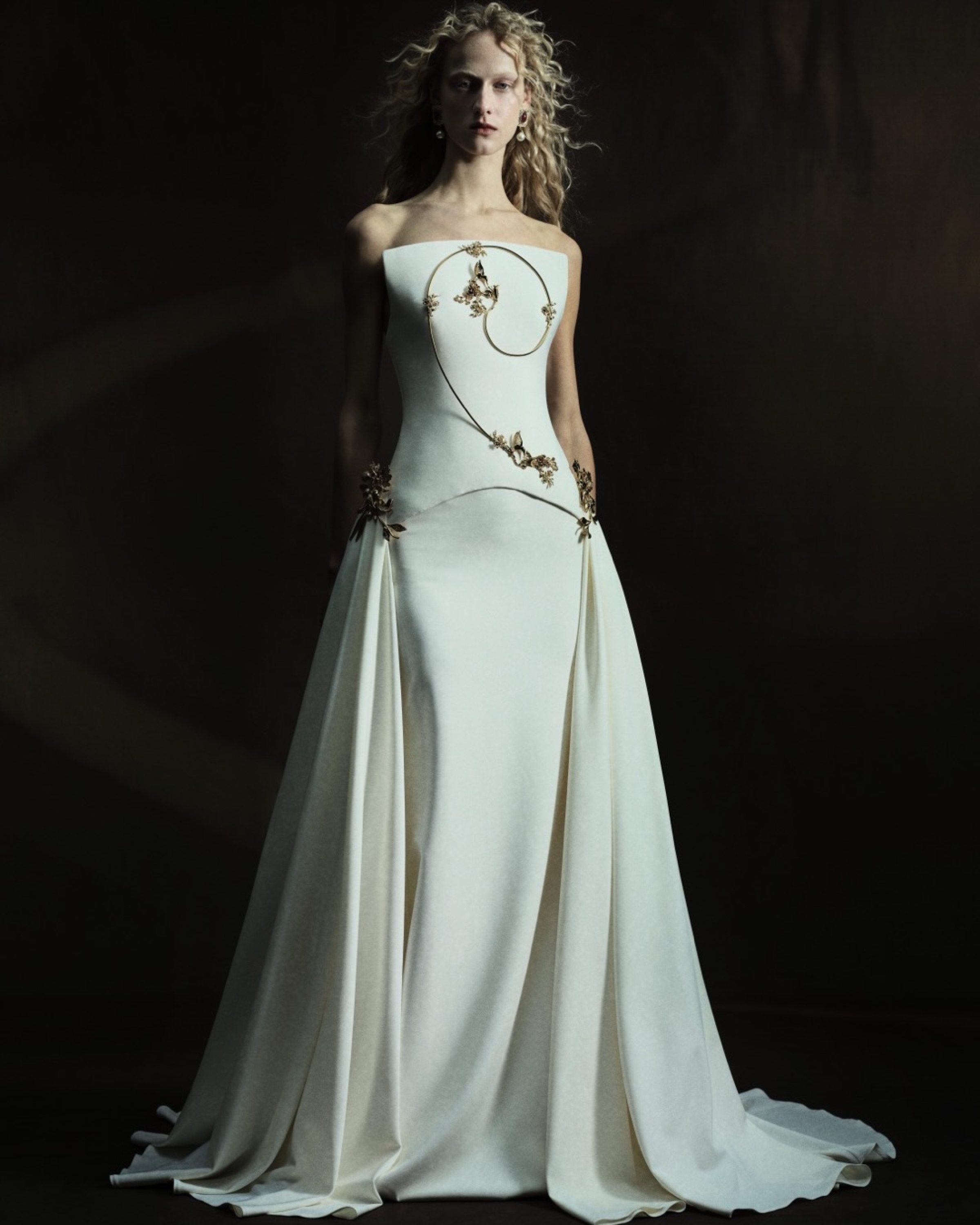
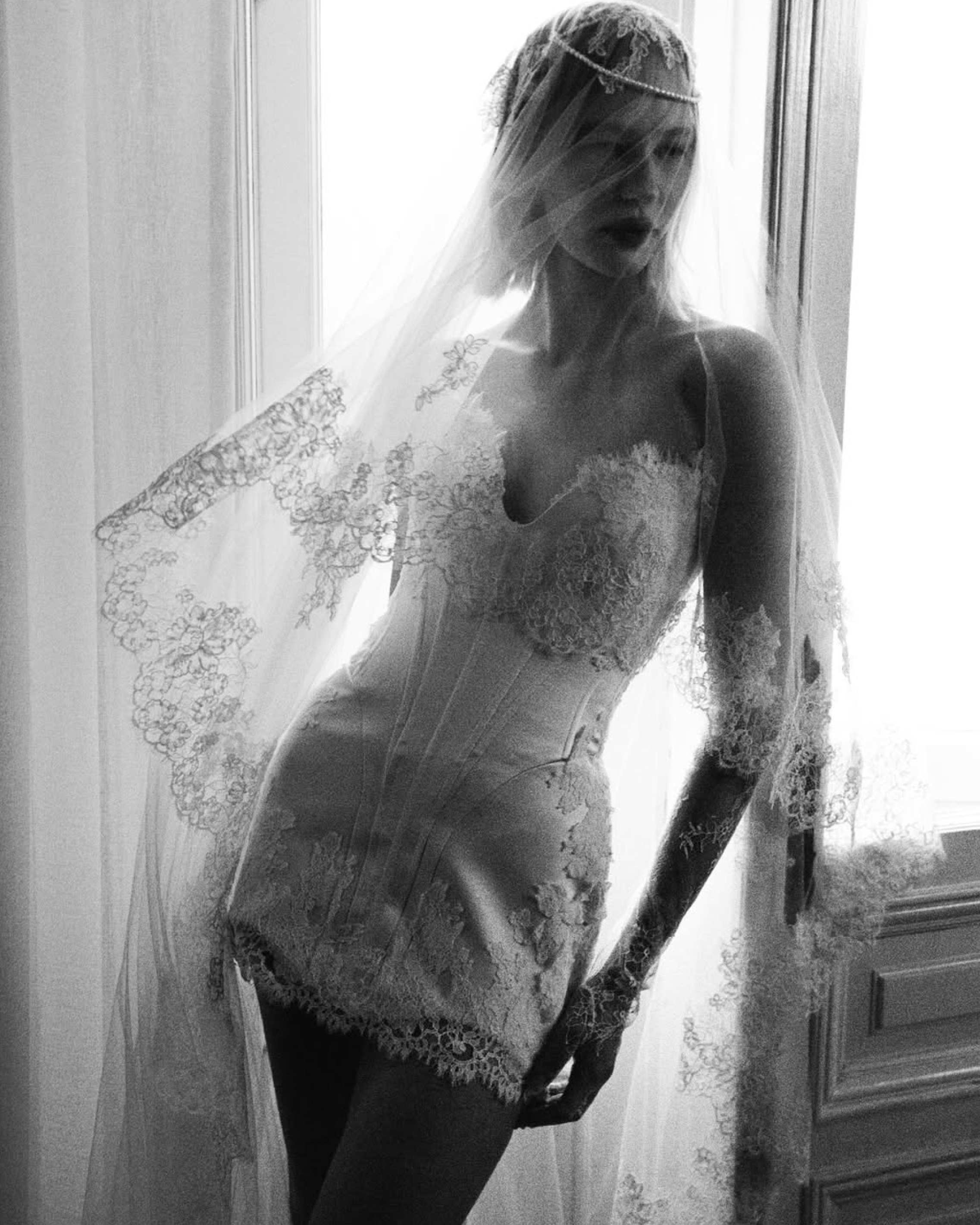
That sense of recognition can begin with something as subtle as a neckline, a texture, a sleeve, or the way a fabric sits against the body. Özge Kanlı, Creative Director of Cagteks Bridal, one of Turkey’s leading bridal couture houses, believes comfort often comes from choosing shapes that already feel connected to who you are. “To feel truly gorgeous, you must first feel comfortable, and comfort often stems from familiarity. I believe a bride should look for silhouettes or textures that resonate with her “internal archive” — those shapes that have always made her feel her best in her dreams or daily life. When you try on a dress, there should be an immediate emotional recognition.”
Look for the Feeling Behind the Image
Mood boards, saved posts, and fitting-room snapshots can all be helpful tools during the search. They can reveal patterns in what you are drawn to and help you narrow down silhouettes, fabrics, and details. But there comes a point when the decision has to move beyond the camera roll. The right dress is not always the one that looks best in a quick photo. More often, it is the one that changes the way you feel the moment you put it on.
Australia-based designer Miranda-Lee Aston, founder of Aston Bridal, believes the most telling sign is often physical before it is verbal. “We see it all the time: the way a bride relaxes in her dress. Before she has even said yes, her whole energy changes. When choosing a wedding dress, brides should pay attention to how they feel in the gown, not only how it photographs from random angles in a studio,” she shares. “Take the photos during the decision phase, yes, but be sure not to look at them so much that they cloud that feeling. That is what will make it feel timeless to you. A feeling never fades.”
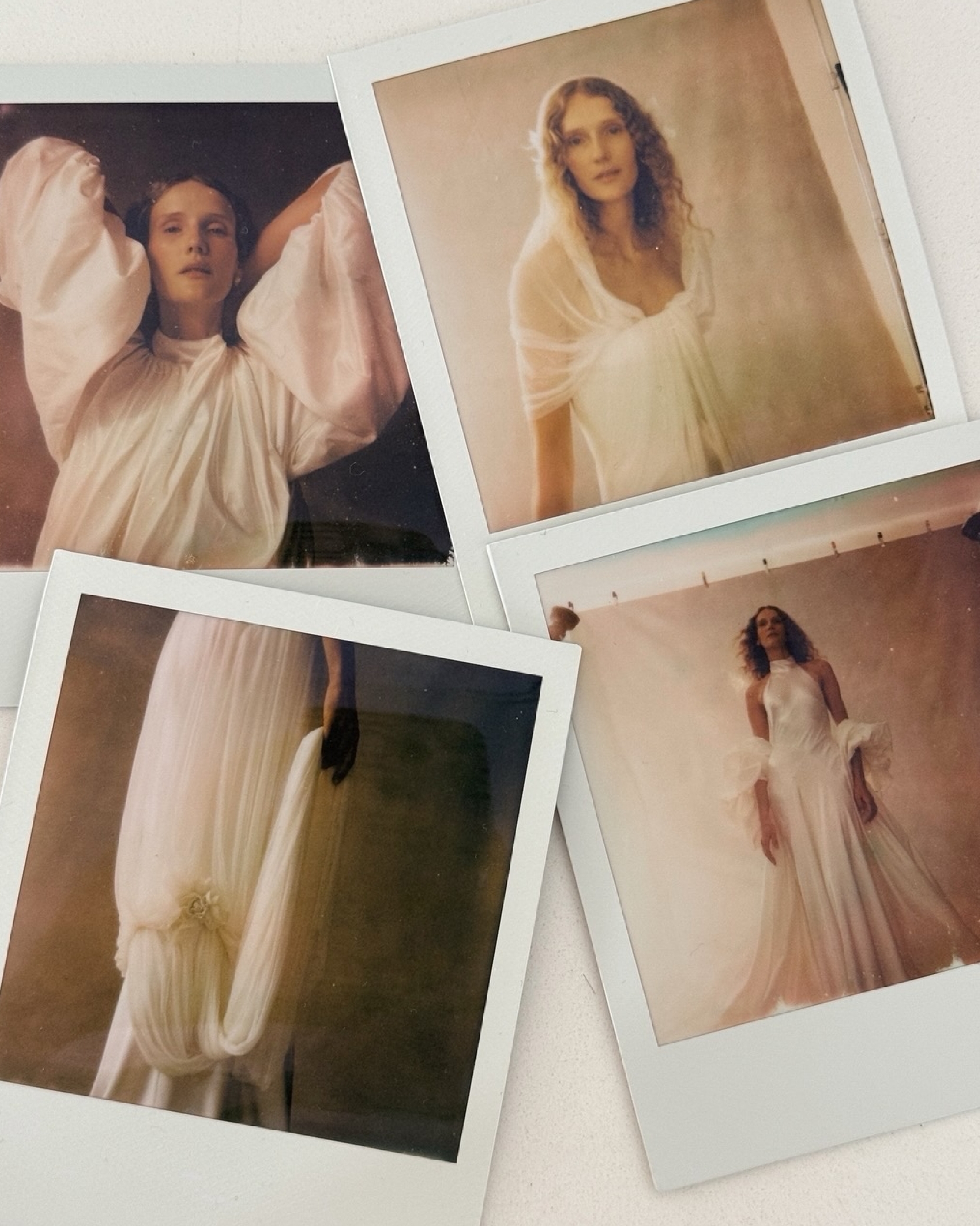
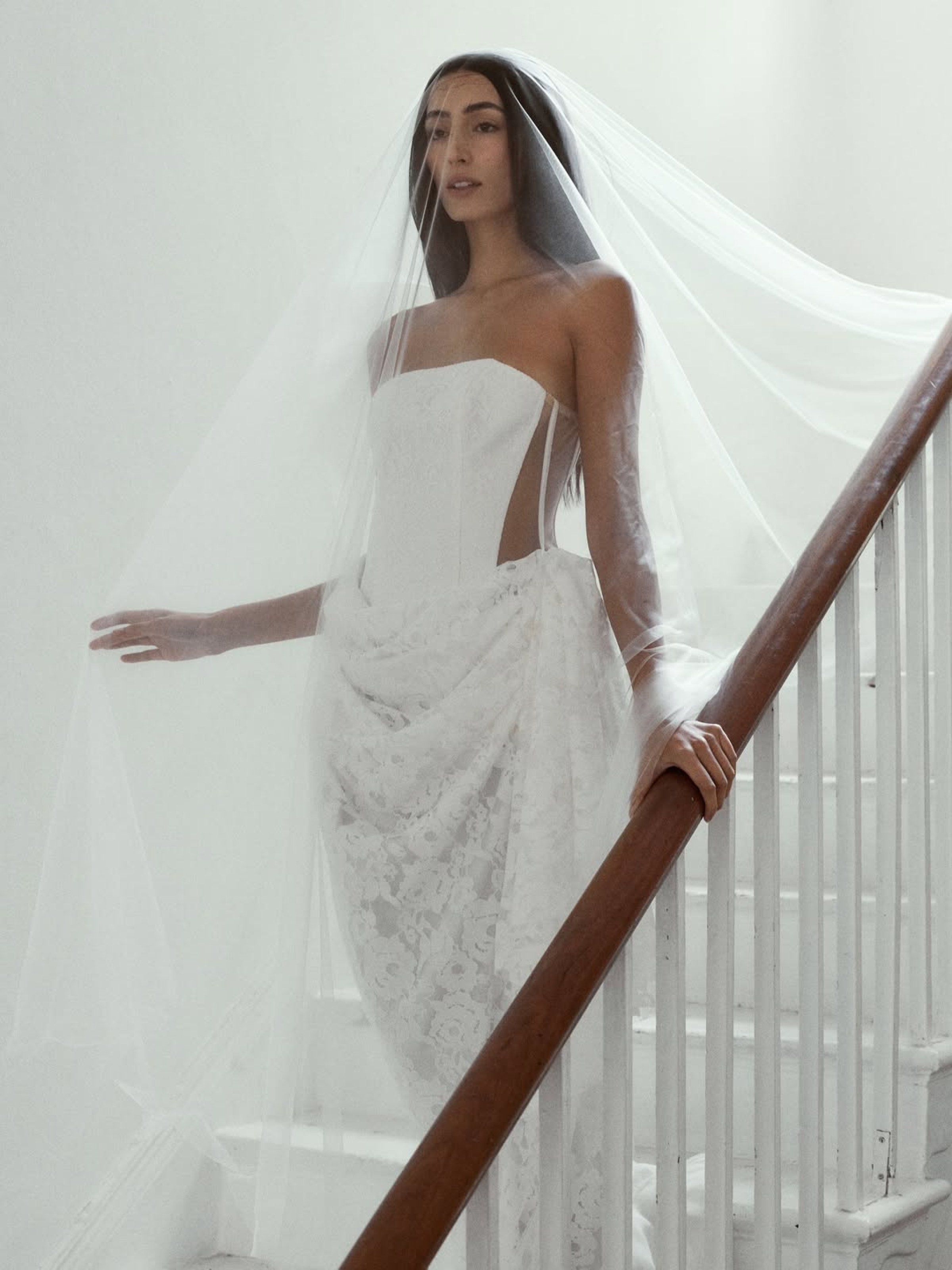
Visual references can guide the search, but they should not flatten the instinct that appears when a bride actually steps into a gown. Egyptian designer Marmar Halim views mood boards as a useful starting point, rather than the final answer. “Creating a mood board of silhouettes, fabrics, and shades of white can be incredibly helpful in understanding what flatters you and what makes you feel confident. But ultimately, the right dress is the one that gives you an emotional reaction.”
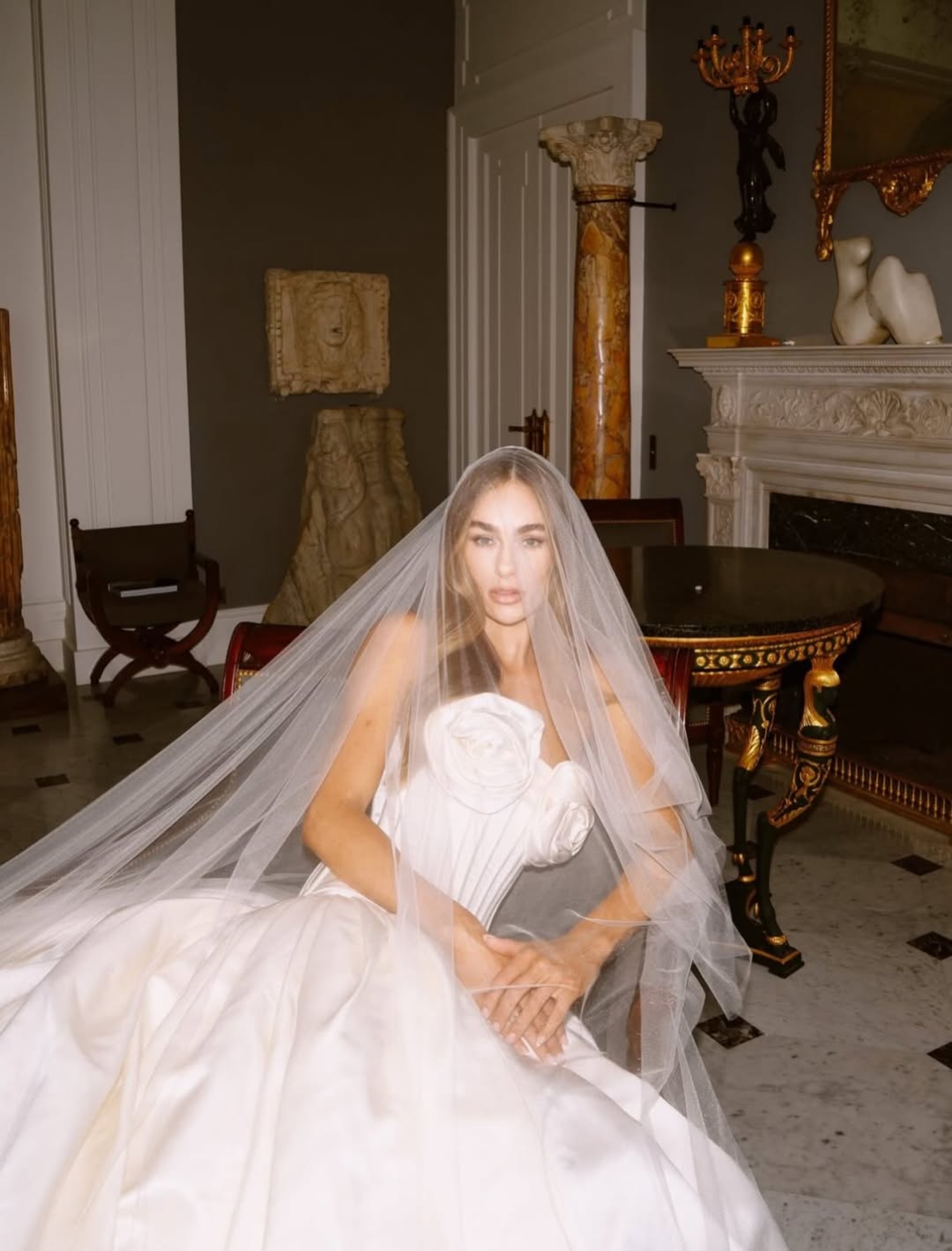
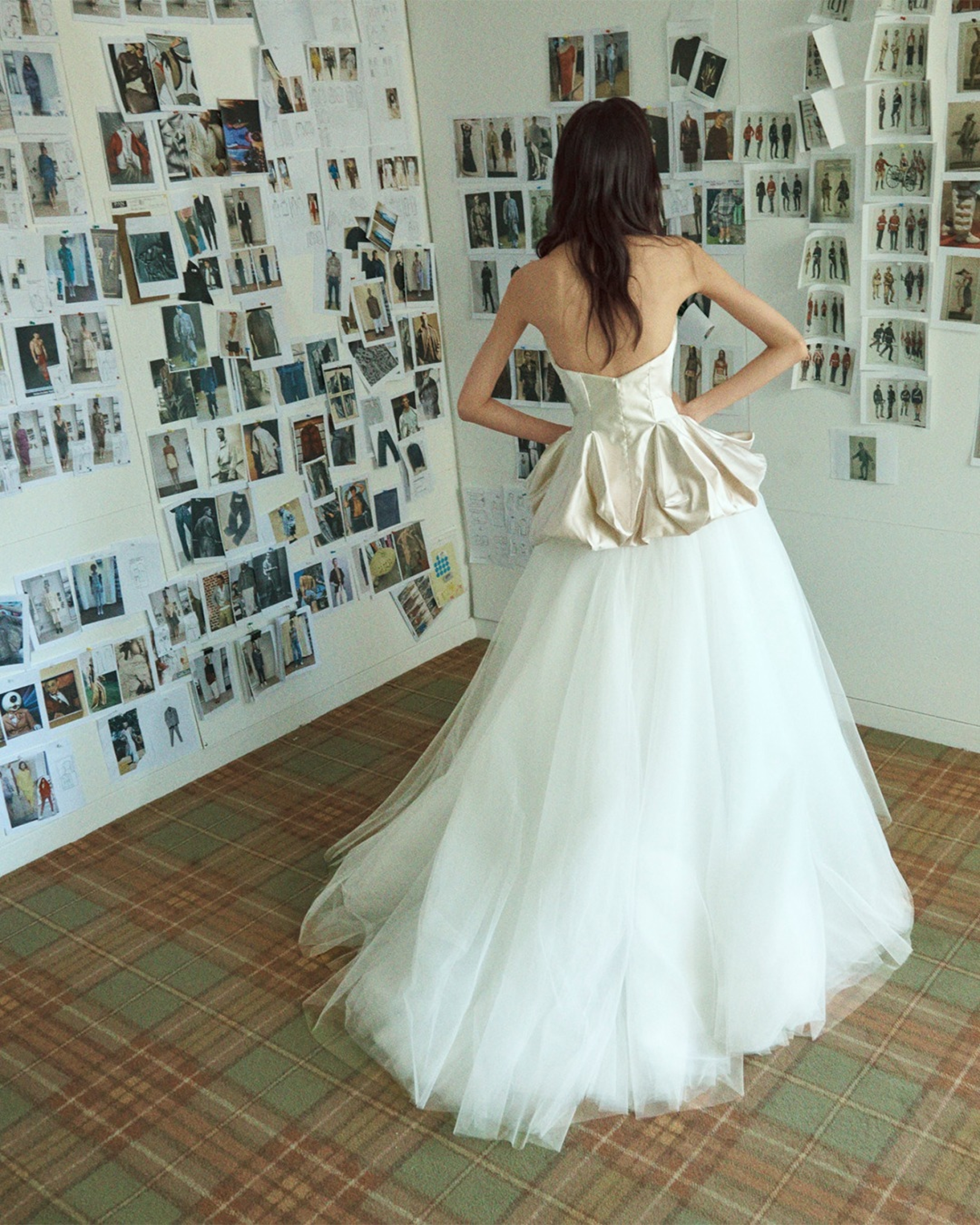
Ask Yourself Who You’re Really Dressing For
Before a bride ever steps into a gown, she has often already seen hundreds, even thousands of versions of what bridal can look like. With such unprecedented access to bridal inspiration, it has never been easier to discover beautiful ideas. But that same endless stream of inspiration can also create pressure to perform a version of bridal that does not truly reflect the person wearing it.
Chelsea Jackson, founder of Showroom Theory, suggests cutting through that noise with one direct question. “When evaluating a dress, ask yourself a simple question: Would I still choose this if nobody else ever saw it? The answer is often surprisingly revealing,” she says.
Of course, wedding dress shopping rarely happens in isolation. Family members, friends, and bridal parties often come along for the journey, bringing encouragement and plenty of opinions. While those perspectives can be valuable, Elena, founder and Creative Director of Monetre, believes they should never outweigh your own instincts. “The right wedding dress is not always the one that receives unanimous approval from everyone in the fitting room. The opinions of loved ones can be valuable, but the most memorable bridal looks are born from authenticity and personal connection.”
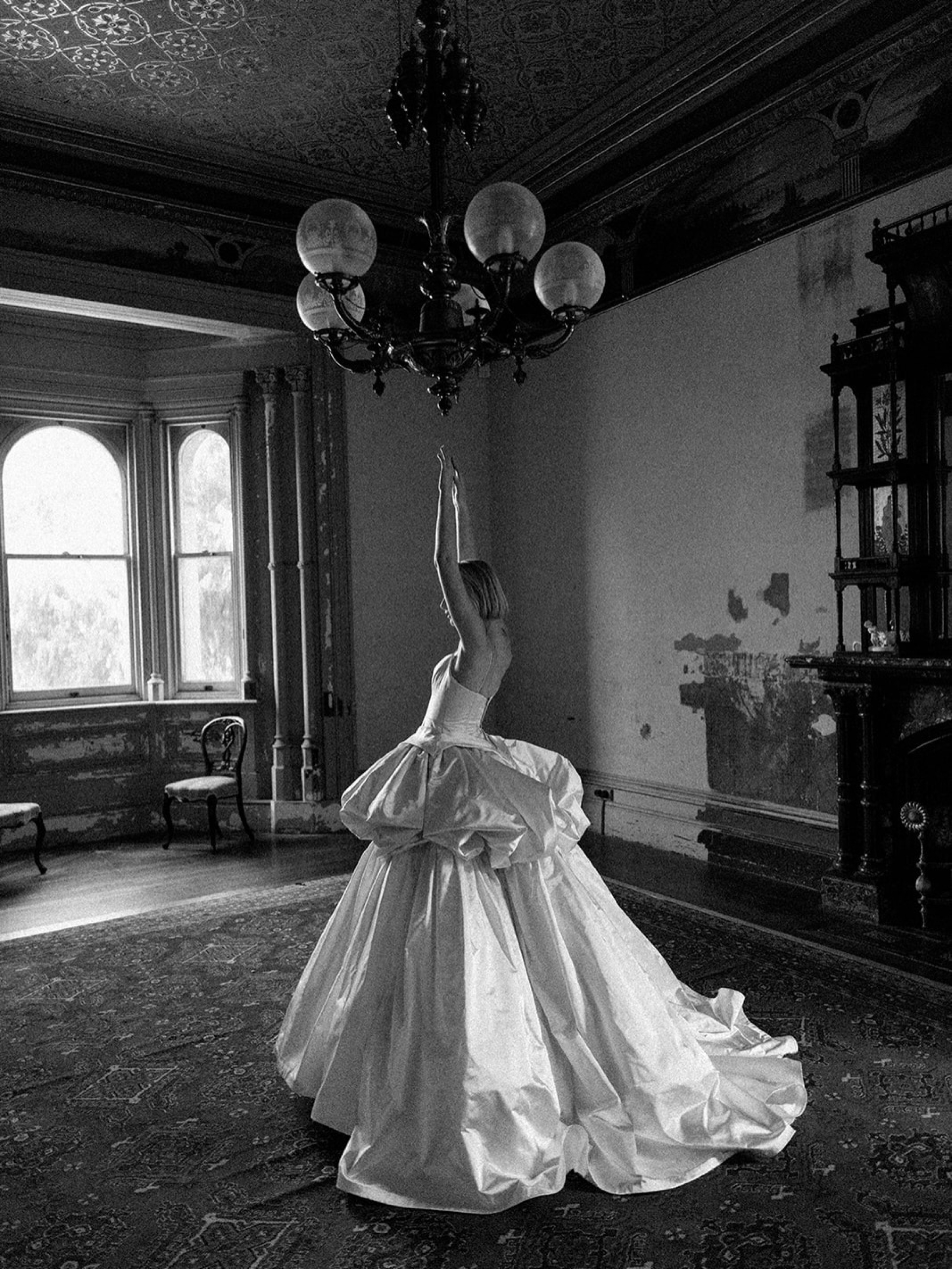
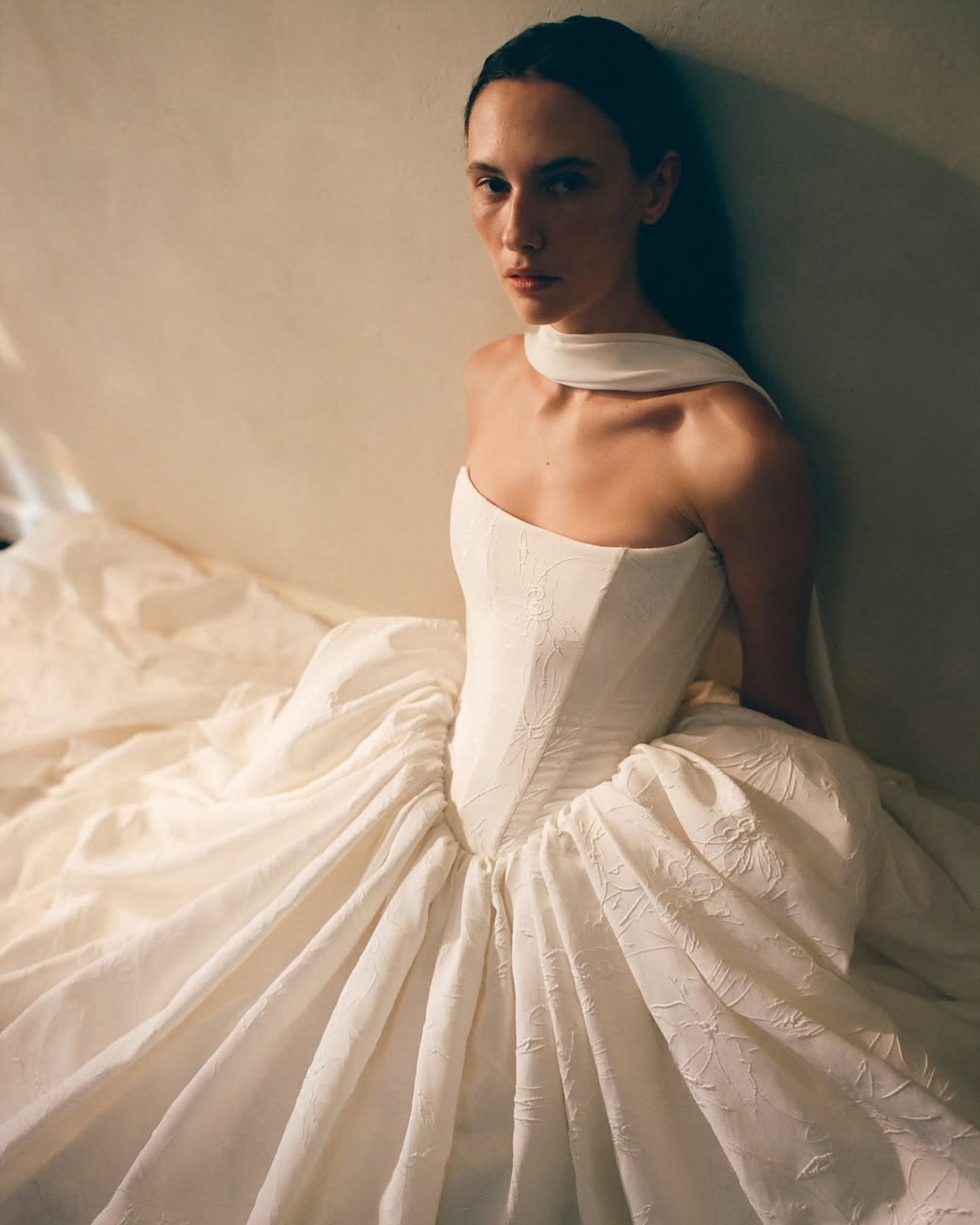
Know Your No’s, But Stay Open to Surprise
A strong bridal vision is not only built from what you love, but also shaped by what you already know is not for you. Understanding what feels inauthentic can be just as valuable as identifying what immediately draws you in, especially when every beautiful gown starts to look tempting.
Showroom Theory recommends beginning with a few clear eliminations. “Knowing you're not a ballgown person, a sparkle person, or a minimalist person often brings clarity much faster than saving hundreds of images. Eliminating what doesn't feel like you creates space for what does.”
Still, clarity should not become a closed door. Once you know your boundaries, there is room to try something unexpected without losing the thread of who you are. Marmar Halim notes that many brides are surprised by what actually works once they start trying gowns on. “Many brides arrive convinced they know exactly what they want, only to fall in love with a completely different silhouette. Trying a variety of cuts with an open mind is important.”
Let Your Style Outlast the Trend Cycle
It is natural to be aware of trends. Bridal fashion, like any part of fashion, is constantly moving, and inspiration can help you see new possibilities for silhouette, texture, styling, and mood. But the goal is not to dress for the moment alone. It is to choose something that will still feel honest when the trend cycle has moved on.
For Marmar Halim, authenticity is what gives a wedding dress its staying power. “Trends come and go, but when you look back at your wedding photos years from now, you’ll want to see yourself at your most authentic.”
The right gown may not be the one that checks every trend box or looks most current in the moment, but the one a bride instinctively wants to step into, own, and share. For New York City-based bridal designer Jenny Yoo, that feeling is worth listening to. “When you know, you know. Look for the dress that you put on and can't wait to show off. Let that vision guide your decisions rather than chasing trends that may not reflect your personal style.”
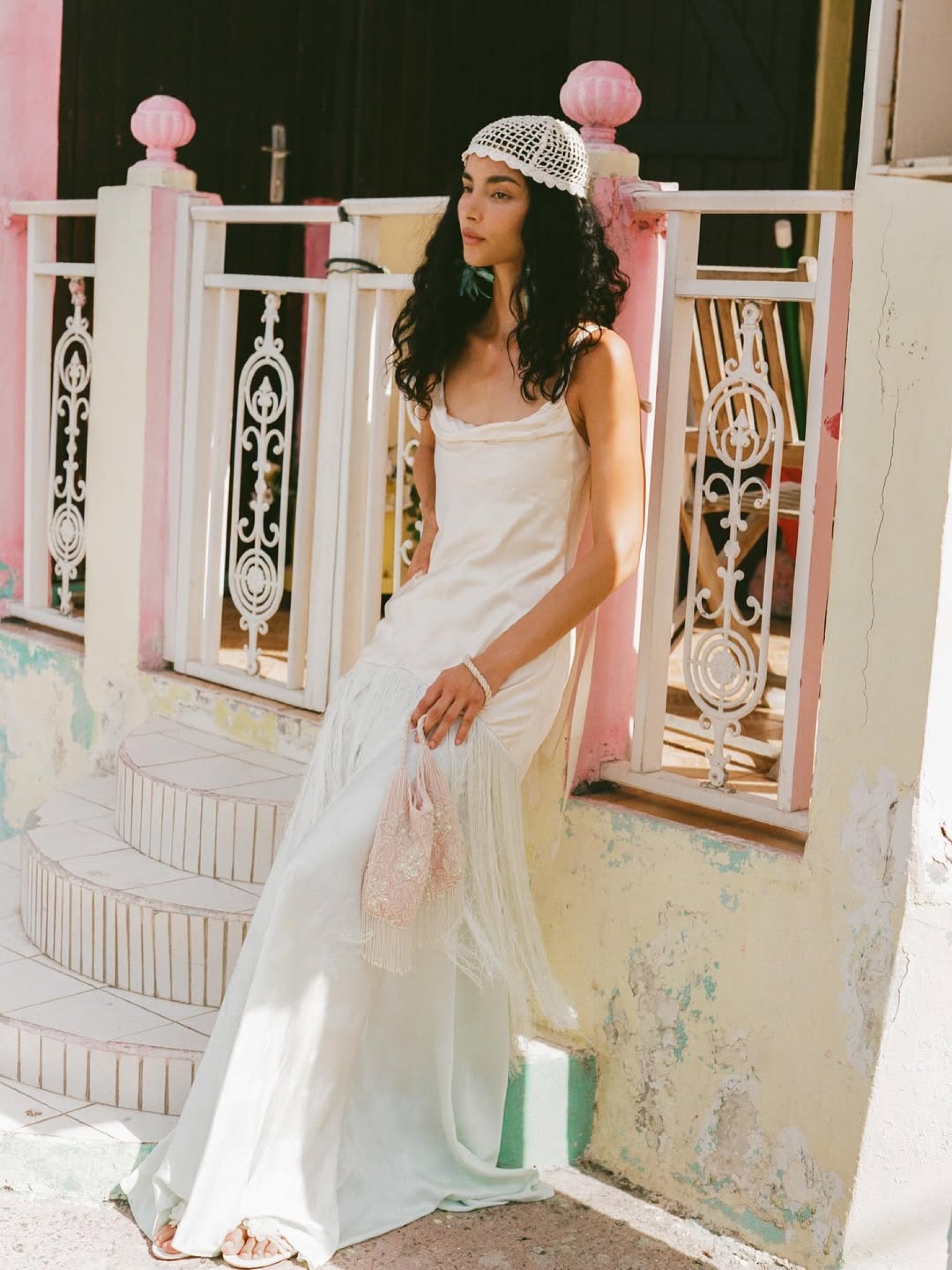
Designer Shehzarin Batha, the visionary behind Shehzarin Batha Couture, shares a similar view, encouraging brides to look for meaning over momentum. “Celebrate individuality over trends. Pick a gown with character, meaning and presence—a gown that tells your story rather than following someone else's.”
That does not mean the dress has to be classic in the traditional sense. It simply means it should feel rooted in your own taste and sense of self. As Monetre shares, “A gown that reflects your character, aesthetic sensibility, and lifestyle will remain meaningful long after seasonal influences have faded.”
Fit Leads, Drama Follows
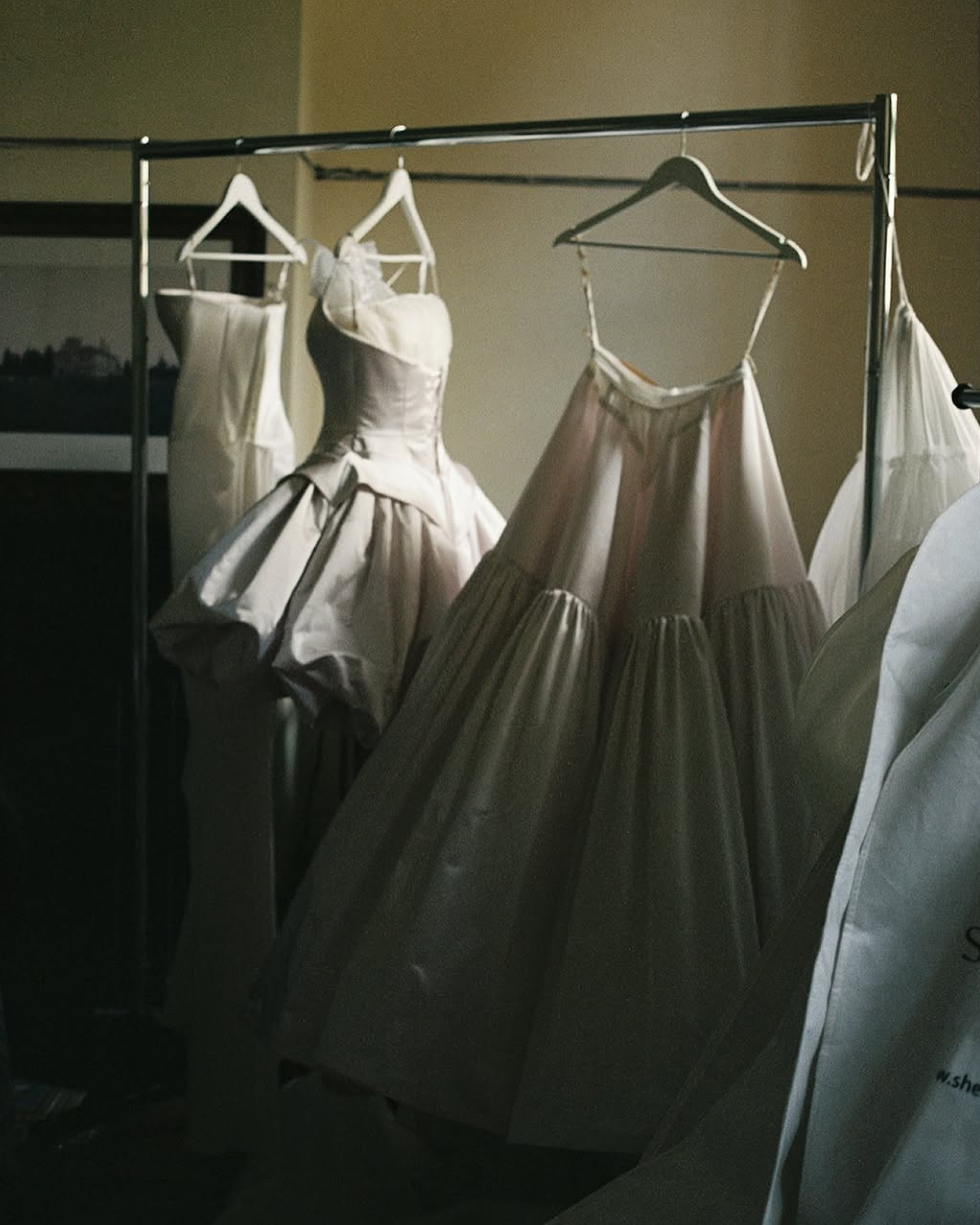
Before looking at embellishment or impact, pay attention to the architecture of the gown. The placement of a waistline, the balance of a silhouette, the weight of a fabric, all shape how it will ultimately feel and flatter. A well-constructed gown often creates more presence than any trend-driven detail ever could.
“A gown doesn’t need to be the most embellished or dramatic piece in the room to feel special,” says Miranda-Lee Aston. “Often, what makes a dress feel truly elevated is proportion, fit and fabrication. The way a waistline sits, the volume and balance of the skirt, the neckline, and how the fabric moves on the body can completely change the feeling of a gown.”
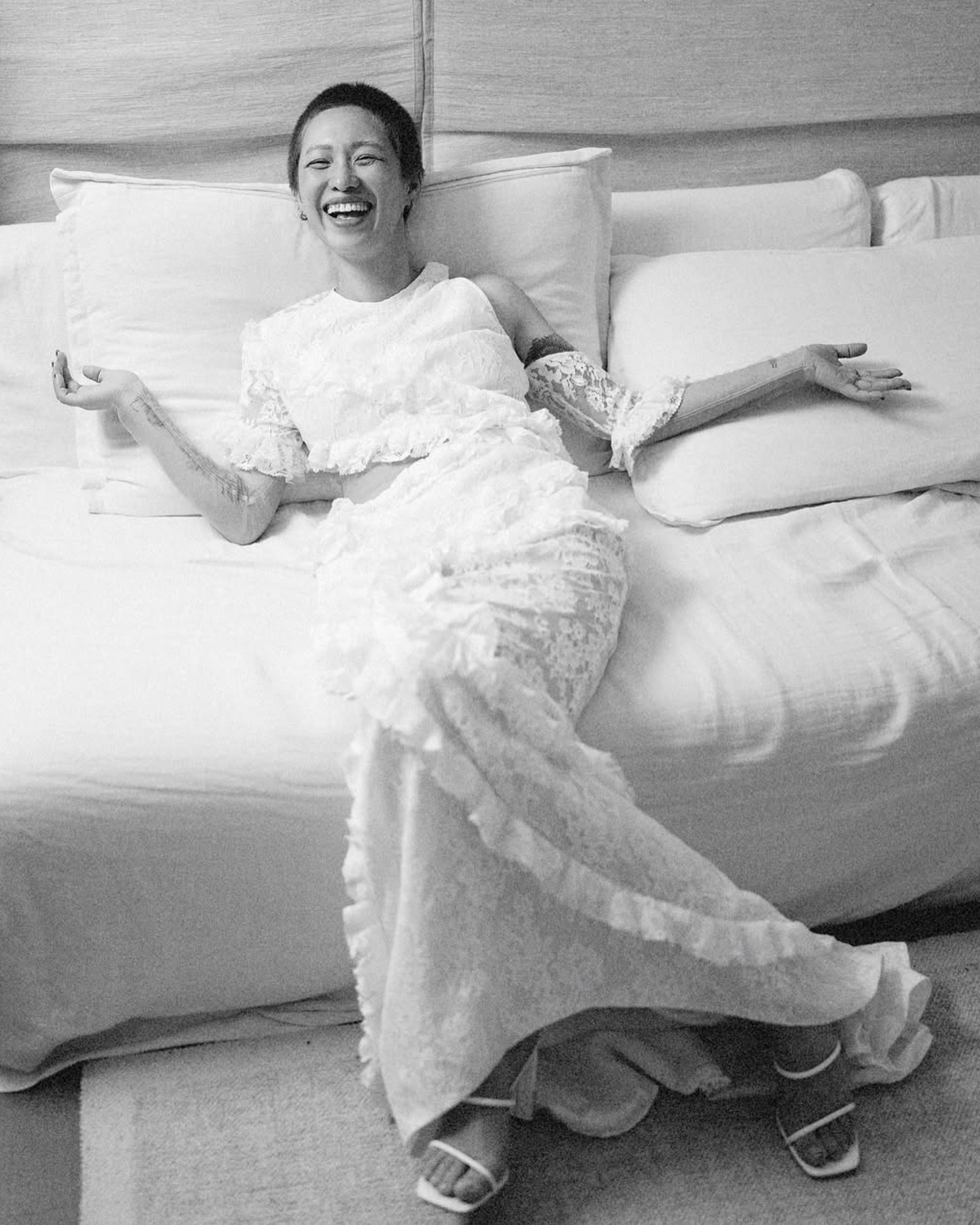
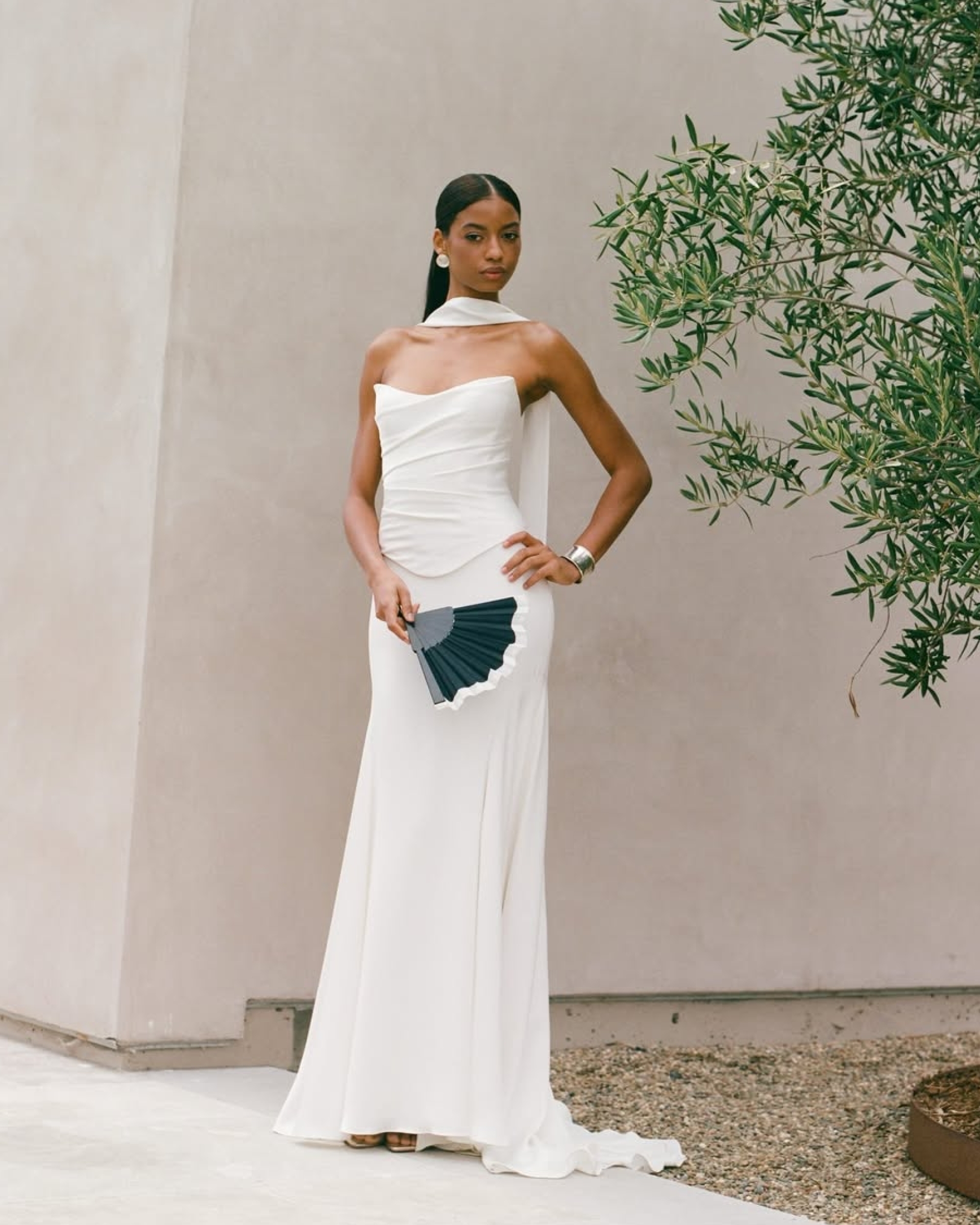
Once fit becomes the priority, the size label matters far less. Bridal sizing can feel unexpectedly unfamiliar, especially if you are comparing it to everyday clothing. “Focus on fit over size! Bridal sizing often differs significantly from ready-to-wear sizing, so don't get caught up in the number on the tag,” explains Jenny Yoo. “Prioritize how the gown fits your body and how alterations can personalize it to you.”
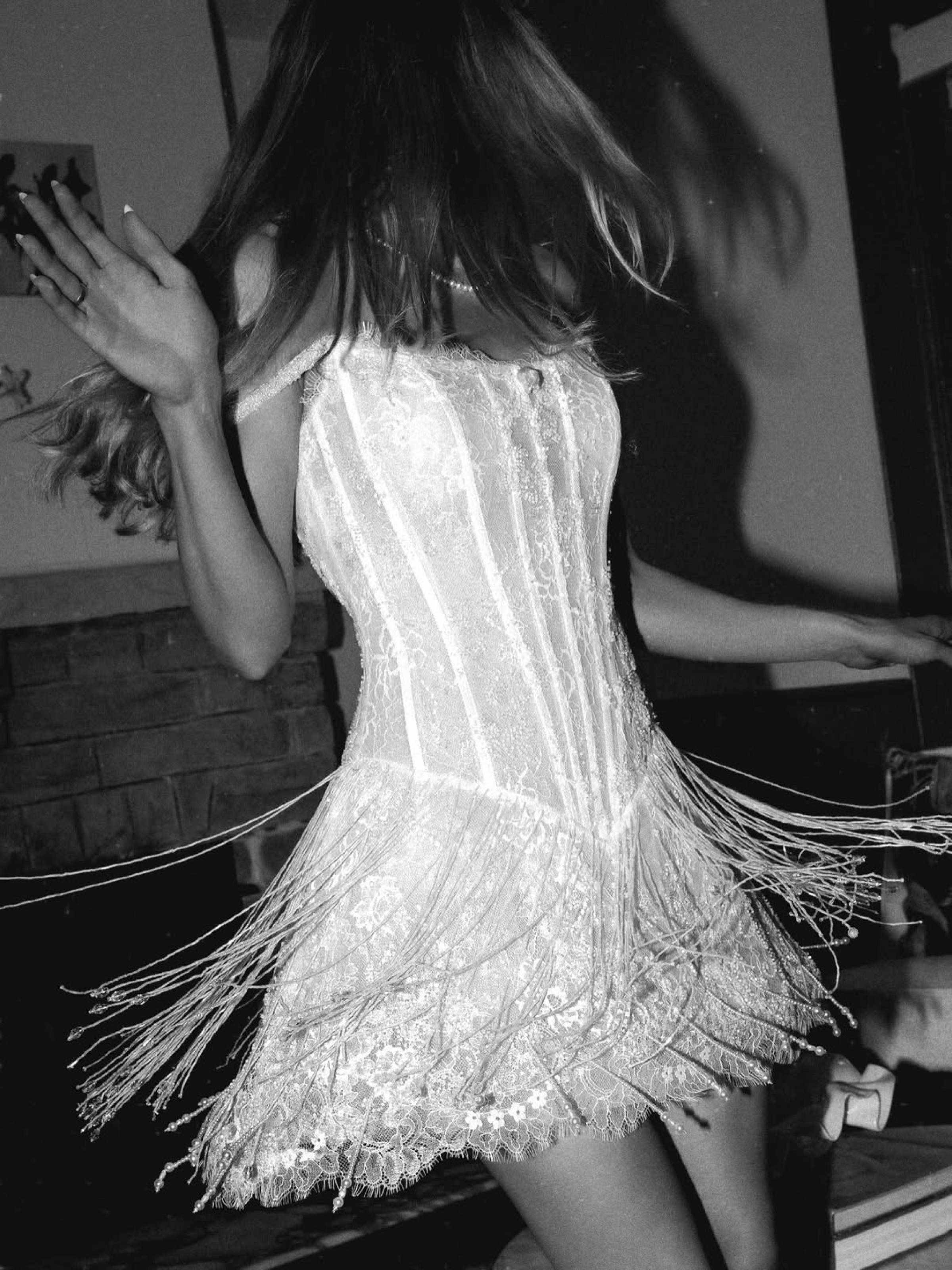
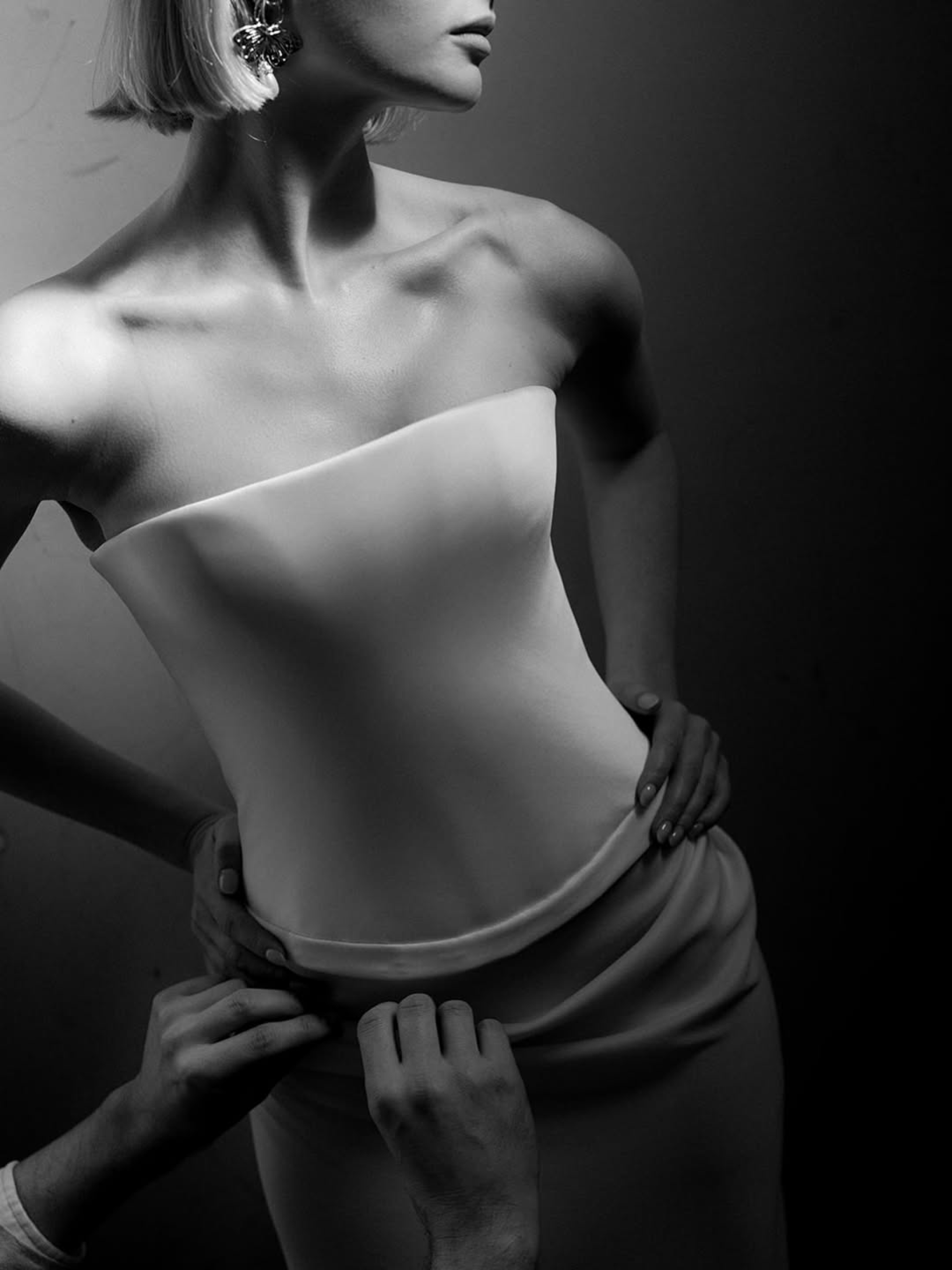
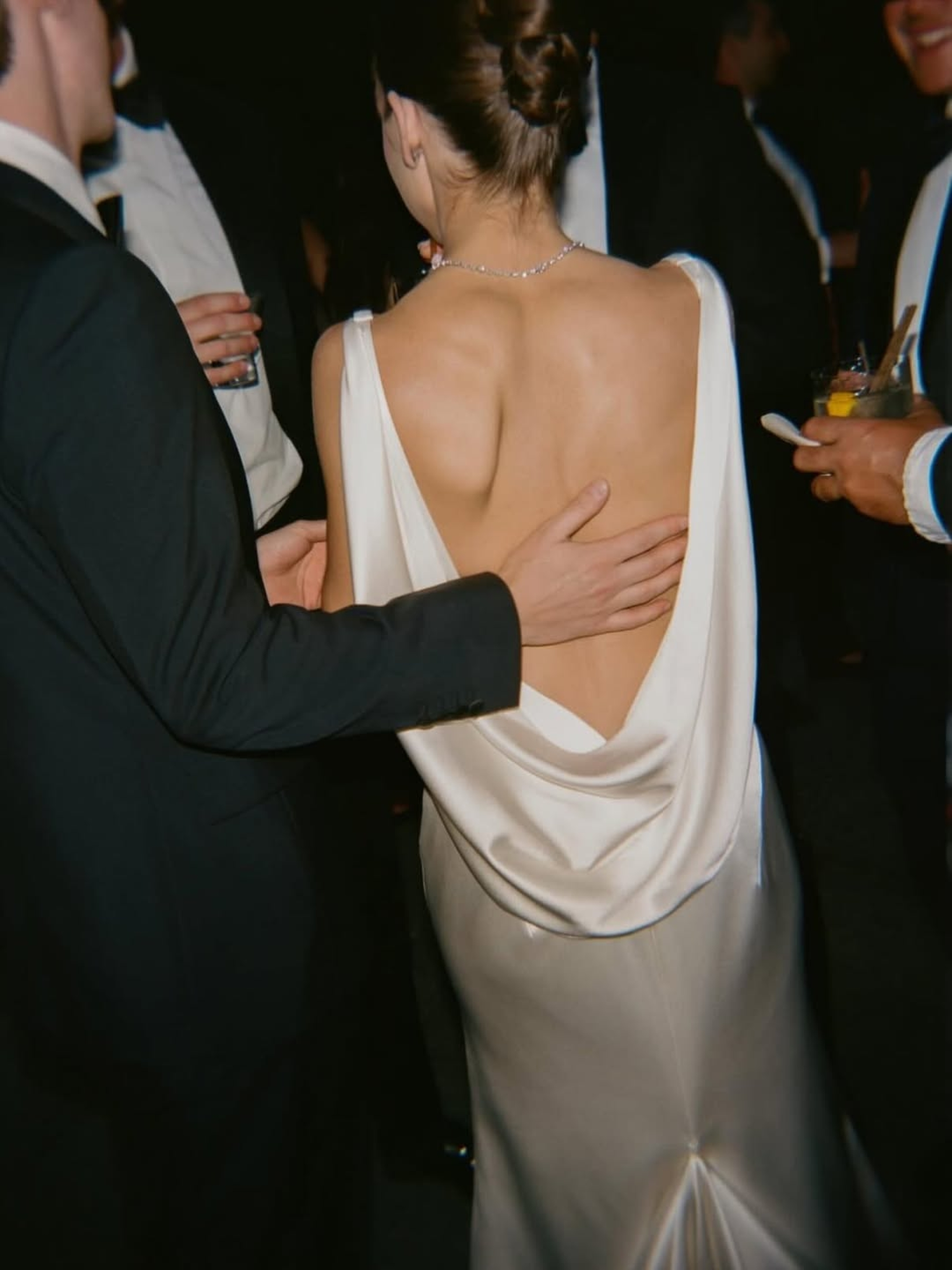
That attention to fit is not only about visual balance, but also freedom. As Cici Zhang of R.L.E Bride reminds brides, “You’ll be wearing your dress for an entire day, moving, hugging, dancing, and making memories. If the fabric feels uncomfortable or restrictive, it can take away from those moments. A beautiful dress should allow you to fully enjoy your wedding, not constantly remind you that you’re wearing it.”
The Inside Matters Too
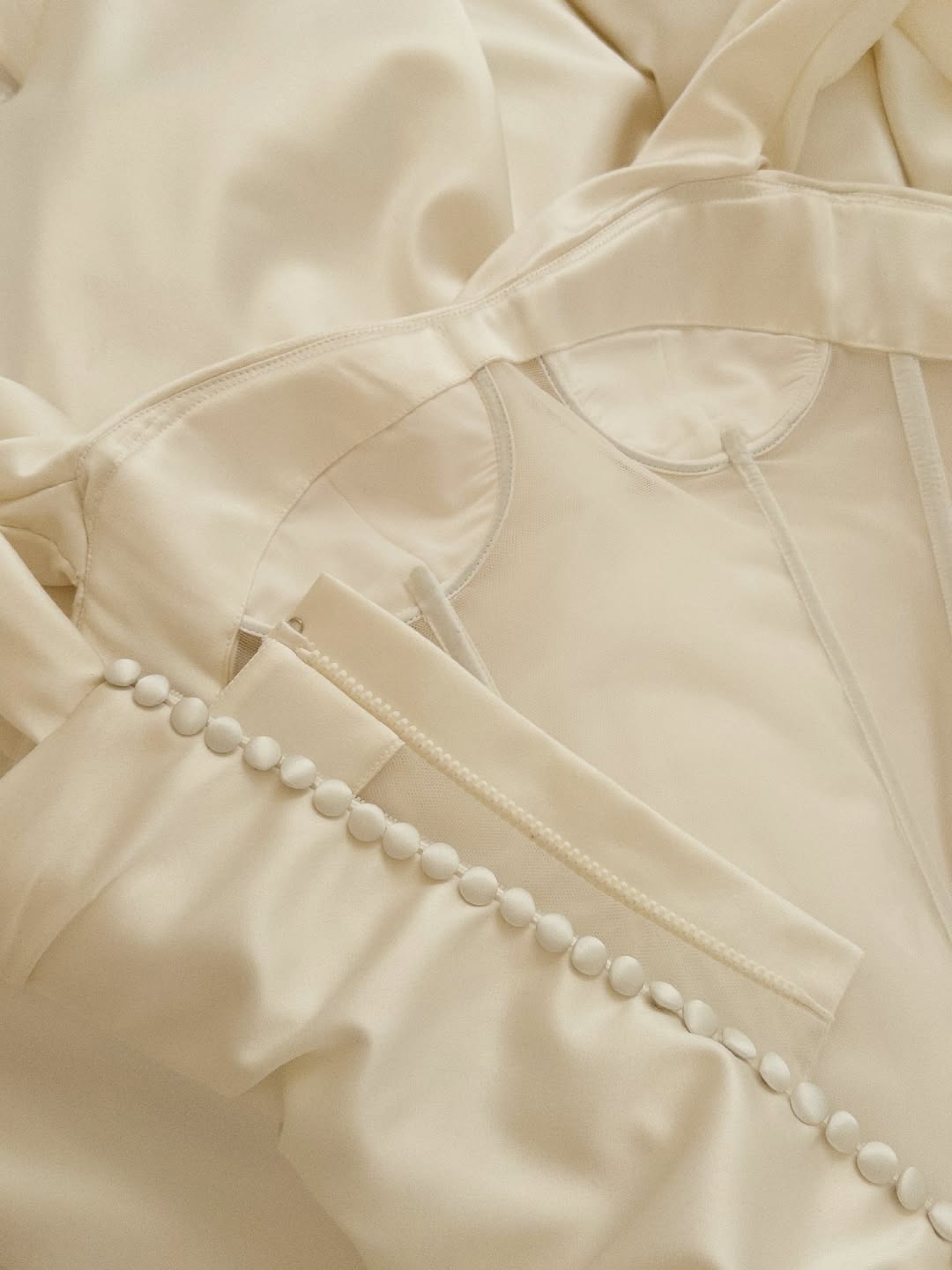
A wedding dress should be beautiful from the outside, but what is built beneath the surface often determines how confidently a bride can actually live in it on the day. The most important details are not always the most visible ones.
Miranda-Lee Aston, founder of Aston Bridal, points to the hidden engineering of a gown as one of the biggest factors in how comfortable a bride feels. “Things like internal corsetry, built-in bras, bra adjusters, considered linings, boning strength for the brides body type, secure closures and adjustable straps can completely change how supported and comfortable a bride feels,” she shares. “A well constructed gown should not just look good in the first fitting or the first photo. It should support the body, move with the bride and feel considered from the ceremony through to the first dance. This is where a bespoke or semi-custom experience can be so valuable.”
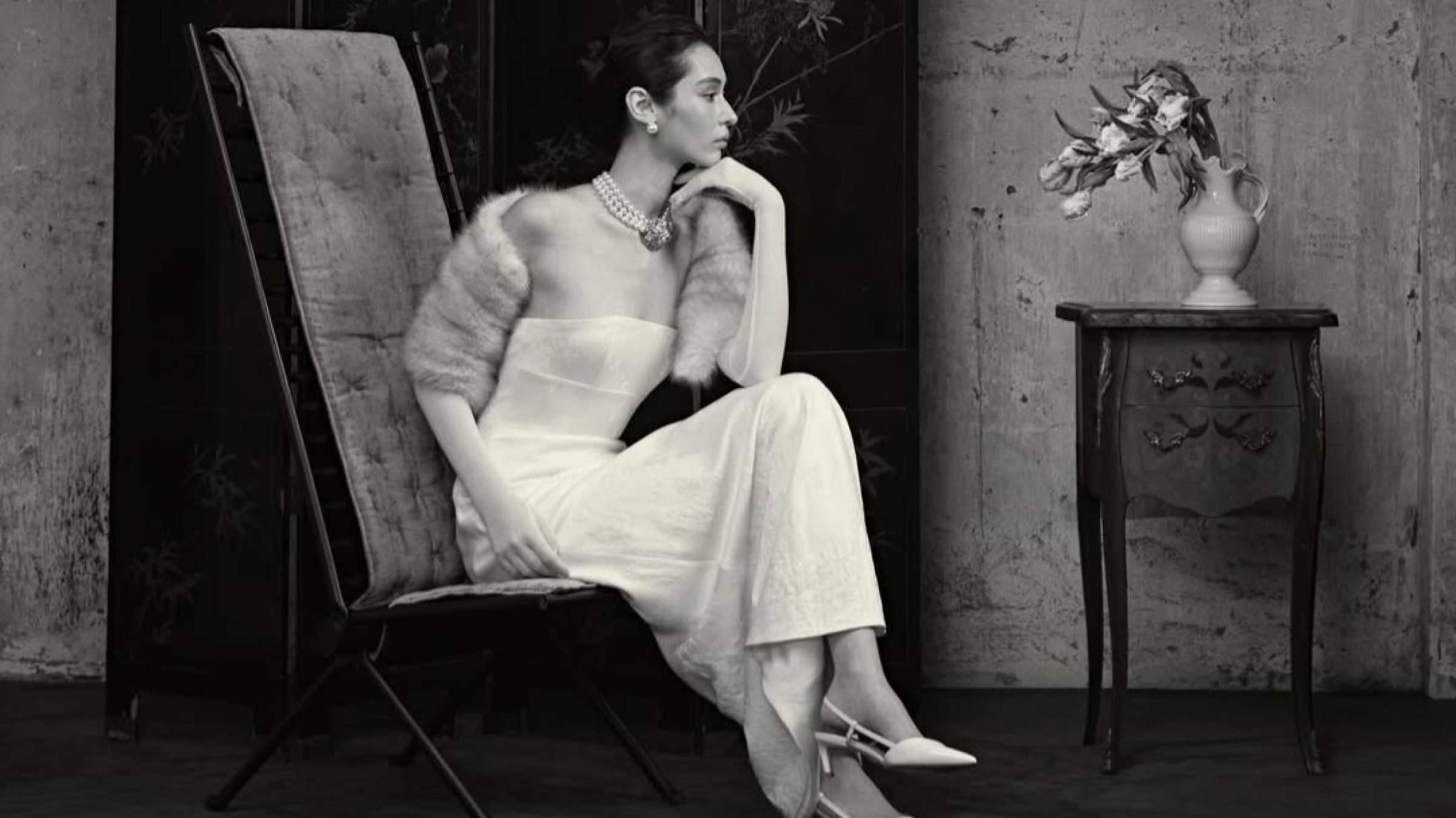
Luxury bridal stylist and tailor Maisie-Kate Keane agrees that the details brides rarely see are often the ones that matter most. “The inner construction of a gown is just as important than the exterior. Ideally, you shouldn’t need to wear a bra or rely on external support, everything should be built into the dress itself. If it isn’t in the sample you try on, it’s always worth asking whether it can be engineered into the final piece.”
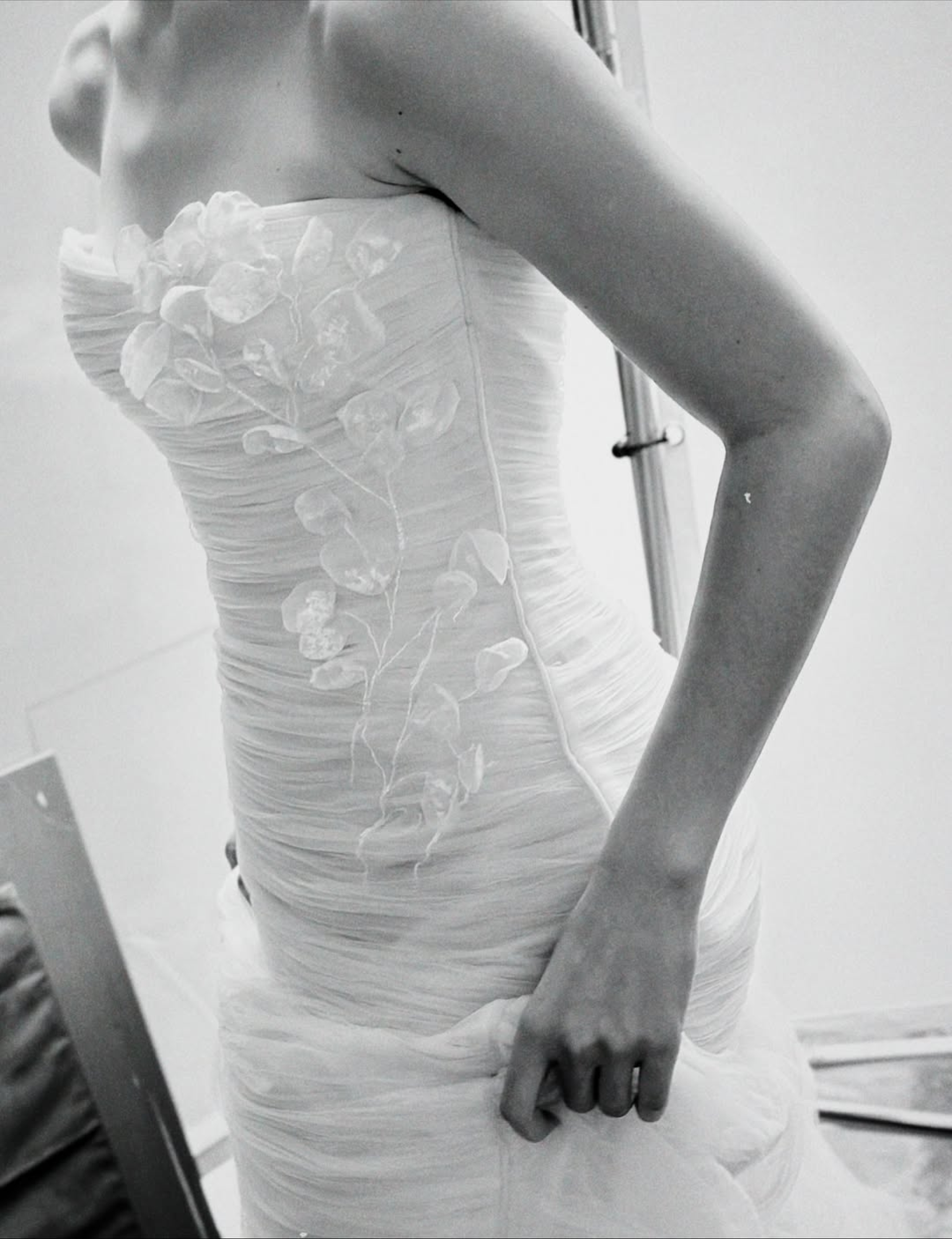
Shehzarin Batha, the designer behind Shehzarin Batha Couture, also encourages brides to look beyond the first impression. “Consider the fabric's quality, how seams are placed, how the gown shapes the body, and the thought behind every detail.”
Think Beyond the Fitting Room
The fitting room is only one environment a wedding dress will exist in. Before making a decision, it is worth considering how the gown will look in natural daylight, how the fabric will move, and how the details will read outside the controlled setting of a boutique or studio.
Color is one of the most important places to start. A shade that feels soft and flattering under indoor lighting can read differently outside, where undertones become much easier to see. “The shade of white, ivory, or off-white you choose is incredibly important,” emphasizes Maisie-Kate Keane. “Always take the fabric into natural light to see how it sits against your complexion. In my experience, most brides look better in a softer off-white, as a bright optic white can sometimes feel too stark or cool, especially if it has a blue undertone.”
The same real-world thinking applies to movement. A gown may look beautiful in a still image, but how the fabric falls, shifts, and responds to the body can tell you far more. Özge Kanlı of Cagteks Bridal encourages brides to look for raw, real-time videos or lifestyle shoots that show how the fabric moves. For her, “true tailoring is a conversation between the fabric and the human body.”
Make Space for Personality
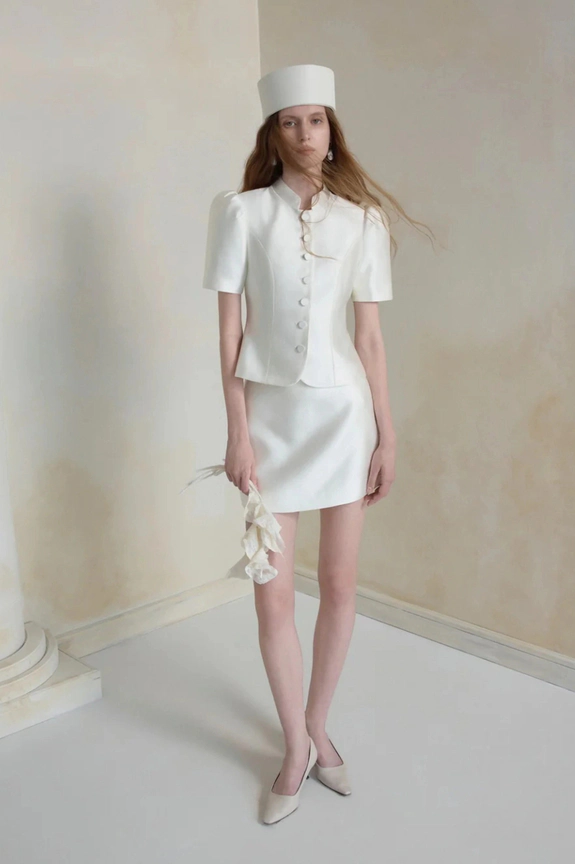
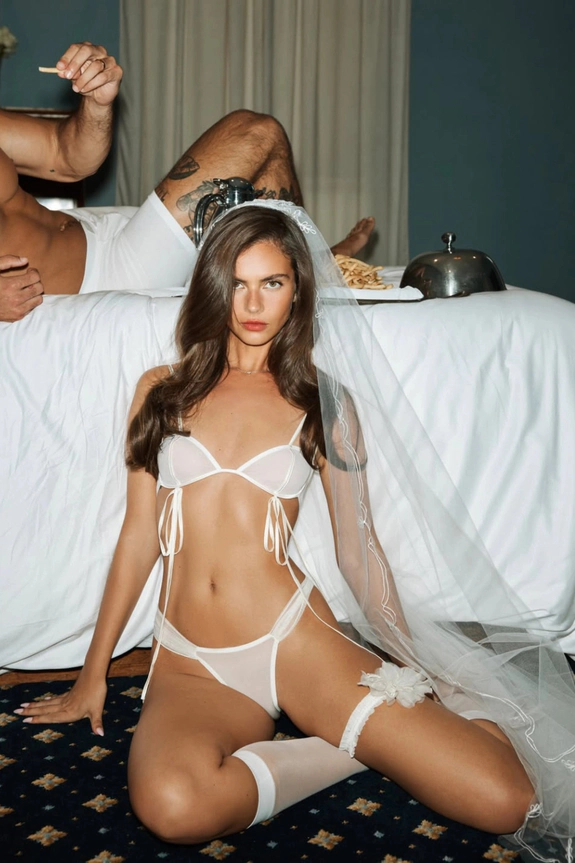
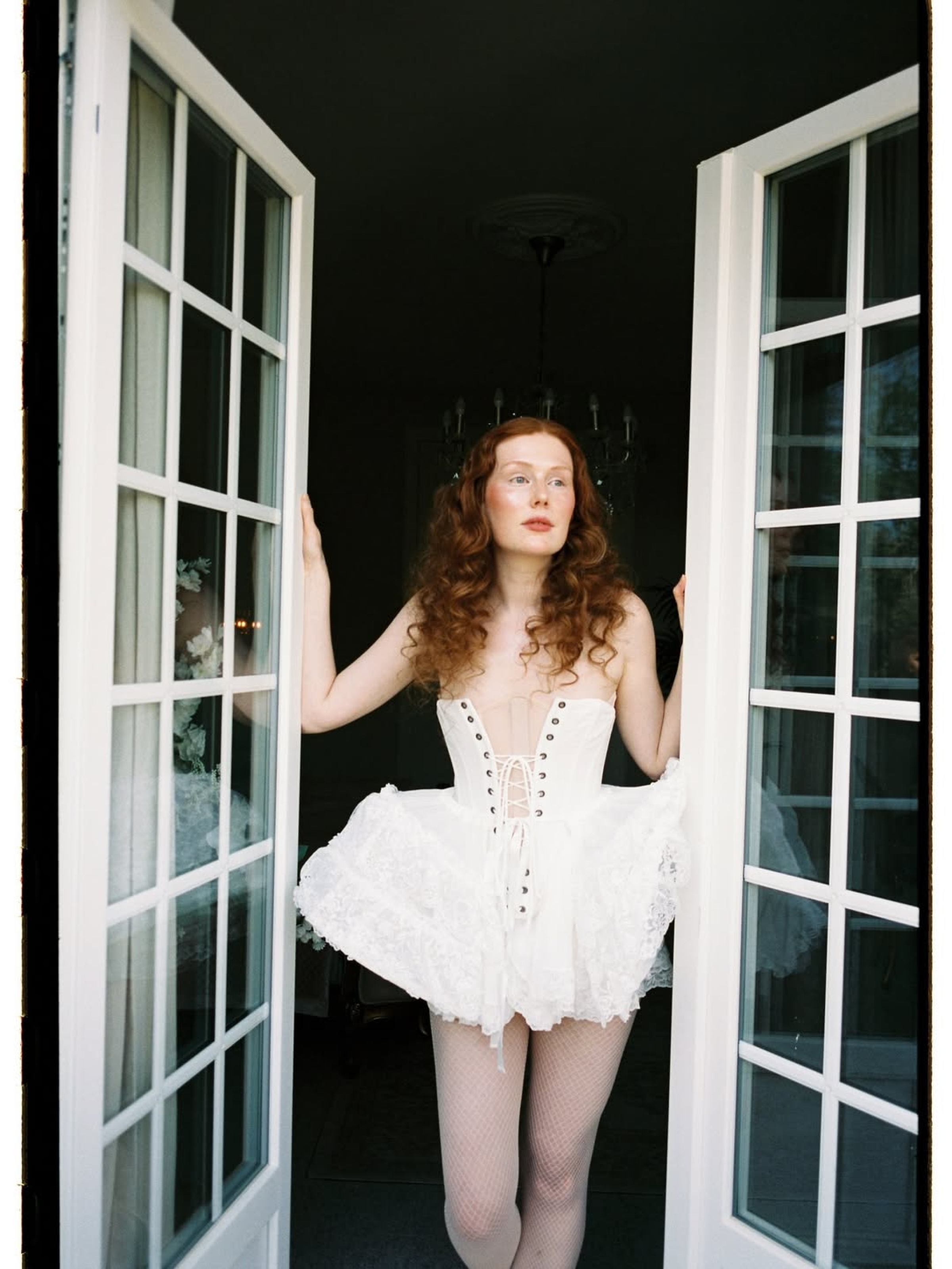
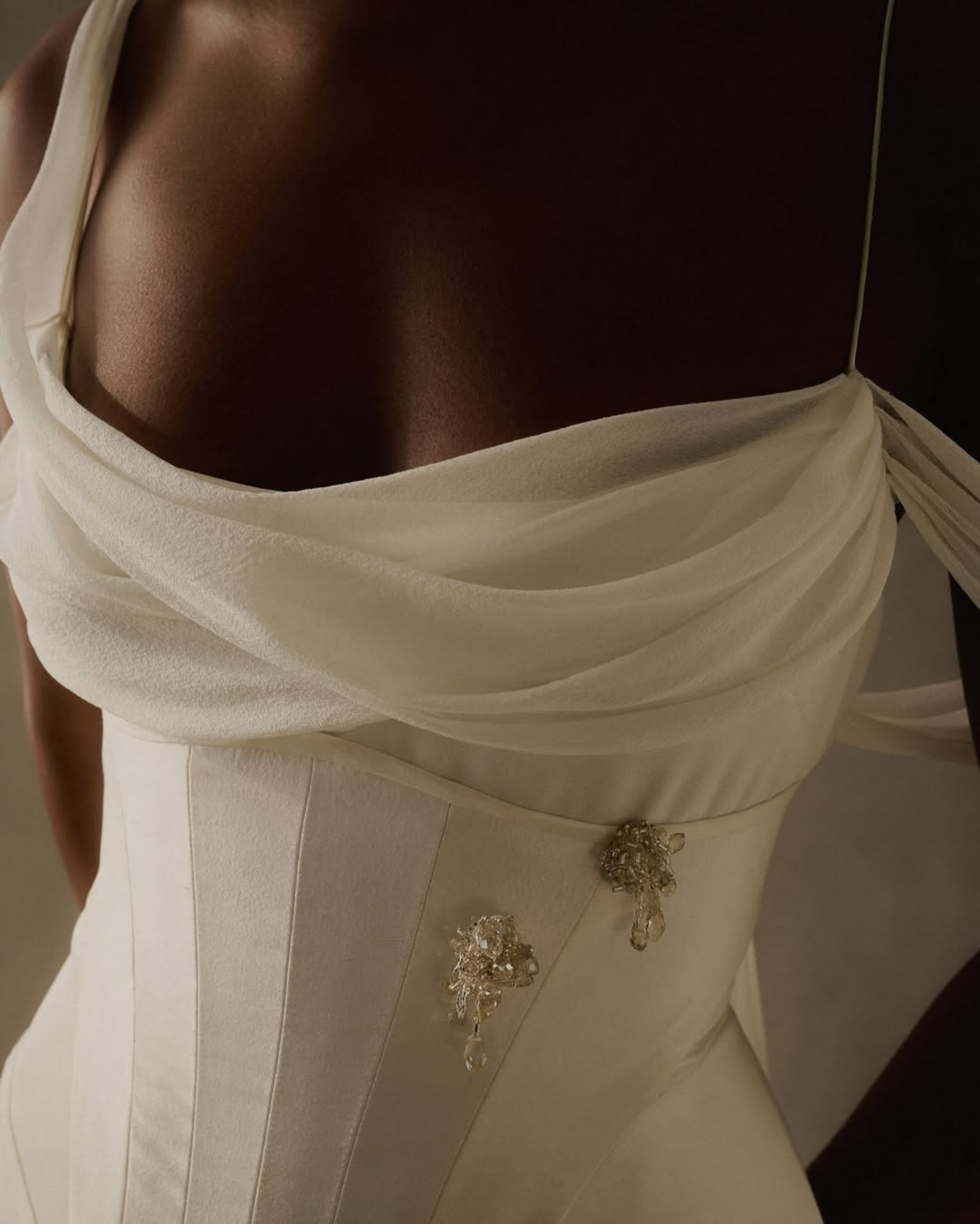
There is no single way to look like a bride anymore, and that is exactly the beauty of it. The strongest gowns are often the ones that let personality interrupt perfection, whether through a textured fabric, a playful styling detail, an unexpected silhouette, or a choice that gently breaks from tradition.
That is something Aston Bridal encourages brides to embrace. “Bridal doesn’t have to mean timeless, or even safe or expected,” explains Miranda-Lee Aston. “Sometimes it’s a classic silhouette with drama from fit, a fabric with texture, a mini dress moment to shake up the rigid formalities of the day, or a styling detail that feels a little unexpected, a little fun and playful, just like the bride’s personality.”
For Özge Kanlı that individuality is also what gives a gown meaning. “A wedding dress is not just a garment, it's a reflection of a personal history. It should never feel like it was pulled from a mass-production line. Look for designers who prioritize character-driven design and are open to deep personalization.”
The Finishing Touch Can Be the Moment
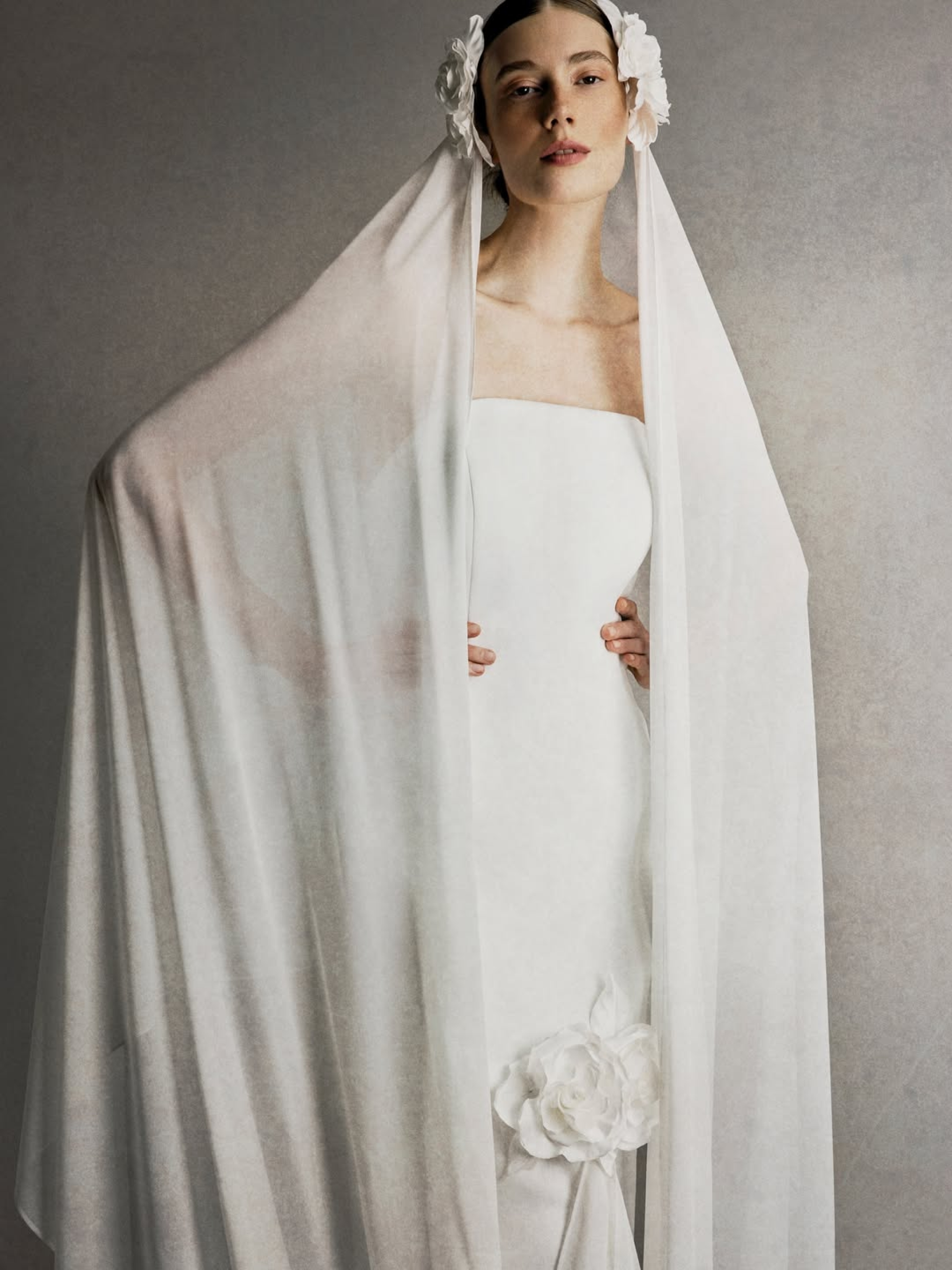
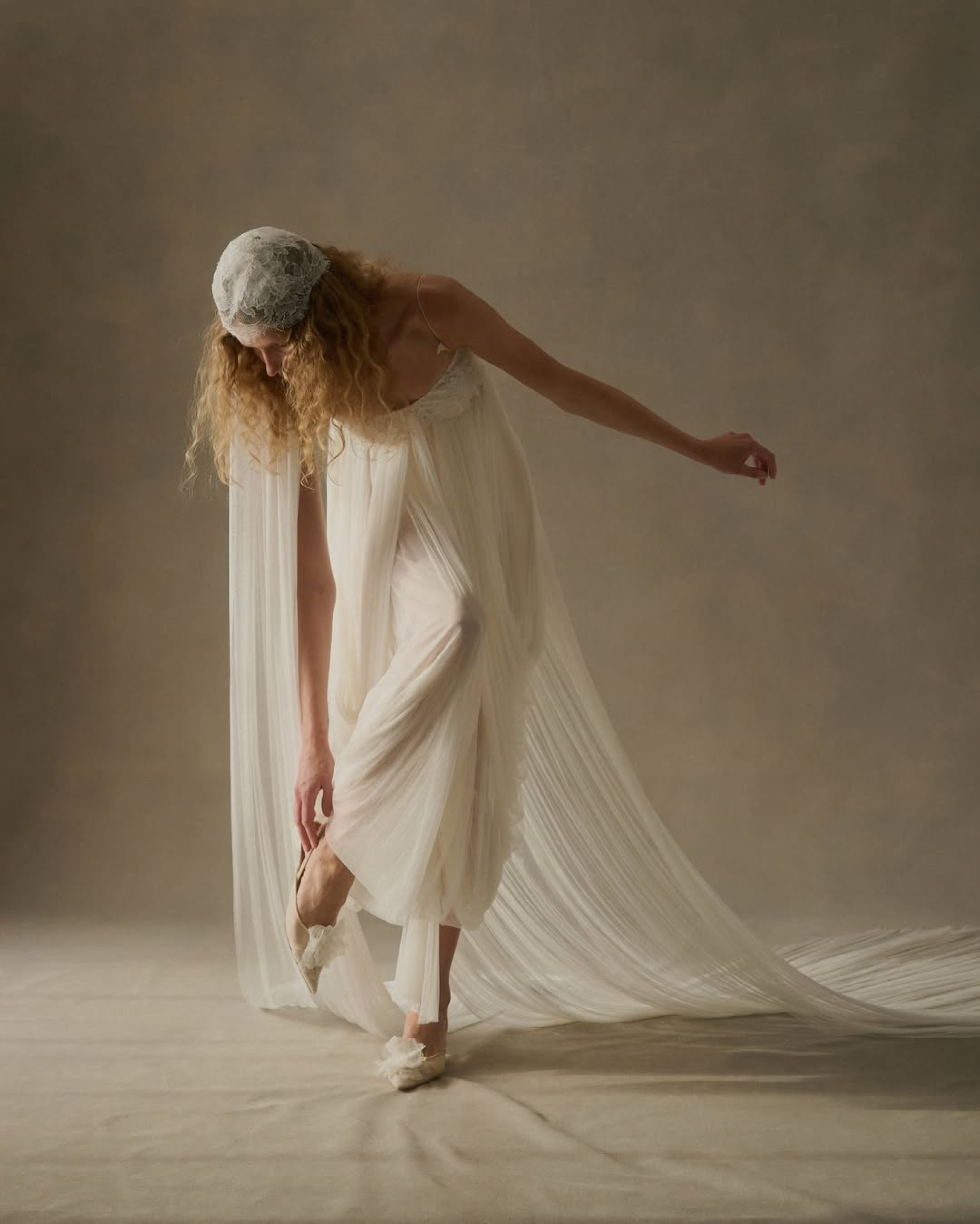
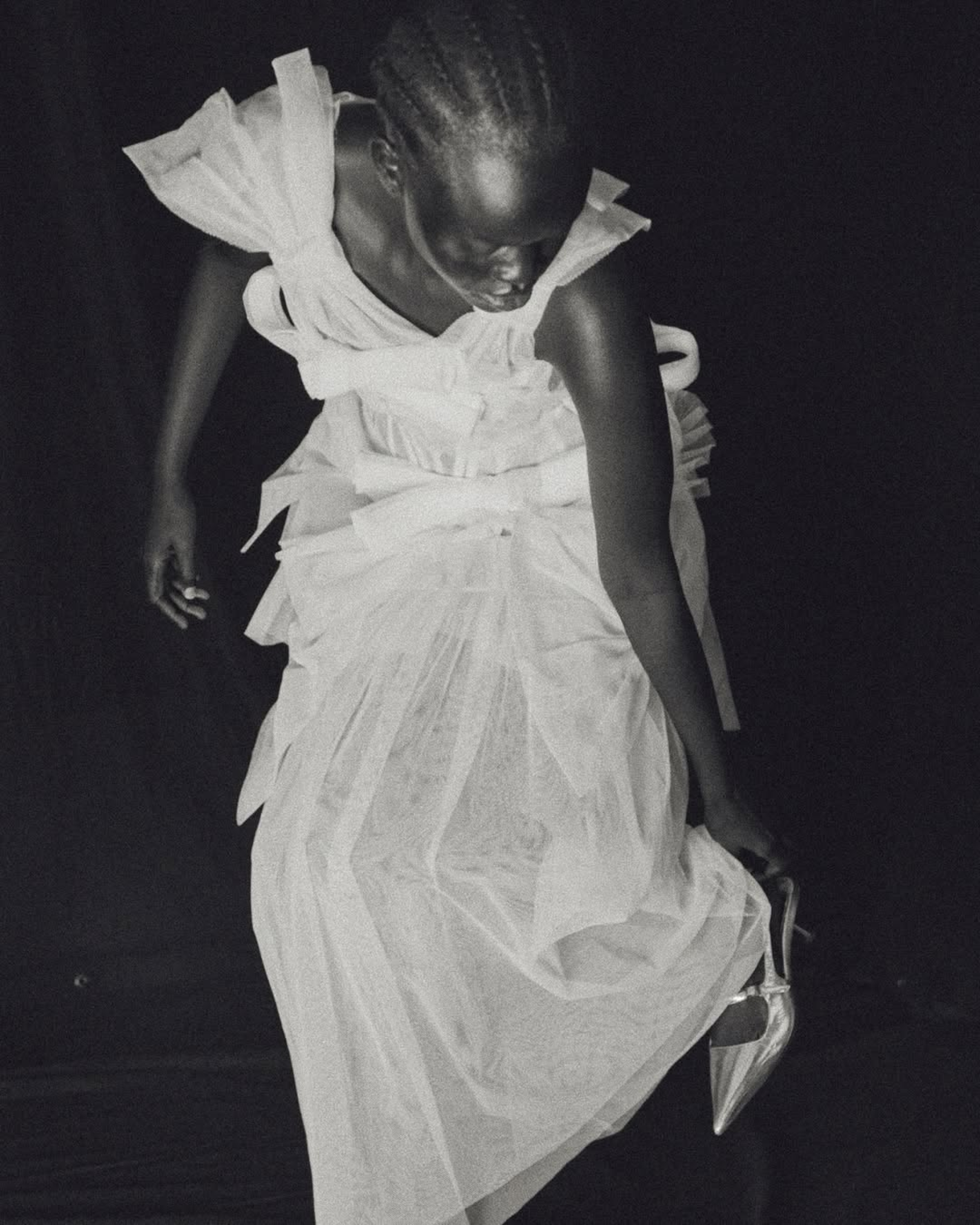
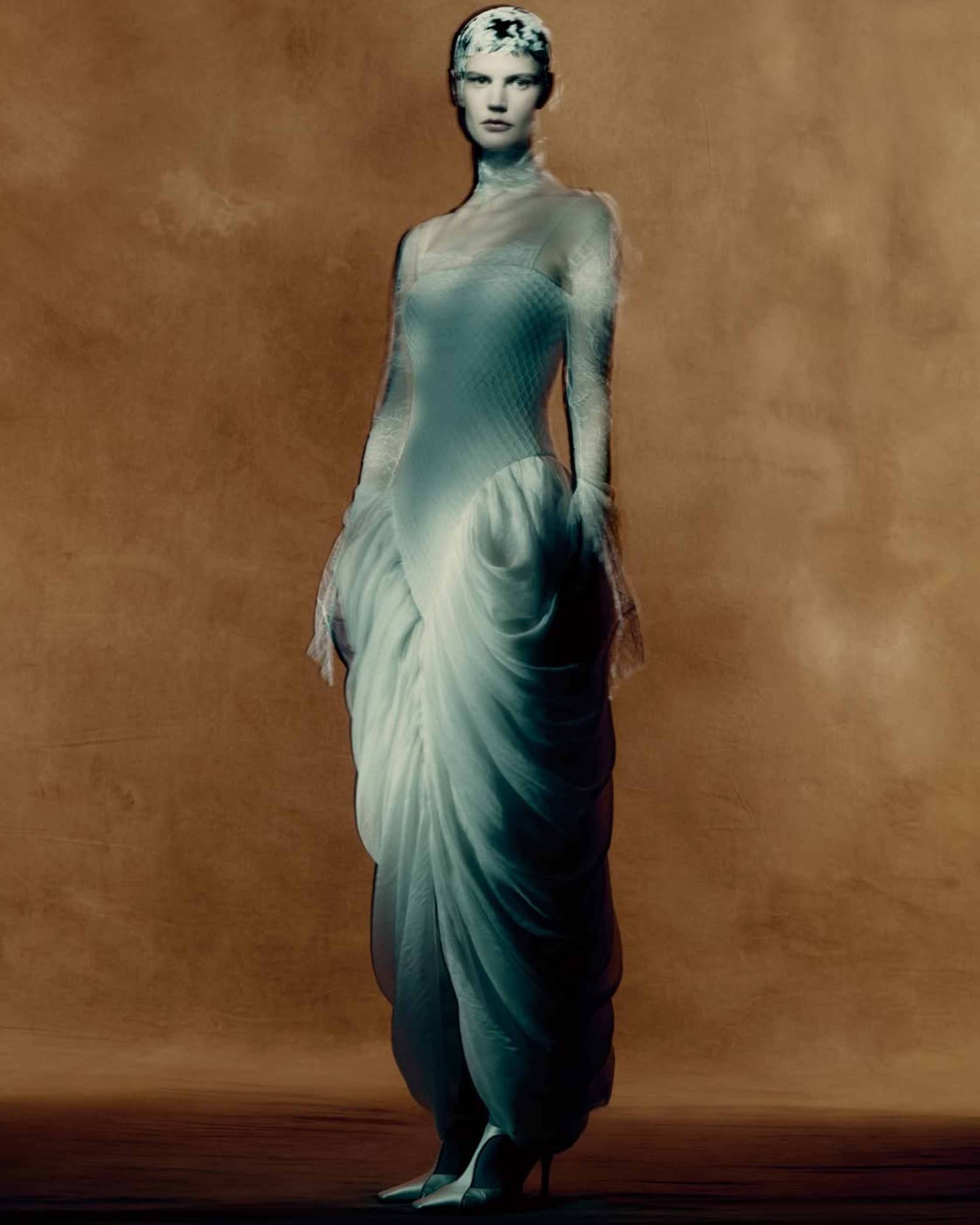
A wedding dress rarely exists on its own. The elements around it, from a veil and train to detachable sleeves or soft, flowing layers, can completely change the mood of the look. Sometimes the detail you think might be “too much” is the one that brings the whole thing to life. “Many modern brides are initially hesitant about traditional bridal elements such as a veil or a dramatic train. Yet these details have a unique ability to transform a look, adding movement, dimension, and a sense of occasion that photographs beautifully,” says Monetre. “A wedding day is one of the rare moments in life when romance can be embraced without restraint. Sometimes it is the sweep of a train, the softness of a veil, or the movement of fabric that creates that unforgettable bridal moment and leaves a lasting impression long after the celebration ends.”