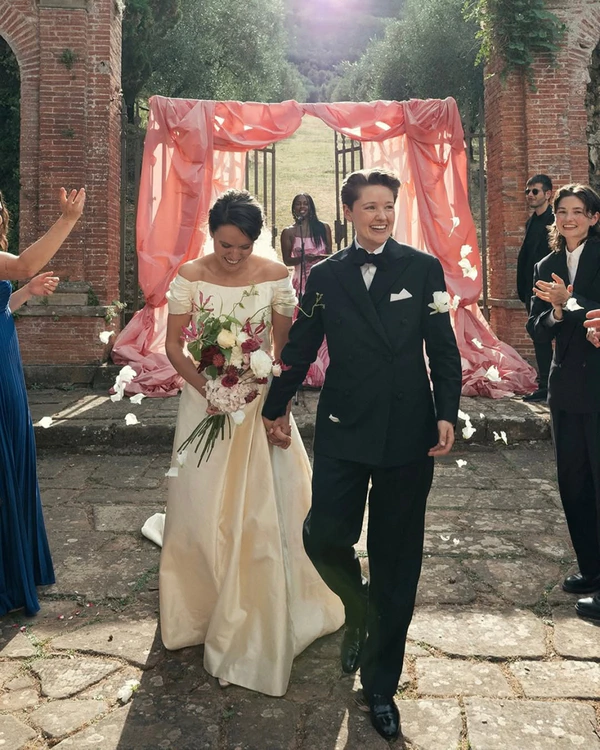
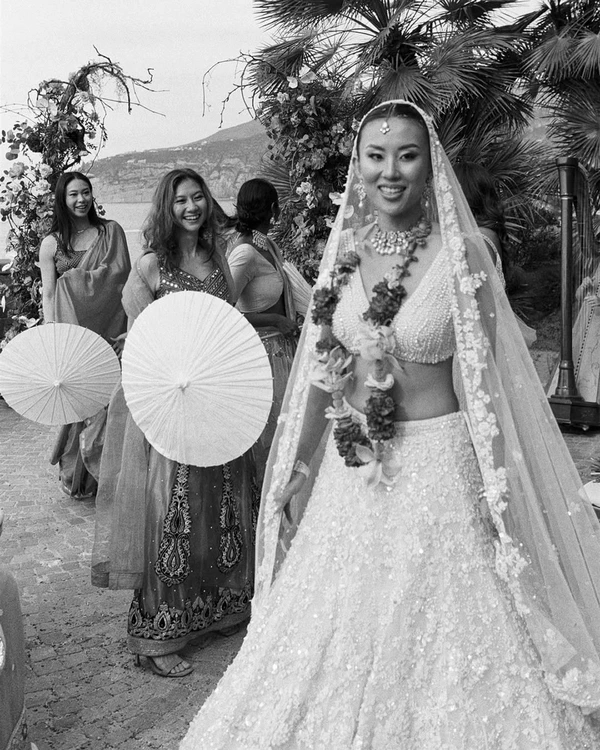
Weddings sit at the intersection of the profoundly intimate and the highly professional. They are all at once emotional, symbolic, and often reflective of a couple’s identity, values, and community. Yet, they are also built through contracts, services, and close working relationships with vendors. In today’s political climate, where issues such as immigration enforcement, LGBTQIA+ marriage, and religious freedom are widely discussed and often polarizing, some couples are beginning to ask a new question: "Does alignment on values with my wedding vendors matter to me?" The answer is not always universal, but it is worth examining with care. Here is everything to consider when booking vendors in today's political climate.
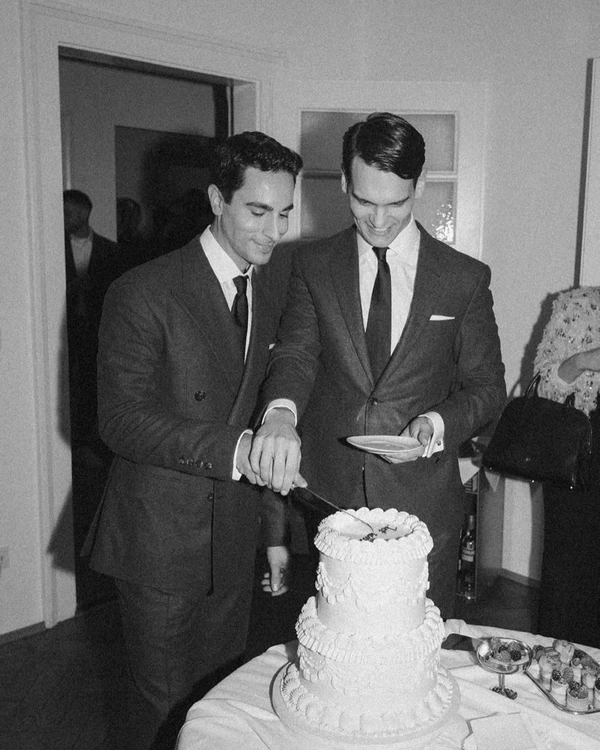

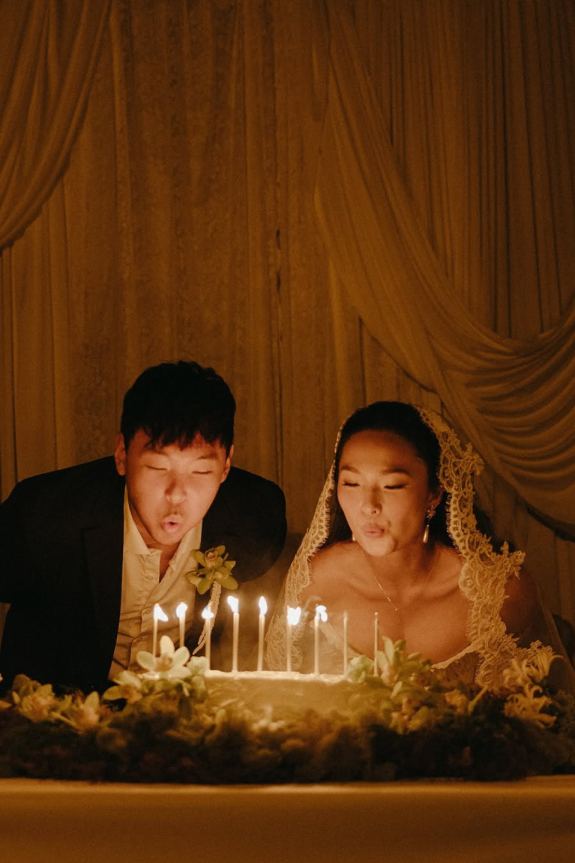
Photography: Katarina Fedora
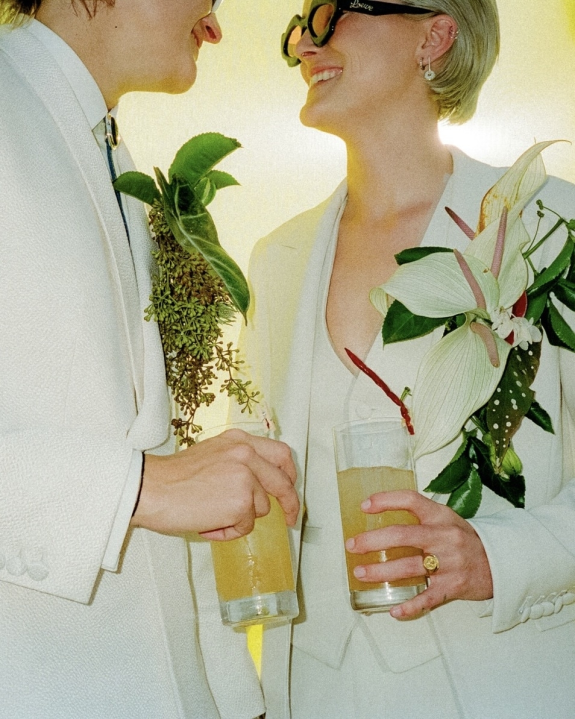
Photography: MCW Photocinema
Start by Defining Your
Non-Negotiables
Before evaluating anyone else’s values, couples should first clarify their own. A wedding can carry strong meaning around identity, family structure, faith, nationality, and legal recognition—especially for multicultural couples, immigrant families, or same-sex partners. For some, political issues are abstract; for others, they directly affect safety, legality, or dignity. That difference shapes how important alignment may feel. Rather than asking “Do they agree with us politically?” a more useful question is: “What conditions are necessary for us to feel respected and safe?”
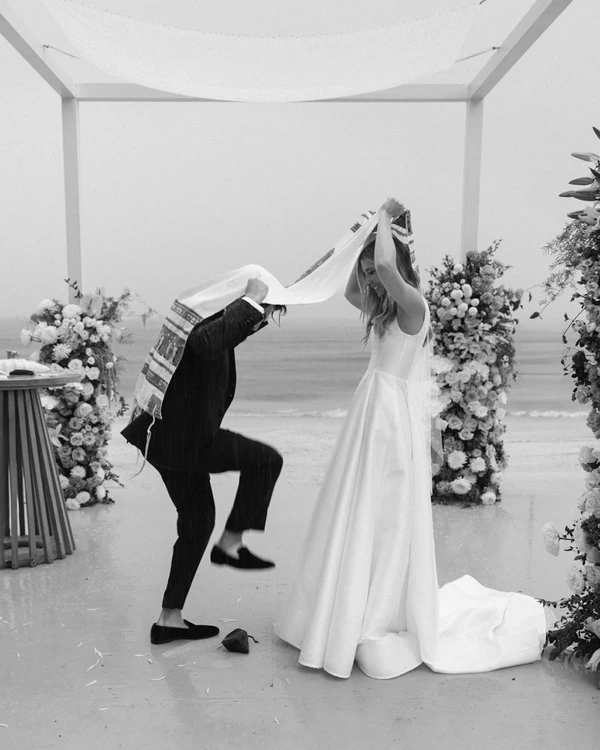
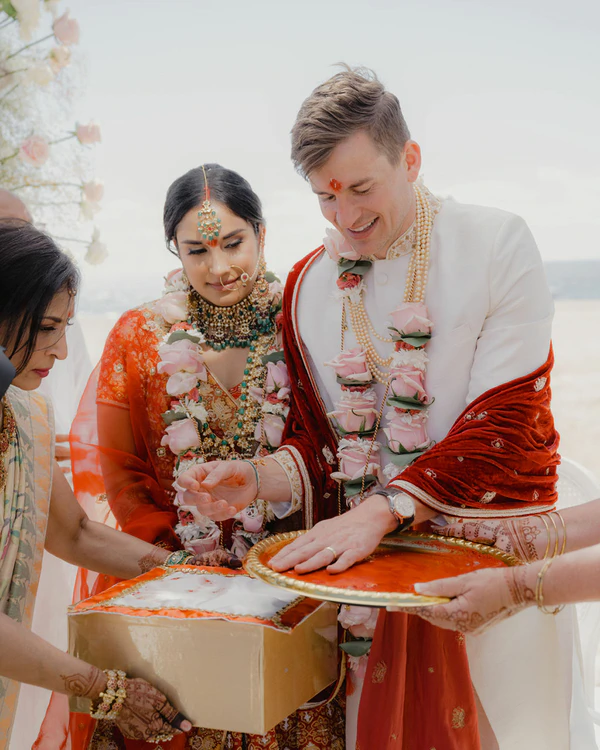
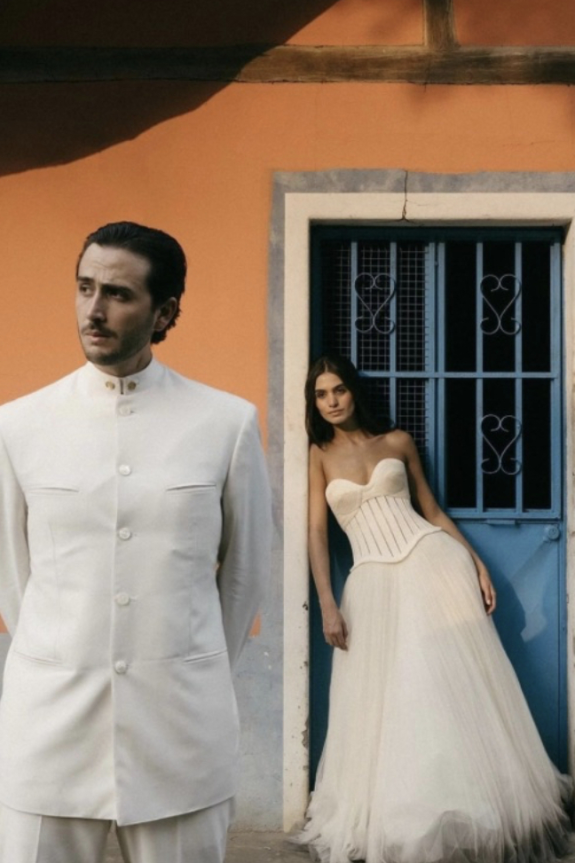
Photography: Robert Marcillas
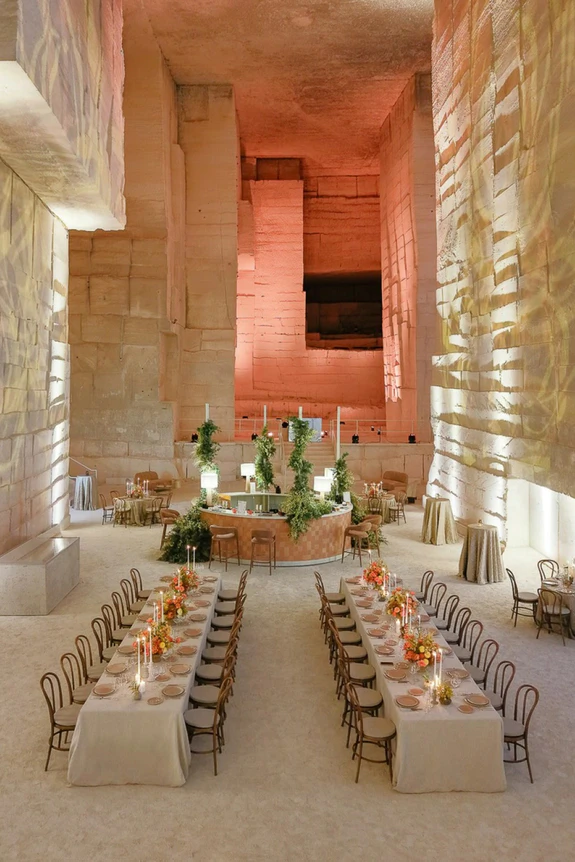
Photography: Mili Ghosh
Vetting Vendors
Vendors, like couples, are individuals with personal beliefs, but their professional responsibility is to deliver services fairly, respectfully, and competently. For many couples, particularly those from marginalized communities, feeling genuinely safe, seen, and supported by the people involved in their wedding is not simply a preference, but an essential part of the experience. While a photographer, planner, caterer, or designer may hold personal political or religious views that never surface in their client work, couples are equally entitled to seek vendors whose values align with their own sense of comfort and inclusion. Weddings are deeply personal environments, and the people involved play a meaningful role in shaping how supported a couple feels throughout the process.
Professional standards such as inclusivity policies, anti-discrimination practices, and thoughtful client care remain critical indicators of professionalism. Equally, open conversations and thoughtful vetting allow couples to understand not only how vendors operate, but how they show up for their clients in practice. The right partnership balances expertise with shared respect, ensuring every couple guest feels respected and welcomed. Evaluating both conduct and values allows couples to make informed decisions that protect not only the logistics of their day, but the emotional experience surrounding it.

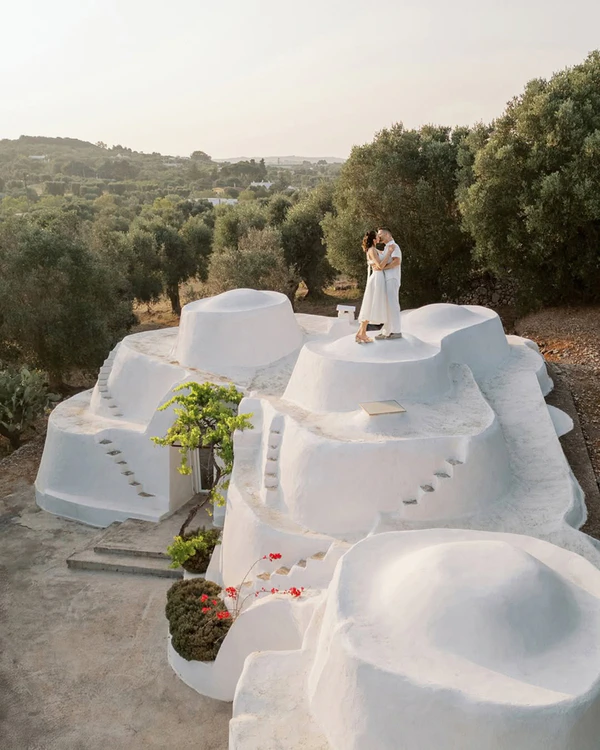
Content: Gizem Akdag
Photography: Julia Kaptelova
Research Signals &
Avoid Assumptions
It is reasonable to look for indicators of a vendor’s working values. Websites, public statements, portfolio diversity, inclusive language, and prior client testimonials can offer meaningful insight. Some vendors clearly communicate on their socials or website their position on topics such as serving same-sex weddings or working across religious traditions, which can be helpful for transparency. At the same time, the absence of a public statement does not necessarily mean opposition or support. Not every business communicates political or social positions openly, so research should inform your understanding, but not replace direct communication. Open, honest conversations during the enquiry process allow couples to ask questions, express expectations, and ensure everyone involved feels aligned, respected, and confident moving forward together.

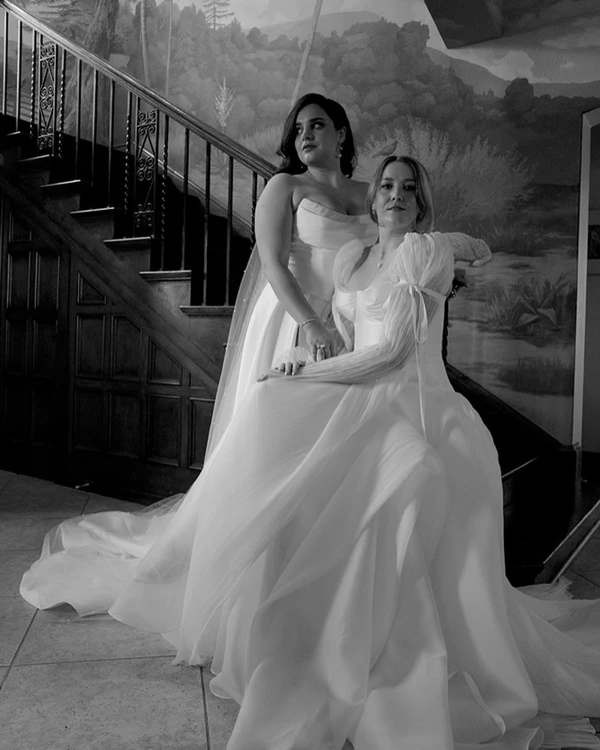
Photography: Samantha Rivieccio
Photography: Dennis Roy Coronel
How to Have Respectful Values
Conversations With Vendors
If alignment is important to you, it's entirely acceptable to ask value-based questions during the enquiry phase. For many couples, clarity around a vendor’s approach to inclusion, respect, and representation can feel essential rather than optional. Some couples may choose to ask direct questions about a vendor’s values or positions, while others prefer to frame conversations around service approach and client experience. Both are valid ways of ensuring comfort and confidence moving forward. Questions might explore how a vendor supports diverse couples, ensures inclusive treatment of guests, or navigates culturally or religiously significant traditions. What matters most is creating space for honest dialogue. Clear, respectful communication allows couples to understand not only how a vendor works, but whether they will feel genuinely supported throughout the process, helping build trust while protecting the experience of everyone involved.
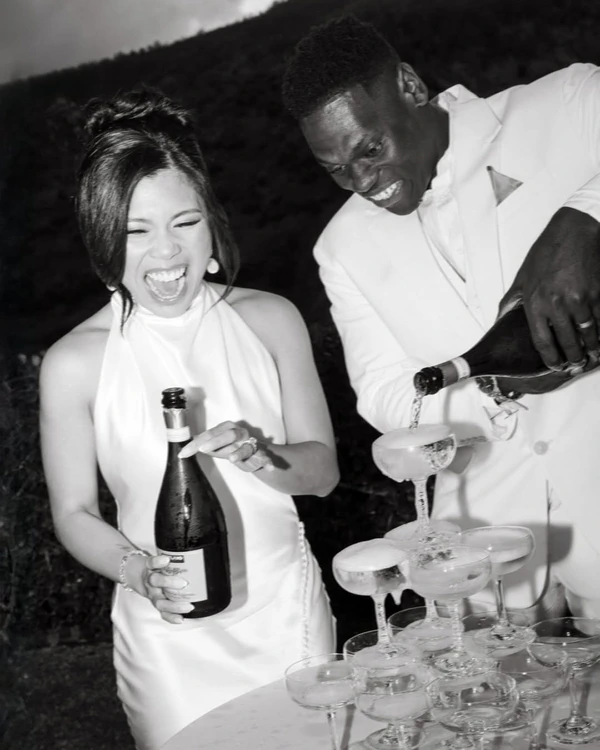
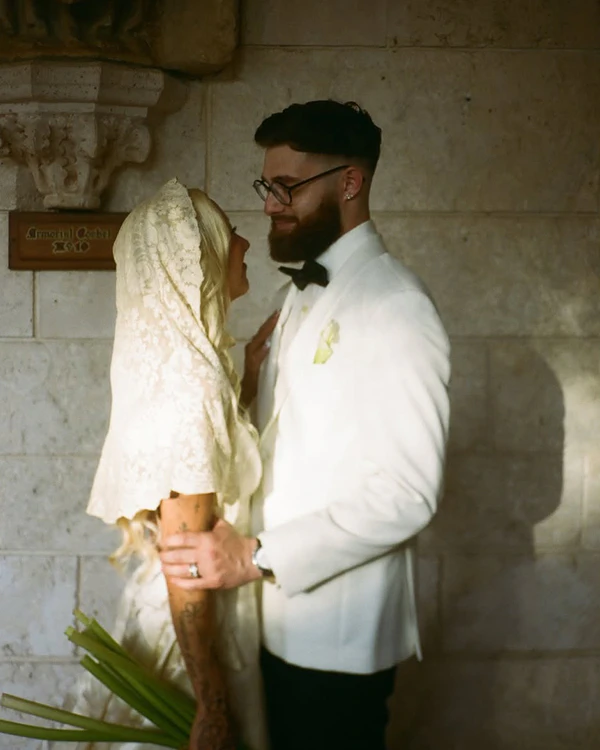
Photography: Masha Sakhno
Photography: Gypsy Lemon
What to Do If There is a
Misalignment in Values
Taking time to understand whether a vendor feels like the right fit can offer reassurance and clarity, particularly for couples whose identities, cultures, or communities may shape how safe and supported they feel throughout the planning process. Thoughtful vetting is not about creating conflict, but about ensuring trust from the outset. While differing personal beliefs do not automatically affect the quality of professional service, couples are entitled to prioritize collaborators who make them feel comfortable and respected. If concerns arise around communication, inclusivity, or service delivery, addressing them directly and early can help prevent misunderstandings later on. Beginning with open conversation and clarification, rather than assumption, often allows both parties to realign expectations. If concerns remain unresolved, couples can review contract exit clauses or request a reassignment within a vendor company where possible. Vendors, likewise, may decline work that falls outside their stated service scope or values, ideally during the inquiry stage so expectations remain clear for everyone involved.
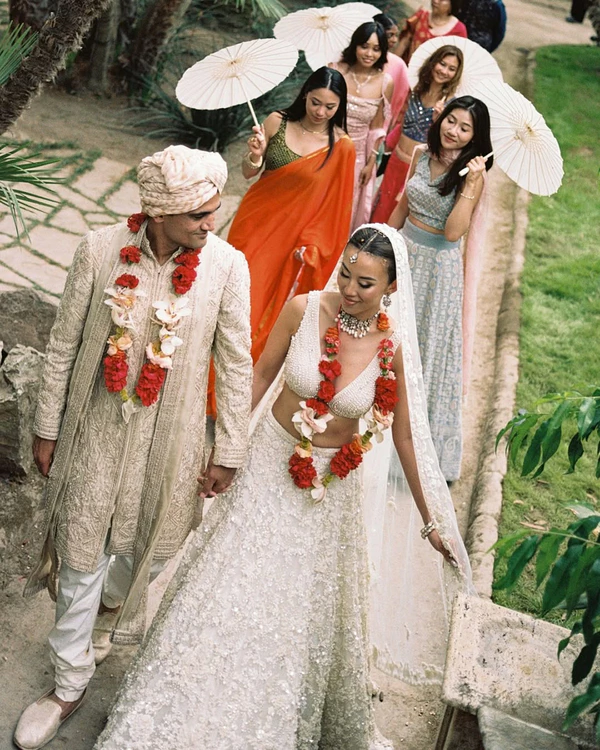
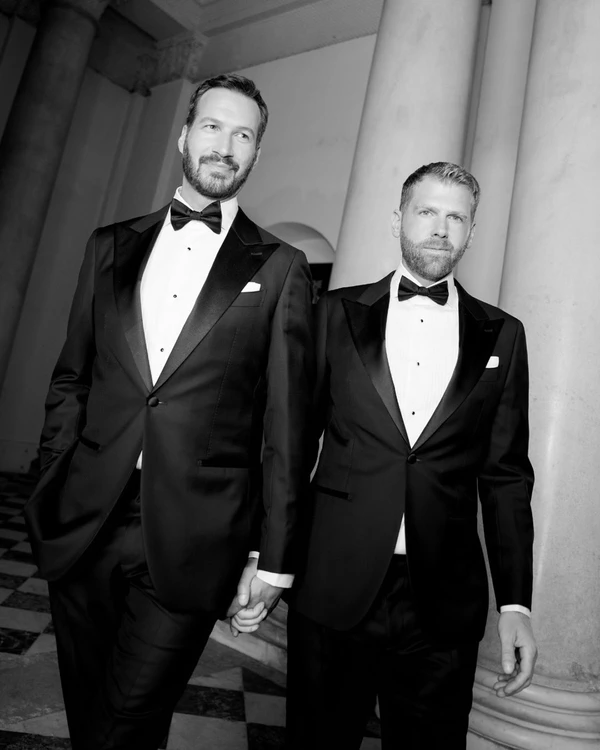
Photography: Samantha Rivieccio
Photography: Veo Media
Creating a Safe &
Welcoming Environment
A wedding environment extends beyond the couple themselves, encompassing guests, families, and the wider vendor team. For many couples, particularly those within LGBTQI+ or culturally diverse communities, broader social and political realities can intersect with deeply personal considerations, from legal marital recognition and immigration concerns to gender identity and religious practice. Ensuring that everyone present feels safe, respected, and able to celebrate openly is often an essential part of the experience. Clear expectations and thoughtful planning can help support this. Inclusive guest communication, culturally aware timelines, respectful pronoun use, and transparent vendor codes of conduct all contribute to creating a welcoming environment. Vendors, in turn, can play an important role by clearly communicating their service commitments, inclusivity practices, and escalation procedures should concerns arise, helping couples feel confident that care and respect extend to every person involved.
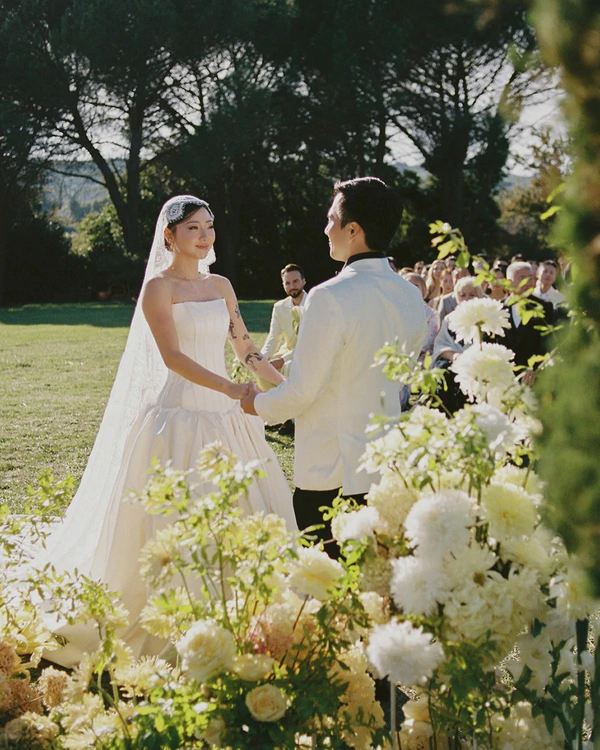

LaLindi Events, Photography: Silvia Poropat
Drap.d