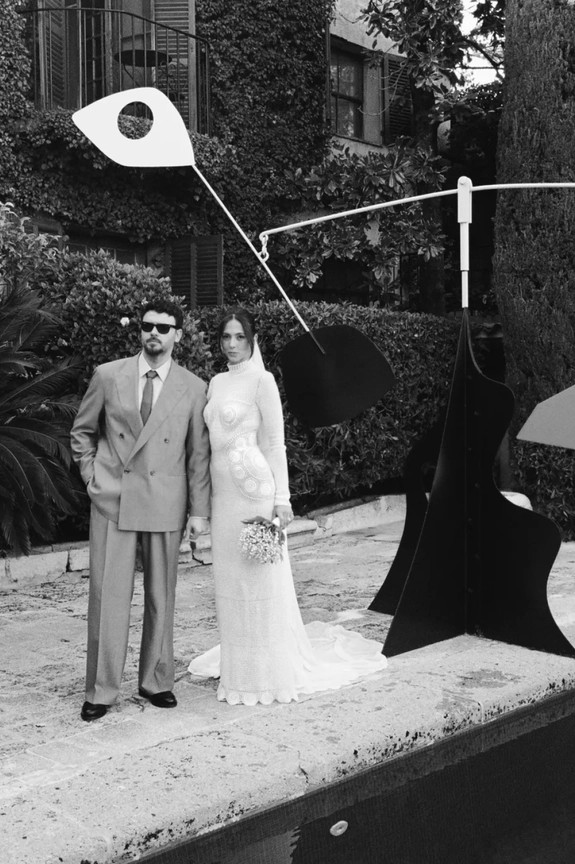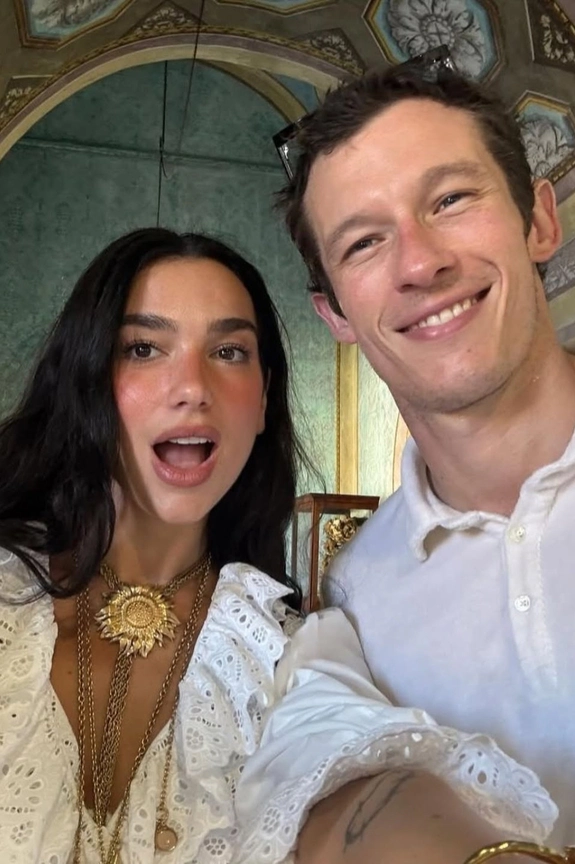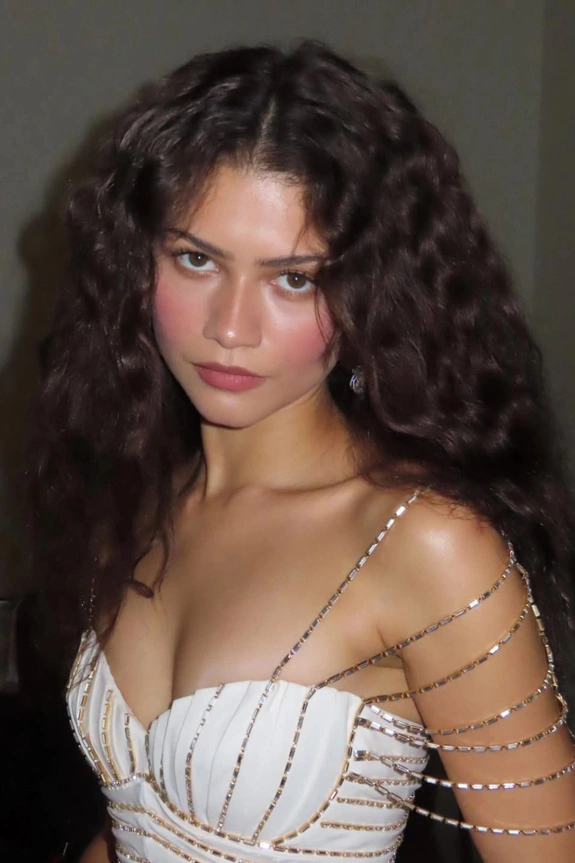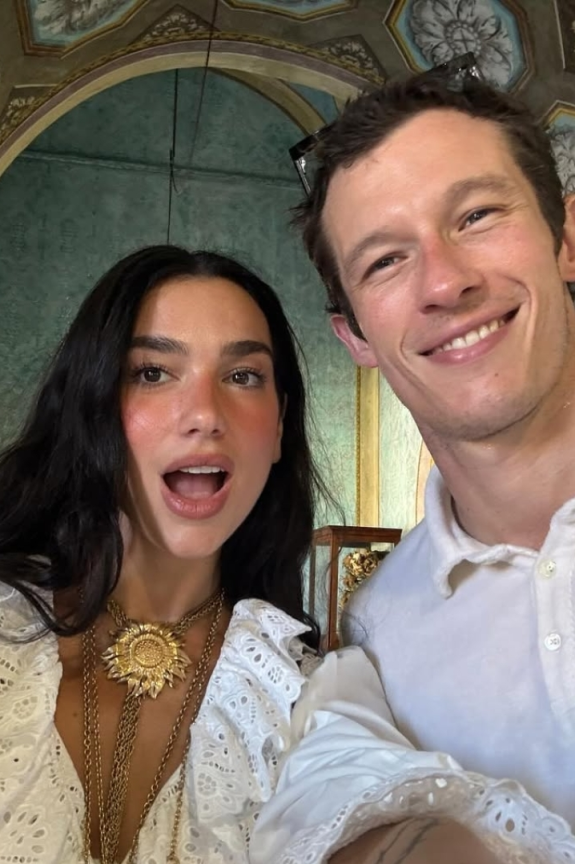
Something has shifted in the air, and it smells faintly of florals, tulle and white lace. One scroll on Instagram, a glance at the awards season, or a night at the cinema and you’ll notice it immediately: weddings are everywhere. They’re showing up on runways and red carpets, in film and television, woven through music videos and live performances, echoed in celebrity engagements, rumored weddings, and the way we dissect every ring, dress, and guest list detail online. It seems no matter where you look, someone, somewhere, is about to say “I do”, and it’s starting to feel less like coincidence, more like a cultural fixation. So why are weddings trending so hard right now?
The On-Screen Wedding Era
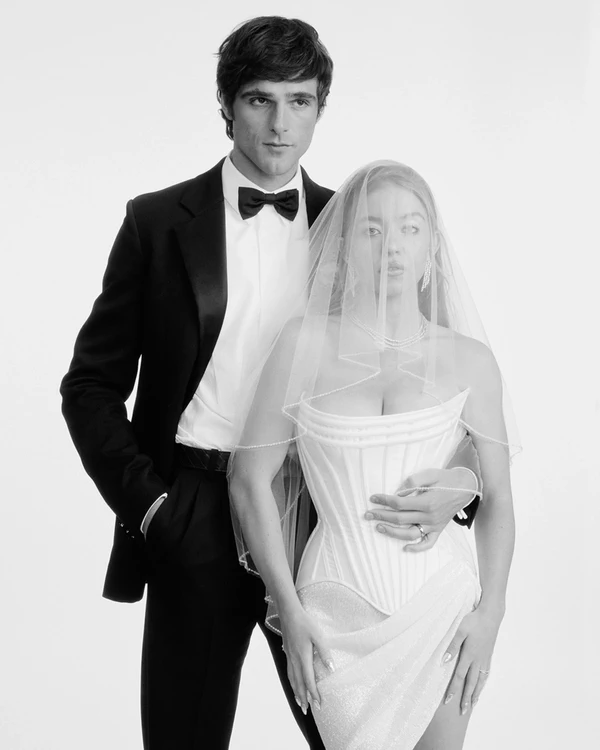
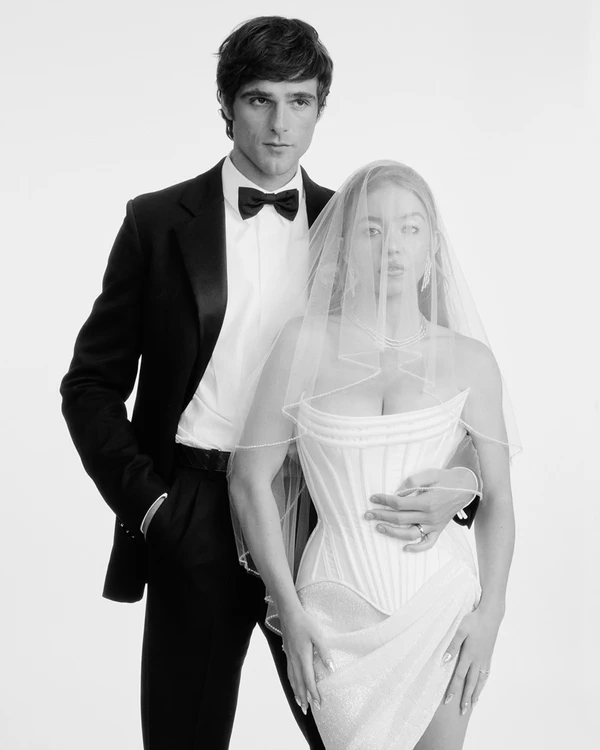
Weddings and romance have always had a place on the silver screen, the inevitable crescendo, the closing scene, the promise of what comes next. But something has shifted since the turn of 2026. What once leaned into cliché has taken a darker turn, with weddings no longer framed as fairytale endings, but as something more complex, more loaded, more open to interpretation. They have moved from being the final chapter to the main character, no longer just a backdrop, but the point everything revolves around. Brides front and center, ceremonies set in motion, aisles charged with tension quietly took over the screen, slipping into storylines with the kind of inevitability usually reserved for plot twists.
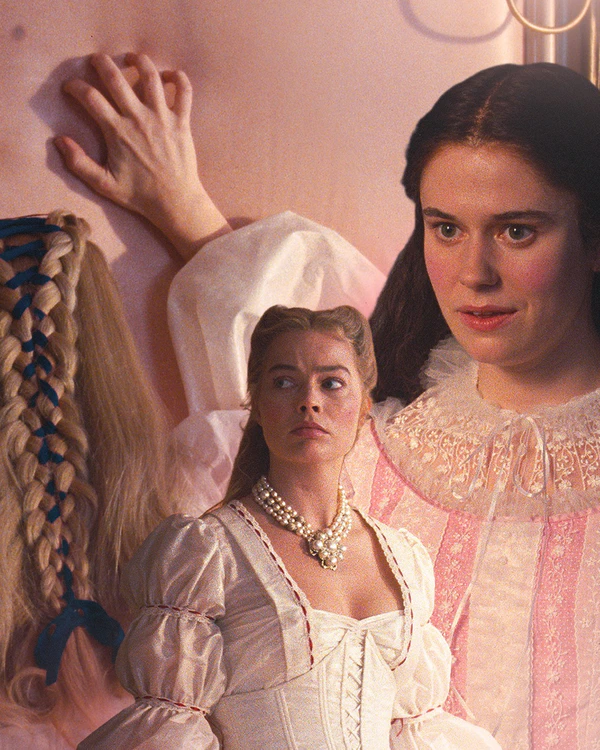
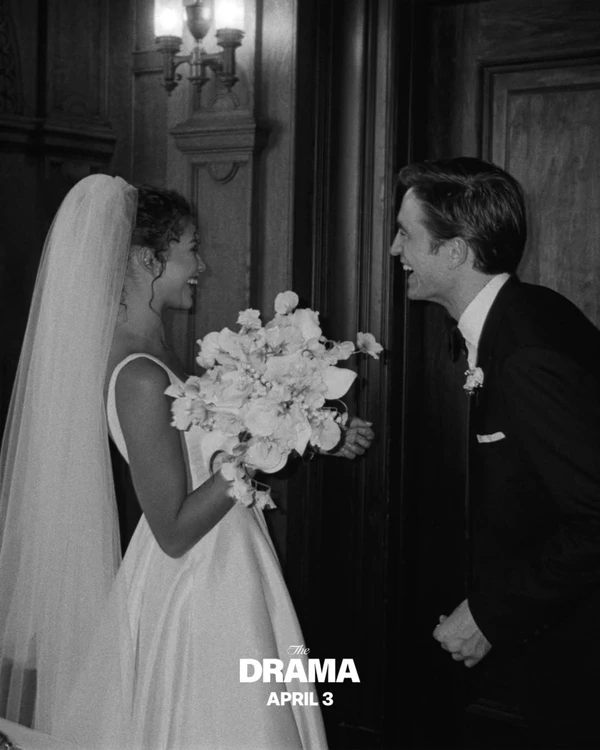
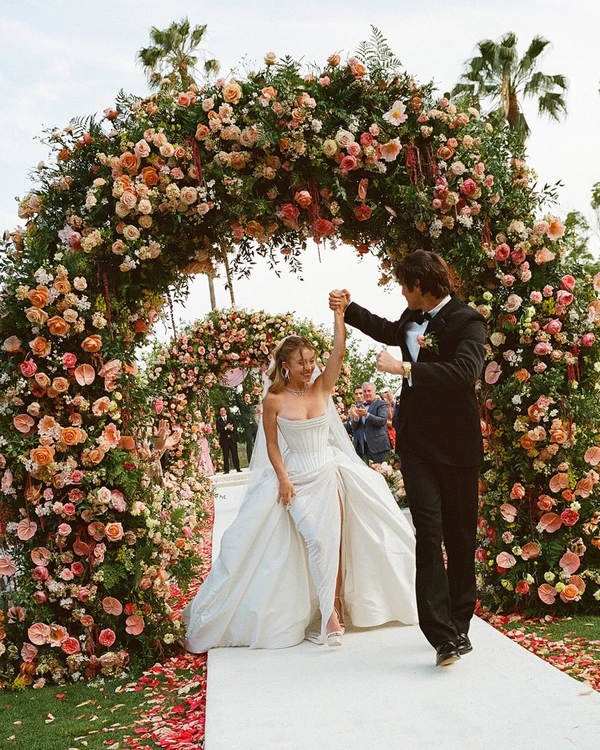
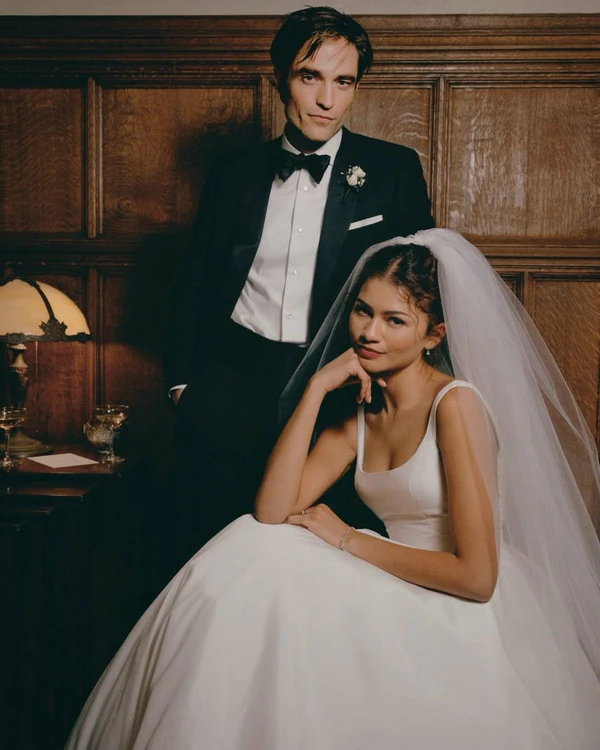
'Wuthering Heights' returned dressed in bridal drama and doomed romance, 'Love Story' had us all nostlagic for Carolyn Bessette-Kennedy's and John F. Kennedy Jr.'s whirlwind romance, while 'Euphoria' most recently delivered a wedding moment that still has us questioning what $50,000 of florals really gets you. Zendaya's and Robert Pattinson's 'The Drama' and Netflix's 'Something Very Bad Is Going to Happen' built its entire tension around the wedding, like a screaming warning for the big day, the moment everything started to truly unravel. Even 'The Bride' strips the idea of marriage back to something more unsettling, a partnership constructed, questioned, and ultimately resisted.
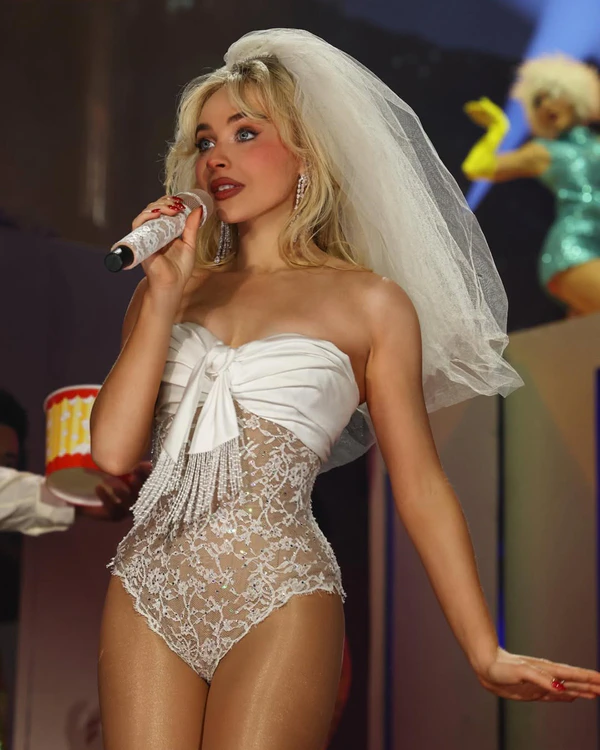
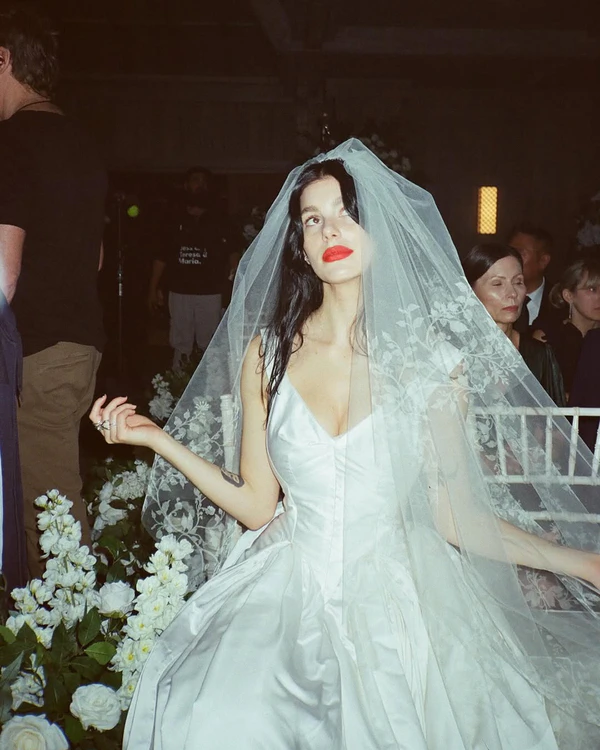
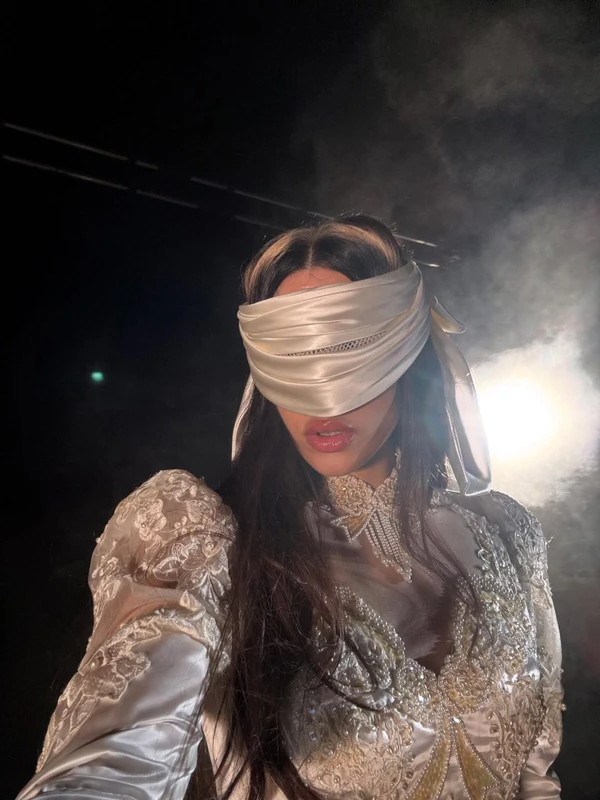
Beyond the silver screens, artists, celebrities, and influencers are embracing bridal-inspired looks for their red carpet appearances and performances as well. When Sabrina Carpenter walked on stage at Coachella in a lace bodysuit and veil, it needed no explanation as an instant pop-cultural callback, a knowing nod to Madonna and her iconic bridal moment at the VMAs. While Rosalía donned a vintage 80s wedding dress and Cinq veil in her latest music video for her song 'Focu Ranni' and a corseted Vivienne Westwood bridal gown at her Brit Awards performance, both a haunting homage to the runaway bride.
The Celebrity Wedding Industry Complex
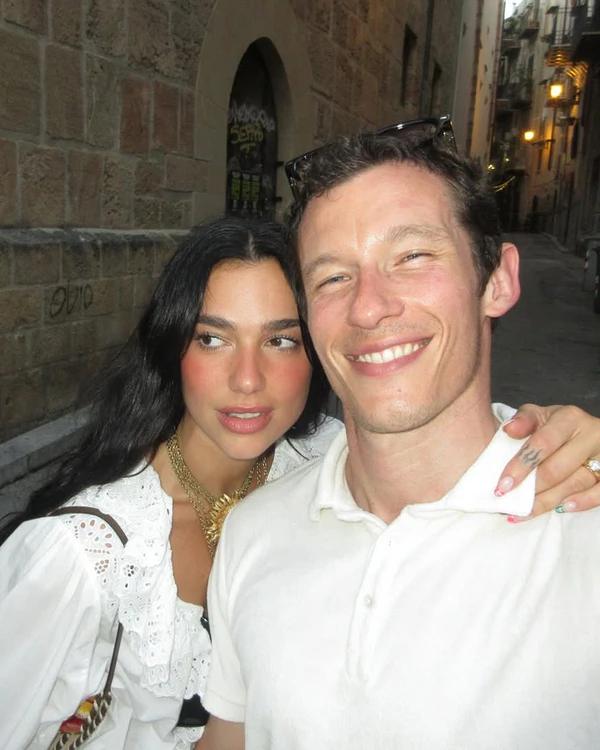
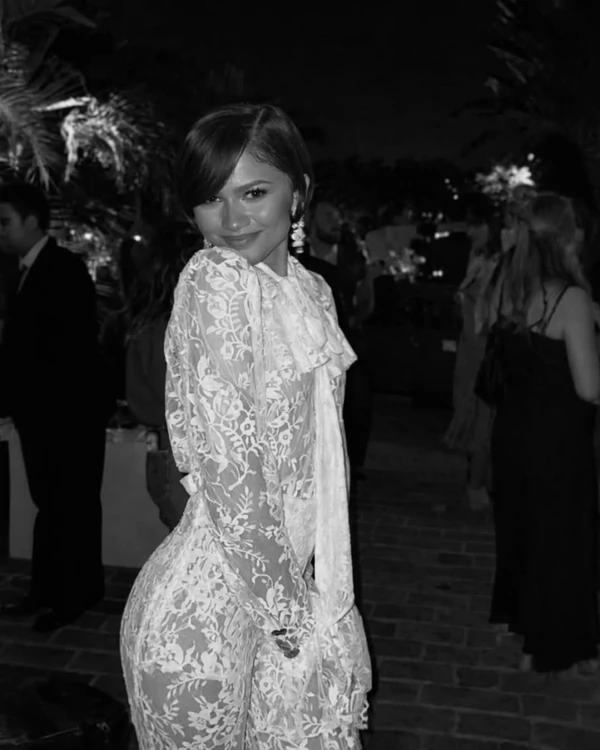
And then there is the elephant in the room: the weddings we are all quietly, obsessively waiting for (Zendaya, Taylor Swift, Dua Lipa, Harry Styles just to name a few). Whether or not any of them have said a word about their wedding, the internet has already imagined it and debated the dress, the aesthetic, the vibe, and the venue. Rumors circulate across Instagram and Reddit, speculating about when and where these weddings take place—or wondering if maybe they already have in secret.
Celebrity weddings have long operated as cultural flashpoints, moments where fantasy, aspiration, and narrative converge. What feels different now is the context around them. Social media has intensified access while simultaneously reinforcing distance, turning these events into rare glimpses into A-lister's lives that are otherwise tightly controlled and deliberately out of reach. That tension, between visibility and restriction, reality and projection, is undeniably feeding the current wave of bridal storytelling across culture. The appetite is already there; the industry is simply reflecting it back, reframing the wedding as both spectacle and pressure point, a moment to be anticipated, performed, and, increasingly, unravelled.
Romance as a Response to Uncertainty
There's also a familiar cultural logic to all of this. During periods of collective societal anxiety—and we are, undeniably, in one right now—people reach for tradition, hope, and happiness, for something that says: this moment means something. There's no doubt that weddings offer that in abundance. They offer a rare sense of certainty in an otherwise unstable landscape, a ritual that holds its shape no matter what is shifting around it. It's a day full of love, joy and beauty, surrounded by people who showed up for you, on the day you've maybe been dreaming of your whole life. Even in times of worry and unrest, weddings are still taking place and gathering loved ones in the purest form of celebration. And perhaps that's why their presence feels so heightened right now, not just as events, but as symbols, something to hold onto, return to, and believe in.
The Illusion of the Perfect Ending
Weddings on screen have promised everything life rarely delivers: clarity, meaning, and a moment where it all comes together. In a reality defined by routine, pressure, and an ever-present digital hum, they offer something heightened, a world where every detail feels intentional, every emotion lands, and, at least for a moment, everything makes sense. The stakes are clearer, the visuals richer, the meaning more concentrated. On screen, weddings become a kind of shorthand for the life we imagine rather than the one we’re managing. The dress, the setting, the declaration, all dialed up, distilled, and perfected. It’s not necessarily about realism; it’s about aspiration, a version of connection that feels cinematic, decisive, and complete. And yet, the way these moments are being told now suggests something more layered. The fantasy still holds, but it’s no longer entirely convincing. There’s a quiet question running beneath it all: what happens when the moment that promises to resolve everything is also the one that reveals it doesn’t? That’s the real drama we’re yearning for now, something that feels real and unfiltered, or at least closer to it.
A Craving for Connection
in a Digital Day & Age
In a culture shaped by social media, where so much of life is experienced through screens, edited, filtered, and consumed at a distance, there’s a growing craving for true human connection. Digital life has a way of amplifying a quieter kind of loneliness, flattening experience and distorting intimacy into something observed rather than felt, everything weddings stand in opposition to. They represent something increasingly rare: a moment of real, physical presence and collective emotion, where attention isn’t divided and connection isn’t mediated. Pop culture’s turn toward wedding storylines taps into this collective longing, a shared language of closeness, ritual, and love that insists on pulling you in and immersing you in the love story.
The Ultimate Status Symbol
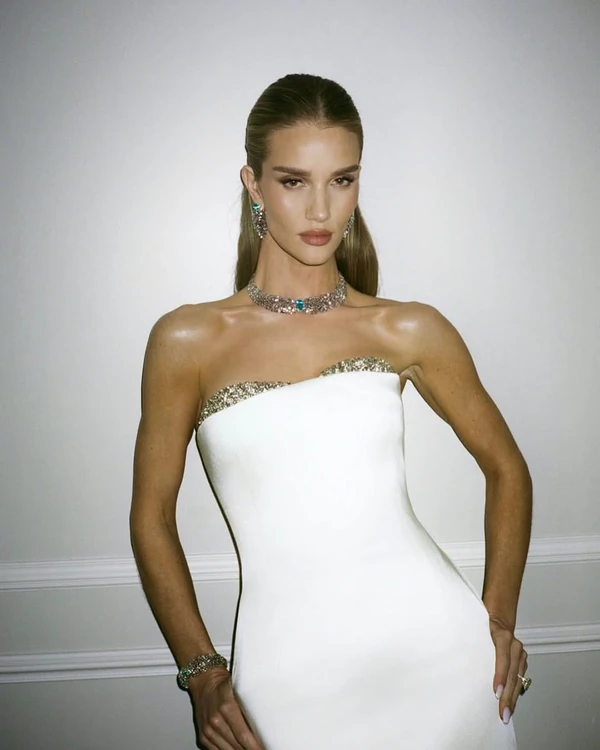
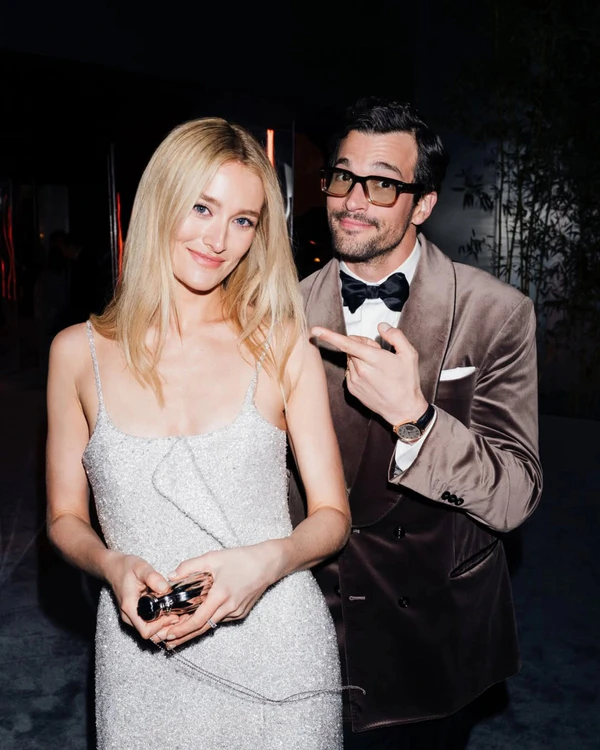
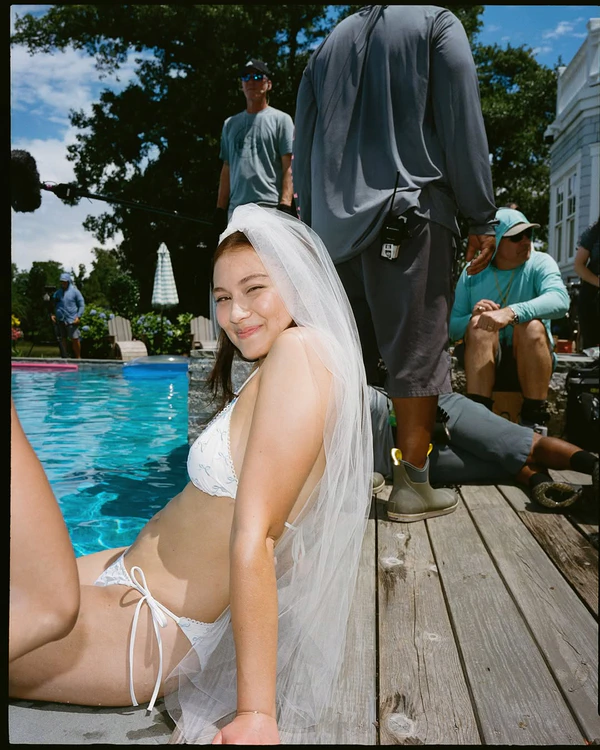
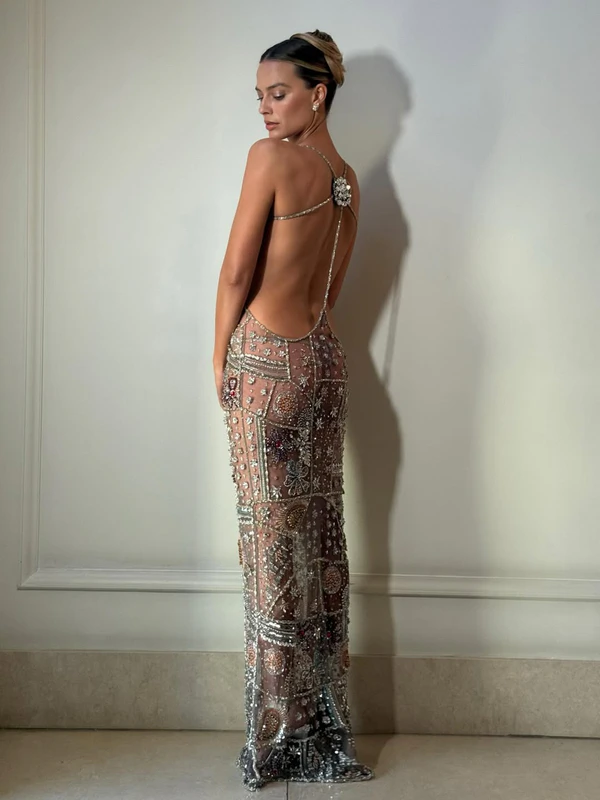
There’s also a more obvious, and harder to ignore influence at play. Weddings have become status symbols in their own right. What was once a private celebration has evolved into a full-scale production, an event designed not only to be experienced, but to be seen. Budgets have grown, expectations have expanded, and with them, the wedding has taken on a new role as a marker of taste, access, and, undeniably, wealth. Storytellers have reflected this, framing weddings and bridalesque looks in pop-culture as spectacles loaded with social meaning. The scale, the setting, the performance of it all becomes part of the narrative. And perhaps that’s why it feels so present right now, it offers something visually rich, culturally loaded, and instantly legible, in a setting where everything, from romance to power, can be expressed in a single, highly constructed moment.
Even Fashion is Paying Attention
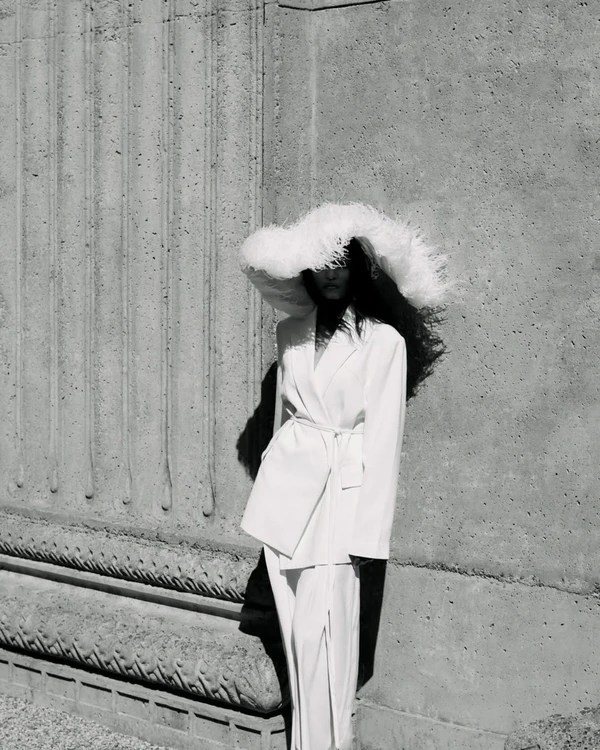
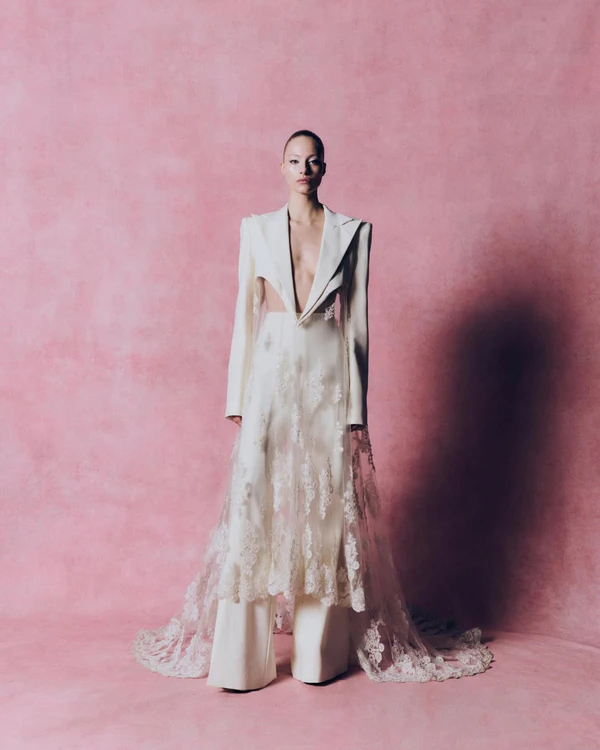
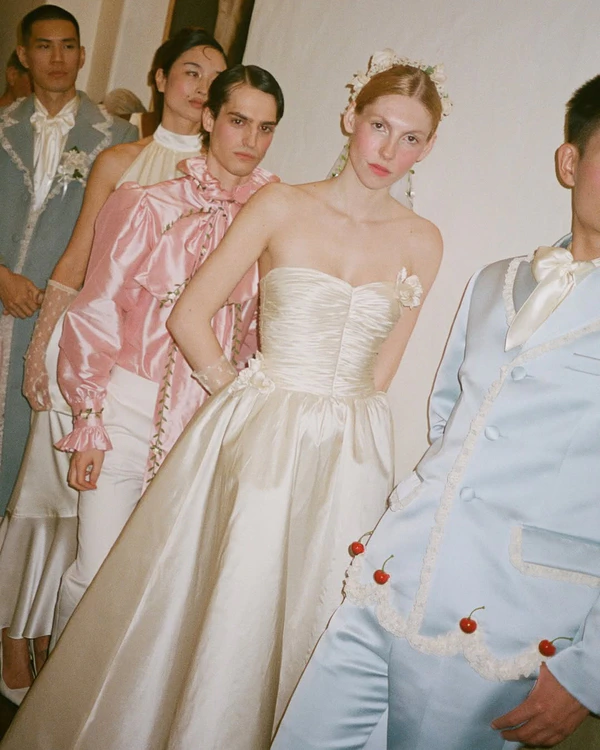
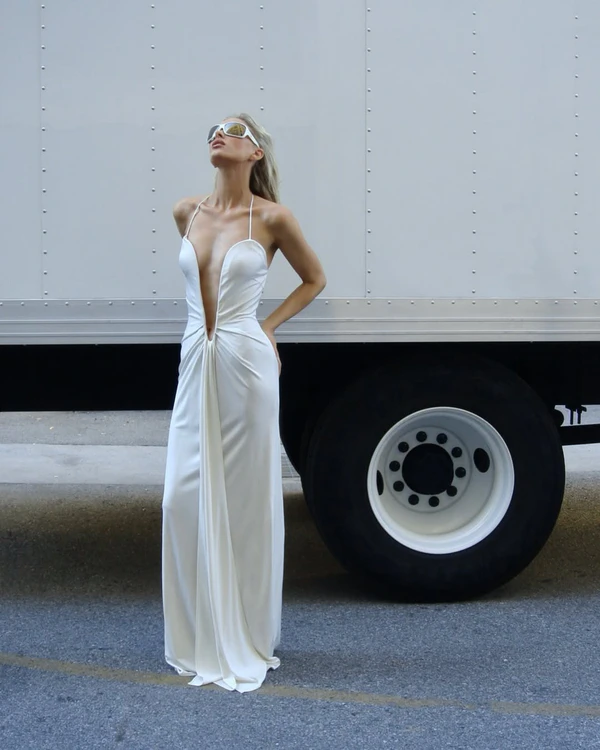
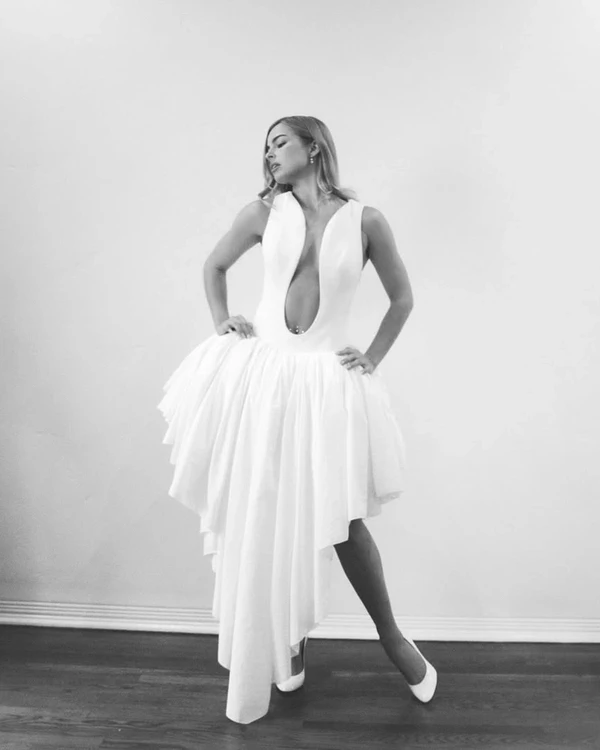
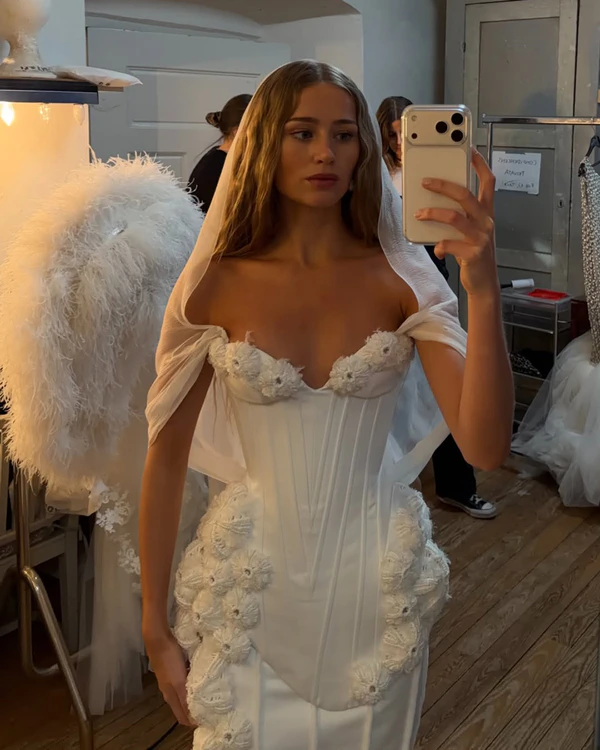
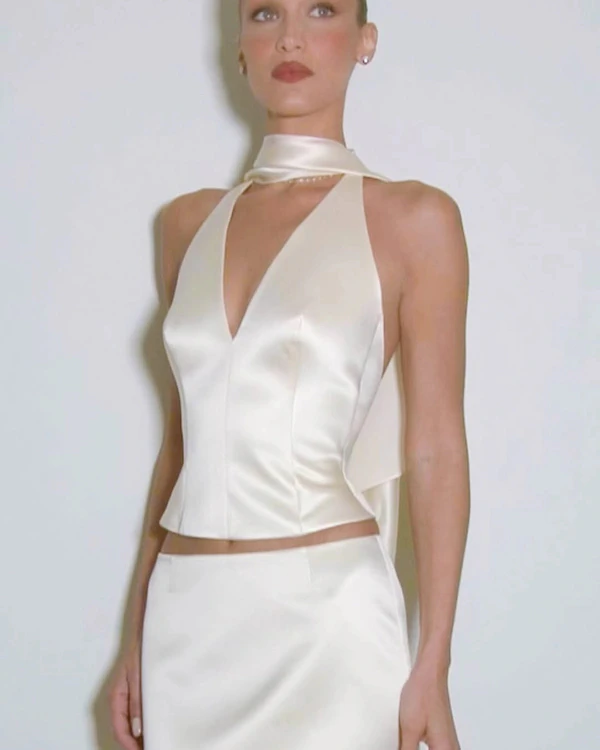
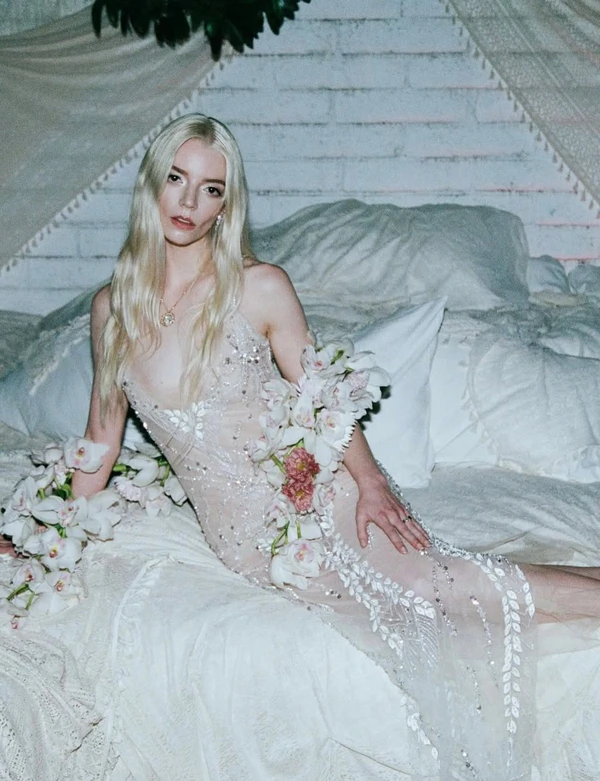
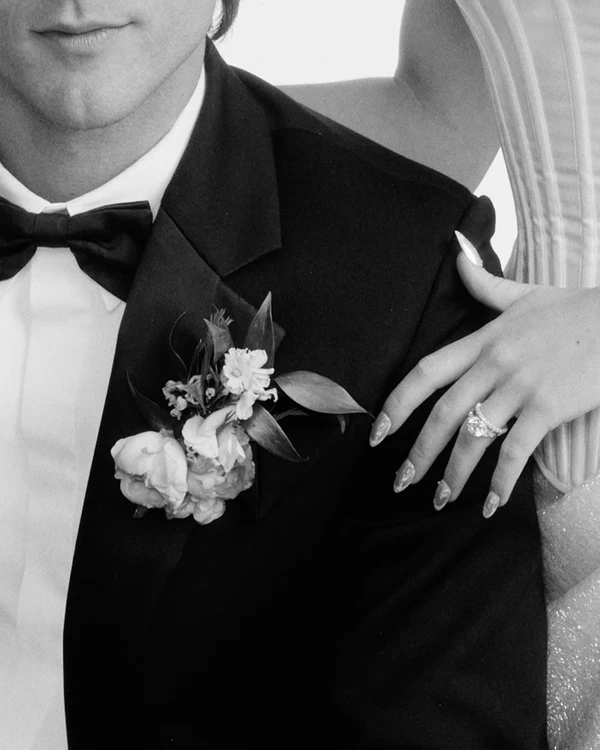
Perhaps the most telling sign that something has genuinely shifted is what's happening on the runway. Bridal has always existed within its own ecosystem, with dedicated fashion weeks, boutiques and a distinct editorial calendar. But the boundaries are no longer as rigid as they once were. Increasingly, we're seeing ready-to-wear brands step into the space, launching bridal capsules or weaving bridal-coded pieces directly into their main collections.
Designers such as Wiederhoeft, Harris Reed, Cult Gaia, Jacquemus, New Arrivals, Clio Peppiat and Christopher Esber have hard launched dedicated bridal lines, each translating their signature aesthetic into something specifically designed for the modern bride. Meanwhile, the likes of Helsa Studio, Khaite and Moda Operandi have folded bridal looks directly into their mainline collections, treating the wedding not as a separate category, but as part of a broader approach of the modern woman's wardrobe. Together, it signals a clear shift: bridal is shedding its outdated stigma as a category apart, stepping into the cultural and fashion conversation.