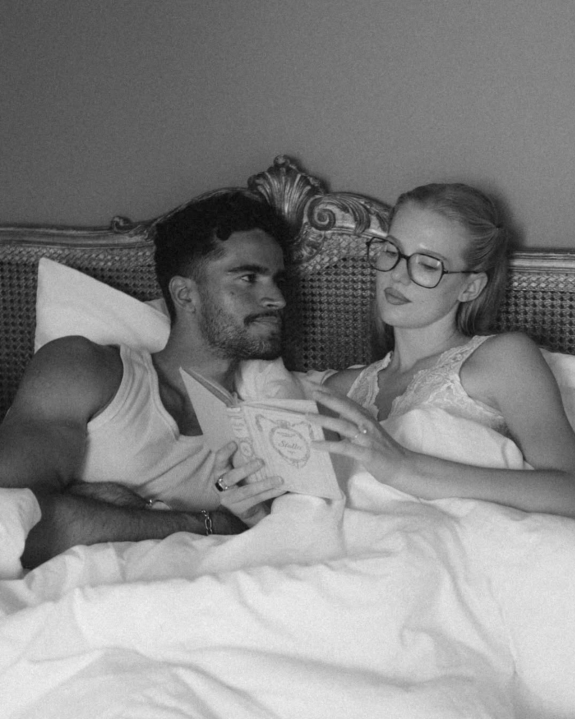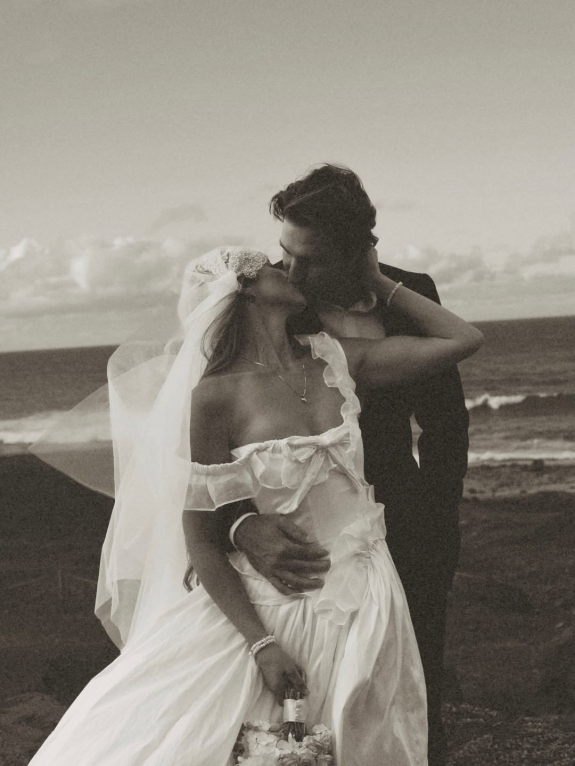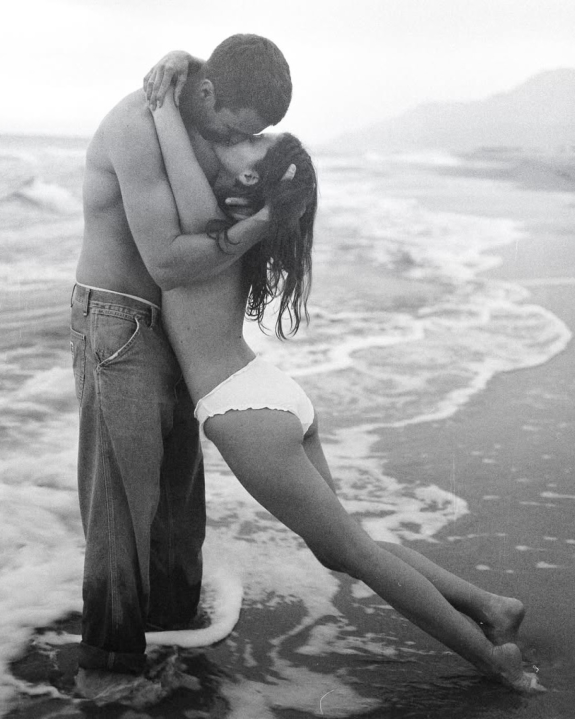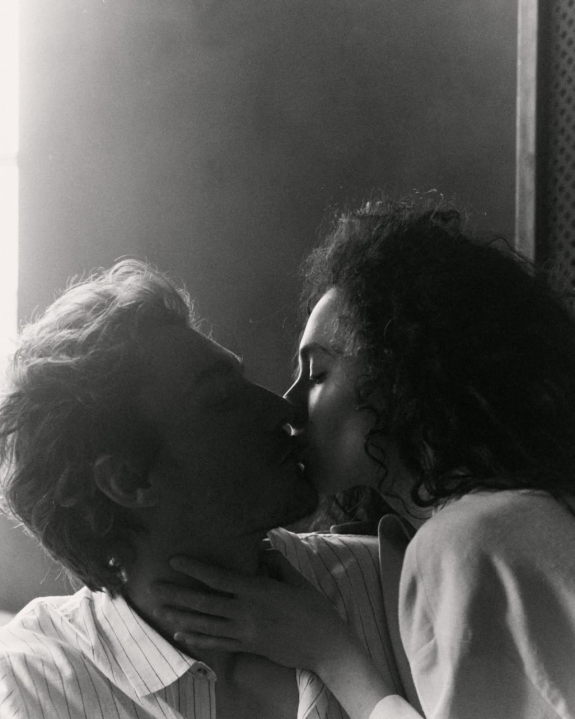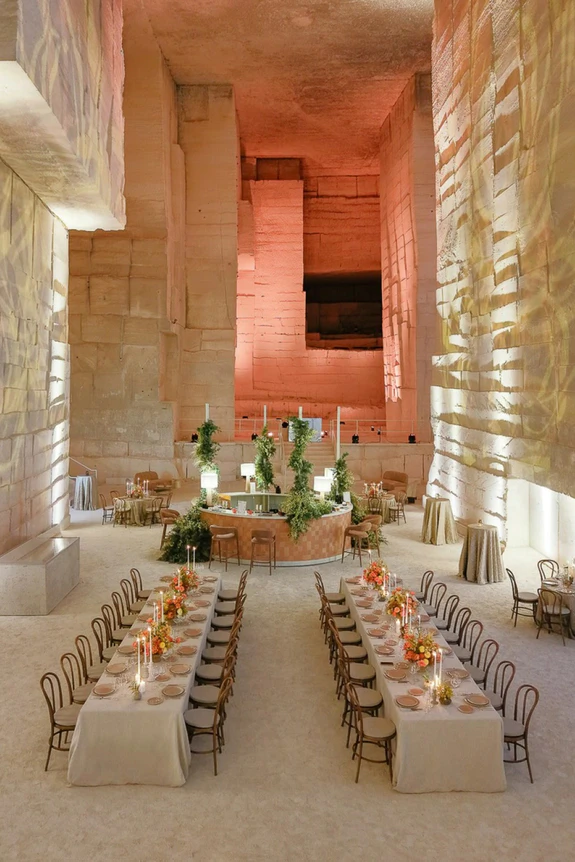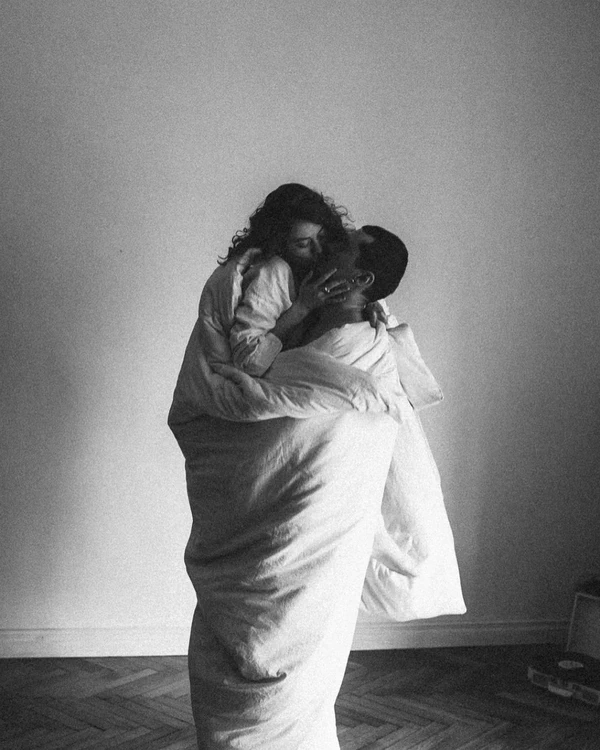

A wedding day unfolds like a carefully orchestrated crescendo: ceremony, celebration, endless toasts, and a dance floor that rarely empties before midnight. For generations, the tradition has been that it all leads to one final moment: the romantic and expectant wedding night. This night is often imagined as the natural conclusion to the day: a private scene of candlelight, champagne, and passion between newlyweds. Yet, for many modern couples, the reality is far more nuanced – and far more human. After spending hours hosting, celebrating, and absorbing the day's emotional intensity, most people crave something simpler: a moment to breathe. The wedding night becomes less about fulfilling a cultural script and more about reconnecting after the whirlwind. Some couples fall asleep immediately, others order room service and replay the day’s highlights, and still others rediscover intimacy in quieter, more unexpected ways. As relationships evolve and traditions loosen their grip, the meaning of the wedding night is shifting too, becoming less about performance and more about presence.
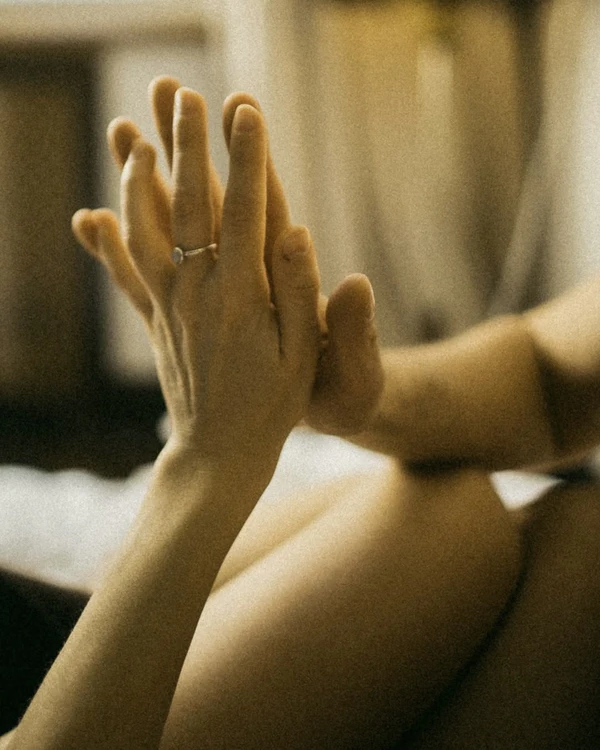

Photography: Lisa Troyanovskaya
Photography: Lisa Troyanovskaya
The Myth of the "Perfect Wedding Night"
For centuries, the wedding night has been portrayed as the grand, romantic finale – the moment when the celebration ends and passion takes center stage. Stories, films, and tradition have long portrayed it as the inevitable climax of the day, shrouded in candlelight and anticipation. Historically, the symbolism was clear: a marriage was not considered complete until it was consummated. However, in modern relationships, this narrative often feels more inherited than intentional. Many couples enter marriage having already established years of emotional and physical intimacy, rendering the concept of a singular "defining" moment somewhat outdated. Still, the myth lingers quietly in the background, shaping subtle expectations about how the night should unfold. Even couples who reject the tradition intellectually can feel its cultural echo. The result is a romantic ideal that rarely reflects the realities of a modern wedding day.

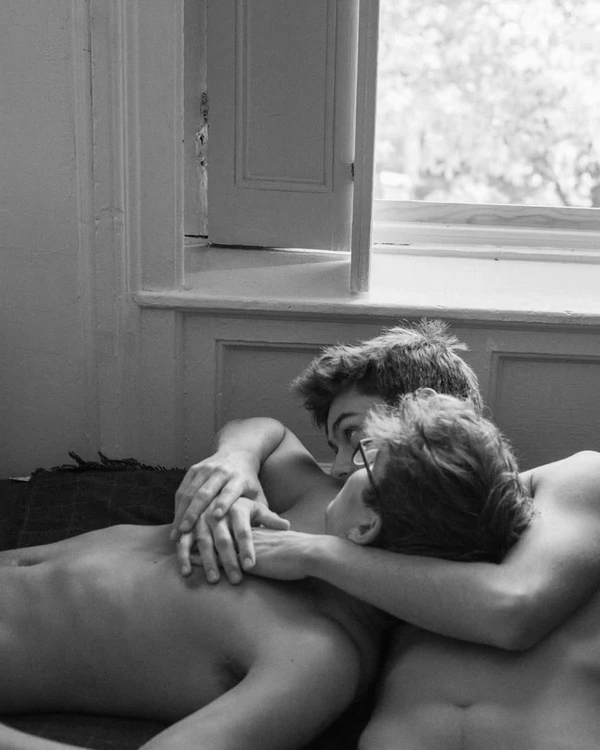
Liam Lacey, Photography: JJ Geiger
Liam Lacey, Photography: JJ Geiger
The Reality After the Celebration
By the time the last song has played and the last guests have said goodbye, most couples have already experienced an emotional marathon. Today's weddings often span ten or more hours of ceremonies, conversations, dancing, photographs, and constant attention. The adrenaline that carried them through the day eventually gives way to exhaustion, relief, and a soft disbelief that it actually happened. Rather than cinematic passion, the real post-reception scene may entail removing dozens of hairpins, ordering late-night room service, or simply sitting together in silence for the first time all day. There’s often something unexpectedly intimate about that stillness. The pressure of hosting disappears, and the couple finally becomes just that – a couple again. For many, the most memorable part of the night isn't dramatic romance, but rather, the simple act of decompressing side by side. In its own way, that quiet moment can feel more meaningful than any scripted expectation.
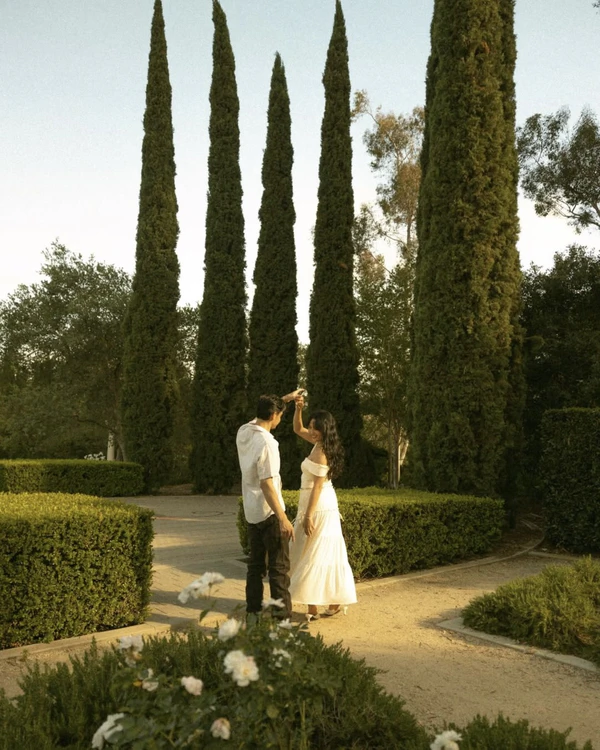

Photography: Estherscanon
Photography: Estherscanon
How Modern Couples Are Rewriting the Narrative
Today’s couples approach marriage very differently than previous generations did. Many couples already share homes and routines and have fully established relationships long before the wedding. Consequently, the wedding night rarely signifies a beginning in the traditional sense – it’s more of a transition between the celebration and everyday life together. Instead of treating it as a ceremonial milestone, many couples view it as an opportunity to slow down and reconnect after a public day. Some couples talk late into the night, reminiscing about their favorite moments from the celebration. Others prioritize rest, knowing that the honeymoon or the next chapter of their lives has just begun. What’s striking is how intentionally couples are redefining the experience on their own terms. The modern wedding night has become less about tradition and more about authenticity. It reflects the relationship itself rather than the expectations surrounding it.
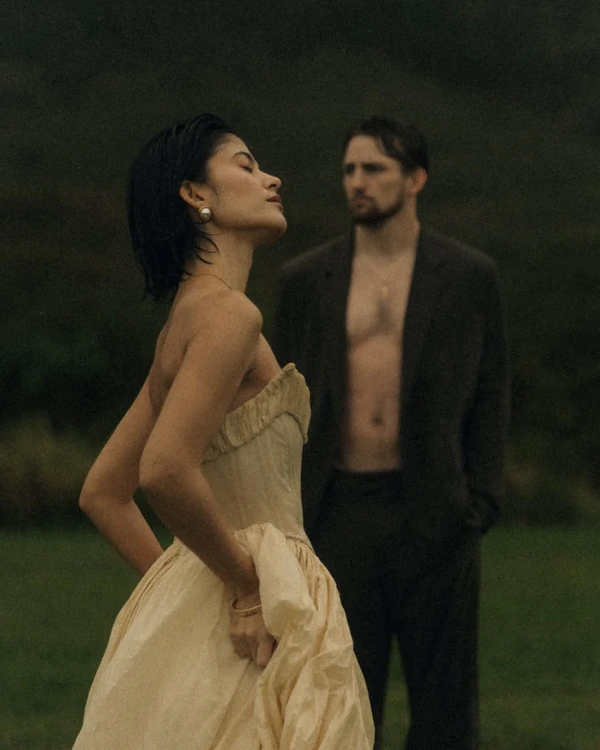
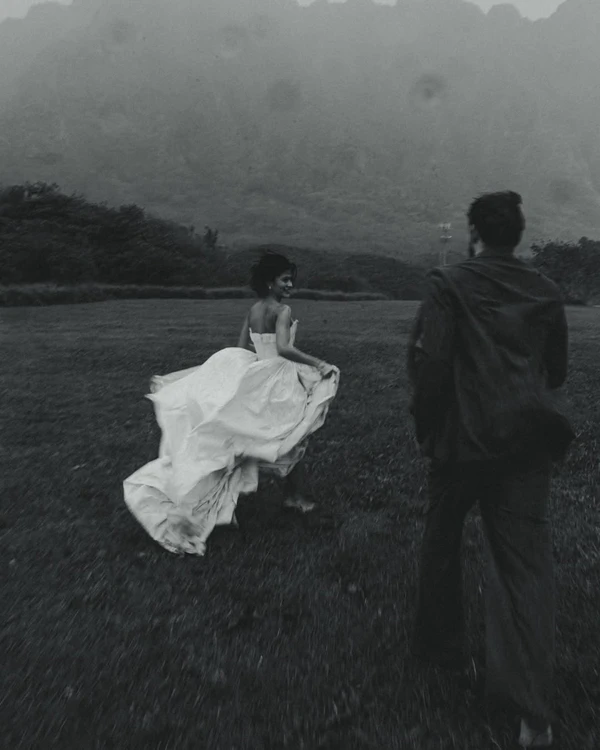
Photography: Morgan Warwick
Photography: Morgan Warwick
Letting Go of the Pressure to Perform
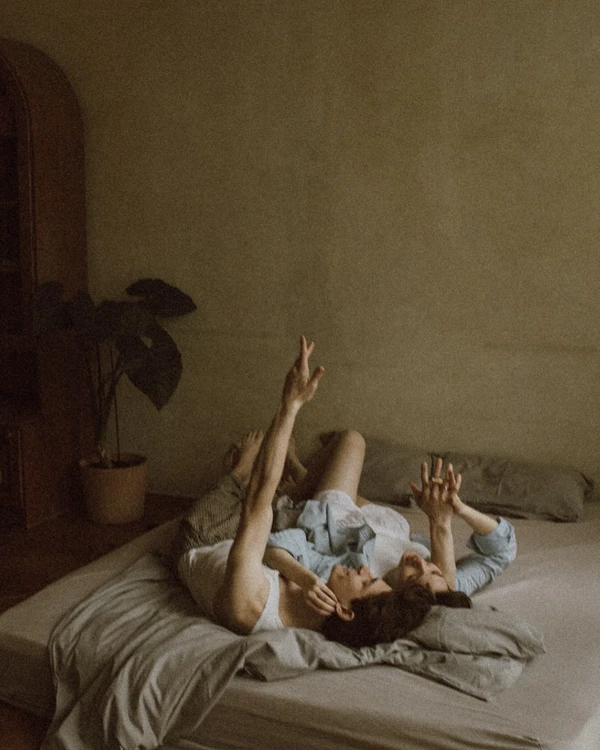
Despite changing attitudes, there is still often a subtle expectation that something will happen on the wedding night. This expectation is rarely spoken about openly, but it’s woven into cultural storytelling. For some couples, this pressure may seem out of place after a day centered on connection and celebration. When framed as an obligation or performance, sex loses the very intimacy it’s meant to represent. Increasingly, relationship experts encourage couples to approach the night with openness rather than a checklist. This approach allows intimacy to unfold naturally, whether through physical closeness, conversation, or simply falling asleep together. Letting go of expectations often creates space for something more genuine. In many cases, removing the pressure actually makes intimacy more likely, just not necessarily on a predetermined schedule.
Photography: Andrii Kharchenko
Photography: Andrii Kharchenko
Designing a Wedding Night That Actually Feels Good
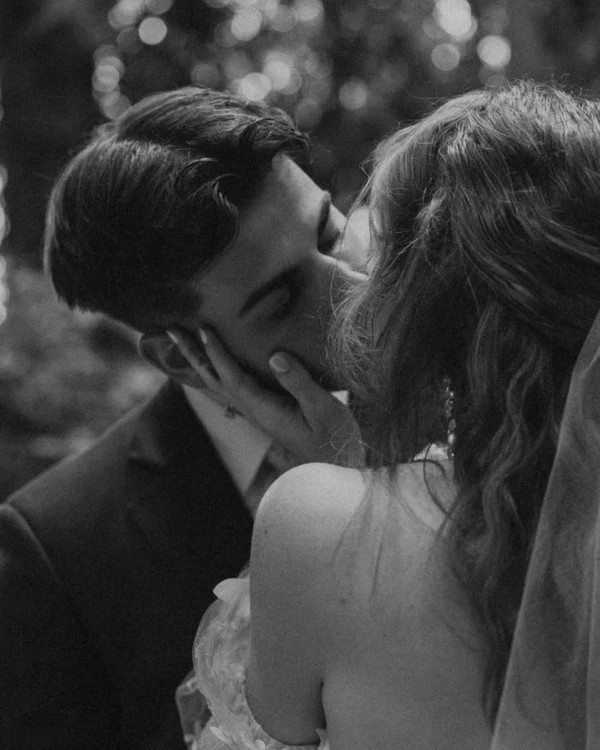
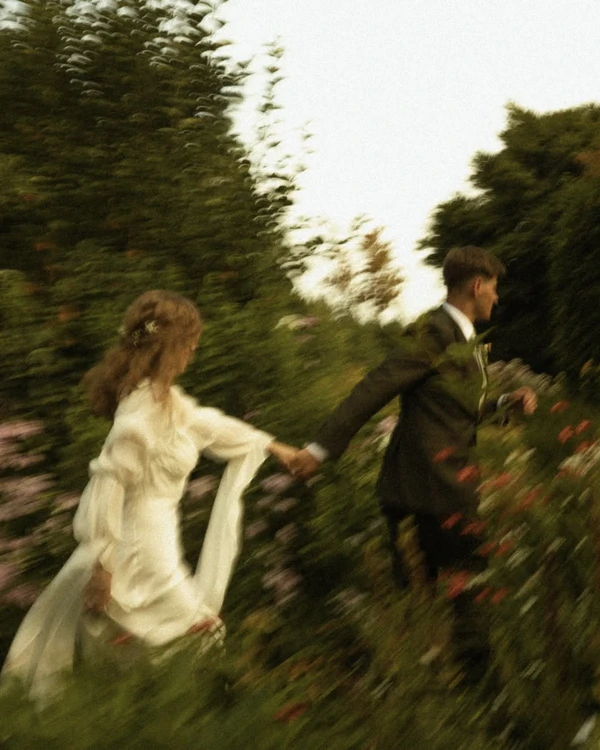
The most memorable wedding nights often have one thing in common – they’re intentionally designed with comfort in mind. After months of planning a large event for hundreds of people, the final hours of the day finally focus on the couple. Some prepare their hotel suite with small luxuries, such as soft robes, favorite snacks, and a playlist playing in the background. Others arrange for a quiet late-night meal or a moment to step away from the after-party before heading to their room. Even simple details, such as changing into comfortable clothes or removing makeup together, can become rituals that symbolize the transition from celebration to intimacy. The key is to allow the evening to feel unstructured and personal. Without rigid expectations, couples can choose the ending they actually want. Sometimes that means romance, and sometimes it simply means rest.
Photography: Estherscanon
Photography: Estherscanon
Rethinking the Meaning of the Wedding Night
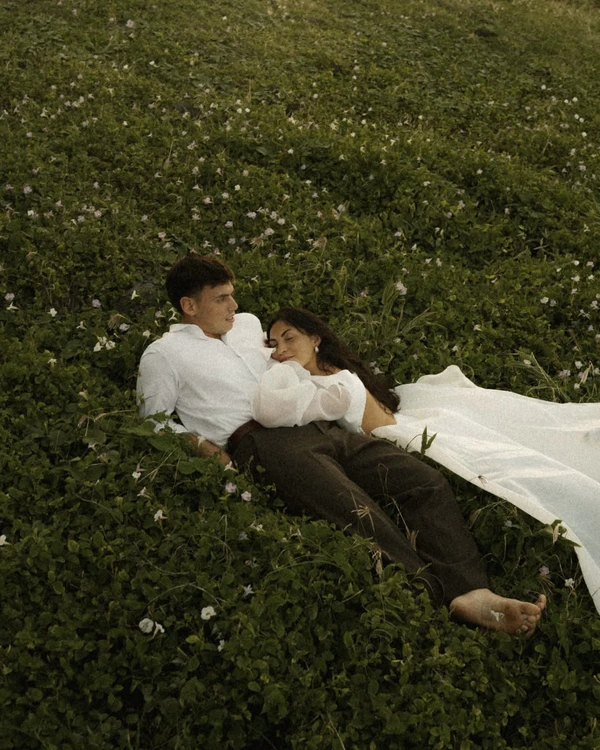
The modern wedding night is less about fulfilling a tradition and more about recognizing a moment of reflection. After months – or even years – of planning, the wedding night becomes the quiet threshold between the celebration and the life that follows. In that sense, intimacy takes on a broader definition. It could be sharing a late-night conversation, reflecting on the day, or simply holding hands in the quiet of an empty hotel room. What matters is the sense of togetherness that returns once the spotlight fades. The wedding may have been a public event, but the following night belongs entirely to the couple. When expectations fall away, the moment becomes surprisingly meaningful. Not because of what happens, but because of the freedom to experience it however feels right.
Photography: Carys Hicks
Photography: Carys Hicks