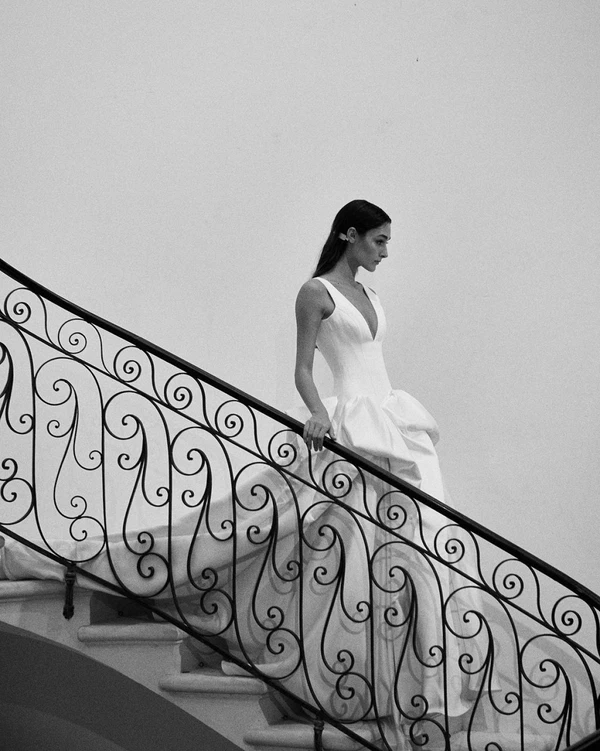
Some places seem to exist outside the ordinary passage of time, where the past lingers in the architecture, the afternoons stretch a little longer, and the distinction between who we are and who we might become begins to blur. Menorca is one of them. And for Australian designer Kyha Scott, it became the setting for an exploration of womanhood in all its beautiful contradictions.
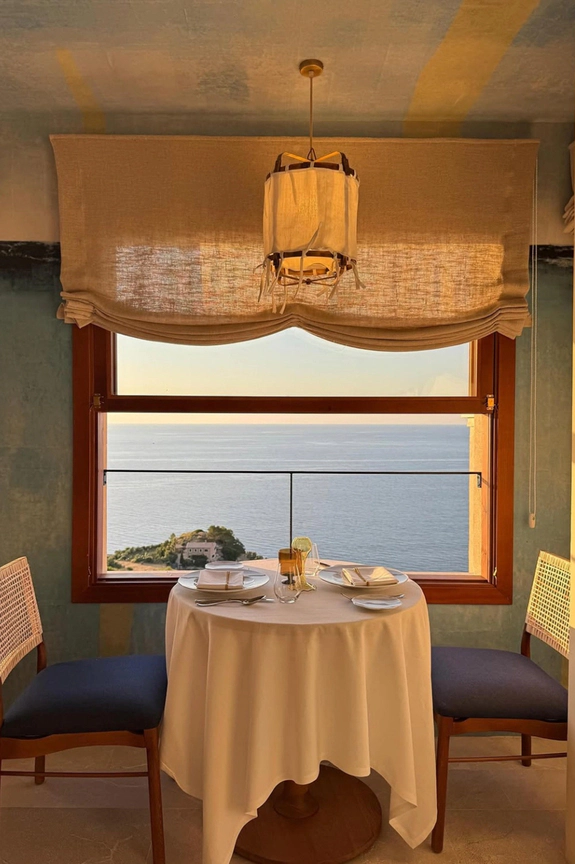
We were invited to spend a week immersed in the world of Josephine, Kyha Studios’ Fall 2027 collection. Our home was the exquisitely restored Vestige Son Ermità & Binidufa, tucked into the island’s rugged countryside. Days unfolded between the winding cobblestone streets of Ciutadella, secluded Meditteranean coves lapped by impossibly blue water, and after-hours cocktails in Mahón. Each experience drew us further into Scott’s imagined world, inspired by the artists, musicians, and the free spirits who once sought refuge in the Balearics.
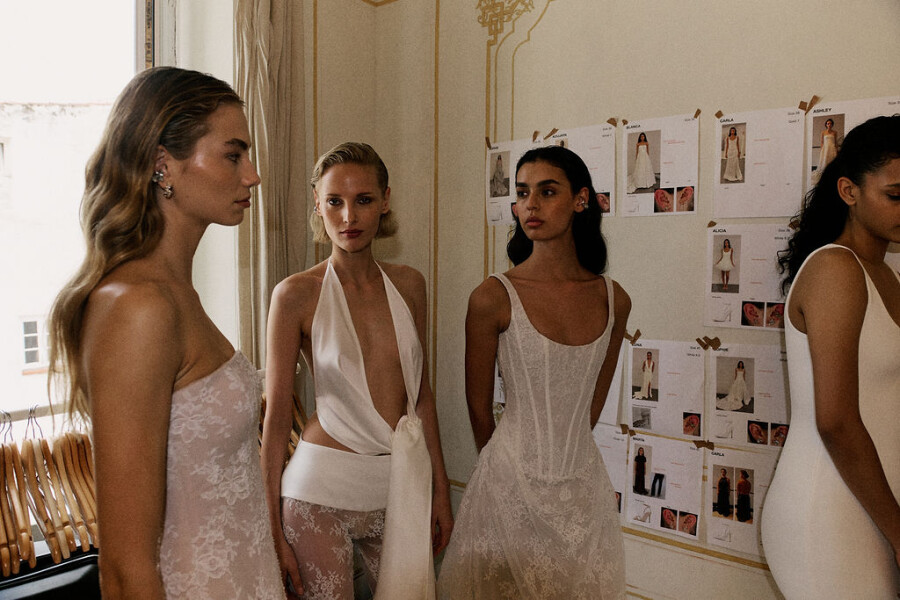
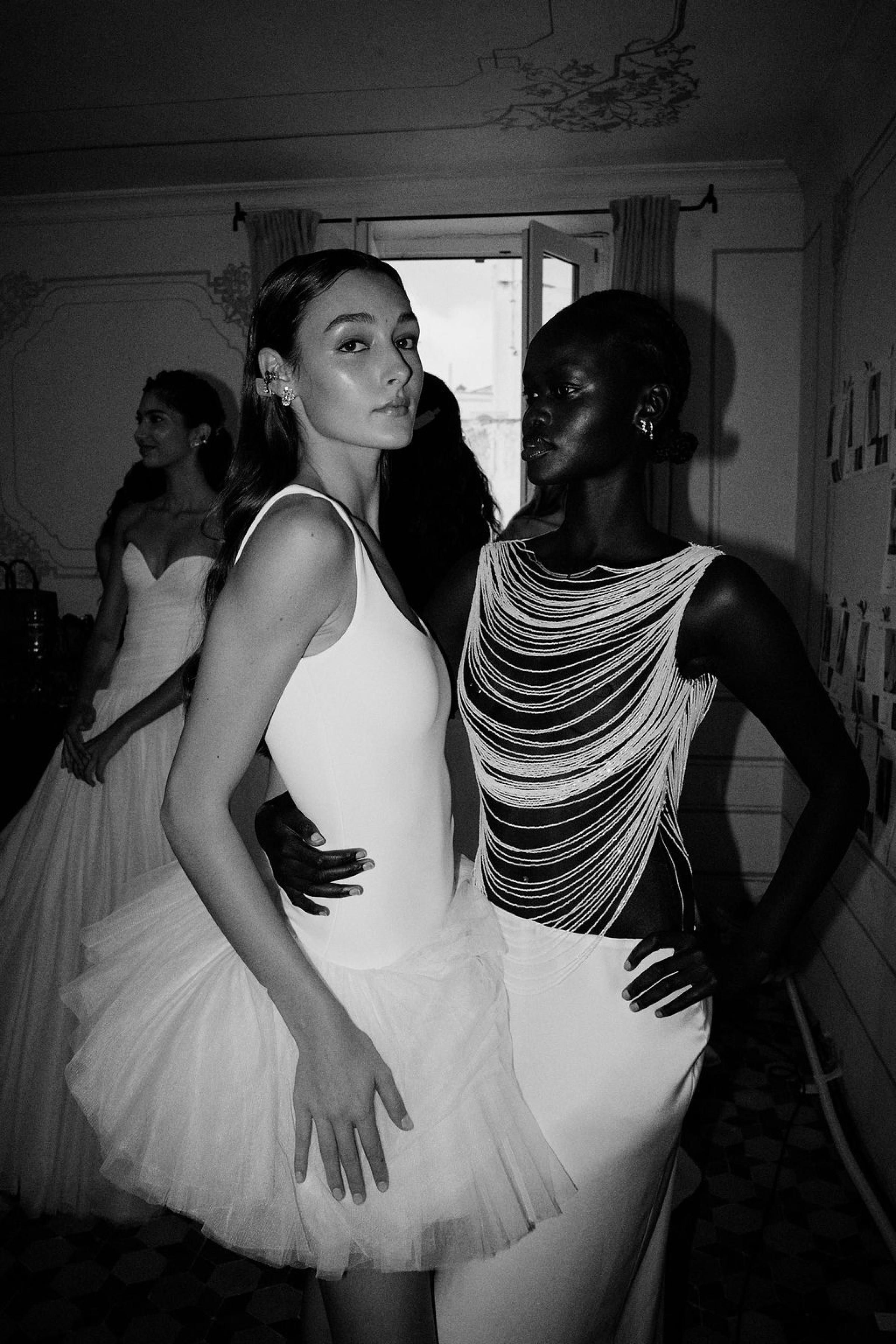
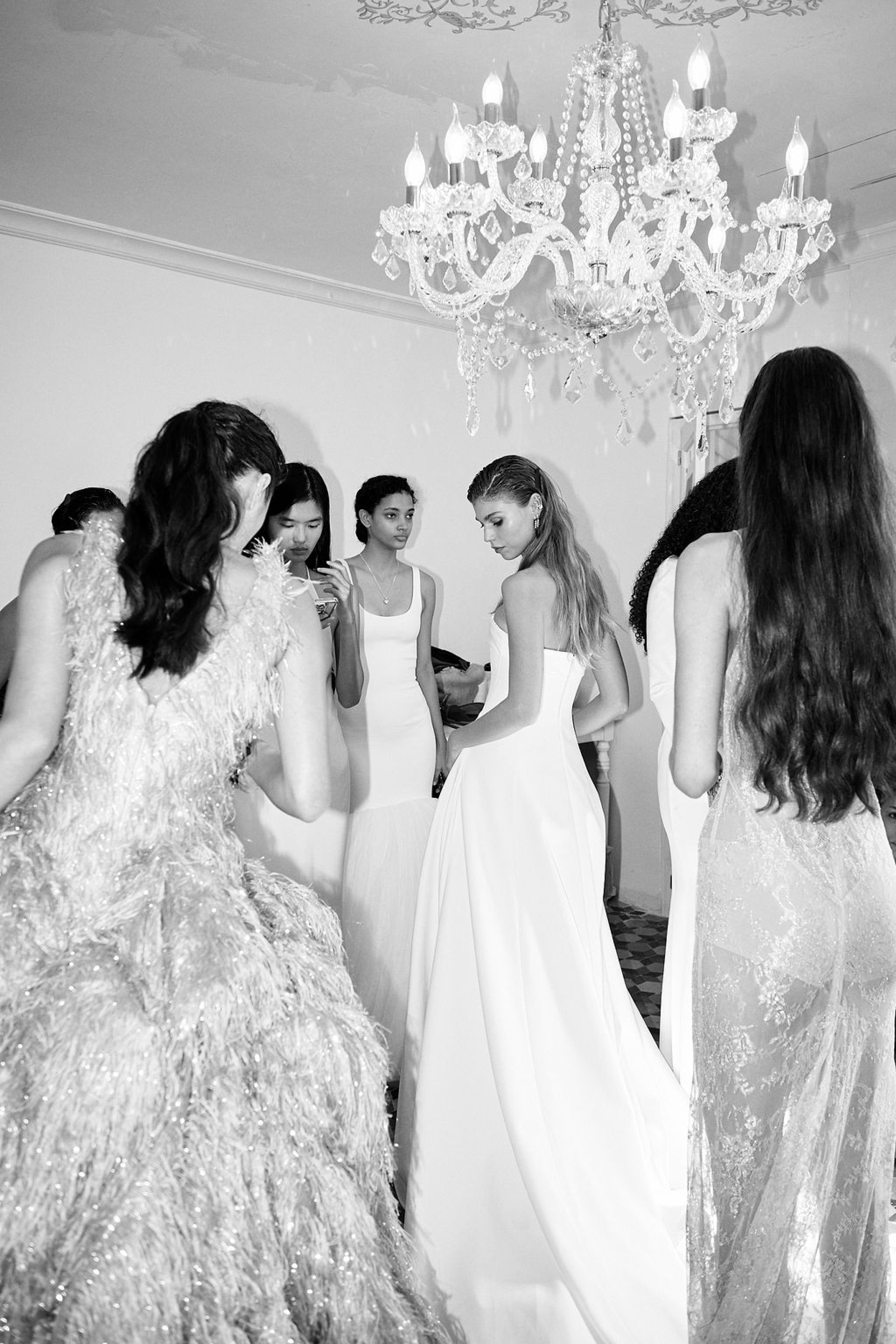
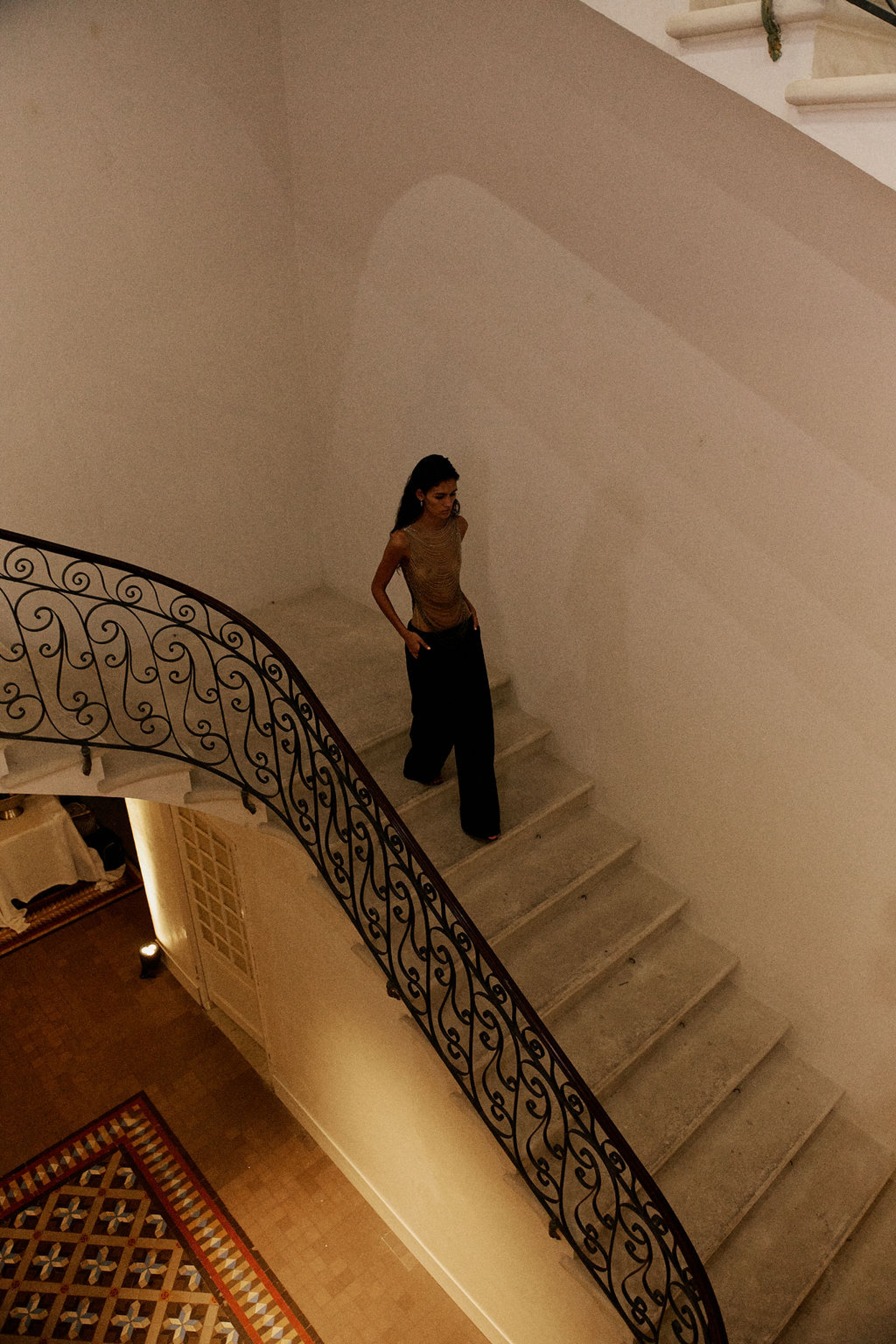
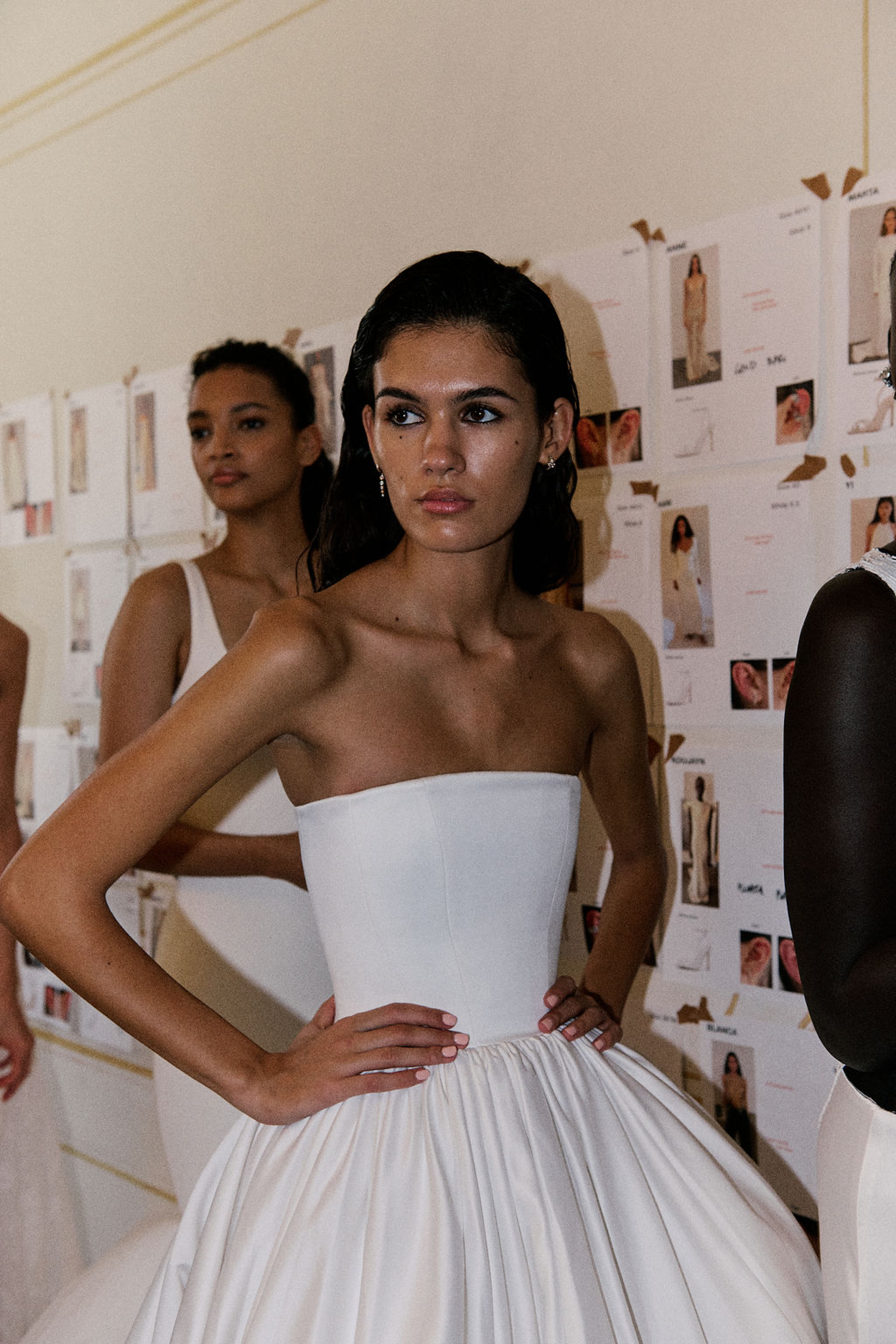
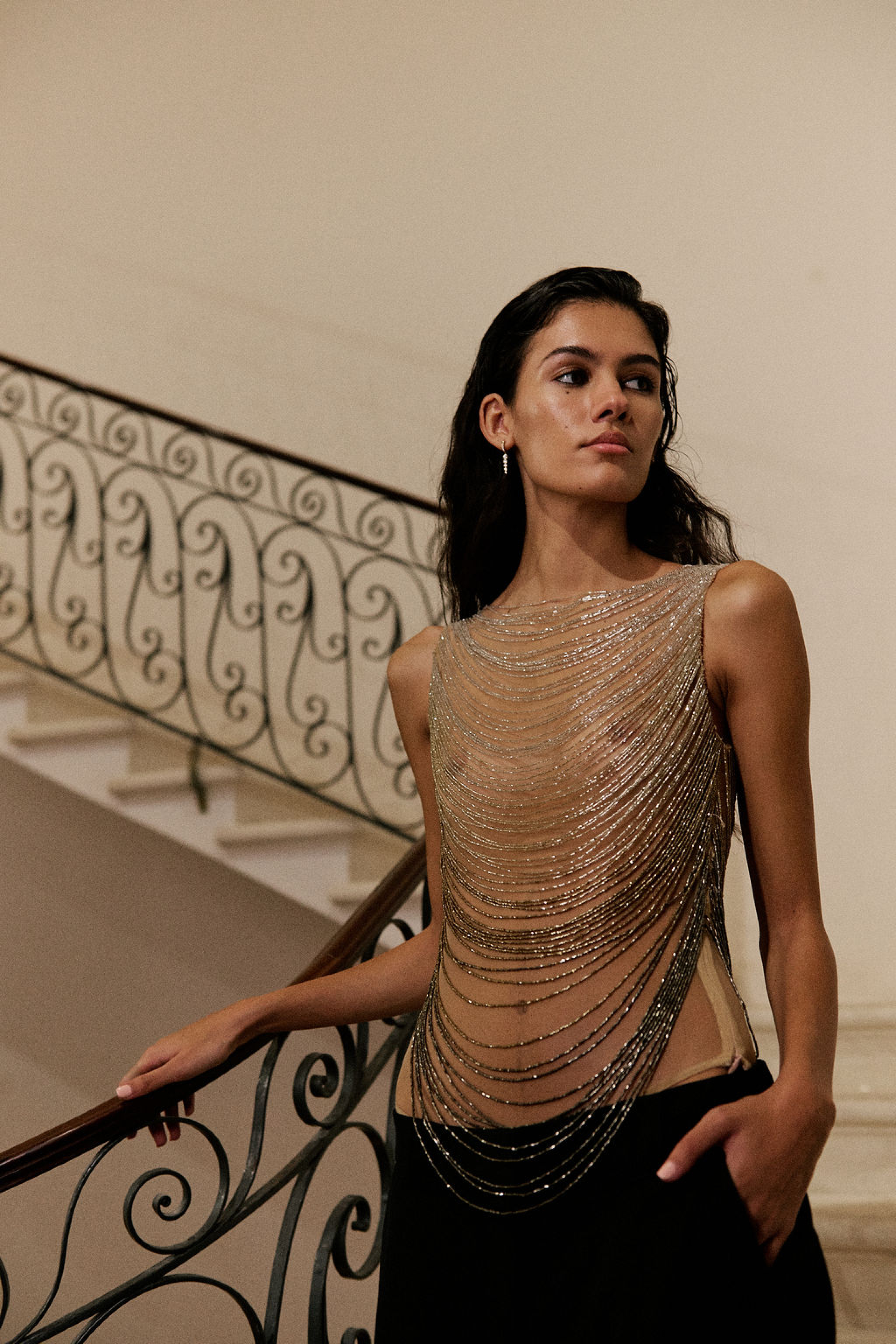
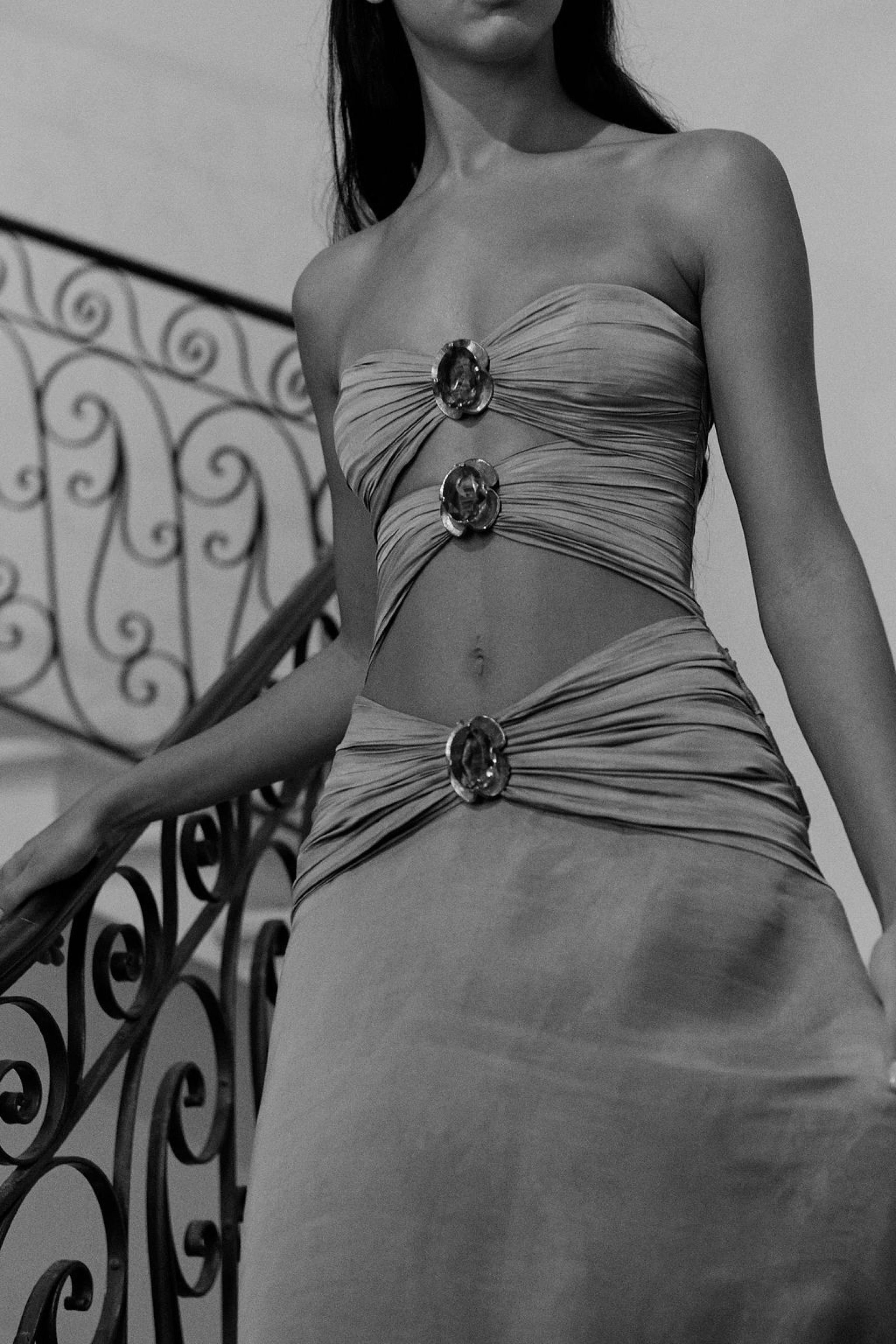
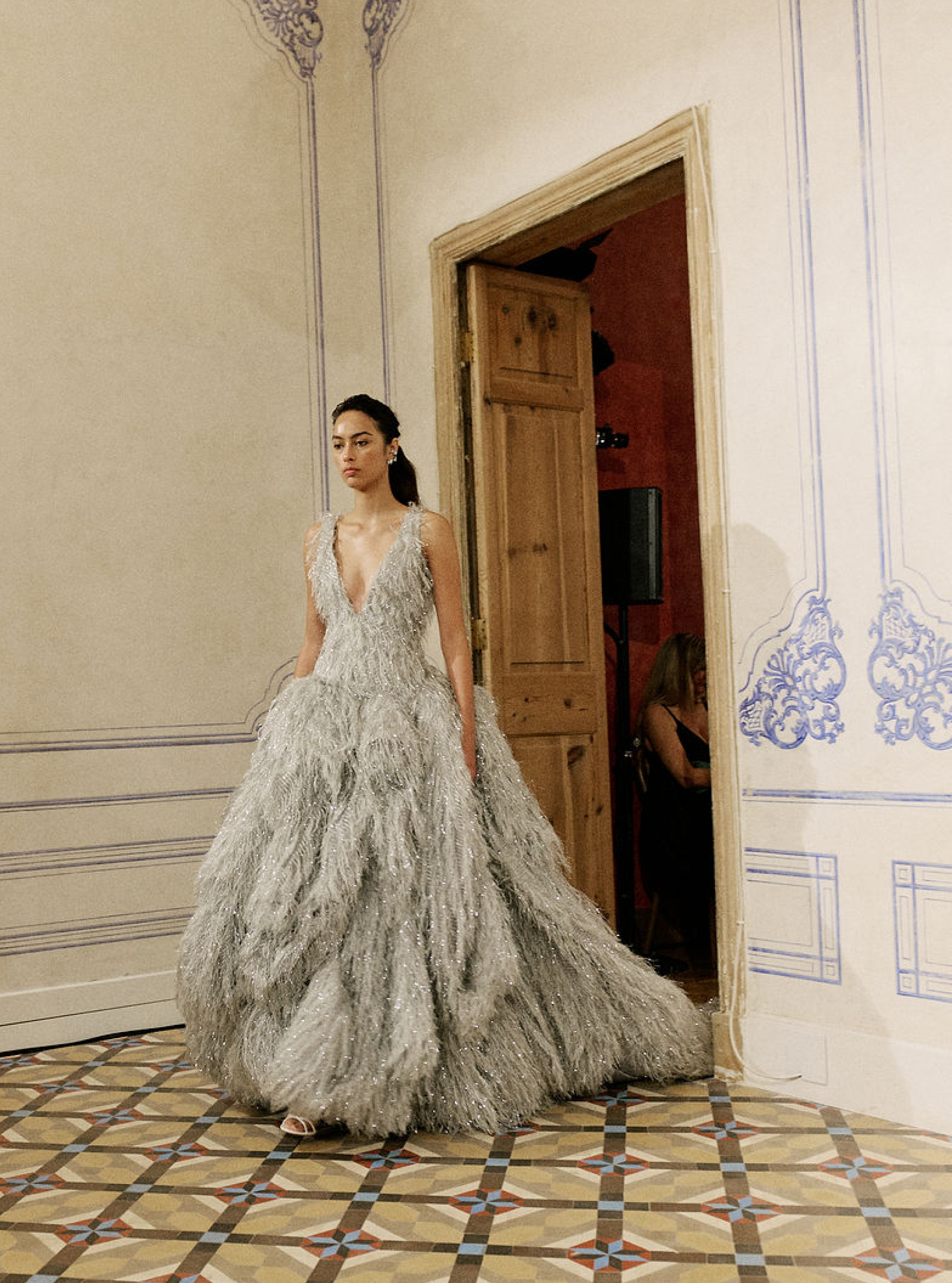
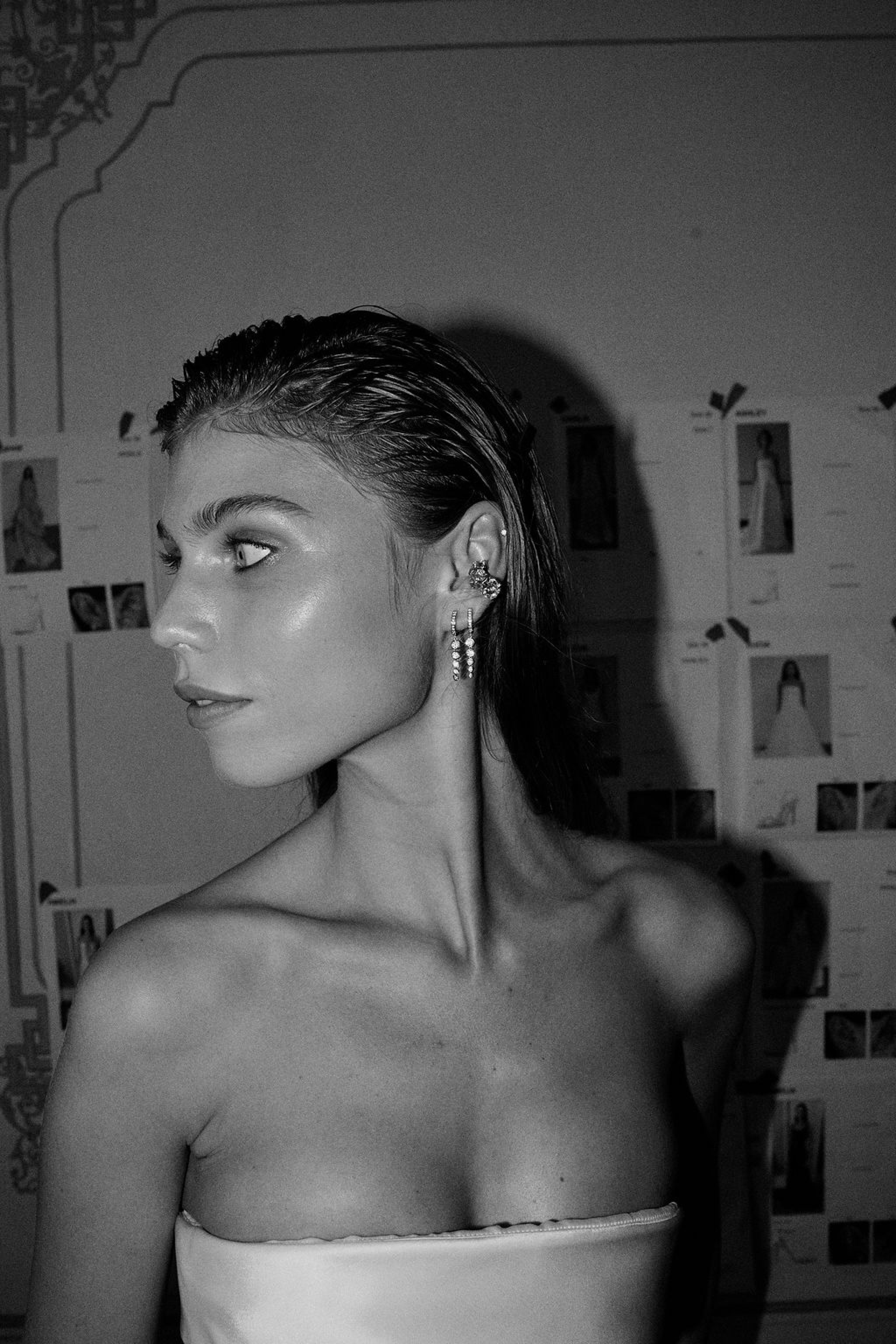
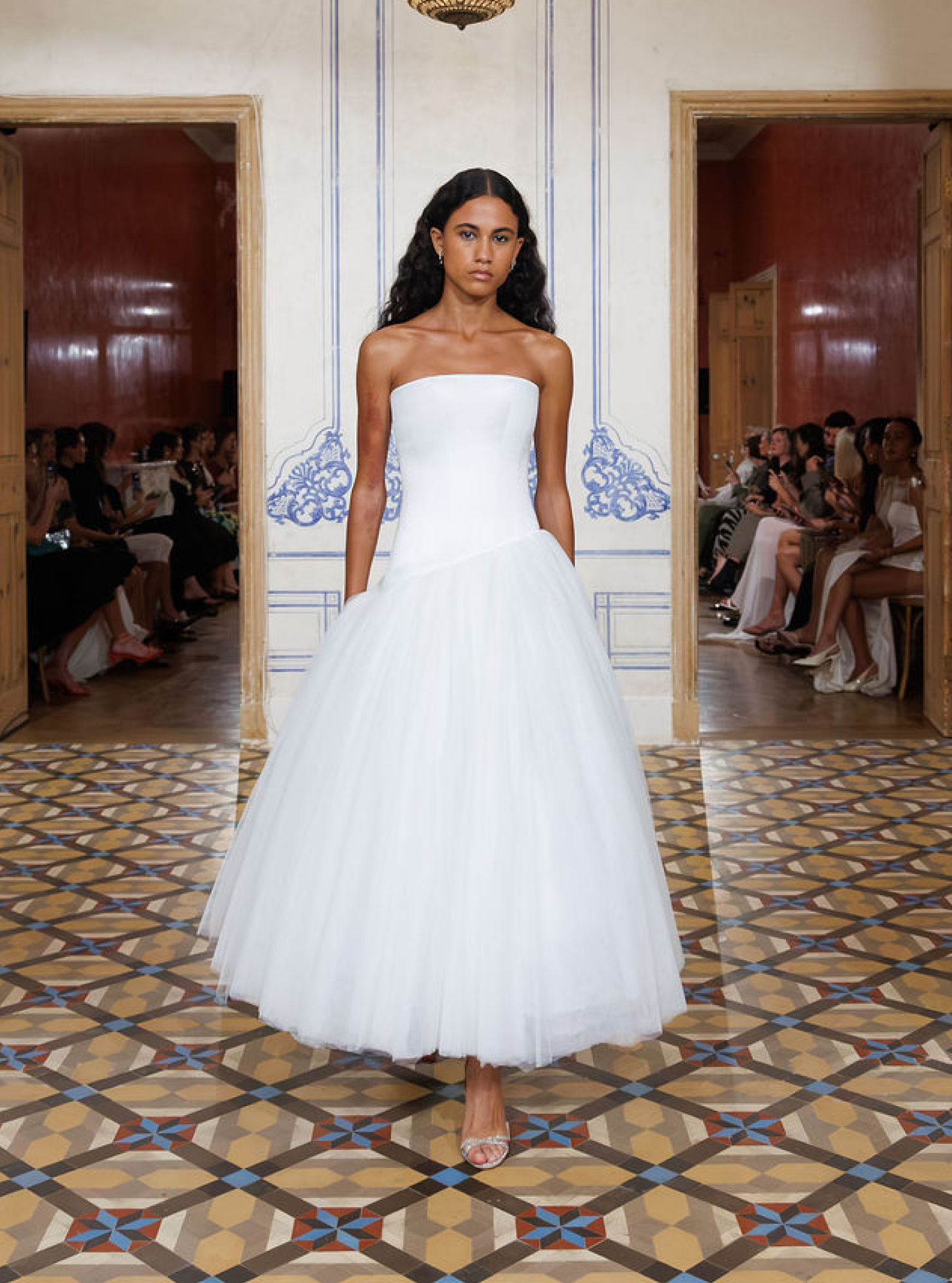
The week culminated in an intimate runway presentation inside a historic residence, where ornate staircases, hypnotic mosaic floors, and centuries of history set the scene for Scott’s latest collection. The atmosphere was electric, the experience almost cinematic, as though we’d stepped back in time and into Josephine’s world. Backstage, we caught up with the designer to discuss the woman behind the collection, the art of escapism, and why the future of bridal fashion might lie in embracing the complexities of the women who wear it.
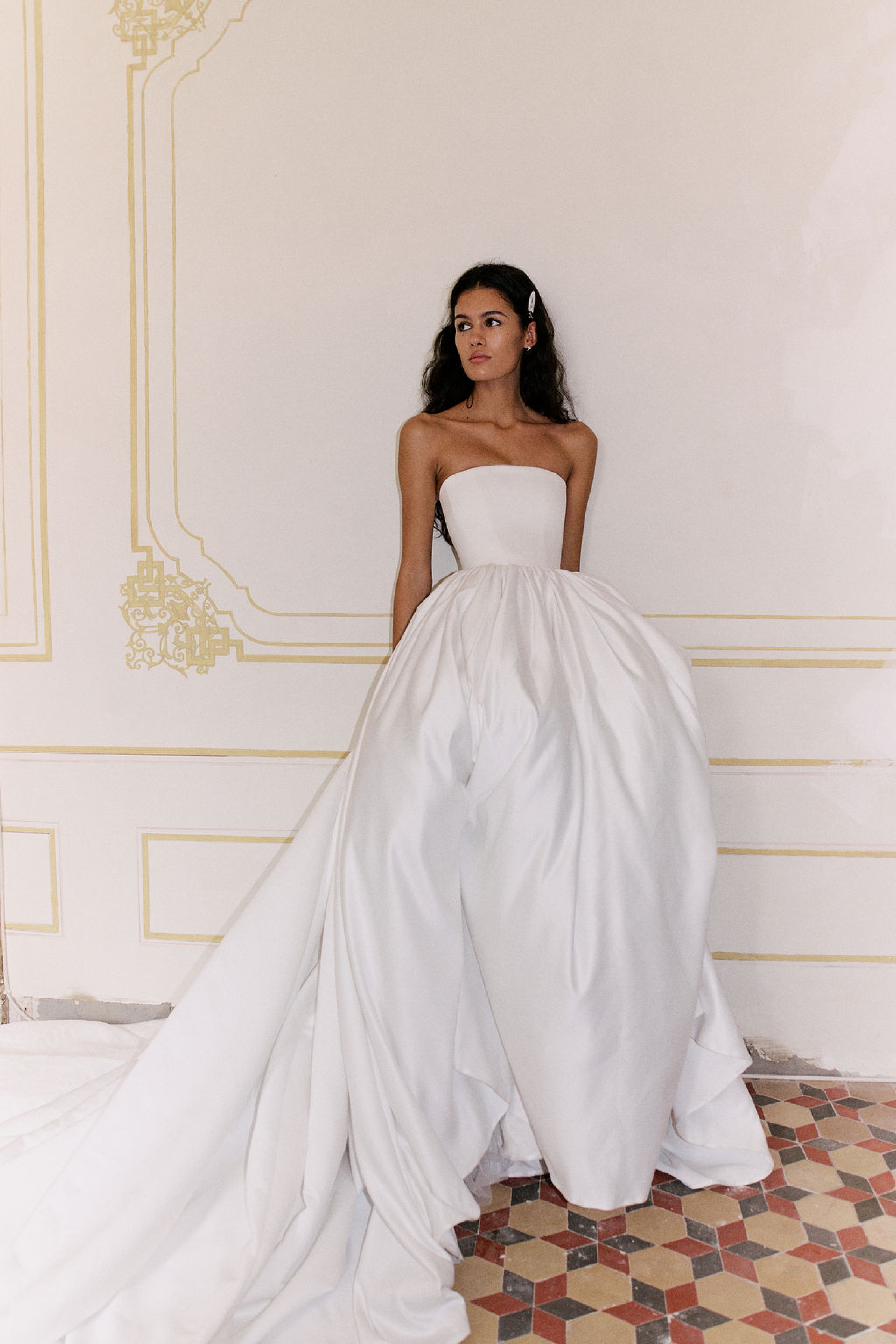
Your collections have always reflected a deep understanding of the modern woman, evolving alongside her changing attitudes, desires, and expressions of self. So who is Josephine, and what aspects of her character and complexities were you interested in exploring this season?
Josephine, for me, was a free spirit, a woman of confidence. Someone who knew herself well enough to take time away for herself, to find quiet spaces, indulge in her own rituals, and move through different chapters of her life. With each chapter, she explored different silhouettes, different moods, and different ways of expressing herself.
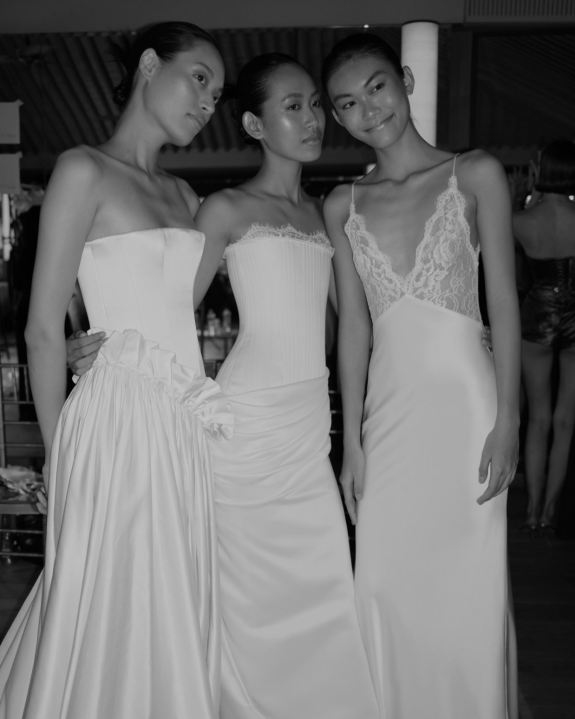
What I wanted to do through this collection was capture those different sides of her, how she transitions between them, and the contrasts that exist within her. Light and dark, fun and easy, free-spirited, yet at times controlled and contrived. I wanted to explore all of those complexities, and I think you see them reflected in the silhouettes, the individual pieces, and the way she progresses through her journey.
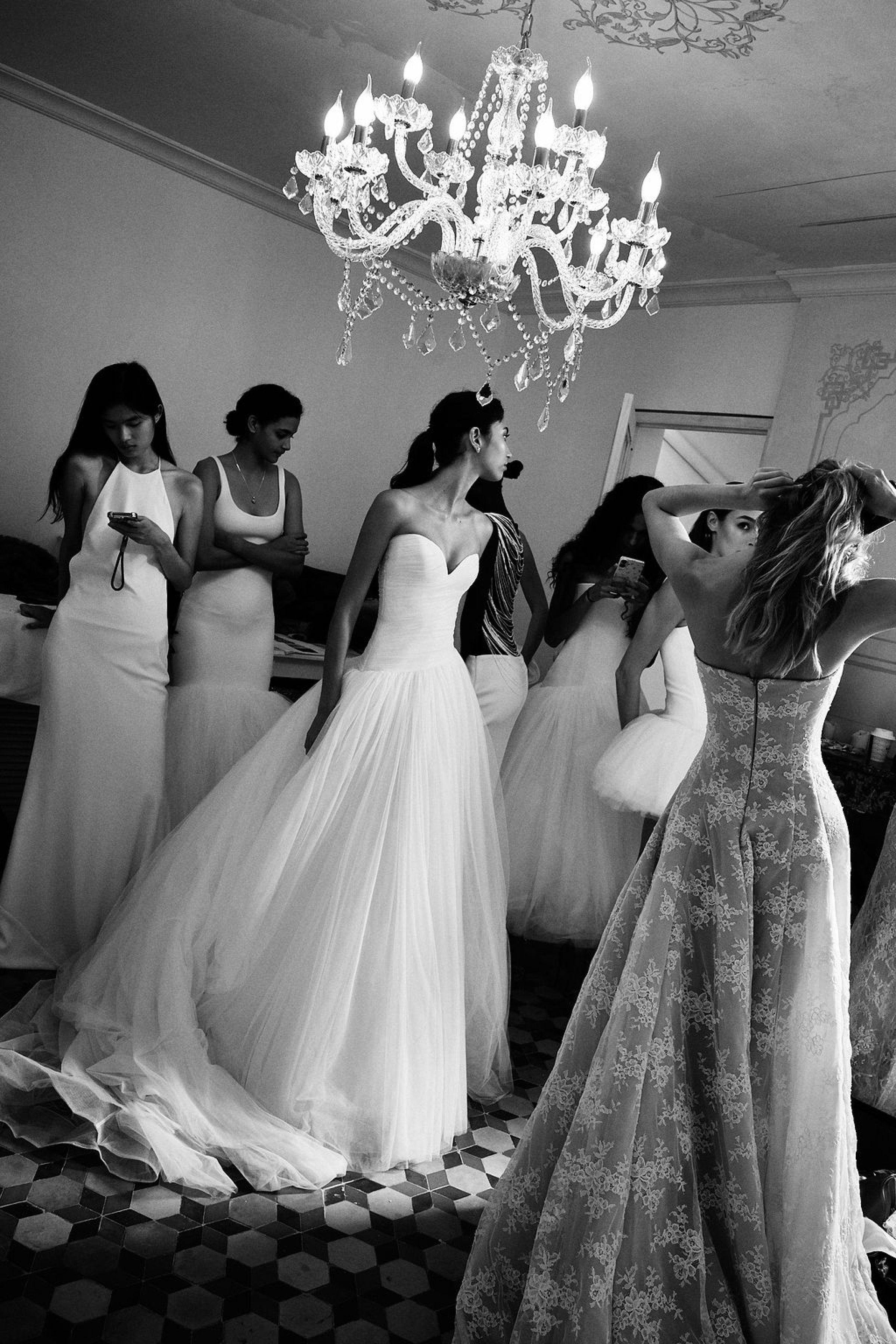
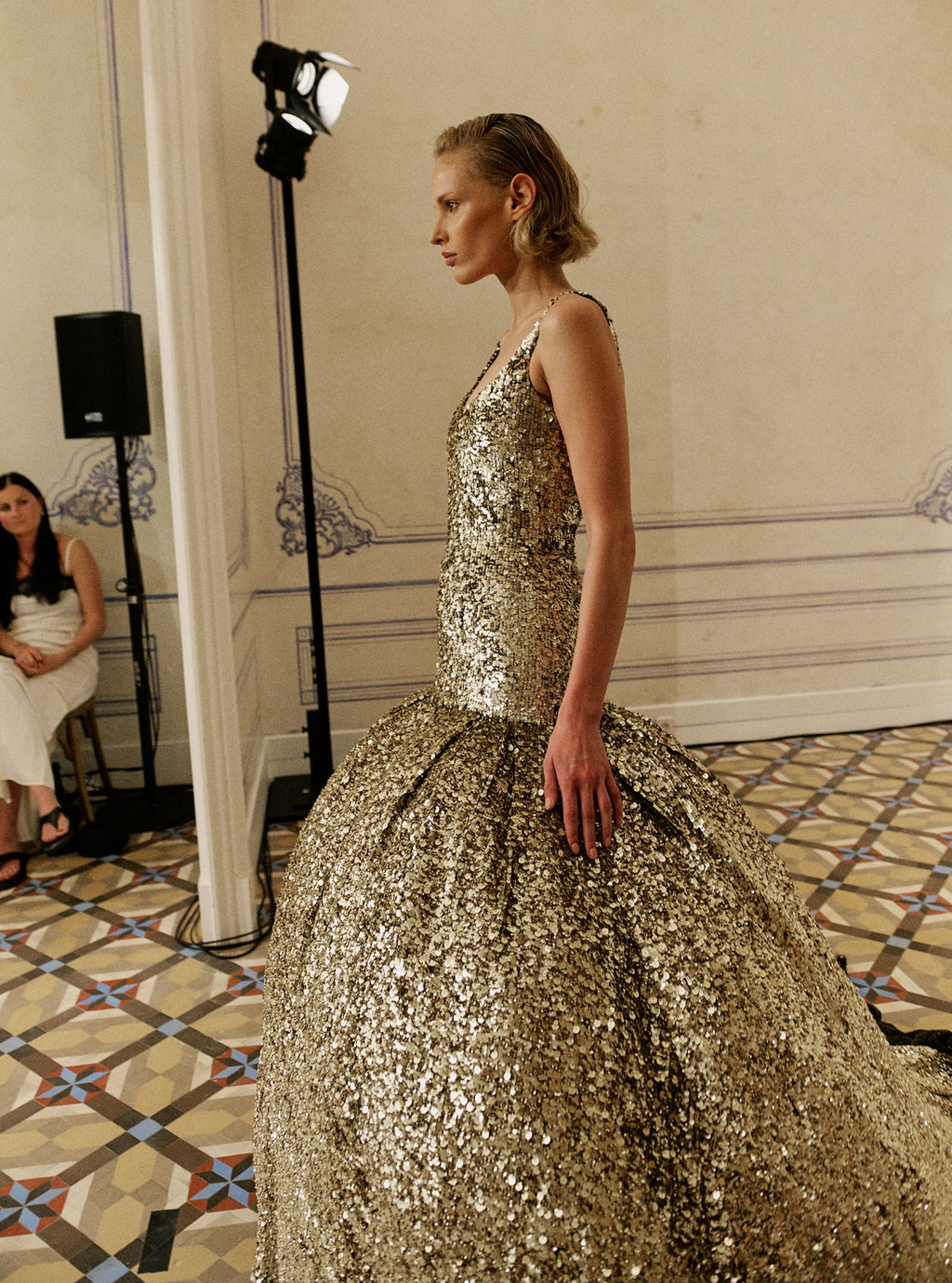
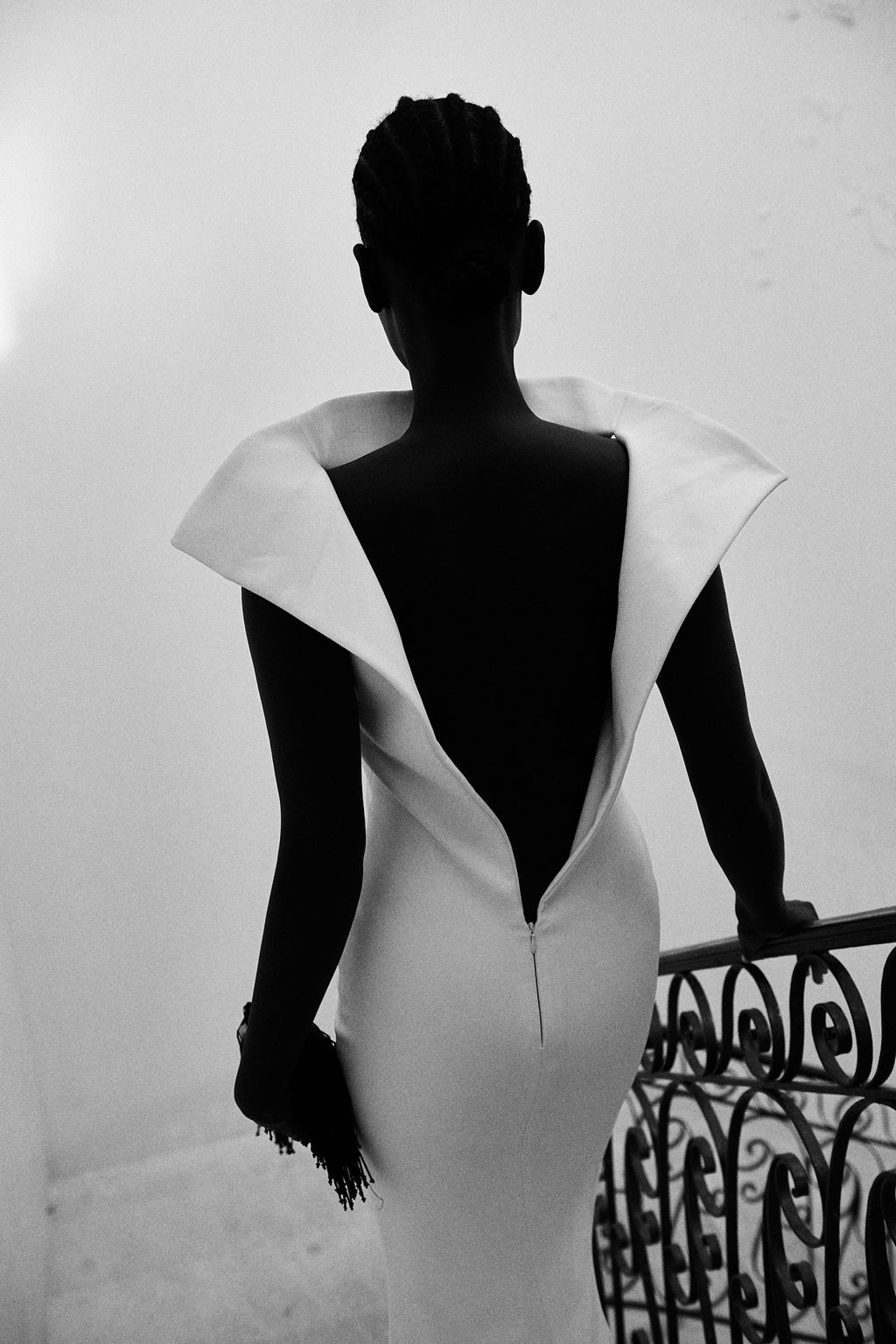
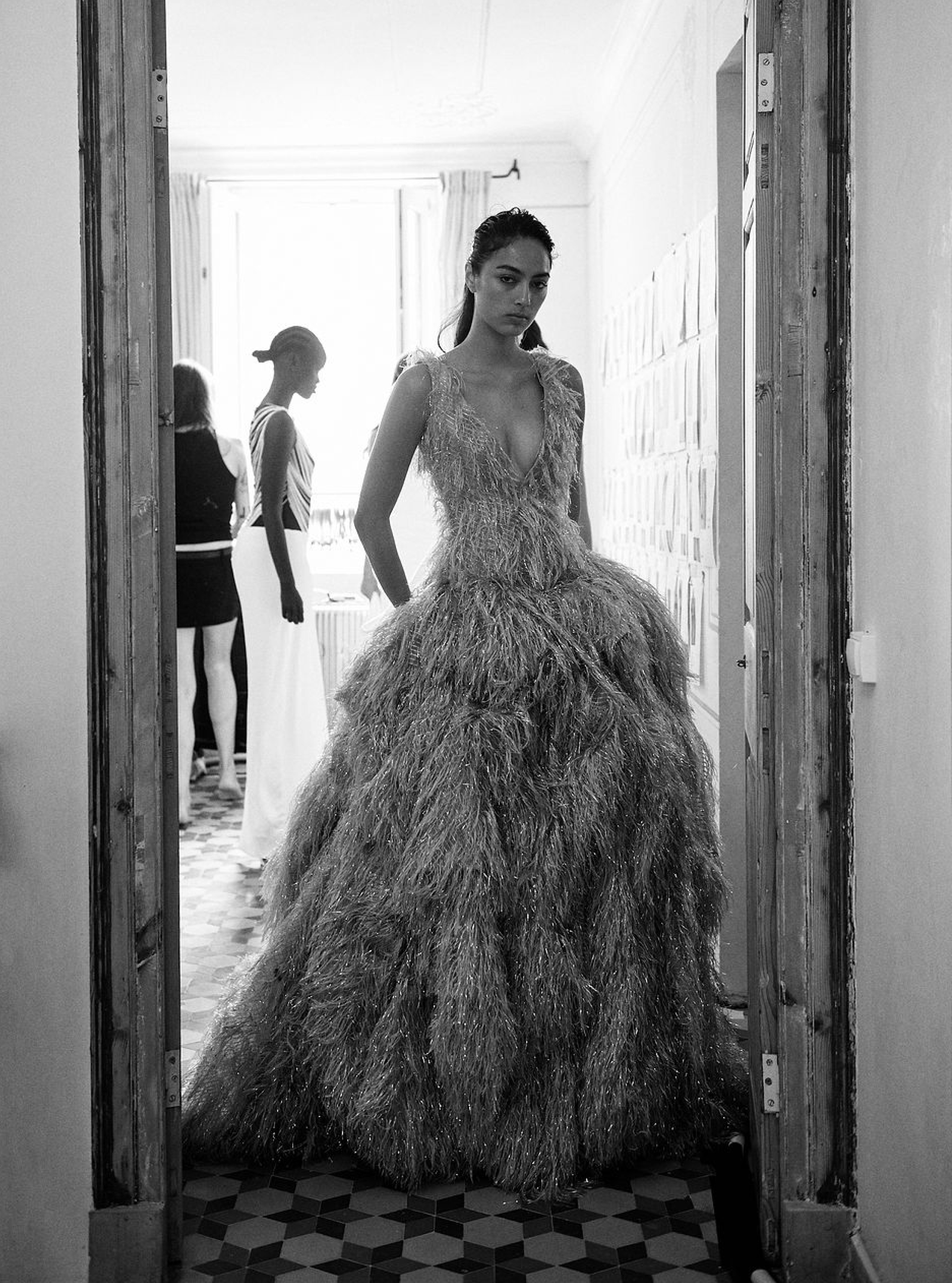
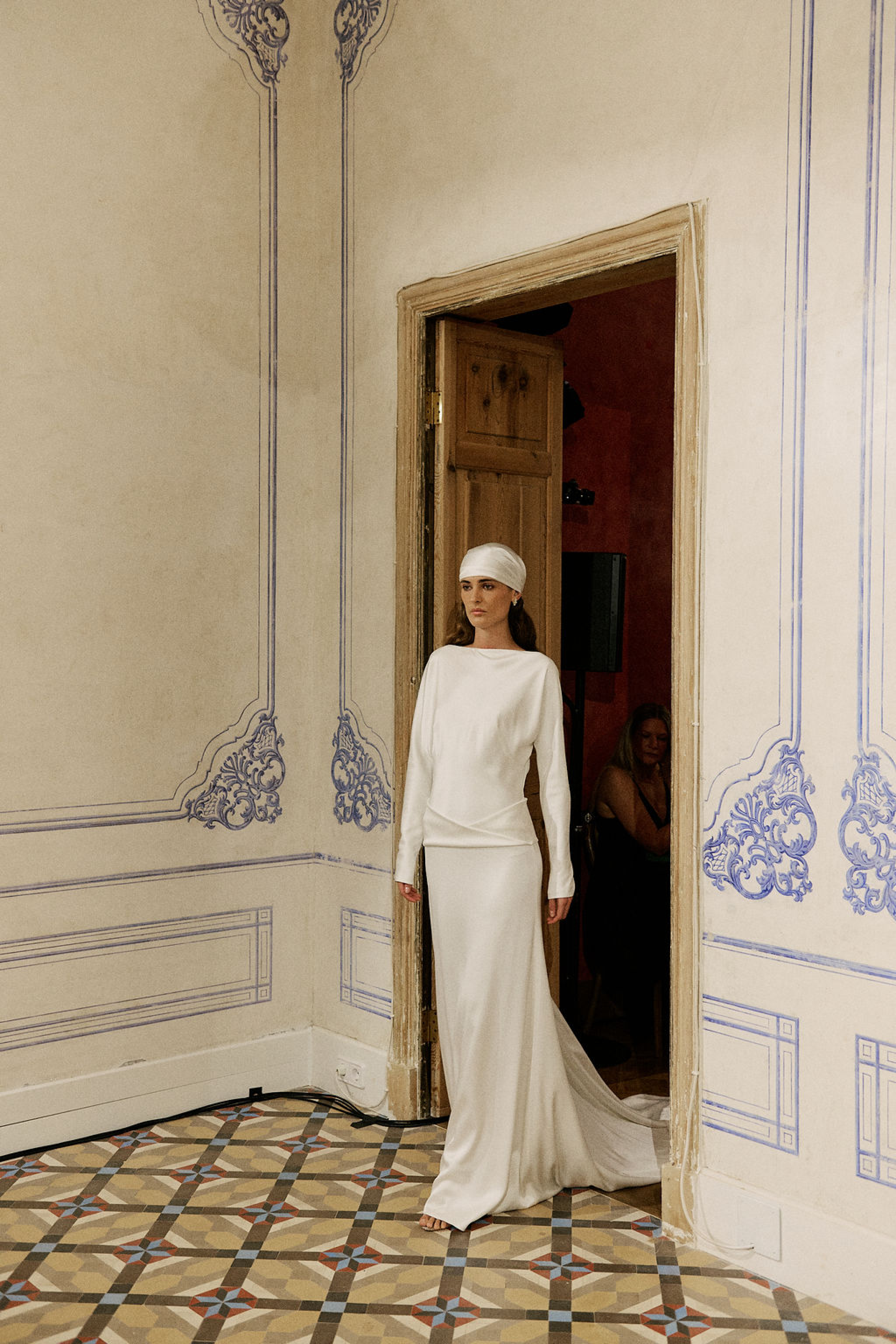
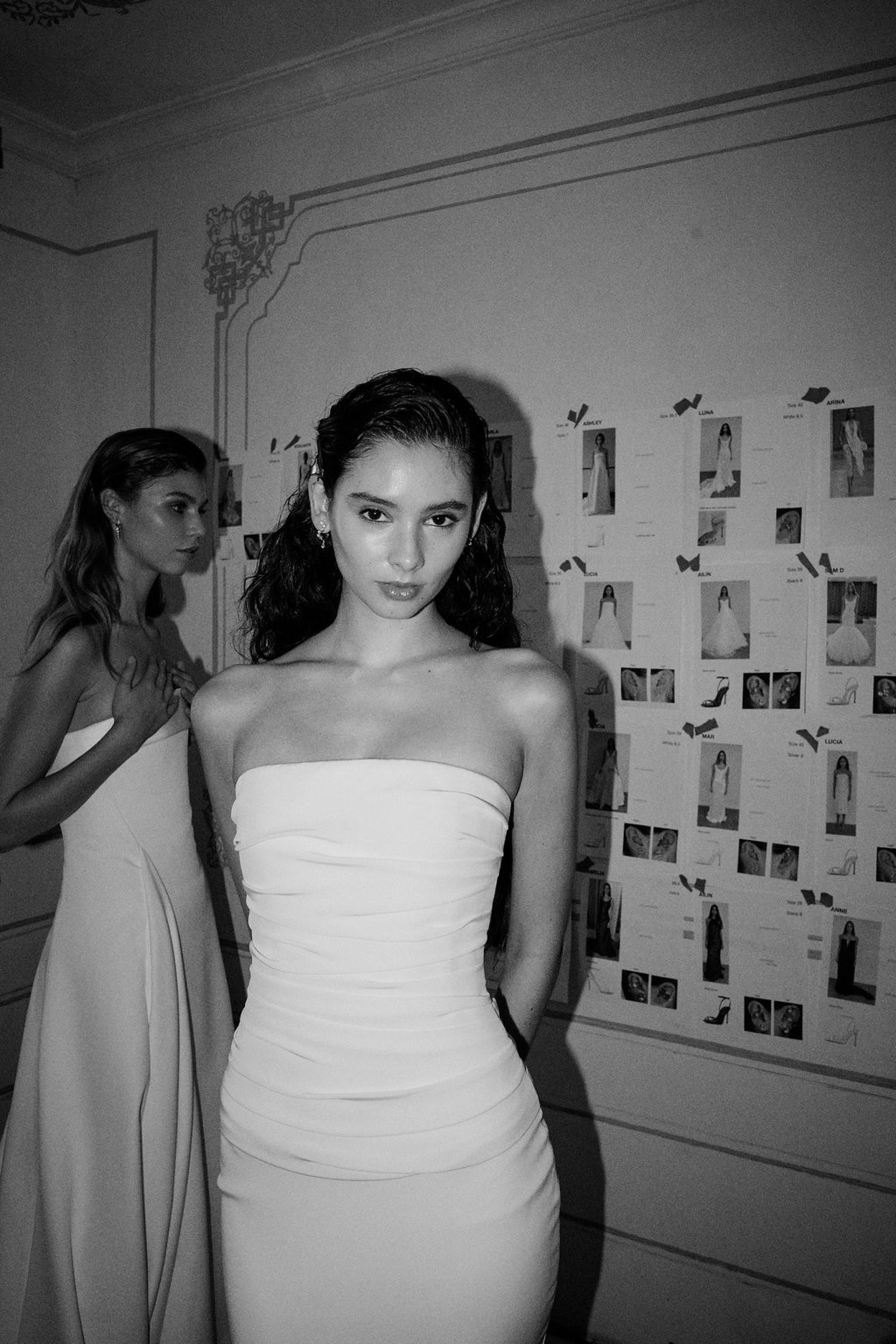
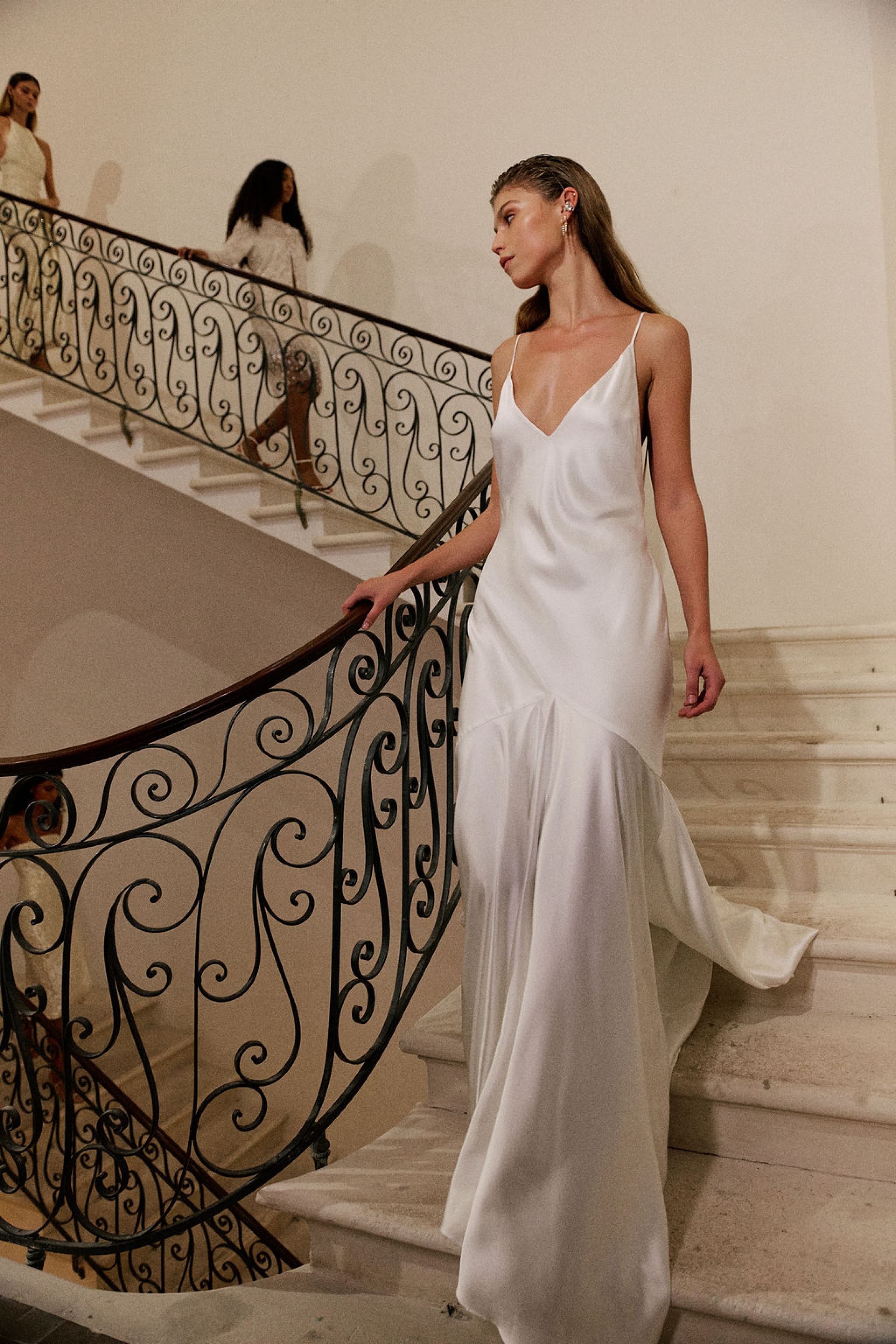
"What I wanted to do through this collection was capture those different sides of her... Light and dark, fun and easy, free-spirited, yet at times controlled and contrived. I wanted to explore all of those complexities in the silhouettes."
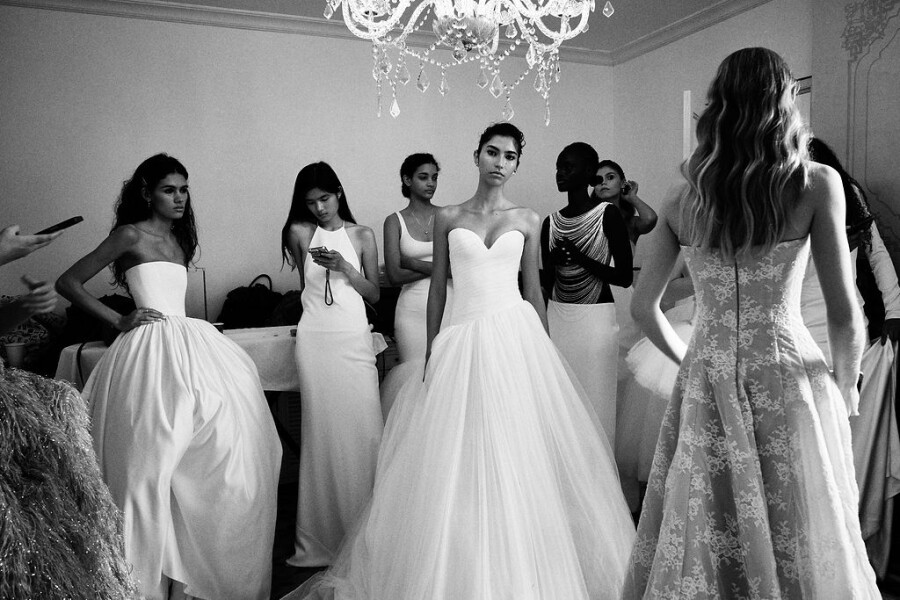
What initially drew you to the to Balearic Islands, and how did its cultural history inform the narrative behind Josephine?
When I was researching this collection, I found myself looking back to the ’50s, ’60s, and ’70s, as I often do for inspiration. I wanted to understand where the creatives of that era, whether musicians, designers, or artists, went to escape. Where did they go to escape their everyday lives, to find freedom, and to seek inspiration? At the time, Ibiza was a place where people from all walks of life, with different personalities and social backgrounds, would come together for these parties and weekends away. They were gatherings that, in some ways, made no sense, but somehow made perfect sense at the same time. It became a fascinating period to research, discovering what that time represented, the people who were drawn there, and the creativity that emerged from it.
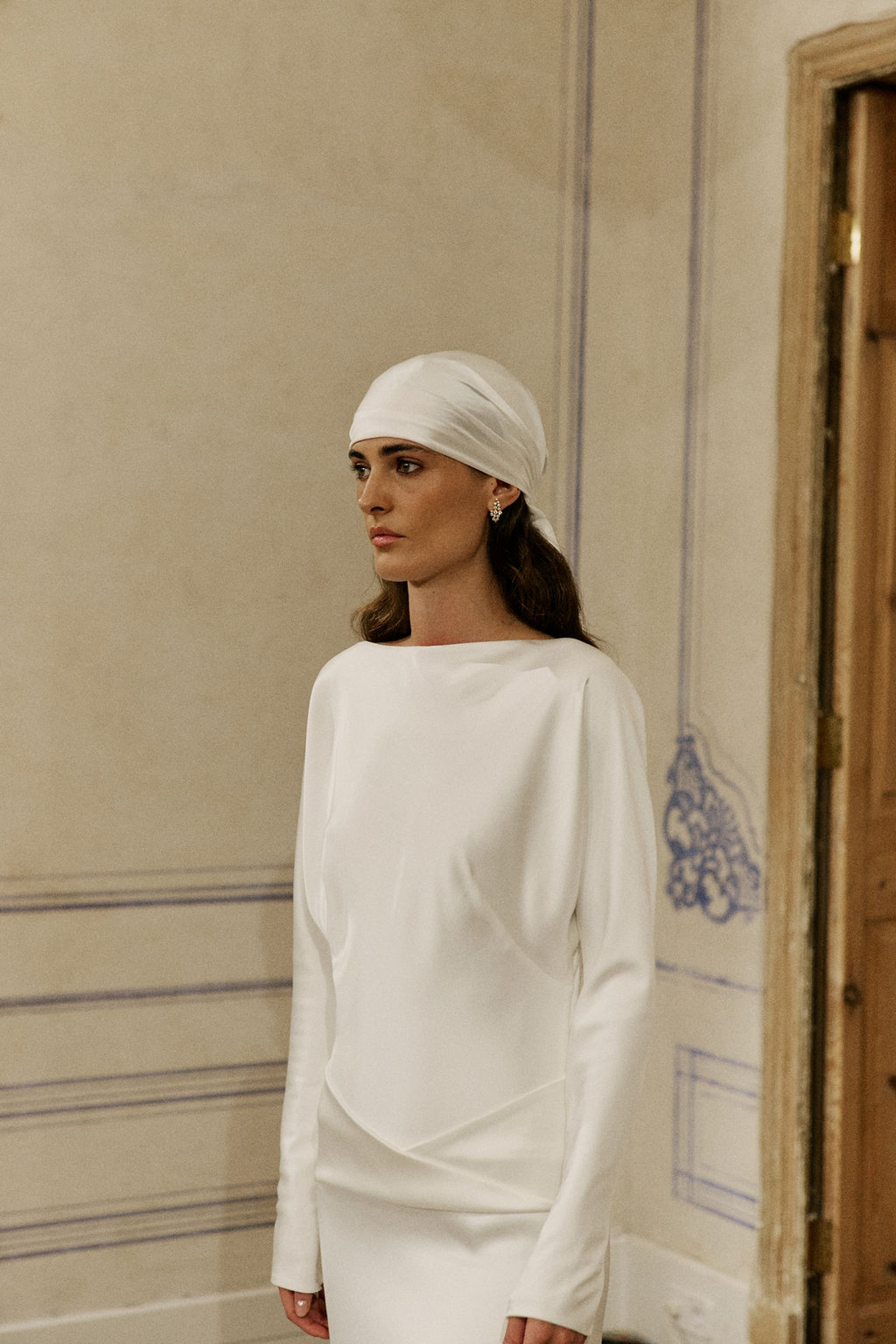
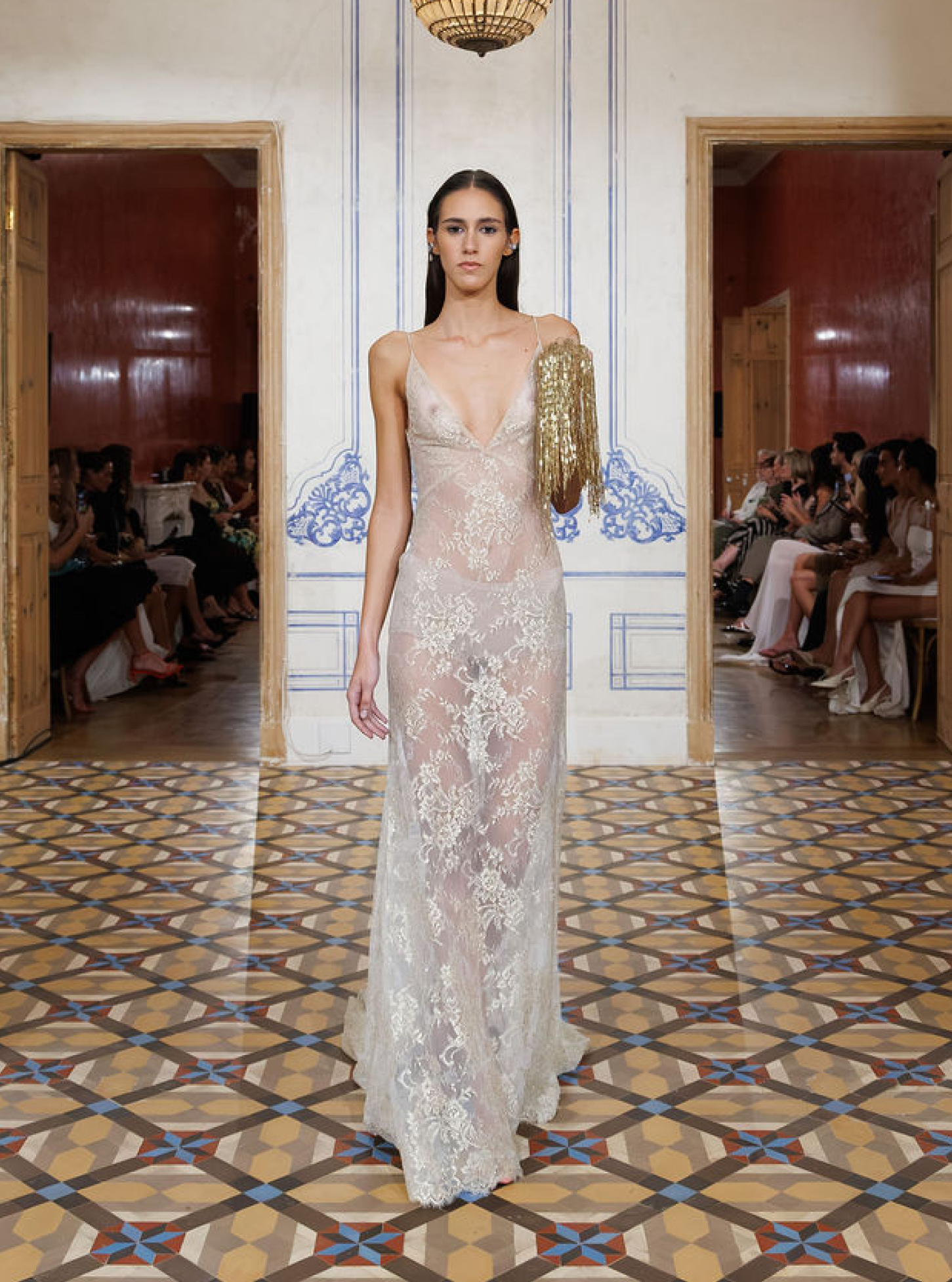
"Ibiza was a place where people from all walks of life, with different personalities and social backgrounds, would come together... It became a fascinating period to research, discovering what that time represented, the people who were drawn there, and the creativity that emerged."
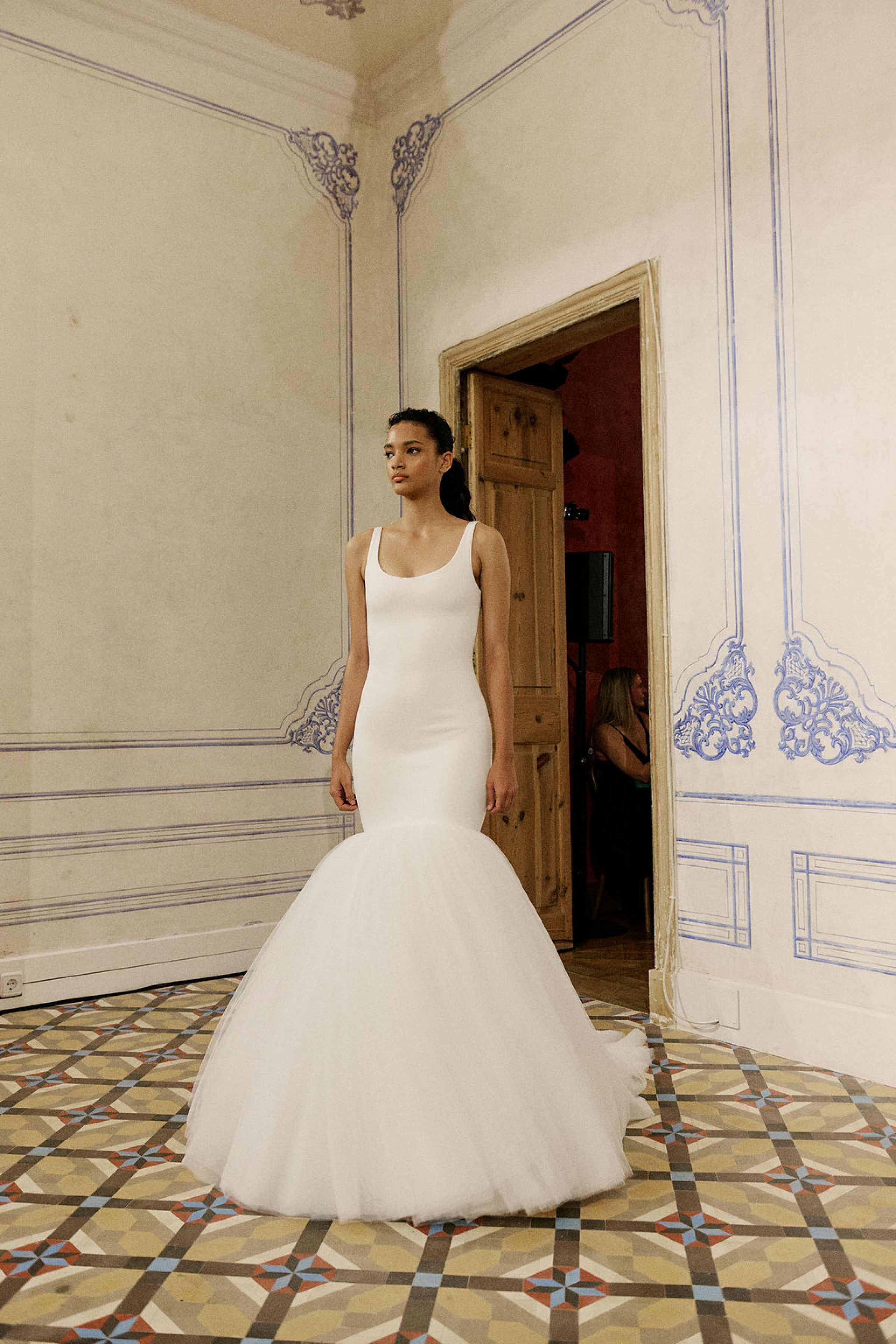
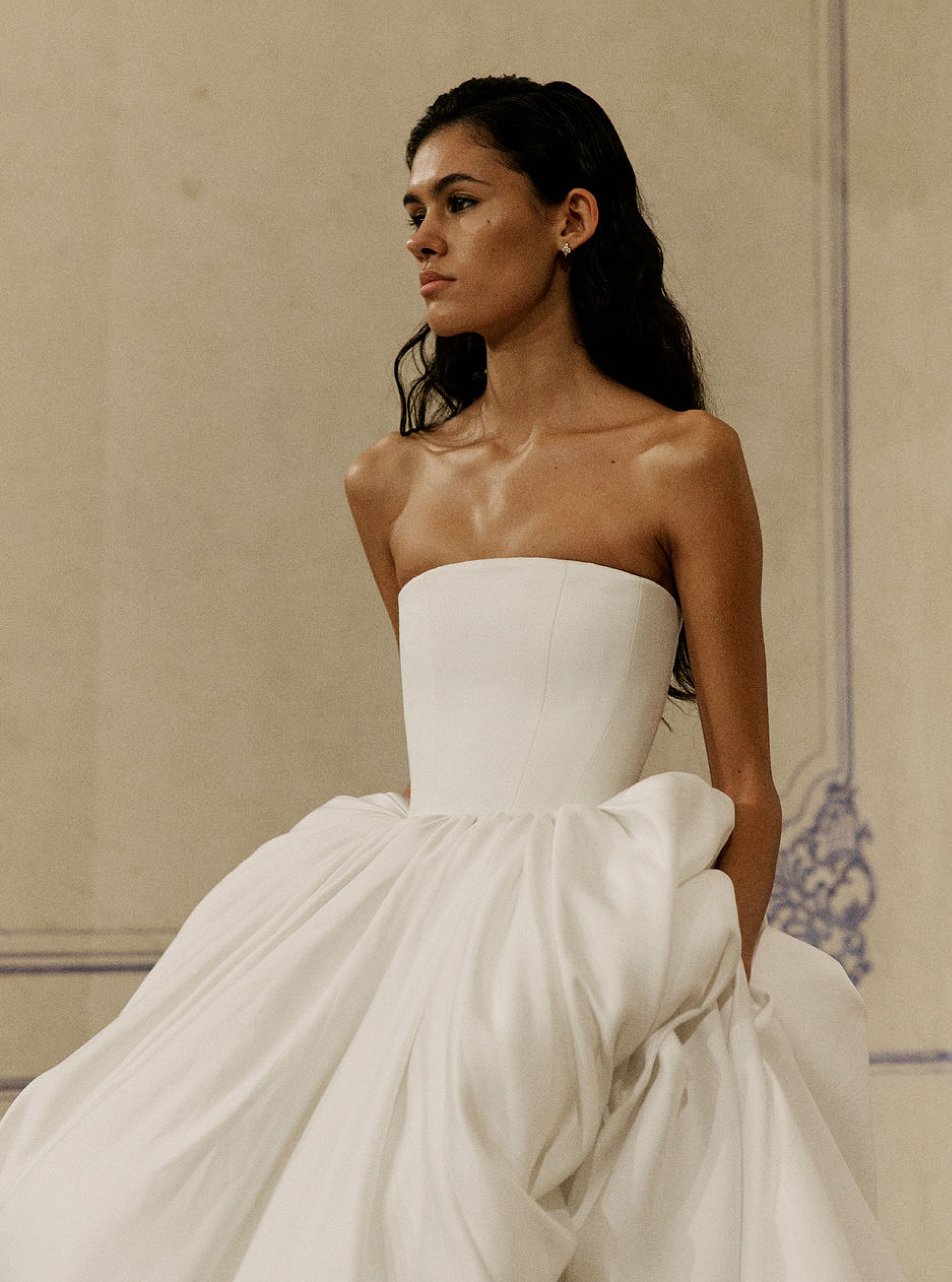
This setting for the runway show in the heart of Mahón feels particularly integral to the world of Josephine. What was it about this space, its history, its soul, that made it feel like the right place to bring Josephine's story to life?
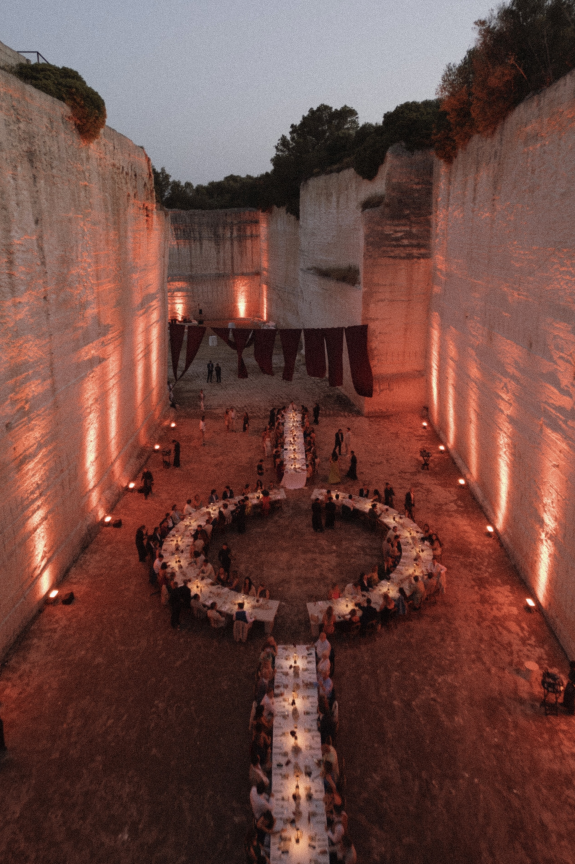
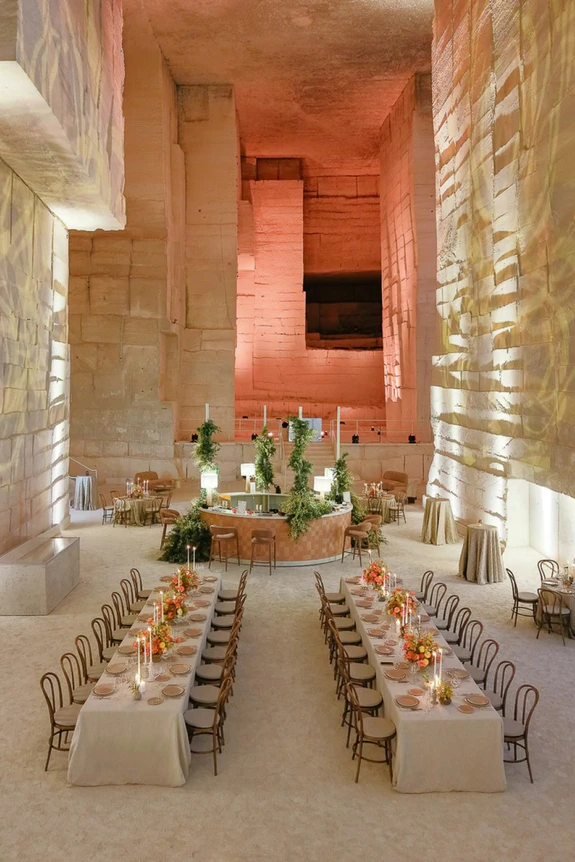
I’d visited quite a few venues across the island, searching for somewhere that felt true to the concept of Josephine. Interestingly, this wasn’t the immediate standout, but when I walked in, there was an energy about the place that really resonated with me. I met the owner almost immediately, and we connected really well. He’s a great supporter of emerging artists, and at the time, there was an exhibition taking place here. I had the opportunity to meet some of those artists, and there was something about the space that felt incredibly welcoming and safe. You could sense the history held within its walls, and between that, the creative energy, and the people connected to it, I felt it embodied everything I wanted to express through Josephine.
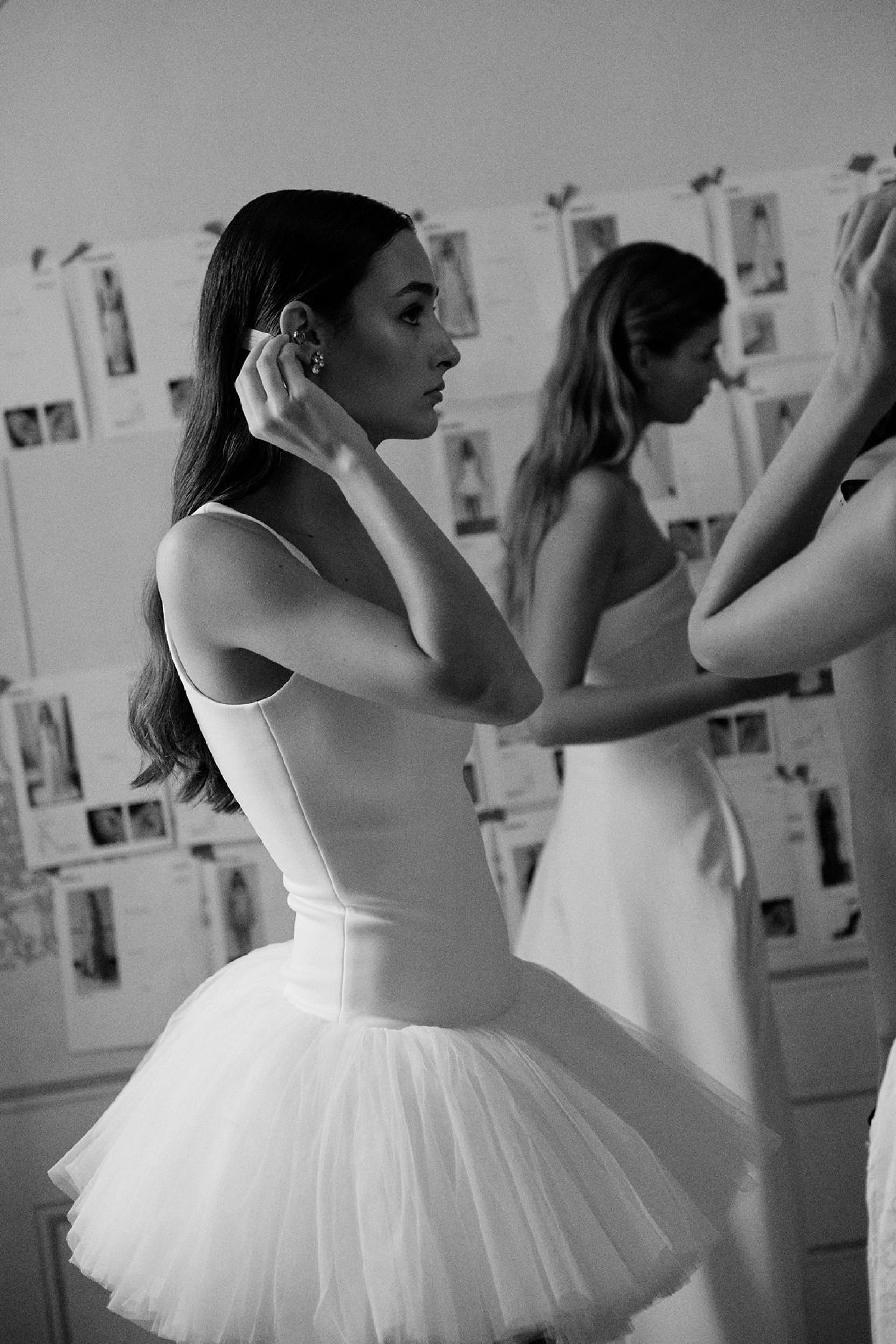
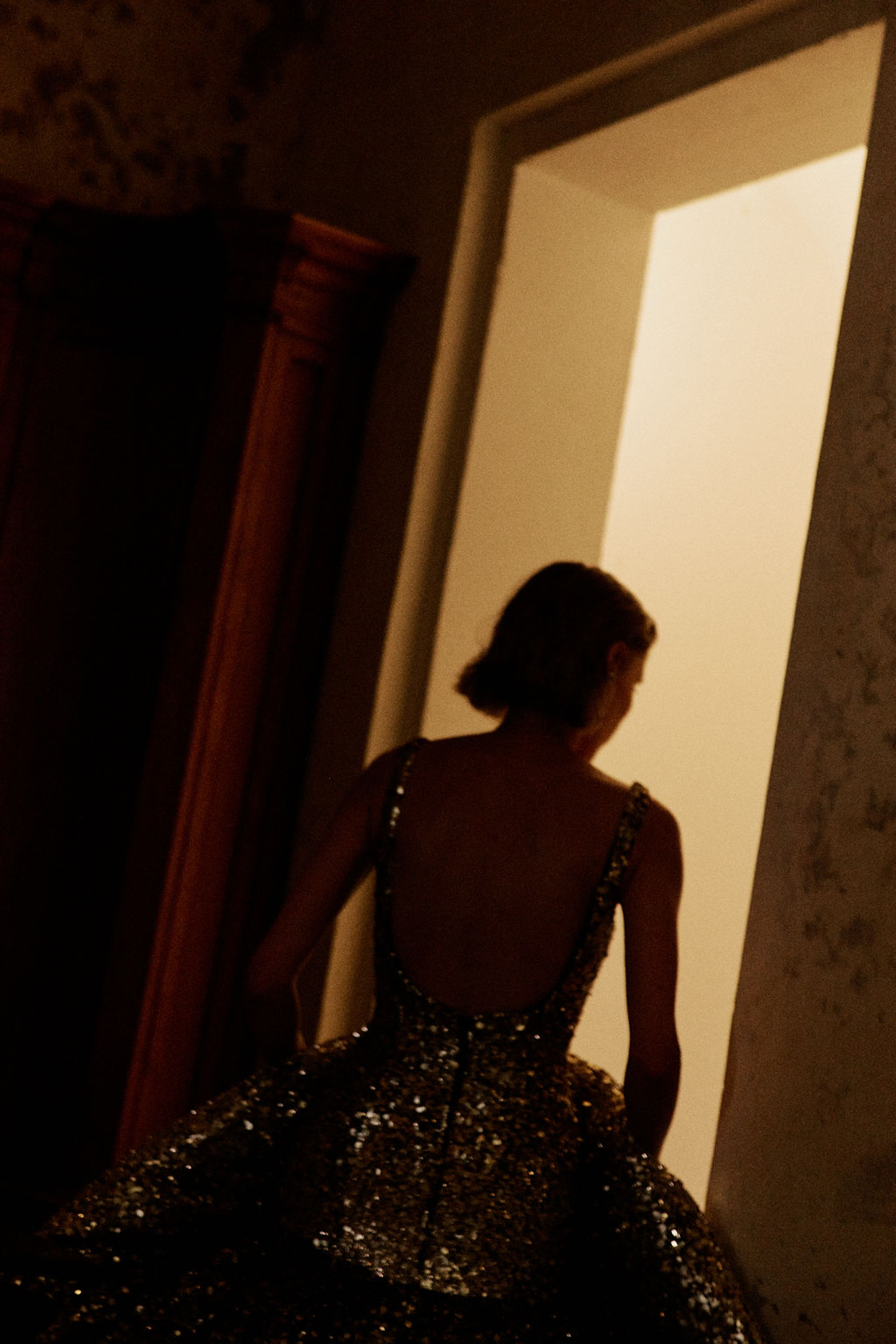
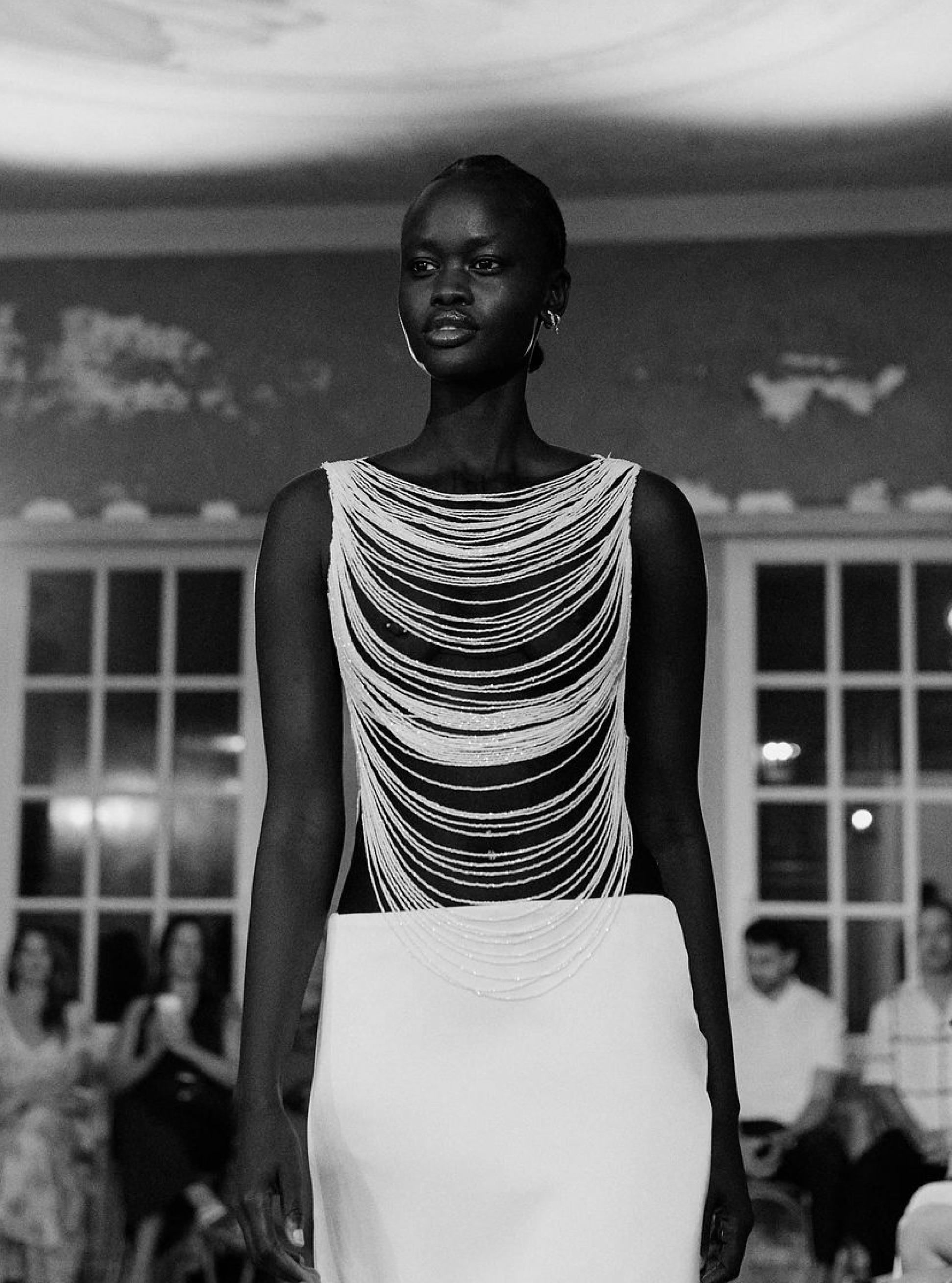
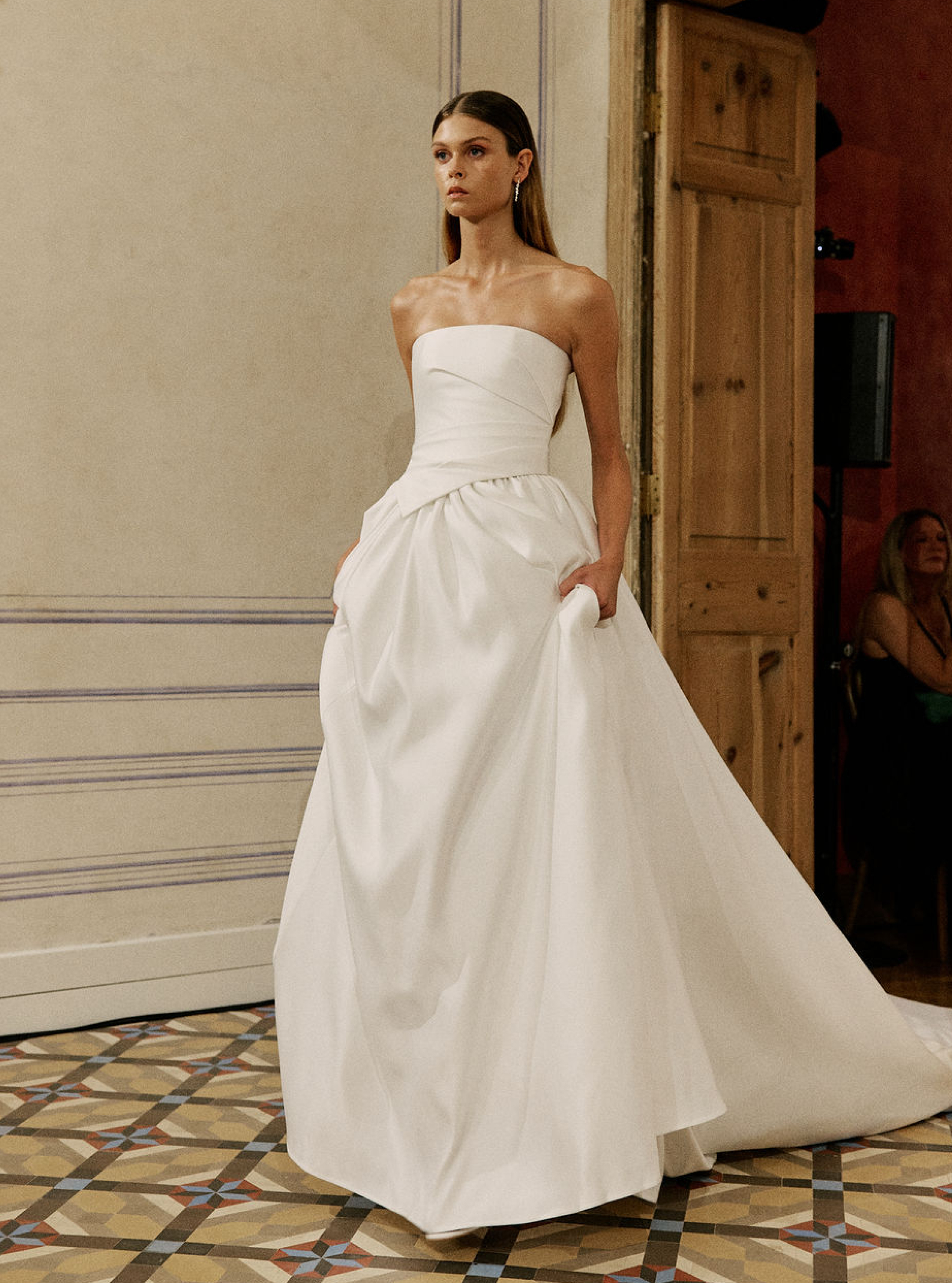
Looking at Josephine within the broad evolution of Kyha Bride, what feels new to you here? What new territory were you interested in exploring, and how did that translate into the silhouettes, fabrications, and techniques?
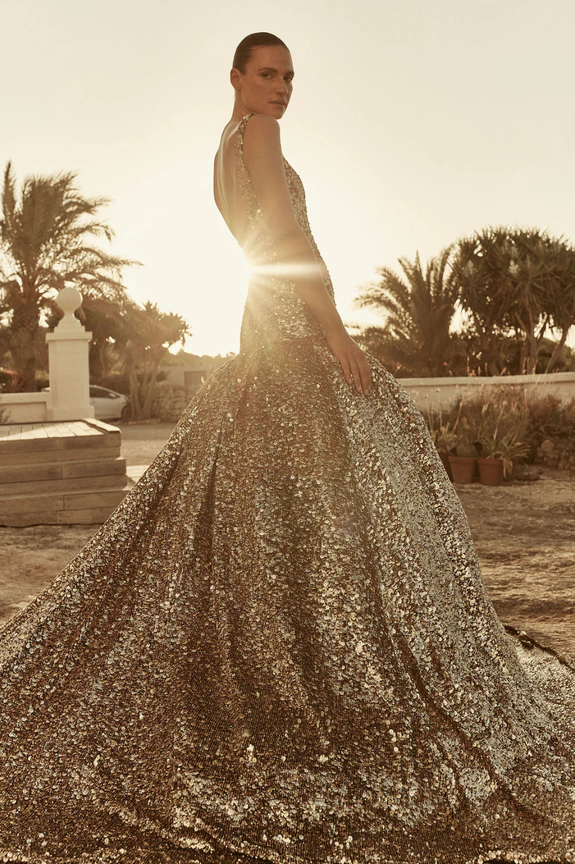
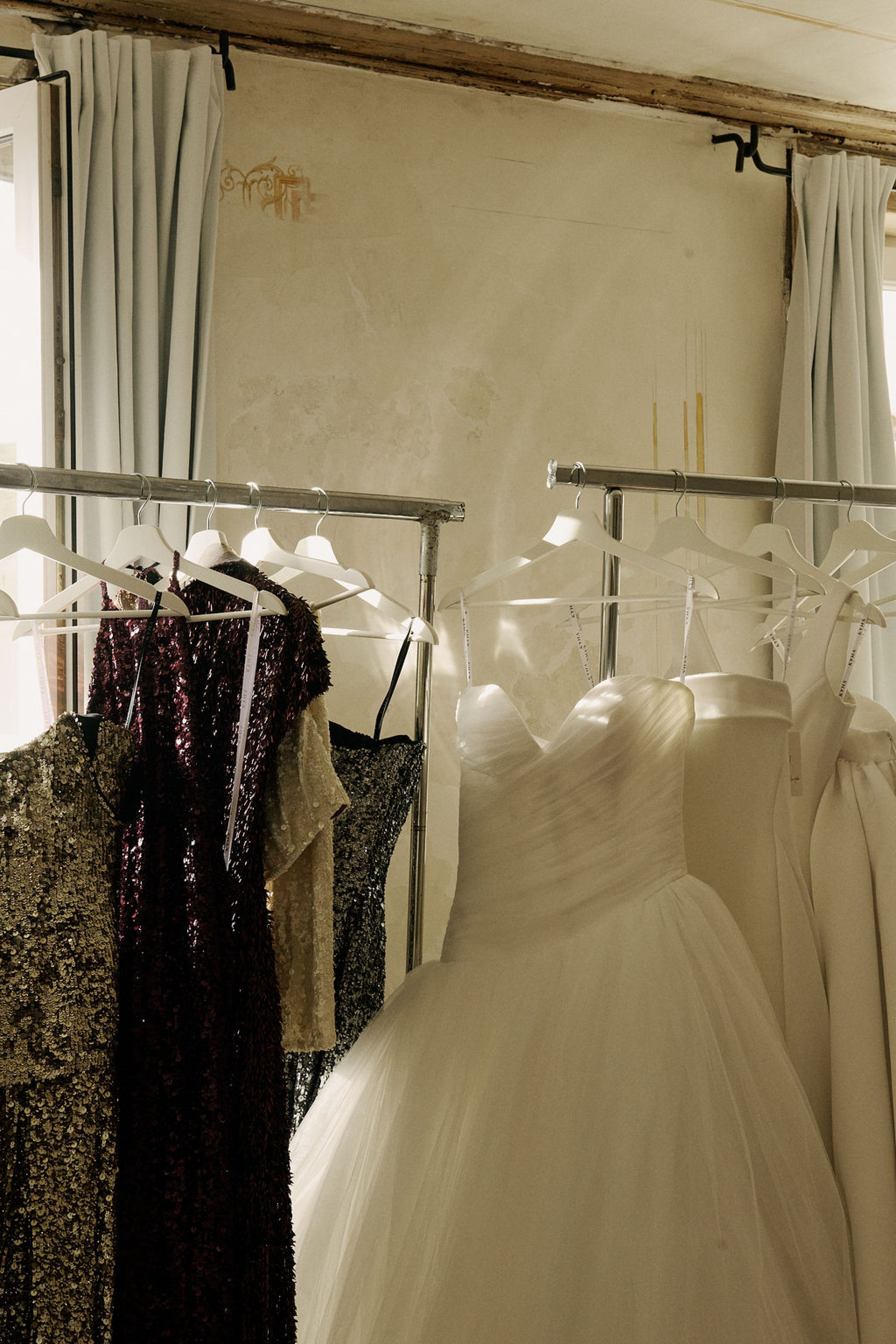
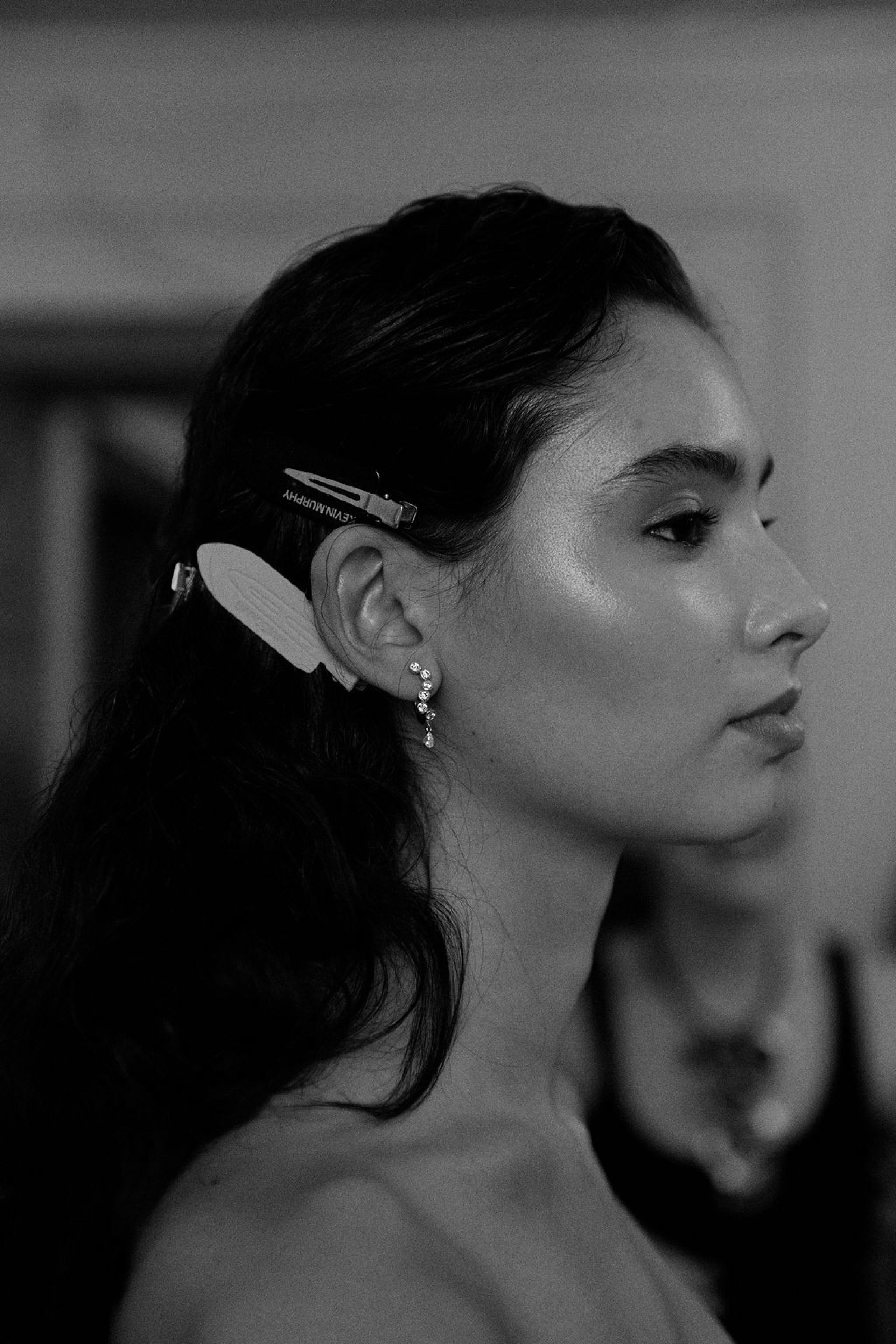
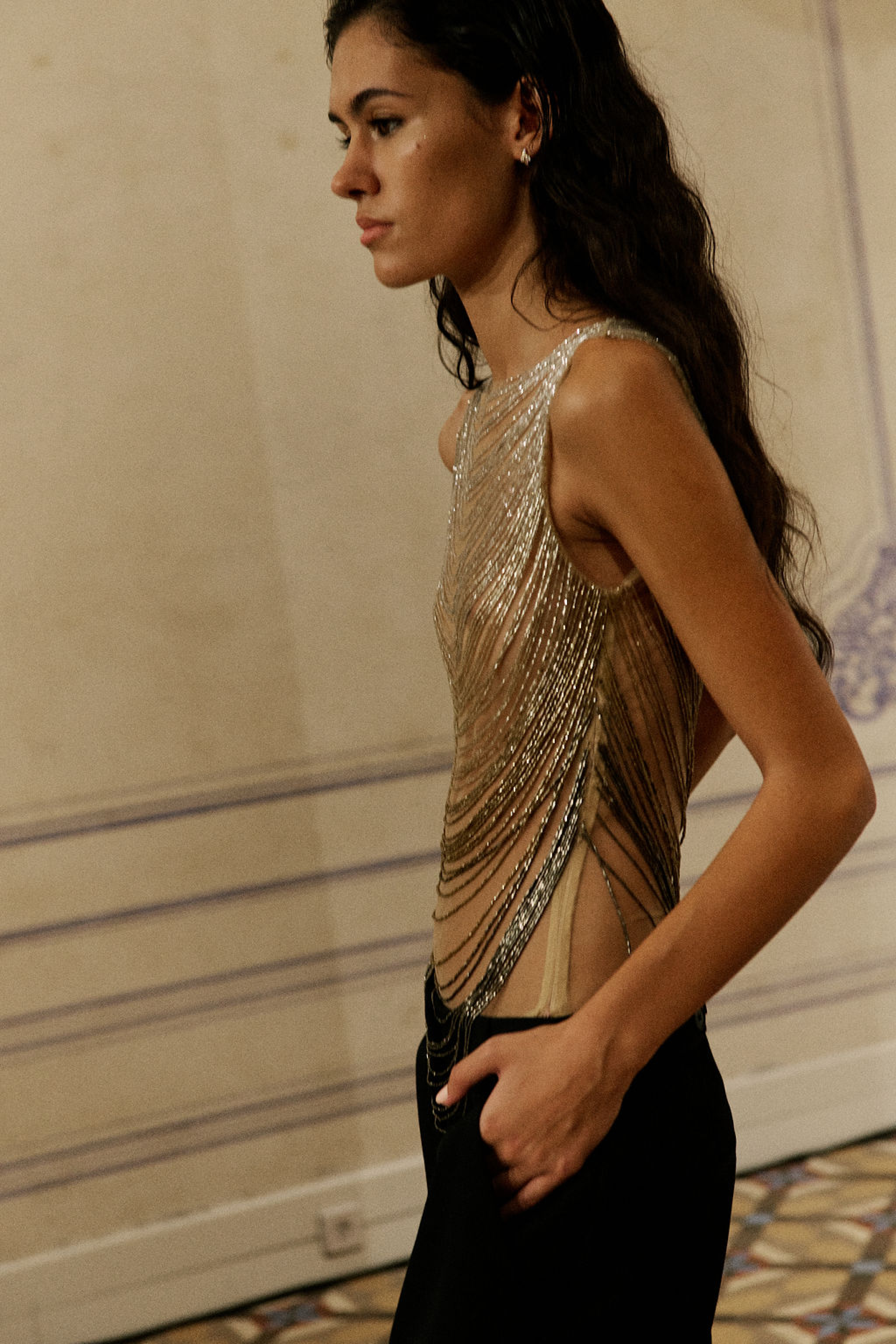
We’re always exploring new shapes and fabrications, and looking at how we can take traditional materials and make them feel new. Beading has always been a significant part of our collections, and for Josephine, I spent time in India working closely with our partners to develop new techniques. I wanted the embellishments to reflect, glisten, and catch the light in a way that felt true to the island itself, capturing that sense of celebration and the spirit of its parties, but in a way that still felt beautiful and elegant. We also explored working with chiffon, introducing a contrast between lightness and weight that was new for me. Bringing those opposing elements together felt like a natural extension of the collection’s narrative.
"It’s about women being themselves and wearing what feels true to them, what gives them confidence and makes them feel beautiful. Whether that’s an entire wedding wardrobe or just one piece they choose to wear on their wedding day."
Historically, bridal fashion has asked women to inhabit a relatively singular vision of femininity. Yet throughout Josephine, and your wider body of work, there’s a duality that challenges this convention. Do you think the modern bride is beginning to reject that prescribed archetype in favor of something more individual, more her?
I often look to figures from the past, women like Grace Jones, who were instrumental in defining their own identities and expressing their individuality. I would love to see more women embrace that same freedom and feel comfortable doing so.
For me, it’s not necessarily about femininity. It’s about women being themselves and wearing what feels true to them, what gives them confidence and makes them feel beautiful. Whether that’s an entire wedding wardrobe or just one piece they choose to wear on their wedding day, ultimately, I want every bride to wear whatever makes her feel most beautiful.