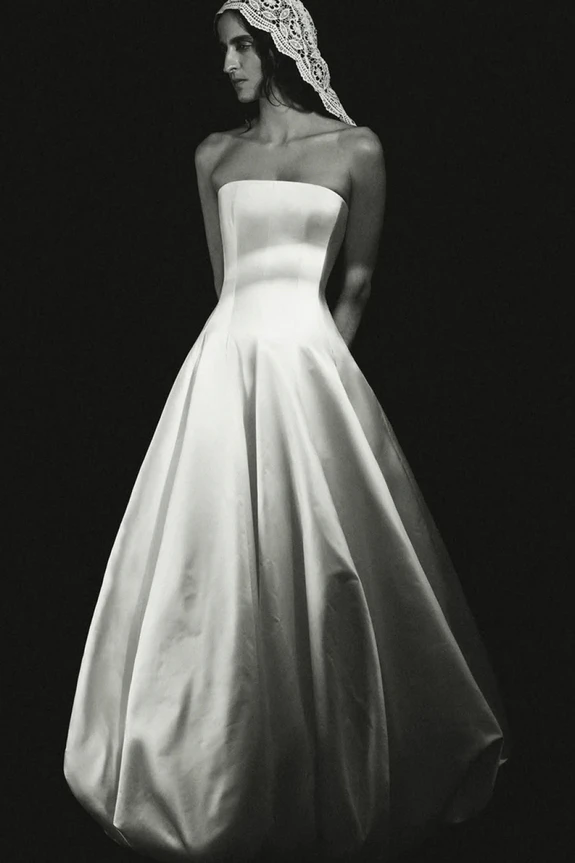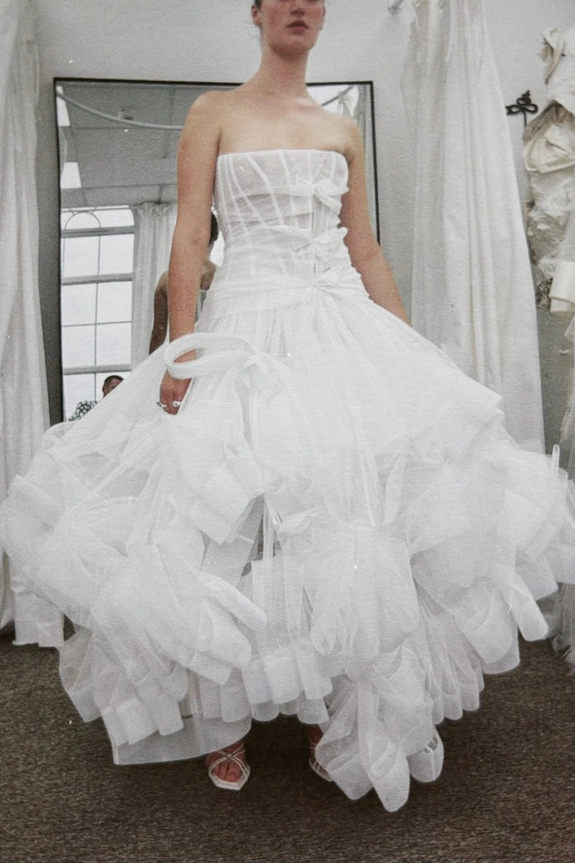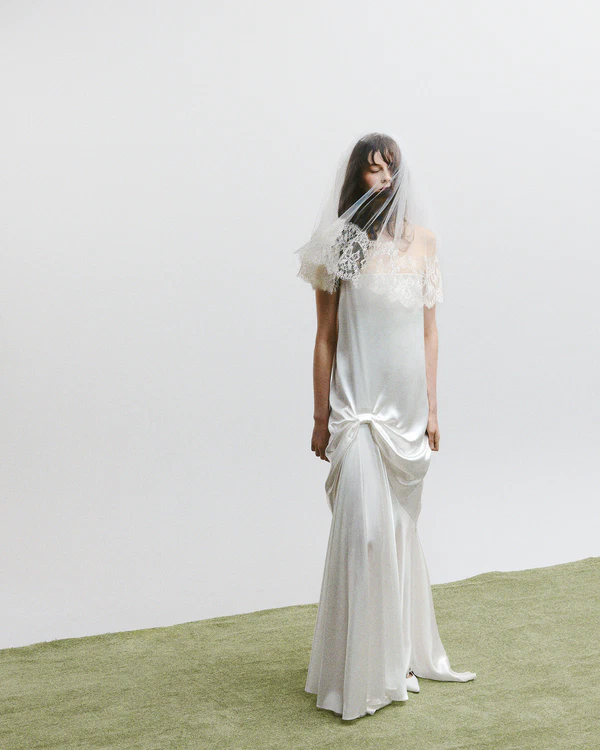
A wedding dress has always been more than something a woman wears on the day she marries. It is a garment imbued with memory, sentiment and a significance that extends far beyond the occasion itself. For generations, that sentiment was often expressed through the tradition of preservation. Carefully tucked between layers of tissue and stored away for safekeeping, a wedding gown might one day find its way into the hands of a daughter or granddaughter, carrying with it a tangible piece of family history.
But somewhere along the way, our relationship with the wedding dress began to change. As bridal fashion has become increasingly individualistic, and the idea of a single dress has given way to multiple looks and fleeting trends, the tradition of preserving a gown for future generations has quietly fallen out of favor. Today’s brides are no less sentimental, but increasingly, they’re choosing not to preserve the very dress they once spent months, sometimes years, searching for. So why are brides no longer holding on to their wedding gowns, and what does this shift reveal about the way we value tradition, sentiment and personal expression today?
The Accelerating Cycle of Bridal Fashion
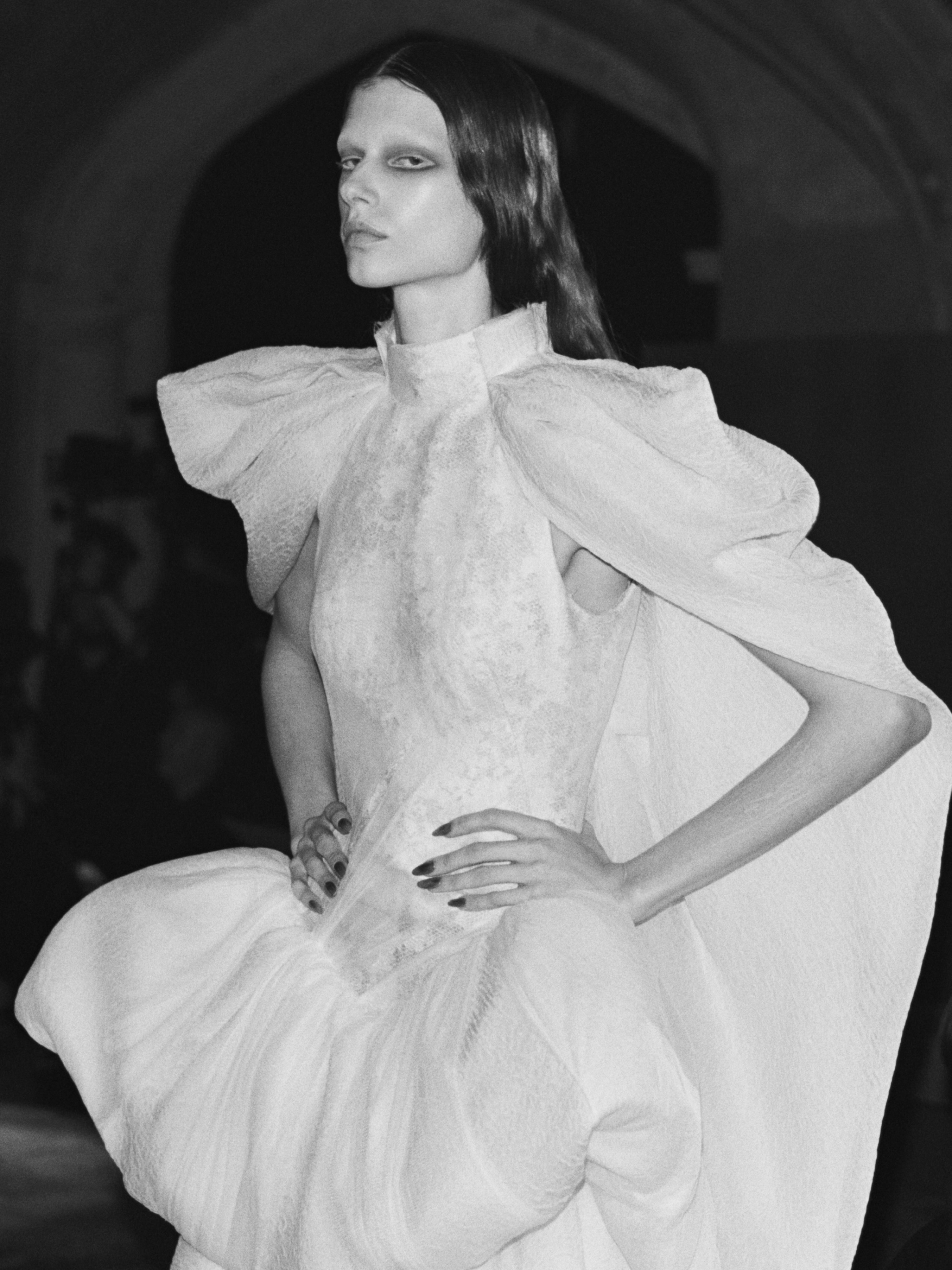
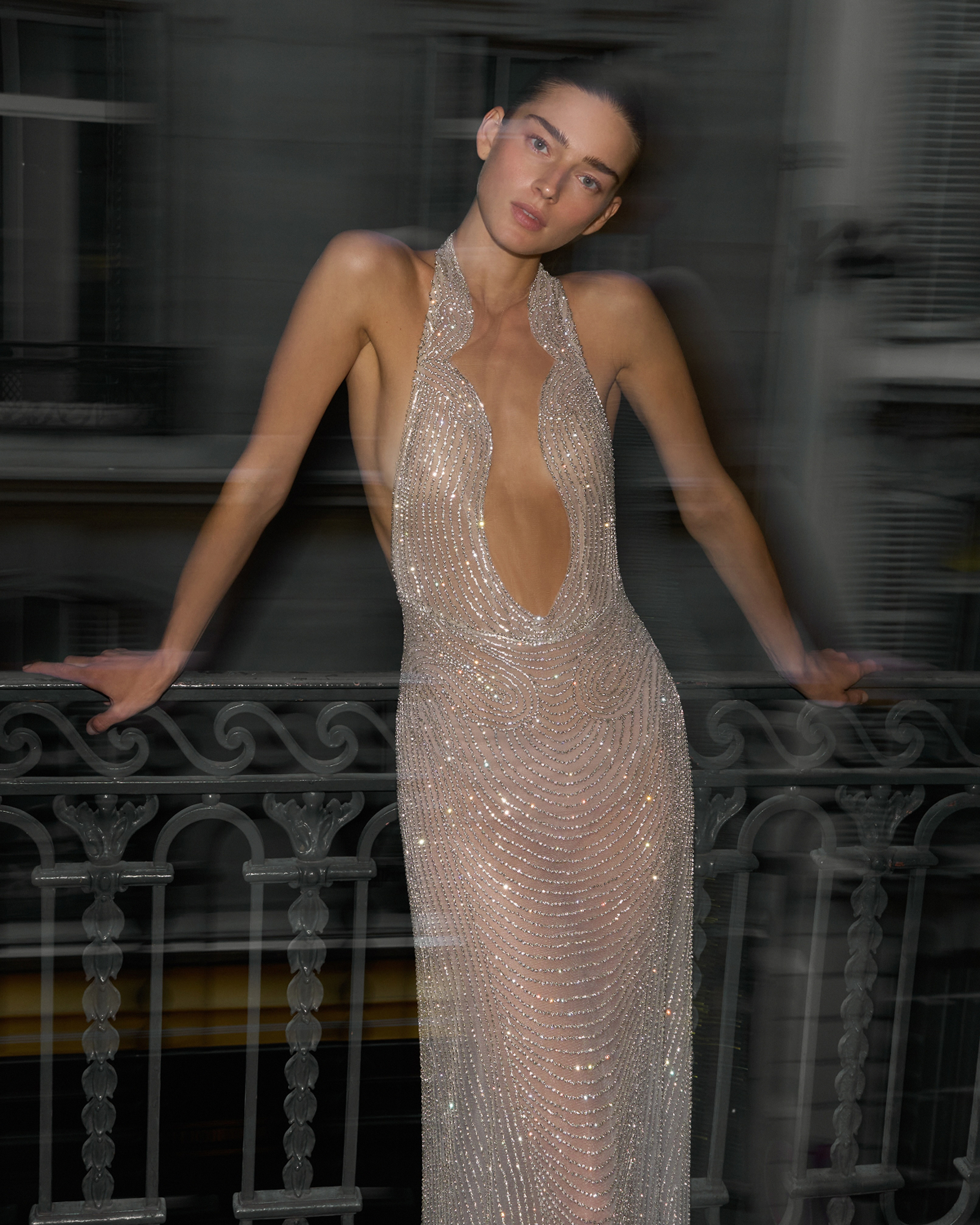
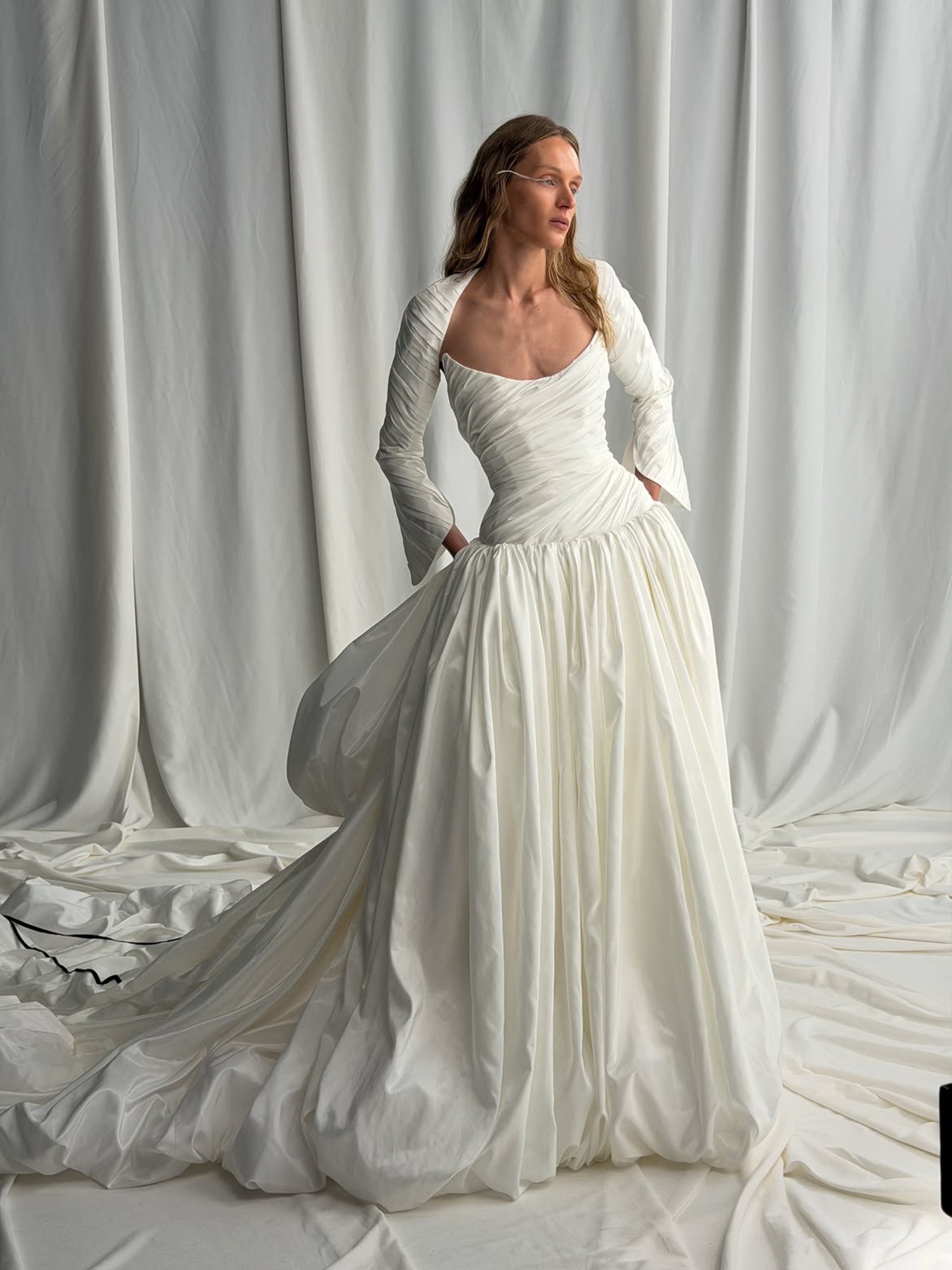
Today, bridal fashion runs on the same clock as everything else. With multiple bridal fashion weeks per year, necklines, sleeves, and volumes rise and fall at the drop of every new collection. And while this isn't necessarily anything new, the speed at which trends now emerge, circulate and disappear has fundamentally changed our relationship with what feels timeless.
Social media is now what sets the pace. A look appears at bridal fashion week or on a real bride, and within days it's posted hundreds of times on Instagram and circulated to the depths of Tiktok and Pinterest. By the time it actually lands in-store, the next idea is already circulating. Even a dress that felt like the height of the moment during your engagement can read as dated by the time you tie the knot. Today, most trends move too quickly for a single gown to stay current across a lifetime, so brides are increasingly embracing what feels fresh, individual and distinctly their own, rather than feeling bound by traditional notions of what a wedding dress should be.
The Rise of the Bridal Wardrobe
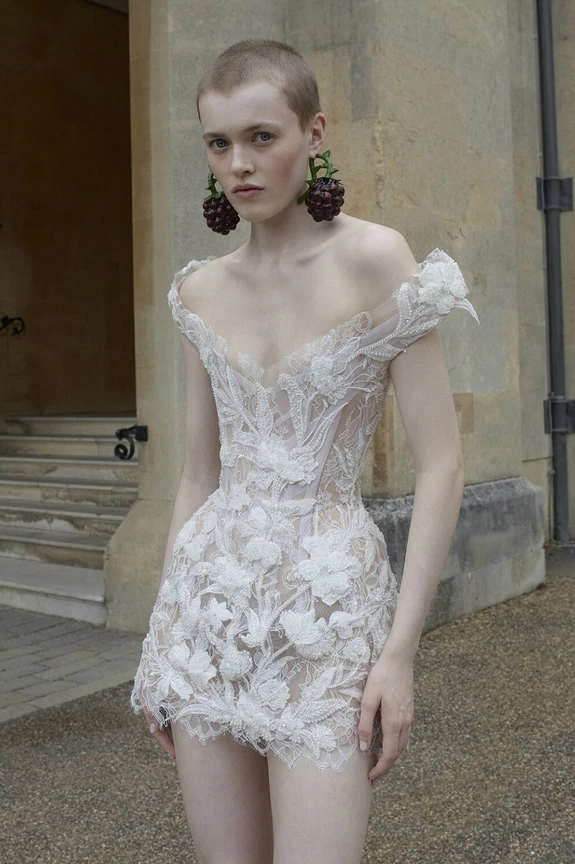
The gown was once the entire event—a singular dress worn from the ceremony to the last dance. Now the wedding day and all the events leading up to it come with a full wedding wardrobe: a ceremony dress, a reception change, an outfit for the welcome party, another for the rehearsal dinner, a bridal mini or suit for the civil ceremony, something for the bachelorette party. With so many looks marking different moments of the celebration, the sentimental significance once attached to a single gown is now shared across an entire wardrobe. And when no one dress carries the full emotional weight of the occasion, the desire to preserve it as a family heirloom becomes less compelling.
Personal Style Over Tradition
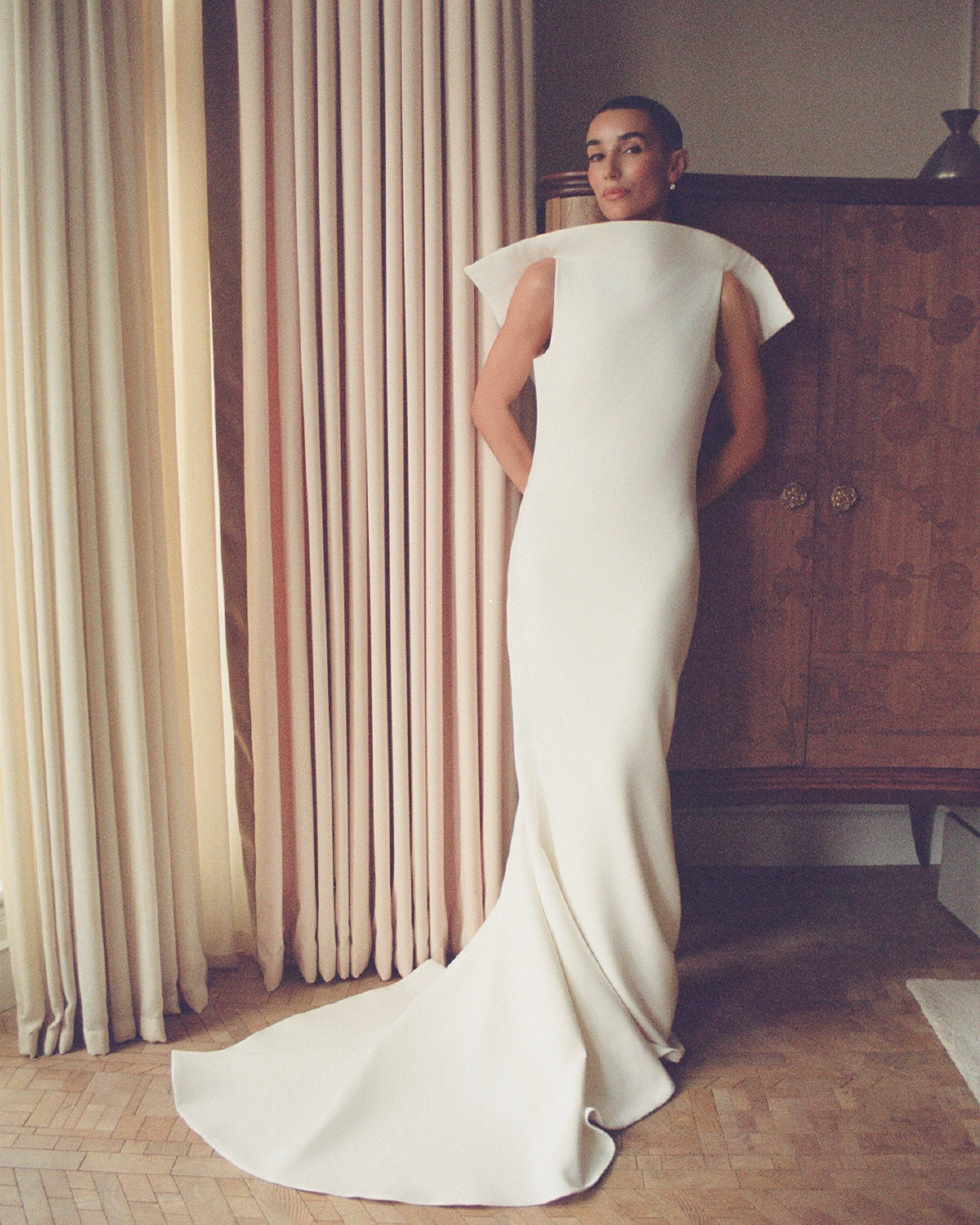
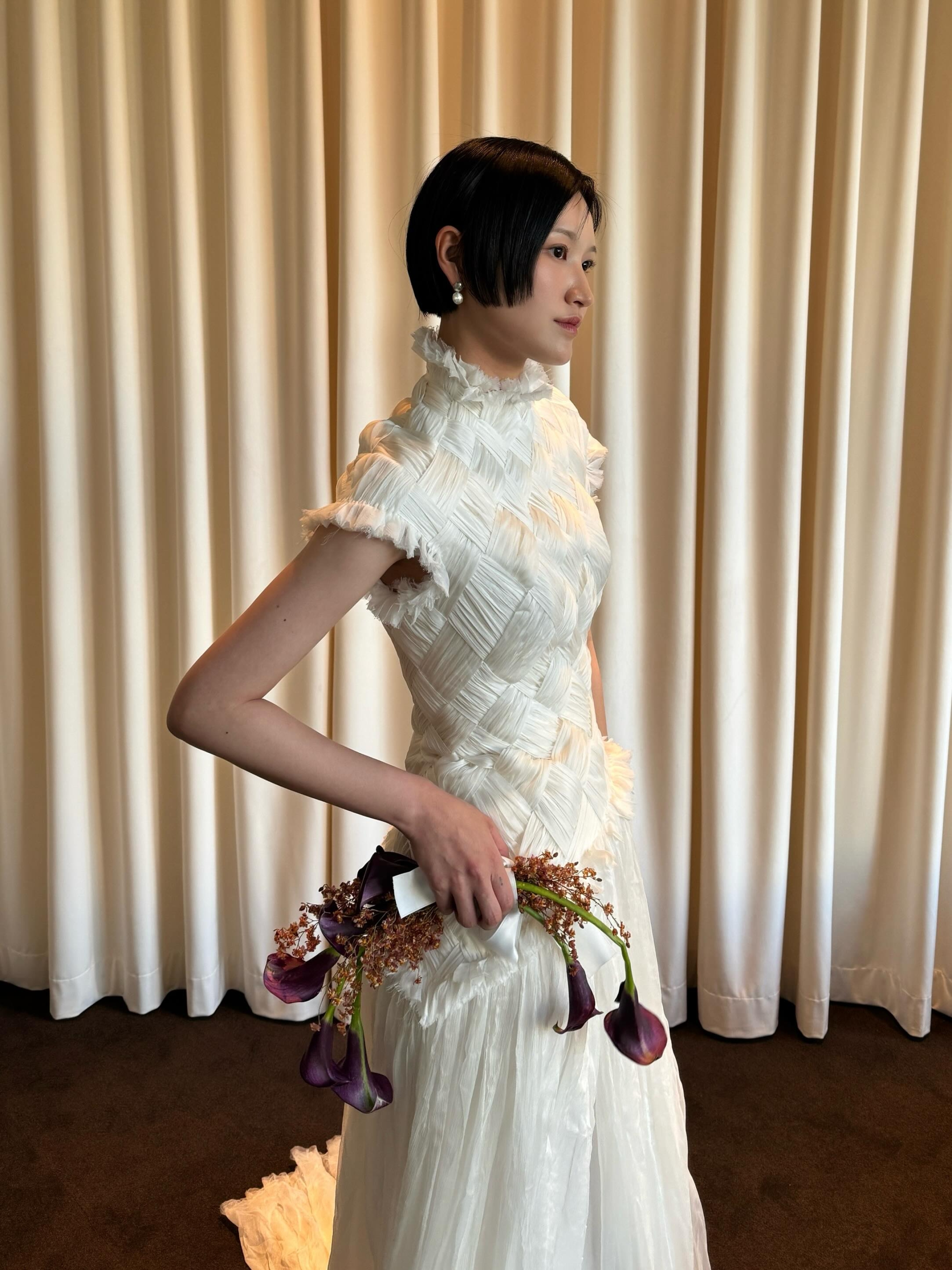
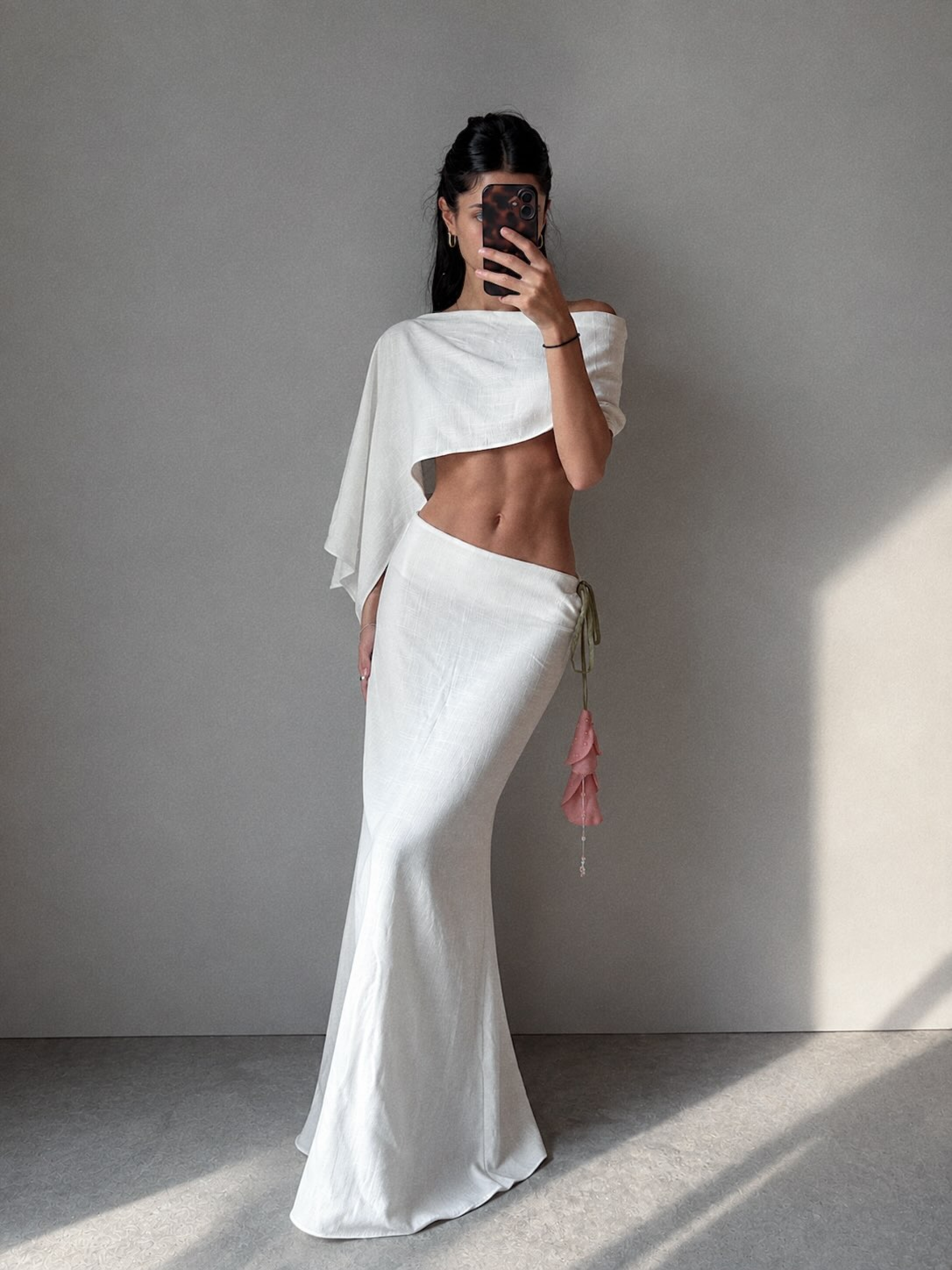
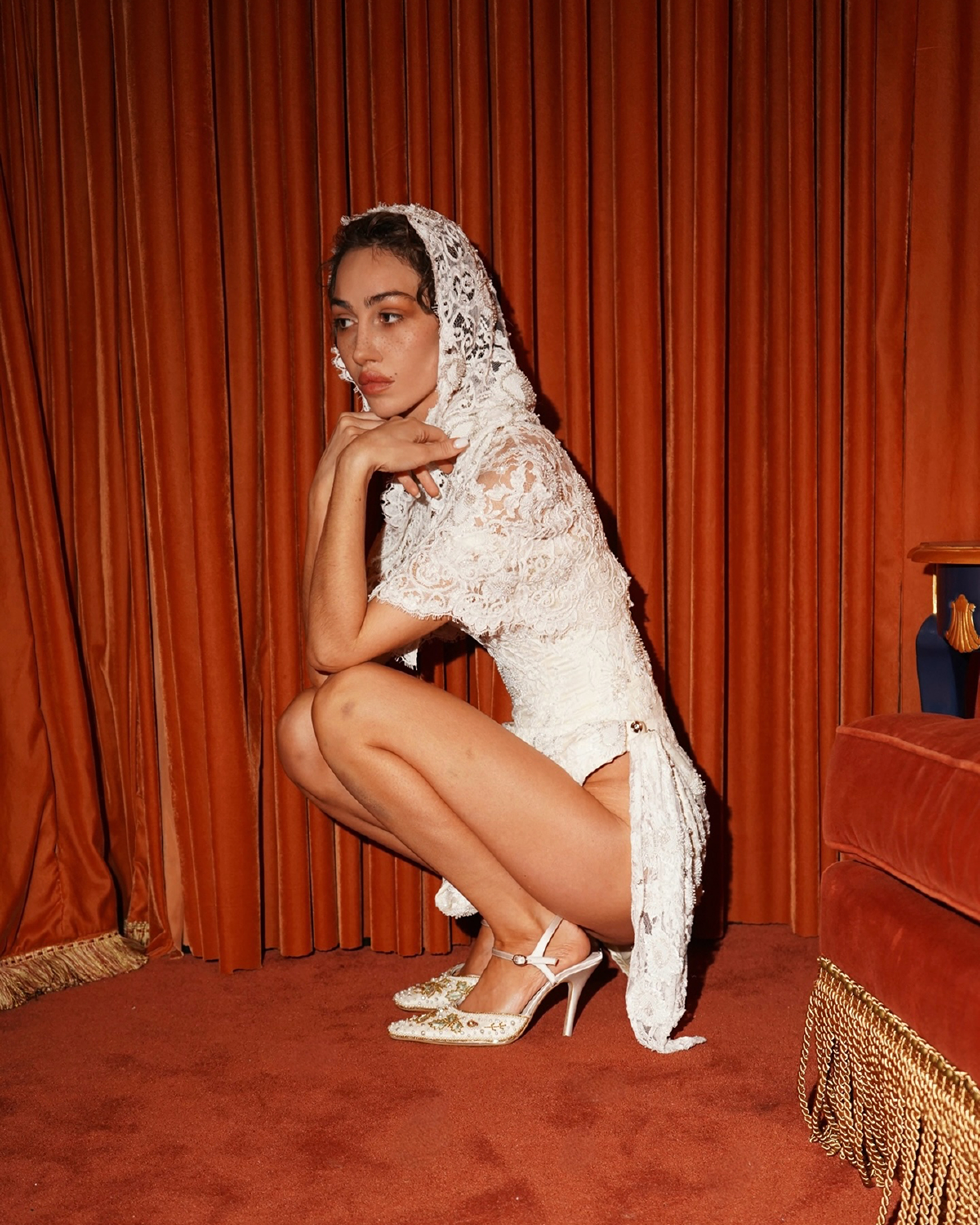
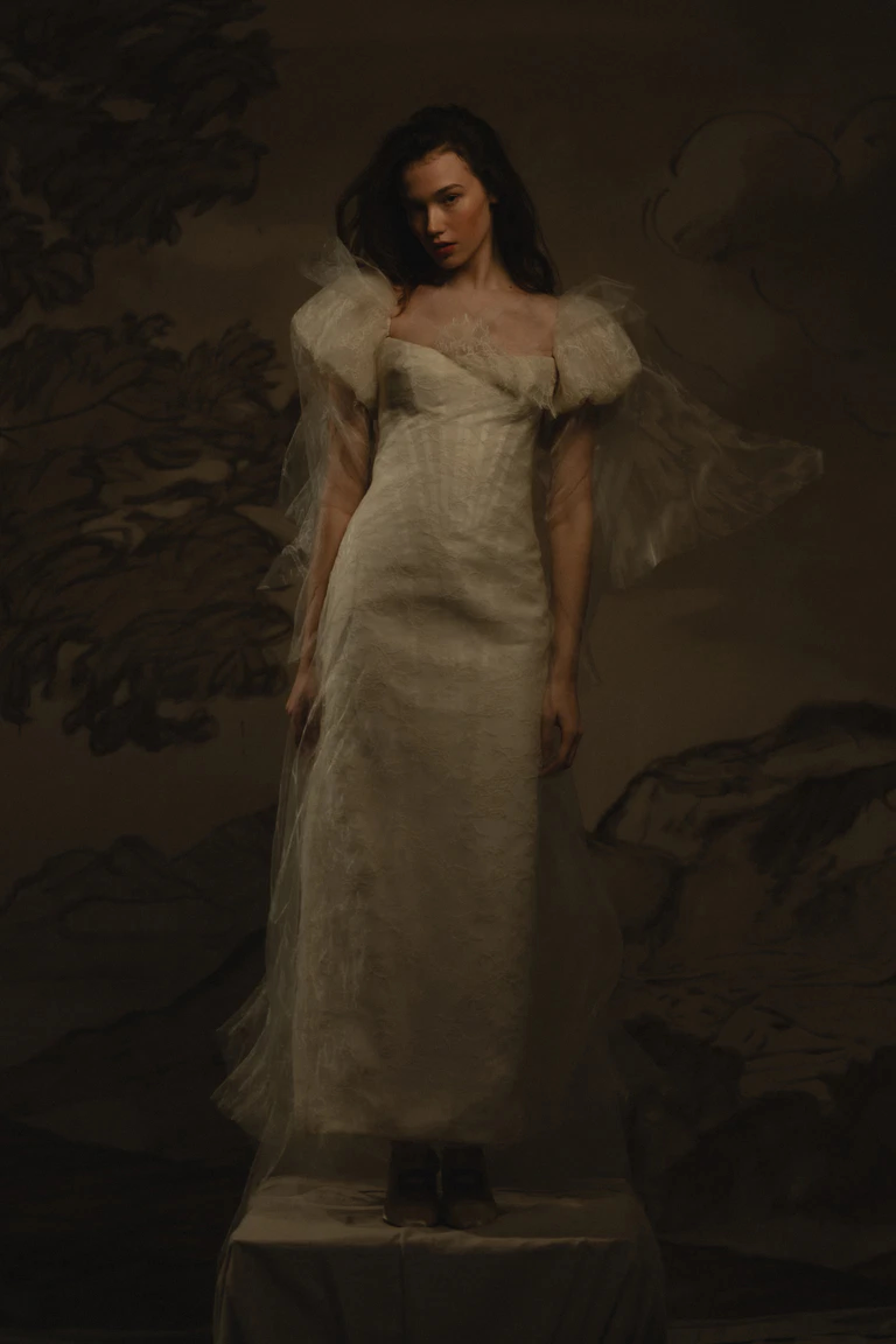
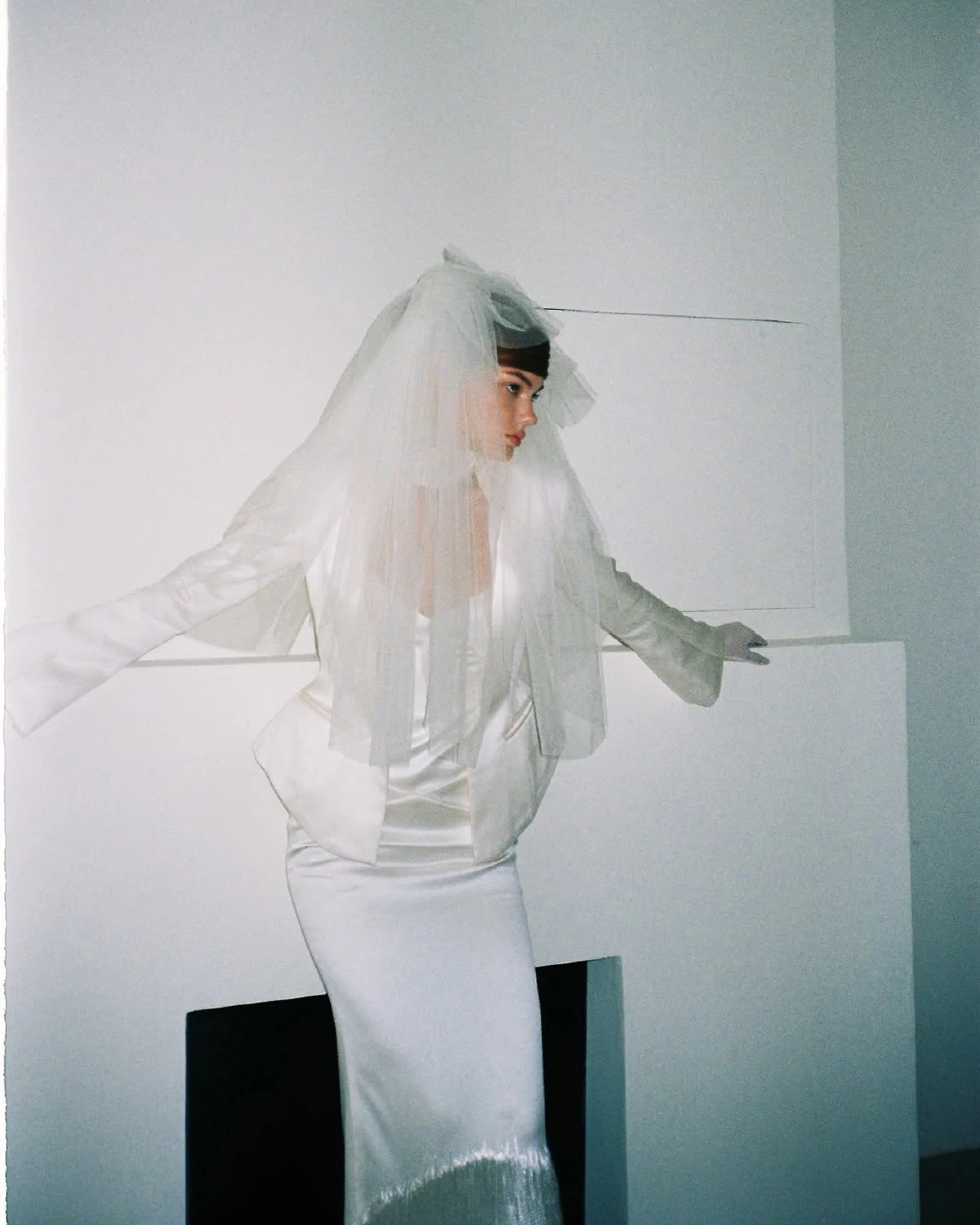
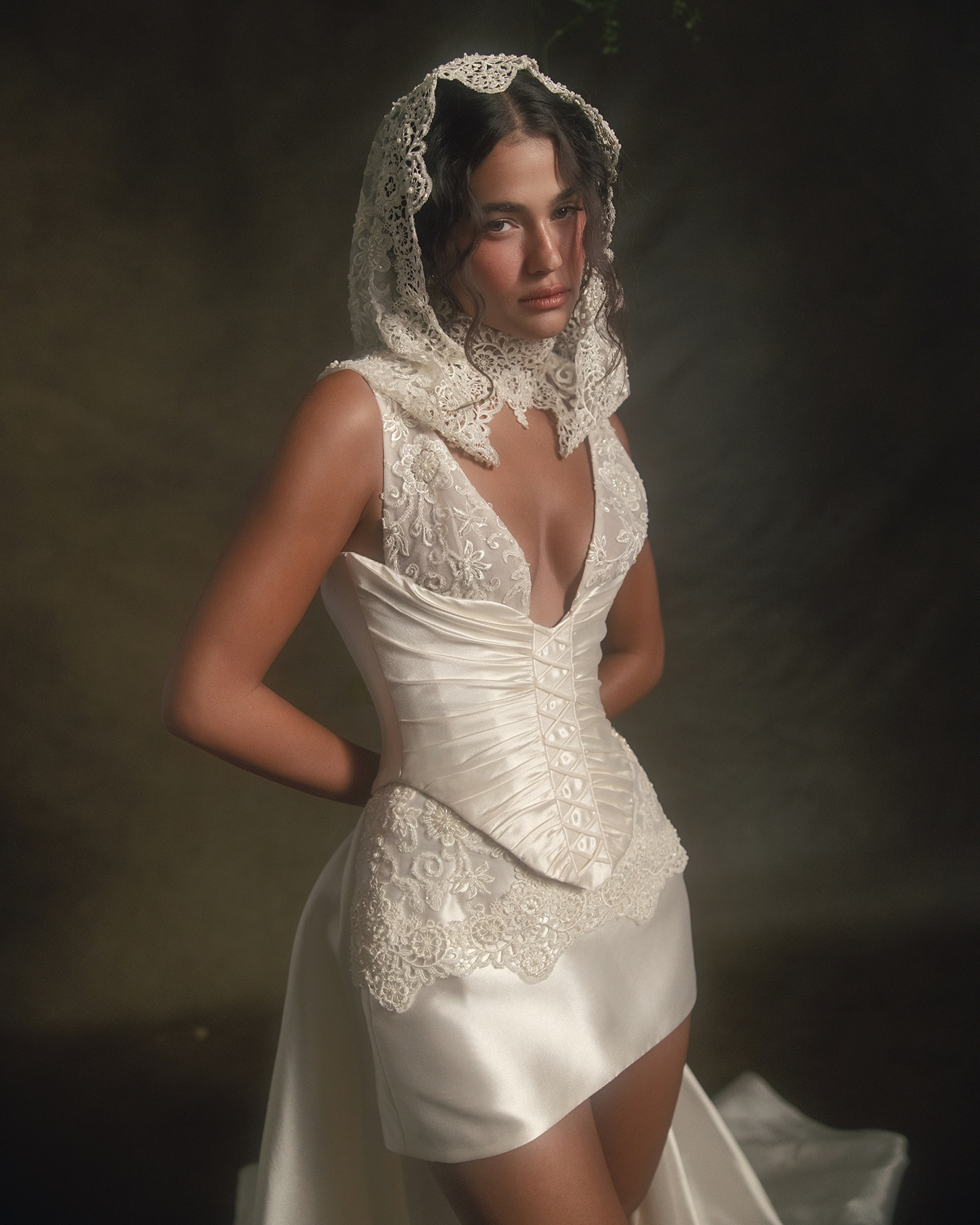
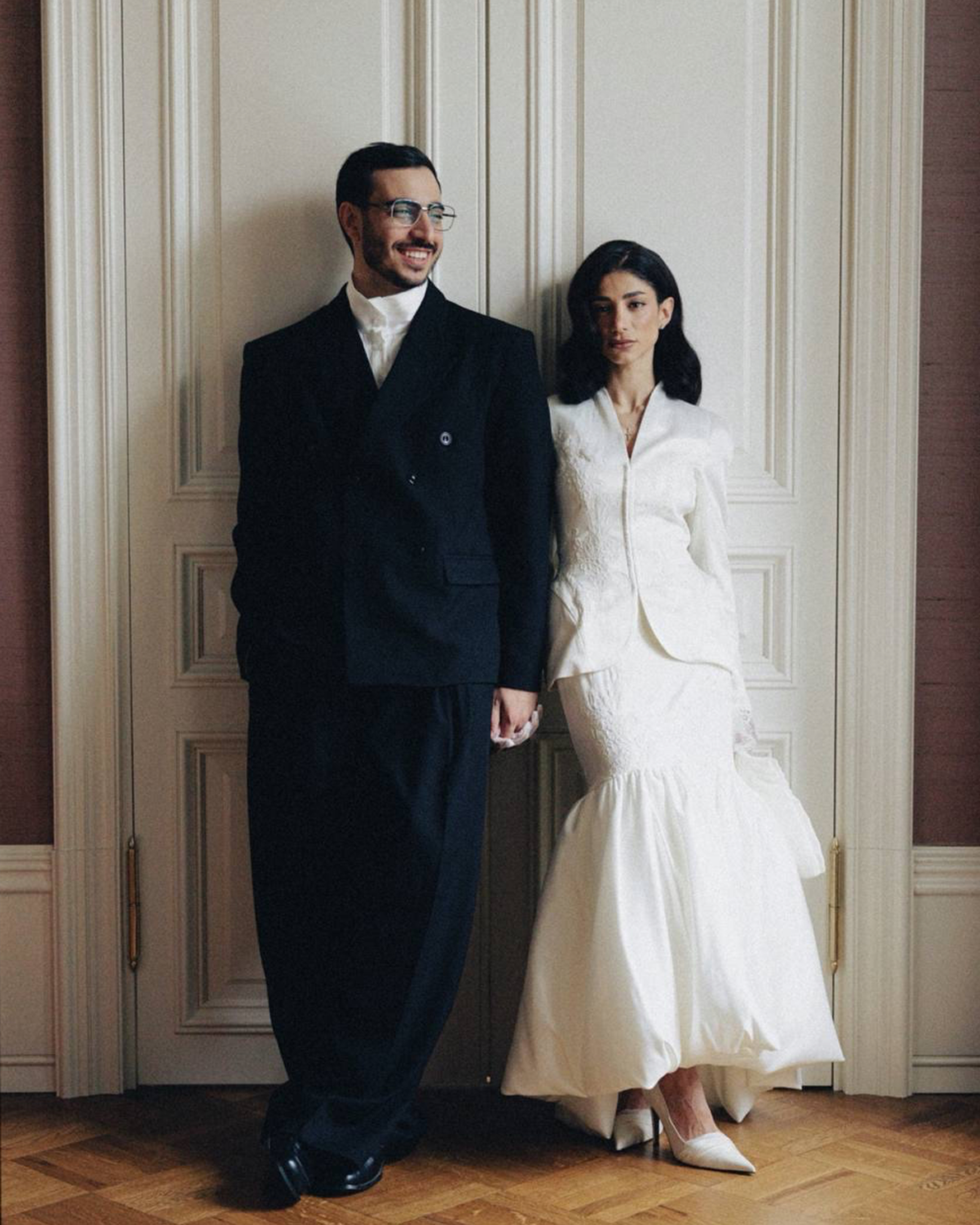
Wearing a mother’s or grandmother’s dress was once something of an expectation, but today’s brides are increasingly drawn to gowns that feel unmistakably their own. From perusing boutiques across the world to discovering emerging designers, the search for a wedding dress has become a deeply personal expression of individual style, identity and the love story it represents. Rather than dressing according to inherited expectations or traditional notions of what a bride should look like, women are embracing silhouettes, designers and details that speak to who they are.
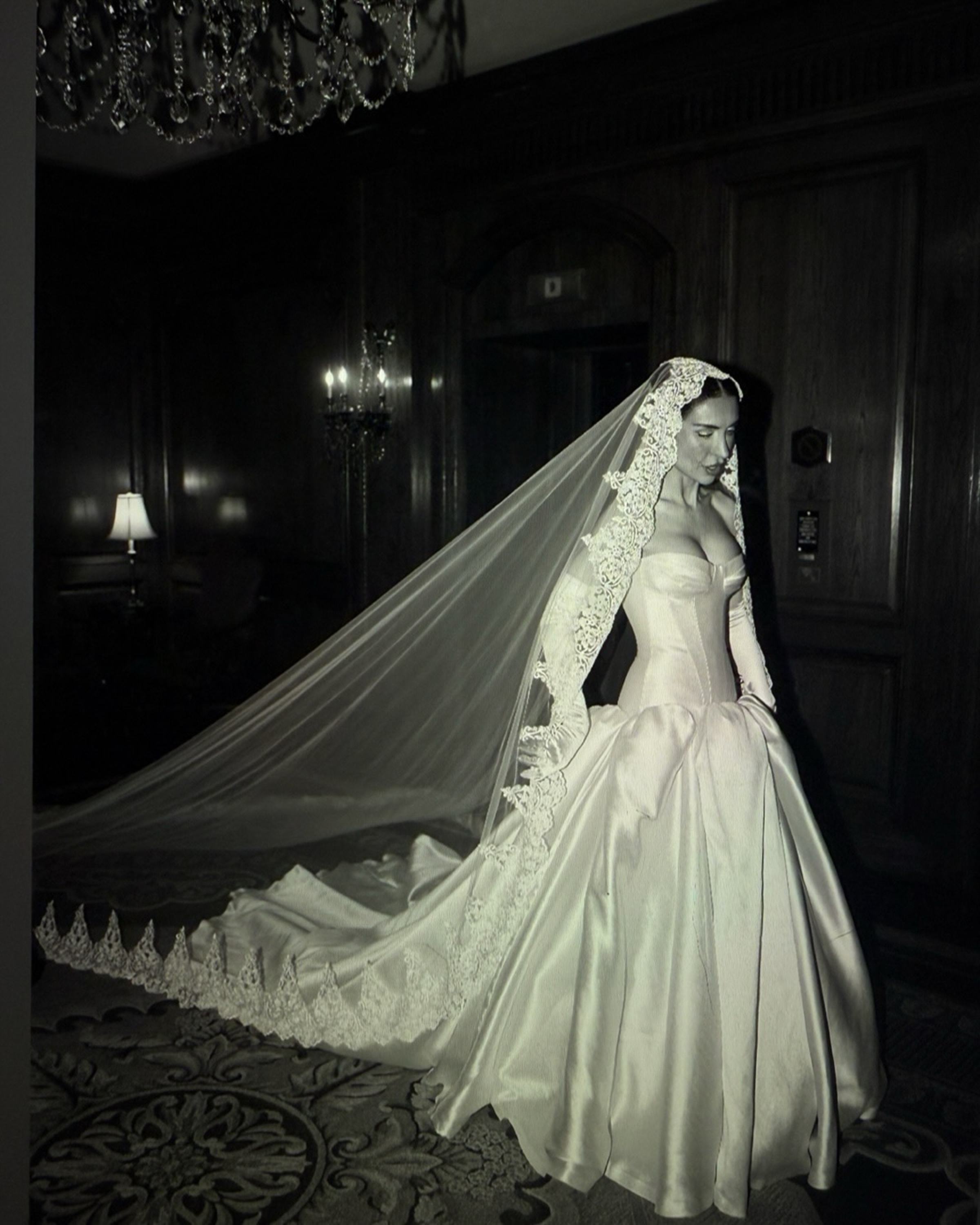
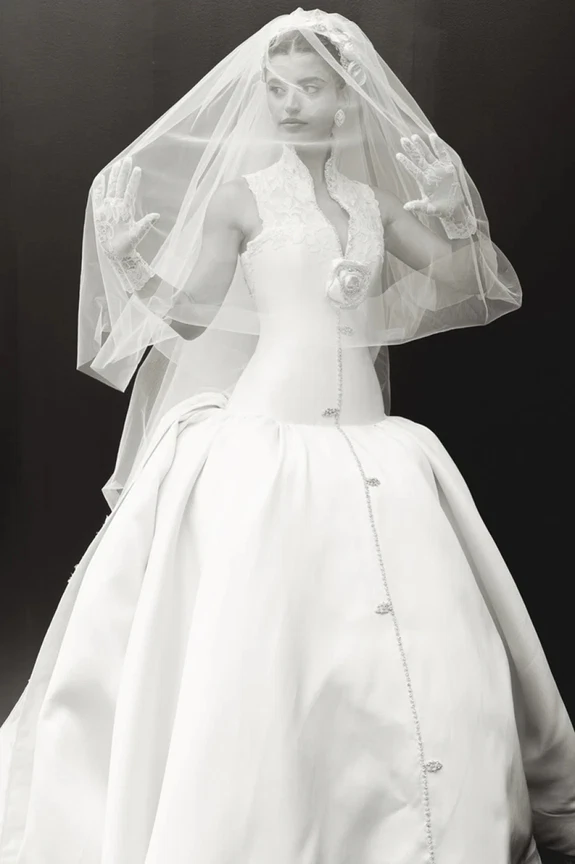
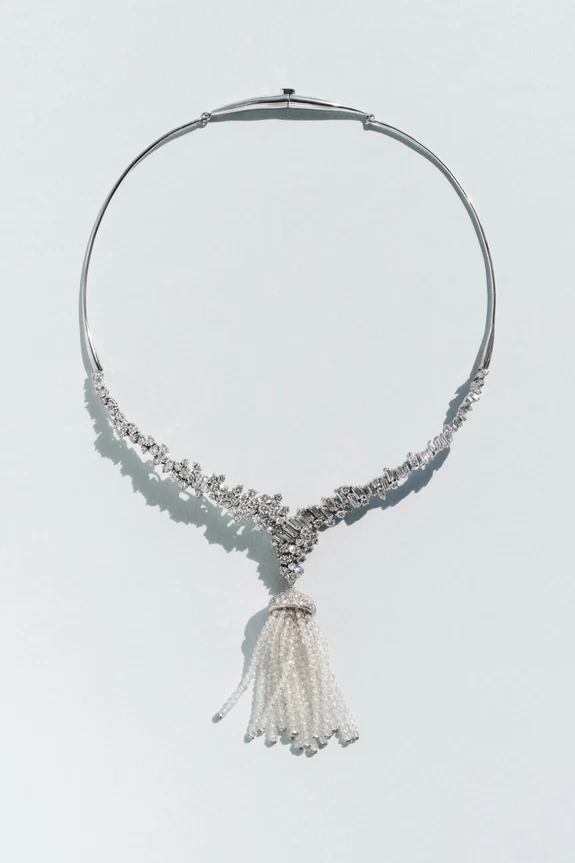
That doesn’t mean family history or cultural traditions have lost their place. Instead, they’re being thoughtfully woven into the occasion through heirloom jewelry, a borrowed veil, meaningful embroidery or subtle styling details that carry generations of sentiment. The result is a bridal look that honors the past without being defined by it, allowing the modern bride to create something that feels both deeply personal and entirely of the moment.
Something Borrowed, Rented, & Resold
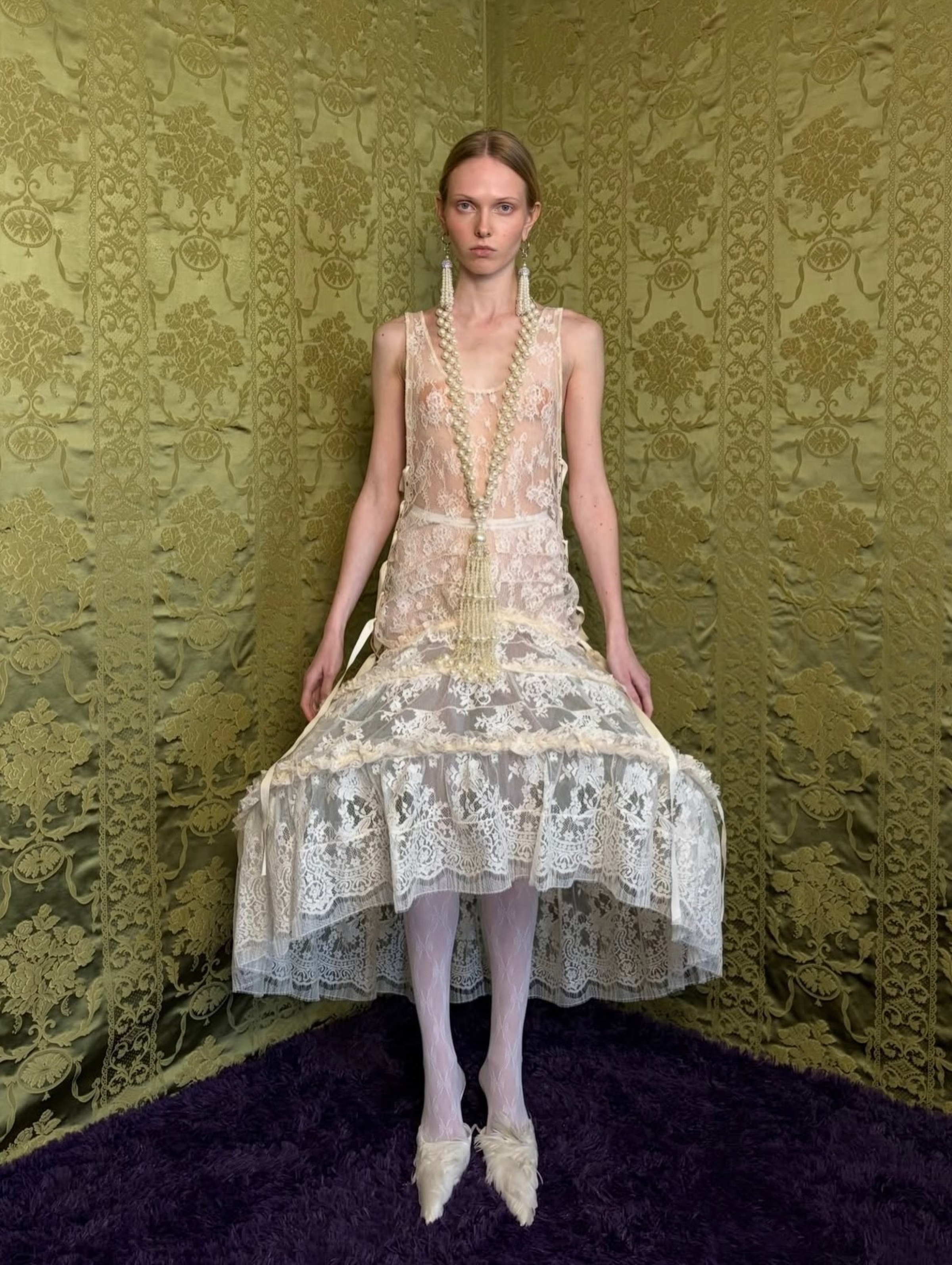
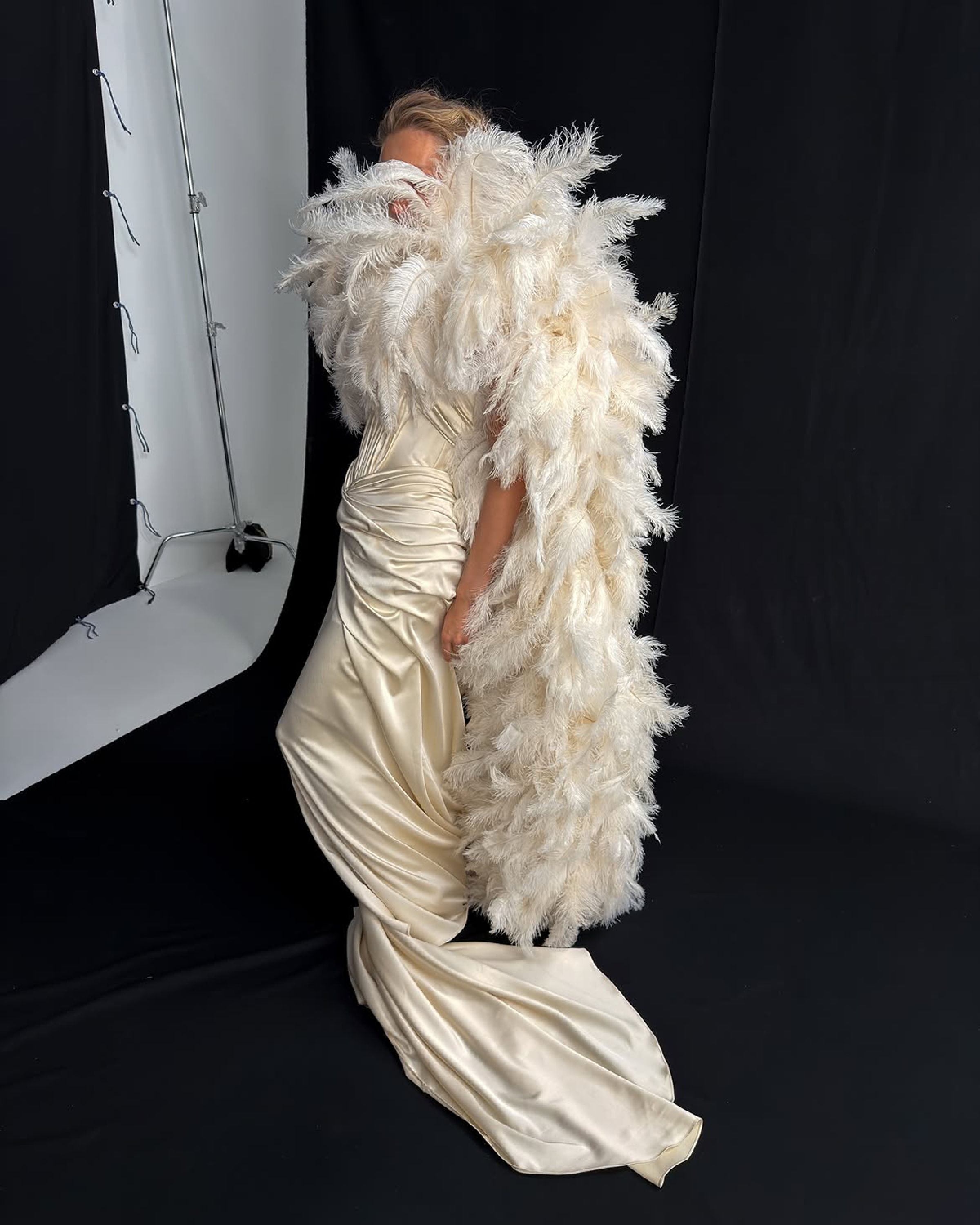
"Something borrowed" has taken on a whole new meaning of late. Over the past decade, the luxury resale market has transformed the way we buy, wear and value fashion, and bridal is no exception. For previous generations, the options for what to do with a wedding dress after the celebration were far more limited. Today, an entirely new marketplace has emerged, offering brides the freedom to buy, rent, resell and reimagine the life of a gown beyond its first occasion.
Rental platforms and resale sites like Vestiaire Collective and The RealReal have made it increasingly accessible for brides to wear their dream designer gowns. For some brides, the prospect of resale is now a big part of the purchasing decision itself, allowing them to stretch their wedding wardrobe budget with the intention of recouping some of the investment afterward. For others, shopping pre-loved opens the door to an entirely different kind of bridal wardrobe, where multiple looks or unique archival designer pieces become attainable at a fraction of their original retail price. Rather than diminishing the sentimental value of a wedding dress, this newfound freedom challenges the long-held assumption that preserving it within the family is the only meaningful way to honor its significance.
The Preservation Problem
Preserving a wedding dress is its own obstacle. Professional cleaning and archival boxing carry a cost, and a gown stored for decades needs space, stable conditions, and regular checks that most households cannot offer. Costing up to several hundred or thousands of dollars—depending on the materials and level of restoration—many couples look at the price of keeping a dress and decide the money is better spent as an investment on the honeymoon, the first home, or the next event on the calendar. And for wedding gowns that are worn by several generations, preservation isn't just a one-time cost.
The Second Life
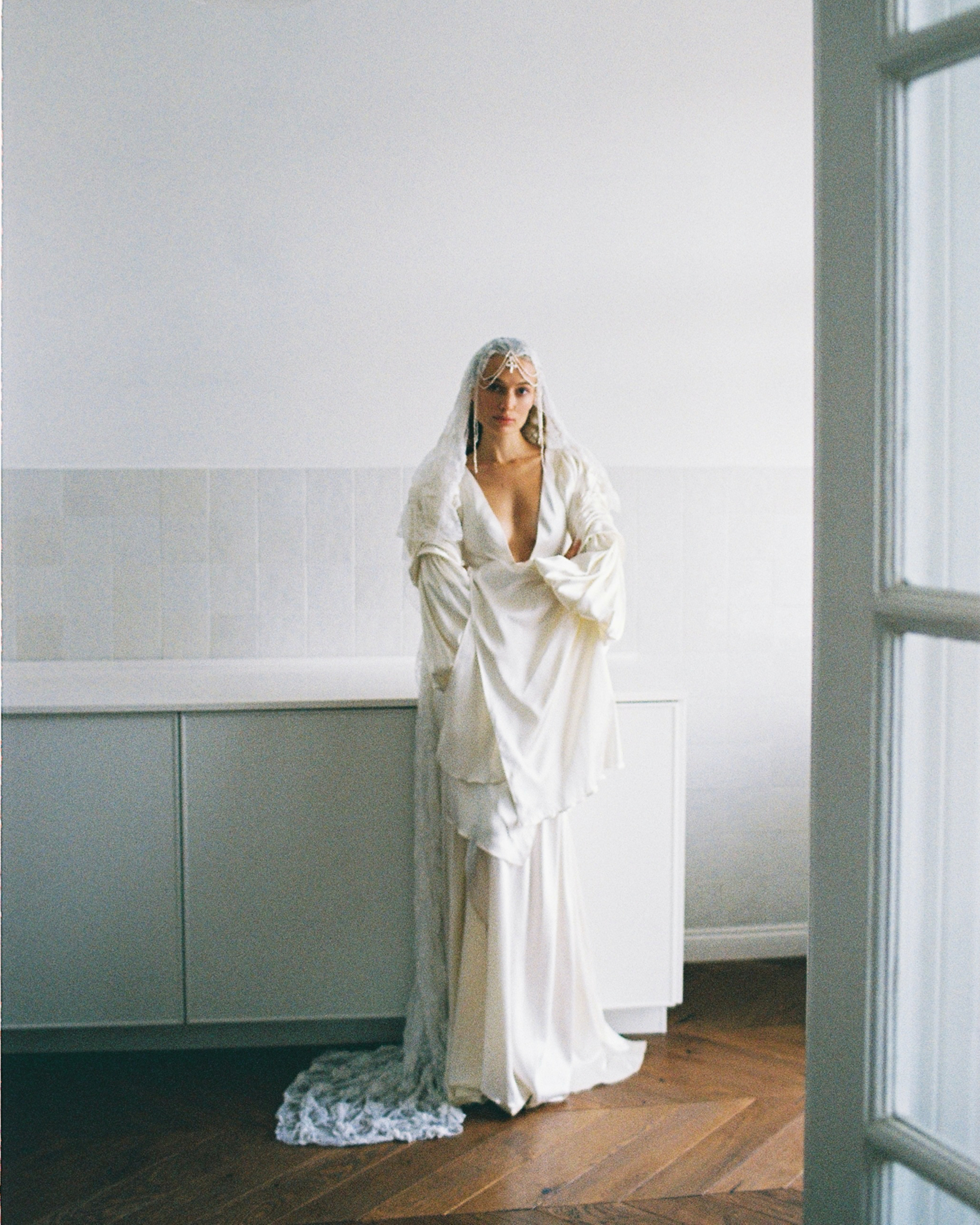
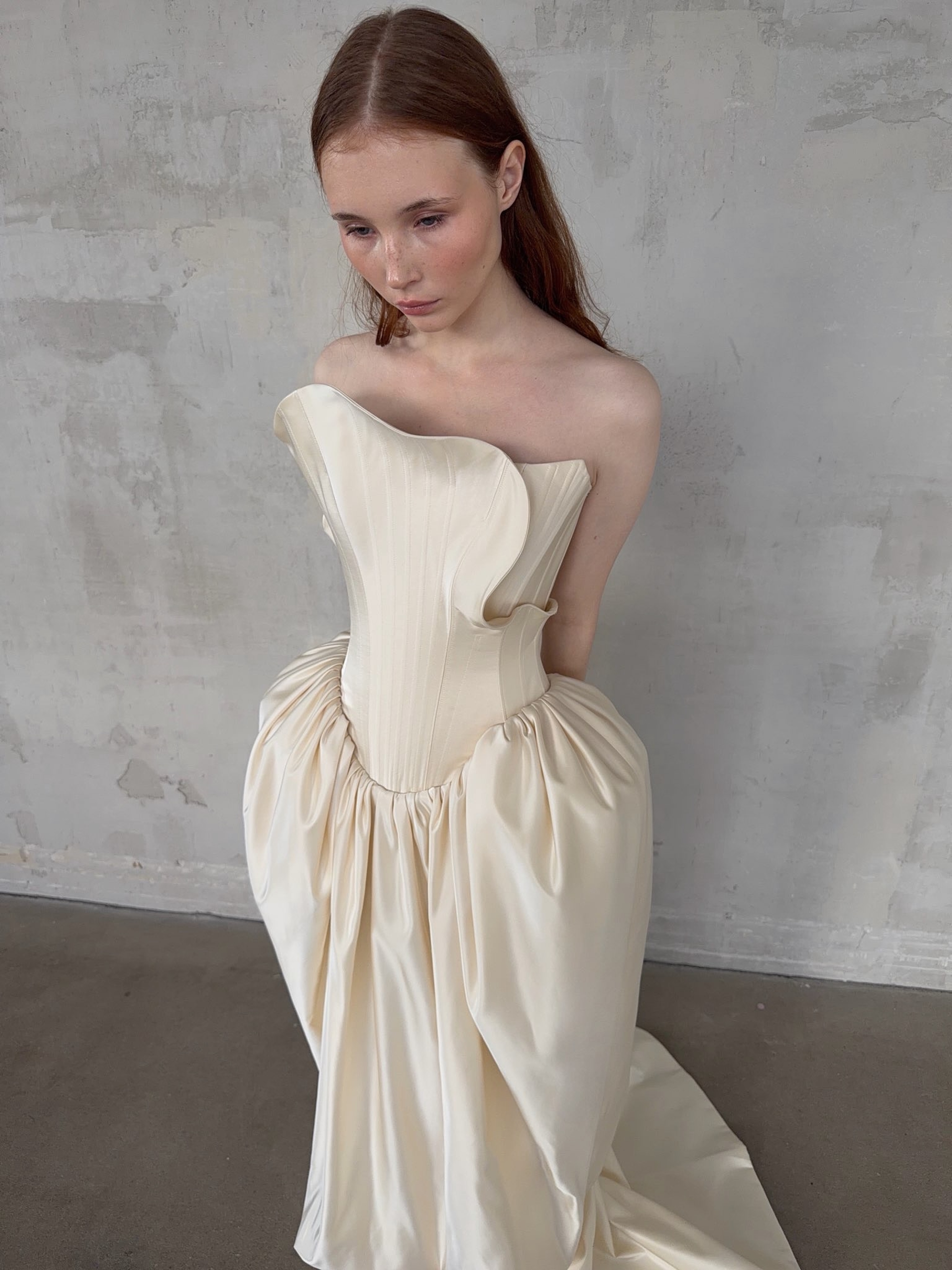
For some brides, the idea of wearing their wedding dress just once feels like a missed opportunity, particularly given the emotional and financial investment that goes into finding the perfect gown. Rather than preserving it in a box for future generations, they’re choosing to give it a second life within their own wardrobes. With the help of a skilled seamstress or designer, sweeping skirts are transformed into cocktail dresses, intricate bodices become statement tops, and elaborate gowns are reimagined as pieces that can be worn long after the wedding day. Others experiment with dyeing their dresses, transforming traditional bridal whites into entirely new colors suited to future occasions. It’s a more personal approach to preservation, one that allows the sentiment of the original garment to endure without keeping it untouched. After all, perhaps the most meaningful way to honor a wedding dress isn’t to save it for someone else, but to continue making memories in it.
Beyond the Dress
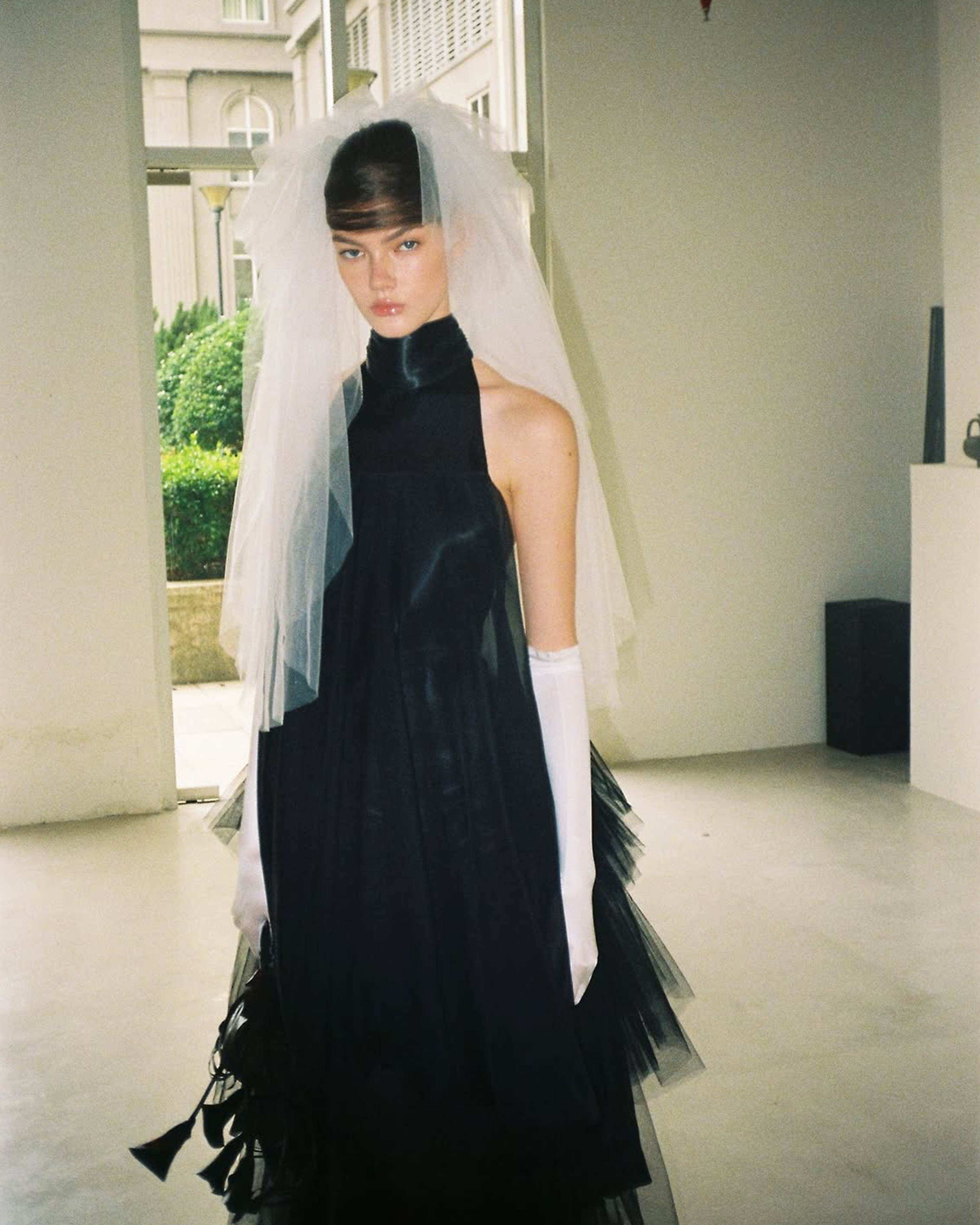
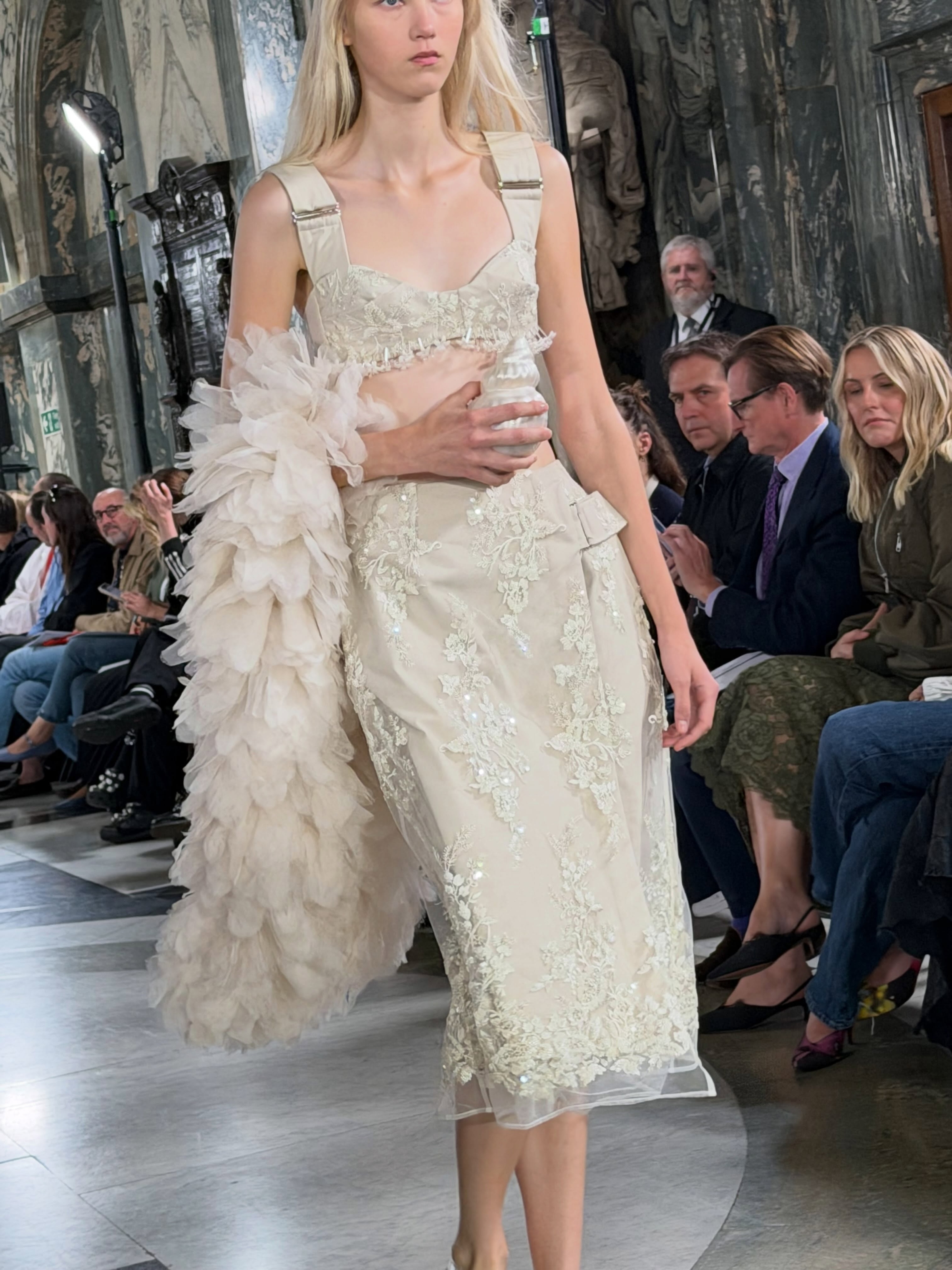
Perhaps the decline of the wedding dress as a family heirloom speaks to something much broader than changing bridal tastes. It’s also a reflection of how we choose to preserve our memories and pass down the stories that shape our families. Where previous generations might have carefully stored a wedding gown as a tangible piece of their history, today’s couples have countless ways to capture and revisit the moments that matter most. Photography and film have become an increasingly significant part of the wedding experience, preserving not just the dress itself, but the people, emotions and fleeting moments that surrounded it. And while the gown may eventually be resold, reimagined or worn by someone entirely new, its place in the family’s story remains. Perhaps the modern heirloom isn’t always something we can hold in our hands, but something that allows us to remember how it all felt.