Most brides walk into their first bridal appointment with a Pinterest board and a feeling of what they want, and having the right words on top of that feeling makes the whole experience even better. Cut is the fastest way to turn a feeling into something specific. It's the difference between "I like fitted but flowy" and "column through the bodice, mermaid flare." From there, your stylist can pull dresses that match what's in your head and get you to your dream one that much faster. And that's exactly why we put together this guide: the eight cuts worth knowing before your first appointment, plus a few more terms worth having on hand. Wedding dress shopping should feel exciting, not overwhelming, and walking in speaking your stylist's language is what makes the difference. Every dress you try on from there brings you closer to the one.
Basque Waist
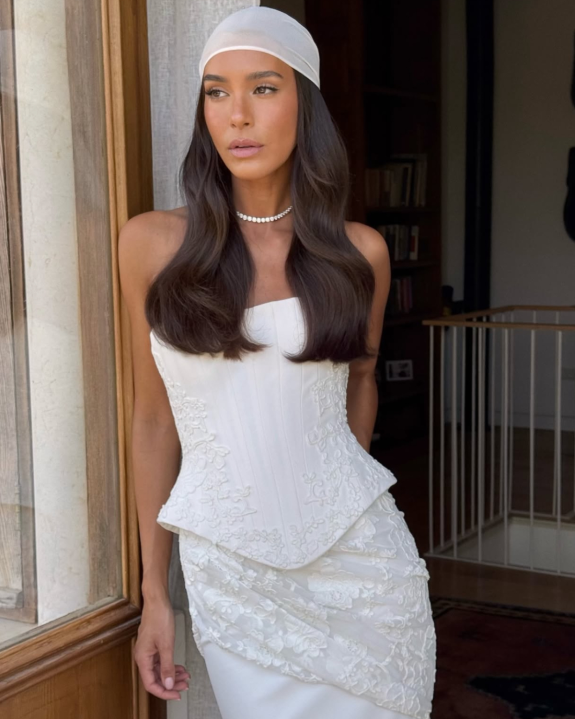
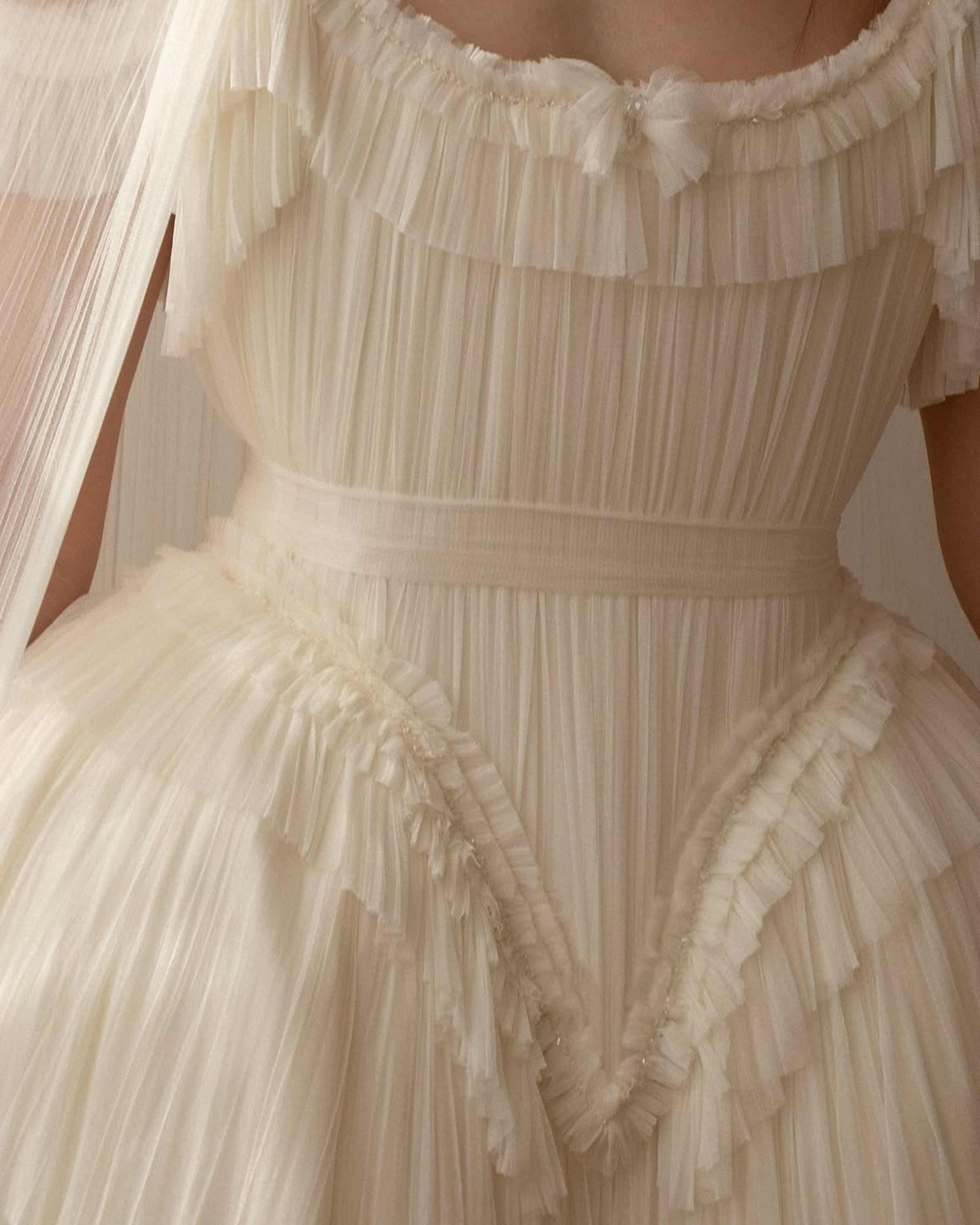
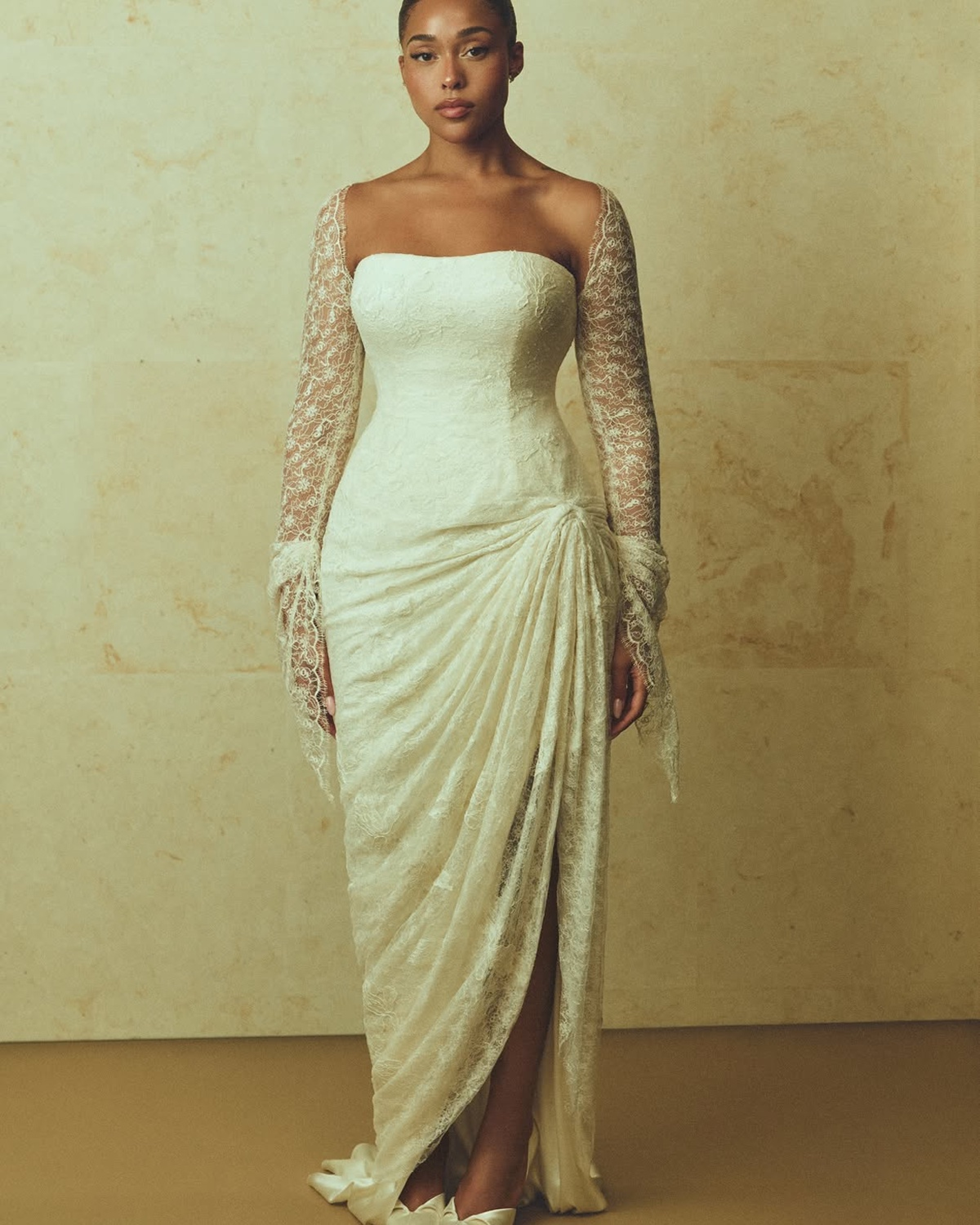
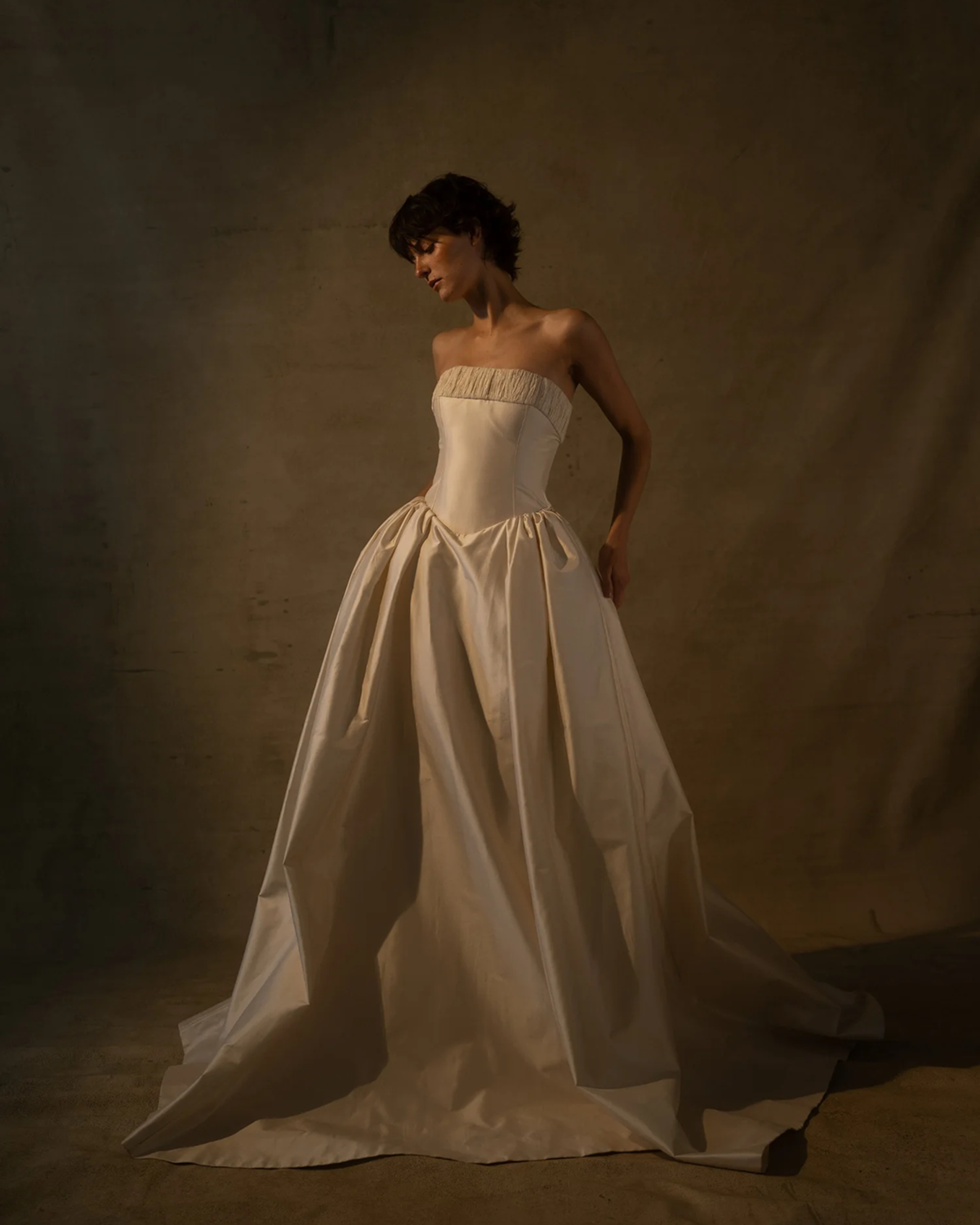
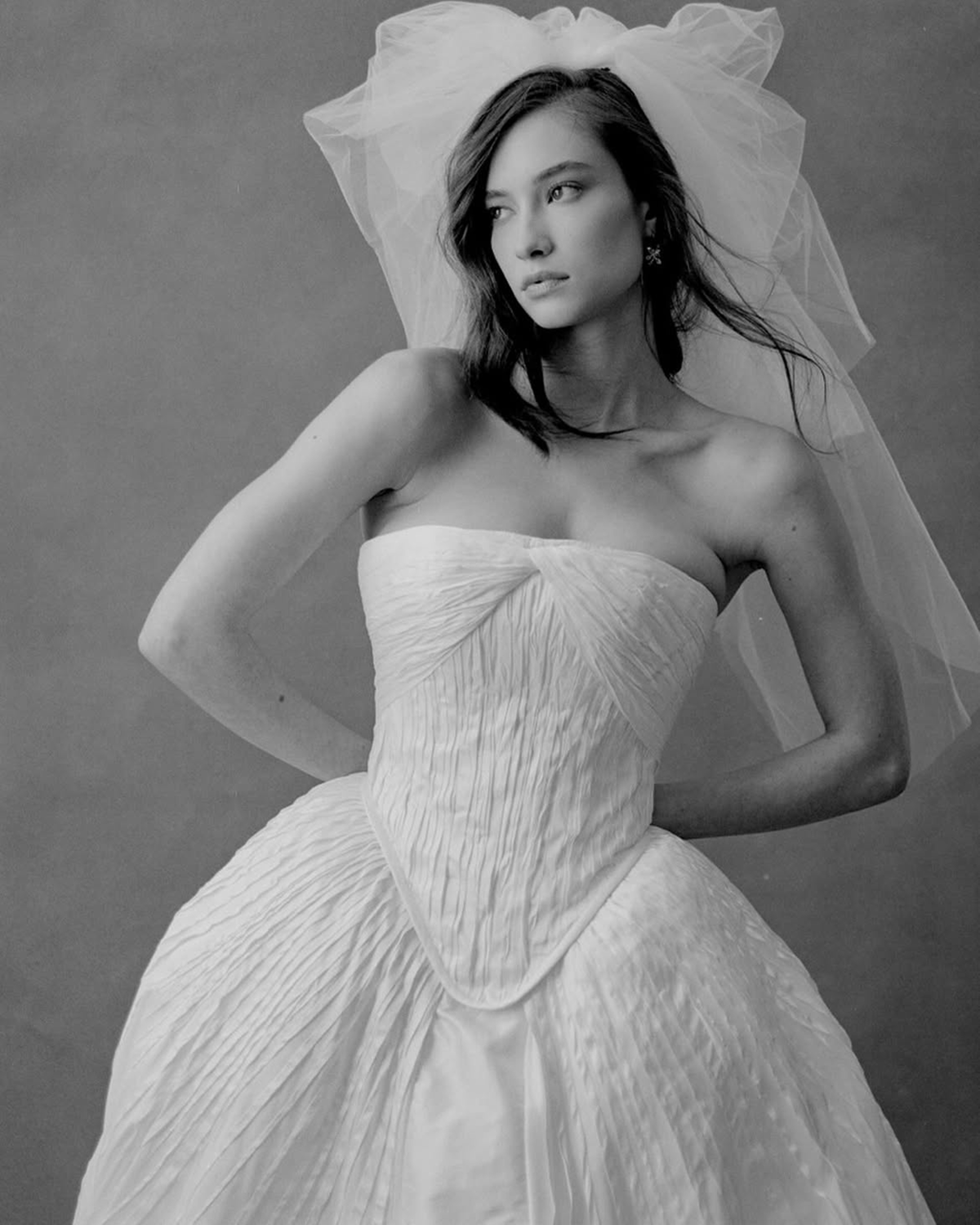
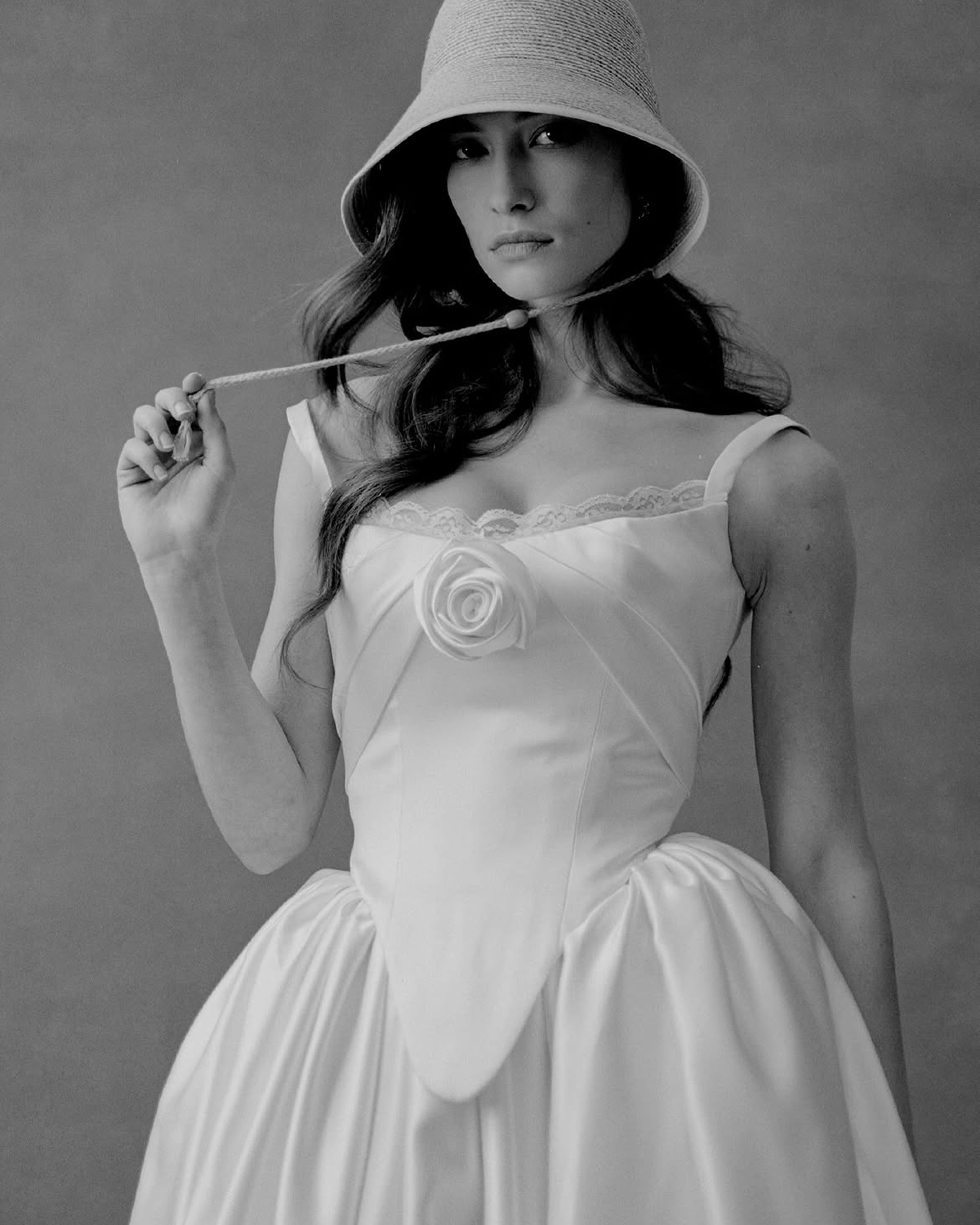
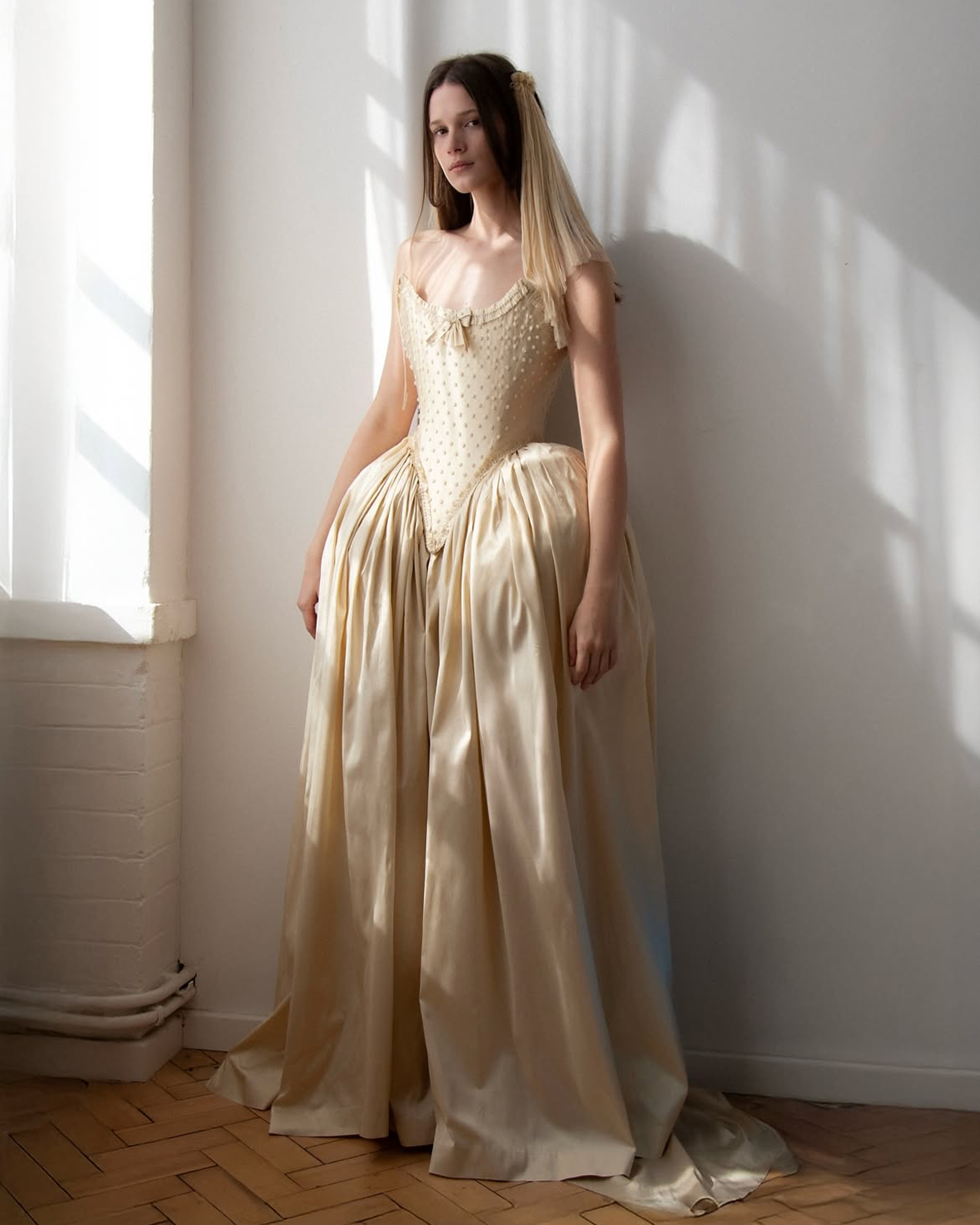
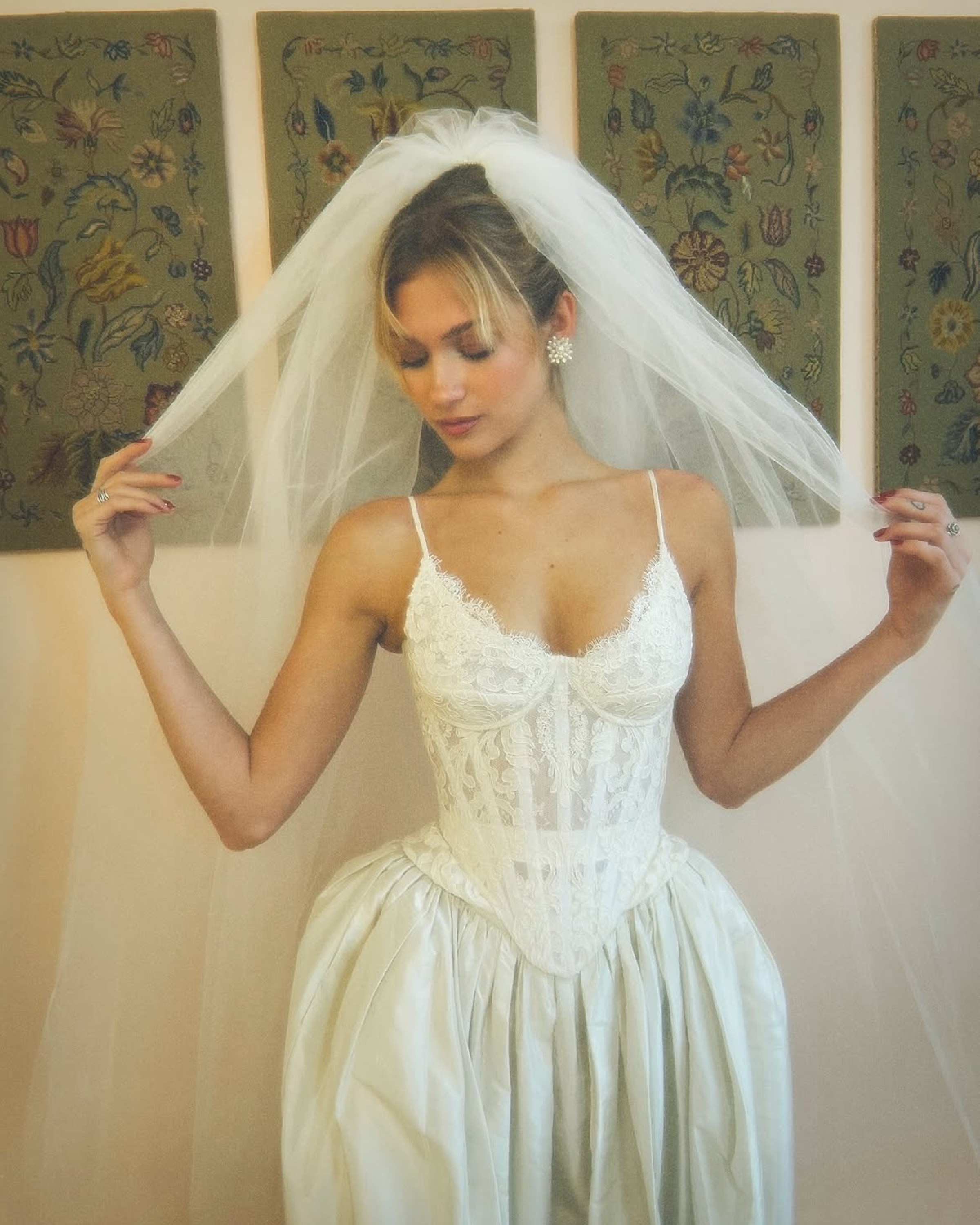
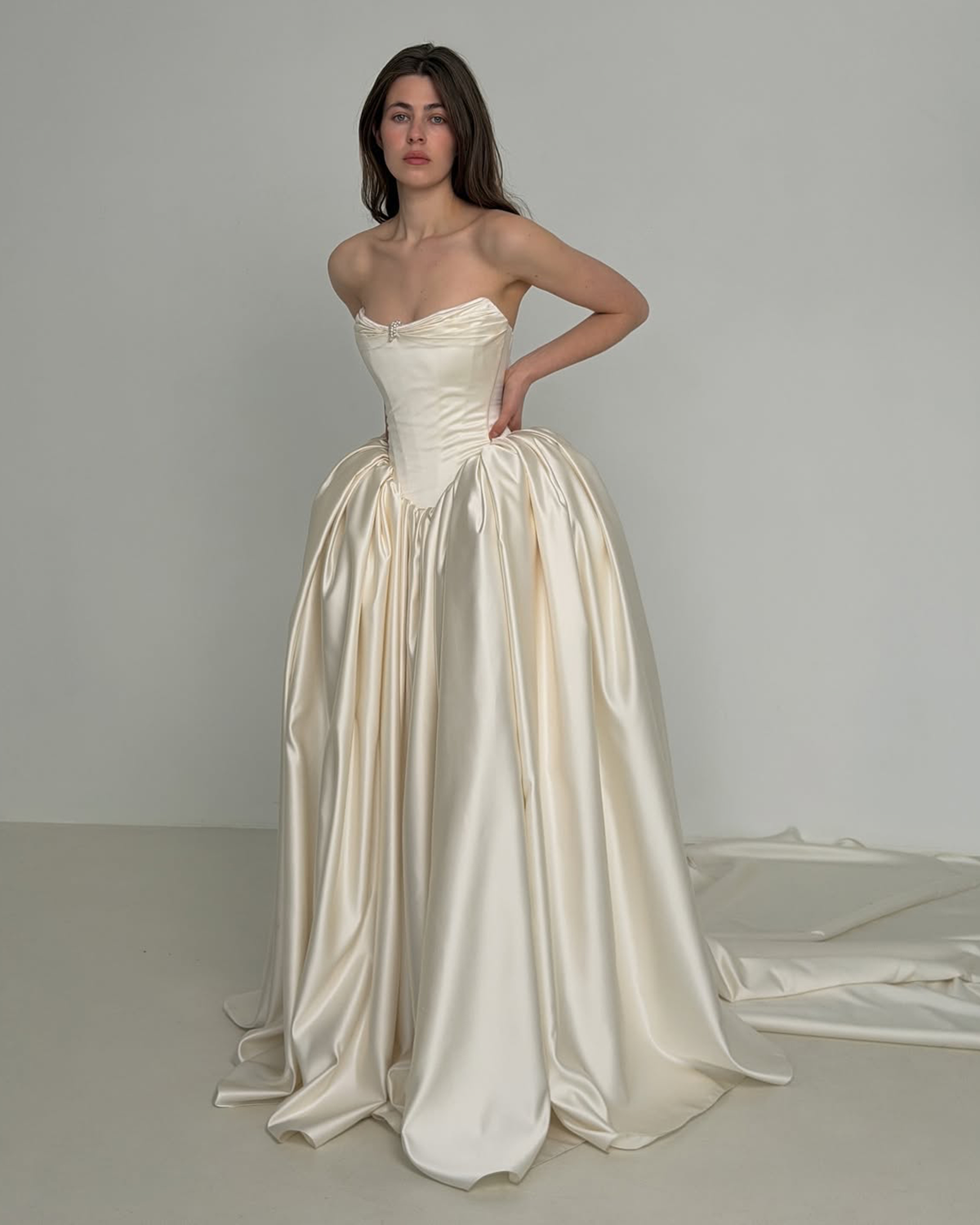
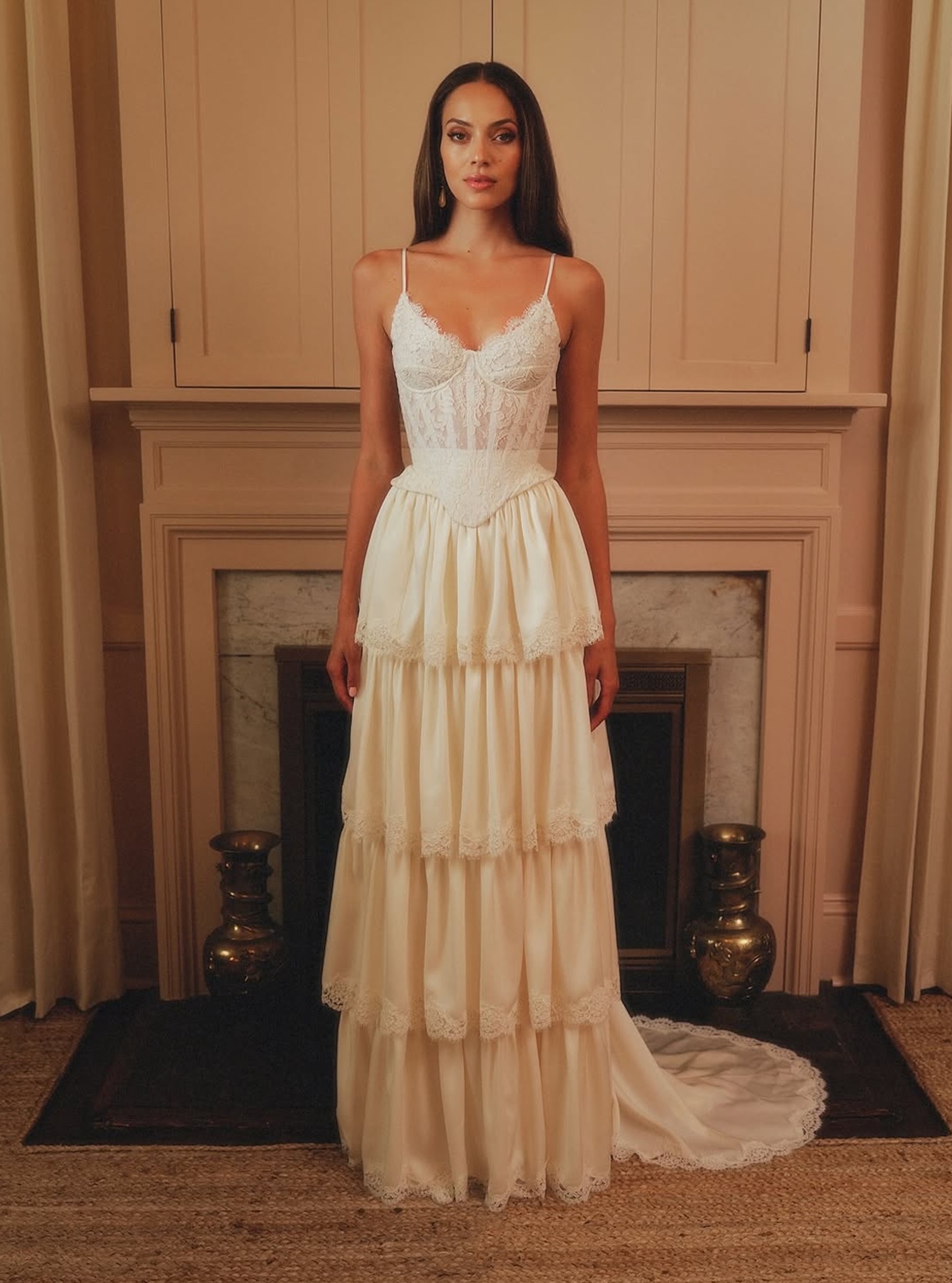
A beloved silhouette in bridalwear, the basque drops the waistline into a soft point below the natural waist, right where the hip meets the torso. It's the cut that elongates without a single extra seam of effort: the bodice stays fitted through the point, then the skirt takes over. Brides drawn to structure with a touch of vintage-inspired romance land here, in a cut that flatters everyone.
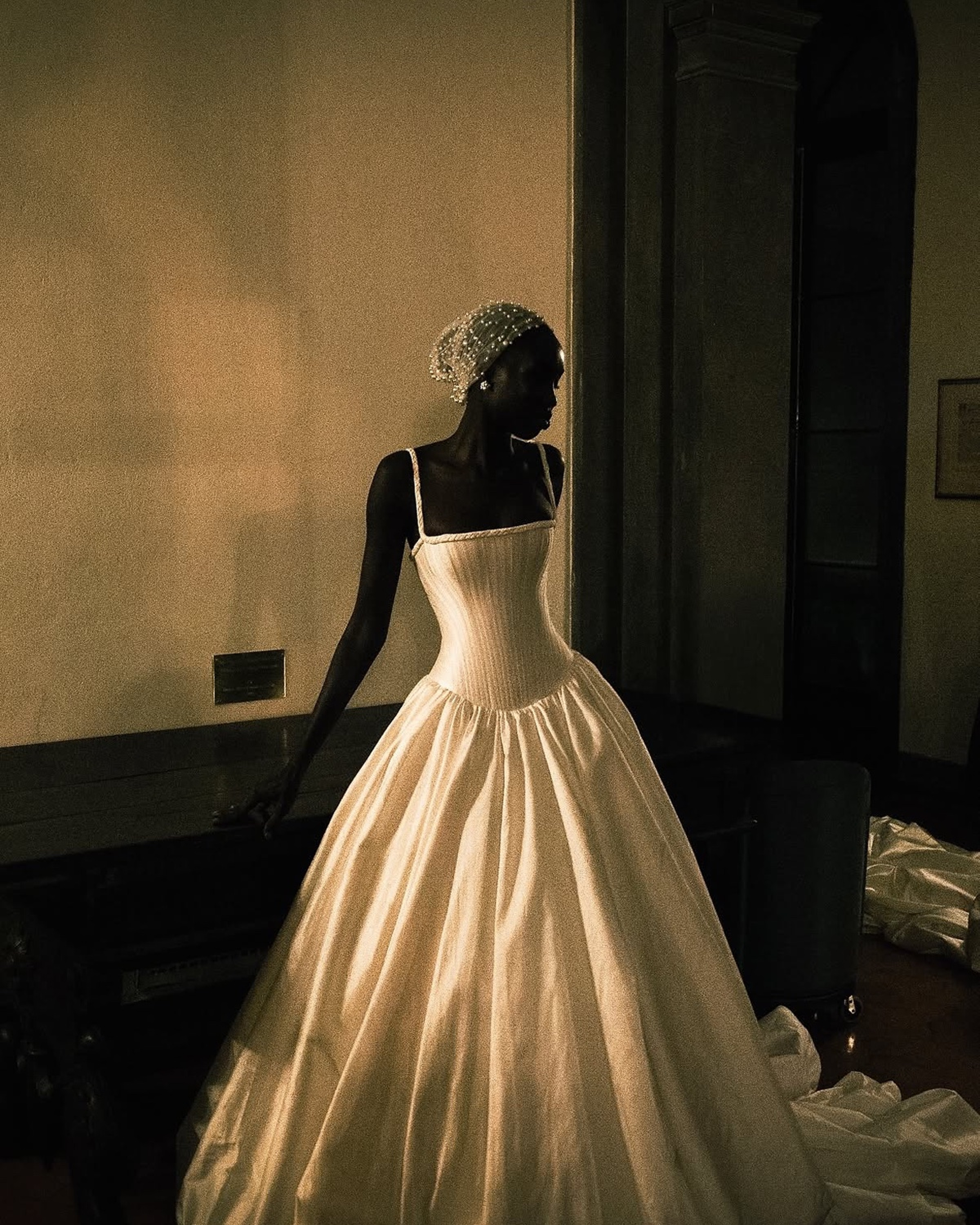
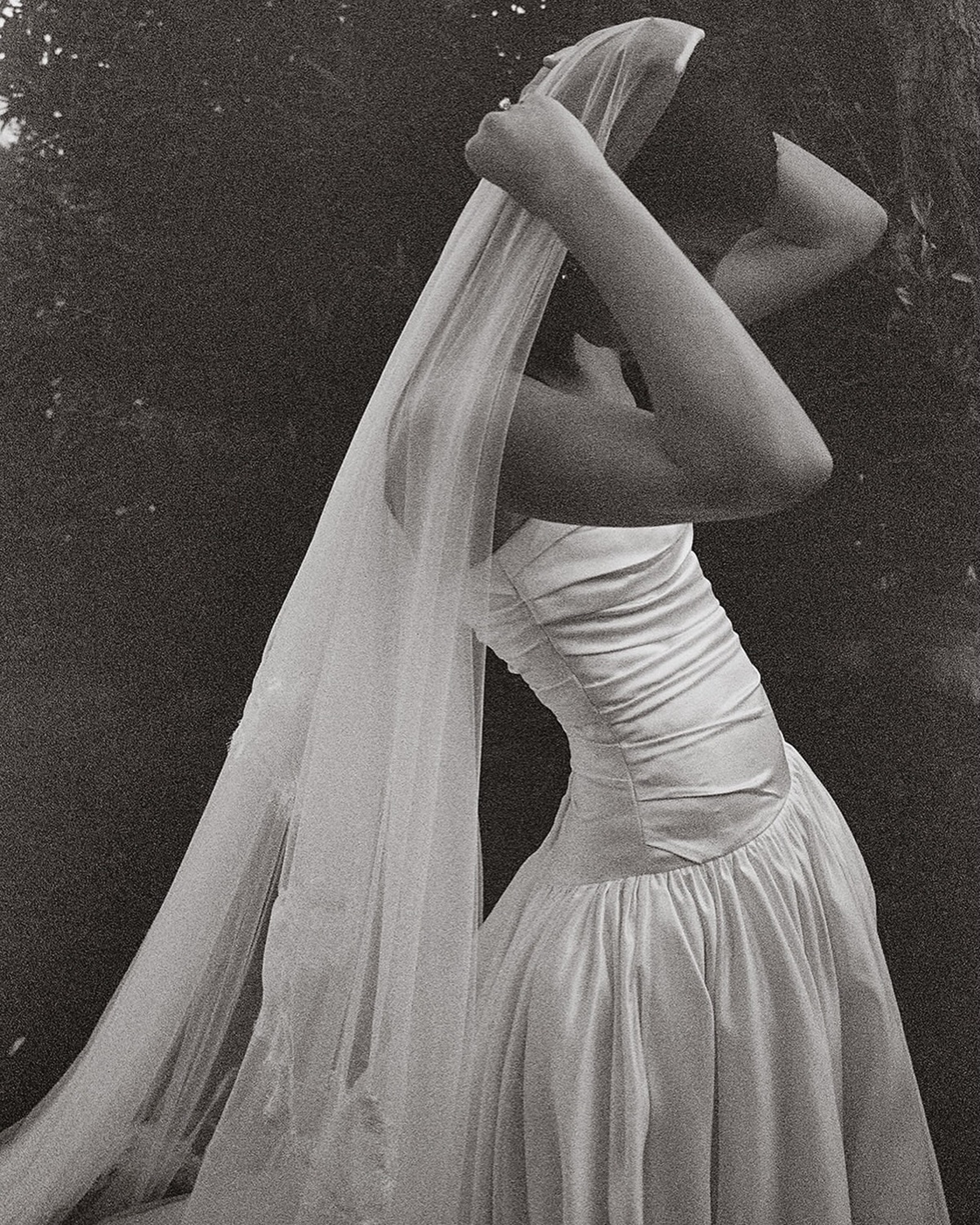
Drop Waist
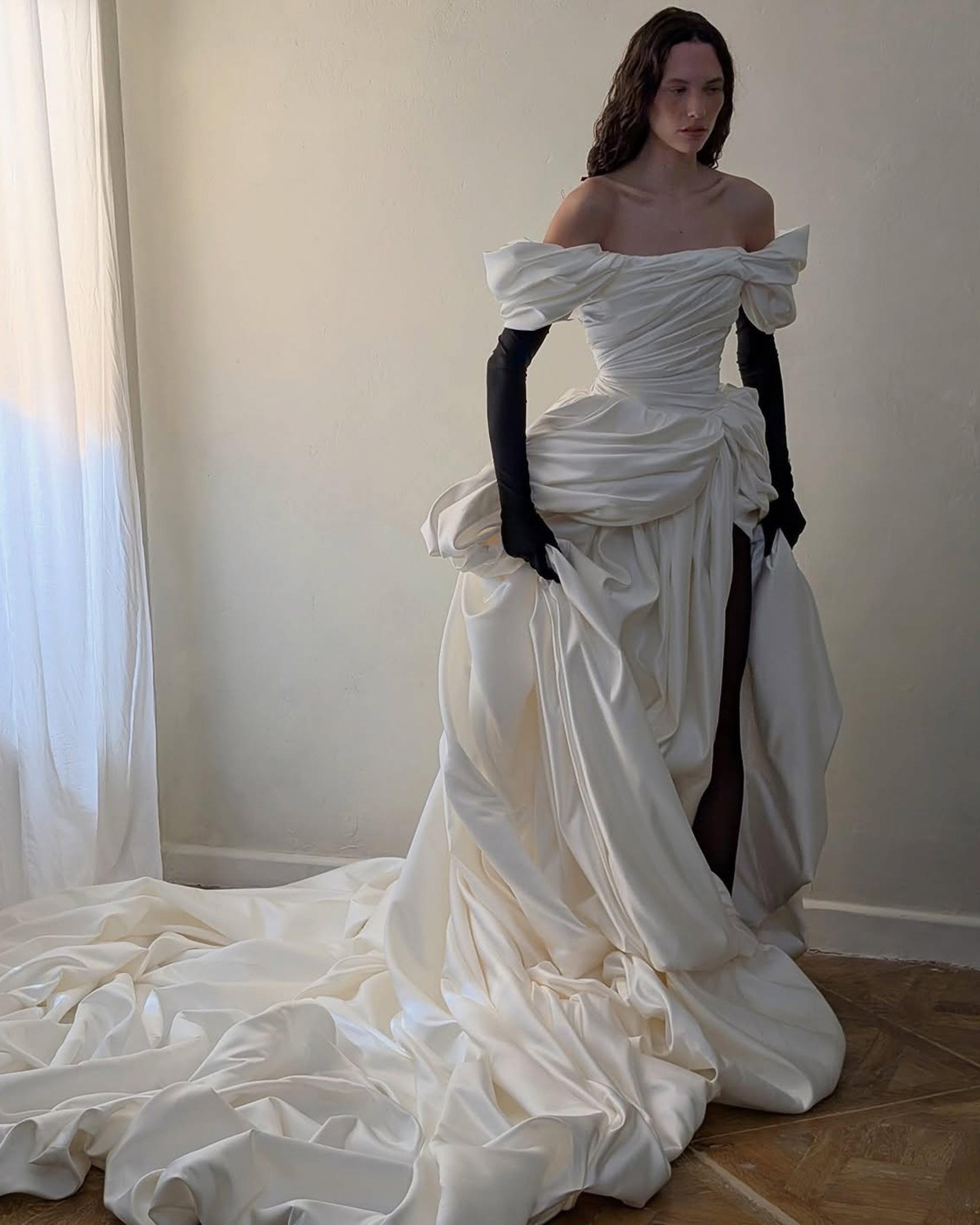
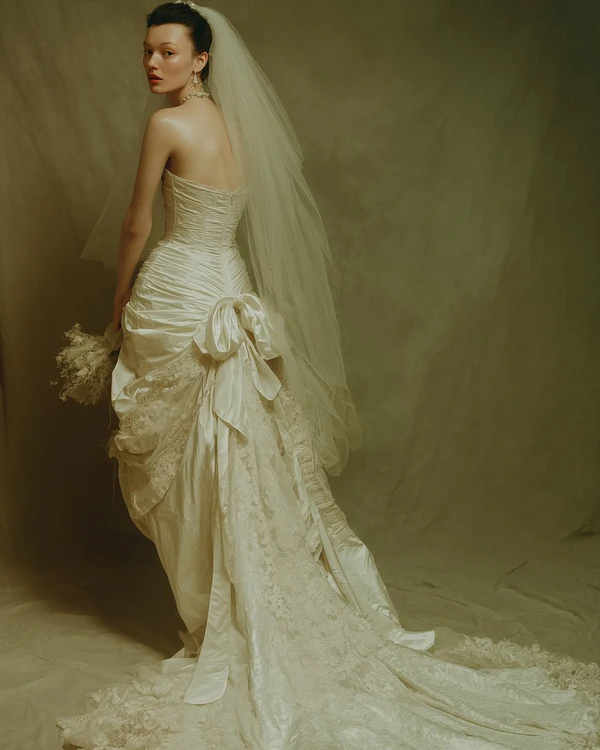
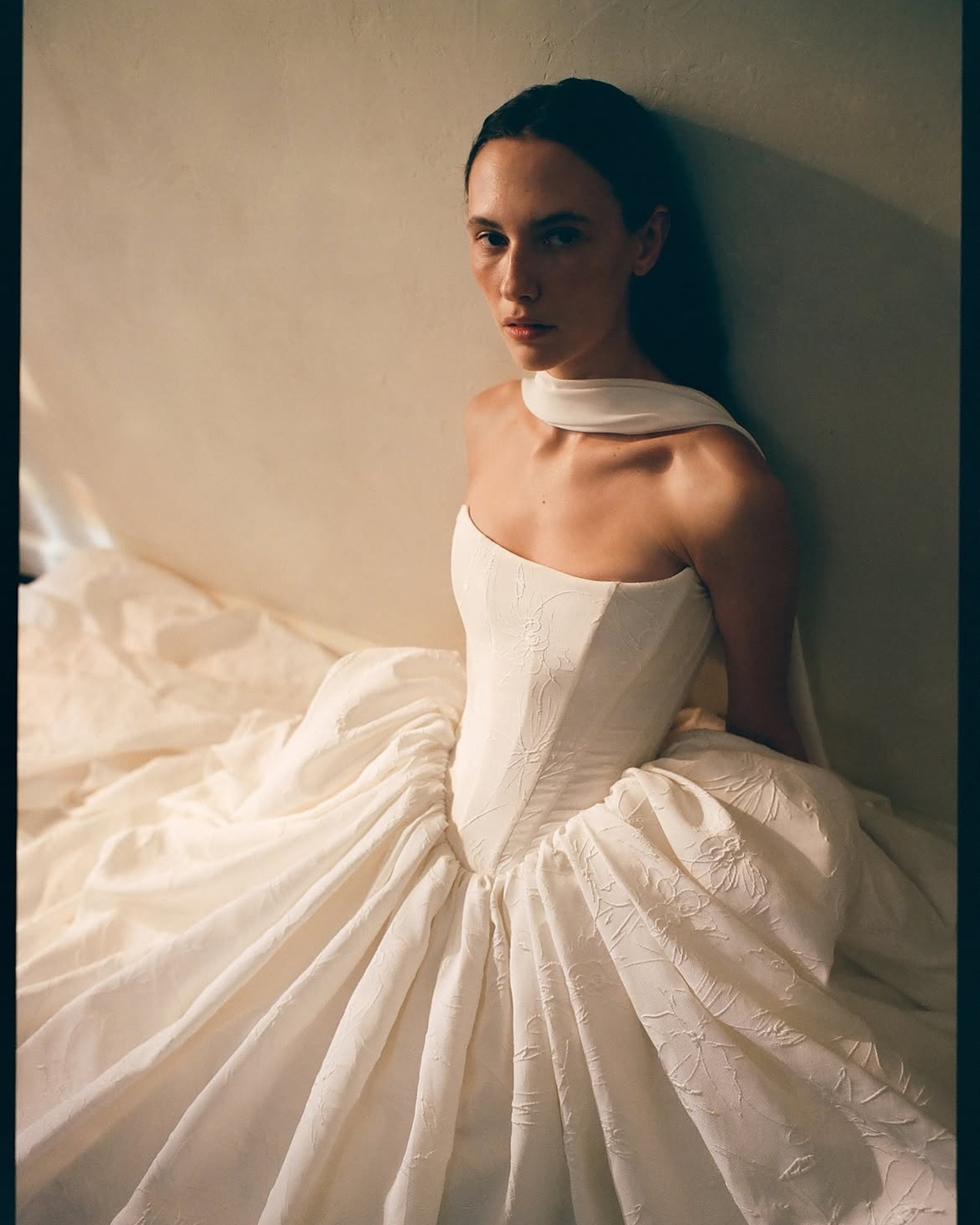
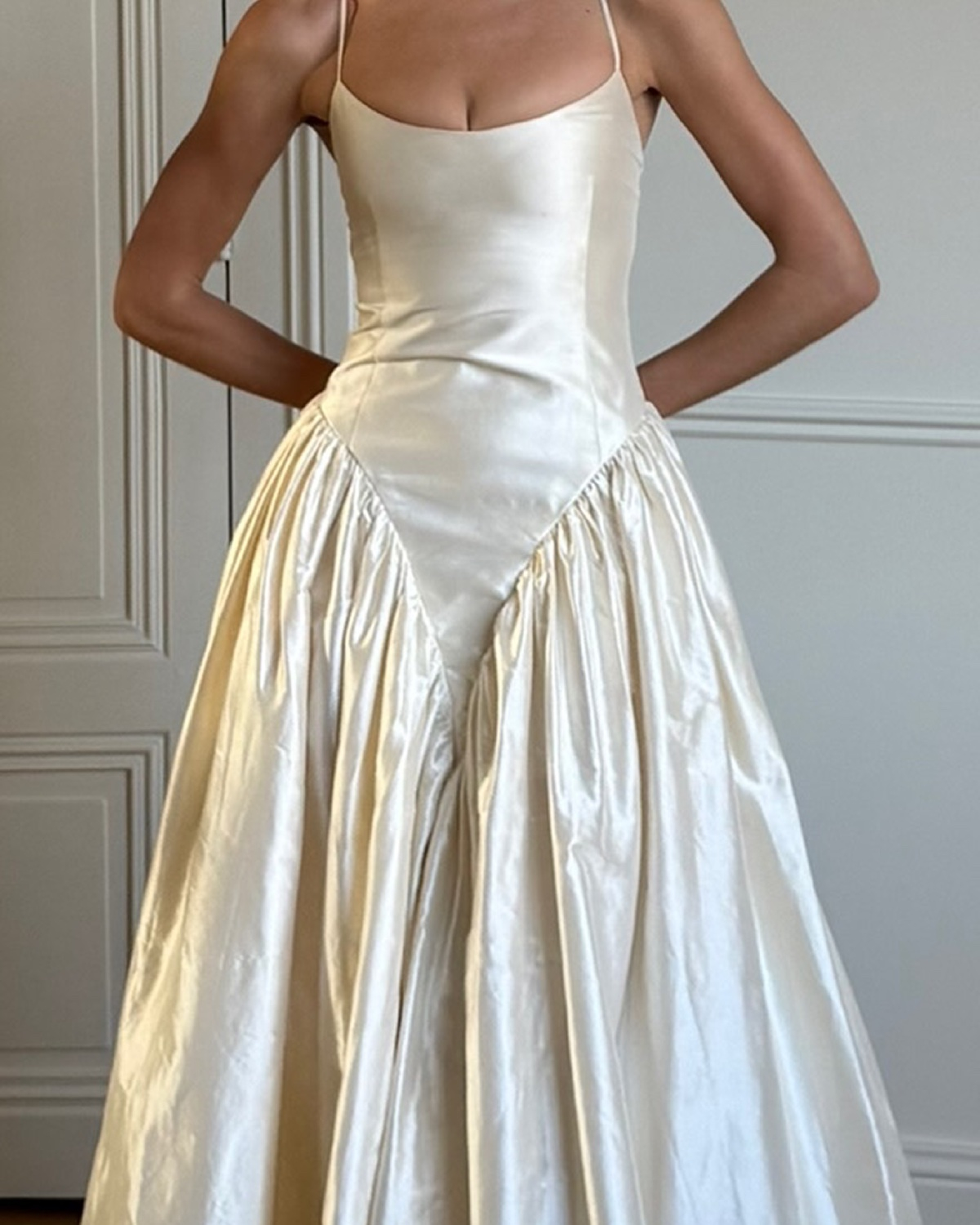
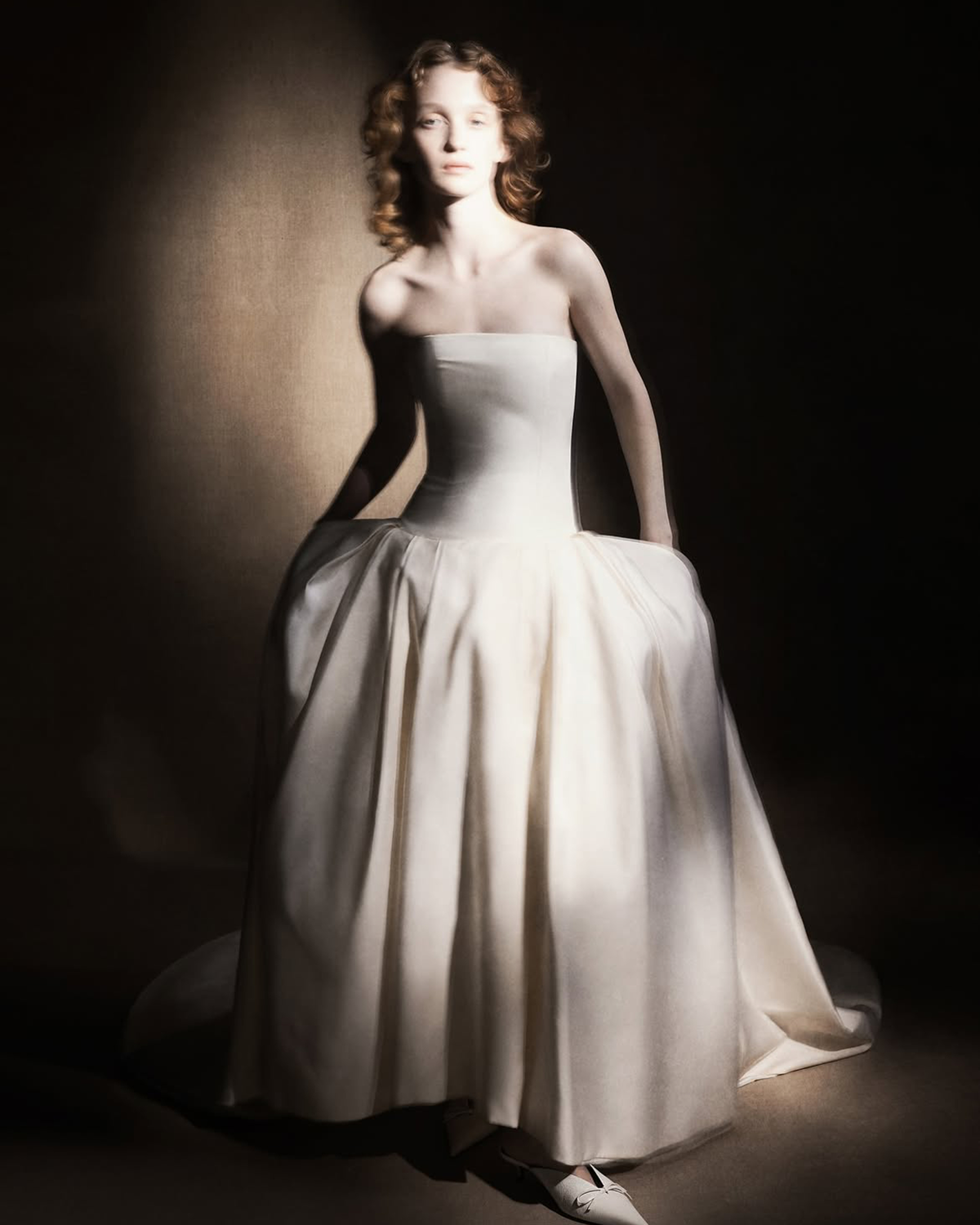
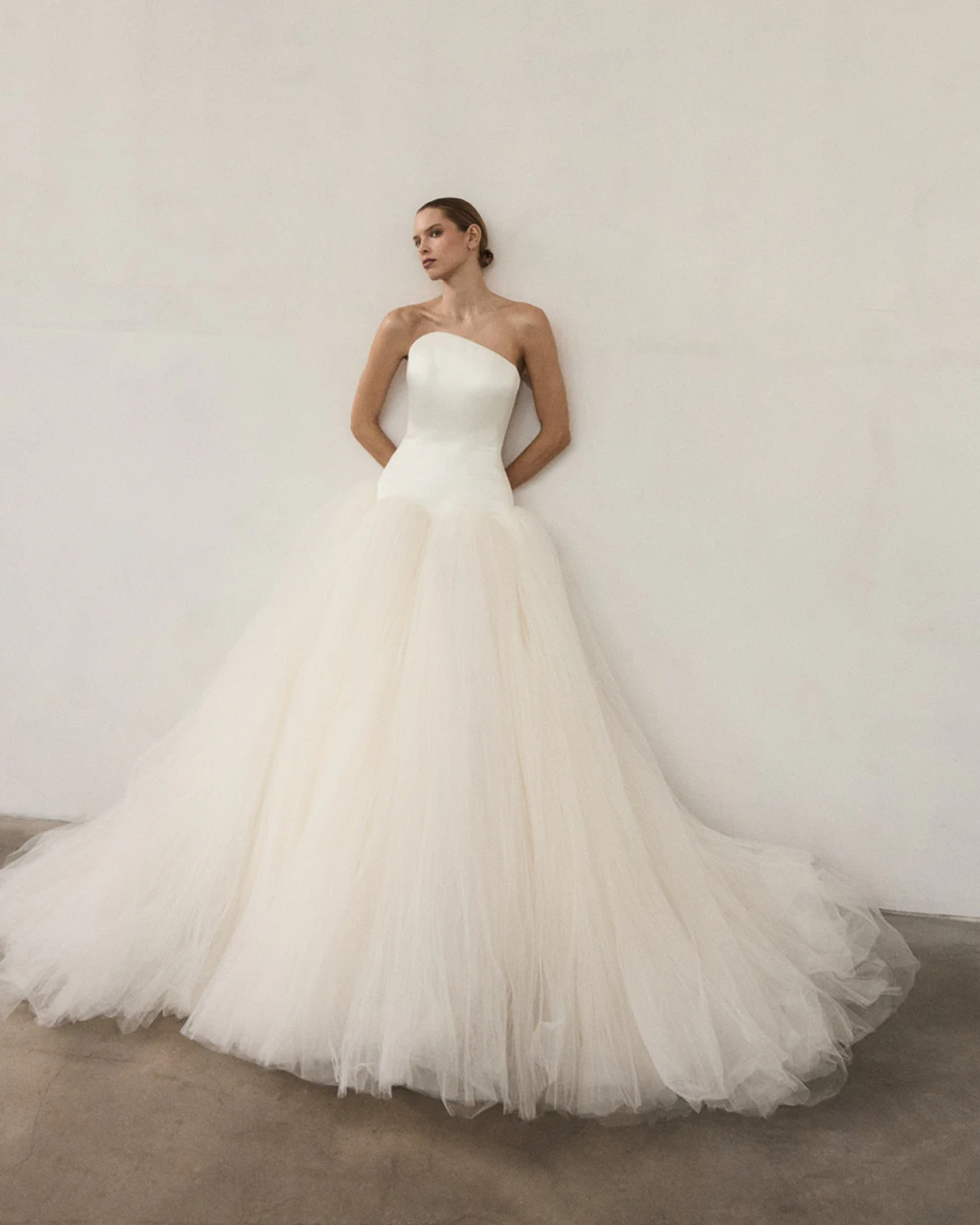
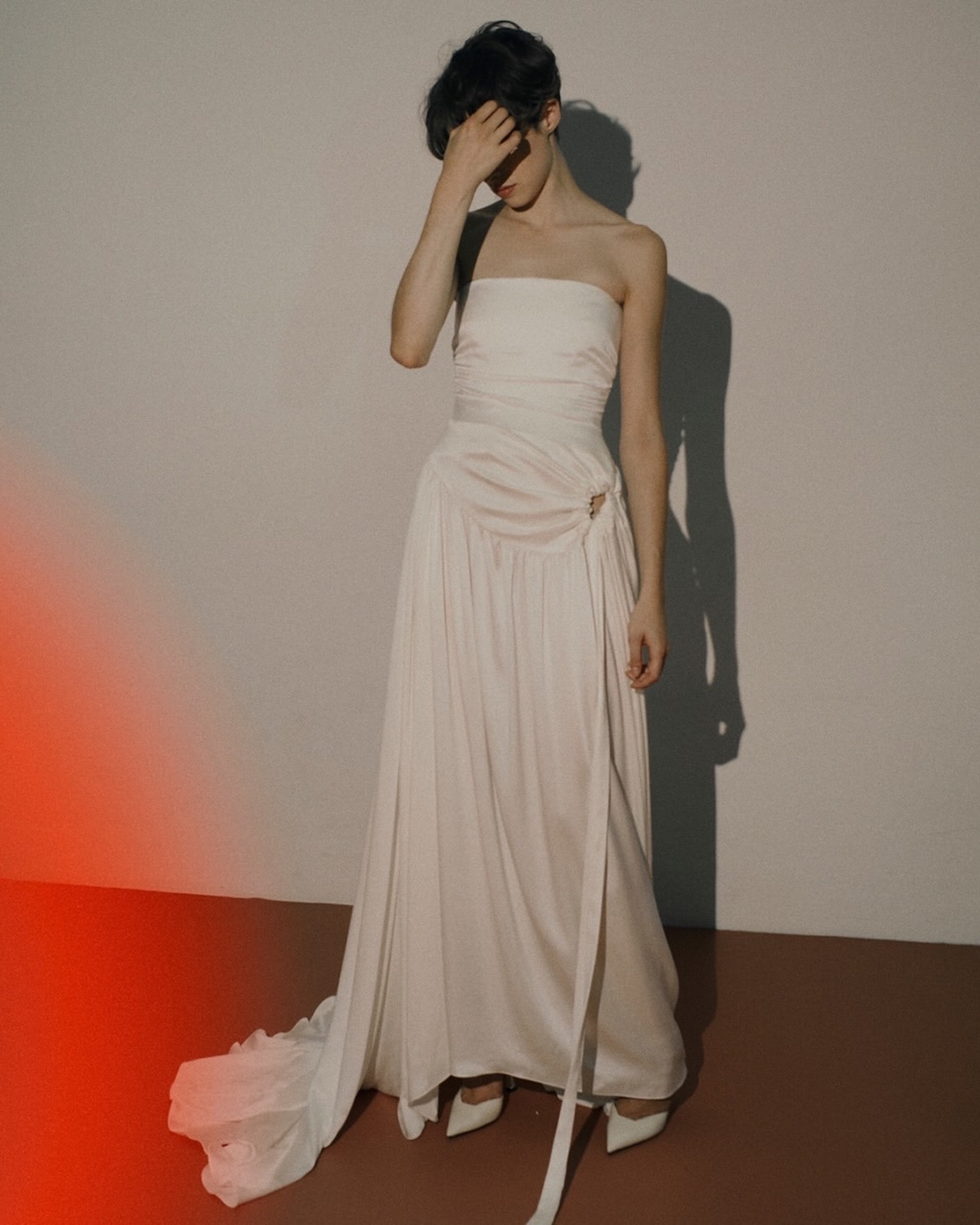
Where the basque points, the drop waist settles. Low, horizontal, and usually hitting somewhere around the hip, it's a 1920s reference that keeps resurfacing—and we're not complaining. 2027 brings it back with cleaner lines and less embellishment than its last go-round, in a way that feels fresh and effortless. The drop waist lengthens the torso and gives the skirt room to move independently, which makes it a favorite for brides who want corsetry in the bodice and drama in the hem. The drop waist is arguably the new basque-waist, making it a perfect choice for next year's brides.
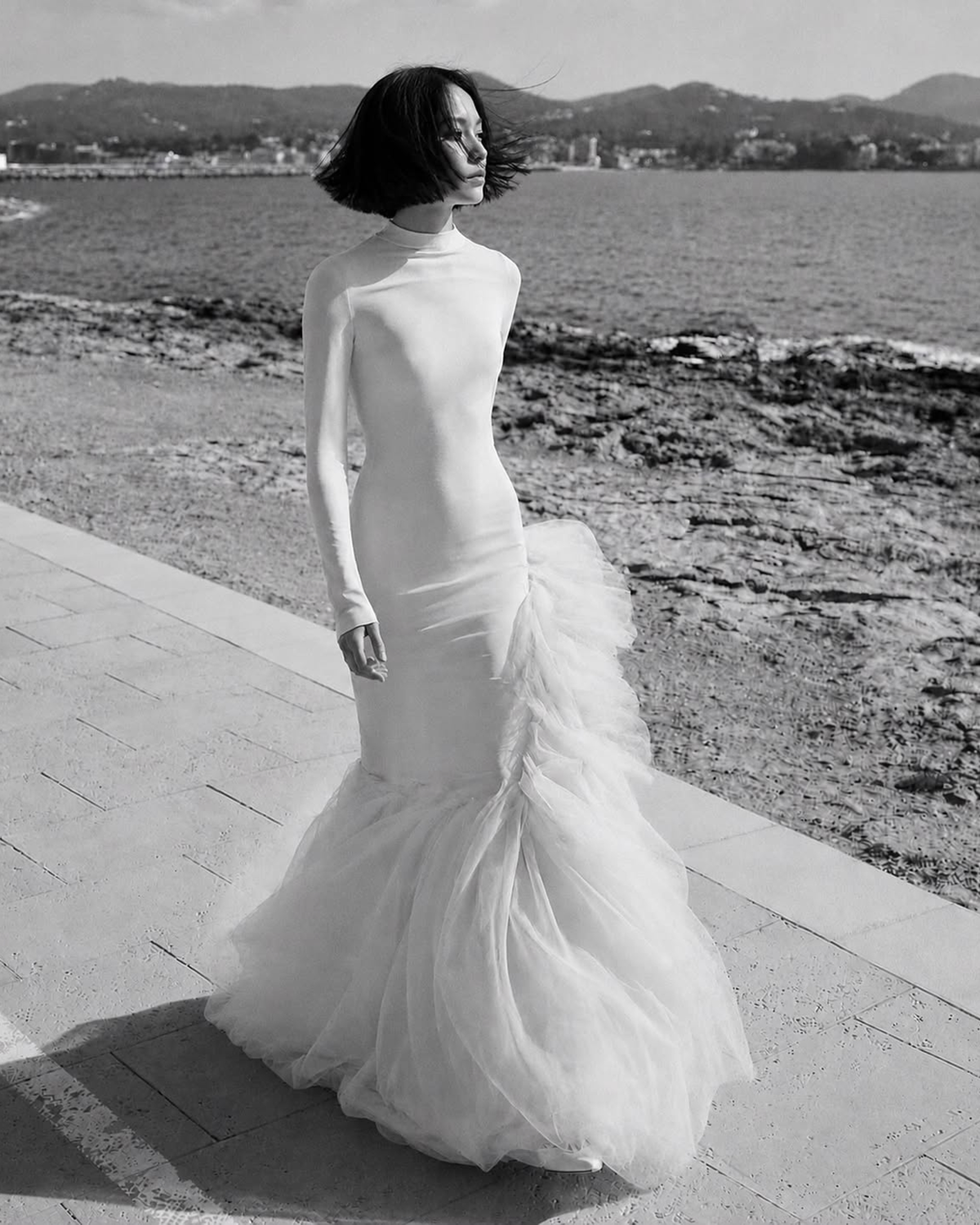
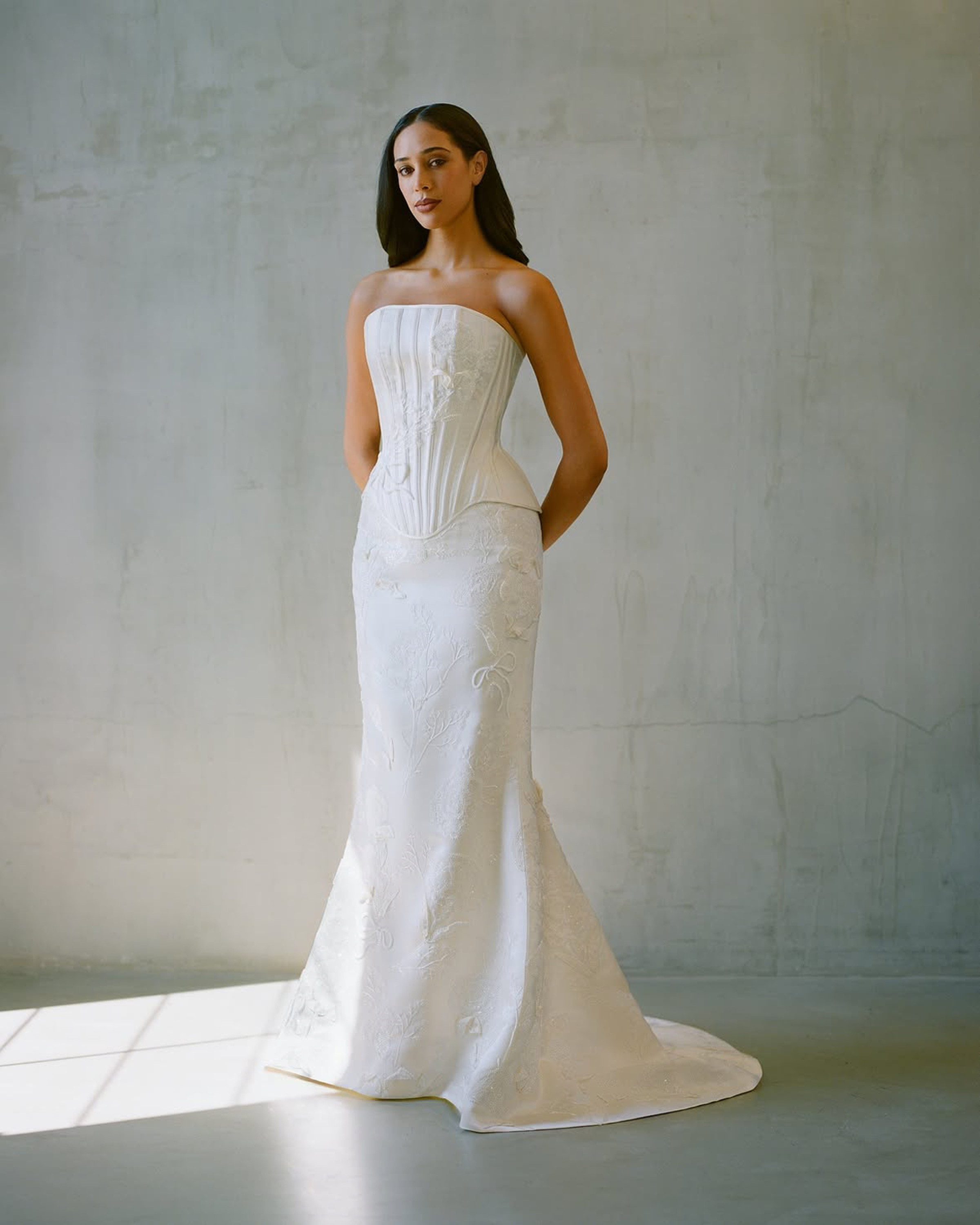
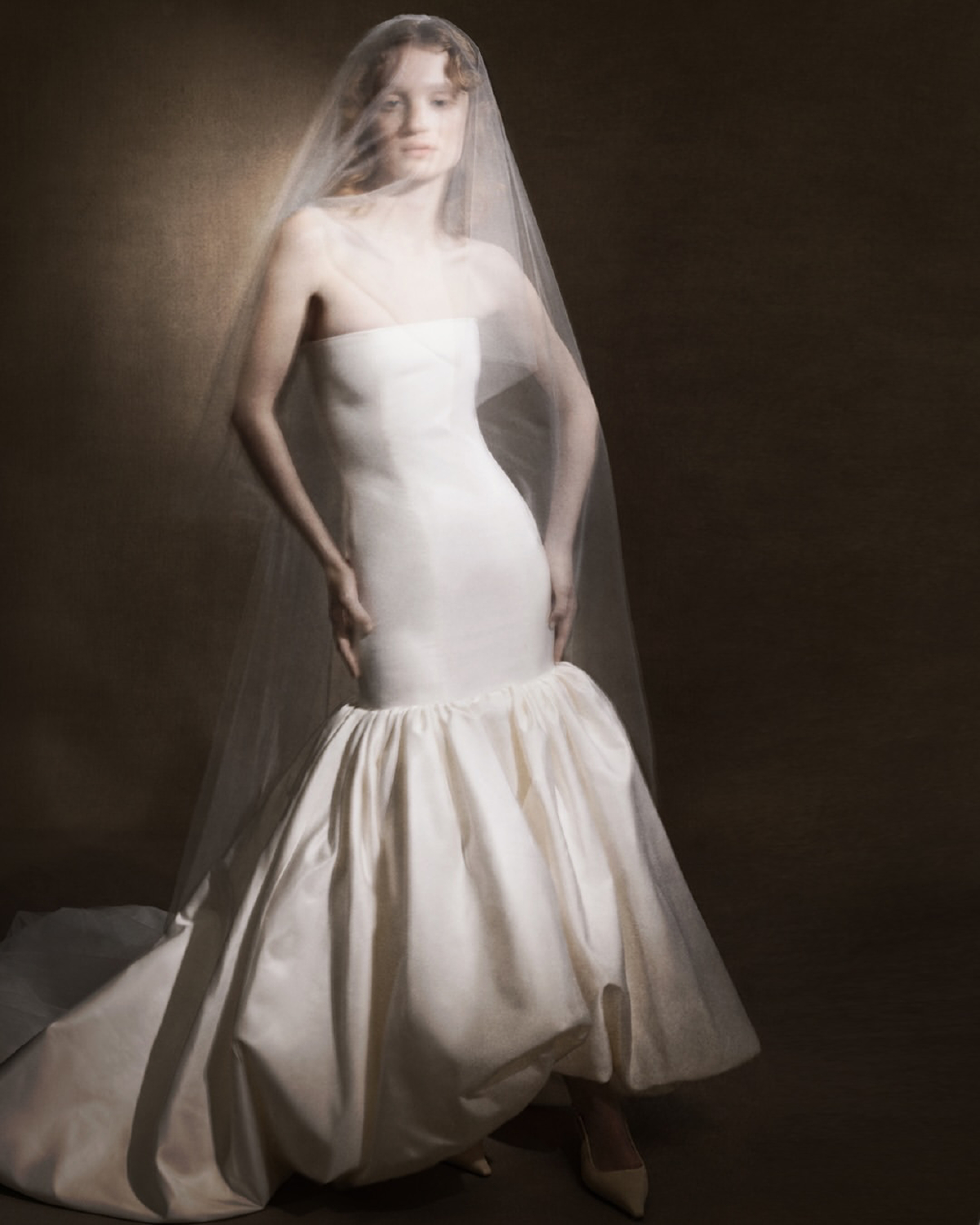
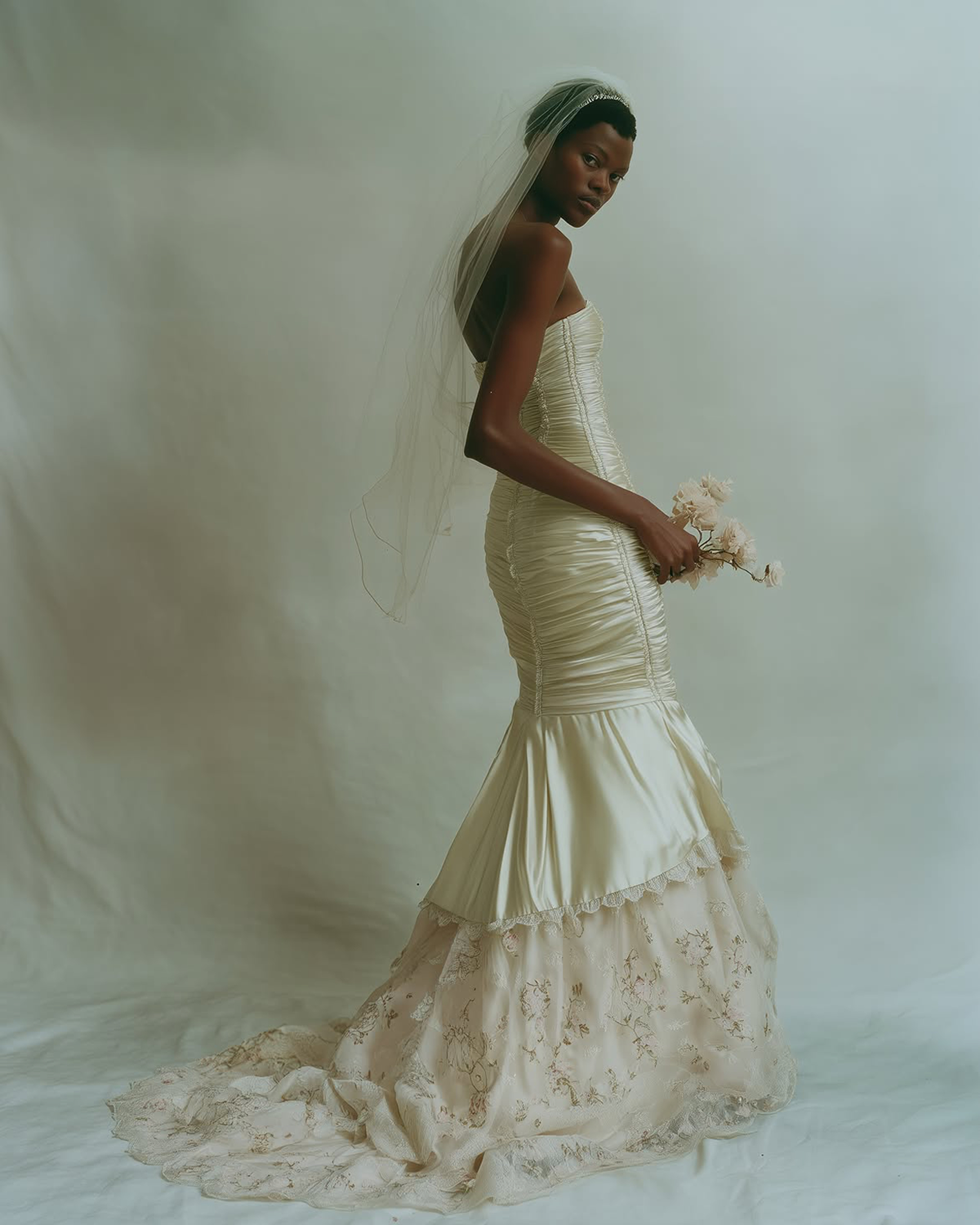
Mermaid & Trumpet
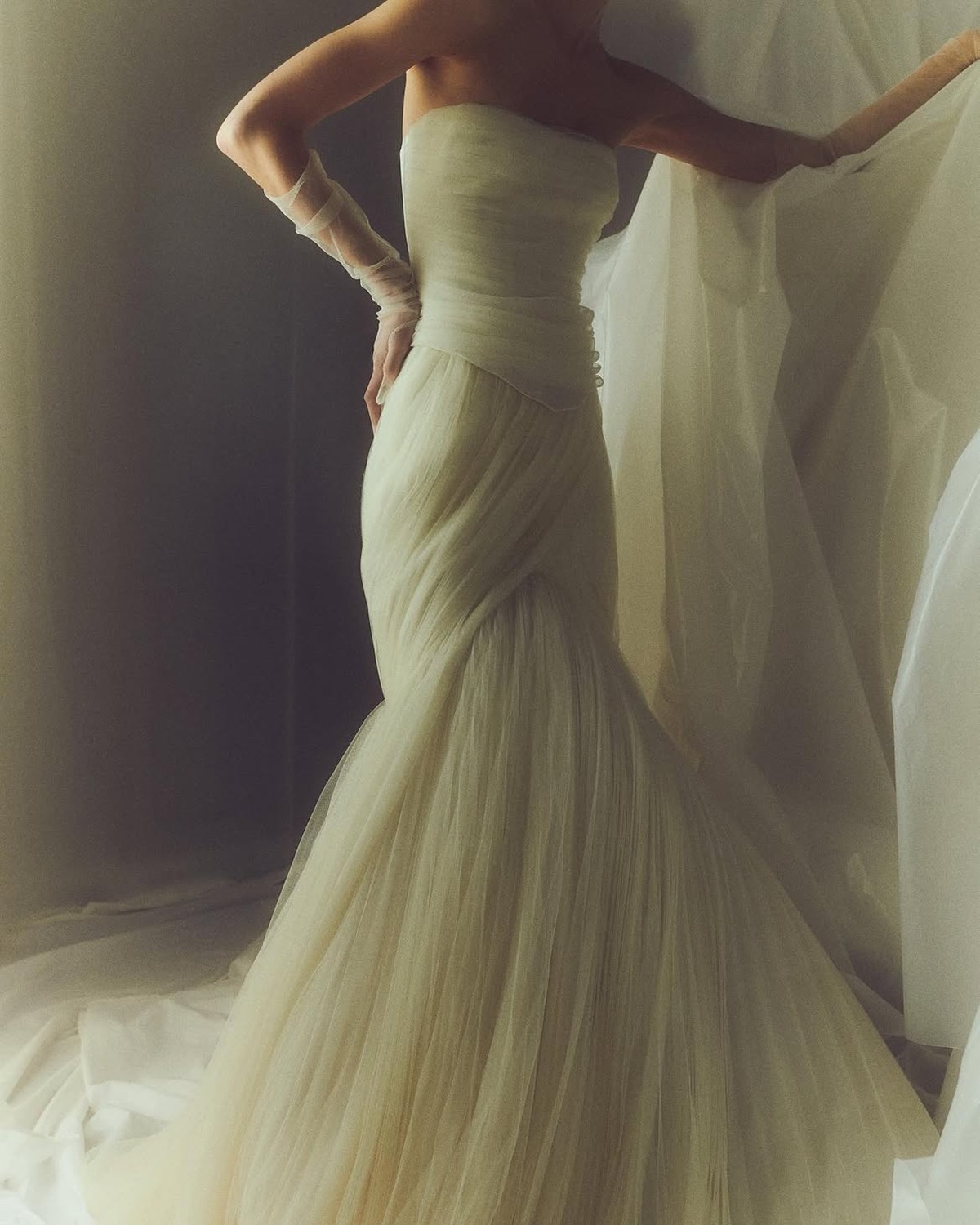
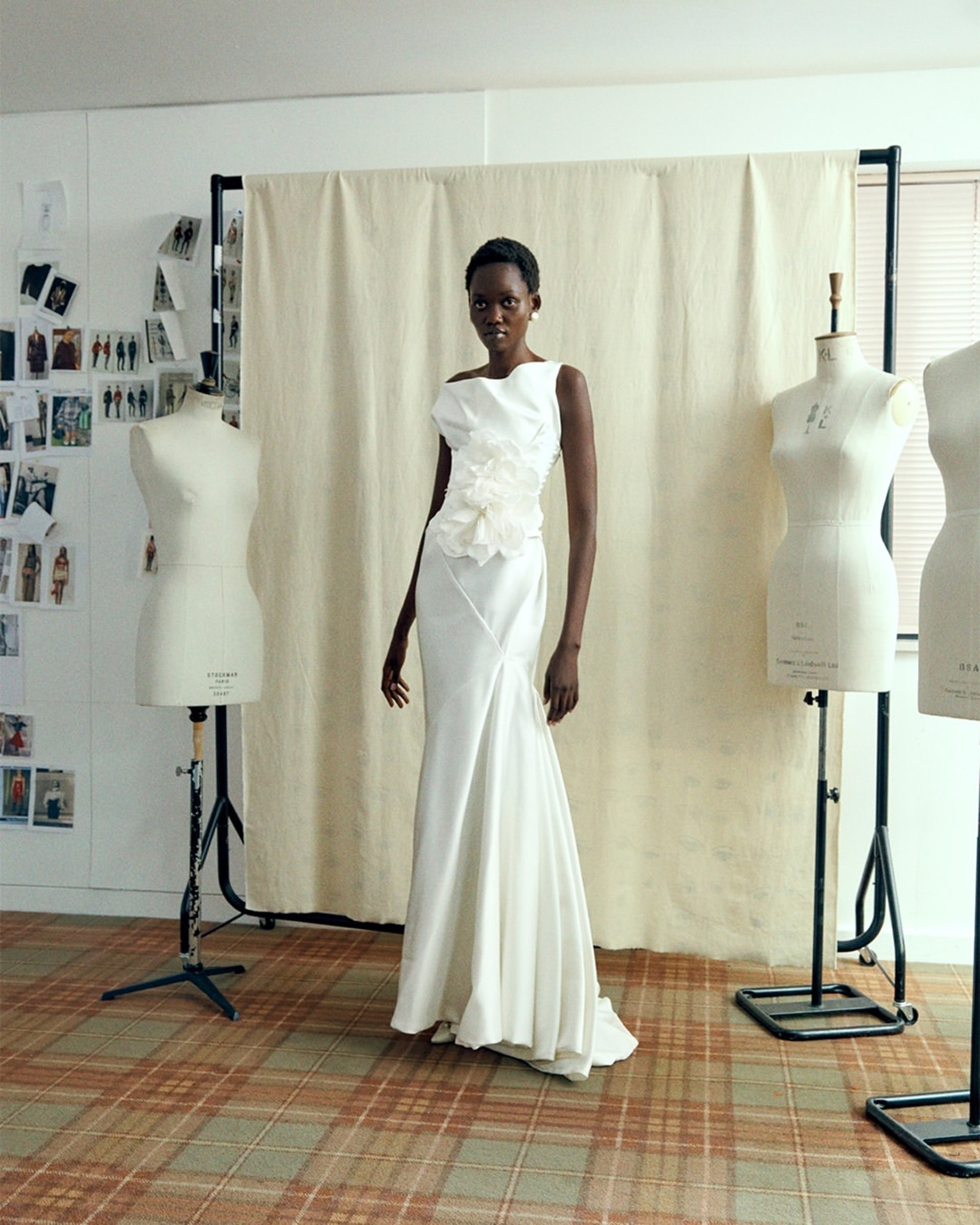
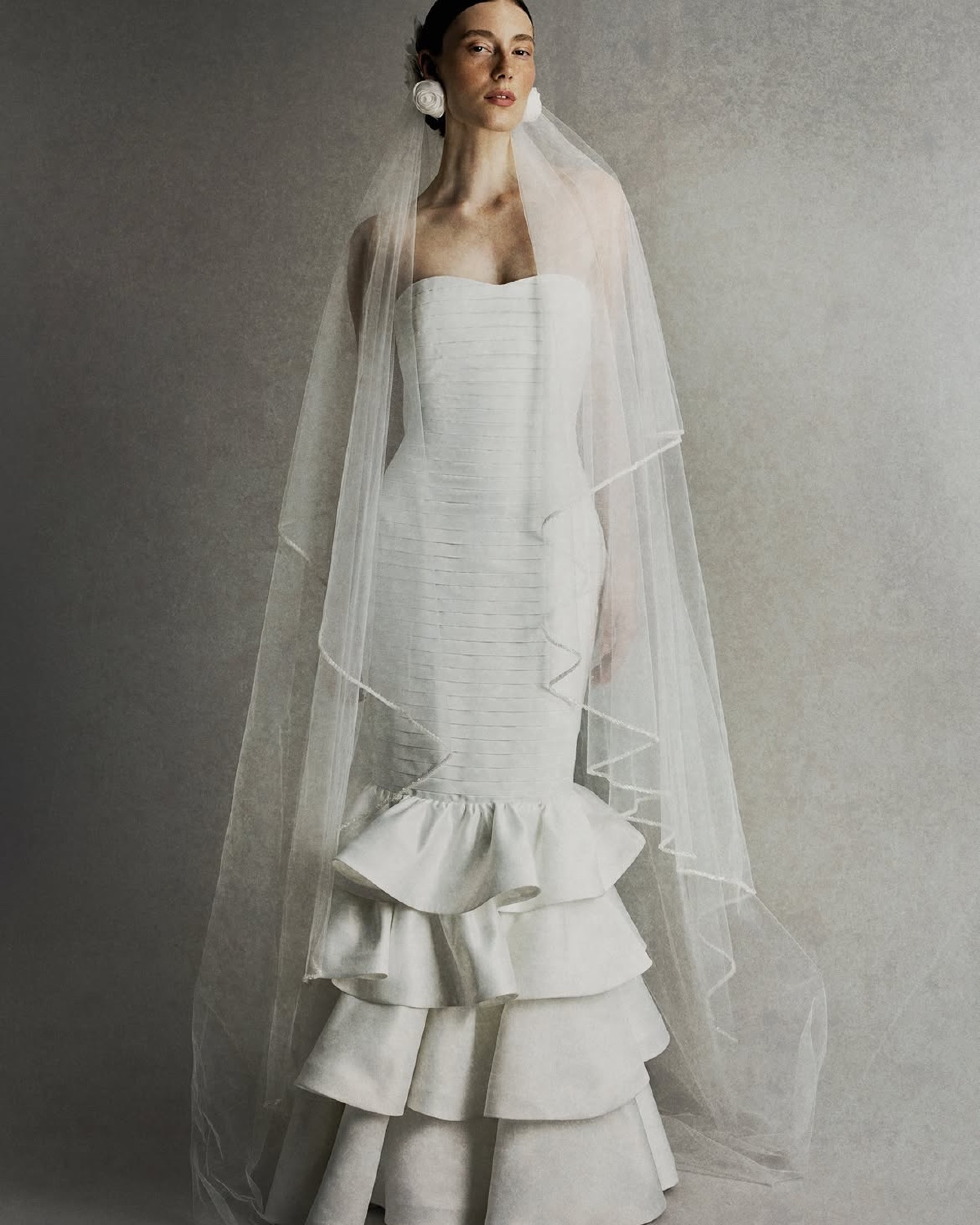
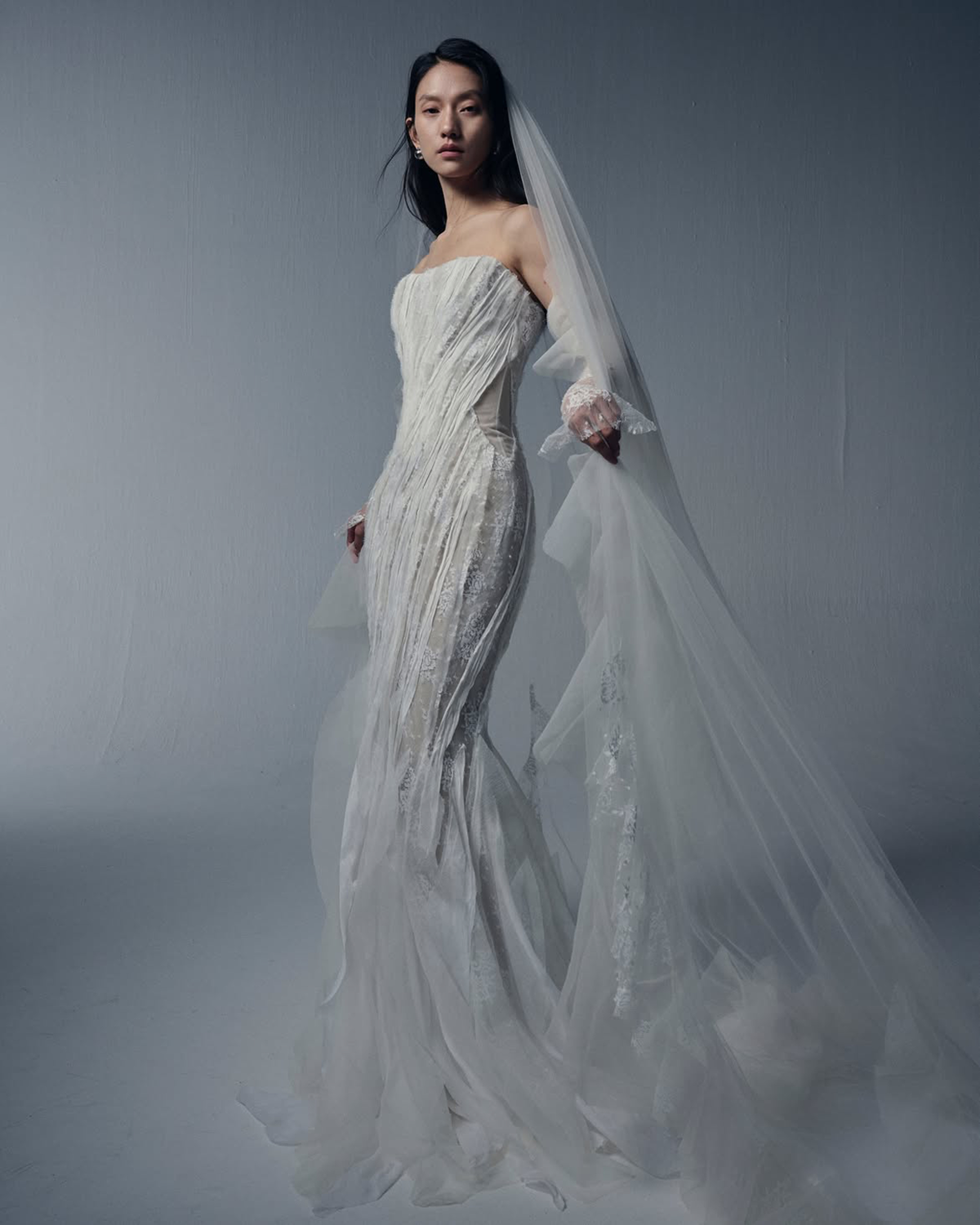
Mermaid and trumpet get confused constantly, and the confusion is fair: both hold close through the bodice and hip, then flare out at the hem. The split happens at the flare point. Mermaid kicks out sharply at or just below the knee, the most body-conscious cut on this list, while trumpet holds its line longer, flaring gradually from mid-thigh instead, which trades some of mermaid's drama for more room to walk. For 2027, both are trading heavy boning for softer, stretch-lined construction, making either cut far more wearable and editorial through a full reception than the last generation of boned versions.
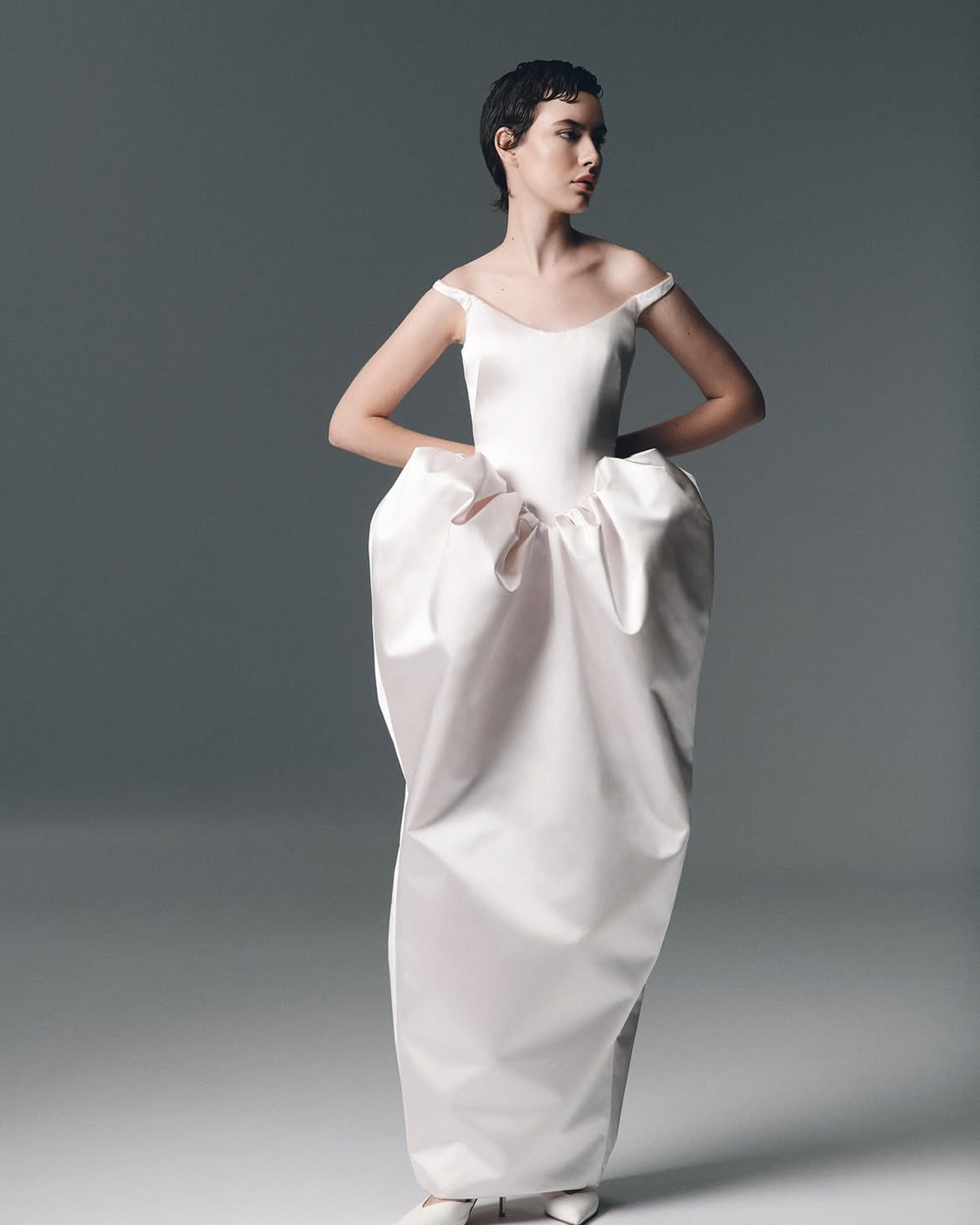
Tulip
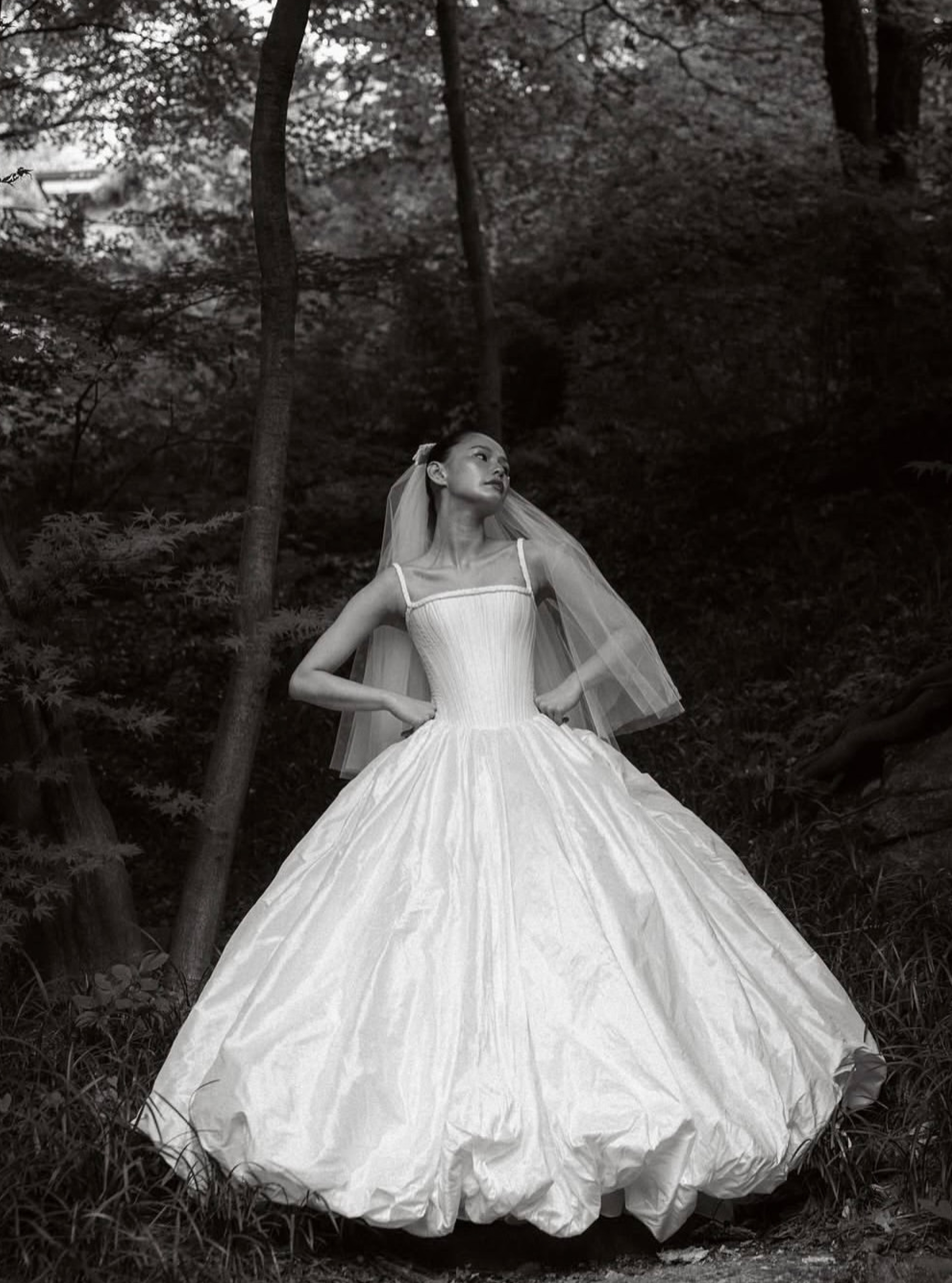
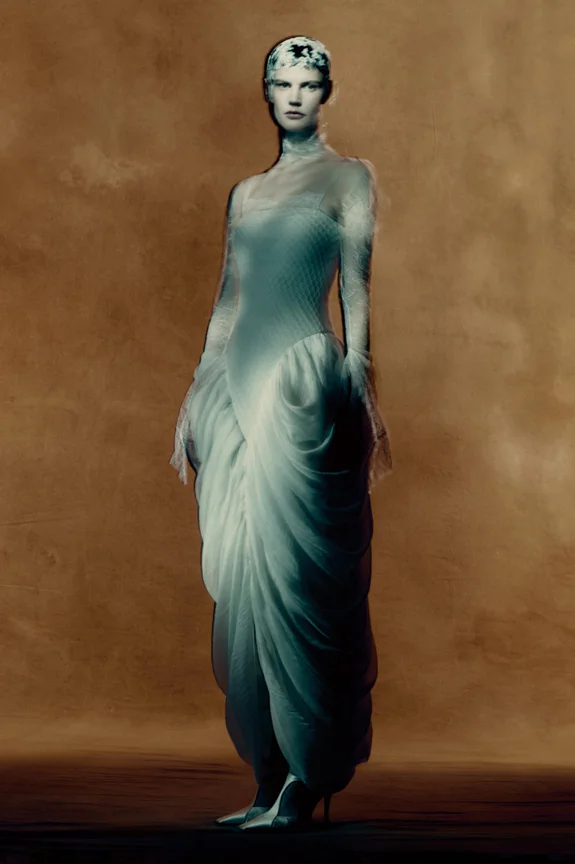
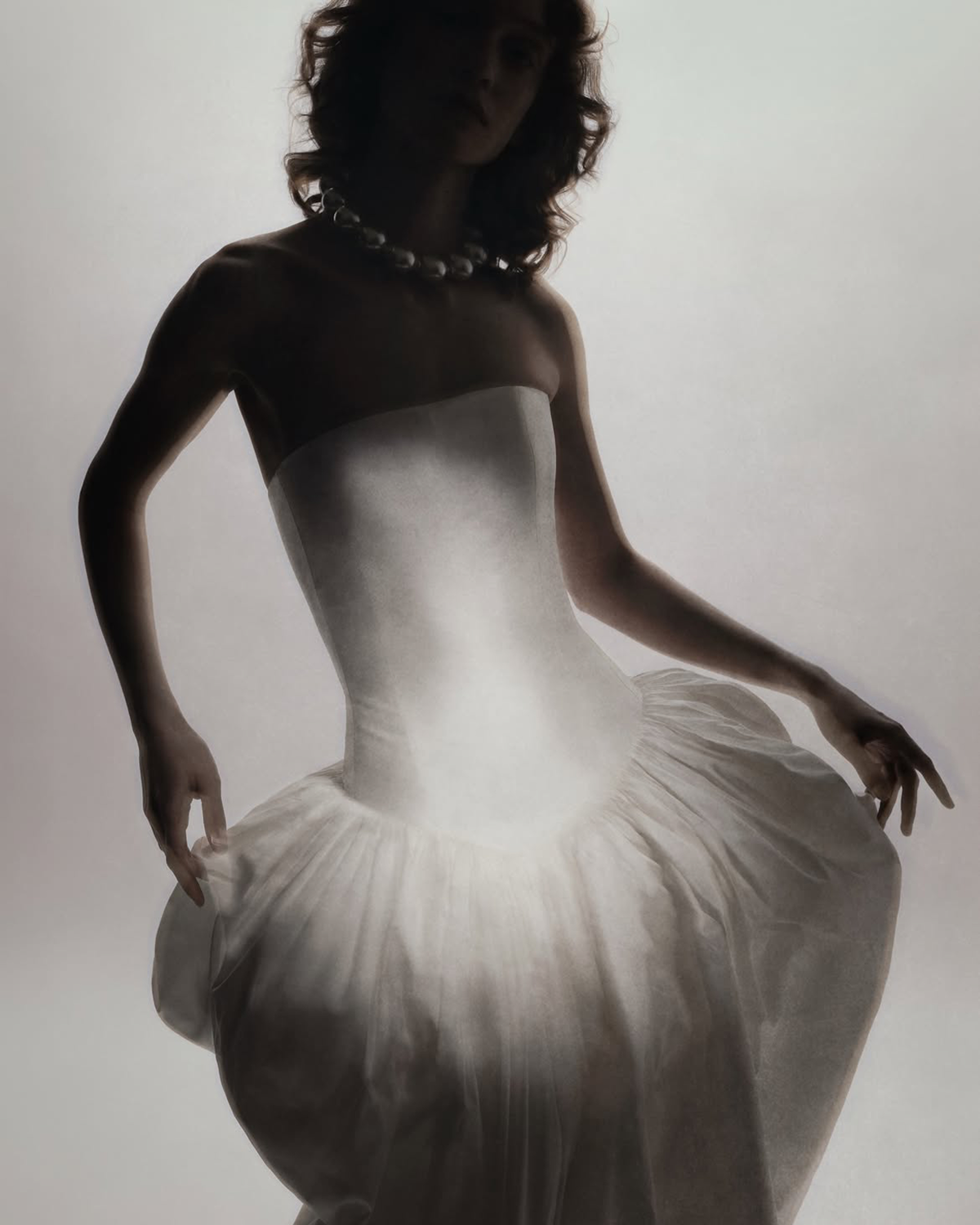
Tulip takes the opposite approach to nearly everything else on this list: the bodice stays fitted, but the skirt gathers up and in at the hem rather than flaring out. This silhouette creates a rounded line through the hip instead of the sweep of A-line or the flare of mermaid, closer to a flower closing than opening, which gives it its name. It's a softer cut that, lately, is reading as ultra fashion-forward and versatile, showing up more in 2027 collections for the brides looking for something between fitted and full without going full ball gown.

Column & Sheath
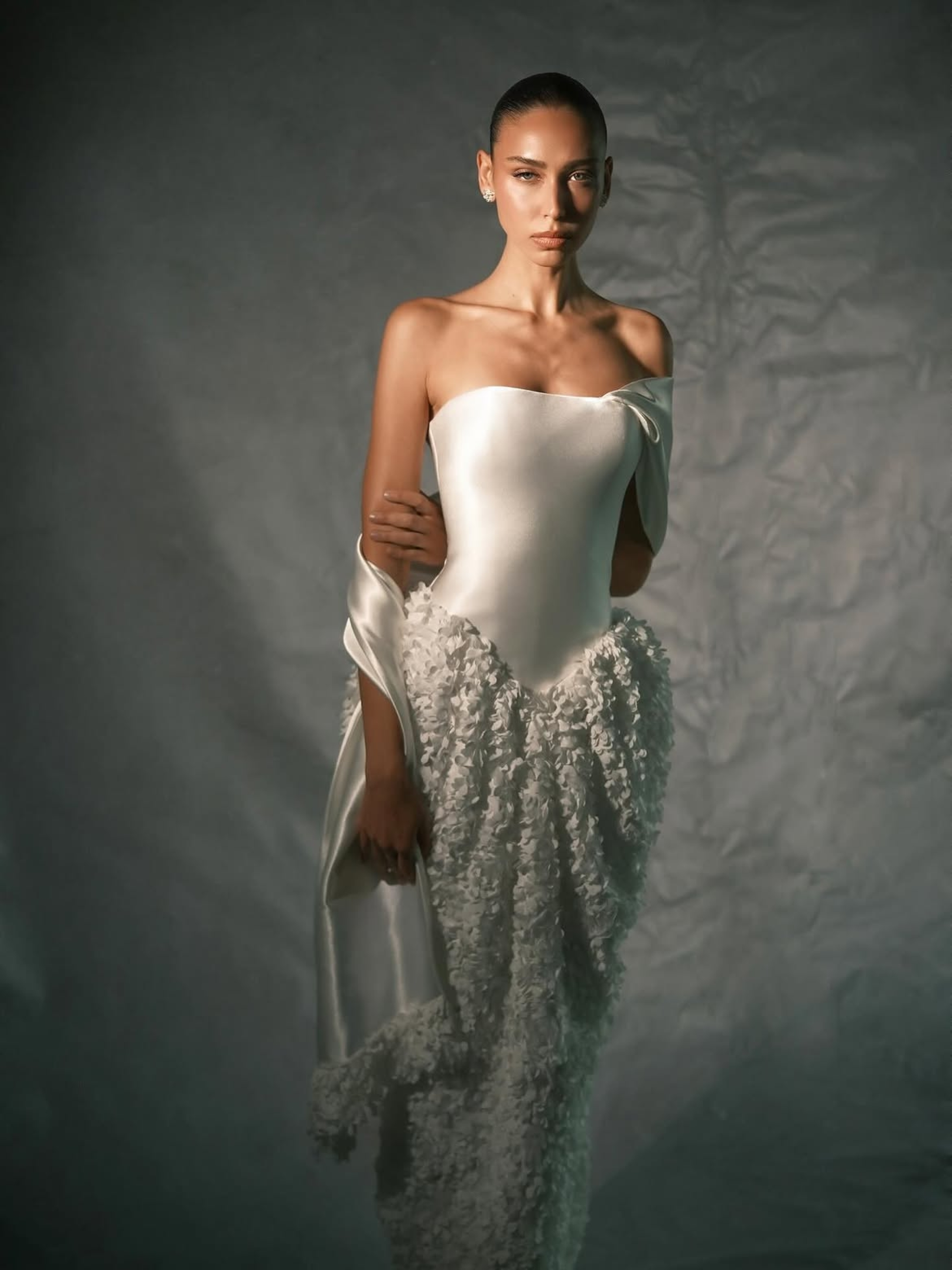
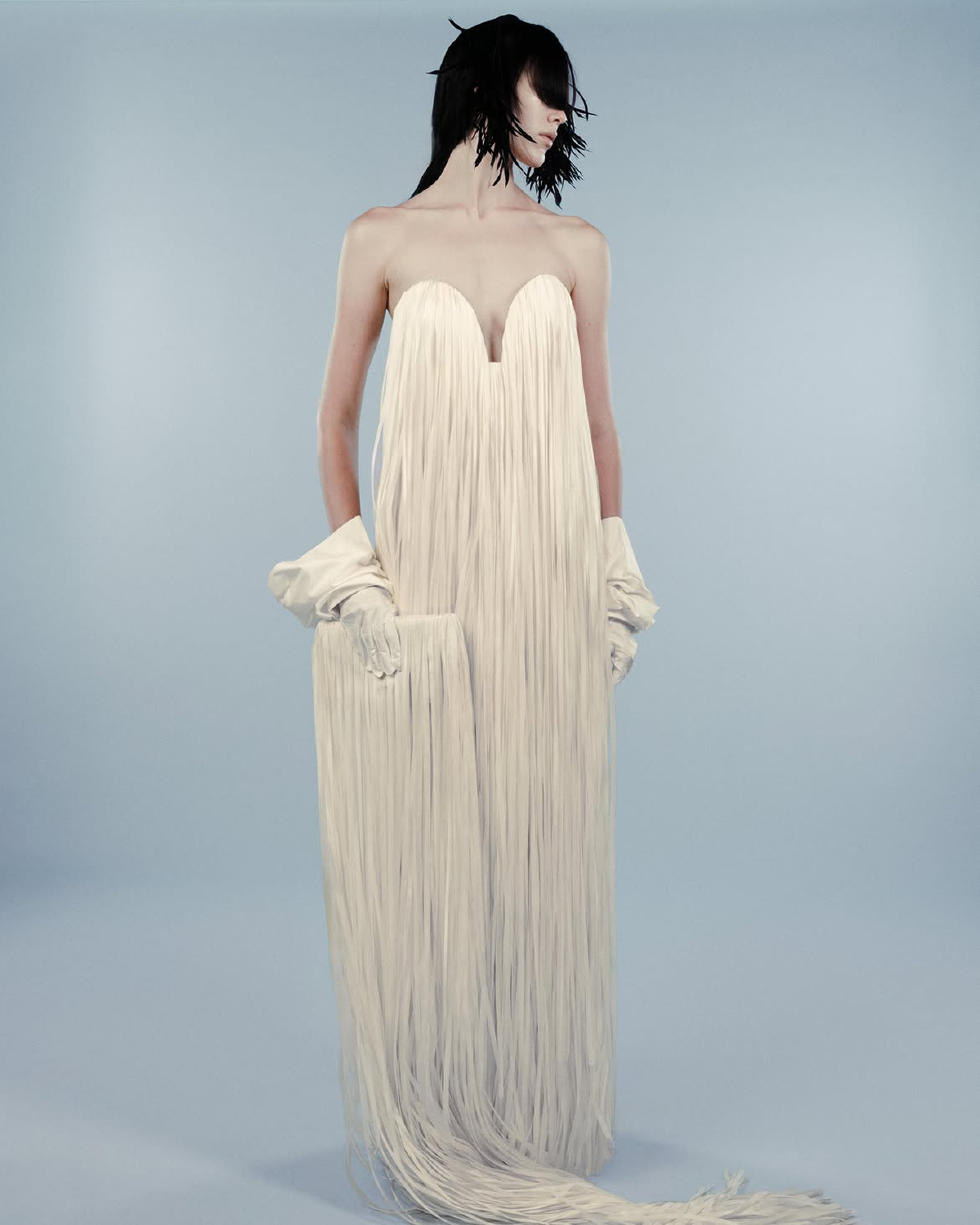
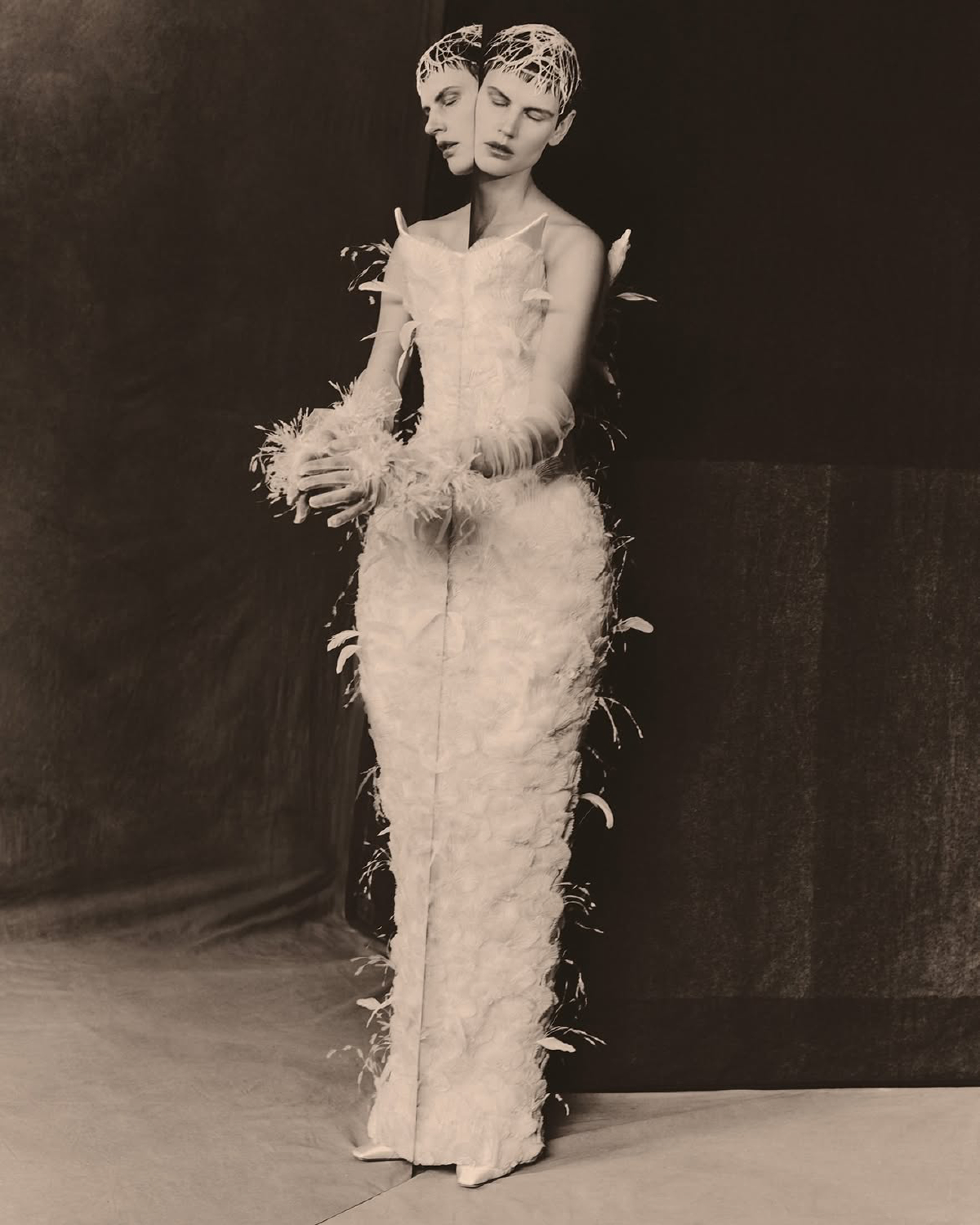
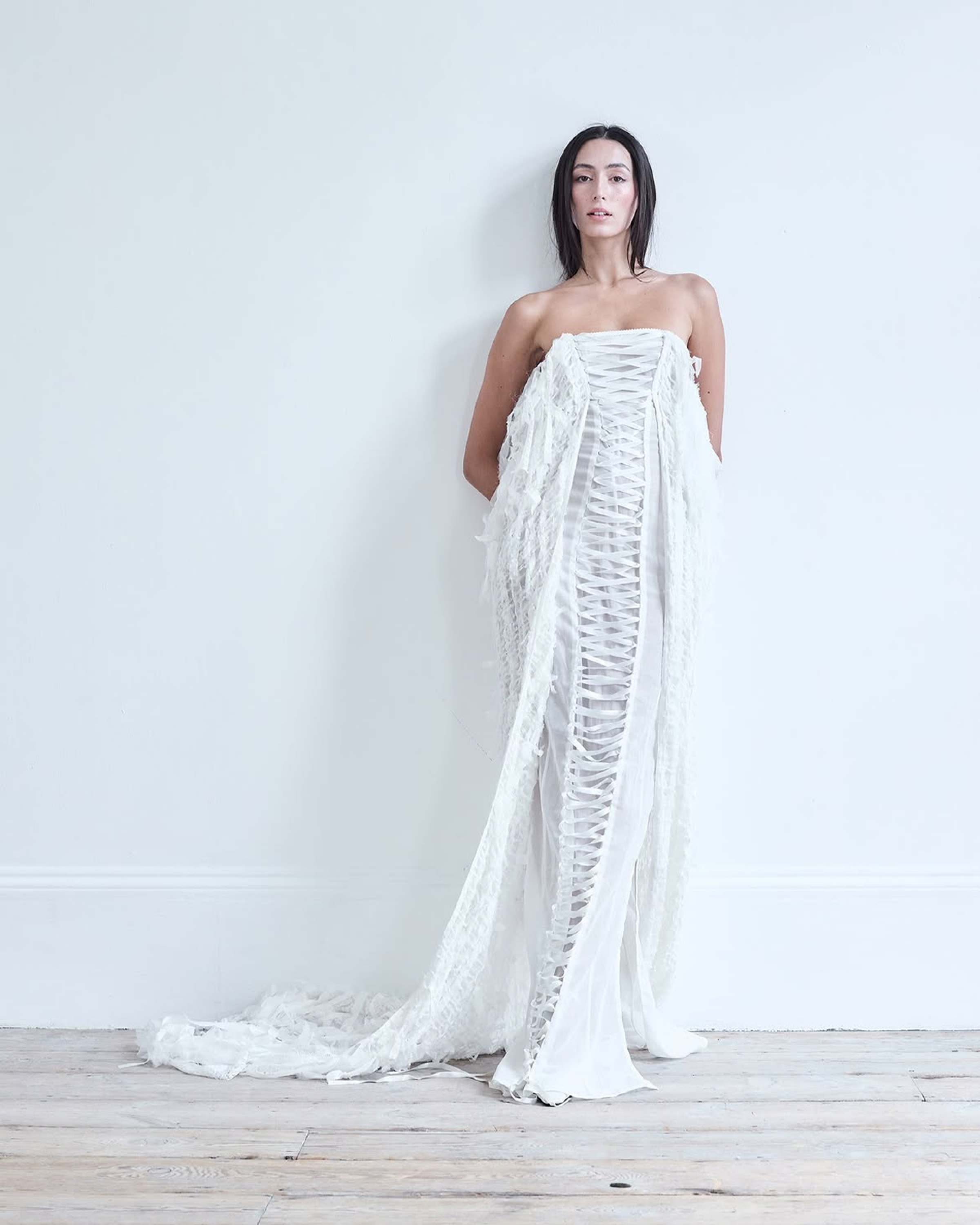
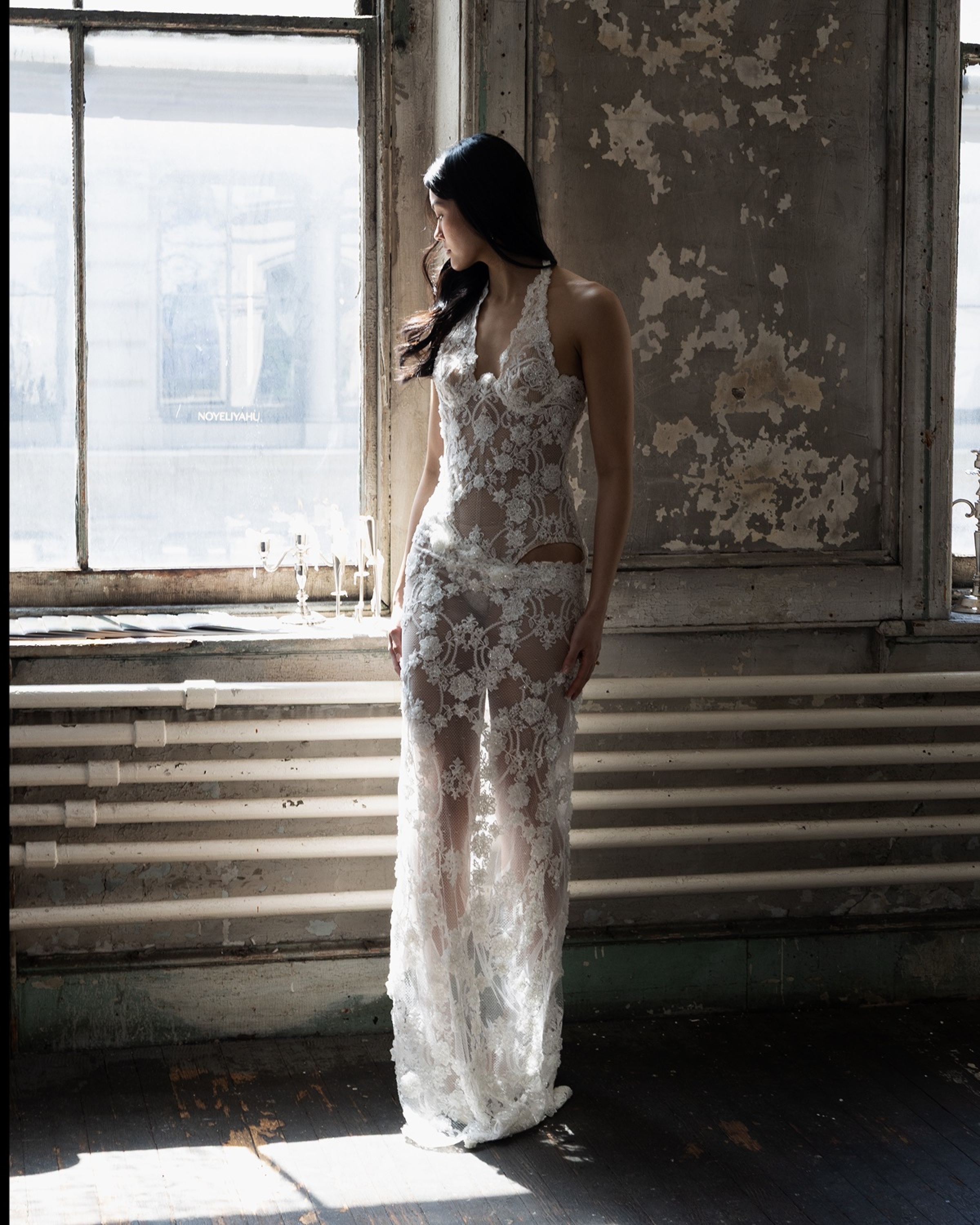
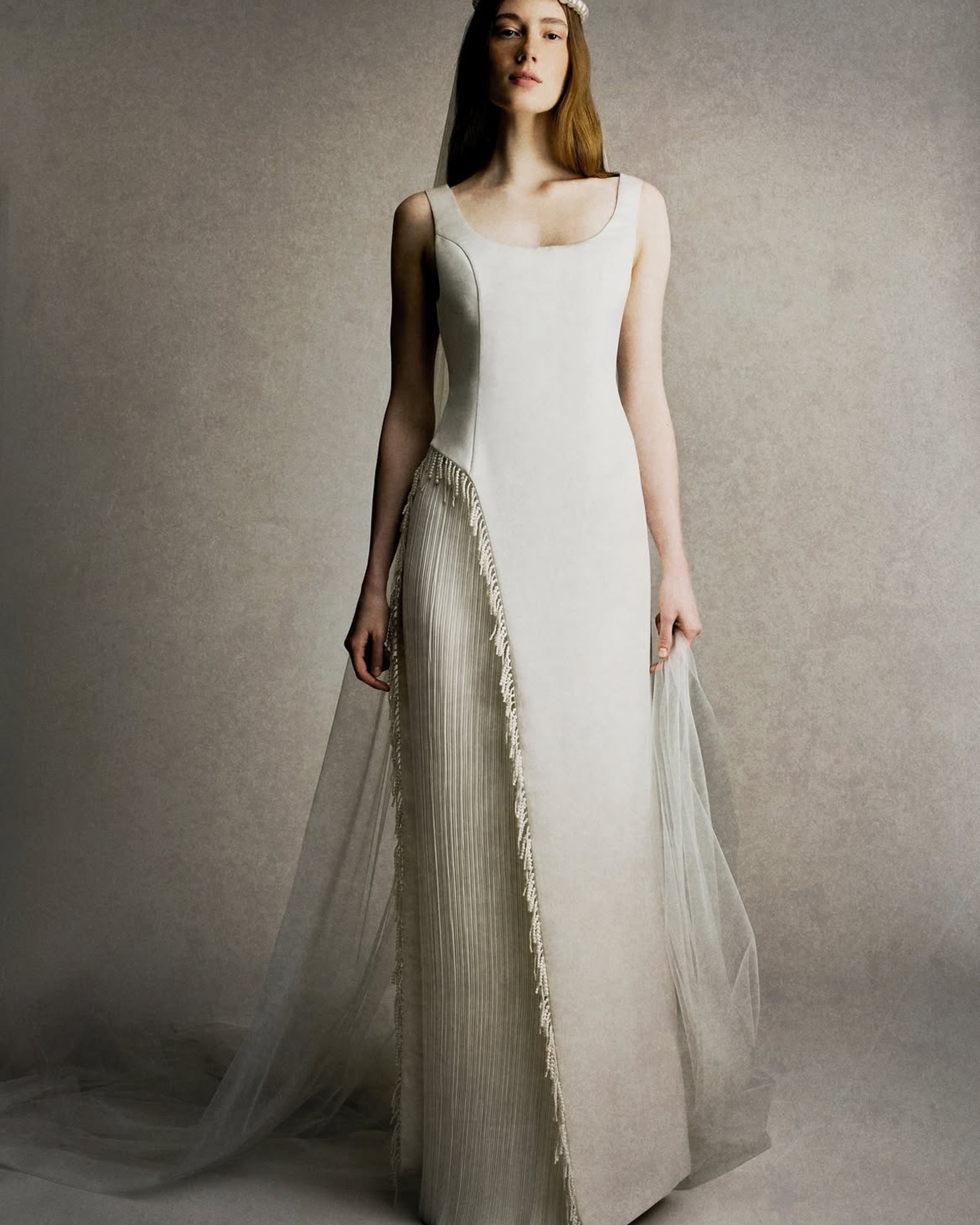
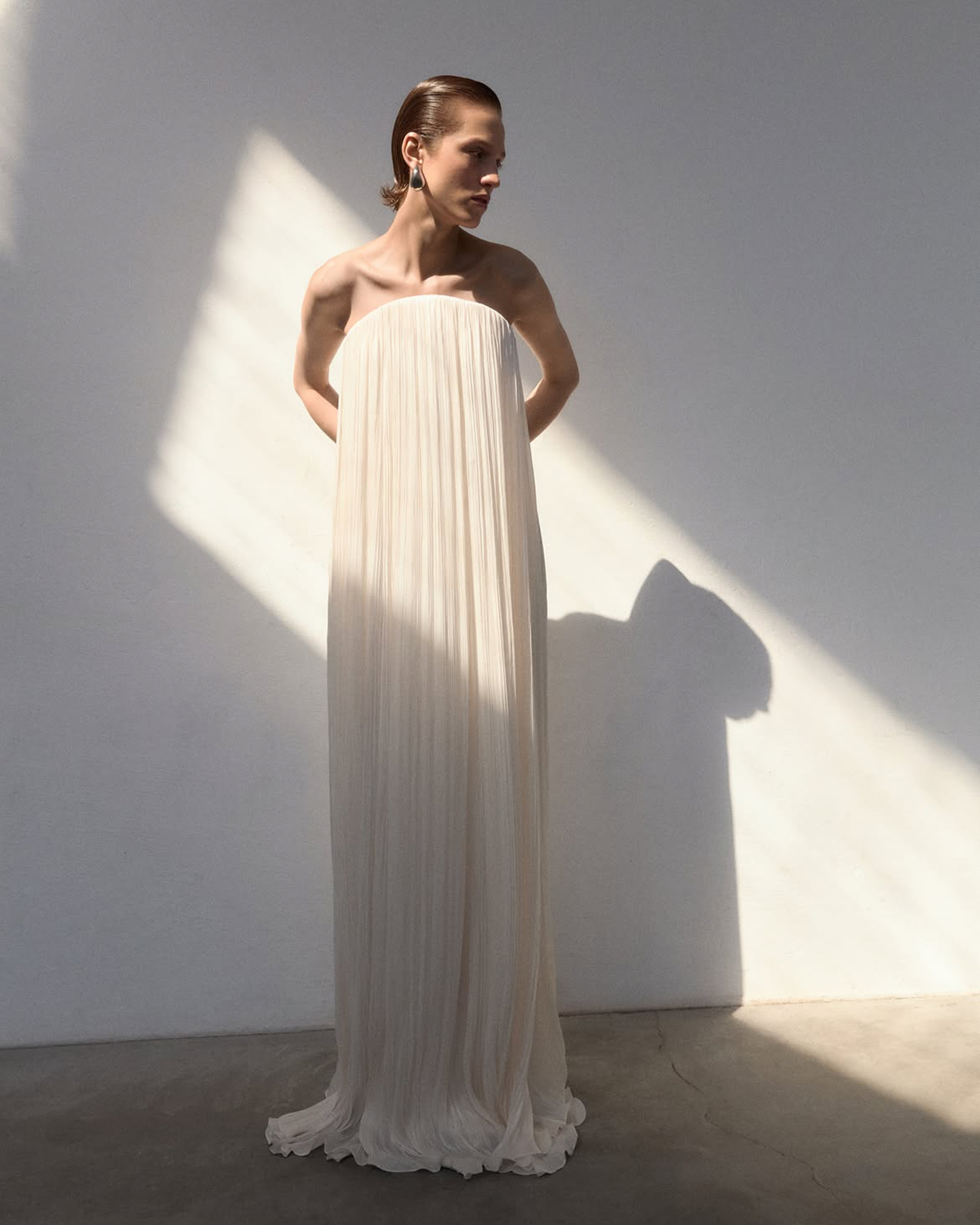
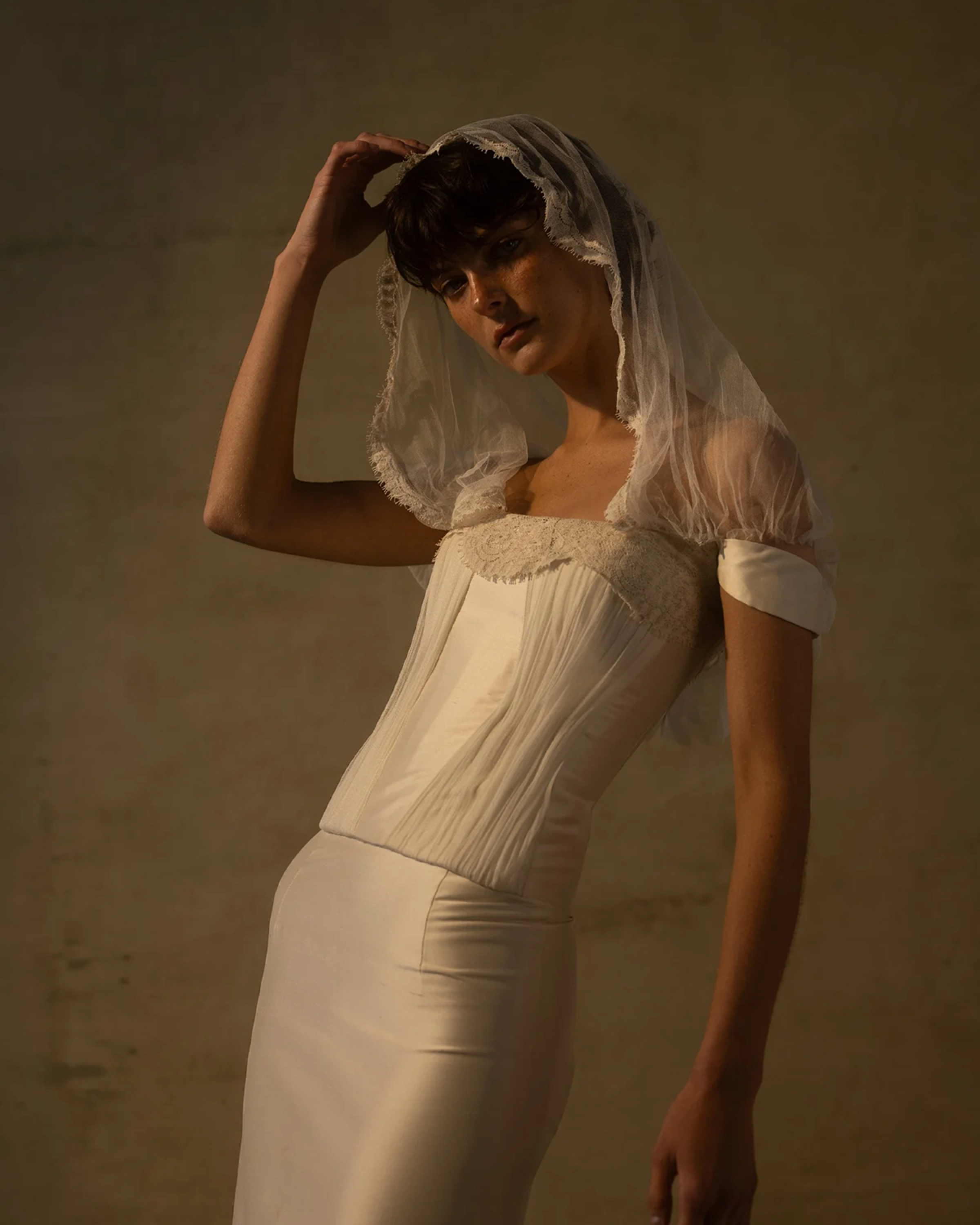
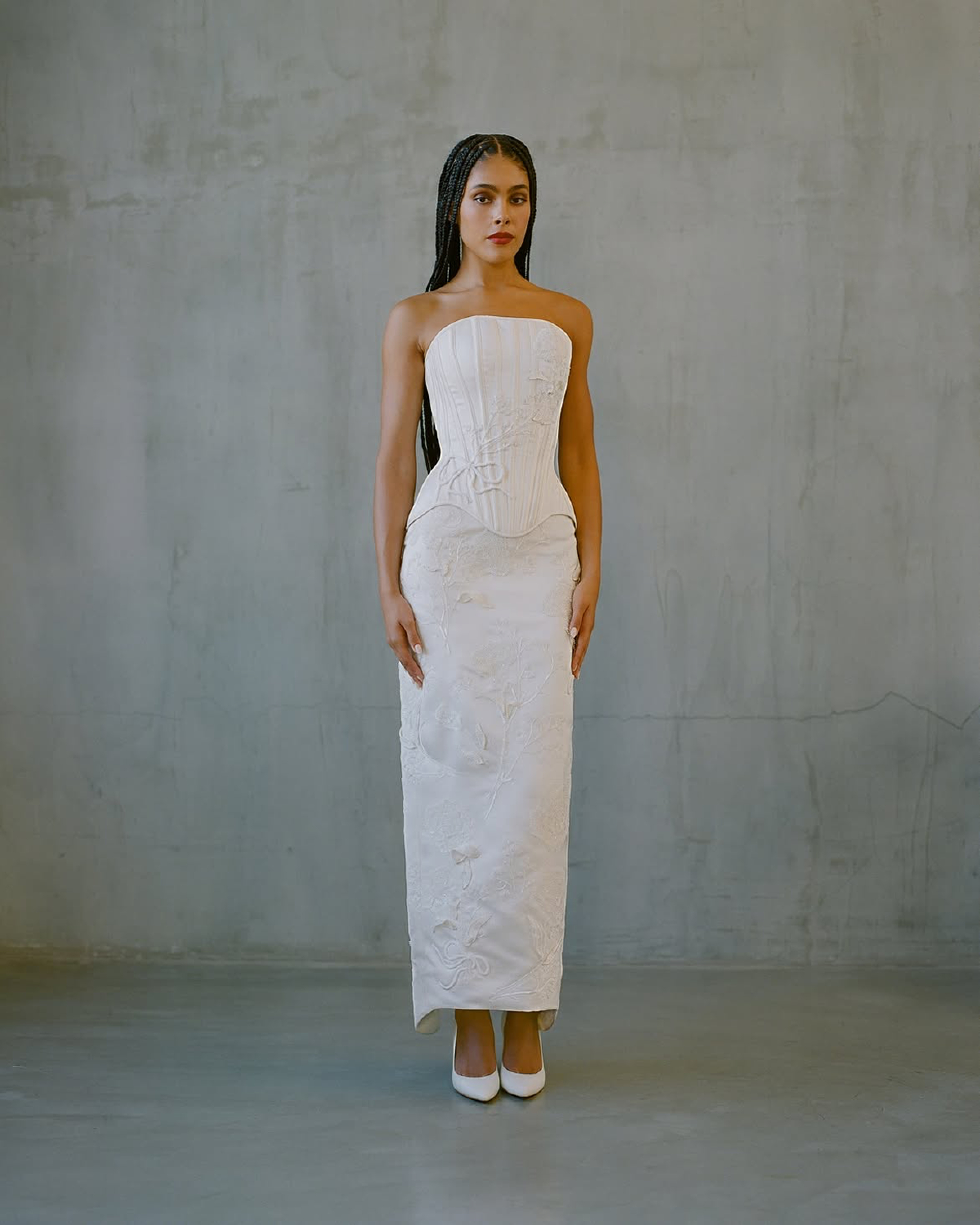
Column and sheath both run a single fitted line from shoulder to floor, and the two are used almost interchangeably in bridal, but the real difference is in the seaming. Column skips the waist seam entirely, one uninterrupted drop of fabric. Sheath adds it back in, a horizontal seam at the natural waist that gives the tailor more control over fit through the body. Both can often use flowier fabrics like crepe, charmeuse, or lightweight satin that drape or structured taffeta and organza that keeps its structure, because there's no skirt volume to cover for it. Brides who want their gown to read as modern and architectural might land in one of these two, and the choice between them usually comes down to how much room they want a tailor to work with.
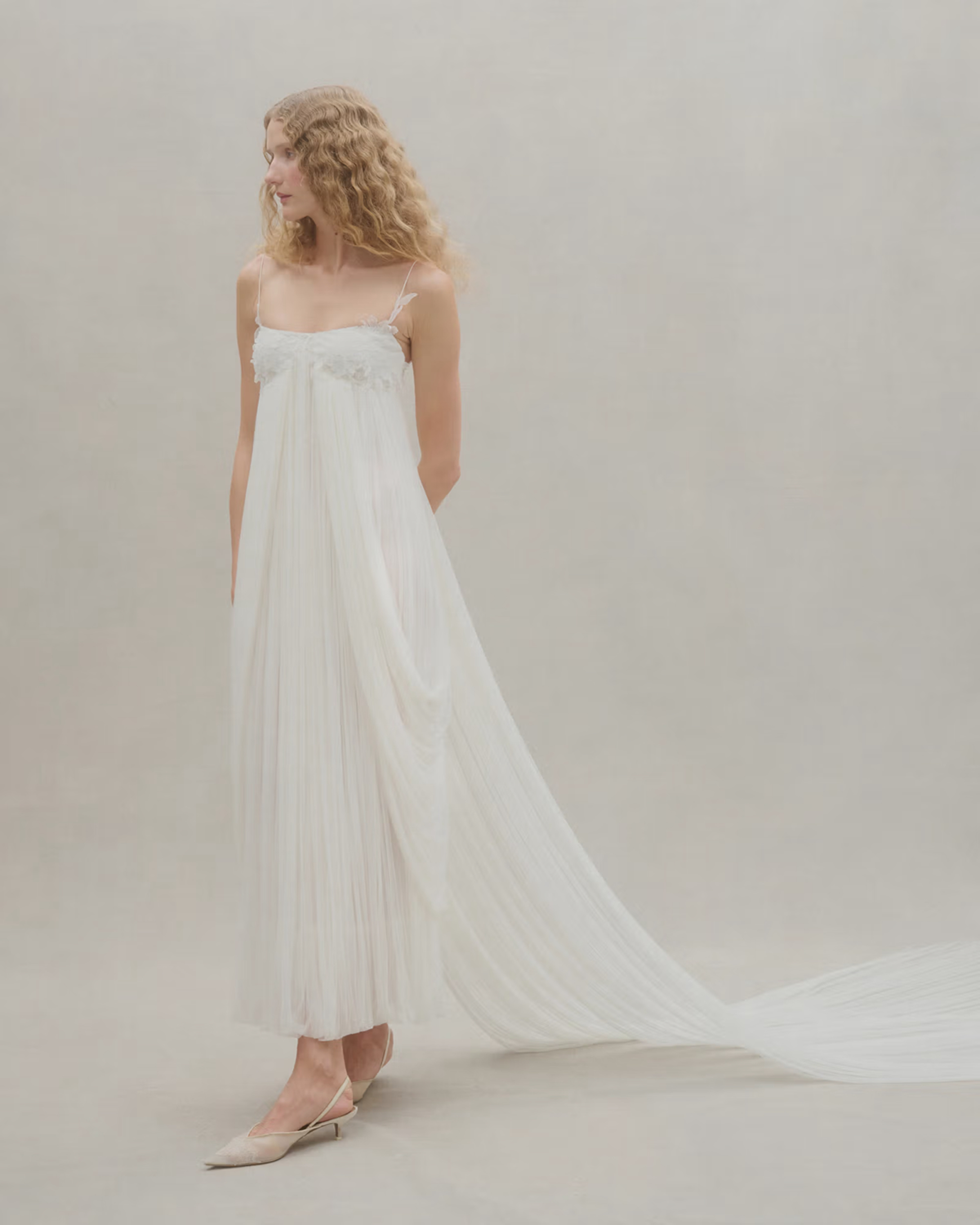
Empire Waist
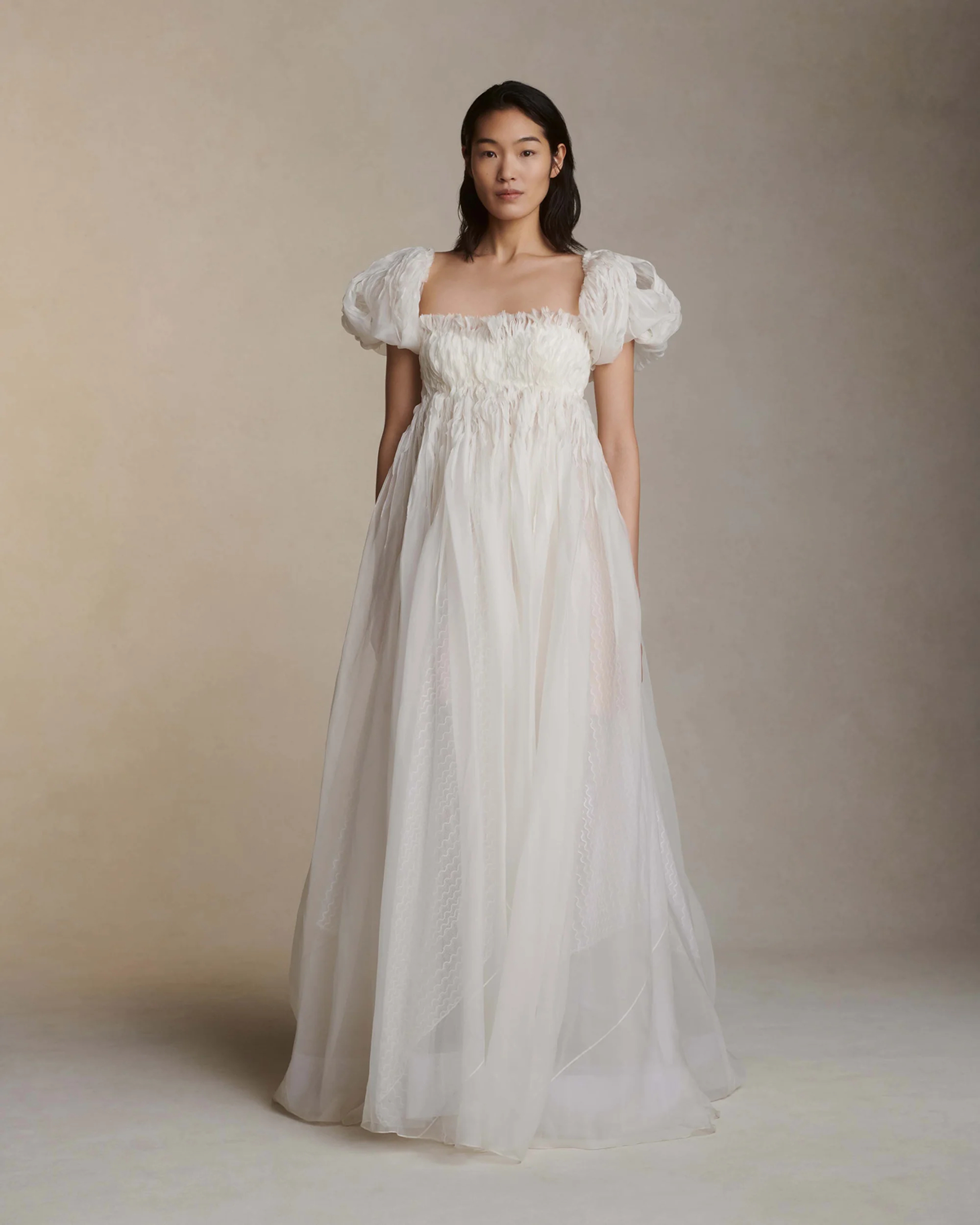
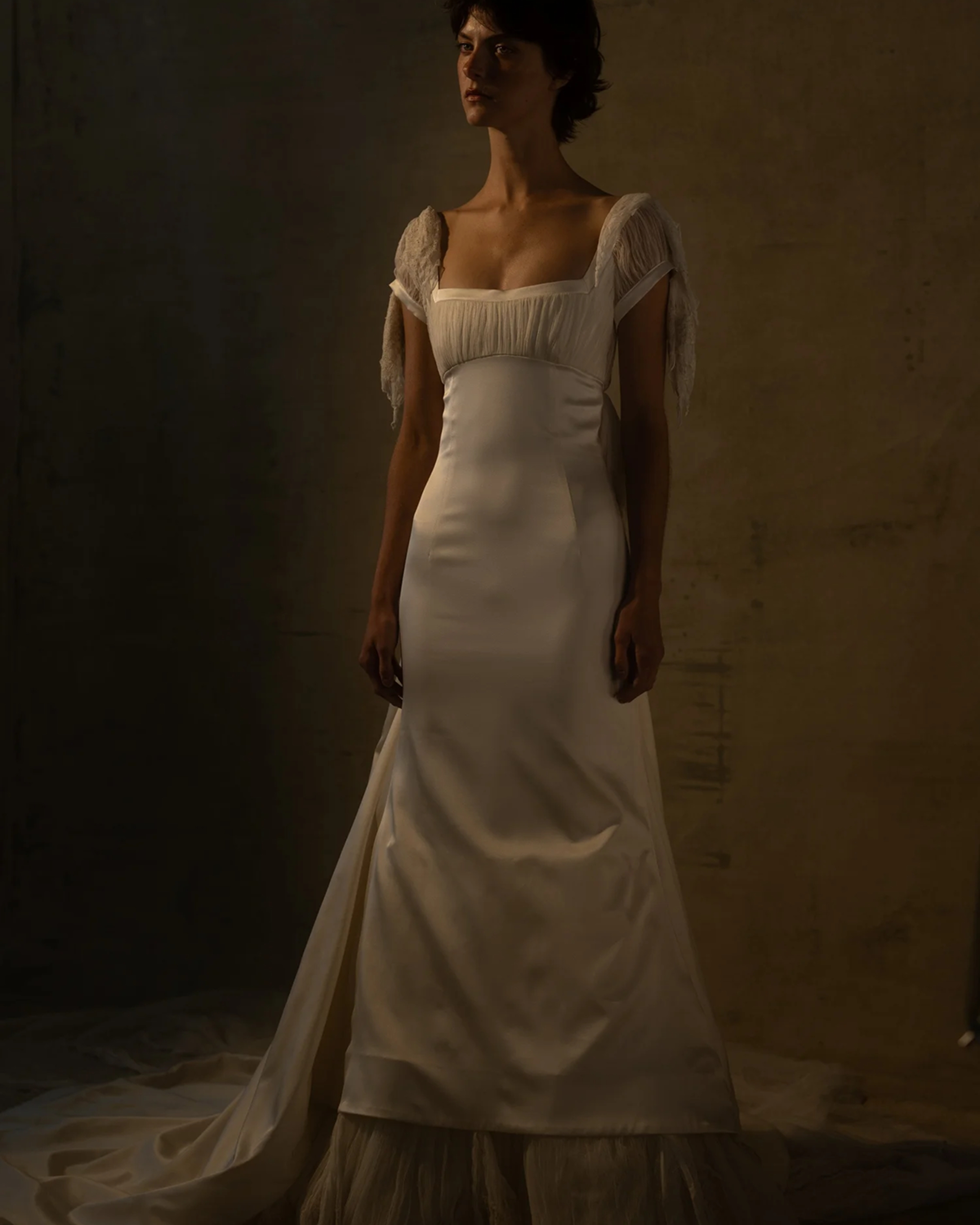
Sitting at the highest of any waistline here, just under the bust, Empire lets everything below flow loose. With no cinching and no structure fighting gravity, it's the gentlest cut on the body, and it allows for fabric to move with drape and ease. For the bride who wants to feel like a goddess or straight out of the Regency era, this silhouette is for you.
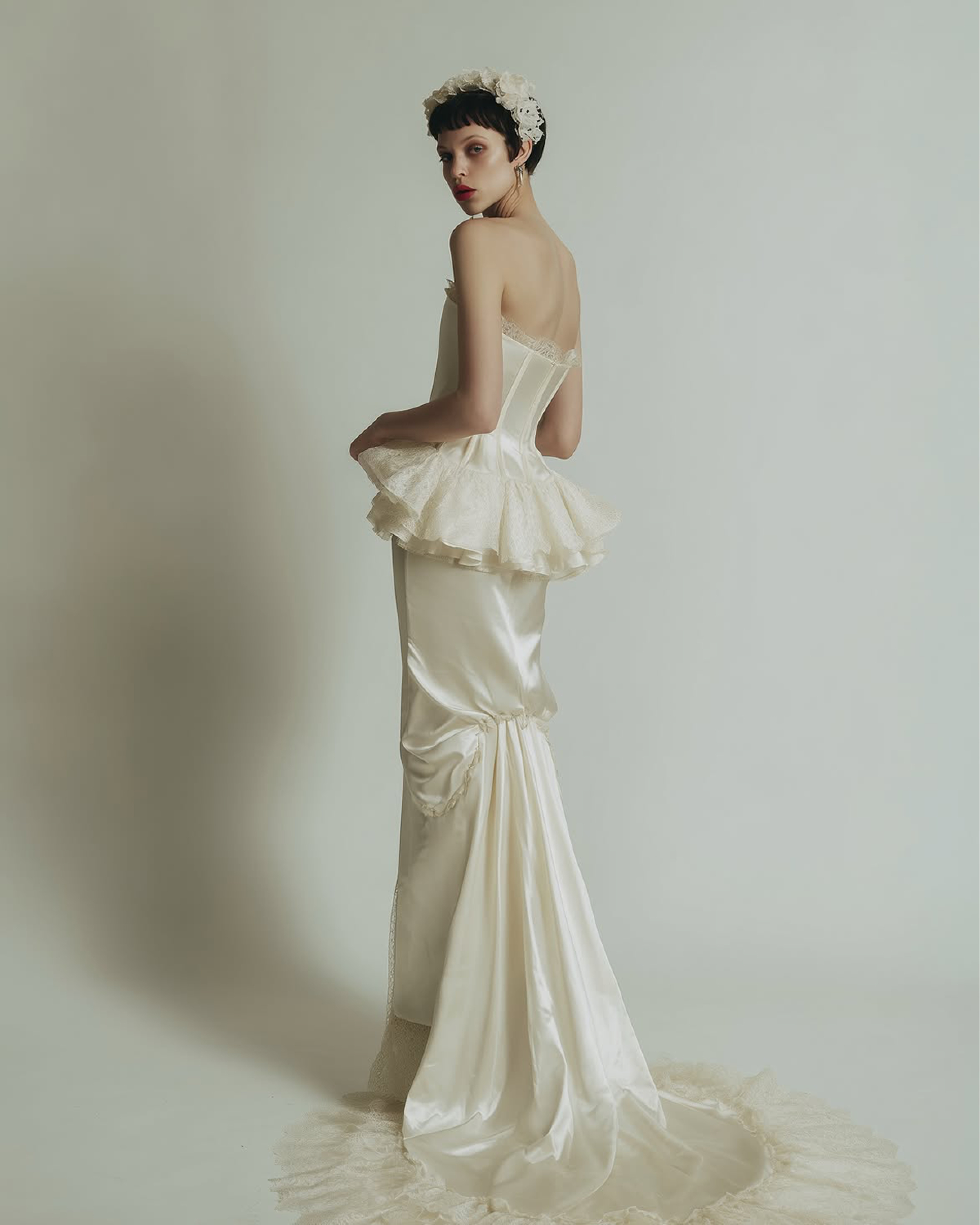
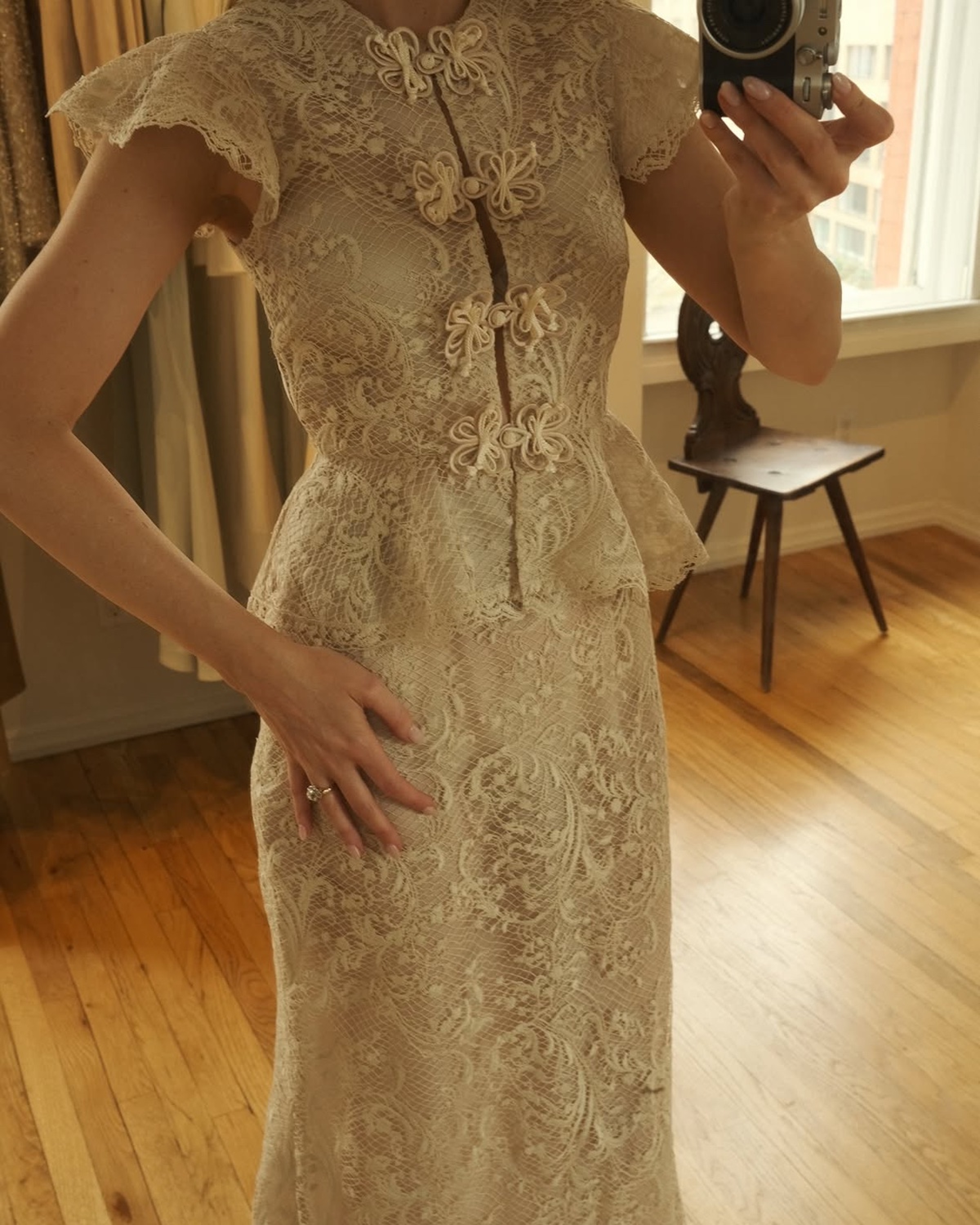
Peplum
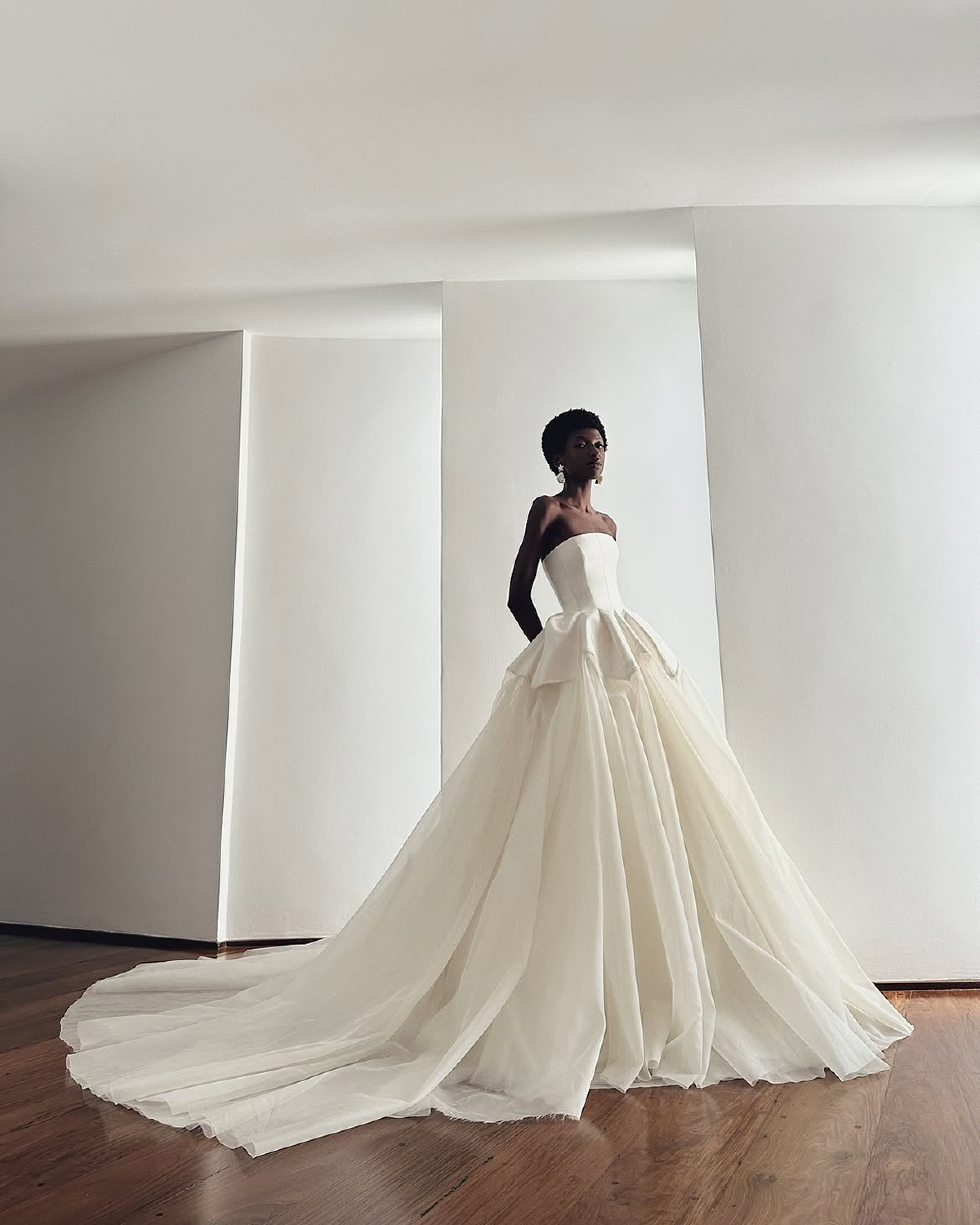
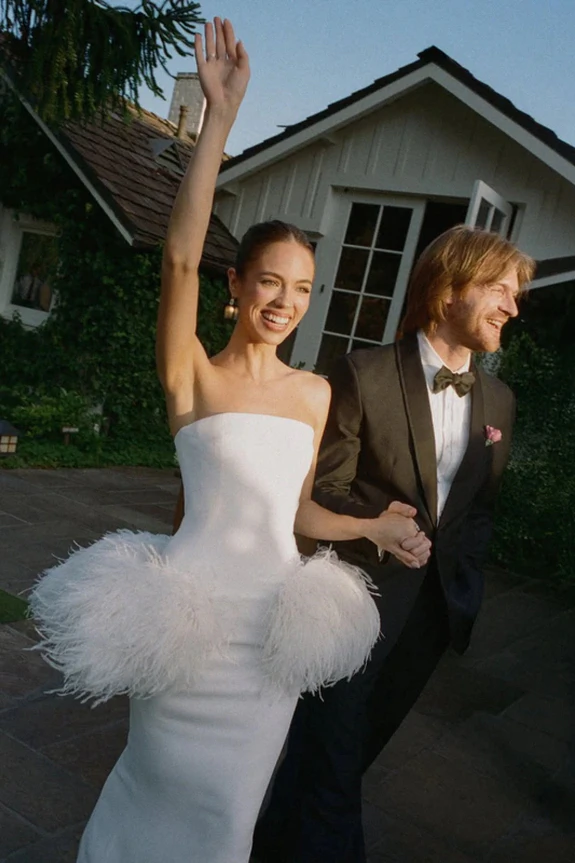
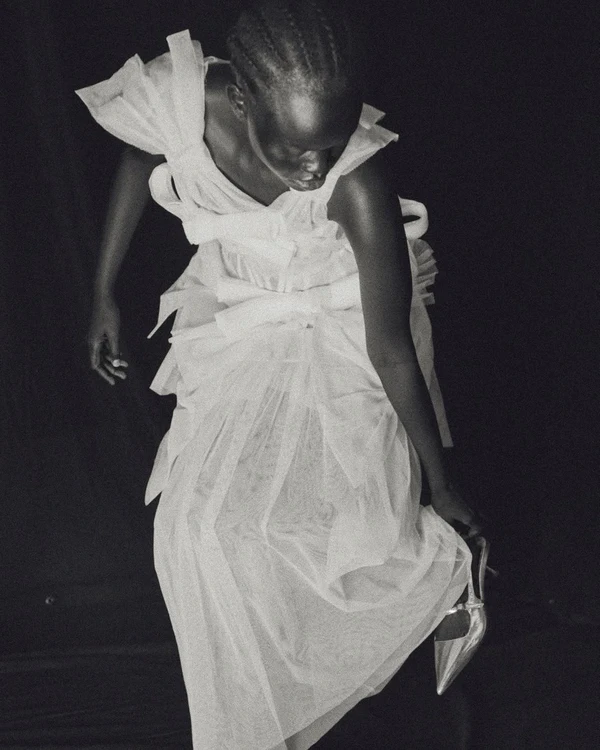
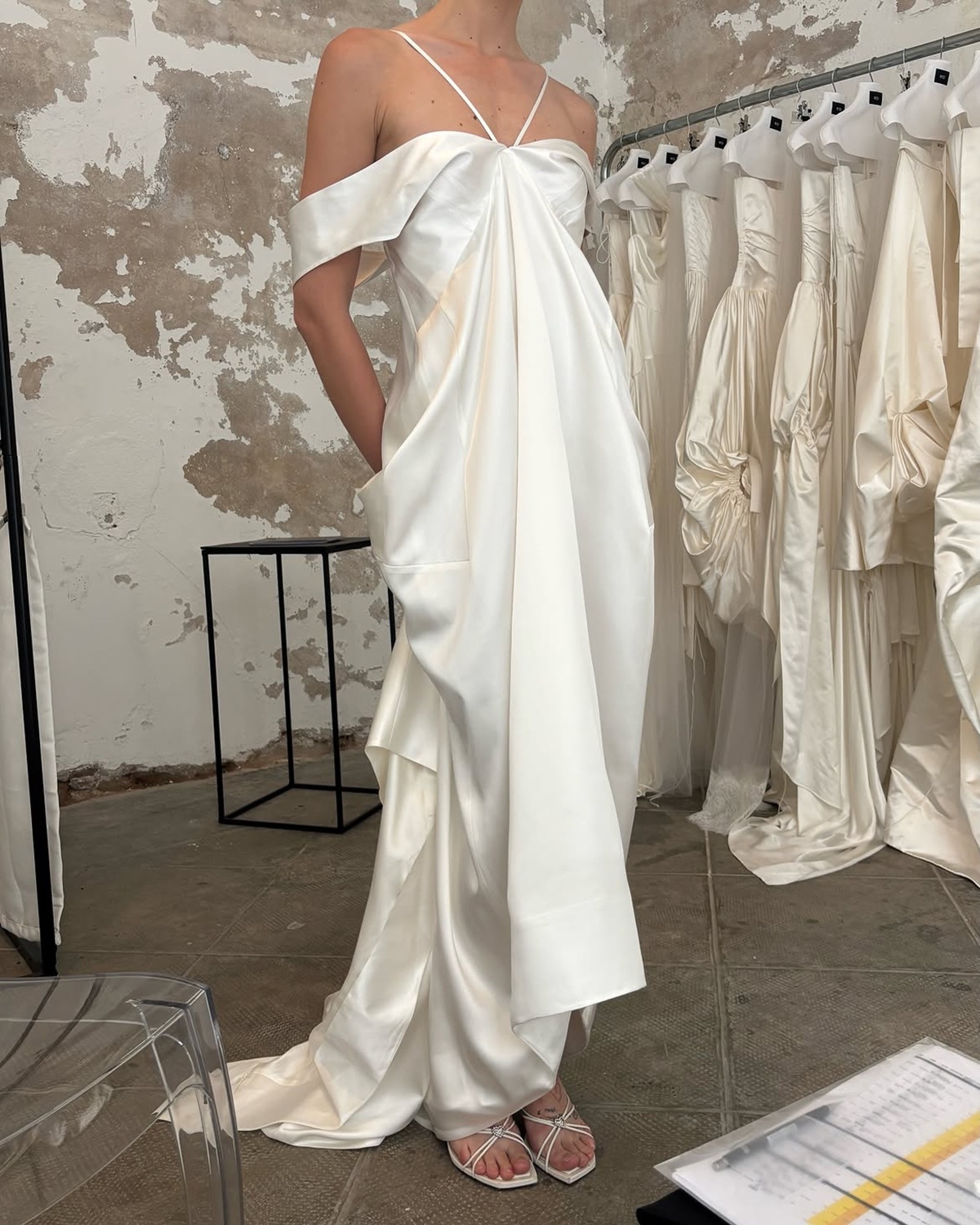
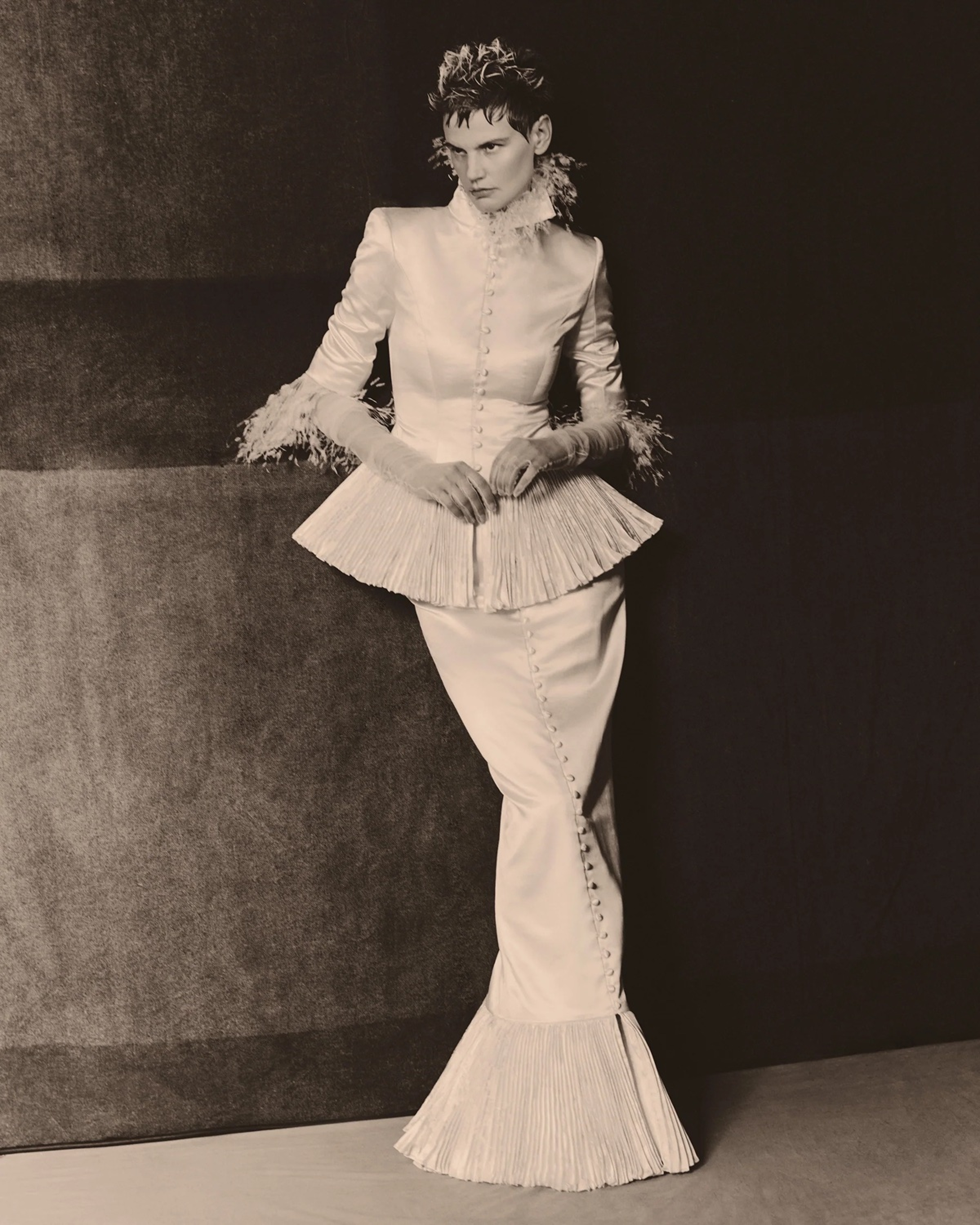
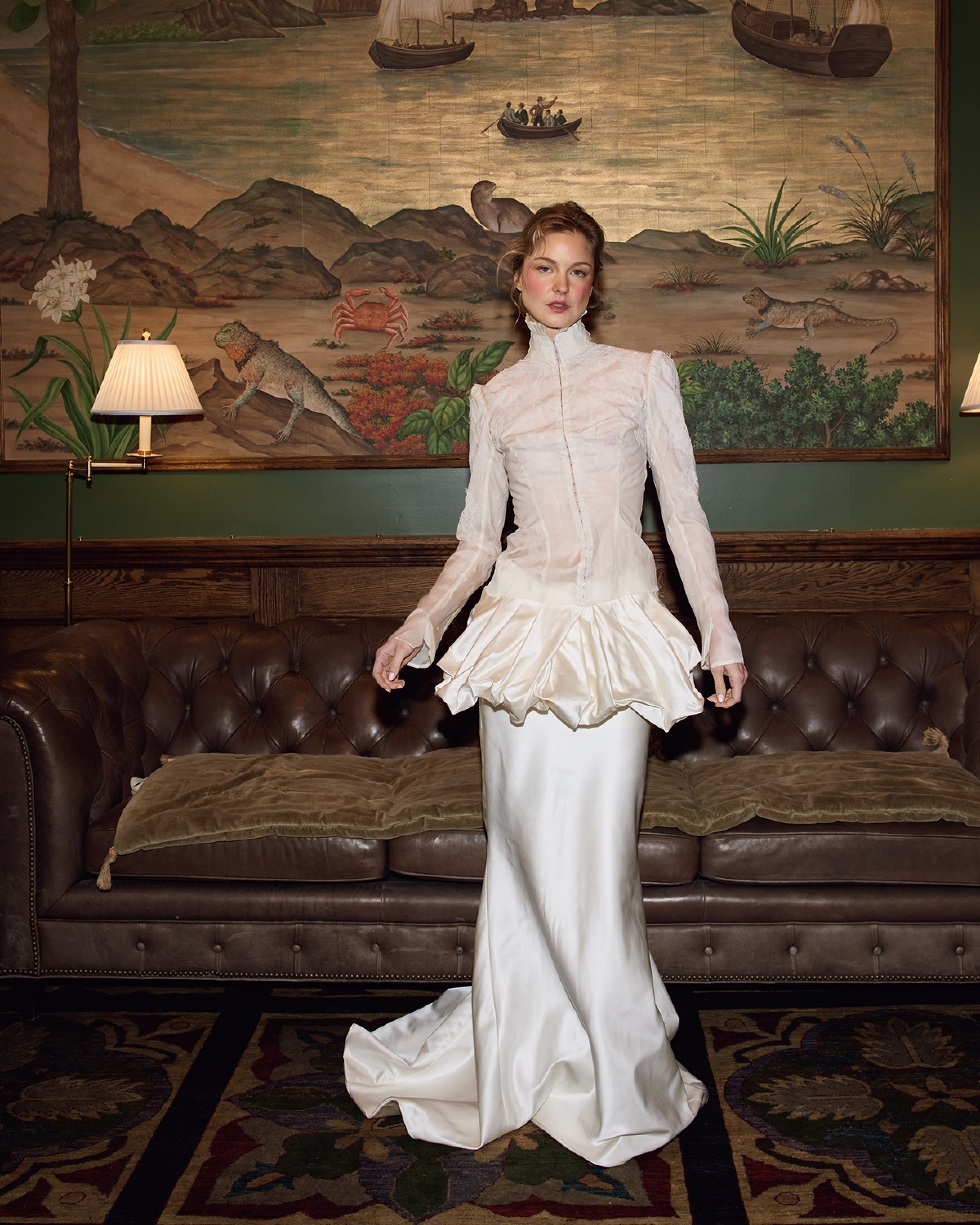
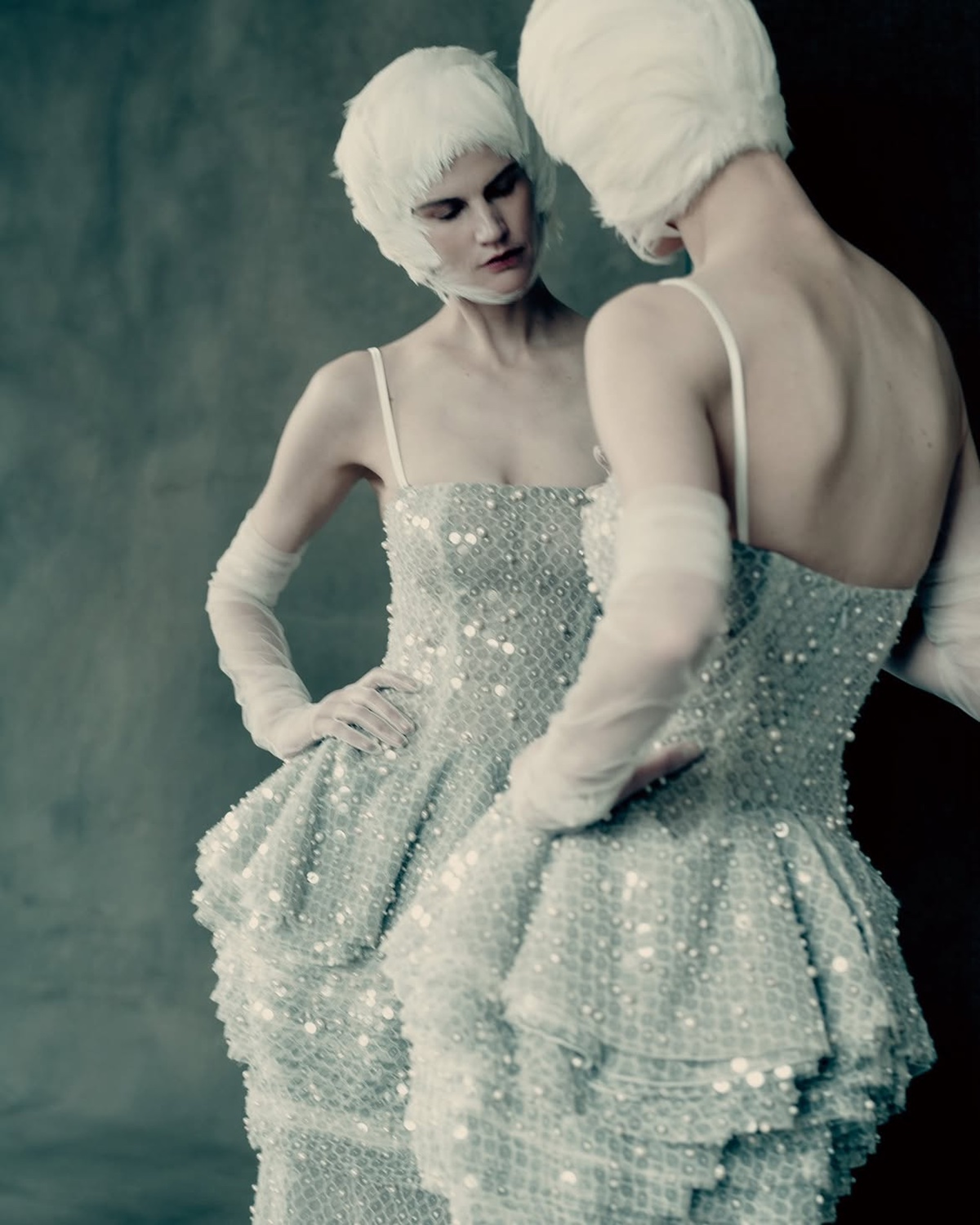
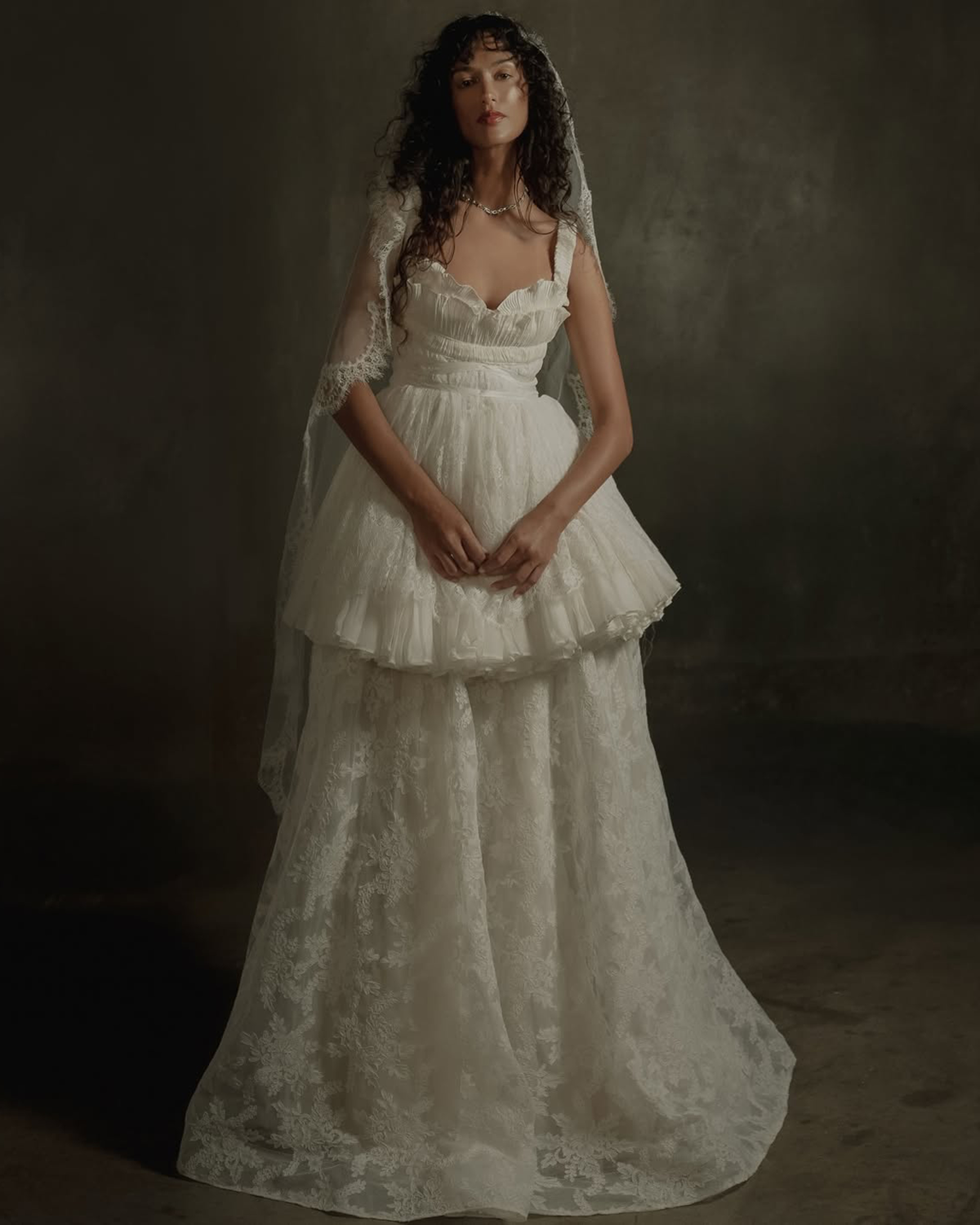
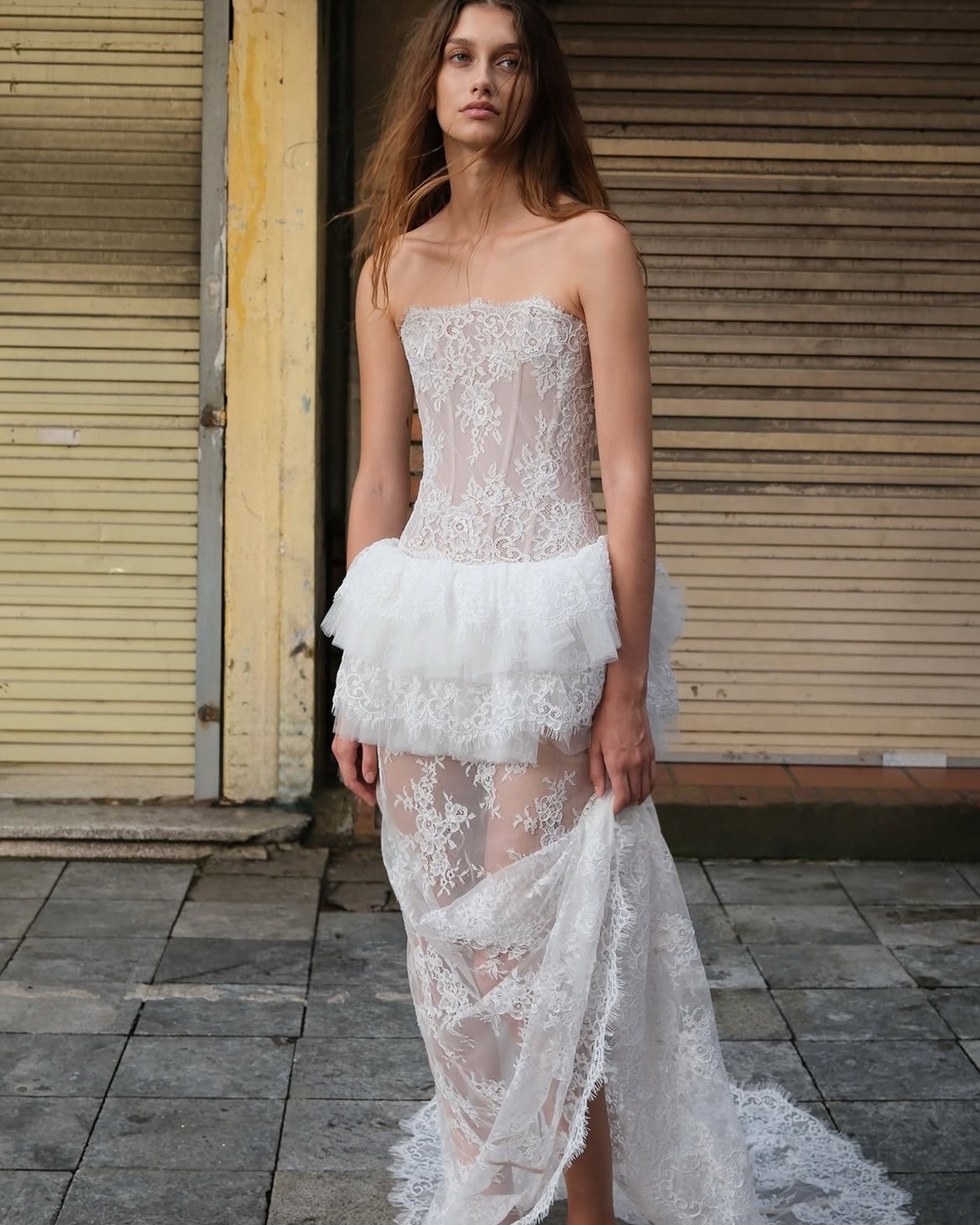
Peplum takes a fitted bodice and slim skirt, then adds a flared piece of fabric right at the waist. Whether it's a ruffle, a flounce, or a fully sculptural moment, it's perfect for the bride who's seeking both fitted and movement. 2027 is especially seeing peplums paired with column and mermaid bases, giving both cuts romantic details at the waist without adding any bulk. It's also an element that's also showing up more and more in two-piece sets that are perfect for civil ceremonies.
A-Line
A-line might just be the most forgiving cut in bridal. Fitted through the bodice, then a gradual, even flare from the waist down (that mimics the letter A) is what defines this silhouette. Unlike drop waists or mermaid gowns, there's no hard break and no sharp kick. It flatters nearly every body and every venue, which is exactly why it remains the best-selling cut year over year.
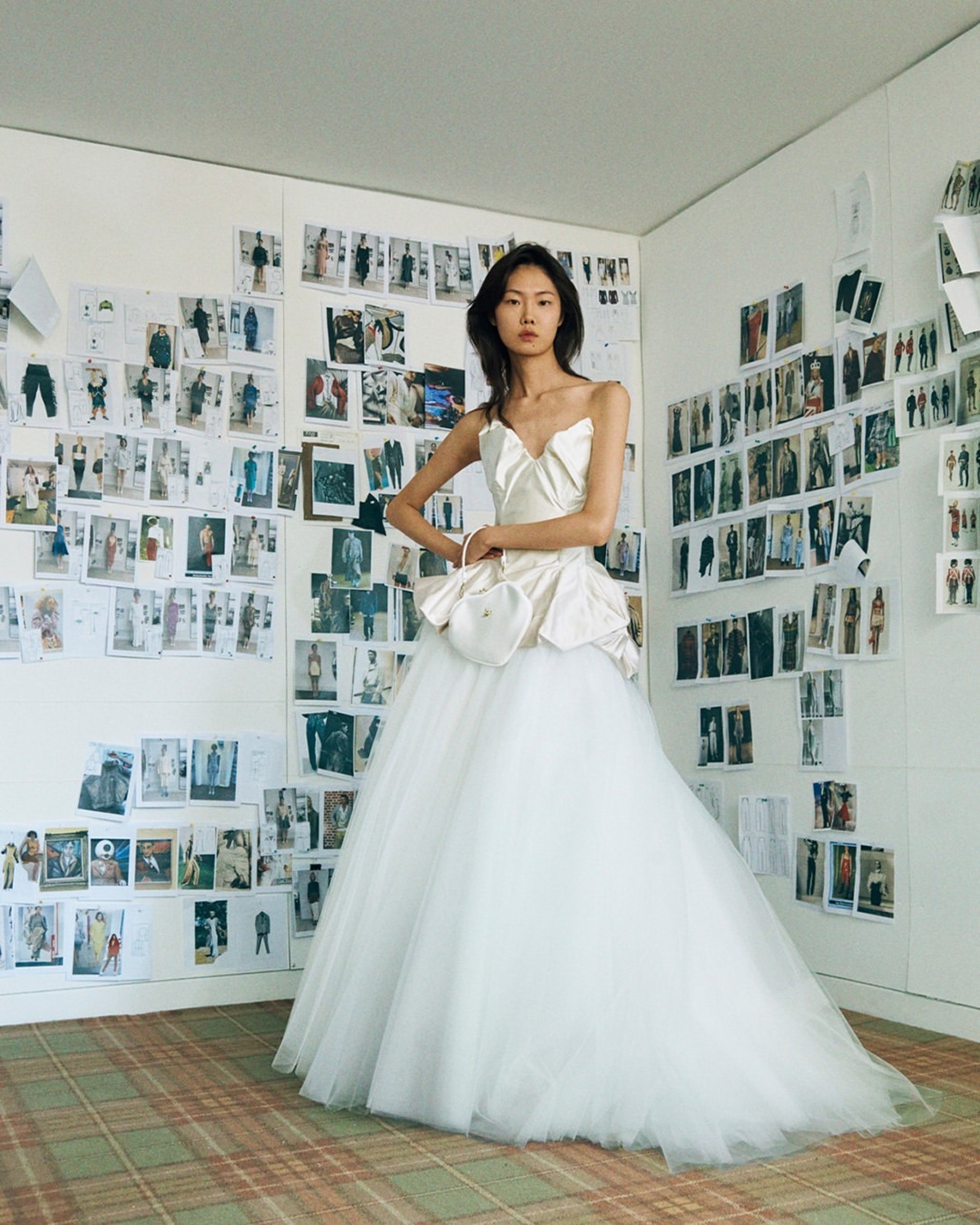
Ball Gown
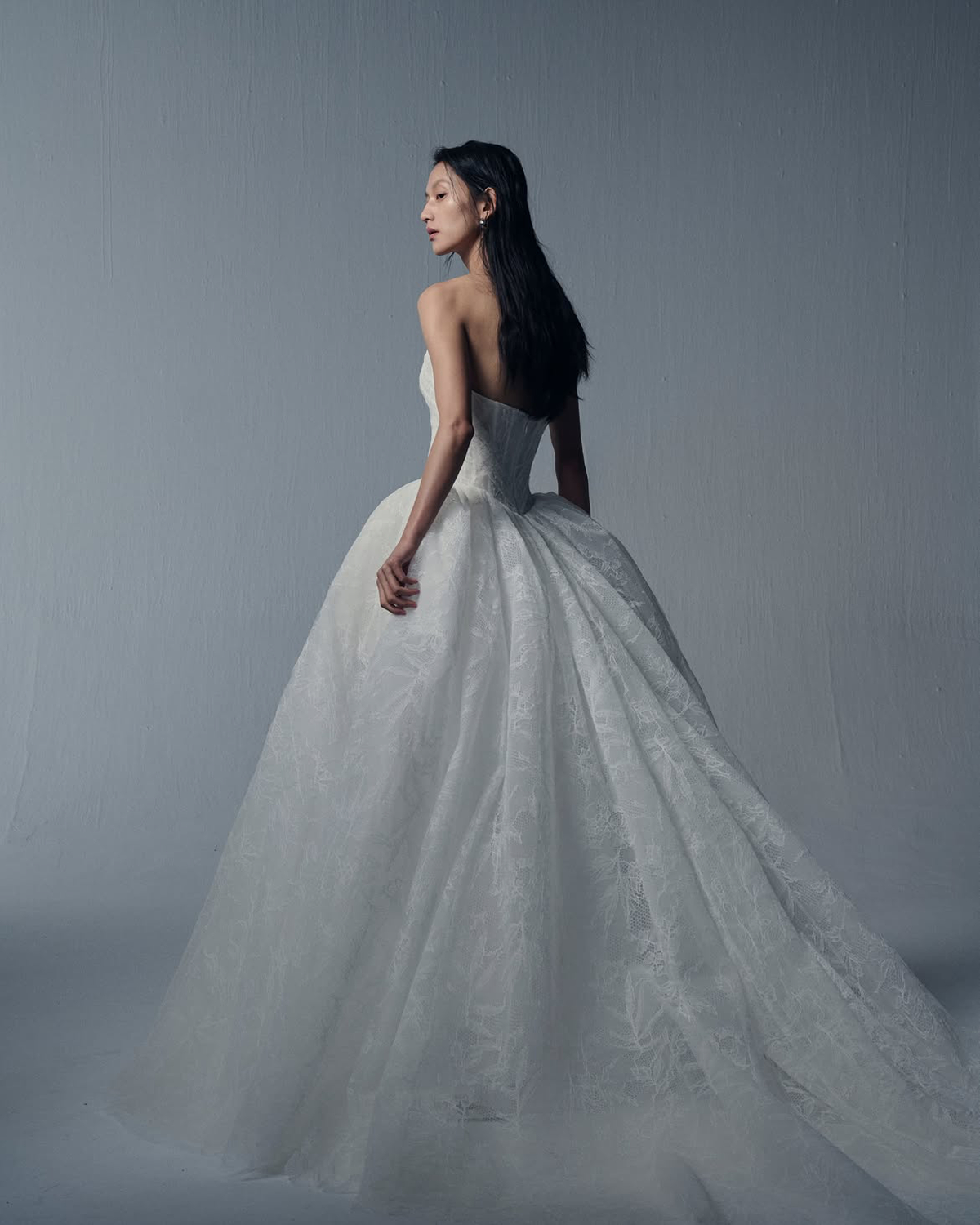
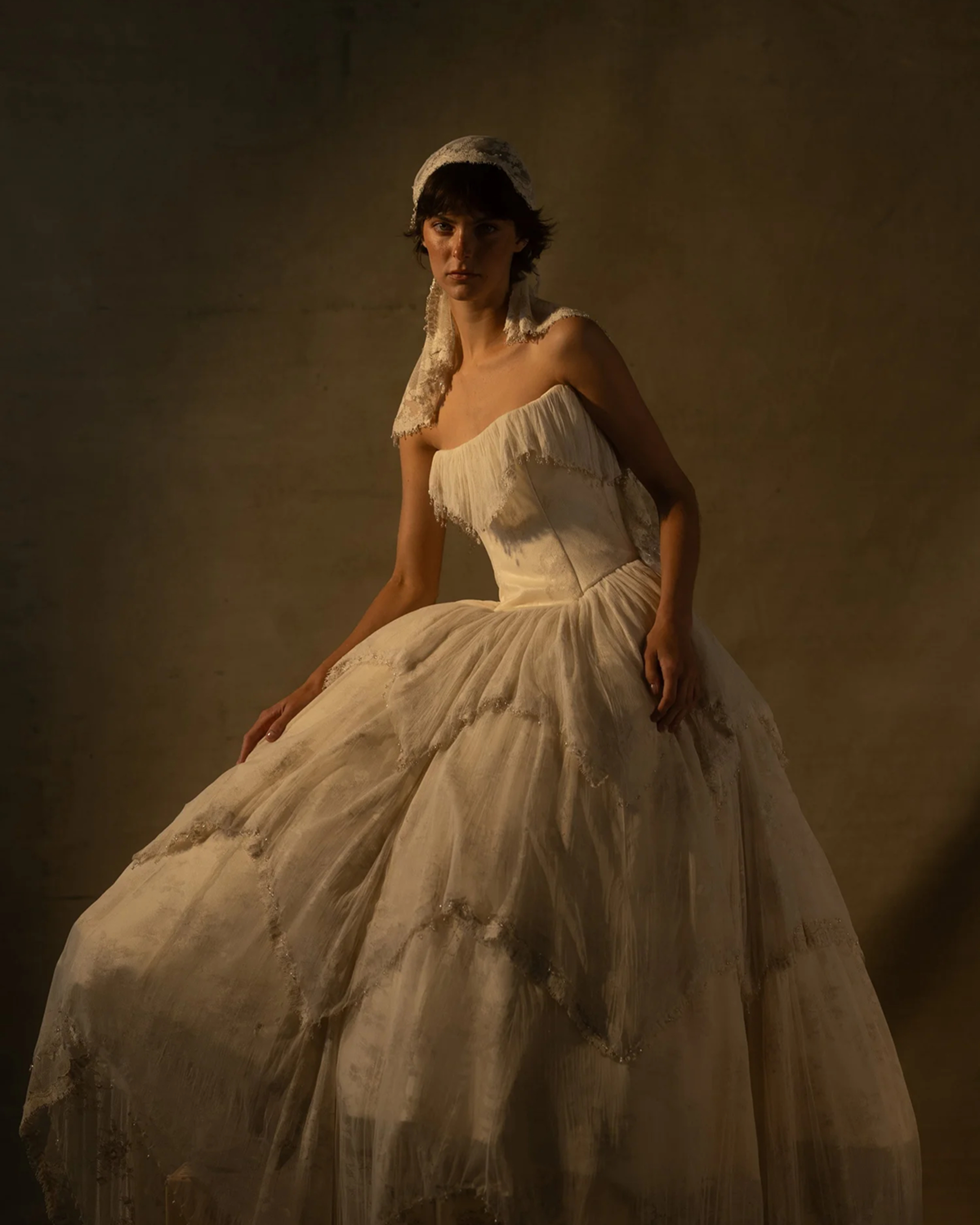
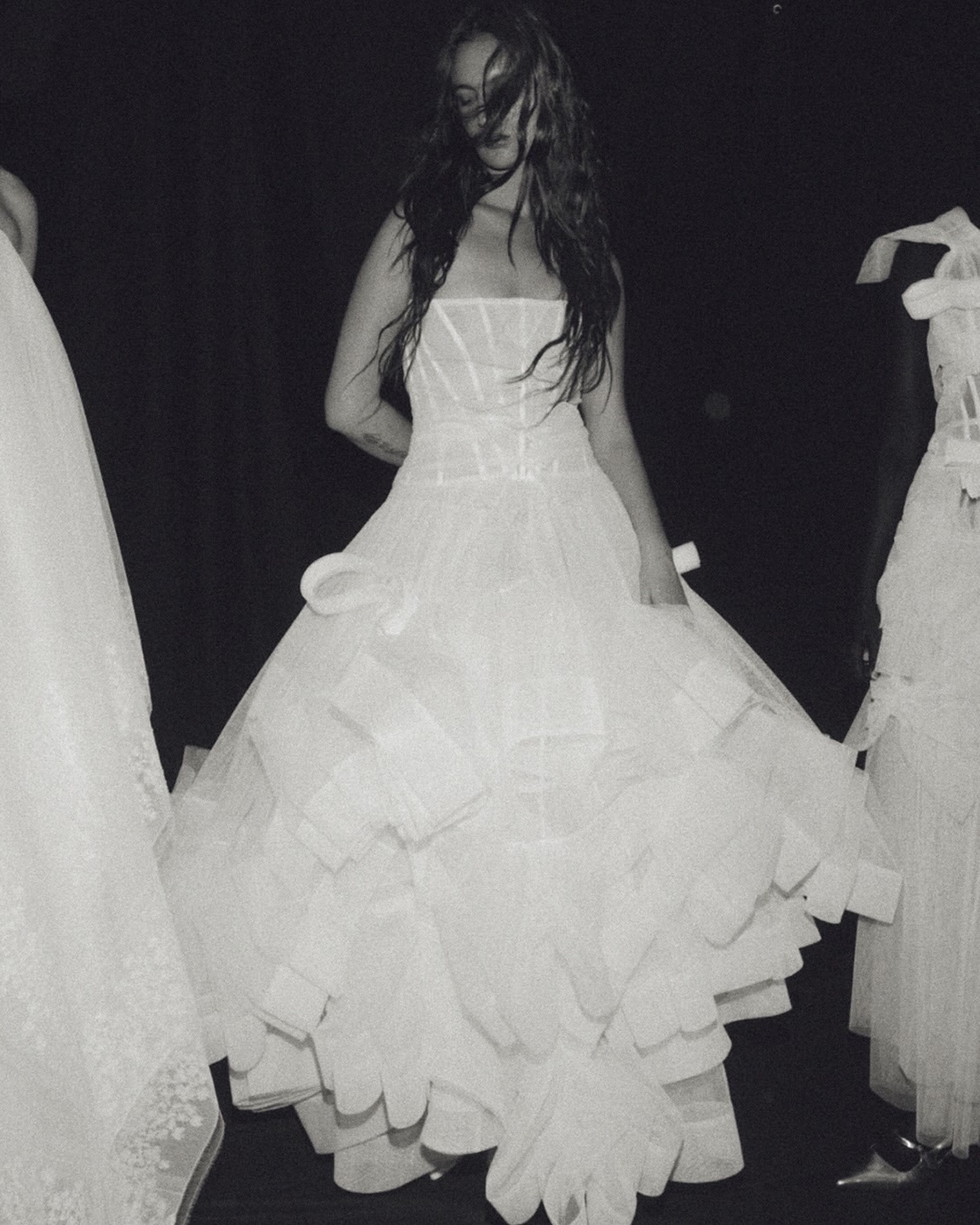
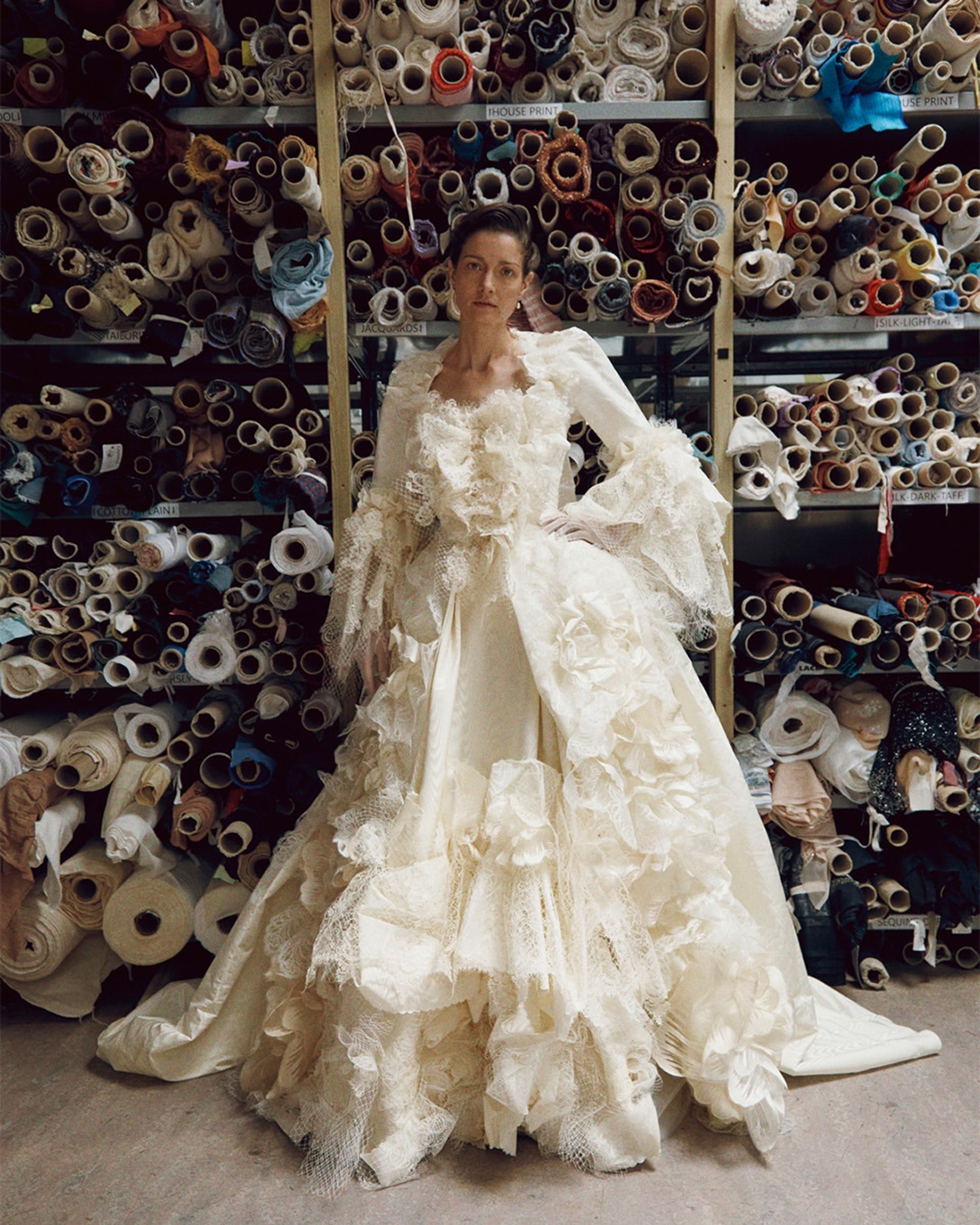
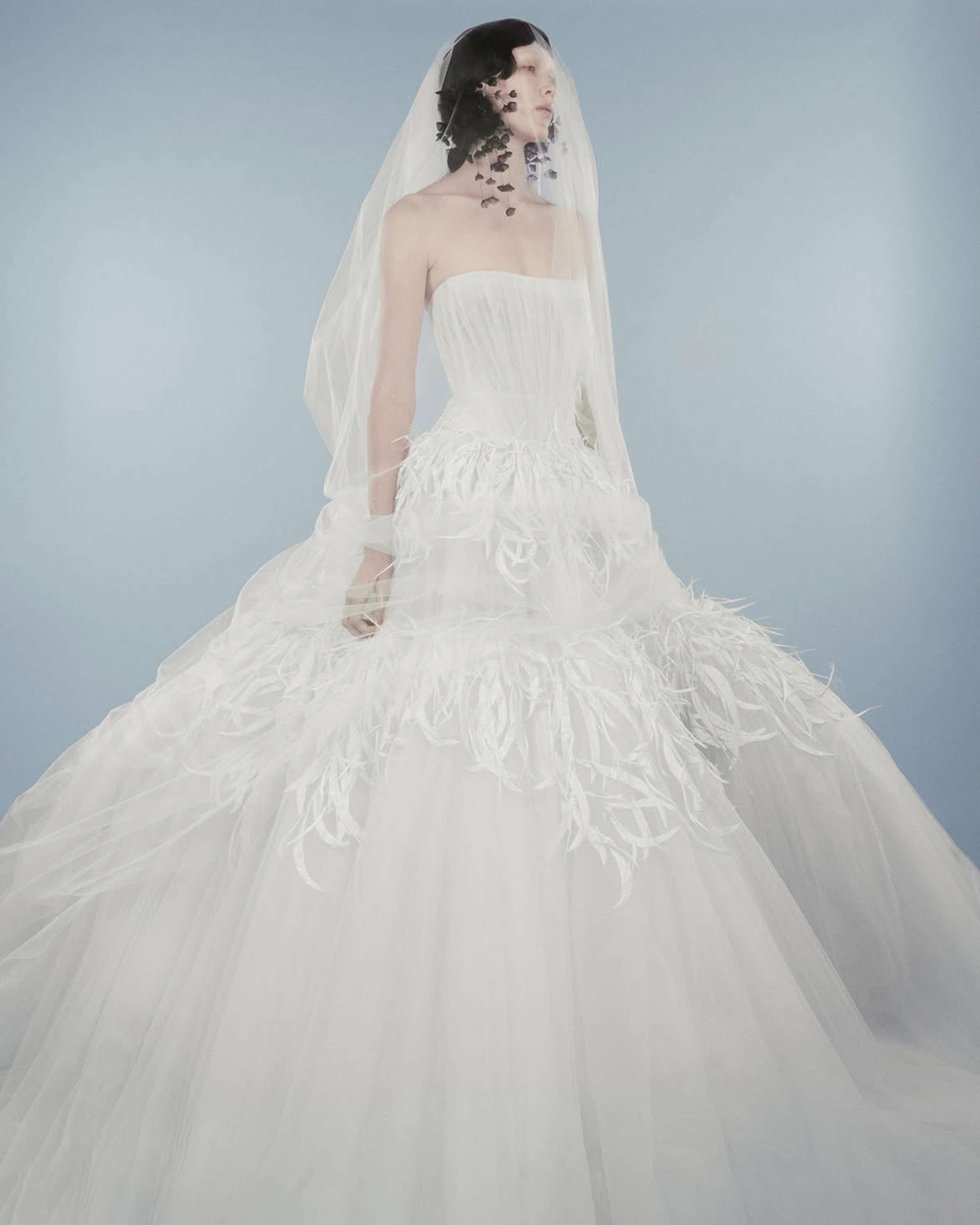
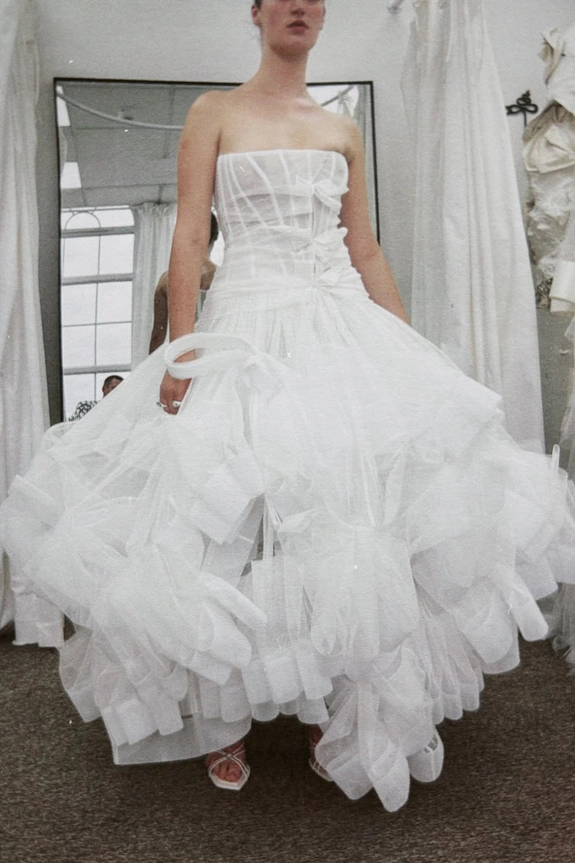
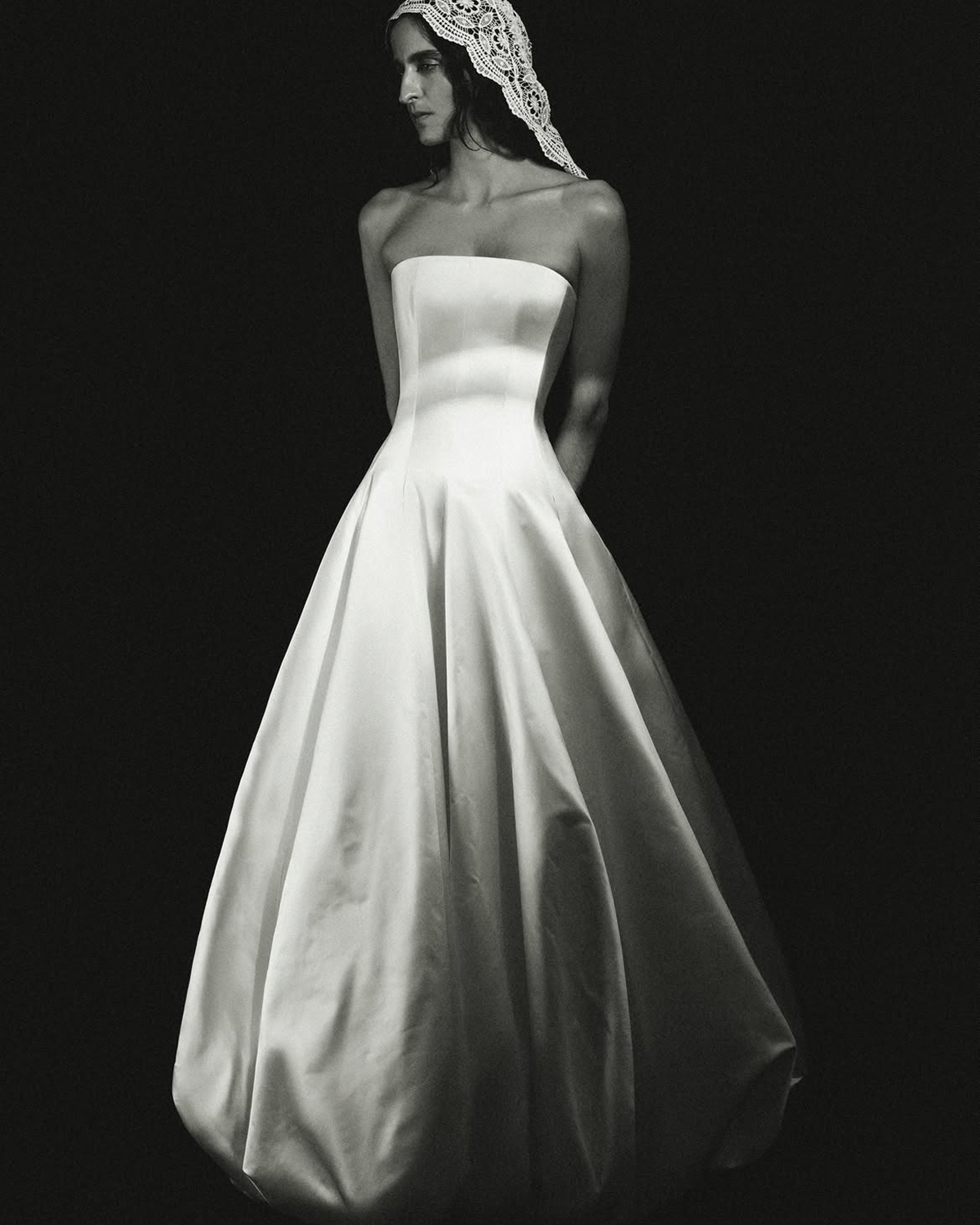
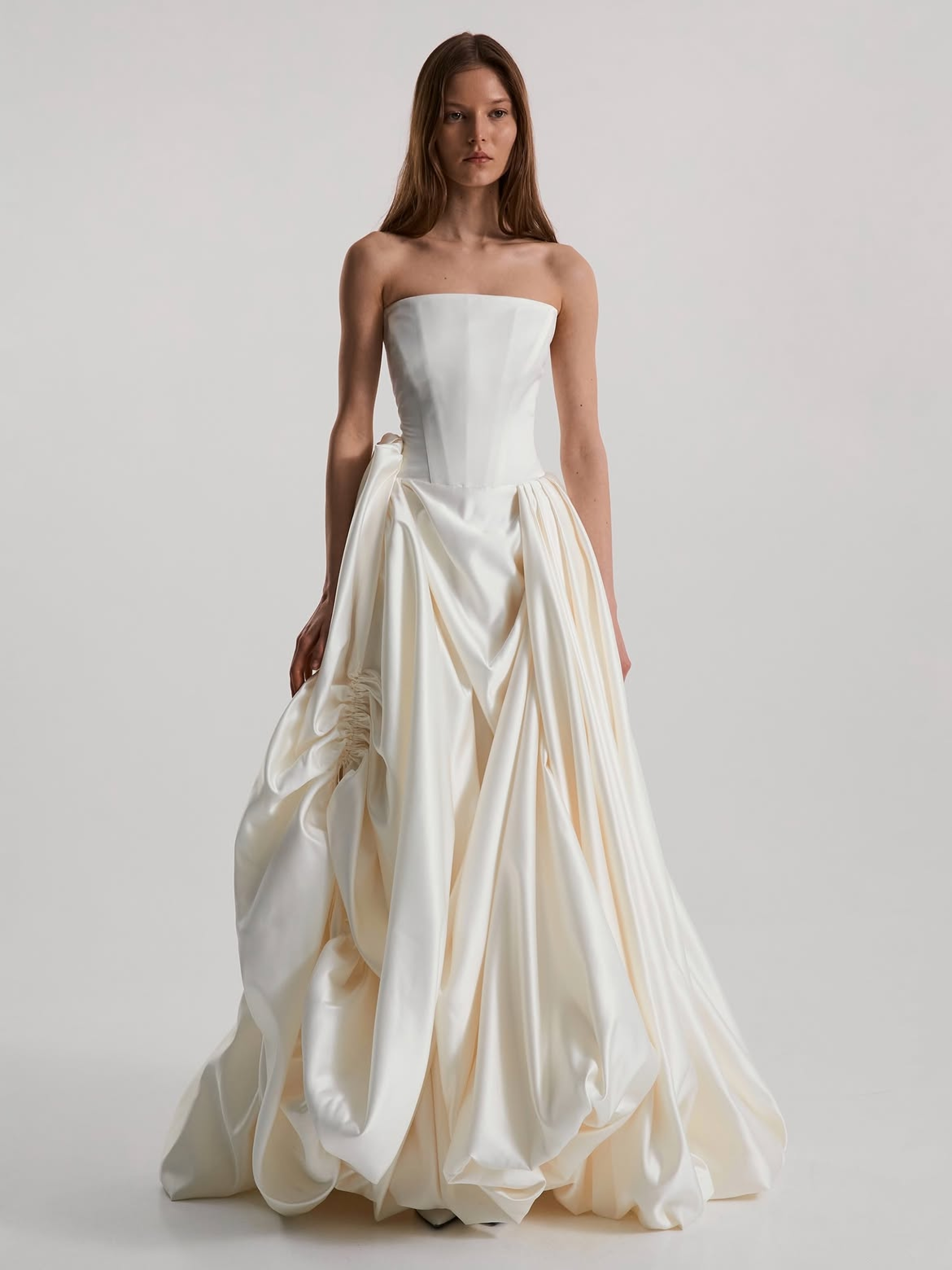
This is pretty much what anyone pictures when they hear "wedding dress." Ball gowns have a fitted bodice, full skirt, and the kind of volume that deserves its own grand entrance. It's having a real moment again for next year, but the new ball gowns are reading lighter and airy, and many designers are experimenting with draped bodices, ruffles, beading, and mixed textures for an extra level of drama.