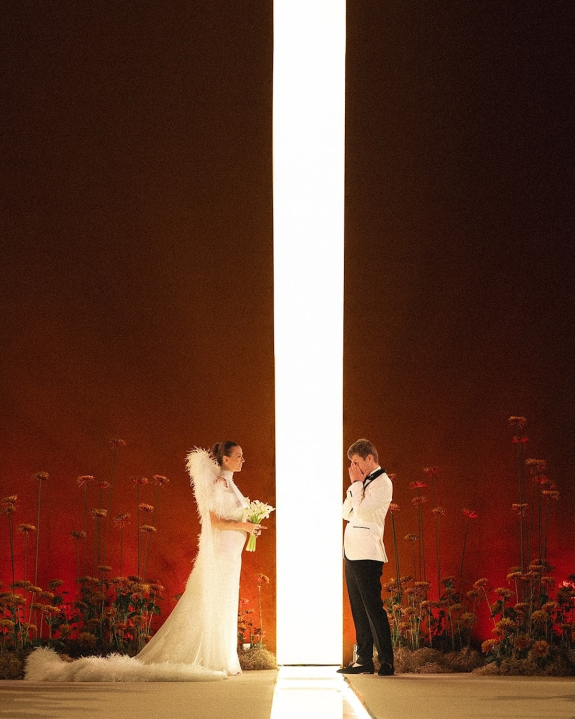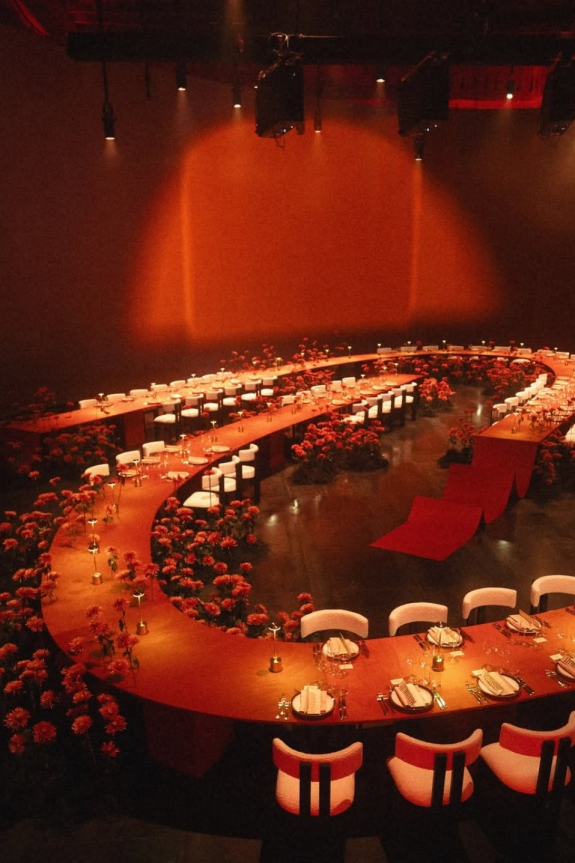
A smaller budget doesn’t mean your wedding has to feel small. In fact, limitations are often the best launchpads for creativity. When you’re not drowning in a sea of “must-haves” and Pinterest spirals, you actually get to plan a celebration that feels wildly you. With the right mindset and a few clever strategies, you can turn budget-conscious into design-forward. Together with industry experts, we’re unpacking the art of doing more with less, yet without sacrificing style, substance, or creativity.
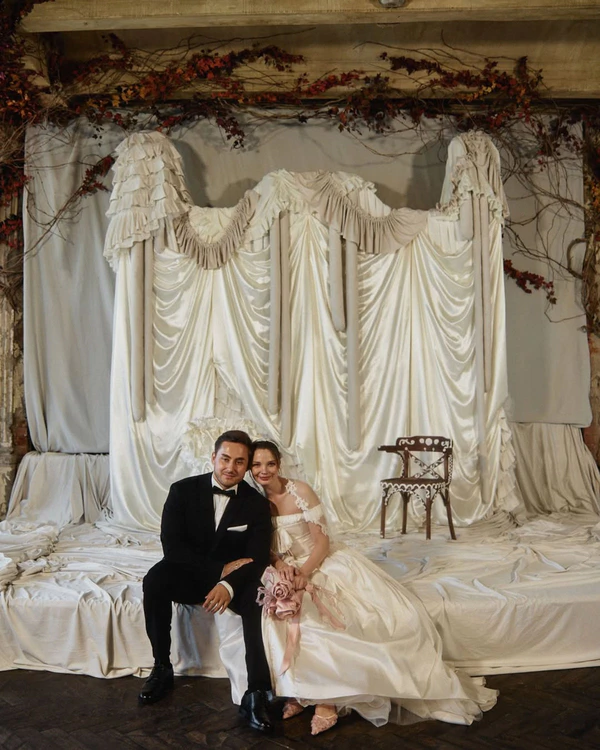
It's a Match, Photography: Litvinova Photo
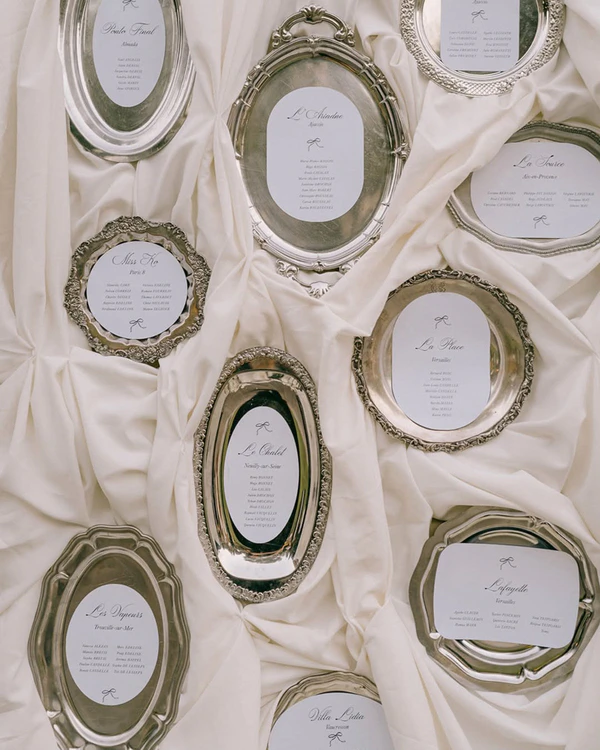
Ivory Romance, Photography: Marjorie Manfré
Let Your Venue Do the Work
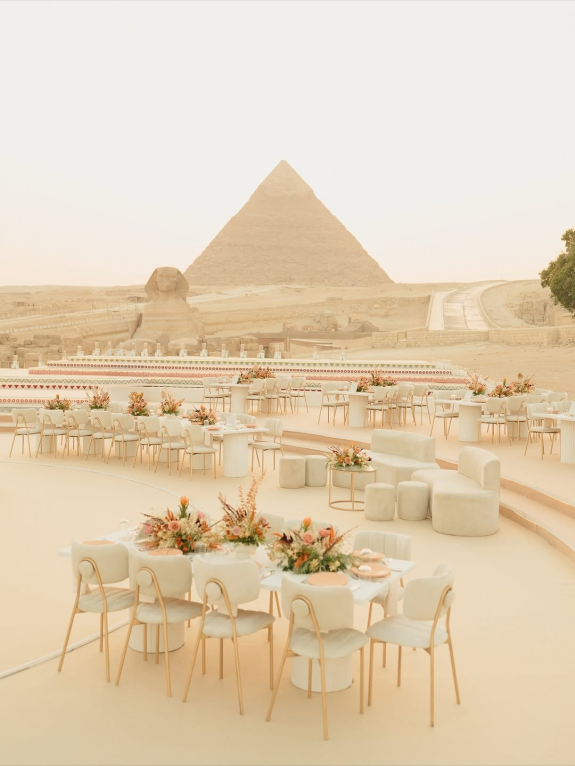
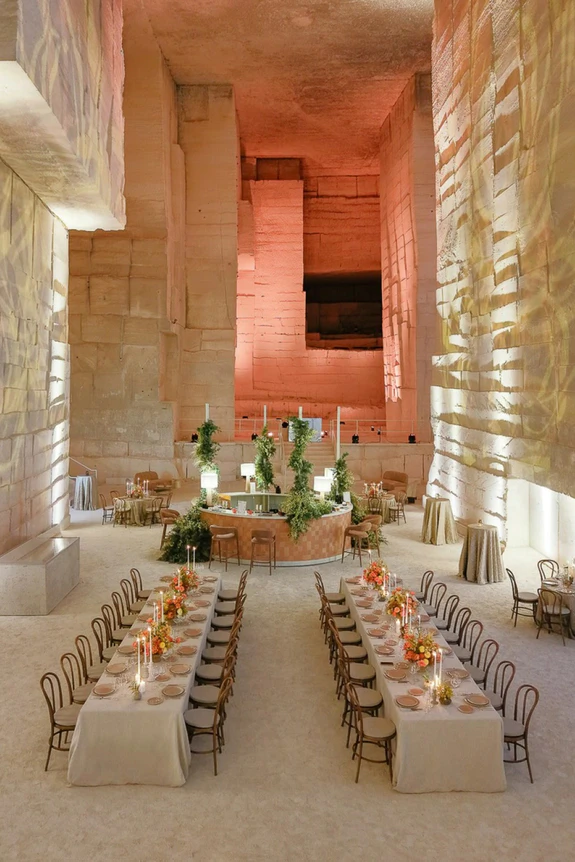
If there’s one decision that should never be treated as an afterthought, it’s your venue. Beyond just a setting, the right location can carry the entire visual story of the day and do far more heavy lifting than you might expect. Sonja of The Wedding Company, a planner with years of hands-on experience, sees this again and again. “Choose a location that’s naturally beautiful: gardens, villas with a strong backdrop, historic properties, or venues with striking views,” she advises. “When the backdrop is already breathtaking, you can scale way back on florals, rentals, and decoration elements.”
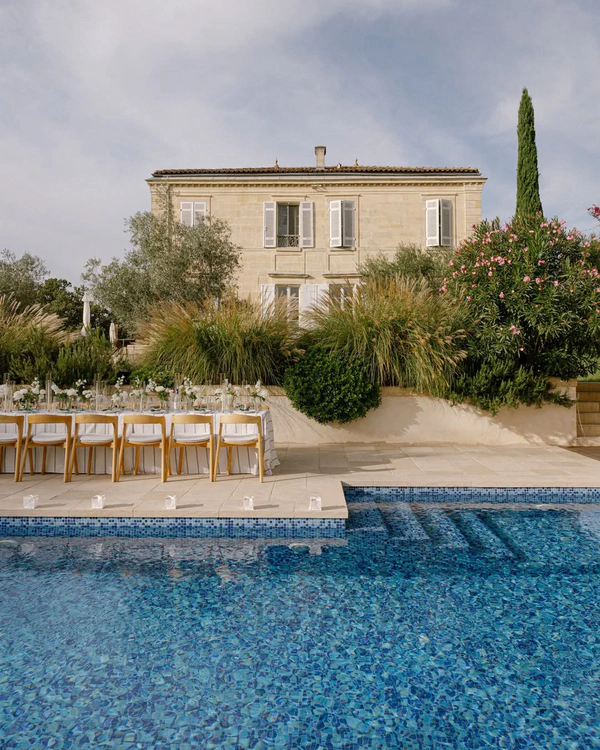
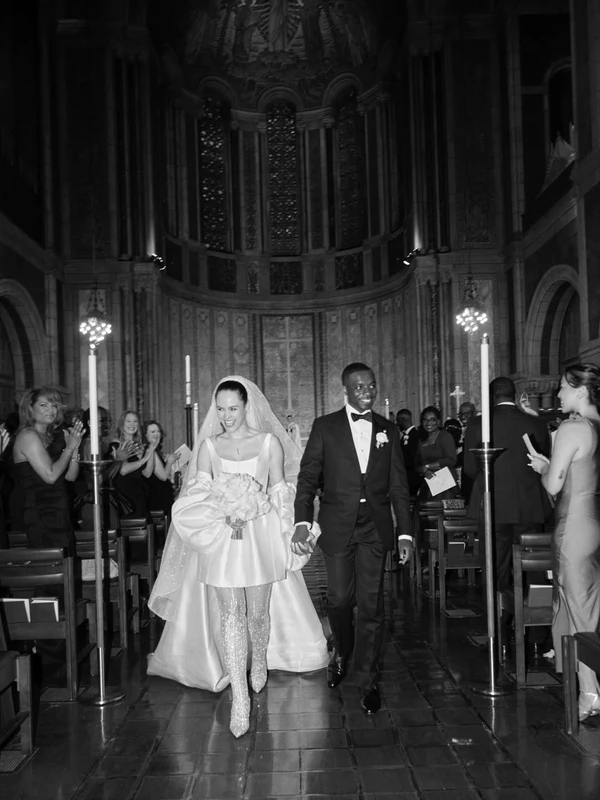
The Wedding Company, Photography: Sophia Noelle
A Charming Fête, Photography: Tone Woolfe
Keep the Guest List Intimate
Guest count is one of the biggest budget levers of all, which is why opting for a more intimate celebration can completely change what’s possible. Fewer guests don’t just mean lower catering costs, they affect almost every line item in your budget. Planners Lisa Costin and Somer Khouri, the visionaries behind A Charming Fête, explain: “The guest count impacts so many elements of the budget from the location site, food and beverage costs, service staff, transportation costs, decor cost (chairs, place settings, linens, flowers) and more. Intimate celebrations are definitely the way to go if budget is a factor.”
Struggling to decide who makes the cut? The Wedding Company offers a grounded, no-regrets rule of thumb: “We always recommend thinking of whom you have spoken and met in the last 12 months and are in regular contact. People you love and enjoy being around. These would be the right people to be invited.” It’s a simple filter, but it shifts the focus from obligation to connection, making space, both emotionally and financially, for what matters most.
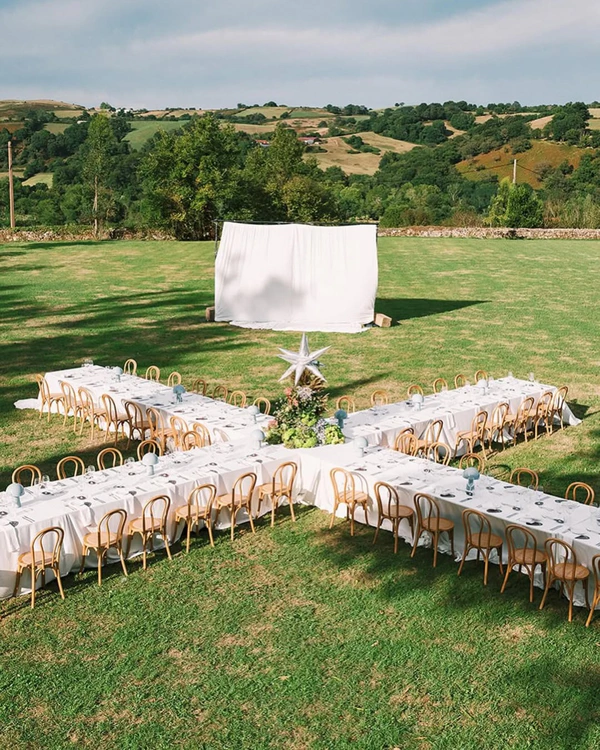
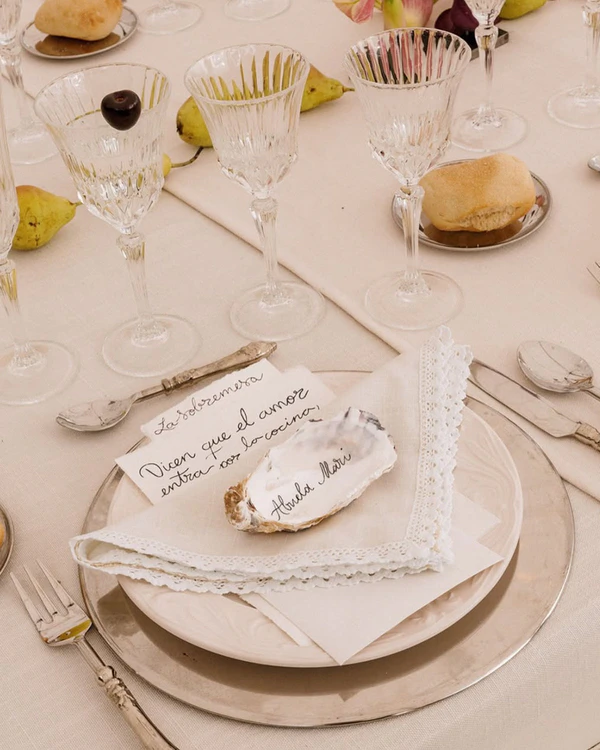
Casamenteras Events, Photography: A Film Love
Martina Por El Norte, Photography: A Film Love
Prioritize What Matters Most
When working with a smaller budget, clarity is everything. Prioritizing one key element gives structure to the rest of the planning process and keeps spending focused where it counts. “If it’s food and beverage, allocate more to that area. If the decor is most important to you, consider a non-traditional style dinner reception instead of a formal seated dinner with a more limited bar menu (perhaps beer, wine, and a couple signature cocktails vs a full top-shelf bar),” notes A Charming Fête. That kind of strategic trade-off frees up room to invest in personalized details or experiential moments that guests will actually remember, without the budget feeling stretched thin.
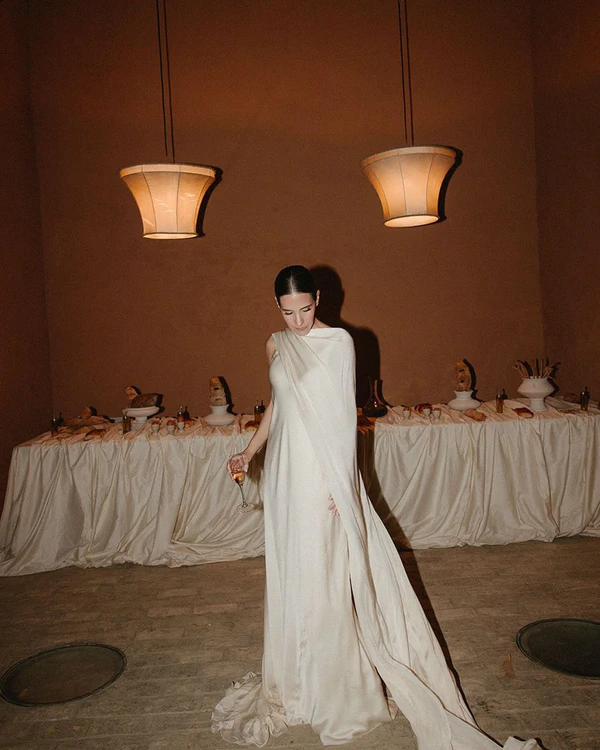
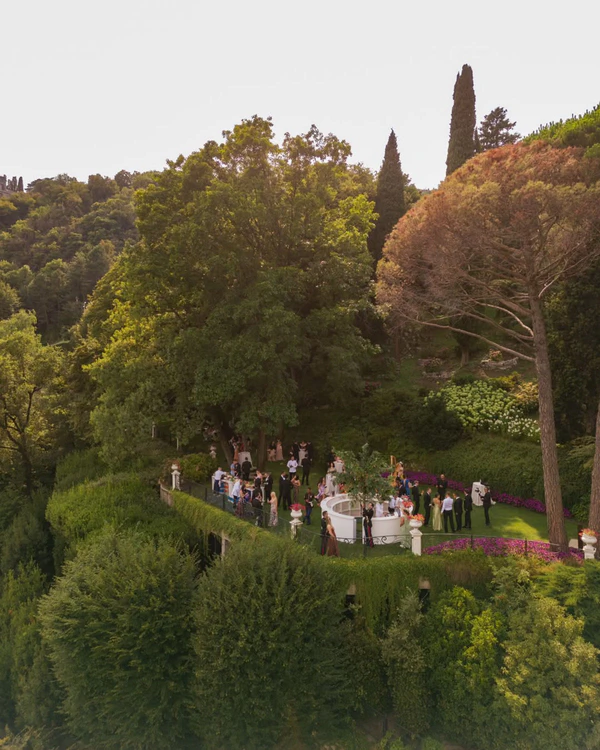
Casamenteras Events, Photography: Dias de Vino y Rosas
A Charming Fête, Photography: David Bastianoni Studio
Rethink the Timeline
A beautifully planned wedding doesn’t need to last twelve hours (or more) to feel unforgettable. Sometimes, less time actually keeps the experience focused and emotionally charged. Rethinking the timeline—whether that means a chic daytime celebration, a sunset ceremony followed by a cocktail-style reception, or eliminating long gaps between events—can completely transform the feel of the day. A tighter schedule keeps the energy high while reducing costs tied to venue time, staffing, and rentals.
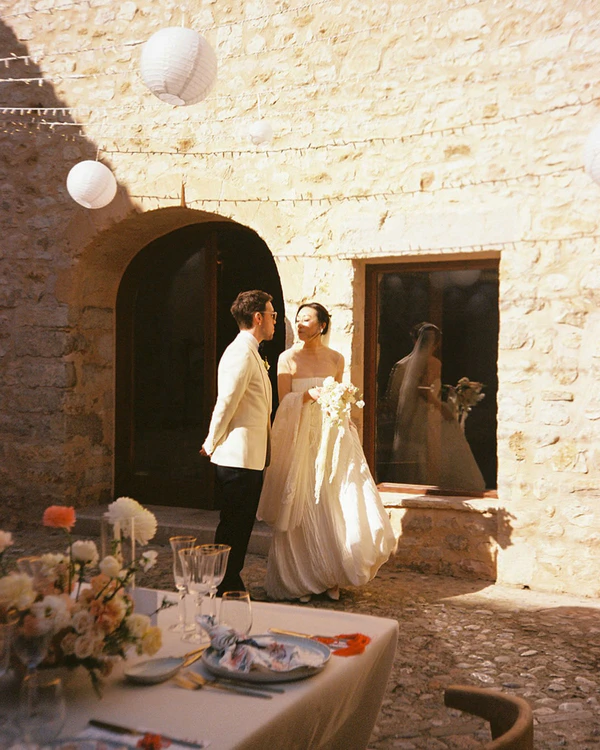
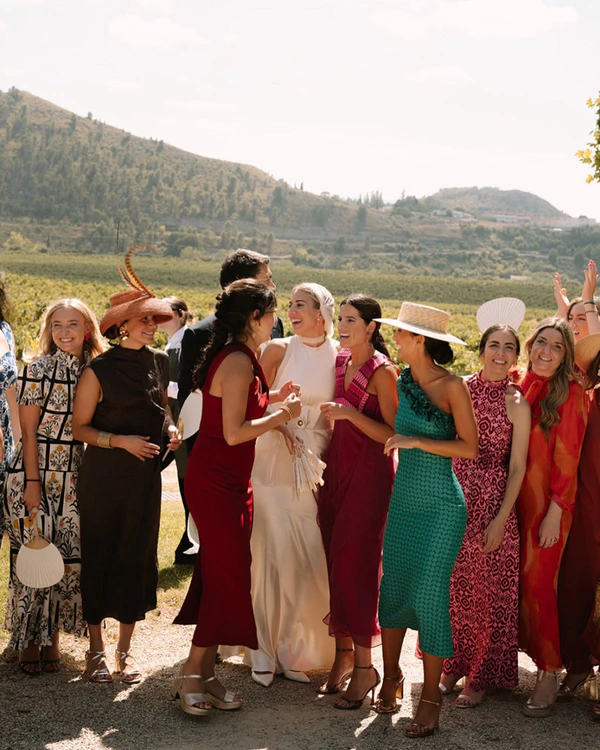
The Wedding Company, Photography: Dias de Vino y Rosas
Martina Por El Norte, Photography: María Izkue Fotografía
Focus on One Statement
Design Moment
Consider anchoring your design around one visually powerful moment. María Oronoz, founder and creative director of Martina Por El Norte, puts it best: “One of the most effective ways to elevate a wedding with a tighter budget is to focus on a single, impactful design statement, whether that’s an exceptional venue, a beautifully styled table, or a standout floral moment. When one element leads the visual narrative, everything else can remain refined and restrained without losing sophistication.”
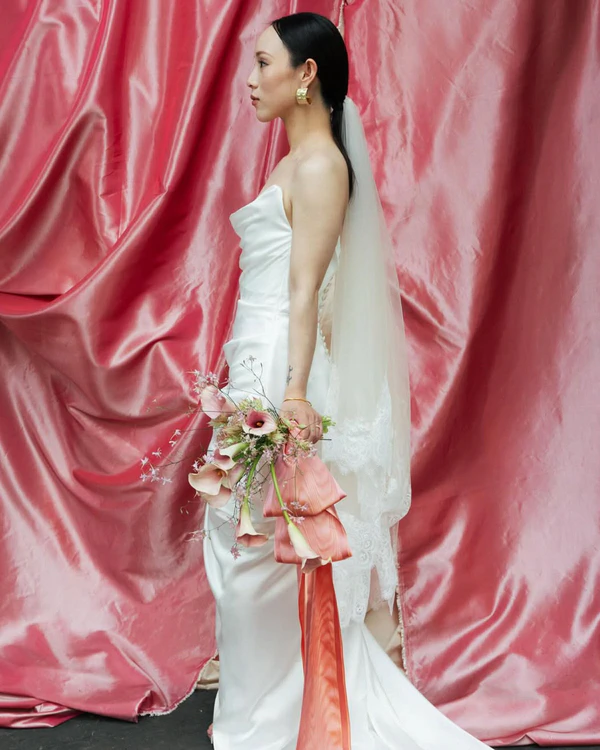
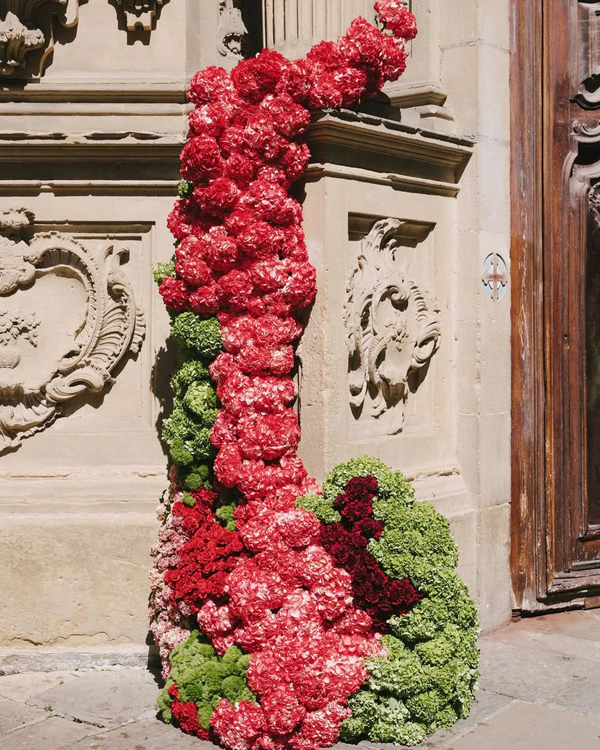
By Lara, Photography: Alex Mari
Martina Por El Norte, Florist: Lora Floral Art, Photography: A Film Love
Design the Feeling,
Not the Checklist
A smaller budget doesn’t automatically mean fewer beautiful details or a compromised atmosphere. More often, it’s an invitation to be intentional. When every choice is made with purpose, the result can feel even more considered and emotionally resonant. As Martina Por El Norte shares, “We always encourage couples to focus on how the day feels and flows, rather than ticking every box. Fewer elements, carefully curated, often create a more elevated and memorable celebration.”
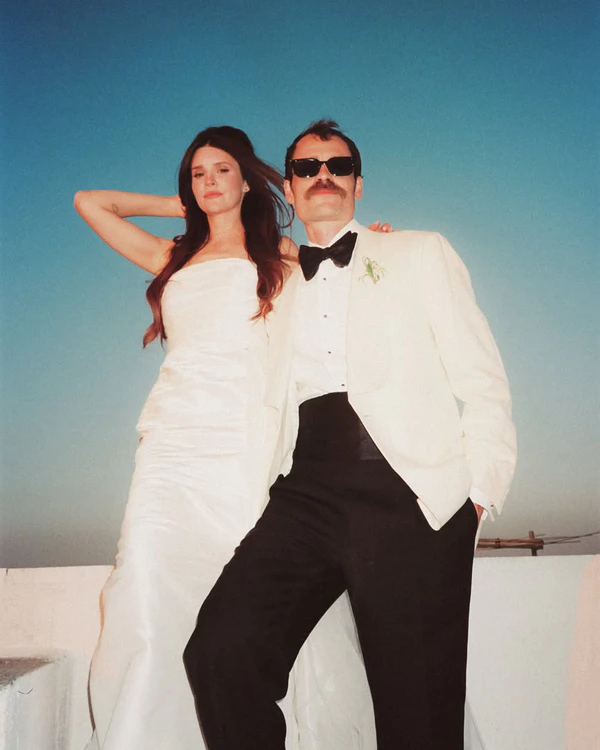
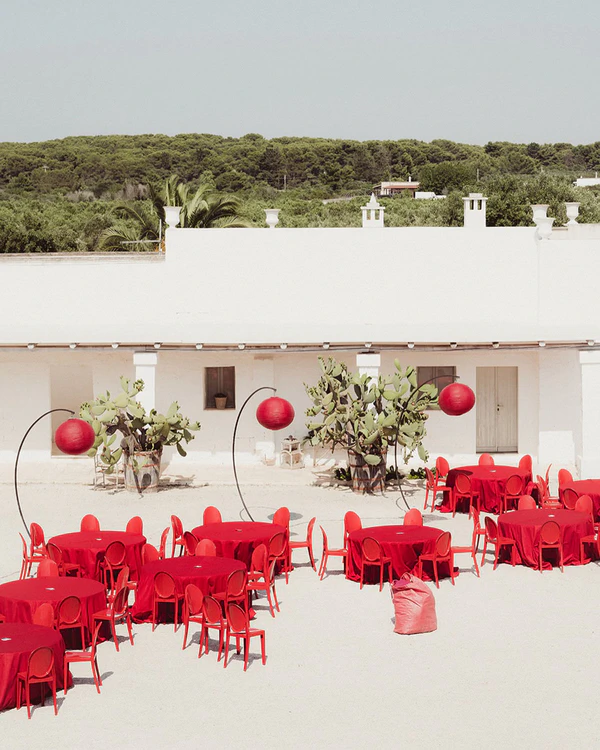
Open the Door Events, Photography: RMNE
Open the Door Events, Photography: RMNE
Trust Expert Guidance
Most importantly, remember that you don’t have to navigate every budget decision on your own. With guidance from someone who understands both design and logistics, couples can confidently shift resources away from the unseen and into the moments that truly define how the day is experienced and remembered. Working with a seasoned planner means having a trusted eye on both the big picture and the smallest details. “An experienced planner helps couples reallocate budget from less visible areas into details that elevate the overall aesthetic and guest experience,” says María Oronoz of Martina Por El Norte.
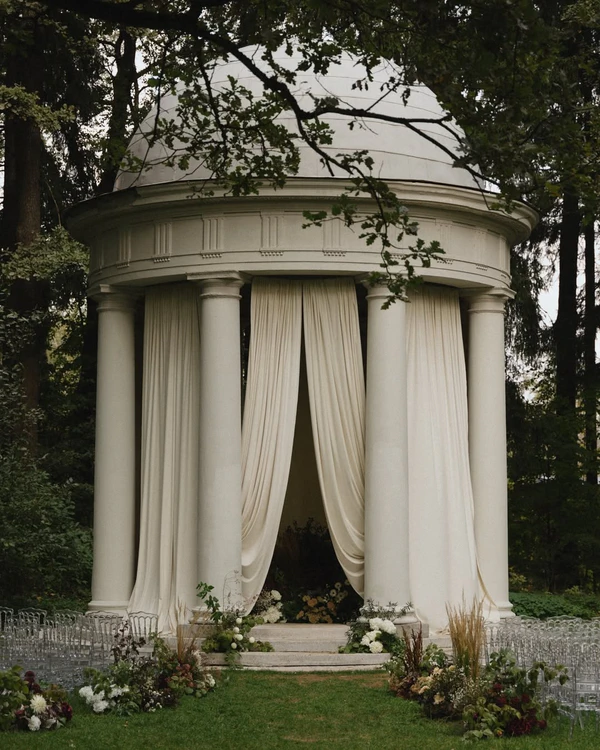
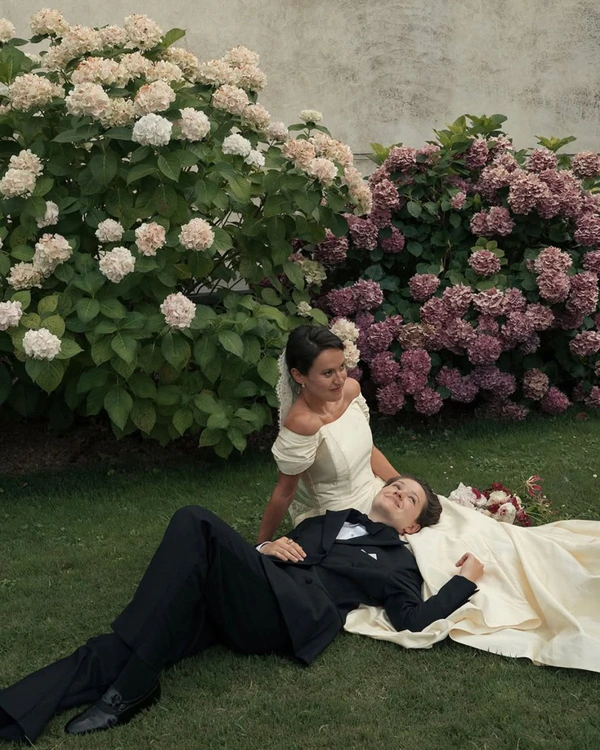
Lemlem Decor, Photography: Pavel Golubnichy
LaLindi, Photography: Samantha Rivieccio