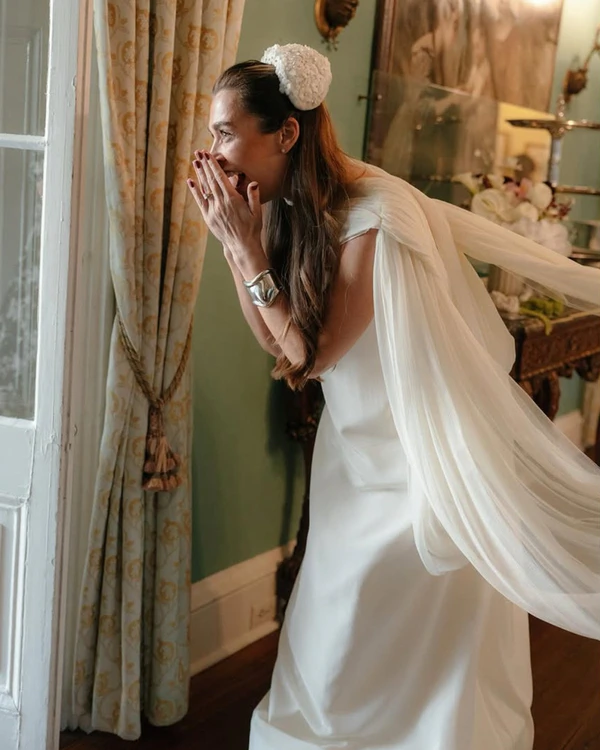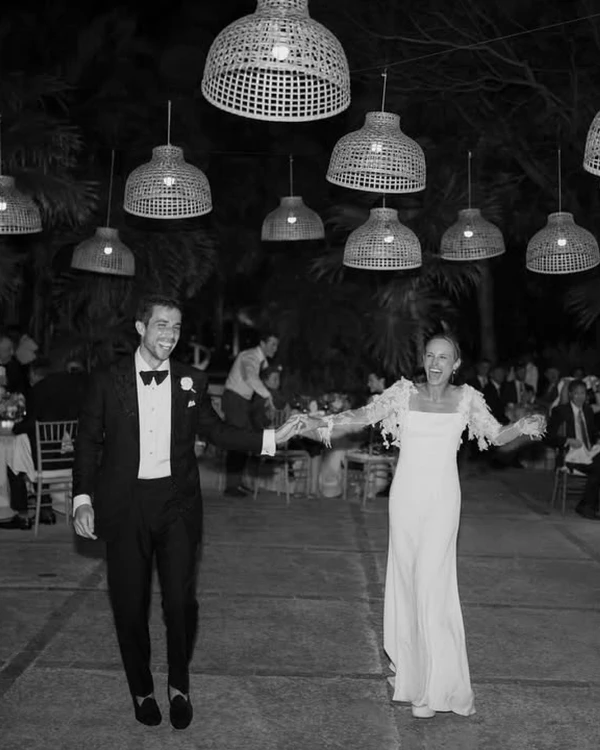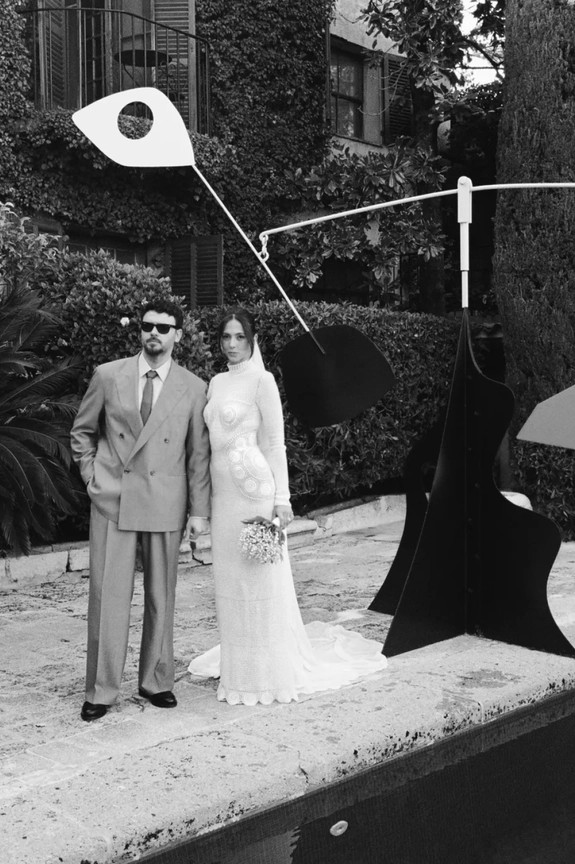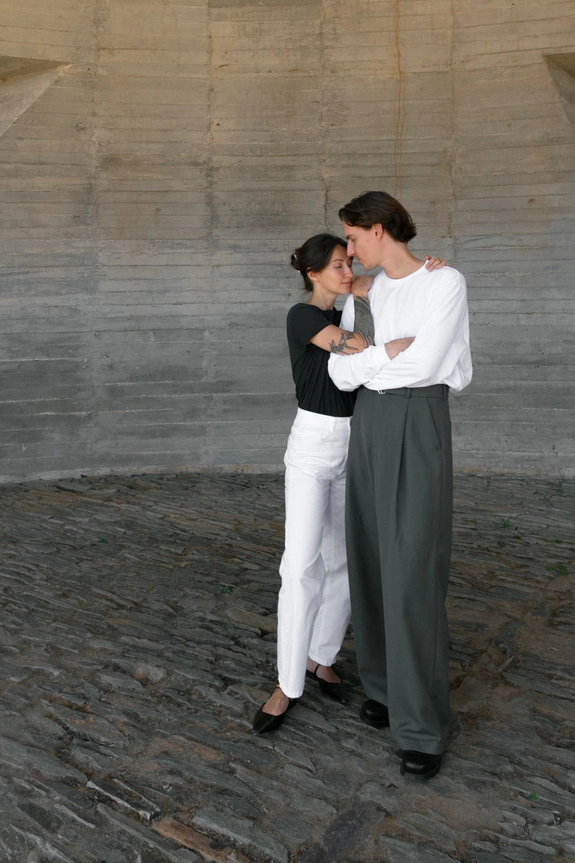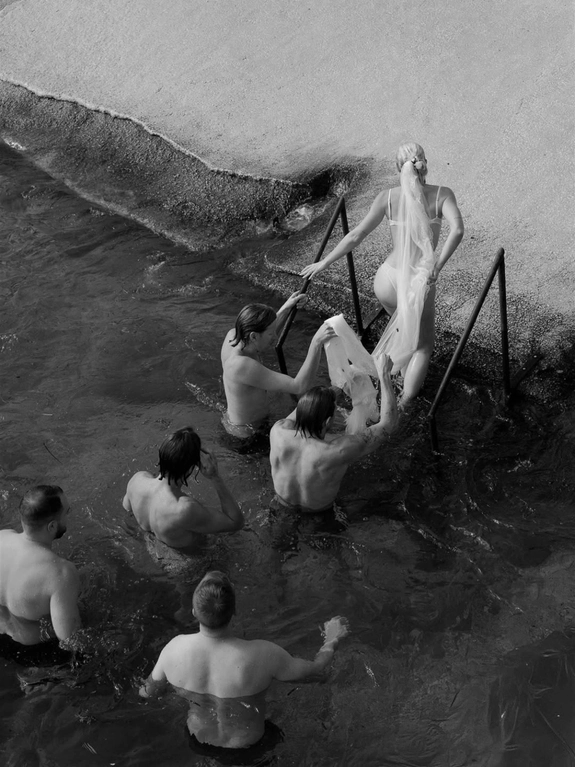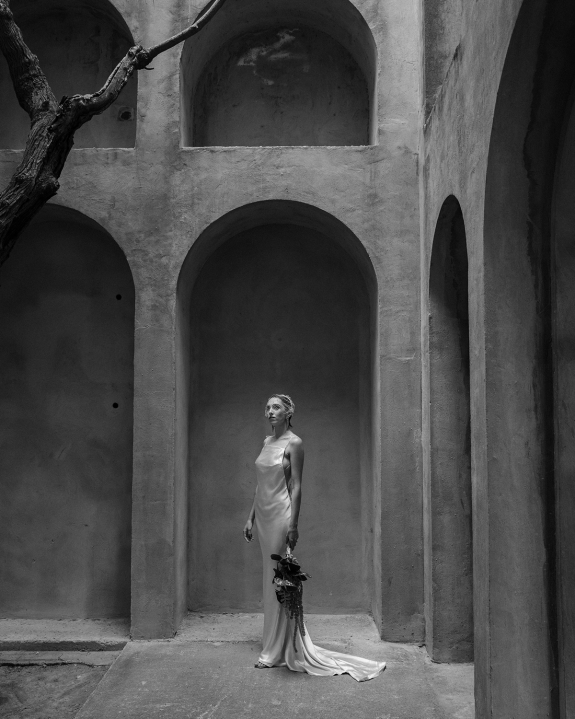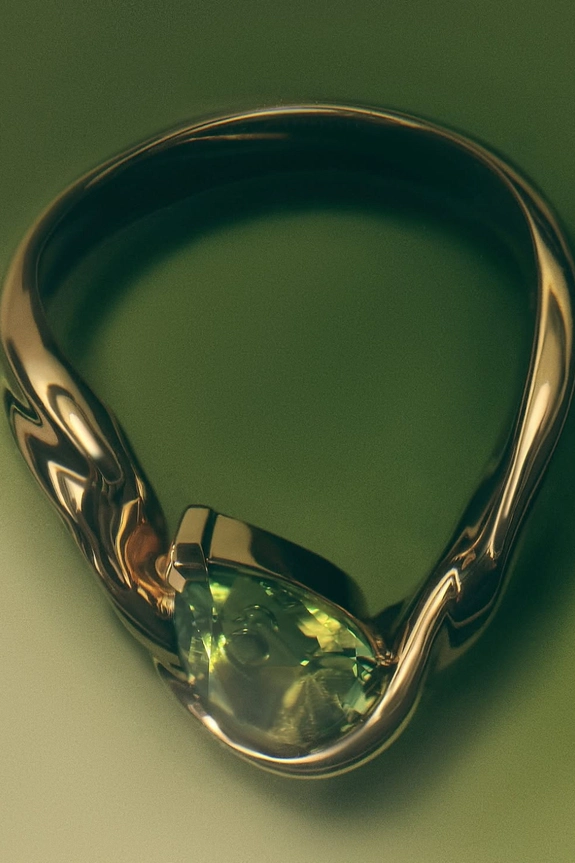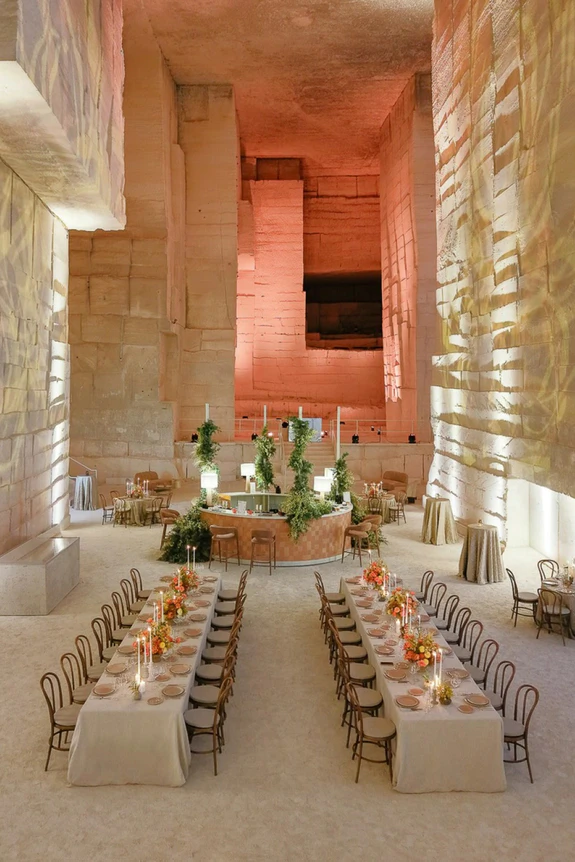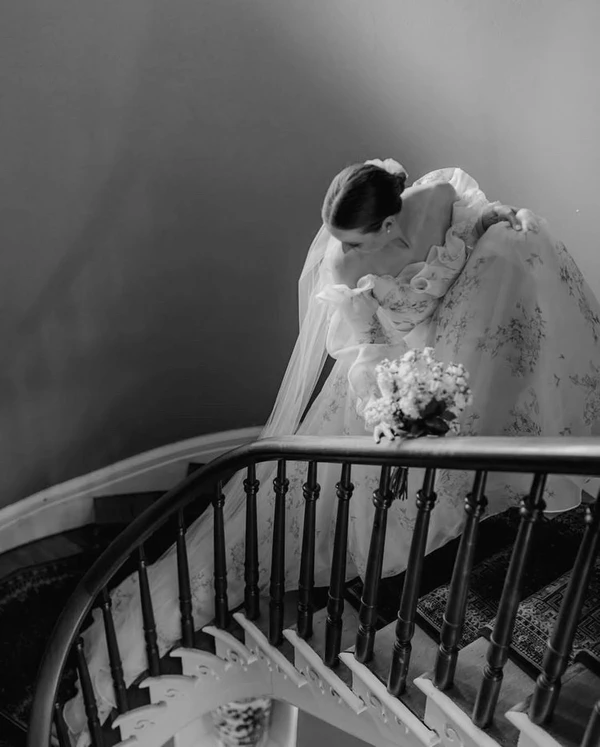
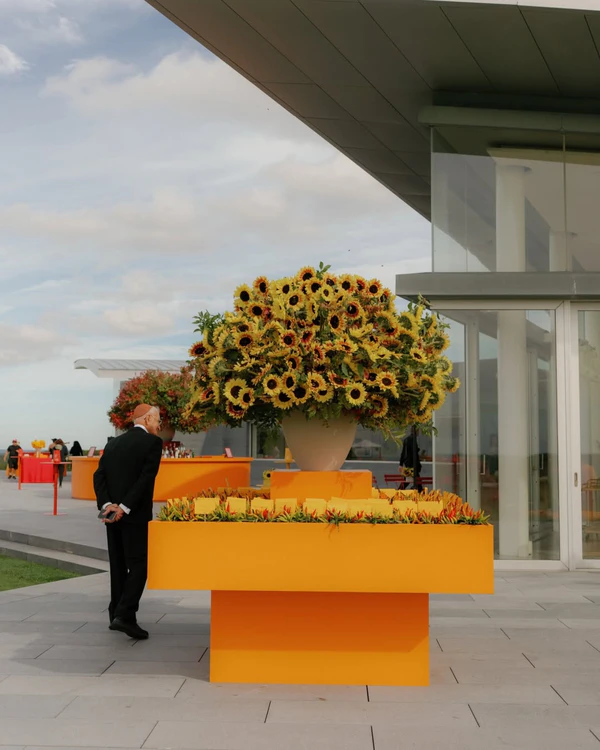
A wedding day moves fast. Emotions flicker, light shifts, champagne spills, someone cries during the vows when they swore they wouldn’t. Somewhere inside that beautiful chaos, photographer Kate Thompson finds the moments worth holding onto. With 16 years of experience and an intuitive documentary approach, she photographs weddings with the sensitivity of a storyteller and the precision of a designer. Rather than orchestrating every frame, she moves with the pulse of the day, attentive to the fleeting interactions most people miss. Couples are free to exist fully in the moment while Kate quietly translates the atmosphere, emotion, and energy into imagery that feels alive long after the day ends. We spoke with Kate about learning to trust intuition, the balance between presence and observation, and what it really means to see through the lens of documentary photography.
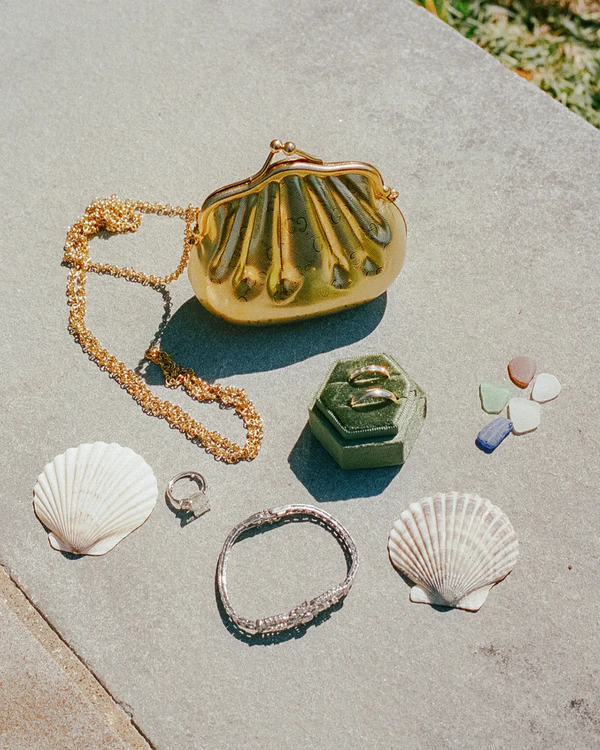
Can you take us back to the beginning — what was it about weddings that first pulled you in and what made you stay?
I’ve been interested in photography for as long as I can remember. My dad had several cameras in the house and all the makings for a darkroom in our basement. But my first opportunity to photograph a wedding was in 2011, when I was in the middle of graduate school in New York City for science-degree, and a wedding photographer friend asked me to shoot a wedding with her. I finished my degree, but from that moment on I knew my path had changed. I’ve always been a bit introverted and have loved to observe and people-watch — photographing weddings felt like permission to do this professionally in a crowd of people.
What drew you to documentary photography? How has your understanding of it evolved over time?
I’ve always been more interested in what’s naturally unfolding around me versus what I direct. I think it comes back to my personality as being more of an observer, about being so tuned into what’s in front of you that you can feel a moment before it arrives. Over time, I’ve learned to weave in moments of direction when my couples need it, but it’s easier for me to tap into creative flow when I’m stepping back and not interfering. I think of documentary photography as a practice of being present, being human, and paying attention.
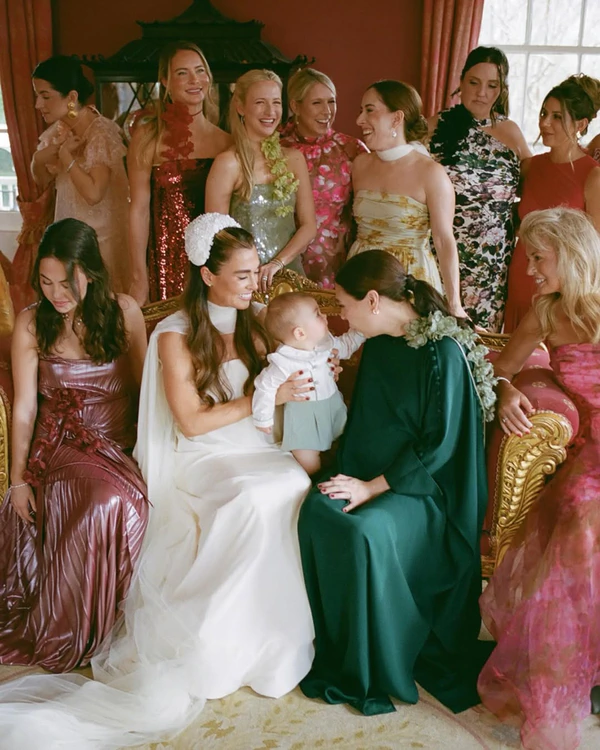
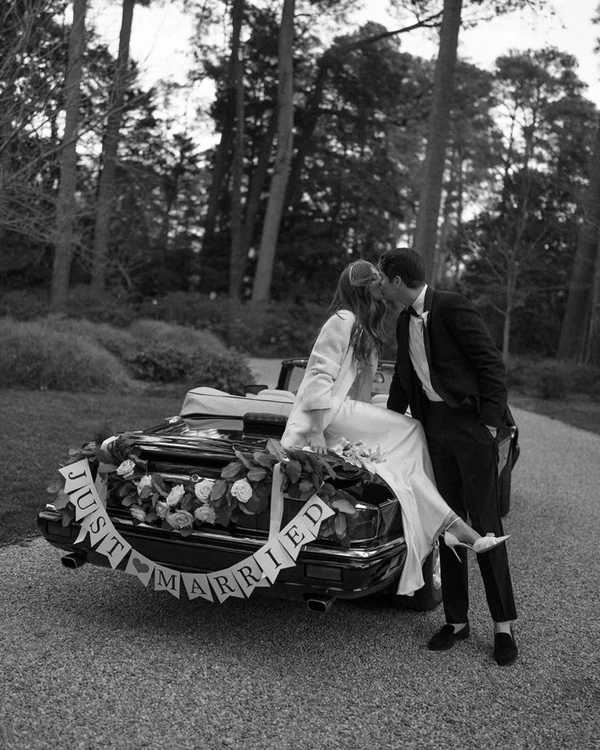
"I think of documentary photography as a practice of being present, being human, and paying attention. I’ve always been more interested in what’s naturally unfolding around me versus what I direct... you can feel a moment before it arrives."
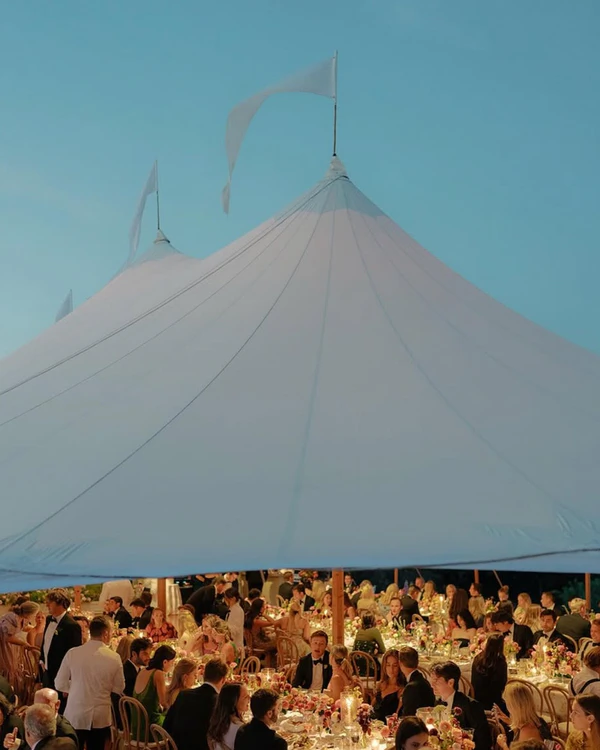
Is there something couples often misunderstand about documentary photography when they first come to you?
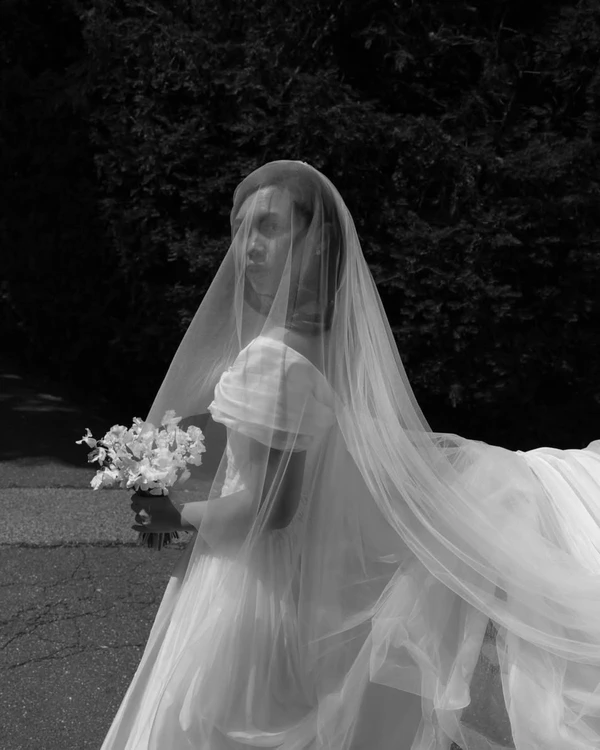
A documentary approach requires a lot of trust from your couples — a level of rapport built that invites the couple to let go and be present. Documentary photos are not accidental but come from a calm, calculated, prepared mind with enough experience to know where to be and when as each moment unfolds.
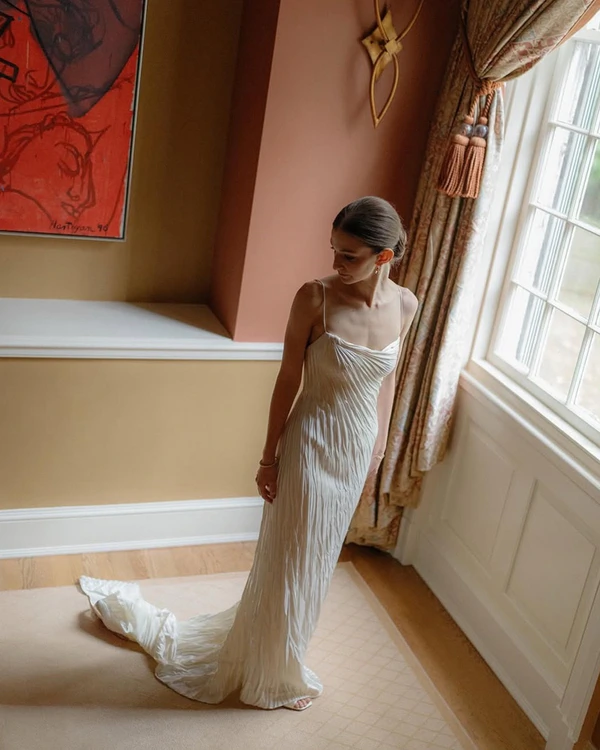
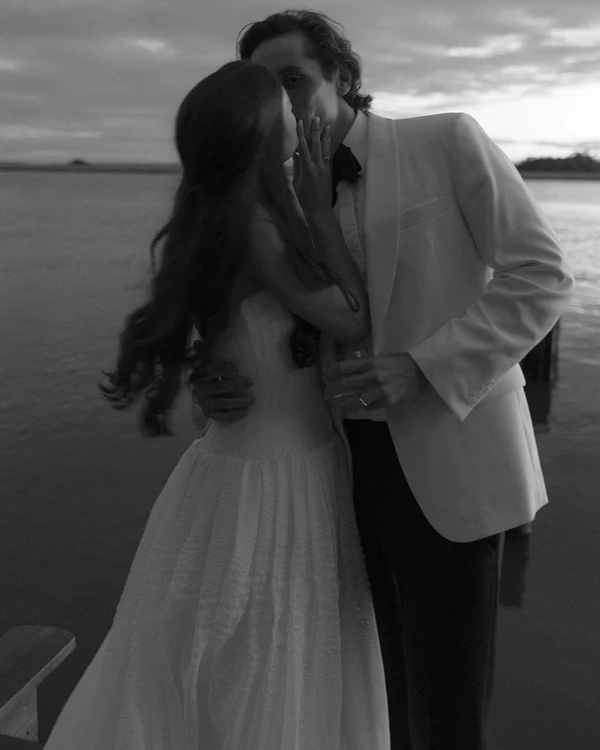
"Documentary photos are not accidental but come from a calm, calculated, prepared mind with enough experience to know where to be and when as each moment unfolds."
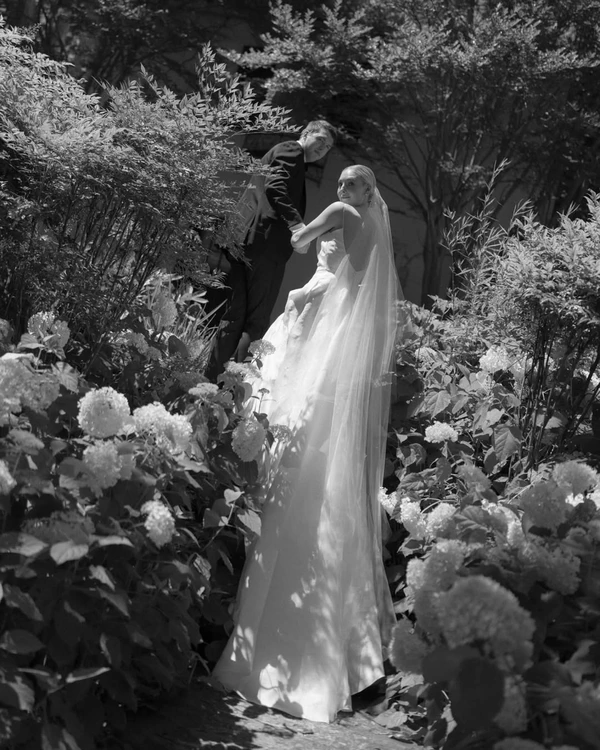
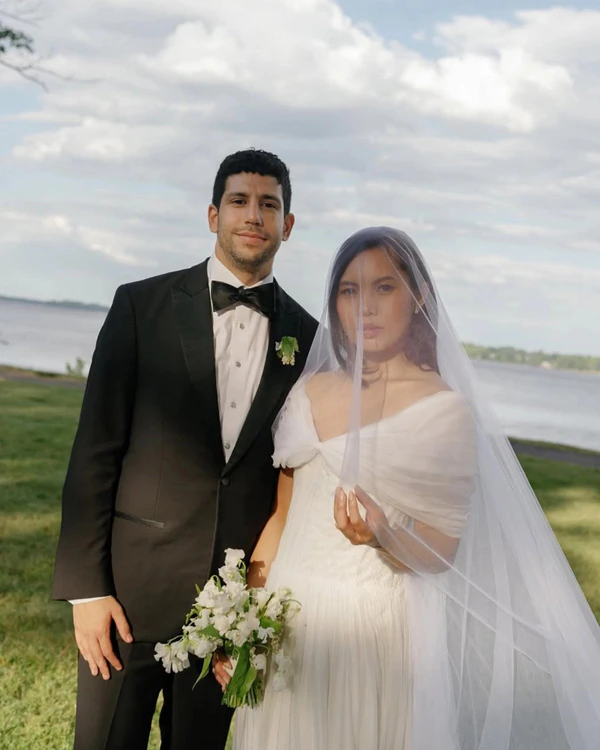
How do you find that balance between observing a moment and being part of it?
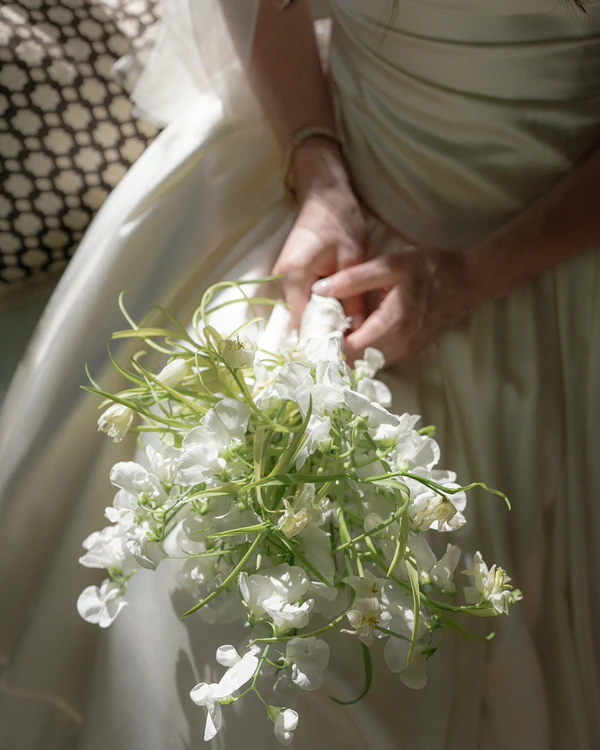
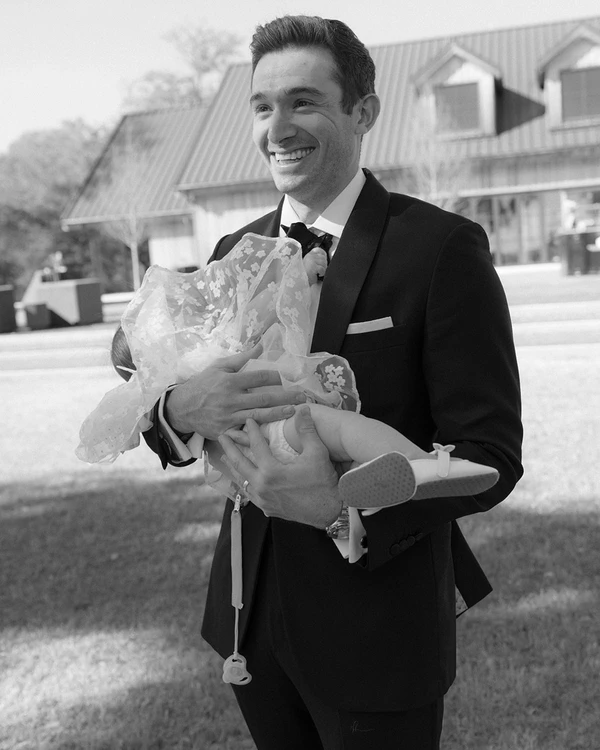
"When your focus is genuinely on loving the people in front of you, the camera almost becomes an extension of that love."
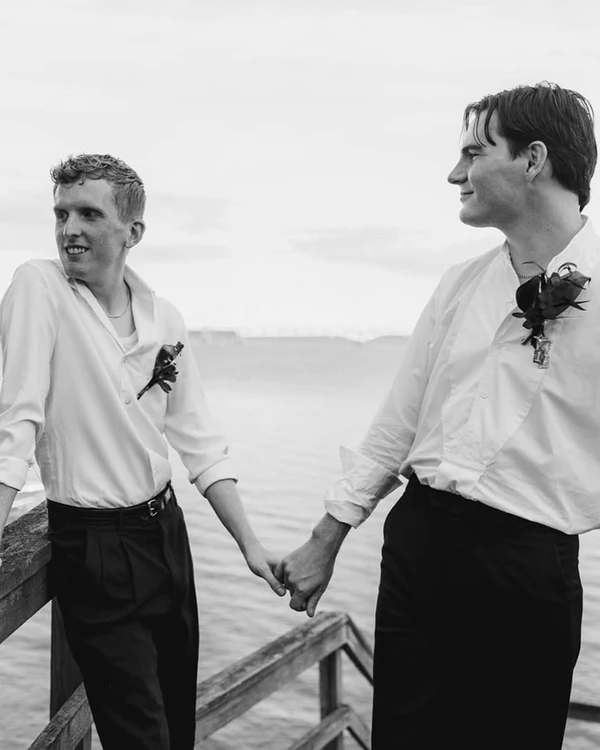
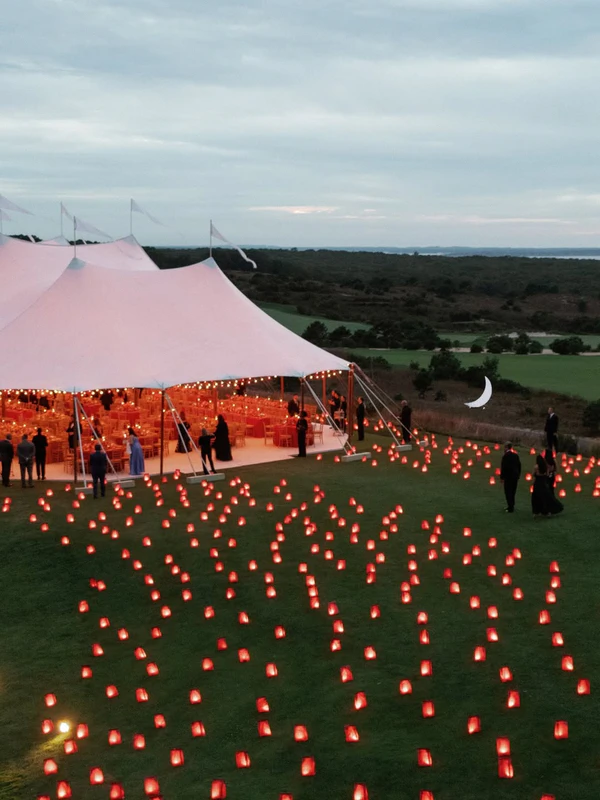
A lot of couples feel nervous about how they’ll look in photos. What do you usually tell them if that comes up?
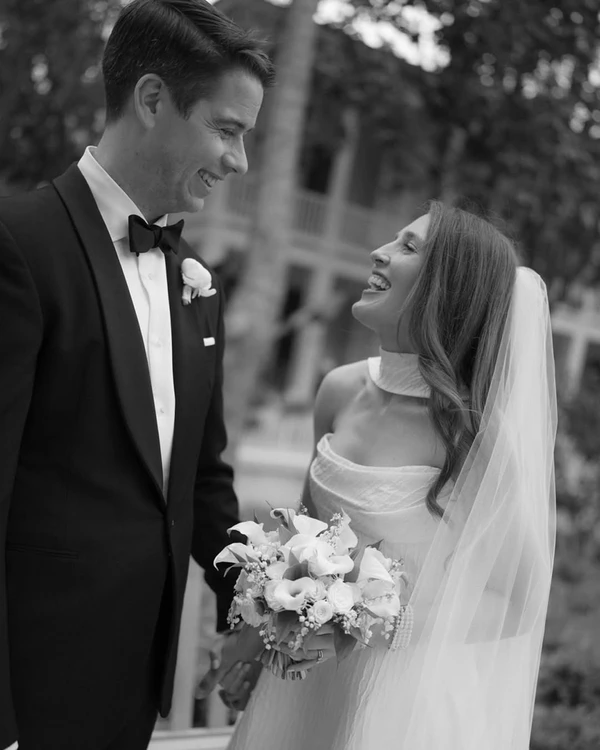
I often tell couples that the camera responds to how you feel, not how you look. And then I try to make sure they feel good — comfortable, laughed-with, seen. My job isn't to photograph a version of you that you have to perform. It's to find the version of you that already exists when you're at ease. I'm always going to choose a good human moment over a technically perfect image. And the beauty of it is, in my experience, those are usually the same photo.
When your couples open their gallery years later, what do you hope they’re taken back to — what feeling, what memory?
I hope they feel the love that cocoons them. Not just their own, but everyone's — their people, gathered together for this one moment in time. These images belong to them in a way that's different from how they belong to me. I made them, but they live inside them. My deepest hope is that the photos feel true and grow in dimension over time, that they look at them in fifty years and love them even more.