Your wedding venue shapes everything — it sets the tone, frames the atmosphere, and holds the moments you’ll carry with you long after the day is over. While it’s easy to fall in love with one on a first visit, the first impressions and final contracts are two very different things. Behind the beautiful spaces and carefully curated tours are logistics, limitations, and details that rarely make it into the initial conversation. Here’s what venues don’t always tell you, and what’s genuinely worth knowing before you decide.
The “Starting Price” is Rarely the Real Price
You’ve found it: the venue that looks exactly right and, somehow, even fits the budget. For a moment, it feels like a rare wedding planning win. But that starting price is unlikely to be the final number. More often, it is simply the base rate before taxes, service charges, rentals, staffing, cleanup fees, and all the little add-ons begin to appear. Always be sure to ask exactly what is included and what will cost extra, because what looks like a perfect deal at first can end up being far more expensive once the full picture comes into focus.
Minimal Doesn’t Mean Easy
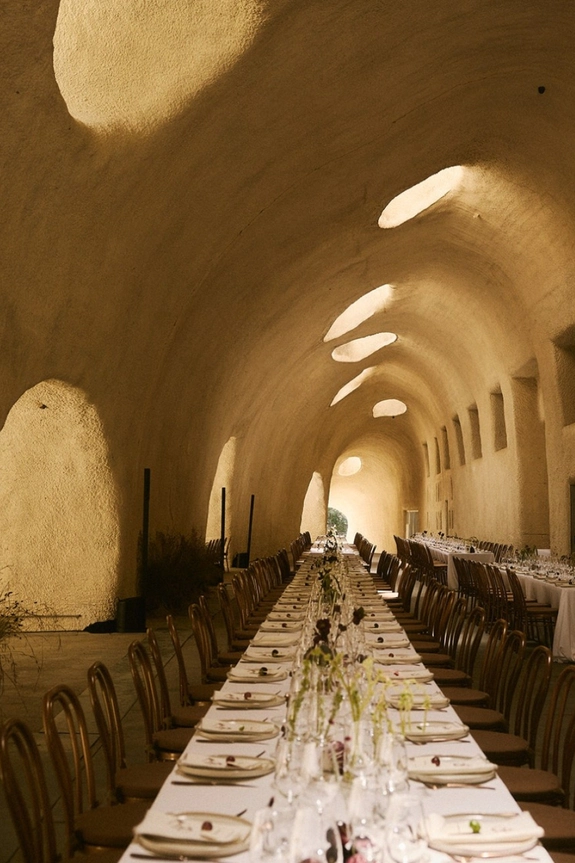
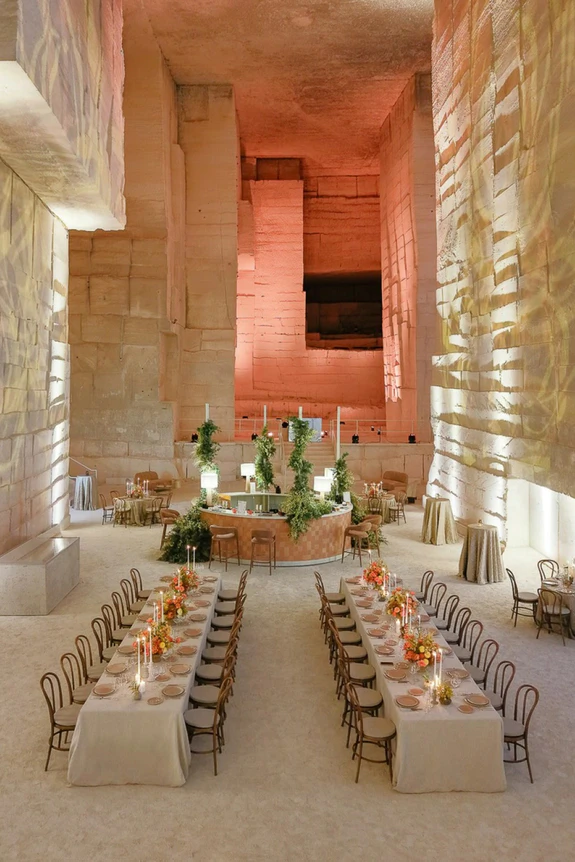
The minimal space looks cool and editorial, giving you a sense of creative freedom and endless possibilities. Yet, it can quickly turn into something far less romantic once you realize you’re responsible for building everything from the ground up. Every element, from seating to lighting, becomes an extra line in the budget and another moving part to coordinate.


Desirability Has a Cost
The most sought-after dates come with more than just aesthetic appeal. Peak season weekends, golden-hour ceremony slots, and culturally significant dates are often priced higher simply because everyone wants them. What’s worth keeping in mind is that venues often need to introduce a sense of urgency around availability, offering a short window to hold your date while others are considering it, which can make a decision that deserves careful thought feel unexpectedly rushed. For a more budget and time friendly option, consider enquiring about low season or mid week dates where there may be more flexibility and less demand.
Preferred Vendors Aren’t Always Optional
Venues often present their preferred vendors as a trusted circle of professionals they have worked with before, which can feel reassuring, especially when you’re trying to narrow down your options. However, what isn’t always clearly mentioned upfront is that some venues require you to choose exclusively from that list or charge additional fees if you’d prefer to bring in someone from outside their partners. If you already have a dream team in mind, it’s important to ask early how much flexibility actually exists. The answer will tell you a lot about whether the venue is the right fit for you and what you envision.


Corkage, Cake Cutting & “Tiny” Fees That Stack
First-time couples are often surprised to discover just how many small fees exist beneath the headline venue price. Cake-cutting fees, corkage charges, room-flip fees, late-night surcharges, even charges for early access or extended setup time. A corkage fee, for example, is applied when you bring your own wine or spirits rather than purchasing through the venue’s bar. A cake-cutting fee is exactly what it sounds like, a charge for the staff to slice and serve a cake you’ve already paid a baker to make. On their own, these costs may not seem significant, but together they can impressively reshape the final invoice.
Your Timeline Isn’t Entirely Yours
Even when it feels like you have the venue for the whole day, your timeline is often far more controlled than it first appears. Bump in, ceremony, cocktail hour, dinner, dancing, teardown, every stage is usually confined to a strict schedule. Access is timed, transitions are pre-set, and even small delays can have a ripple effect. It’s important to clarify early what your hours actually cover and what happens if the day runs a little long, or if you want the days schedule adjusted to your own unique beat.


The Package Isn’t the Whole Picture
Venue packages can sound reassuringly complete, giving the impression that most of the essentials are already taken care of. But “included” rarely means exactly what you had in mind. Tables and chairs may be basic, linen choices limited, and lighting may amount to little more than standard overhead fixtures. The package covers the bones of the day (and that’s genuinely useful) but the details that give a wedding its feeling tend to sit outside it. The atmosphere most couples are imagining usually requires something beyond the basics, so
Your Vision Has to Fit the Rules
Every venue comes with a contract, and inside that contract lives a set of rules that don’t always come up during the tour. Restrictions on open flames, confetti, smoke machines, or fireworks. Noise curfews that dictate not just when the music stops but how loud it can be while it’s playing. Policies on décor that limit what can be hung, fixed, or placed on surfaces. Some venues have firm rules about alcohol service, last entry times, or even the number of guests allowed in certain areas. Understanding these restrictions beforehand can save you from having to redesign your plans later.