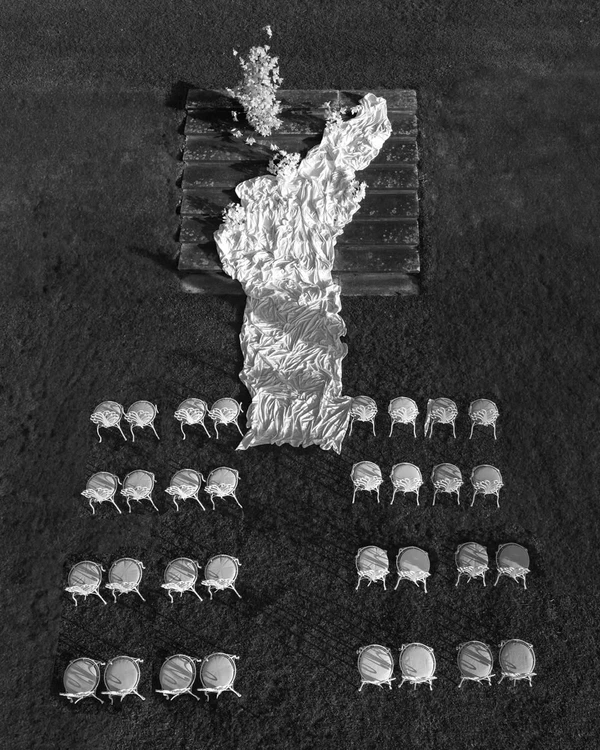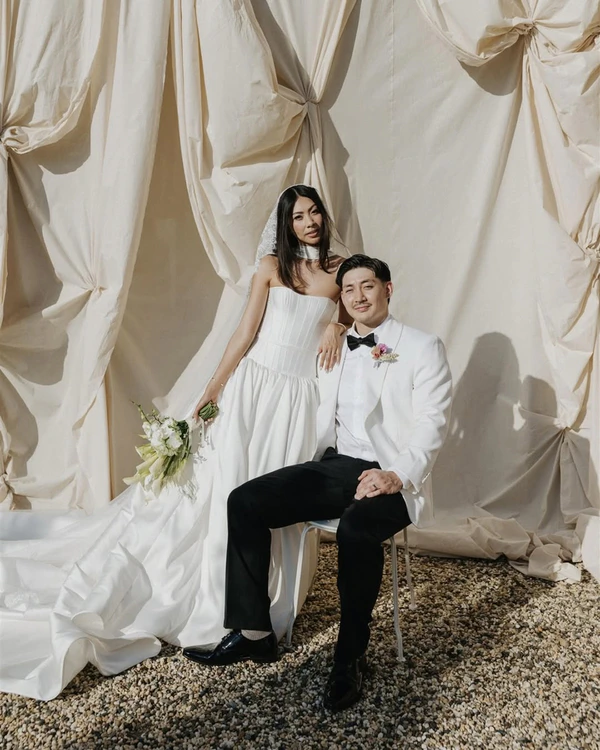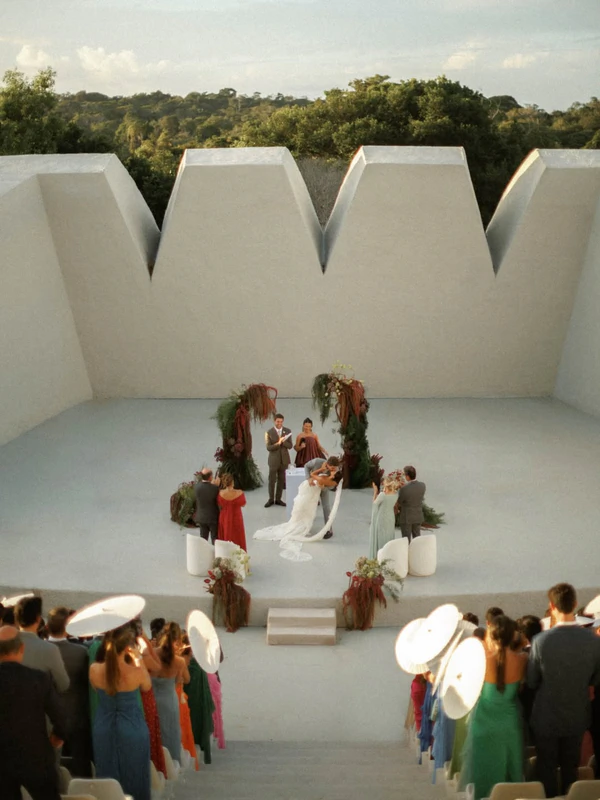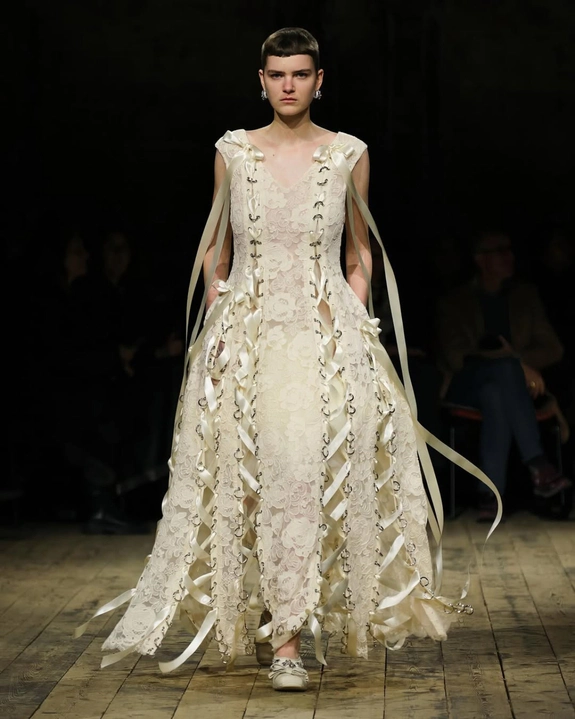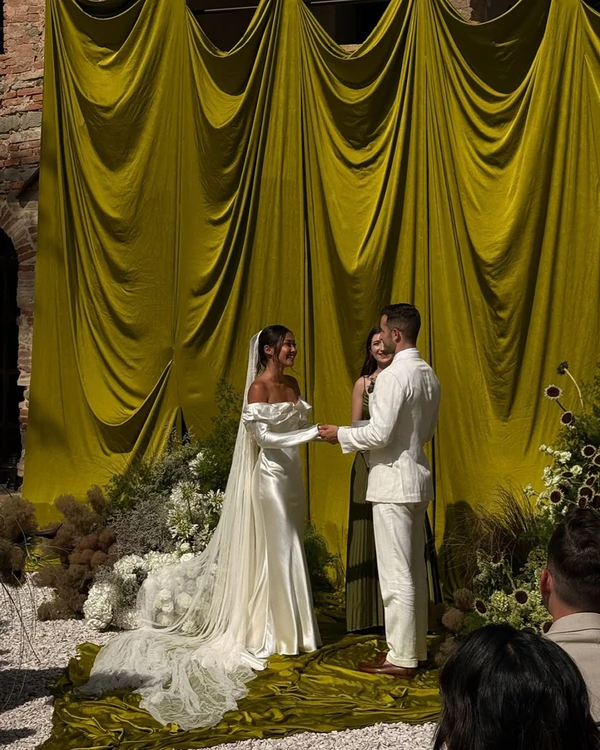
There’s been a growing debate within the bridal community taking over our For You Pages: can a wedding be truly timeless? It began with the realization that many 2026 brides had committed to the same matcha-and-burgundy palette, believing it to be a classic colorway rather than trend-driven. This desire for a trendless wedding is rooted in wanting to look back decades later and feel as though the day could have happened yesterday—but what does timeless actually mean, and does it even exist? Or are weddings, by nature, a reflection of their time and meant to be of the now, this moment? Below, we explore the nuances of this ongoing conversation.
Timelessness vs. Trendlessness
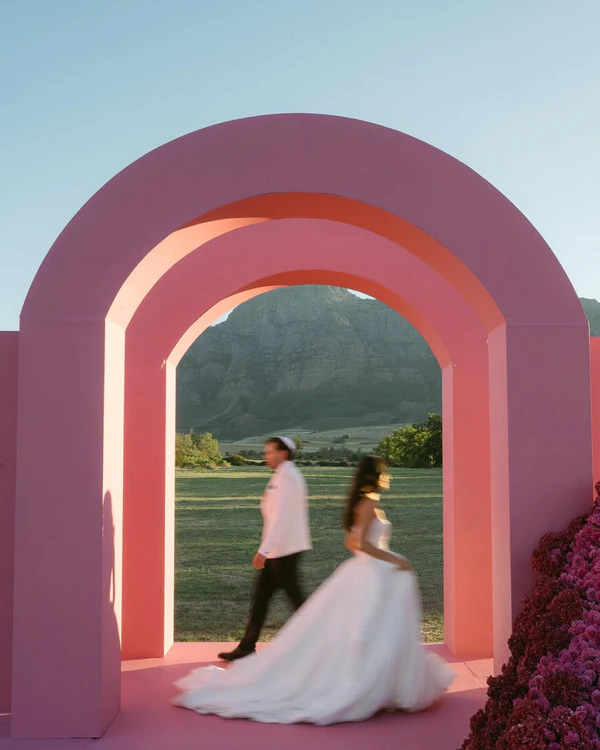
First, let's differentiate the two. Timeless is often mistaken for neutral, minimal, vintage or even classic, but even these qualities are interpreted differently depending on the decade. What felt understated twenty years ago may read entirely differently today because every choice—no matter how timeless it may feel—is inevitably filtered through a modern perspective. The idea of a ‘trendless’ wedding is, perhaps, more complex than it seems. Even when trends aren’t consciously followed, a wedding still carries the imprint of its time. It’s not the absence of influence that makes something feel lasting, but the clarity of its character and intention.
Photography is a Time Stamp
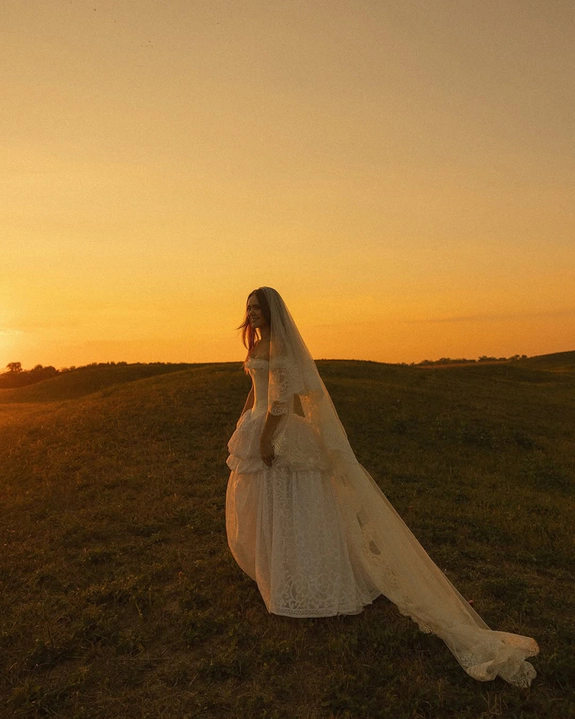
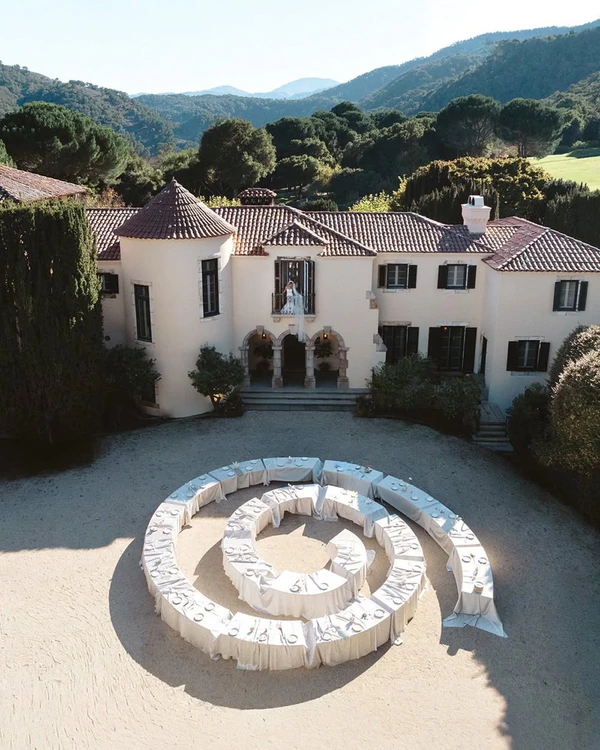
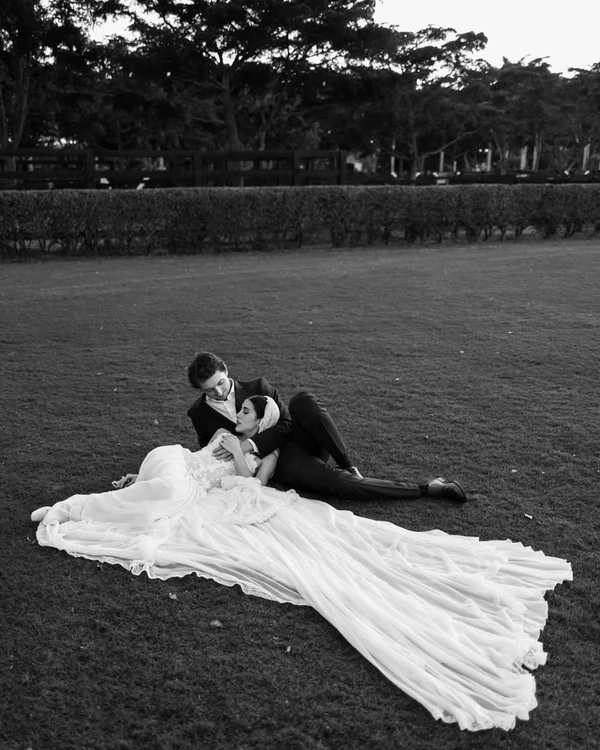
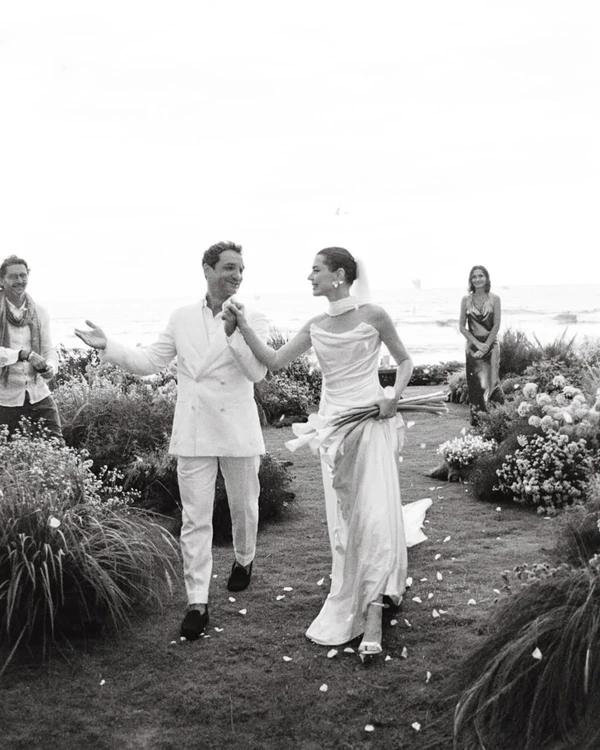
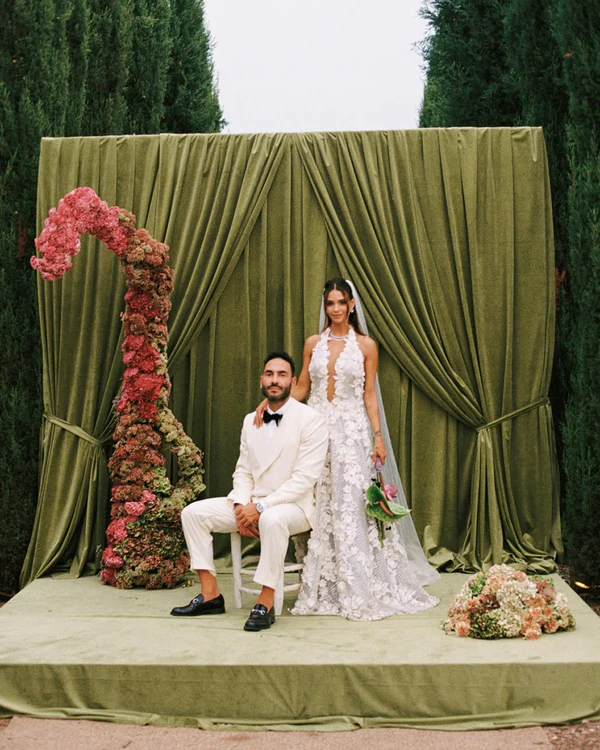
Wedding photography, too, carries the imprint of its time. Though some brides may want to look back on their day decades later and feel as though their wedding happened yesterday, our editing styles, color grading, composition, and even the way moments are captured evolve continuously. Think about it this way: do we still use the heavy sepia-toned Instagram filters that were popular in the 2010s? What about the blurry photo trend that has come to light in recent years? While certain elements of black-and-white, film photography and even certain poses may always have their place in wedding photography, they are often reflected in today's techniques.
Style is Always of Its Time
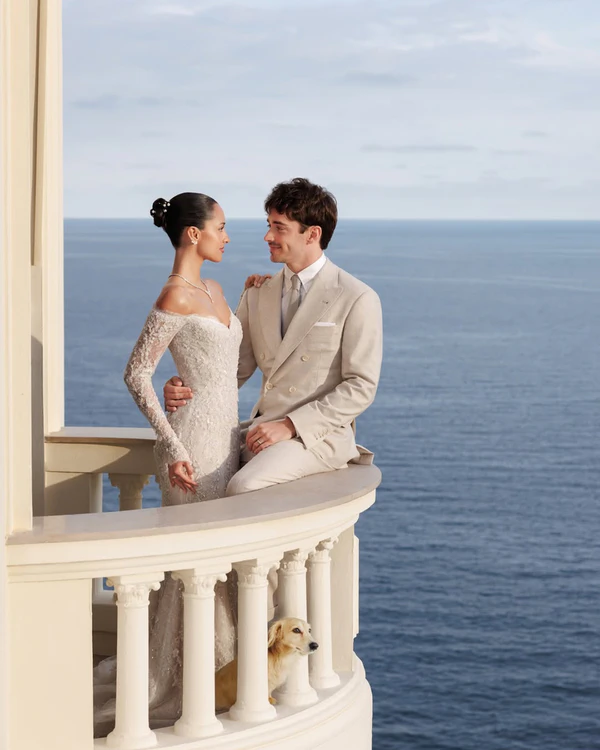
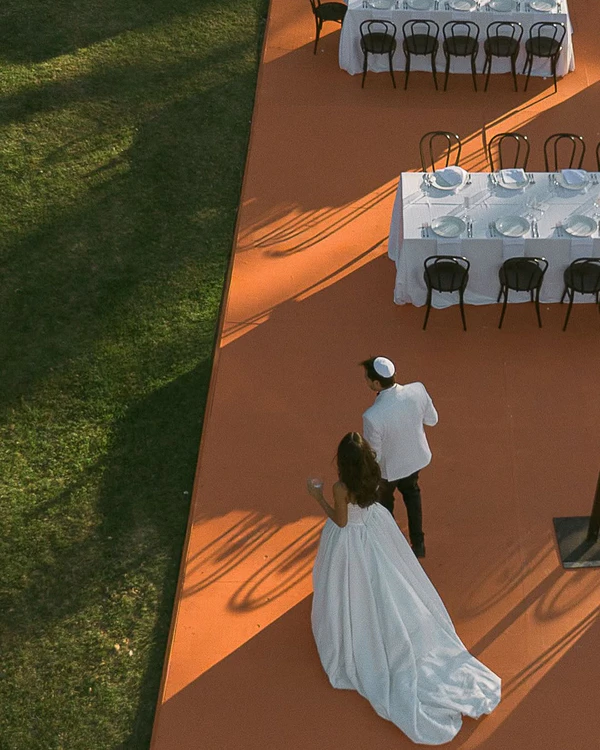
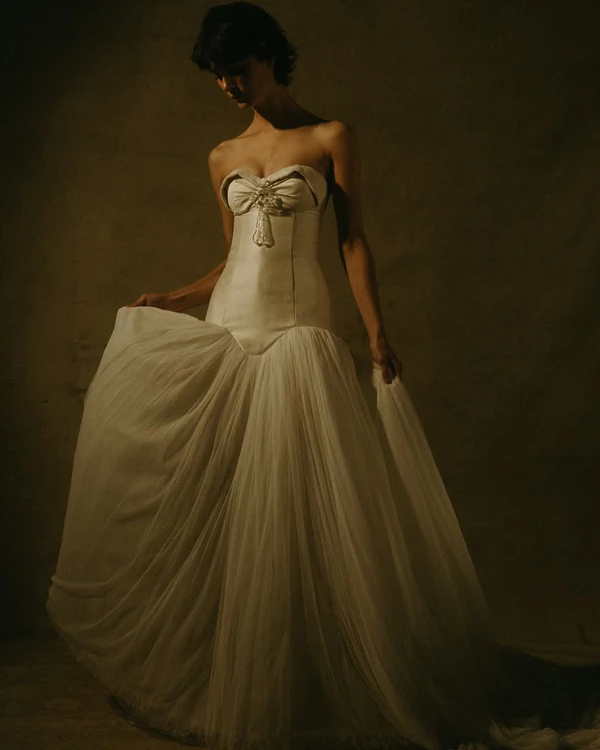
Fashion offers one of the clearest examples of how weddings are tied to a specific moment. A gown may draw on archival references or historic techniques, yet its cut, proportion, and styling inevitably reveal when it was worn. The same applies to hair and makeup, which subtly but unmistakably signal the era. Even when a look is described as “classic,” it is still shaped by current preferences. Over time, these nuances become markers of when the wedding took place. A perfect example is the slicked-back bun and the basque-waist wedding dress, two popular choices amongst brides that have a timeless appeal but are completely rooted in today's trends.
Details, Palettes, & Planning Choices
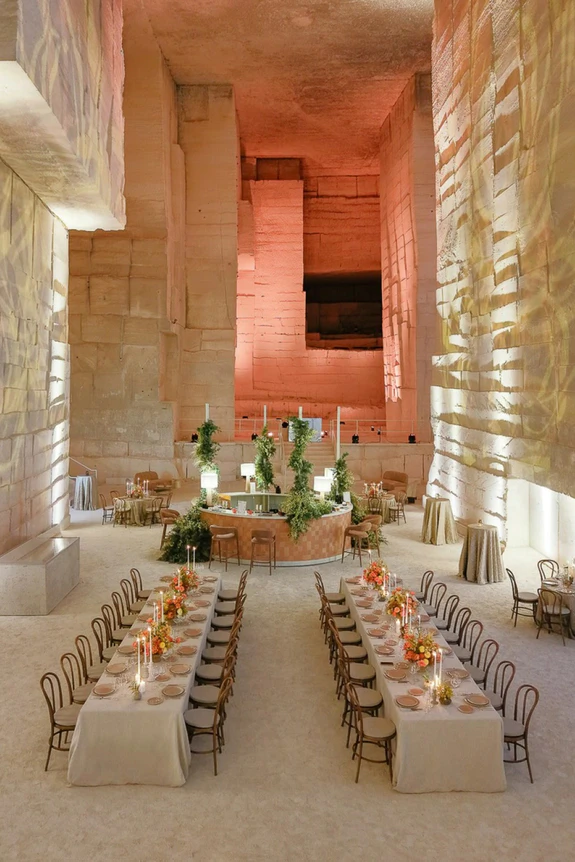
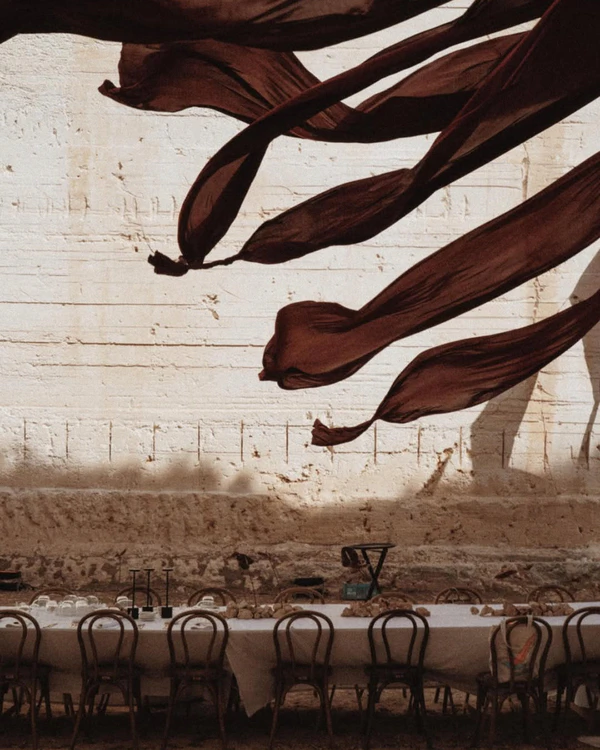
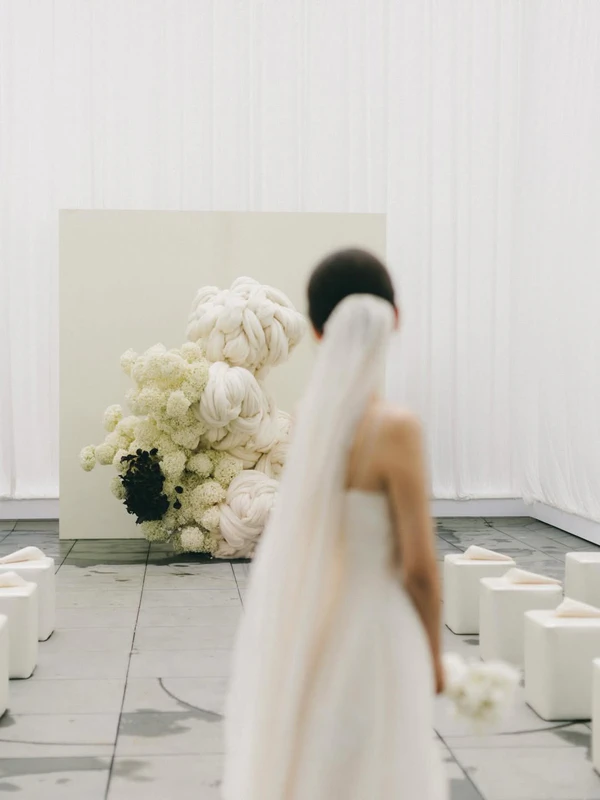
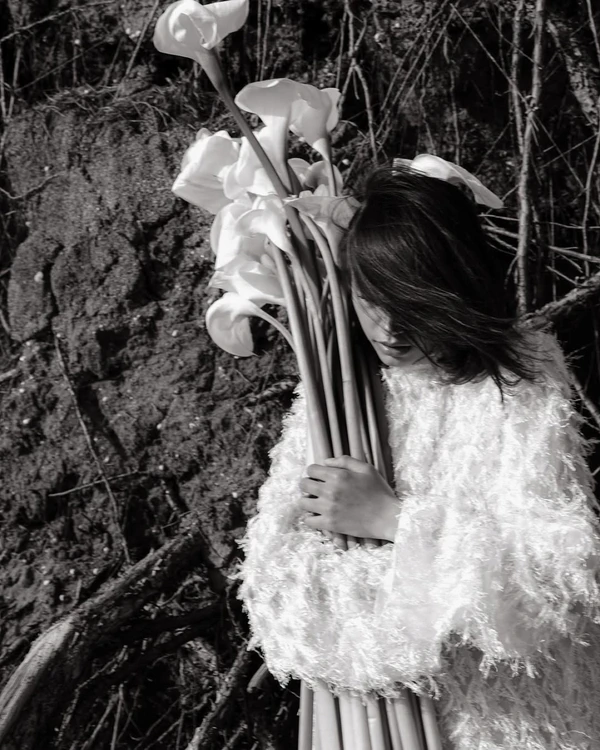
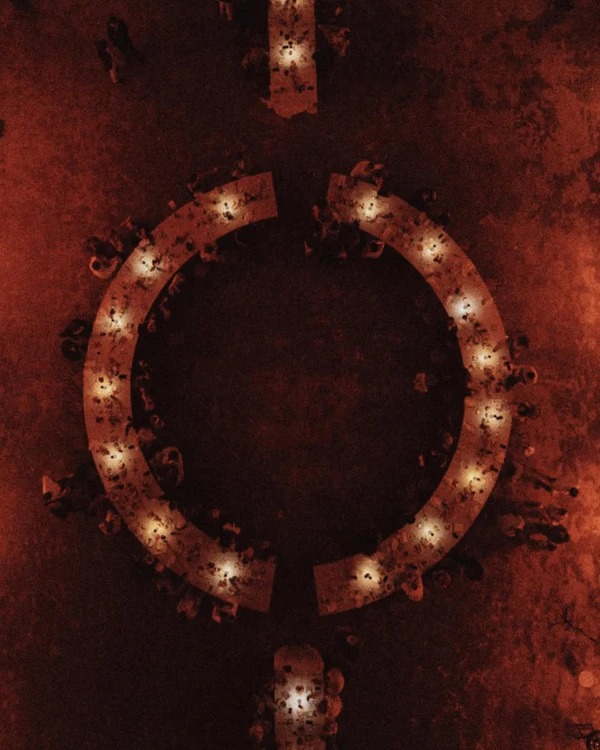
Beyond fashion and imagery, planning decisions further anchor a wedding in its moment—and this is where a lot of brides who want that timeless energy tend to focus. Color palettes, floral arrangements, and table settings are all influenced by prevailing trends, even when chosen with longevity in mind. Certain combinations or styling approaches inevitably point back to a specific time, and while these details may feel enduring at the moment, they rarely exist outside the context in which they were conceived. Just like beloved calla lily arrangements, a bloom that was widely popular in the 1950s, saw a resurgence in weddings and is sure to one day dwindle away. When it comes to styling, everything tends to be circular, coming and going every few decades.
The Rise of “Timeless” Trends
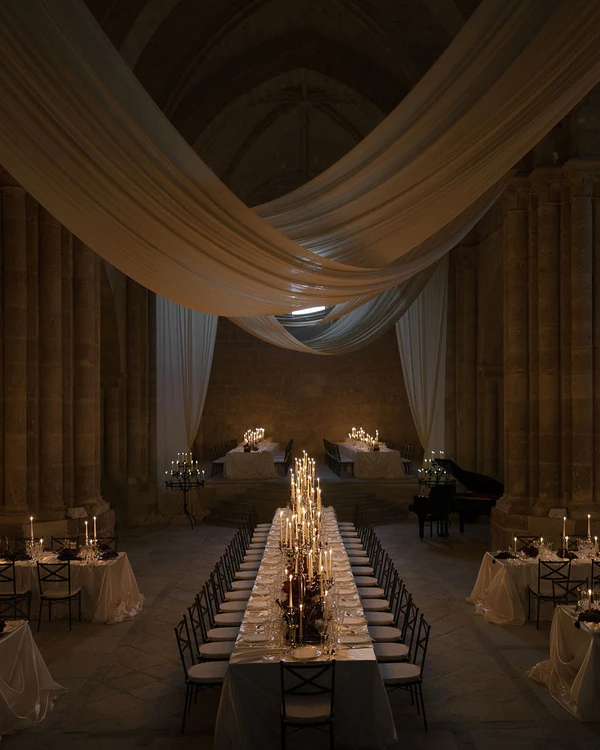
Interestingly, even the pursuit of timelessness can become a trend in itself. Vintage-inspired weddings, for example, are often framed as enduring and classic, yet their resurgence speaks to a current fascination with the past rather than an escape from trend cycles altogether. These aesthetics, while rooted in a romantic and nostalgic aesthetic, are almost always filtered through a modern lens. Consider how a bride might choose a vintage gown, but style it with a more contemporary hairstyle rather than one from the same era. This balances the look to ensure it feels relevant, not costume-like. As a result, even these references to the past ultimately reflect present-day tastes just as much as any contemporary style
What Actually Lasts
If anything approaches timelessness, it may lie beyond the visual elements altogether. The atmosphere, the energy, and the emotional experience of the day tend to endure more than any aesthetic choice. While images and details may eventually reveal their age, the feeling of the celebration remains less fixed in time. In that sense, a wedding doesn’t need to be timeless to be lasting, it simply needs to be meaningful in the moment it exists. Focusing on your personal touches and taste will ensure you enjoy your wedding in the present moment, and when you turn to look back on it years later, you'll have those same blissful feelings and fond memories to hold onto.