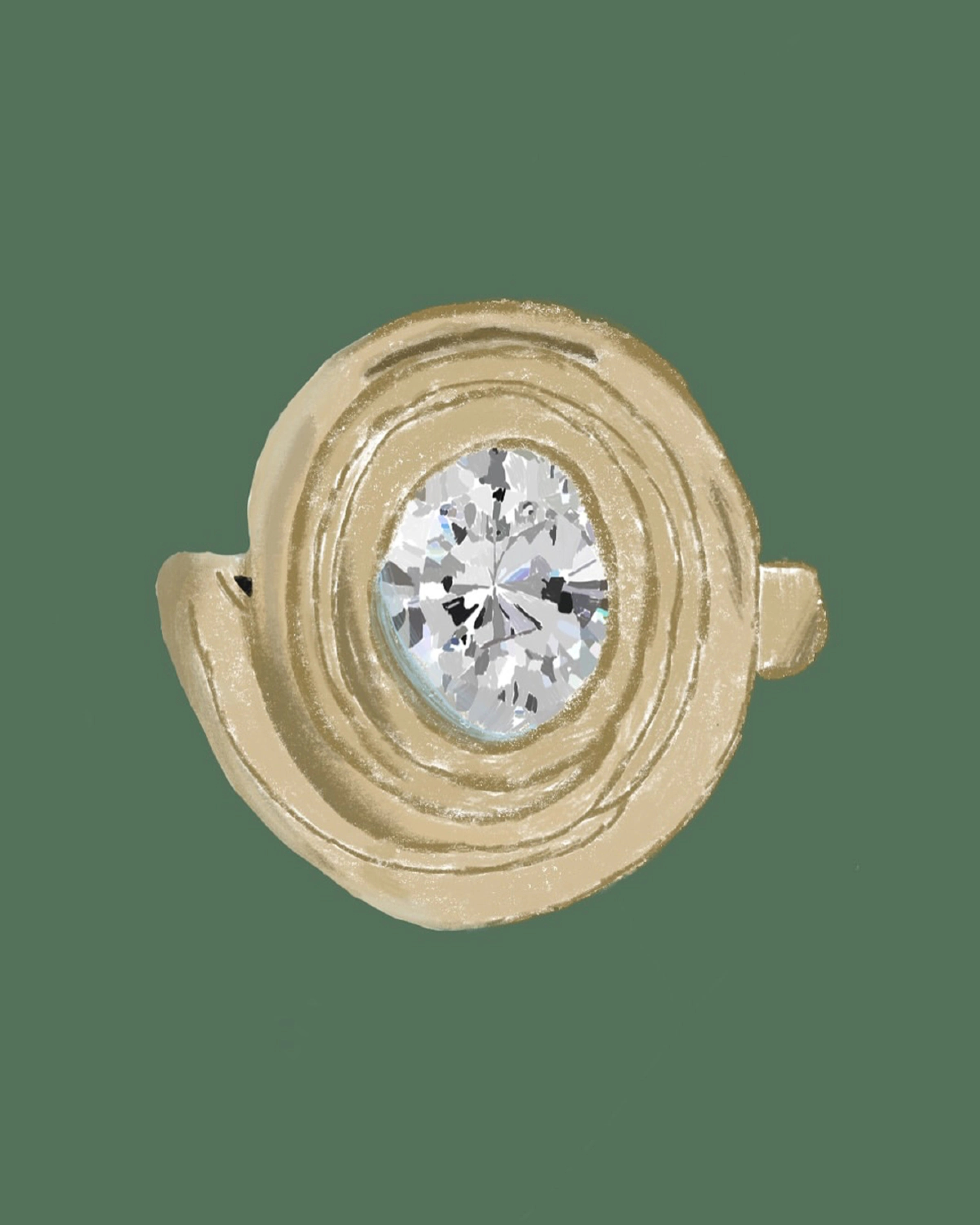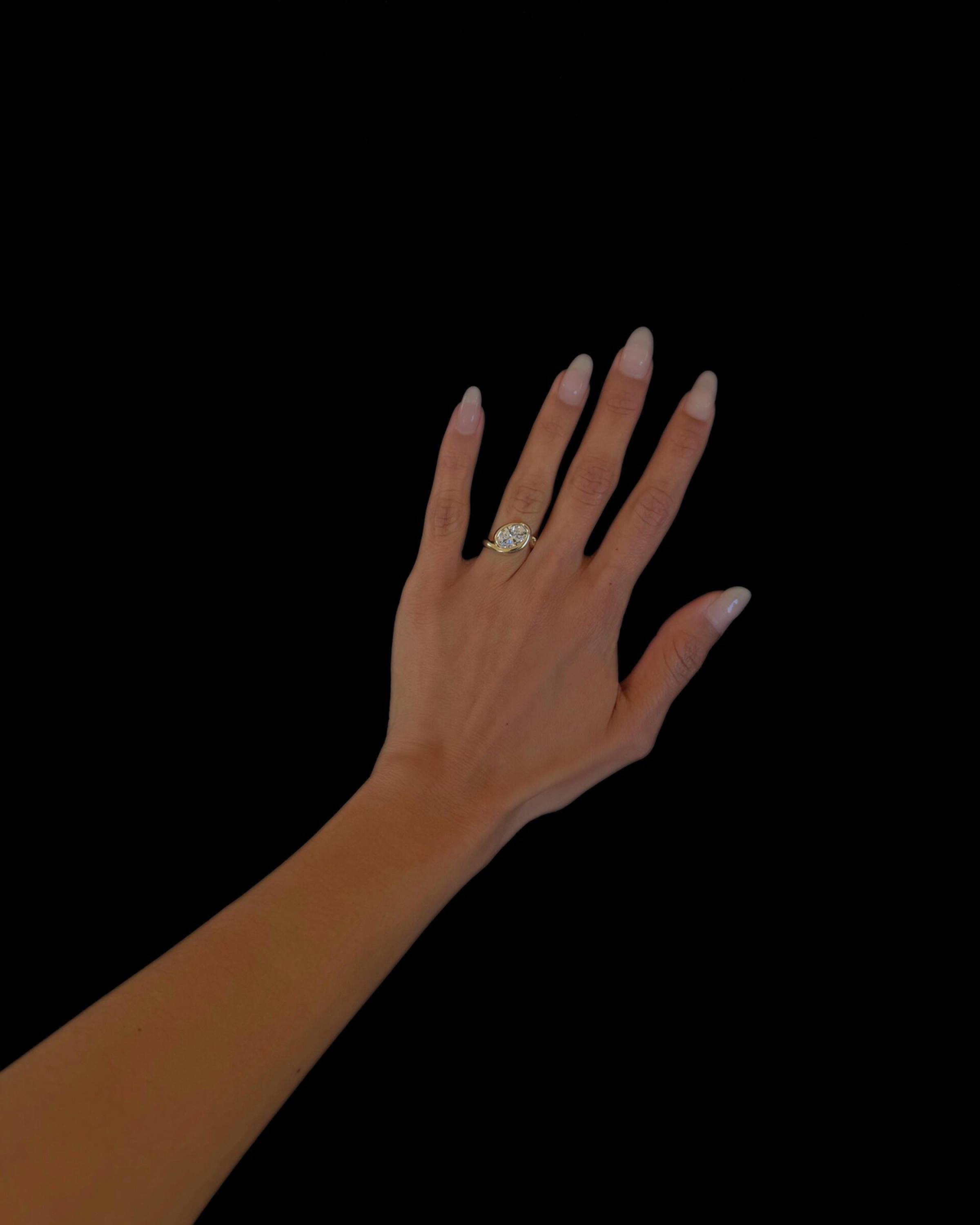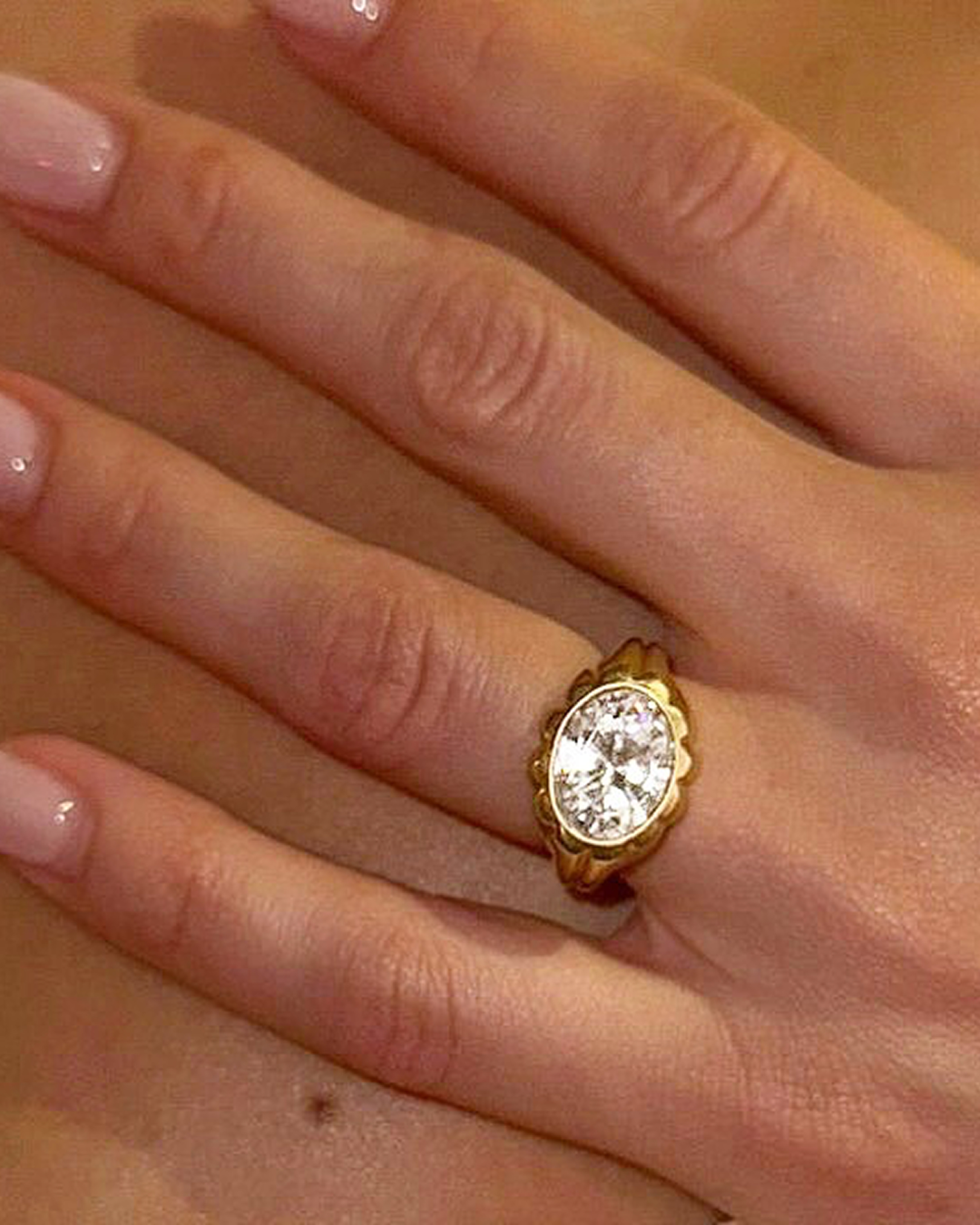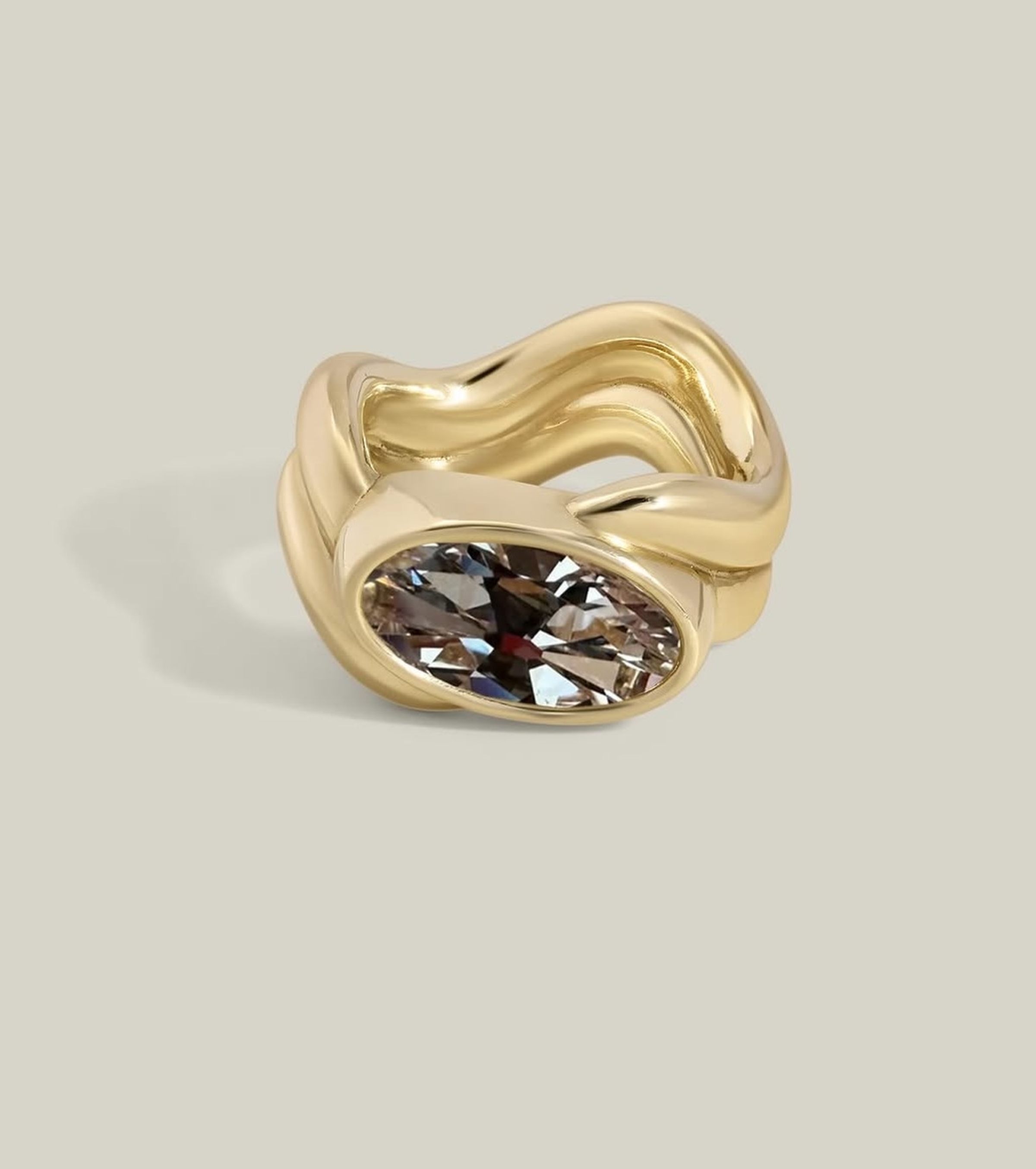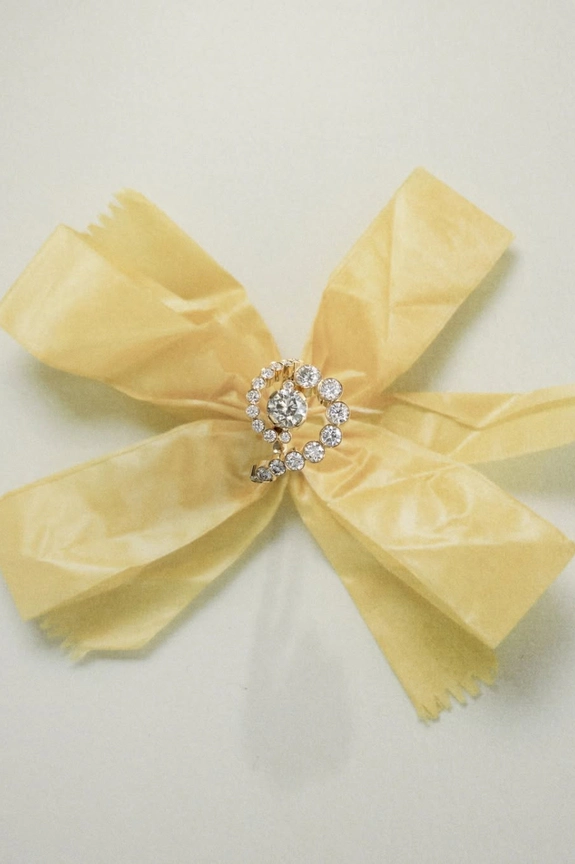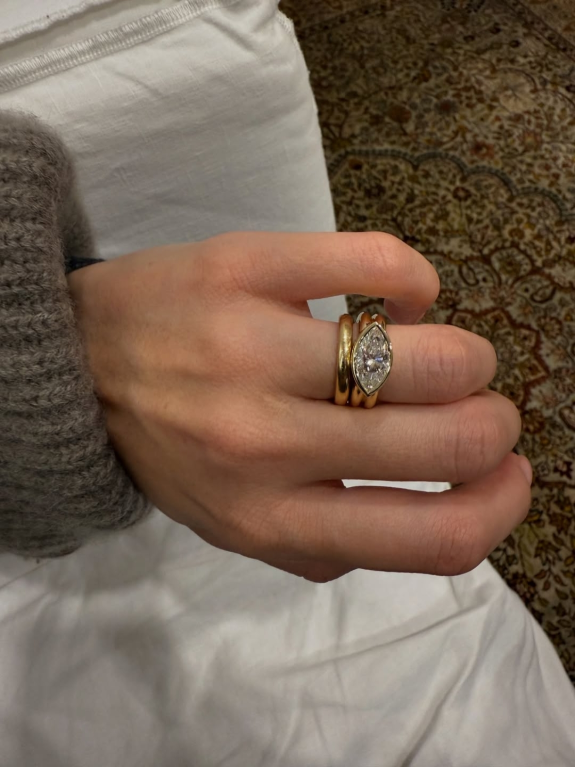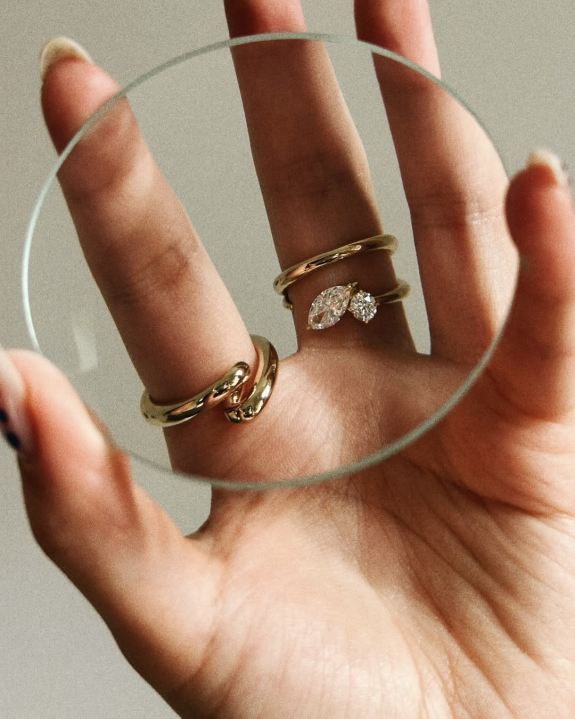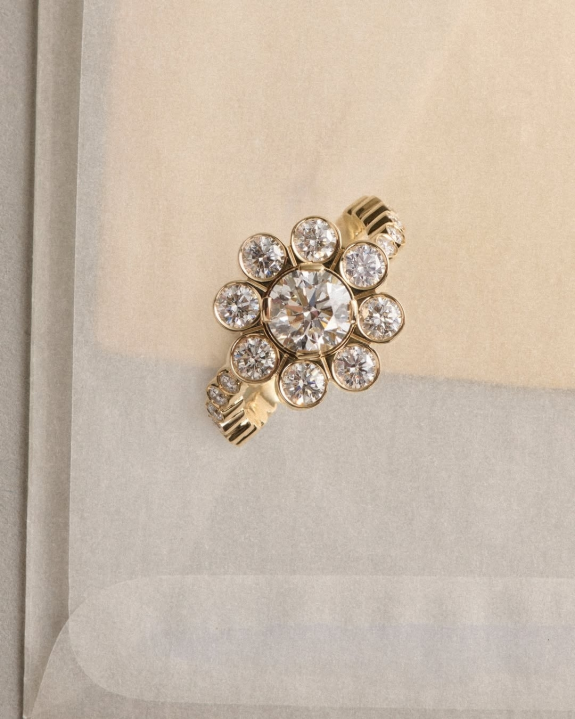
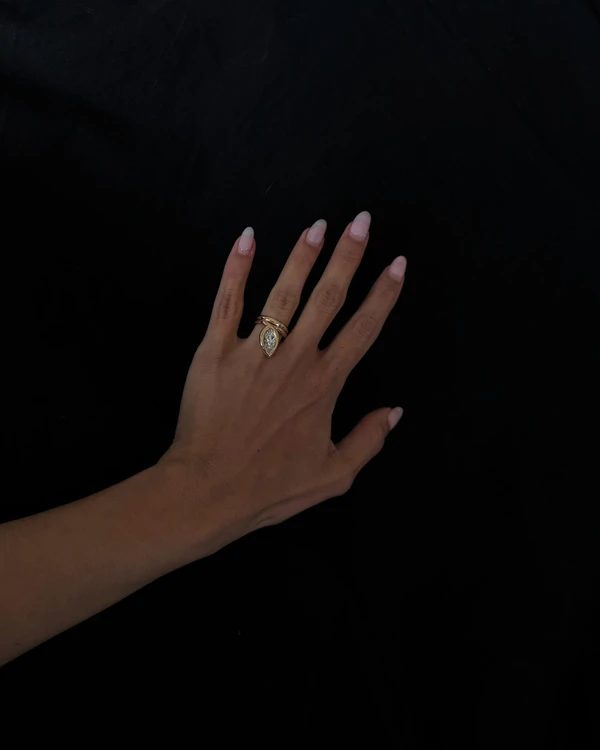
Long before she ever picked up a torch, she was collecting gold. Jonne Amaya's instinct for transformation has become the backbone of her fine jewelry studio, where custom pieces, inherited bands, and family diamonds are born as engagement rings that read sculptural, architectural, and untraditional (in the best way possible).
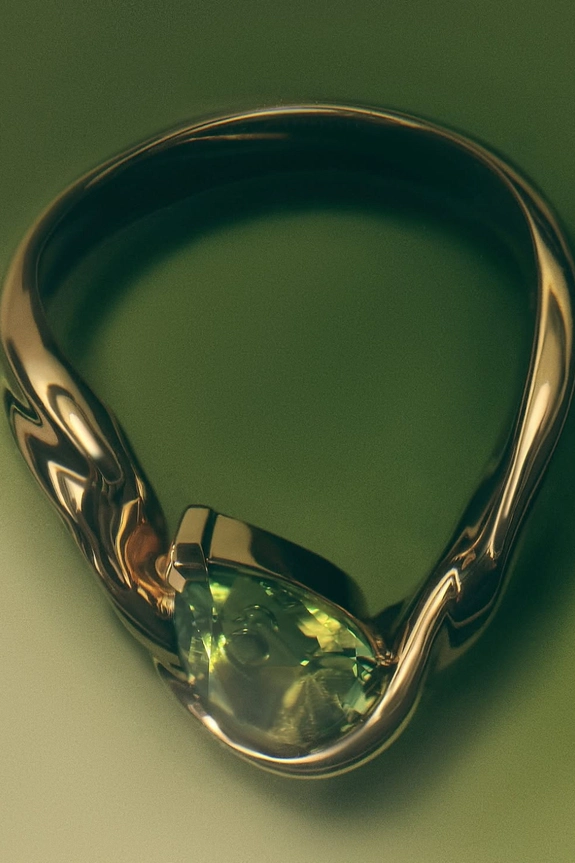
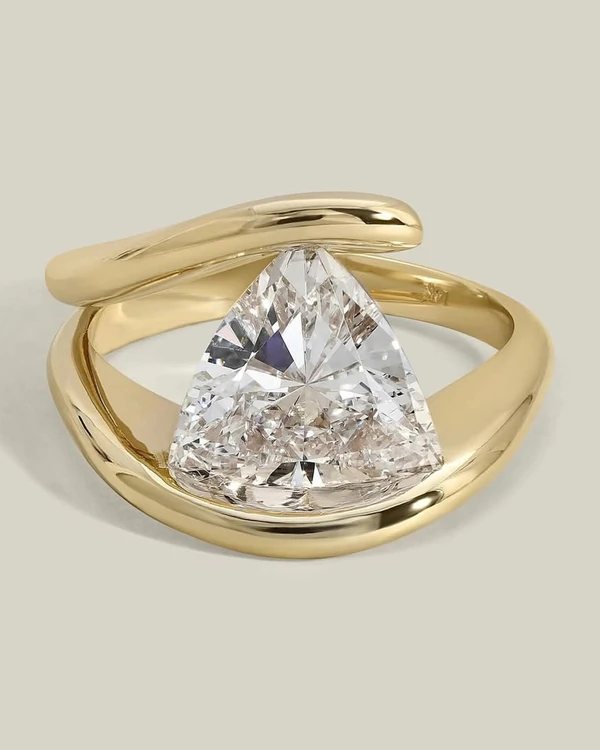
Her designs are undeniably metal-forward, building settings around all kinds of diamond cuts chosen for their character rather than their paperwork. She designs in reverse of most jewelers, letting the center stone dictate proportion and mood before even a single line of the setting is drawn. At Jonne Amaya's Los Angeles-based studio, couples can even bring family heirlooms to be melted, reset, and given a new life. Ahead, the fine jewelry designer destined for the it-girls and rule-breaking bride-to-be talks heirloom gold, buying diamonds with your eyes instead of your certificate, and why the setting—not the stone—is where a ring's real story lives.
Tell us the story of how you became a fine jewelry designer...
I grew up fascinated by jewelry, but it wasn't until I took my first bench jewelry class at 17 that I truly fell in love with the craft. Learning to solder, polish, and fabricate by hand completely changed the way I thought about jewelry. Design became something I wanted to dedicate my life to.
While I was in school, my paternal grandmother handed me an old gold charm and encouraged me to transform it into something new. Around the same time, my maternal grandmother gave me a gold ring she had designed for herself and worn throughout her life. Those two pieces became the foundation of my philosophy as a jewelry designer.
Today, my work centers around custom engagement rings, heirloom redesign, and repurposing inherited gold and family diamonds into contemporary pieces that carry both history and new meaning. I love creating jewelry that honors where a family has been while marking the beginning of an entirely new chapter.
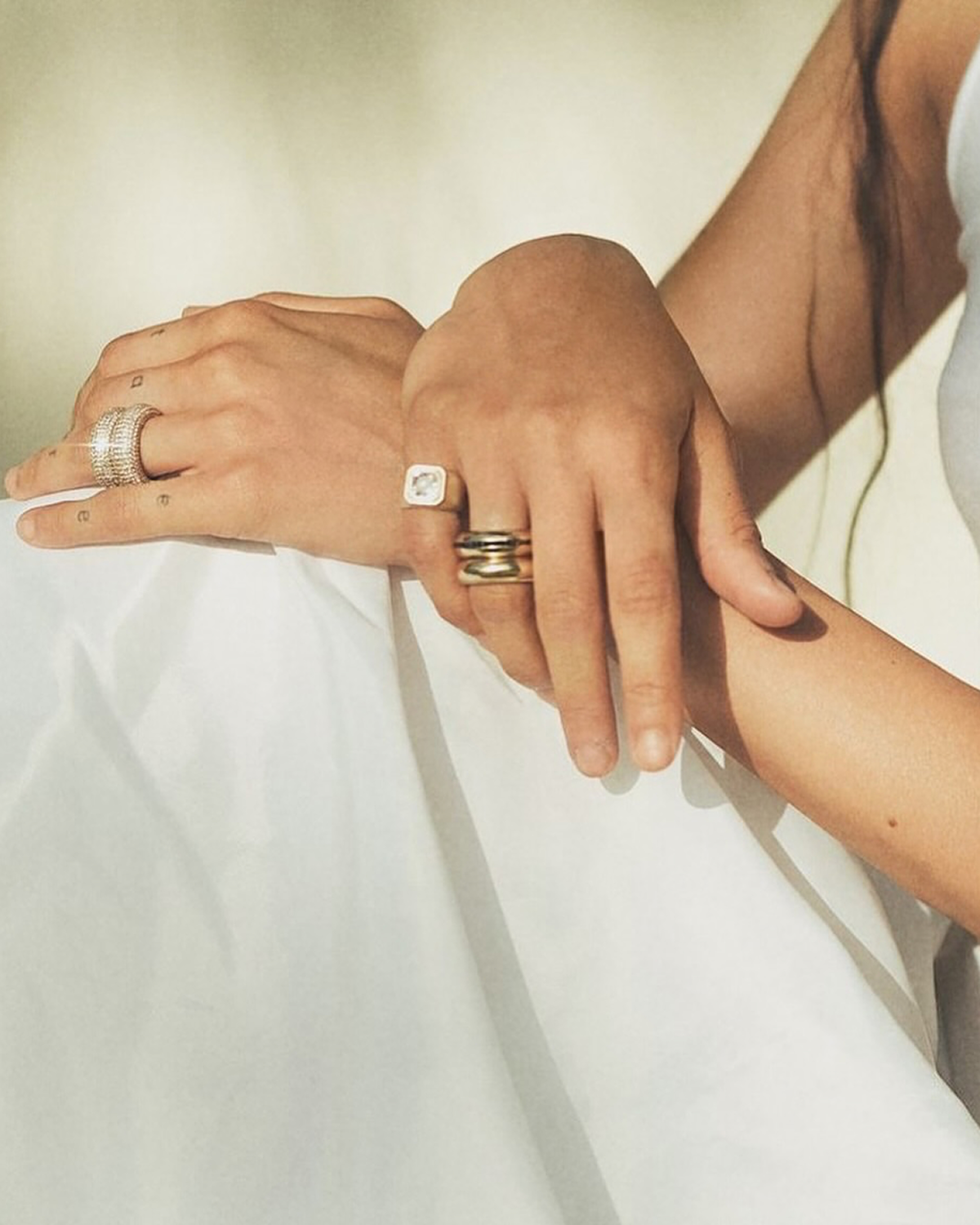
What draws you to sculptural forms over more traditional bridal aesthetics, and what does "alternative" engagement jewelry mean to you?
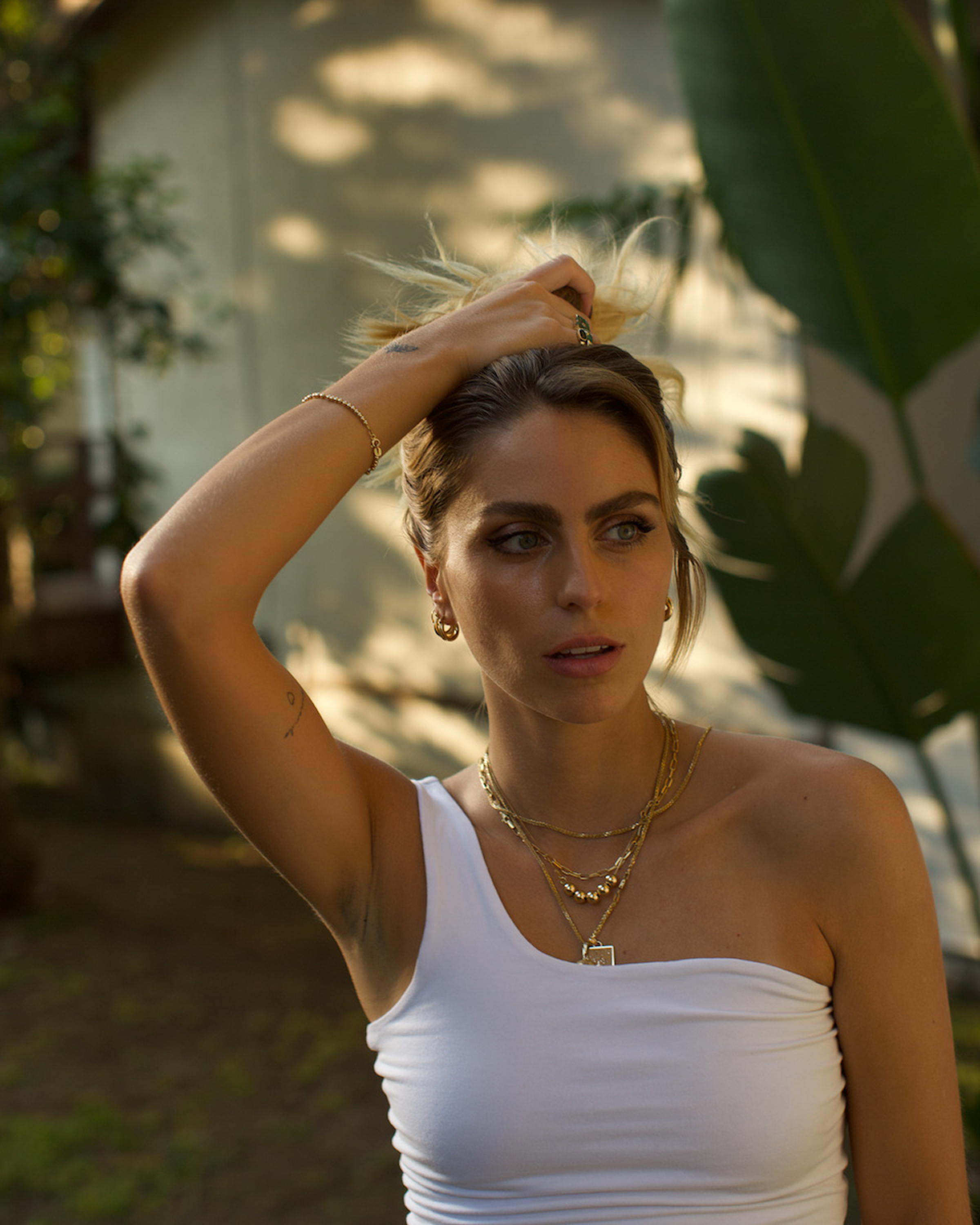
Marriage is one of life's most meaningful commitments, but I also think it should feel joyful, personal, and full of personality. I'm naturally drawn to sculptural engagement rings because they allow more emotion to exist within the design. Alternative bridal jewelry isn't about rejecting tradition—it's about creating something that genuinely reflects the couple wearing it rather than following a formula.
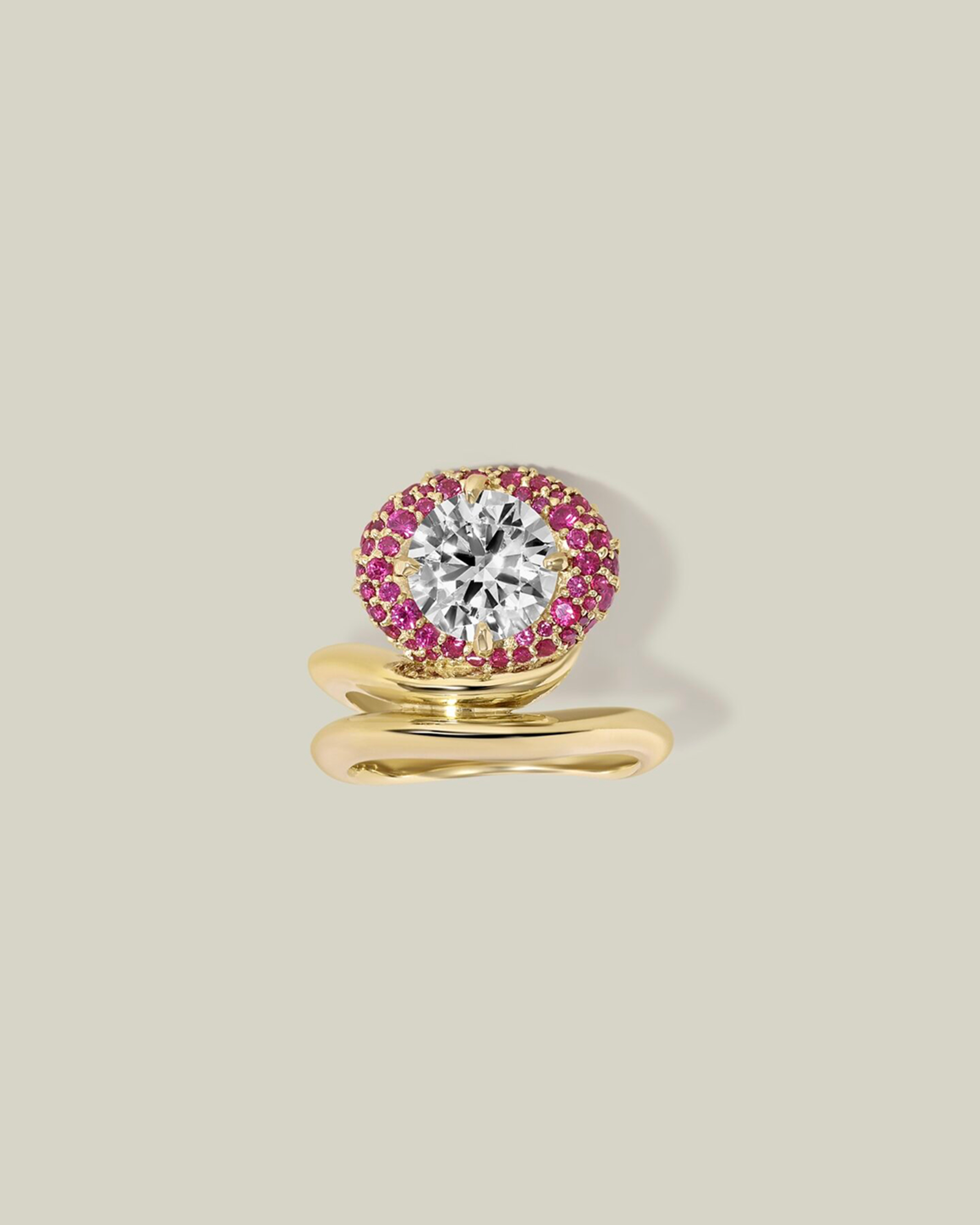
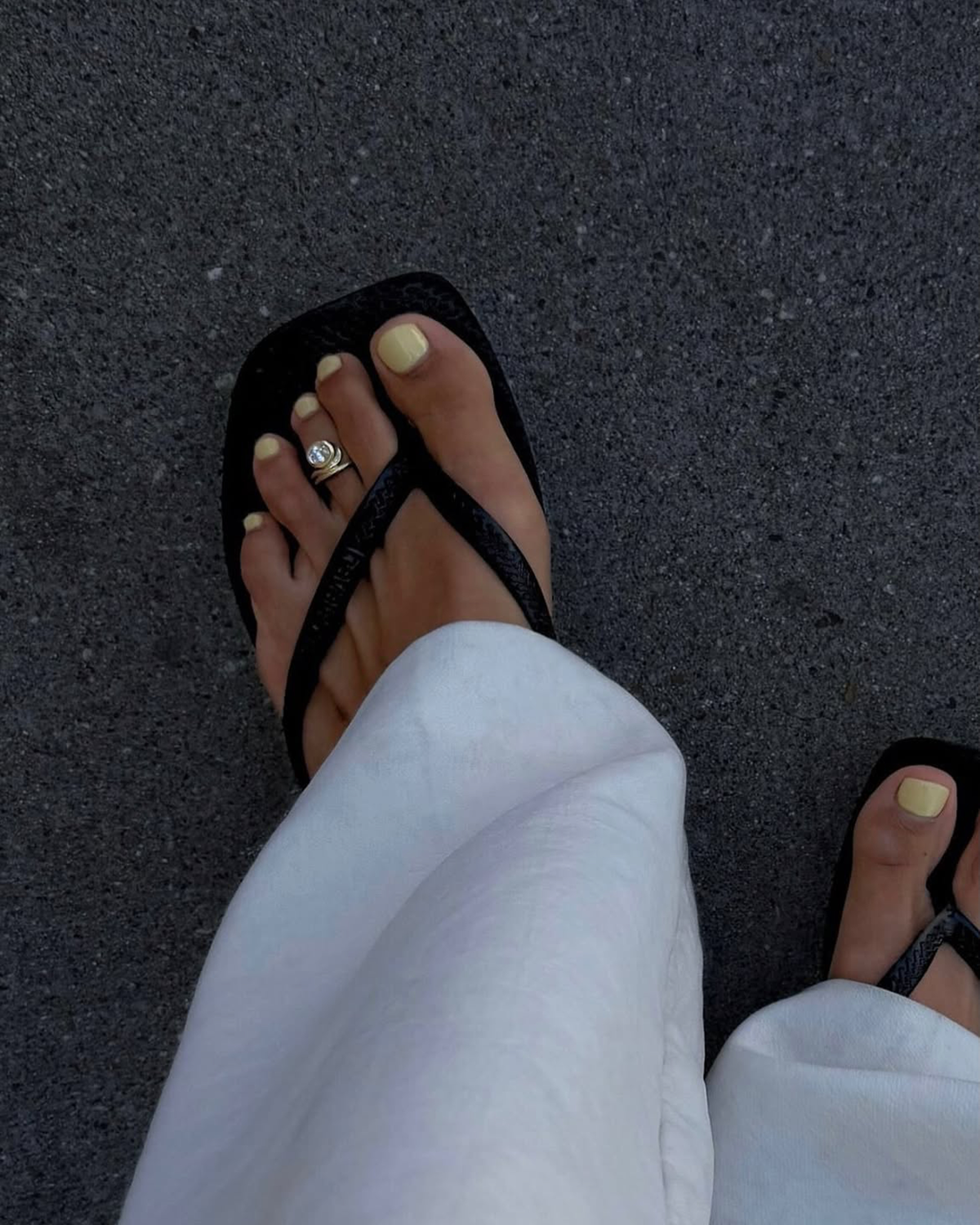
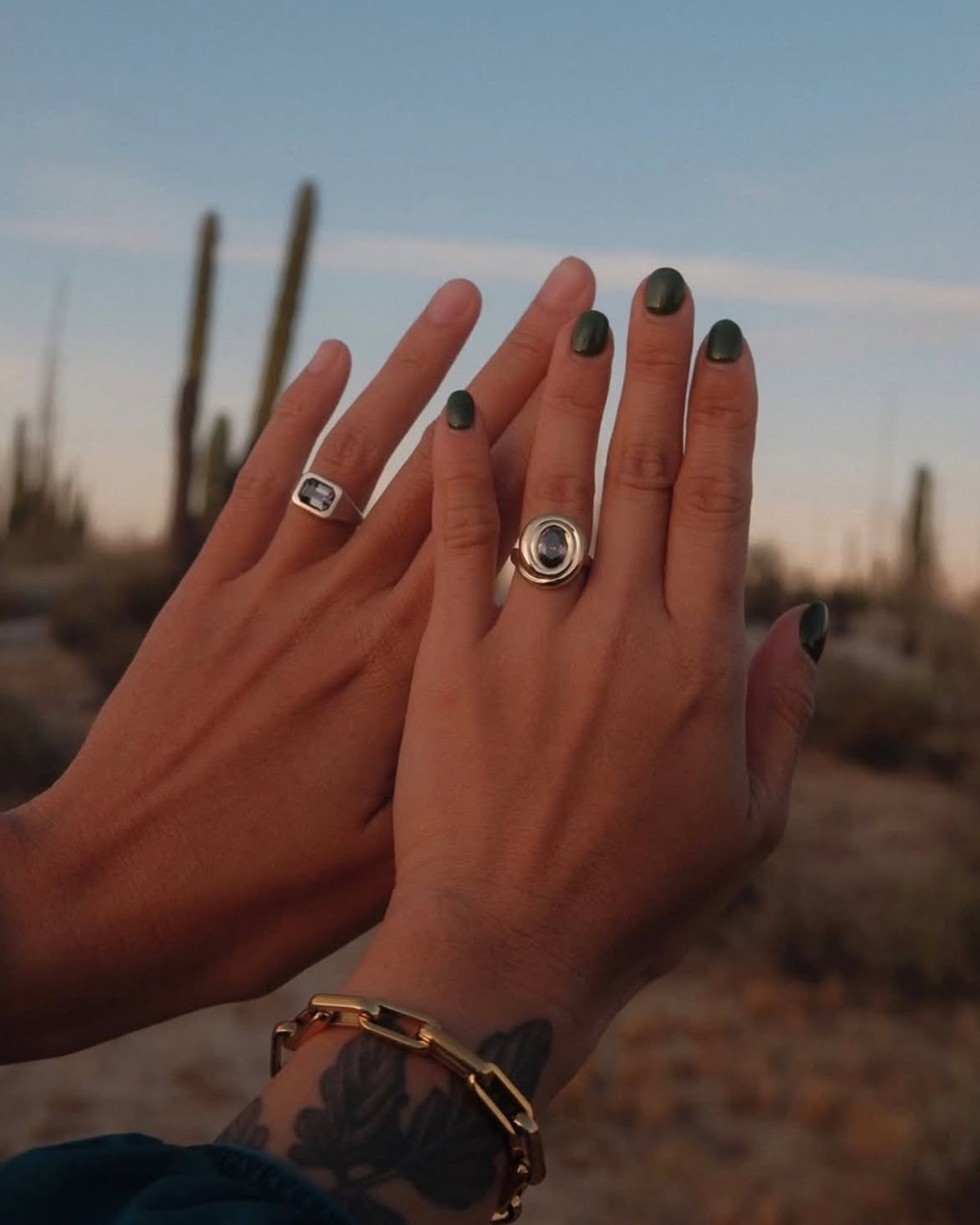
Our work tends to be soft, organic, and metal-forward, with forms that feel almost sculpted rather than manufactured. I love when a ring feels like it couldn't belong to anyone else. Many of the couples we work with are artists, designers, architects, or simply people who appreciate thoughtful design. They're looking for something that feels personal instead of instantly recognizable, and that's exactly where custom design becomes so rewarding.
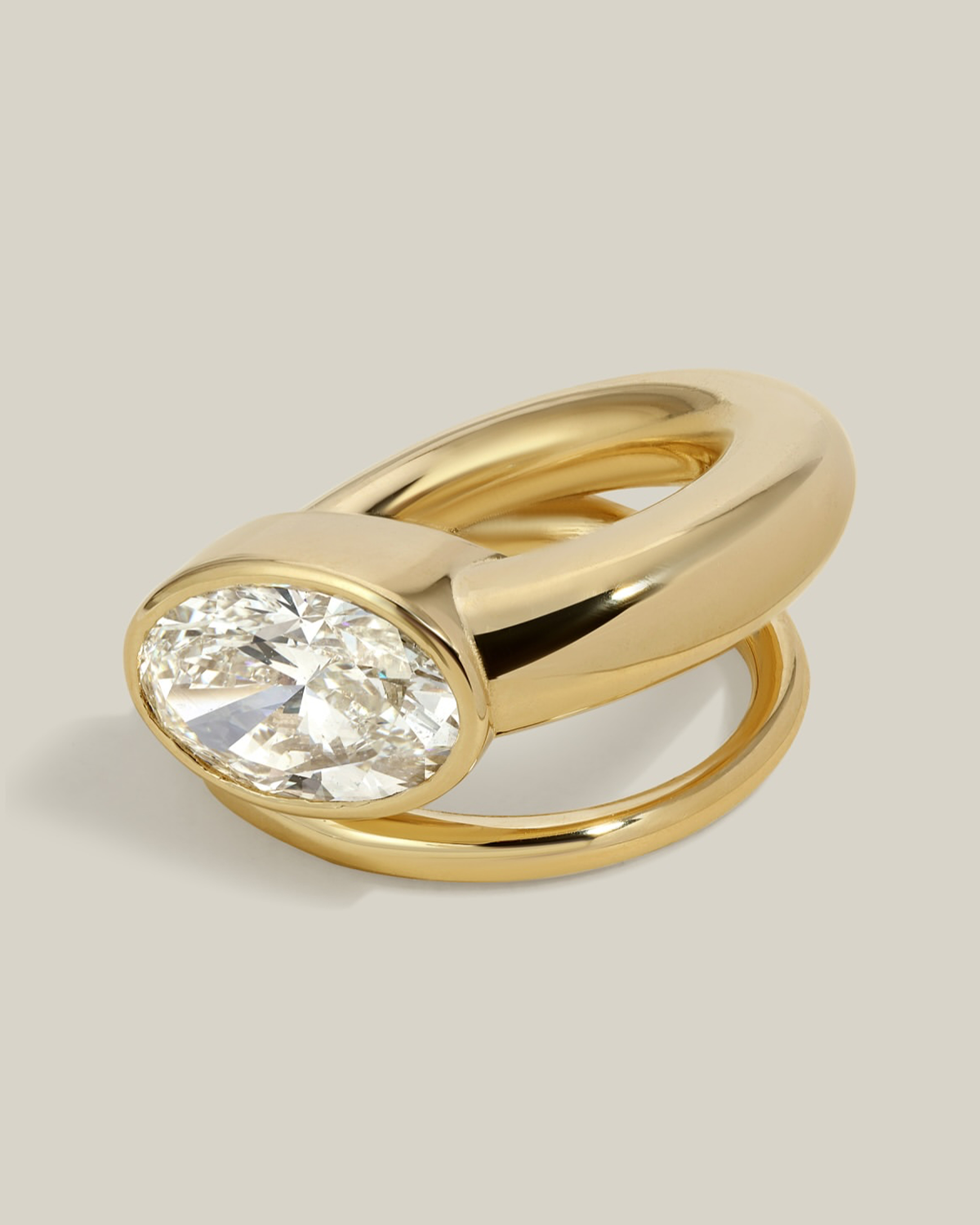
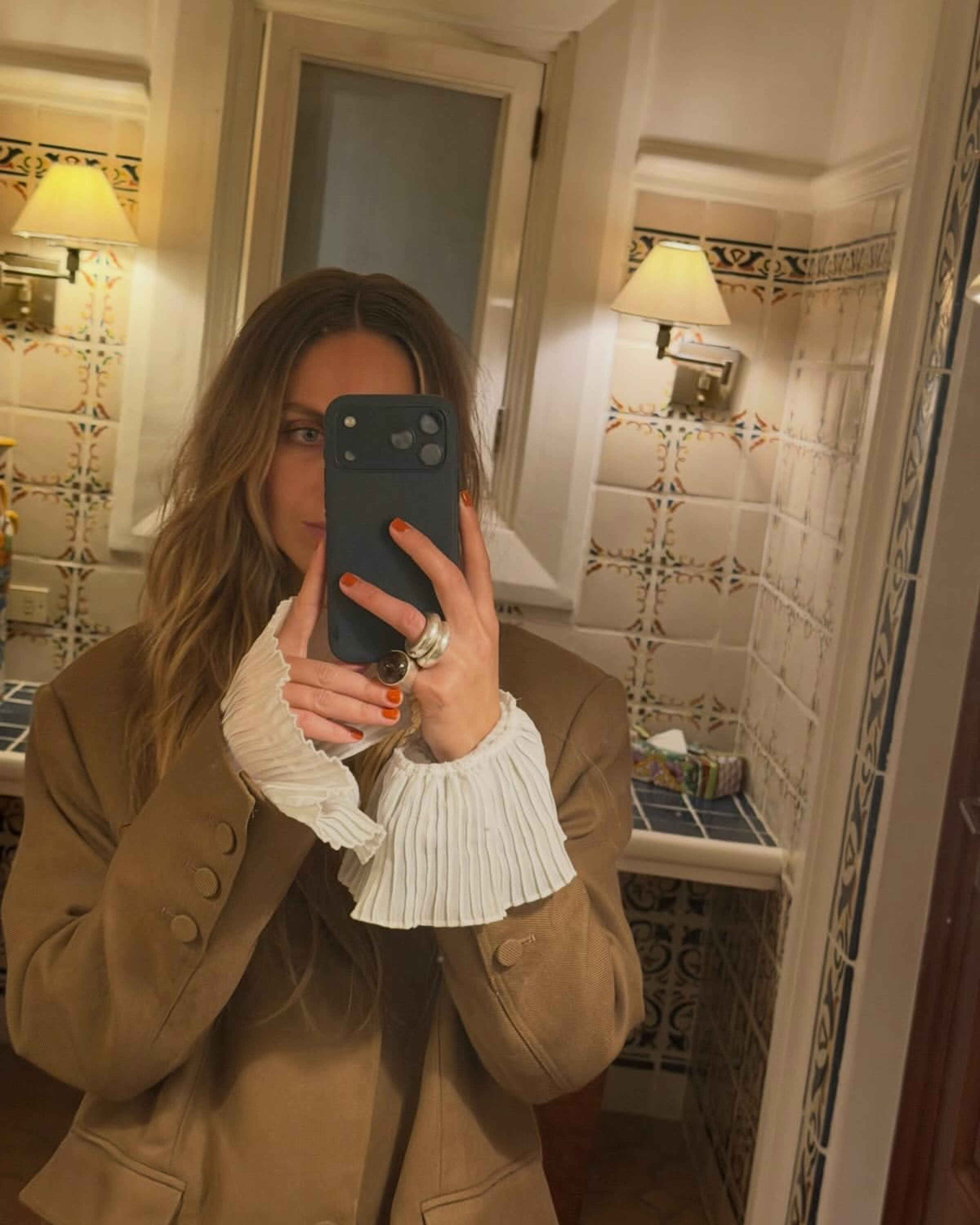
"Marriage is one of life's most meaningful commitments, but I also think it should feel joyful, personal, and full of personality. I'm naturally drawn to sculptural engagement rings because they allow more emotion to exist within the design."
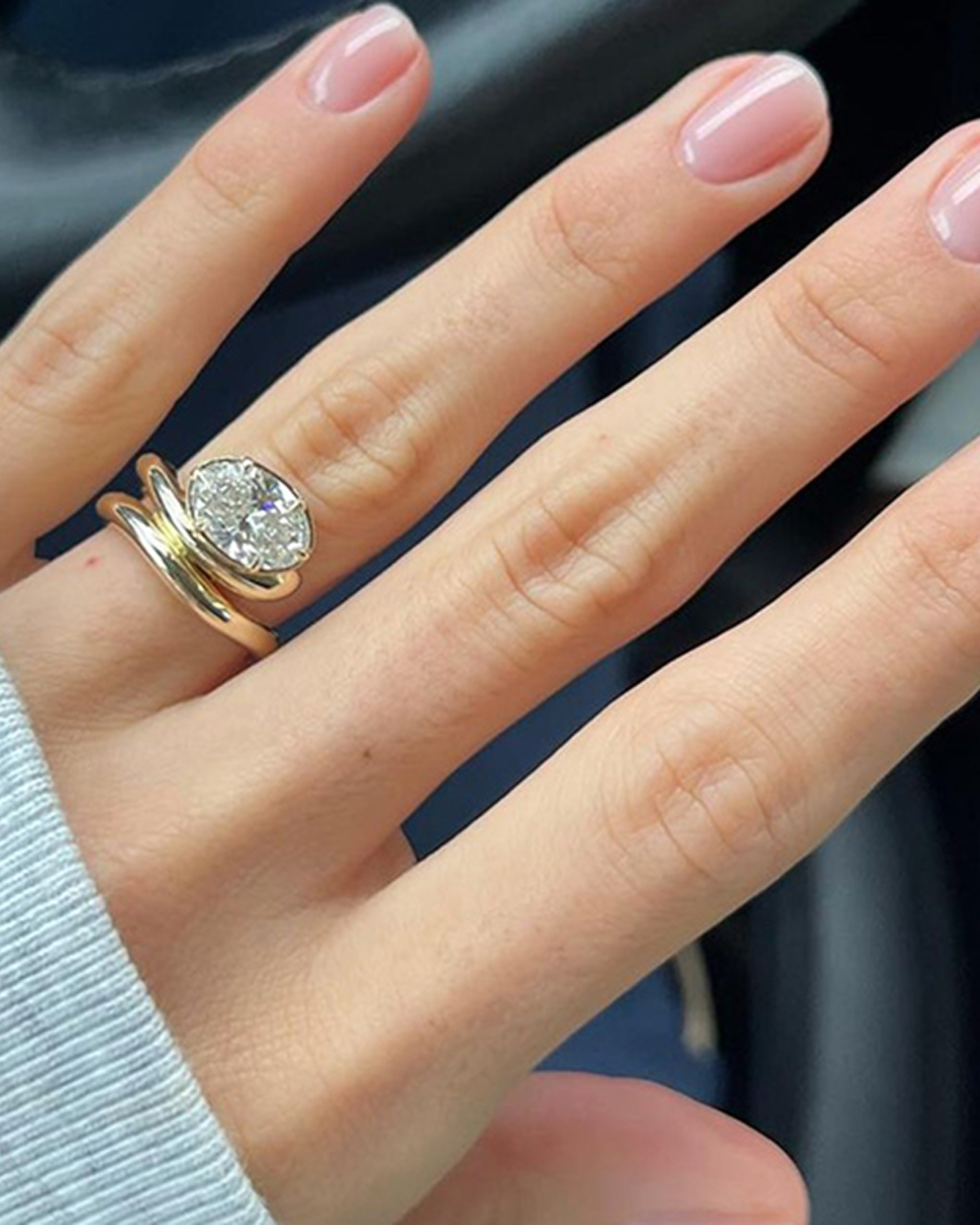
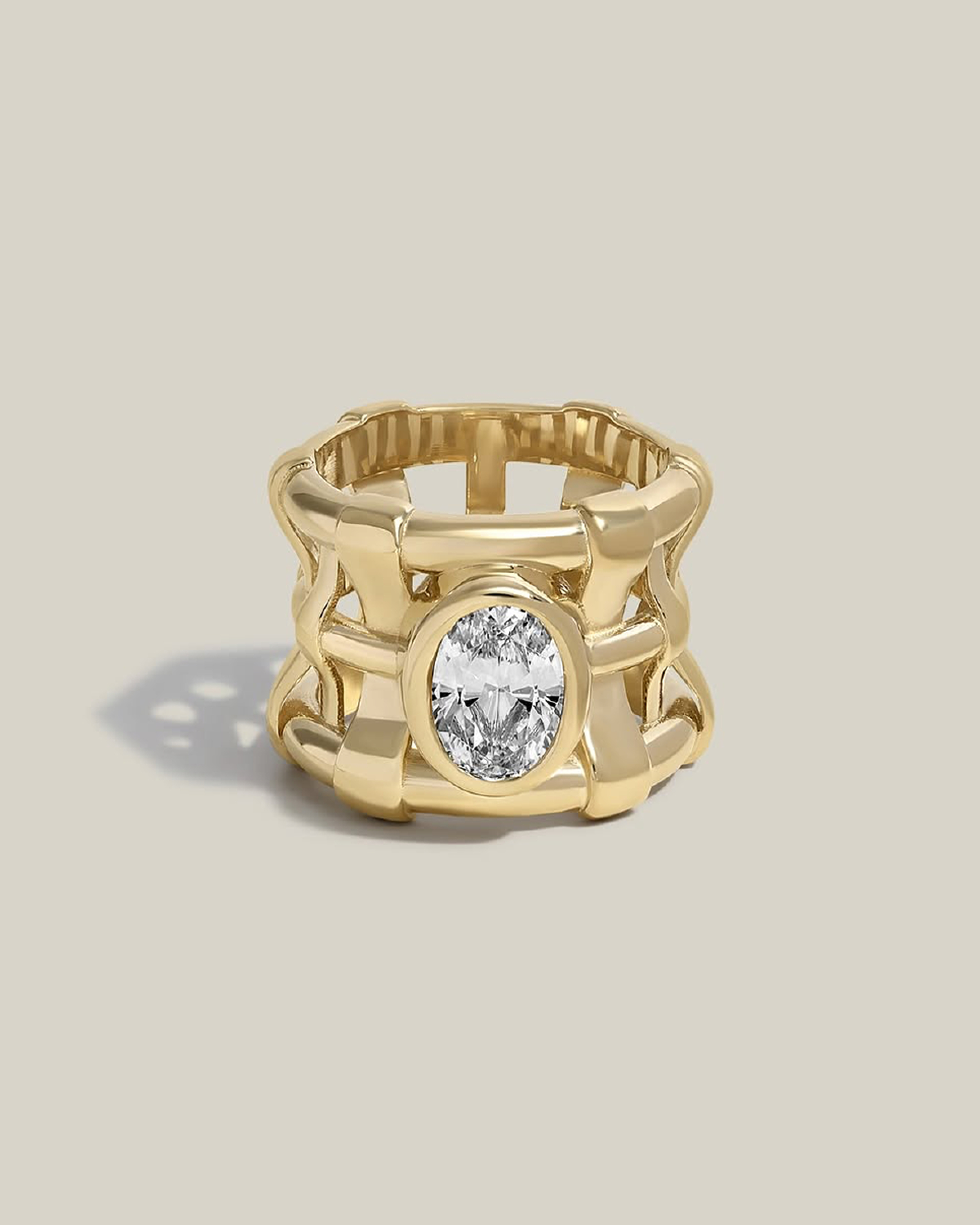
You've described your work as "metal-forward." What stories can metal tell that diamonds sometimes can't?
Diamonds naturally draw attention because of their beauty and value, but I believe the setting often carries the deeper emotional story. One of my favorite parts of designing custom engagement rings is incorporating family gold into a new piece. We regularly melt inherited wedding bands, heirloom jewelry, or sentimental gold from both families into a single ring. It's an incredibly meaningful ritual—a physical representation of two histories becoming one.
Every couple brings something different to the design process. Recently, we designed a ring around a client's feng shui beliefs, allowing the symbolism and energetic principles to guide many of the design decisions. It's those personal narratives that make every project unique. In our studio, the diamond and the metal are equally important. The stone may capture your eye first, but the setting is what tells the story.
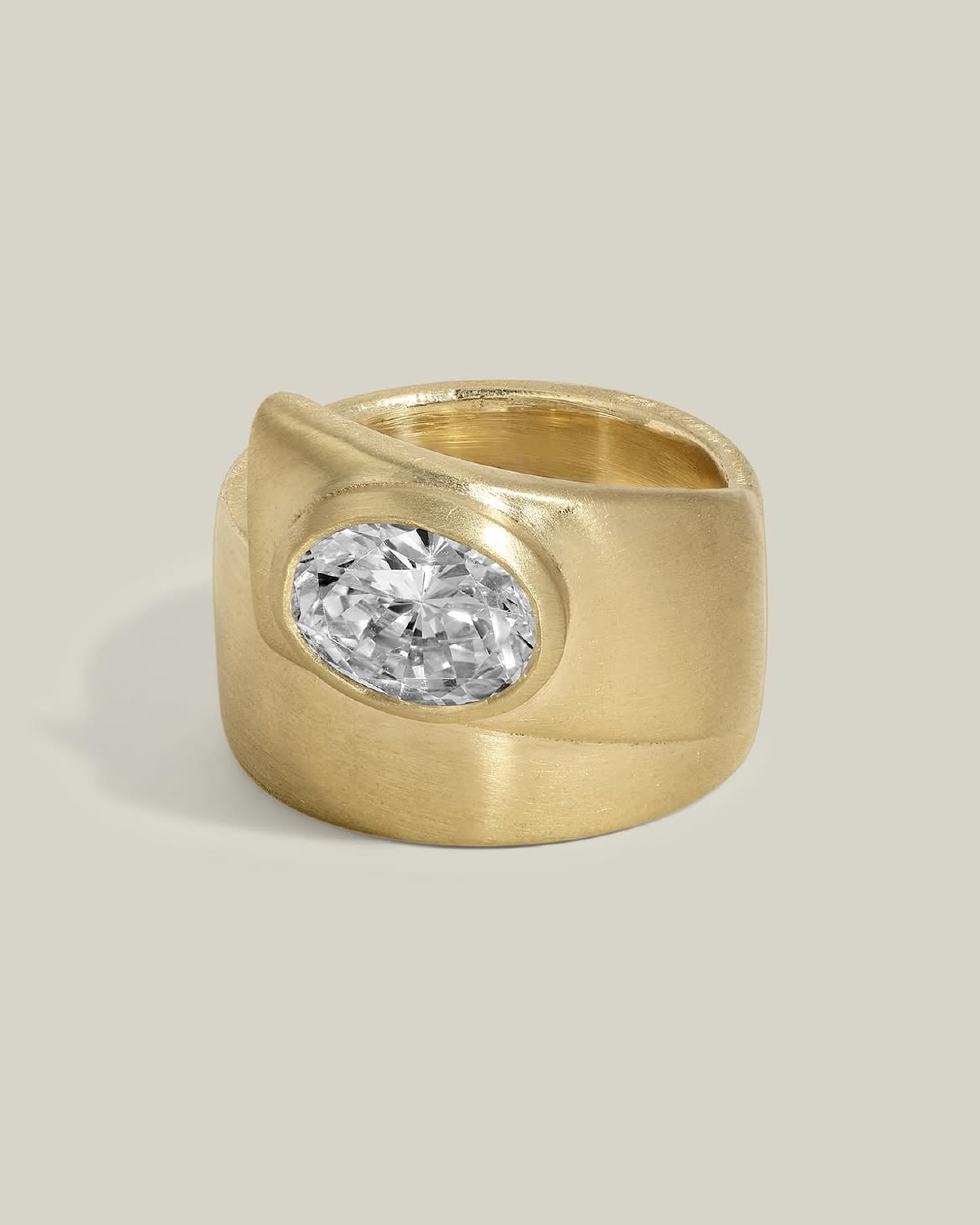
You've said every ring begins with the stone rather than the setting. How does letting the material lead the design change the final piece?
Whenever possible, we begin with the center stone because it gives us the proportions, personality, and character that ultimately guide the design. Once we have the stone in hand, every decision becomes more intentional. If a client hasn't chosen a diamond shape yet, we can certainly design in reverse, but selecting the stone first usually creates a much stronger final result.
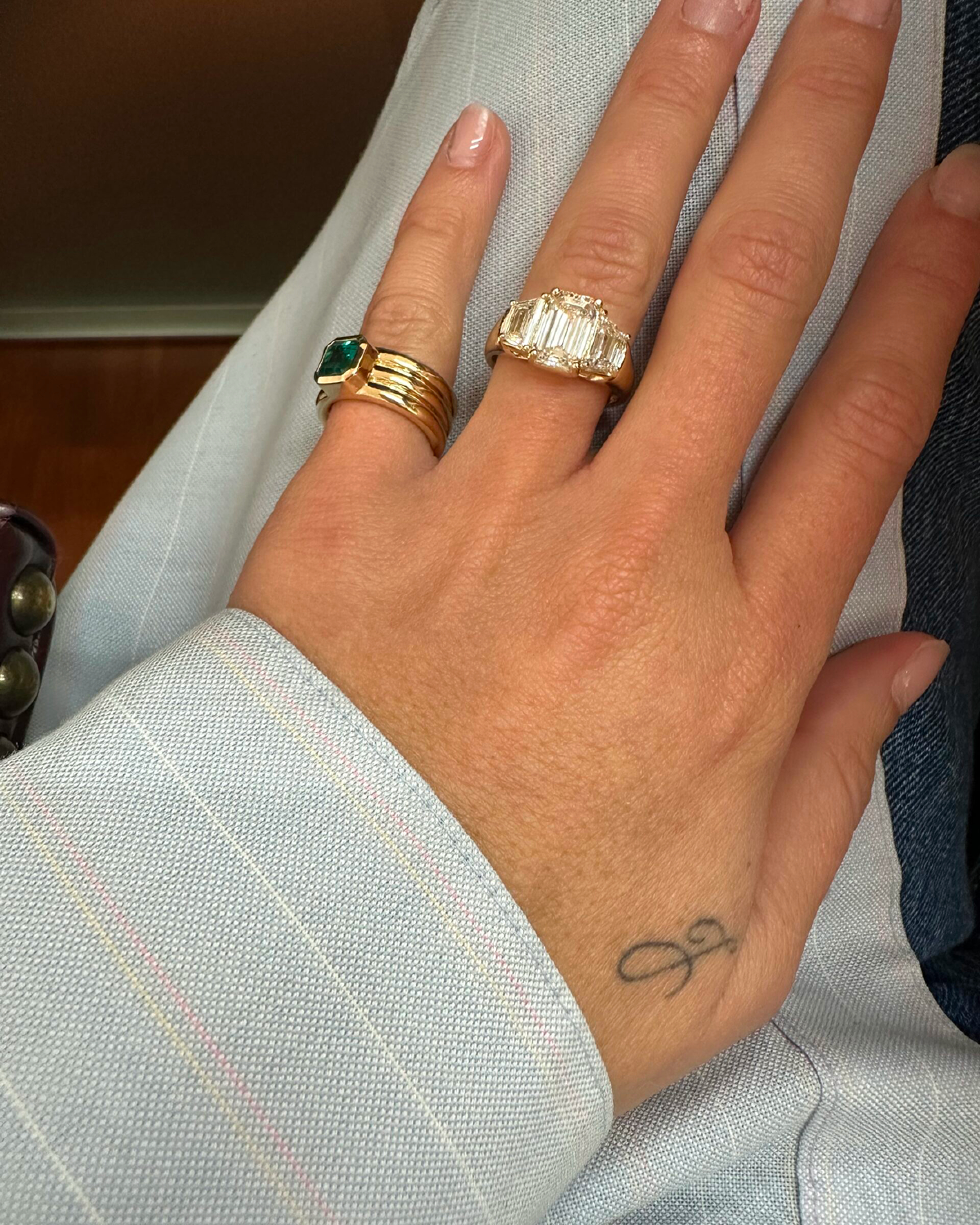
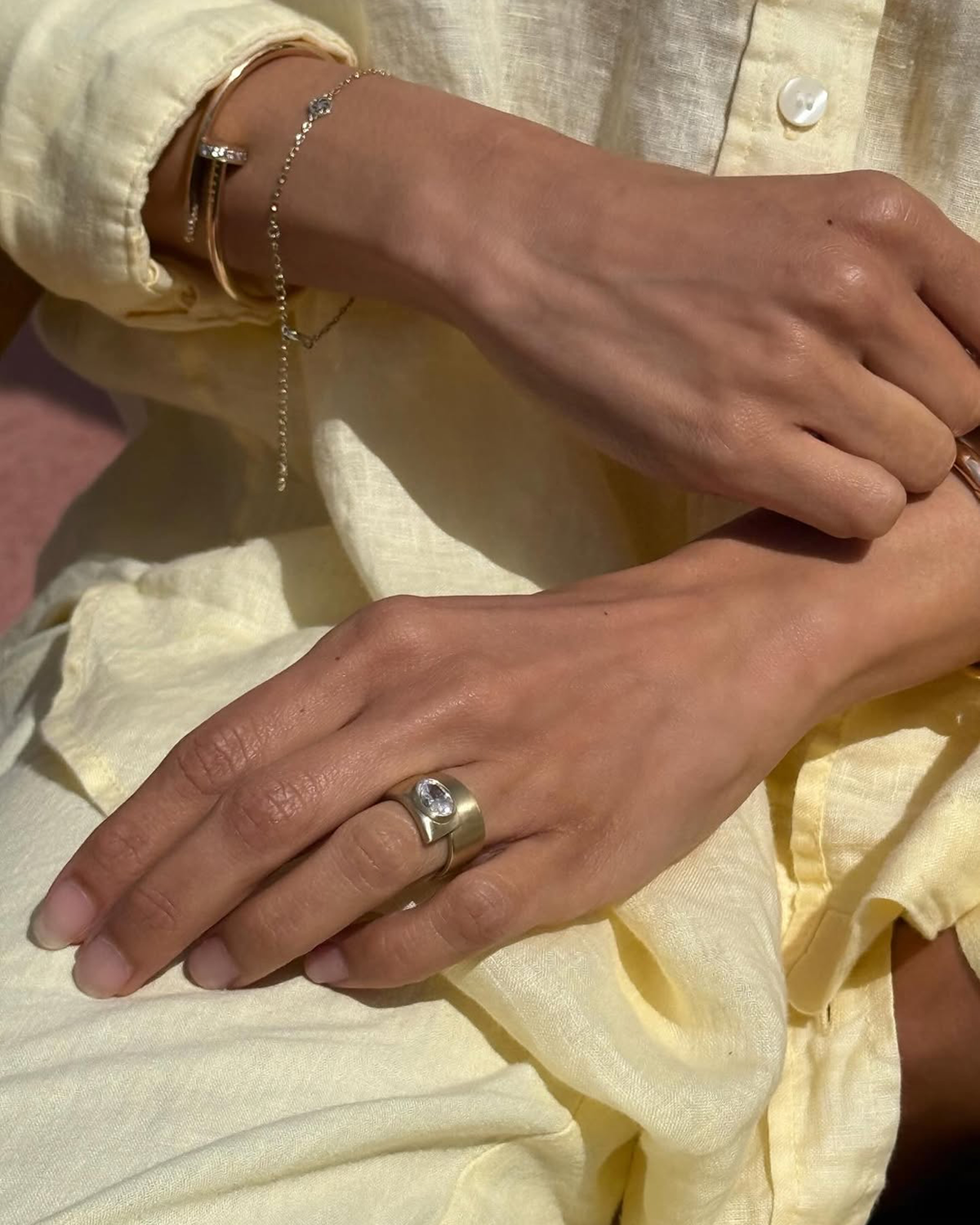
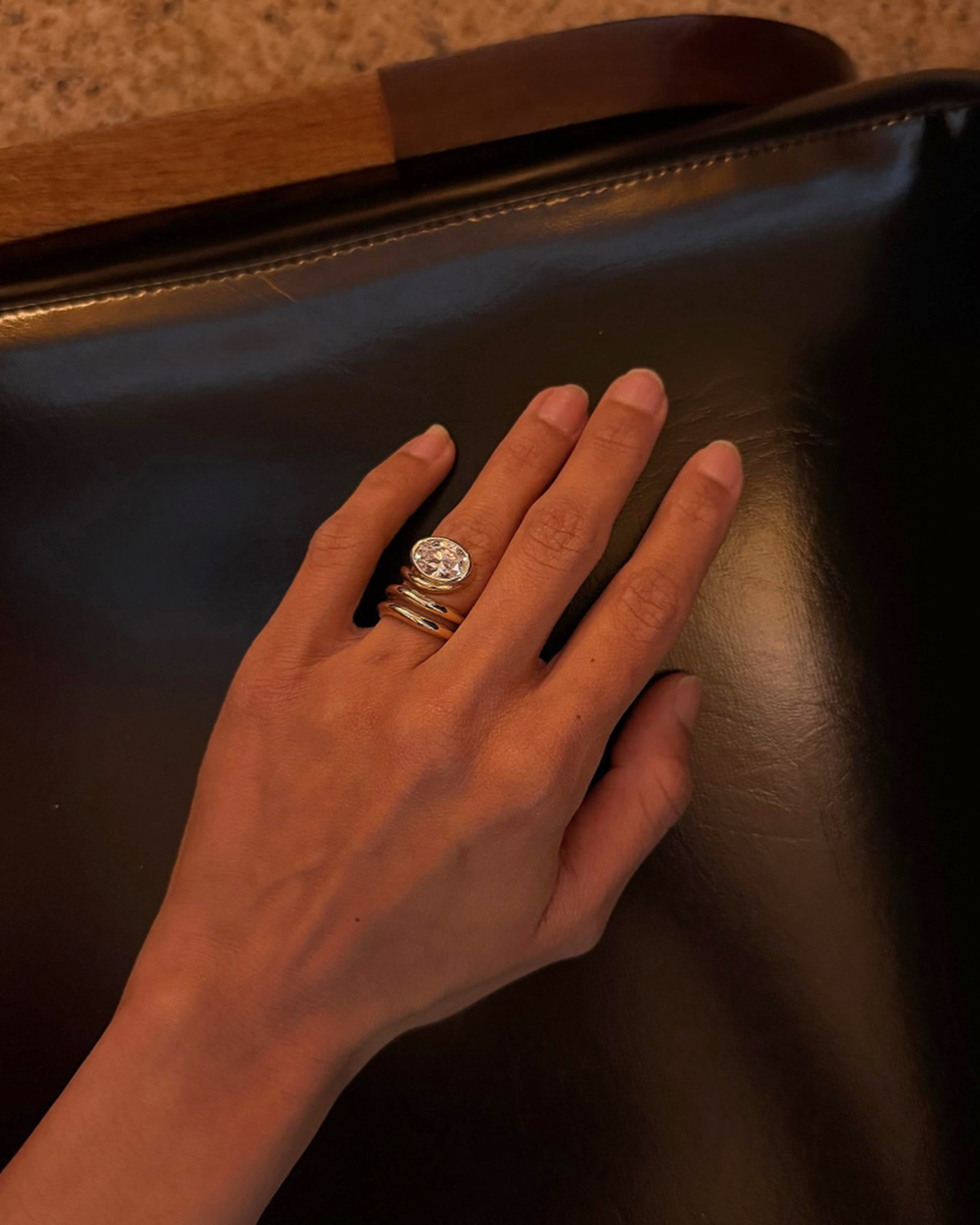
Our aesthetic leans toward sculptural, soft, and organic forms, so I naturally gravitate toward shapes like antique cushions, old cuts, marquise, movals, and ovals because they offer incredible flexibility within custom engagement ring design. Every stone has its own personality, and I think the setting should feel like it was created specifically for that individual diamond rather than adapted afterward.
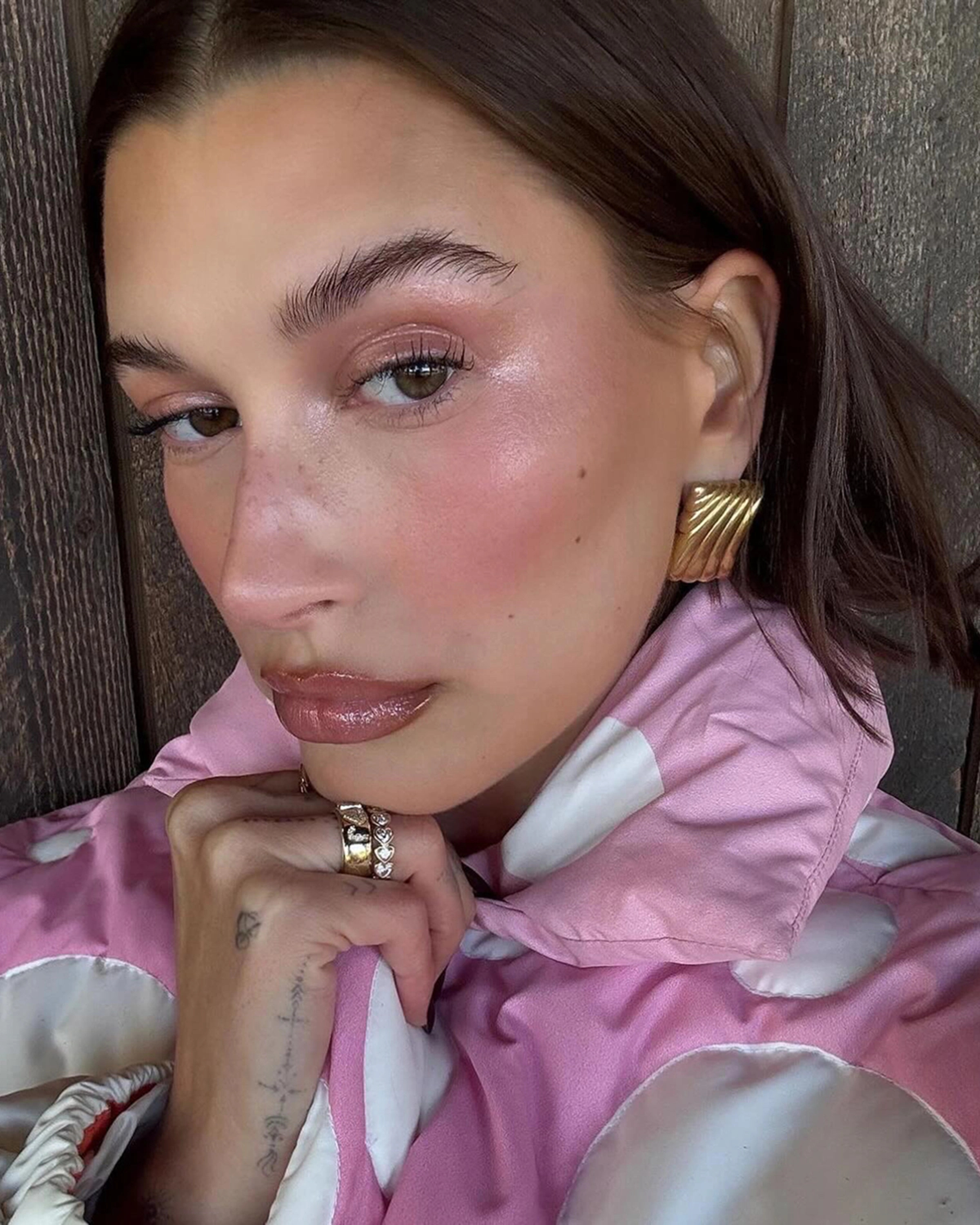
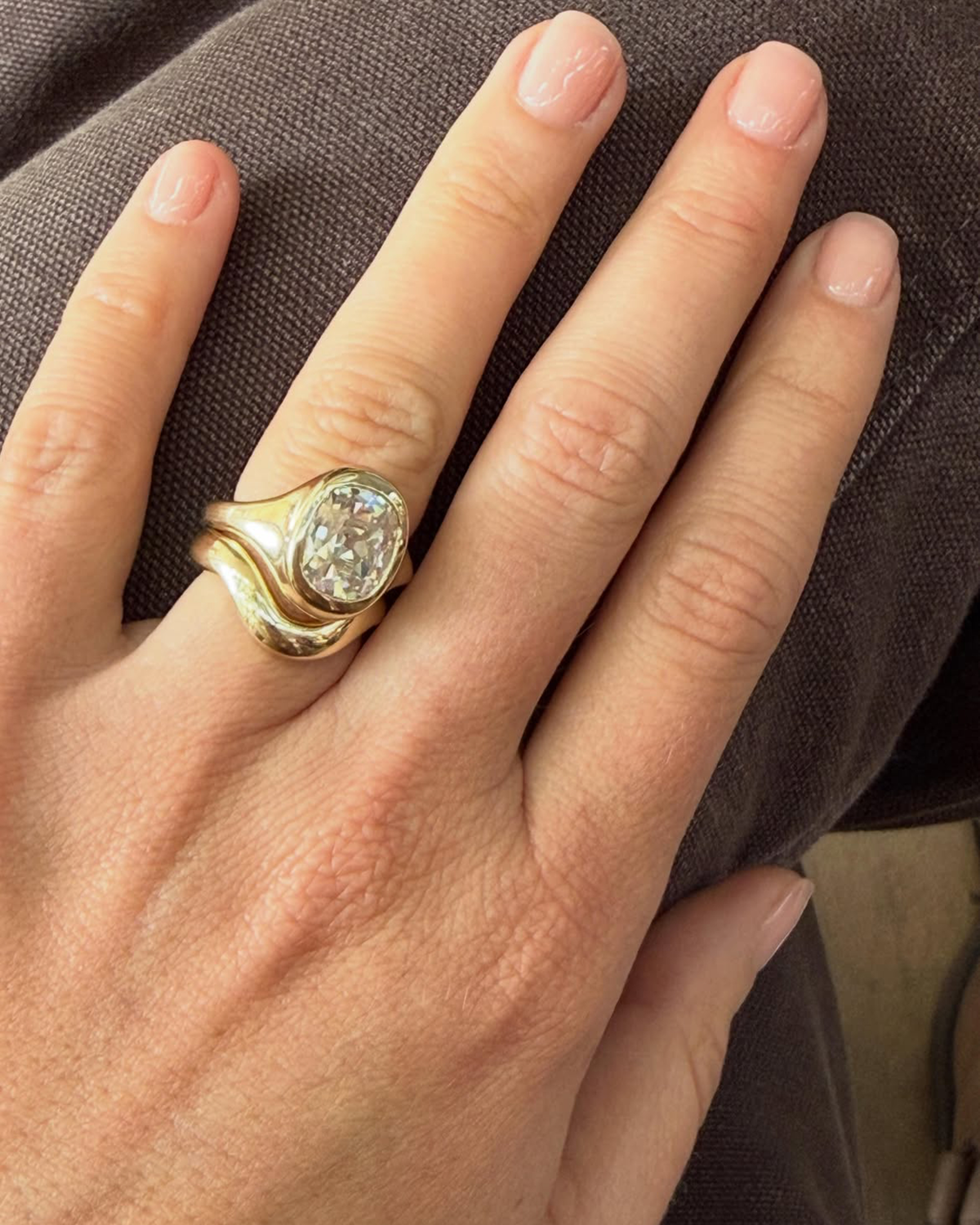
"Every stone has its own personality, and I think the setting should feel like it was created specifically for that individual diamond rather than adapted afterward."
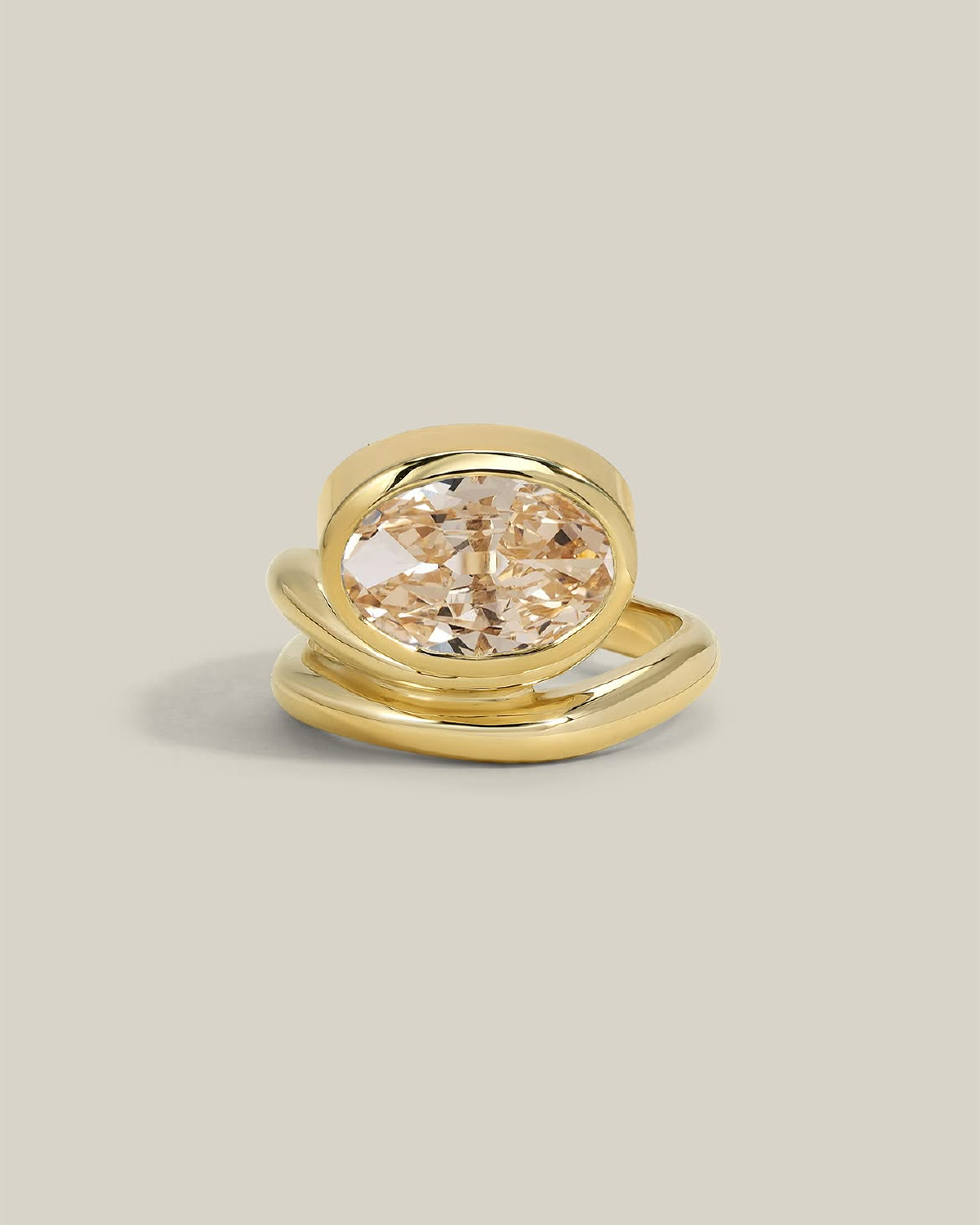
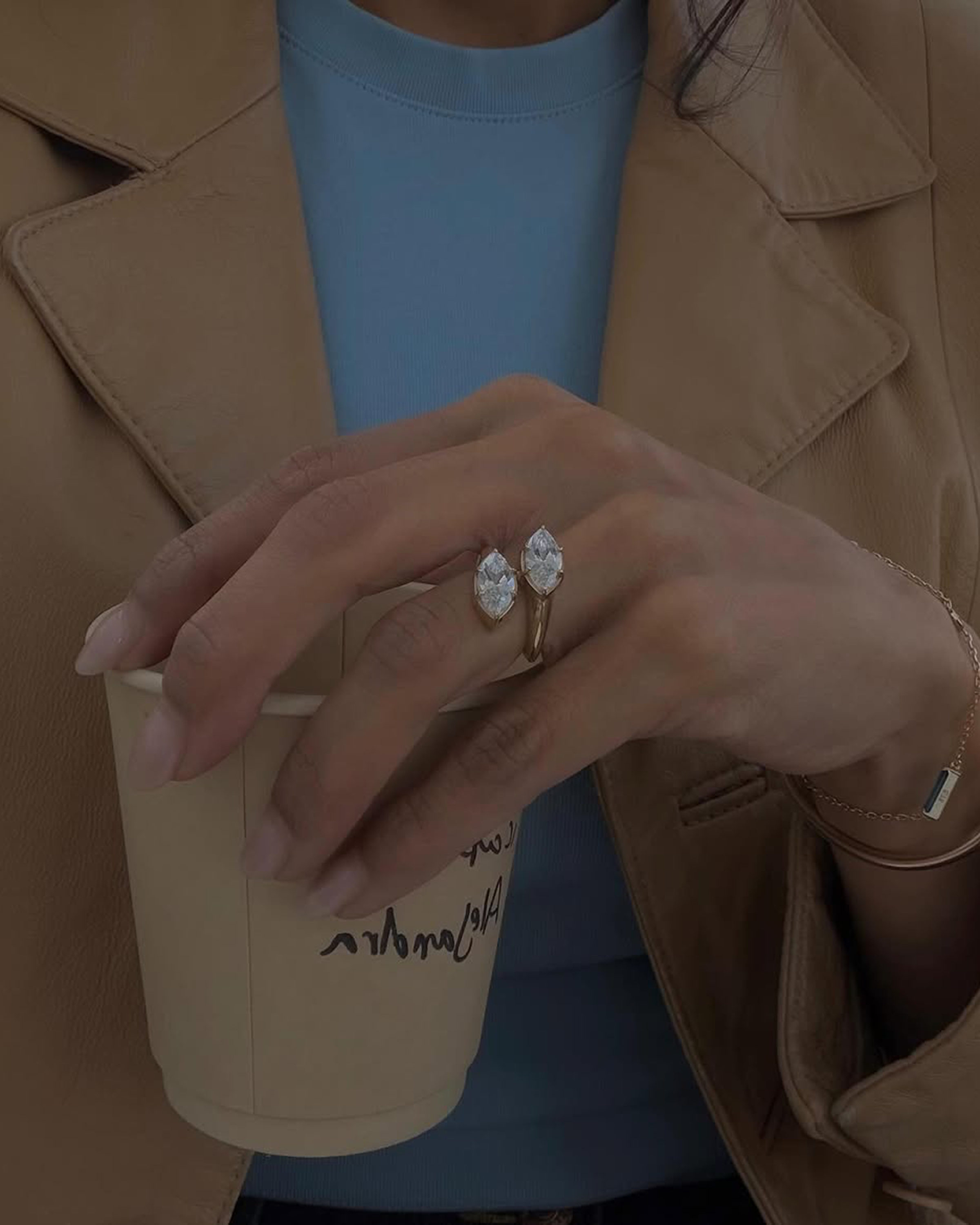
You work with antique diamonds, lab-grown diamonds, and contemporary gemstones. With your vast experience and firsthand knowledge, what advice would you give clients when choosing between them?
The advice I give depends on the type of stone we're sourcing. With lab-grown diamonds, I encourage clients to think beyond the grading certificate. There are now countless growers producing stones at very different quality levels, and experienced jewelers can often recognize differences that aren't reflected on paper. We spend a tremendous amount of time filtering suppliers because consistency, crystal quality, and overall appearance matter just as much as the specifications.
With antique diamonds and vintage cuts, I almost recommend the opposite approach. I encourage clients to buy with their eyes rather than their certificate. The warmth, inclusions, asymmetry, and subtle imperfections are often what make these stones so captivating. Those characteristics aren't flaws—they're part of their history and charm. Ultimately, the most beautiful center stone is the one that evokes an emotional response every time you look at it.
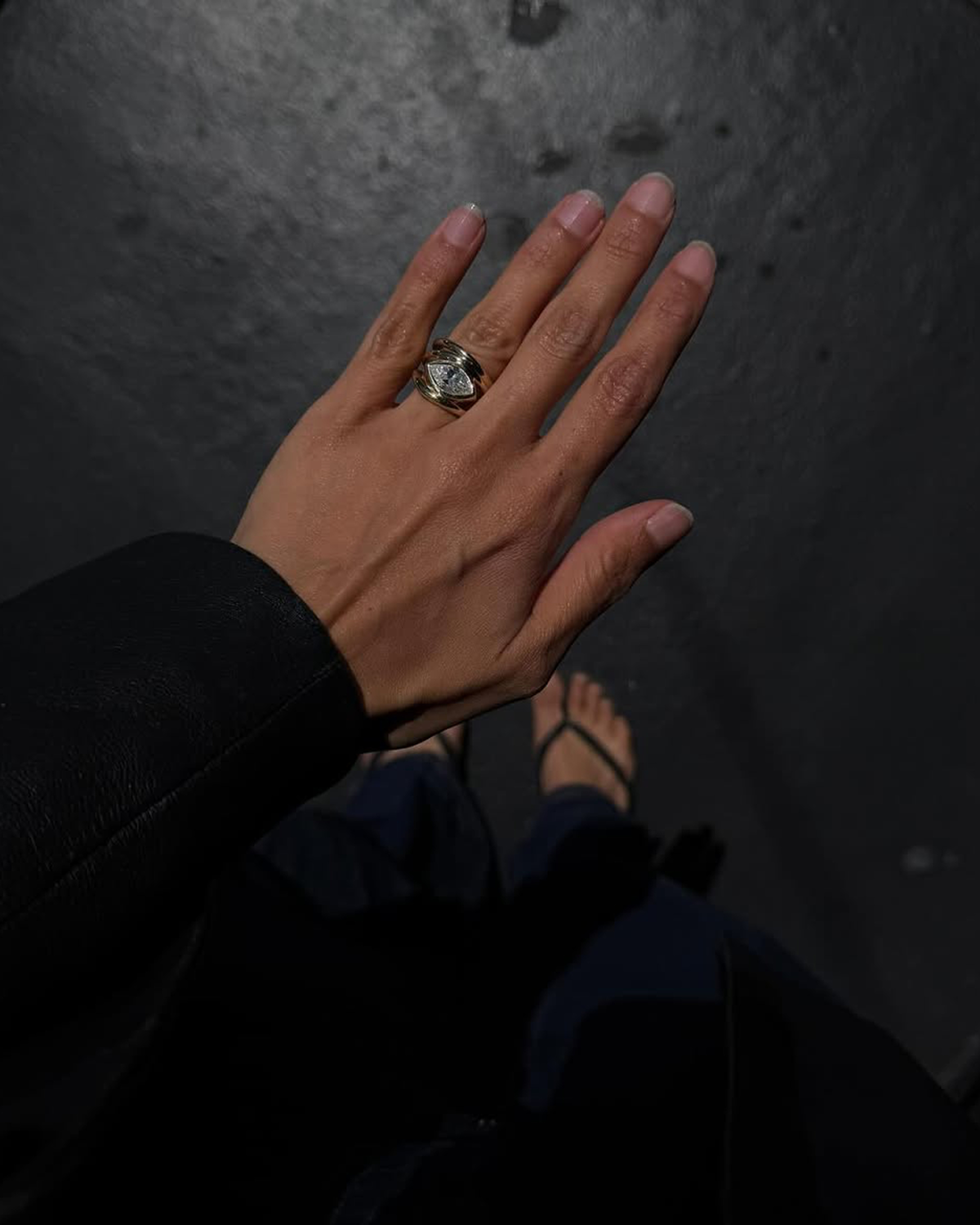
Many of your clients want something more personal than instantly recognizable. Why has individuality become so important in engagement jewelry?
An engagement ring is one of the most personal objects someone will ever own, so it makes sense that people want it to reflect who they are rather than what's currently trending. Our clients aren't necessarily looking for the biggest diamond or the most recognizable setting. They're looking for a piece that feels like an extension of their relationship and their personal aesthetic.
I think people are becoming much more design-conscious. They're investing in fewer, better things, and they want those pieces to have character. That's why custom engagement rings have become so meaningful—they allow people to create something that simply couldn't exist for anyone else.
"An engagement ring is one of the most personal objects someone will ever own, so it makes sense that people want it to reflect who they are rather than what's currently trending."
Can you walk us through the process of creating a custom piece with you?
Most couples come to us with some level of inspiration, whether it's a Pinterest board, saved photographs, or simply a feeling they want the ring to evoke. From there, we begin sourcing diamonds or gemstones that align with both their aesthetic and their budget. Stone sourcing is one of my favorite parts of the process because it's incredibly collaborative. Whether we're meeting in Los Angeles or working virtually, seeing exceptional diamonds for the first time is often the moment everything becomes real.
Once we've selected the center stone, we begin designing around it. Because our studio specializes exclusively in custom jewelry, there isn't a fixed number of design revisions. We continue refining the piece until it feels exactly right. When requested, we produce wax prototypes so clients can physically try on the design before production begins.
Most pieces are completed within four to eight weeks from stone sourcing to final delivery, although highly complex commissions may take a little longer. Above all, our process is intentionally collaborative. We want clients to feel like they're designing alongside us rather than choosing from predetermined options.
What is the one thing you hope every couple takes away from creating a custom piece with you?
More than anything, I hope they feel like they were genuinely cared for. I want the experience to feel personal and collaborative—more like working with an old-world jeweler than moving through a traditional retail process. The relationships we build with our clients are just as important to me as the rings themselves. If, years from now, they can look at their ring and remember not only the moment they became engaged but also the experience of creating something together, then we've done our job.