Of everything chosen for a wedding, fine jewelry is perhaps the only category that truly outlasts the occasion. Unlike flowers, stationery, or even a gown, these pieces will become part of everyday life or be passed down as heirlooms. Yet despite the significance of the purchase, many couples may approach the process with misconceptions that can lead to disappointment, missed opportunities, or decisions that fail to reflect what they truly love. From prioritizing technical specifications over design to overlooking the importance of craftsmanship, industry experts and fine jewelry designers reveal the most common mistakes couples make when investing in these special pieces—and how to avoid them.


Putting Specifications Before Design
In the age of online comparison tools and diamond grading reports, it can be tempting to approach fine jewelry as a checklist of technical details, which leaves little room for discussion of design, wearability, or aesthetic preferences. As jewelry designer Jusleen Jansson of Sital Jansson explains, "One of the biggest mistakes I see is couples focusing on specifications before they focus on design. People can spend months comparing carat weights, clarity, and color grades without deciding what kind of object they actually want to wear every day." A piece of jewelry is shaped by its whole: its form, cut, proportions, setting, and overall composition ultimately determine whether a piece feels right on the wearer.


Forgetting Jewelry is More Than a Stone
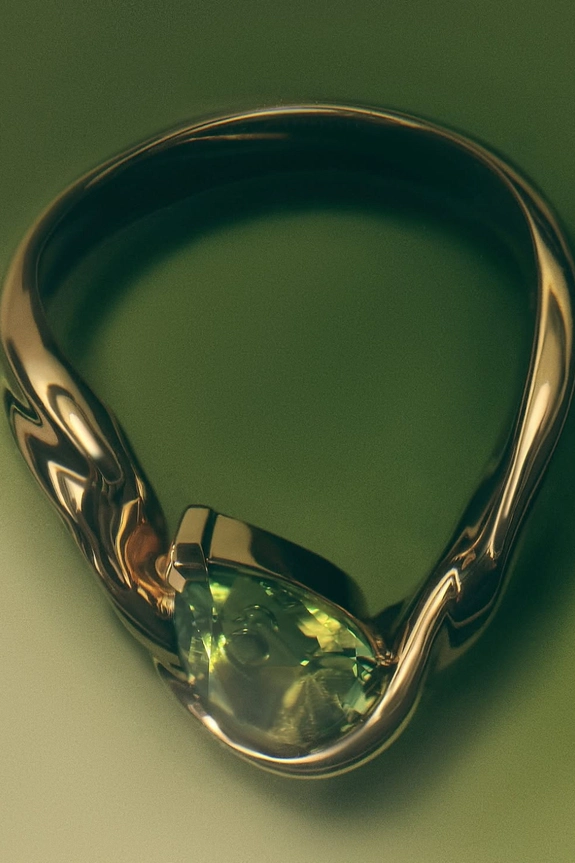
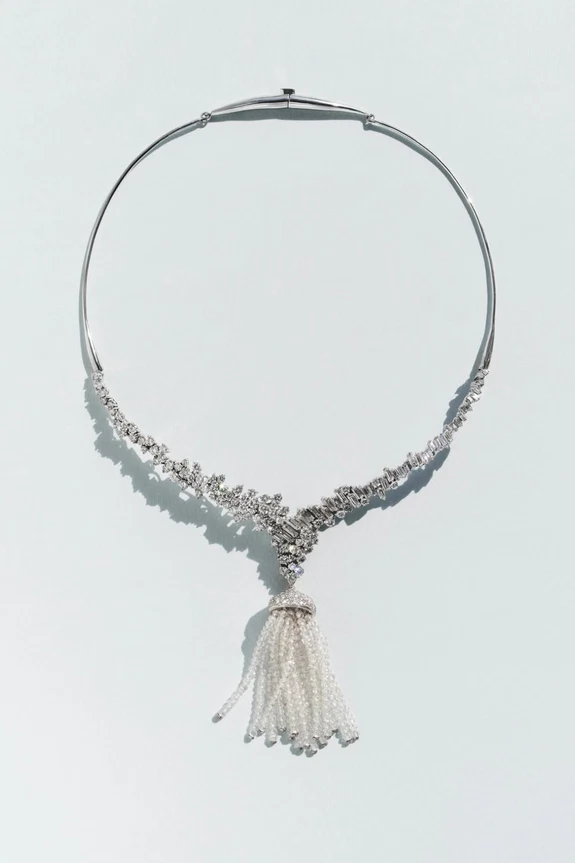
Many buyers assume that securing the highest-grade diamond within their budget guarantees a successful purchase. However, experts argue that a remarkable piece depends on far more than the quality of its center stone. "A well-designed piece feels cohesive. The most compelling pieces are those where the stone and setting work together as a single composition. A larger or higher-grade diamond won't compensate for a design that doesn't resonate with the wearer. I always encourage clients to begin with how they want the piece to feel and function, and let the technical decisions support that," says Jansson. The most memorable pieces often derive their appeal from proportion, balance, and character. When every element works in harmony, the result carries far more impact than a larger stone placed in an uninspired setting.


Buying Based Solely on a Certificate
Certificates provide valuable information, but they reveal only part of the story. Relying exclusively on grading reports can cause buyers to overlook qualities that become apparent only when viewing a stone in person. According to David Farrugia, Founder of Uniform Object, "I always encourage people to look beyond the certificate and focus on the stone itself. Take a holistic approach when buying gems; the textbook-perfect stone isn't always the most beautiful or the most compelling." The way a stone reflects light, its character, and its overall presence cannot always be captured on paper, making a more nuanced approach to the stone choice feel far more rewarding.


Letting Trends Dictate the Decision
Social media has transformed the way couples discover jewelry, introducing a constant stream of new styles and viral designs that change each year. While inspiration can be valuable, chasing trends may result in purchases that lose their appeal once the moment passes. David Farrugia of Uniform Object shares, "I wouldn't advise buying purely based on trends. Be willing to take risks and choose pieces that feel personal rather than playing it safe. The most meaningful jewelry often reflects your individual taste, not what's currently popular."
She also encourages buyers to release the pressure of making a flawless forever choice. "I also think people put too much pressure on the idea of something being forever. If you love a piece today, there's value in trusting that instinct. Jewelry can always be reset, redesigned, or evolve with you over time." Viewing jewelry as something that can adapt over the years allows for greater freedom and confidence during the purchasing process.


Treating the Process Like a Transaction
Purchasing fine jewelry is often viewed as a straightforward retail experience: select a design, choose a stone, complete the purchase. In reality, the most successful pieces frequently emerge through collaboration. "Another common mistake is treating an engagement ring as a purchase rather than a commissioning process. The most successful projects happen when clients leave room for expertise. They come with preferences, references, and ideas, but they're also open to dialogue," explains Jansson. Allowing room for conversation often leads to discoveries that clients may never have arrived at on their own. Whether refining proportions, adjusting a setting, or exploring alternative stones, expert guidance can elevate the final result in unexpected ways.


Looking Only at the Price Tags
When comparing pieces that appear similar at first glance, price often becomes the deciding factor. Yet surface-level similarities rarely tell the full story. As Evadne Sanussi, Founder of Tinxx Jewelry, explains, “The biggest mistake couples make is assuming that two pieces that look similar are equal. Even when designs look alike, differences in finishing, metal weight, construction, and stone quality can have a meaningful impact on how a piece wears over time."


The details hidden beneath the surface frequently determine longevity, comfort, and durability. For that reason, asking questions about sourcing and production can be just as important as discussing aesthetics. “Couples should look beyond price and headline specifications. Ask who selected the stones, where the piece is made, and what quality standards guide production and design. The best jewelry is the result of thoughtful craftsmanship and careful sourcing, and those details are what continue to matter years after the purchase,” shares Evadne Sanussi.
While technical specifications, certifications, and budgets all play an important role, fine jewelry is ultimately about finding a piece that resonates beyond the numbers. By approaching the process with curiosity, openness, and an appreciation for craftsmanship, couples are far more likely to invest in something they will continue to treasure for years to come.


Choosing a Diamond Before Choosing the Jeweler
The focus on diamonds often overshadows another crucial decision: selecting the person responsible for bringing the piece to life. The relationship between the client and the jewelry designer can shape every aspect of the experience. Jansson notes, "You're not just choosing a diamond; you're choosing the person who will guide hundreds of small decisions that ultimately determine the character of the finished piece. Choosing someone whose aesthetic you genuinely trust can be more important than choosing a particular diamond."
A jeweler's perspective, technical expertise, and design choices influence every stage of the process. Finding someone whose work resonates with you can make the difference between a piece that simply meets expectations and one that feels extraordinary.