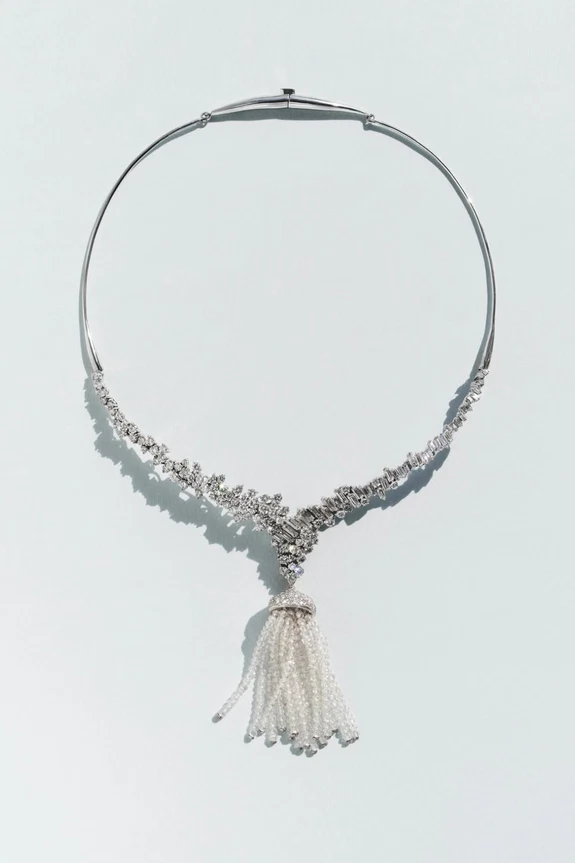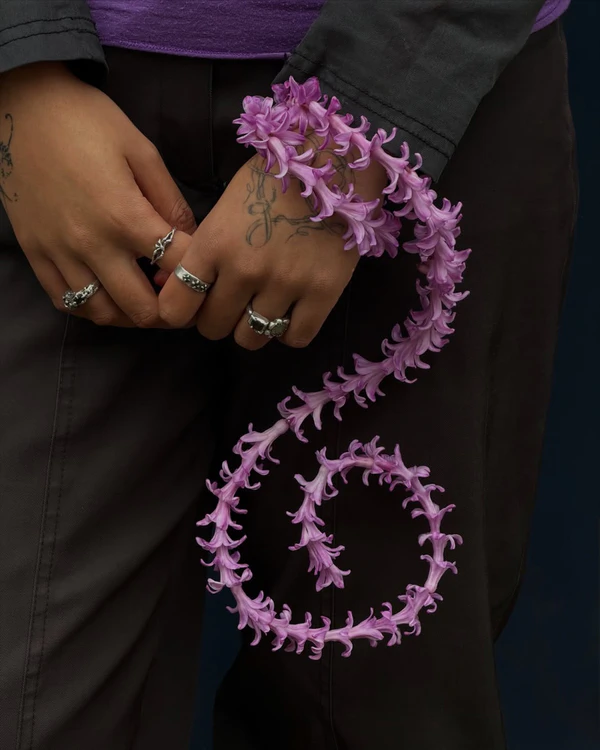
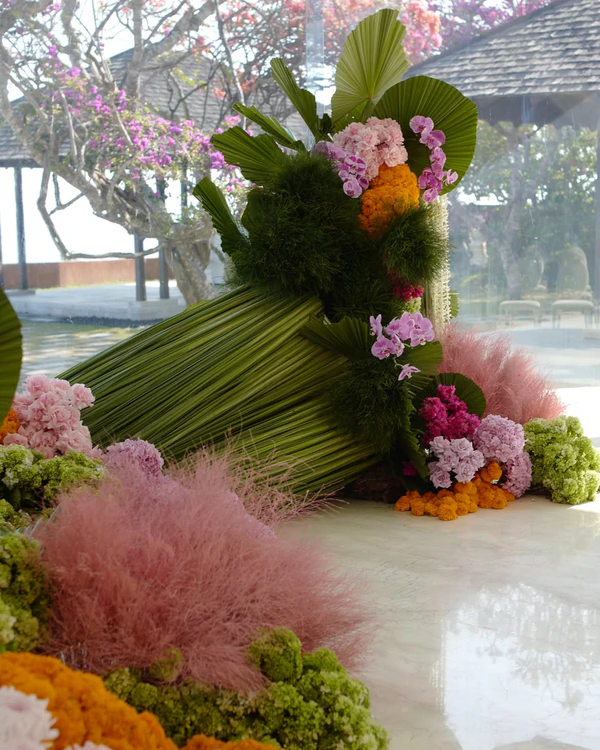
Flowers have a way of becoming something entirely different in the right hands. A great florist can make you look twice at a bloom you thought you knew, turning the familiar into something unexpected, romantic, surreal, architectural, wonderfully wild, or barely there at all. From cascading bouquets and statement ceremony arches to bold installations that transform entire rooms, these 39 florists ahead are pushing wedding flowers in exciting new directions, each with their own unique vision and distinct voice.
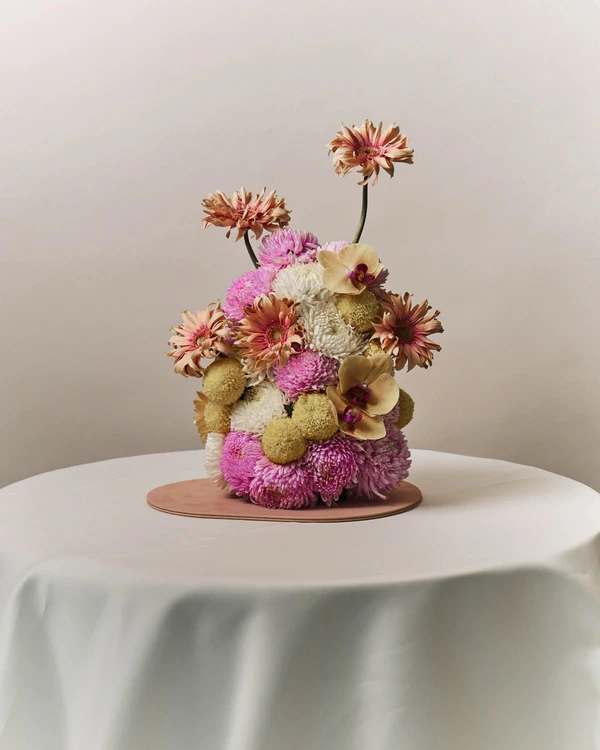
Phka
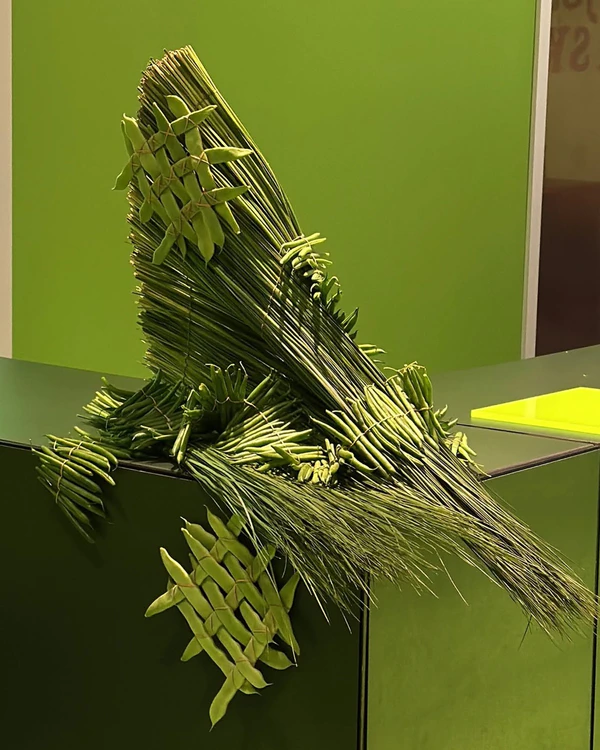
Splitting time between Paris and Bangkok, Phka brings a restless, cross-cultural imagination to flowers. The studio mixes exuberant botanicals with craft-led details, strong shapes and flashes of Asian visual culture, giving its work a graphic, handmade energy with plenty of edge. Scale and hierarchy are constantly being tested: a branch can set the whole composition in motion, a leaf can become the focal point, and a change in texture can shift the mood entirely. Phka also works foam-free and looks closely at what grows locally, letting each setting influence the final form. The team actively explores and develops projects worldwide, including Belgium, China, Italy, Japan, Norway, South Korea and Switzerland.
This Humid House
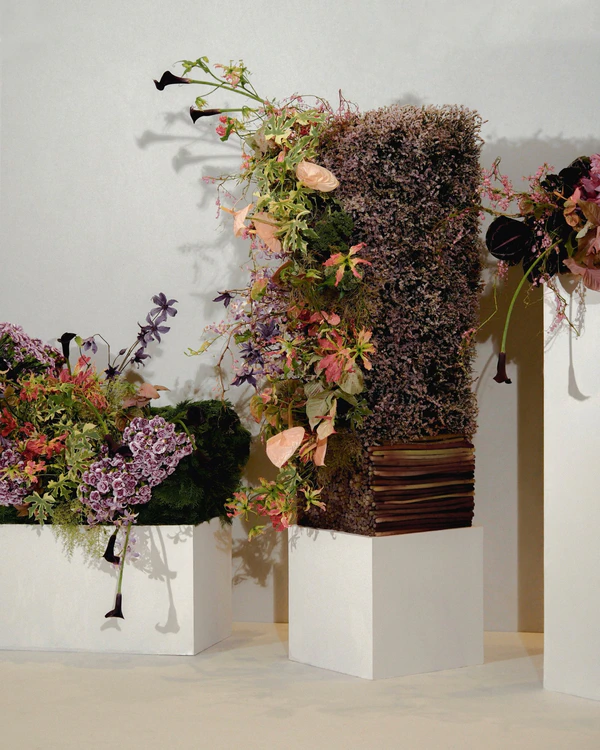
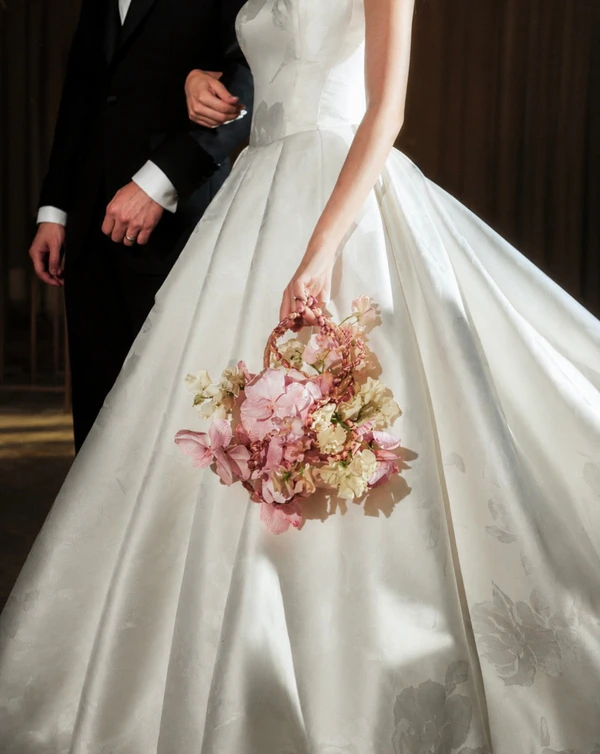
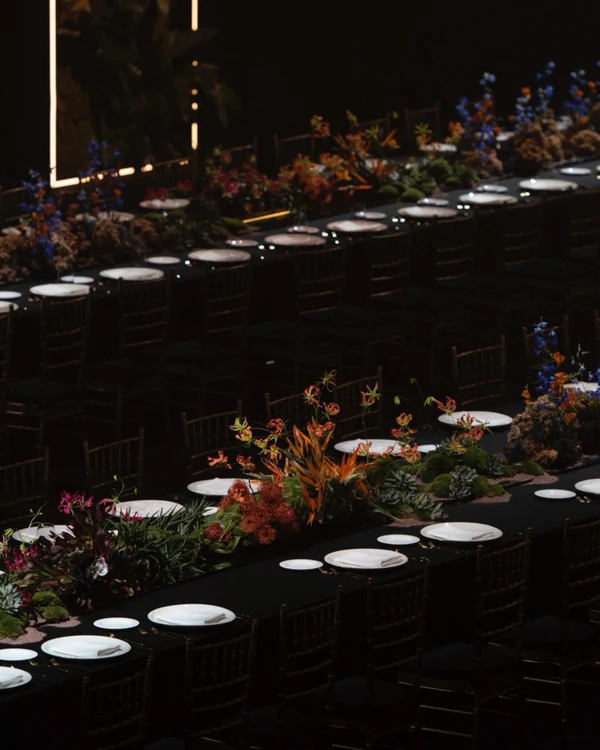
At Singapore-based This Humid House, plants are never just pretty material. They are characters with roles to play. One might tower over the room, another creep across a table, while grasses, seed heads, branches and unfamiliar blooms compete, shelter and collide within the same scene. Founded in 2017, the botanical design studio is known for gallery-worthy installations that can feel almost like self-contained worlds, bringing together fresh and dried botanicals, unexpected textures and non-floral elements with remarkable freedom. Yet for all their visual audacity, the team’s creations are grounded in setting and story.
Oh, Maria Flores
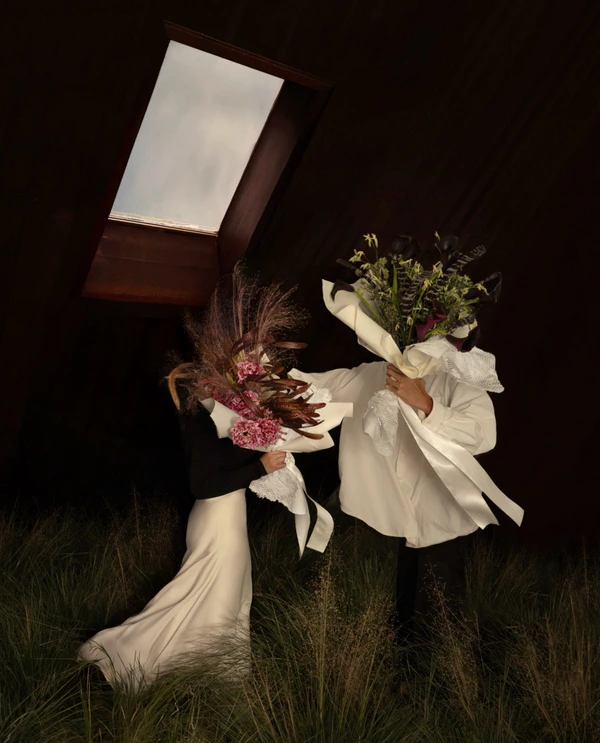
Lisbon-based Oh, Maria Flores makes florals feel instinctive, expressive and wonderfully wild in the best way. Founder Maria Figueira gravitates toward arrangements that seem to have just wandered in from the garden, with loose stems, unexpected pairings, ripe fruit, vegetables and berries folded into the mix. Her work can shift from crisp, contemporary restraint to soft, almost weightless abundance, always with a strong sense of movement and atmosphere. More than chasing a fixed aesthetic, Maria is interested in how flowers can change the feeling of a room, using scent, texture, color and seasonality to give each celebration its own mood.
Dada Island
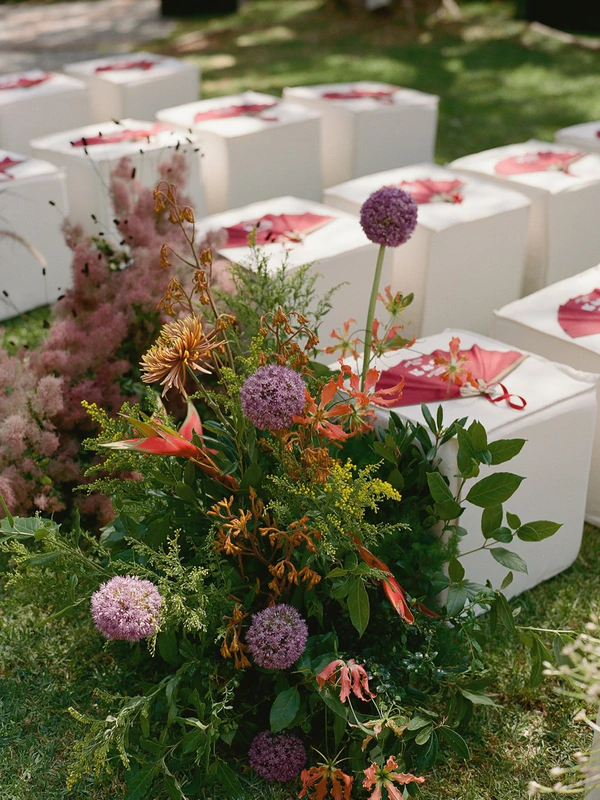
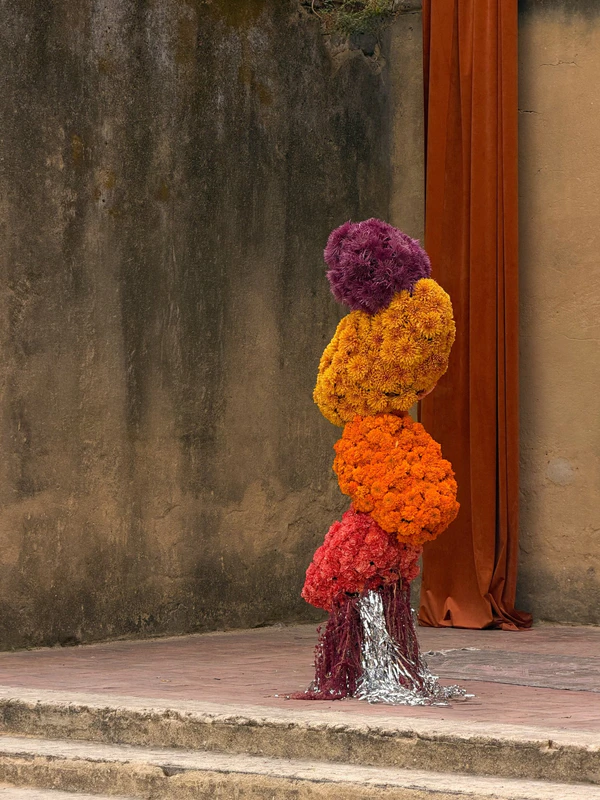
Inspired by the rule-breaking spirit of the Dada movement, Bali-based Dada Island lets flowers stretch, clash, lean and wander into compositions that feel spontaneous without ever losing control. There is elegance here, but never the overly polished kind: silhouettes stay irregular, contrasts are encouraged, and the surrounding landscape is treated as part of the arrangement. Jungle density, a windswept shoreline or clean modern architecture can all change the direction of a project. For couples drawn to beauty with more freedom and less formality, Dada Island hits that sweet spot.
Nasq
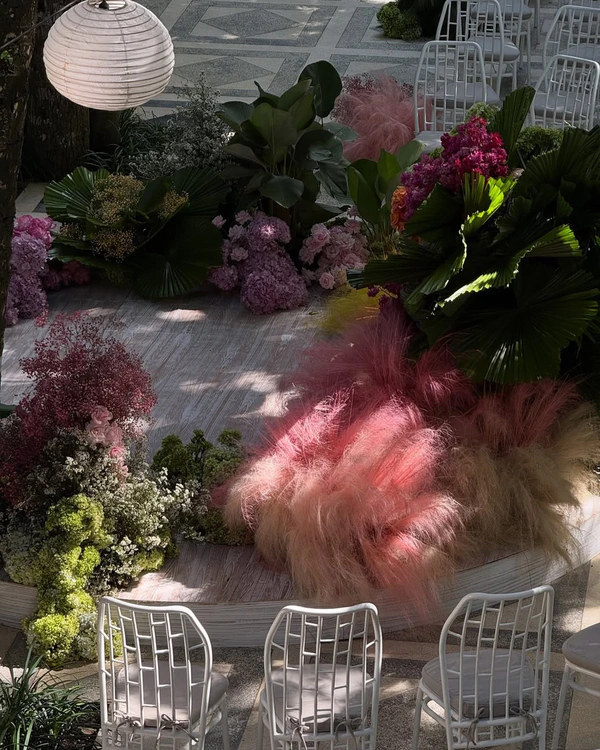
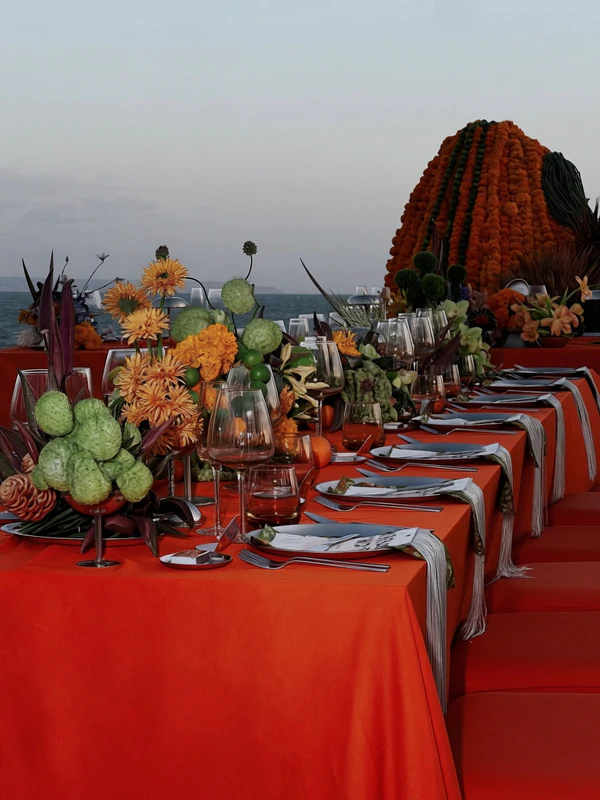
Nasq approaches floristry with an editor’s instinct for what to leave in, what to pull back, and where to let the flowers take over. Based in Dubai, the atelier works across both intimate arrangements and large-scale installations, often playing softness against sharper spatial ideas. Flowers, objects and negative space are considered together, so the floral direction never feels pasted onto the event afterwards. The mood is usually quite romantic butnevertoo sweet, suiting couples who are more interested in setting a mood than following a wedding formula.
Sir Botanical
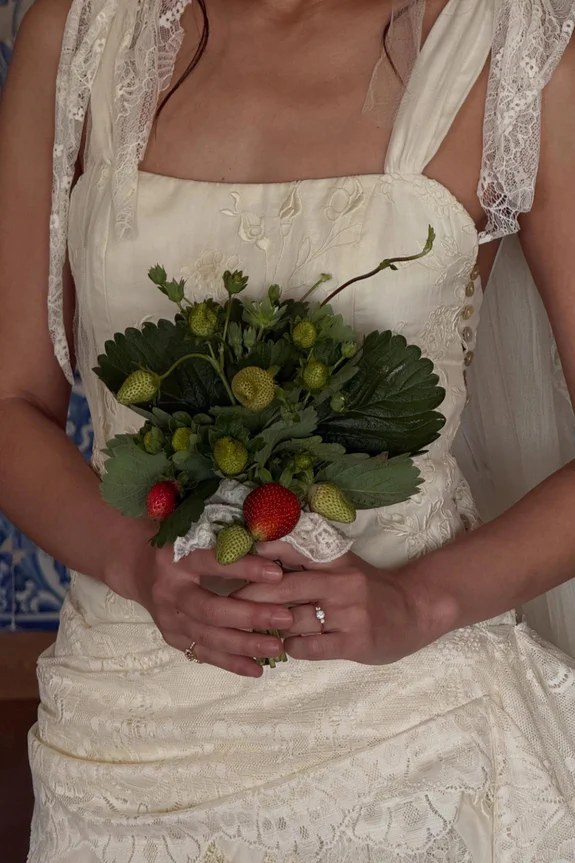
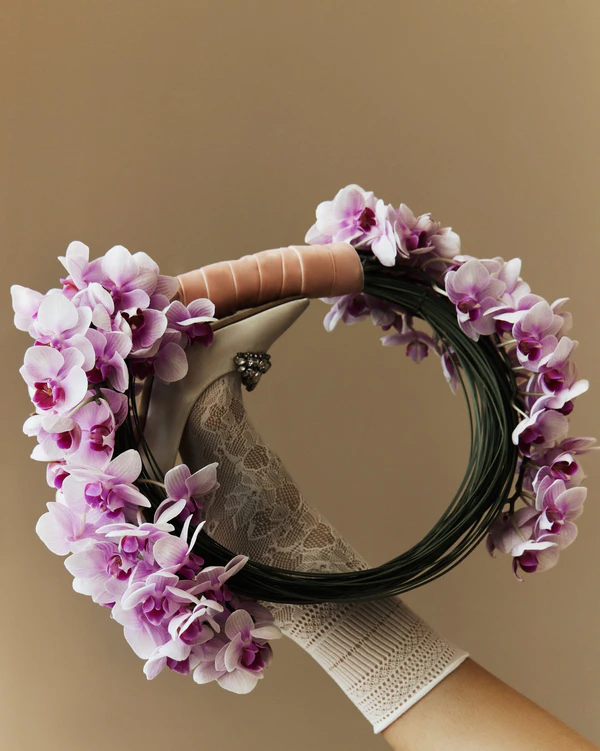
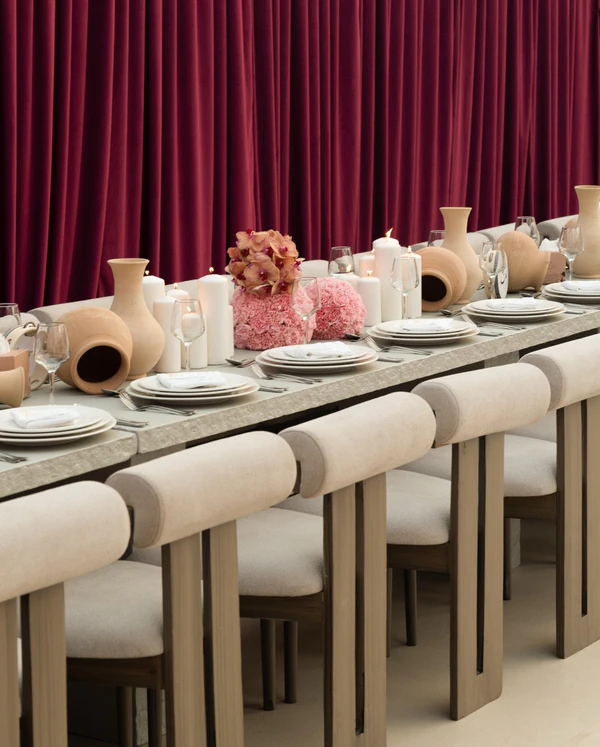
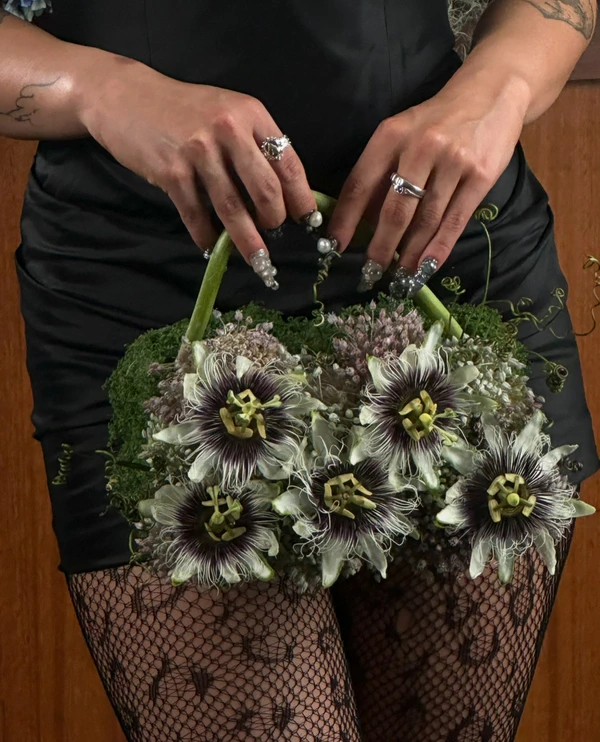
Australian studio Sir Botanical knows how to make flowers feel like part of the fun rather than something politely arranged around it. Founded in 2017, the team plays freely with scale and context, from towering floral constructions to tiny tablescapes. Their visual vocabulary happily makes room for strawberries, sunflowers and even wearable flower bags that give the traditional bouquet a fashion-forward twist. Behind that playfulness is a sharply coordinated trio: Kate shapes the visual direction, Gen brings a contemporary edge while keeping the floral puzzle in check, and Georgia makes sure every moving part lands exactly where it should. For couples willing to have a little fun with tradition, Sir Botanical offers a world where flowers can double as objects, conversation starters and the occasional scene-stealing surprise.
Hamish Powell
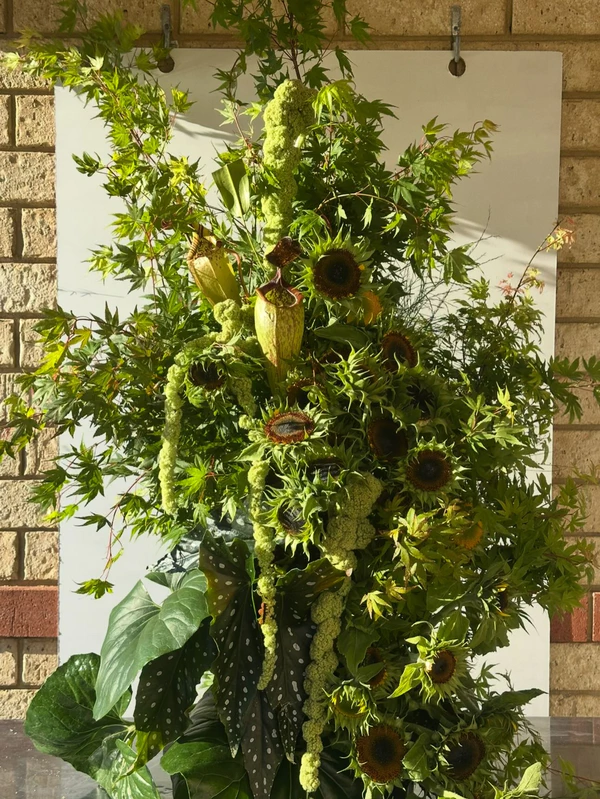
In Hamish Powell’s hands, flowers become a language for ideas far bigger than floristry itself. Trained in botanical science, Powell treats plants as both subject and material, pushing them into vivid, sculptural compositions charged with color, movement and strange beauty. Based in London and working internationally, his practice moves easily between galleries, fashion shows and private events, while collaborations with Loewe, Burberry, Diptyque, Acne Studios and Saint Laurent speak to just how naturally his work sits within the worlds of fashion and art. There is a poetic impulse behind it all, too: Powell sees floristry and writing as parallel forms of emotional expression, each capable of stirring something instinctive in us.
Bosque Concepts
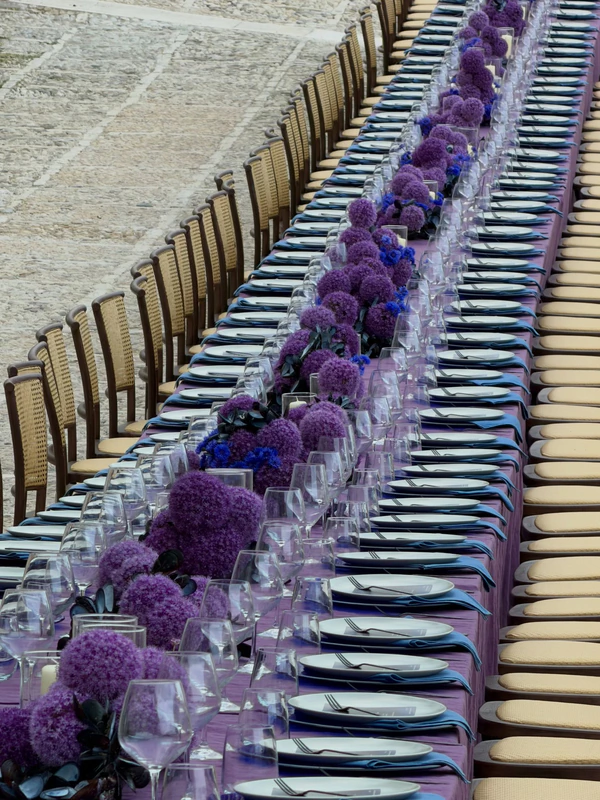
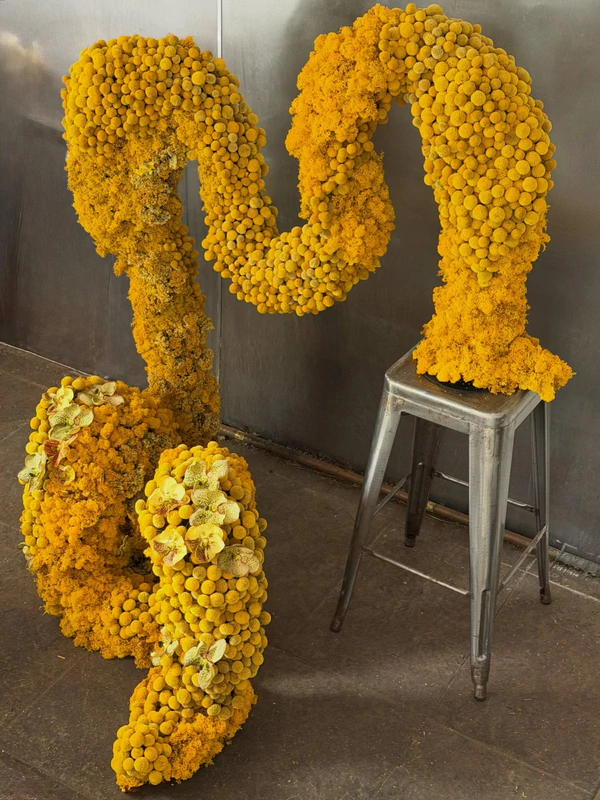
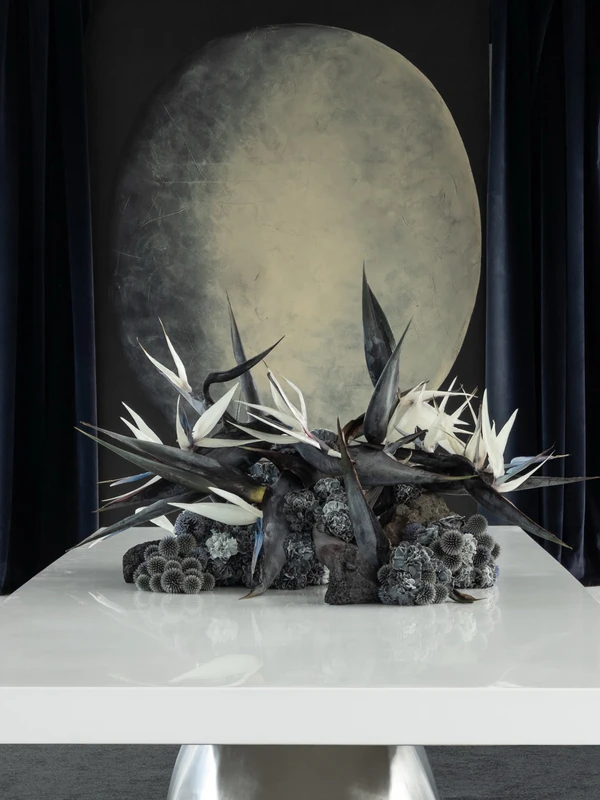
If your idea of wedding flowers leans more art installation than classic centerpiece, Bosque Concepts is worth keeping on your radar. Founded in 2018 by Gustavo Camacho and Tiago Bettencourt, the Portugal-based studio draws on the untamed architecture of nature itself: tangled woodland growth, crooked branches, tense stems and tactile organic textures, set against the fleeting delicacy of flowers. With roots in Madeira and a creative base in Lisbon, the duo folds influences from Ikebana and Biophilic Design into designs that celebrate contrast, asymmetry and the expressive potential of every stem.
Studio Linné
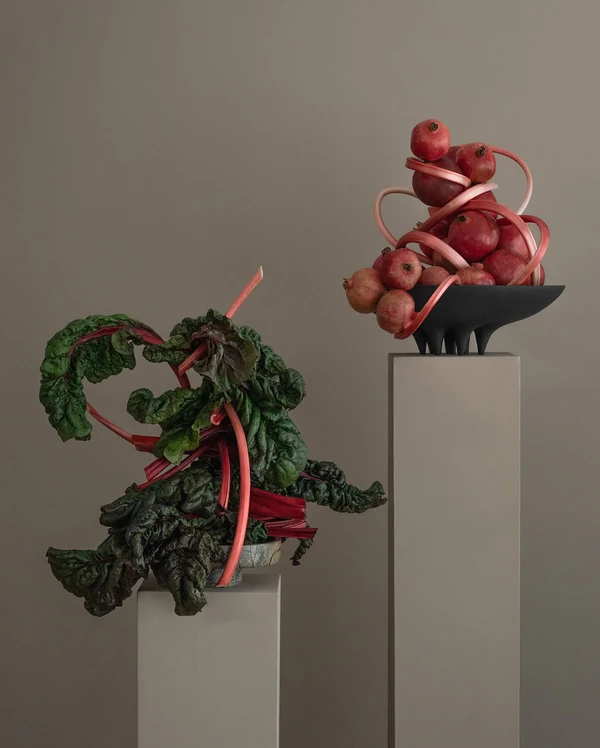
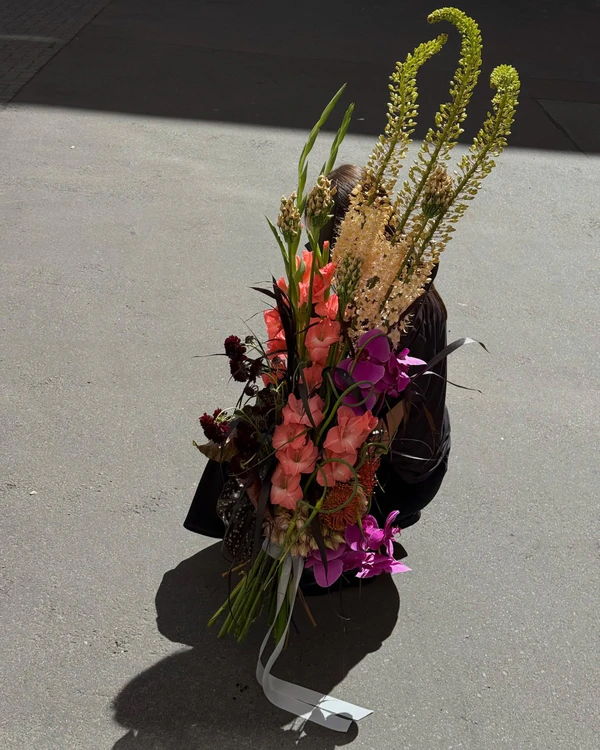
Studio Linné might be exactly your kind of chaos when wedding flowers call for something big, rule-bending and beautifully off-beat. Led by Misha Todirascu, the Berlin studio approaches floristry with a fearless, maximalist instinct, blowing up proportions, reshaping familiar silhouettes and turning botanicals into sculptural statements with a rebellious energy. Oversized bouquets spill beyond their boundaries, installations verge on the surreal, and even delicate blooms are given a wilder edge. Working across Europe and Asia, Studio Linné has brought its unmistakable visual language to projects for Audemars Piguet, A24 Films and Gropius Bau.
Edénique de Beaumont
Floral Design
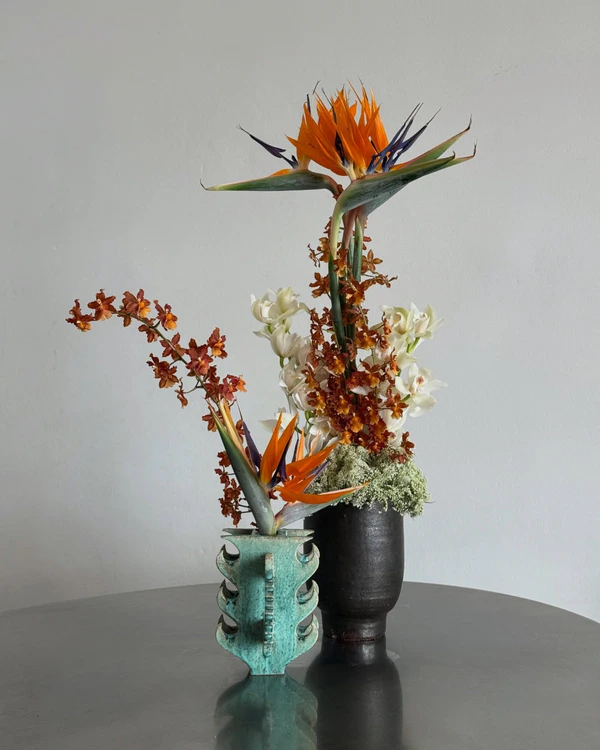
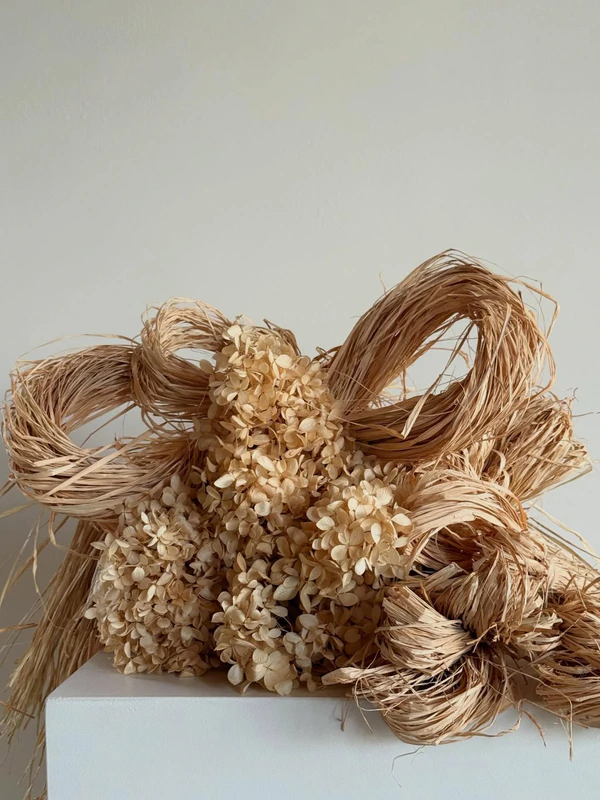
Amsterdam-based Edénique de Beaumont has a wonderfully instinctive way with flowers. Lace, crochet, silk ribbons, and vintage-inspired details often find their way into her arrangements, sitting alongside blooms as naturally as if they had always belonged there. Her eye extends well beyond the bouquet, bringing candleholders, textiles and decorative objects into the same visual conversation, so every element feels connected. That freedom means Edénique's work can feel softly romantic and garden-like one moment, cleaner and more contemporary the next, yet always retain its tactile, slightly nostalgic charm.
Calma
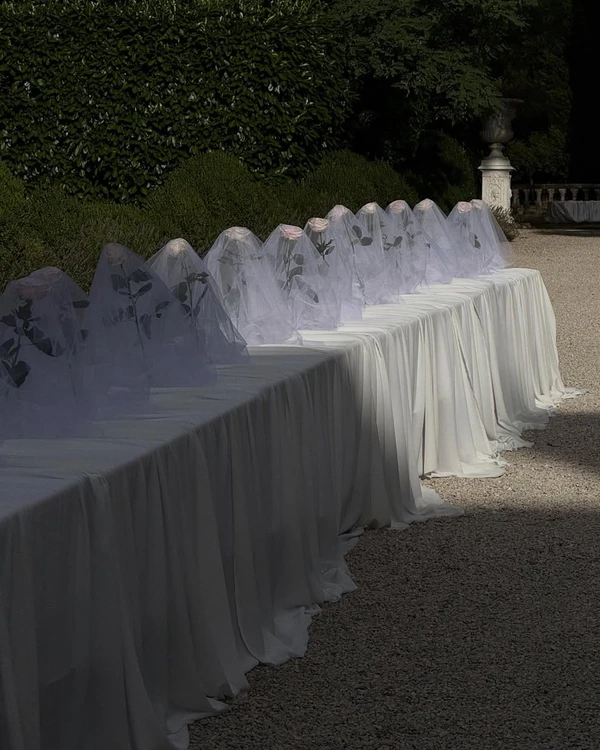
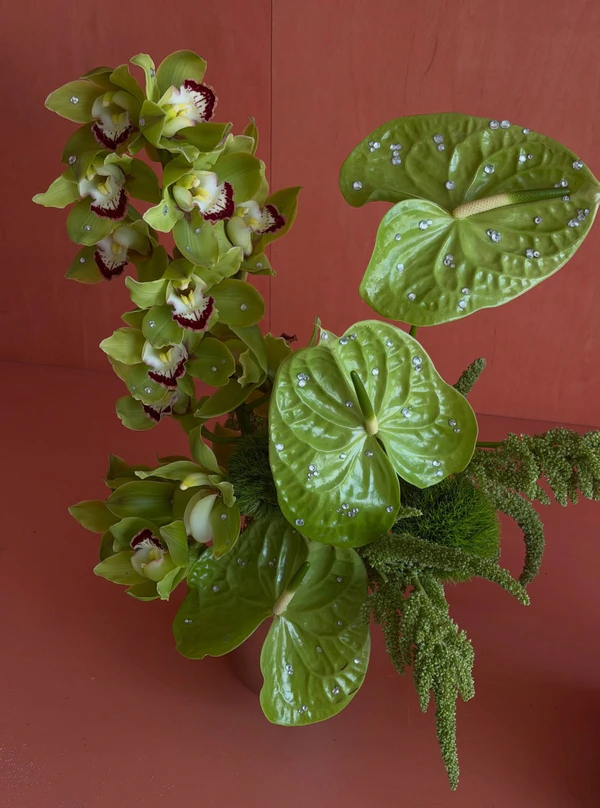
Miami-based Calma approaches flowers with the kind of curiosity that makes even familiar blooms feel newly cast. Founder Elizabeth Jaime is drawn to contrasts and unexpected details: jeweled orchids, glossy fruit, sculptural greenery and floral pieces that occasionally cross over into the territory of fashion accessories. Her earlier career in New York publishing still echoes through the work, particularly in its strong sense of composition and instinct for a memorable image, but Calma has developed a language entirely its own. From intimate weddings to high-production events and brand installations, the studio treats every project as a fresh visual exercise.
Mimosa Posy
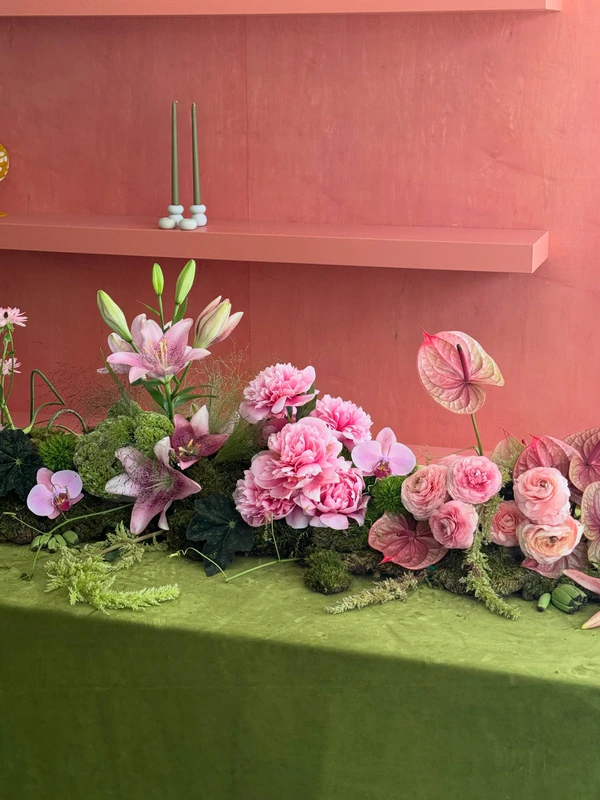
Mimosa Posy has grown far beyond its beginnings as a flower shop, but botanicals still set the tone for almost everything Mimi and Boat create. Based in Thailand, the duo now works across bridal bouquets, immersive installations, textile pieces and tablescapes, weaving each element into the same visual story. Their work often borrows from vintage references, then sharpens them with a contemporary Asian sensibility and a fashion-aware eye for proportion, texture and detail.
Blxxm
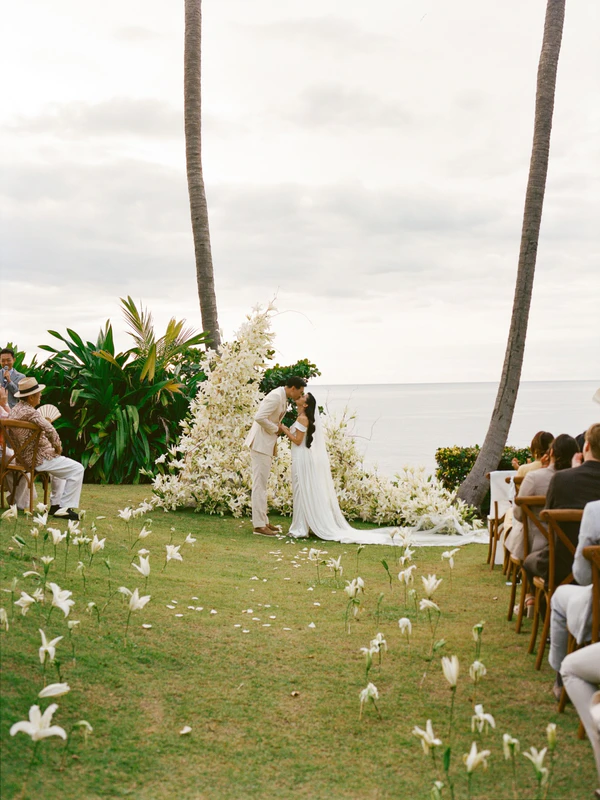
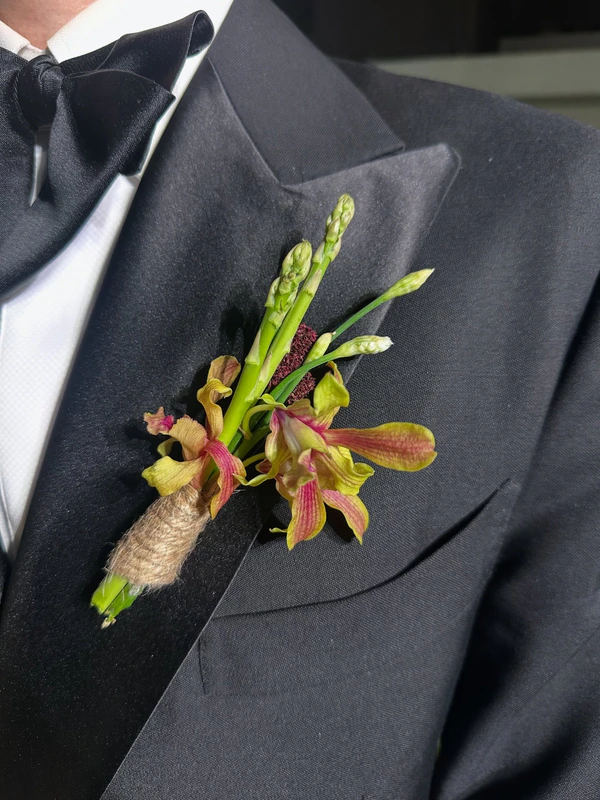
At Blxxm, New York florist Rachel Wayne pushes flowers into unfamiliar territory. Blooms spill around unexpected objects and materials, forming compositions with the strange magnetism of a still life. They can feel delicate, polished or faintly uncanny, sometimes all within the same arrangement. Rather than simply dressing a space, Wayne introduces something more intriguing into it: tension, curiosity and a touch of beautiful unease. Part floral design, part visual experiment, Blxxm is for couples who want their flowers to feel genuinely unlike anything else in the room.
Babel Bloom
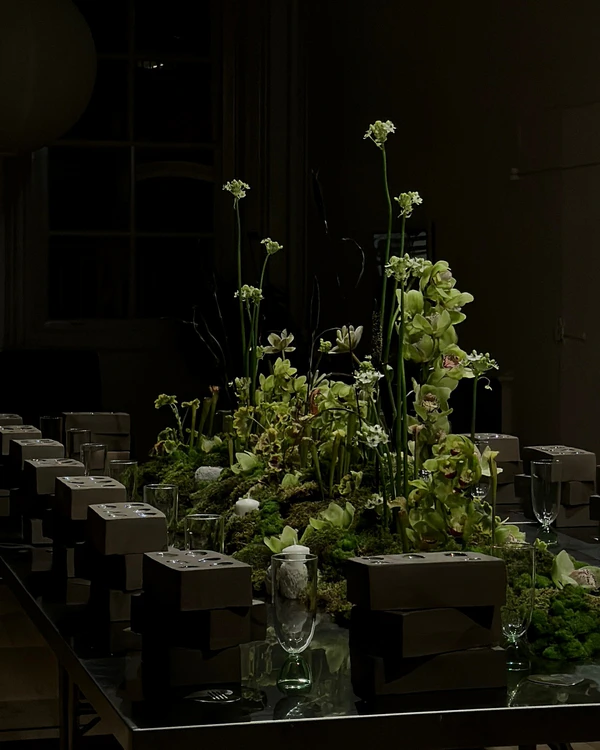
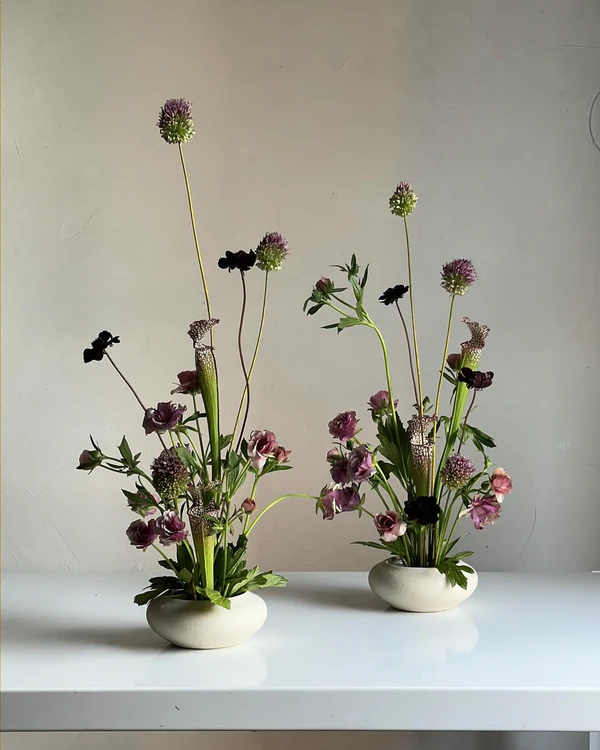
Ikebana was Sara Oliveira’s way into floristry, and that discipline, the attention to line, negative space and the character of each stem, still runs quietly through Babel Bloom’s wedding work, softened by a more instinctive, sun-soaked sensibility. Think faded tones, sun-warmed palettes, arrangements that look gathered rather than built. Creating between Lisbon and Puglia, the studio has a natural feel for spaces with age and texture, where flowers can sink into the architecture instead of fighting it for attention.
Studio Sveja
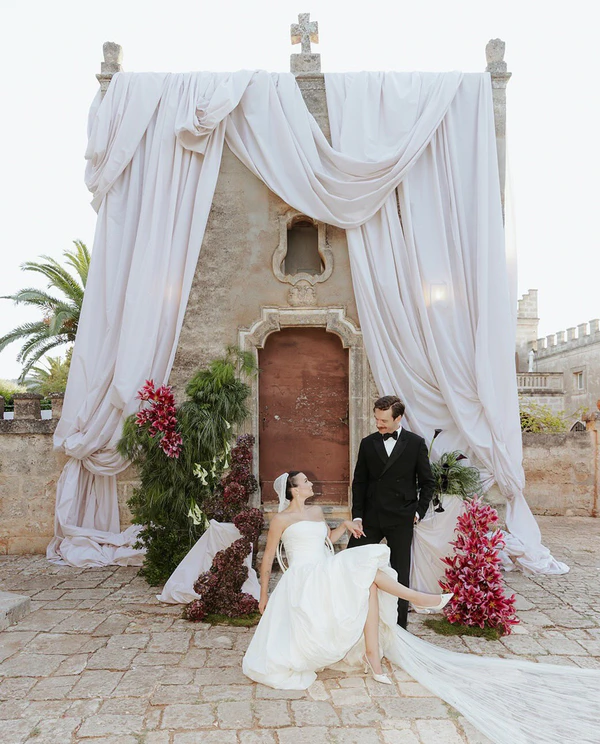
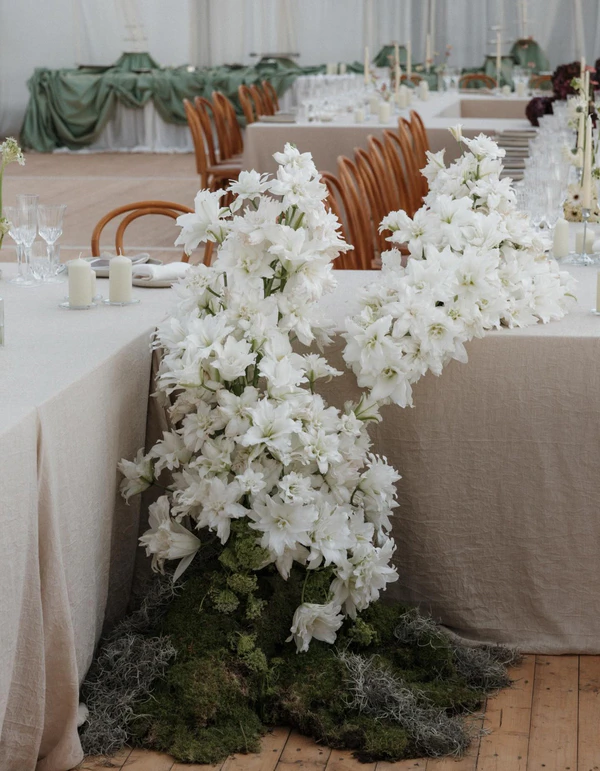
Montreal-based Studio Sveja brings its floral-minded vision across spaces, scales and formats. Whimsical stems, statement moss formations and moody bouquets all sit comfortably in the same portfolio, with the studio seeming to relish whatever unusual brief comes its way. The work can skew playful, atmospheric or almost sculptural, but there is always a strong sense of composition holding it together. That flexibility has made Sveja a natural collaborator for brands including Clinique, Converse, Summer Fridays and L’Occitane, and an exciting choice for couples who see florals as part of the creative direction, not a separate finishing layer.
Federica Carlini
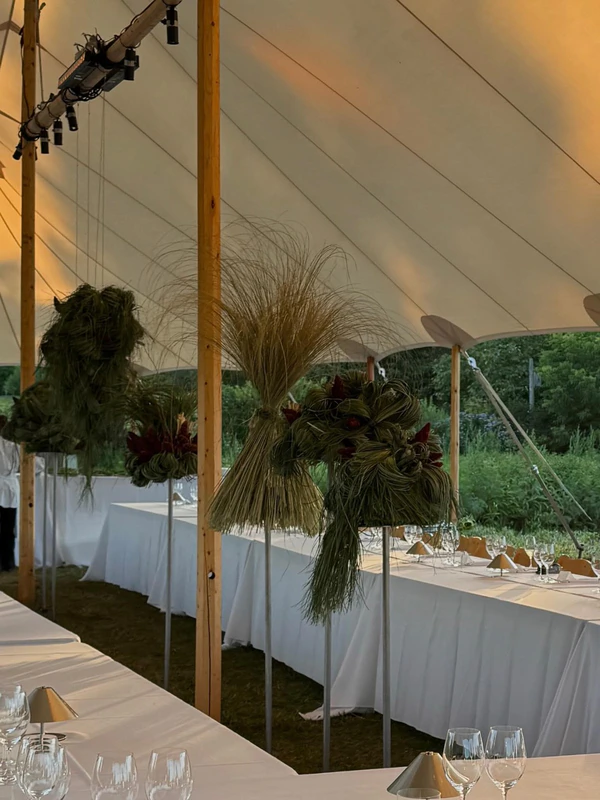
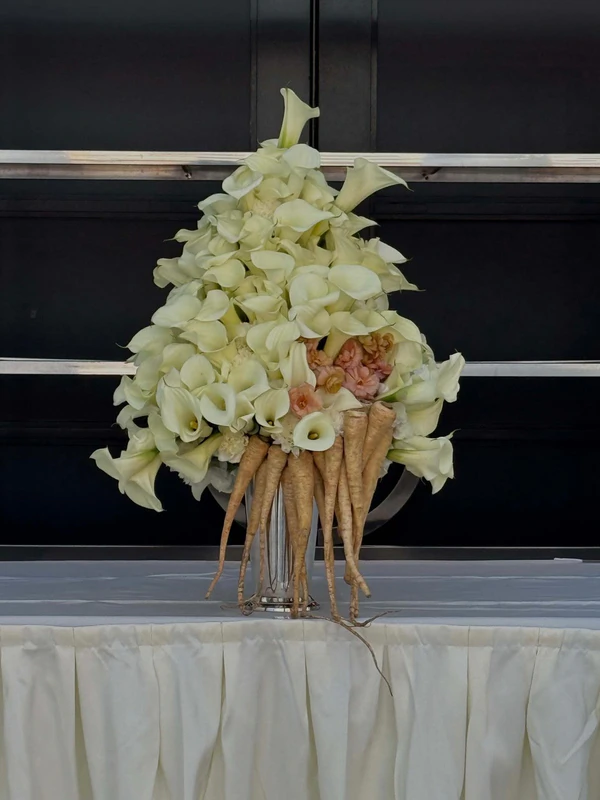
Federica Carlini makes flowers feel almost tactile before you even touch them. Moving between London and Rome, she builds contemporary arrangements around texture, tension and the physical character of each botanical element, creating moments you want to lean into, study and experience up close. Federica's practice is rooted in a lifelong fascination with tables, antiques, craft and the rituals surrounding them, shaped by growing up in central Italy. That cultural grounding gives her work a particular depth: weddings, events and sets become places where botany, design and memory meet, with each arrangement carrying as much feeling as form.
Flowers by Ford
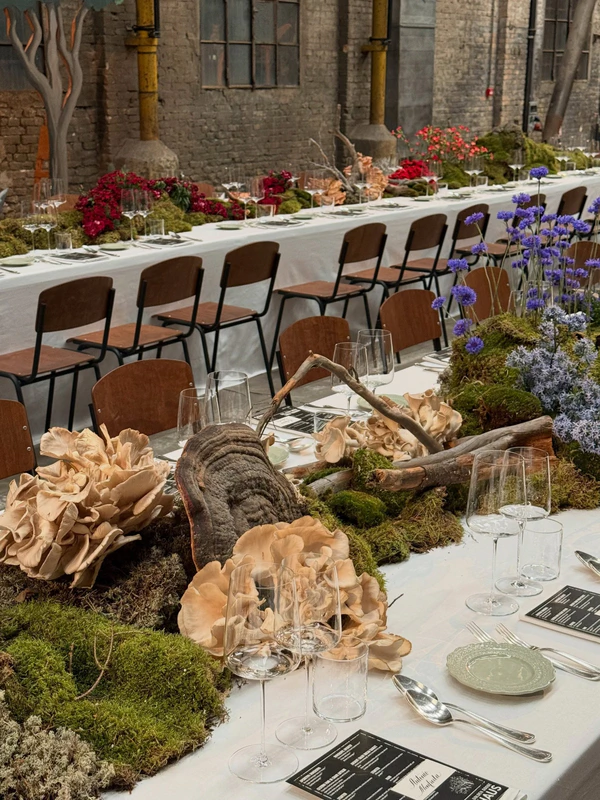
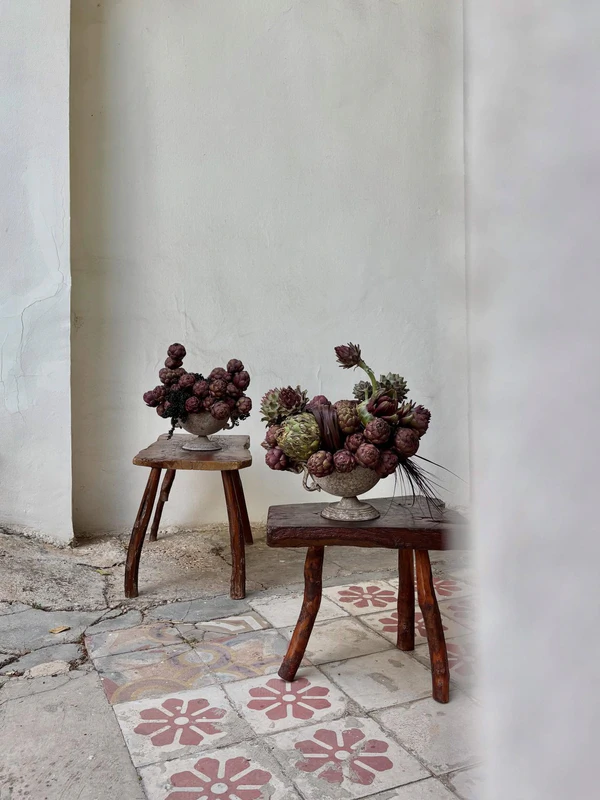
Florist Molly Ford seems happiest when flowers are allowed to keep a little of their wildness. From her Brooklyn studio, Flowers by Ford, she builds with the personality of each stem in mind, giving callas room to stretch upward, letting peonies bring their full-bodied volume, and pairing blooms in ways that create movement rather than perfect symmetry. Her centerpieces often reveal something new from every angle, which gives them a sense of life that carries beautifully from intimate dinner tables to larger weddings and commissions for the New York Botanical Garden, La Mer and AnnaSophia Robb.
Studio Mondine
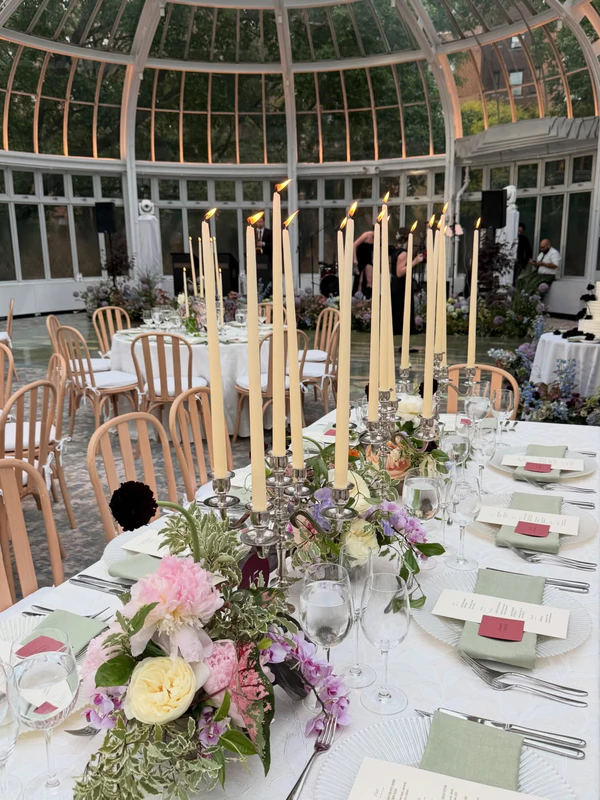
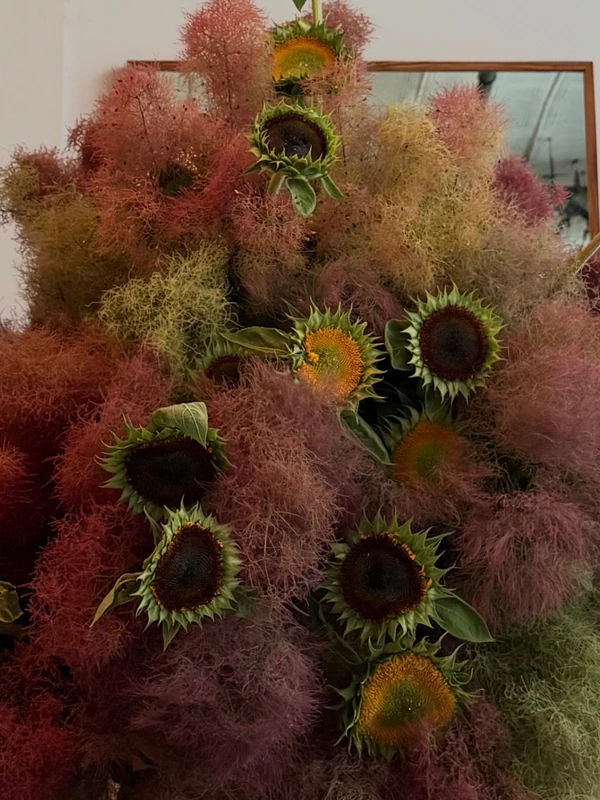
Studio Mondine looks at flowers with the patience of ikebana and the looseness of the seasons. Founder Amanda Luu has practiced Ikenobō ikebana since childhood, and that training shows in the studio’s precise use of space, asymmetry and visual balance. A crooked branch, a fading bloom or a stem at an unexpected angle can carry as much weight as the fullest flower in the room. Based in San Francisco and working on weddings worldwide, Mondine follows what is growing locally and seasonally, choosing materials for their character. That same care shapes its sustainability philosophy, from sourcing to the full life cycle of each botanical used.
Issariya
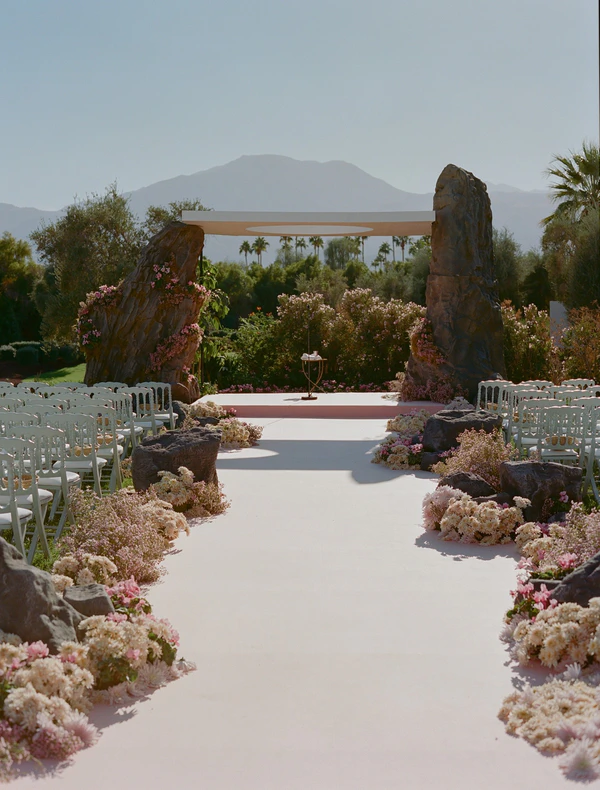
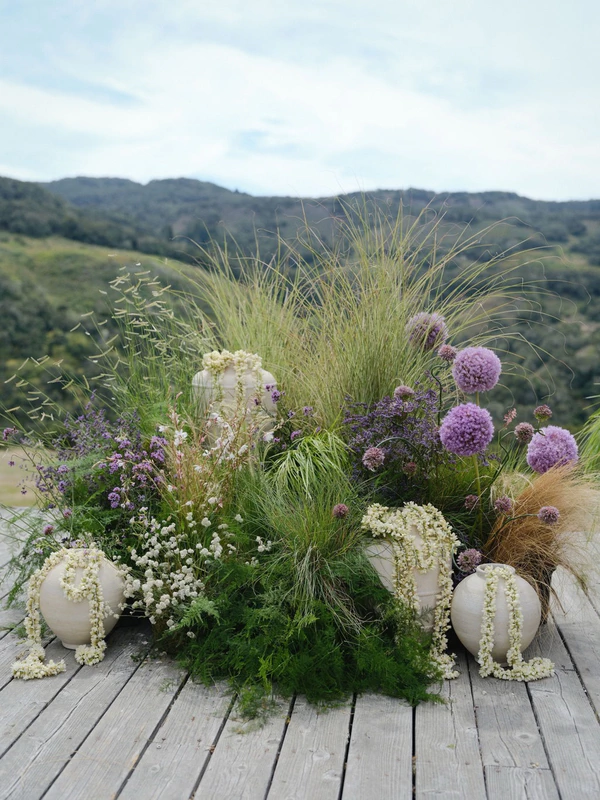
Bangkok-based Issariya is led by Kyrah Chotitawan, a Bartlett School of Architecture graduate whose background still shows in the way she thinks about flowers: as forms that can shape, frame, and completely alter a space. Having lived in Bangkok, Sydney and London, Kyrah brings a wide visual reference point to the studio, while her Thai upbringing keeps craft and resourcefulness close to the work. Flowers, branches and found materials are all treated as design elements with architectural potential, so even the smallest botanical accents can end up defining the whole room.
Flowers by Brett Matthew John
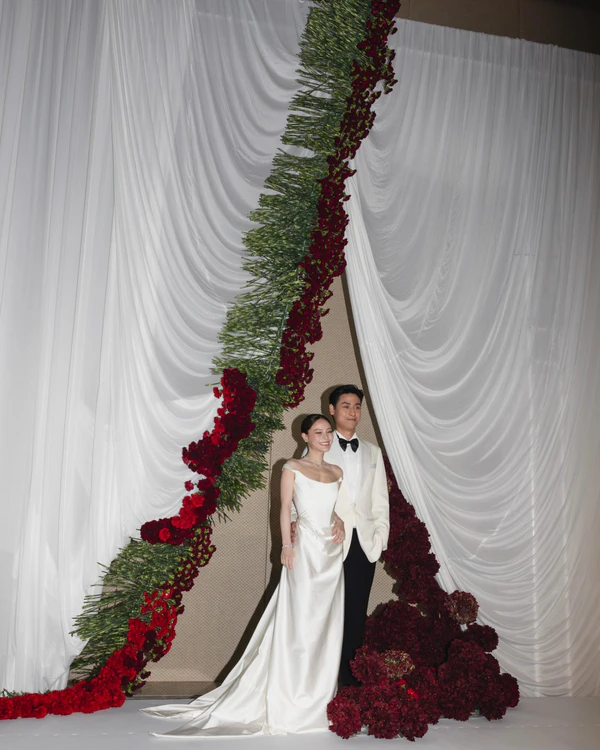
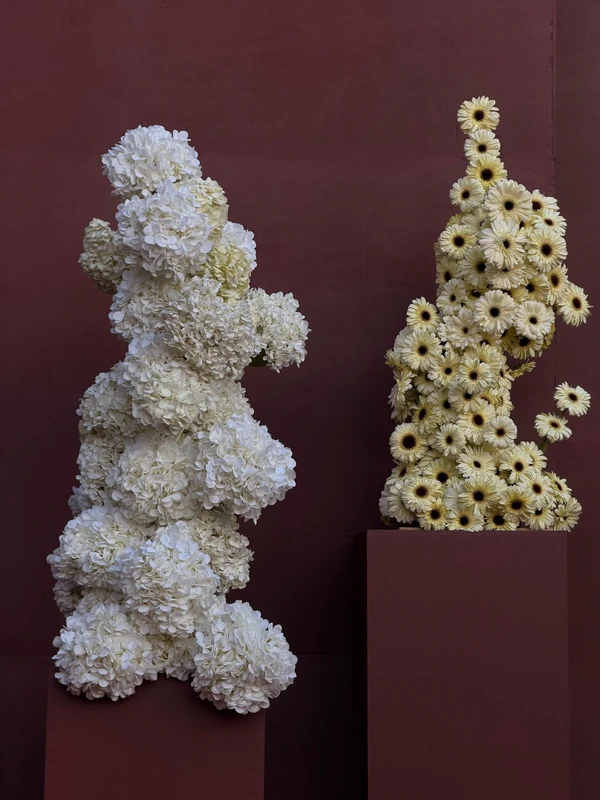
Flowers are only part of the conversation for Melbourne-based florist Brett Matthew John Coles. At Flowers by Brett Matthew John, color can be dreamy, ribbons can take over, and non-floral objects are just as welcome as stems. His references roam well beyond the garden, pulling from fashion, film, music, pop culture and whatever current hyper-fixation happens to have his attention, which gives the work a wonderfully plugged-in, culture-conscious feel. That openness keeps his practice in motion, whether he is building a wedding installation, styling an editorial or developing campaigns and floral concepts for names like Chanel, Prada and Gucci.
Evolve
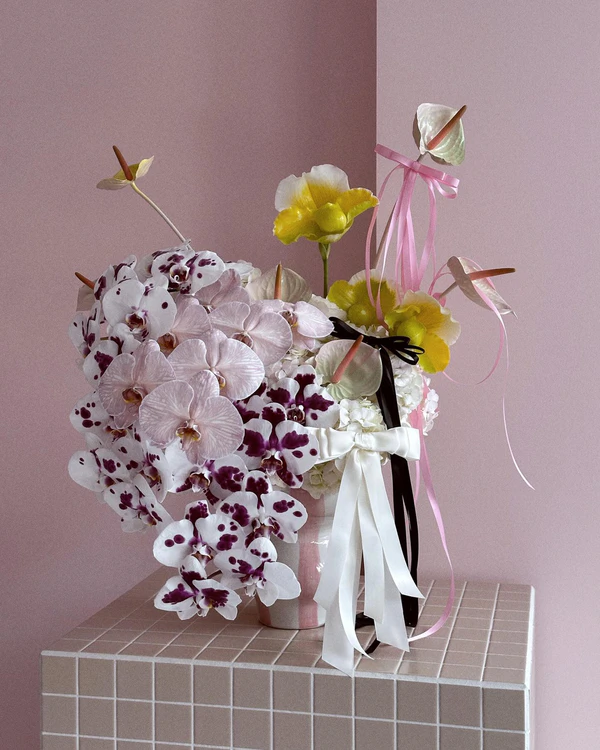
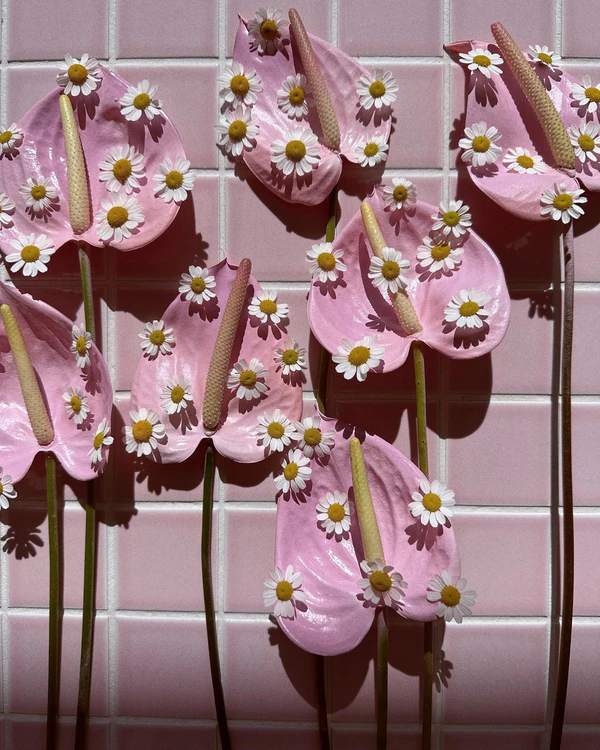
Evolve's founder Shae has a soft spot for flowers that refuse to behave too perfectly. She plays neat geometry against wandering stems, off-center shapes and little moments of imbalance that keep the composition from ever feeling static. Based in Melbourne, she works across weddings and editorials, adjusting the palette and composition to the mood of each project instead of repeating the same visual formula. The work can be neat, loose, graphic or slightly unruly, but it always has enough personality to keep your eye moving.
Flover
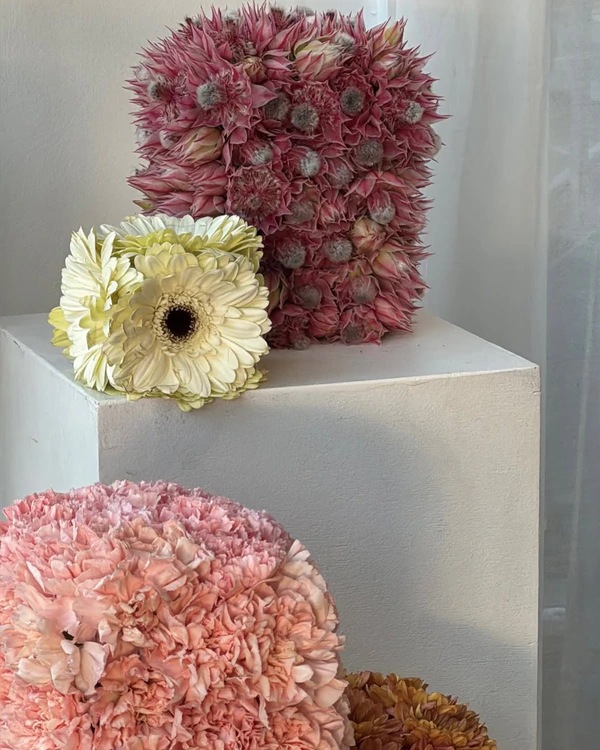
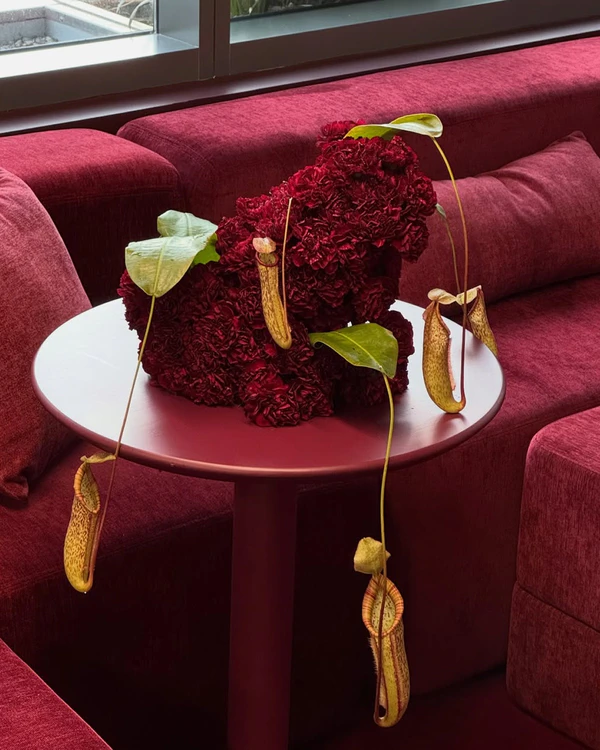
New York City-based Flover has a taste for florals with a little visual mischief. Metallic details, offbeat objects and other non-botanical elements are worked into arrangements that feel part bouquet, part fashion image, while familiar blooms are pushed into irregular, graphic shapes. There is an intentional tension to the studio’s work: stems jut out, proportions skew and colors collide, yet nothing ever feels accidental. That instinct for controlled disruption has made Flover a natural fit for the fashion world, leading to collaborations with names including Tibi, as well as custom floral creations for clients such as Lady Gaga.
Nunzia Guerino
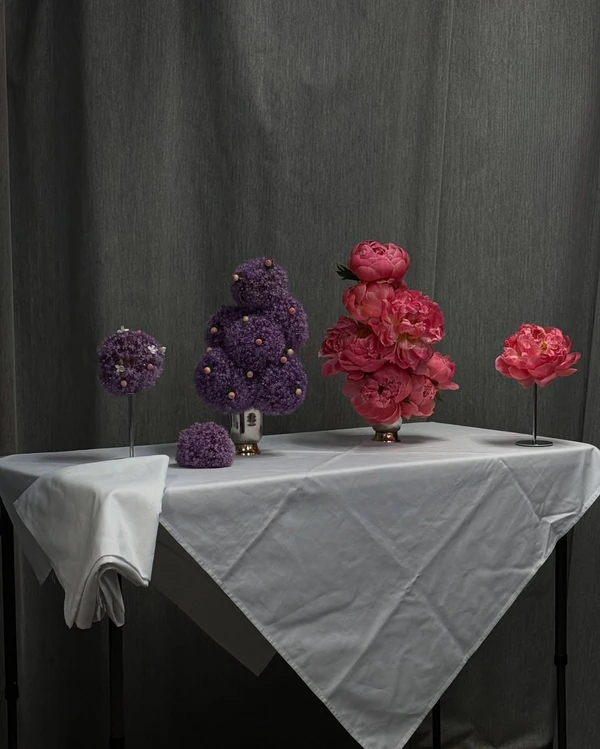
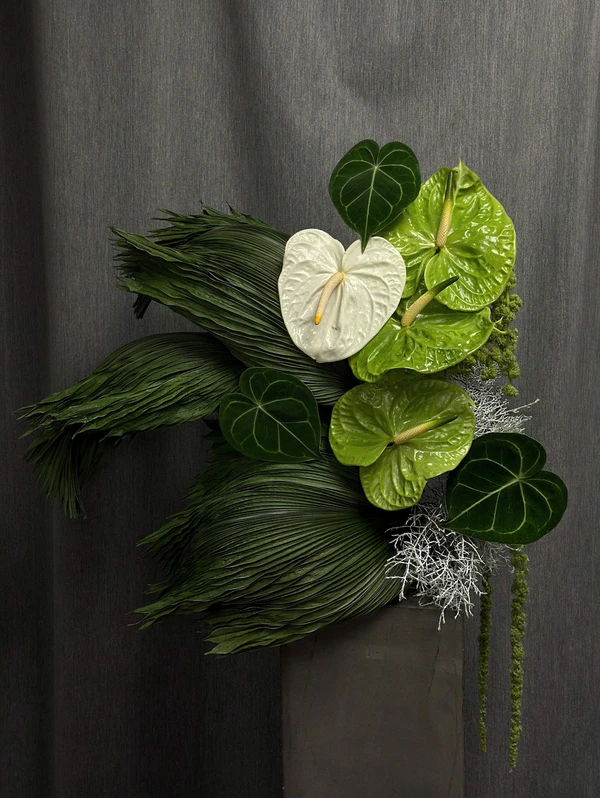
Puglia gives Nunzia Guerino her grounding, but her florals have travelled much further. After studying in Paris, Vienna and the Netherlands, she returned to southern Italy with a sharper sense of what tradition could become when pushed, stretched and re-read. The Italian floral designer treats tradition and innovation as the same pursuit rather than opposites, her work moving through a constant exploration of line, texture and material, always looking for the next combination worth trying. Fresh-cut blooms meet twisted grasses, wiry stems and more unconventional structural elements, giving the arrangements a tension that keeps them both sophisticated and just a little unruly.
Goshá Studio
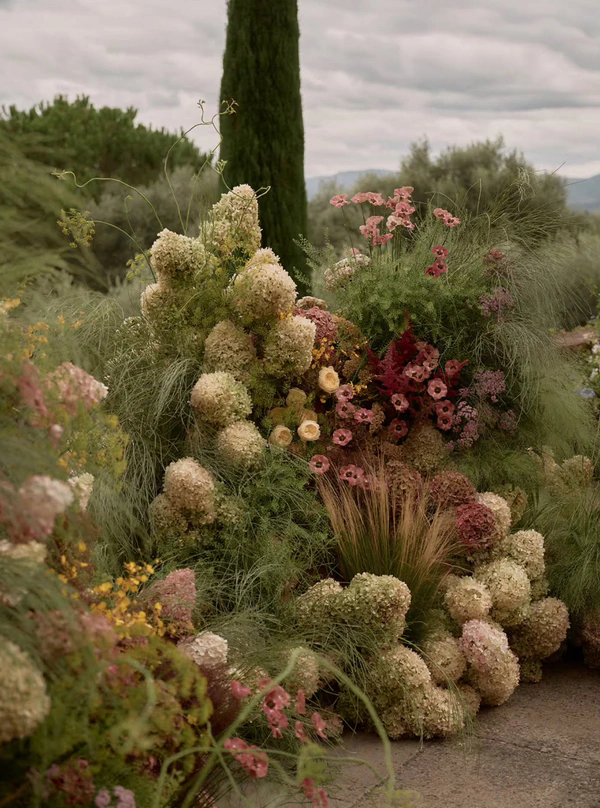
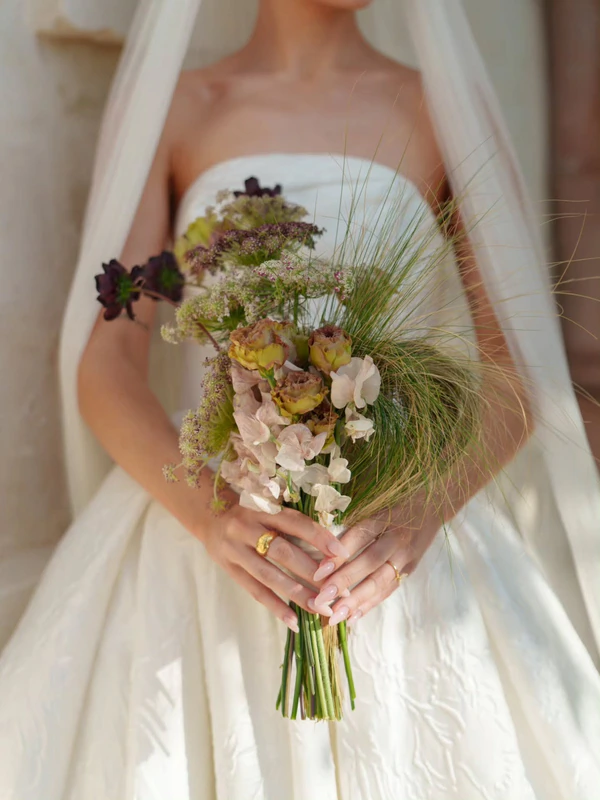
Based in Dubai and Abu Dhabi, Goshá Studio crafts the kind of floral universe you would happily disappear into for a while. Surrealism slips into the everyday, color is pushed to its most delicious extremes, and familiar materials are made to behave in completely unexpected ways. Flowers take on geometric forms, vegetables and fruit join the arrangement without apology, and shifts in scale can turn a simple composition into something almost cinematic. Rooted in floral scenography and botanical installation, the studio draws on poetry, art and film to shape each project as a visual narrative, with mood and space carrying as much weight as the blooms themselves.
Zhang Yeeun
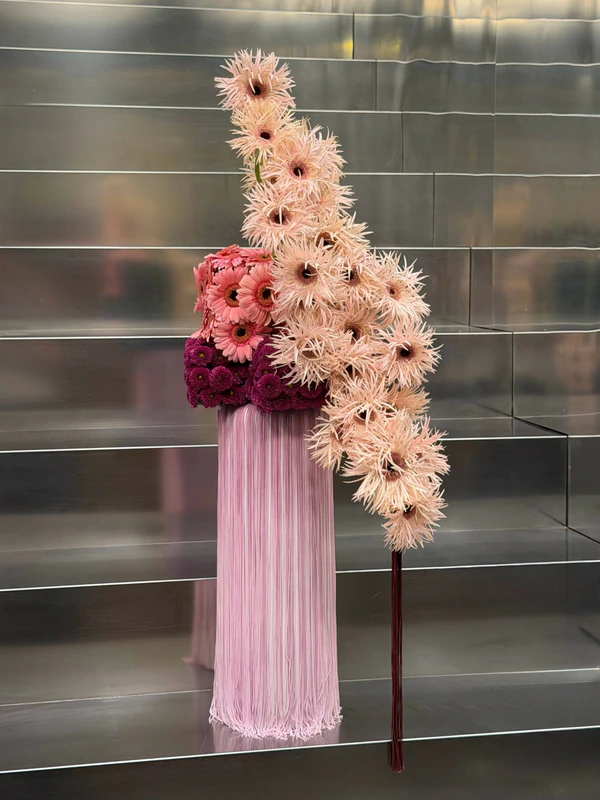
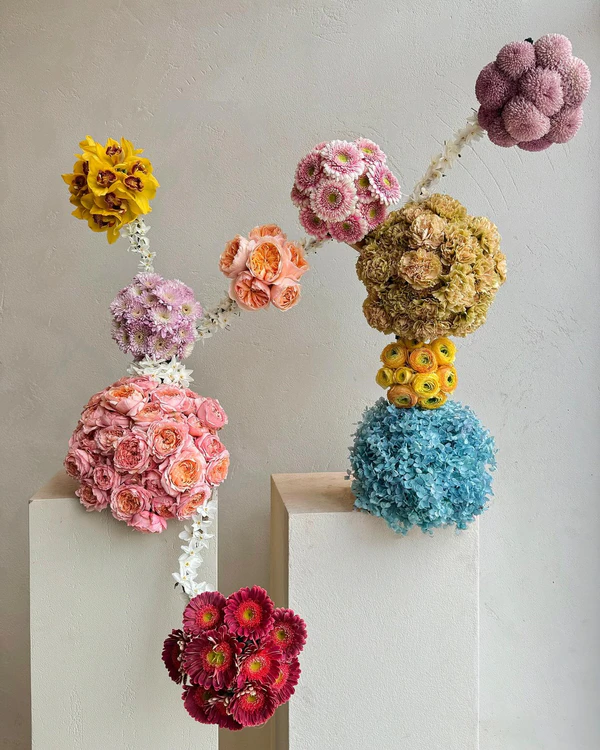
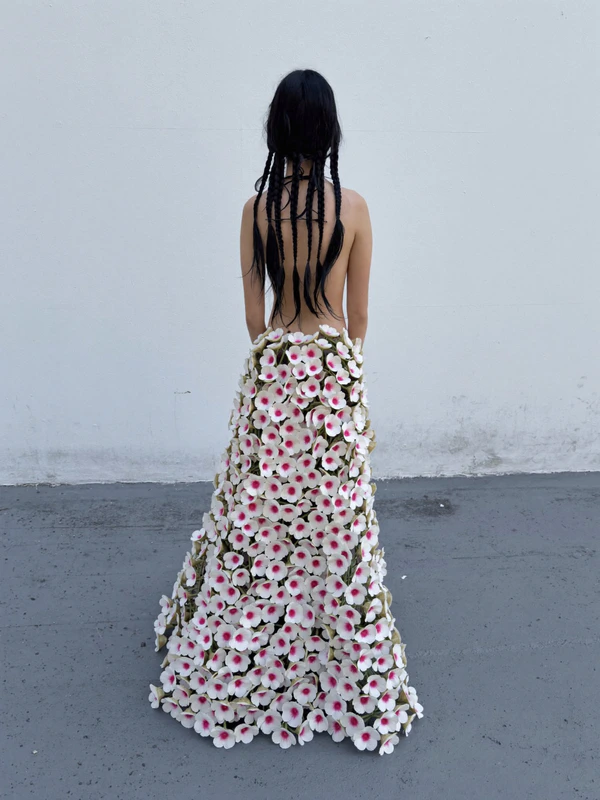
Seoul-based floral artist Zhang Yeeun makes flowers look unreal. Flowers become skirts, dresses, headpieces, wing-like forms and sprawling spatial installations, often hovering somewhere between botanical sculpture and pure fantasy. Alongside brand commissions and large-scale personal works, she also ventures into landscape design, carrying the same surreal imagination into outdoor space. Zhang Yeeun's world is playful, strange and exquisitely constructed, a reminder that florals can be transformed into almost anything the imagination allows.
Doctor Cooper Studio
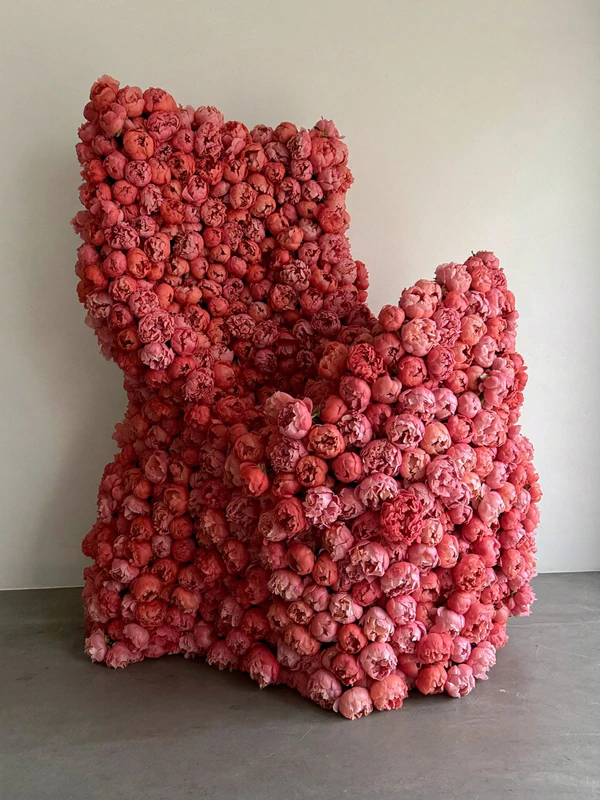
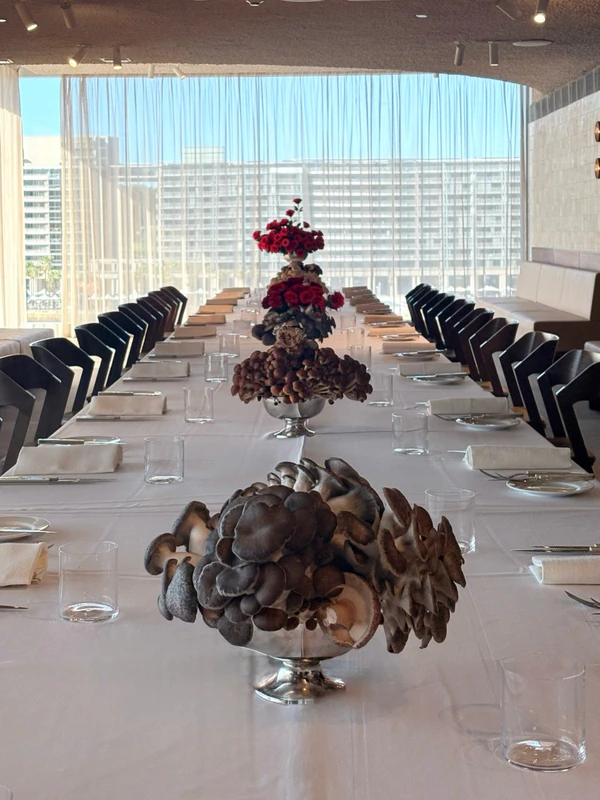
Lisa Cooper knows how to make florals feel familiar and slightly uncanny at the same time. From her Sydney-based Doctor Cooper Studio, she plays that feeling out through combinations that are nostalgic at first glance, then reveal something more contemporary. Cooper, who holds a Ph.D. in fine art, works with a pared-back hand, letting texture, placement and the character of each material do the heavy lifting. Flowers share space with vegetables and mushrooms, woodland elements and small decorative gestures, creating compositions that feel romantic, slightly eccentric and quietly surreal. Cooper's practice has drawn commissions from some of the most celebrated names in fashion and culture, including Hermès, Dries Van Noten, Cartier, Tiffany & Co., Lancôme, and Prada.
Nurai Murr
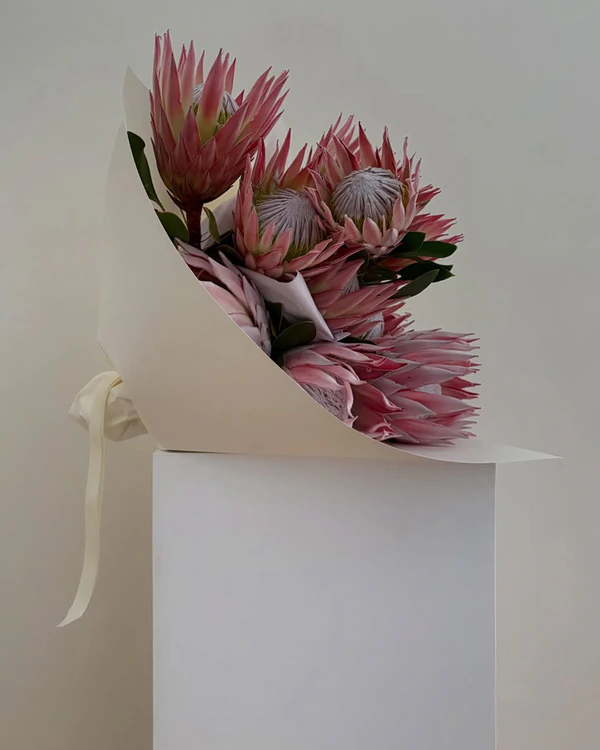
Based in Dubai, Nurai Murr pushes florals past the expected with a sharp styling eye and a taste for bold visual concepts. Working across flower and vegetable styling as well as set design, she treats familiar materials as something to reshape, exaggerate and reframe. A classic rose can suddenly read as a graphic object, vegetables can anchor the whole setup, and recognizable romantic codes are stripped back and rebuilt with a more contemporary edge. Nurai's work feels precise, playful and highly aware of how a single detail can change the whole frame.
Floret
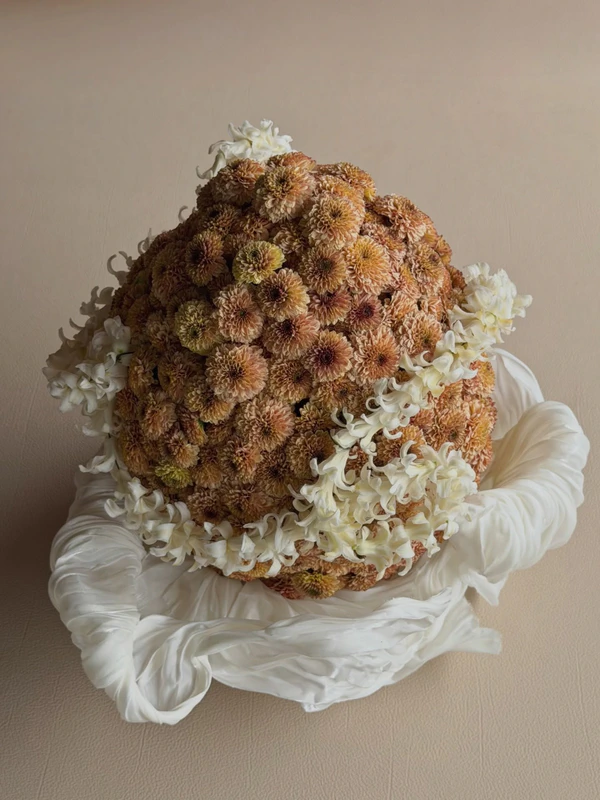
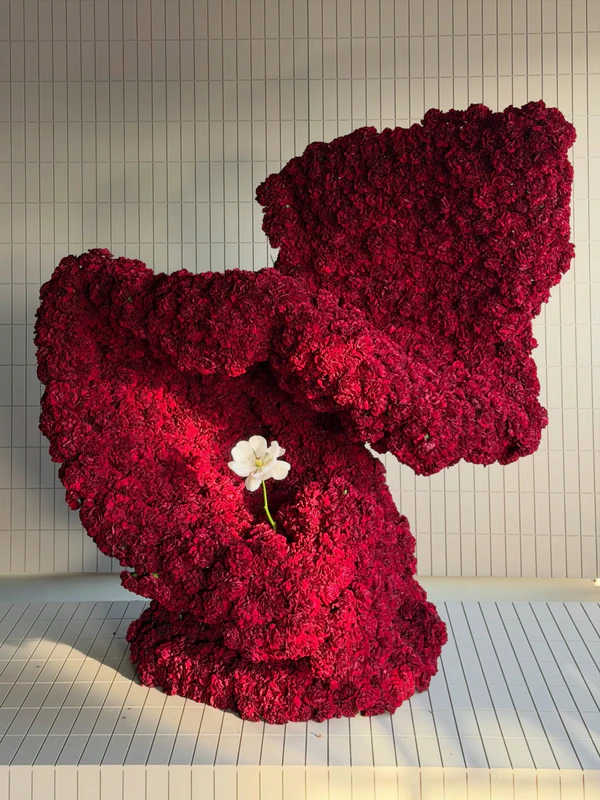
Floret likes flowers best when they are doing more than sitting pretty. Based in Toronto, Isabel Mendoza and her team build compositions that can shift from offbeat bouquets to mossy, produce-filled installations and entire floral settings you almost want to walk through. The studio’s background in set design, art direction and styling shows in the way each project is staged, with attention paid to what happens around the flowers as much as to the flowers themselves. Local, seasonal materials keep the work closely tied to place, while foam-free methods push the team toward smarter, less conventional construction.
Cube Studio
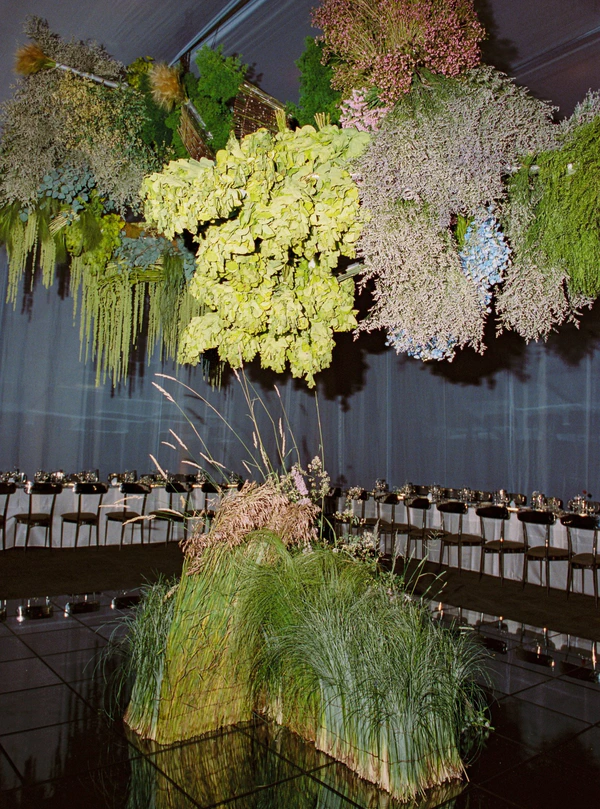
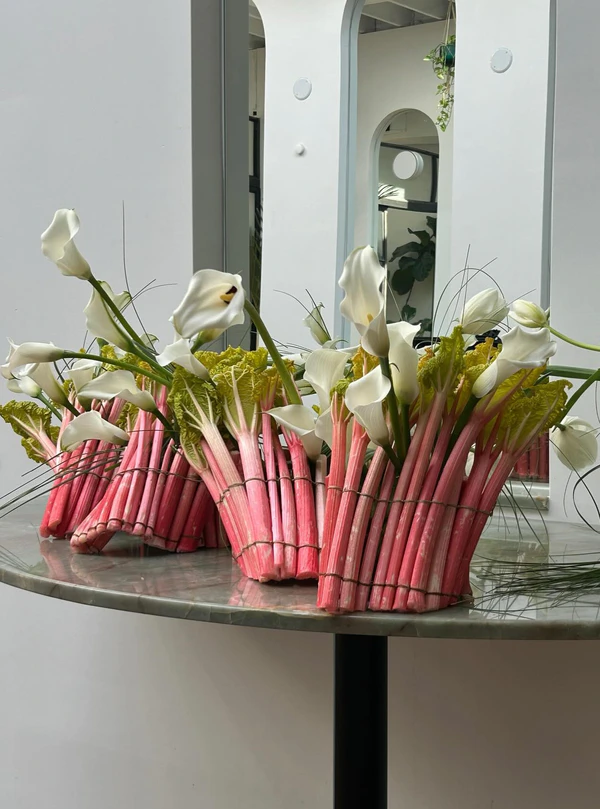
Cube Studio seems to treat every material as an invitation to craft something new. Working between Dubai and Paris, the studio has built a portfolio full of fearless floral concepts, where moss becomes a statement material, tomatoes slip into the scene, and dry grasses are given a second life as textural accents. The compositions feel generous and highly detailed, with the eye constantly moving from one element to the next, as if there is always another small surprise waiting just beyond the first impression. That sense of discovery is what makes Cube such a strong match for creatively minded couples: the florals do not simply fill the space, they become one of the things guests remember most.
Leone Floral Studio
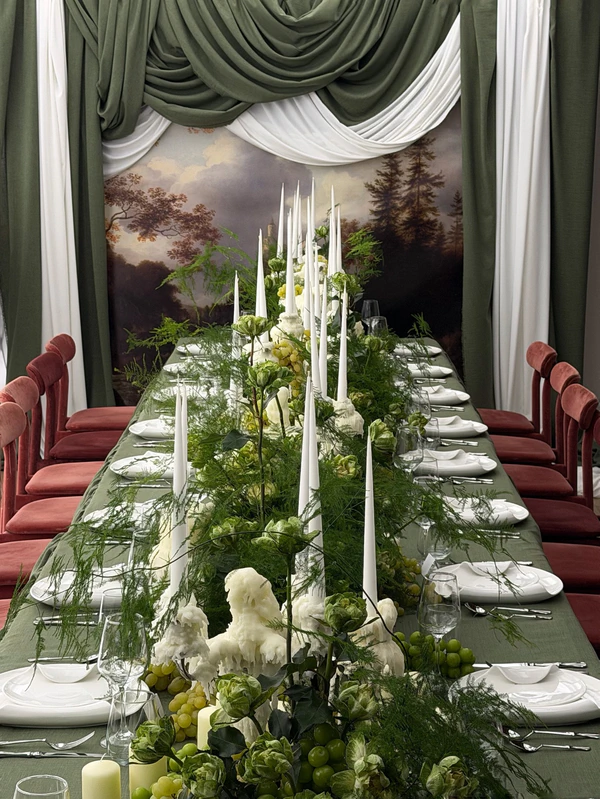
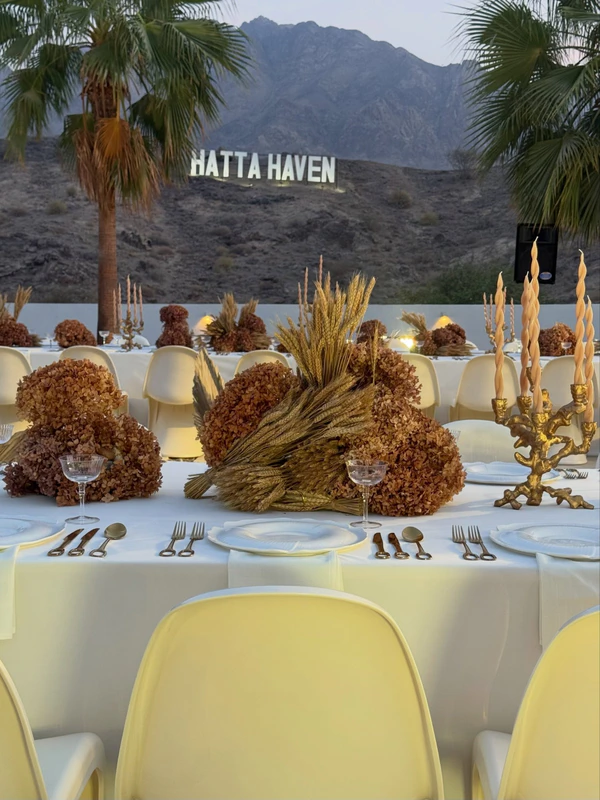
Modern Ikebana gets a looser, earthier rewrite at Leone Floral Studio. Founder Léone Close works with rare varieties, wildflowers and textural botanicals, keeping their quirks visible instead of smoothing them into perfection. The studio even grows part of its own material, widening the palette far beyond what usually arrives through standard floral supply chains. Léone’s upbringing around agronomy, painting and sculpture gives the work its particular balance of observation and instinct, with every composition tuned closely to the season and the character of the plants at hand. Based in Belgium and working internationally, the studio is a natural match for couples drawn to calm, intelligent florals deeply connected to the landscape.
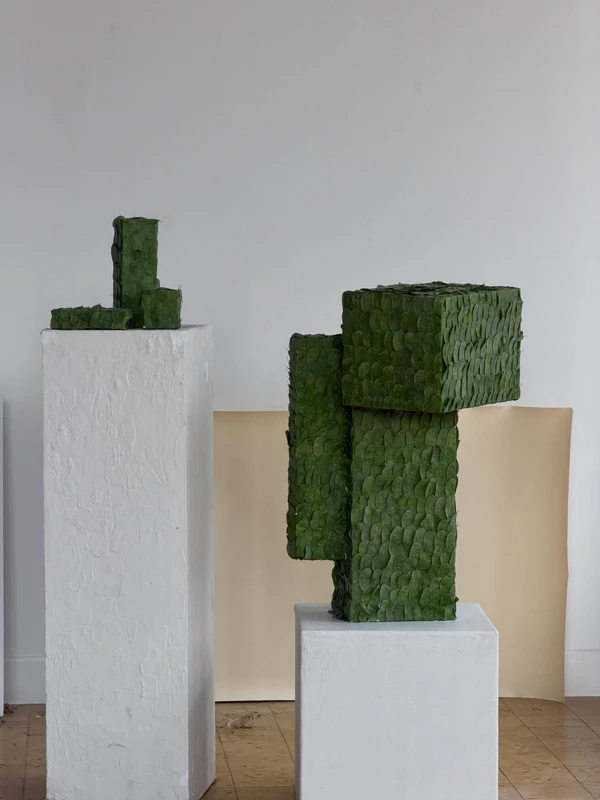
Yoko Negi Flower Studio
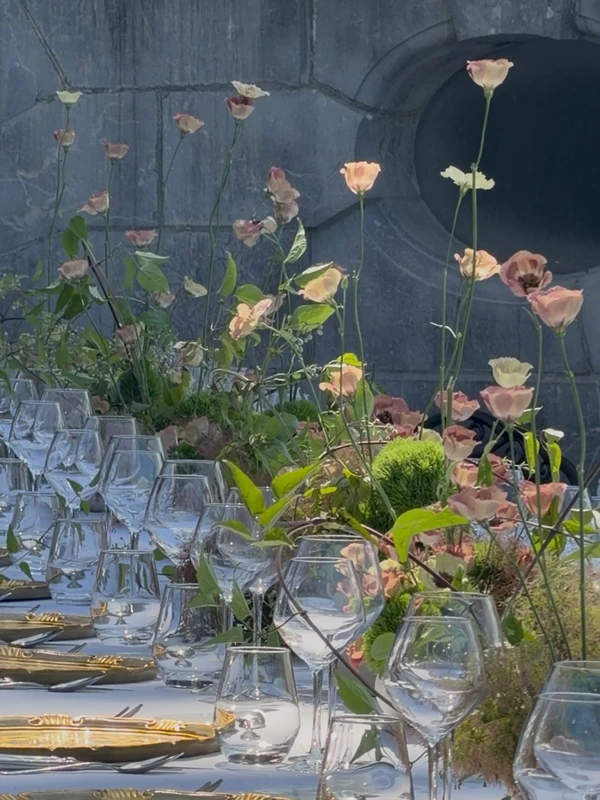
Yoko Negi's florals carry a quiet, layered sensibility, shaped by a childhood closeness to nature and years spent working in Paris before settling in Rotterdam. Fresh blooms mingle with dried petals, grasses and more fragile botanical fragments, giving her arrangements a beautiful sense of time passing through them. The work can be delicate, but always filled with texture, contrast and a small moment of surprise in the way materials meet. Yoko's practice spans weddings, editorials, exhibitions and retail spaces, with clients including Louis Vuitton, Dior, Maison Trudon and Dries Van Noten, while her workshops in Paris, Tokyo and Rotterdam offer a more intimate look at the vision behind her compositions.
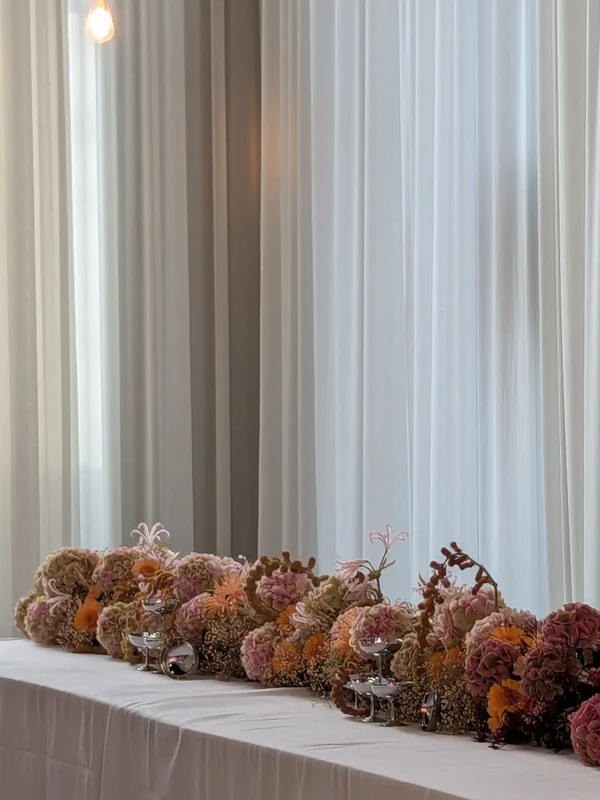
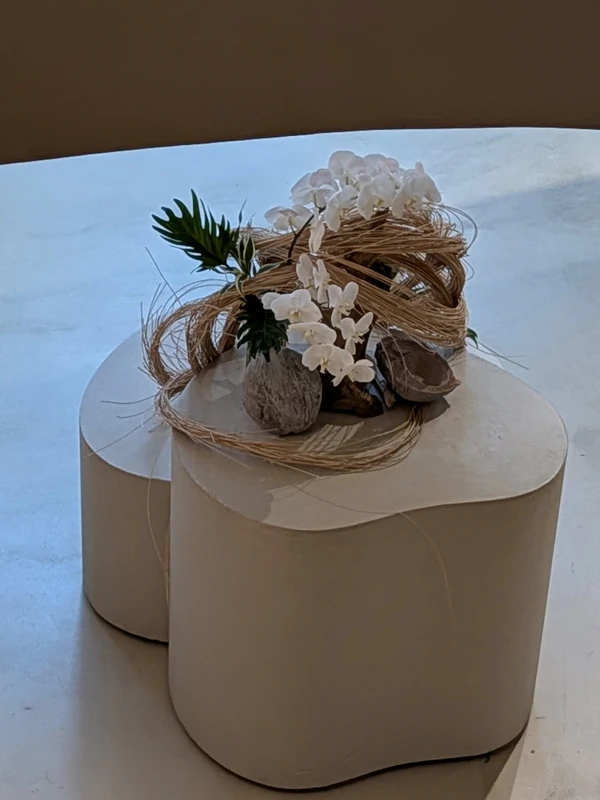
Midi
Midi brings a youthful, slightly rebellious energy to Amsterdam’s floral scene. Since launching in 2021, the studio has made a habit of pushing color harder, playing with unexpected proportions and treating bouquets and installations as opportunities to test how far a floral idea can go. Some pieces feel punchy and graphic, others stranger and more sculptural, but there is always a sense of confidence behind the experimentation. For couples who want flowers with personality and edge, Midi brings exactly that sense of creative mischief to the celebration.
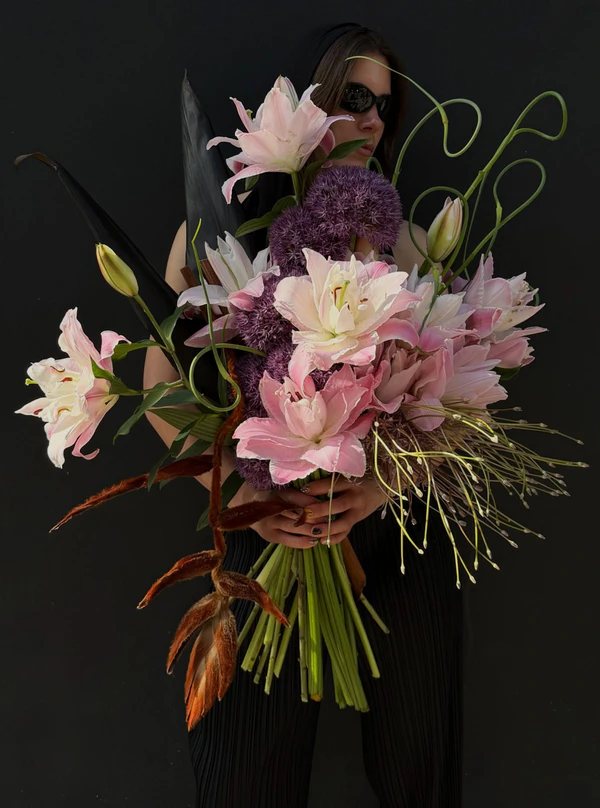
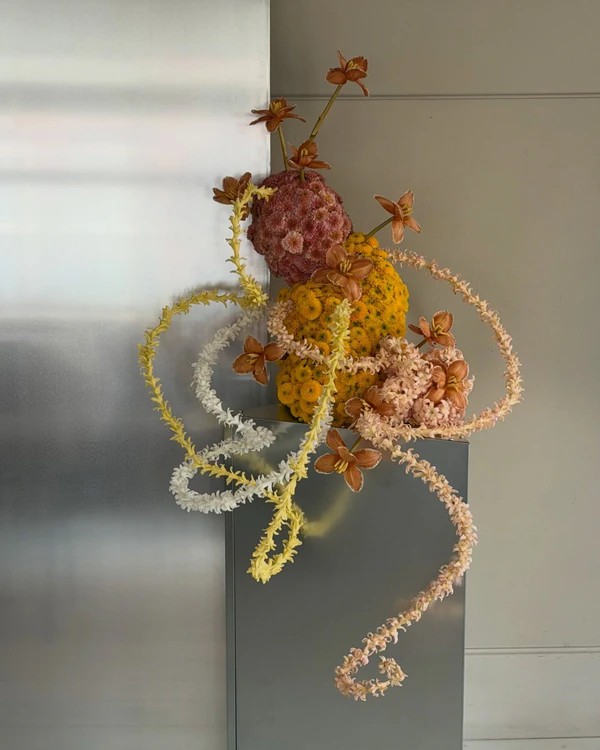
Tepee Sauvage
Tepee Sauvage has never been shy about scale, color or a wildly ambitious brief. Founded by Elena Borg after an extended stay in Australia sparked a new way of looking at flowers, the studio now travels between the French Riviera, Paris, Italy, Switzerland, Spain, New York and beyond. The studio's references are broad, pulling from architecture, fashion, landscapes and more nostalgic floral traditions, which keeps the work hovering somewhere between familiar and future-facing. One project might be drenched in color, another stripped back to a single tone; fresh flowers can sit beside dried botanicals, and unusual varieties are welcomed rather than edited out.
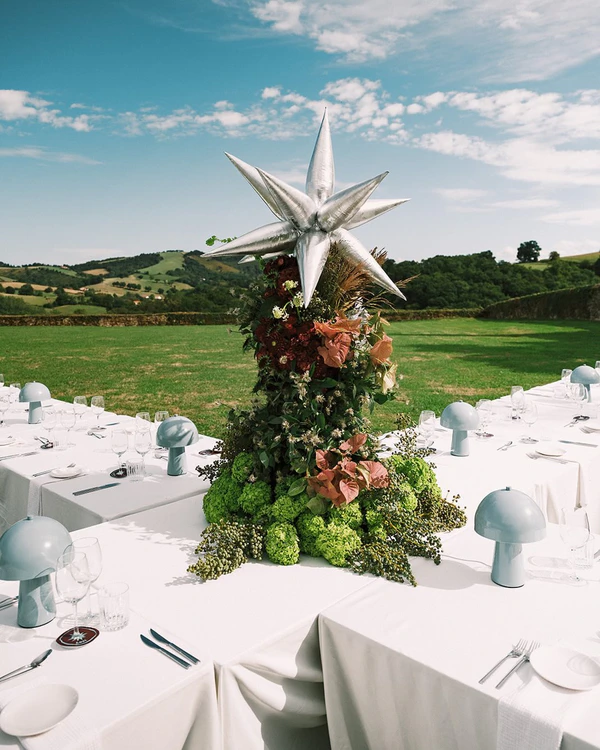
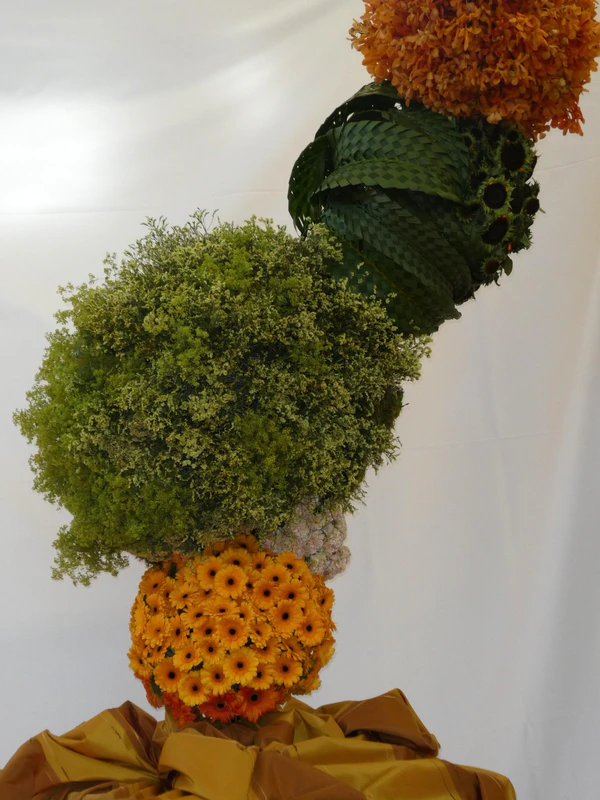
Field
For Field, impermanence is not a limitation, but the very thing that gives flowers their emotional pull. Led by founder and artistic director Lee Matalone, the studio draws on the Japanese idea of mono no aware, finding beauty in the fleeting nature of things and letting that sense of “now” shape everything from intimate arrangements to immersive botanical environments. Flowers become part of the architecture of a space, sometimes standing alone like art objects, sometimes spreading through a room until the whole setting begins to shift around them. Working across the U.S. and internationally, Field keeps the process as thoughtful as the outcome, favoring foam-free mechanics, careful material use and reuse wherever possible.
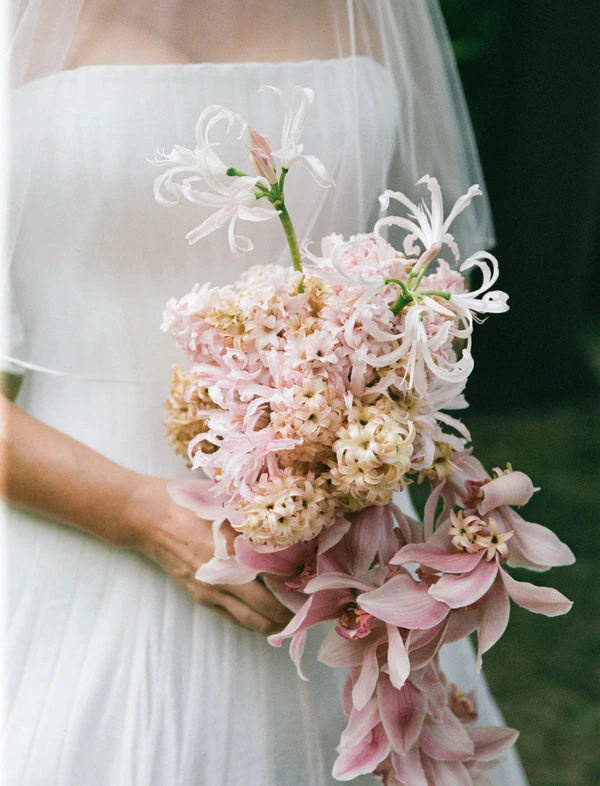
Tulipina
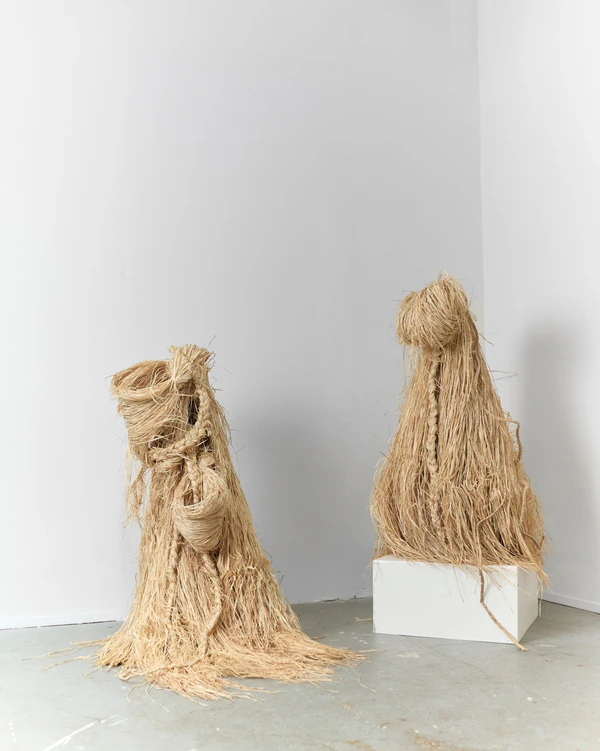
Few studios embrace romance on quite the same scale as Tulipina. Founder Kiana Underwood is known for lavish, color-rich compositions that can turn a ceremony or dinner into an almost fairytale-like sea of blooms, layered with texture, depth and a sweeping sense of romance. Her knack for unusual combinations of flowers and foliage keeps the abundance from feeling predictable, with every installation shaped around the mood and story of the celebration. Working internationally from New York and Paris to Dubai and Tokyo, Tulipina brings a sense of scale and fantasy to weddings that are meant to feel fully transporting.
Hart Floral
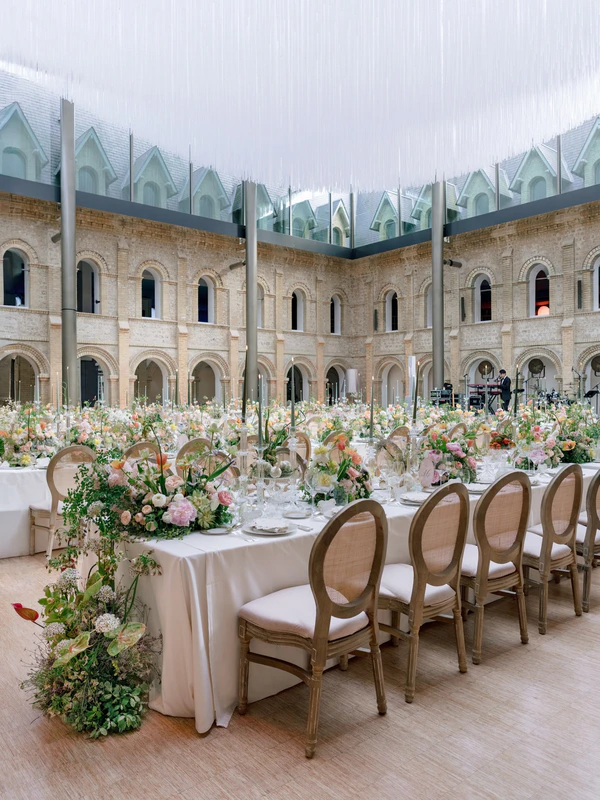
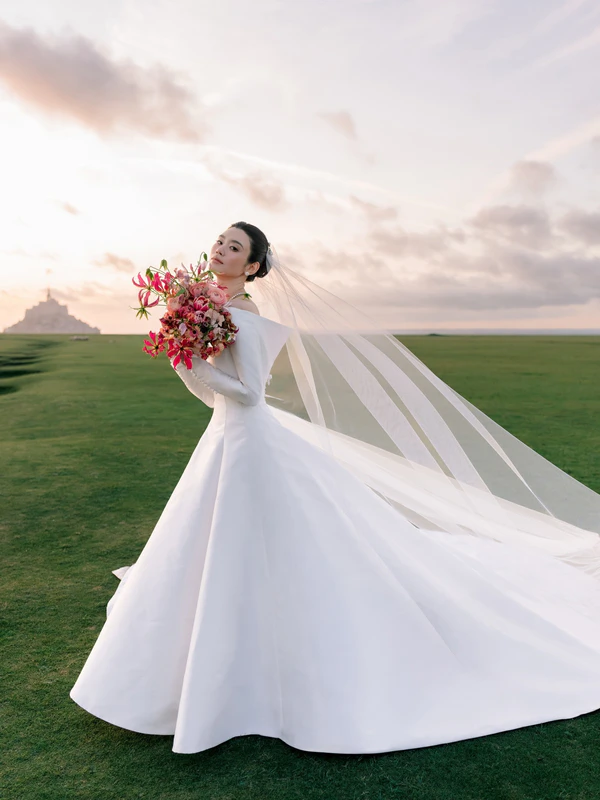
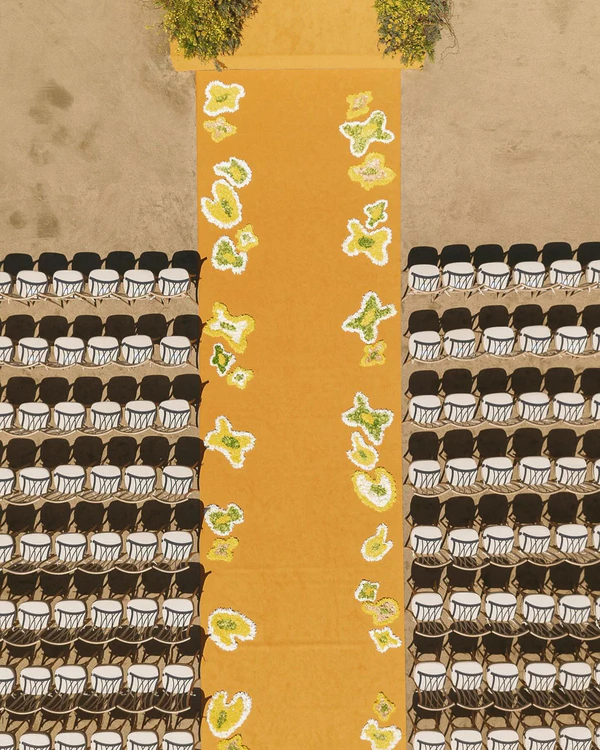
For concept-driven blooms, Hart Floral is the name to know. At the heart is Madison Hartley, whose fine-art background gives the studio its thoughtful, research-led way of working with color, form and material. Ideas are often tested through self-directed studies first, then expanded into weddings, installations and larger floral environments. Tropical foliage, coastal textures, flowers at different stages of life and less obvious formats all enter the picture, from bouquets reworked into sculptural objects to floral carpets tracing the aisle. Nothing is dropped into a space as an afterthought; Hartley pays close attention to season, availability and architecture
Caro
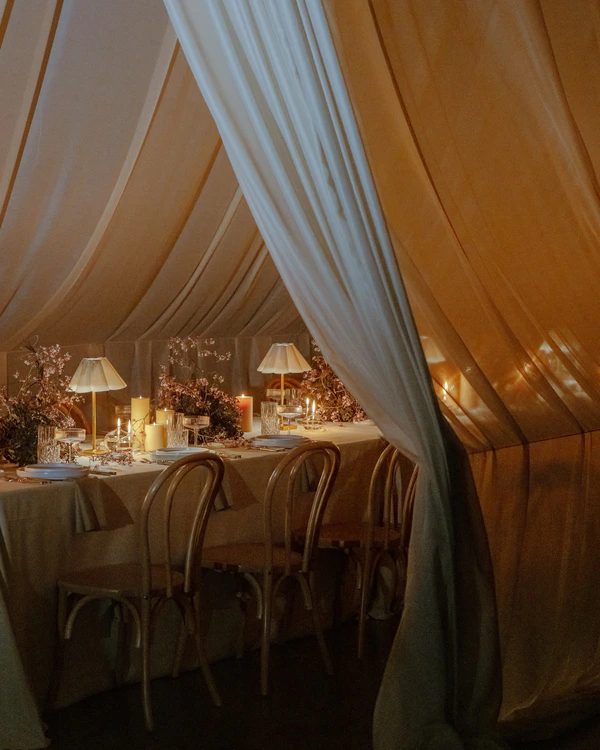
Led by Berlin-based floral artist Carolin Ruggaber, Caro creates botanical installations and spatial works that bring something untamed into carefully designed spaces. The studio is drawn to delicacy, irregularity and materials that seem almost temporary: fleeting textures are not corrected away, but often become the reason a composition holds your attention. Caro’s interest in art-led, unconventional projects has brought in names like Hermès and Cartier, alongside collaborations with cultural institutions that suit the studio’s more contemplative side.
Attepmt
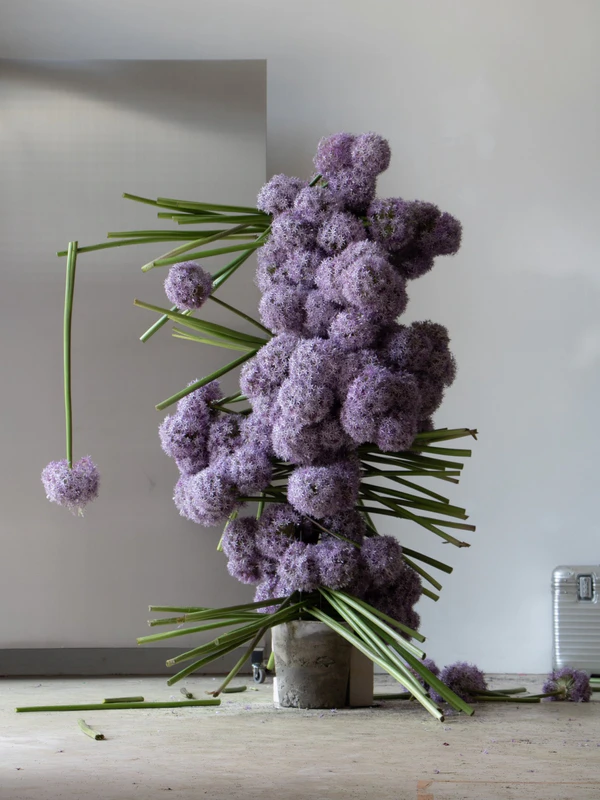
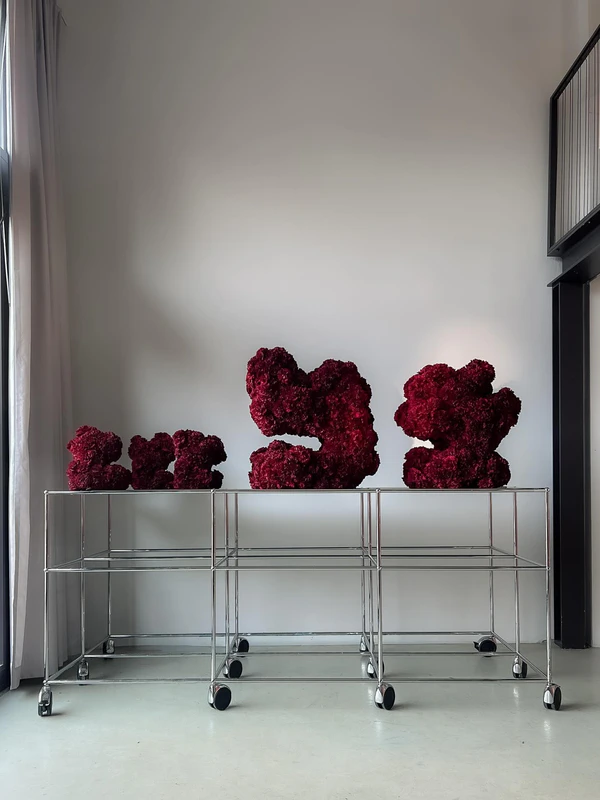
Whimsy-cool meets elegance in Attepmt's work. With studios in Kyiv and Paris, the team creates seasonal bouquets and event florals that feel playful without losing their sense of refinement. Founded in Kyiv in 2020, the studio began with a desire to strip away visual noise, using flowers for meaning rather than simply for volume. That philosophy still shapes everything Attepmt does: each stem is given space, character matters, and the conversation between one flower and the next becomes part of the design. Seasonality keeps the work in constant motion, while a playful curiosity gives even the most pared-back compositions a clever, slightly offbeat spark.
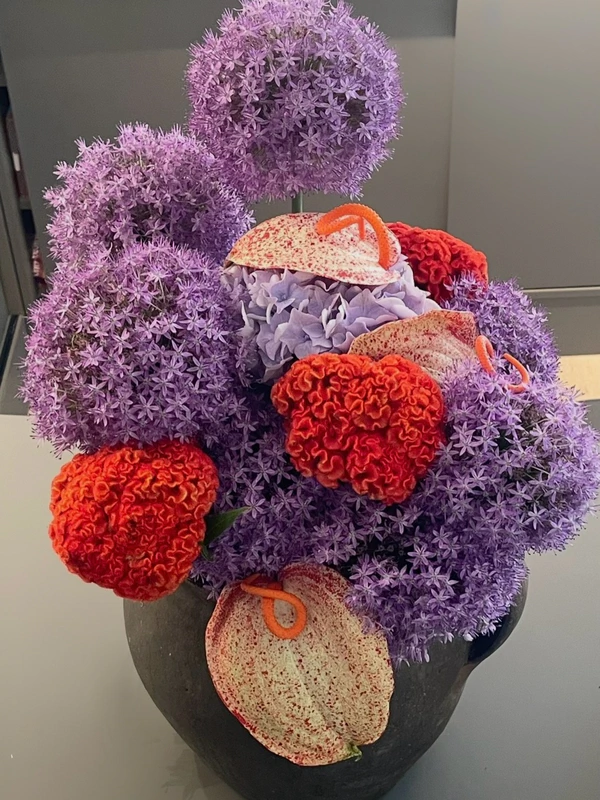
Cordero Atelier
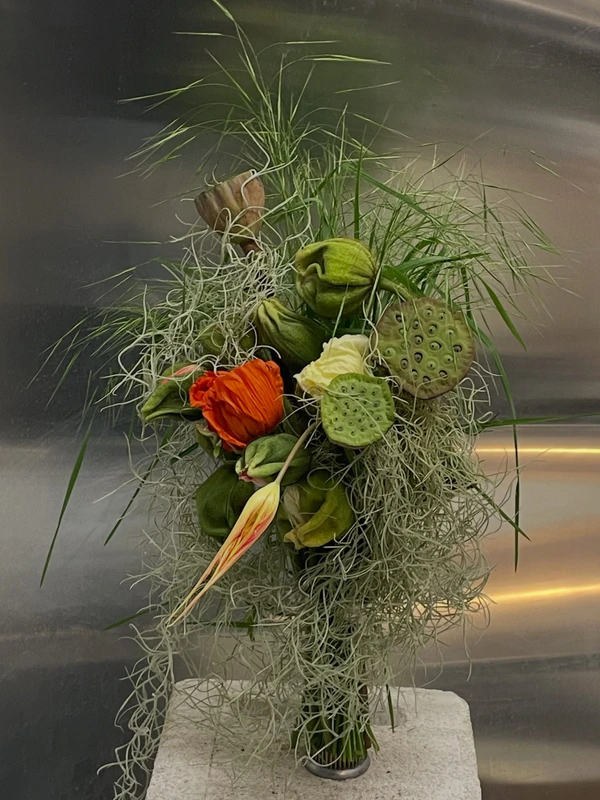
Sara Uriarte Cordero founded Cordero Atelier in 2008, and in the years since it has grown into one of Europe’s most recognized names in contemporary floral installation, though flowers are only one part of a much broader creative practice. Based in Madrid and Menorca, the studio works across creative direction, event production, art direction and set design, with a client list that includes Hermès, Loewe, the Prado Museum, Narciso Rodríguez, Zara, Kenzo and Givenchy. Cordero Atelier keeps its floral work bold and visually ambitious, moving from large-scale sculptural installations to intricate, detail-rich arrangements.