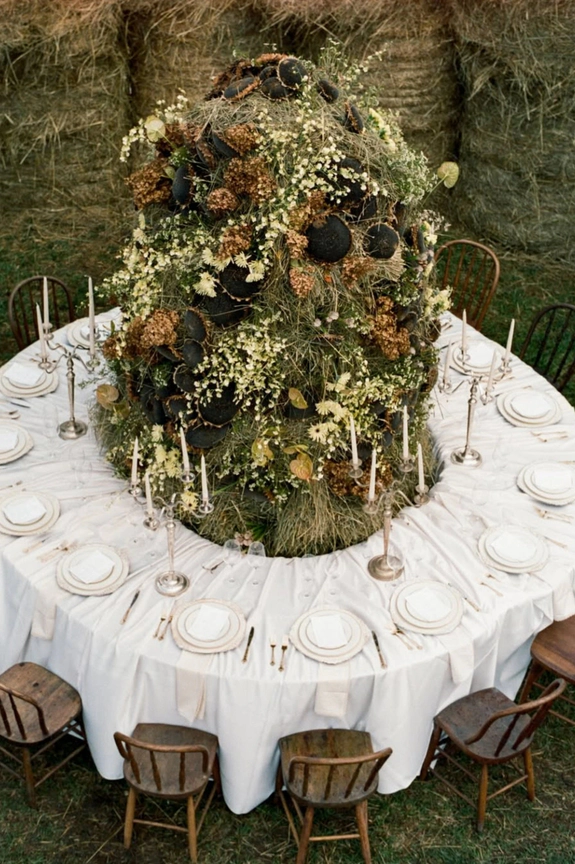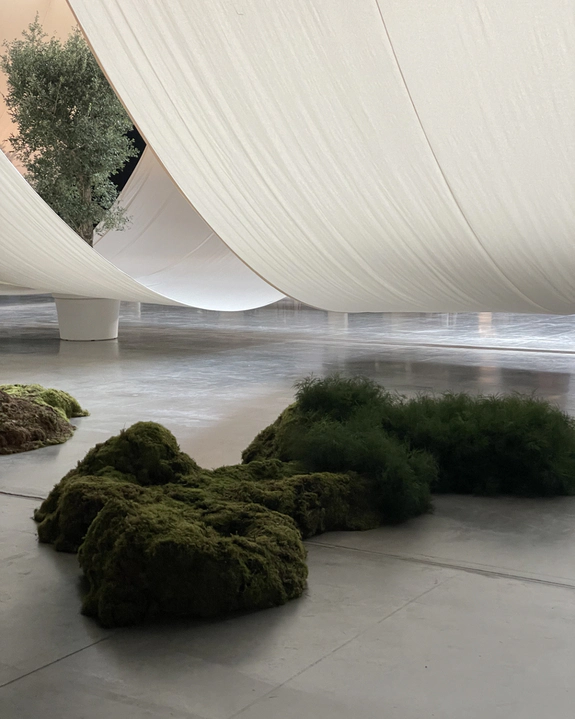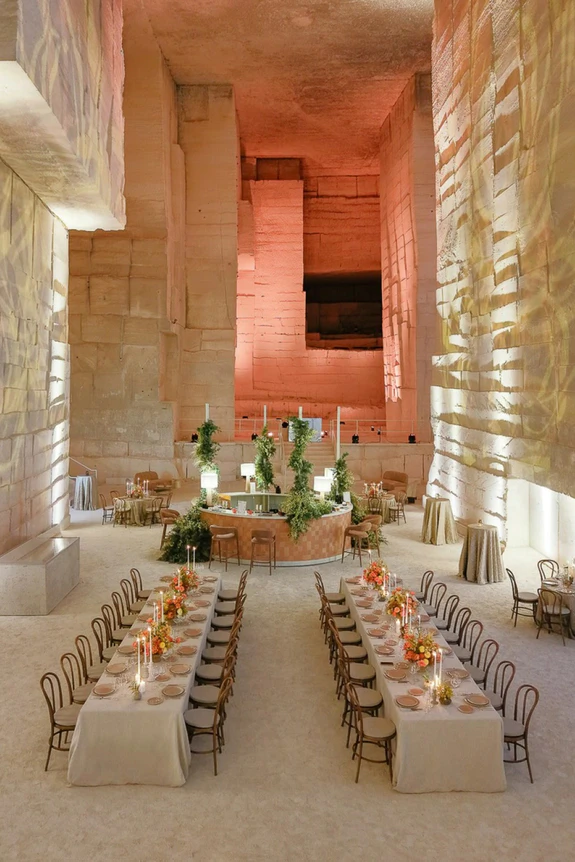
Wedding flowers are often chosen for their beauty, but the season they belong to can shape so much more than the final look. Seasonality influences freshness, texture, color, availability, sustainability, and, yes, even the budget. It can make a celebration feel more rooted in its setting, more connected to its moment, and more alive in the details. To understand how working with nature’s timing can shape both the design and the experience, we asked top wedding florists to share why seasonality matters and how couples can make it work beautifully in their favor.
Why Seasonality Matters
In wedding florals, seasonality goes beyond a practical consideration. It is a way of letting the celebration belong to its moment. The flowers in bloom, the way they move, the colors they carry, and even their small imperfections all speak to a specific time and place. For floral and botanical stylist Marta Sandri, this is exactly where their power lies. “In a world where everything is immediate and endlessly available, flowers reconnect us with patience, timing, and presence,” she explains. “Seasonality reminds us that beauty has its own rhythm, and part of its value comes from not being permanent.”
Wedding florist Madalena, the heart and soul of Flo, sees seasonality as the foundation of floral storytelling. “As floral farmers ourselves, seasonality is at the heart of everything we do,” she shares. “Working with what naturally blooms at our farm in each season creates a deeper connection between the flowers and the celebration. It brings a sense of authenticity to the design and a feeling that the celebration belongs exactly where and when it is.” When flowers are chosen in conversation with the season, they bring atmosphere, memory, and a sense that nothing about the moment could have happened quite the same way twice.
A More Personal Floral Story
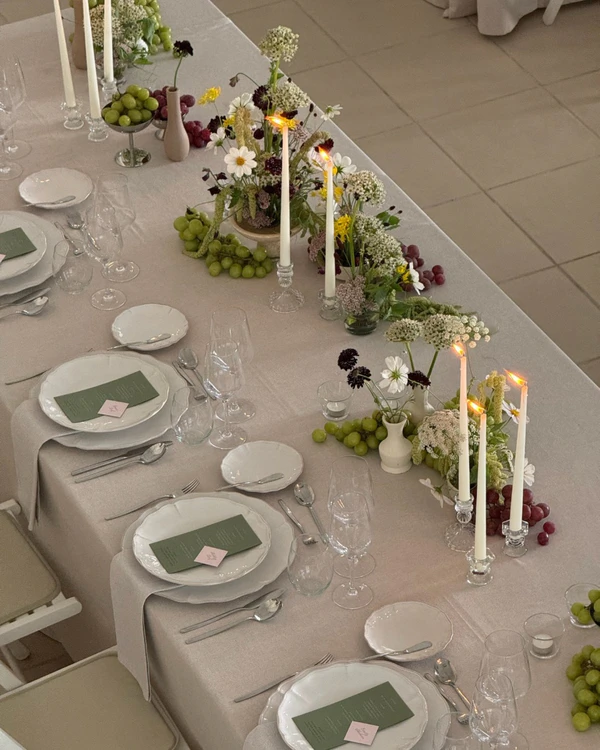
A wedding becomes more memorable when it feels specific, not simply beautiful. And seasonal flowers help create that specificity. They reflect the month, the place, the weather, and the natural mood of the surroundings, giving the floral design a sense of identity that could not simply be copied and pasted from one celebration to another.
As Madalena of Flo explains, seasonal flowers create weddings that feel “more personal and rooted in a specific moment in time, rather than designed around trends.” Marta Sandri approaches that same idea through a more sensory lens, encouraging couples to think beyond a single flower and focus instead on the feeling of the design. “I always encourage couples to think about atmosphere, texture, movement, and emotion,” she says. “This creates floral designs that feel more personal and naturally connected to the season.”
The Beauty of Flowers
in Their Prime
There is a reason in-season flowers often leave a stronger impression. They are being used at the moment they are naturally meant to bloom, when their best qualities are already at their most expressive. “Working with seasonal flowers means you are experiencing flowers at their highest quality: fresher stems, richer texture, and more vibrant colors,” shares Flo.
That is why Ferrell Richardson, creative mind behind The Cottage Rose, recommends beginning the inspiration process with the wedding date in mind. “When finding inspiration for your wedding flowers, look at examples from the same season that you are getting married in. While we operate in a global market and can typically source any requested item, the product is significantly better when sourced during its peak season.”
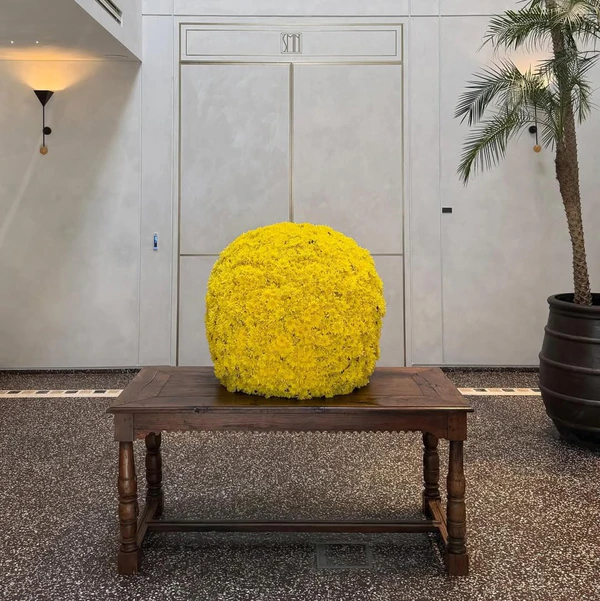
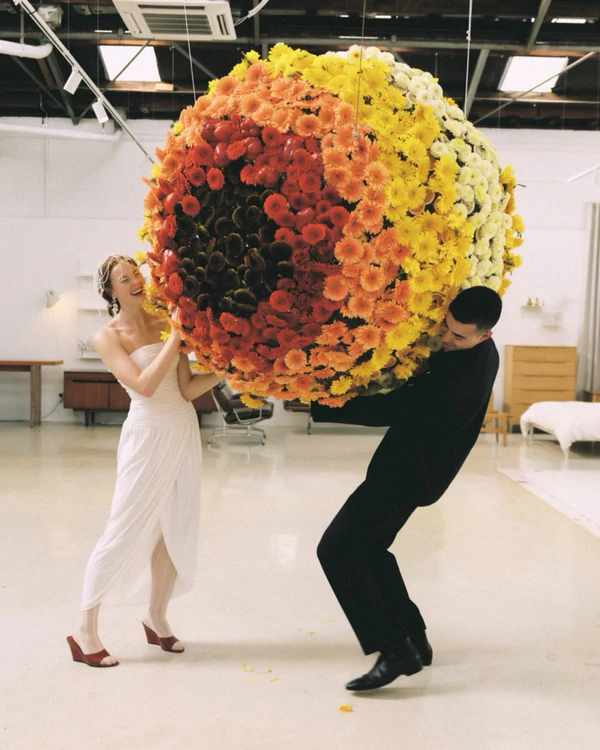
Beyond freshness, seasonality also brings a kind of character that is hard to replicate. Floral and event designer Justin Reis is especially drawn to the nuance seasonal flowers offer. “Seasonal flowers give us flexibility and even surprise that we crave as designers,” he says. “We always know what a standard rose is going to look like, but the local, seasonal blooms can grow in all sorts of unexpected ways based on the season. There’s more nuance in shape, color, and texture that we don’t get to see with blooms available year-round, and one idiosyncrasy can inspire a whole arrangement.”
The Budget Benefits of
Working With the Season
Seasonal blooms bring the best of both worlds to the table: flowers at their natural best and a budget that works smarter. Marta Sandri explains, “Working with seasonal materials can support the budget in a more organic way, reducing the need for imported or artificially forced flowers while allowing the design to feel more authentic and intentional.”
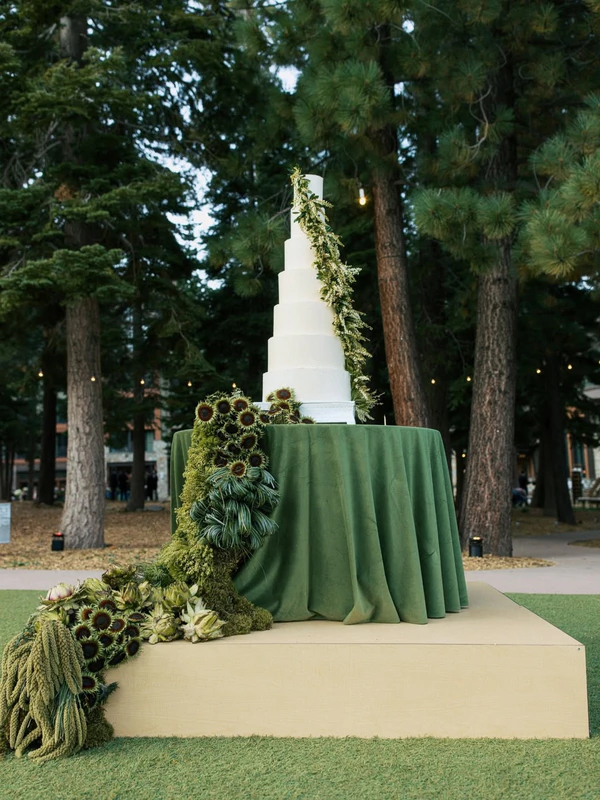
That flexibility can also shift the budget toward greater visual impact. “Choosing seasonal flowers is one of the smartest ways to maximize a floral budget,” says Pablo Arellano, the visionarie behind Dallas-based Concepto Studio. “When flowers are naturally in season, they are typically more abundant, which often translates to better availability, stronger quality, and more flexibility within the budget. Rather than allocating resources toward sourcing a single out-of-season bloom, couples can invest in greater floral impact, whether through scale, variety, or immersive installations.”
The local-seasonal approach can also open the door to more delicate, expressive stems. “Designing with seasonal flowers usually means we can do more with a couple's budget because there aren't as many transportation costs factored into the price of the blooms,” adds Justin Reis. “They are coming from farms that are more local, which also means that we are getting them earlier in their lifecycle, so we can choose stems that are a little more precious and wouldn’t be able to make a long journey.”
The Sustainability Side
The Creative Power of Flexibility
Truth is, seasonality does not simply influence which flowers are available. It can shape the entire creative direction of the design, opening the door to unexpected textures, nuanced colors, and varieties that may never have appeared on the original mood board. The key is leaving enough room for the season to surprise you. “Couples shouldn’t be afraid of seasonal flowers if their aesthetic isn’t as simple as a “spring garden” or “moody fall”. A great designer can make seasonal flowers work across any creative direction, using the best of the season to tell a story that grounds the wedding in a specific time and place,” says Justin Reis.
Reaching that kind of result, however, requires a degree of openness from the couple. Pablo Arellano of Concepto Studio sees this as part of what makes a floral design feel truly elevated. “The couples who achieve the most elevated floral designs are often those who provide a color palette, mood, or feeling rather than a rigid flower list. Giving designers creative freedom to work with the best seasonal materials available allows to source exceptional blooms and create arrangements that feel both intentional and unexpected.”
It is a perspective Madalena of Flo shares, especially when it comes to the trust between couple and florist. “Allowing your wedding flowers to be guided by seasonality is also a true act of trust in your floral designer,” she says. “By giving your florist the flexibility to work with the freshest and most inspiring varieties available at that moment, the result becomes more unique and deeply connected to your celebration.”
Beyond the Blooms
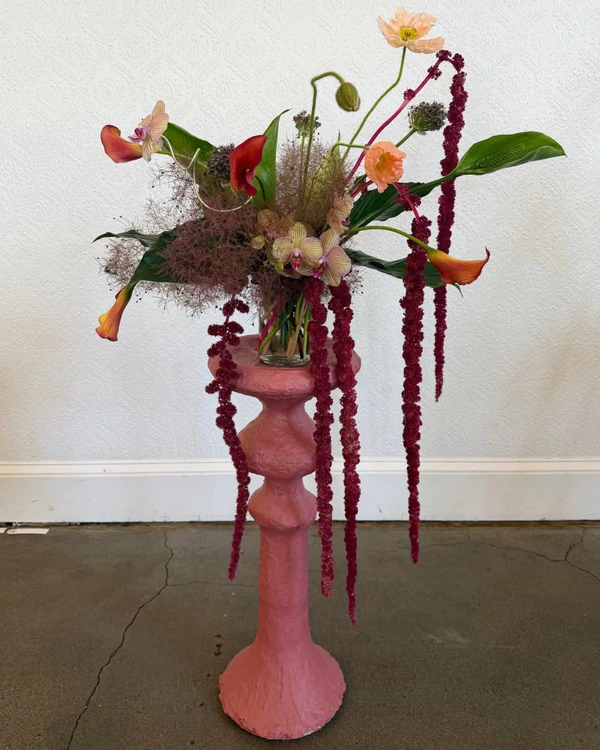
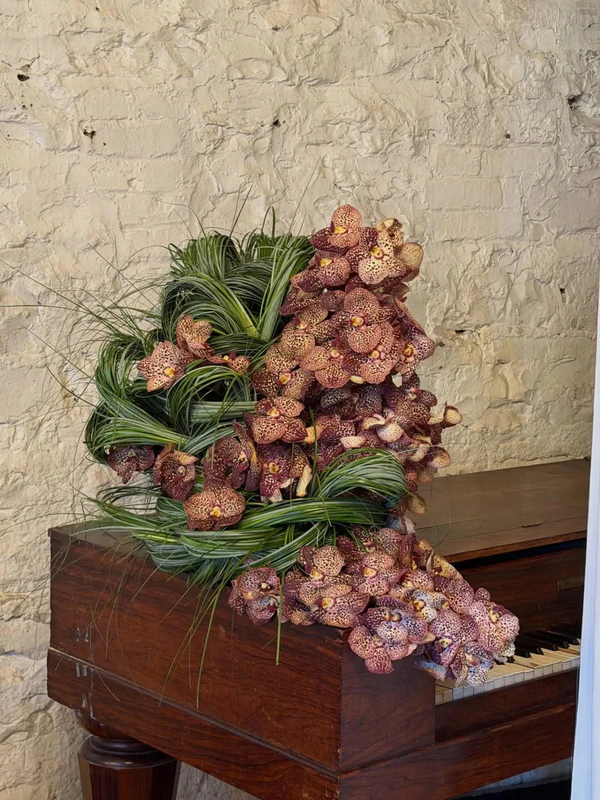
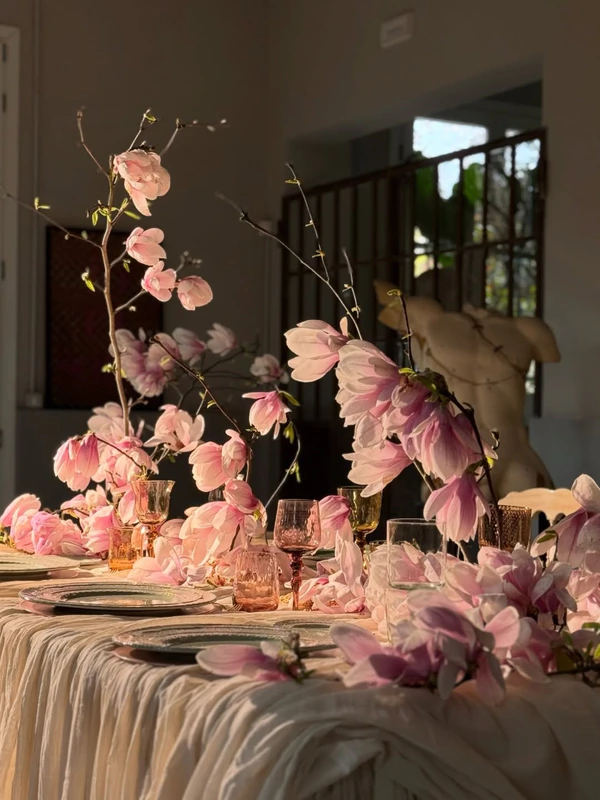
Every season brings its own floral character, and some of the most expressive materials are not always the obvious blooms. Looking beyond traditional flowers to branches, foliage, berries, and other botanical details can give the design more depth while capturing the season in a less predictable way. And for Justin Reis, branches are among the most impactful examples. “I think the best part about seasonal flowers can be the branches. Talk about impact! Flowering branches in the spring, rusty foliage in the fall, there's so much variety that comes with a branch and sometimes it feels like we're able to get a whole tree for the price of a bunch of out-of-season peonies.”
When to Make an Exception
Choosing seasonal flowers does not mean every other bloom is off-limits. There are moments when an off-season flower is worth the extra sourcing, whether it carries personal meaning or is central to the overall concept. The smartest approach is to use it selectively, allowing one special variety to take center stage in the bouquet, ceremony design, or another key arrangement while seasonal flowers carry the rest of the story. Before committing to the added cost, though, it is always worth asking whether a seasonal alternative could create a similar effect. “If you love the look of a certain flower, but it doesn’t bloom in your season, ask your florist to suggest flower types that have a similar vibe without adding the extra cost,” advises The Cottage Rose.