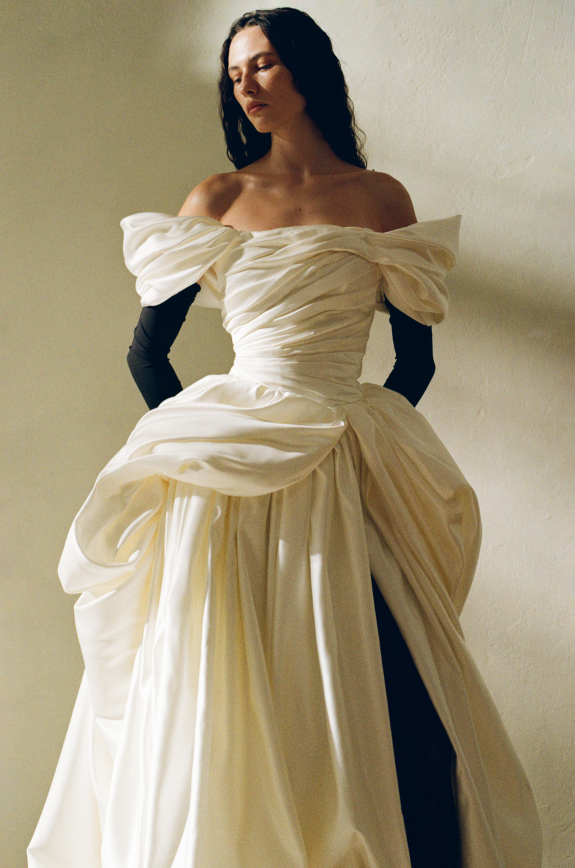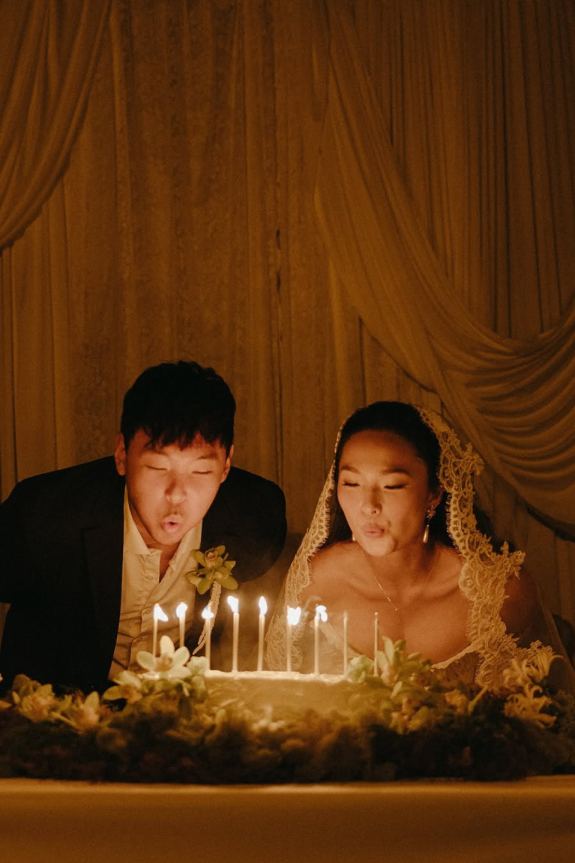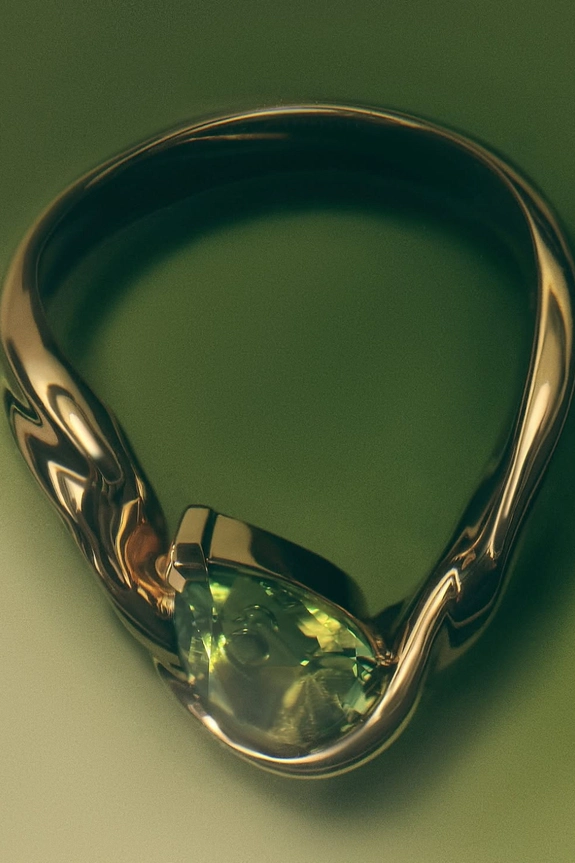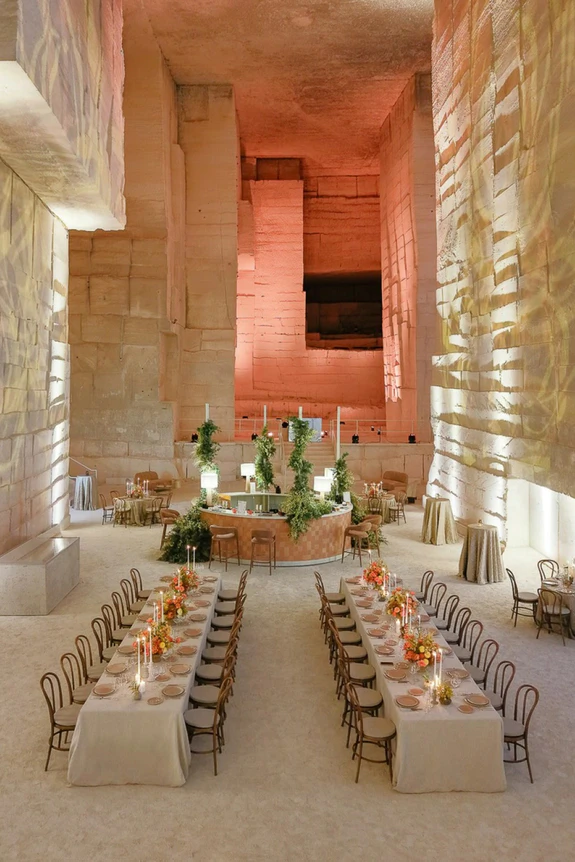
Wedding inspiration has never been more within reach. With Pinterest, Instagram, TikTok, and endless real wedding galleries just a scroll away, couples now have access to more references, trends, colors, florals, fashion moments, tablescapes, and mood boards than ever before. In theory, that should make deciding on a wedding aesthetic easier. In reality, it can make the whole process feel like sorting through a thousand beautiful ideas without knowing which ones actually feel like you. To cut through the noise, we asked expert wedding planners how to define a clear visual direction, narrow down inspiration without losing personality, know when to stop scrolling, and avoid the common mistakes that can make a wedding look beautiful, but over-referenced.
Start With Who You Are,
Not What You’ve Saved
A wedding should be a collection of memories, moods, gestures, and small personal details that tell the story of a couple’s relationship. And while a cohesive visual direction matters, the last thing you want is for it to feel like a costumed performance pulled from someone else’s mood board. The goal is to create a wedding that reflects your idea of beauty, but also feels unmistakably true to you, especially when social media is serving up a thousand competing concepts. So where do you actually begin?
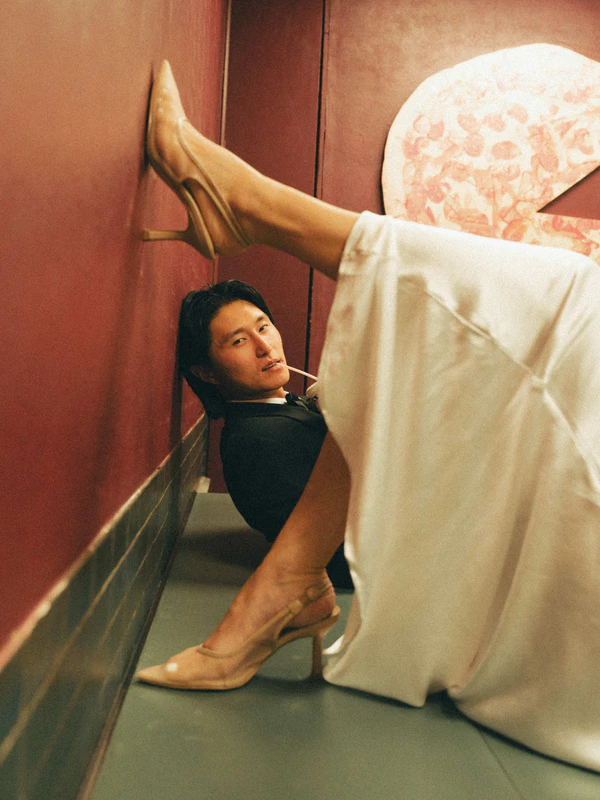
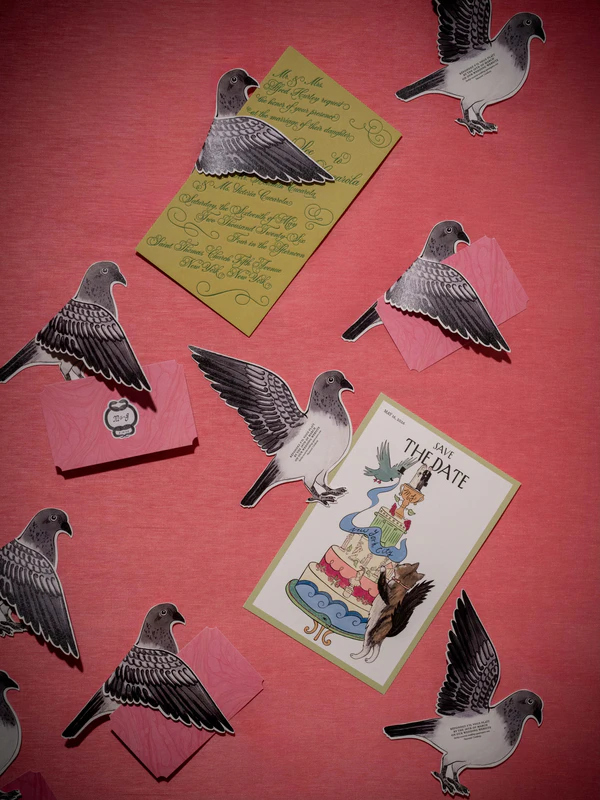
Wedding planner María Oronoz, founder of Martina Por El Norte, suggests looking at who you are beyond the wedding world first. “Your home, favorite places, travels and the way you naturally gather with friends often say much more about your style than social media ever will,” she explains.
Rebecca Marie, the founder and creative director of Rebecca Marie Weddings, takes a similar approach. “I always encourage couples to stop looking at weddings for a moment and start looking at themselves. What does your home look like? What colors dominate your wardrobe? What restaurants are you drawn to? These everyday decisions are usually a far more honest reflection of your aesthetic than hours spent scrolling Pinterest.” After all, the strongest weddings rarely feel like trends neatly copied and pasted into real life. They feel like an extension of the couple.
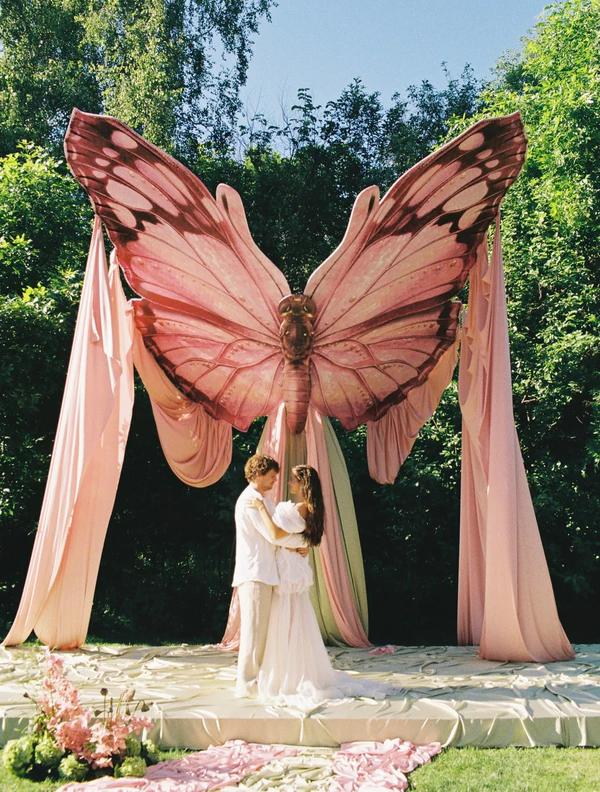
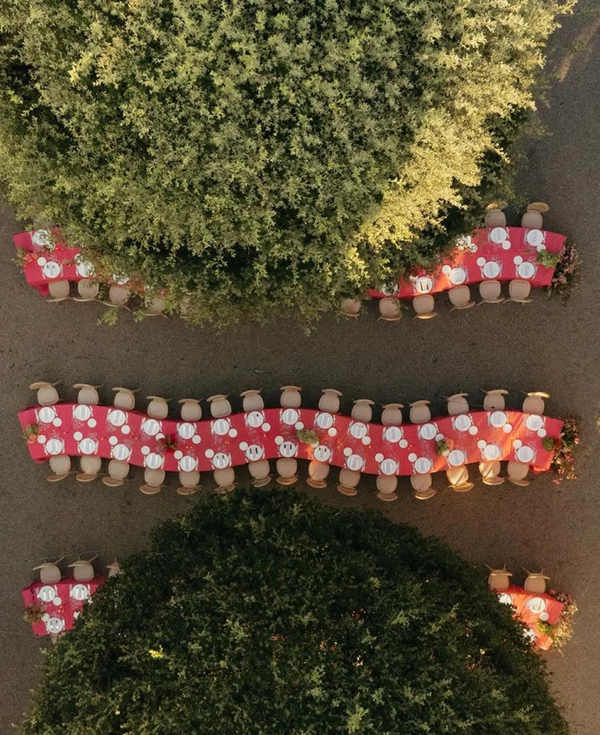
Start With the Feeling, Not the Aesthetic
The visuals are an important part of any wedding. Flowers, fashion, tablescapes, stationery, and venue styling all help shape the world of the day. And with so much inspiration everywhere, there is certainly no shortage of ideas to save, adapt, and overthink at 1 a.m. But before deciding whether your wedding is modern romantic, coastal minimal, garden-party maximalist, or something with a very specific shade of butter yellow, it helps to step back and ask a more important question: what do you want the day to feel like?
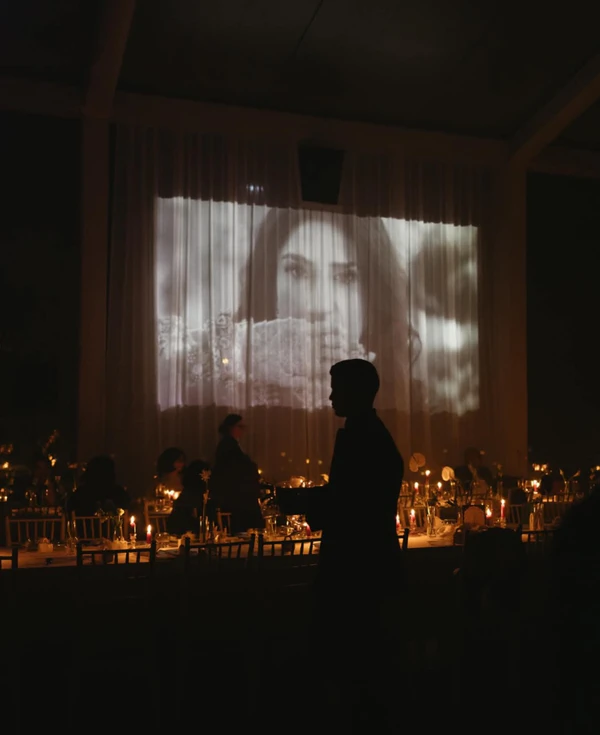
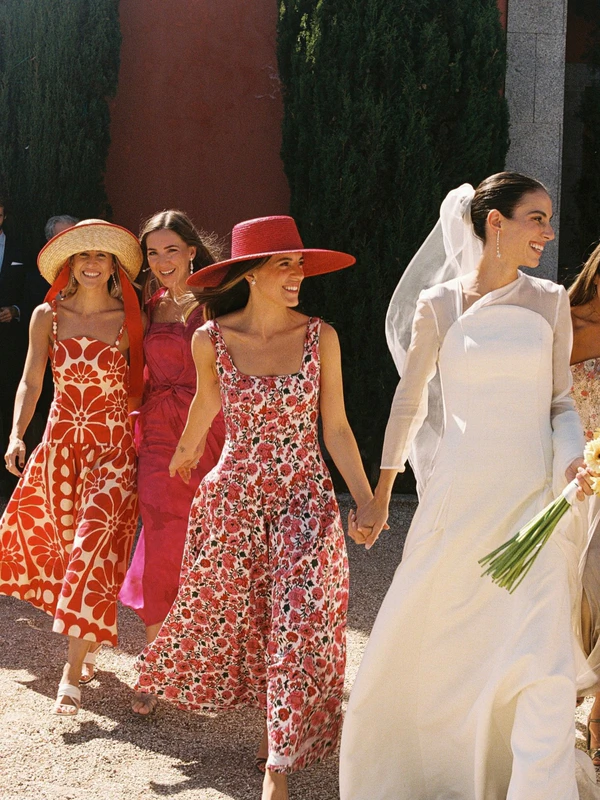
“The best weddings are remembered for how they made people feel, not simply how they looked. Guests will remember the energy on the dance floor, the warmth of the service, the music, the food and the atmosphere long before they remember the color of the flowers,” says Rebecca Marie. “Beautiful design absolutely contributes to that experience, but it should always be treated as a tool that enhances the guest journey rather than the end goal itself.”
That shift from visuals to feeling is what gives the aesthetic its real direction. Once the atmosphere is defined, every detail has a reason to be there, from the lighting and flowers to the pace of the evening itself. As María Oronoz puts it, “When the atmosphere comes first, every design choice becomes more intentional and personal.”
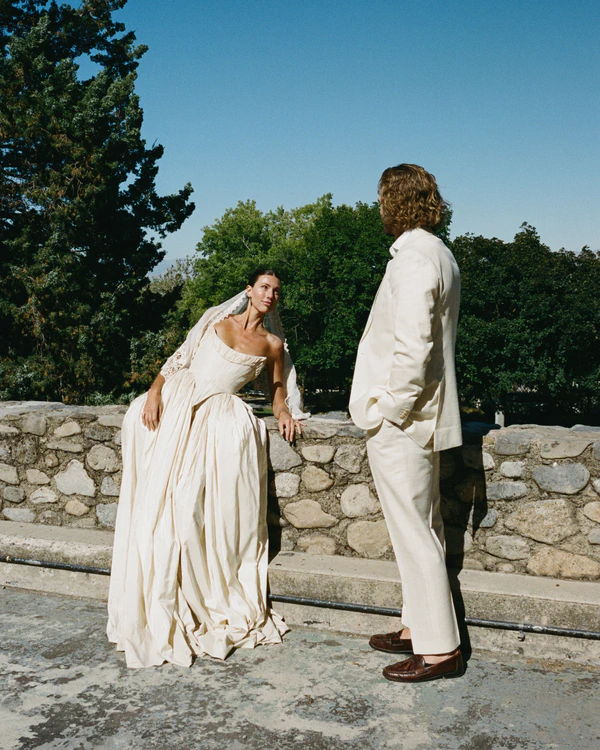
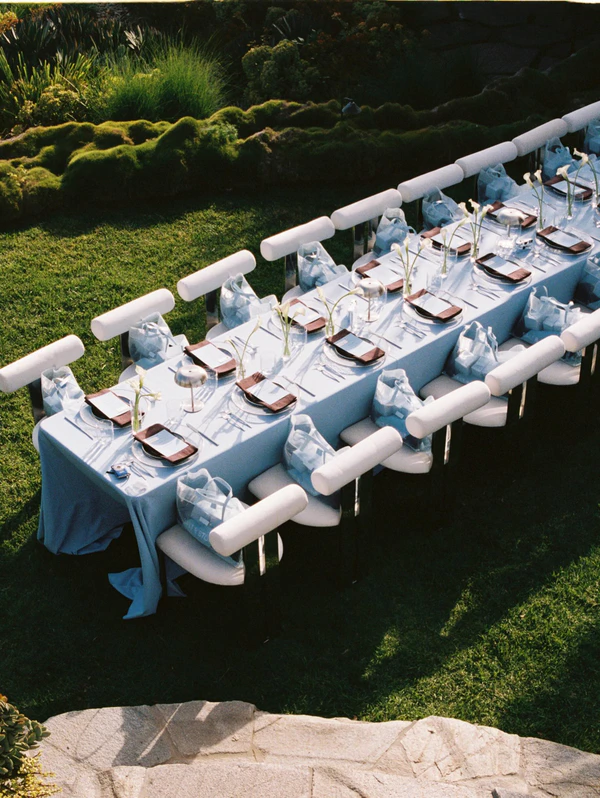
Edit Your Inspiration
Without Editing Out Yourself
As with so many things in weddings right now, the challenge is not finding inspiration, but knowing how to narrow it down. Between social media, real weddings, designer runways, interiors, restaurants, and the great annual mood board spiral, couples are surrounded by beautiful ideas. But more references do not always mean a stronger vision, and a bigger mood board can quickly become its own kind of noise.
Rebecca Marie’s advice is to keep yourselves at the centre of every decision. “Inspiration should help articulate what you already love, not tell you what you should love. Rather than saving hundreds of wedding images, ask yourself why you're drawn to each one. Is it the light? The textures? The architecture? The mood? Once you understand what you're actually responding to, it becomes much easier to create something that feels original rather than copied.”
When you understand what you are actually responding to, the next step is choosing what deserves to stay. Not every saved idea needs to make it into the final design, and that is often where the real clarity begins. Wedding planner Anna-Jill Gierhards, founder of Kiss from Fleur, sees this editing process as essential: “In the beginning you start to collect many ideas but then you need to decide and focus on your highlights.” She adds that this is where a planner or designer can offer a much-needed outside eye, helping couples step back from competing ideas so the strongest details have room to become the “WOW” moments of the day.
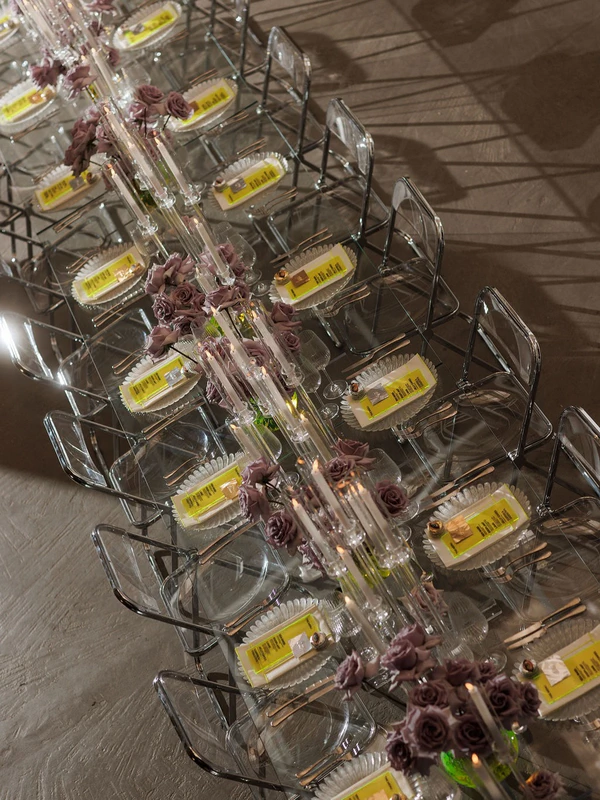
Let Your Venue & Season
Guide the Aesthetic
A strong wedding aesthetic rarely exists in a vacuum. It responds to the place, the time of year, and the atmosphere already built into the setting. When the design takes its cues from those elements, the result feels less imposed and more like it could only have happened there.
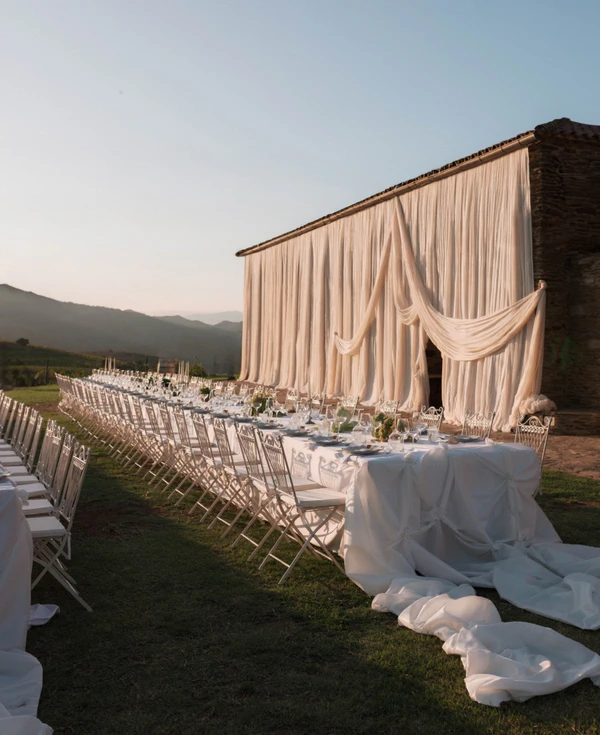
For Rebecca Marie, this is one of the most important decisions couples can make when shaping the look of their day. “In my opinion, this is the most important decision of all. A Tuscan summer wedding naturally calls for a completely different design language than an autumn celebration in New York or a spring weekend in the English countryside. Rather than forcing an aesthetic onto a venue, allow the architecture, landscape, light and season to guide the creative direction. The most timeless weddings always feel as though they belong exactly where they are.” María Oronoz of Martina Por El Norte agrees: “The setting should always inspire the design. When the aesthetic responds naturally to the venue, the season and the surroundings, the result feels timeless and authentic.”
Find the Thread Between Your References
Not every couple fits neatly into one aesthetic lane. Maybe you love the softness of a garden wedding, the polish of a city dinner, the looseness of a Mediterranean weekend, and one cinematic reference that refuses to leave the mood board. That mix can absolutely work, but it needs a clear thread. Without one, different ideas can start competing with each other instead of building a cohesive visual story.
The trick is not to make every reference look identical, but to find the idea that connects them. As María Oronoz explains, “Different inspirations can work beautifully together if they're connected by one clear concept. A strong creative direction allows every element to feel like part of the same story.”
Rebecca Marie views that mix of references as part of the creative process, not something couples need to fear. “One of the biggest misconceptions is that you need to find a wedding that has already done exactly what you're imagining. You don't. The magic happens when you collect seemingly unrelated ideas and work with a creative team that knows how to connect them into one cohesive story.”
The creative team can also help turn beautiful but scattered ideas into something that actually works in real life. Anna-Jill Gierhards of Kiss from Fleur recommends bringing in professional guidance to understand “how you can bring everything together,” not only from a design perspective, but also in terms of budget, execution, and what is possible within the venue itself.
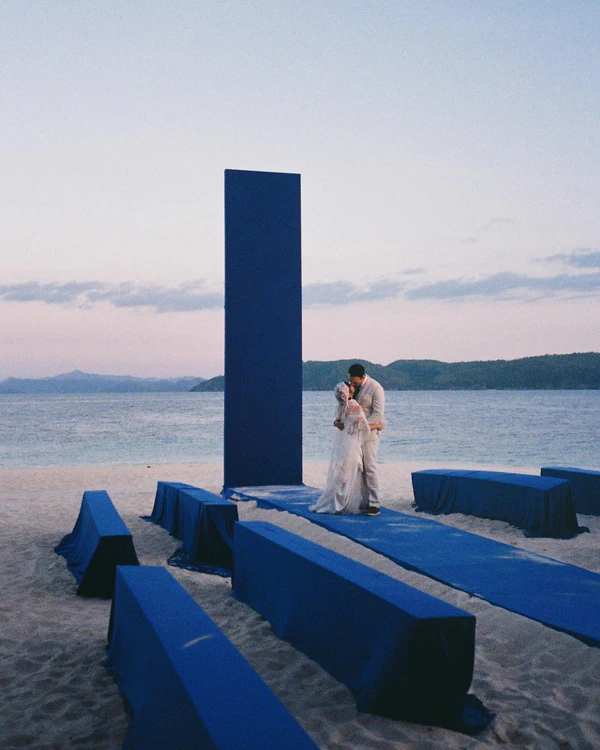
Know When to Stop Looking
When you are deep in the process, it can be hard to put a stop to the search and realize that more inspiration is no longer helping the vision, but blurring it. At some point, more ideas stop creating excitement and start creating doubt. That is usually the moment to stop looking outward and return to the direction you have already built.
Rebecca Marie advises couples to keep coming back to their original vision rather than letting every new trend reopen the conversation. “There comes a point where more inspiration becomes noise. Once you've established a clear direction, keep referring back to your original vision rather than chasing every new trend that appears on social media. Pinterest and Instagram are wonderful tools for communicating ideas, but they shouldn't become the project itself.”
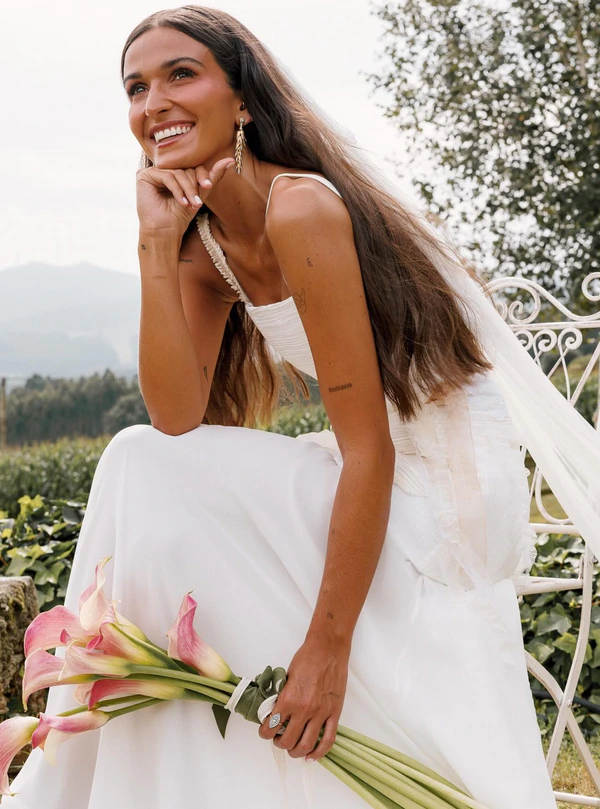
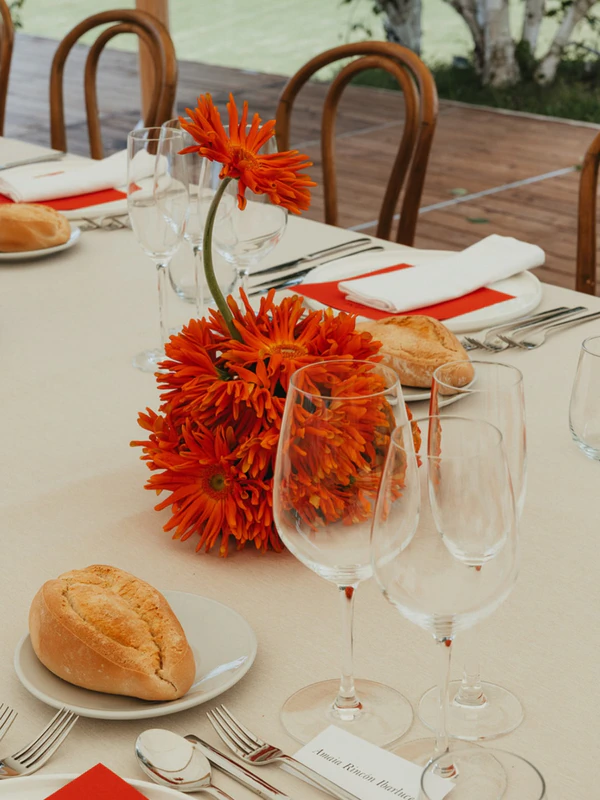
María Oronoz agrees that once the main elements are aligned, the search should slow down. “When the vision reflects the couple, the venue and the atmosphere they want to create, it's time to stop searching. Confidence and consistency always create stronger weddings than chasing every new trend.”
For Anna-Jill Gierhards, the stopping point is emotional as much as practical. It comes when the design no longer feels like a question, but like something you genuinely want to step into. “I think it is the moment when you feel love and excitement about the design you have created and chosen,” she says. Deadlines and practical decisions still matter, of course, but once the vision feels right, constantly searching for more can do more harm than good.
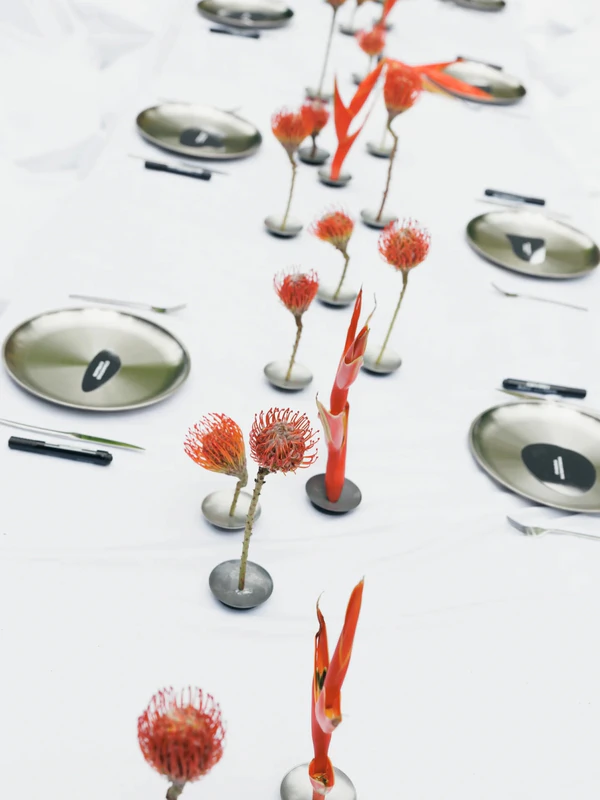
Don’t Confuse Viral With Meaningful
Most wedding aesthetic mistakes come from trying too hard to make the day look “right.” Right according to Pinterest, right according to trends, right according to someone else’s wedding that already had its moment. A strong aesthetic is not about imitation or perfection, but about creating a visual world that feels connected to the couple.
For Rebecca Marie, that starts with resisting the urge to recreate someone else’s celebration. “The biggest mistake is trying to recreate somebody else's wedding. Just because you love one image online doesn't mean the entire aesthetic should be built around it.” She also warns against making every part of the wedding look exactly the same. “A wedding is a journey, and each part of the day should have its own atmosphere and purpose while still feeling connected to the overall story.”
María Oronoz points to another common trap: confusing what is trending with what is true to the couple. “One of the biggest mistakes is choosing an aesthetic because it's trending instead of because it feels personal.”
Anna-Jill Gierhards also cautions couples against taking every beautiful image at face value. Pinterest and Instagram can be brilliant tools, but not every idea online is realistic for every wedding. Some references come from styled shoots, some require a very specific venue or production budget, and some simply cannot be executed in the space a couple has chosen. In the end, the best wedding aesthetic is not the one that follows every reference perfectly, but the one that knows what to leave out.