Somewhere between what’s seen and what’s felt is where the most interesting wedding images live, and that is exactly what wedding photographer Diego de Rando does so well. For more than 15 years, he has brought together his background in fashion and editorial photography with a documentary approach to weddings, creating images that feel natural and effortless, yet always grounded in a strong sense of composition, light, and emotion. Below, Diego de Rando opens up about balancing documentary honesty with editorial vision, and the subtle choices that allow both to exist within a single frame.


Where Reality Meets
Visual Intention
For me, wedding photography always begins with reality. A wedding day is emotional, unpredictable, constantly moving, and most of the time, the photographer cannot control what is happening. My role is first to observe, anticipate, and compose within that reality. Only then does visual intention come into play.
While my background in fashion and editorial photography taught me how to build strong compositions, read light quickly, and guide people in front of the camera with clarity and precision, weddings are fundamentally about real moments. The strongest images appear when authentic emotion meets thoughtful composition. Great wedding photography begins with observation. Before directing anything, you have to understand what is happening in front of you.


The Documentary Nature
of the Wedding Day
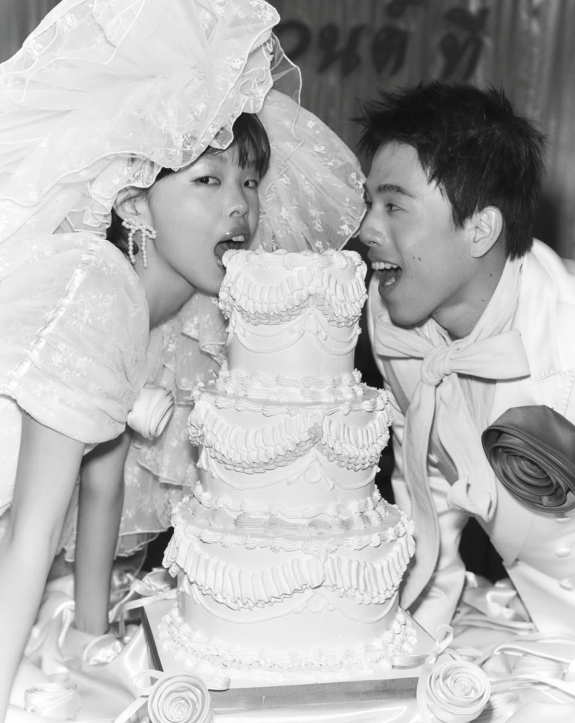
Around eighty percent of a wedding day unfolds in a purely documentary way. Moments happen naturally and cannot be interrupted or directed. During these parts of the day, the photographer must work almost invisibly, reading the room, anticipating gestures, and finding the best light and perspective without disturbing what is happening. Documentary wedding photography is not passive observation. It requires instinct, awareness, and timing. The challenge is capturing real moments exactly as they happen while still creating images with strong visual balance.


Direction Without Breaking
the Moment
The remaining part of the day is where a more intentional creative space appears. This is when photographers can connect more directly with their couples and gently guide them so they feel comfortable in front of the camera. In many ways, directing people who are not used to being photographed becomes a kind of subtle game. You sense movement before it happens, pick up on their energy, and guide posture or positioning almost without them noticing.
The goal is never to make people feel posed, but to lead them naturally toward the best light, the strongest composition, and the most flattering angles. Most couples are not models. The photographer’s role is to help them feel like themselves.


Natural Posing and
Understanding the Couple
Before photographing a couple, I try to understand them as people. I often ask simple questions: What do you like about yourself in photos? Do you prefer smiling or more calm portraits? Is there an angle you feel more comfortable with? Some people love their eyes, others like their smile or a particular side of their face. These small conversations help me understand how to photograph couples in the most natural way.


Composing with Everything Around
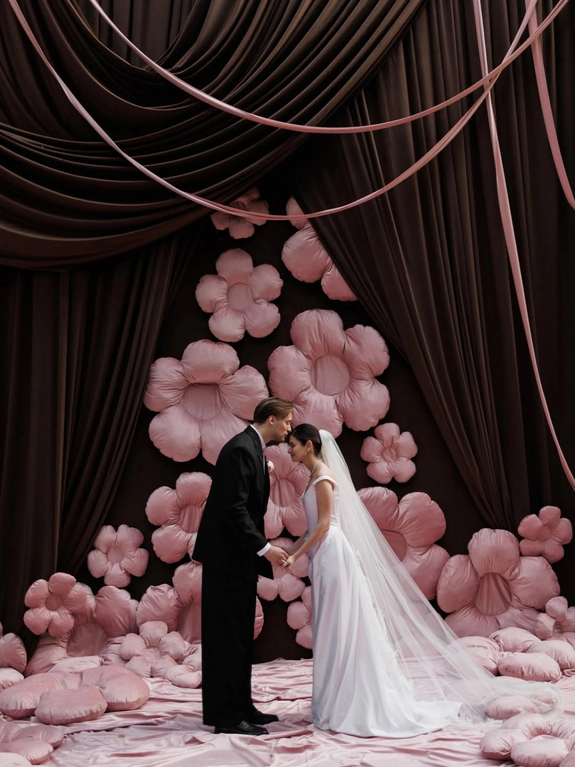
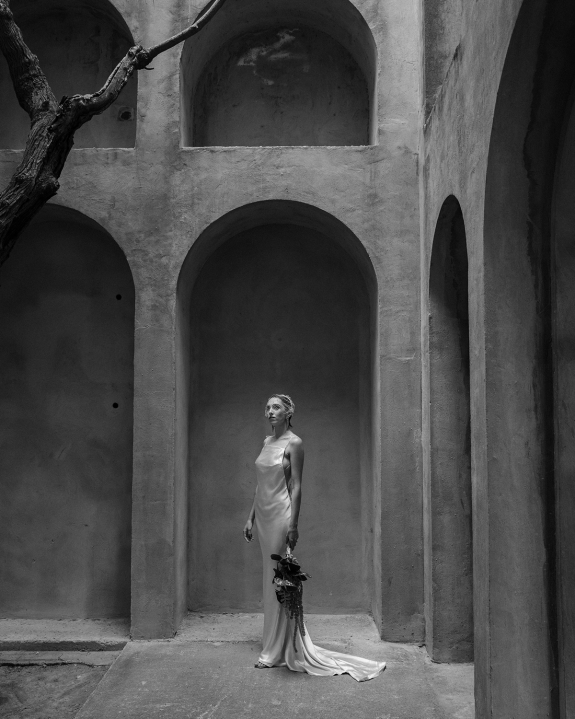
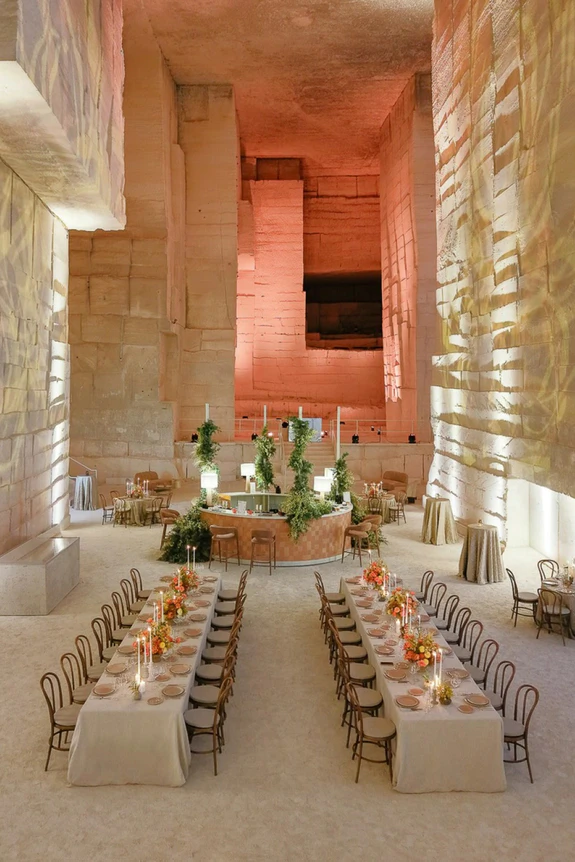
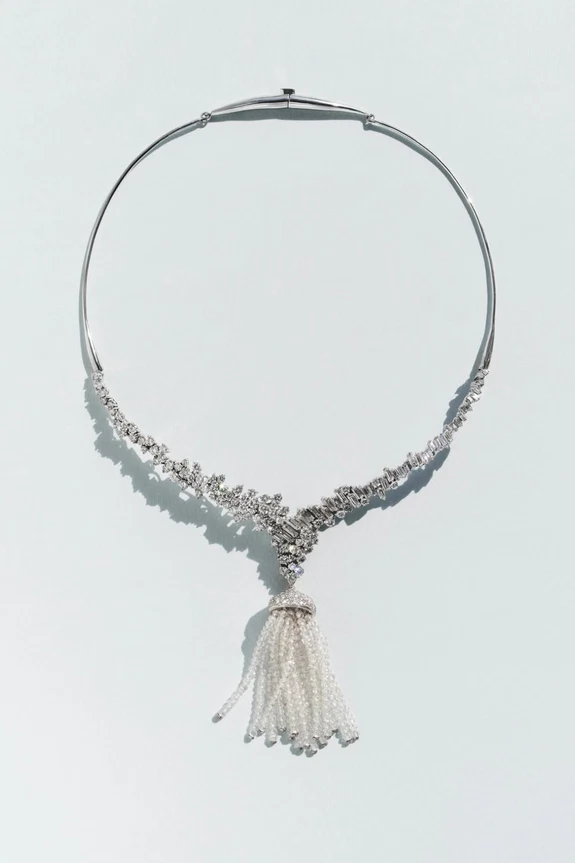
A wedding offers an extraordinary amount of visual elements: architecture, textures, fabrics, jewelry, table settings, colors, and light. Part of the creative process is quickly observing what we have available and asking ourselves how all these elements can work together inside a photograph.
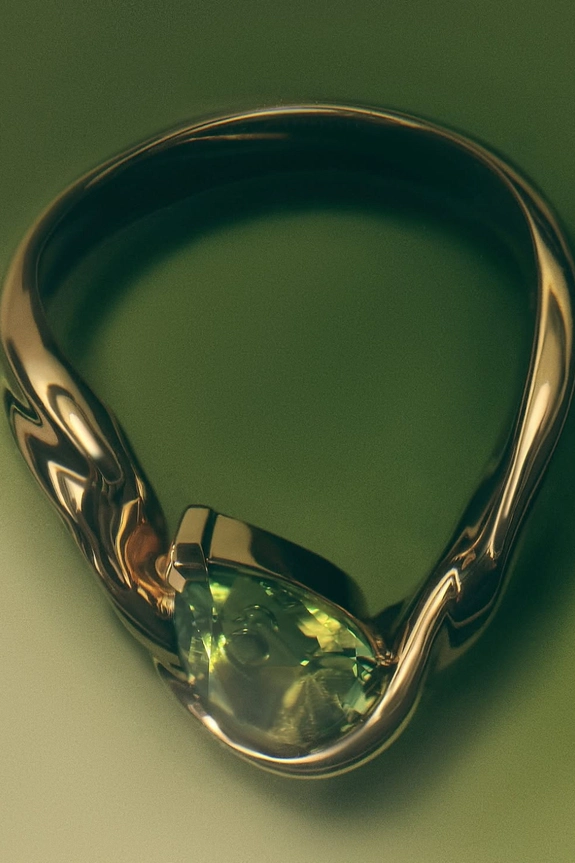
Sometimes we compose with the couple and the environment. Other times, we create images of the details themselves: the florals, the rings, the dress, or small still-life compositions. All of these images help build the rich visual narrative of the day.


Photographing the Creative Work
Behind the Day
A wedding is also the result of the work of many creative professionals. Planners, florists, designers, stylists, and artists invest enormous care into building the atmosphere of the day. Part of the photographer’s responsibility is translating all of that work into images. It goes beyond photographing the couple beautifully, extending to the visual world that has been created around them.


Connection Before Technical Perfection
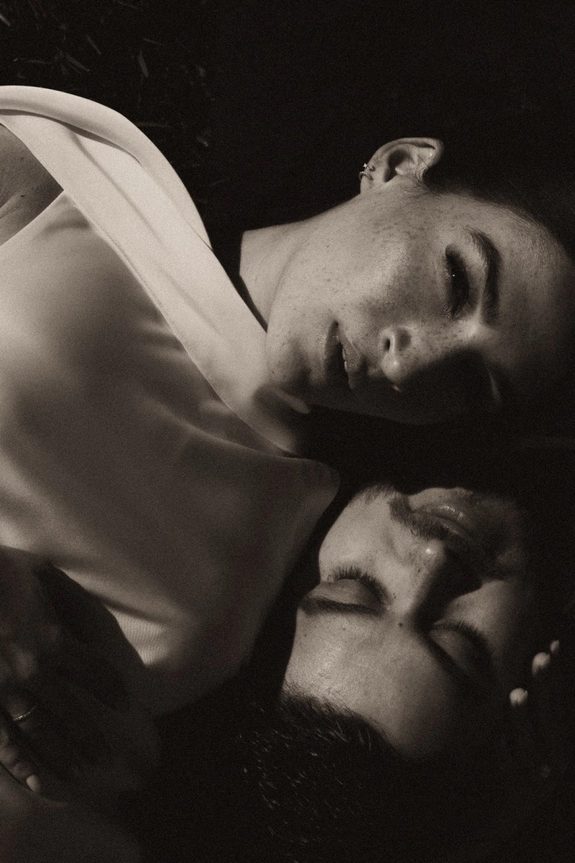
Technical precision matters, but emotional connection always comes first. When people feel comfortable and understood, something shifts in front of the camera. Authentic wedding photography happens when couples forget about the camera and simply focus on each other. That is when images become honest. Without that connection, even the most technically perfect photograph can feel empty.