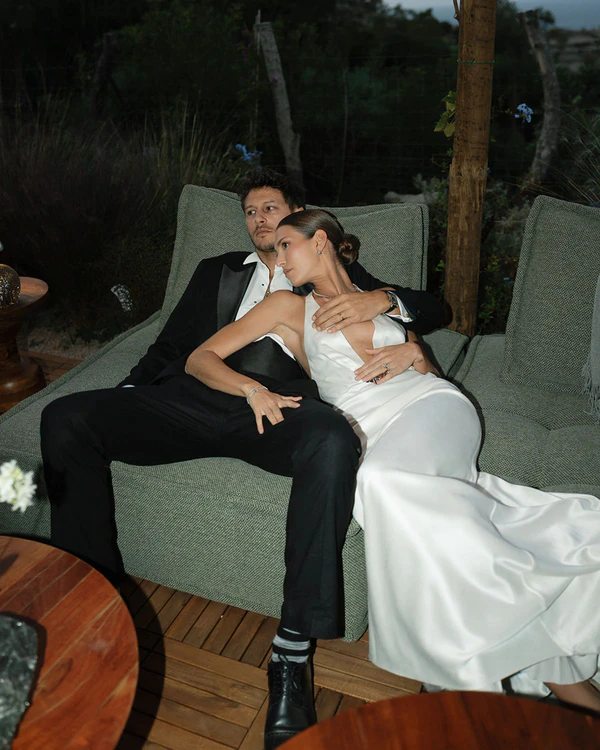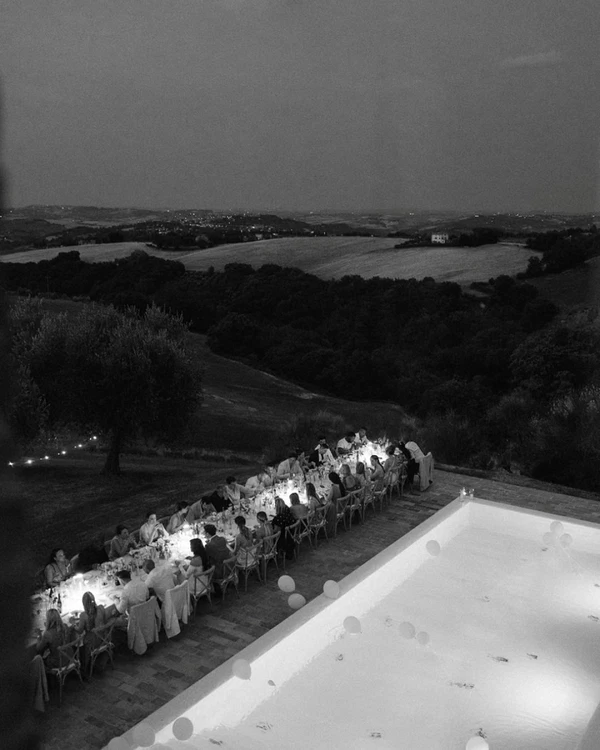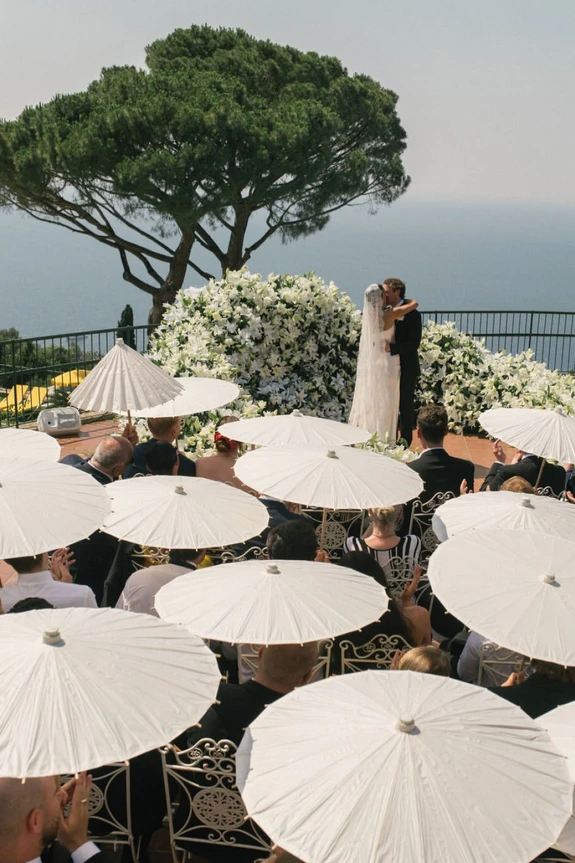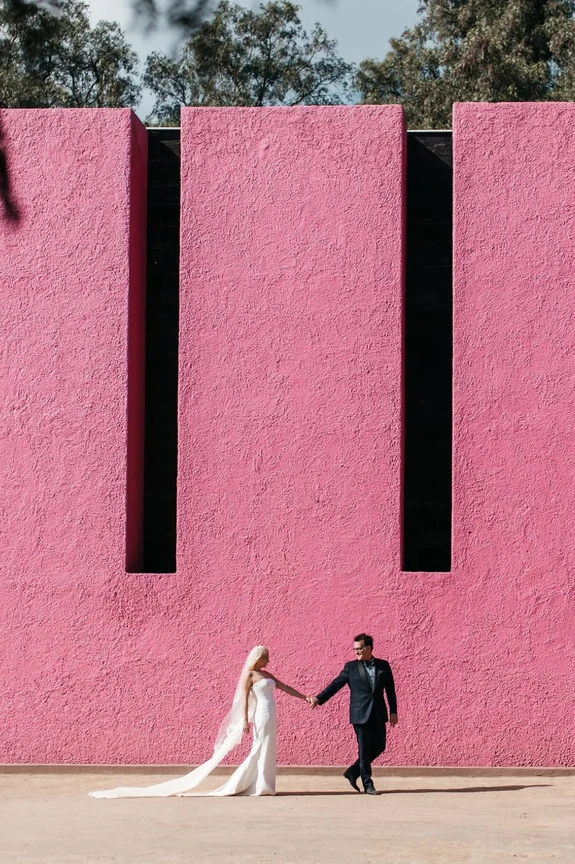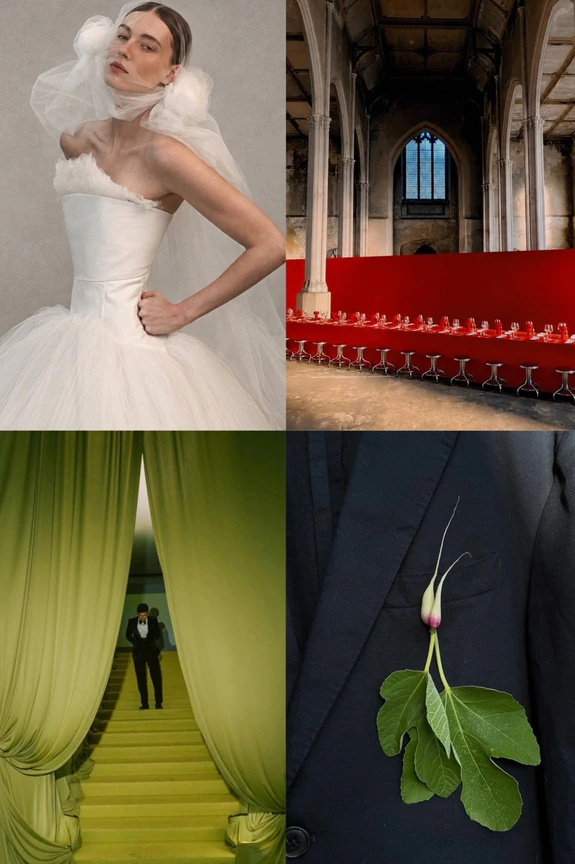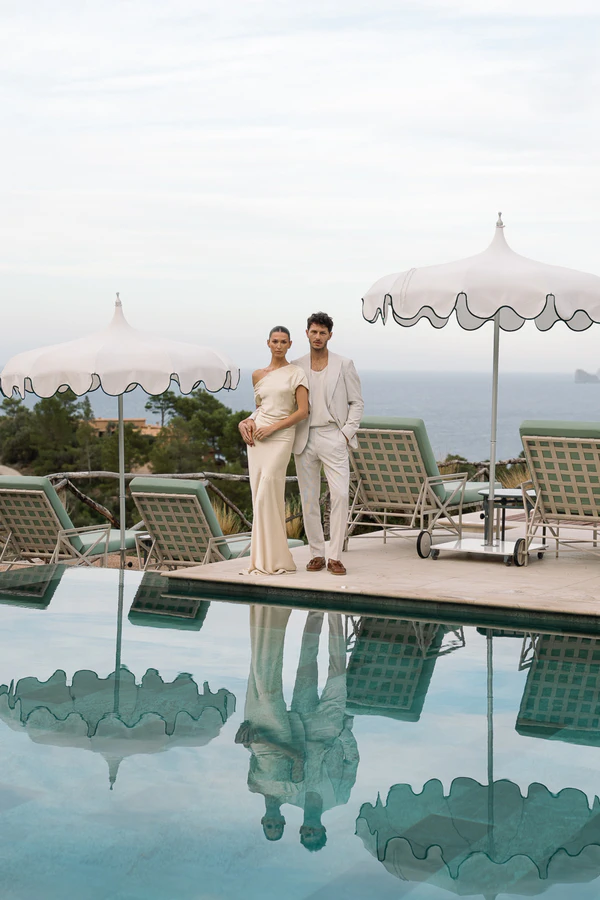
A beautiful wedding gallery is made up of dozens of small decisions: the light, the fashion, the flowers, the pace of the day, and, of course, the place where it all happens. A location influences far more than what appears in the frame. It shapes how guests move through the celebration, how the design comes together and, ultimately, how the day is remembered in photographs. A striking view may catch your eye first, but the locations that stay with you usually offer much more than that.
Wedding photographer Lynn Shapiro knows that firsthand. Her portfolio spans luxury celebrations across London and the UK, Europe, and destinations around the world, giving her a front-row view of how dramatically a setting can influence the atmosphere of a wedding. After photographing hundreds of celebrations, she has learned that the locations that stay with you are rarely defined by grandeur alone. Here, Lynn shares what couples should look for when choosing their own setting, and how the right location can shape both the experience of the day and the photographs they will return to for years.
Start With the Feeling, Not the Venue
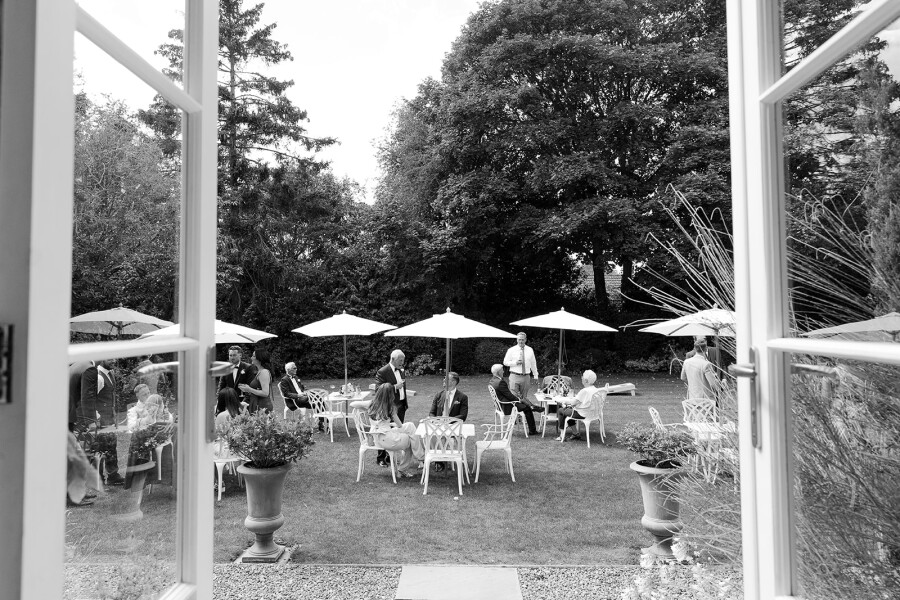
Before thinking about specific venues, I think it helps to ask how you want the wedding to feel. Do you imagine something intimate and slow, a weekend filled with long lunches and time outside, or something more formal and theatrical? Those questions are often much more useful than beginning with a list of beautiful places. The right setting should support the atmosphere you want to create, rather than dictate it. Once you are clear on the feeling, it becomes much easier to recognise the kind of place that can hold it.
Choose a Location That Feels True to You
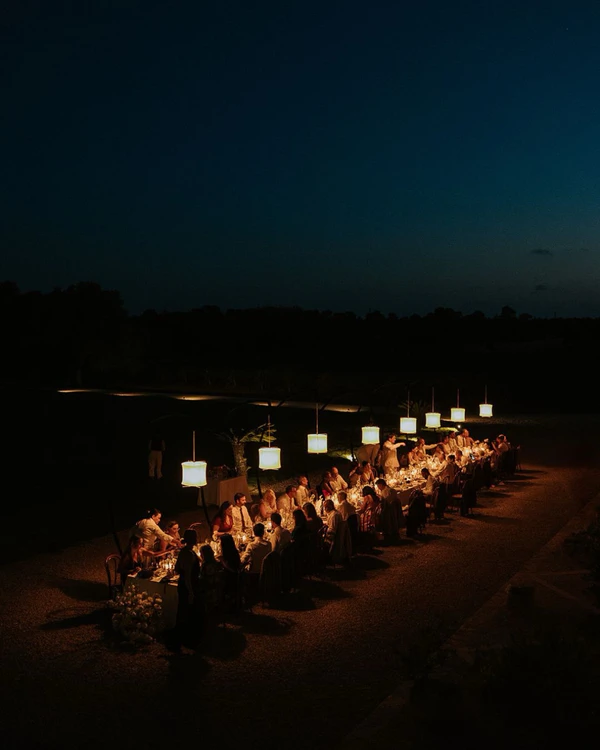
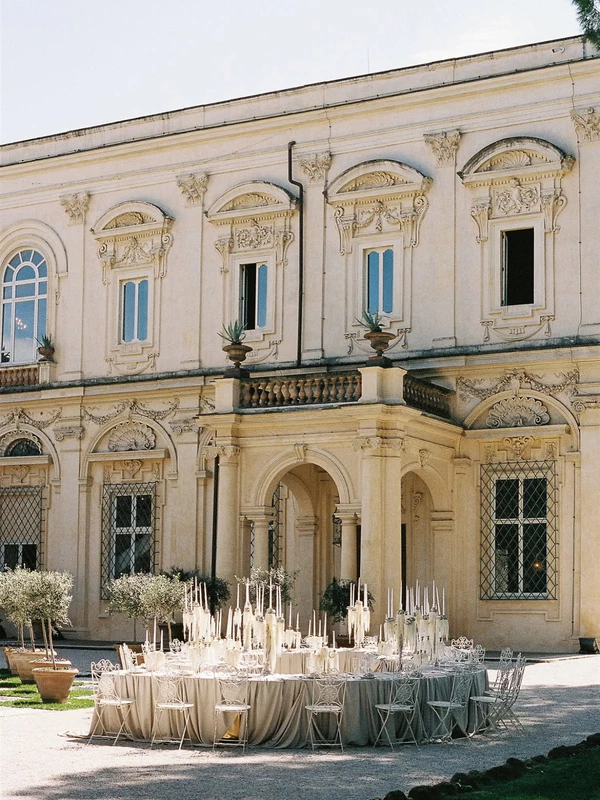
The most memorable wedding locations are not necessarily the most famous, fashionable, or frequently photographed. What matters far more is whether the place feels connected to who you are as a couple and the kind of celebration you want to create. A location should feel like an extension of your taste, your priorities and the way you naturally want to spend time with the people you love. When that connection is there, everything tends to feel more effortless because you are not trying to fit yourselves into somebody else’s idea of what a wedding should look like, and that filters into your photos. The strongest locations are the ones chosen with intention, rather than because they happen to be popular.
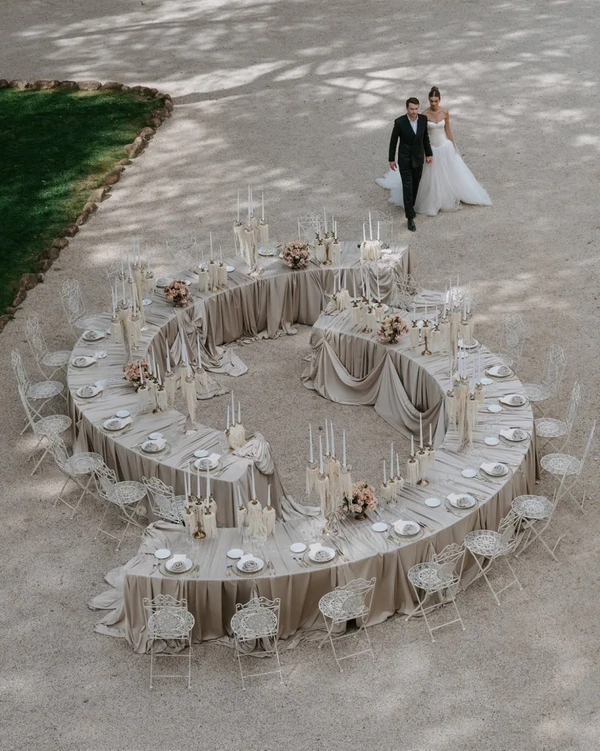
"A location should feel like an extension of your taste, your priorities and the way you naturally want to spend time with the people you love."
Look Beyond the Obvious Beauty
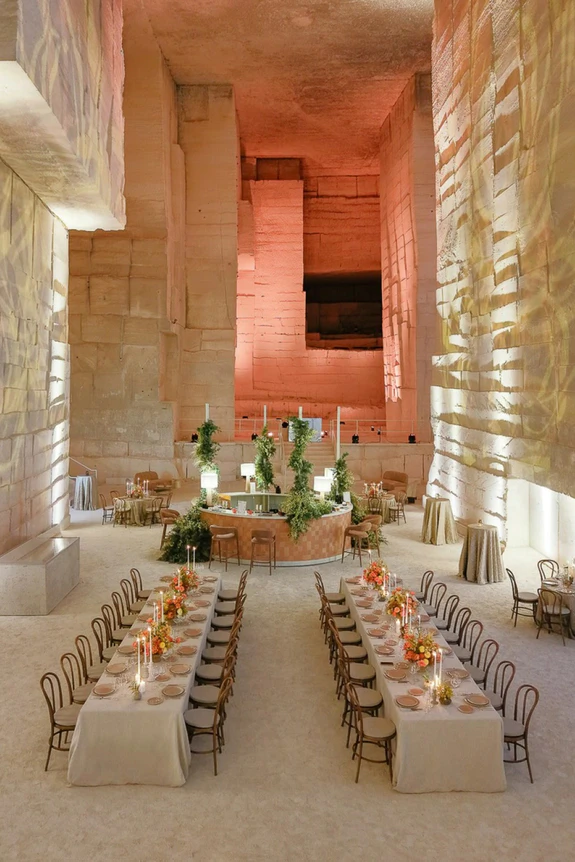
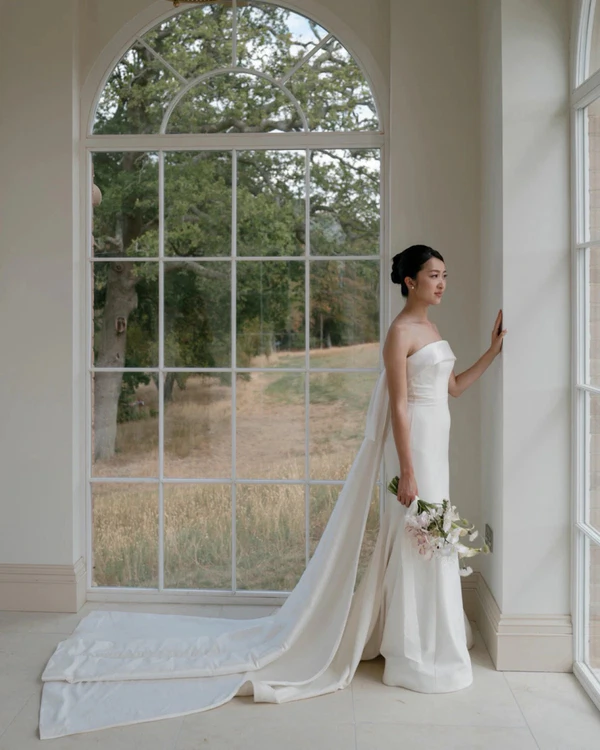
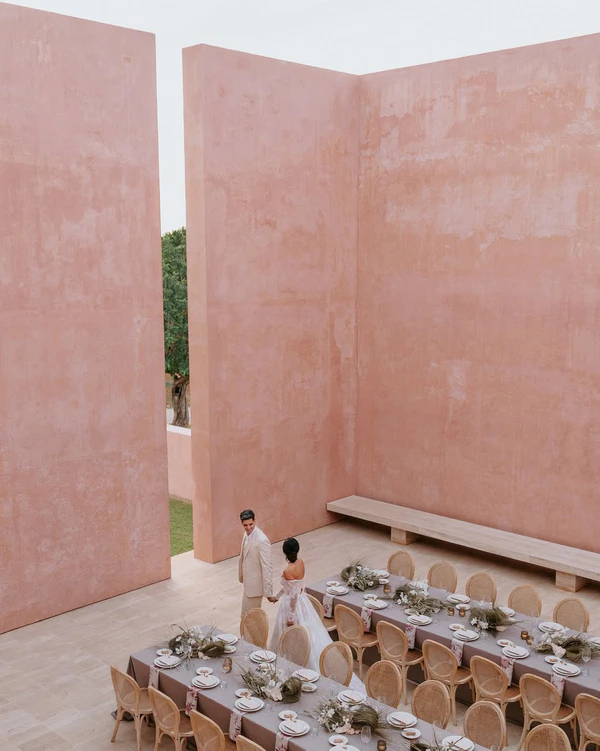
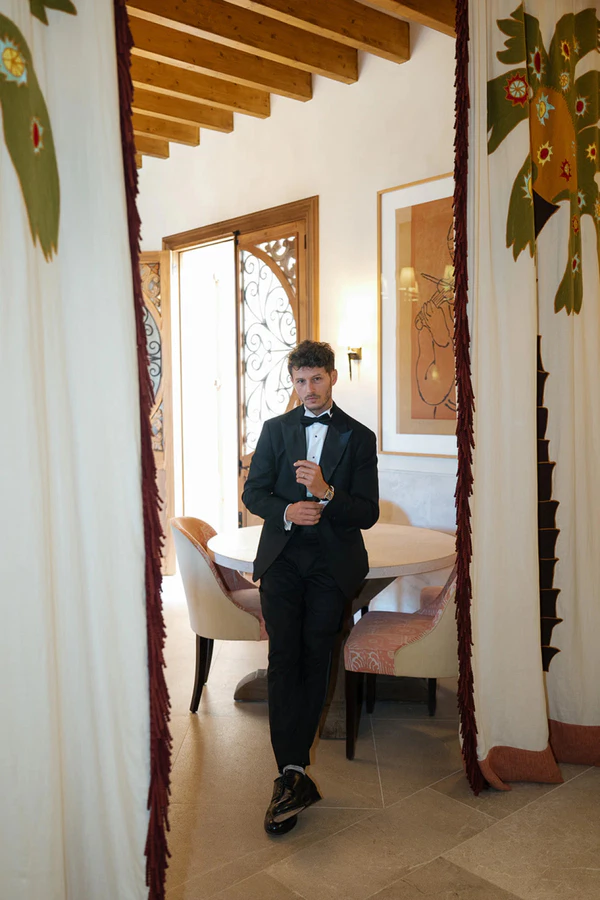
The most interesting parts of a location are not always the grand façade, the sweeping staircase or the view everyone photographs. Sometimes it is a quiet hallway, an old door, the way light falls across a room in the afternoon or a small terrace where guests naturally gather. Those details create texture and give the photographs a stronger sense of place. A location becomes memorable when it has its own identity rather than feeling interchangeable with somewhere else.
A Great Location Is More
Than a Stunning Backdrop
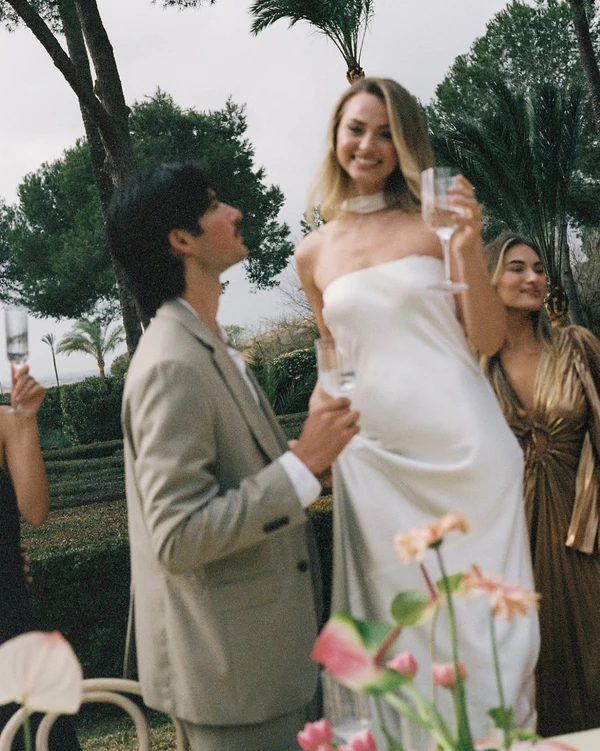
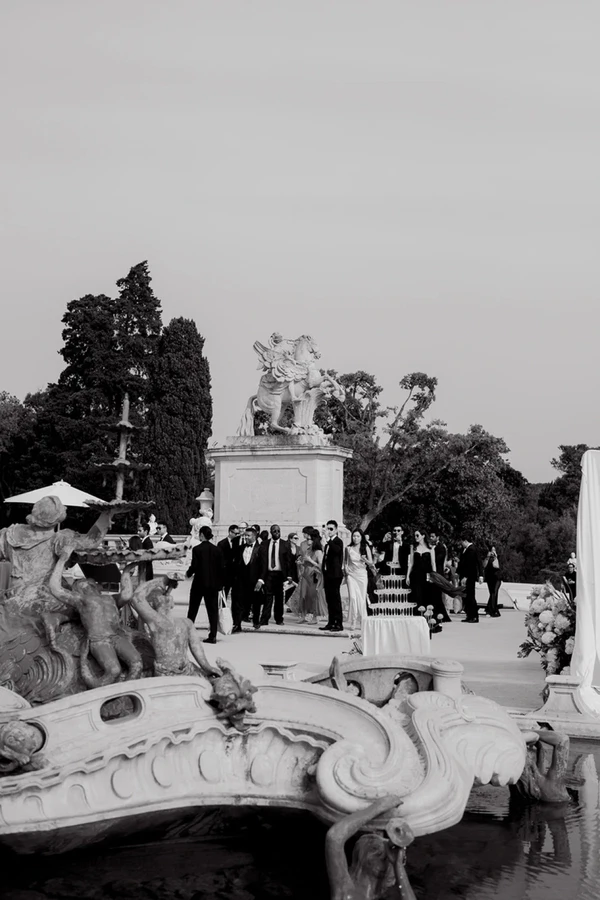
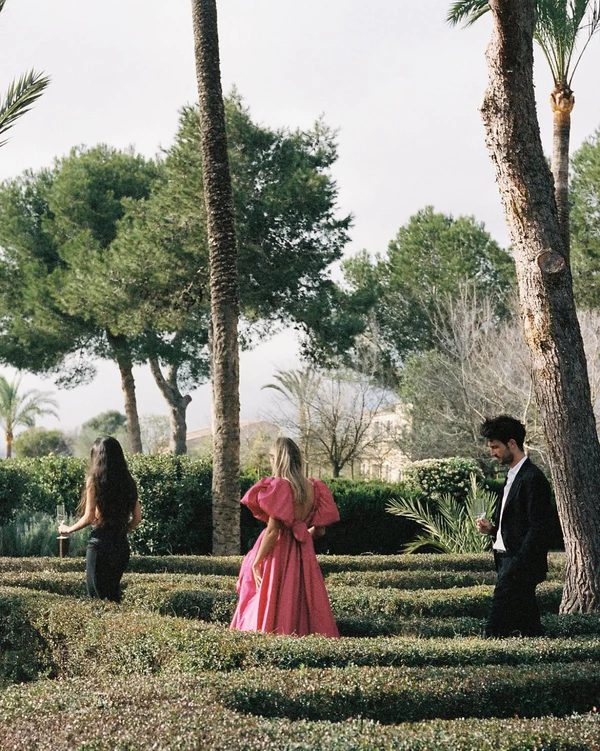
It is easy to fall in love with a location because of one beautiful view, but a wedding is experienced through much more than a single backdrop. Think about how guests arrive, where they gather, how they move through the space, and what the atmosphere feels like once everyone settles in. The best locations create opportunities for connection without forcing people to constantly move from one impressive setting to another. Often, the places that feel most special are the ones where guests can linger, talk and genuinely inhabit the space. That sense of ease is something you feel on the day and something that always comes through in the photographs.
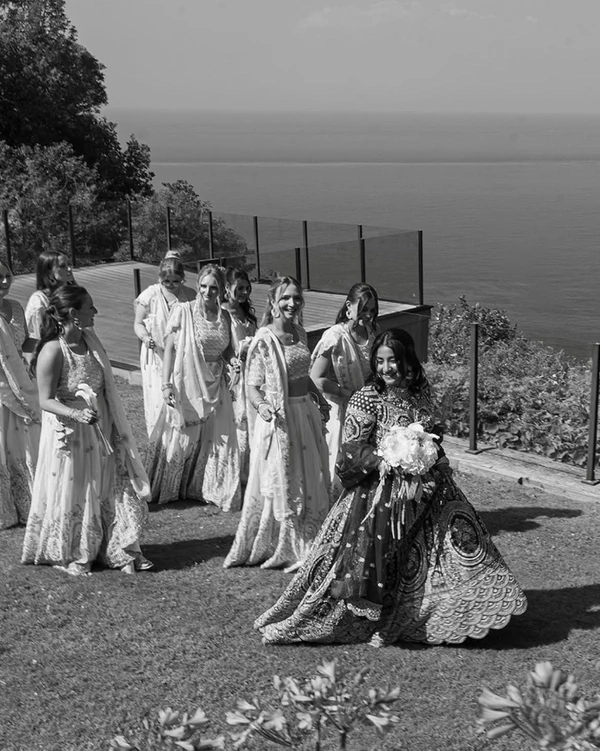
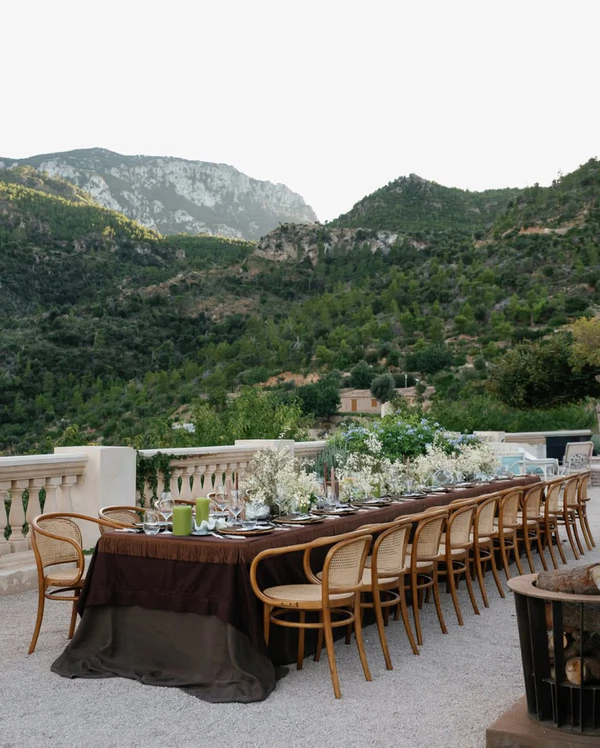
“Often, the places that feel most special are the ones where guests can linger, talk and genuinely inhabit the space. That sense of ease is something you feel on the day and something that always comes through in the photographs.”
Let the Setting Have a Voice
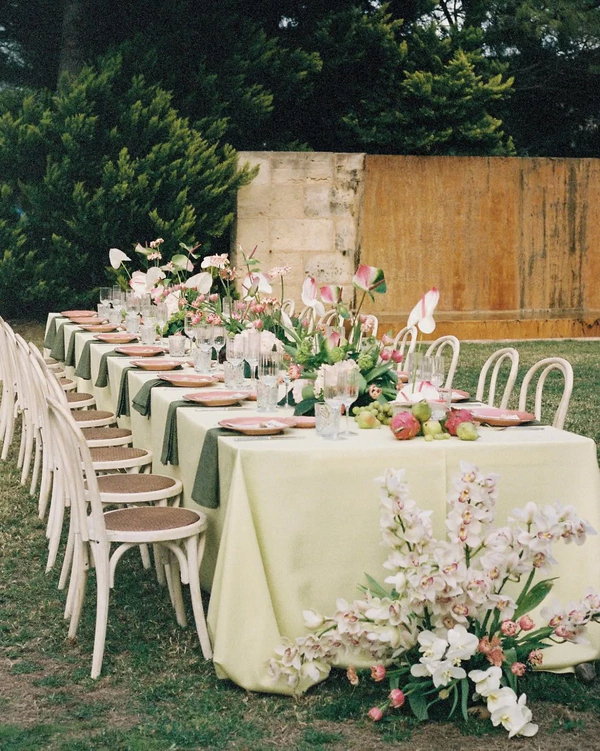
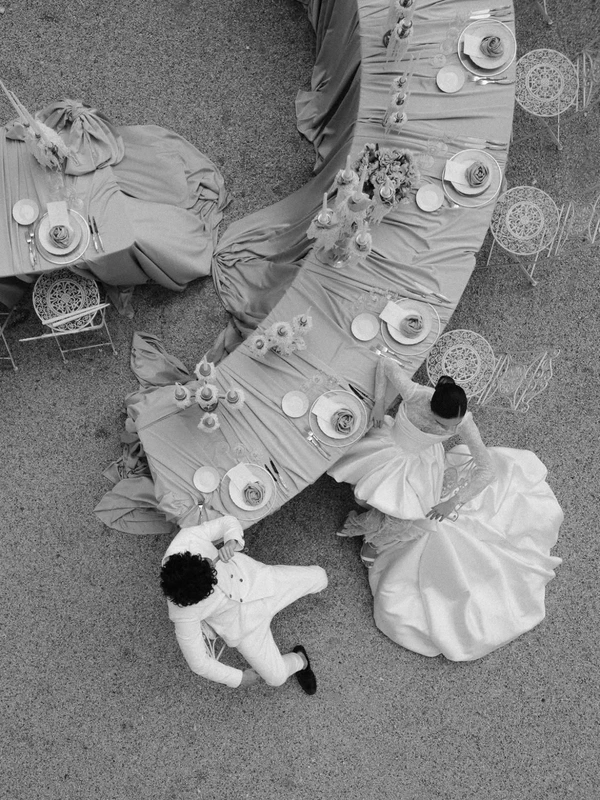
A beautiful location should not disappear underneath the design. Being a photographer, I am always drawn to weddings where the styling feels in conversation with the architecture, landscape, and history of the place rather than competing with it. That doesn't mean the design needs to be minimal or restrained, but it should feel intentional within its surroundings. When flowers, fashion, tablescapes, and color feel rooted in the location, the whole celebration becomes more cohesive.
One Location Doesn't Have to
Express Every Side of You
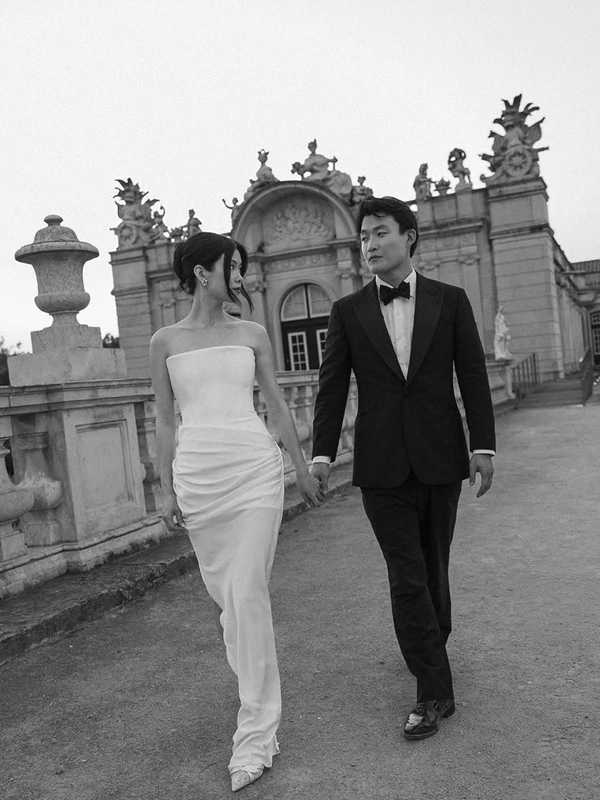
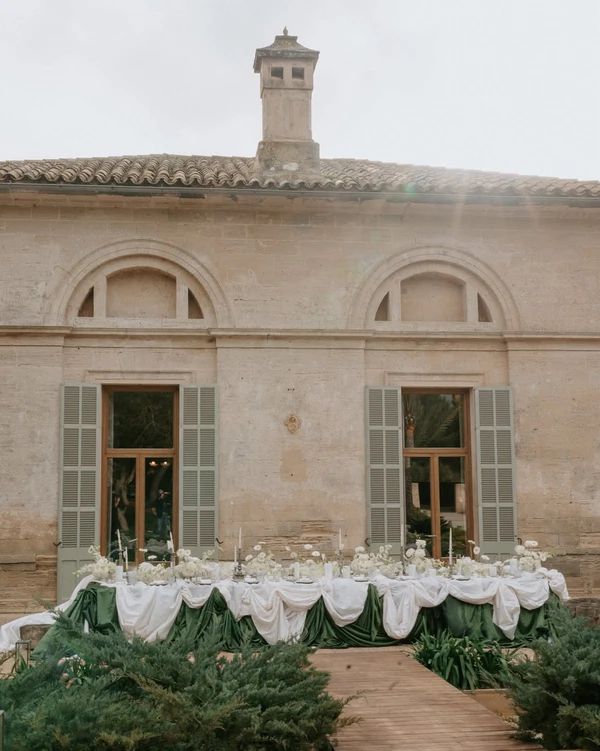
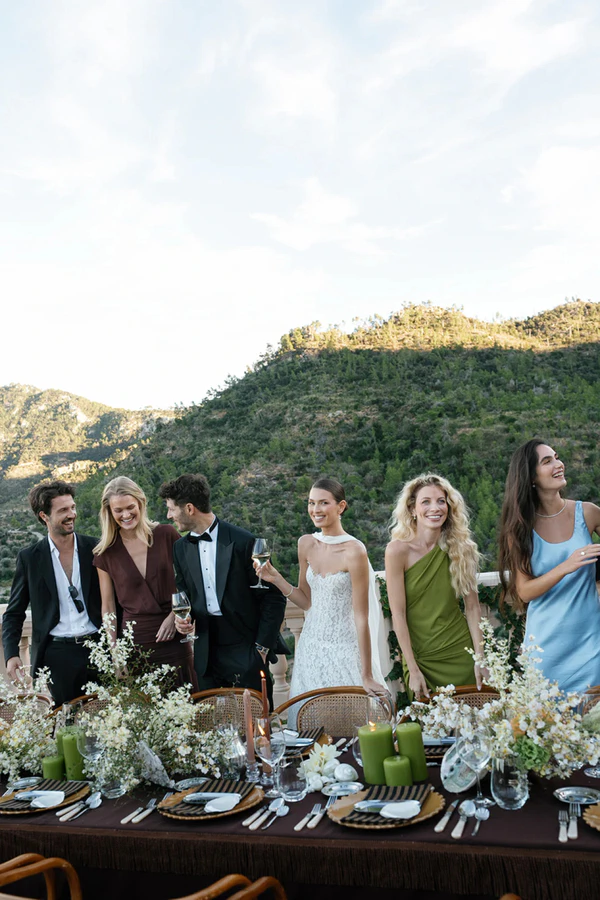
One of the things I love about destination weddings is that different parts of the celebration can have completely different energies. I photographed a couple’s welcome dinner at Aethos Ericeira, which felt relaxed, coastal and connected to the landscape, followed by their wedding at Queluz Palace, which was far more formal and historic. The contrast between the two settings gave the weekend a natural sense of progression rather than making everything feel visually identical. I don't think every event needs to sit within exactly the same aesthetic world. Different locations can reveal different sides of a couple, making the overall experience feel much more layered while still fitting beautifully together in the gallery.
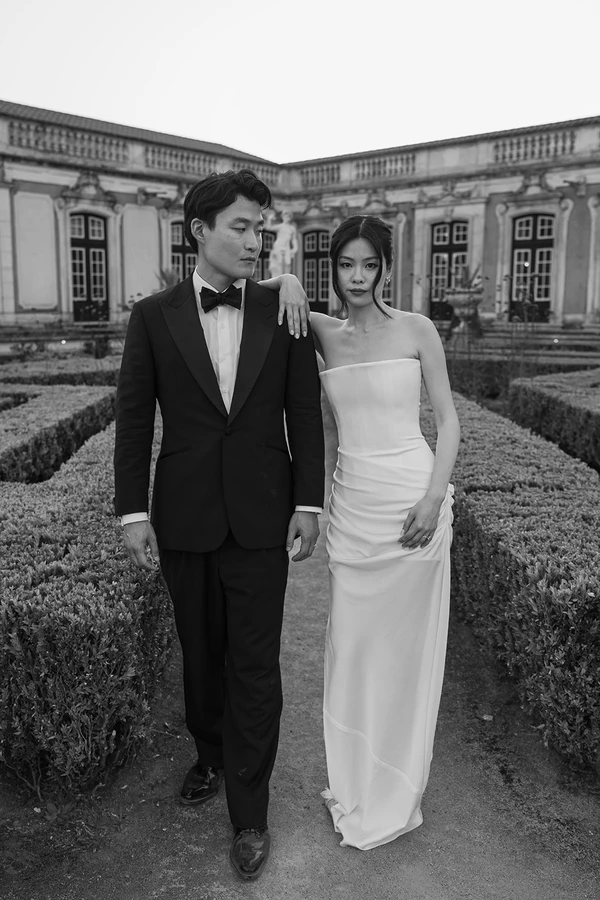
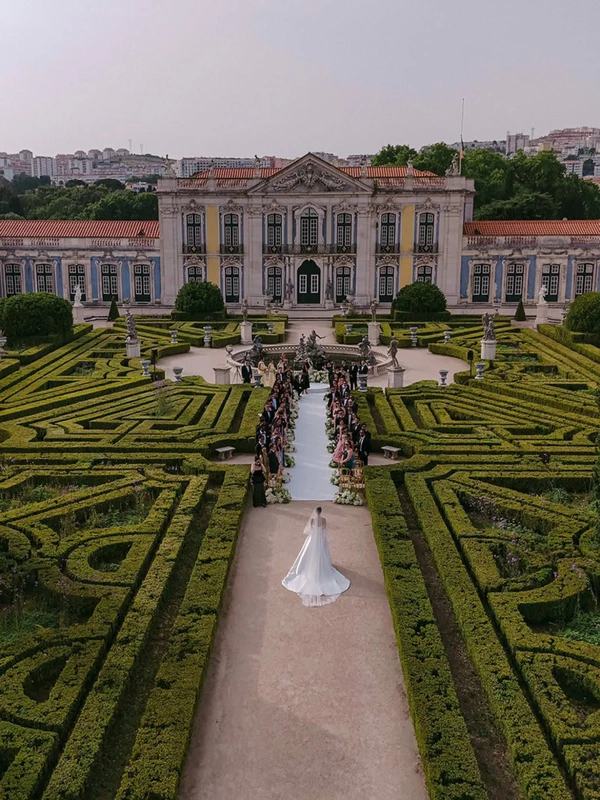
"Different locations can reveal different sides of a couple, making the overall experience feel much more layered while still fitting beautifully together in the gallery."
Choose Somewhere You Can Actually
Imagine Yourselves Living the Day
Ultimately, I think the most important question is whether you can genuinely imagine yourselves there. Can you picture getting ready in the rooms, seeing your friends arrive, sitting down to dinner, and still wanting to be there hours later when everything has become less formal? The right location should make it easier to be present rather than making you feel as though you are performing inside a beautiful setting. When a place feels aligned with the people in it, the day has a completely different energy. That is what makes a location feel special long after the wedding is over.