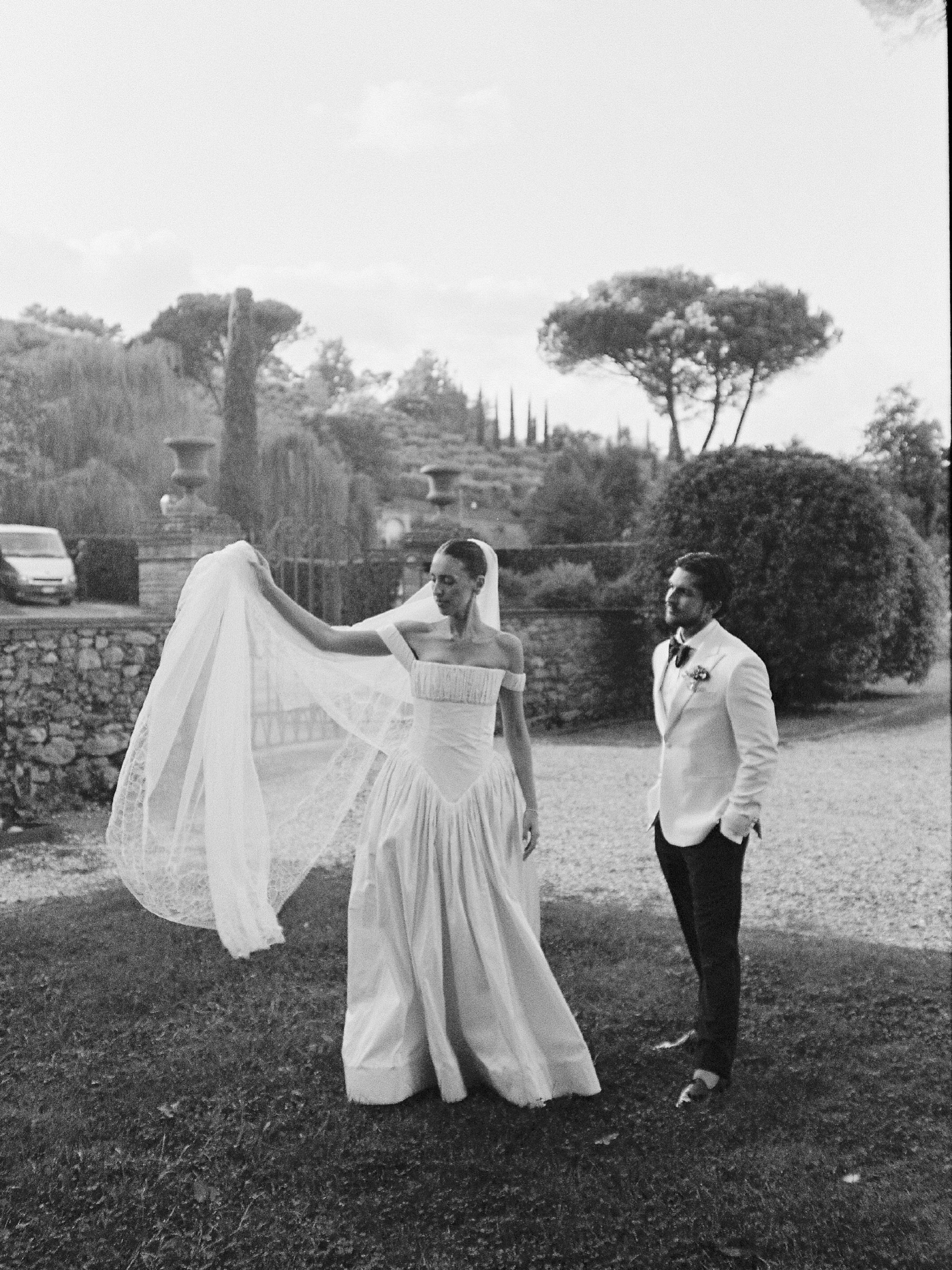
You’ve chosen the venue, debated the guest list, and spent more time than you’d care to admit considering the finer details of your wedding day. But there’s one conversation that’s unlikely to make the planning checklist: divorce. It might seem counterintuitive, even a little unromantic, to discuss the possibility of a marriage ending before it’s even begun. Yet preparing for a future together means being willing to consider more than just the happily ever after. From finances and prenuptial agreements to children, career sacrifices, and personal boundaries, the conversations we tend to avoid are often the ones that matter most. Talking about divorce isn’t an admission of doubt, nor does it diminish the significance of saying “I do.” If anything, it reflects a deeper understanding of what commitment really means. After all, there’s nothing particularly romantic about entering a marriage with your eyes closed.


The Conversation Nobody Wants to Have,
and Why It Shouldn’t Be Taboo
There’s an unspoken rule when it comes to weddings: almost everything is open for discussion, except the possibility that the marriage might not last. We plan for unpredictable weather, unexpected expenses, and every conceivable wedding-day mishap, yet discussing divorce can feel like tempting fate. Perhaps it’s because marriage is so deeply intertwined with our ideas of love, permanence, and happily ever after that acknowledging an alternative feels almost disloyal. But avoiding difficult conversations doesn’t make difficult realities disappear. And there’s an important distinction between questioning your commitment and understanding what that commitment entails. Discussing the possibility of divorce isn’t about preparing an exit strategy; it’s about creating space for honesty, vulnerability, and a more realistic understanding of one another. After all, if marriage is one of the most significant decisions we’ll ever make, shouldn’t we feel comfortable asking the difficult questions before making it?


What Makes a Marriage Work?
Defining Success Beyond Staying Together
“Forever” is a beautiful promise, but it’s also a remarkably subjective one. For some, marriage means standing by one another through almost anything, for others, it means a commitment to growing together, with the understanding that people, priorities, and relationships can change. Neither perspective is necessarily wrong, but assuming you share the same definition can lead to difficult realizations later. Our understanding of marriage is often shaped long before we meet the person we intend to marry, influenced by the relationships we witnessed growing up, the values we inherited, and the experiences that challenged them. So, before promising forever, it’s worth asking what that actually looks like to each of you. What does a successful marriage mean beyond simply staying together? How do you imagine navigating periods of change, disappointment, or disconnection? And perhaps most importantly, where do you draw the line between working through difficulties and compromising your own well-being? They’re not necessarily the questions that inspire a romantic evening, but they might lead to one of the most meaningful conversations you’ll have.


Love & the Prenup:
Talking Finances Without the Stigma
Few things seem less romantic than discussing how to divide your assets before you’ve even combined them. But perhaps it’s time to reconsider the assumption that financial planning and romance are somehow mutually exclusive. A prenuptial agreement isn’t necessarily a reflection of doubt or distrust; it can be an opportunity to establish transparency, protect individual interests, and approach marriage with a shared understanding of financial responsibilities. This is particularly relevant when one partner enters the marriage with significant assets, debts, an inheritance, or a family business, but financial conversations are important regardless of what’s in the bank. How much do you each earn, save, spend, and owe? Will you combine your finances, maintain separate accounts, or find a balance somewhere in between? And what does financial independence mean to each of you? Money may not be the most romantic subject, but differing expectations around it can become a significant source of tension. The goal isn’t necessarily to agree on everything, but to understand where you stand and make informed decisions together. After all, love may be unconditional, but financial arrangements rarely are.


Kids, Careers, and Chores: Who Gives Up What?
Marriage is a partnership in theory, but what does equality look like in practice? Consider two ambitious people with equally demanding careers who decide to start a family. One takes parental leave, perhaps because their salary is lower or their work offers greater flexibility. A few years later, what began as a temporary arrangement has quietly become a permanent division of responsibilities. One career continues to progress, while the other takes a back seat. Neither partner necessarily intended for this to happen, but the cumulative effect of seemingly practical decisions can create significant imbalances over time. It’s why conversations about children, careers, and domestic responsibilities deserve more consideration before marriage. Do you both want children, and if so, when? How will you divide childcare, household responsibilities, and the often-invisible mental load of running a home? If one partner makes professional sacrifices, how will you acknowledge and account for the long-term financial implications? These aren’t always comfortable questions, particularly when the answers challenge our expectations of equality. But a fair partnership isn’t necessarily one in which everything is divided equally; it’s one in which both people feel their contributions are equally valued. And while love might make us willing to sacrifice, it shouldn’t mean those sacrifices go unseen.


Lines You Won’t Cross:
Infidelity, Trust, and Deal-Breakers
We tend to assume that the person we’re marrying shares our understanding of loyalty, honesty, and trust. But what constitutes a betrayal isn’t always as universally understood as we might think. For some, infidelity is strictly physical; for others, emotional intimacy, secrecy, or certain interactions online can feel equally damaging. The boundaries may seem obvious until you discover that your partner has drawn them somewhere entirely different. And beyond infidelity, there are other questions worth confronting. What behaviors would fundamentally compromise your trust? How do you feel about dishonesty, financial secrecy, or patterns of disrespect? Are there circumstances in which you would consider ending the marriage, regardless of how much love remains? These conversations aren’t about anticipating betrayal or establishing an exhaustive list of rules. They’re about understanding one another’s values, vulnerabilities, and expectations. It’s also worth discussing what happens when trust is challenged. Do you believe certain betrayals can be forgiven? Would you consider counseling, and what would rebuilding trust actually require? Not every boundary needs to be identical, but both partners should understand and respect where the other stands. After all, love may ask us to compromise, but it shouldn’t require us to abandon our principles.


Planning for "What If" Is Not Planning to Fail
Perhaps the greatest misconception about discussing divorce before marriage is that doing so somehow undermines the commitment you’re about to make. But acknowledging that relationships can change isn’t the same as expecting yours to end. If anything, these conversations require a particular kind of optimism: the belief that your relationship is strong enough to accommodate uncomfortable truths, differing perspectives, and the uncertainty that comes with building a life together. Marriage will inevitably ask more of you than you can anticipate on your wedding day, and no amount of preparation can guarantee a happily ever after. What you can do is enter it with a deeper understanding of the person beside you, the values you share, and the challenges you may need to navigate. The goal isn’t to eliminate uncertainty, but to approach it together with honesty, empathy, and intention. Because the most meaningful promises aren’t necessarily those made without hesitation, but those made with a genuine understanding of what they might require. And if there’s one thing worth knowing before you say “I do,” it’s that being realistic about marriage doesn’t make you any less romantic.