
Wedding planning has a way of surfacing family expectations you never knew existed. One minute you’re choosing a venue, the next you’re fielding opinions about the guest list. Your parents may have pictured this day for years, and you have a very different picture of your own. Add in money, cultural traditions and a few strong feelings about who simply has to be invited, and even the calmest couples can feel the pressure. The good news is that handling family opinions during wedding planning doesn’t mean giving up your vision or falling out with anyone. Here’s how to define what you want, set boundaries with kindness, and find compromises that work for everyone, so the day still feels like yours.
Why Wedding Planning Can Bring
Family Expectations to the Surface
Plan a wedding and you’ll probably learn something new about your family. A simple chat about the guest list or the venue can turn, without warning, into a debate about tradition and what a "proper" wedding looks like. You’ve got your own taste, your own priorities, your own way of doing things. Neither side is being difficult, they just attach different meanings to the same party. Money complicates things further. When relatives chip in, some quietly assume they’ve bought a say in the decisions. Add cultural customs and unspoken rules about who simply has to be invited, and it’s easy to see why tempers fray.
Define Your Wedding Vision
Before Involving Everyone Else
Work out what you and your partner want before anyone else weighs in. It sounds obvious, but plenty of couples end up debating flower colors with an aunt before they’ve agreed on the basics themselves. Start with the big things: the mood, the setting, how large it’ll be, how you want guests to feel. Whatever it is, make sure you’re both happy with it first. It also helps to sort your must-haves from your don’t-mind-either-ways. Once you’ve done that, you’ve got something to come back to when the opinions start rolling in. Your choices stay yours, rather than turning into a string of reactions to what everyone else wants.


Communicating Your Decisions
Without Creating Conflict
How you say something often matters as much as what you’ve decided, especially when it’s something a relative cares about deeply. Don’t wait for an argument to break out. Share your plans early and say why they matter to you. If you’re skipping a traditional ceremony, talk about the day you’re hoping to create rather than making it sound like you’re turning your back on family customs. What you don’t need to do is treat every conversation as a negotiation or defend each choice like a lawyer. You can listen to a suggestion without leaving the door open. Something like "We understand why this matters to you, and we’ve decided to do it differently" is kind and clear at once. Keep it calm and keep it consistent.
Setting Boundaries While Keeping
Family Relationships Intact
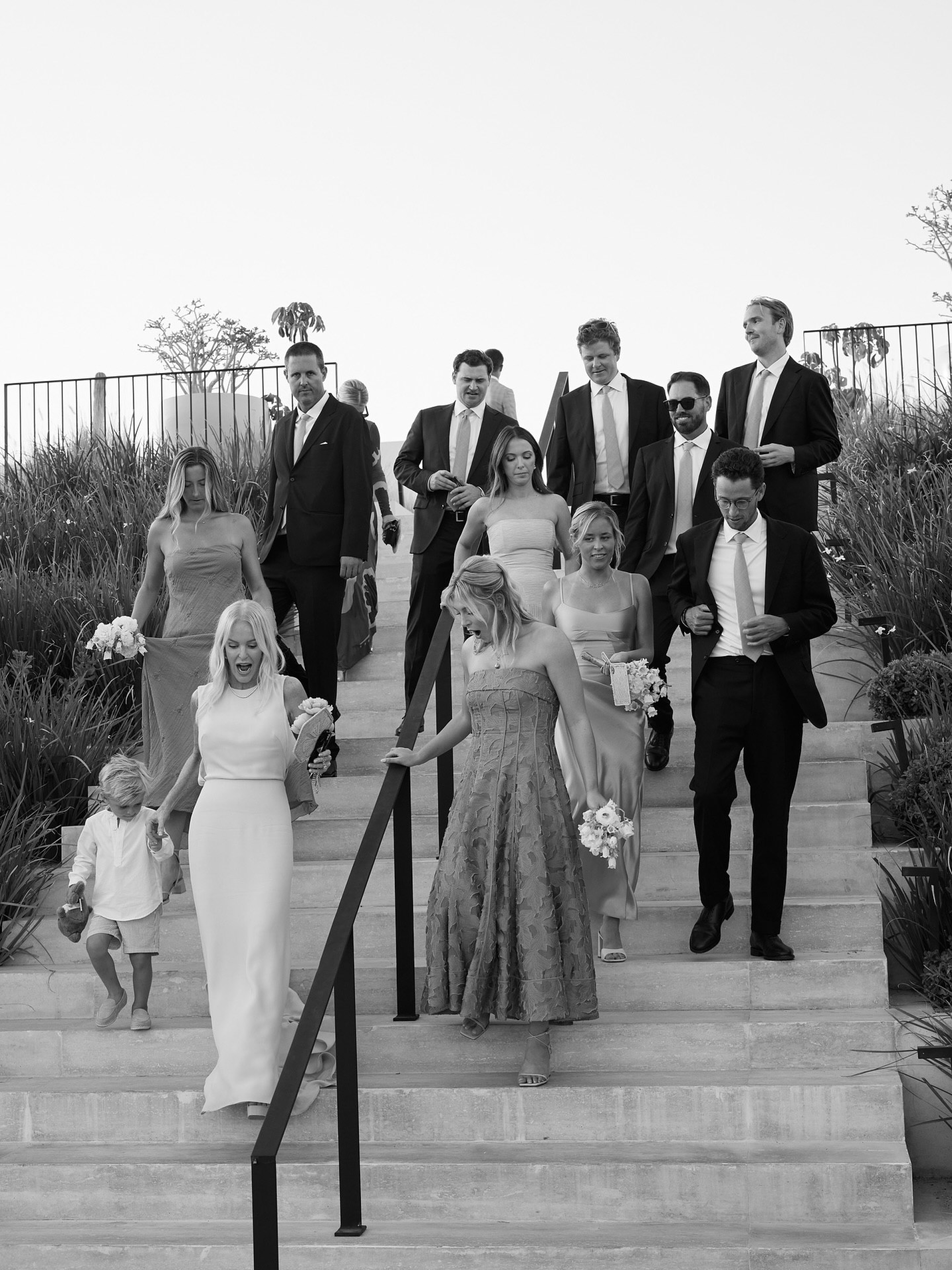
Having family involved in your wedding is one thing. Letting their opinions run is another. Drawing that line early saves a lot of stress later, when the decisions and vendors start piling up. Decide where you’re happy to have input and where you want the final word. You might love your mom’s ideas for the flowers but want to choose your dress alone. Some boundaries are purely practical: the couple makes the big calls, extra guest requests get discussed together, and vendors take instructions only from you. A polite "we’ve decided" is usually enough. And none of this calls for a big announcement or a showdown. Mostly it’s about being clear, staying consistent and feeling settled in your choices.

Find Where Compromise Can Work
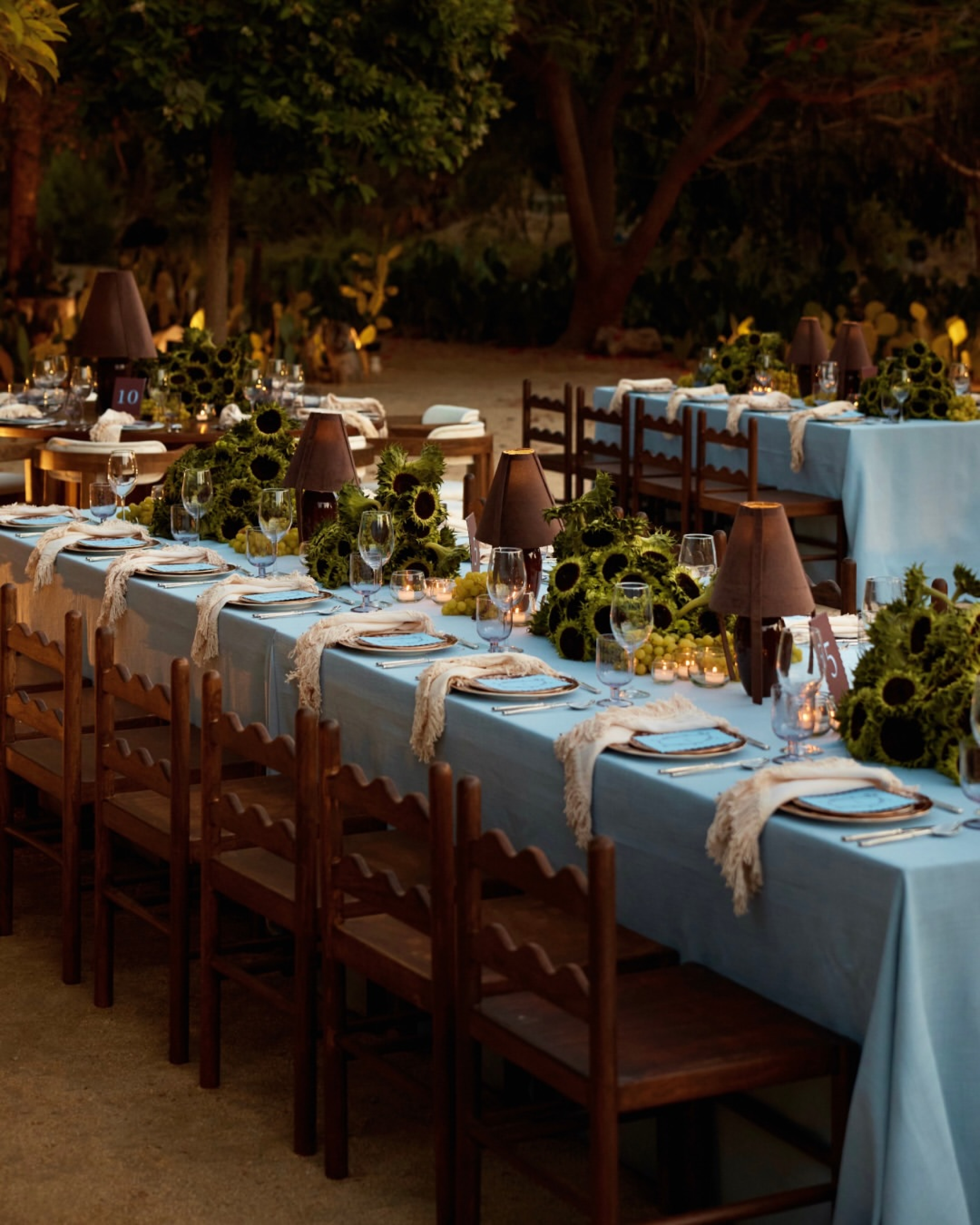
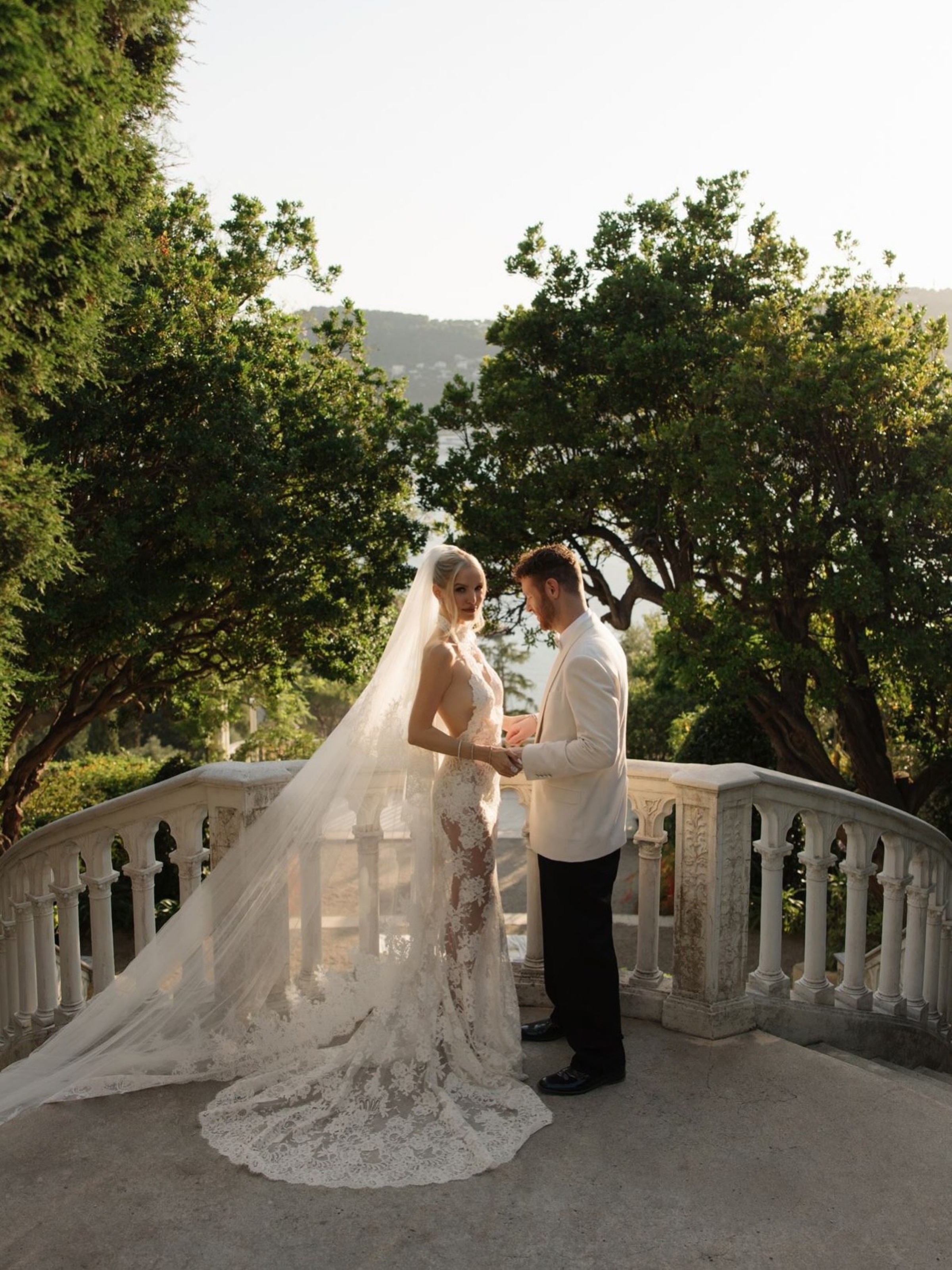
The hard part is telling which suggestions add something and which would pull the day somewhere that no longer feels like yours. If your family wants a traditional ritual and you’d prefer a modern ceremony, perhaps the custom can slot in without changing the whole feel. A relative desperate to invite extra people could get a small, agreed-upon number of spots, as long as the venue and budget can handle it. You could also hand family members jobs that suit them: choosing a reading, helping host a pre-wedding get-together, adding something personal to the table styling. They feel included, and you keep control of the plan. But don’t say yes just to end an awkward conversation. A good compromise is one you’ve both thought through, not one where either of you quietly gives up something important to keep the peace.

Remember What the Wedding Is Really About
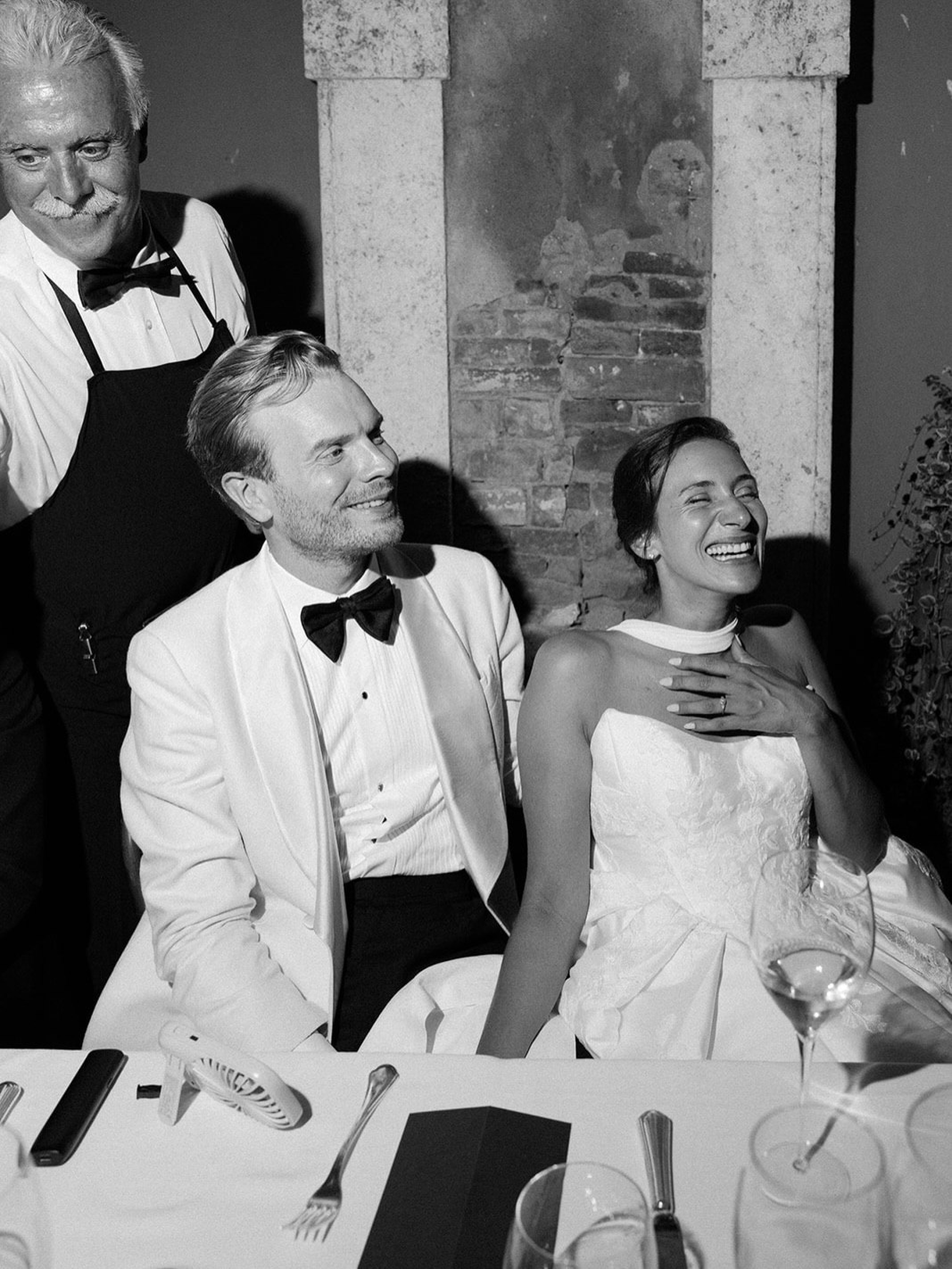
Even the most organized couples can get bogged down in details that once seemed minor. When that happens, step back and remember what you set out to do. Your wedding doesn’t have to honor every tradition, please every person or match someone else’s mental picture. It can mean a great deal to your families and still feel modern and personal. Some relatives will need time to come around to choices they wouldn’t have made, and that’s fine. Not everyone gets there right away. Think about the experience you want to share, the people you want beside you, and the details that will make the day feel like yours. The best weddings aren’t the ones without disagreements. They’re the ones where the couple can look around and see themselves in all of it.