You’ve set your wedding budget. You’ve done the research. So, you’re all set, right? Well, not necessarily. Deciding how much you’re comfortable spending and understanding how much your wedding will actually cost are two very different things. You might have a clear figure in mind, but is it enough to bring the celebration you’re imagining to life? From the true cost of your chosen vendors to the logistics you hadn’t considered, there’s often a considerable gap between what couples expect to spend and what their wedding ultimately demands. And sometimes, the problem isn’t an unexpected expense or a growing guest list. It’s that the original budget was never particularly realistic to begin with. So, before you get too comfortable with that final figure, let’s take a closer look at what you might have overlooked along the way.
The Gap Between Wedding Inspiration
& Financial Reality
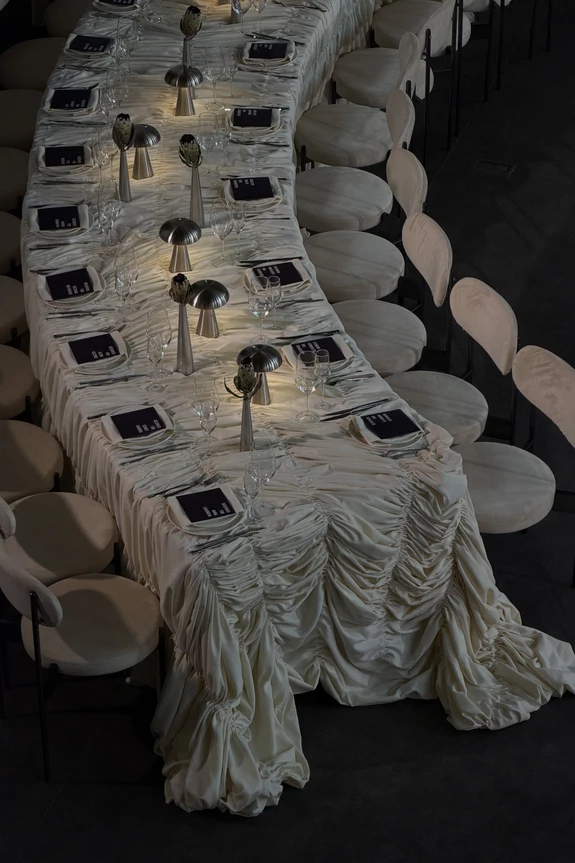
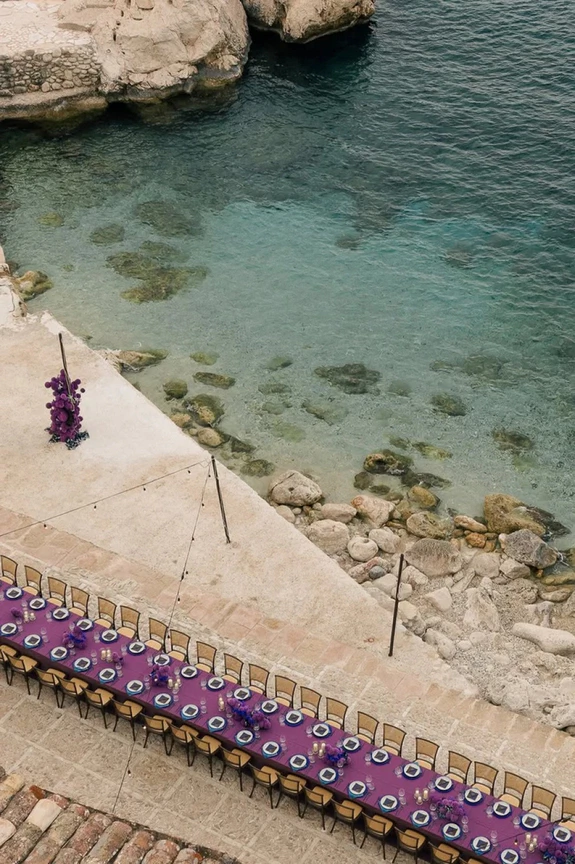
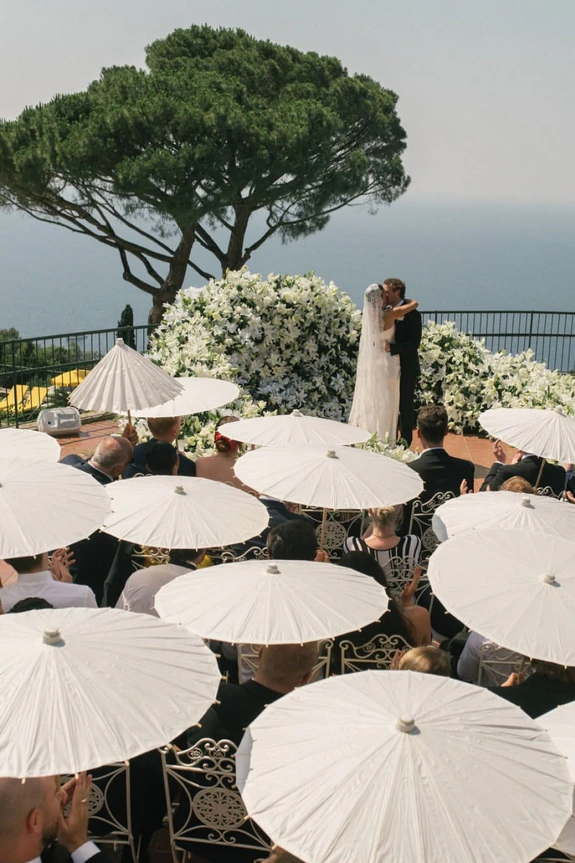
Pinterest, Instagram, and other social media platforms offer an endless stream of picture-perfect wedding inspiration. And it's easy to fall for what we see online. Incredible floral installations, art-forward tablescapes, and beautifully curated details make even the most elaborate celebrations look effortless. What those images rarely reveal, though, is the budget behind them. Social media has gradually reshaped our expectations of what a wedding should look like, making even the most extravagant ideas seem surprisingly attainable.
With inspiration coming from every direction, it’s tempting to start planning around a particular aesthetic before considering what it actually costs to achieve. And once you’ve fallen in love with a vision, deciding what to compromise on becomes considerably harder. The spectacular venue, the photographer whose work you’ve admired for years, the elaborate florals, the unforgettable dining experience. Individually, each might feel like a reasonable investment, but together they can quickly push a celebration beyond its intended budget. There’s nothing wrong with having ambitious ideas, of course. The important thing is recognizing which elements genuinely matter to you and understanding what you’re prepared to spend to make them happen. A realistic wedding budget isn’t necessarily one that allows for everything you’ve imagined, but one that reflects what you’re willing and able to prioritize.

What Will Your Wedding Actually Cost?
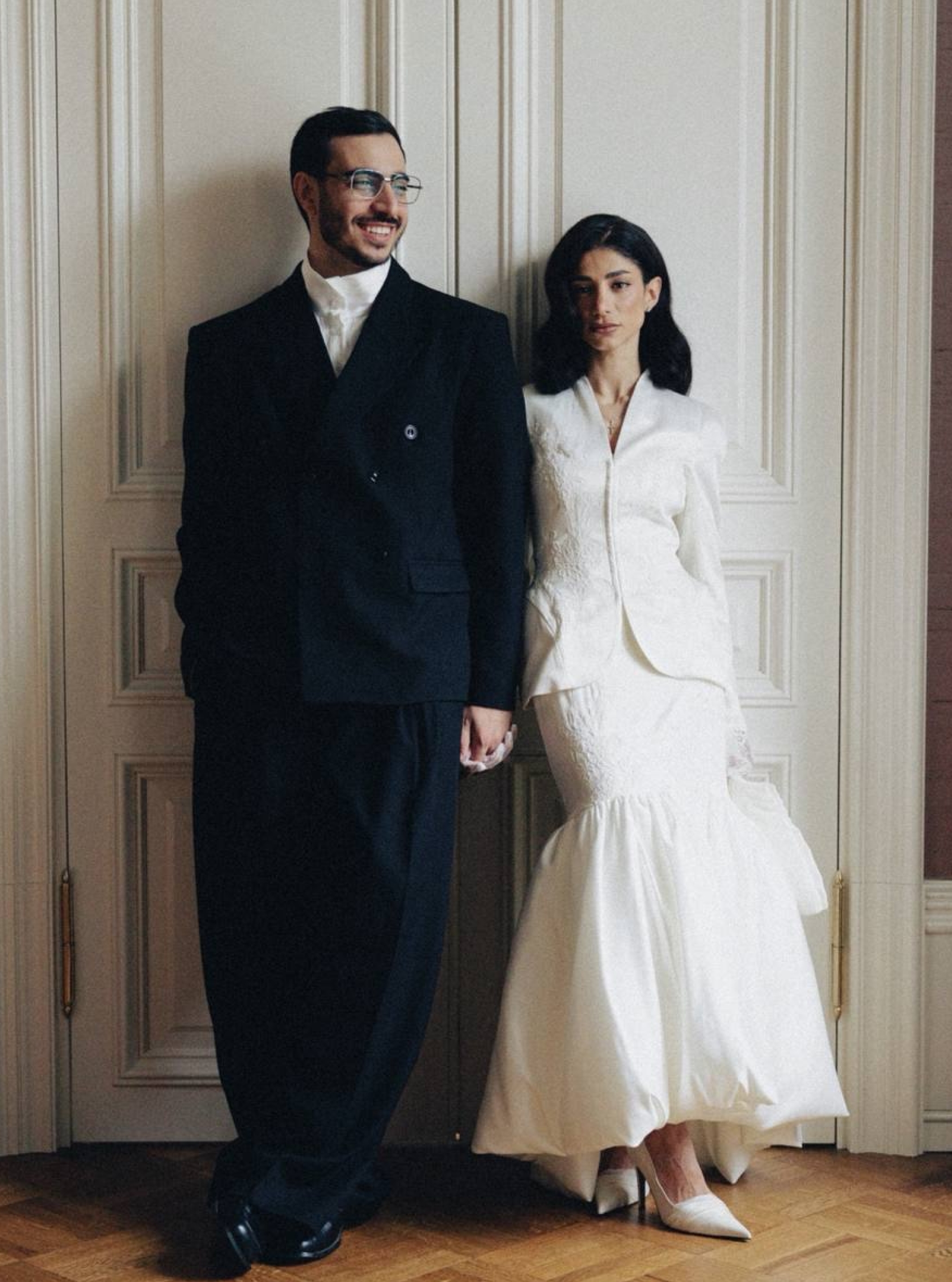
One of the biggest mistakes couples make when setting a wedding budget is assigning figures to things before knowing what they actually cost. You might decide to allocate a certain amount to photography, florals, or catering because it sounds reasonable, or because someone you know spent something similar. But wedding pricing isn’t universal, and what was achievable for one couple one year might look entirely different for another. The photographer you’ve had your heart set on might charge twice what you’ve allocated, while the floral installation that looks relatively simple in your inspiration imagery could involve days of preparation, specialist labor, and extensive production. Without understanding the actual costs involved, even the most carefully considered budget can be built on little more than assumptions.
Then there’s the question of where, when, and how you’re getting married. A wedding in a major city or sought-after destination can come with an entirely different pricing structure than one in a smaller regional location. Peak-season dates may command higher rates, while the number of guests, caliber of vendors, and complexity of your chosen setting can significantly influence the overall investment. And don’t forget that wedding costs aren’t static. Vendors regularly revisit their pricing from one season to the next, while inflation continues to push up the cost of everything from flowers and food to labor, materials, and transportation. What a particular wedding cost two years ago might look quite different today, even with an almost identical guest count and vision. Before deciding what your wedding should cost, it’s worth understanding what the celebration you’re actually envisioning is likely to require.


"What a particular wedding cost two years ago might look quite different today, even with an almost identical guest count and vision."

What It Really Takes to Bring Your Vision to Life
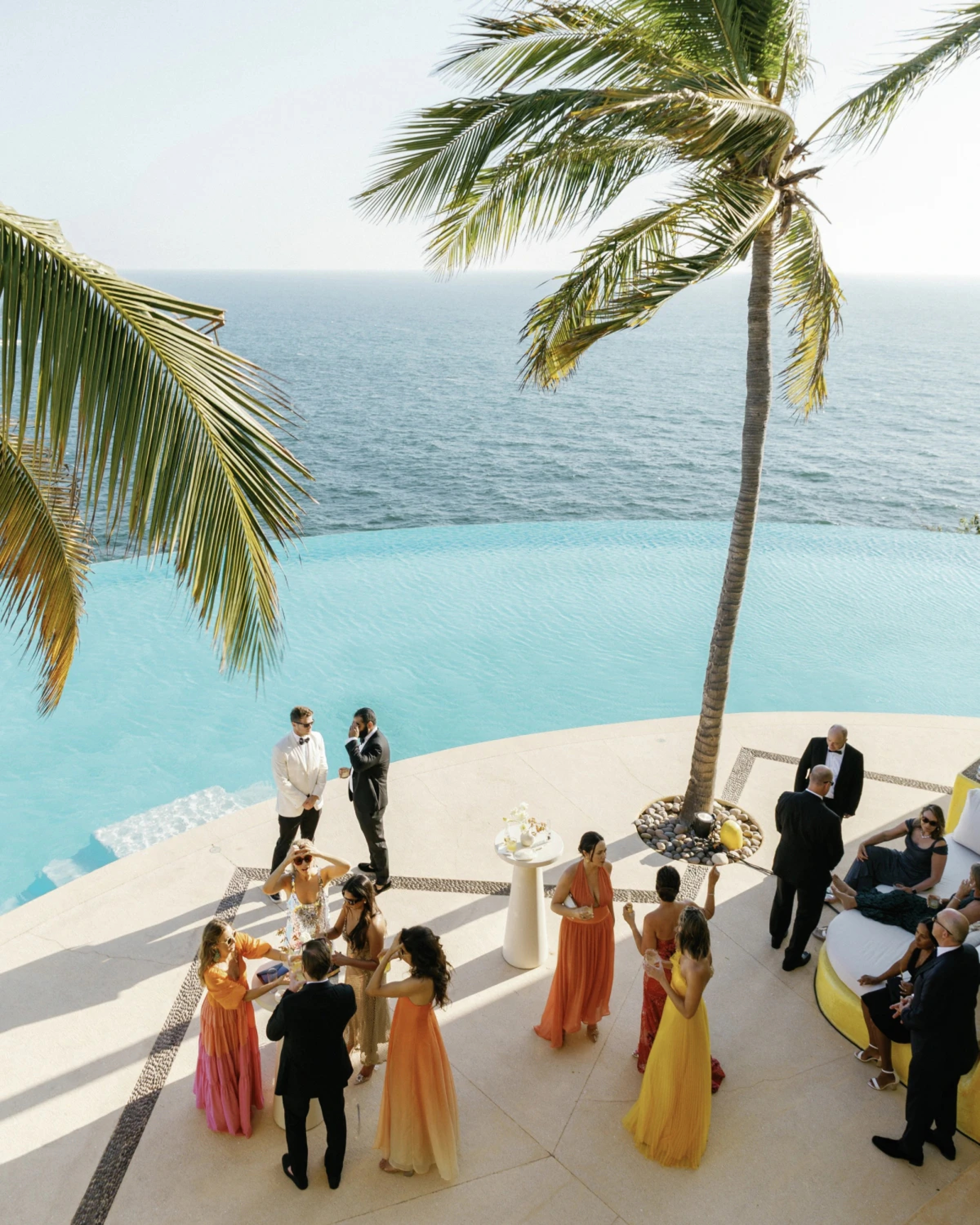
Let's be real: even the most seemingly understated wedding can turn out to be surprisingly expensive. Decorations and florals are only part of what goes into bringing your dream celebration together. There's also a lot happening behind the scenes that you might not immediately think about when putting together your budget. Logistics, production, technical equipment, custom installations, transportation, and all those less glamorous details that rarely make it onto your Pinterest board. Yet they're just as important as the elements everyone gets to see, and their costs can add up quickly. If you're only budgeting for what you can see in your inspiration photos, chances are you're missing a considerable part of the picture.

The Expensive Art of Keeping Everyone Happy
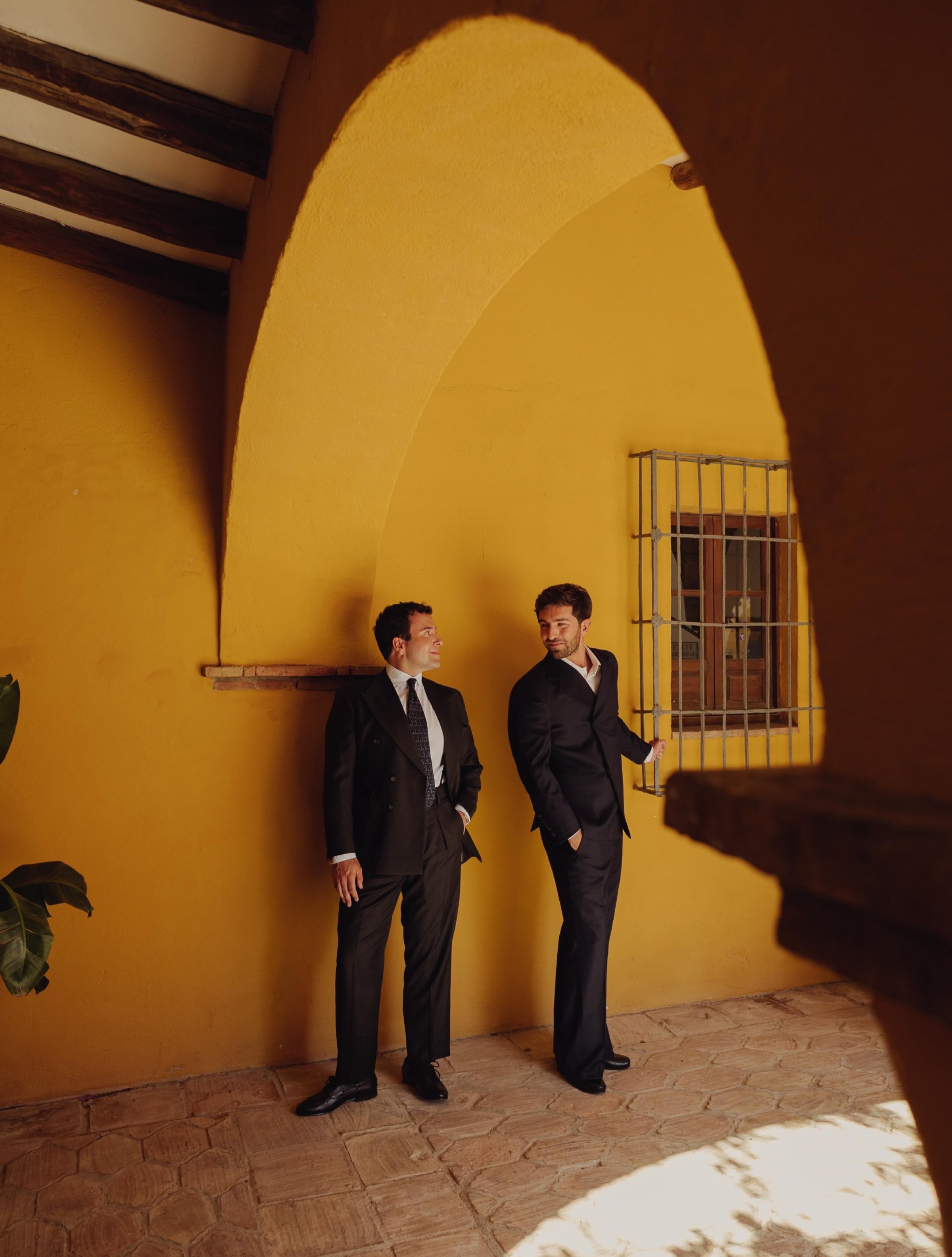
The more guests you invite, the more you'll spend. That much is obvious. What's easier to underestimate is how quickly those extra invitations can throw your carefully planned budget off balance. A growing guest list might call for a larger venue, additional rentals, or a completely different seating arrangement. And while you may have accounted for a certain number of guests in your initial calculations, sticking to that number is often easier said than done.
There's also the emotional pressure that couples don't always account for when setting their budget. Perhaps your parents have a few names they'd love to add, or you feel uncomfortable leaving certain friends out. These decisions may seem unrelated to money at first, but they can quietly change your spending plans. You shouldn't have to choose between keeping everyone happy and staying within your budget. But sometimes, setting a few boundaries is what makes the latter possible.

The Initial Quote Isn't Always the Final Price
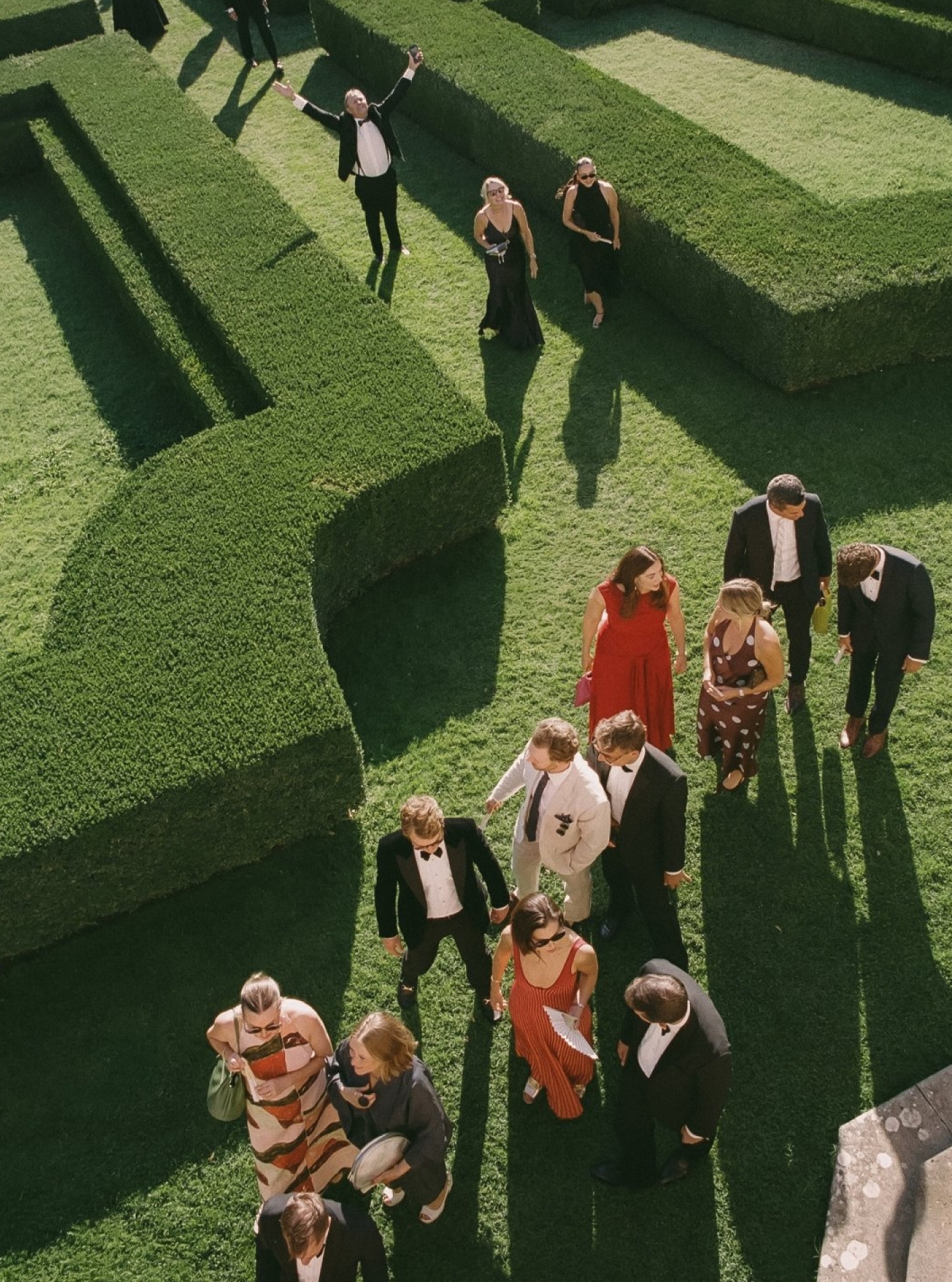
Finding a wedding venue that ticks all your boxes and fits comfortably within your budget can feel like a major win. However, before you get too thrilled about the price, make sure to take a closer look at what you're actually paying for. That attractive initial quote might not include everything you assumed it would. Some venues, for instance, have minimum food and beverage spends, charge separately for furniture and equipment, or even require you to work with certain suppliers. Others may have additional fees for extending the celebration beyond a set number of hours.
The same goes for vendors, whose packages can vary considerably in what's included. It can make comparing prices a little tricky, especially when two seemingly similar offers turn out to cover very different things. Don't be afraid to ask questions, request a detailed breakdown, and clarify any potential additional charges before signing a contract.


"If you're only budgeting for what you can see in your inspiration photos, chances are you're missing a considerable part of the picture."


The Not-So-Little Extras
Your wedding budget can look remarkably well thought out on paper and still leave out a surprising number of expenses. The bigger investments tend to get most of the attention, while smaller costs are often treated as an afterthought, if they're considered at all. Dress alterations, beauty trials, vendor meals, delivery charges, and overtime are just a few examples. None might seem particularly alarming at first, but together they can take a noticeable bite out of your budget.
The thing is, many of these aren't really optional extras. They're part of organizing a wedding and overlooking them won't make them disappear. So, the more complete your calculations are at the beginning, the fewer uncomfortable surprises you'll face later. The last thing you want is to discover a whole new category of expenses when you thought you'd already covered all the costs.
The Hidden Cost of Making It Personal
You probably have a hundred ideas about how to make your wedding feel more like the two of you. Some have been on your mind for years, while others might only appear once you start planning. Personalizing your wedding is one of the most exciting parts of the planning process, but creating something entirely your own can come with expenses you hadn’t anticipated. Bespoke stationery, custom furniture, one-of-a-kind installations, and other made-to-order details often require specialist craftsmanship, additional production time, and several rounds of design development. And while you might have allocated a certain amount to these elements, changes along the way can quickly increase the final cost. Revisiting an approved concept, for instance, might mean paying for work that will never actually be used. Before committing to something custom, make sure you understand what’s included in the original quote, how many revisions are allowed, and what additional production might cost.
The Growing Cost of the Wedding Weekend
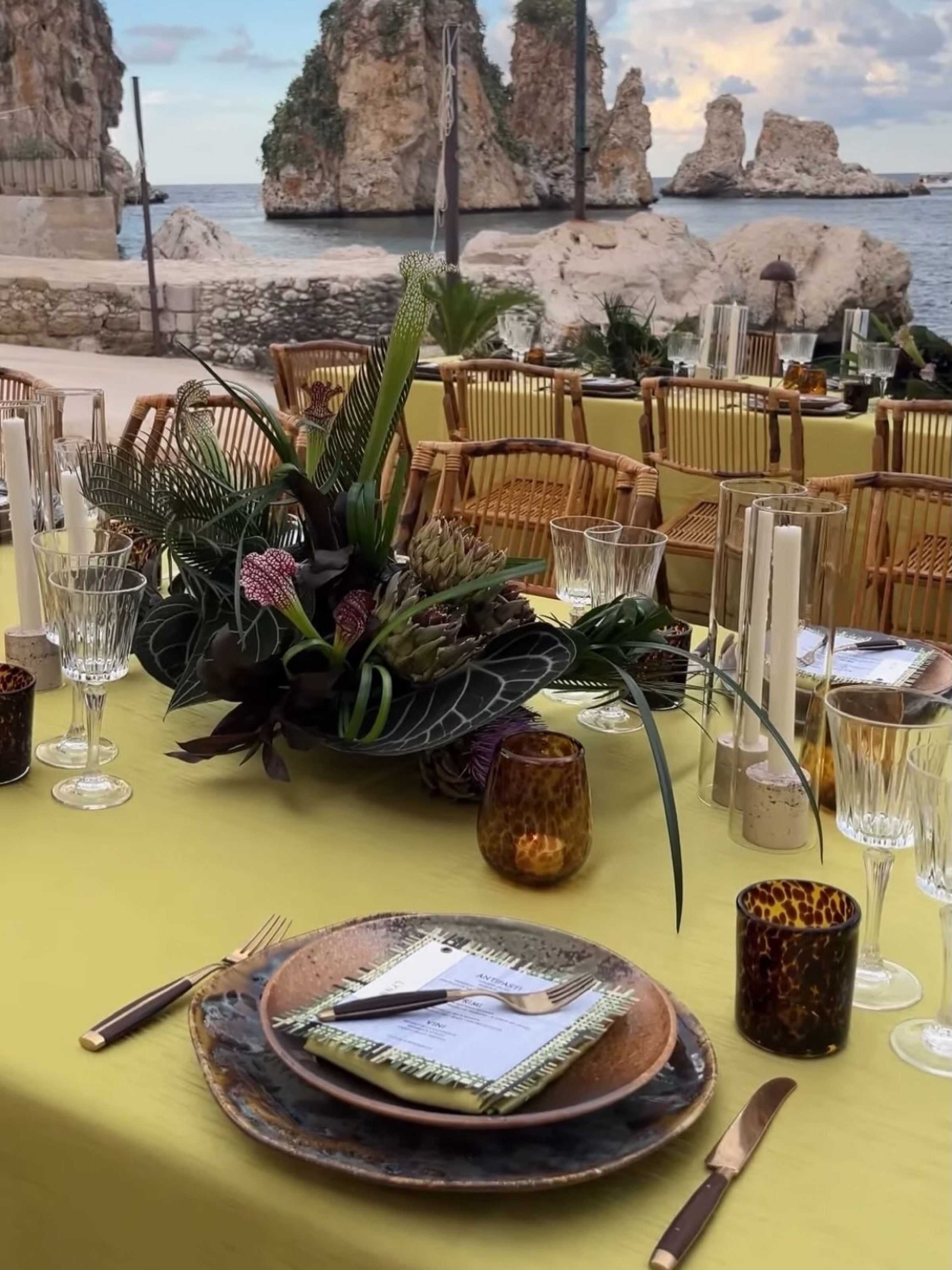
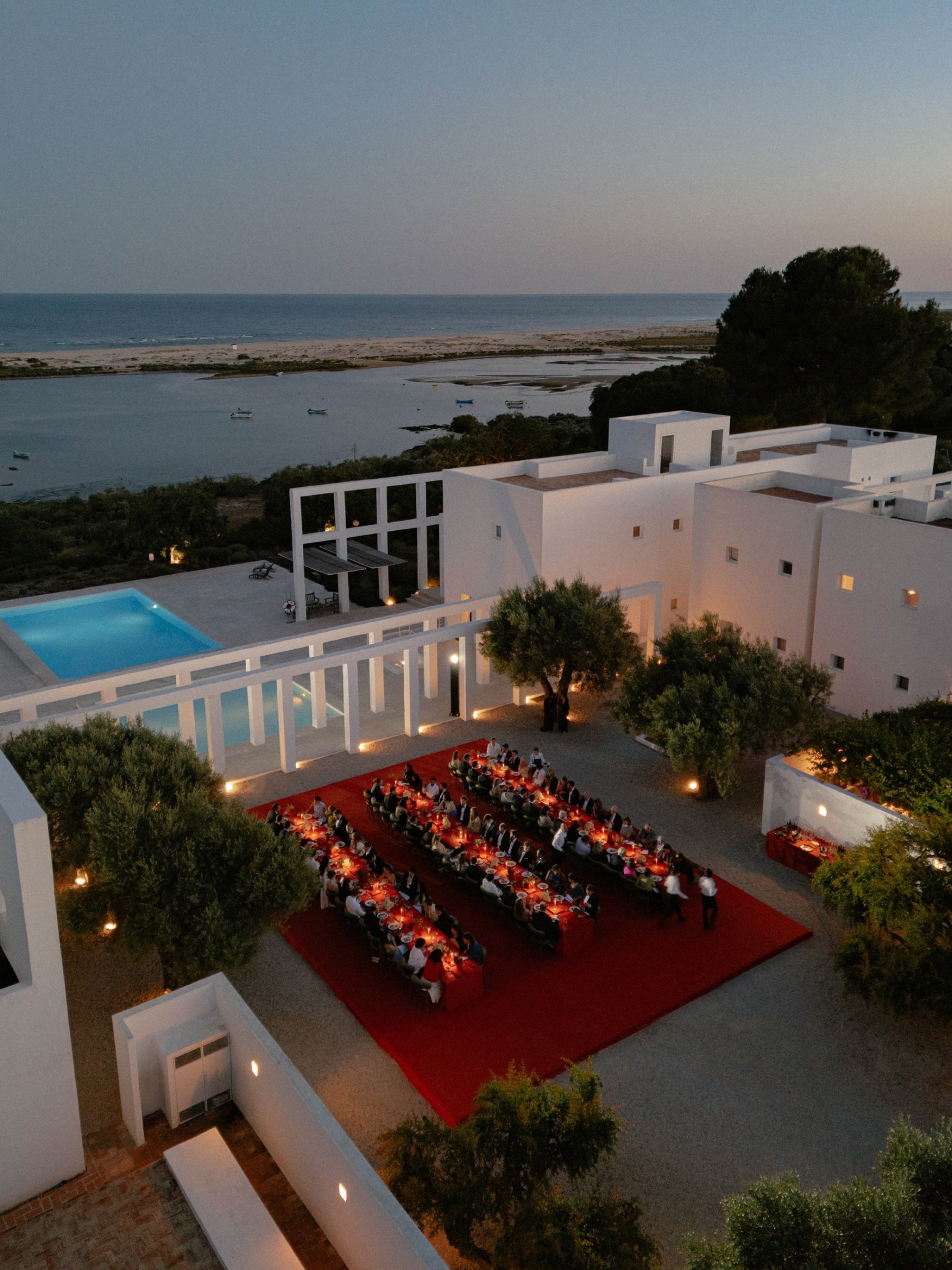
Slowly but surely, weddings have evolved from single-day celebrations into multi-day affairs, often with a packed schedule of pre- and post-wedding events. Welcome dinners, poolside parties, farewell brunches, and all sorts of activities for guests have become increasingly popular, especially when it comes to destination weddings. More time to celebrate with your favorite people. What could be better? Well, there's a financial side to it, too. It can cost considerably more than you initially planned. You might've carefully budgeted for the main celebration while giving far less thought to what happens the day before or after. Yet, those additional events often involve their own venues, catering arrangements, transportation, and staffing. Even when the atmosphere is more relaxed, the financial commitment can be substantial. Think about the wedding weekend as a whole when setting your budget, and decide which gatherings are genuinely worth the investment.

"The goal isn’t to spend as little as possible, nor is it to stretch your finances to accommodate every idea. It’s to make informed decisions about what your celebration will cost, what you’re comfortable investing, and where those two figures can realistically meet."

The Financial Cushion You Might Overlook
As in life, not everything goes according to plan, and weddings are no exception. You can't predict every little thing, from unpredictable weather and last-minute guest cancellations to unexpected changes in your arrangements. What you can do, though, is leave yourself some financial room to deal with whatever comes your way. However thoroughly you've planned your wedding, there's always a chance something beyond your control will come up.
That's why it's worth setting aside a contingency fund from the very beginning, rather than treating it as something you'll think about if there's money left over. Around 5–10% of your total budget can be a useful starting point, though more complex celebrations may call for a larger reserve. Hopefully, you won't need to use it all. But knowing you have a little extra to fall back on can make the planning process far less stressful, especially as the wedding day gets closer.
So, Is Your Wedding Budget Actually Realistic?
The simplest way to find out whether your wedding budget is realistic is to put your expectations to the test. Start by identifying the elements that matter most to you, then research what they actually cost in your chosen location. Rather than relying on estimates or figures you’ve seen online, reach out to venues and vendors for preliminary quotes based on your guest count, wedding date, and the experience you’re hoping to create. Make sure you’re comparing like for like, paying attention to what’s included, what’s excluded, and where additional expenses might arise. Once you’ve accounted for the larger investments, the less obvious costs, and a reasonable contingency, you’ll have a much clearer picture of whether your original figure is achievable.
And if the numbers don’t quite add up? That doesn’t necessarily mean abandoning the wedding you’ve imagined. It might mean reconsidering your guest count, choosing a different date or venue, simplifying certain elements, or directing more of your budget toward the things that matter most. The goal isn’t to spend as little as possible, nor is it to stretch your finances to accommodate every idea. It’s to make informed decisions about what your celebration will cost, what you’re comfortable investing, and where those two figures can realistically meet.