Virginia Woolf opens the novel "Mrs. Dalloway" with a woman deciding she’ll buy the flowers herself. A few pages later, we find her pausing on a London street, struck by the strange feeling of no longer being Clarissa, only Mrs. Richard Dalloway. It’s a small moment, easy to miss, but it has stayed with readers for a century because so many women recognize it. Woolf was writing in 1925, and yet the question hasn’t quite gone away. Between the dress fittings, the florist calls, and the seating chart, there’s one decision that rarely makes it onto the checklist: what happens to your name once the party’s over? For some women, the answer is instant and joyful. For others, it’s a long, quiet pause. Whichever camp you fall into, it deserves more than an afterthought.

Has Taking His Name Become Part of Saying “I Do”?
Sooner or later it comes up: what happens to your name afterward? For a lot of women, taking their partner’s name is simply what you do. It’s so familiar that many never stop to ask whether they actually want to. And yet it’s worth asking. A last name might look like a minor detail next to everything else, but it holds family history, identity, and years of being known as a particular person. Women have built careers and friendships under names that were theirs long before any proposal. So does marriage really call for a new one, or did we just inherit the idea?
The Romance of a Shared Name
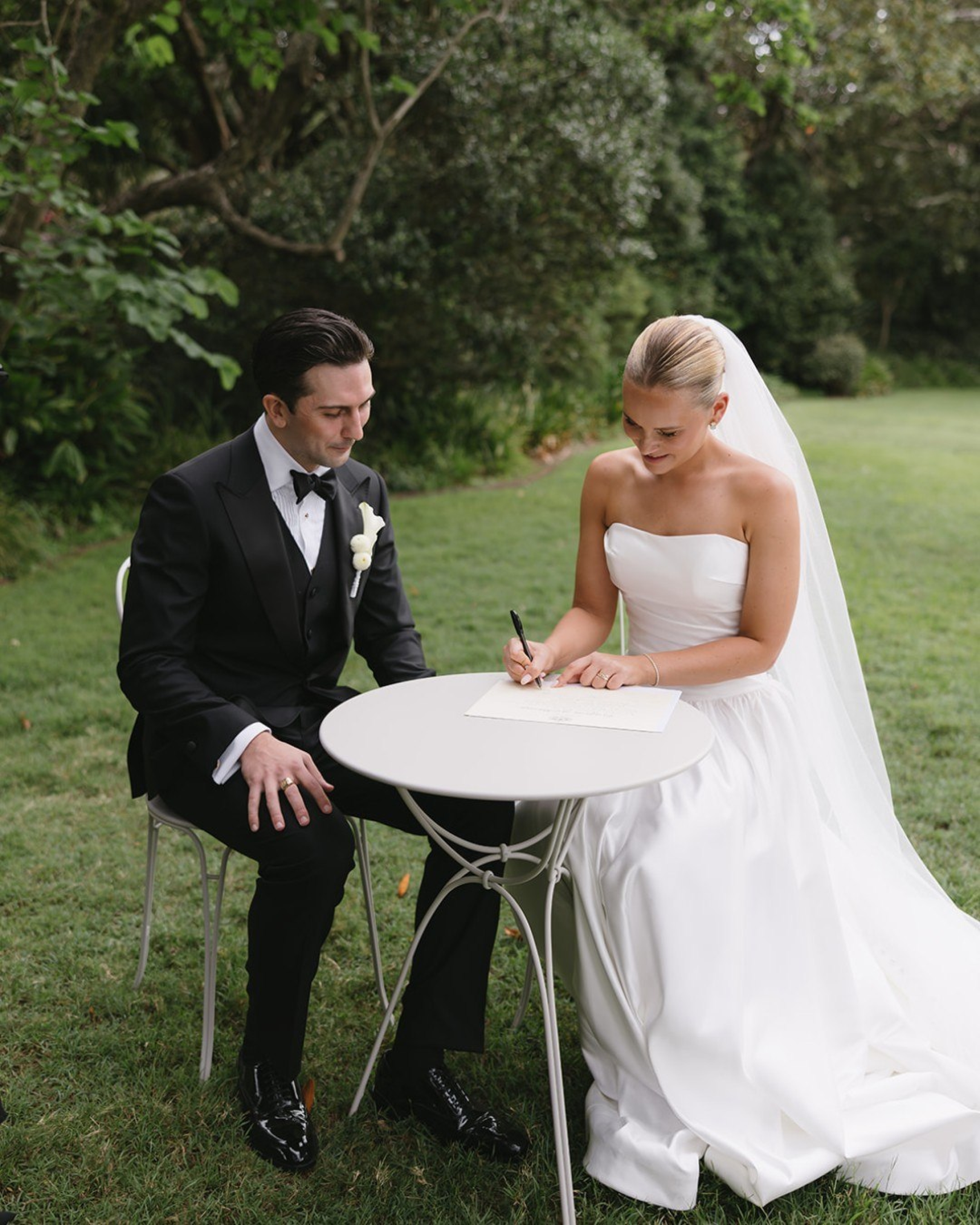
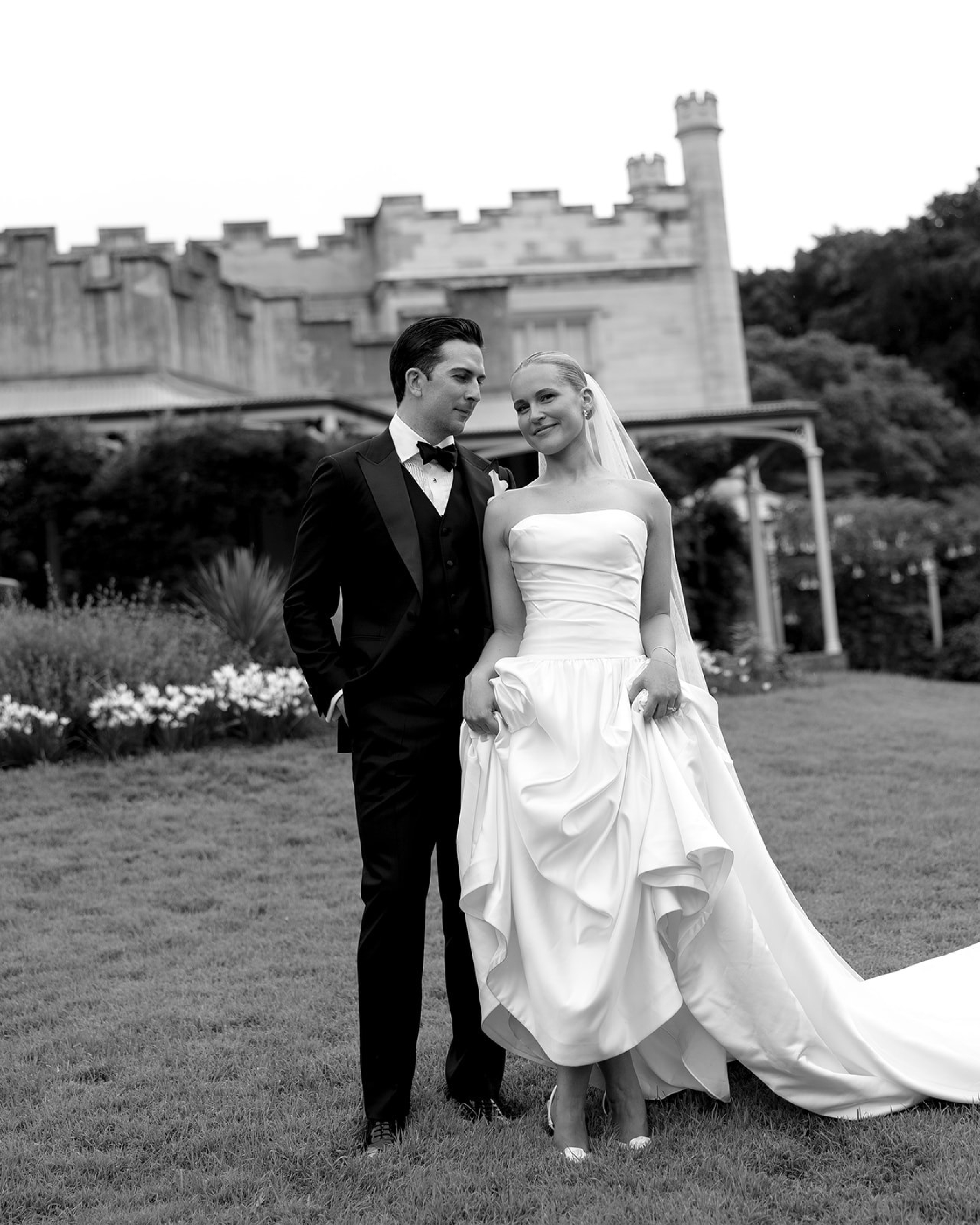
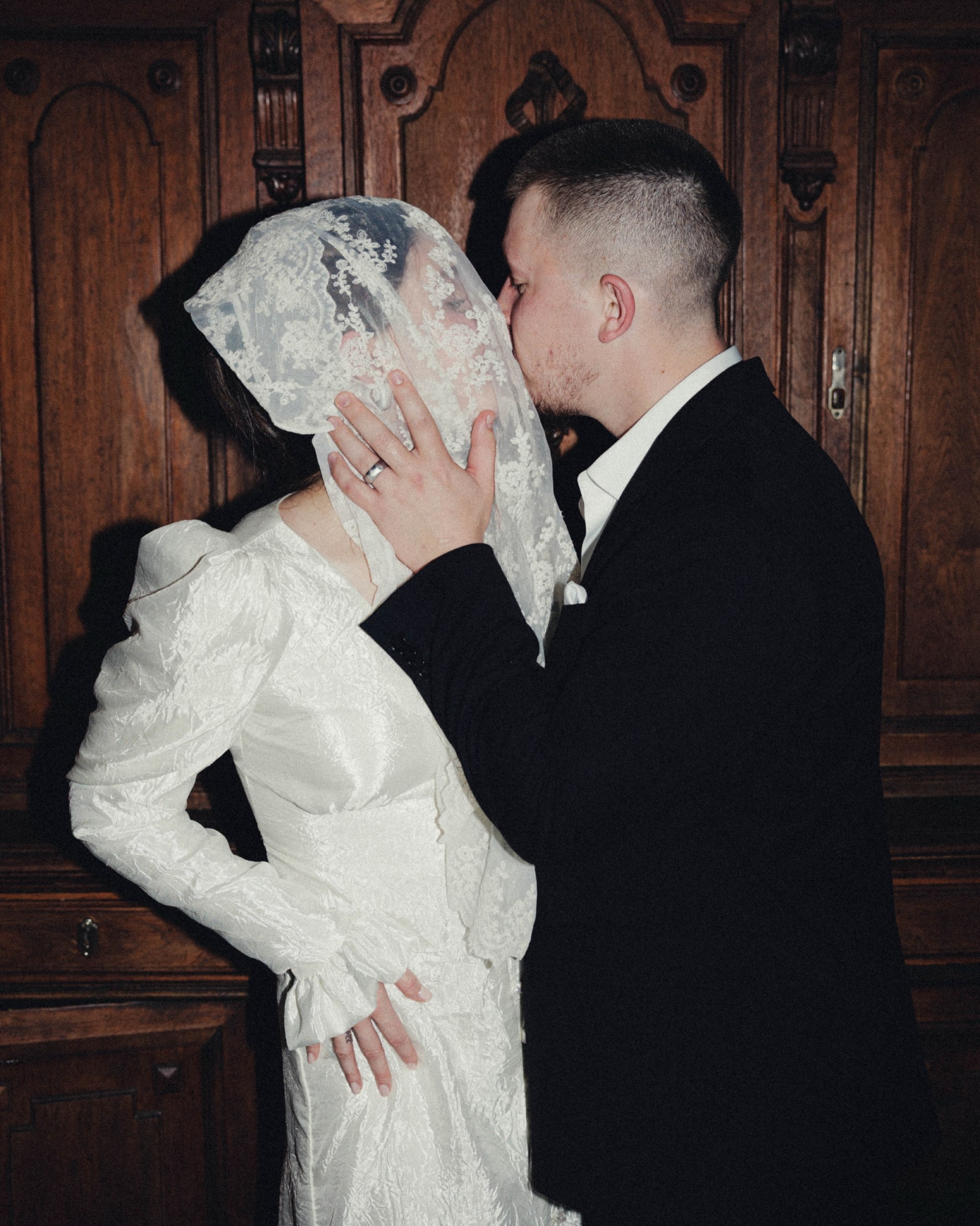
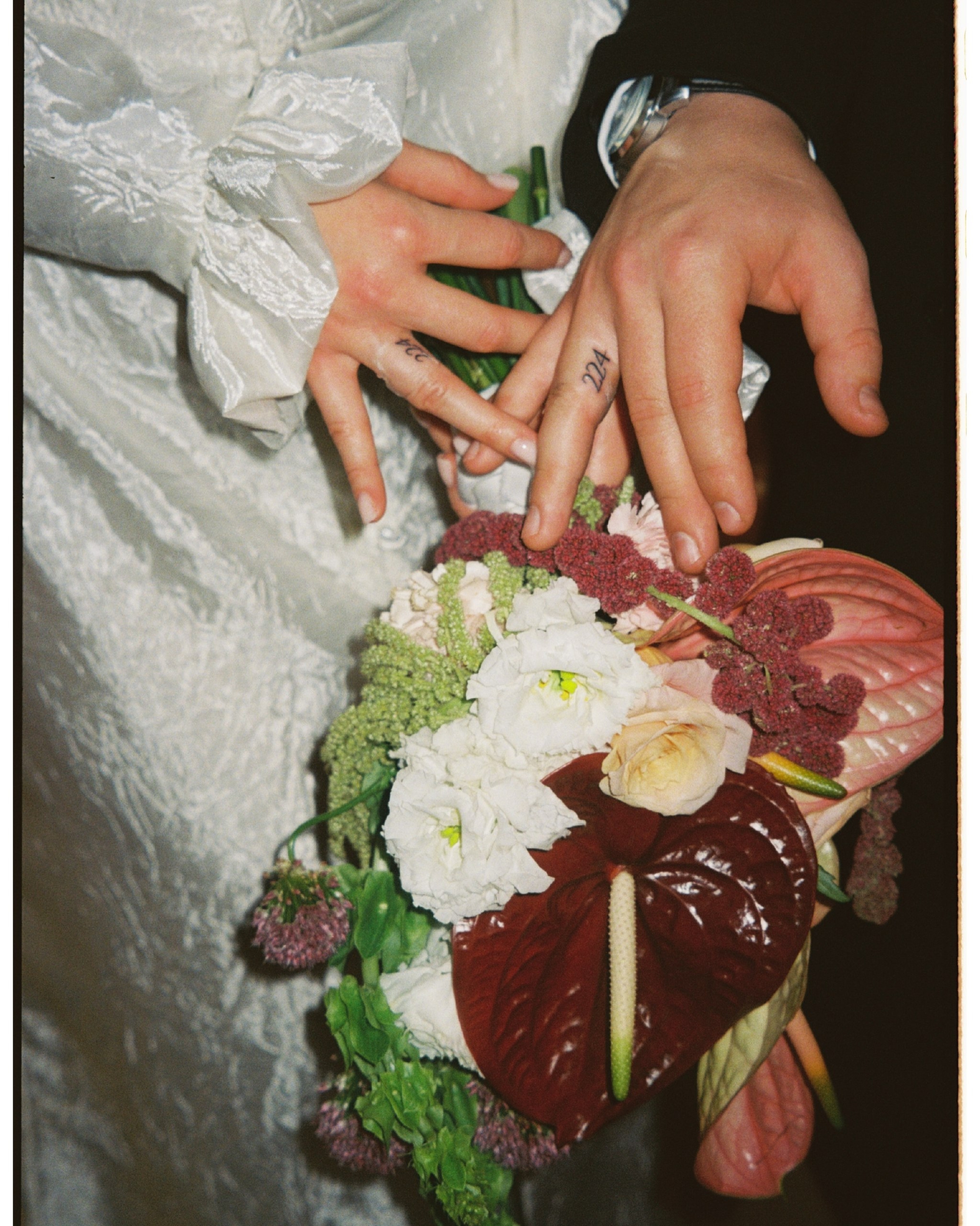
Still, there’s something lovely about two people sharing a name. For some women, taking their partner’s last name doesn’t feel like losing anything. It feels like stepping into the life they’ve chosen, and it can be a sentimental gesture, a link to his family’s story, or just the quiet pleasure of having something in common that everyone can see. Often it has little to do with convention. Some couples want the sense of belonging that comes with one family name, especially if they’re picturing kids someday. Others simply like how the new full name sounds, which is a perfectly good reason. The tradition may come from a very different idea of what marriage was, but choosing it now, on your own terms, can still be personal and meaningful.


When Keeping Your Identity Matters
Then there are the women who hesitate, and understandably so. It’s the name they’ve had since childhood, the one on their degree, on their email, driver's license, and every personal document. It can also tie them to family and heritage in ways that have nothing to do with their partner. Changing it can feel like much more than updating a passport and filling out some forms. If you’ve built a career, a business, or a creative portfolio, there’s a practical side too. The name your reputation lives under doesn’t stop mattering the day you marry. And there’s the bigger point about fairness, since it’s still overwhelmingly women who are expected to change. But keeping your name doesn’t have to be a statement about feminism or rebellion. Sometimes it’s just that you know which name is yours and don’t see a reason to give it up.
Can Two Names Become One?
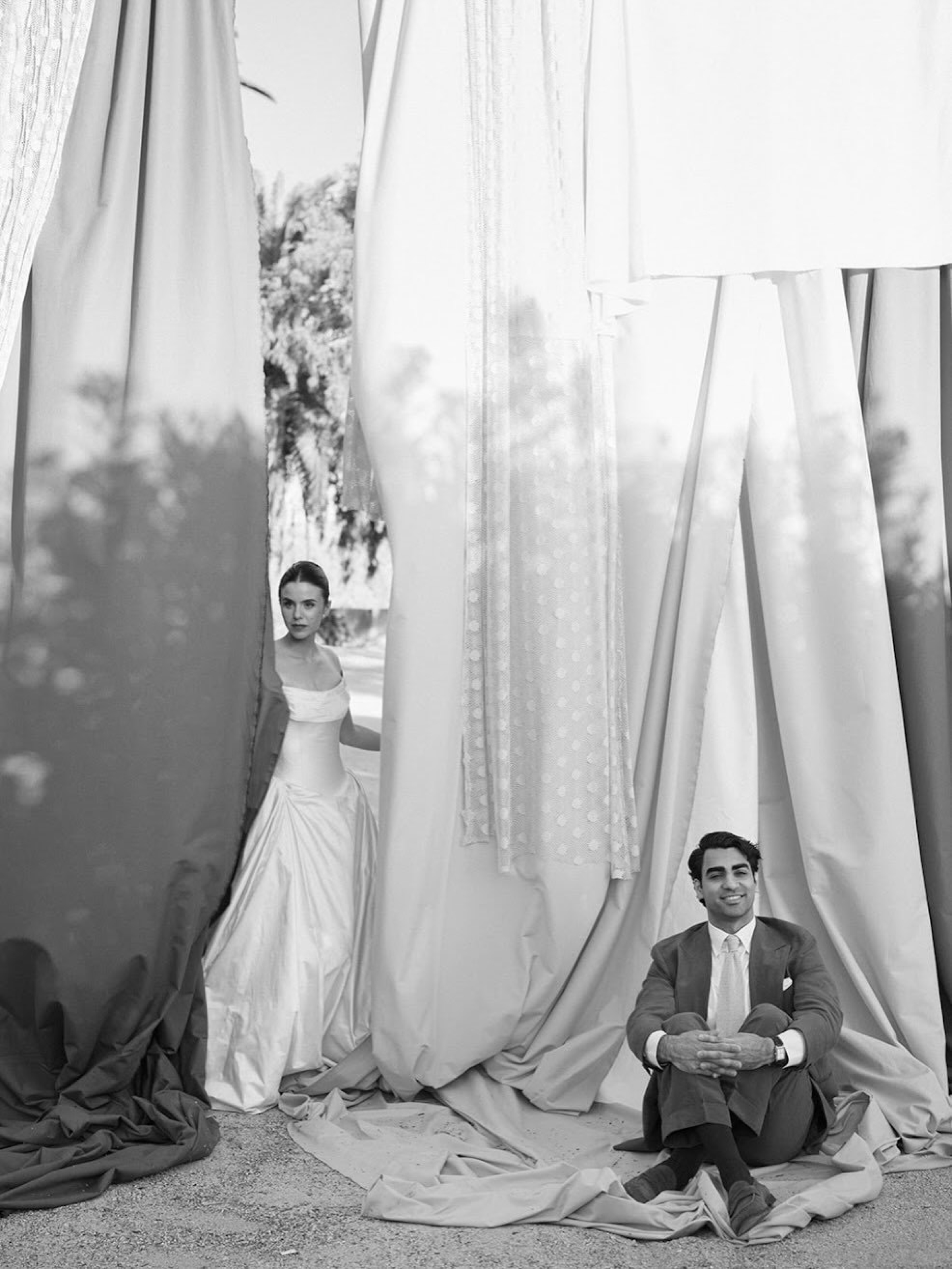
One of the more interesting shifts lately is that couples are stepping outside the either/or. Double-barreled last names let both families be part of the new name without one person’s history winning out. For some couples that feels like equality in action, and for others it’s a good compromise that keeps both sides of the story. It isn’t all easy, of course. A combined name can get long, and the legal process varies, especially if you’re marrying across countries. Some couples invent a brand-new last name that belongs to neither family. Others keep their legal names and use a shared one socially. None of these are simpler than the traditional route, but they show that people are more willing to build something that fits their own relationship instead of following a template.

Whose Name, Whose Expectations?
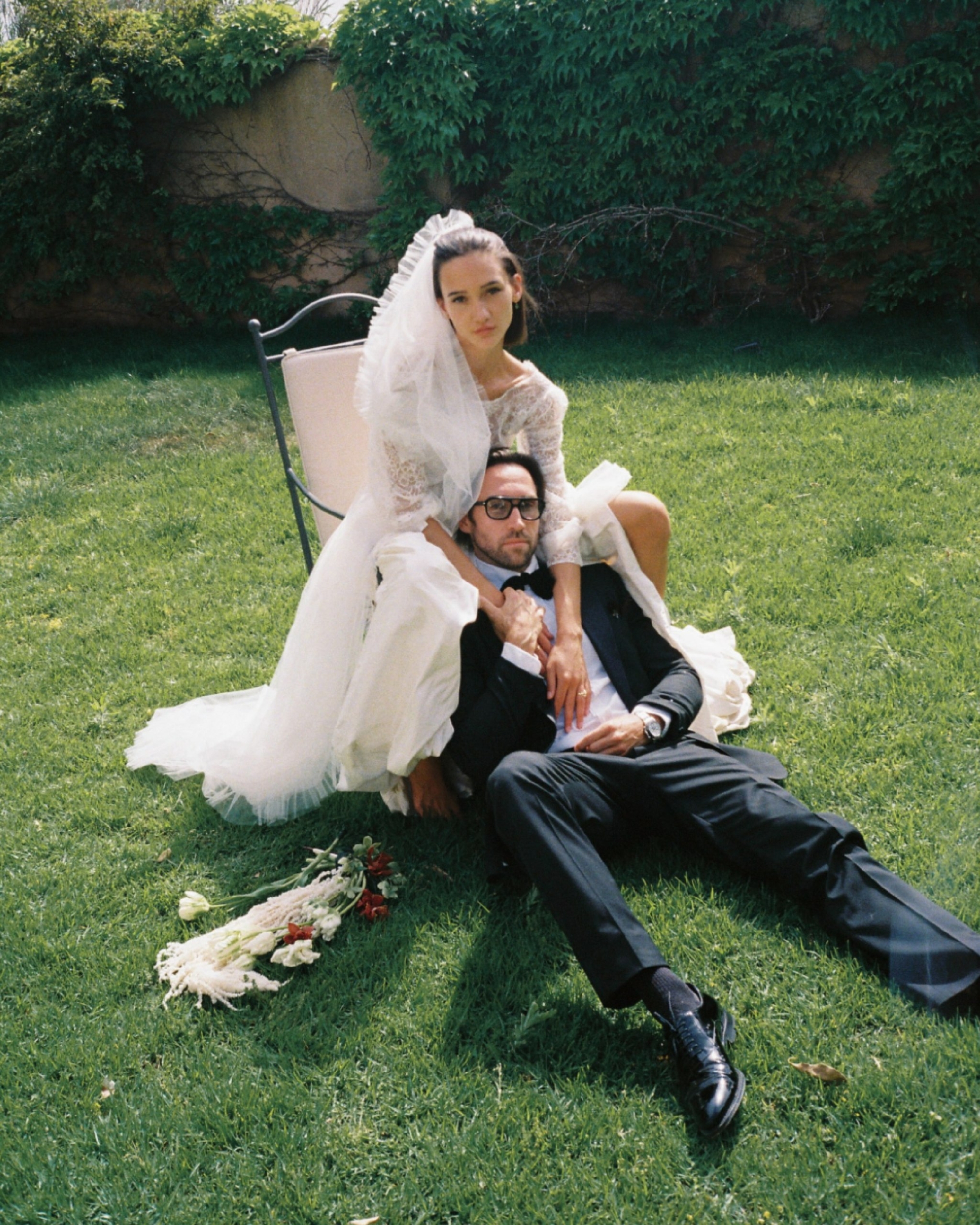
Things get trickier when the two of you don’t feel the same way. One might have always pictured a single family name, while the other has never considered giving up theirs. What looked like a small wedding detail can suddenly expose bigger assumptions about tradition, gender roles, and what marriage is supposed to look like. It helps to separate wanting something from expecting it. Hoping your partner takes your name is fine. Assuming they must is not. Rather than letting it simmer into quiet resentment, it’s worth talking about what each last name means to you, including the family stories attached to it. You don’t have to agree right away. But you both should come away feeling heard, not like one of you gave in to the other’s idea of how things should go.
What Really Defines a Modern Marriage?
Maybe last names feel so loaded because they point at something bigger: how do you build a life with someone without dissolving into each other? Marriage has always meant adjusting, but these days there’s more of a sense that commitment doesn’t require two people to become identical. A shared name can be a beautiful sign of togetherness. Separate names can be just as secure and connected. Neither one tells you how much two people love each other, how seriously they take their vows or how they’ll raise a family. What counts is that the choice was made freely and thoughtfully, with both people in mind.