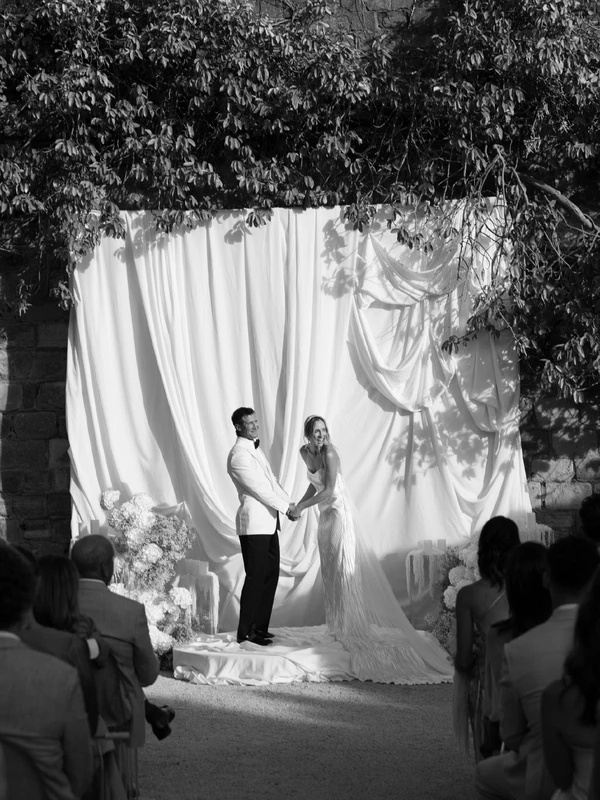
You can walk into your wedding feeling completely at ease, then someone hands you a microphone, and suddenly you forget how to breathe. For many people, the thought of giving a wedding speech or saying their vows in front of a room full of loved ones brings an unexpected wave of anxiety. Wedding speech uneasiness can be especially strange because you're not speaking to strangers—you're speaking to the people who know you best, on a day that already carries plenty of emotion. The good news is that you don't need to become a fearless public speaker, deliver a flawless performance, or memorize every word to make the moment meaningful. You just need to understand where the nerves are coming from, prepare in a way that actually helps, and give yourself permission to sound like yourself when the moment arrives.
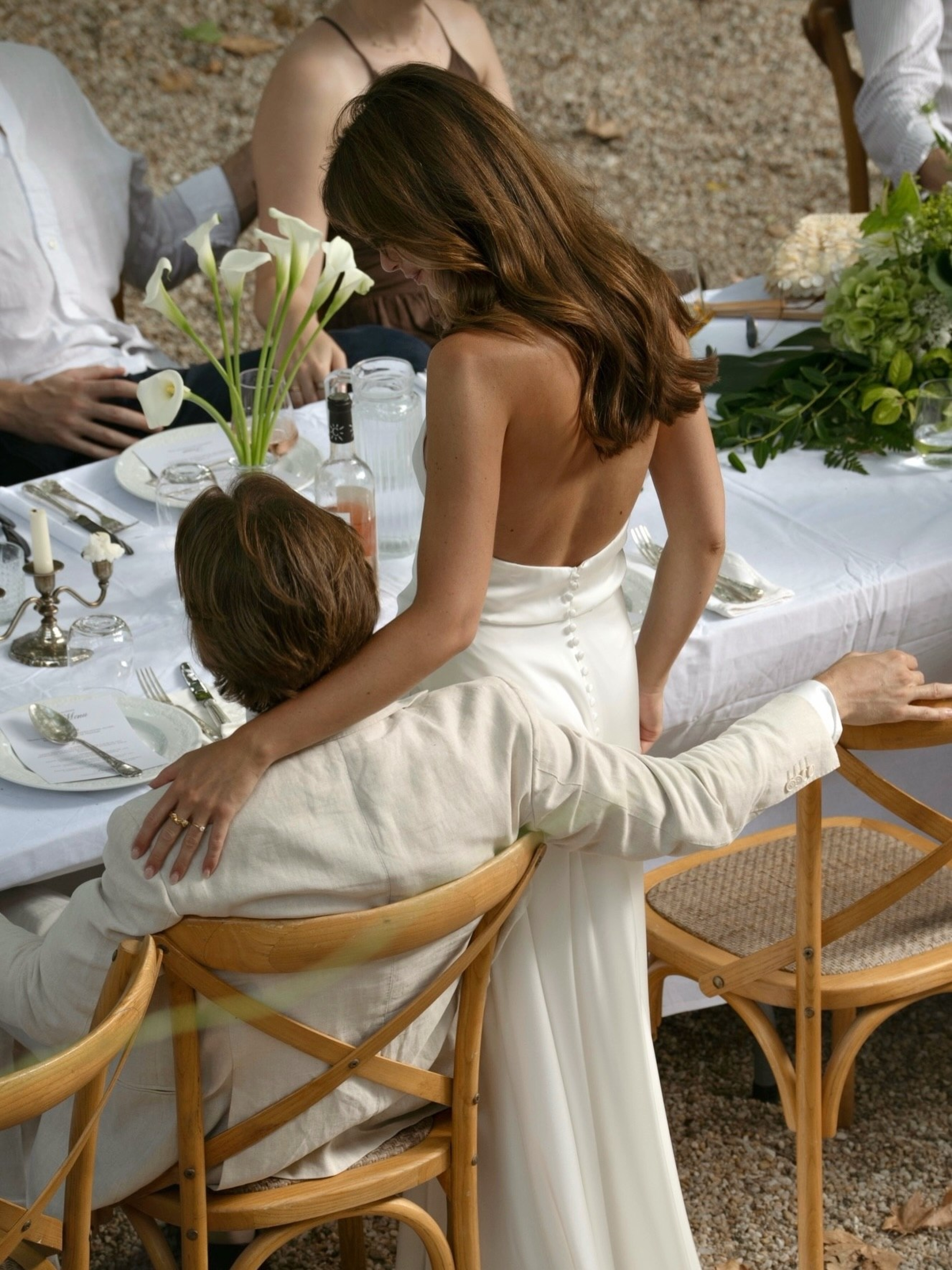
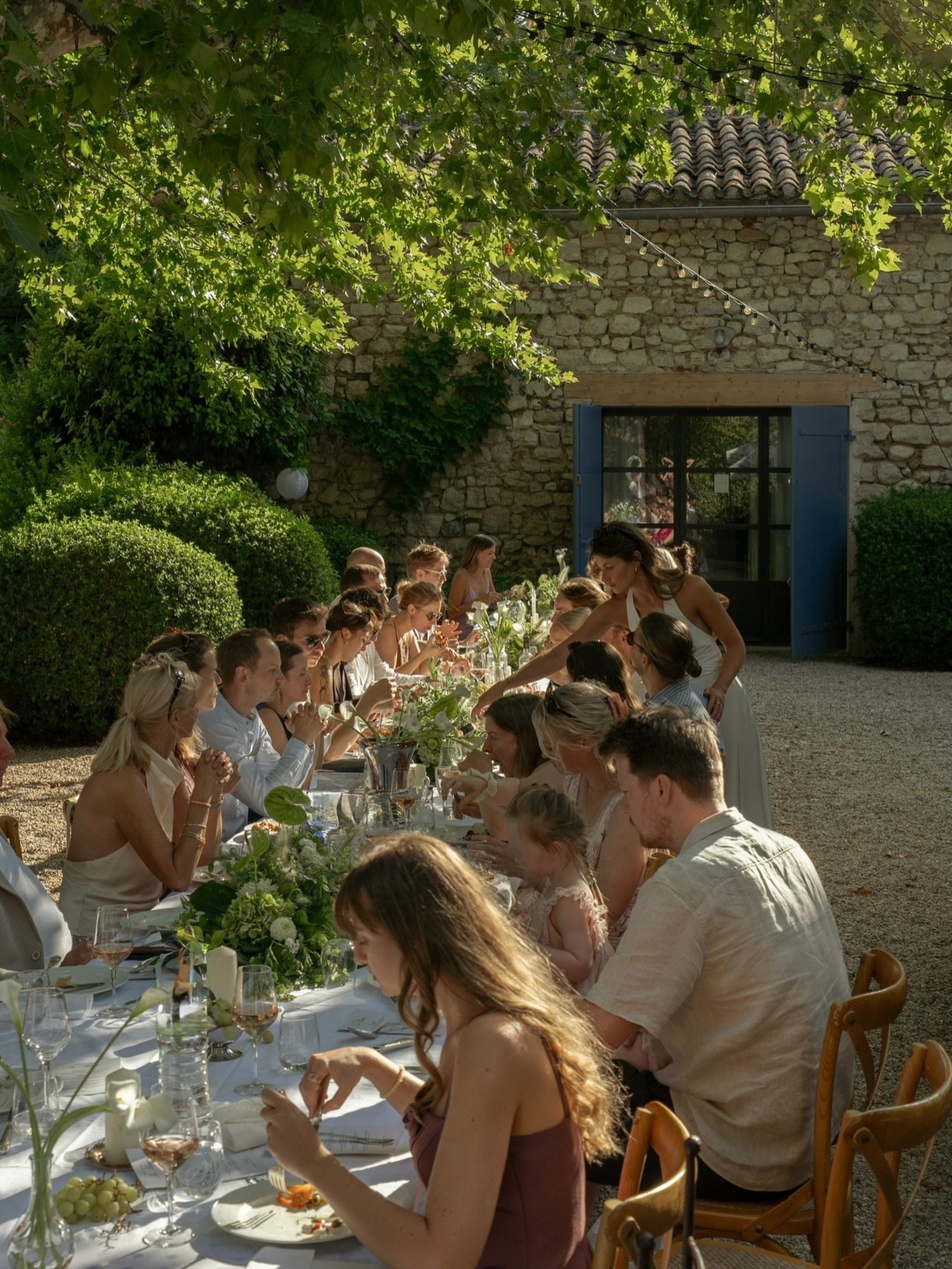
Why Can Speaking Feel So Intense?
There is something uniquely exposing about standing up at a wedding and realizing that everyone you love is suddenly listening to you. Even people who are perfectly comfortable in a meeting, on a stage, or at a dinner party can feel their pulse quicken when the microphone comes out. Wedding speech anxiety has less to do with public speaking in the traditional sense and more to do with the emotional stakes of the moment: these are people who know you, and what you say is connected to a day you may have imagined for years. Your wedding vows carry a similar weight, only with an even smaller distance between the words and the person they are meant for. There is also the strange pressure to make the moment memorable, moving, funny, and effortless all at once. No wonder your nervous system may have other plans.
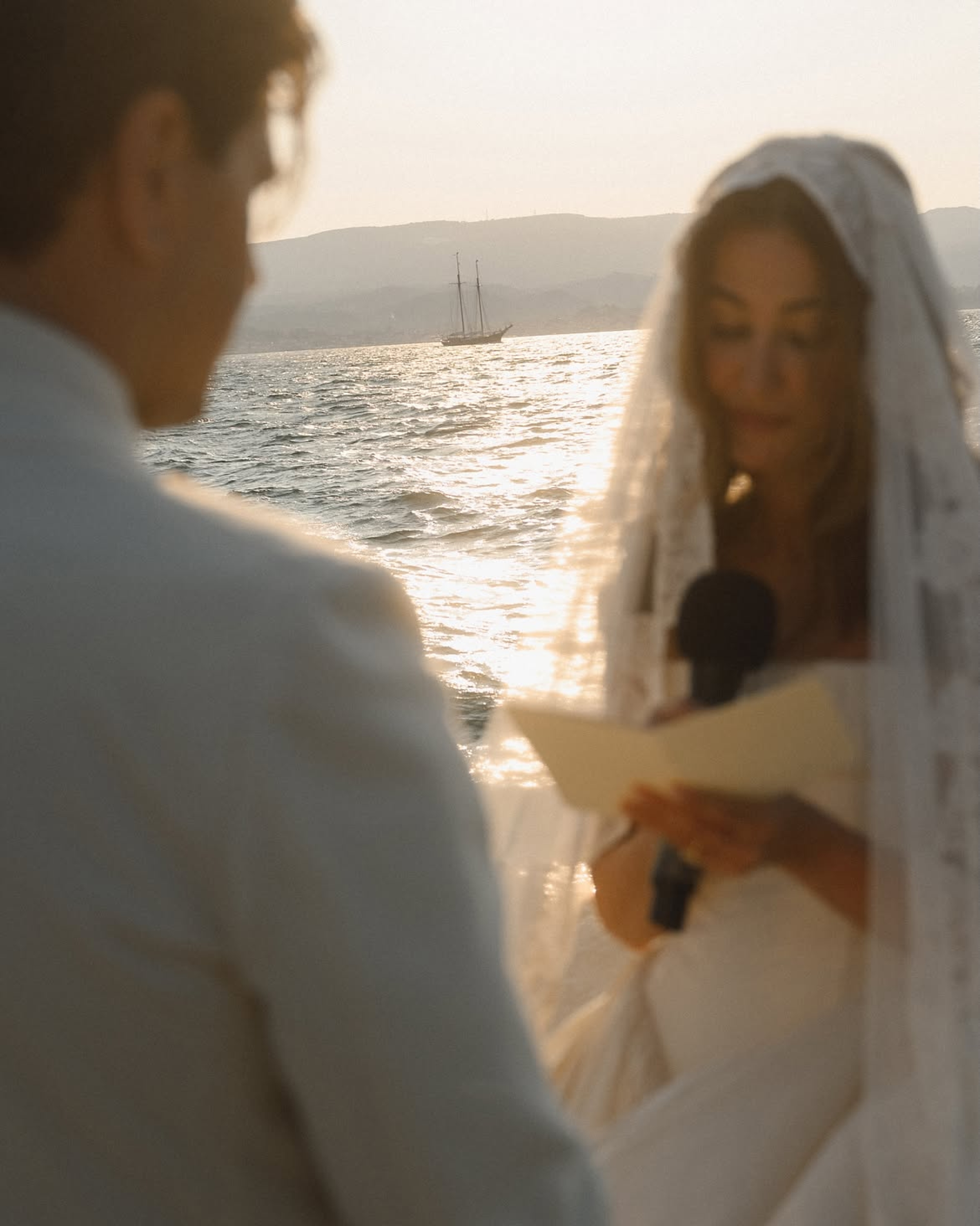
What Are You Really Afraid Will Happen?
Before trying to calm wedding speech nerves, it helps to get specific about what is actually making you anxious. Is it the possibility that you'll forget your words, cry halfway through a sentence, hear your voice shake, or discover that the joke you loved on paper lands in complete silence? Maybe the deeper discomfort is being looked at so closely, particularly by people whose opinions matter to you. For some, the hardest part is saying something sincerely personal without feeling as though the entire room has suddenly been invited into a private conversation. Others worry about getting emotional and losing control, or about comparing their speech to the polished, funny wedding speeches they've seen online. Once you know what is actually making you nervous, it becomes much easier to work with. The point isn't to eliminate every possible thing that could go wrong, but to know what you'll do if it does.

Don't Speaking to the Room,
Speak to the Person You’re There For
The room is not really your audience, even when it feels like it is. When you're delivering wedding vows, there is one person who matters most, and remembering that can radically change the experience of speaking them aloud. Instead of scanning the crowd for reactions, let your attention return to your partner, their face, the expression you know, the person who understands the history behind the words. The same principle works for a wedding speech: rather than imagining yourself performing for 100 people, think about the few people whose stories, memories, or relationships are actually shaping what you want to say. This shift takes the pressure off sounding impressive and puts it back where it belongs: on saying something true. It can also make your delivery more natural, because you stop presenting a speech and start having a conversation that happens to be happening in front of other people.

Rehearse the Feeling, Not Just the Words
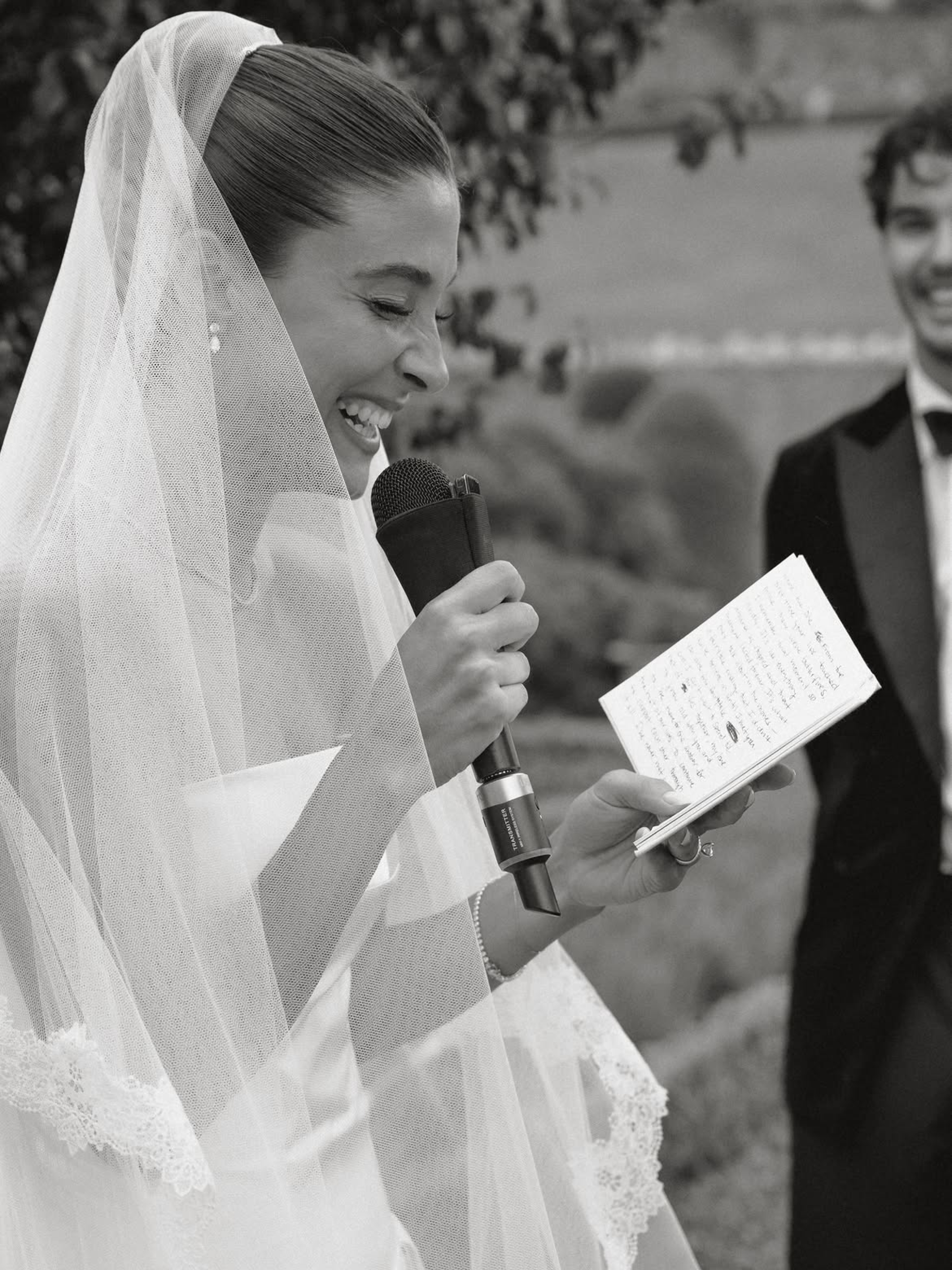
Knowing your wedding speech by heart is not the same thing as feeling comfortable delivering it. In fact, over-memorizing every sentence can sometimes make a speech more fragile: miss one word and suddenly the whole carefully constructed sequence feels as though it has disappeared. A better approach is to rehearse the experience of speaking by standing up, holding your notes, hearing your own voice, leaving space between thoughts, and getting comfortable with the moments that carry more emotion. Read the speech aloud several times, but don't aim for a flawless performance every time. Practice recovering when you lose your place, because knowing you can recover is often more reassuring than knowing you won't stumble. If possible, do one or two run-throughs for someone you trust, ideally someone who will tell you if a section sounds unlike you. Preparation should make you feel more like yourself, not turn your wedding speech into a perfectly rehearsed version of someone else.

When the Nerves Show Up, Let Them
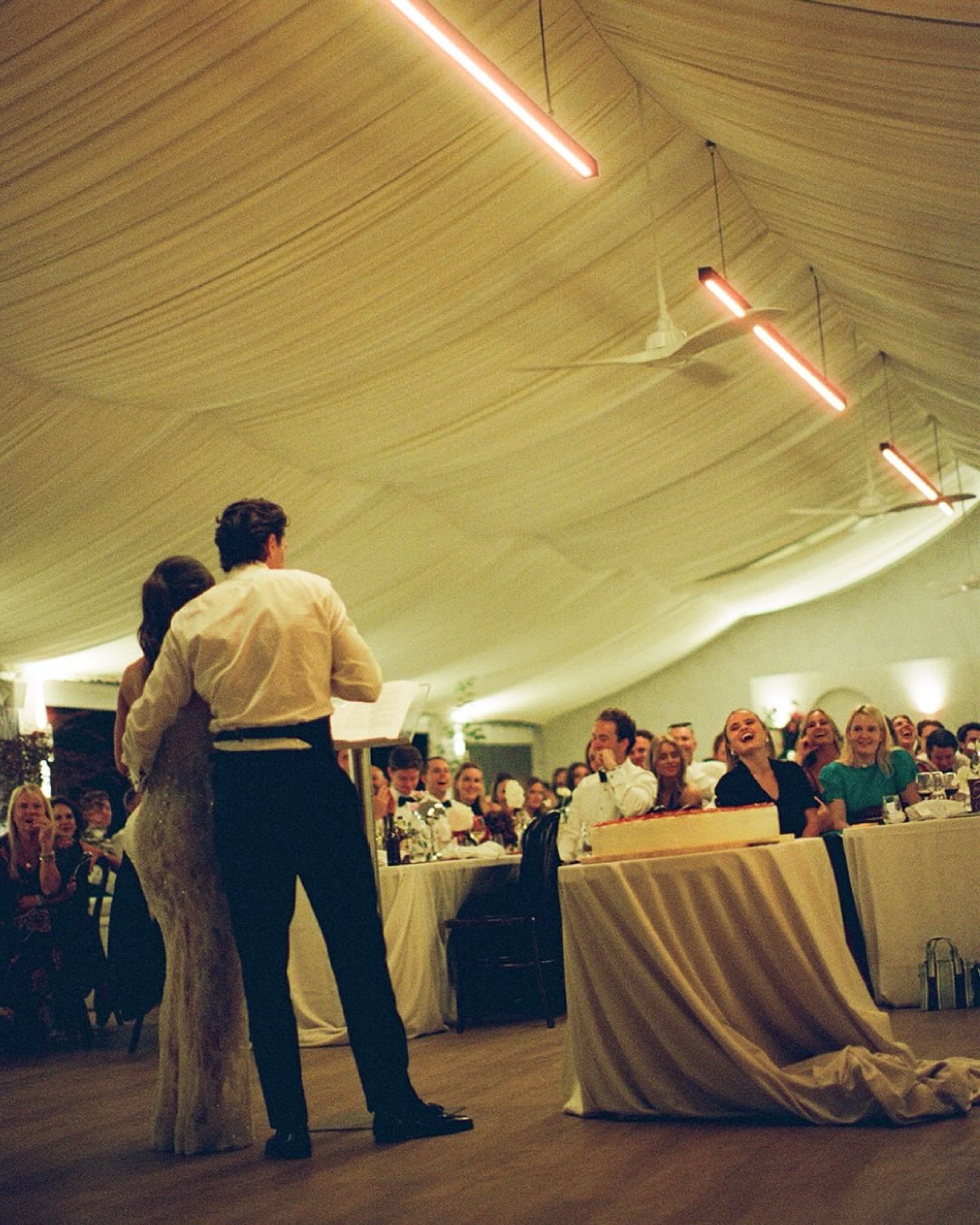
Even with thoughtful preparation, you may still feel nervous when the moment arrives, but that doesn't mean your preparation failed. Your hands might shake slightly, your voice might sound different, or you might suddenly become intensely aware of the microphone in front of you. None of those things are as conspicuous to the audience as they feel from inside your own body. Slow down rather than trying to outrun the adrenaline, take a breath before beginning, and allow yourself a pause if emotion catches you by surprise. If you lose your place, look down at your notes, find the next thought, and continue. There is no rule that says a wedding speech has to move at a perfectly polished pace. The same goes for wedding vows: if your voice breaks while saying something that matters deeply to you, you don't need to apologize for it or rush past the feeling.

The Most Meaningful Words
Are Rarely the Perfect Ones
There is a particular kind of pressure that comes with writing wedding vows or a wedding speech: the feeling that because the moment matters so much, the words have to be extraordinary. But significance doesn't come from sounding profound, it comes from saying something that could only have been said by you, to these particular people, on this particular day. The detail your partner remembers from an ordinary Tuesday may mean more than the grand declaration you spent three hours trying to perfect. A story that makes your friends laugh because they know exactly what happened can be far more affecting than a carefully engineered punchline. And a simple sentence delivered with a shaky voice can stay with people long after a technically flawless speech has been forgotten. So if you're anxious about finding the right words, consider changing the assignment: don't try to impress the room, and don't try to manufacture a cinematic moment. Say what you actually mean, leave a little room for imperfection, and trust that sincerity has its own kind of polish.