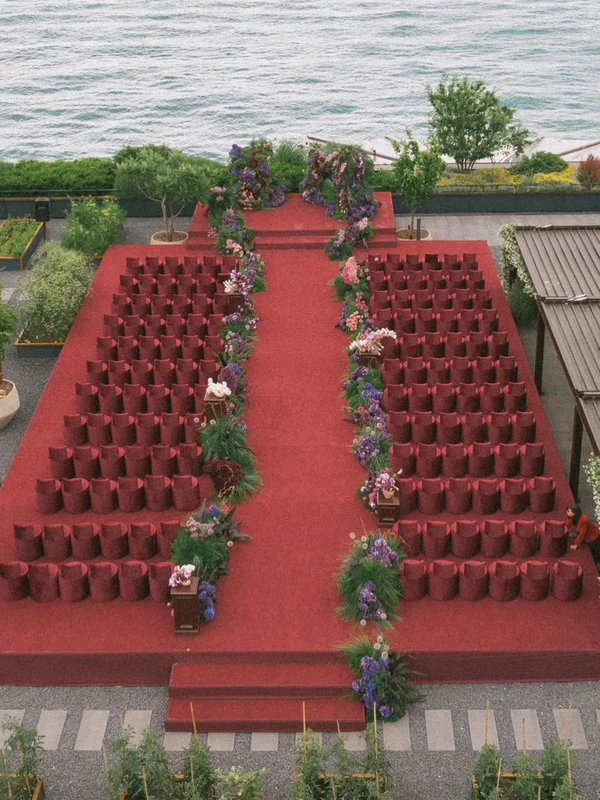
How much should you spend on your wedding? It’s a deceptively simple question, especially when every venue, florist, photographer, and beautifully styled celebration seems to offer a new number to consider. But there is no magic figure, and there shouldn’t be. The right wedding budget is less about keeping up with what others are spending and more about understanding what you can comfortably afford, what kind of celebration you actually want, and which details are worth making room for. Before you start comparing packages or falling for the venue with the impossible-to-ignore price tag, there is a more important conversation to have: what feels right for both of you? Because the most considered wedding budgets aren't built around a number you’re told you should spend, they’re built around the life, priorities and celebration you’re choosing together.

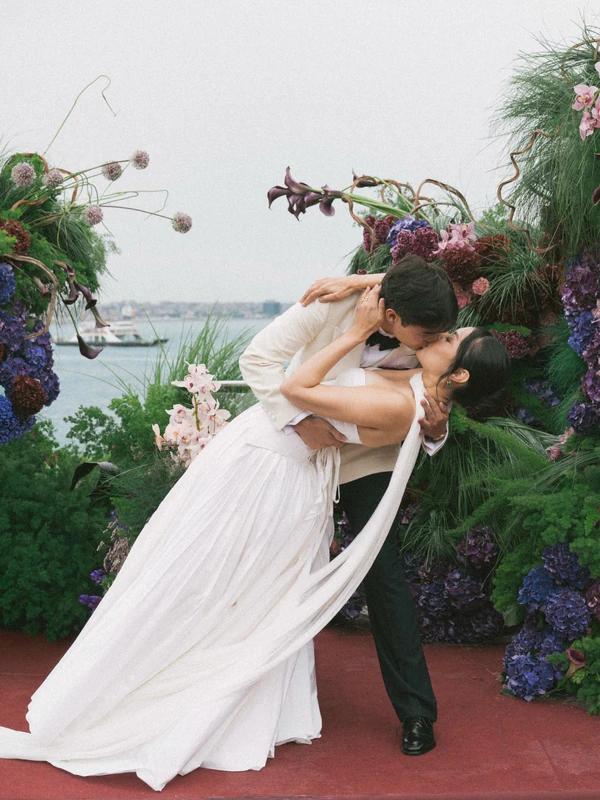
Have an Honest Conversation About Money
Before you talk about venues, guest lists, or whether a candlelit dinner is worth the splurge, talk about money. Not the abstract version of it, but the actual financial picture each of you is bringing into the marriage: savings, income, existing commitments, future plans, and the way you each feel about spending. One partner may see the wedding as a once-in-a-lifetime occasion worth investing in, while the other may be thinking about a home, travel, a business, or simply the comfort of having money left in the bank. Neither instinct is inherently more sensible, what matters is understanding where it comes from.
It is also worth asking what spending a significant amount on the wedding means emotionally for each of you, because financial decisions rarely exist in a vacuum. A conversation that feels slightly uncomfortable now can prevent far more difficult conversations later, especially once deposits become non-refundable and the numbers stop feeling theoretical.
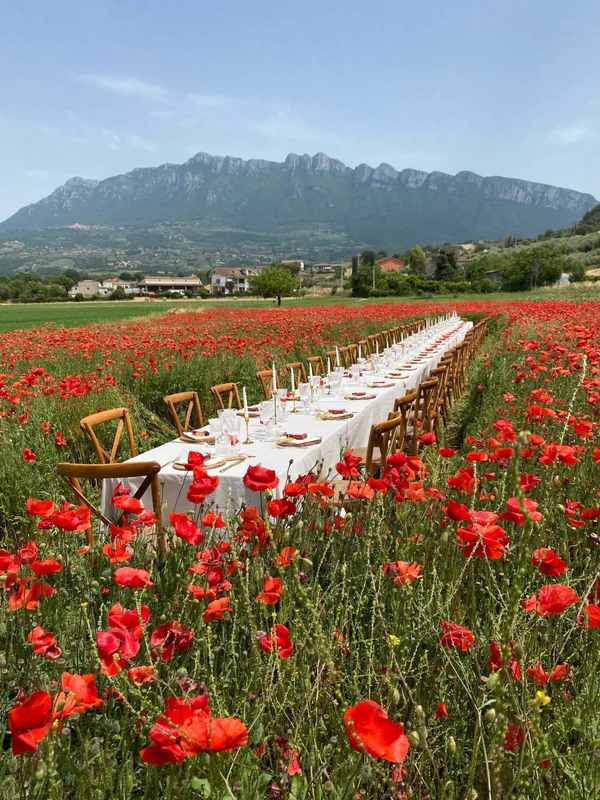
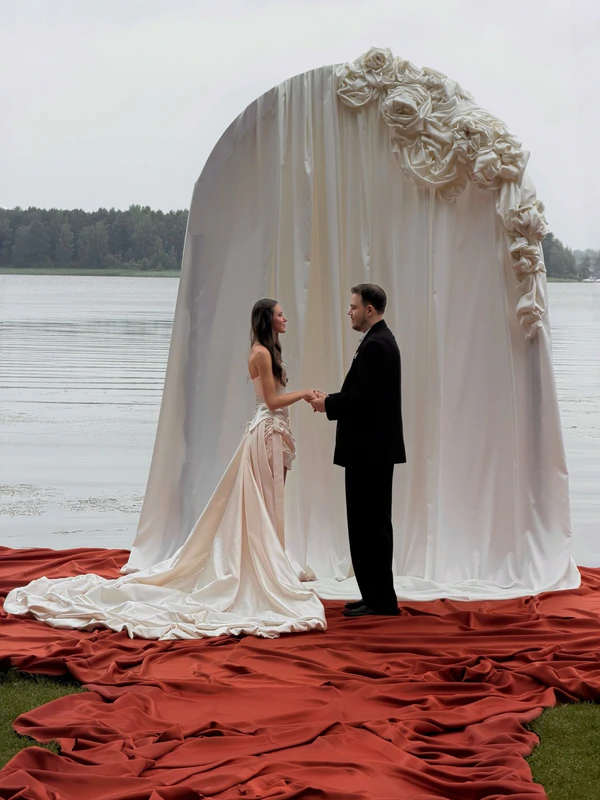
Know What You Can Comfortably Afford
The most useful wedding budget is not necessarily the largest one available to you. There is a meaningful difference between what you could spend and what you can spend without feeling that the wedding has taken something away from the life you're building afterwards. Look beyond the money currently sitting in your accounts and consider the commitments competing for it: rent or a mortgage, savings goals, debt, investments, travel, family responsibilities, or plans that matter to you in the next few years. If paying for the wedding requires you to abandon those plans, rely heavily on credit, or spend every last reserve, the number may be technically possible but emotionally and financially strained. A comfortable budget should leave you feeling excited about the celebration rather than quietly anxious about what happens after it. It can help to agree on a clear upper limit before you begin falling in love with venues or vendors, because inspiration has a way of making almost any number feel negotiable.

Define the Wedding You Want & What Matters Most
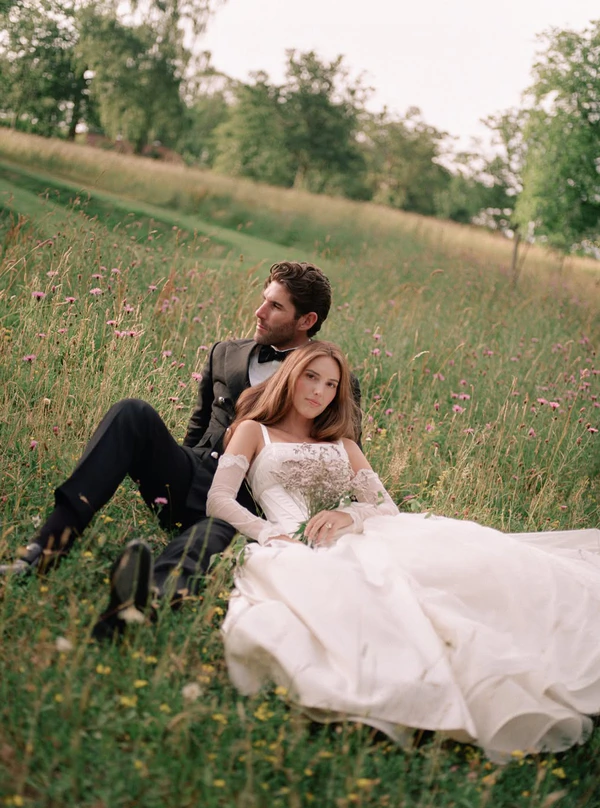
Imagine the day without attaching prices to it yet: perhaps it is an intimate dinner for thirty, a full weekend with everyone you love, a city celebration followed by dancing until late, or a destination gathering where the setting does much of the visual work. Guest count, location, season, format, and level of formality will all influence what the wedding costs, but they also reveal what you are actually trying to create. This is where couples can move beyond the idea of a wedding that simply looks impressive and start asking what they want people to remember. Is it the food? The atmosphere? An extraordinary band? The photographs? A sense of intimacy? The pleasure of having every person at the table? Have each of you make a short list of what you care about most before comparing notes, rather than allowing the first Pinterest board or venue tour to establish the priorities for you.

Talk Through Family
Contributions & Expectations
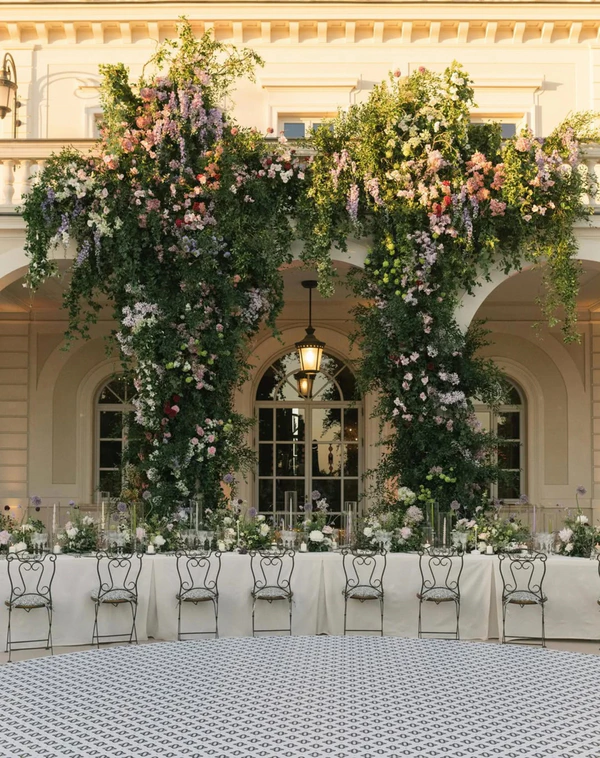
Money from parents or other family members can change the shape of a wedding budget considerably, but the number itself is only part of the conversation. Before counting a contribution as part of what you can spend, understand whether the money is a gift, a shared contribution, or something that comes with expectations attached. A parent offering to pay for the reception may also have strong opinions about the guest list, someone contributing toward the venue may expect a particular kind of celebration or a certain number of invitations. None of that automatically makes the contribution problematic, but it is much easier to navigate when everyone understands the arrangement from the beginning. Ask how much is being offered, when the money will be available, whether the amount is firm, and whether there are decisions the family expects to have a voice in.

Set Your Wedding Budget
& Build the Breakdown
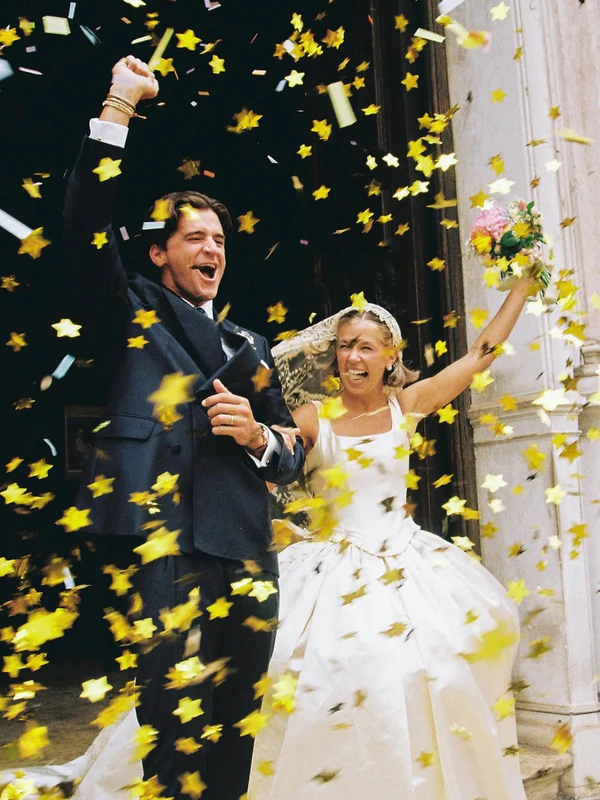
The total should reflect your financial comfort, the celebration you've described together, and any confirmed contributions—not what another couple spent or what a generic wedding budget calculator says you ought to spend. From there, turn the headline figure into an actual spending plan, because knowing that you have $50,000 to spend is very different from knowing what that $50,000 needs to cover.
Start with the elements that are fundamental to your vision, then work outward through the categories that support them: venue, catering, photography, music, florals, decor, attire, stationery, beauty, transportation, rentals and everything else your particular wedding requires. Rather than assigning every category a fixed percentage, let your priorities influence the proportions. A couple who cares deeply about dinner and dancing will naturally allocate differently from one who wants a design-led celebration or a destination weekend.

Decide Where to Spend More
& Where to Compromise
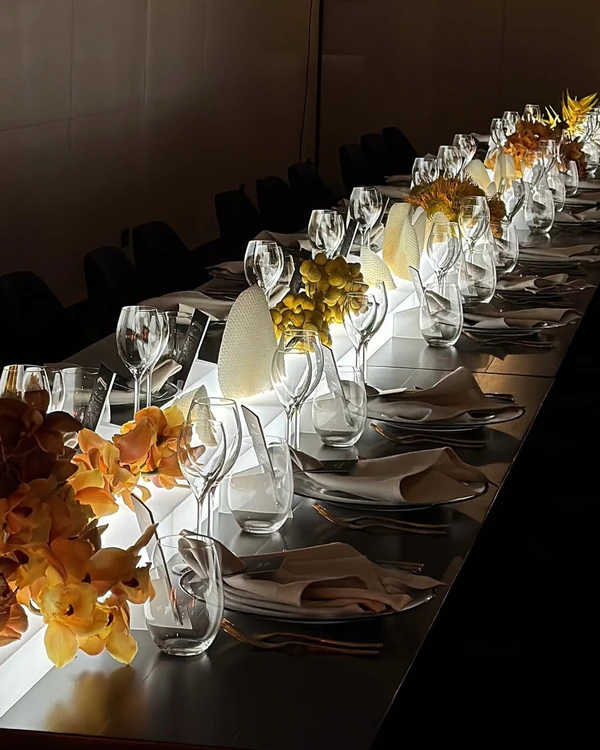
A thoughtful wedding budget is ultimately an exercise in choosing. You will probably find that there are more beautiful possibilities than there is room for all of them, and that is where priorities become useful. Spend more where the difference will genuinely affect the experience you want, whether that means exceptional food, an amazing photographer, a band that keeps the dance floor full, or a venue that gives you the atmosphere you imagined. Then look at the elements that matter less and ask whether there is a simpler way to achieve the same feeling.
Compromise does not have to mean choosing the cheapest option. Sometimes it means changing the date, reducing the guest count, editing the floral scheme, reconsidering an elaborate stationery suite, or letting the architecture of the venue do more of the decorating. The best conversations are not about who gets their way, but about which choices serve the wedding as a whole.
Leave Room for the Costs
You Didn’t Anticipate
Even the most carefully constructed wedding budget will encounter expenses that were easy to overlook at the beginning. Service charges, taxes, gratuities, alterations, postage, transportation, overtime, last-minute rentals, and small additions can quickly accumulate once planning moves from ideas to contracts. Some costs are not particularly glamorous, which is precisely why they are so easy to leave out when you're mentally calculating the price of the wedding.
Look closely at what each vendor's quote actually includes, and pay attention to the difference between a starting price and the final amount you are likely to pay. It is also wise to keep a portion of the budget uncommitted rather than allocating every available dollar on day one. A wedding budget with breathing room is not less ambitious, it is simply more honest about the fact that a real celebration rarely unfolds exactly as the first spreadsheet.


Keep the Conversation Going as You Plan
Your wedding budget should evolve as the wedding itself becomes more real. The number that felt right before you visited a venue may look different once you understand its catering minimum, while a photography quote might make you realize that something you assumed was essential is actually less important than you thought. Keep track of what has been committed, what remains available, and which decisions are still flexible, a regular budget check-in can be as simple as sitting down once a month and looking at the numbers without turning the conversation into a negotiation. Circumstances can change, too, and your budget should have enough flexibility to acknowledge that rather than forcing you to pretend nothing has shifted. Most importantly, keep asking the same question you asked at the beginning: does the way we're spending reflect what matters to us?