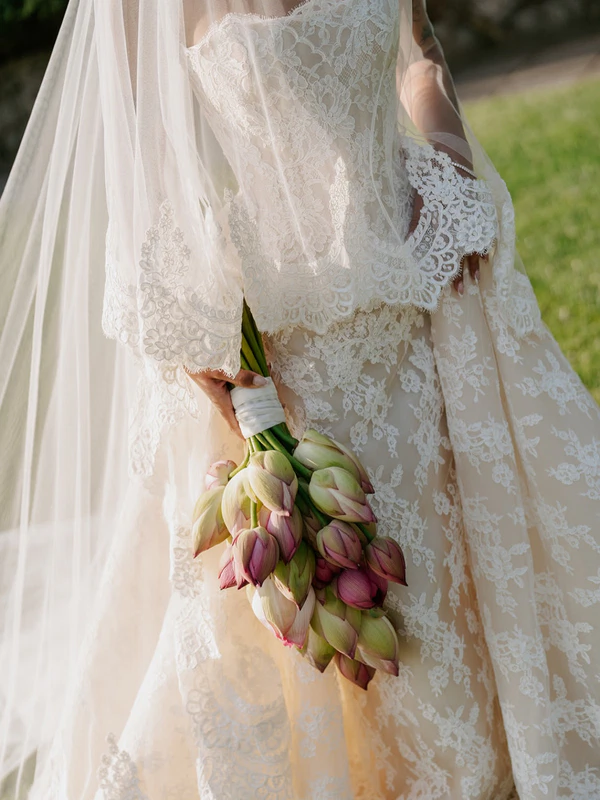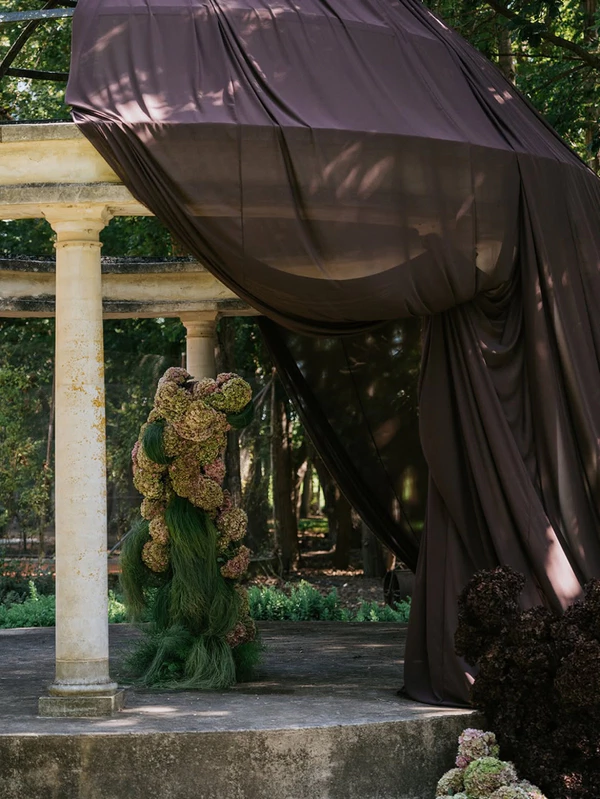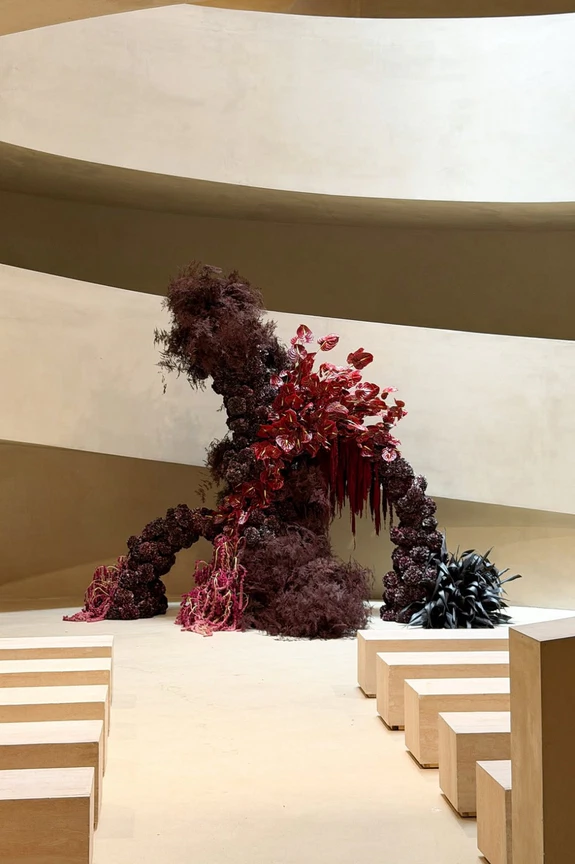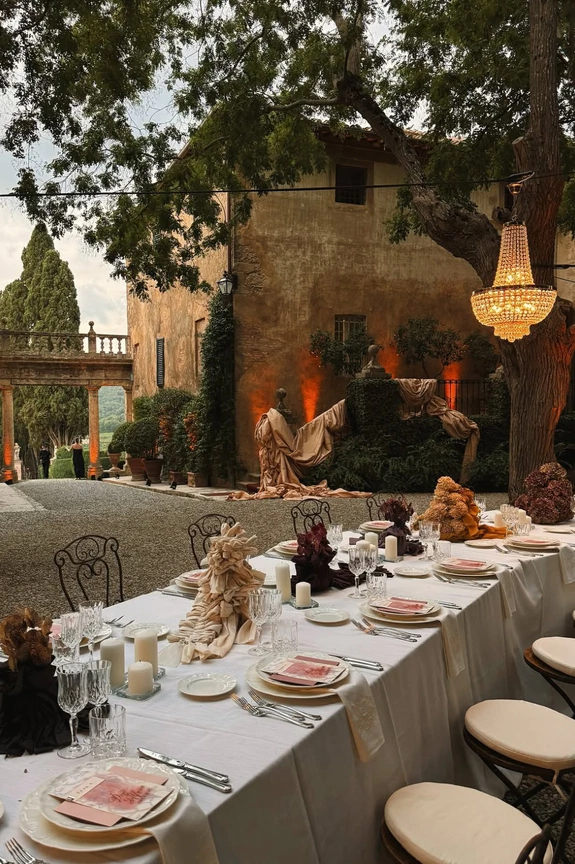
Not everyone dreams of walking into a room to 150 pairs of eyes, holding a microphone while everyone waits for you to speak, or spending an entire evening being told to "look this way" for another photograph. You can be deeply in love, excited to get married, and genuinely looking forward to celebrating with the people you love and still have absolutely no desire to be the center of attention. For introverted couples, wedding planning can bring a strange contradiction into focus: the day is supposed to feel personal and intimate, yet so many familiar wedding traditions are built around being seen, watched, photographed, and celebrated in public. That doesn't mean you need to elope, shrink your guest list to ten people, or force yourself into a quieter version of someone else's idea of a wedding. It means you have an opportunity to rethink the celebration from the inside out, choosing the traditions, timeline, guest list, venue, and wedding photography. Here’s how to plan a wedding when you hate being the center of attention and create a day that feels unmistakably, wonderfully yours.
Remember: You Can Change
the Rules of Your Wedding
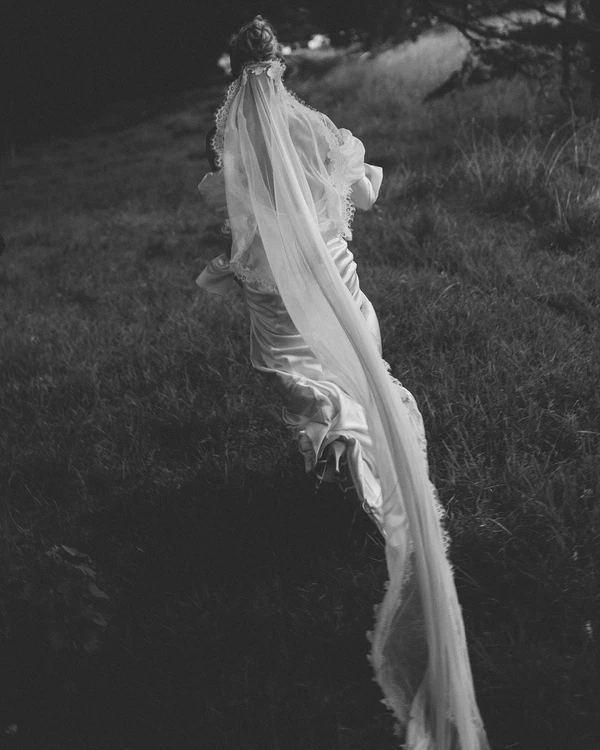
There is no rule that says your wedding has to look, sound, or feel like anyone else’s. If the idea of walking into a room to applause, spending hours greeting guests, or having every meaningful moment happen in front of an audience makes you tense, that is useful information, not a personality flaw to overcome. Wedding traditions are a starting point, not a mandatory itinerary, and modern couples have more freedom than ever to edit the day around what actually feels good. You can have a big wedding without a grand entrance, exchange private vows instead of saying them in front of 150 people, or skip the first dance entirely if dancing while everyone watches sounds unbearable. An intimate wedding can still feel beautifully considered, while a larger celebration can be designed with pockets of privacy and calm.
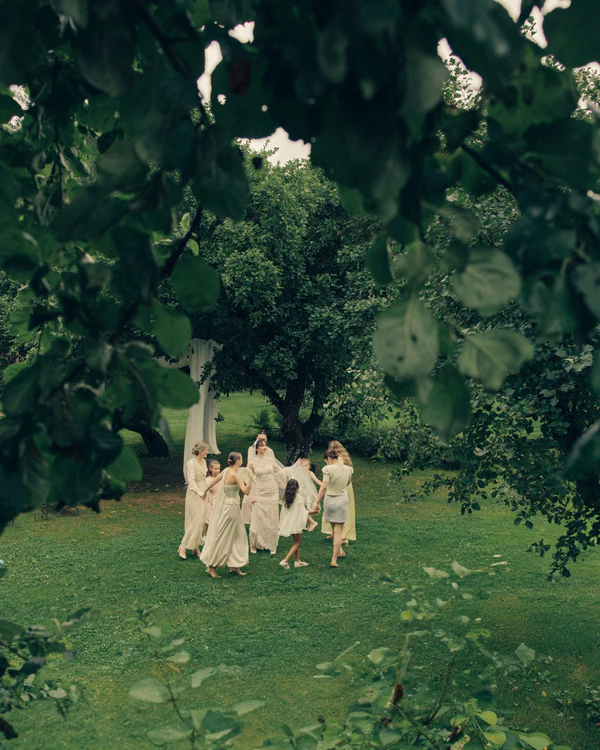
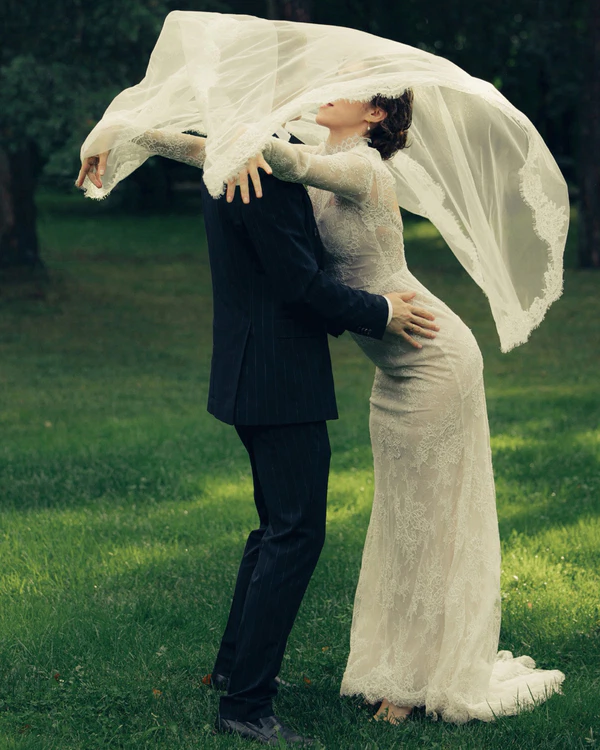
Figure Out What Kind of Attention
Actually Makes You Uncomfortable
Maybe you love a crowded dinner but hate giving a speech, enjoy candid photographs but freeze when a camera is deliberately pointed at you, or feel perfectly comfortable talking one-on-one but drained by a receiving line with 100 guests. Before cutting the guest list or booking a tiny venue, make a list of the moments that genuinely make you uncomfortable and look for the pattern underneath them. Is it public speaking, physical performance, constant conversation, being watched, or simply having no chance to retreat? Once you know the trigger, you can solve the actual problem rather than redesigning your entire wedding around the assumption that introversion requires a small celebration. A wedding planner, photographer, or trusted friend can also help you spot practical alternatives you may not have considered.
Build a Guest List That
Lets You Be Present, Not Perform
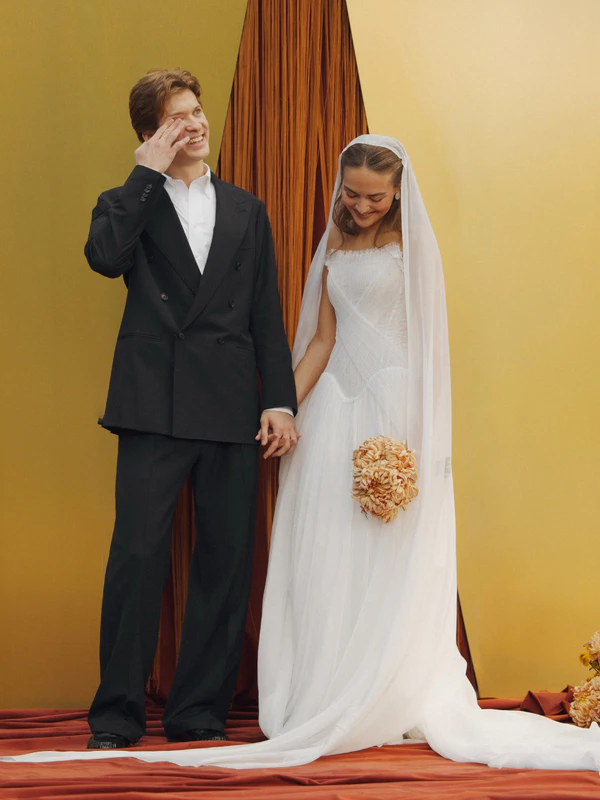
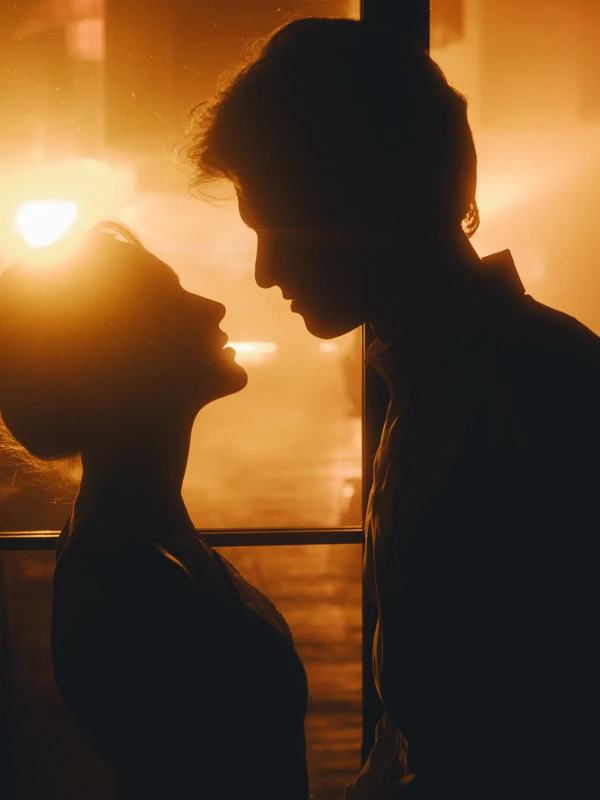
Your guest list determines far more than the number printed on your invitation count, it shapes the social experience of the entire wedding day. With 40 people you know deeply, you may find yourself relaxed enough to linger over dinner, laugh without thinking about who is watching, and actually remember the conversations you had. With 140 guests, even a warm and familiar crowd can become a constant stream of introductions and small talk. That doesn't mean every introverted couple should elope or have a micro wedding, but it does make the guest list worth considering through a different lens. Instead of asking whether someone should be invited because they're a colleague, distant relative, or family friend, ask whether their presence will make the day feel more connected to the life you're building together. If a larger celebration matters to you, create structure that reduces the social marathon: let guests mingle without expecting you to visit every table, give yourselves a private meal, or plan a quiet moment away from the reception.
Plan a Wedding Day
With Plenty of Space to Breathe
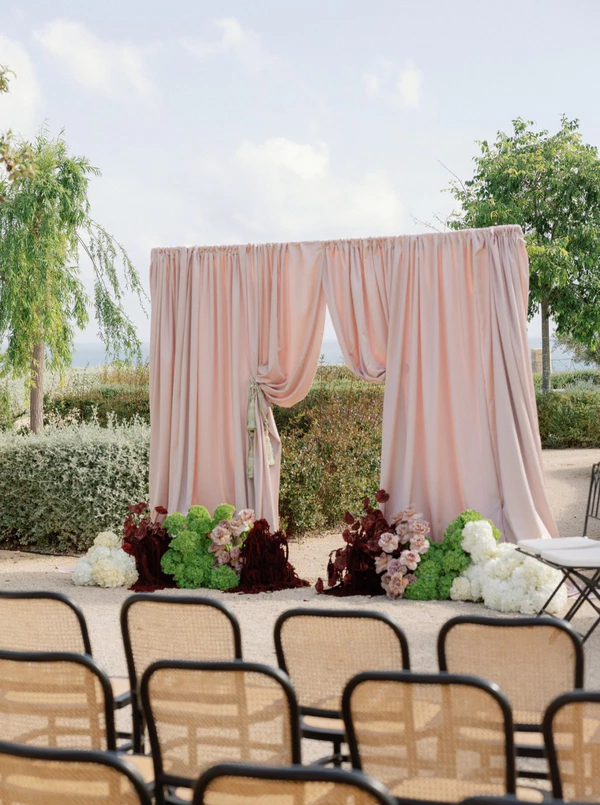
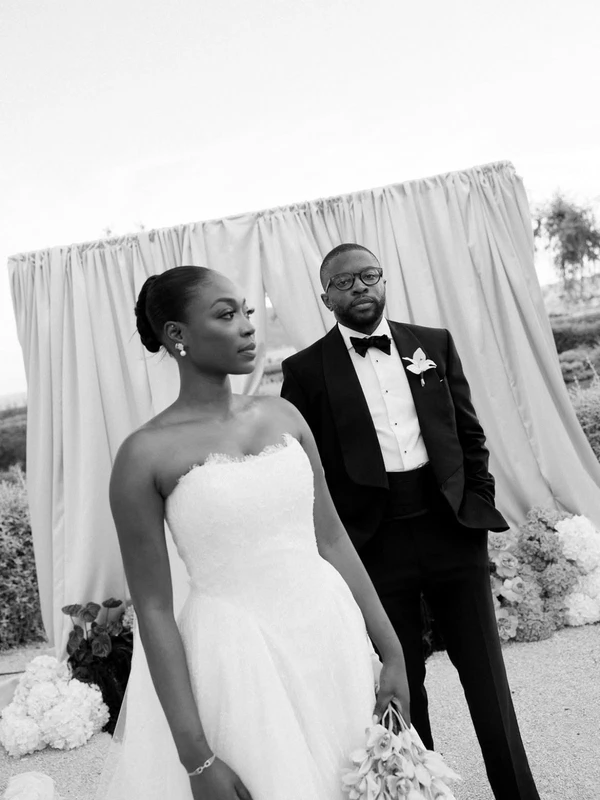
A wedding timeline can look perfectly reasonable on paper and still leave you feeling socially exhausted before dinner arrives. Getting ready with a full room of people, taking formal portraits, greeting guests at cocktail hour, entering the reception, cutting the cake, dancing, making speeches, and moving from one scheduled moment to another creates a day with almost no transition time. For introverted couples, those gaps matter. Build in moments when nobody needs anything from you: a private breakfast, ten quiet minutes after the ceremony, a secluded place to eat dinner, or a short walk together before the reception gets underway. You can even ask your planner or coordinator to act as a buffer, keeping vendors and well-meaning guests from filling every pause in the schedule. Think of the timeline as a rhythm rather than a checklist, with high-energy moments balanced by stretches where you can simply exist together.
Rethink the Wedding Traditions
That Put You in the Spotlight
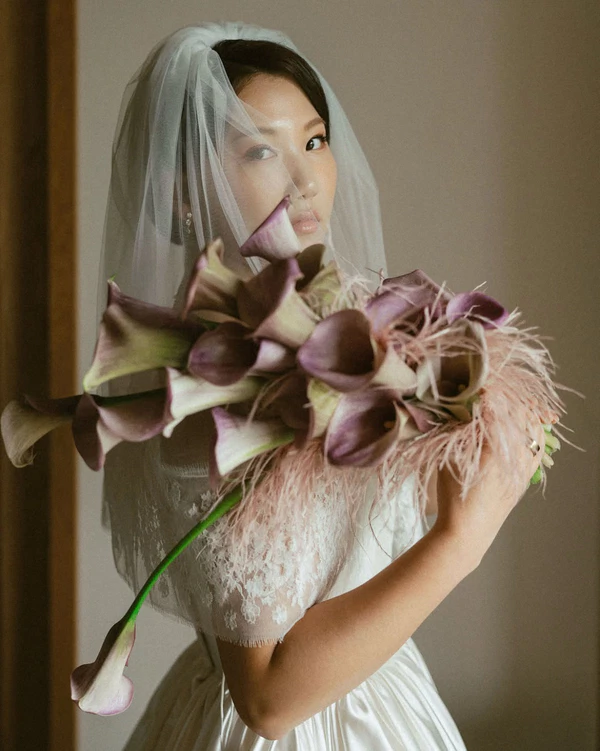
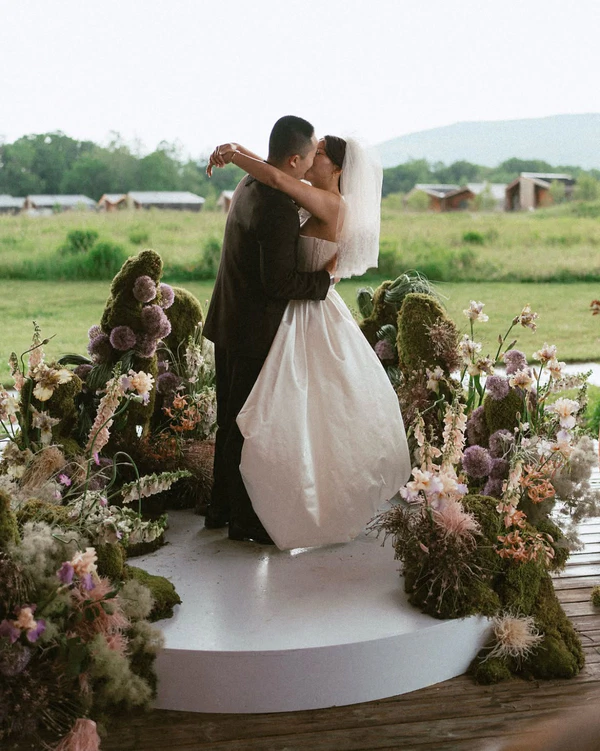
Some wedding traditions are beloved precisely because they create a moment everyone gets to witness, but that doesn't mean every couple needs to enjoy being the main event. If a grand entrance makes you feel like you're walking onto a stage, enter the reception naturally. If the thought of a first dance in front of a packed room makes your stomach drop, dance privately before guests arrive or skip it altogether.
The same thinking applies to parent dances, bouquet tosses, cake cutting, wedding games, formal introductions, and speeches that turn the couple into a captive audience. You don't have to reject tradition wholesale, either. Sometimes a small adjustment changes the entire energy of a moment. Exchange personal vows privately and save a shorter ceremony reading for the guests, move speeches into dinner so they feel conversational rather than theatrical, or invite everyone onto the dance floor instead of making the couple the sole attraction. A modern wedding can still have all the emotional markers people love without turning the couple into performers.
Choose Wedding Photography
That Feels Natural, Not Performative
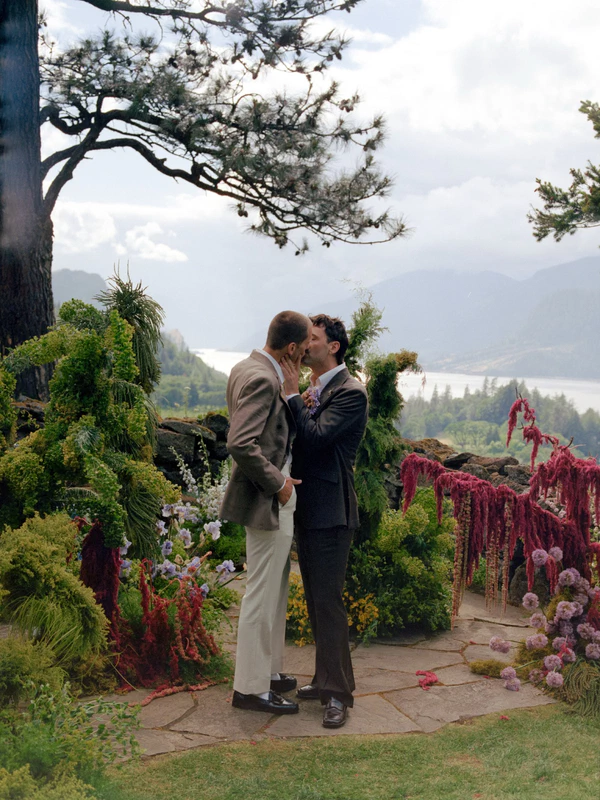
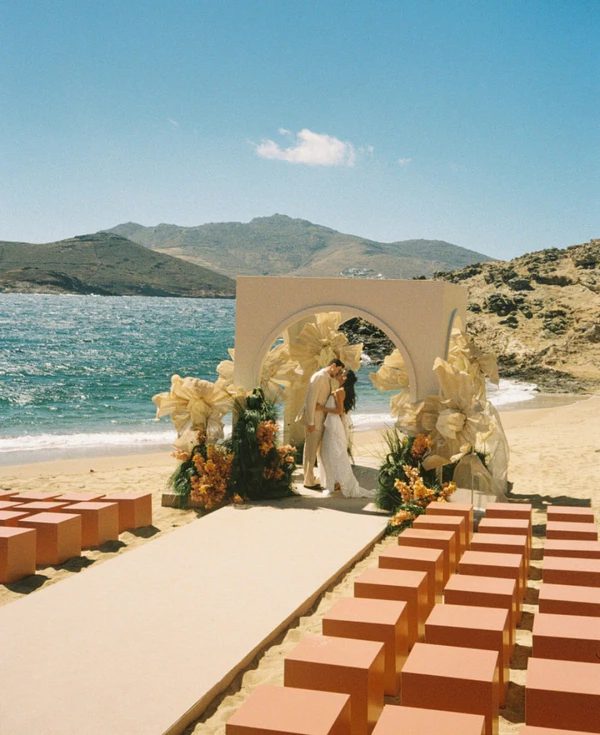
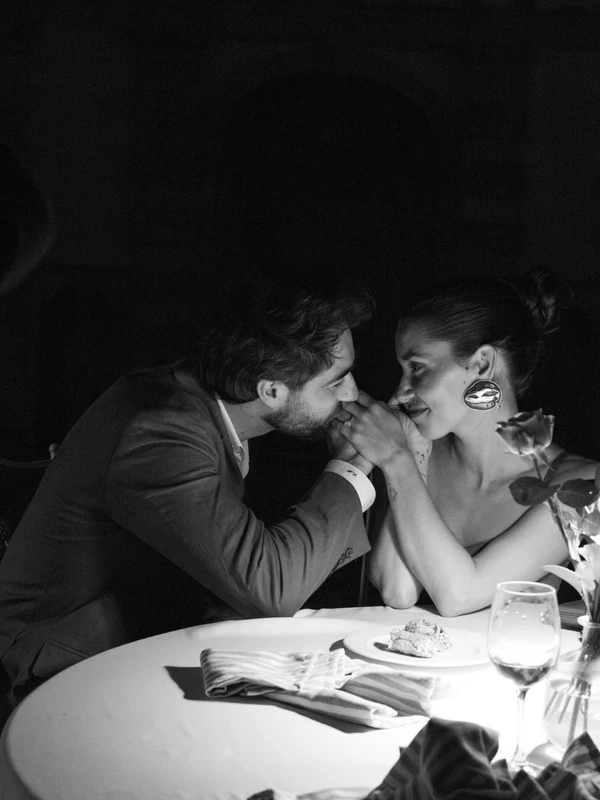
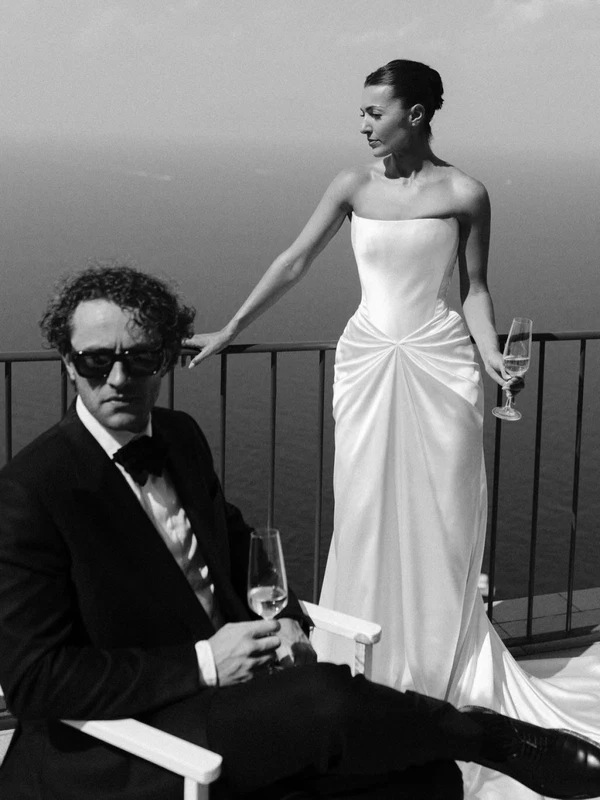
For couples who dislike being the center of attention, the idea of spending hours being posed and directed can make wedding photography feel like another performance. The answer isn't to avoid photographs, it is to find a photographer whose approach allows you to forget about the camera whenever possible. Look for documentary style photographers that prioritizes real interactions alongside a smaller number of intentional portraits, and tell your photographer exactly what makes you uncomfortable before the wedding day. You might prefer walking portraits over static poses, taking couple photos somewhere private, or keeping formal group photographs short and organized rather than turning them into an extended production. A good photographer can also build portraits around movement and conversation, giving you something to do instead of asking you to simply "look natural" while standing still. Consider the difference between being photographed for the photograph and being photographed while actually experiencing the day.
Tell Your Wedding Vendors & Guests
What You Actually Need
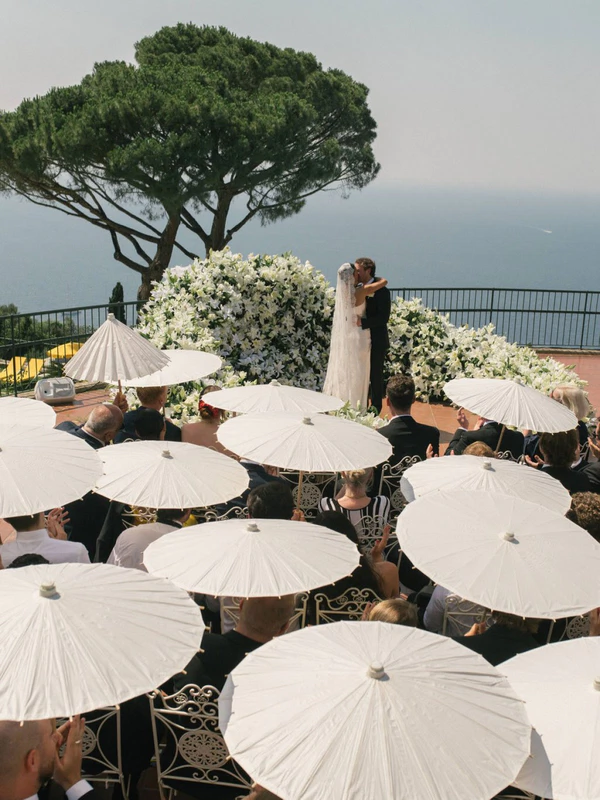
You don't have to quietly endure wedding day discomfort and hope everyone somehow understands your preferences. Your vendors are there to help shape the experience, so tell your planner, photographer, DJ, officiant, and wedding party where you want boundaries around attention, surprises, photographs, speeches, and announcements. If you don't want to be pulled into spontaneous games, ask the DJ not to involve you, if you hate public speaking, don't leave your vows or reception remarks to chance.
The same applies to guests, particularly close family members who may have their own expectations about what a wedding should include. You can communicate those boundaries without making the wedding feel rigid: "We want the reception to feel relaxed," or "We'd love lots of candid photos and just a few posed portraits" is enough to set the tone. The more your team understands how you want to experience the day, the less energy you'll spend managing uncomfortable moments yourself. Good wedding planning isn't only about choosing flowers, menus, and music, but also about designing an environment in which you can feel like yourselves.