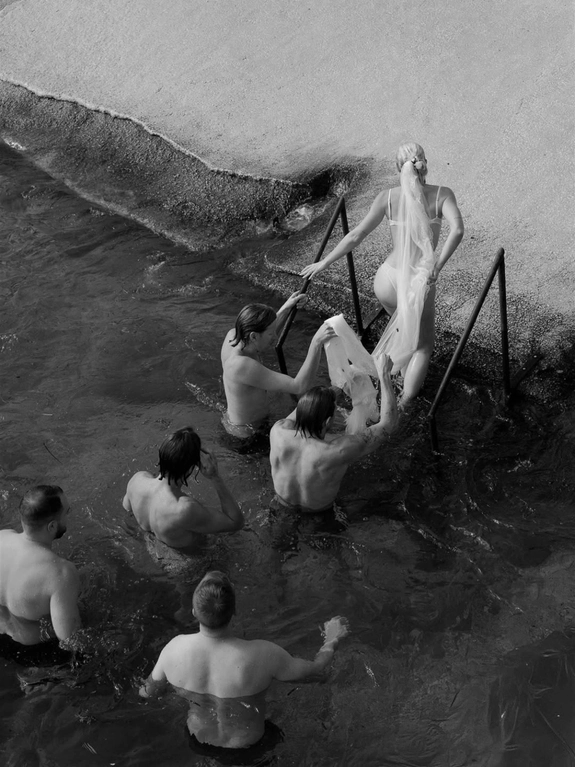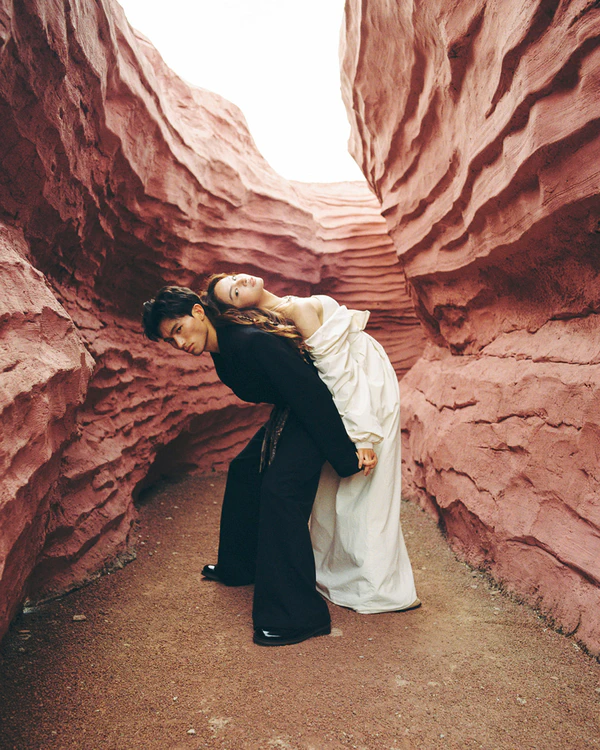
There are wedding photos that are simply captured, and ones that make you feel something. The difference isn't styling, the venue, or even the photographer's eye, it all comes down to the format. Digital is fast, efficient, and built for volume while analog, on the other hand, is unpredictable and rich. A single roll carries weight; every frame costs something, and that pressure produces images with a different quality of attention. That's why film photography is back on the wedding radar, and for good reason: it rewards couples willing to trust the process and photographers brave enough to shoot it well. Sammy Erye An of Erye Film, the Hong Kong-based photographer whose color-saturated, editorial work has taken her from New York to Japan, shares five compelling reasons couples should be considering film to capture their wedding day.
Intentional Framing & Storytelling
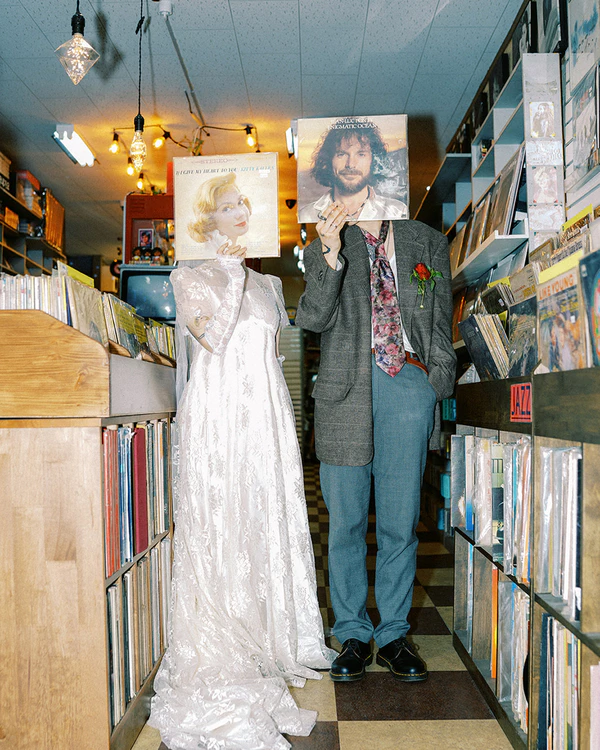
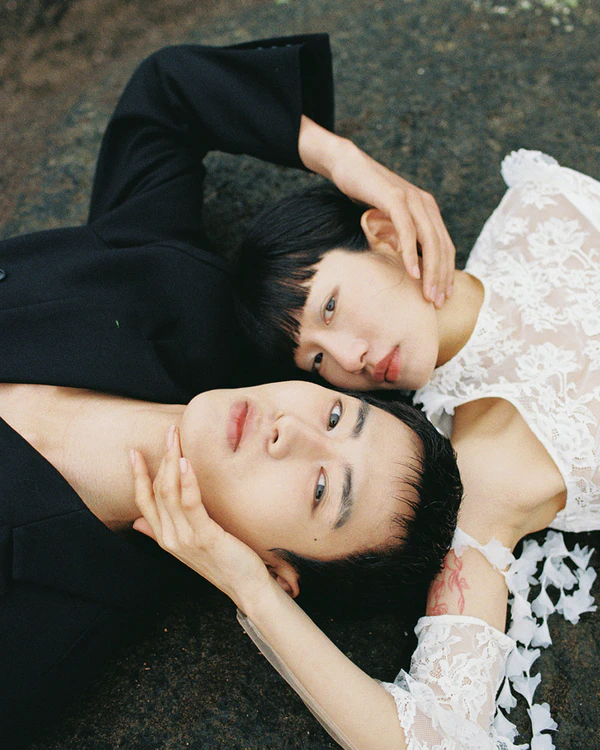
Film does not allow you to review each frame until developed. This completely changes the way a photographer approaches a wedding day as each shot is carefully composed and timed, creating photographs that feel deliberate and meaningful. This intentionality translates into stronger storytelling and more impactful images rather than overshooting and sorting through thousands of nearly identical images.
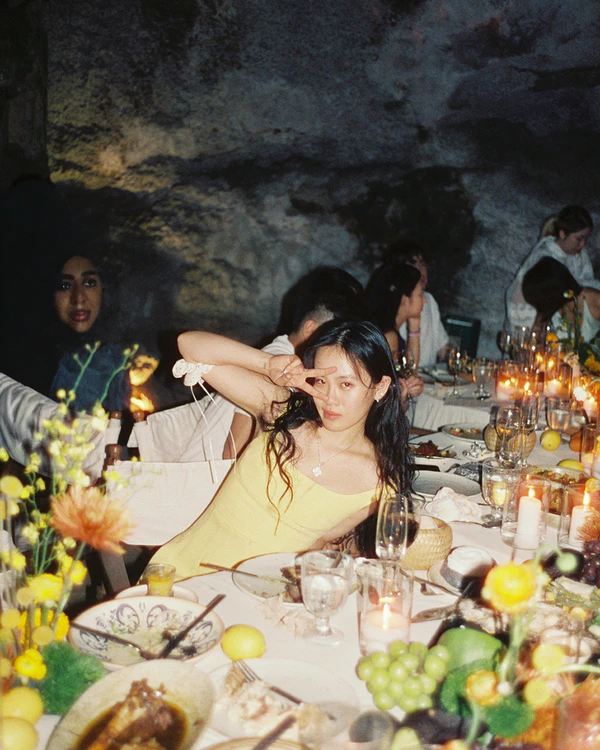
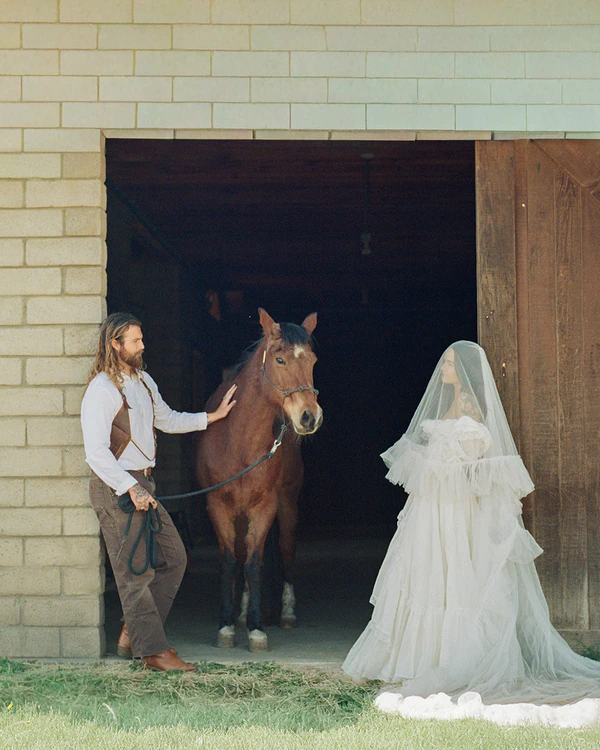
"This intentionality translates into stronger storytelling and more impactful images rather than overshooting and sorting through thousands of nearly identical images."
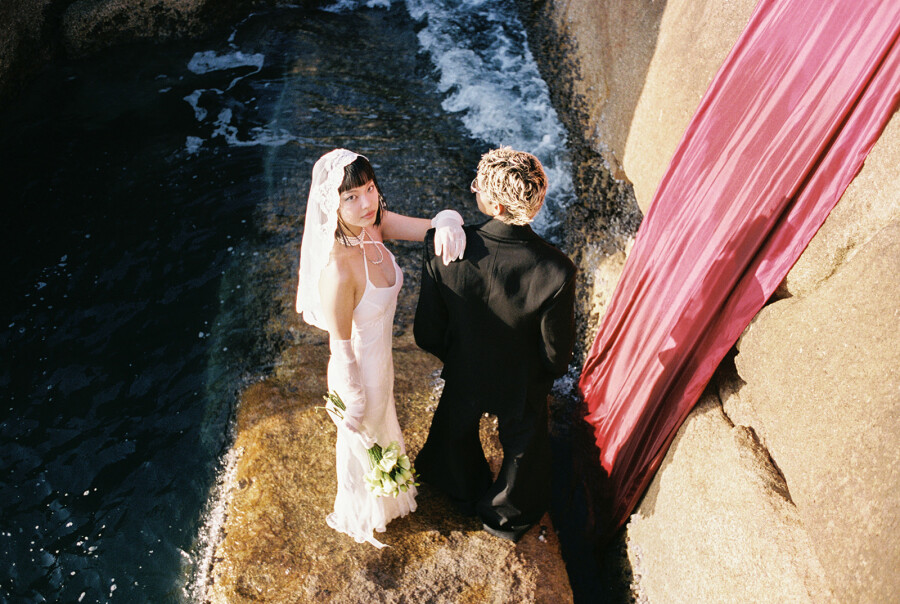
Film Photographers Have an Exceptional
Understanding of Light
Film forces photographers to understand light in a technical, mechanical sense, as the most important factor to film is light, and they can't rely on reviewing each frame after the shot. They are also adept at reading the light quickly, as wedding days move fast and there are constantly moving subjects at different angles. This often results in film photographers who are highly technically skilled with light and shadow.
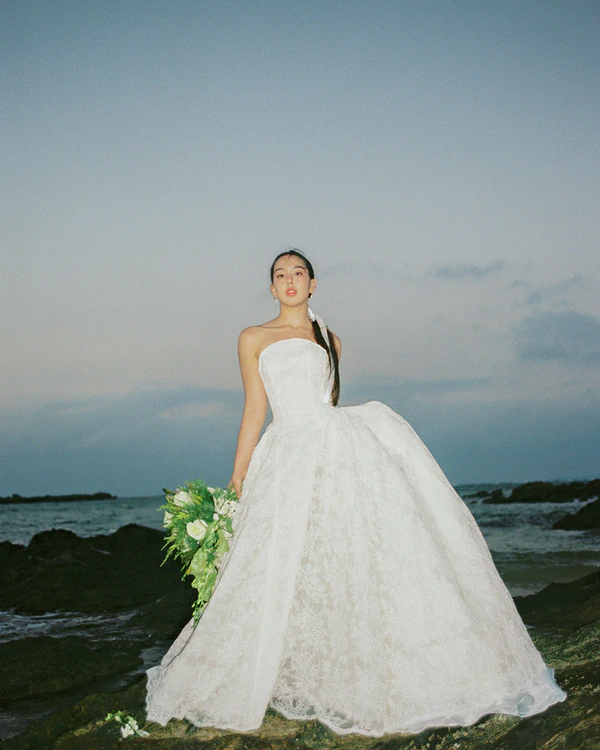
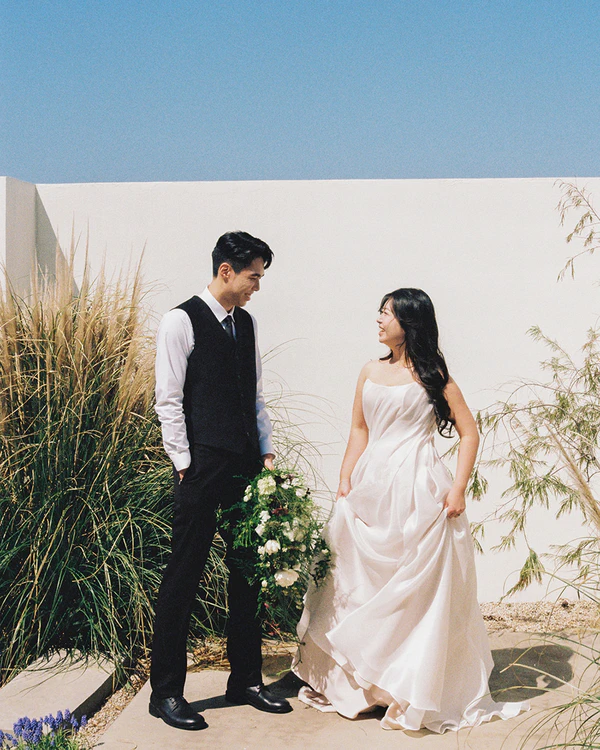
The Depth of Light & Color
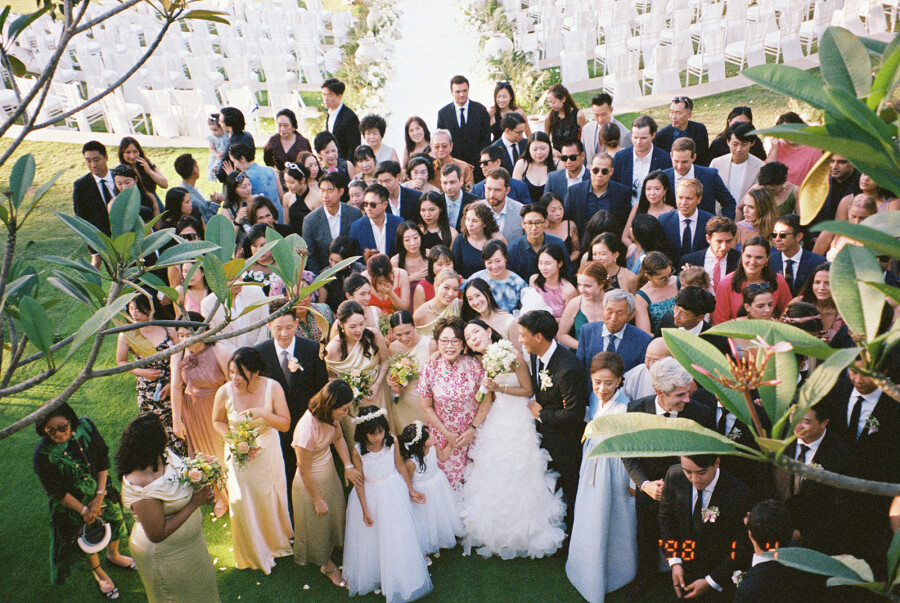
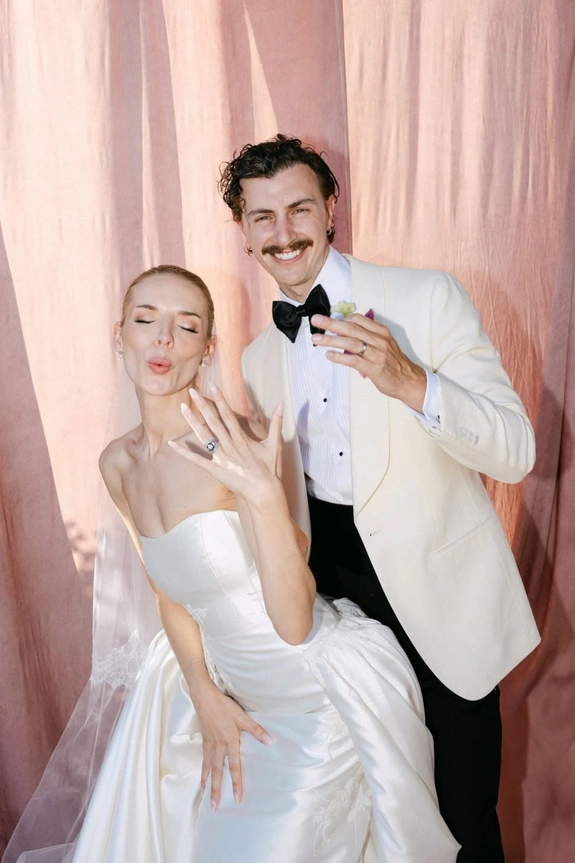
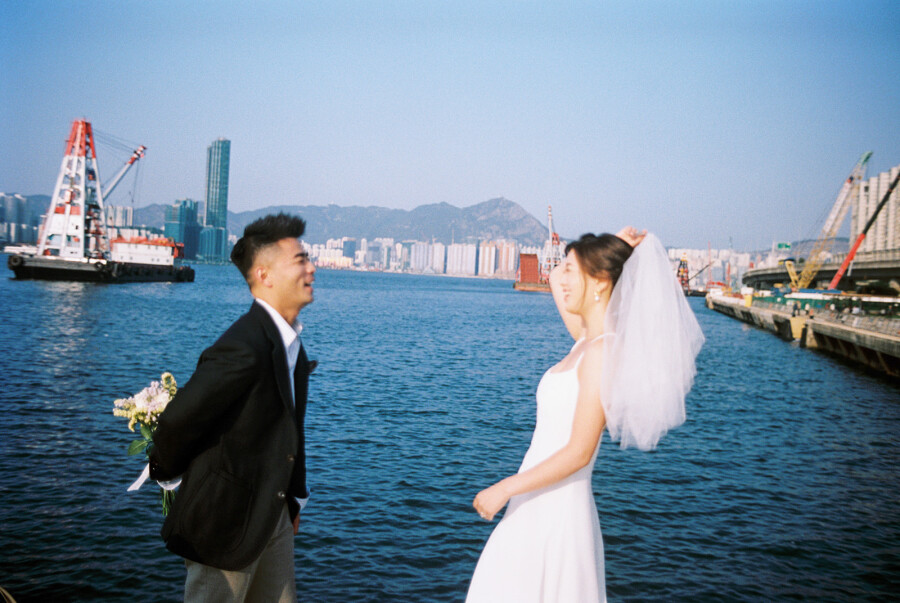
The way film renders skin tones, whites, greens, and different types of light creates a depth and color profile that photographers have spent decades trying to replicate digitally. There’s a reason so many digital edits are inspired by film, yet film itself remains the benchmark. This may be a controversial take, but if you are having a wedding in difficult lighting, I want to recommend film as it handles the harshness better than digital.
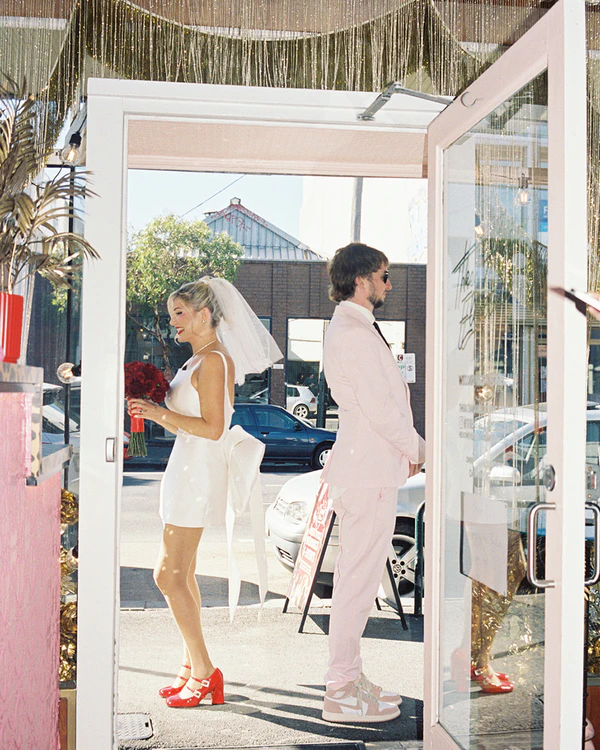

"The way film renders skin tones, whites, greens, and different types of light creates a depth and color profile that photographers have spent decades trying to replicate digitally."
Experienced Film Photographers Thrive
in Unscripted Moments
Wedding days rarely go exactly according to plan. Lighting changes unexpectedly, timelines run late, weather shifts, and emotional moments happen without warning. Shooting digital is difficult enough. Most film cameras are decades old — they are prone to heat, cold, humidity, rain, endless technical issues, and many are completely mechanical. Working with film cameras forces the photographer to have an extensive understanding of their gear, as well as multi-tasking between film and digital, and improvisational skills to shoot through all kinds of changing factors.
A Timeless Medium
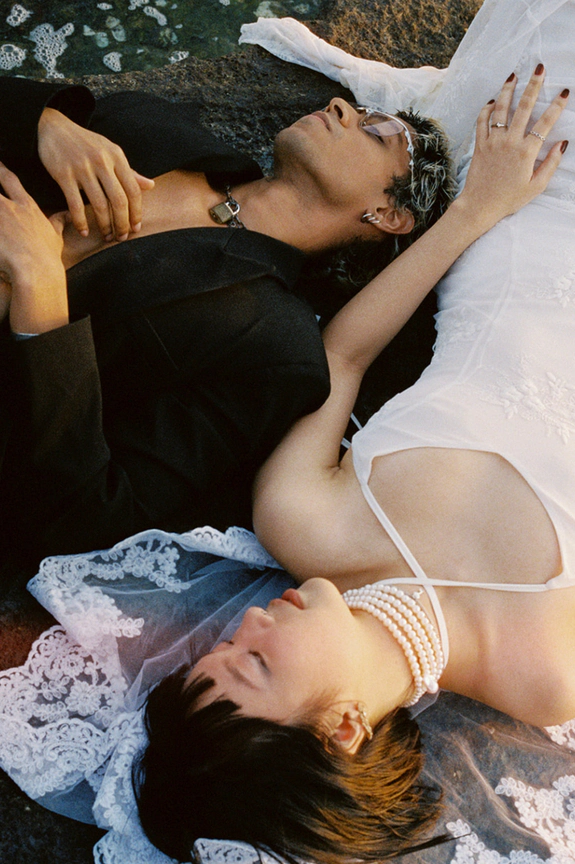
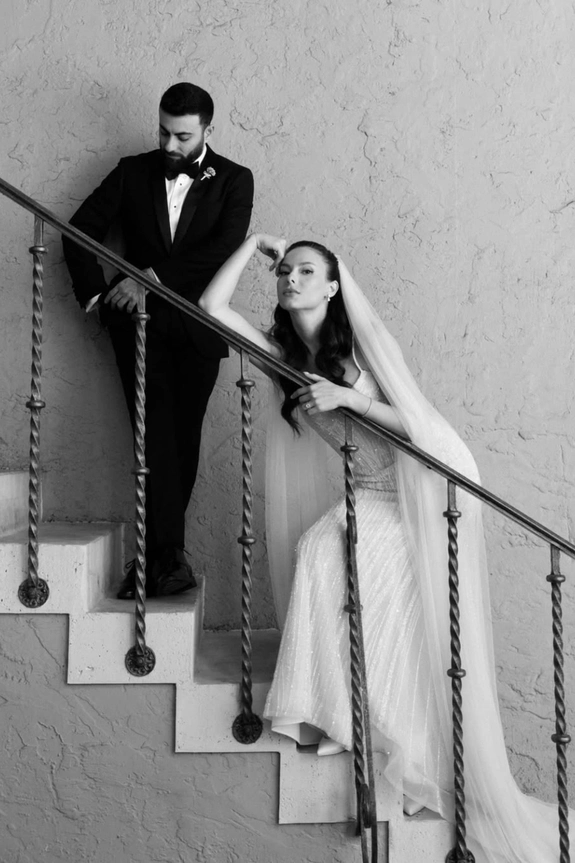
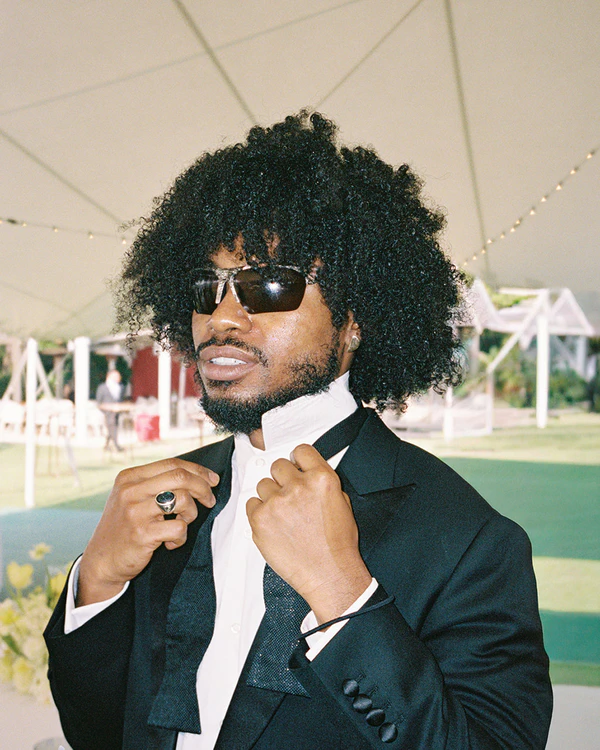
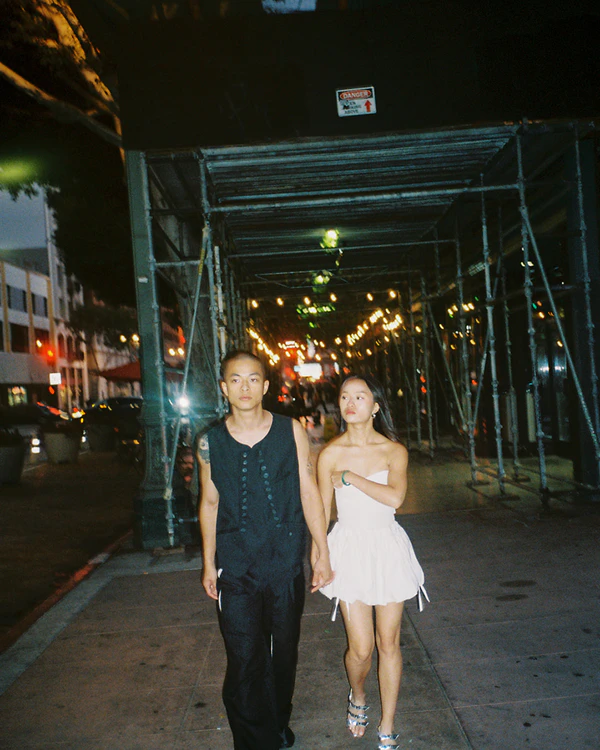
Wedding trends come and go, but film photography has remained beautiful across generations. The subtle grain, rich tones, and organic texture give images a classic look that doesn’t feel tied to a particular editing style or era. Looking through film photographs years later often feels just as relevant and beautiful as the day they were taken. It’s an investment in imagery that ages gracefully.
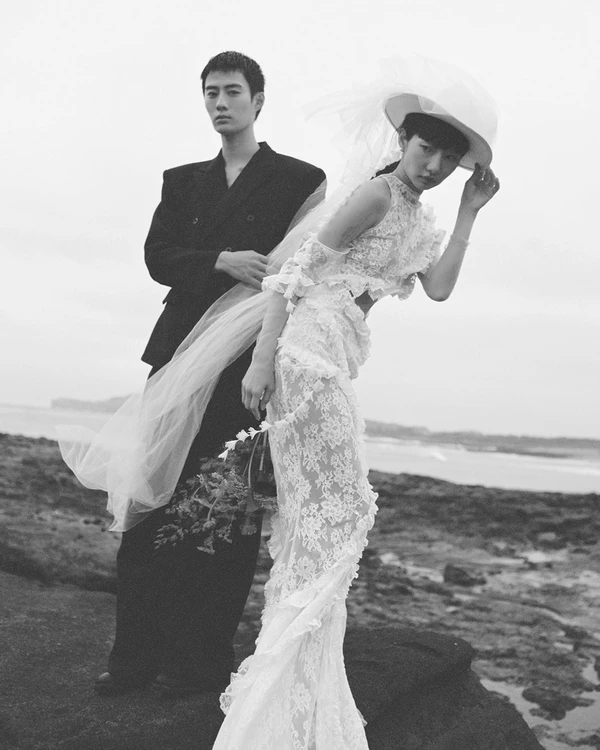
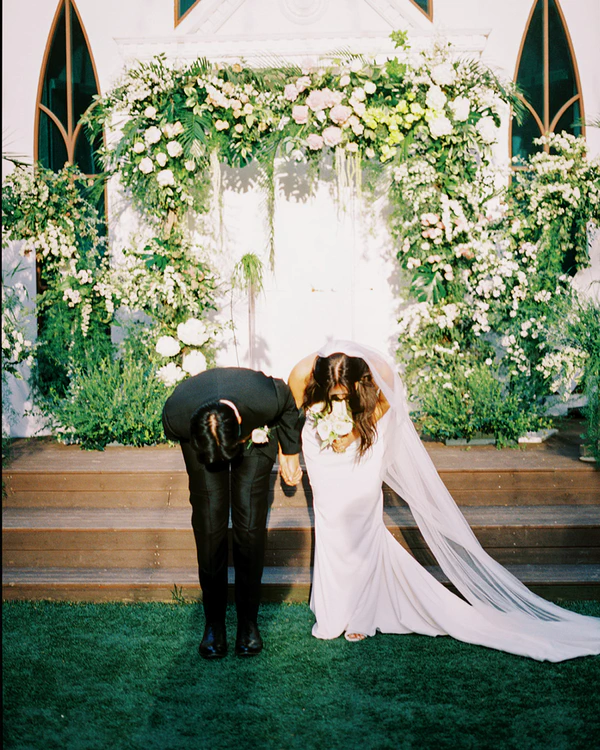
"Wedding trends come and go, but film photography has remained beautiful across generations."